The Fragile Balance: Escalation and Uncertainty in US-Iran Tensions
The talks between Washington and Tehran about ending the ongoing war? They’re still moving, right? On track, they say. But that feels like a cruel joke sometimes, doesn't it? Because just as negotiations keep shuffling along, renewed hostilities keep popping up hostilities that threaten to completely derail whatever delicate ceasefire was supposed to be hanging in the air since April. It’s all very brittle now.
The situation on the ground keeps shifting, piece by piece, and you have to watch where the pieces land.
The United States military moved again recently. A fresh round of strikes launched against targets deep inside Iran. This happened right after President Trump made those very public warnings that American forces would keep attacking, even after Tehran managed to shoot down one of their Army helicopters. That kind of brinkmanship just escalates things faster than anyone can manage.
And the reaction? Iran hit back hard. They started counterattacks. Eighteen targets across airbases in Kuwait, Jordan, and Bahrain got hit by Iranian forces. It’s this constant ping-pong game happening simultaneously strikes followed by immediate retaliation. You look at the map, and it just looks like chaos building up.
But somehow, despite all that fire, these talks didn't stop dead. Overnight negotiations managed to keep moving forward, according to a diplomatic source who was very close to the situation. They said they are still on track for some sort of deal between the US and Iran. That kind of persistence is hard to pin down when things are this volatile. It’s almost unbelievable that any progress can be made when threats are flying around every corner, especially given Iran’s repeated warnings about a harsher response in reaction to Trump's aggressive rhetoric.
It just makes you wonder what the real leverage is. Is there truly an alternative path? Or are they just talking through the smoke?
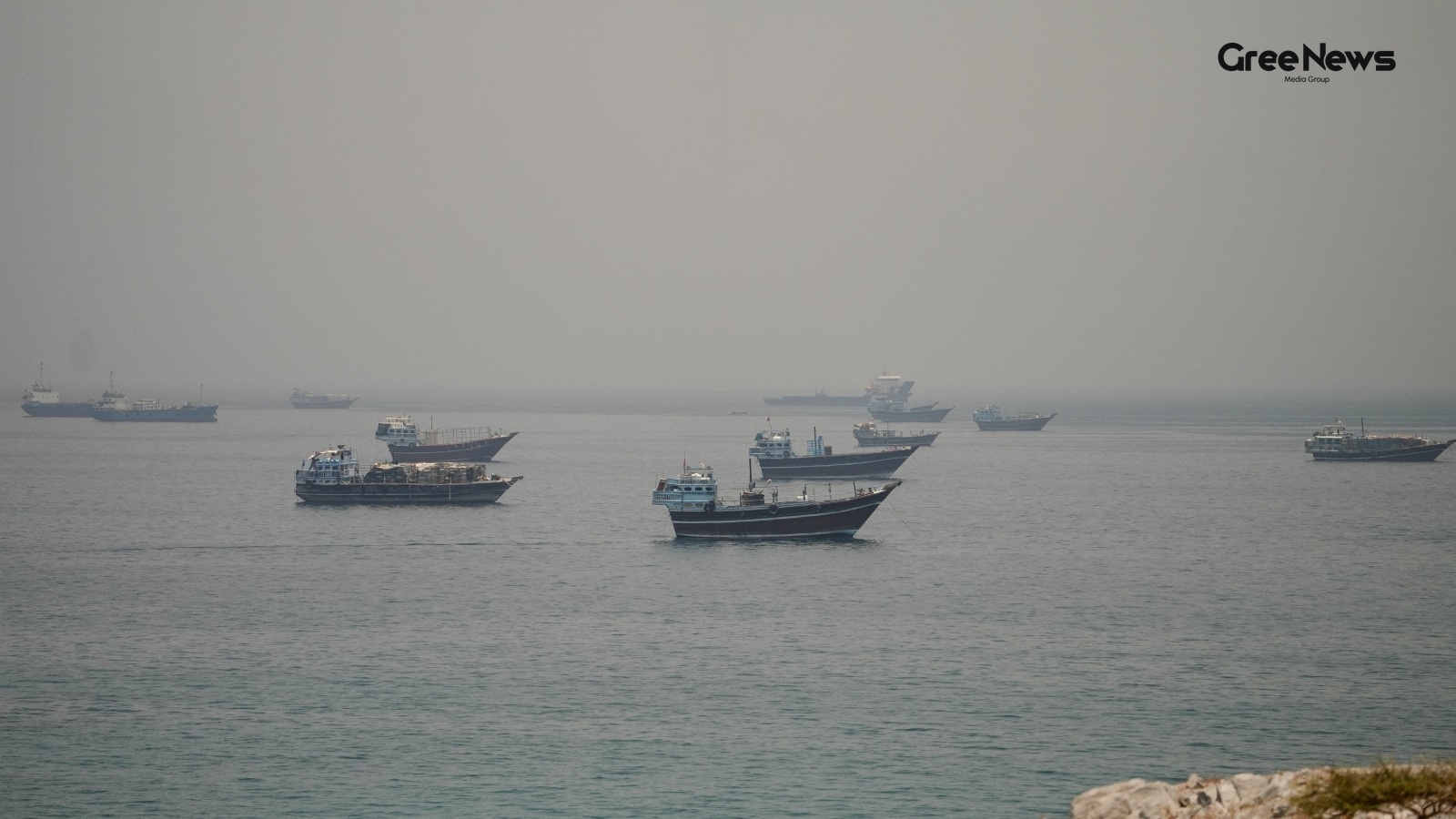
Then there’s the physical choke points. The Persian Gulf Strait Authority that Iranian government agency responsible for overseeing transit through the vital Strait of Hormuz they announced it was closed until further notice. It’s a very blunt statement, isn't it? Just shutting off the flow.
“Due to the tensions created by the US aggression forces in the region and the announcement by the Iranian armed forces last night, the strait of Hormuz will be closed until further notice,” that’s what they said. The implication is clear: the passage is halted because of the tension caused by the regional military actions.
And here’s where things get complicated. The US military had earlier pushed back against Iran's claims about the closure, saying commercial ships were still moving in and out of the strait. They disputed that claim. It seems like a constant tug-of-war over who controls the narrative regarding access and safety in this vital waterway.
Meanwhile, while all this political maneuvering was happening, there was a very sharp, immediate tragedy unfolding somewhere else entirely. India’s Ministry of Ports, Shipping and Waterways confirmed something really grim on Thursday. Three Indian seafarers were killed. They died after a US strike hit an Iran-linked oil tanker in the Gulf of Oman on Wednesday.
It is deeply unfortunate to learn of that incident aboard the Palau-flagged MT Settebello. Three Indian seafarers who initially reported missing are now confirmed dead after bodies have been located and identified, Union Shipping Minister Sarbananda Sonowal said. That kind of loss the human cost attached directly to these geopolitical swings it just hits differently. It’s not abstract policy; it’s real lives on the line.
And you see the fallout spreading. Bahrain’s interior ministry also stepped in. They reported that an 11-year-old girl was injured. She fell from debris after Iranian drones were intercepted by air defenses in the capital, Manama and Hamad Town. Accidents like that... they just happen when things are being fought over up there.
The Jordanian military also made a statement about their own actions. Their air defense systems managed to intercept twenty missiles launched from Iran. The official line was that the interception resulted in missile debris falling in the area, but no injuries or material damage were reported. Still, you have to wonder about the collateral effects of those interceptions.
The denial side also flared up quickly. Iran’s Tasnim news agency jumped in and denied reports that a final understanding a text had actually been reached between Iran and the United States. They called these reports outright “fabrication.” They insisted they only reported what their own reporters obtained, saying the information was simply not accurate.
This denial is layered on top of earlier statements. Iran’s foreign ministry had previously argued that recent US attacks effectively rendered the April 8 ceasefire meaningless. They warned Washington would have to bear responsibility for the “very dangerous consequences of the escalation.” That sets a very heavy tone, doesn't it? It shifts the blame and demands accountability in a way that feels incredibly fraught right now.
It’s this overall escalation that sparks alarm everywhere else too. Even the highest levels of international diplomacy are struggling to find footing amidst this mess. UN Secretary-General Antonio Guterres stepped in, likening the current situation to a “lesser fire.” He urged all parties involved to really start working towards some kind of diplomatic settlement. A ‘lesser fire.’ That phrase feels almost deliberately understated when you’re watching missiles and border tensions flare up across the region.
Pakistan, for instance, is still trying to play the mediator. They said they will continue their efforts to end the war despite all this aggressive sparring between the US and Iran. And Turkey? They called on both Washington and Tehran to just stop this new round of attacks. It’s a chorus of appeals, but I wonder if any single voice carries enough weight when the ground beneath everyone is shifting so rapidly.
The whole thing feels less like calculated strategy and more like a massive, uncontrolled reaction. There are these smaller incidents a drone interception leading to an injury in Bahrain, a tanker sinking off the coast, claims of fabricated texts and then you have the grand strategic maneuvers involving the Strait of Hormuz and military strikes across the board. It’s all tangled up.
You watch how these separate threads interact, don't you? The diplomatic channels trying to hold onto a fragile peace while the military actions keep accelerating the risk profile exponentially. It’s messy. It’s imperfectly paced. And underneath all the official statements and the measured reports, there’s this raw sense of uncertainty that just hangs in the air.
Written by Gree News Team — Senior Editorial Board
Gree News Team covers international news and global affairs at Gree News. Our collective of senior editors is dedicated to providing independent, accurate, and responsible journalism for a global audience.
More from World
View All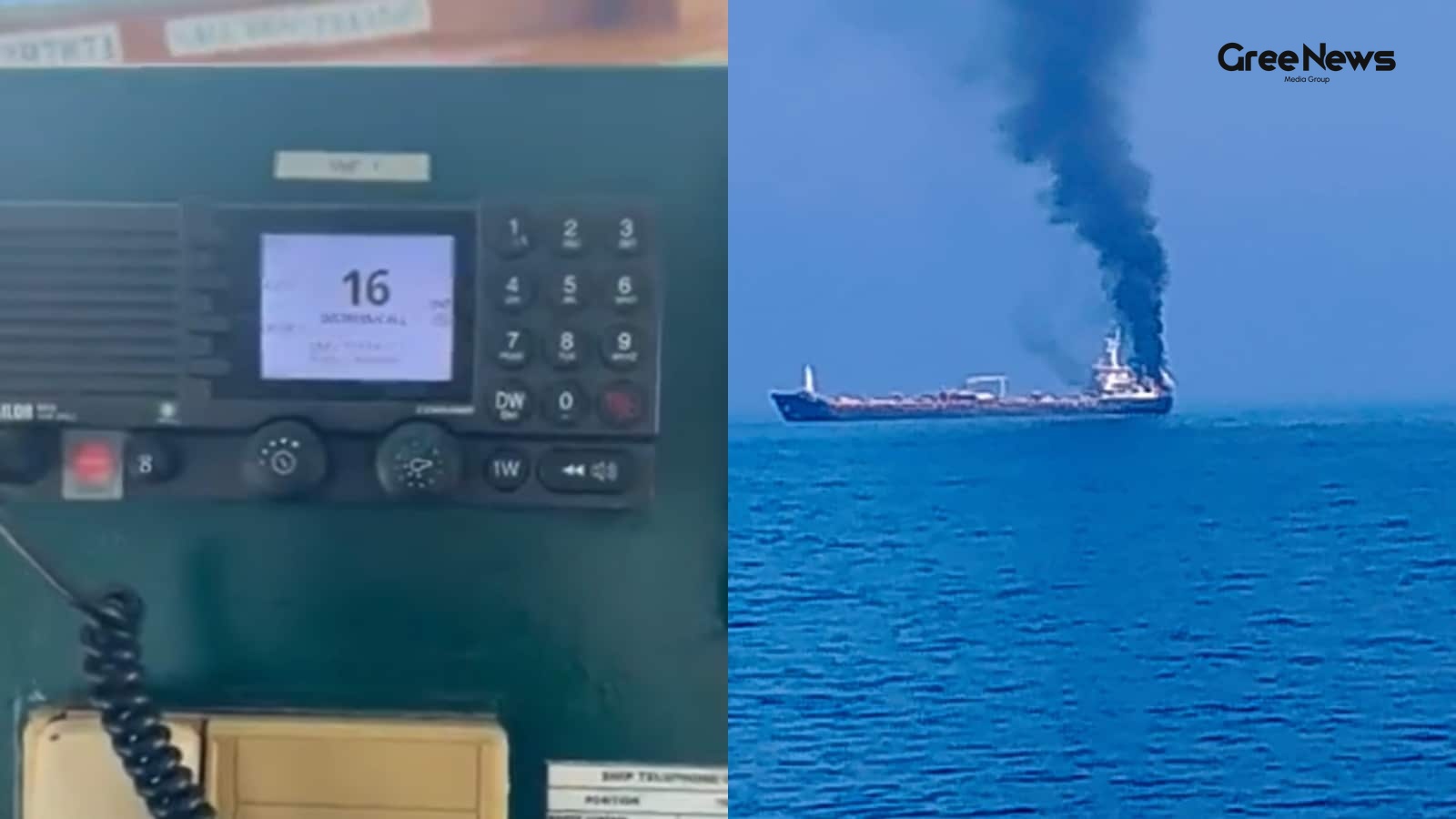
Maritime Security Incidents and US Navy Targeting Near Oman
Moments after the MT Jalveer that vessel carrying twenty Indian seafarers was reportedly targeted by the US Navy near Oman’s Shinas port, things started getting complicated. A video surfaced showing one of the crew members sending out an SOS signal. That call was supposed to inform port authorities
Jun 12, 2026 by Gree News Team
The Human Cost of Geopolitical Risk in the Maritime Industry
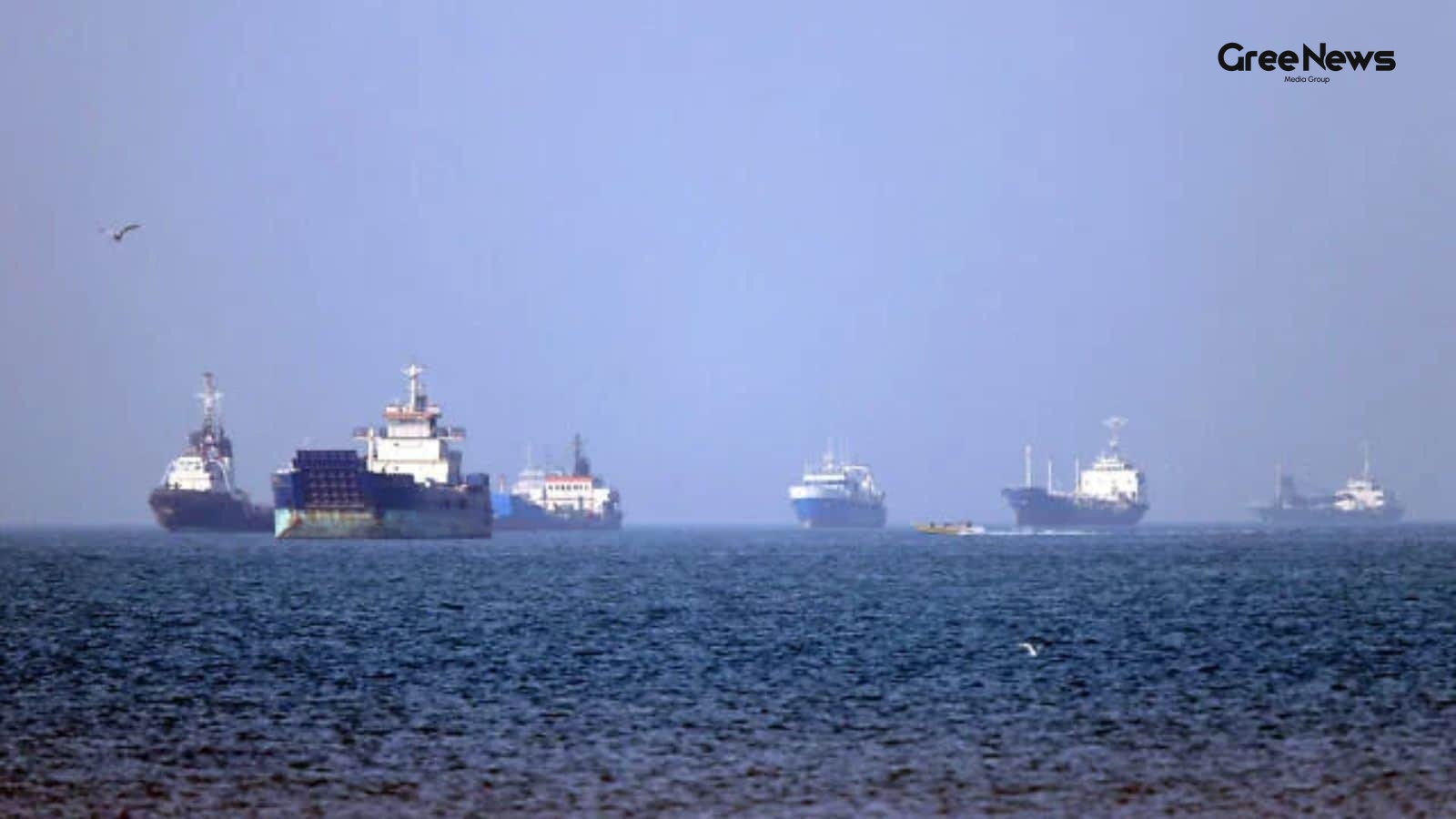
The reports coming out of the maritime zones are grim. Real, starkly painful stuff. We’re talking about lives lost in crossfire near choke points Strait of Hormuz, Gulf of Oman. Not abstract casualty figures. Actual sailors. Indian nationals caught in the middle of these global skirmishes. It’s a so
Jun 12, 2026 by Gree News Team
Kharg Island: The Critical Nexus in the US-Iran Oil Standoff
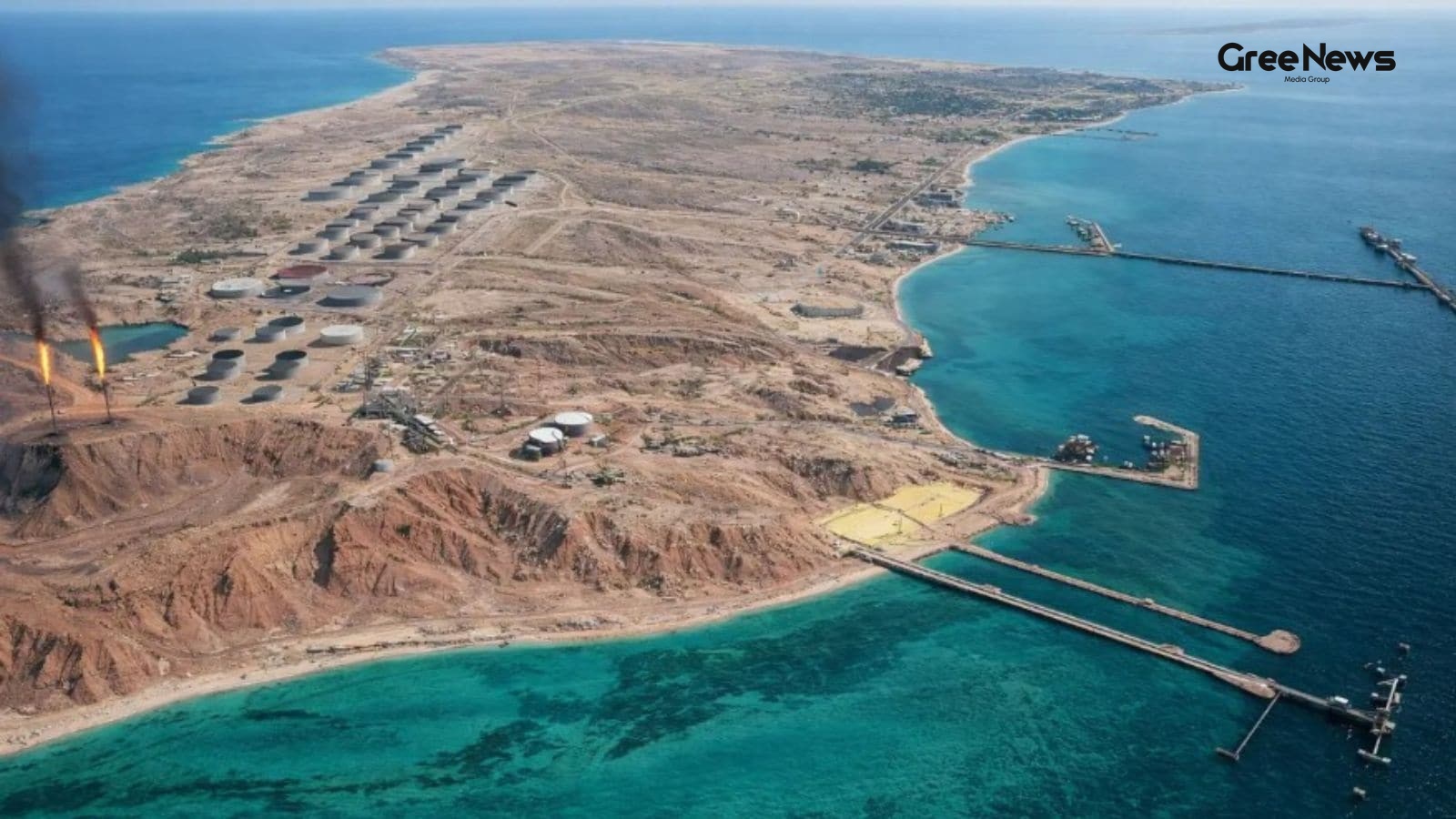
Donald Trump just escalated things again with Iran. He basically said the United States would take control of Kharg Island. It’s a small piece of land, but it’s absolutely crucial for Iran’s oil export network. The claim, made on Truth Social, was that Washington could assume "total control" over Ir
Jun 12, 2026 by Gree News Team

Sheraz Malik Sentencing and the Wider Context of Grooming Gangs
Sheraz Malik got his sentence on Thursday. Ten years in jail, plus four years on extended license. The whole thing happened way back on June 29 last year. In Sutton Lawn park. That’s where the attack took place. The details are kind of messy. She was drinking with a friend when he and some other guy
Jun 12, 2026 by Gree News Team
Latest Headlines

The Impact of AI on Creativity and Intellectual Diversity
A recent look into how ideas are actually generated in writing brought up some serious questions about creativity and what these large language models are doing to our intellectual pool. The findings were pretty clear. Students who just write essays without tapping into tools like ChatGPT seem to ge
Jun 12, 2026 by Gree News Team

The Story Behind Jab We Met and Imtiaz Ali's Journey
Shahid Kapoor and Kareena Kapoor’s *Jab We Met*. It’s one of those films everyone loves, right? Still has a massive following. But you know what else is interesting? Bobby Deol was the first choice. Not just some casual mention. Imtiaz Ali actually opened up about this recently. He revealed that Bob
Jun 12, 2026 by Gree News Team

The Ultimate Guide to Buying a Soundbar: What You Need to Know
Not everyone needs a soundbar. That’s probably the most useful thing you need to know before you waste any money on one. If you’re perfectly happy with how your TV sounds right now, there is absolutely no reason to add another device underneath it. A soundbar isn't some mandatory upgrade; it’s just
Jun 12, 2026 by Gree News Team
Maritime Security Incidents and US Navy Targeting Near Oman
Moments after the MT Jalveer that vessel carrying twenty Indian seafarers was reportedly targeted by the US Navy near Oman’s Shinas port, things started getting complicated. A video surfaced showing one of the crew members sending out an SOS signal. That call was supposed to inform port authorities
Jun 12, 2026 by Gree News Team

India's Protest Over Maritime Attacks in West Asia
The Ministry of External Affairs, they finally spoke out on Thursday about the recent trouble in West Asia. There have been multiple attacks hitting ships these past few days. One of those incidents cost three Indian sailors their lives. It’s deeply worrying, isn't it? MEA spokesperson Randhir Jaisw
Jun 12, 2026 by Gree News Team

Simple Morning Habits for Better Liver Health
You’re trying to figure out how to actually support your liver every single day? It sounds simple, but those tiny shifts you make right when you wake up can seriously change how well that organ functions over time. People just don't realize it. This silent thing your liver it works non-stop. Filteri
Jun 12, 2026 by Gree News Team

The Physics of Belief: Observing Shifting Realities
It was just one of those days where everything felt… loose. You know? Like the threads are fraying a little bit at the edges. That shift is always there. Like a temperature change. We were watching the feeds again, mostly just absorbing the noise, not trying to find some neat little narrative arc fo
Jun 12, 2026 by Gree News Team

Calcutta High Court on Rebel MLA Recognition and Anti-defection Rules
The Calcutta High Court got involved here on Thursday. It was all about how a rebel MLA was recognized as the Leader of Opposition in the West Bengal Assembly. The court started raising serious questions about the whole process. Could that decision really be made without some sort of approval from t
Jun 12, 2026 by Gree News Team
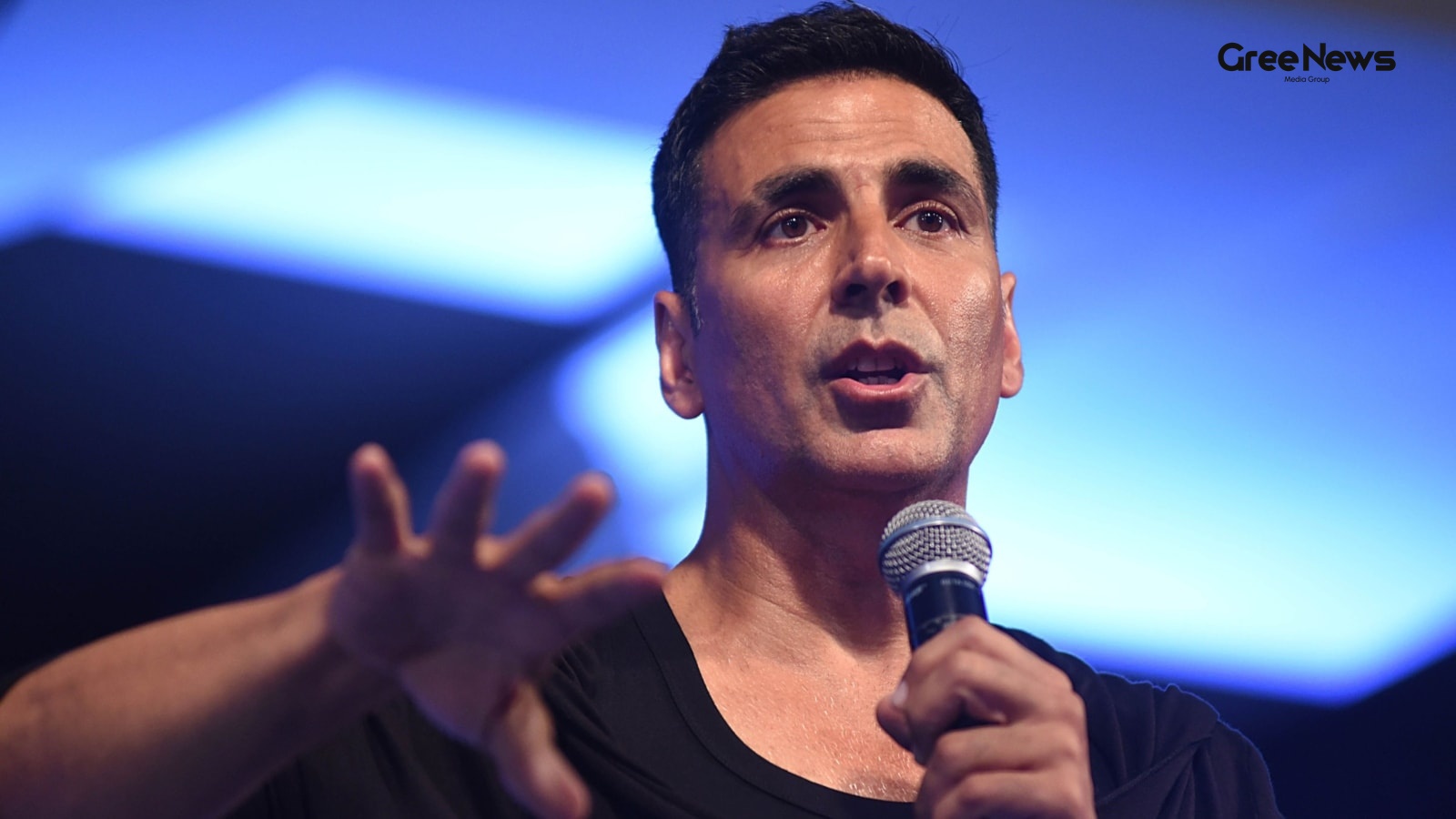
Akshay Kumar on Retirement: The Pursuit of Relentless Motion
Akshay Kumar. Retirement. It’s a word that floats around Bollywood sometimes, isn't it? Not just in the headlines, but in the whispers backstage, the way people talk about these massive careers winding down. And now, all this chatter it boils down to him. He was speaking at the trailer launch for *W
Jun 12, 2026 by Gree News Team

Air India AI-171 Crash: The Aftermath, Trauma, and Compensation
A year has passed since that awful Air India AI-171 crash. Twenty-six hundred lives lost. And Vishwash Kumar Ramesh, he was the only one left standing. He keeps asking for honesty. For transparency. Answers. It’s not just a demand; it feels like a constant ache. The trauma, it doesn't just stay on t
Jun 12, 2026 by Gree News Team
The Human Cost of Geopolitical Risk in the Maritime Industry
The reports coming out of the maritime zones are grim. Real, starkly painful stuff. We’re talking about lives lost in crossfire near choke points Strait of Hormuz, Gulf of Oman. Not abstract casualty figures. Actual sailors. Indian nationals caught in the middle of these global skirmishes. It’s a so
Jun 12, 2026 by Gree News Team

Isha Rikhi and Badshah: The Story Behind Their Relationship
Isha Rikhi finally dropped the news on Thursday. She confirmed it. She’s married to Badshah. It came out during some kind of Ask Me Anything session on social media. Fans had been asking about this for ages, you know? About her relationship with him. It felt like a big deal, I guess. The confirmatio
Jun 12, 2026 by Gree News Team
Kharg Island: The Critical Nexus in the US-Iran Oil Standoff
Donald Trump just escalated things again with Iran. He basically said the United States would take control of Kharg Island. It’s a small piece of land, but it’s absolutely crucial for Iran’s oil export network. The claim, made on Truth Social, was that Washington could assume "total control" over Ir
Jun 12, 2026 by Gree News Team

BJP Elected Unopposed to Rajya Sabha Amid Legal Dispute and Political Allegations
Three BJP folks from Madhya Pradesh got elected unopposed to the Rajya Sabha on Thursday. It happened days after Congress leader Meenakshi Natarajan’s nomination got rejected by the Returning Officer. Polling for those three spots was set for June 18th. Given how strong the BJP is in that state asse
Jun 12, 2026 by Gree News Team

The Reality of Tech Pressure: Focus on Basics, Stability, and Real Skills
Freshers hitting the tech scene right now, they feel this huge pressure. You have to keep up. Learning every new framework, building those AI projects it feels like you’re just chasing whatever is hot. It’s the only way to stay relevant, everyone thinks. But listen. One software engineer, someone wh
Jun 12, 2026 by Gree News Team