The Impact of AI on Creativity and Intellectual Diversity

A recent look into how ideas are actually generated in writing brought up some serious questions about creativity and what these large language models are doing to our intellectual pool.
The findings were pretty clear. Students who just write essays without tapping into tools like ChatGPT seem to generate a much broader range of concepts than those relying on large language models. It really makes you wonder about the long-term effect of this kind of writing automation on actual creativity.
A study published in Computers in Human Behavior: Artificial Humans pointed out that human-written essays consistently brought in new perspectives, fresh experiences, and wild combinations of ideas. This just expanded the collective pool as more essays got added to the mix. It’s about that accumulation.
But there was a nuance there. Individually, some GPT-4 essays looked incredibly creative sometimes even matching or beating human writing on certain creativity metrics. That part is interesting, maybe deceptively so.
The real shift happened when you looked at it collectively. The difference became obvious then.
Researchers dug into this by comparing 2,200 college admissions essays across three separate studies. They pitted actual student work from 2018 to 2022 against what GPT-4 could produce using the same prompts. It was a direct comparison of process versus product.
They cooked up a new measurement, something they called the “diversity growth rate.” This wasn't just about how good one essay was. It measured how much each single piece added to the overall pool of ideas. How diverse it made things.
The problem with the AI output seemed to be repetition. While individual GPT-4 pieces looked strong on their own, they kept hitting similar themes and structures. They weren't really adding new ground over time.
Human essays, though? They pushed diversity way more. The study suggested that human writing increased overall diversity two to eight times more than the AI outputs. That gap just got wider as the number of essays grew. It highlighted something they called a “homogenising effect” in the AI writing space. Everything started looking the same.
Trying to fix this felt like fighting an uphill battle. Researchers tried prompting GPT-4 differently, tweaking its settings, even using those chain-of-thought techniques. These things improved the quality of an individual essay, sure. But they didn't really change how much new stuff was being added to the collective pool.
Even newer versions of the model showed that same stubborn tendency toward uniformity. It’s a persistent pattern.
The takeaway they pushed was this: AI can still be creative on its own terms. That doesn't disappear. But there’s a serious warning hanging over it. If we just keep relying on these tools, if everyone starts writing in the same algorithmic lane, we risk hitting an “algorithmic monoculture.” Ideas get sucked into a narrow channel. They stop evolving.
Written by Gree News Team — Senior Editorial Board
Gree News Team covers international news and global affairs at Gree News. Our collective of senior editors is dedicated to providing independent, accurate, and responsible journalism for a global audience.
More from Education
View All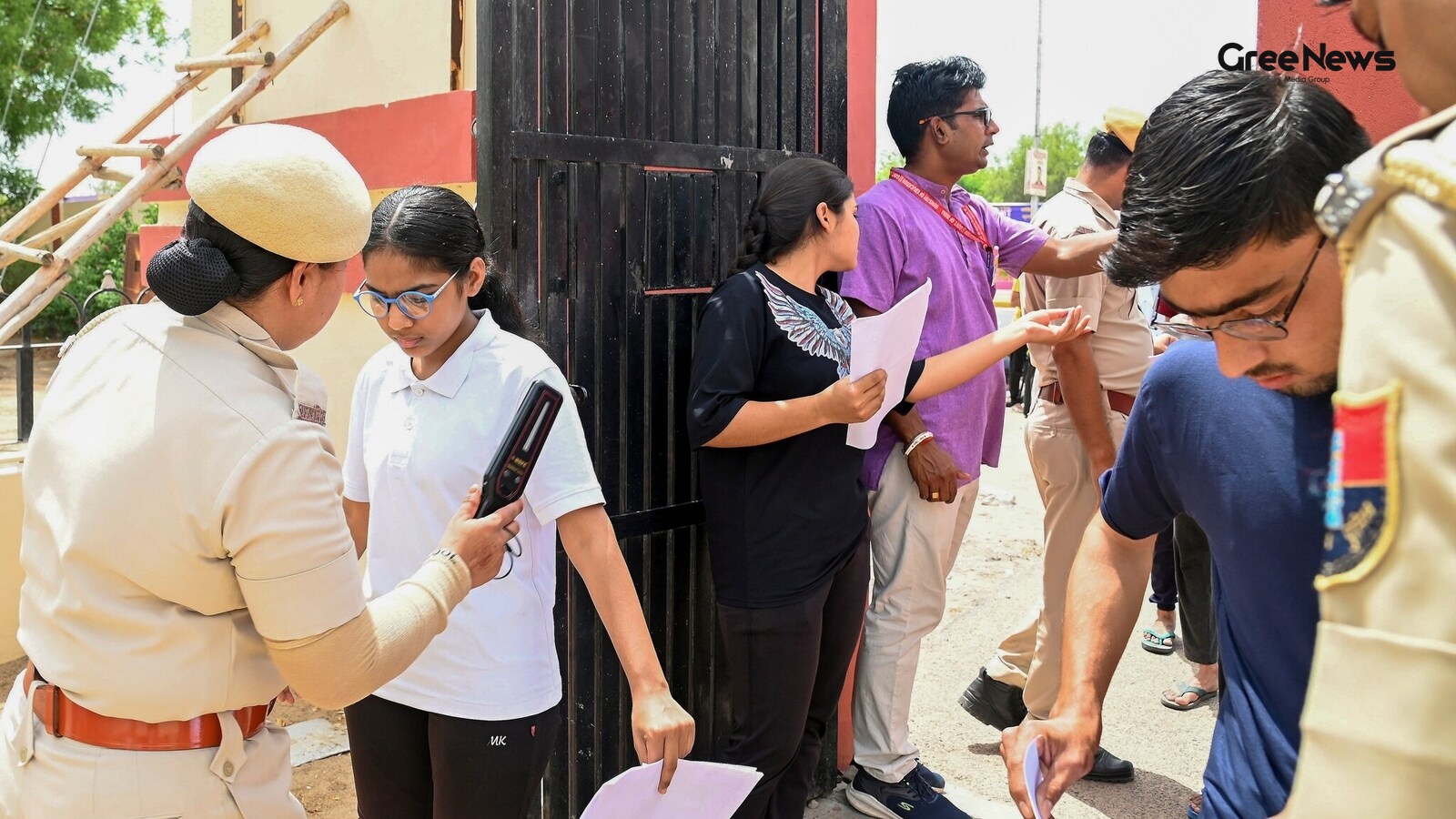
The Psychological Toll of NEET Cancellation and Re-attempts
The mood among those prepping for NEET right now is pretty messed up. A lot of aspirants are feeling this intense anxiety, routines totally shot, confidence gone, and a deep distrust of the whole system after that earlier test got cancelled. Months or even years spent grinding just got hit by this s
Jun 12, 2026 by Gree News Team
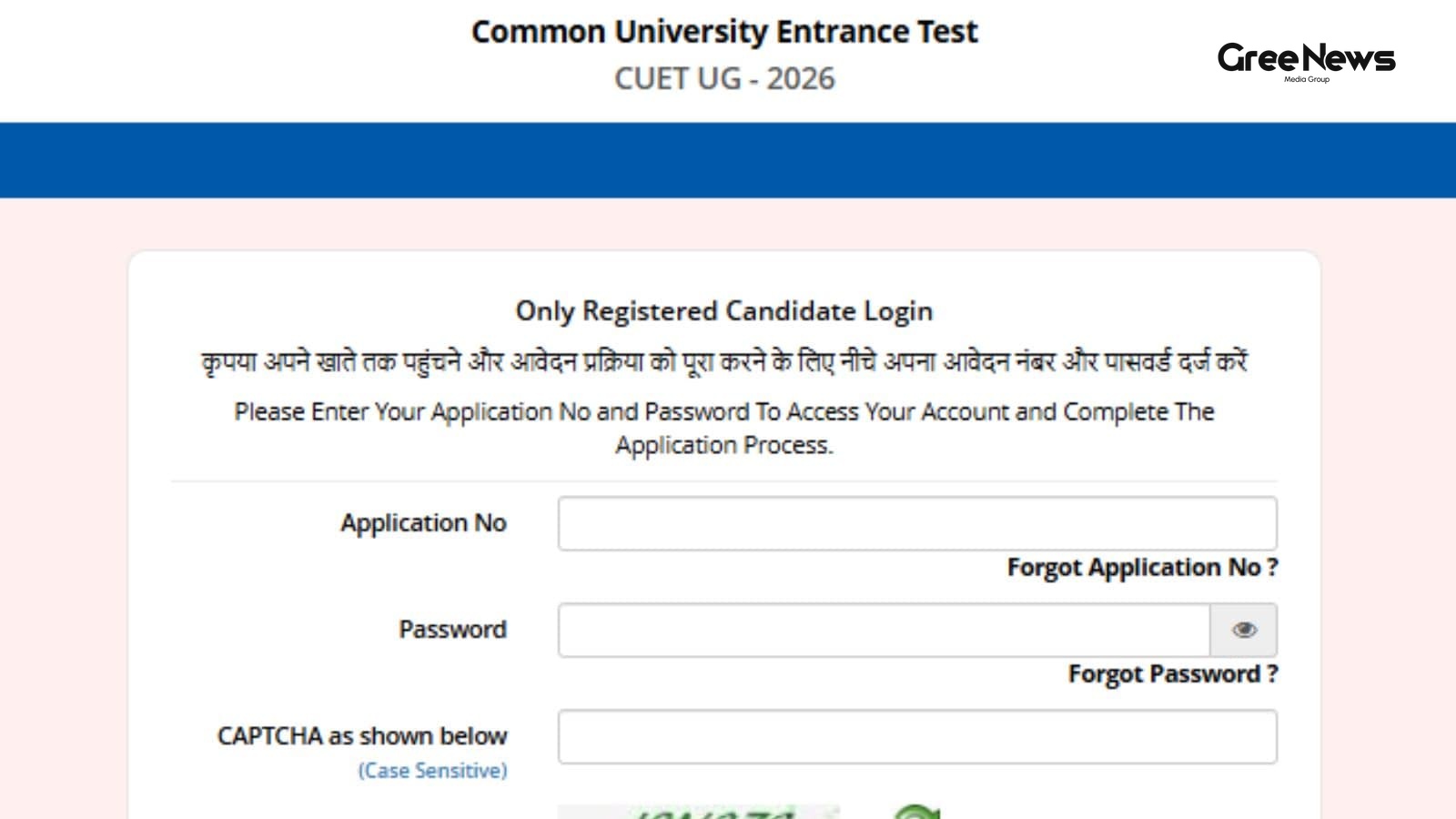
CUET UG 2026 Provisional Answer Key, Challenge Process, and Scoring
The National Testing Agency just dropped the provisional answer key for the CUET UG 2026 exams. It’s out now. Candidates need to log in exams.nta.ac.in or cuet.nta.nic.in. That's where you can see your response sheets and the provisional answers. But there’s more than just the key floating around. T
Jun 12, 2026 by Gree News Team
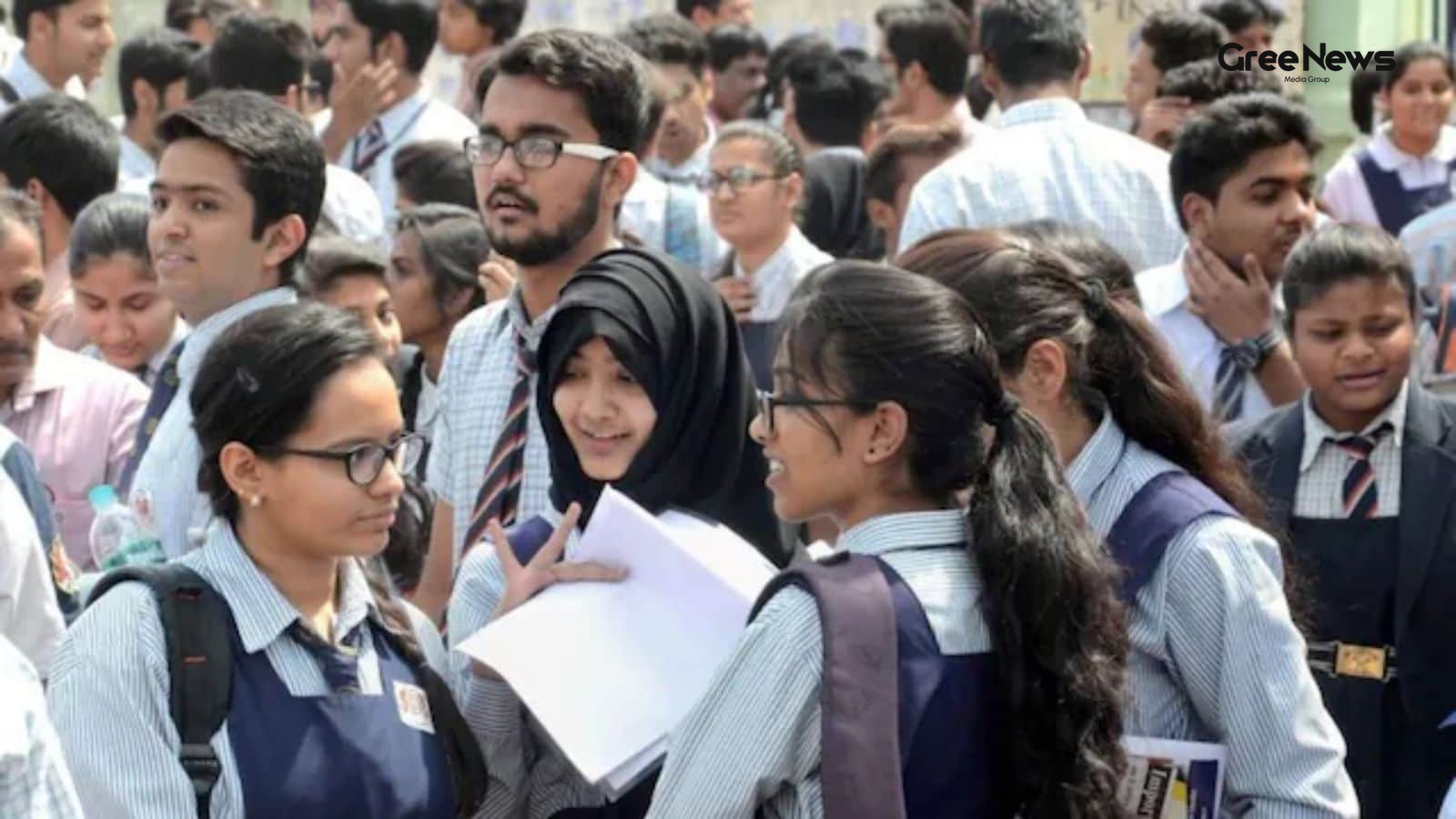
Kerala Board Plus One Results 2026 Announcement and Checking Methods
The Kerala Board Plus One results for 2026 are finally coming today, June 10th. That’s when the Directorate of Higher Secondary Education will officially announce everything. Students who took the DHSE Kerala Class 11 exams in 2026 can start checking their scores now. You have a few places to look,
Jun 10, 2026 by Gree News Team
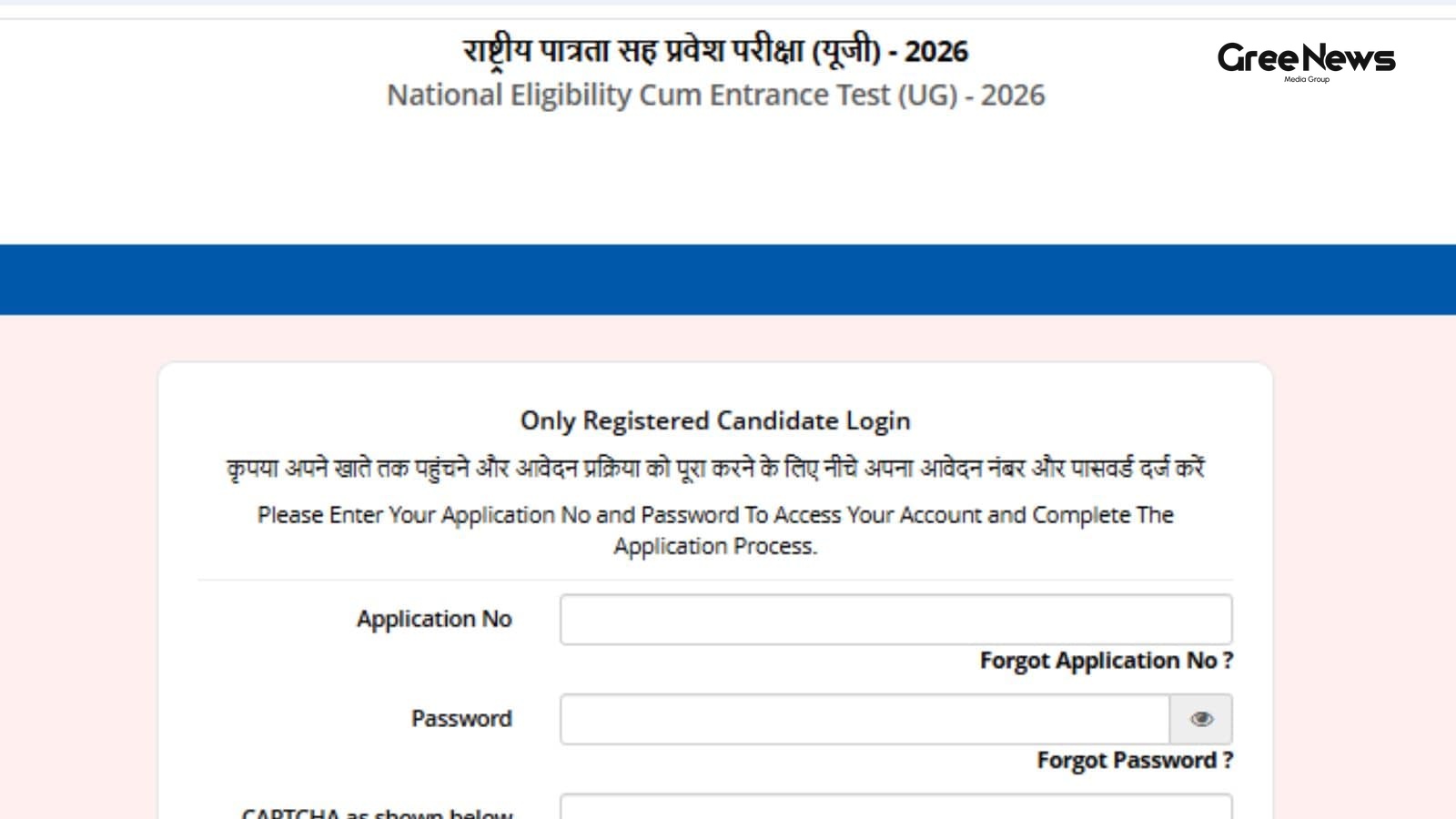
Scribe Support for PwD/PwBD Candidates in NEET (UG) 2026 Exam
The National Testing Agency, right? They just kicked off the online portal for those who need scribe support Persons with Disabilities (PwD) and Persons with Benchmark Disabilities (PwBD) candidates for the upcoming NEET (UG) 2026 exam. It’s all about submitting scribe details. There was a window op
Jun 10, 2026 by Gree News Team
Latest Headlines
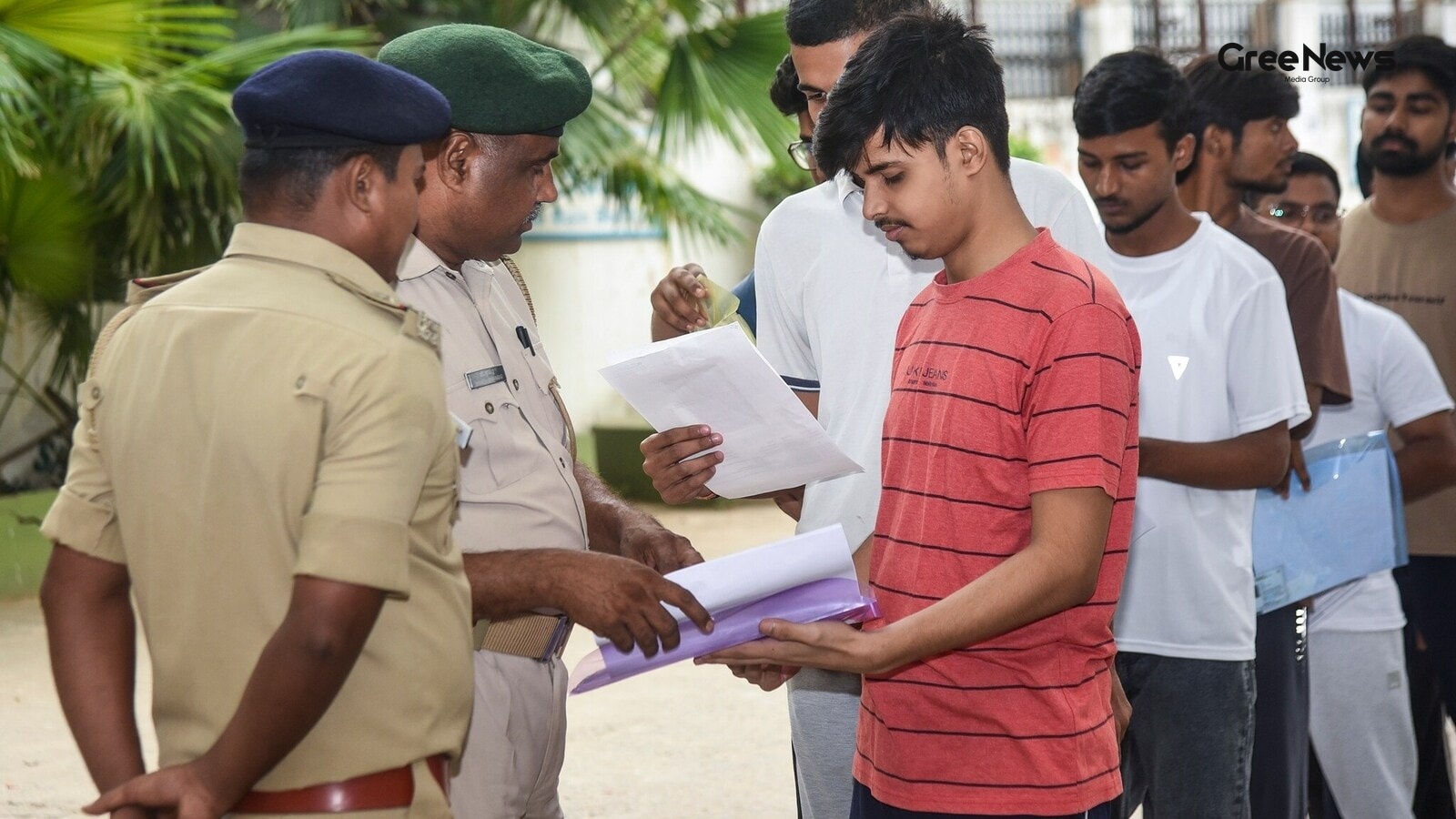
NEET-UG Controversy: Accountability, Reforms, and Multiple Exams
The whole thing about NEET-UG is really hitting a snag. It’s not just some one-off problem anymore. Government officials actually showed up before parliamentary panels recently to talk about it. The focus was on how the exams were conducted under the NMC Act, 2019. Specifically looking at the 'Organ
Jun 13, 2026 by Gree News Team
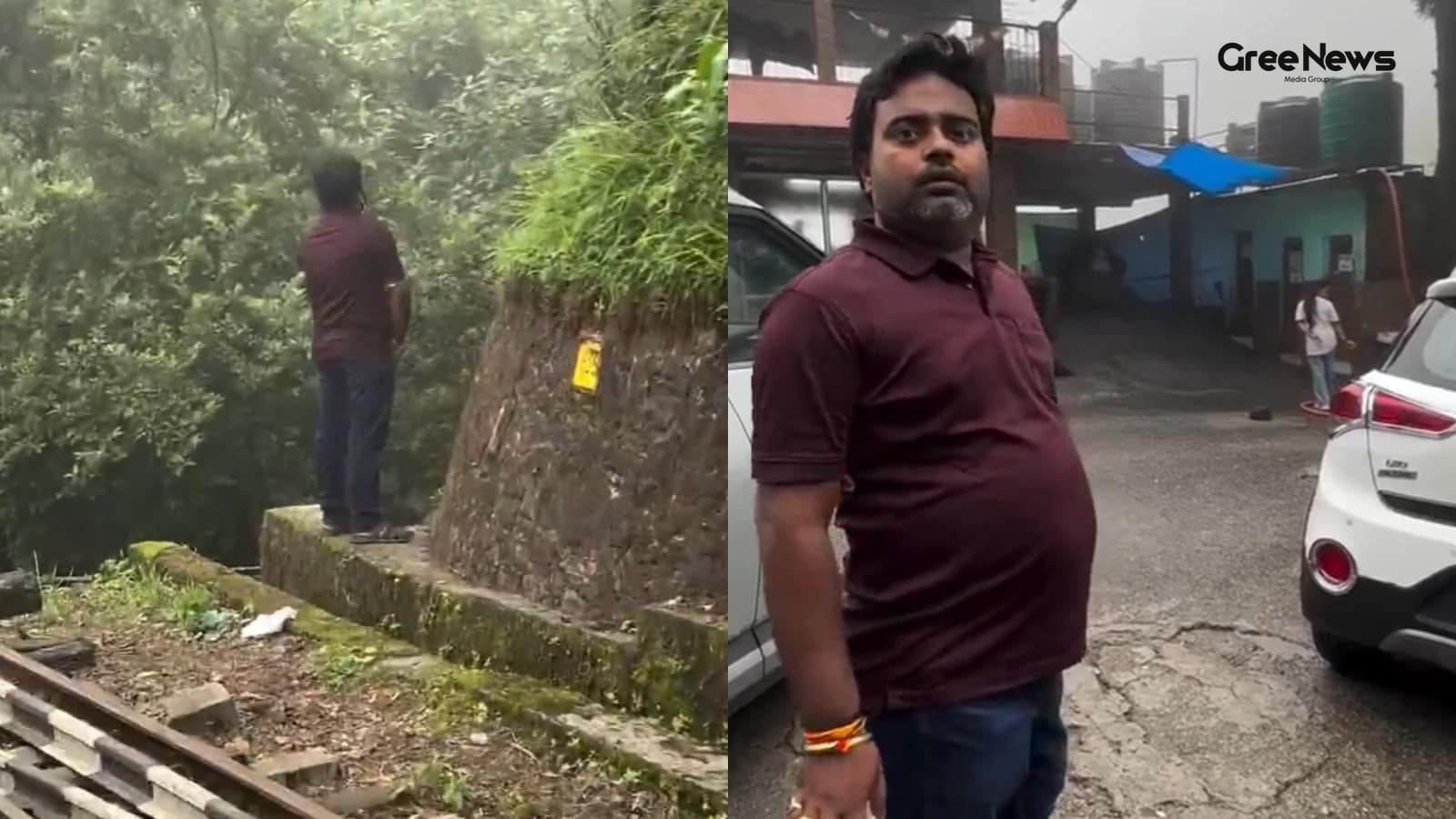
Tourist Responsibility and Civic Sense in Darjeeling
Heat and humidity pushing people up into the hills, seeking some relief from the plains. That’s what happens, right? People flock to places like Darjeeling when it gets too hot. But with that kind of travel comes something else a responsibility. To be decent. To respect a place. Recently, though, so
Jun 12, 2026 by Gree News Team

MHT CET 2026 Results Out: Scores, Dates, and Next Steps
The MHT CET 2026 results are out now. Seriously. The Maharashtra State Common Entrance Test Cell just dropped the scores for students who took the exams for BHMCT, BCA, BBA, BMS, BBM, and even those in MH-DPN/PHN and BSc nursing programs. You can grab your scorecards right off their site. cetcell.ma
Jun 12, 2026 by Gree News Team
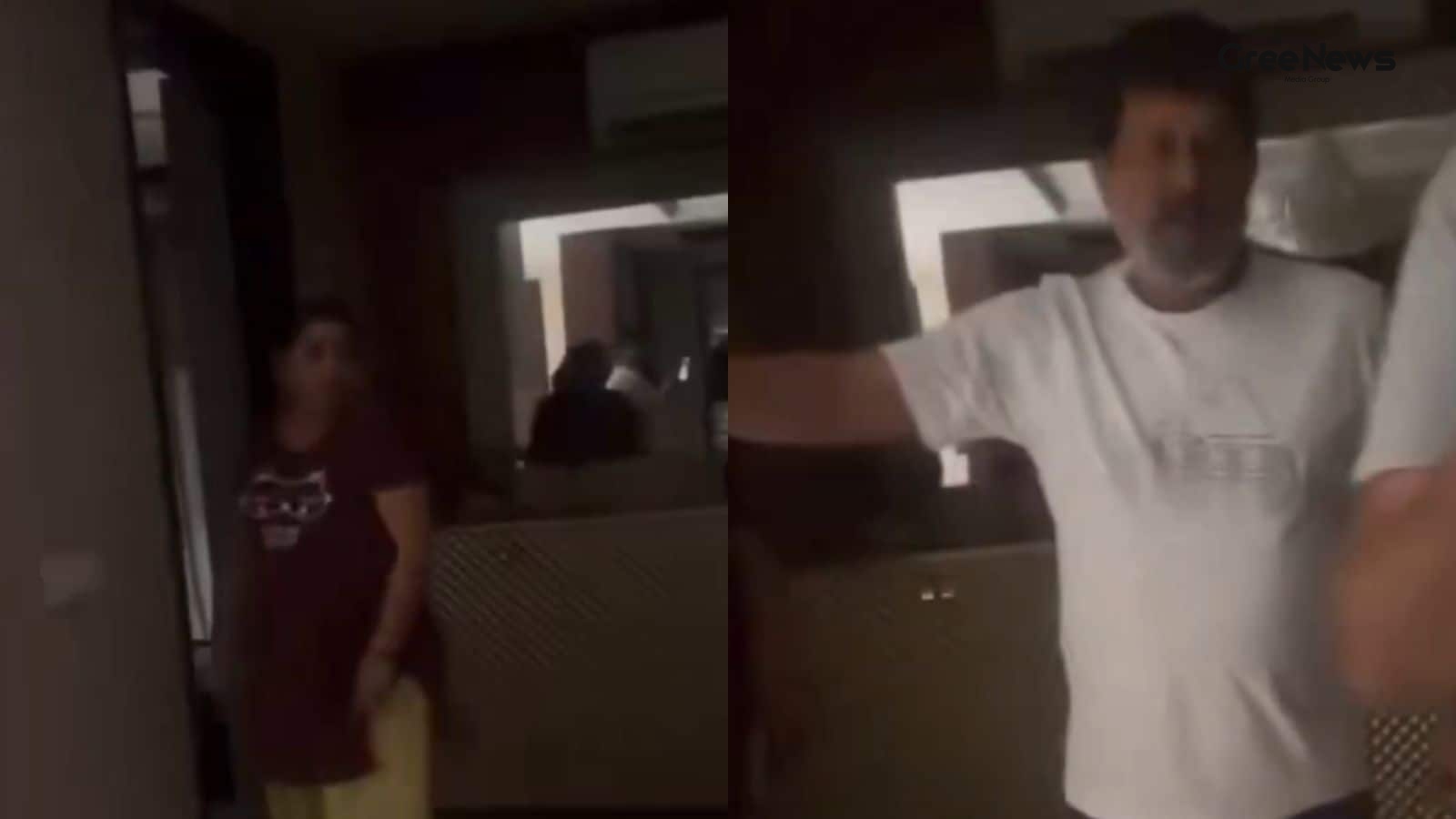
The Dark Side of Domestic Life: In-laws, Conflict, and Online Toxicity
The dark side of domestic life keeps popping up online, again. This time it’s a deeply unsettling video that just exploded on X. It shows a confrontation inside a family home a young woman wrestling with her in-laws. The whole thing allegedly boiled down to food. She was saying her mother and father
Jun 12, 2026 by Gree News Team

Nora Fatehi and FIFA: The Global Shift in Indian Entertainment
Nora Fatehi’s latest move with FIFA isn’t just some random international collaboration. It signals something bigger, a real shift in how Indian-origin performers are slotting into global sports entertainment now. Music, dance, fashion it’s all suddenly weighing as much as the actual match itself. Ah
Jun 12, 2026 by Gree News Team
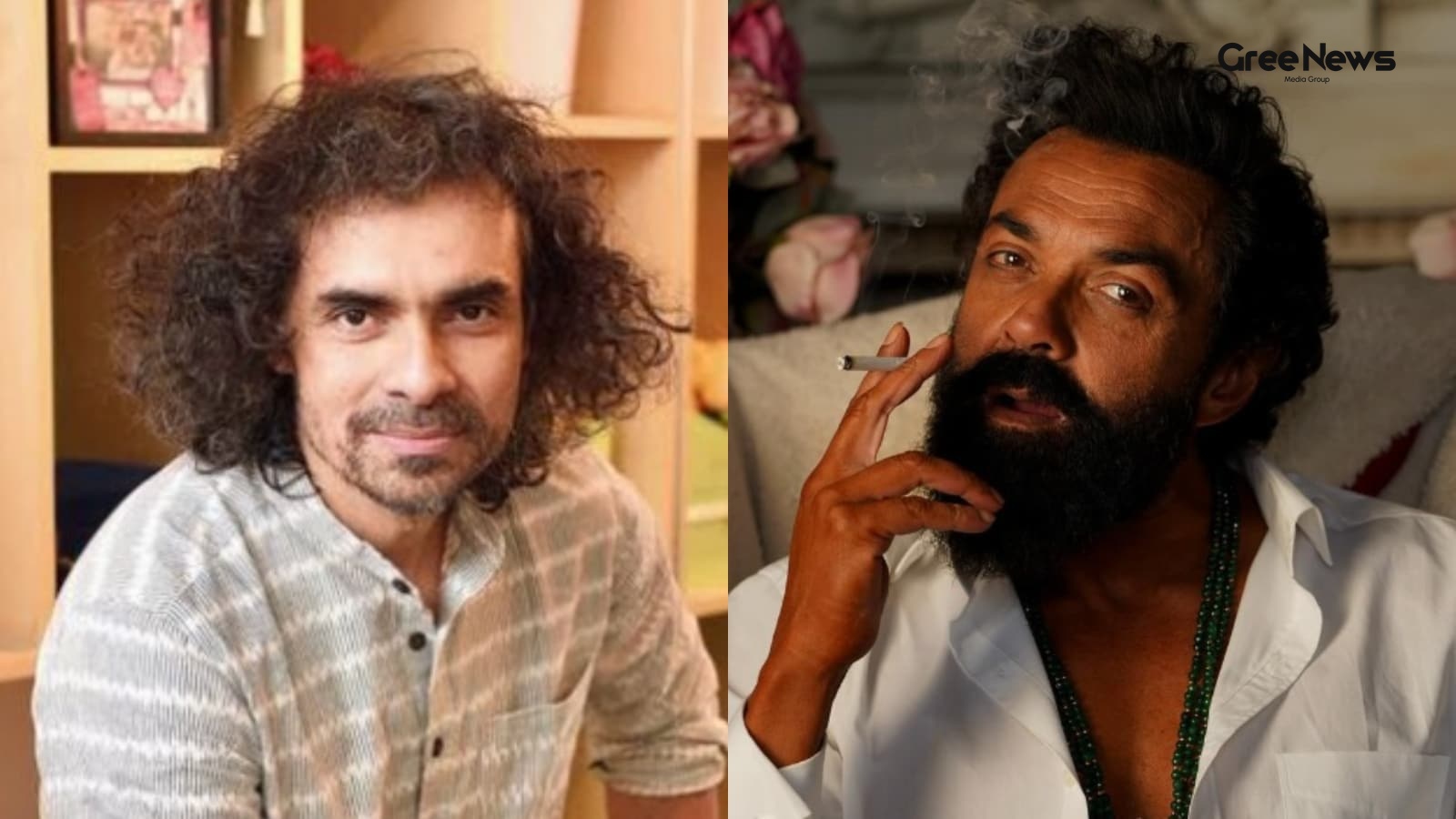
The Story Behind Jab We Met and Imtiaz Ali's Journey
Shahid Kapoor and Kareena Kapoor’s *Jab We Met*. It’s one of those films everyone loves, right? Still has a massive following. But you know what else is interesting? Bobby Deol was the first choice. Not just some casual mention. Imtiaz Ali actually opened up about this recently. He revealed that Bob
Jun 12, 2026 by Gree News Team

The Ultimate Guide to Buying a Soundbar: What You Need to Know
Not everyone needs a soundbar. That’s probably the most useful thing you need to know before you waste any money on one. If you’re perfectly happy with how your TV sounds right now, there is absolutely no reason to add another device underneath it. A soundbar isn't some mandatory upgrade; it’s just
Jun 12, 2026 by Gree News Team

Maritime Security Incidents and US Navy Targeting Near Oman
Moments after the MT Jalveer that vessel carrying twenty Indian seafarers was reportedly targeted by the US Navy near Oman’s Shinas port, things started getting complicated. A video surfaced showing one of the crew members sending out an SOS signal. That call was supposed to inform port authorities
Jun 12, 2026 by Gree News Team

India's Protest Over Maritime Attacks in West Asia
The Ministry of External Affairs, they finally spoke out on Thursday about the recent trouble in West Asia. There have been multiple attacks hitting ships these past few days. One of those incidents cost three Indian sailors their lives. It’s deeply worrying, isn't it? MEA spokesperson Randhir Jaisw
Jun 12, 2026 by Gree News Team

Simple Morning Habits for Better Liver Health
You’re trying to figure out how to actually support your liver every single day? It sounds simple, but those tiny shifts you make right when you wake up can seriously change how well that organ functions over time. People just don't realize it. This silent thing your liver it works non-stop. Filteri
Jun 12, 2026 by Gree News Team

The Fragile Balance: Escalation and Uncertainty in US-Iran Tensions
The talks between Washington and Tehran about ending the ongoing war? They’re still moving, right? On track, they say. But that feels like a cruel joke sometimes, doesn't it? Because just as negotiations keep shuffling along, renewed hostilities keep popping up hostilities that threaten to completel
Jun 12, 2026 by Gree News Team

The Physics of Belief: Observing Shifting Realities
It was just one of those days where everything felt… loose. You know? Like the threads are fraying a little bit at the edges. That shift is always there. Like a temperature change. We were watching the feeds again, mostly just absorbing the noise, not trying to find some neat little narrative arc fo
Jun 12, 2026 by Gree News Team
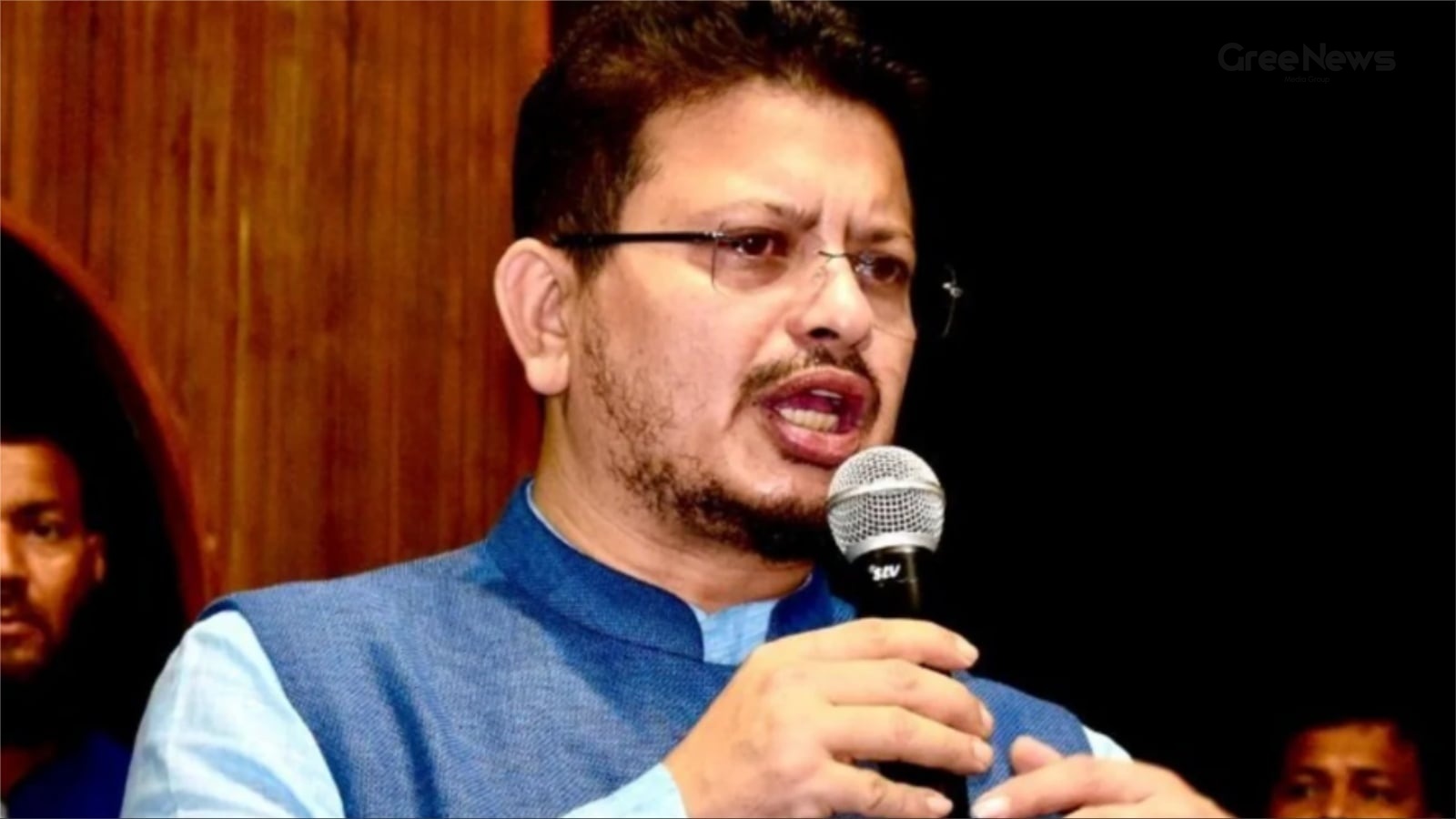
Calcutta High Court on Rebel MLA Recognition and Anti-defection Rules
The Calcutta High Court got involved here on Thursday. It was all about how a rebel MLA was recognized as the Leader of Opposition in the West Bengal Assembly. The court started raising serious questions about the whole process. Could that decision really be made without some sort of approval from t
Jun 12, 2026 by Gree News Team
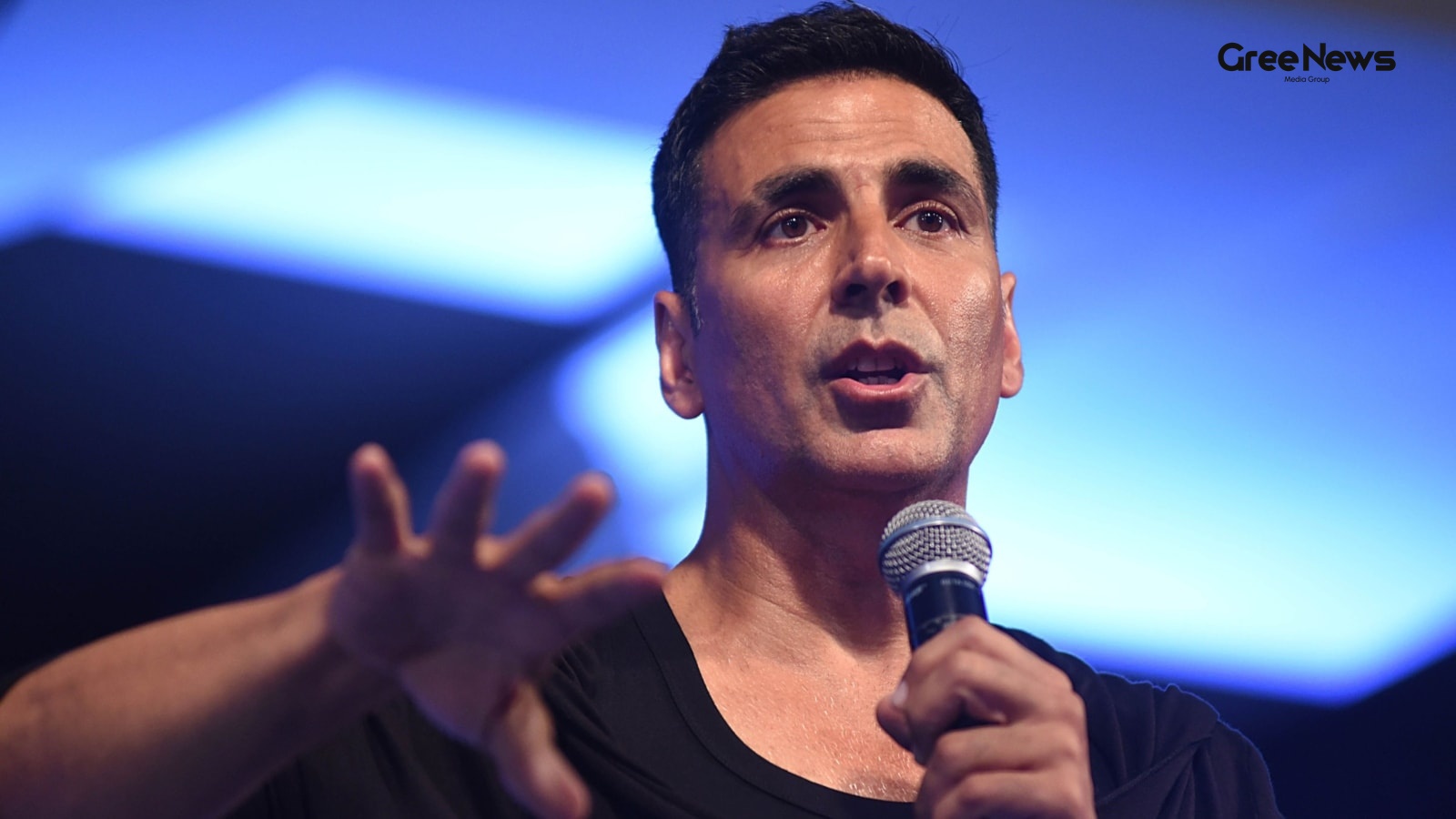
Akshay Kumar on Retirement: The Pursuit of Relentless Motion
Akshay Kumar. Retirement. It’s a word that floats around Bollywood sometimes, isn't it? Not just in the headlines, but in the whispers backstage, the way people talk about these massive careers winding down. And now, all this chatter it boils down to him. He was speaking at the trailer launch for *W
Jun 12, 2026 by Gree News Team

Air India AI-171 Crash: The Aftermath, Trauma, and Compensation
A year has passed since that awful Air India AI-171 crash. Twenty-six hundred lives lost. And Vishwash Kumar Ramesh, he was the only one left standing. He keeps asking for honesty. For transparency. Answers. It’s not just a demand; it feels like a constant ache. The trauma, it doesn't just stay on t
Jun 12, 2026 by Gree News Team