The 8th Pay Commission: Timeline, Arrears, and Financial Projections

The whole thing about the 8th Pay Commission feels like it’s always been looming. You know? For nearly fifty lakh central government employees and the pensioners about sixty-five lakh of them too it's one of those developments everyone is watching with bated breath.
Consultations are running, that’s for sure. The commission has started digging into things, but they still haven't put out their final recommendations yet. And what’s more frustrating is that while the real work is happening behind closed doors, folks are already starting to crunch numbers. They’re calculating what kind of salary hike and arrears they might actually see once this whole new pay structure finally kicks in.
There’s always this historical pattern with these commissions. You see how it goes? Recommendations usually roll out after a gap of about ten years. That means if we follow that usual trend, the actual impact of the 8th Central Pay Commission recommendations would probably be expected around January 1st, 2026 . That's the general expectation floating around right now.
But history shows these things aren't always neat. There’s often a lag between when something is effective and when it actually rolls out in the real world. And that changes everything about those arrears calculations.
The way this has played out with previous pay commissions, you saw how much the timing mattered. The implementation date versus the effective date it all shifts the picture significantly. That’s why things get complicated when talking about these new figures.
We’re hearing chatter that once the 8th Pay Commission recommendations are finally locked down and approved by the government, we might be looking at an implementation timeline stretching into late 2027 . But here's where things get murky. Even if the actual rollout happens later say, in late 2027 the new pay matrix itself starts affecting things much sooner.
It seems like there’s this tension between what employees are hoping for and what the bureaucracy is actually releasing. You have to remember that the final effective date and the exact amount of arrears? That information isn't out yet. It’s still waiting on the government to announce it officially.
If we look at the potential, things get really interesting when you start talking about the numbers themselves. Imagine if the government accepts what the staff side is asking for that specific fitment factor of 3.83 . And if they implement the changes retrospectively from January 1st, 2026 ? Well, then the employee pool could see some seriously substantial arrears pile up.
We’re talking about figures that are quite staggering when you run the math. Take someone who is currently earning a minimum basic pay of Rs 18,000. If we assume that new structure kicks in and this is just an illustration, keep that in mind that basic pay could jump up to around Rs 69,000. That’s a hike of roughly fifty-one thousand rupees per month.
And then you factor in the arrears themselves. If those payments are calculated for a full twenty-four months, that employee could potentially see about twelve point two four lakh rupees just in basic pay arrears. Even if the calculation only stretches over eighteen months, we’re still looking at nearly nine point one eight lakh rupees in back pay.
But hold on to that thought these numbers? They are purely illustrative. Pure hypotheticals. Because right now, the 8th Pay Commission hasn't actually recommended a fitment factor, and honestly, the government hasn't given us any concrete timeline for when this is going to happen. It’s all just projection based on past patterns.
The final amount? That depends on so much more stuff. It isn't just about basic pay jumps. There are other moving parts. The actual fitment factor recommended by the commission, how things like Dearness Allowance get merged or adjusted if there’s any merger formula at all the exact date from which the revised pay starts counting, and of course, where the government actually implements it. And then there's the specific employee’s pay level and all those service conditions throwing in the variables. It’s a tangled web.
The commission itself is currently engaged in consultations. They are talking with the employee unions, the pensioners’ associations, various ministries, and other stakeholders. That process takes time. Naturally.
Under earlier commissions, we saw that employees got arrears when the implementation date was later than the effective date. The amount they received varied wildly depending on what formula the government chose for revision, and what pay level the person was at. It wasn't a standardized game.
That experience just makes people brace themselves for this time. Many of the employees are expecting something similar under the 8th Pay Commission. But we have zero official confirmation yet about that arrangement. We’re left waiting on the official word.
Reports floating around suggest that implementation is pegged for late 2027. That's the expected rollout timeframe. Yet, this simultaneous expectation of a January 2026 retrospective start that’s where the confusion really settles in. Employees are caught between the historical precedent and the current lack of official roadmap.
Until the government actually steps up and announces the final implementation date, the aGreed-upon fitment factor, the exact pay matrix structure, or any formula for DA transition, everyone is just sitting there waiting for clarity. It’s a period defined by anticipation, really. A lot of that uncertainty hangs over everything right now.
The government itself, they actually set up this 8th Central Pay Commission back in November 2025. So the machinery is moving, but the actual result remains on hold. It feels like a slow burn. A massive shift is coming, but we’re still just watching the smoke rise.
Written by Gree News Team — Senior Editorial Board
Gree News Team covers international news and global affairs at Gree News. Our collective of senior editors is dedicated to providing independent, accurate, and responsible journalism for a global audience.
More from Economy
View All
Fuel Prices and Market Updates: Petrol, Diesel, and CNG
Petrol, diesel, and CNG prices hung steady on Friday, June 12th. Nothing moved there officially. But behind the scenes, oil market companies and those running gas distribution firms are still tweaking things every morning at six. Still, you saw movement elsewhere. Petrol and diesel had already jumpe
Jun 12, 2026 by Gree News Team
Geopolitical Escalation and Fear in the Strait of Hormuz
The air around the Strait of Hormuz just got heavier. It’s that kind of palpable shift you feel before something breaks a low hum of anxiety that settles deep in the bones of anyone paying attention to the geopolitical currents swirling through the Middle East right now. And it wasn't subtle this ti
Jun 12, 2026 by Gree News Team
The Impact of Excise Duty Changes on Ethanol Blends and Global Energy Volatility
The finance ministry just dropped something. a notification, really. it wasn't some gentle update; it felt more like a sudden shift in the air, you know? suddenly these numbers, E22, E25, E27, and E30 they weren’t just labels on a spreadsheet anymore. they were suddenly real things hitting the road.
Jun 11, 2026 by Gree News Team
India's E85 Rollout and the Future of Flex-Fuel Vehicles
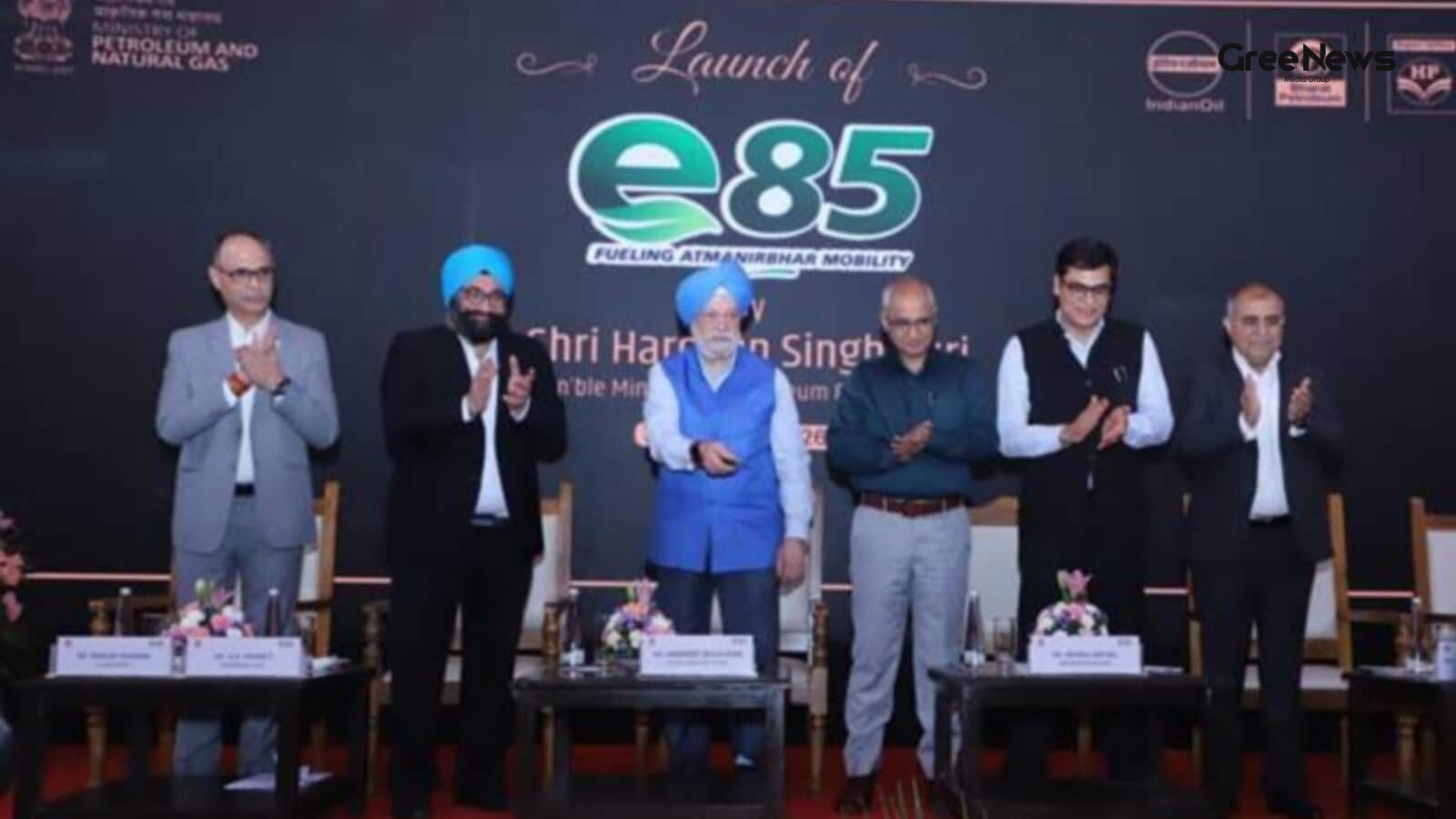
India just made another move on fuel. They rolled out E85, that high-ethanol petrol blend, specifically for vehicles that can handle flex-fuel systems. It’s about cleaner transport, less reliance on imported crude. Hardeep Singh Puri, the Union Petroleum Minister, formally kicked things off at an In
Jun 8, 2026 by Gree News Team
Latest Headlines

The Batman: Part II Casting and Plot Speculation
Casting for *The Batman: Part II* is getting weirder. The mystery around it just got thicker. Ever since Matt Reeves showed those new additions, fans have been spinning theories about who will fill Gotham’s roles in this next chapter. Guessing which iconic characters the actors are bringing back or
Jun 13, 2026 by Gree News Team
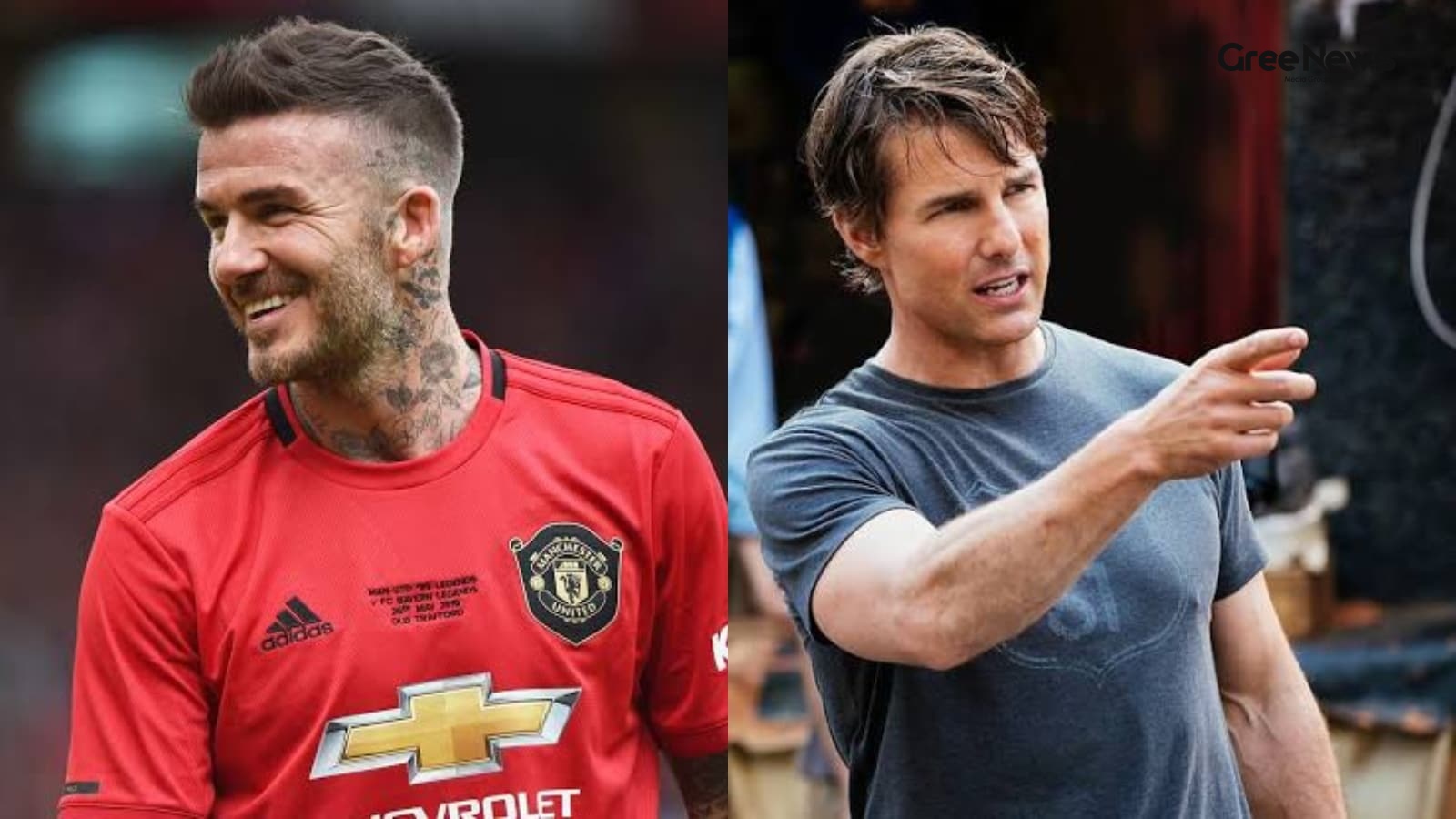
David Beckham's Hollywood Walk of Fame Tribute and Family Reflection
David Beckham had a day lined up. Family. Friends. A big career milestone that felt like it wrapped up decades of success, both on and off the football pitch. He got honored in Los Angeles on Friday. One of those huge entertainment tributes. He received a star on the Hollywood Walk of Fame. It was a
Jun 13, 2026 by Gree News Team

Political Instability and Corruption in West Bengal: Scrutiny of Land Scams and Financial Investigations
The air in Kolkata felt thick that night. Heavy with something you couldn’t quite name, a simmering tension beneath the surface of what was already a volatile political environment for the Trinamool Congress. It wasn't just politics anymore; it felt like exposure. That feeling escalated when the pol
Jun 13, 2026 by Gree News Team
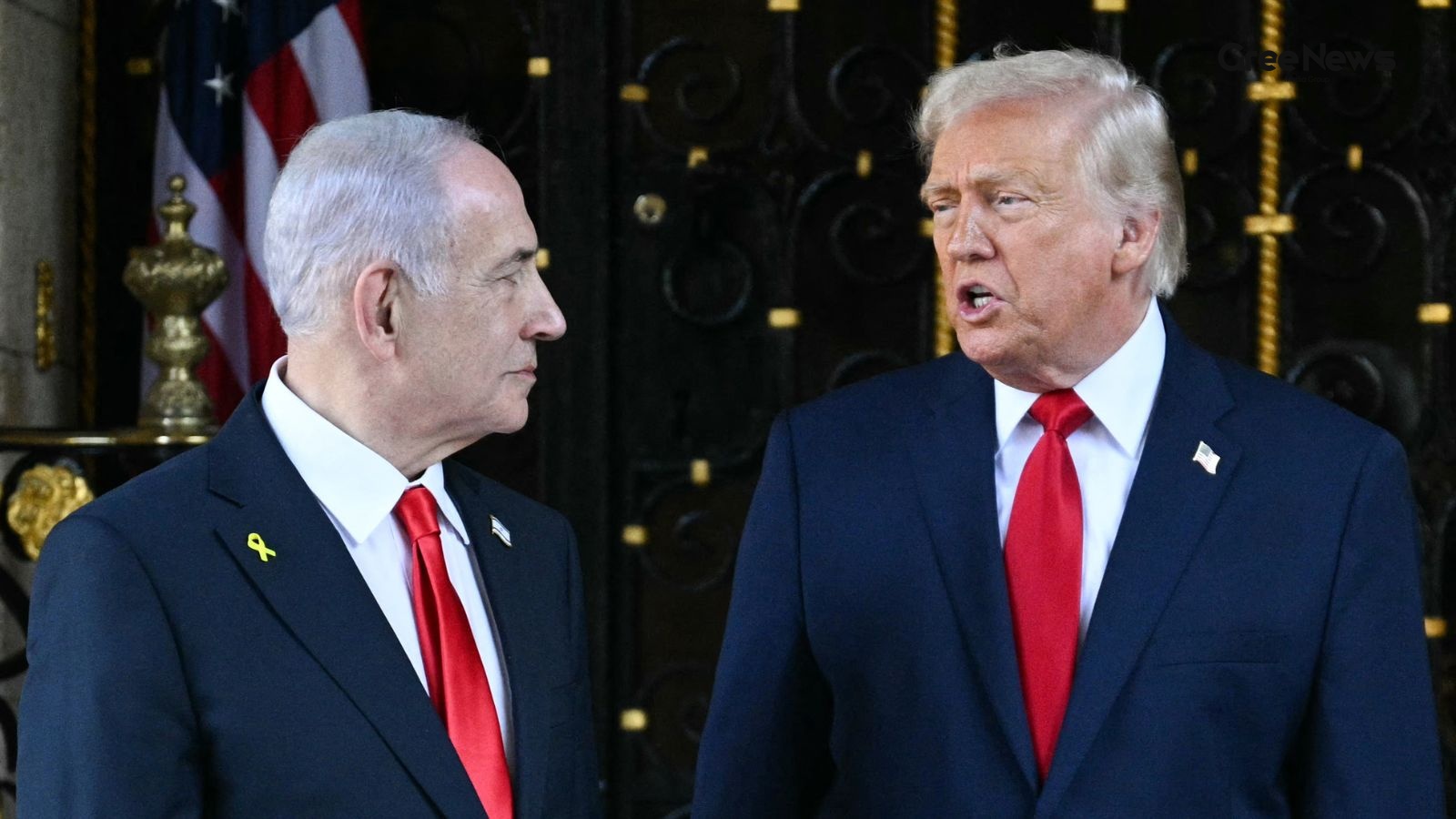
Report: Donald Trump, Netanyahu, and the Potential Peace Deal with Iran
Donald Trump reportedly told Israeli Prime Minister Netanyahu that a peace deal with Iran could happen in days. That’s what a senior US official quoted Axios saying. “This is the deal. It’s a great deal, and it’s time to end this war,” Trump allegedly said during a phone call with Netanyahu. Things
Jun 13, 2026 by Gree News Team
US-Iran Conflict Escalation and Ceasefire Breakdown
The whole thing just blew up again. The shaky ceasefire they managed to agree on back in April it’s completely gone now. Both sides are shooting at each other after Trump made his frustration known about Tehran’s response to any peace deal. It started when Iran shot down a US Apache helicopter over
Jun 13, 2026 by Gree News Team
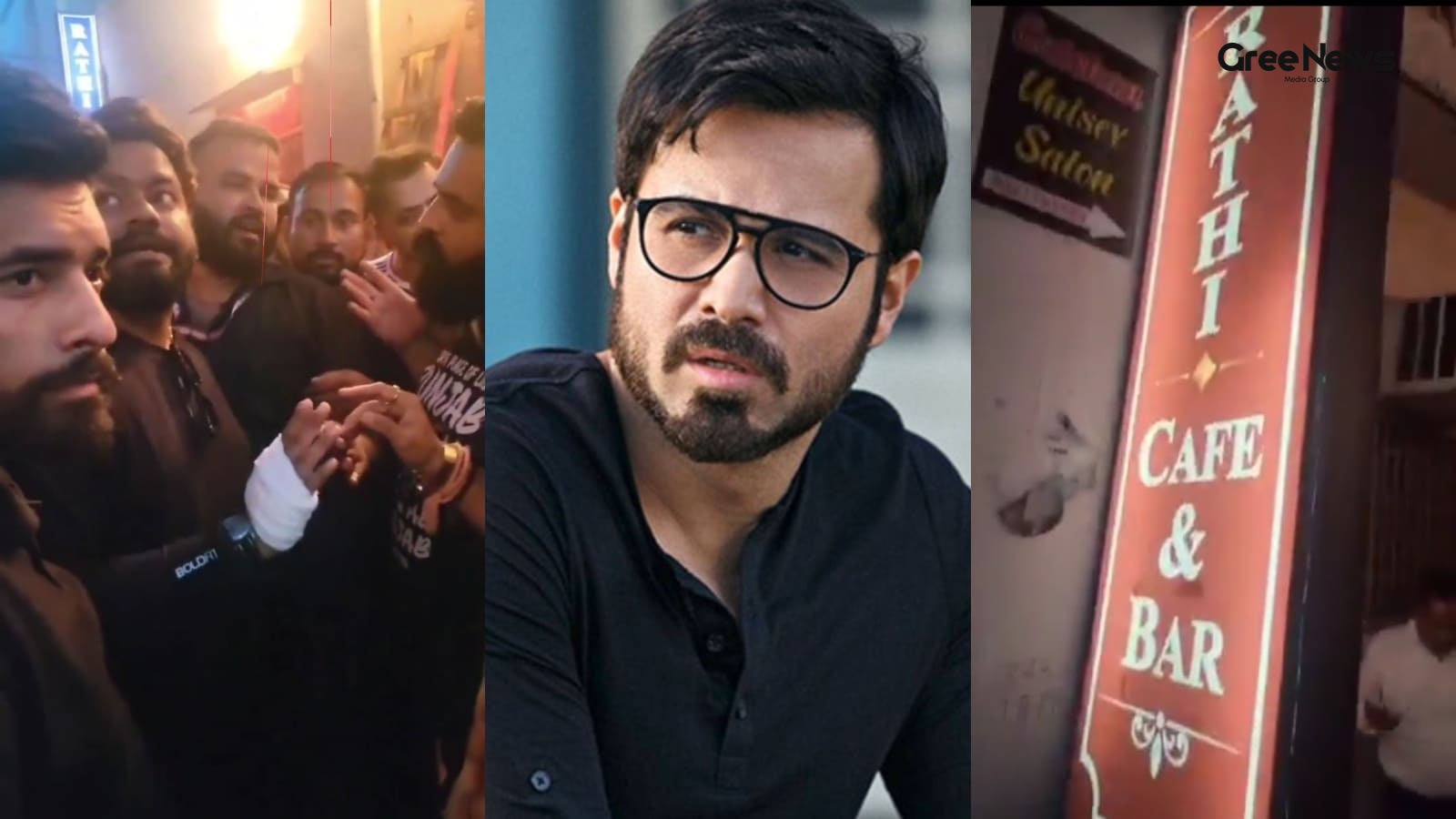
Emraan Hashmi: Haridwar Ruckus, Film Updates, and Upcoming Projects
Actor Emraan Hashmi. Right now he’s in Haridwar, Uttarakhand. Shooting something new. Details? Nothing official yet. But there’s a video out there from the set, and it blew up on social media. Locals apparently objected to some sign they used while filming. Ruckus over a signboard. That’s what happe
Jun 13, 2026 by Gree News Team
The Freedom of Leaving the Corporate Grind: A Story of Overlooked Hard Work
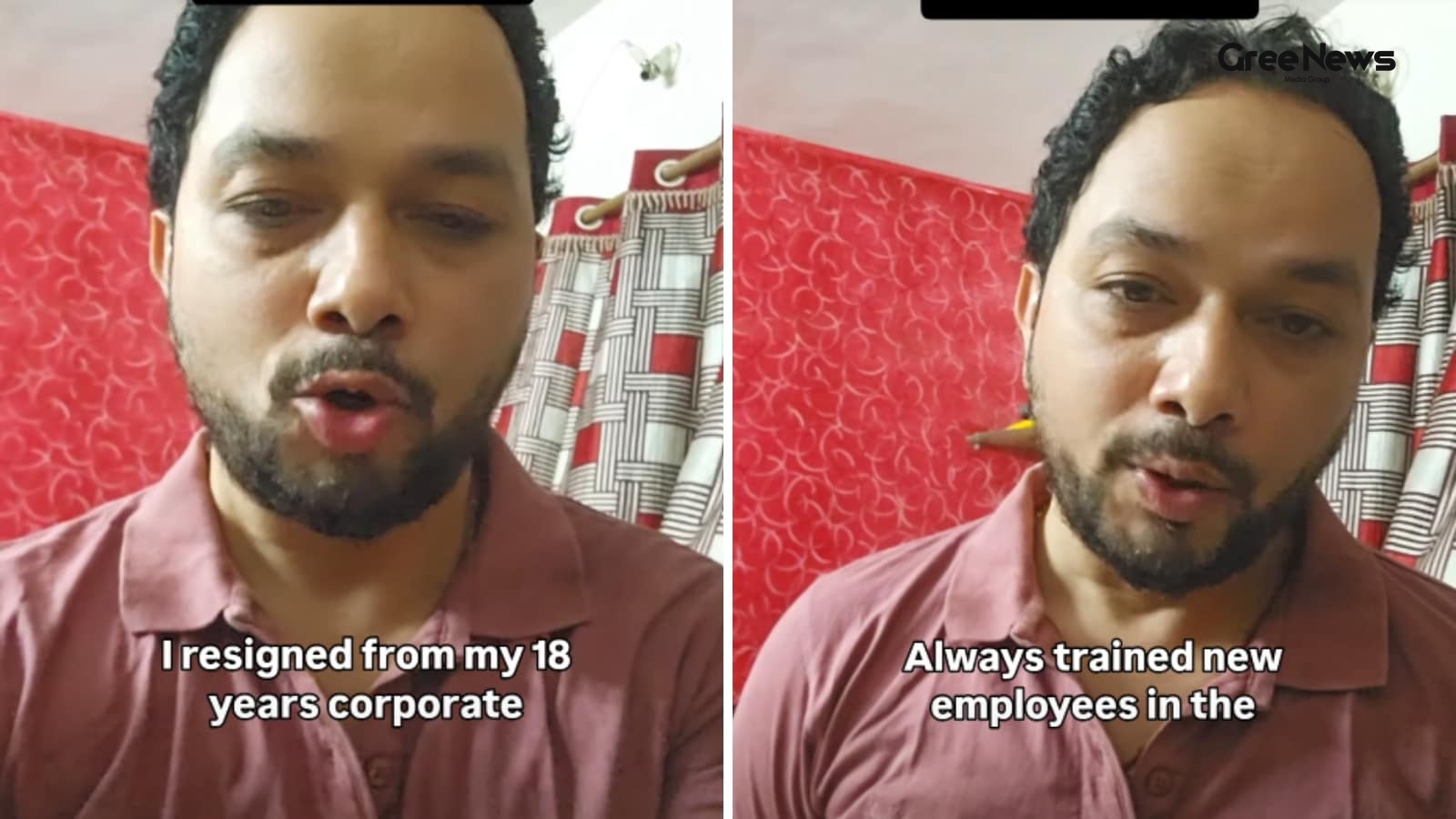
Thirty-eight years old. That’s what he was. He walked away from the corporate grind after nearly two decades in the industry. It wasn't easy, though. He had family depending on him, and only six months saved up. Still, he felt this was the right move. A sense of something growth or satisfaction had
Jun 13, 2026 by Gree News Team
NEET-UG Controversy: Accountability, Reforms, and Multiple Exams
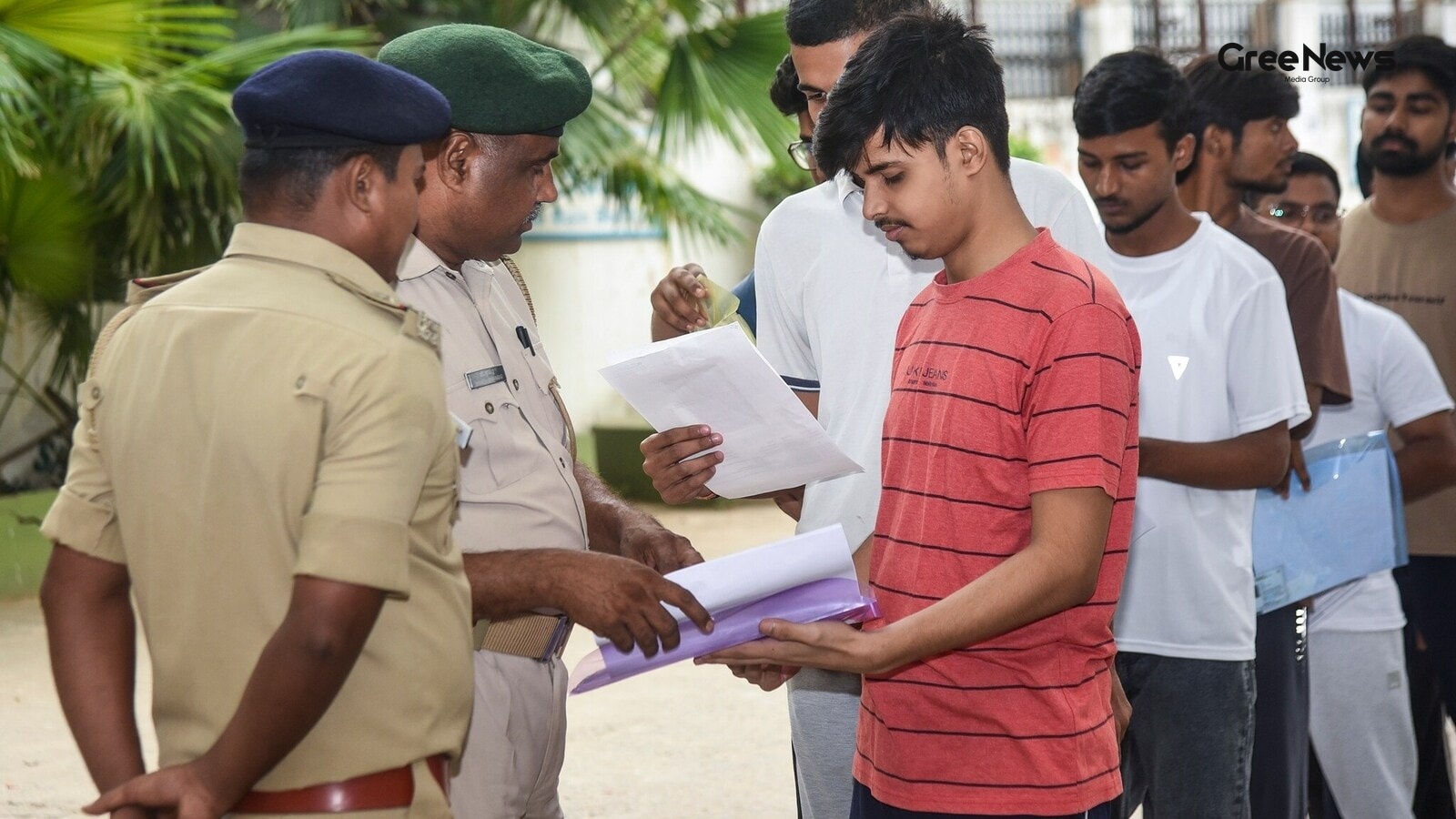
The whole thing about NEET-UG is really hitting a snag. It’s not just some one-off problem anymore. Government officials actually showed up before parliamentary panels recently to talk about it. The focus was on how the exams were conducted under the NMC Act, 2019. Specifically looking at the 'Organ
Jun 13, 2026 by Gree News Team

Tourist Responsibility and Civic Sense in Darjeeling
Heat and humidity pushing people up into the hills, seeking some relief from the plains. That’s what happens, right? People flock to places like Darjeeling when it gets too hot. But with that kind of travel comes something else a responsibility. To be decent. To respect a place. Recently, though, so
Jun 12, 2026 by Gree News Team

MHT CET 2026 Results Out: Scores, Dates, and Next Steps
The MHT CET 2026 results are out now. Seriously. The Maharashtra State Common Entrance Test Cell just dropped the scores for students who took the exams for BHMCT, BCA, BBA, BMS, BBM, and even those in MH-DPN/PHN and BSc nursing programs. You can grab your scorecards right off their site. cetcell.ma
Jun 12, 2026 by Gree News Team

The Dark Side of Domestic Life: In-laws, Conflict, and Online Toxicity
The dark side of domestic life keeps popping up online, again. This time it’s a deeply unsettling video that just exploded on X. It shows a confrontation inside a family home a young woman wrestling with her in-laws. The whole thing allegedly boiled down to food. She was saying her mother and father
Jun 12, 2026 by Gree News Team

Nora Fatehi and FIFA: The Global Shift in Indian Entertainment
Nora Fatehi’s latest move with FIFA isn’t just some random international collaboration. It signals something bigger, a real shift in how Indian-origin performers are slotting into global sports entertainment now. Music, dance, fashion it’s all suddenly weighing as much as the actual match itself. Ah
Jun 12, 2026 by Gree News Team

The Impact of AI on Creativity and Intellectual Diversity
A recent look into how ideas are actually generated in writing brought up some serious questions about creativity and what these large language models are doing to our intellectual pool. The findings were pretty clear. Students who just write essays without tapping into tools like ChatGPT seem to ge
Jun 12, 2026 by Gree News Team
The Story Behind Jab We Met and Imtiaz Ali's Journey
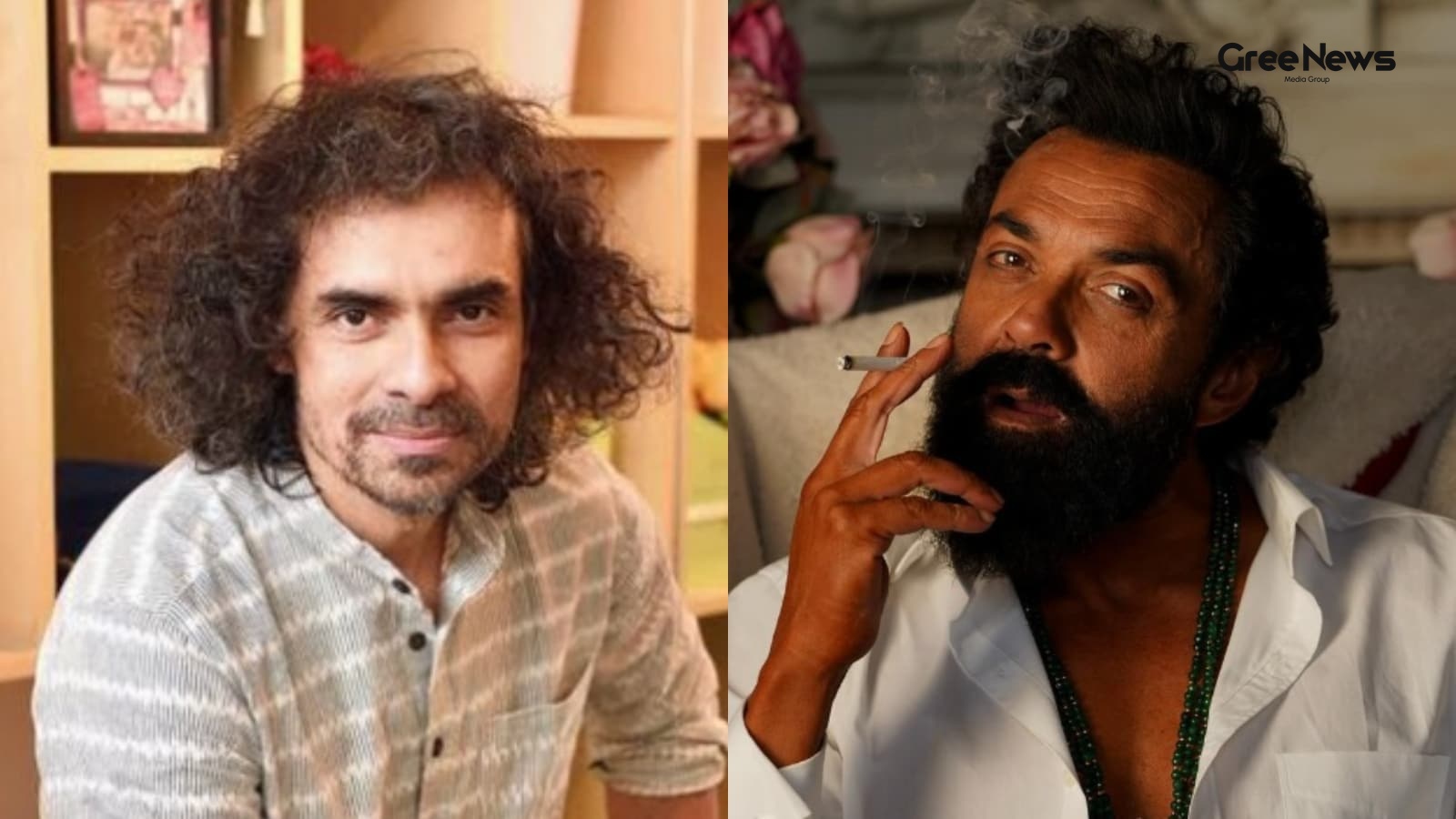
Shahid Kapoor and Kareena Kapoor’s *Jab We Met*. It’s one of those films everyone loves, right? Still has a massive following. But you know what else is interesting? Bobby Deol was the first choice. Not just some casual mention. Imtiaz Ali actually opened up about this recently. He revealed that Bob
Jun 12, 2026 by Gree News Team
The Ultimate Guide to Buying a Soundbar: What You Need to Know
Not everyone needs a soundbar. That’s probably the most useful thing you need to know before you waste any money on one. If you’re perfectly happy with how your TV sounds right now, there is absolutely no reason to add another device underneath it. A soundbar isn't some mandatory upgrade; it’s just
Jun 12, 2026 by Gree News Team