The Impact of Visibility and Accountability in Kolkata Police Directives
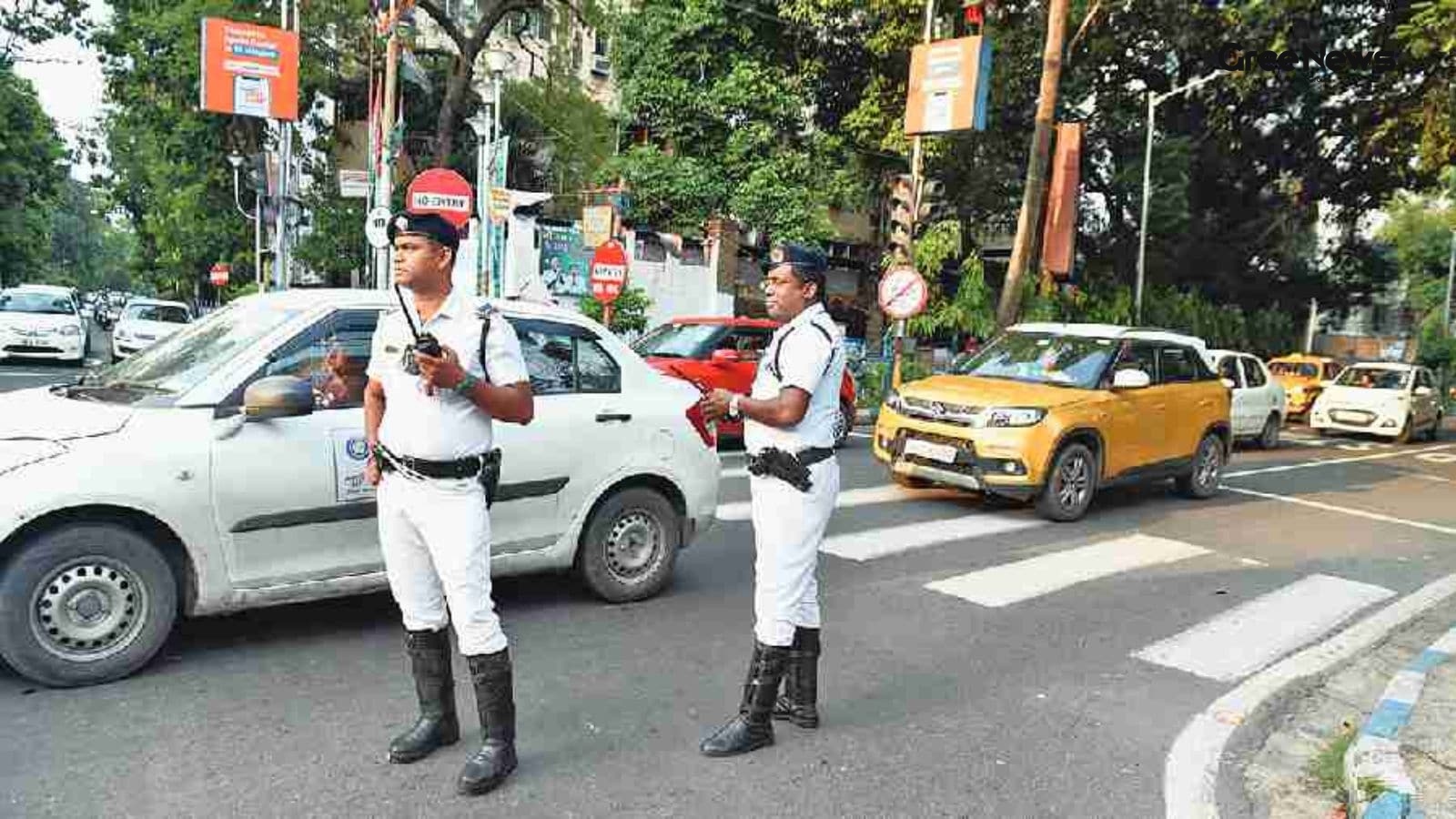
The air in Kolkata, always thick with a particular kind of unspoken tension, seemed to shift subtly after the directive dropped. It wasn't just another administrative memo floating around; this felt different. It carried a weight. A sudden, sharp insistence that things needed to be seen, acknowledged.
Commissioner of Police, Kolkata, issued Order No. 294 on June 13th, 2026. That’s the official marker. But what really stuck with people wasn't the date or the number. It was the implication hanging over every beat of the city. Discipline . Visibility . A sudden, sharp focus on what happens when authority wears a uniform in public.
It started as a routine instruction, didn’t it? Uniforms need to be neat. Clean. Presentable. Simple enough, maybe. But suddenly, that simple act felt loaded. It wasn't just about pressed shirts or clean trousers anymore. It became something far more political. A visual contract being enforced between the state and the citizenry.
Police personnel across the city the ones who patrol the crowded lanes, manage the traffic jams that define the daily grind, the visible face of law enforcement they all had to adjust immediately. This wasn’t a suggestion whispered in an office; this was mandatory, felt deep down in the barracks and on the beat.
The order continued from an earlier directive back on May 24th, 2026. A little history there, you see. It suggests this wasn't a sudden, spontaneous reaction to some immediate crisis. There were underlying cracks already showing, fissures that this formal instruction was just sealing over with concrete and regulation.
Why the urgency? Because the reality on the ground often seems far messier than any neatly printed regulation allows. You look around Kolkata. Millions moving through these streets every day. Faces blur into a constant stream. And in that visual chaos, identity becomes everything. Who is authorized to wear that badge? Who has the right to claim authority when they walk among us?
The real trouble, the thing that fueled this whole move, was the persistent shadow of impersonation. It’s not some abstract crime; it’s something horribly tangible. People have started posing. Dressing up. Pretending to be constables or police officials just to step into spaces where authority is expected. Unlawful activities that's what they were doing. Exploitation, maybe. A sense of impunity that breeds when someone can simply slip in, wearing a borrowed identity.
That’s where the nameplates, the insignia, the identity cards suddenly stopped being bureaucratic clutter and started becoming vital shields. They became proof. Proof that you are who you say you are. This is what the sources hinted at the need to make visibility mandatory. Not just for optics, but for genuine security.
Imagine a moment. A citizen stops someone on the street. Someone needs immediate verification. If the person in uniform is sloppy, if their identity markers are hidden or absent, that moment becomes fraught with potential danger. It’s not hyperbole. It's the practical risk lurking just beneath the surface of daily interaction.
So, what exactly did the order demand regarding appearance? It was pretty specific, almost annoyingly so when you break it down. Every officer and every member of the deployed staff had to display their official nameplate. The Kolkata Police insignia. And all those little badges, accoutrements everything that marks them as part of the system. And yes, carrying an official identity card wasn’t optional anymore. It was mandatory.
This isn't just about looking sharp for a photograph. It's about establishing an immediate chain of accountability. If someone sees a uniform and a badge, they should instantly know where that authority comes from. No more ambiguity. Less room for doubt when things get tense on the streets.
And then there was the footwear. Something seemingly small, almost absurdly specific, but tied directly to regulation. They mandated plain black leather shoes. Oxford, Derby, or Ammunition type. It links back to the Police Regulations of Calcutta, 1968. Why this detail? Perhaps it’s about uniformity in bearing, a subtle insistence that even in dress, there is an expectation of measured conduct.
But the rules weren't just about shoes and shirts. They were fundamentally about reinforcing internal discipline. Senior officers were specifically told to ensure strict compliance across every single unit. This wasn't meant to be optional reading for the foot soldiers; it was a directive flowing from the top, demanding total adherence. Immediate effect. No time for hesitation.
The reaction from within the force must have been complex. Some probably saw it as an unnecessary layer of paperwork, another mandate piling onto already heavy responsibilities. Others, perhaps those who felt the erosion of trust most keenly, saw it as a necessary lifeline. A chance to pull the department back from some sort of drift.
It’s this dynamic the tension between rigid regulation and messy reality that makes reporting on these changes so difficult. You have the official decree, you have the fear of impersonation, but you also have the daily grind of policing thousands of interactions where human nuance is everything. How do you report the strictness without sounding like a cold-blooded administrator?
The move itself was framed as an effort to improve public trust. That’s the political angle they want everyone to see. Transparency in public interaction. If citizens can easily verify who they are dealing with, perhaps that builds a bridge however fragile that bridge might be. It acknowledges that the relationship between the police and the people is not just about enforcement; it's about legitimacy.
But let’s step back from the polished statement for a moment. Think about the environment where this order was born. There are always layers beneath the surface of official pronouncements. Bureaucracy moves slowly. Real change, real corrective action that takes time, and often involves friction, resistance, and some amount of messy compromise that never makes it into the final press release.
This directive is a clear signal. It’s an attempt to impose order on chaos, even if that imposition feels clumsy or heavy in the moment. It's trying to stamp out the low-level criminality of identity fraud by making visible markers impossible to ignore. It forces everyone involved the officers and the public to acknowledge the reality of their shared space.
The observational tone here is key. We watch how this plays out. How do field officers interpret these rules? Do they see it as a simple dress code update, or do they sense the deeper implication: that every visible element now carries responsibility? That your uniform isn't just fabric; it’s a declaration of duty.
And what happens when those declarations clash with the everyday pressures? When an officer is juggling a tense situation on a street corner and has to ensure perfect adherence to protocol, or when dealing with public frustration that seems entirely divorced from official procedure? The stress multiplies. It becomes more than just administrative compliance. It becomes a performance of authority under duress.
The system itself is always fighting against inertia. Change isn't instantaneous. There are always pockets where the old ways persist alongside the new mandates, creating an uneven flow. Some units might implement it with swift, almost aggressive precision. Others will drag their feet, finding loopholes or simply ignoring details when the immediate pressure mounts. This creates that wonderfully unpredictable texture of real-world implementation.
The move toward greater visibility is a double-edged sword. It aims to enhance security by reducing deception. But if handled poorly, it risks creating a new kind of friction a separation between the uniformed authority and the ordinary citizen who merely observes them passing by. The line between enforcement and intrusion can become dangerously thin when you start focusing so intensely on markers and boundaries.
We see this playing out across many cities, don't we? It’s not unique to Kolkata. It speaks to a universal struggle: how do institutions maintain legitimacy while trying to enforce discipline in a rapidly changing social landscape. The visual language of power is constantly being negotiated. And this order, for all its specific details about leather shoes and nameplates, is just one small, slightly clumsy attempt at controlling that negotiation.
It’s an ongoing story. Not a solved equation found in a single press release. Just another thread woven into the complex tapestry of public administration, fear, accountability, and the constant, uneasy dance between what is written and what actually happens on the ground. The order sits there now, a formal piece of paper, but its true impact lives in the subtle shifts in how people look at each other, and how they view the authority standing just a few feet away. It’s all about sight. And who gets to see clearly.
Written by Gree News Team — Senior Editorial Board
Gree News Team covers international news and global affairs at Gree News. Our collective of senior editors is dedicated to providing independent, accurate, and responsible journalism for a global audience.
More from India
View All
Yogi Adityanath Condemns Remarks, Discusses Azamgarh Development and Law and Order
Yogi Adityanath, the Chief Minister of Uttar Pradesh, spoke out Saturday. He strongly condemned some derogatory remarks made against Akhilesh Yadav’s daughter. He insisted that no insult aimed at any daughter should ever be tolerated. He immediately told the police to register an FIR as soon as they
Jun 14, 2026 by Gree News Team
Biogas and Cow Protection: A Model for Rural Development in Uttar Pradesh
The big push now in Uttar Pradesh isn't just about cows anymore. It’s something much bigger a plan to link cow protection straight into rural development by installing mini biogas plants across villages. We’re talking about getting this done for over one lakh households. This whole idea came out of
Jun 14, 2026 by Gree News Team
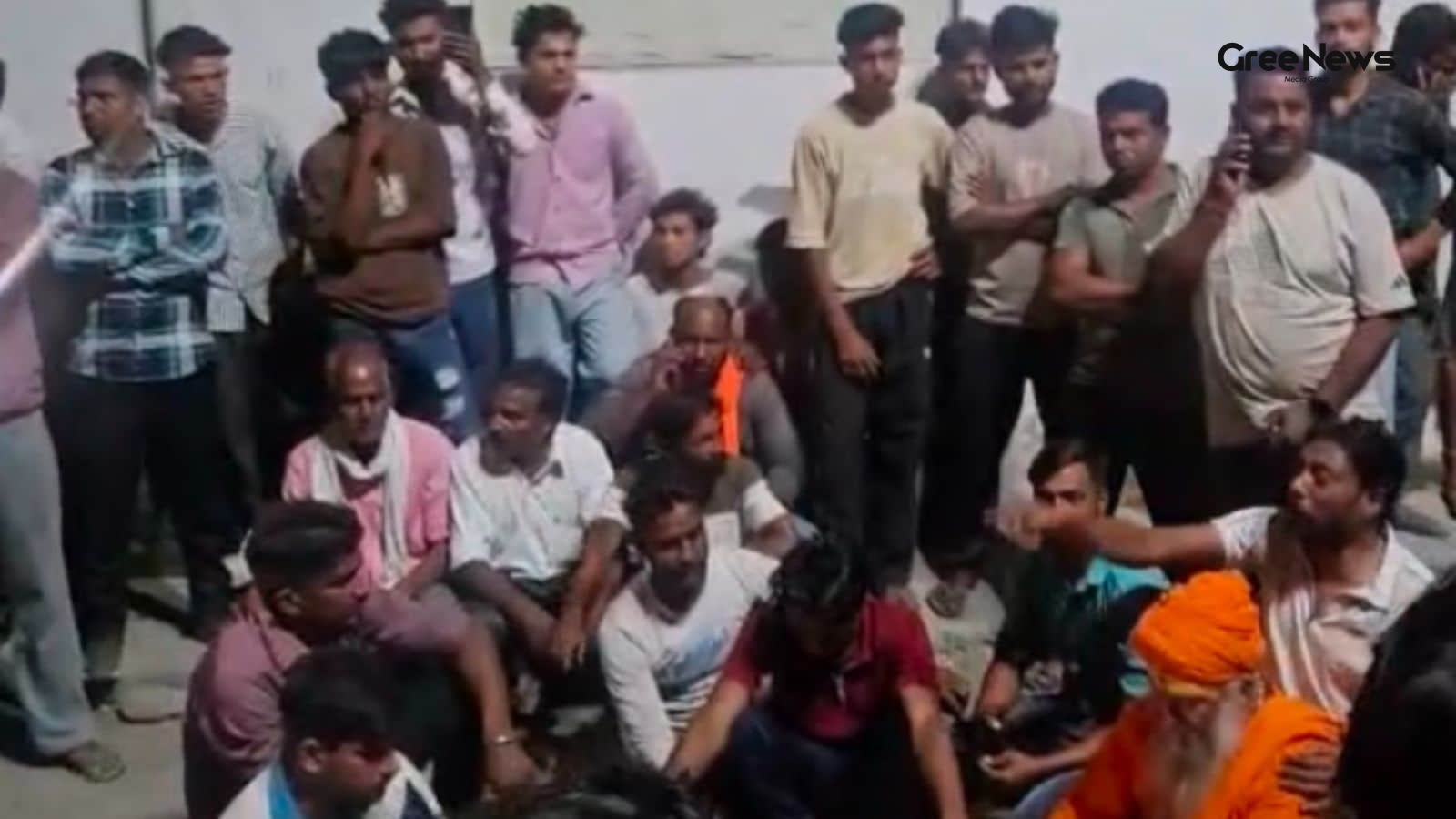
Violent Clash and Murder Over Water Dispute in Uttarakhand
One person was killed. Three others got seriously hurt in a violent clash that broke out between two communities. It all happened over some water dispute in Bairagiwala, deep in the Sahaspur police station limits of Dehradun district, Uttarakhand. Late Saturday evening. That’s when things blew up an
Jun 14, 2026 by Gree News Team
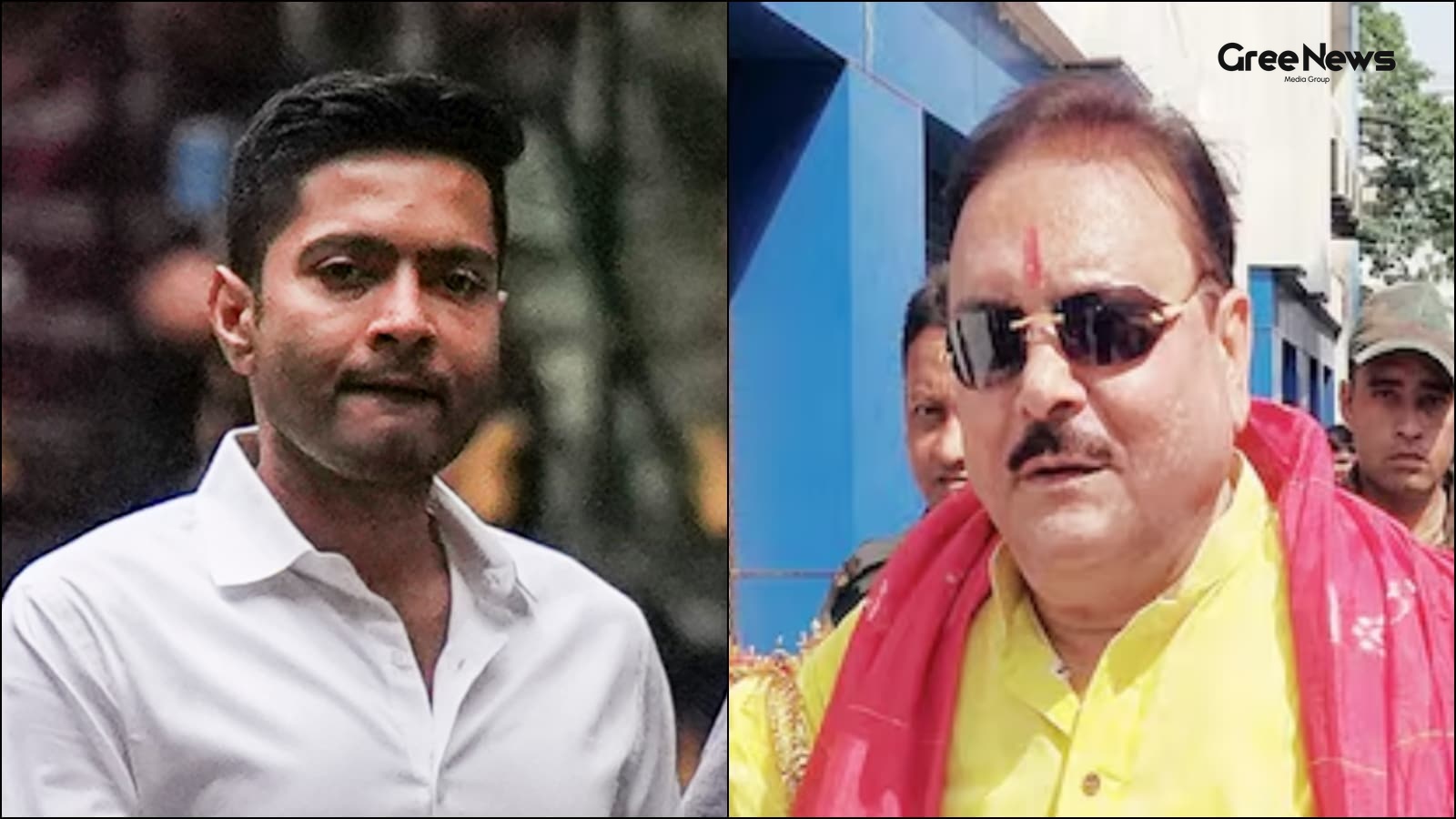
Political Instability and Corruption in West Bengal: Scrutiny of Land Scams and Financial Investigations
The air in Kolkata felt thick that night. Heavy with something you couldn’t quite name, a simmering tension beneath the surface of what was already a volatile political environment for the Trinamool Congress. It wasn't just politics anymore; it felt like exposure. That feeling escalated when the pol
Jun 13, 2026 by Gree News Team
Latest Headlines
Yogi Adityanath Condemns Remarks, Discusses Azamgarh Development and Law and Order
Yogi Adityanath, the Chief Minister of Uttar Pradesh, spoke out Saturday. He strongly condemned some derogatory remarks made against Akhilesh Yadav’s daughter. He insisted that no insult aimed at any daughter should ever be tolerated. He immediately told the police to register an FIR as soon as they
Jun 14, 2026 by Gree News Team
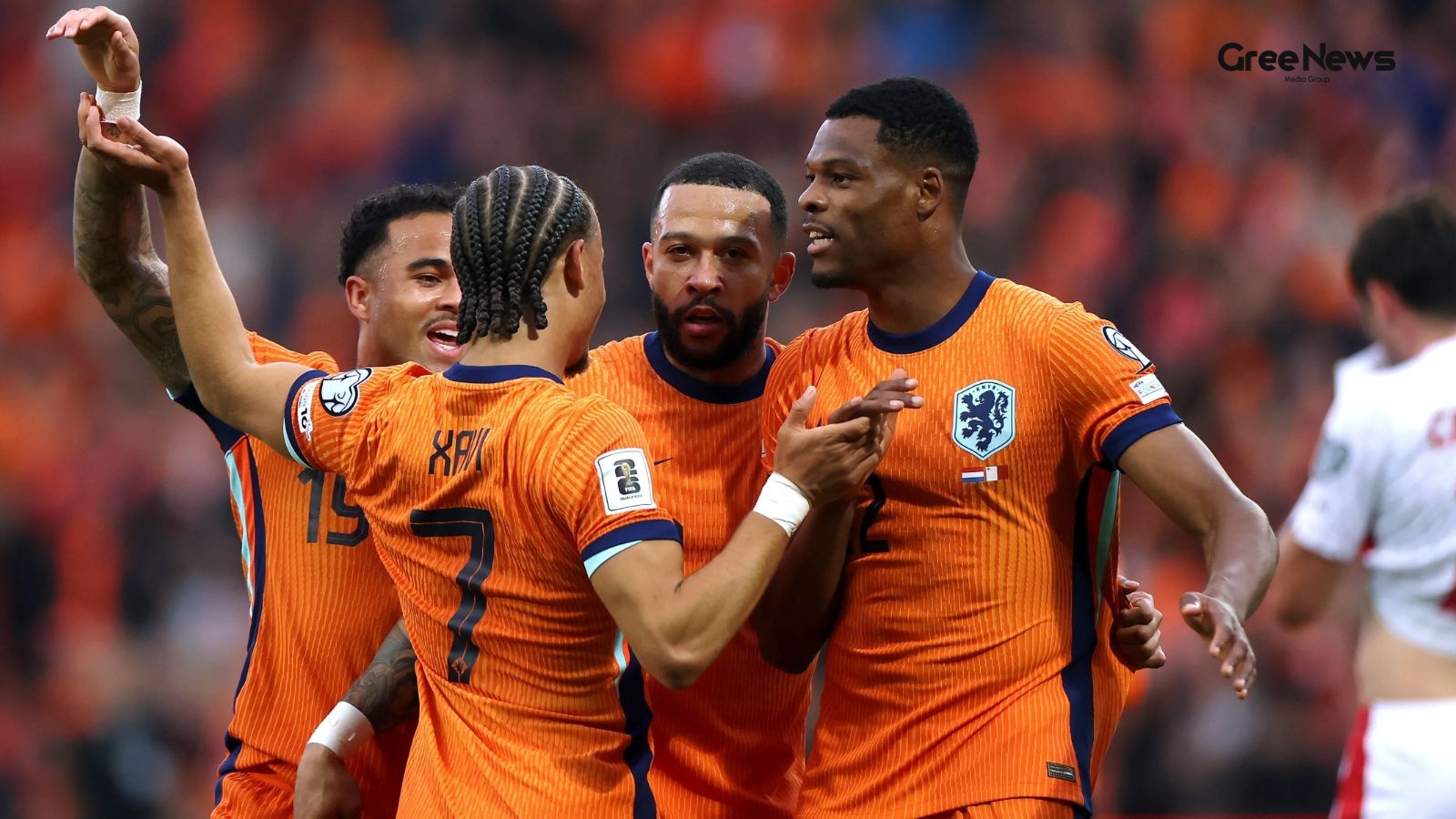
The Digital Ecosystem of World Cup Viewing: Tension and Logistics
The air around the World Cup build-up is thick, isn't it? Especially when you look at these early fixtures. It’s not just about the scores anymore; it’s about those little moments, that tension before the whistle blows in places like Arlington. We’re talking about the Netherlands versus Japan. Group
Jun 14, 2026 by Gree News Team
Biogas and Cow Protection: A Model for Rural Development in Uttar Pradesh
The big push now in Uttar Pradesh isn't just about cows anymore. It’s something much bigger a plan to link cow protection straight into rural development by installing mini biogas plants across villages. We’re talking about getting this done for over one lakh households. This whole idea came out of
Jun 14, 2026 by Gree News Team
Violent Clash and Murder Over Water Dispute in Uttarakhand
One person was killed. Three others got seriously hurt in a violent clash that broke out between two communities. It all happened over some water dispute in Bairagiwala, deep in the Sahaspur police station limits of Dehradun district, Uttarakhand. Late Saturday evening. That’s when things blew up an
Jun 14, 2026 by Gree News Team
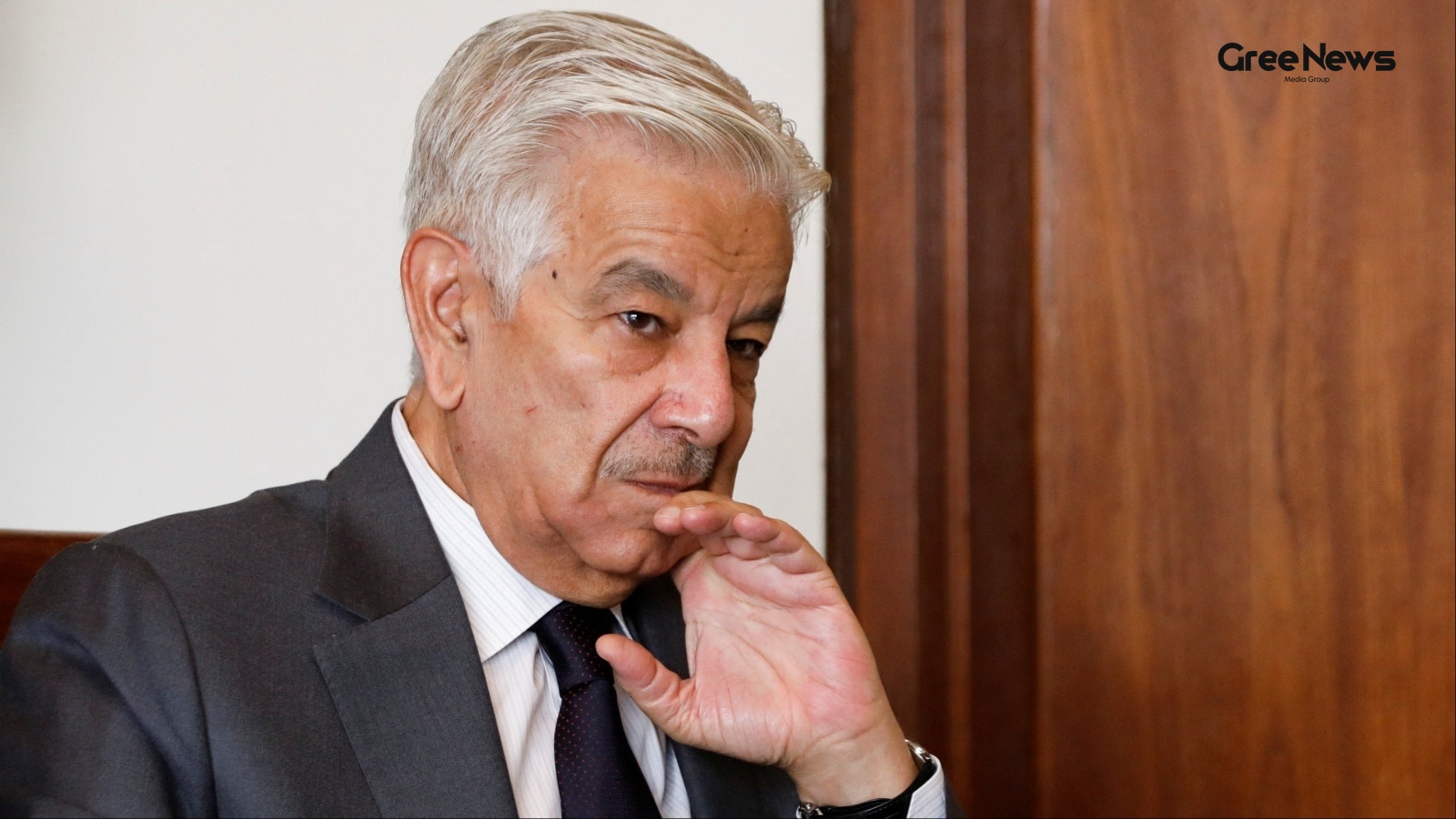
Escalation of Conflict and Religious Controversy in Pakistan-occupied Kashmir
That whole situation boiling over in Pakistan-occupied Kashmir… it’s just getting worse. Asif posted something on X, right? Some kind of message that brought up the Constitution and some part of the Quran while talking about the protests happening there. It was heavy stuff. He wrote that dialogue st
Jun 14, 2026 by Gree News Team
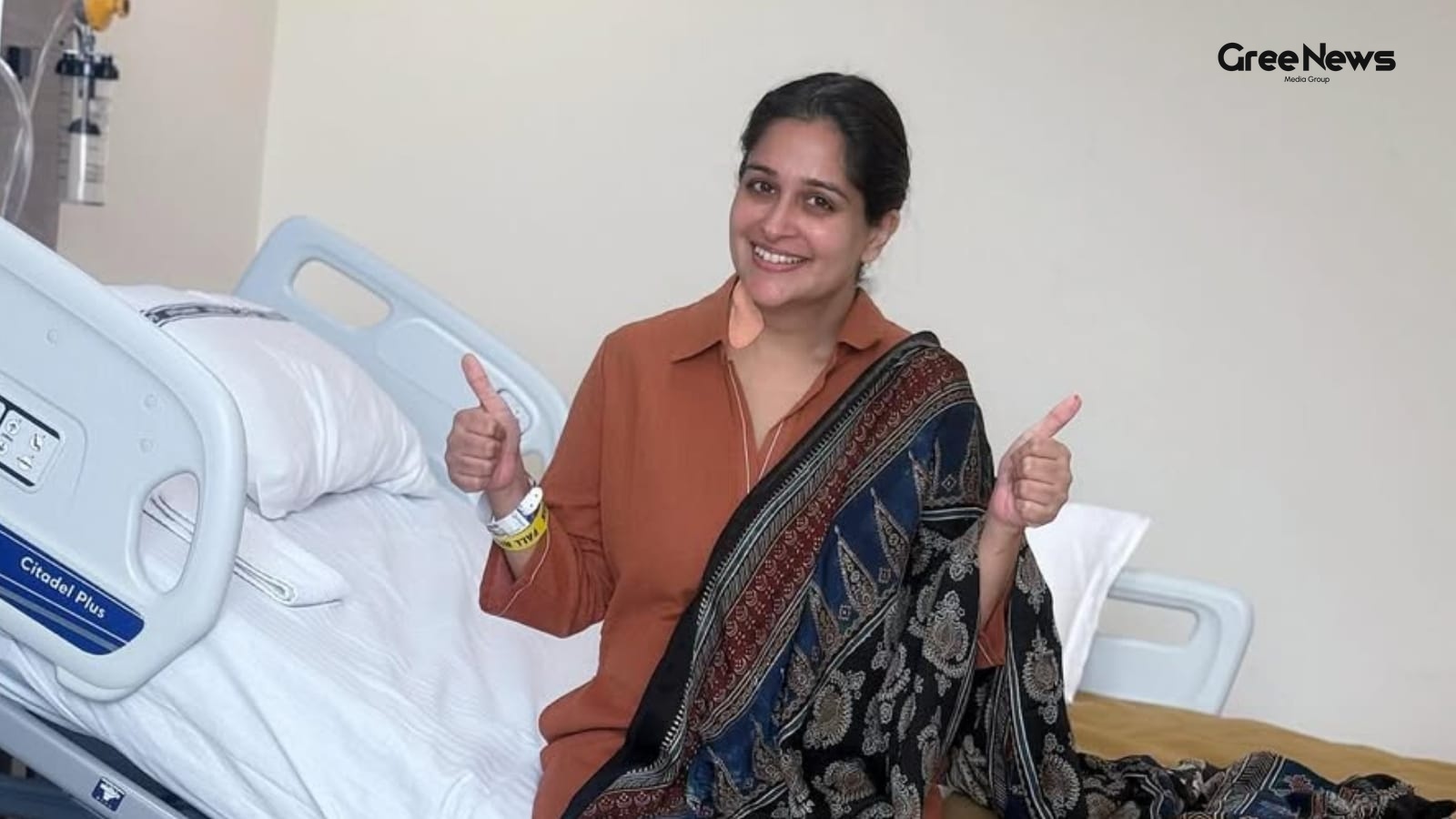
The Emotional and Medical Journey of Dipika Kakar and Shoaib Ibrahim
Dipika Kakar and Shoaib Ibrahim are really going through it right now. It’s just tough. Shoaib’s father, his dad, was admitted to the hospital after suffering a brain hemorrhage. That’s the starting point for all this stress. And Dipika is in the thick of it too. She’s undergoing her own treatment.
Jun 14, 2026 by Gree News Team

The Emotional Cost of Online Dating and the Search for Real Connection
The generation that grew up online is asking some serious questions now. Are those matches actually leading anywhere real? Instead of excitement, a lot of young people report feeling completely drained by it all. Endless conversations, ghosting, mixed signals it just feels heavy. And there’s the pre
Jun 14, 2026 by Gree News Team
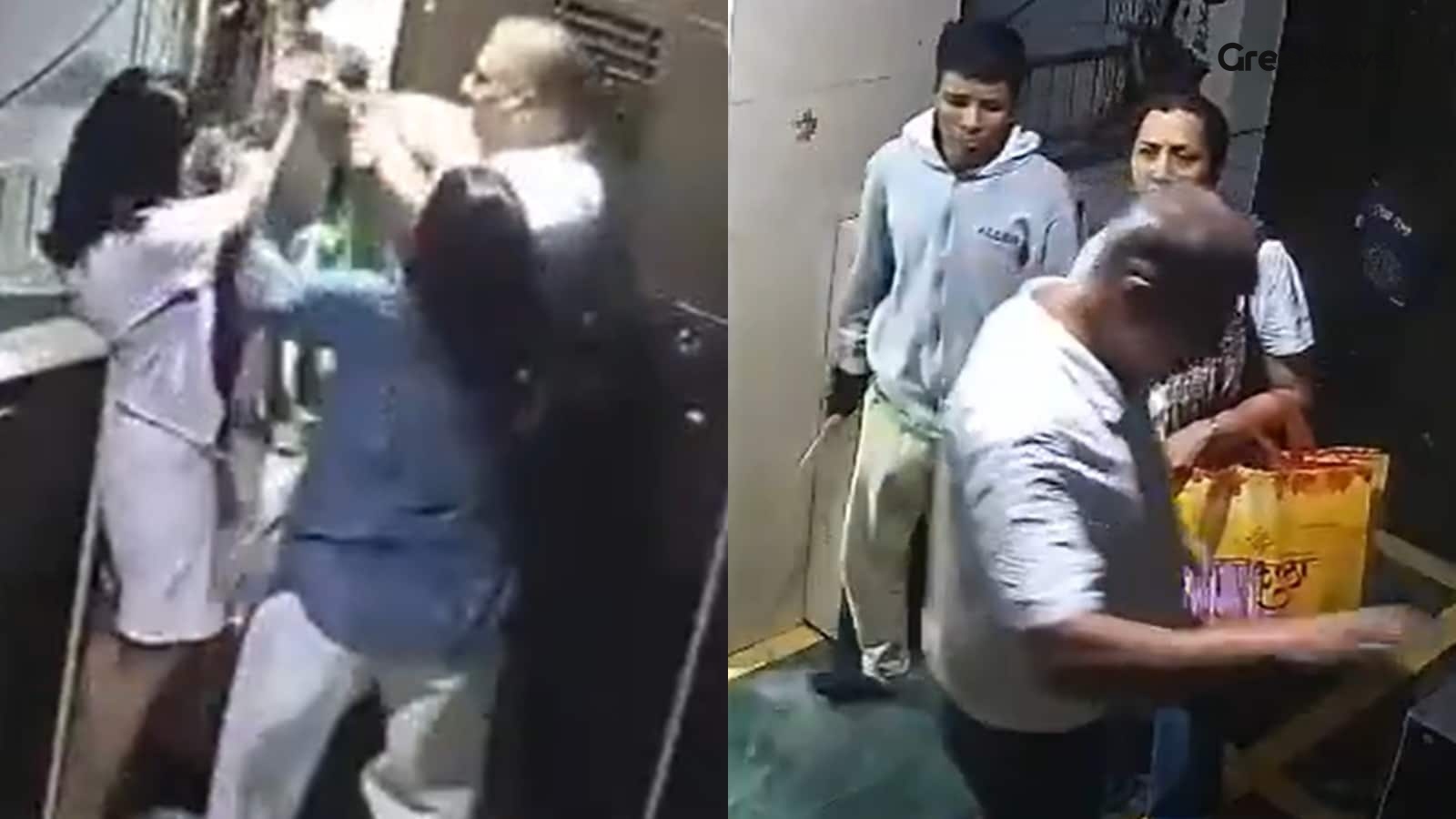
Pimpri Incident: Knife Attack, Legal Fallout, and Online Reaction
That whole thing in Pimpri felt just… explosive. A minor spat over something stupid spitting on a shoe rack in a building lift and it blew up into something really bad. You see, this happened on June 10th. The CCTV footage, taken from the seventh floor of that residential block in Morwadi area, show
Jun 14, 2026 by Gree News Team

The Batman: Part II Casting and Plot Speculation
Casting for *The Batman: Part II* is getting weirder. The mystery around it just got thicker. Ever since Matt Reeves showed those new additions, fans have been spinning theories about who will fill Gotham’s roles in this next chapter. Guessing which iconic characters the actors are bringing back or
Jun 13, 2026 by Gree News Team

The 8th Pay Commission: Timeline, Arrears, and Financial Projections
The whole thing about the 8th Pay Commission feels like it’s always been looming. You know? For nearly fifty lakh central government employees and the pensioners about sixty-five lakh of them too it's one of those developments everyone is watching with bated breath. Consultations are running, that’s
Jun 13, 2026 by Gree News Team
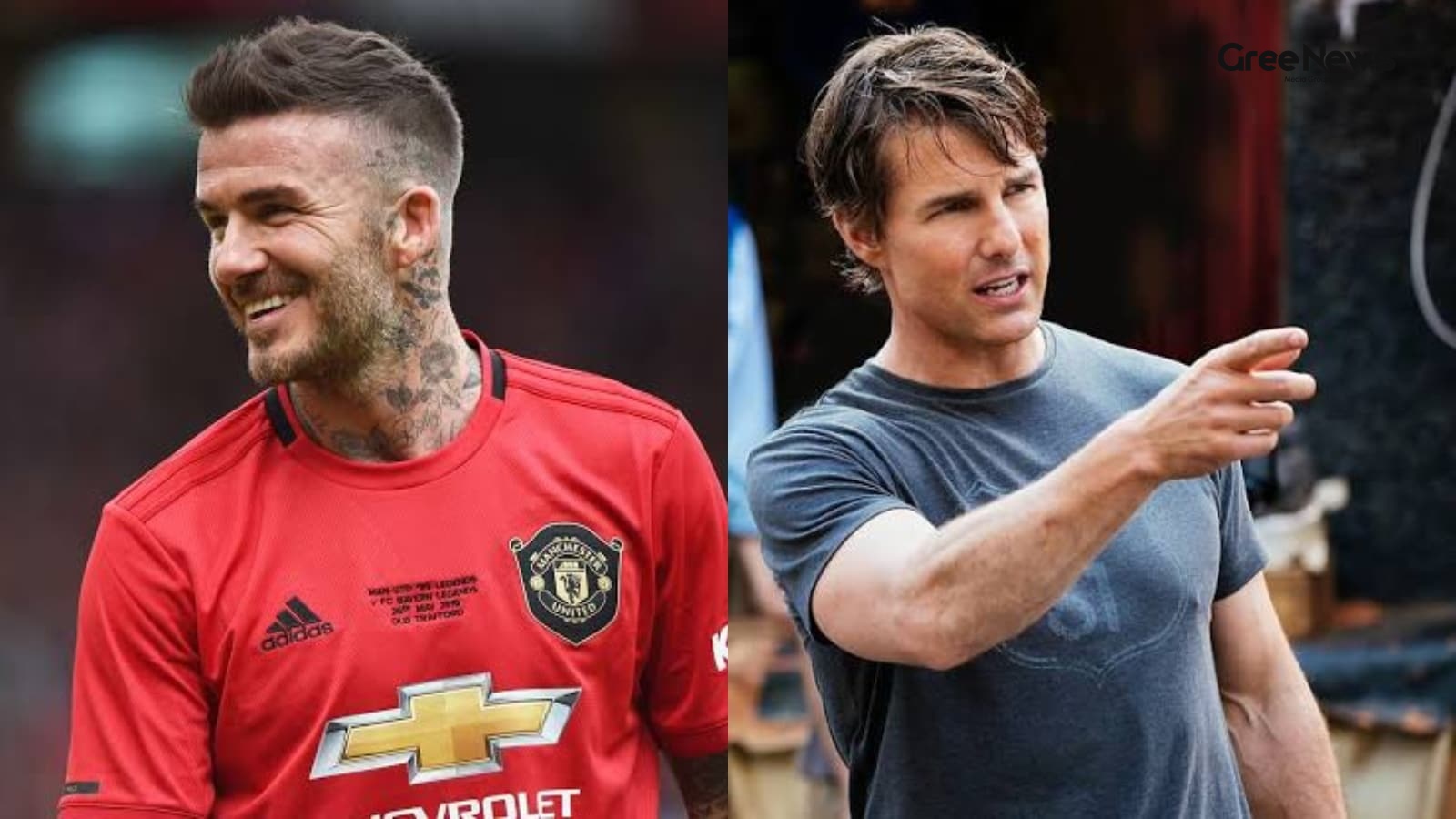
David Beckham's Hollywood Walk of Fame Tribute and Family Reflection
David Beckham had a day lined up. Family. Friends. A big career milestone that felt like it wrapped up decades of success, both on and off the football pitch. He got honored in Los Angeles on Friday. One of those huge entertainment tributes. He received a star on the Hollywood Walk of Fame. It was a
Jun 13, 2026 by Gree News Team
Political Instability and Corruption in West Bengal: Scrutiny of Land Scams and Financial Investigations
The air in Kolkata felt thick that night. Heavy with something you couldn’t quite name, a simmering tension beneath the surface of what was already a volatile political environment for the Trinamool Congress. It wasn't just politics anymore; it felt like exposure. That feeling escalated when the pol
Jun 13, 2026 by Gree News Team
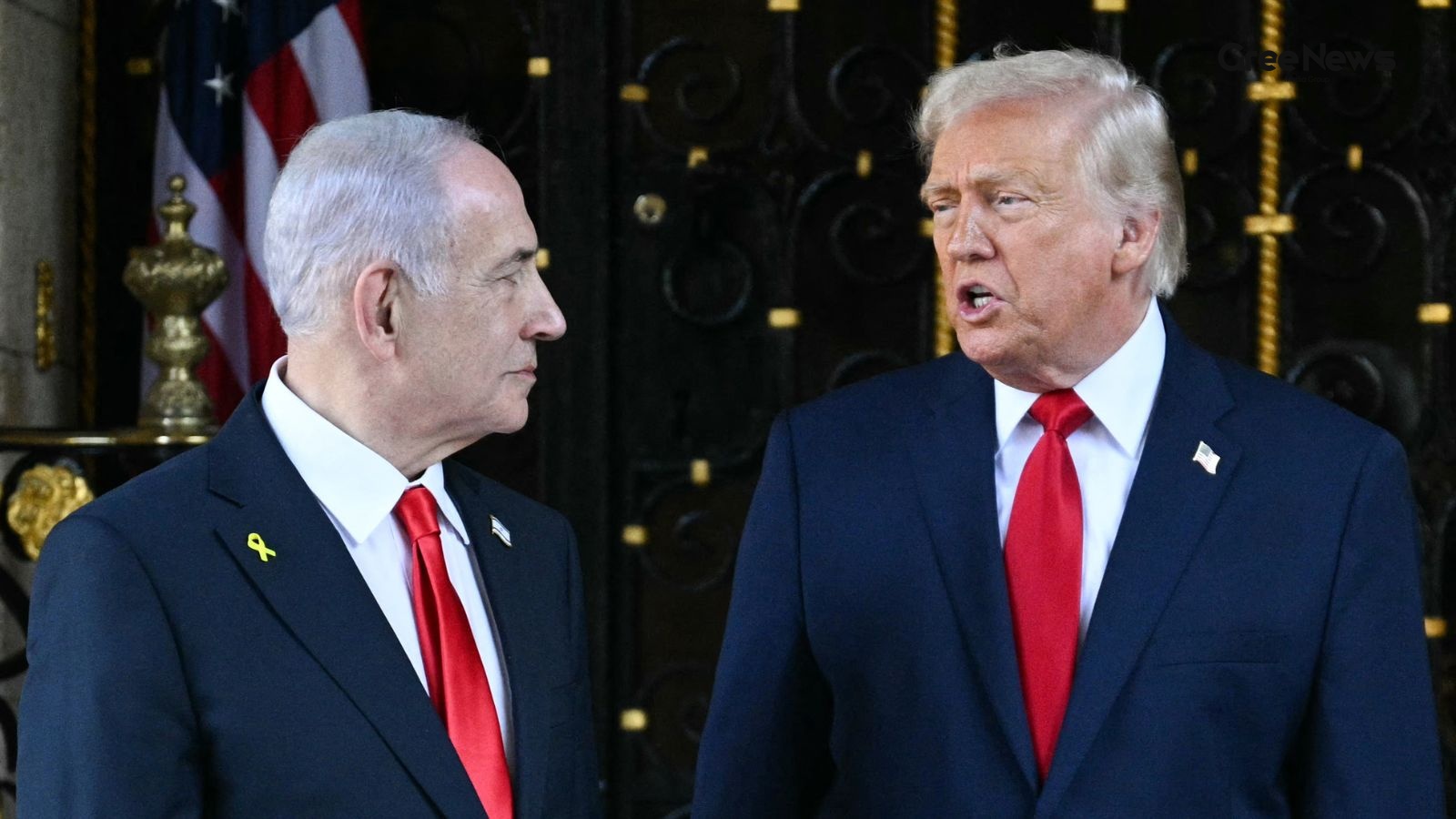
Report: Donald Trump, Netanyahu, and the Potential Peace Deal with Iran
Donald Trump reportedly told Israeli Prime Minister Netanyahu that a peace deal with Iran could happen in days. That’s what a senior US official quoted Axios saying. “This is the deal. It’s a great deal, and it’s time to end this war,” Trump allegedly said during a phone call with Netanyahu. Things
Jun 13, 2026 by Gree News Team
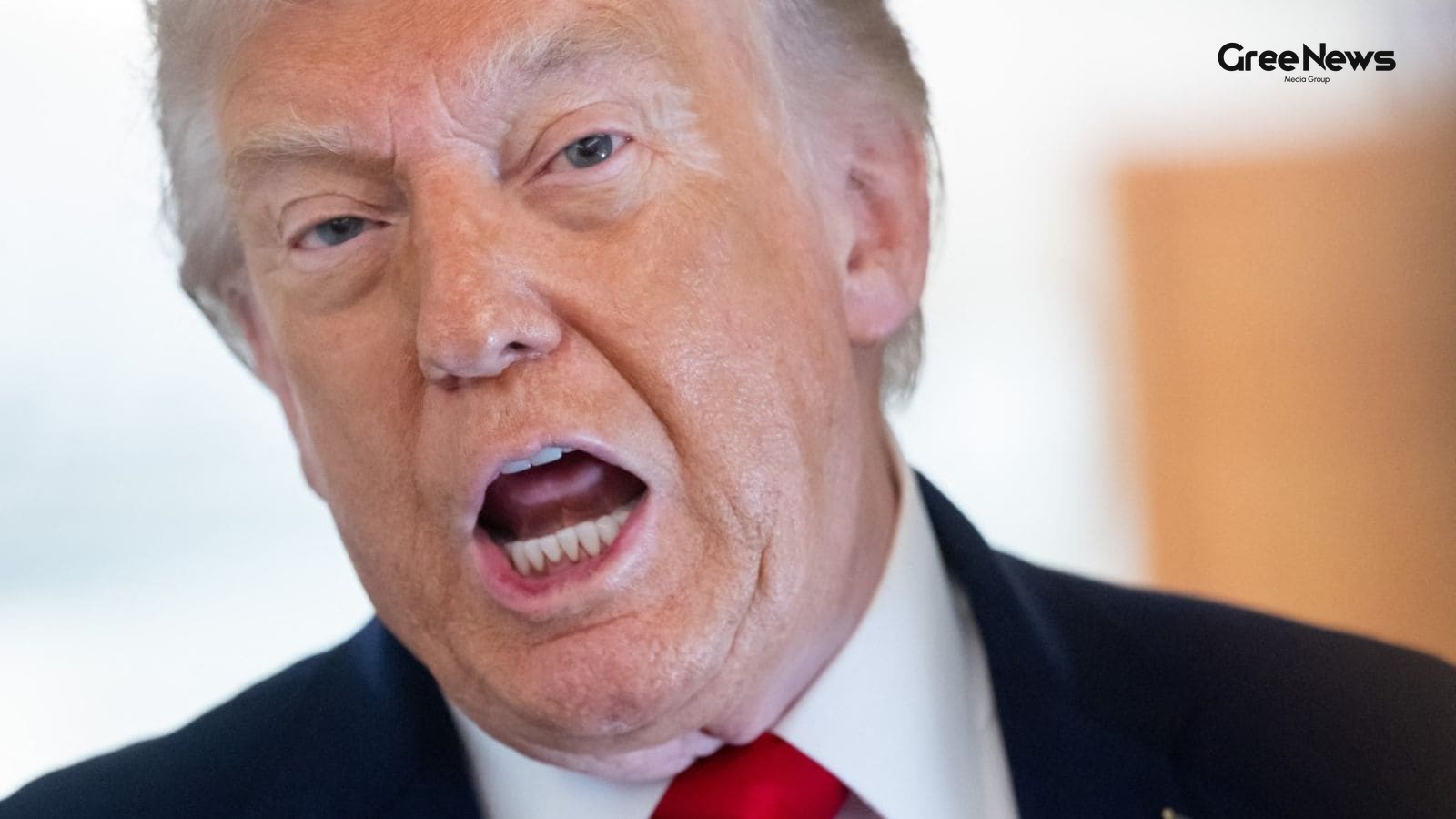
US-Iran Conflict Escalation and Ceasefire Breakdown
The whole thing just blew up again. The shaky ceasefire they managed to agree on back in April it’s completely gone now. Both sides are shooting at each other after Trump made his frustration known about Tehran’s response to any peace deal. It started when Iran shot down a US Apache helicopter over
Jun 13, 2026 by Gree News Team
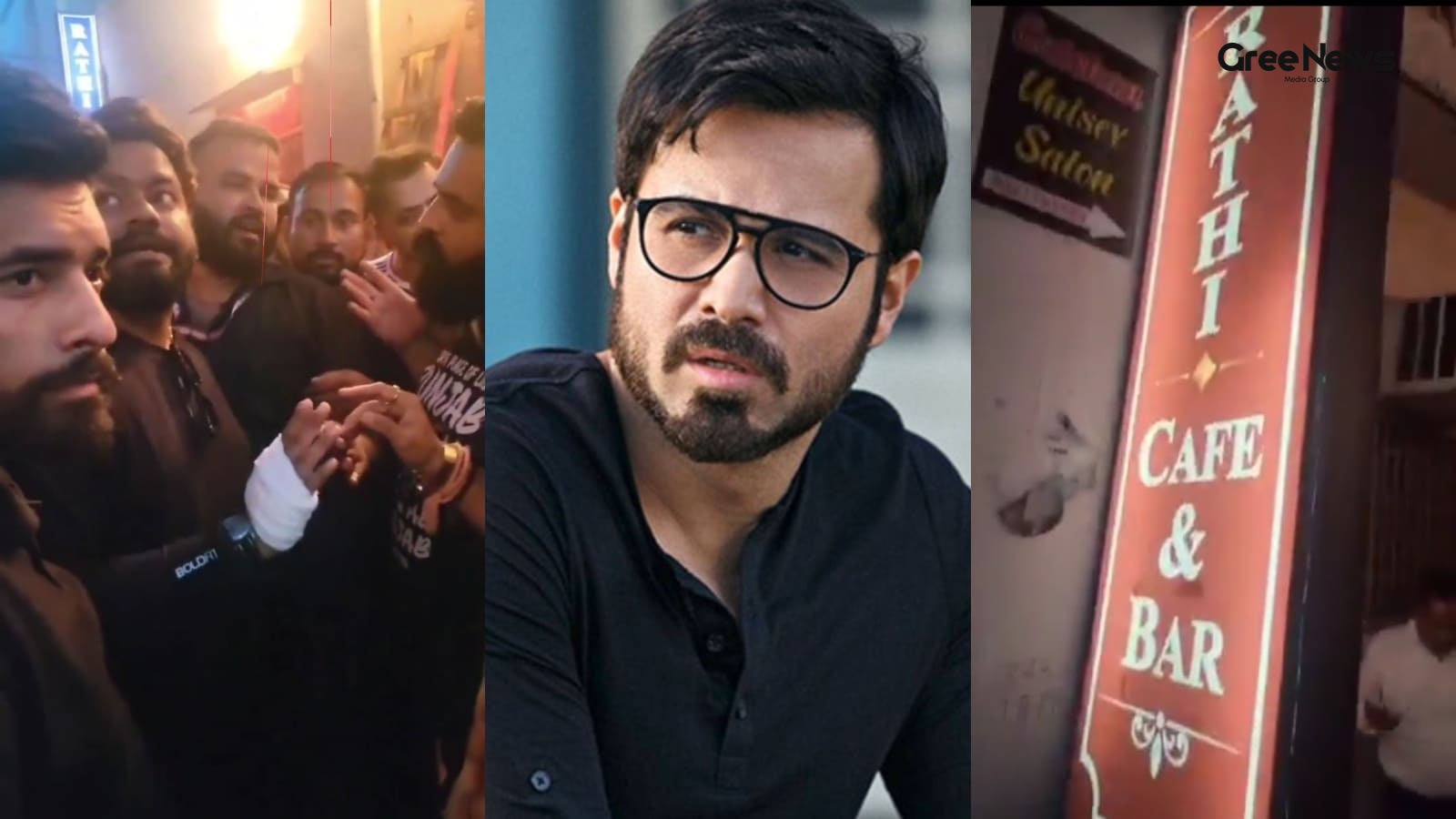
Emraan Hashmi: Haridwar Ruckus, Film Updates, and Upcoming Projects
Actor Emraan Hashmi. Right now he’s in Haridwar, Uttarakhand. Shooting something new. Details? Nothing official yet. But there’s a video out there from the set, and it blew up on social media. Locals apparently objected to some sign they used while filming. Ruckus over a signboard. That’s what happe
Jun 13, 2026 by Gree News Team