The Blending of Identities in Football: Morocco's World Cup Journey
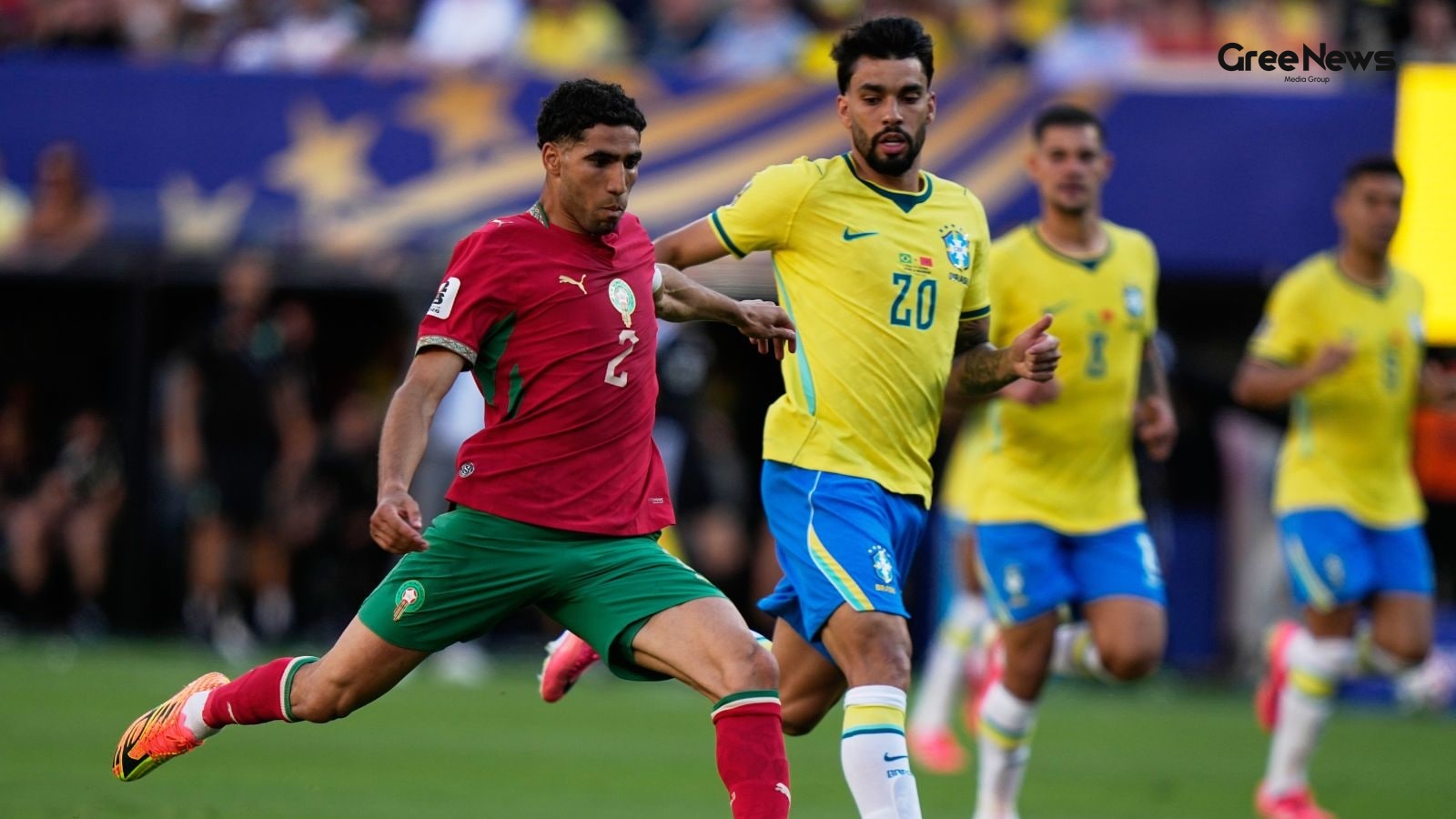
The Morocco squad, under Achraf Hakimi, something historic happened that Saturday, June 13th. They became the first team in FIFA World Cup history to field eleven footballers who weren't actually born in Morocco. It was during their very first game of this massive tournament, against Brazil. And it happened deep into the match the 65th minute. A real moment of chaos on the pitch.
It’s kind of wild, isn't it? This whole trend with Moroccan football… it really seems to hinge on recruiting players who carry that heritage but were forged somewhere else entirely. They bring this weird blend. Strong domestic stuff mixed with people shaped by those intense European systems. It changes everything about how you look at the team right now.
And this isn't just some fluke, though. This pattern is showing up everywhere. Look at their 26-man squad for the 2026 World Cup. They’re really positioning themselves well in Group C. Alongside Brazil, they seem like serious contenders. Ahead of Scotland and Haiti, definitely aiming high.
You have to look at who actually stepped onto that pitch against Brazil. It wasn't just about the result; it was about the geography suddenly becoming visible. The players involved? They came from all over. Montreal, Canada for Yassine Bounou. Then there’s Noussair Mazraoui, straight out of Leiden, the Netherlands. Issa Diop, Toulouse, France. Chadi Riad from Palma, Spain. And Achraf Hakimi himself, Madrid.
Then you got Neil El Aynaoui from Nancy, France. Ayyoub Bouaddi from Senlis. Chemsdine Talbi over in Sambreville, Belgium. Bilal El Khannouss, Sint-Jans-Molenbeek, Belgium too. Samir El Mourabet from Strasbourg, France. And Ismael Saibari, Terrassa, Spain. A real mix of places.
It’s a tapestry, really. Not just Morocco. It's this whole movement happening in the football world. This mixing of bloodlines and training methods. That was visible when things went down Saturday. Saibari, bless him, he broke through early. Twenty-one minutes in. A clever scoop, something sharp that put Morocco ahead. A moment of pure magic from his side.
But Brazil? They just kept pushing. Vinicius stepped up then. A flash of brilliance to level it. Right there. That single moment dragged the whole thing back into a draw. So you got this opening game ending in a stalemate. Not the knockout drama everyone was hoping for, but still… something happened.
Brazil is hunting that sixth World Cup crown, twenty-four years after they last won one. It’s massive pressure. And they look to Carlo Ancelotti now. He’s the man people turn to when things get tough. He’s the first foreign coach leading Brazil at this biggest stage. That shift in leadership is huge. It suggests there's still a lot of work left for him. To really nail that dominant team they need. The pressure cooker is definitely still on.
Ronaldo, Roberto Carlos, Kaka… they were part of that golden 2002 squad. They were there at MetLife Stadium too. That history hangs over everything now. Brazil trying to recapture something old, but with a new setup. It’s complicated. Messy.
This whole narrative about where these players come from it's not just geography anymore. It’s about identity, about how football is being built across borders. Morocco’s team exemplifies that blending, doesn't it? It shows you this complex reality playing out on the pitch. The talent pool itself seems to be shifting away from purely national lines.
Think about Hakimi, Madrid born. A player shaped by one system, carrying another identity. That kind of duality is what fuels these modern teams. It’s not just about skill; it’s about where that skill was learned, and who you are while playing it. And Morocco seems to be harnessing this particular dynamic really effectively.
The way they assembled the team for the World Cup it hints at a deeper strategy. Not just picking the best names available from their borders. It's about finding talent wherever it exists. Those players from France, Spain, Belgium, Canada… they bring different angles. Different influences. That’s what makes the collective force so interesting to watch unfold in these big games against giants like Brazil.
And that feeling of urgency? It sits there. You see Brazil chasing a record win. Ancelotti trying to settle things down. But Morocco just demonstrated a way of operating differently. They showed they can pull from anywhere. It’s subtle, maybe. A quiet statement made in the 65th minute.
We aren't just watching football anymore; we're seeing how these international movements translate into on-field performance. The team composition itself is a story. A story of migration, of influence, of blending identities under the intense glare of global competition. It’s messy, it’s fast, and it certainly isn't neat. And that’s probably exactly what makes it compelling.
The specific details about where these players grew up Montreal, Leiden, Toulouse, Madrid they aren't just trivia anymore. They become anchors for the story of how this team was built. Each name pulls in a different cultural thread. It reminds you that the talent isn't confined to one place. It’s everywhere, moving and adapting under the demands of the global game.
It makes you wonder what this means for the future. For Morocco? They seem positioned well now. Strong contenders with Brazil. But there’s an inherent instability in any massive group. The results will tell the real story. Whether they can harness that international blend into pure dominance, or if those diverse influences create friction instead of synergy that’s the next big question waiting on the pitch.
And for Brazil? They need to figure out how to solidify that momentum. Ancelotti needs more than just a good team; he needs a truly settled one. The pursuit of that title feels layered with history, with those ghosts of the 2002 era. It’s not simple math. There are so many variables at play, all these different influences colliding under pressure.
The way the game went that draw in the opening match it felt like a pause button on the expectation. A moment where brilliance from both sides canceled each other out. Saibari's sharp move countered Vinicius’s flash. It wasn't a clear victory or defeat; it was just football, raw and unpredictable. That kind of ambiguity is what sticks with you long after the final whistle blows.
It all comes down to that collective experience. The blend isn't just statistical data. It’s lived reality on the pitch. These players aren't just names on a roster. They carry the weight of their different origins, the echoes of European training, the pull of their birthplaces. That mixture is what gives Morocco this edge, this strange, compelling ability to compete against giants.
It’s observational, really. Watching how these international threads weave themselves into a single fabric. It's not perfectly structured. There are gaps. There are moments where the narrative shifts abruptly. But that unevenness? That’s the reality of modern football. It’s rarely clean. It’s always moving toward something more complicated than just simple victory or defeat. It’s about this constant, shifting interplay of places and people on a massive stage.
Written by Gree News Team — Senior Editorial Board
Gree News Team covers international news and global affairs at Gree News. Our collective of senior editors is dedicated to providing independent, accurate, and responsible journalism for a global audience.
More from Sports
View All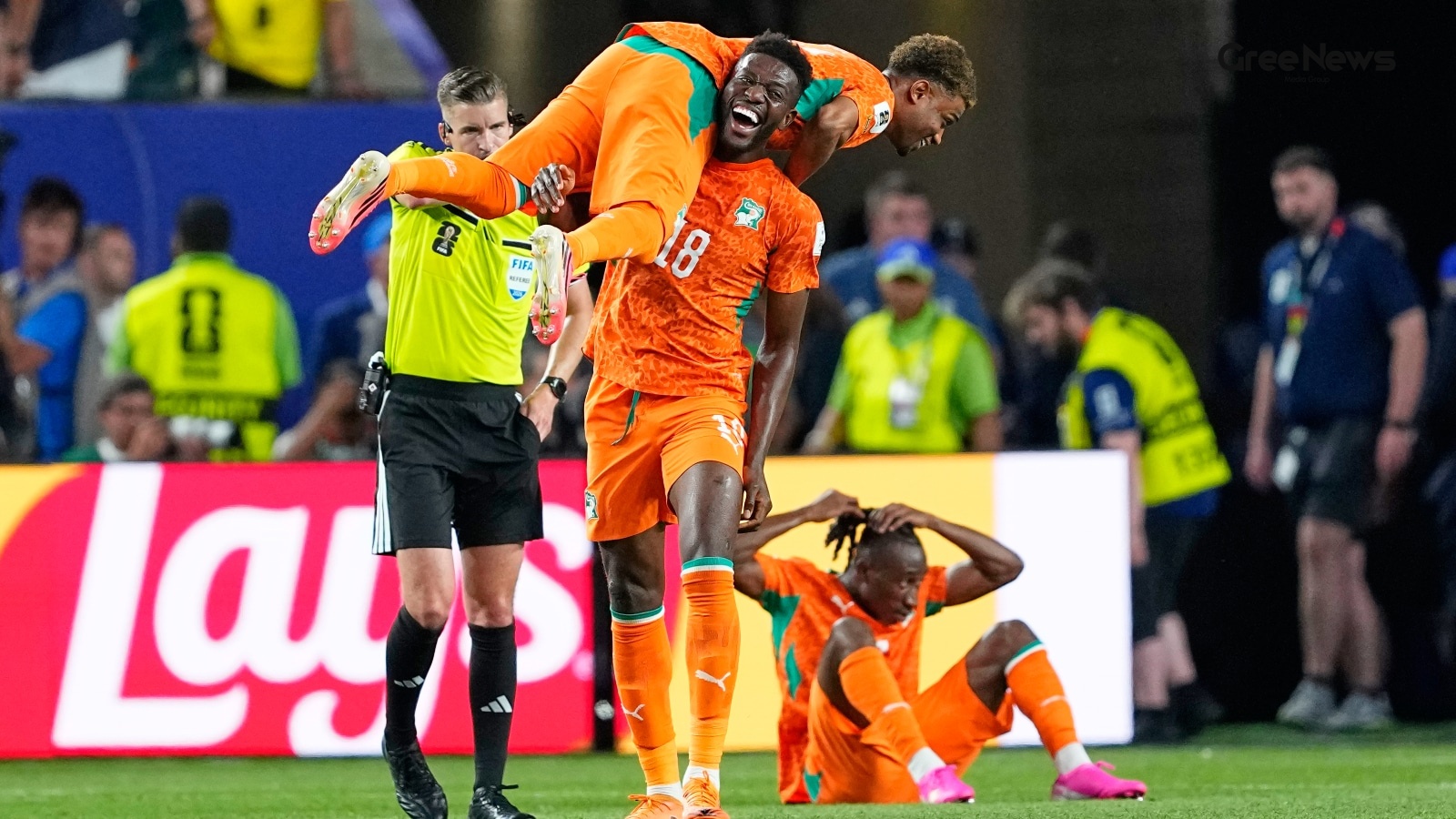
Amad Diallo's Decisive Goal Secures Ivory Coast's World Cup Start
Amad Diallo finally struck in the ninety-minute. That was it. Ivory Coast got a single goal against Ecuador in their World Cup opener on Sunday. A dramatic one. It silenced that massive crowd. The African champions got a memorable start. For most of the evening though, it just felt like nothing was
Jun 15, 2026 by Gree News Team
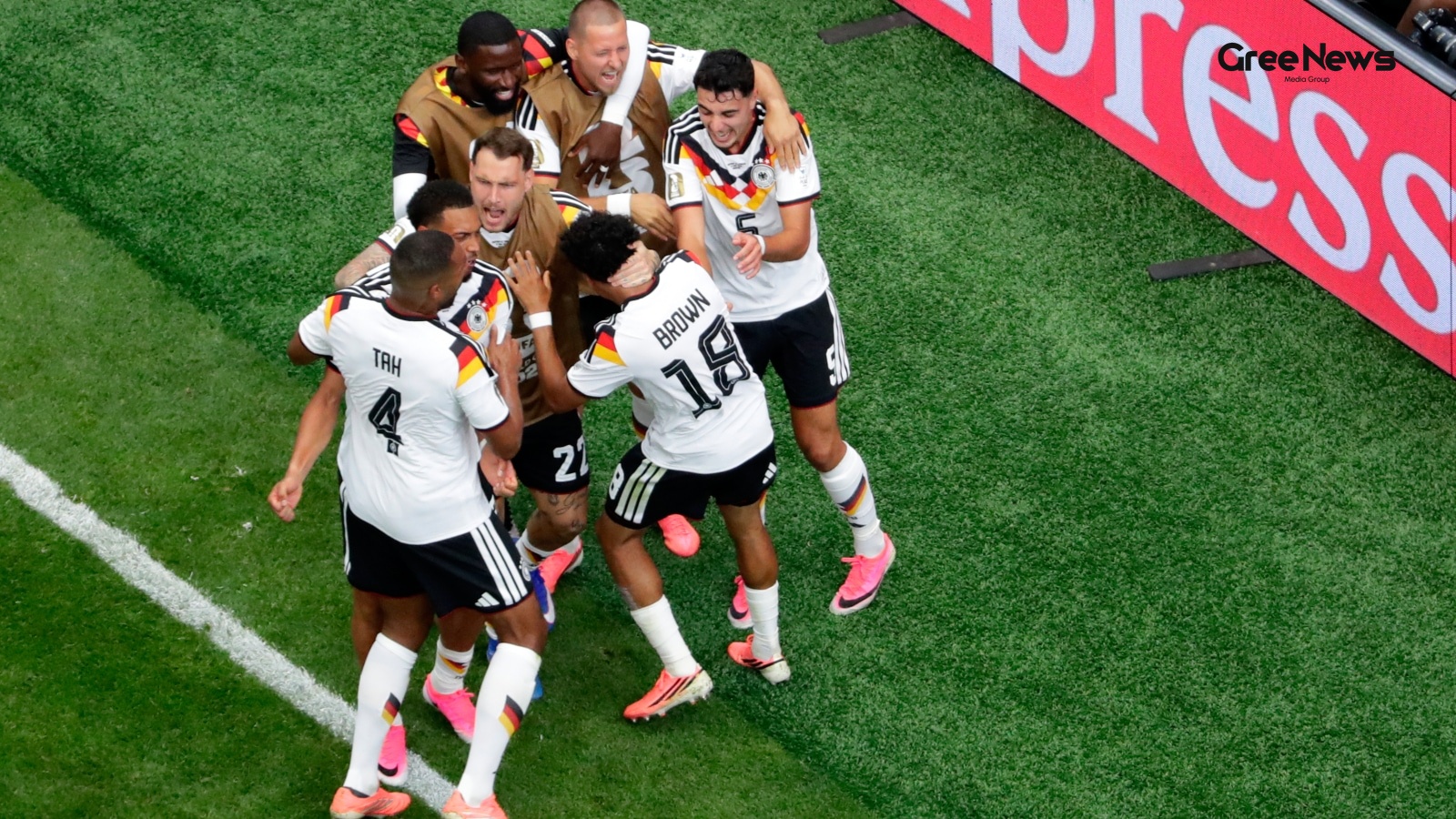
Germany's Dominance: Seven Goals and a Record-Breaking Performance
Germany just absolutely demolished Curacao. Seven goals. It was their opening clash in Houston, and they completely owned it on Sunday. The group stage game Group E, whatever you call it was pure dominance by the four-time champions. But you know how football is. Hope flickers, right? Livano Comenen
Jun 15, 2026 by Gree News Team
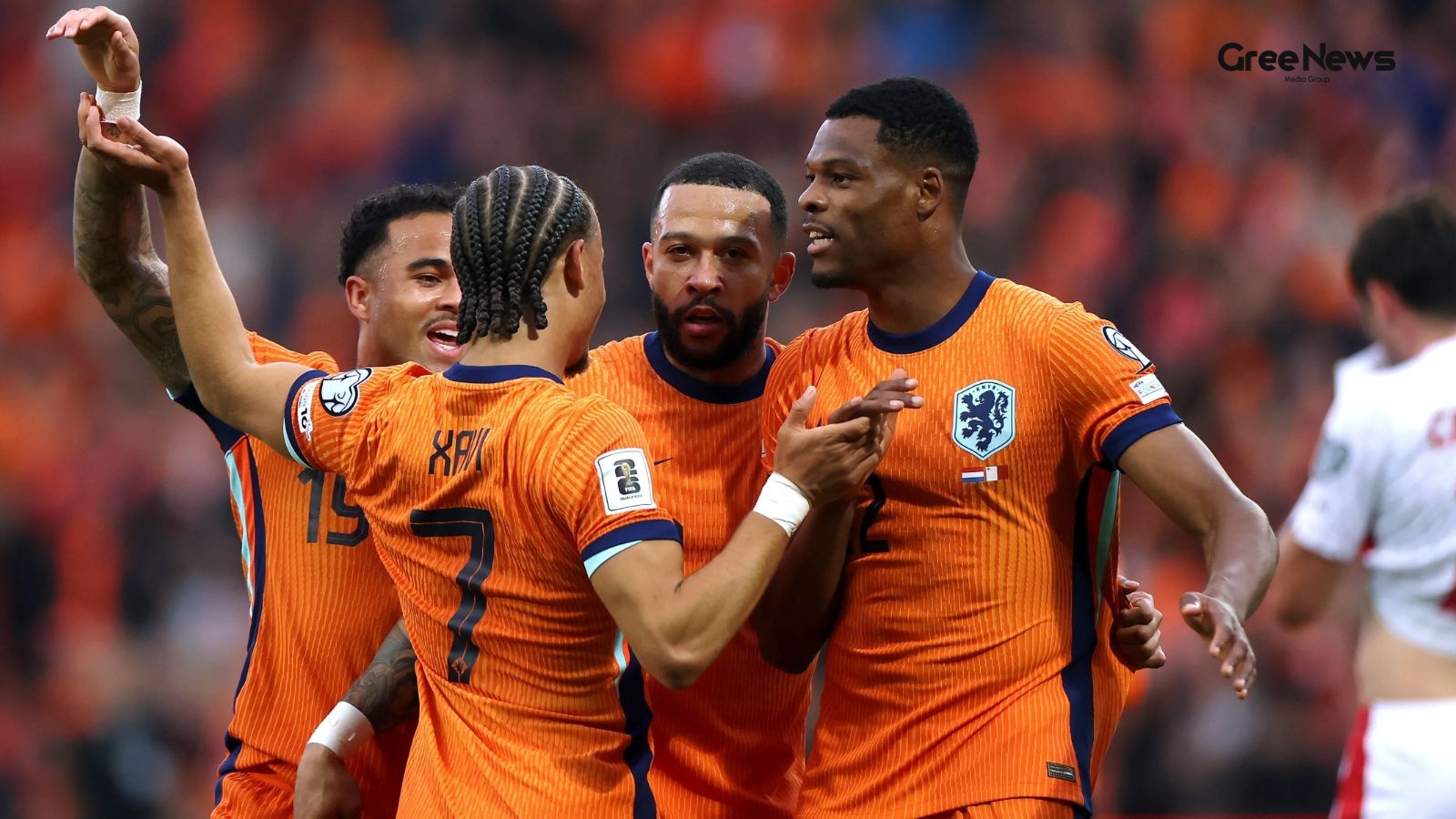
The Digital Ecosystem of World Cup Viewing: Tension and Logistics
The air around the World Cup build-up is thick, isn't it? Especially when you look at these early fixtures. It’s not just about the scores anymore; it’s about those little moments, that tension before the whistle blows in places like Arlington. We’re talking about the Netherlands versus Japan. Group
Jun 14, 2026 by Gree News Team
Wataru Endo and Marcos Senesi: World Cup Updates and Transfers
Wataru Endo pulled out of the 2026 World Cup squad. That’s what he confirmed on X Thursday, June 11th. He cited injury. Endo plays for Liverpool in the Premier League, and apparently, he tried everything to get back fit for the tournament but just couldn't make it work. It ended up being a withdrawa
Jun 12, 2026 by Gree News Team
Latest Headlines
US and Iran Peace Deal Negotiations and Demands
The US and Iran supposedly nailed down a peace deal after some intense back-and-forth negotiations wrapped up Sunday. Both sides agreed to stop all military moves immediately. That included everything going on in Lebanon too. President Trump was the one to confirm it, calling it a huge step for stab
Jun 15, 2026 by Gree News Team
US-Iran Framework Agreement, Nuclear Sticking Points, and Diplomatic Tensions
The framework agreement between the US and Iran came out of nowhere. Months of conflict suddenly paused. Military operations stopped. Negotiations started on the really messy parts, especially Tehran’s nuclear programme. Then you have the chatter from Trump. He said Israel stood to benefit from this
Jun 15, 2026 by Gree News Team
US Iran Framework Agreement: Draft Details and Sticking Points
The framework agreement itself that’s what they announced through the mediators, Pakistan leading the way, later confirmed by folks in Washington and Tehran it’s slated for a formal signing in Switzerland on June 19th. That date hangs over everything. But you don't actually have the full memorandum
Jun 15, 2026 by Gree News Team
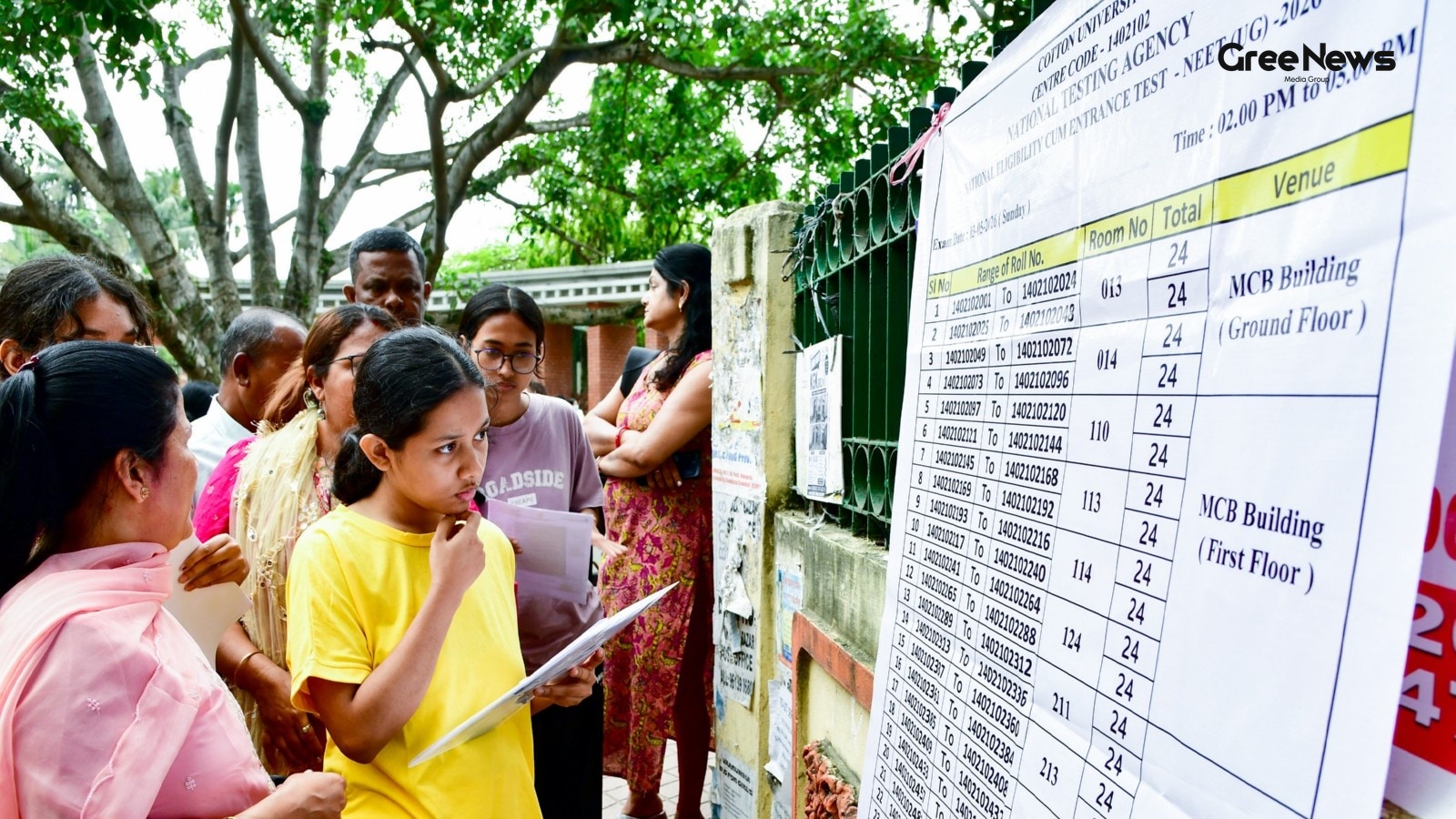
NEET (UG) 2026 Re-examination Admit Card Release Details
The National Testing Agency finally put out the admit cards for the NEET (UG) 2026 re-examination. It’s scheduled for June 21st, 2026. Sunday notice said you can grab these things from their official site, neet.nta.nic.in. You just need your application number and date of birth to get started. But t
Jun 15, 2026 by Gree News Team
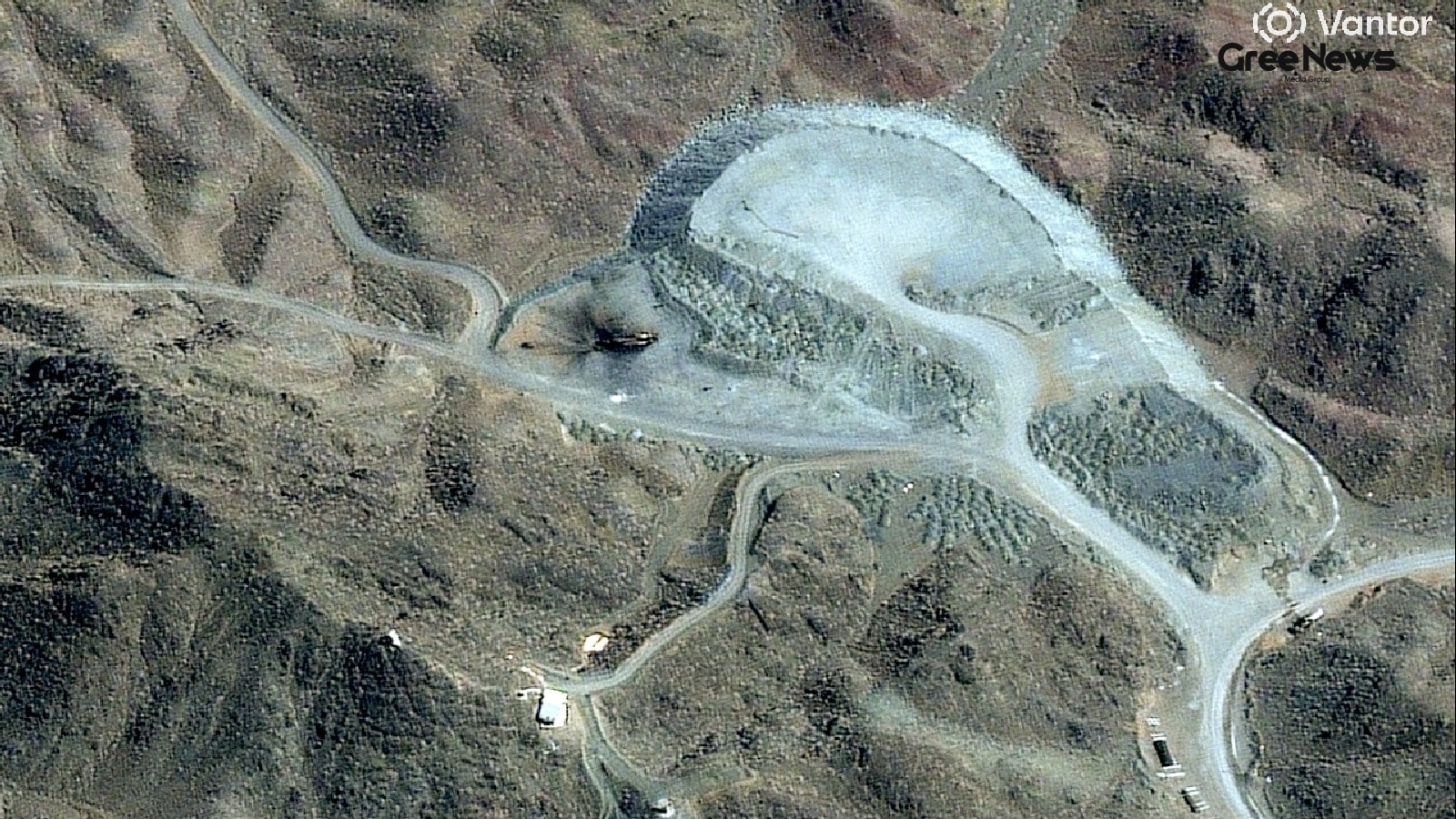
Iran-US Nuclear Negotiations and the Islamabad Memorandum
Iran has agreed something. It won’t produce or get nuclear weapons under a draft memorandum they are working out with the United States. That’s what a senior Iranian official told Reuters. It feels like a real breakthrough, maybe after months of this insane diplomacy between Washington and Tehran. T
Jun 15, 2026 by Gree News Team
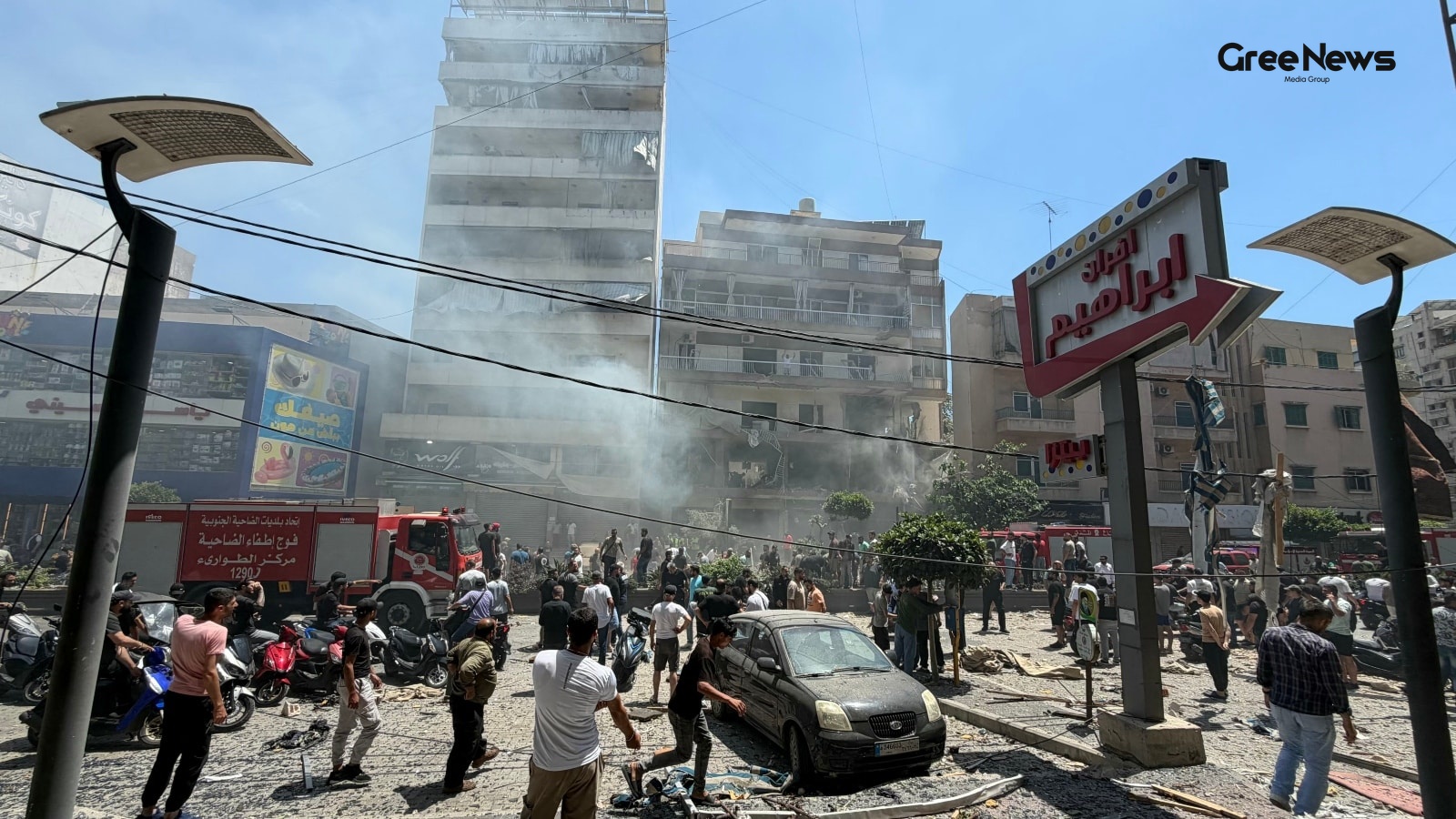
Iranian Officials React to Israeli Strike on Beirut and Peace Talks
A senior Iranian military official said something pretty stark on Sunday. He warned that Israel’s strike hitting Beirut’s southern suburbs wouldn't just be ignored by Tehran. It added this whole layer of uncertainty to that deal, you know, the one US President Donald Trump had hinted would be signed
Jun 15, 2026 by Gree News Team
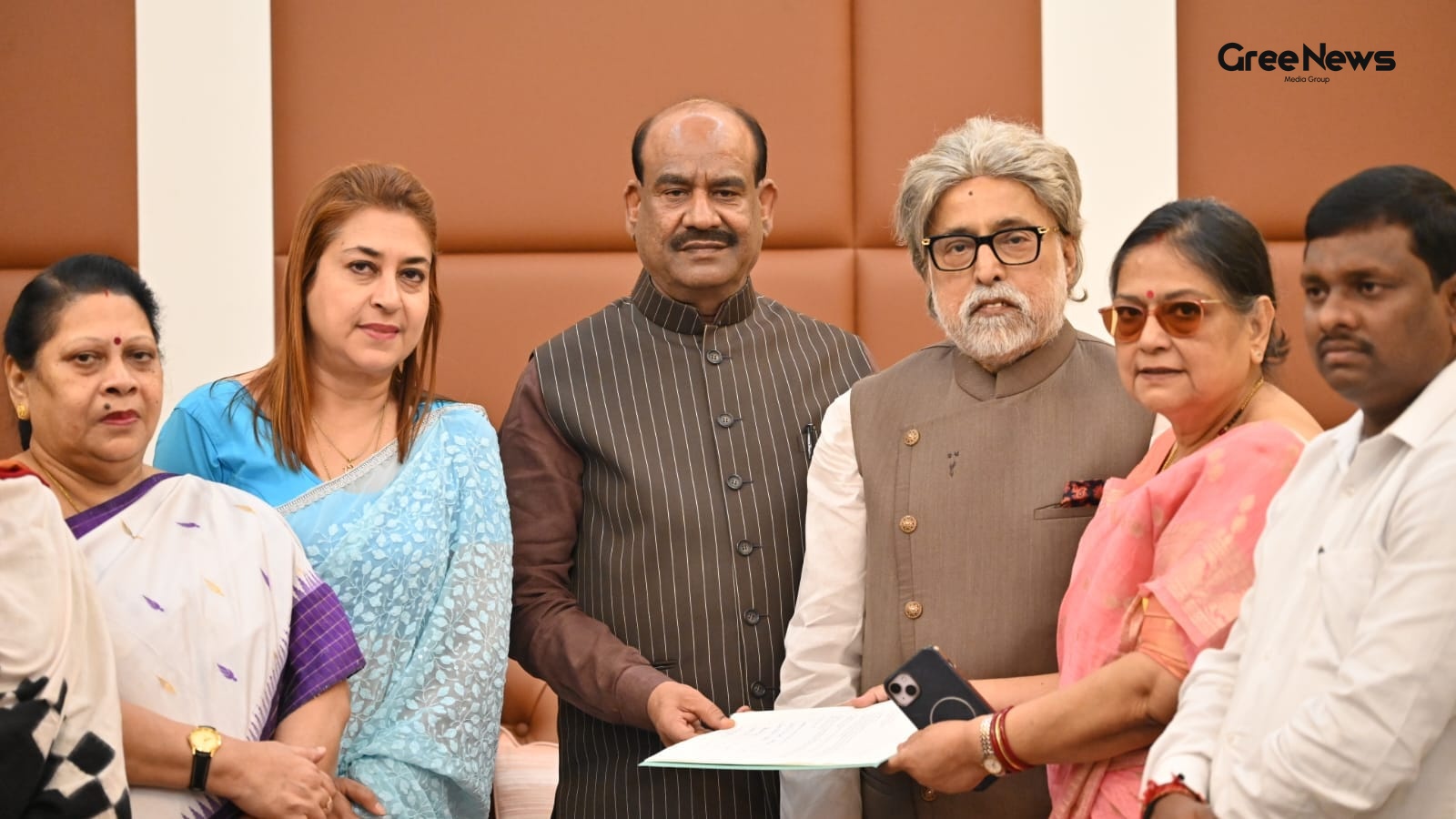
Dissent within TMC: Rebel MPs Seek Alliance with NDA and NCP
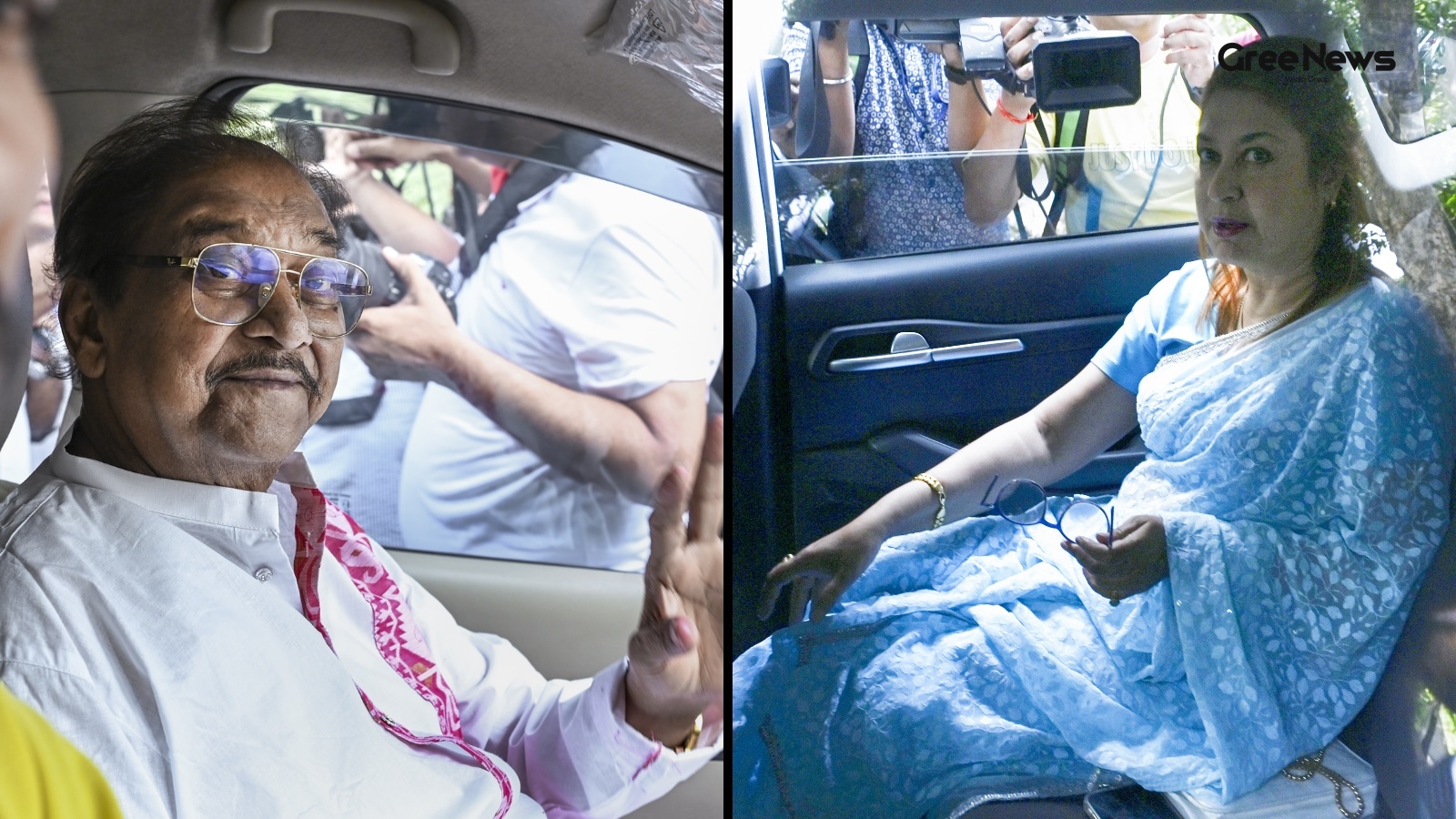
Kakoli Ghosh Dastidar from the Rebel Trinamool Congress camp said something on Sunday. She basically claimed that this dissident group would team up with the NDA at the Centre. Work under Modi, they said. This came after some meeting with Lok Sabha Speaker Om Birla. It was happening amid all the noi
Jun 15, 2026 by Gree News Team
Gram Chikitsalay Season 2: Plot, Release Date, and Themes
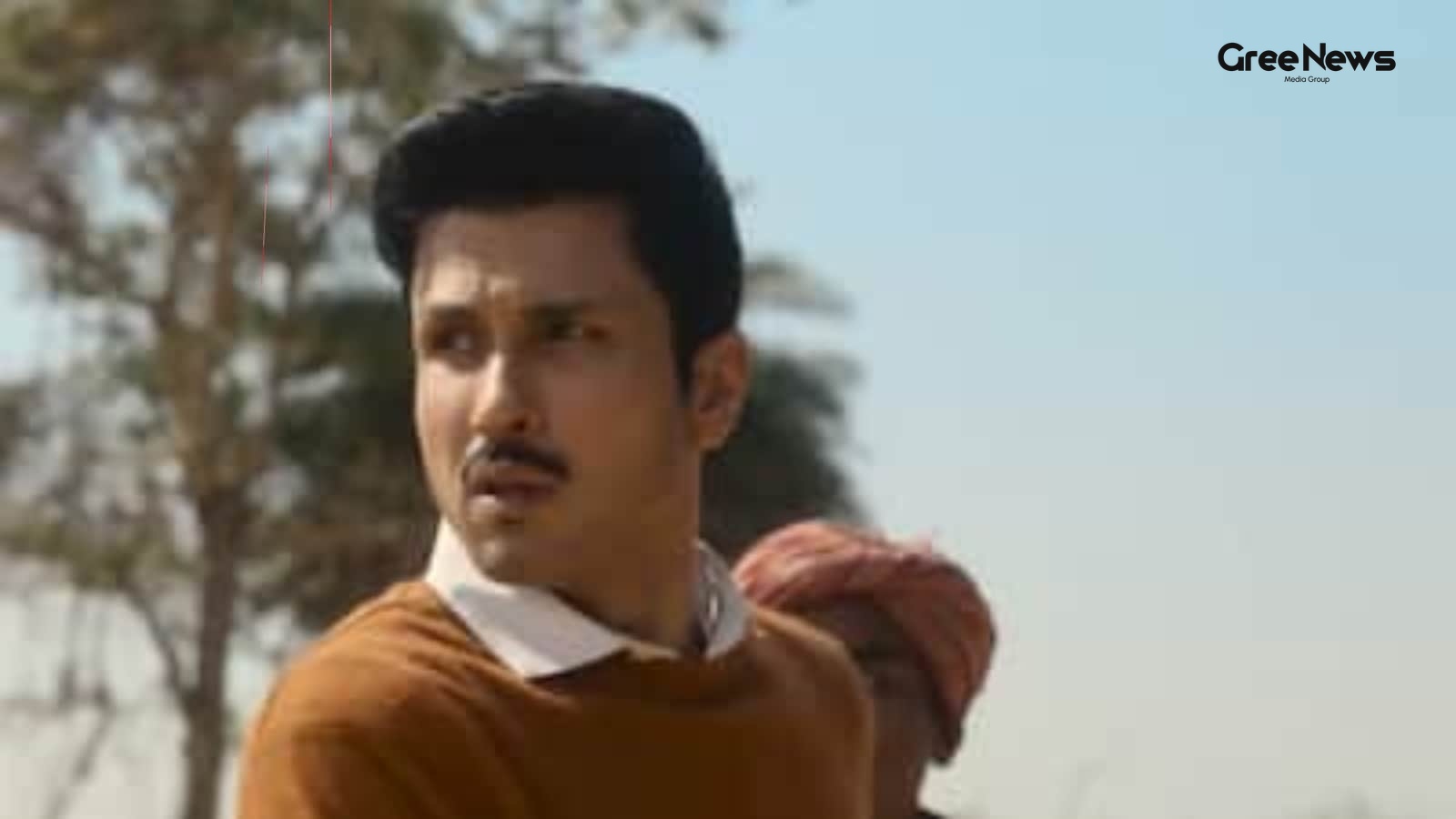
Fans of Gram Chikitsalay are definitely getting something to look forward to. Seriously. The makers have officially dropped the news about the second season of that comedy-drama series, bringing back Amol Parashar as Dr Prabhat for another dose of rural India humour the kind of chaos mixed with genu
Jun 15, 2026 by Gree News Team
Political Split and Maneuvering within TMC
The air around the TMC seems to be getting noticeably heavier. It’s not just the usual political friction; something bigger is happening behind closed doors. We're talking about a real split, an escalation that started simmering long ago over West Bengal, and now it’s spilling out into parliamentary
Jun 15, 2026 by Gree News Team
Vijay Deverakonda and Rashmika Mandanna's Viral Trip to Telangana
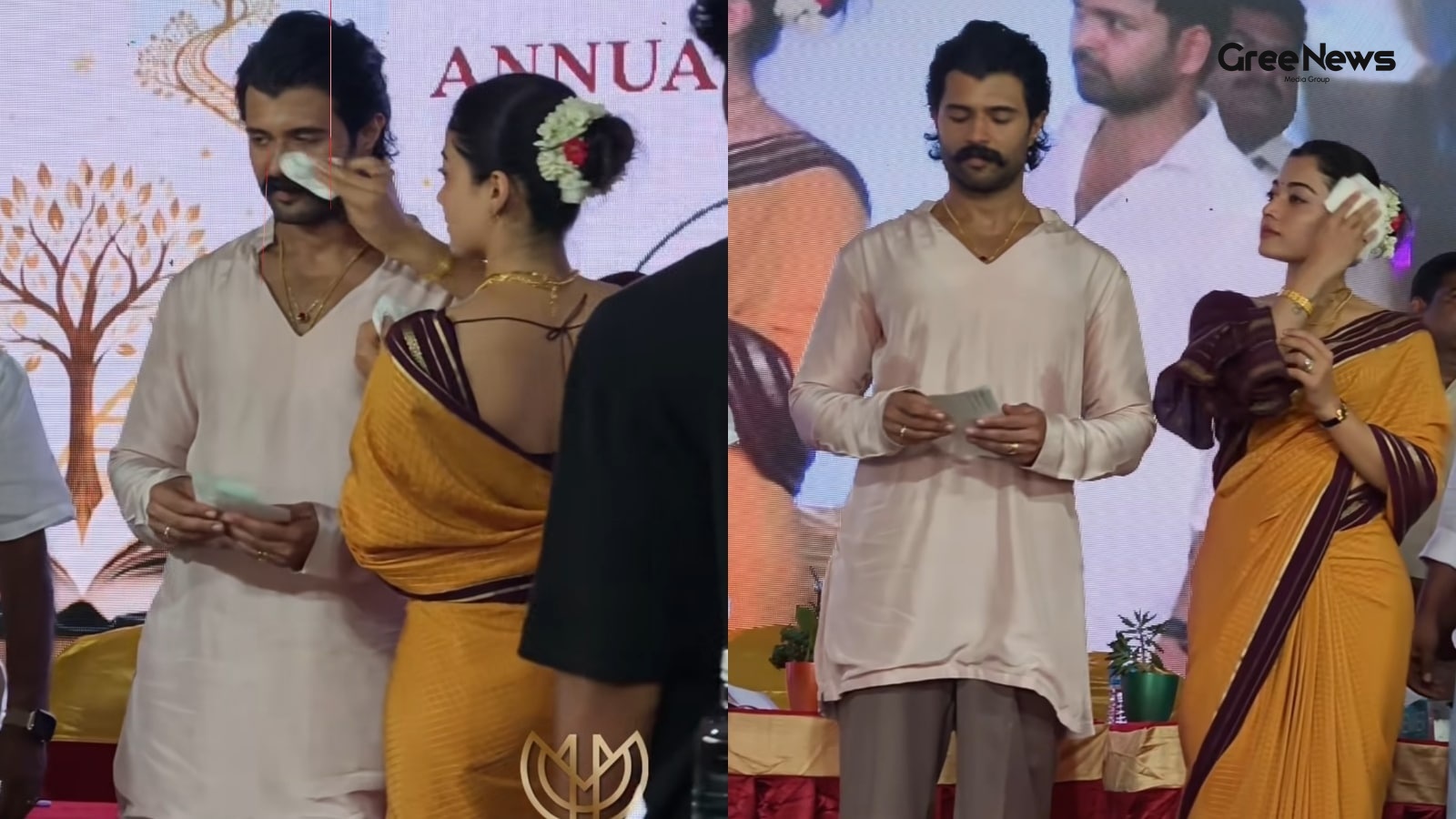
Vijay Deverakonda and Rashmika Mandanna are still getting clicks online after a video from their trip to Telangana blew up social media. It was a candid moment, you know? A sweet one that just caught everyone’s attention. They were there in Thummanpet village for some scholarship stuff. They were vi
Jun 15, 2026 by Gree News Team
The Magic Behind Lagaan: Behind the Scenes of Cinematic History
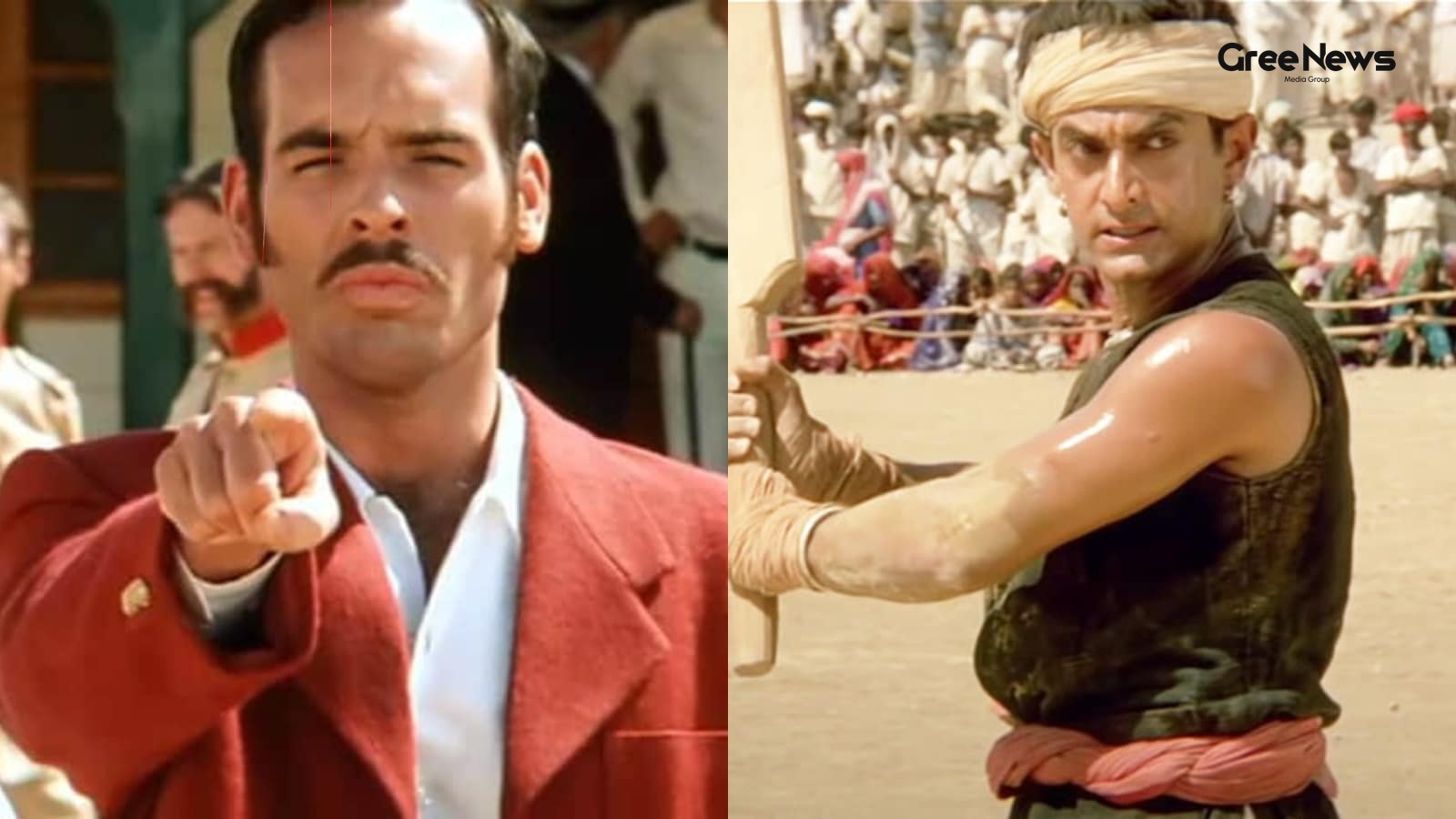
The scene that became the heart of *Lagaan* that moment where Captain Russell delivers his famous line, “Teen guna lagaan” wasn’t just cinematic magic. It was born out of a real struggle. Twenty-five years later, Paul Blackthorne finally opened up about how they actually got that terrifying stillnes
Jun 15, 2026 by Gree News Team
Arvind Kejriwal's Roadshow and Welfare Promises in Mohali
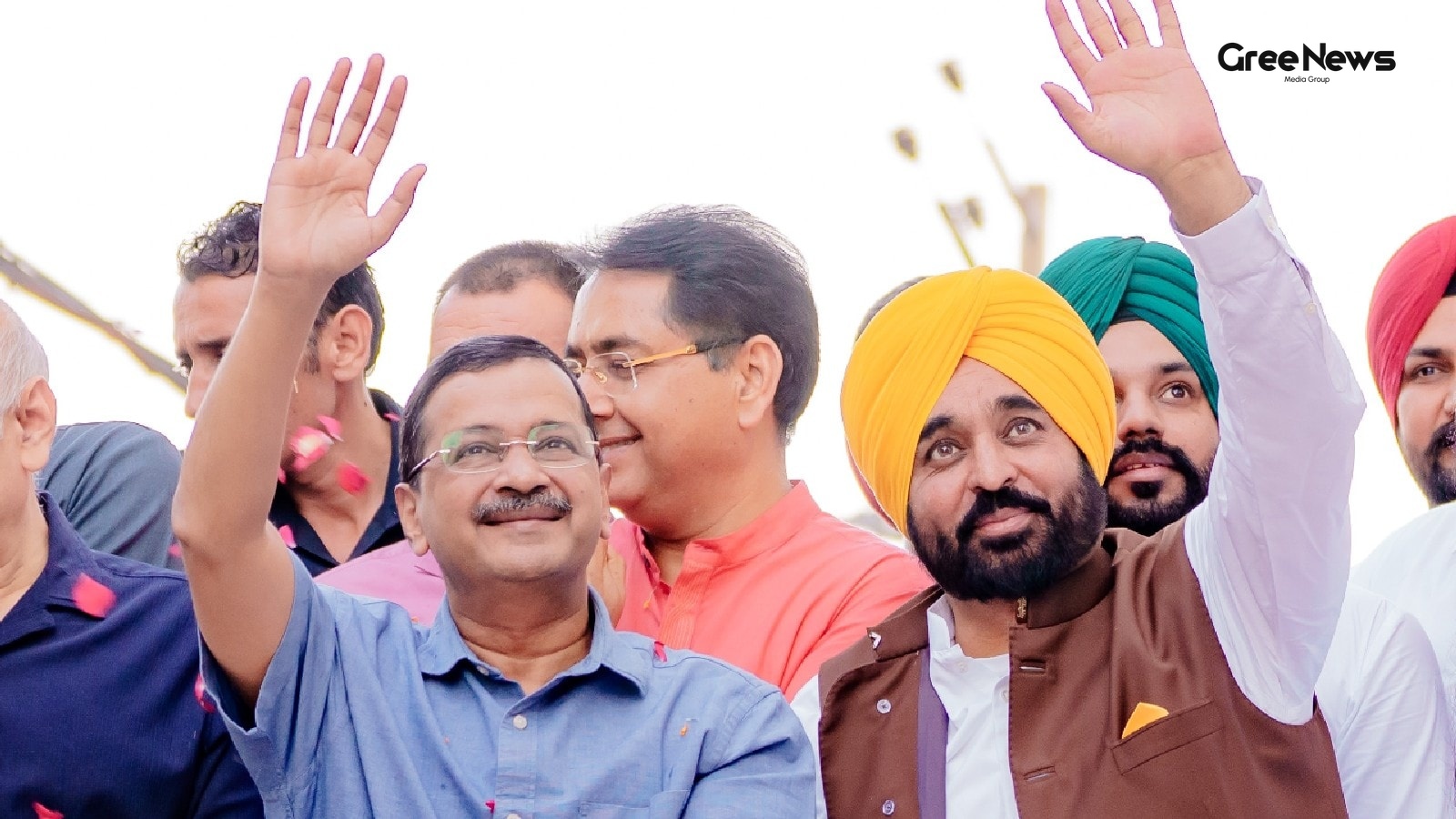
Arvind Kejriwal was out there on Sunday, doing that roadshow thing in Mohali. It followed the Municipal Corporation elections, right? He was talking about the Punjab government’s welfare stuff. Free electricity. Health insurance coverage up to ten lakh rupees for health coverage, they were pushing t
Jun 15, 2026 by Gree News Team
NEET-UG 2026 Re-examination: Logistics, Security, and Controversy
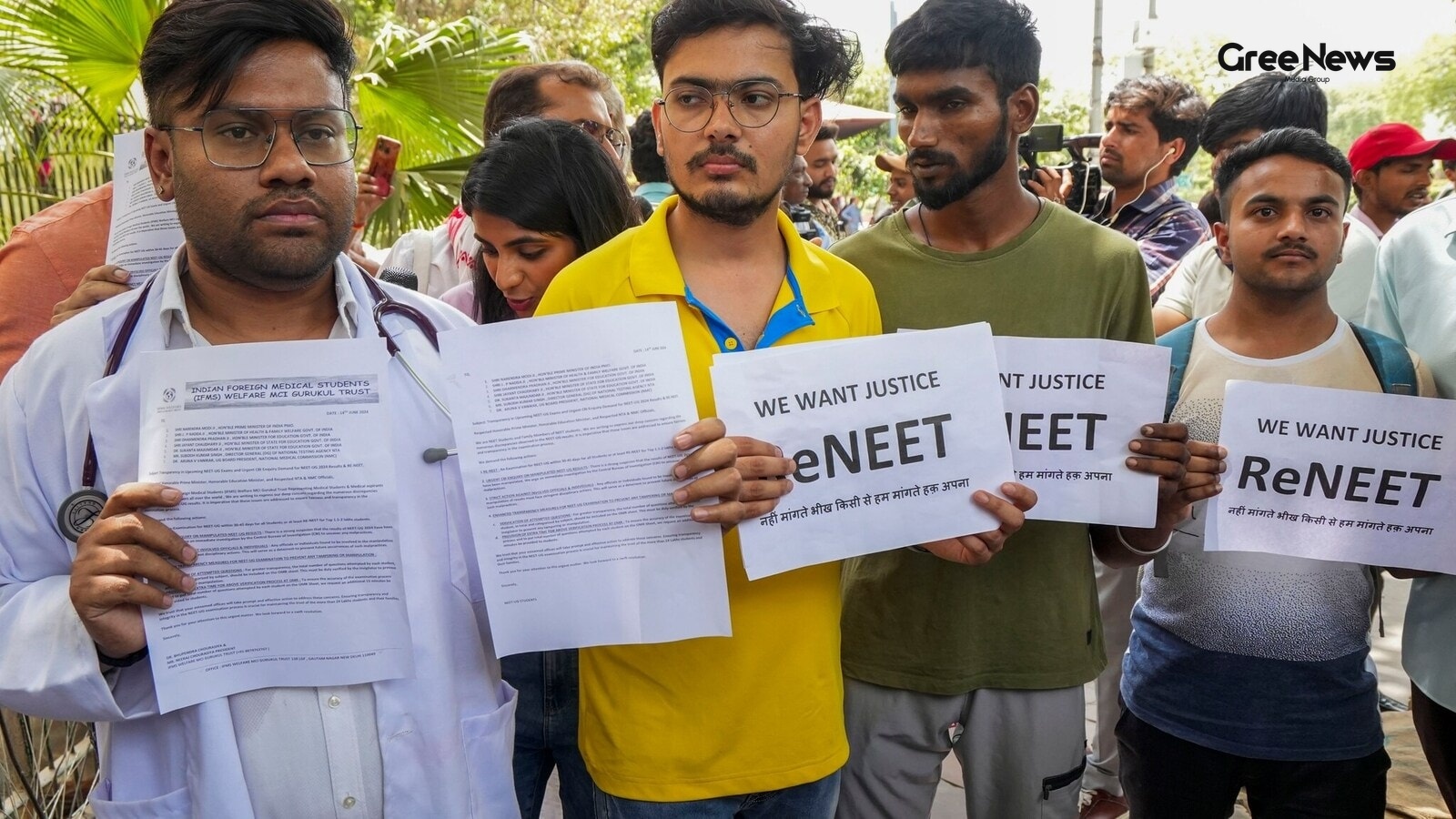
The Indian Air Force is gearing up for a massive transport operation. They're prepping aircraft and helicopters for moving confidential question papers and all that examination material needed for the NEET-UG 2026 re-examination, which is slated for June 21. Defence sources are talking about it. It’
Jun 15, 2026 by Gree News Team
US-Iran Peace Deal Framework and Negotiations
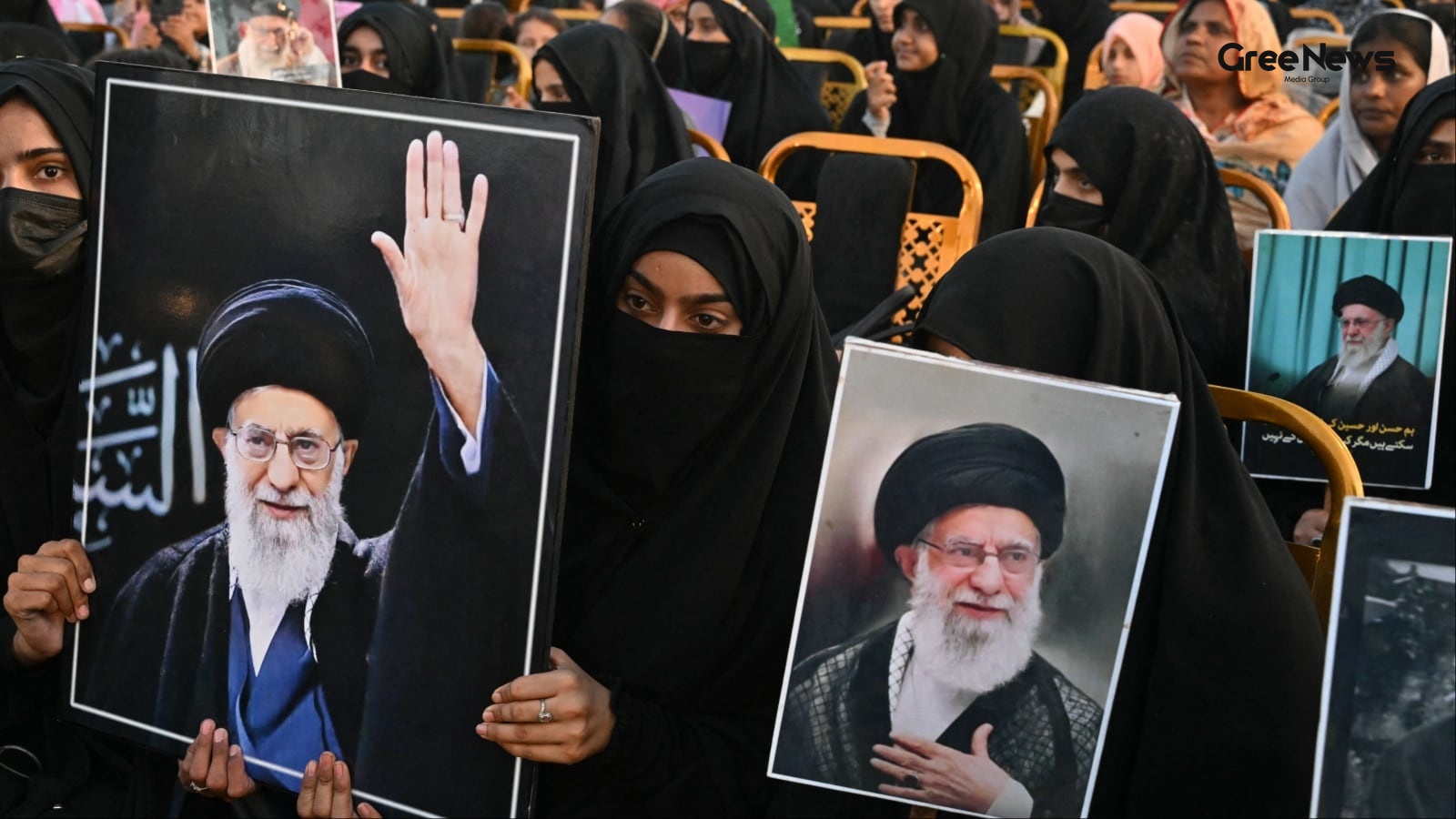
The whole thing is set for June 19th in Geneva. A peace deal between the United States and Iran. It’s supposed to be a big step. An end to this mess that has been raging across the Middle East for over three months now. It wasn't some sudden thing, you know? The announcement itself came from Pakista
Jun 15, 2026 by Gree News Team
Petrol, Diesel, and CNG Prices Update and Market Shifts
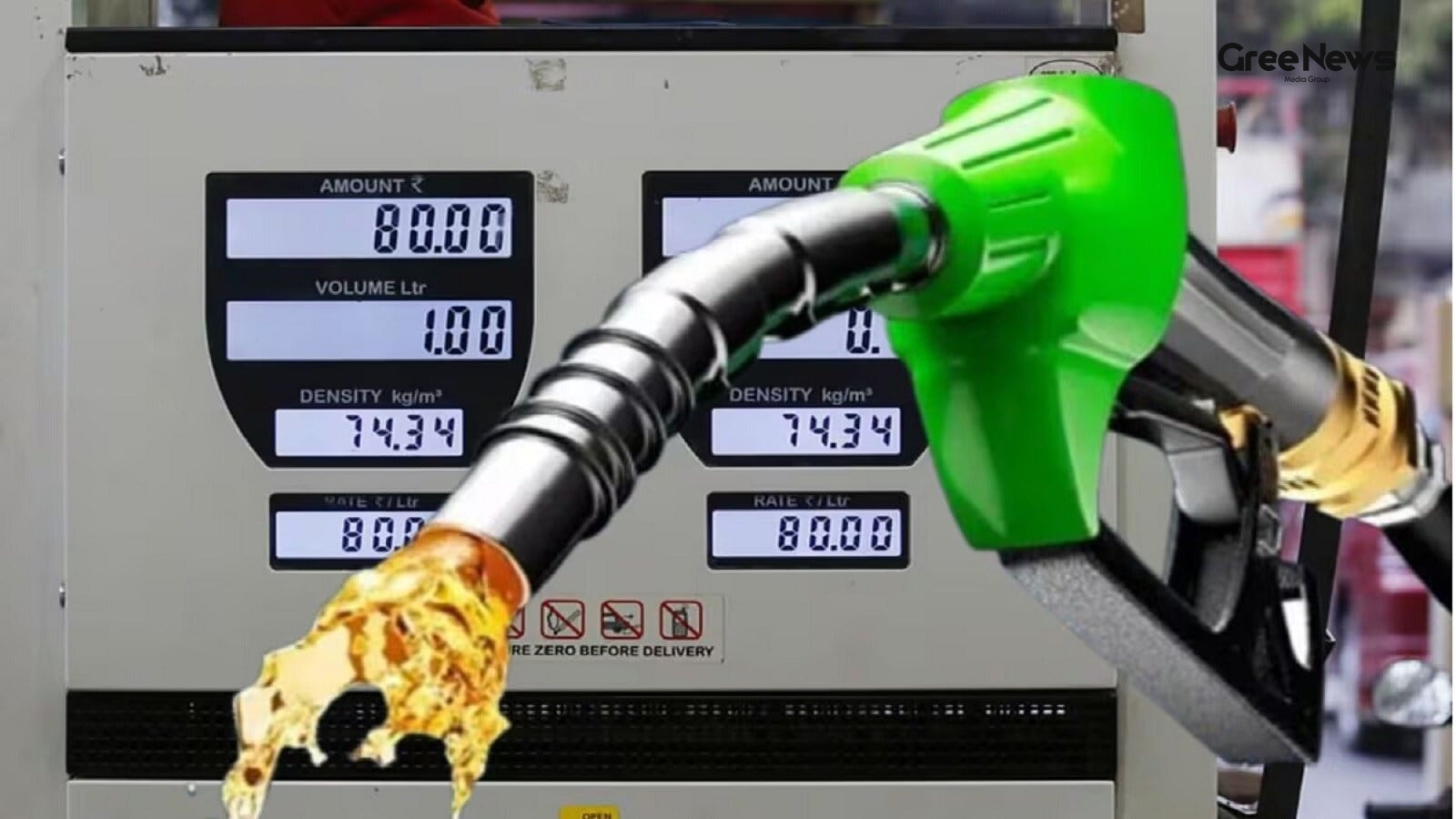
Petrol, diesel, and CNG prices... they just stayed put on Monday, June 15th, 2026. Nothing major shifted there. But the oil market companies and those gas distribution outfits are always revising things at six in the morning, you know? Still, you had that whole situation with petrol and diesel. OMCs
Jun 15, 2026 by Gree News Team