Iran-US Nuclear Negotiations and the Islamabad Memorandum
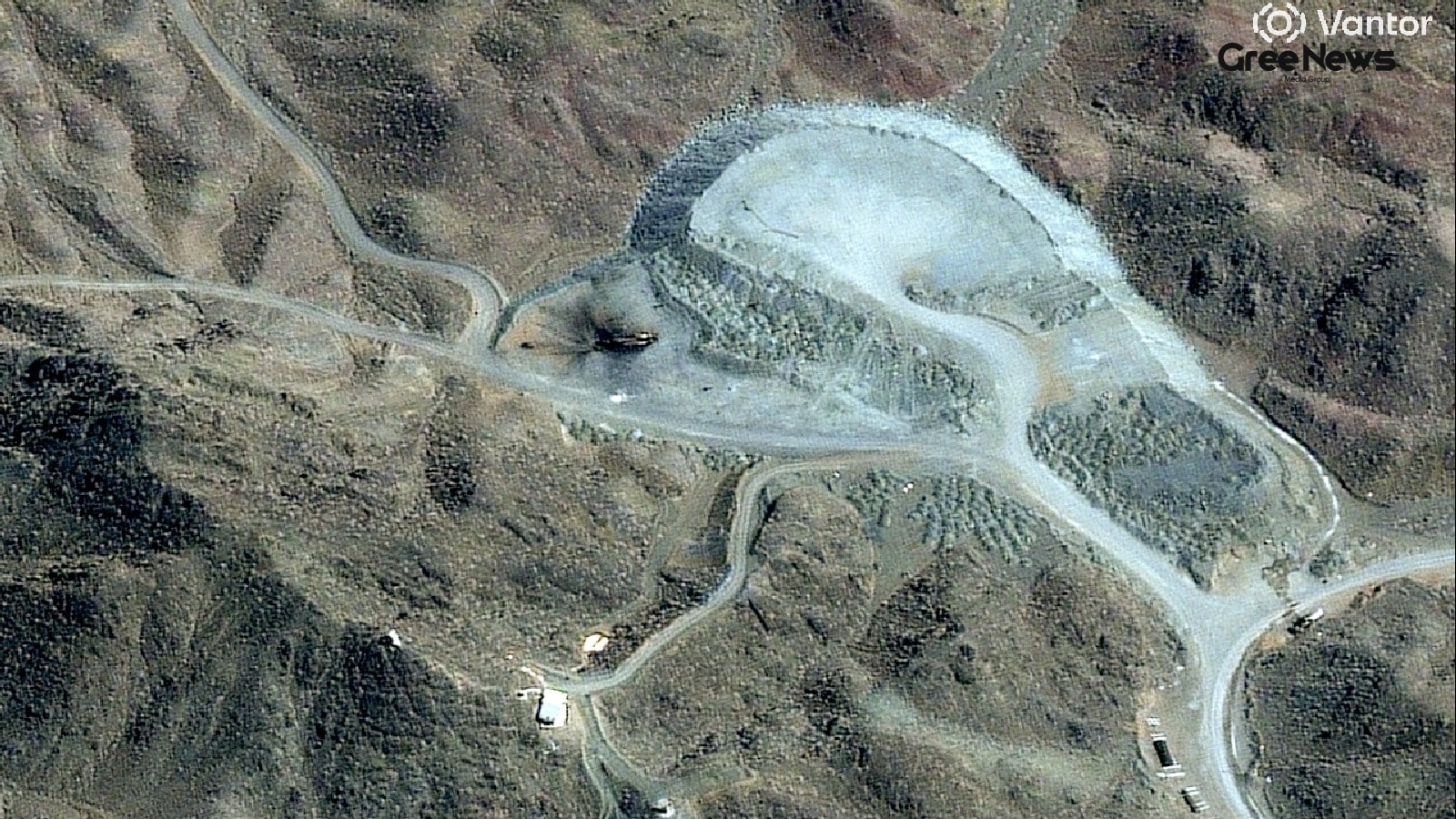
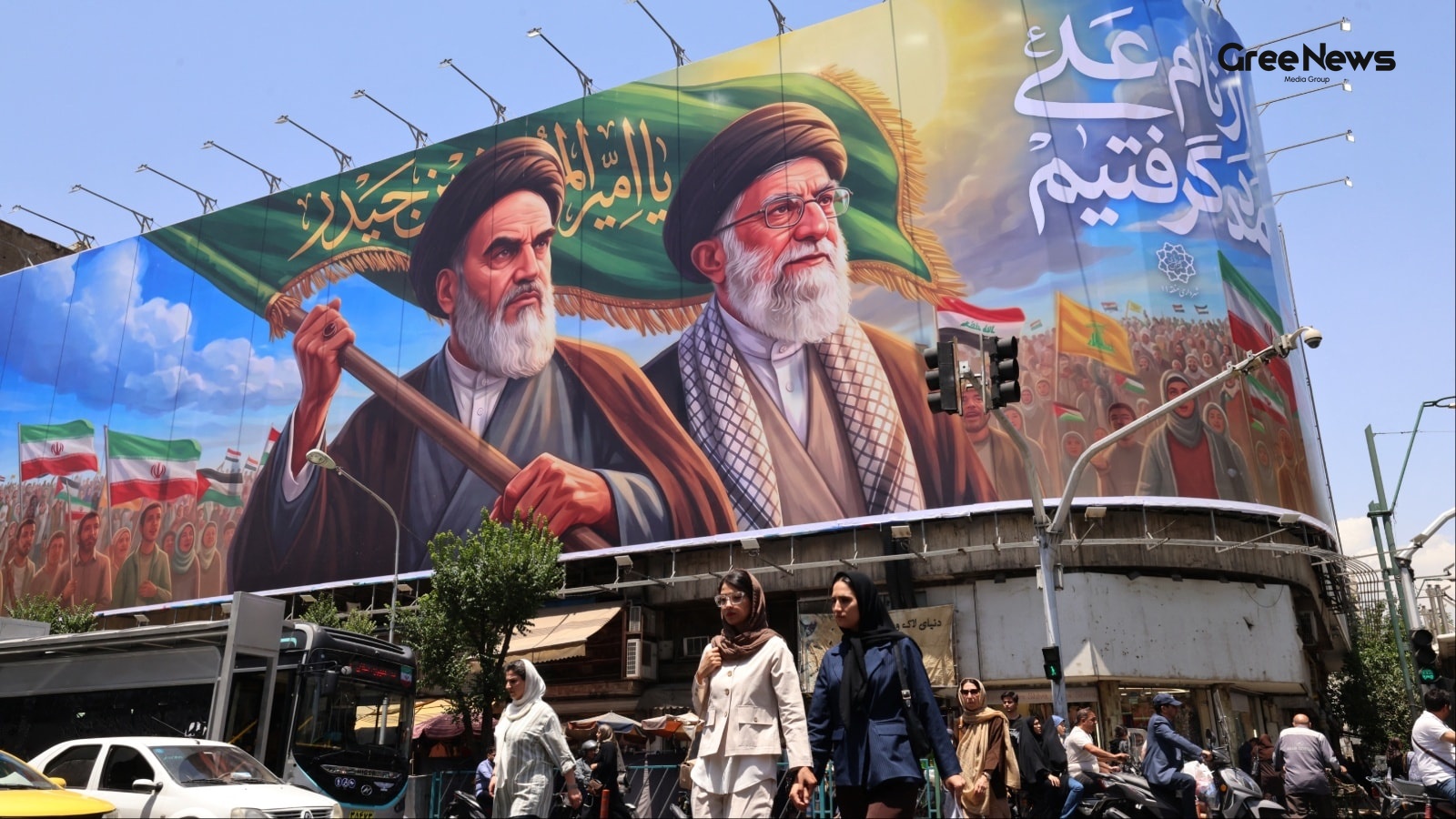
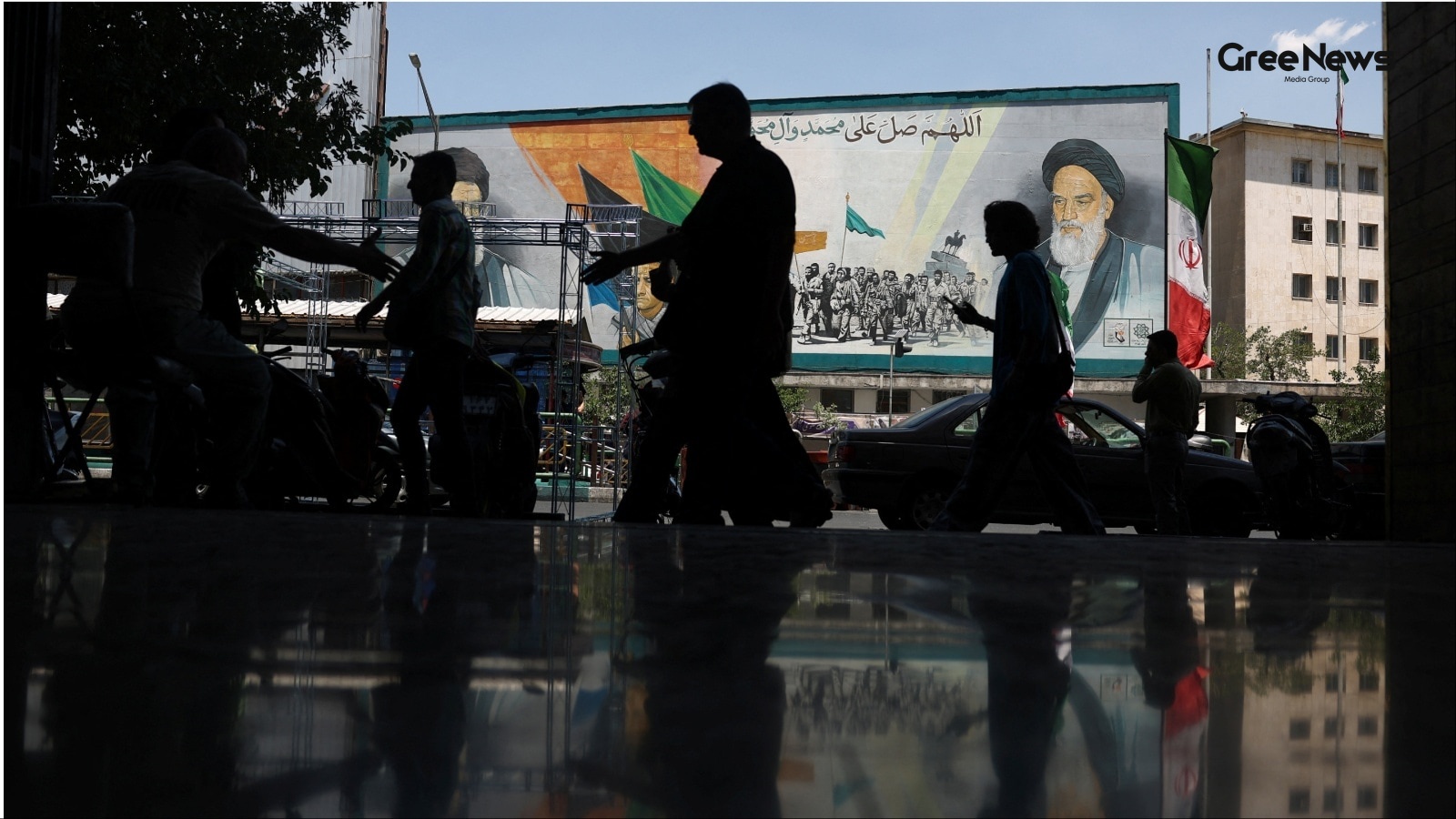
Iran has aGreed something. It won’t produce or get nuclear weapons under a draft memorandum they are working out with the United States. That’s what a senior Iranian official told Reuters. It feels like a real breakthrough, maybe after months of this insane diplomacy between Washington and Tehran.
This whole thing is tied into that proposed “Islamabad Memorandum.” It's supposed to be a framework aGreement meant to finally end the fighting from earlier this year. And set up some ground for talking about Iran’s nuclear program, sanctions easing, all that regional security stuff.
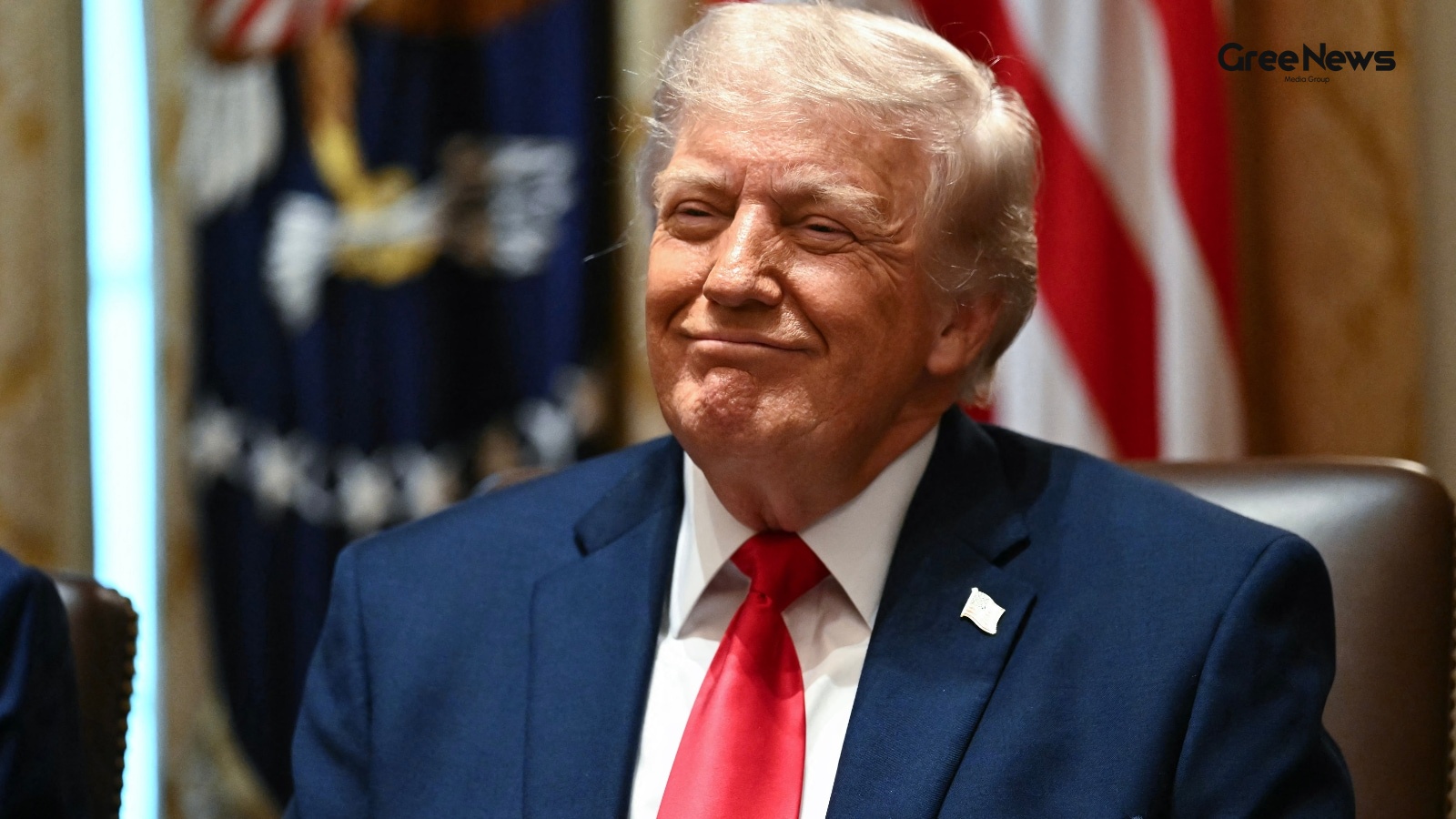
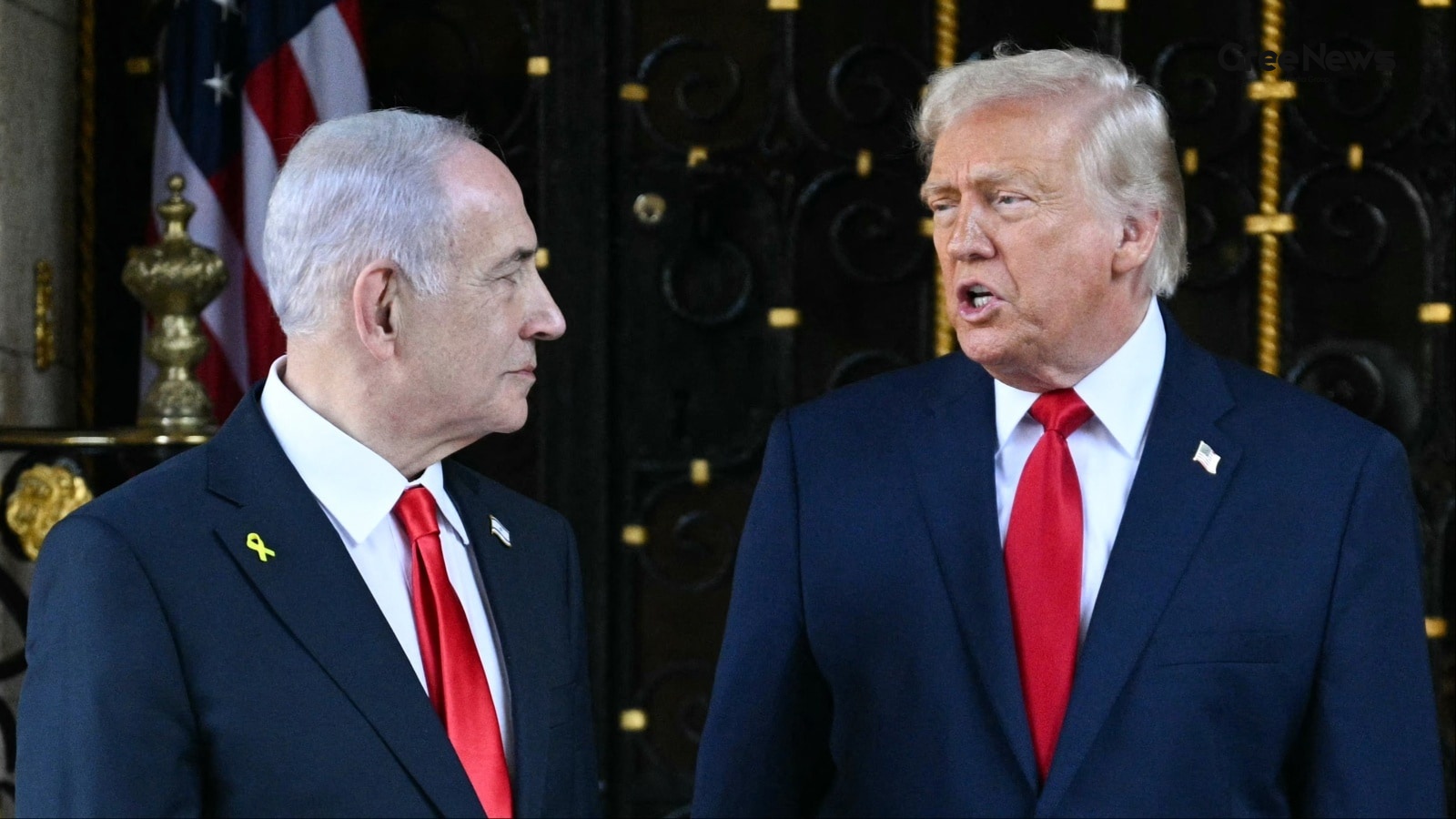
You read the other bits too. The Iranian Foreign Minister, Seyed Abbas Araghchi, he said it has “never been closer.” Donald Trump keeps pushing optimism about reaching a settlement. It’s a strange mix of official statements and just pure hope hanging in the air.
The draft document itself makes one clear commitment from Tehran: no building or getting nuclear weapons. That part alone is huge. It addresses something the US really pushed for, which could be the backbone of anything they actually aGree on later.
But here’s where it gets messy. Even with this progress showing, Iranian officials are holding tight. They insist their right to peaceful nuclear activities like enriching uranium just for civilian use that part is totally non-negotiable. That creates a huge sticking point.
So there are still so many things hanging over the negotiations. Sanctions relief? Access to frozen money? Getting rid of the restrictions on oil exports? Tehran also won't give up control over decisions affecting the Strait of Hormuz. That waterway, you know, it’s vital for global shipping. Everyone is focused there.
US officials are stressing that any economic perks would only happen if Iran actually sticks to whatever terms they sign. It’s always about compliance, isn't it?
Vice President JD Vance pushed back recently against the idea that billions of dollars would just flood into Iran right away upon signing. He said no funds automatically flow because a deal was struck. That kind of immediate money release is out of the question, apparently.
If this actually works out, the tension in West Asia could drop significantly. Think about shipping routes getting messed up. Energy supplies getting shaky. The Strait of Hormuz itself where a fifth of the world’s oil moves has been the main flashpoint for all this trouble. Reopening that channel normally is supposed to be one of the central goals of this whole memorandum.
Saudi Arabia and Pakistan are watching everything closely too. They both publicly welcomed these signs of movement. It's regional, not just Tehran and Washington talking.
Negotiators seem to be slowly rubbing some differences away. But you have to remember something: no final deal is signed yet. There’s always that gap between what people say they’re doing and what’s actually done on paper.
Spokesperson Esmaeil Baghaei mentioned earlier that a deal could happen in the next few days, but he stressed timing is totally uncertain. That uncertainty just hangs there.
For now, this commitment about nukes no production or acquisition it’s maybe the clearest sign yet. That Tehran and Washington might actually be moving closer after all these months of fighting and talking. It’s slow, it's messy, but something is shifting under the surface.
Written by Gree News Team — Senior Editorial Board
Gree News Team covers international news and global affairs at Gree News. Our collective of senior editors is dedicated to providing independent, accurate, and responsible journalism for a global audience.
More from World
View All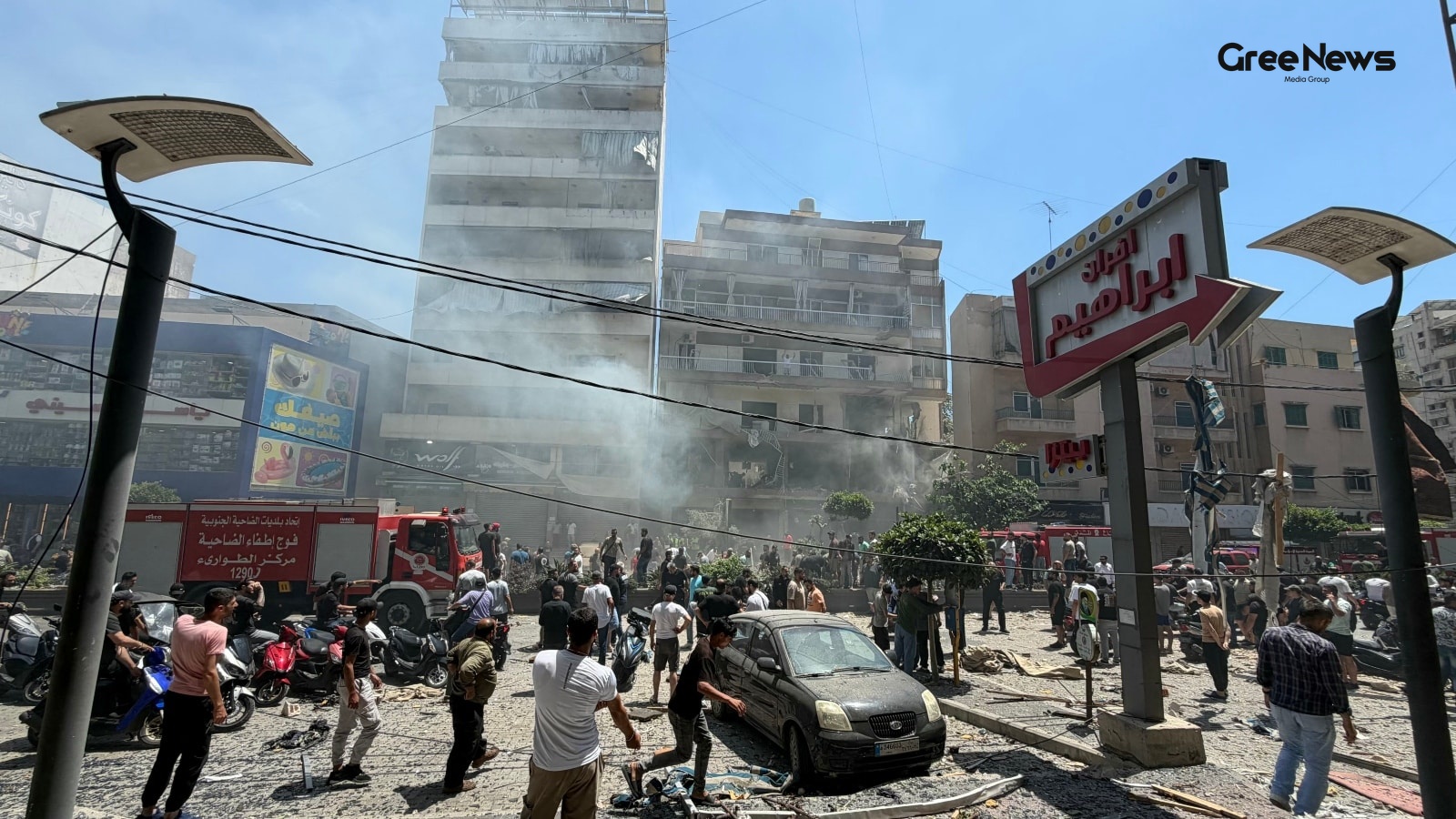
Iranian Officials React to Israeli Strike on Beirut and Peace Talks
A senior Iranian military official said something pretty stark on Sunday. He warned that Israel’s strike hitting Beirut’s southern suburbs wouldn't just be ignored by Tehran. It added this whole layer of uncertainty to that deal, you know, the one US President Donald Trump had hinted would be signed
Jun 15, 2026 by Gree News Team
US-Iran Peace Deal Framework and Negotiations
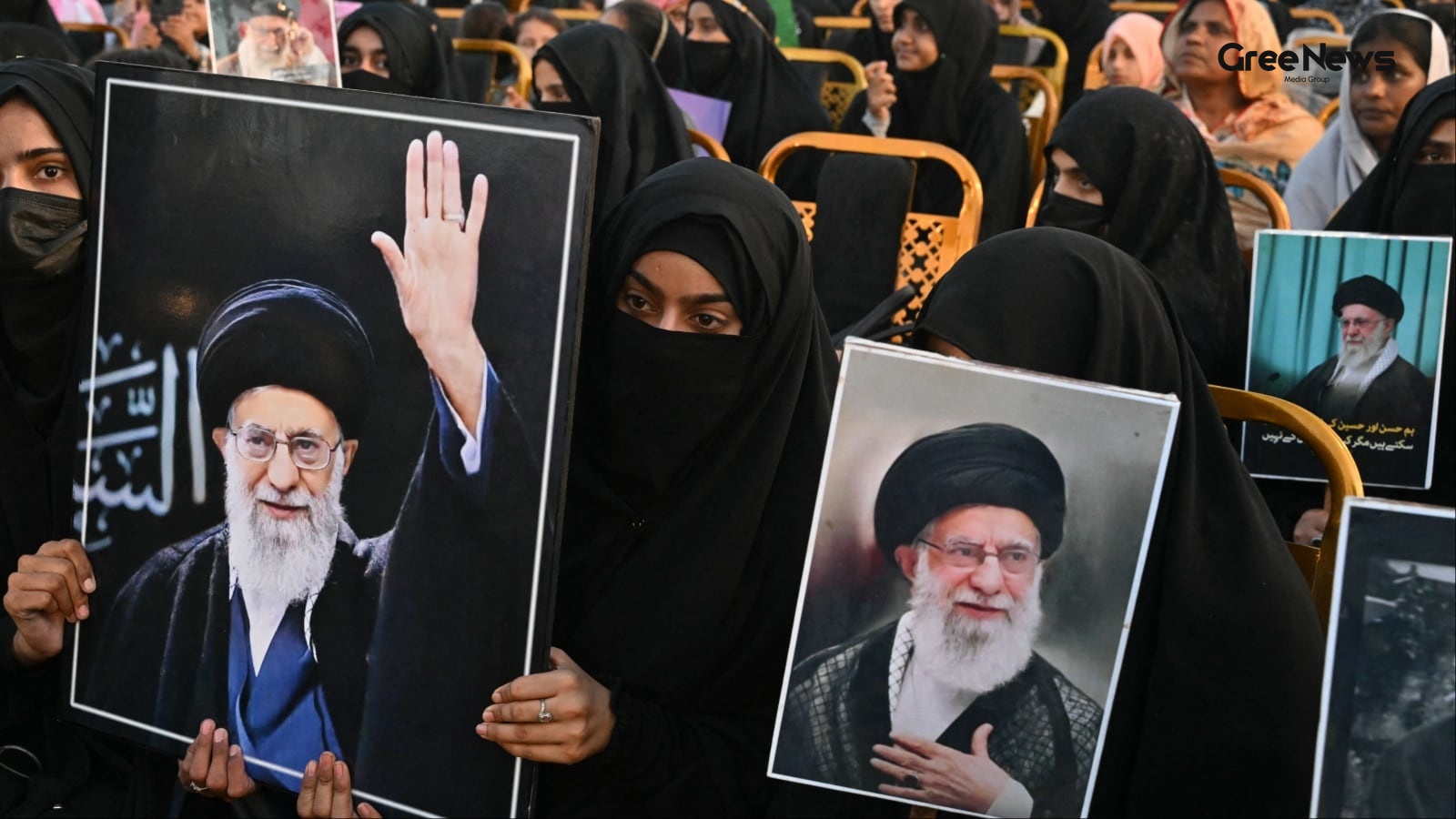
The whole thing is set for June 19th in Geneva. A peace deal between the United States and Iran. It’s supposed to be a big step. An end to this mess that has been raging across the Middle East for over three months now. It wasn't some sudden thing, you know? The announcement itself came from Pakista
Jun 15, 2026 by Gree News Team
The Symbolic Timing of the US-Iran Peace Agreement
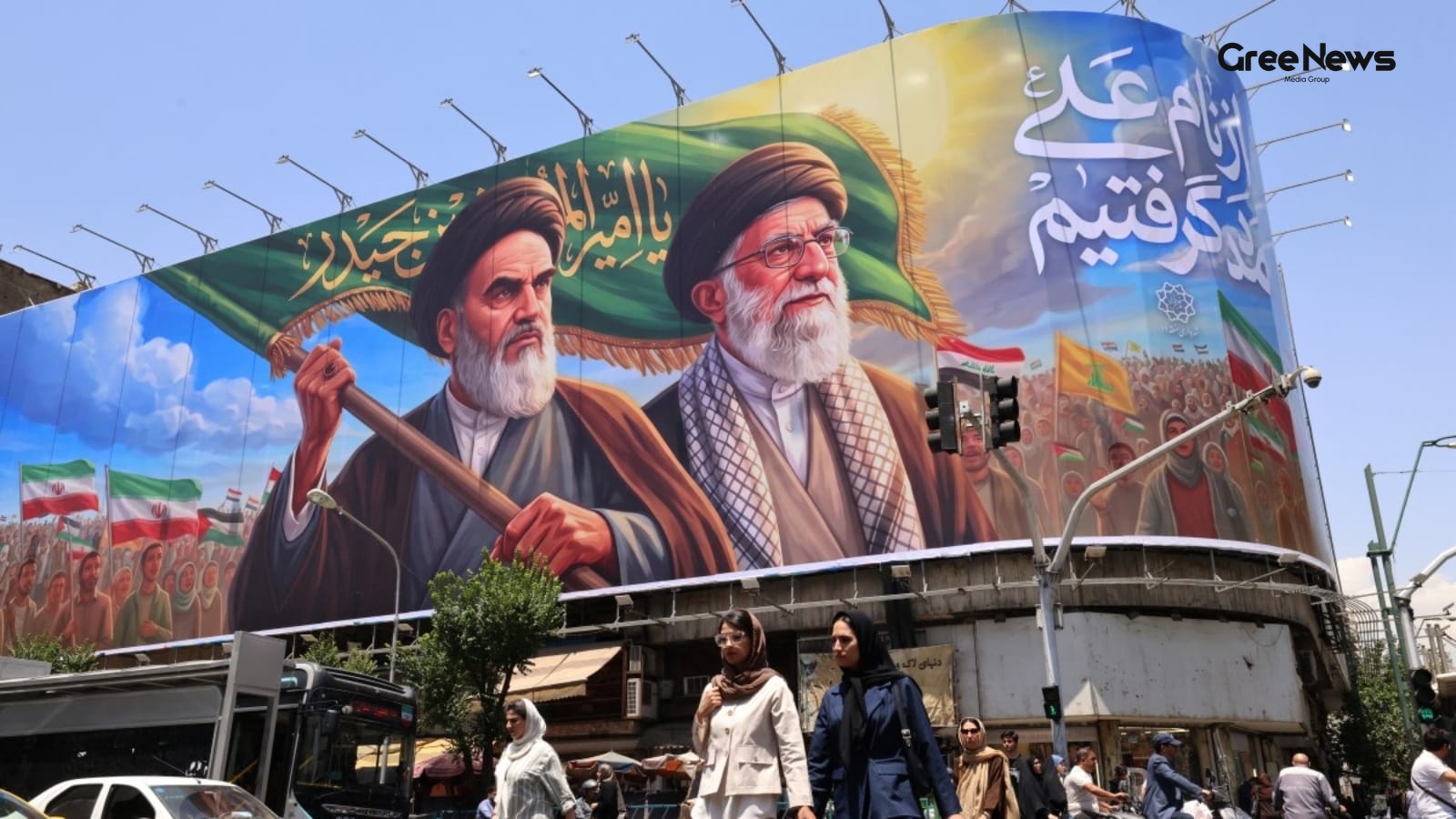
When the United States and Iran finally slapped that breakthrough peace agreement down, there was this one little detail everyone noticed: Tehran insisted on waiting until after midnight local time before they actually finalized everything. And honestly? That had nothing to do with high-level diplom
Jun 15, 2026 by Gree News Team
Sanctions, Nuclear Deal, and Shipping Lane Disruptions
The big players the UK, France, Germany, Italy they’ve basically said they’re ready to drop those sanctions on Iran. But there's a catch attached. They won’t do it outright unless Tehran actually takes some "clear, verifiable steps" regarding its nuclear program. It's a huge diplomatic move, tied in
Jun 15, 2026 by Gree News Team
Latest Headlines
US and Iran Peace Deal Negotiations and Demands
The US and Iran supposedly nailed down a peace deal after some intense back-and-forth negotiations wrapped up Sunday. Both sides agreed to stop all military moves immediately. That included everything going on in Lebanon too. President Trump was the one to confirm it, calling it a huge step for stab
Jun 15, 2026 by Gree News Team
US-Iran Framework Agreement, Nuclear Sticking Points, and Diplomatic Tensions
The framework agreement between the US and Iran came out of nowhere. Months of conflict suddenly paused. Military operations stopped. Negotiations started on the really messy parts, especially Tehran’s nuclear programme. Then you have the chatter from Trump. He said Israel stood to benefit from this
Jun 15, 2026 by Gree News Team
US Iran Framework Agreement: Draft Details and Sticking Points
The framework agreement itself that’s what they announced through the mediators, Pakistan leading the way, later confirmed by folks in Washington and Tehran it’s slated for a formal signing in Switzerland on June 19th. That date hangs over everything. But you don't actually have the full memorandum
Jun 15, 2026 by Gree News Team
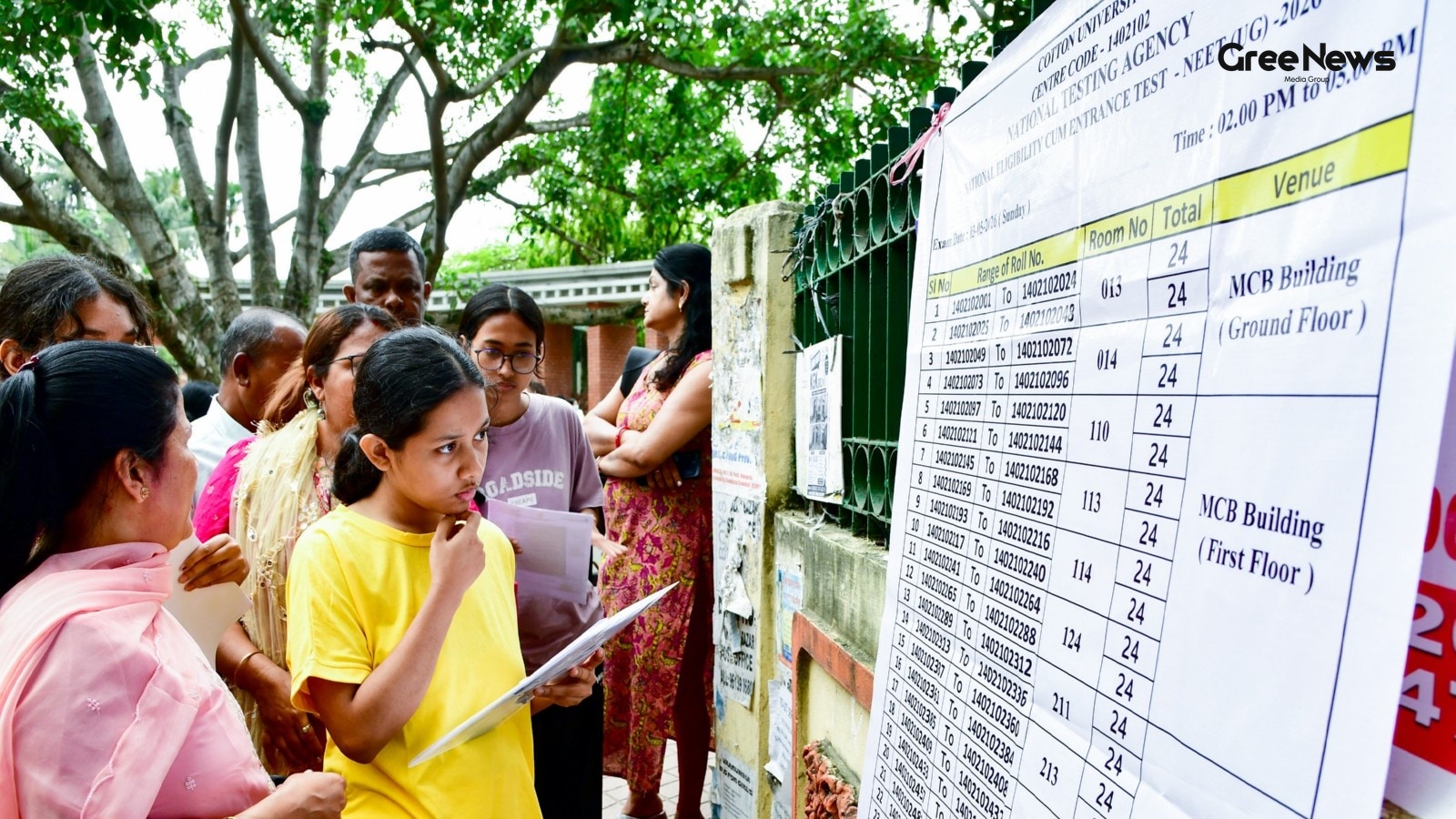
NEET (UG) 2026 Re-examination Admit Card Release Details
The National Testing Agency finally put out the admit cards for the NEET (UG) 2026 re-examination. It’s scheduled for June 21st, 2026. Sunday notice said you can grab these things from their official site, neet.nta.nic.in. You just need your application number and date of birth to get started. But t
Jun 15, 2026 by Gree News Team
Iranian Officials React to Israeli Strike on Beirut and Peace Talks
A senior Iranian military official said something pretty stark on Sunday. He warned that Israel’s strike hitting Beirut’s southern suburbs wouldn't just be ignored by Tehran. It added this whole layer of uncertainty to that deal, you know, the one US President Donald Trump had hinted would be signed
Jun 15, 2026 by Gree News Team
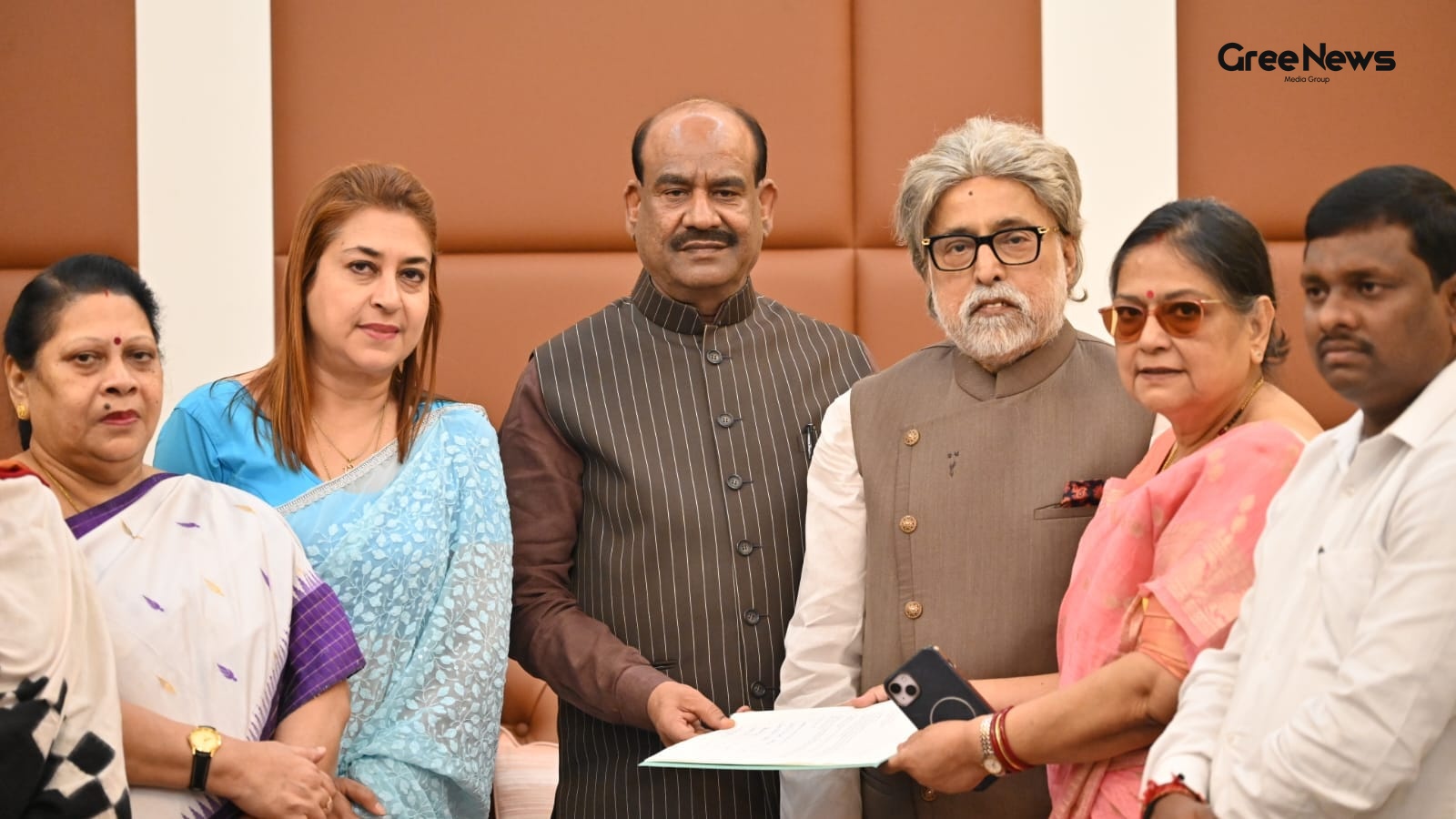
Dissent within TMC: Rebel MPs Seek Alliance with NDA and NCP
Kakoli Ghosh Dastidar from the Rebel Trinamool Congress camp said something on Sunday. She basically claimed that this dissident group would team up with the NDA at the Centre. Work under Modi, they said. This came after some meeting with Lok Sabha Speaker Om Birla. It was happening amid all the noi
Jun 15, 2026 by Gree News Team

Gram Chikitsalay Season 2: Plot, Release Date, and Themes
Fans of Gram Chikitsalay are definitely getting something to look forward to. Seriously. The makers have officially dropped the news about the second season of that comedy-drama series, bringing back Amol Parashar as Dr Prabhat for another dose of rural India humour the kind of chaos mixed with genu
Jun 15, 2026 by Gree News Team
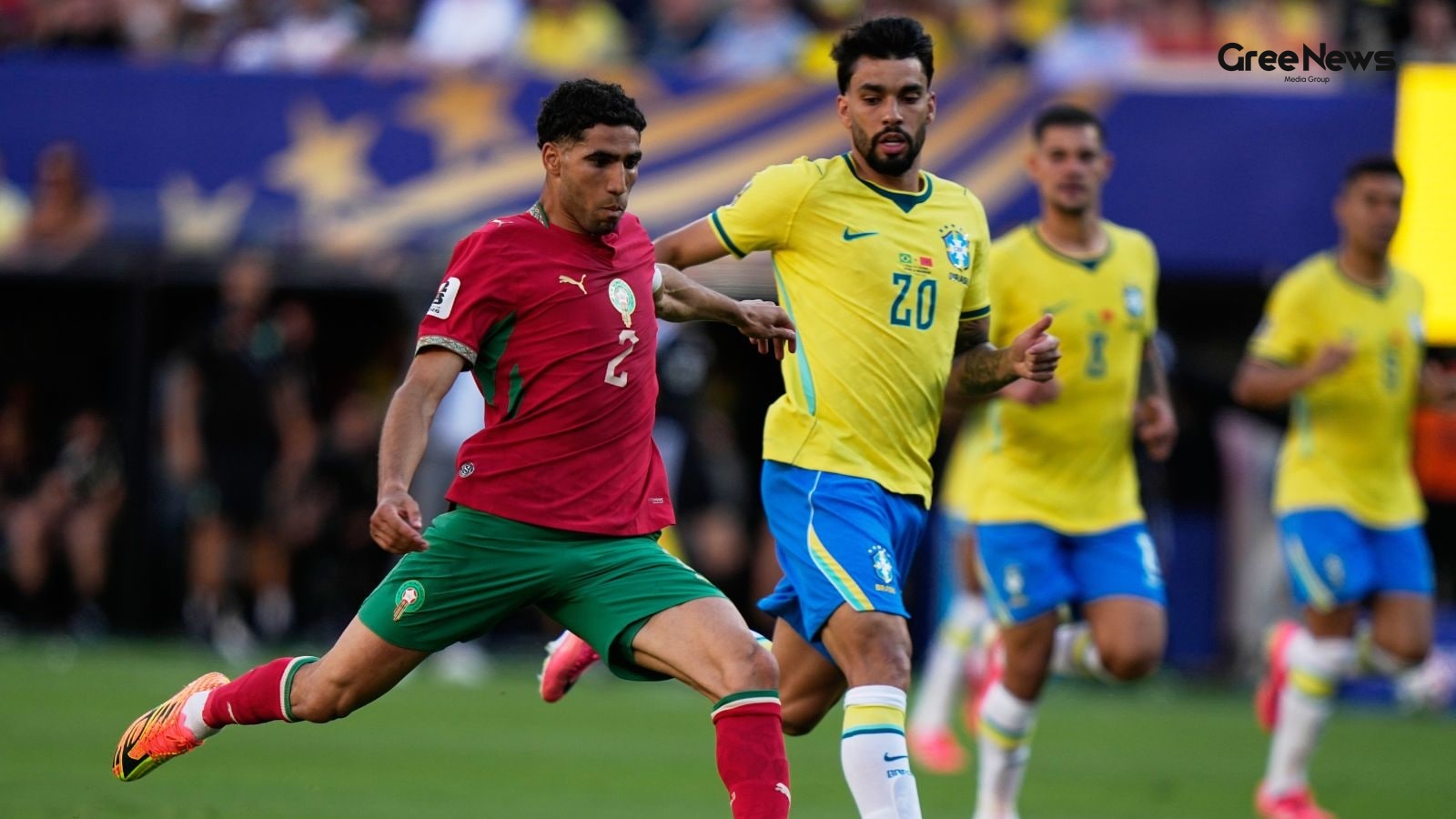
The Blending of Identities in Football: Morocco's World Cup Journey
The Morocco squad, under Achraf Hakimi, something historic happened that Saturday, June 13th. They became the first team in FIFA World Cup history to field eleven footballers who weren't actually born in Morocco. It was during their very first game of this massive tournament, against Brazil. And it
Jun 15, 2026 by Gree News Team
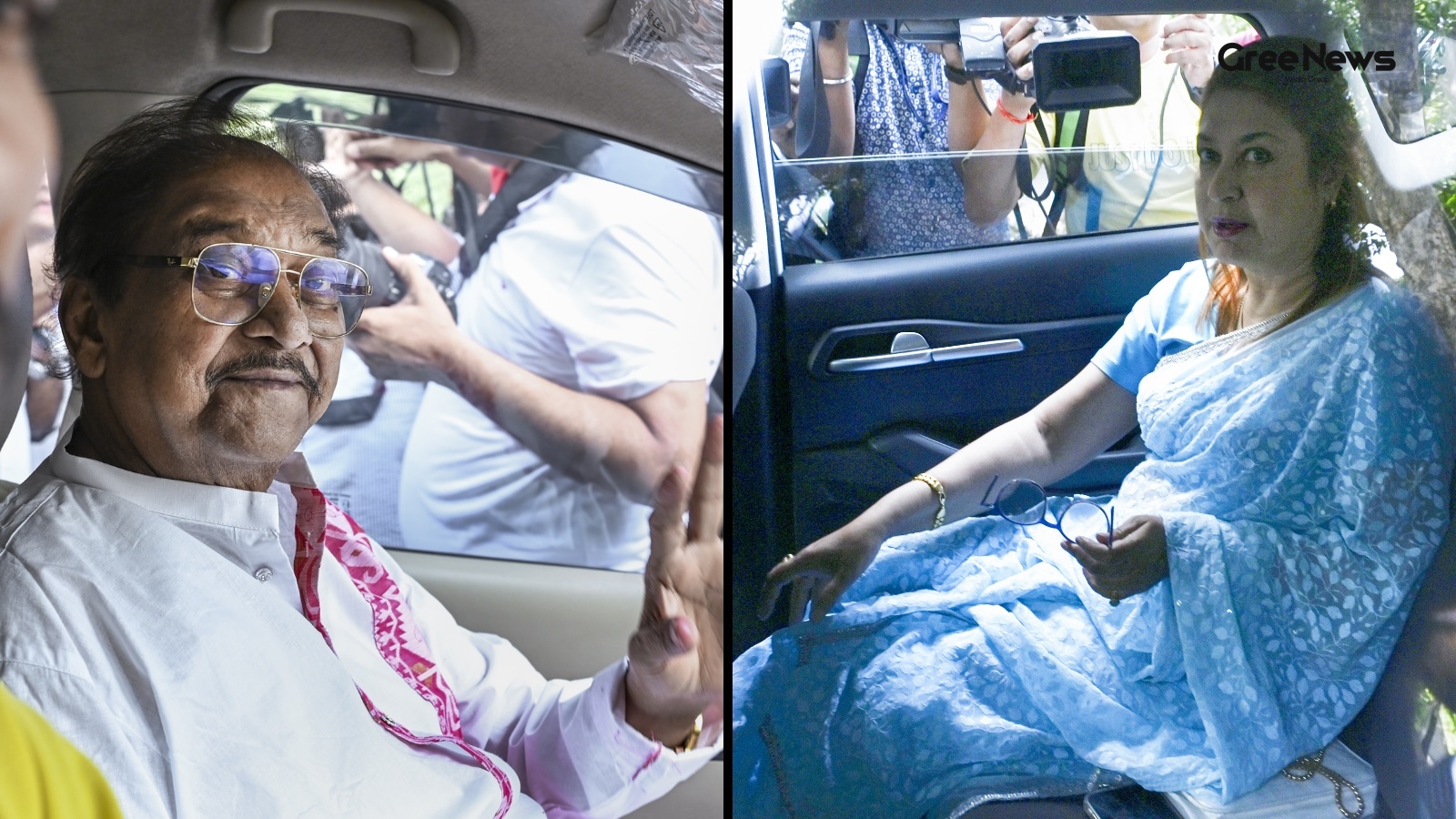
Political Split and Maneuvering within TMC
The air around the TMC seems to be getting noticeably heavier. It’s not just the usual political friction; something bigger is happening behind closed doors. We're talking about a real split, an escalation that started simmering long ago over West Bengal, and now it’s spilling out into parliamentary
Jun 15, 2026 by Gree News Team

Vijay Deverakonda and Rashmika Mandanna's Viral Trip to Telangana
Vijay Deverakonda and Rashmika Mandanna are still getting clicks online after a video from their trip to Telangana blew up social media. It was a candid moment, you know? A sweet one that just caught everyone’s attention. They were there in Thummanpet village for some scholarship stuff. They were vi
Jun 15, 2026 by Gree News Team
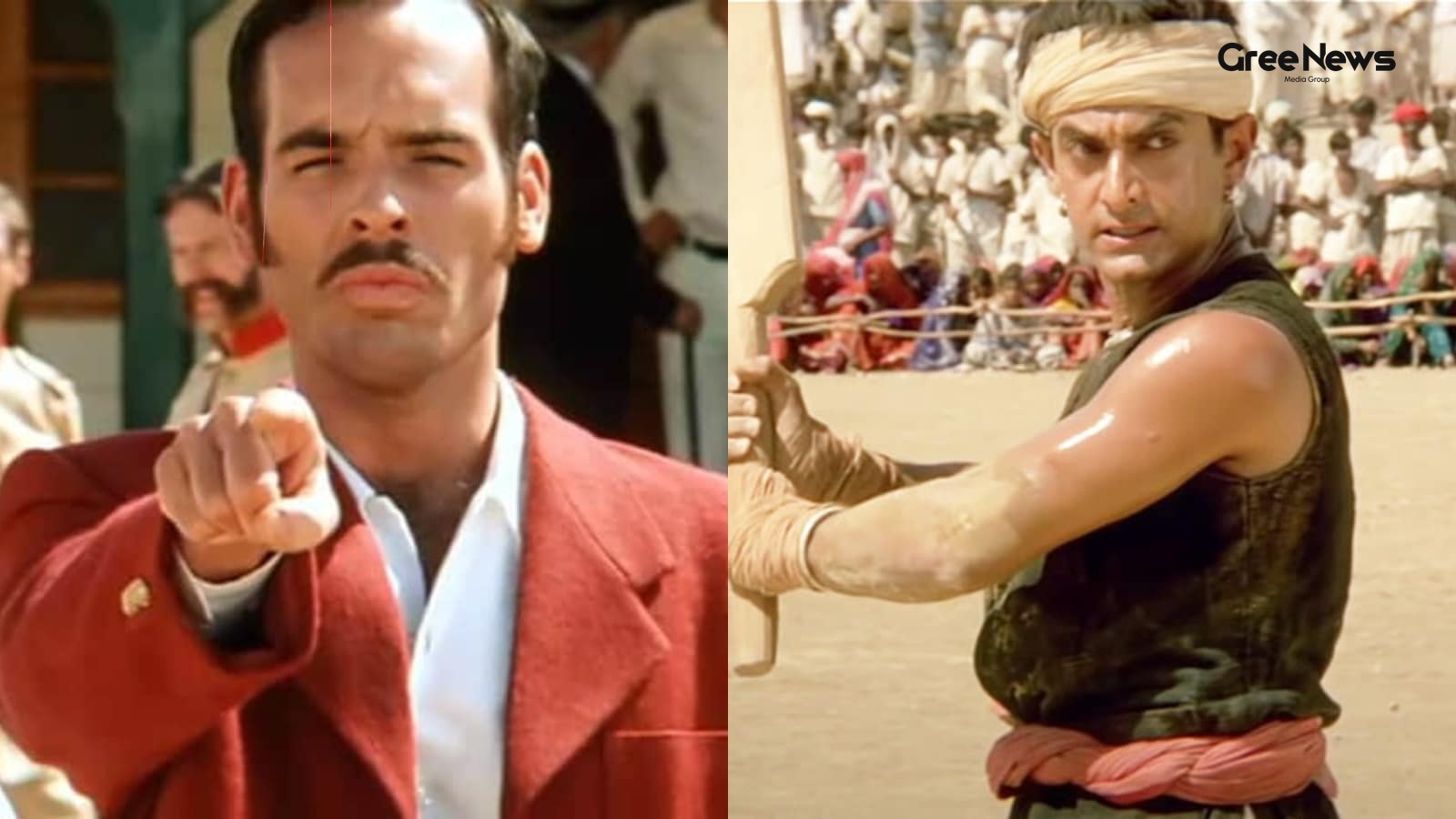
The Magic Behind Lagaan: Behind the Scenes of Cinematic History
The scene that became the heart of *Lagaan* that moment where Captain Russell delivers his famous line, “Teen guna lagaan” wasn’t just cinematic magic. It was born out of a real struggle. Twenty-five years later, Paul Blackthorne finally opened up about how they actually got that terrifying stillnes
Jun 15, 2026 by Gree News Team
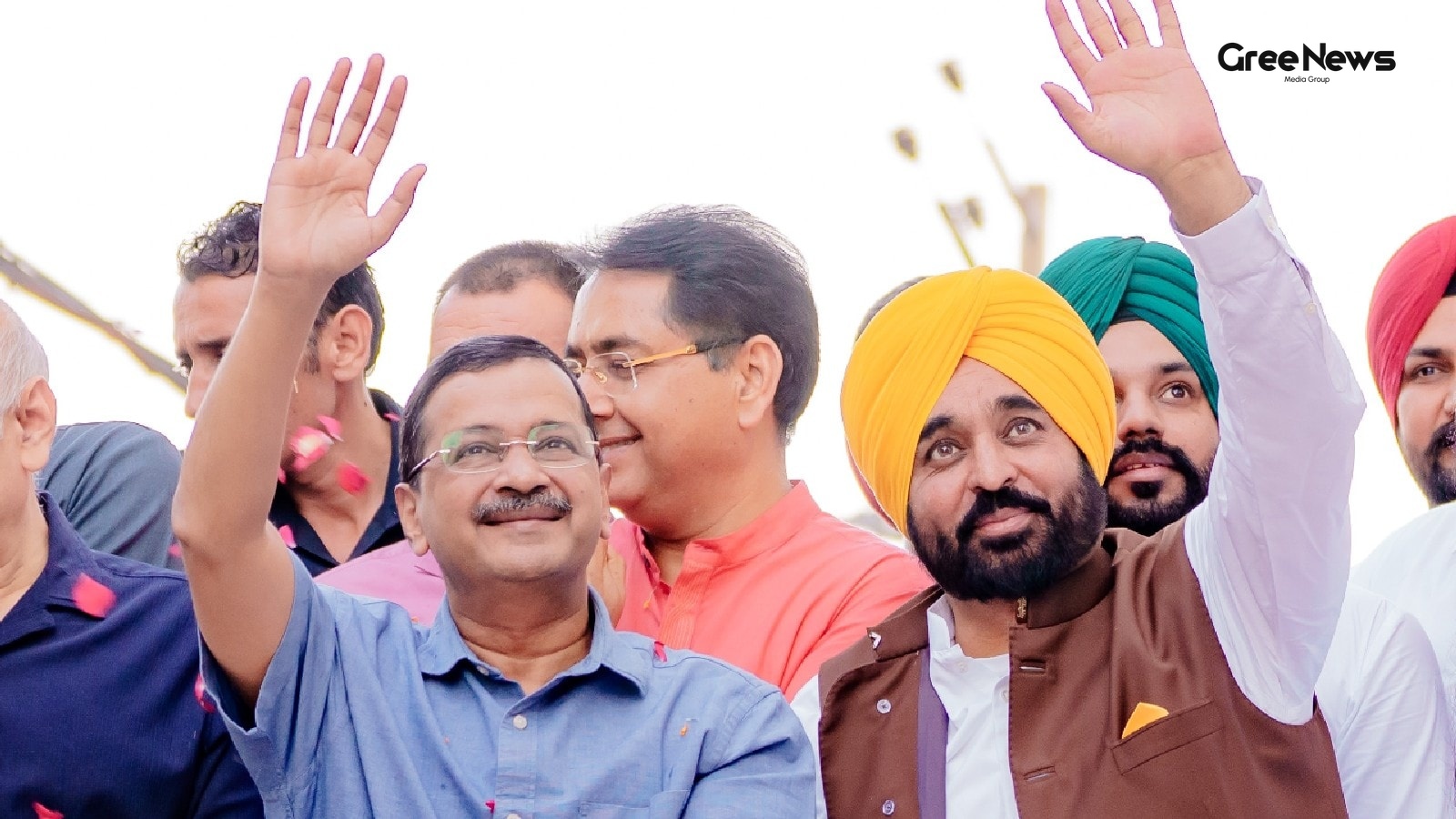
Arvind Kejriwal's Roadshow and Welfare Promises in Mohali
Arvind Kejriwal was out there on Sunday, doing that roadshow thing in Mohali. It followed the Municipal Corporation elections, right? He was talking about the Punjab government’s welfare stuff. Free electricity. Health insurance coverage up to ten lakh rupees for health coverage, they were pushing t
Jun 15, 2026 by Gree News Team
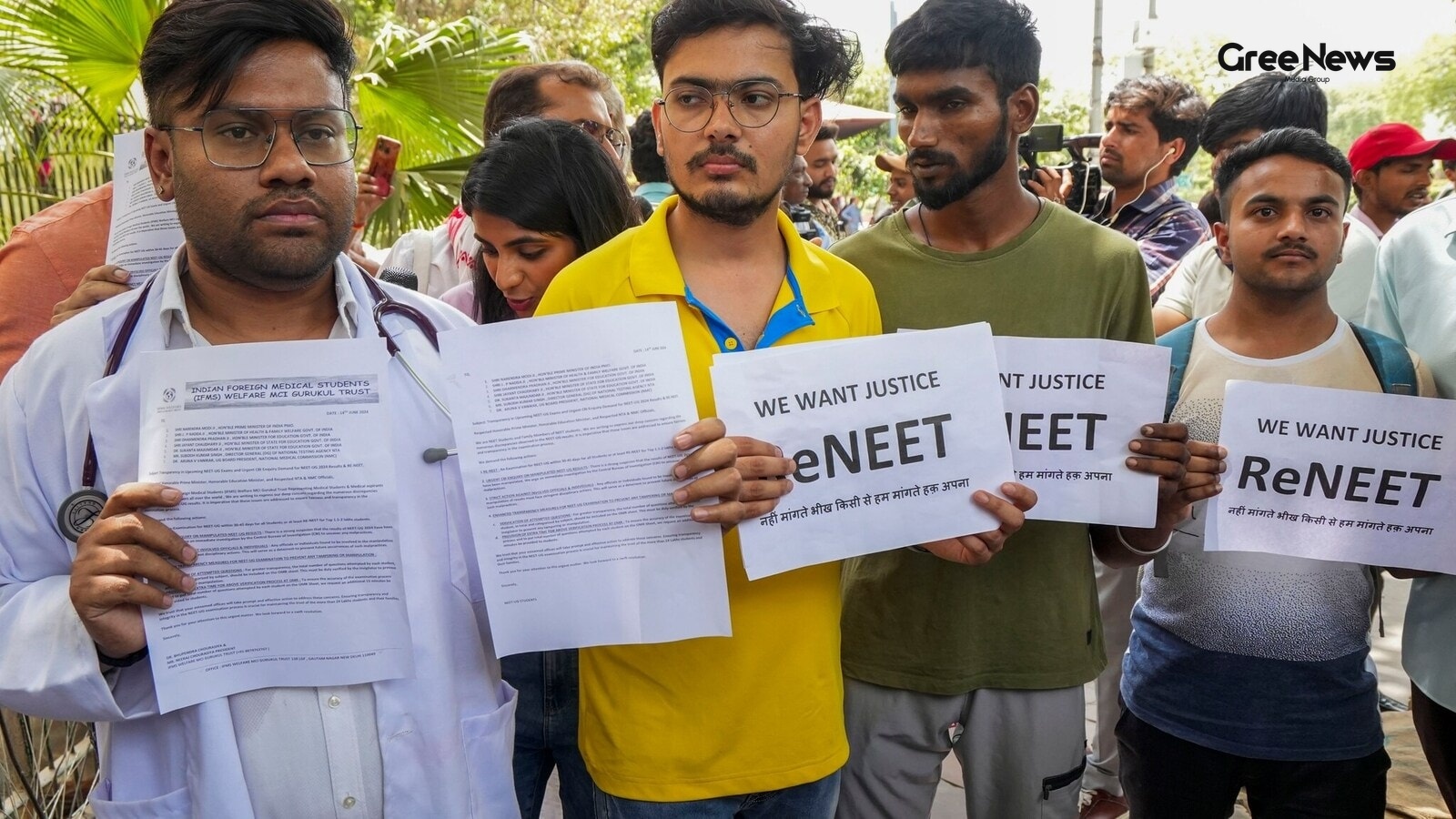
NEET-UG 2026 Re-examination: Logistics, Security, and Controversy
The Indian Air Force is gearing up for a massive transport operation. They're prepping aircraft and helicopters for moving confidential question papers and all that examination material needed for the NEET-UG 2026 re-examination, which is slated for June 21. Defence sources are talking about it. It’
Jun 15, 2026 by Gree News Team
US-Iran Peace Deal Framework and Negotiations
The whole thing is set for June 19th in Geneva. A peace deal between the United States and Iran. It’s supposed to be a big step. An end to this mess that has been raging across the Middle East for over three months now. It wasn't some sudden thing, you know? The announcement itself came from Pakista
Jun 15, 2026 by Gree News Team
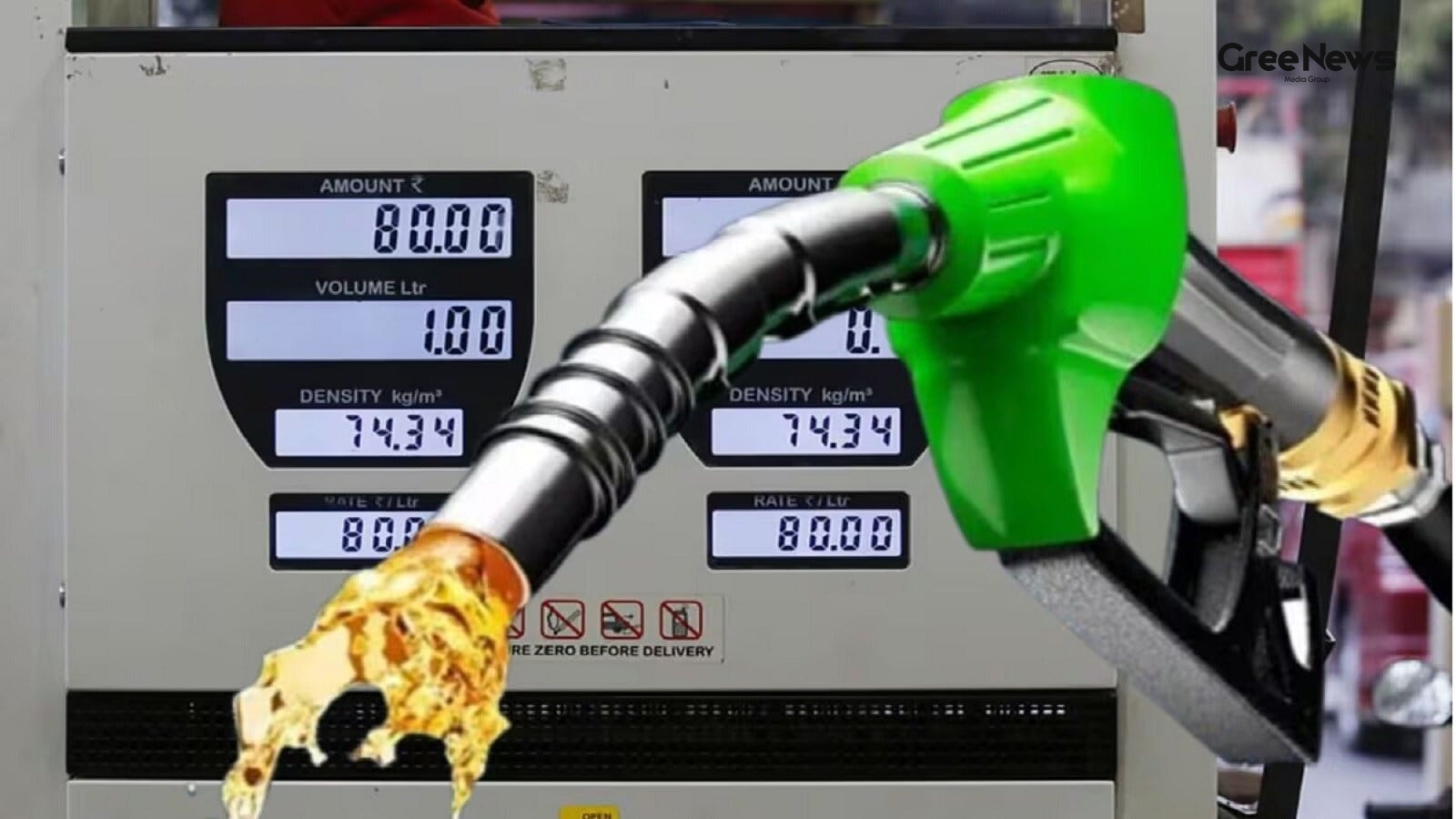
Petrol, Diesel, and CNG Prices Update and Market Shifts
Petrol, diesel, and CNG prices... they just stayed put on Monday, June 15th, 2026. Nothing major shifted there. But the oil market companies and those gas distribution outfits are always revising things at six in the morning, you know? Still, you had that whole situation with petrol and diesel. OMCs
Jun 15, 2026 by Gree News Team