US Iran Framework Agreement: Draft Details and Sticking Points
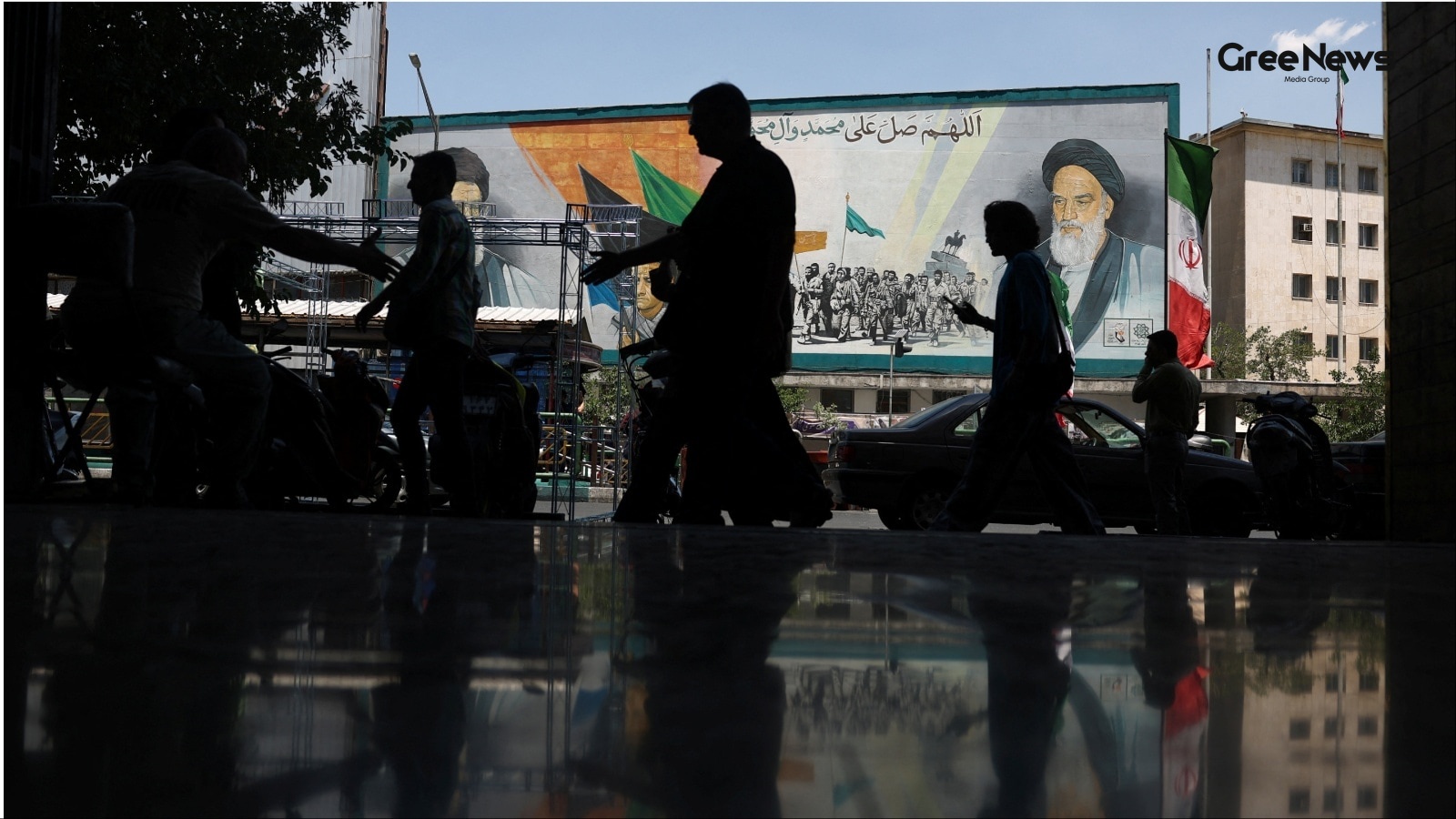
The framework aGreement itself that’s what they announced through the mediators, Pakistan leading the way, later confirmed by folks in Washington and Tehran it’s slated for a formal signing in Switzerland on June 19th. That date hangs over everything.
But you don't actually have the full memorandum of understanding out yet. What we do have are reports from Iran’s Mehr News Agency. They’re talking about a fourteen-point draft aGreement that apparently formed the backbone of this whole breakthrough. It’s a roadmap, trying to cover a lot, which is always tricky in these things.
What does this road map actually outline? It hits on several huge points: a ceasefire, easing sanctions, releasing frozen assets, reopening shipping lanes, and then, the massive headache negotiating Iran's nuclear program. That’s where the real sticking point is, isn't it?
Iranian officials themselves stressed something important. They said this draft still needs to go through internal review. Approval from their own institutions first. It’s not just a deal signed by diplomats.
The centerpiece, naturally, involves stopping the fighting. The very first provision calls for a permanent and immediate end to all hostilities. That includes Lebanon. And there's that commitment from the US they have to respect Iran’s sovereignty. No interference in their internal stuff.
Then you get to the physical movements. The draft talks about lifting the naval blockade. Thirty days, they say. And simultaneously, a demand for the US to pull back those forces deployed around Iran. That's tied directly into reopening the Strait of Hormuz within that same thirty-day window. Iranian arrangements have to oversee that opening.
It’s messy, isn’t it? The context behind this framework is heavy. We’re talking about a war that has already cost thousands of lives, mostly in Iran and Lebanon. And remember what happened while this was going down? Iran effectively choked the Strait of Hormuz. At the same time, US forces responded by locking down Iranian ports. That contributed to the energy crisis, pushing global fuel prices up sharply. All these things feed into why they are even talking now.
Now let’s look at those fourteen points mentioned in the draft. They aren't just fluff; they detail what is being proposed for settlement. One point covers that ceasefire again permanent and immediate across the board. Then there’s the sovereignty thing, respecting Iran’s internal affairs.
The logistics of money are big too. The aGreement touches on sanctions relief. It calls for suspending sanctions on Iranian oil sales and restoring access to financial resources. And this is where the numbers get really large: reconstruction plans. We're talking about at least three hundred billion dollars that the US and its allies would have to present. A staggering figure.
Then there’s the money itself. The draft outlines releasing blocked funds twenty-four billion dollars in frozen Iranian assets during those sixty days of talks. Half of that, they suggest, needs to be available before negotiations even kick off. That’s a massive financial maneuver layered on top of the political demands.
But here is where things get complicated and frankly, less neat. The nuclear side remains largely deferred. Point eight sets up a sixty-day negotiation period specifically for reaching an aGreement on the nuclear issue and lifting restrictions. But points twenty-four shows the real tension there. Final talks only start after some of these other elements are settled the funds released, sanctions suspended, and the blockade lifted.
The focus shifts entirely to enrichment and material now. The final negotiations would supposedly center purely on getting rid of sanctions relief, economic reconstruction, and dealing with enriched materials. Anything about Iran’s missile program or support for resistance groups gets left out of that immediate agenda. It's a deliberate separation.
And the bottom line is this: even though this framework exists, it isn’t the end of the story. The reports are clear US and Iranian officials acknowledge this is just a preliminary arrangement. Negotiations are still absolutely required. They have to figure out what happens with that enriched uranium stockpile, the broader nuclear program.
There are huge hurdles remaining. You can't ignore them. Reuters pointed out something crucial: fighting between Israel and Hezbollah in Lebanon kept complicating the talks immensely. That external friction just added another layer of difficulty to whatever they were trying to achieve on the ground. Israel itself hasn’t formally joined these US-Iran discussions, and they haven't made any immediate public statements about this framework. Silence is often louder than a statement in these situations.
So you have this aGreement structure the ceasefire, the asset release, the maritime access but it’s all built on shifting sands. The core nuclear issues? They remain unresolved, pushed into the future. It’s a fragile arrangement, and there are still massive obstacles waiting before anything can be formally signed. It's more about setting the stage for future talks than actually closing the chapter right now.
Written by Gree News Team — Senior Editorial Board
Gree News Team covers international news and global affairs at Gree News. Our collective of senior editors is dedicated to providing independent, accurate, and responsible journalism for a global audience.
More from World
View All
US and Iran Peace Deal Negotiations and Demands
The US and Iran supposedly nailed down a peace deal after some intense back-and-forth negotiations wrapped up Sunday. Both sides agreed to stop all military moves immediately. That included everything going on in Lebanon too. President Trump was the one to confirm it, calling it a huge step for stab
Jun 15, 2026 by Gree News Team
US-Iran Framework Agreement, Nuclear Sticking Points, and Diplomatic Tensions
The framework agreement between the US and Iran came out of nowhere. Months of conflict suddenly paused. Military operations stopped. Negotiations started on the really messy parts, especially Tehran’s nuclear programme. Then you have the chatter from Trump. He said Israel stood to benefit from this
Jun 15, 2026 by Gree News Team
Iran-US Nuclear Negotiations and the Islamabad Memorandum
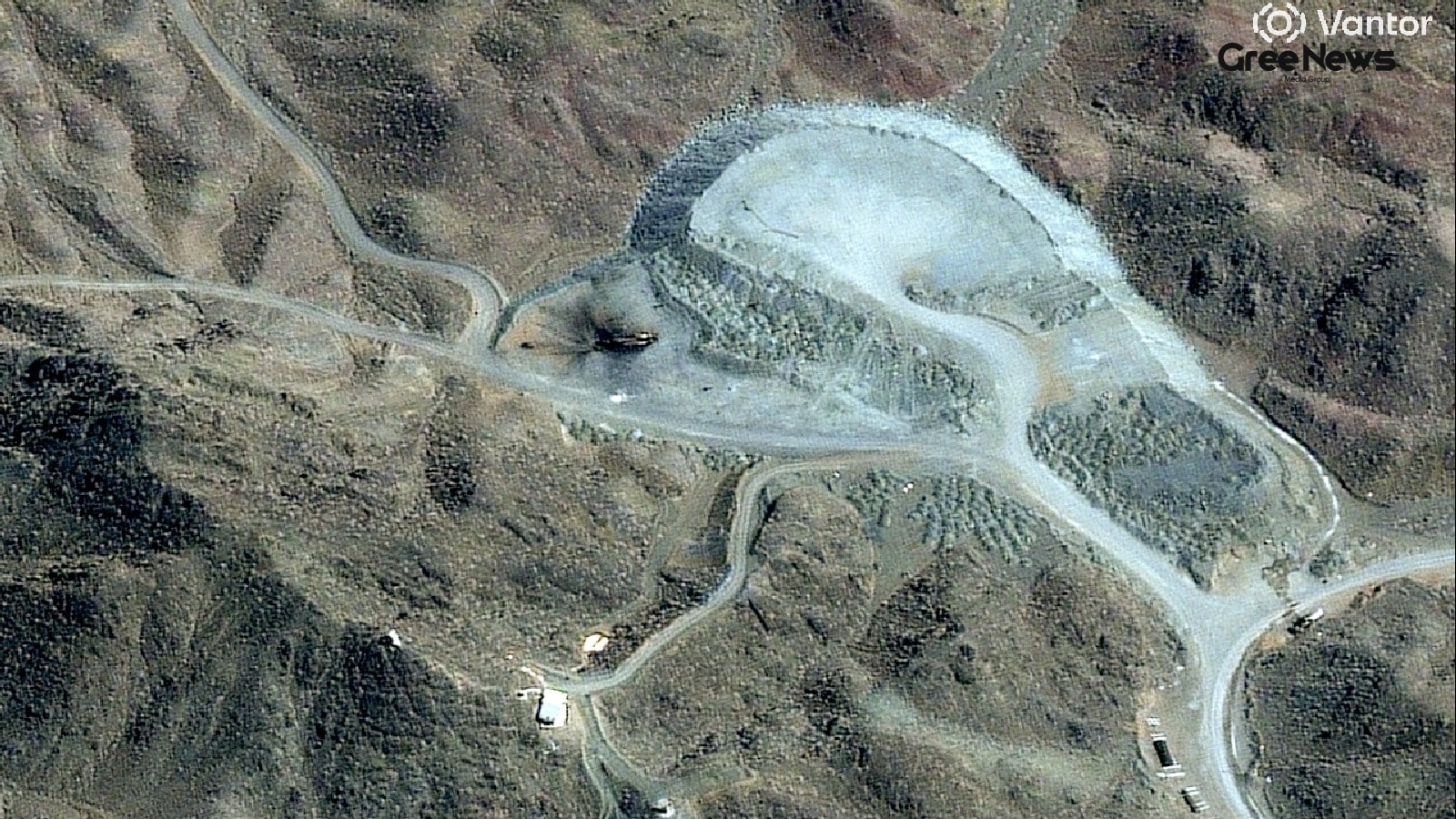
Iran has agreed something. It won’t produce or get nuclear weapons under a draft memorandum they are working out with the United States. That’s what a senior Iranian official told Reuters. It feels like a real breakthrough, maybe after months of this insane diplomacy between Washington and Tehran. T
Jun 15, 2026 by Gree News Team
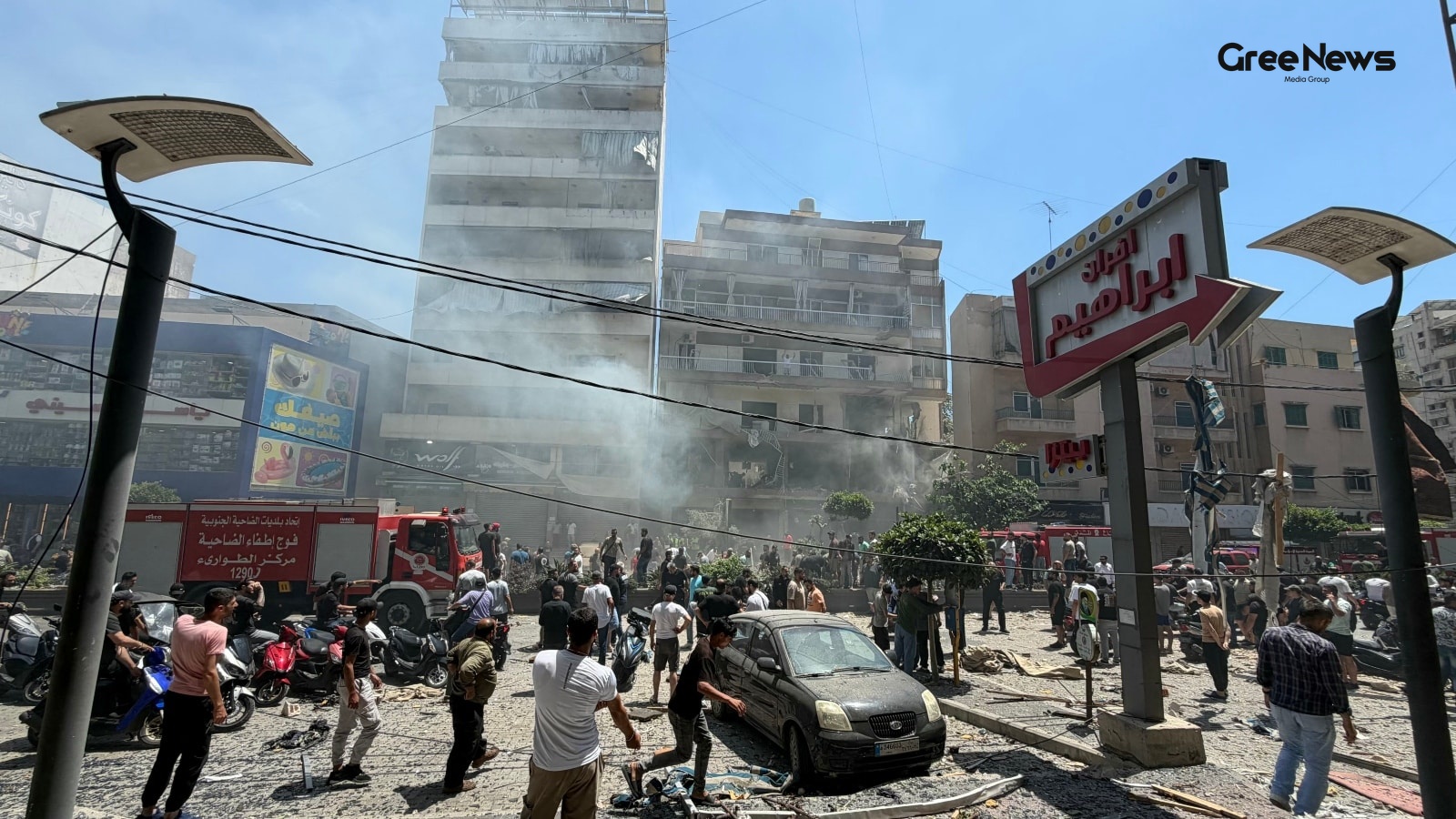
Iranian Officials React to Israeli Strike on Beirut and Peace Talks
A senior Iranian military official said something pretty stark on Sunday. He warned that Israel’s strike hitting Beirut’s southern suburbs wouldn't just be ignored by Tehran. It added this whole layer of uncertainty to that deal, you know, the one US President Donald Trump had hinted would be signed
Jun 15, 2026 by Gree News Team
Latest Headlines
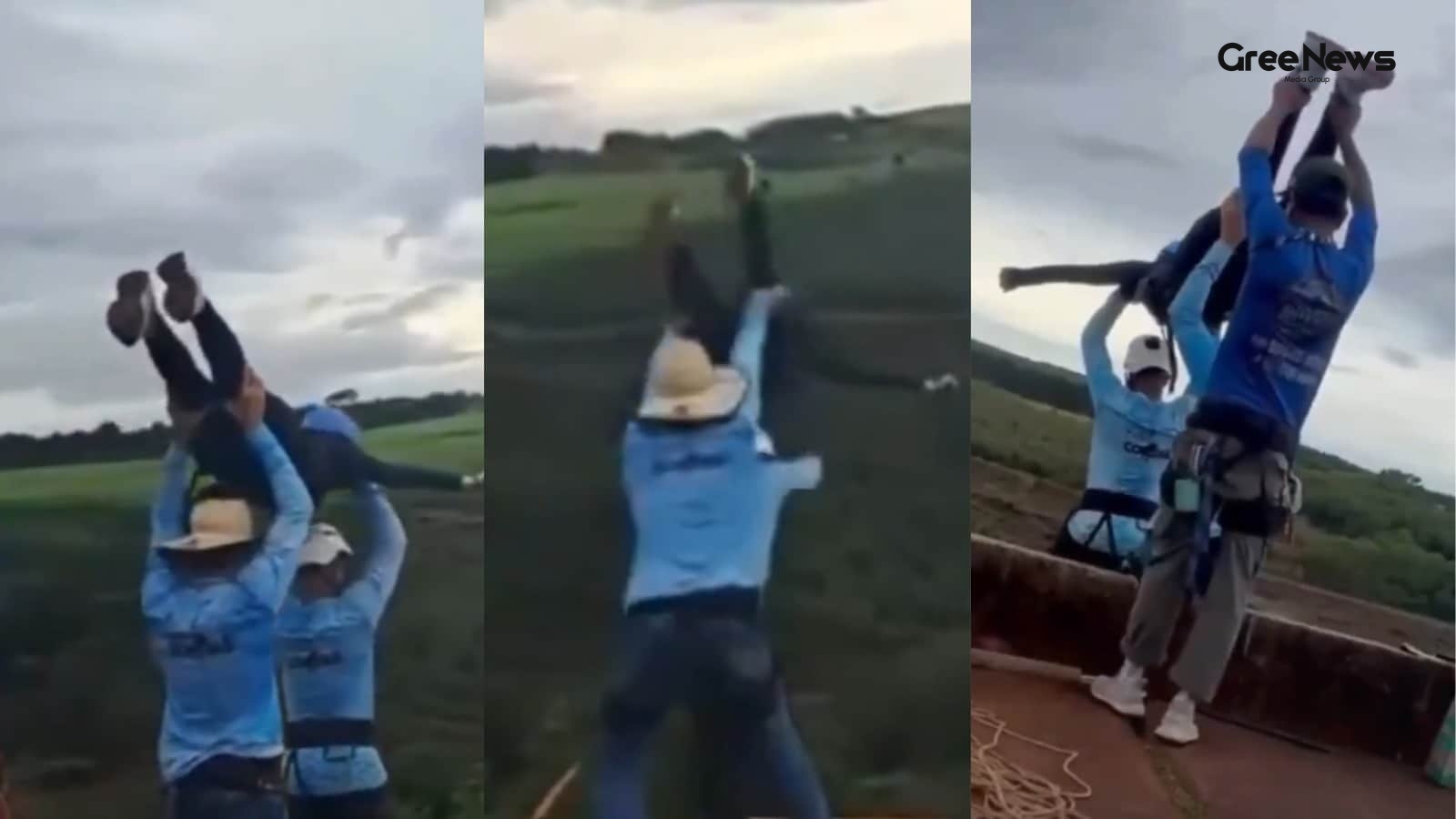
Tragedy and Negligence: The Brazil Bridge Swing Incident
That whole thing that happened in Brazil is just… shocking. A 21-year-old woman lost her life after apparently being launched off a bridge swing without any safety rope on her harness. It just happened. And now everyone’s furious, and police are looking into whether someone was negligent. She was na
Jun 15, 2026 by Gree News Team

Eye Health Risks During Monsoon Season: 5 Infections to Watch For
The monsoon season rolls in, bringing that much-needed relief from the brutal summer heat. But there’s a shadow hanging over everything a higher risk of seasonal infections creeping in. Moist weather, thick humidity, polluted air... all that dampness and dust just make it easier for germs to spread
Jun 15, 2026 by Gree News Team
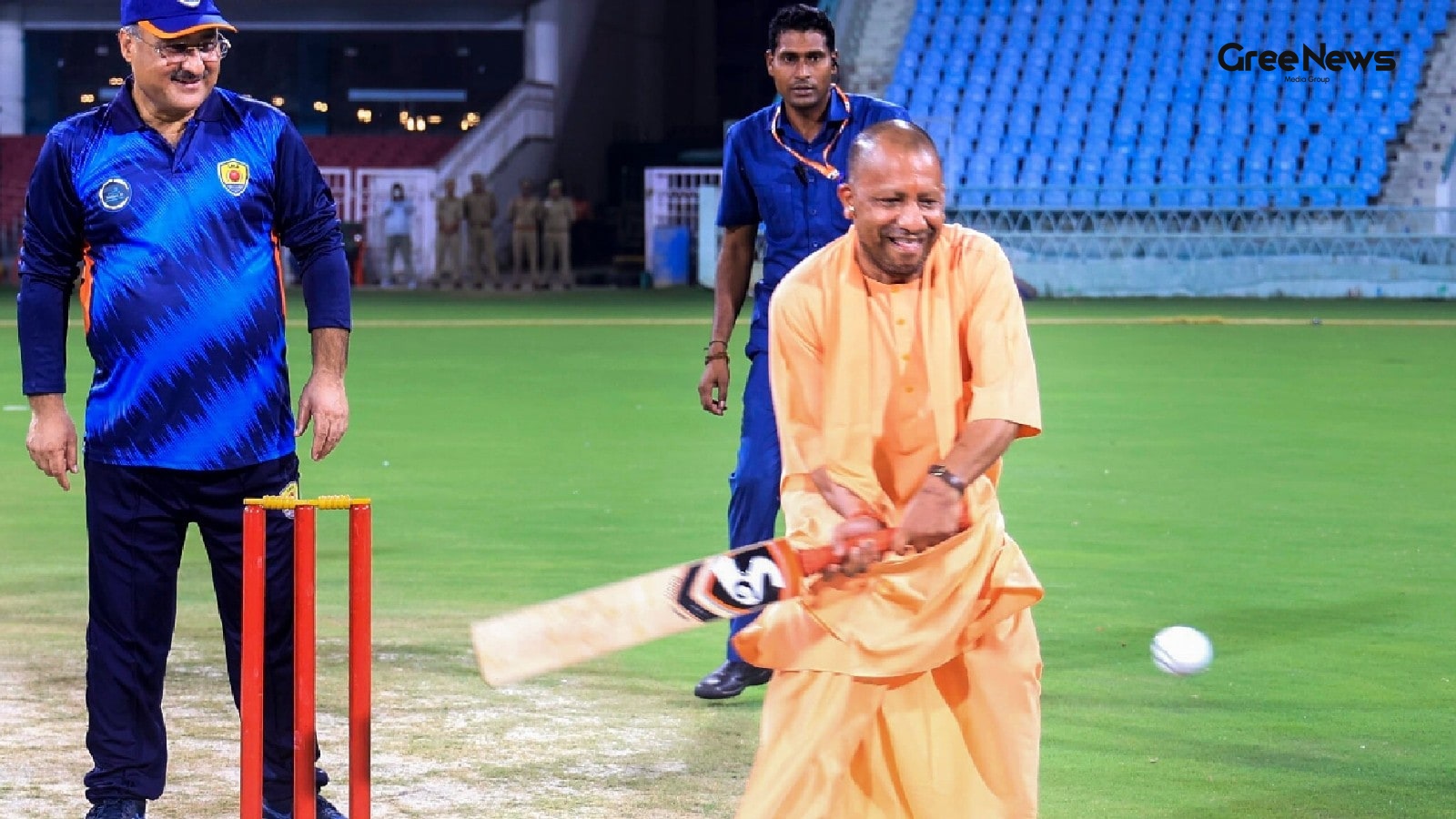
International Cricket Stadium in Gorakhpur Development
The push for the International Cricket Stadium in Gorakhpur is really picking up speed now. Officials from the Uttar Pradesh government mentioned that about 6.73 per cent is done since they started the work after laying that foundation stone back in May. It’s a big deal, mind you. We're talking an e
Jun 15, 2026 by Gree News Team
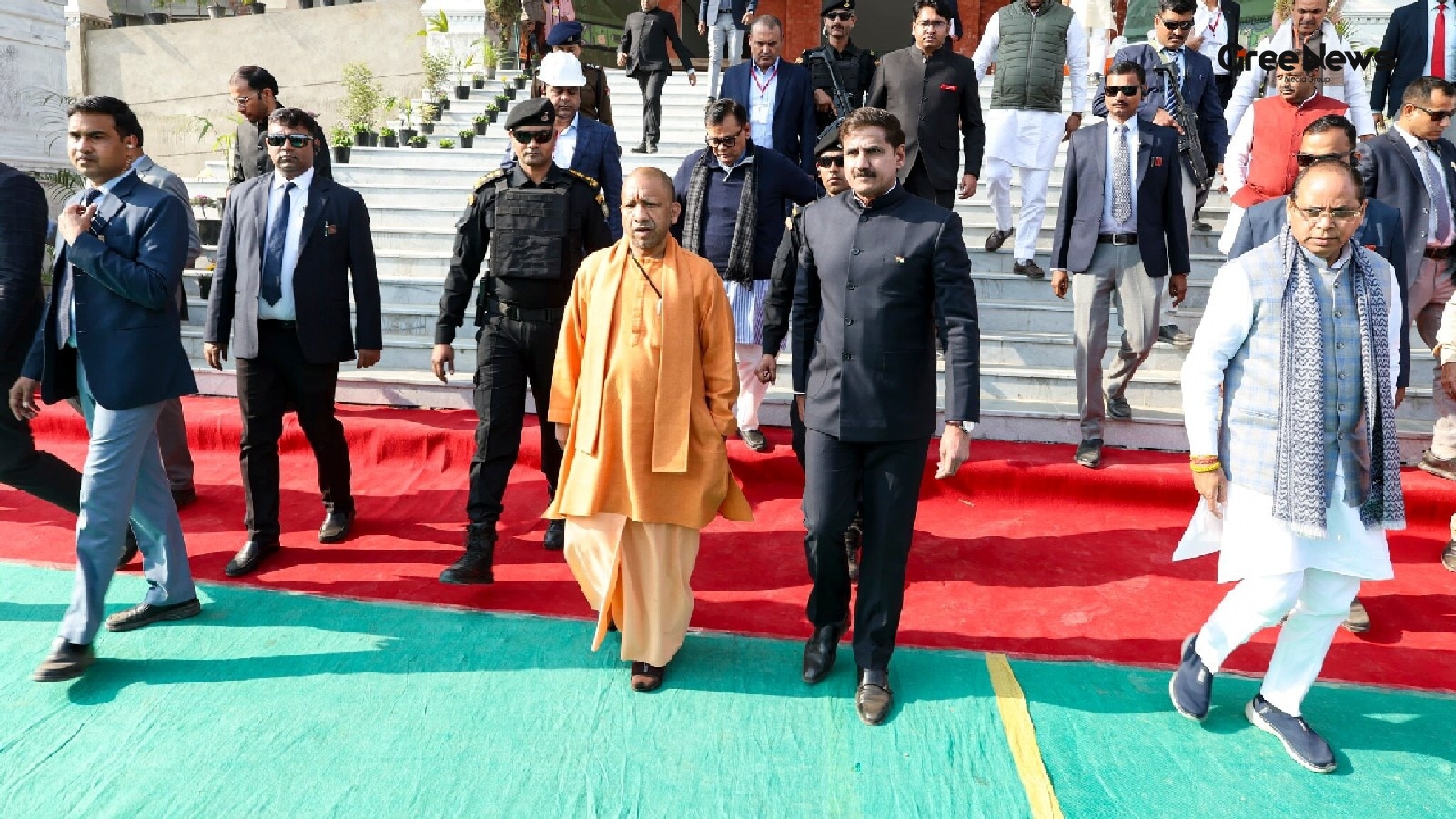
Admissions Open at Major Dhyan Chand Sports University: Sports and Diploma Programs
Admissions are finally open at Major Dhyan Chand Sports University in Meerut. They’re looking at undergraduate stuff, postgraduate degrees, even some diploma programs for the 2026-27 session. Applications stay open until July 10th. That's the deadline hanging over everyone right now. This year, they
Jun 15, 2026 by Gree News Team
US and Iran Peace Deal Negotiations and Demands
The US and Iran supposedly nailed down a peace deal after some intense back-and-forth negotiations wrapped up Sunday. Both sides agreed to stop all military moves immediately. That included everything going on in Lebanon too. President Trump was the one to confirm it, calling it a huge step for stab
Jun 15, 2026 by Gree News Team
US-Iran Framework Agreement, Nuclear Sticking Points, and Diplomatic Tensions
The framework agreement between the US and Iran came out of nowhere. Months of conflict suddenly paused. Military operations stopped. Negotiations started on the really messy parts, especially Tehran’s nuclear programme. Then you have the chatter from Trump. He said Israel stood to benefit from this
Jun 15, 2026 by Gree News Team
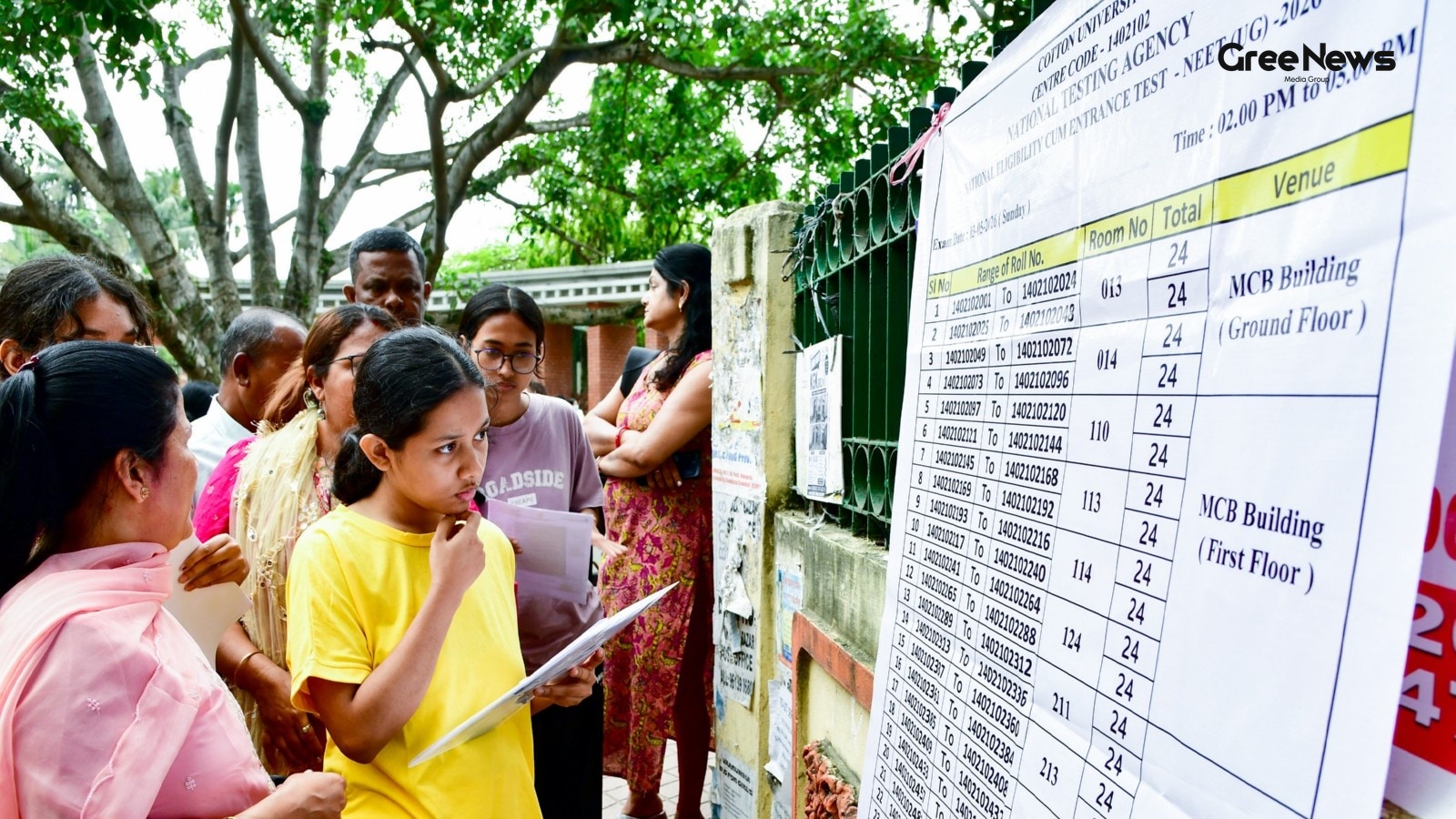
NEET (UG) 2026 Re-examination Admit Card Release Details
The National Testing Agency finally put out the admit cards for the NEET (UG) 2026 re-examination. It’s scheduled for June 21st, 2026. Sunday notice said you can grab these things from their official site, neet.nta.nic.in. You just need your application number and date of birth to get started. But t
Jun 15, 2026 by Gree News Team
Iran-US Nuclear Negotiations and the Islamabad Memorandum
Iran has agreed something. It won’t produce or get nuclear weapons under a draft memorandum they are working out with the United States. That’s what a senior Iranian official told Reuters. It feels like a real breakthrough, maybe after months of this insane diplomacy between Washington and Tehran. T
Jun 15, 2026 by Gree News Team
Iranian Officials React to Israeli Strike on Beirut and Peace Talks
A senior Iranian military official said something pretty stark on Sunday. He warned that Israel’s strike hitting Beirut’s southern suburbs wouldn't just be ignored by Tehran. It added this whole layer of uncertainty to that deal, you know, the one US President Donald Trump had hinted would be signed
Jun 15, 2026 by Gree News Team
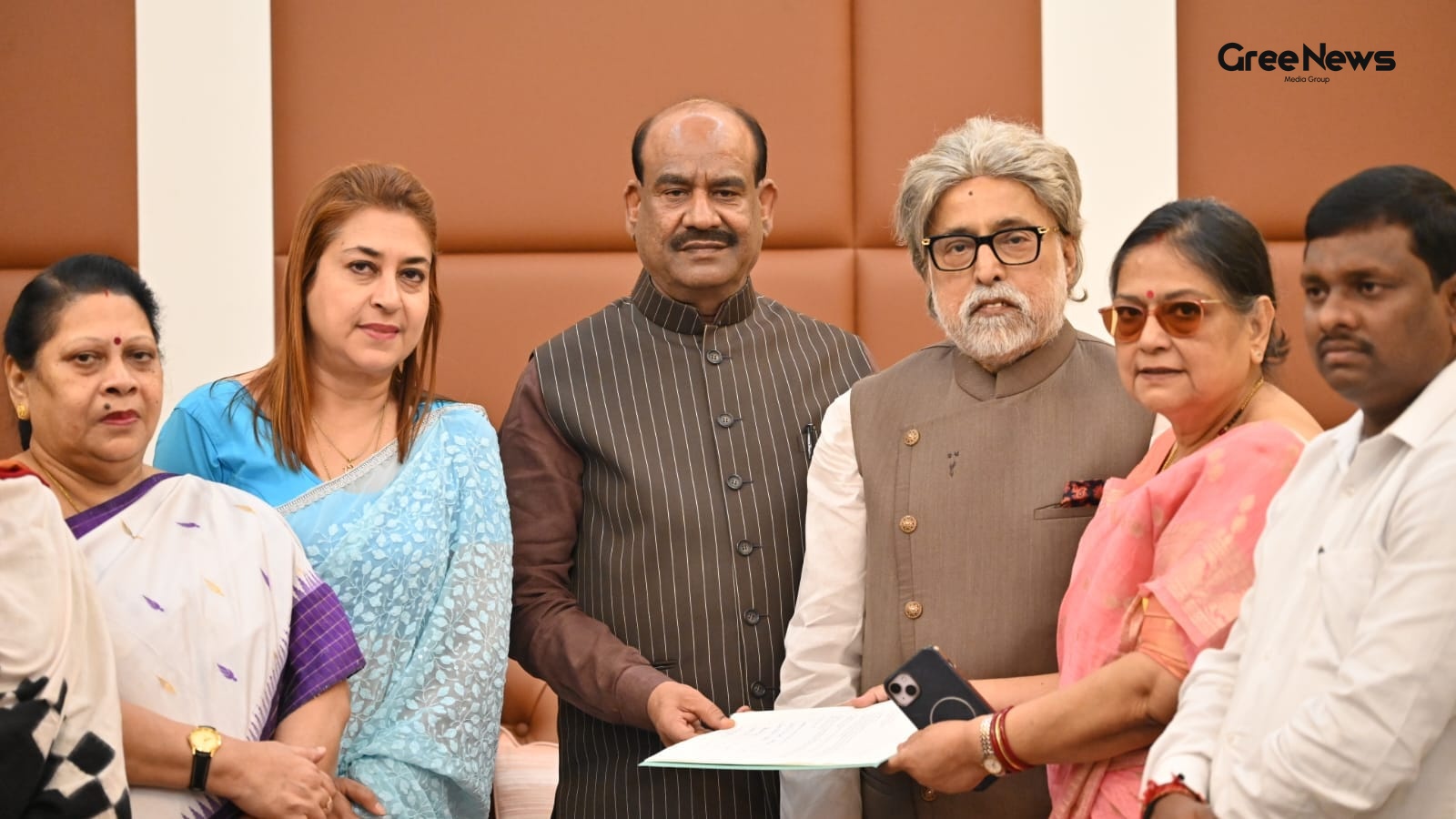
Dissent within TMC: Rebel MPs Seek Alliance with NDA and NCP
Kakoli Ghosh Dastidar from the Rebel Trinamool Congress camp said something on Sunday. She basically claimed that this dissident group would team up with the NDA at the Centre. Work under Modi, they said. This came after some meeting with Lok Sabha Speaker Om Birla. It was happening amid all the noi
Jun 15, 2026 by Gree News Team

Gram Chikitsalay Season 2: Plot, Release Date, and Themes
Fans of Gram Chikitsalay are definitely getting something to look forward to. Seriously. The makers have officially dropped the news about the second season of that comedy-drama series, bringing back Amol Parashar as Dr Prabhat for another dose of rural India humour the kind of chaos mixed with genu
Jun 15, 2026 by Gree News Team
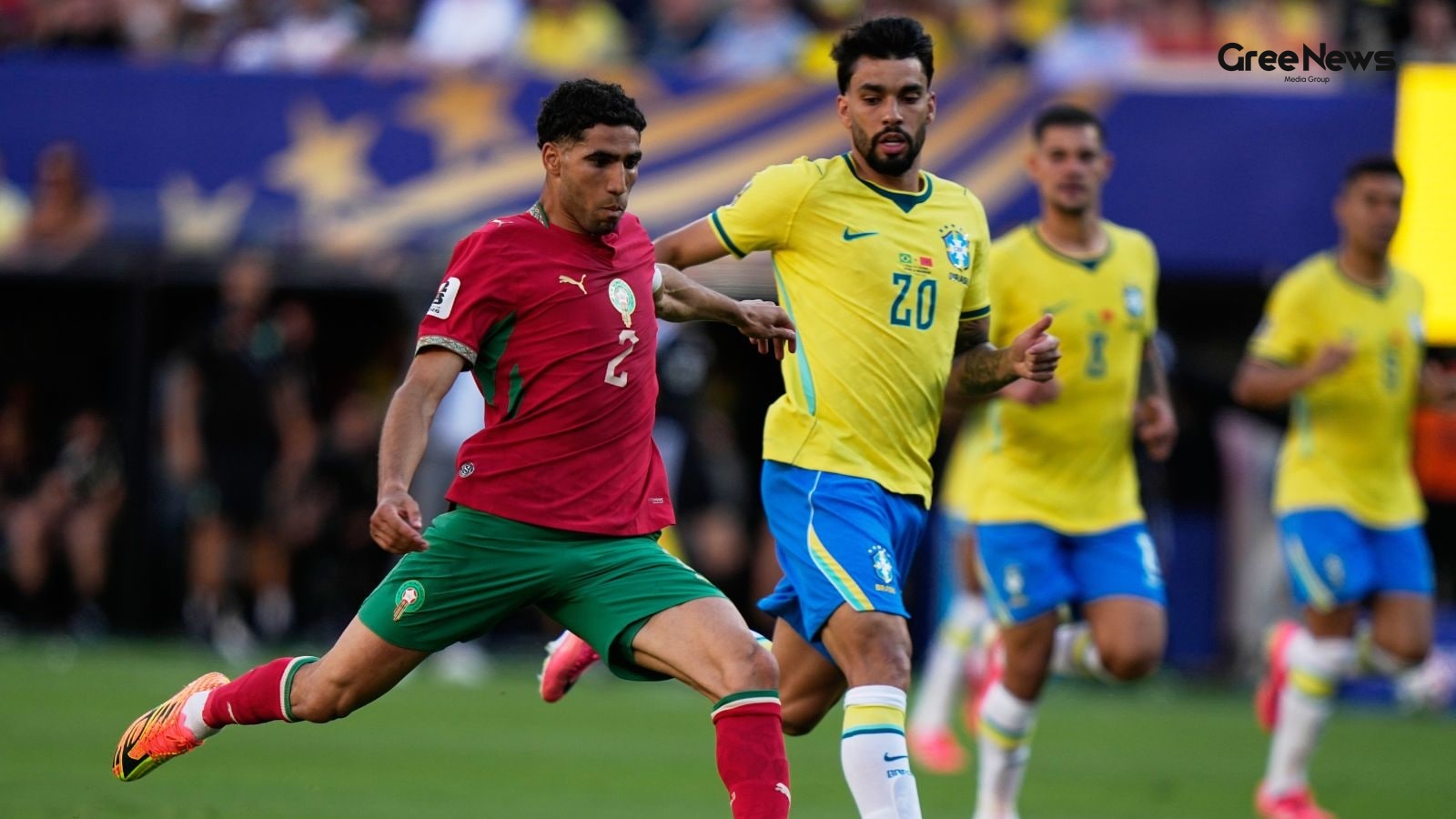
The Blending of Identities in Football: Morocco's World Cup Journey
The Morocco squad, under Achraf Hakimi, something historic happened that Saturday, June 13th. They became the first team in FIFA World Cup history to field eleven footballers who weren't actually born in Morocco. It was during their very first game of this massive tournament, against Brazil. And it
Jun 15, 2026 by Gree News Team
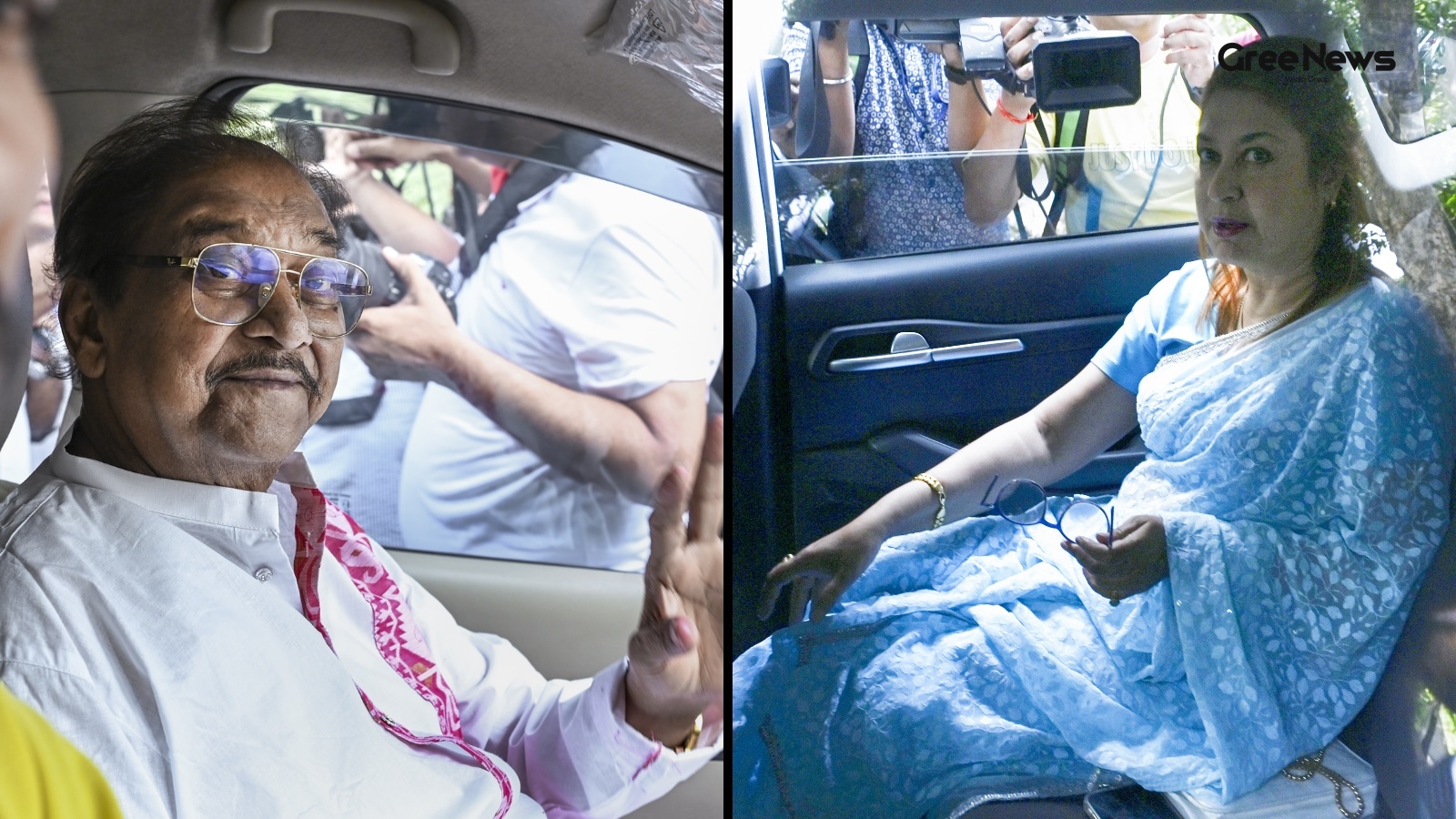
Political Split and Maneuvering within TMC
The air around the TMC seems to be getting noticeably heavier. It’s not just the usual political friction; something bigger is happening behind closed doors. We're talking about a real split, an escalation that started simmering long ago over West Bengal, and now it’s spilling out into parliamentary
Jun 15, 2026 by Gree News Team

Vijay Deverakonda and Rashmika Mandanna's Viral Trip to Telangana
Vijay Deverakonda and Rashmika Mandanna are still getting clicks online after a video from their trip to Telangana blew up social media. It was a candid moment, you know? A sweet one that just caught everyone’s attention. They were there in Thummanpet village for some scholarship stuff. They were vi
Jun 15, 2026 by Gree News Team
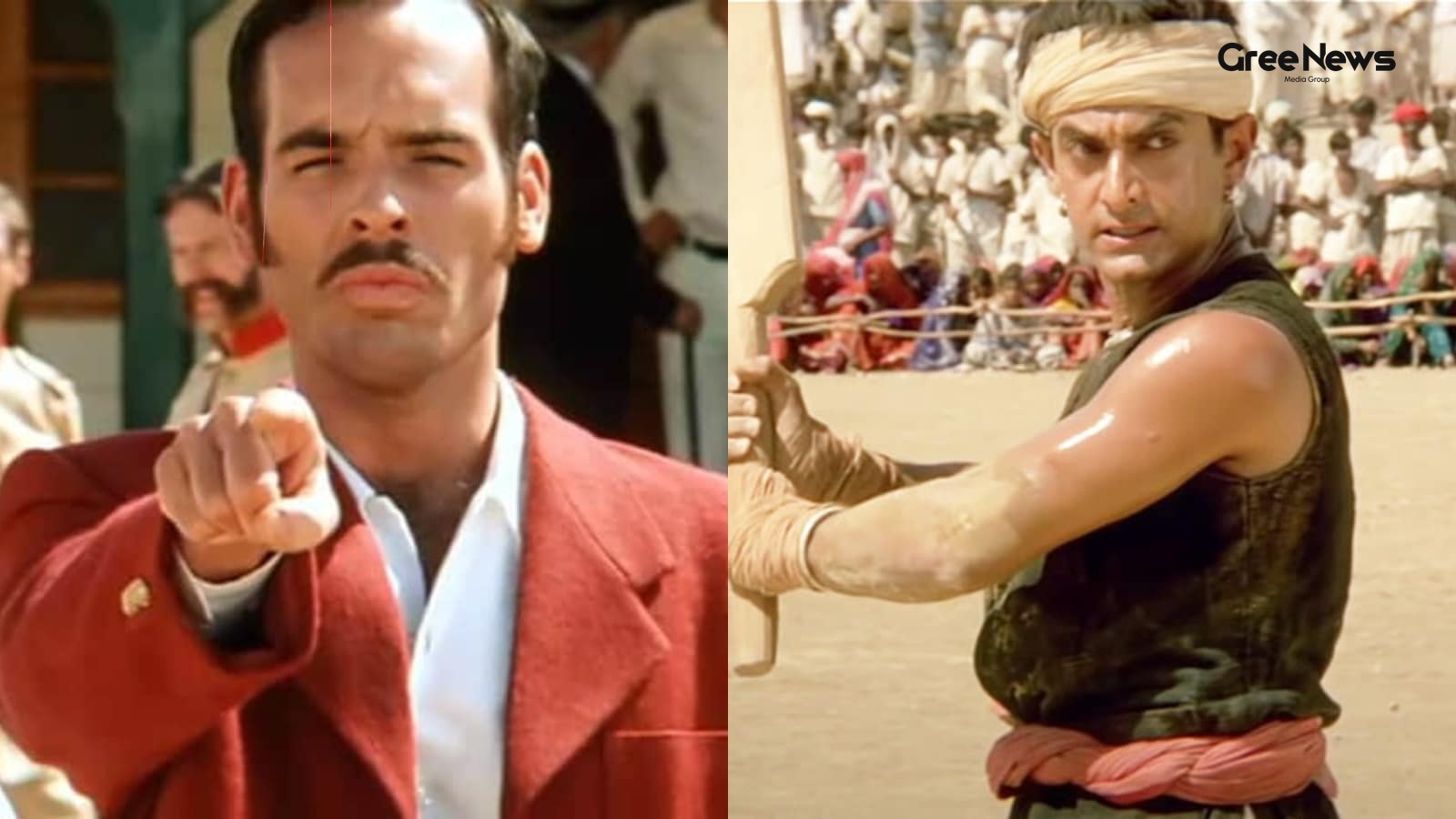
The Magic Behind Lagaan: Behind the Scenes of Cinematic History
The scene that became the heart of *Lagaan* that moment where Captain Russell delivers his famous line, “Teen guna lagaan” wasn’t just cinematic magic. It was born out of a real struggle. Twenty-five years later, Paul Blackthorne finally opened up about how they actually got that terrifying stillnes
Jun 15, 2026 by Gree News Team