Ameesha Patel on Film Success: Comparing 'Gadar' and 'Dhurandhar'
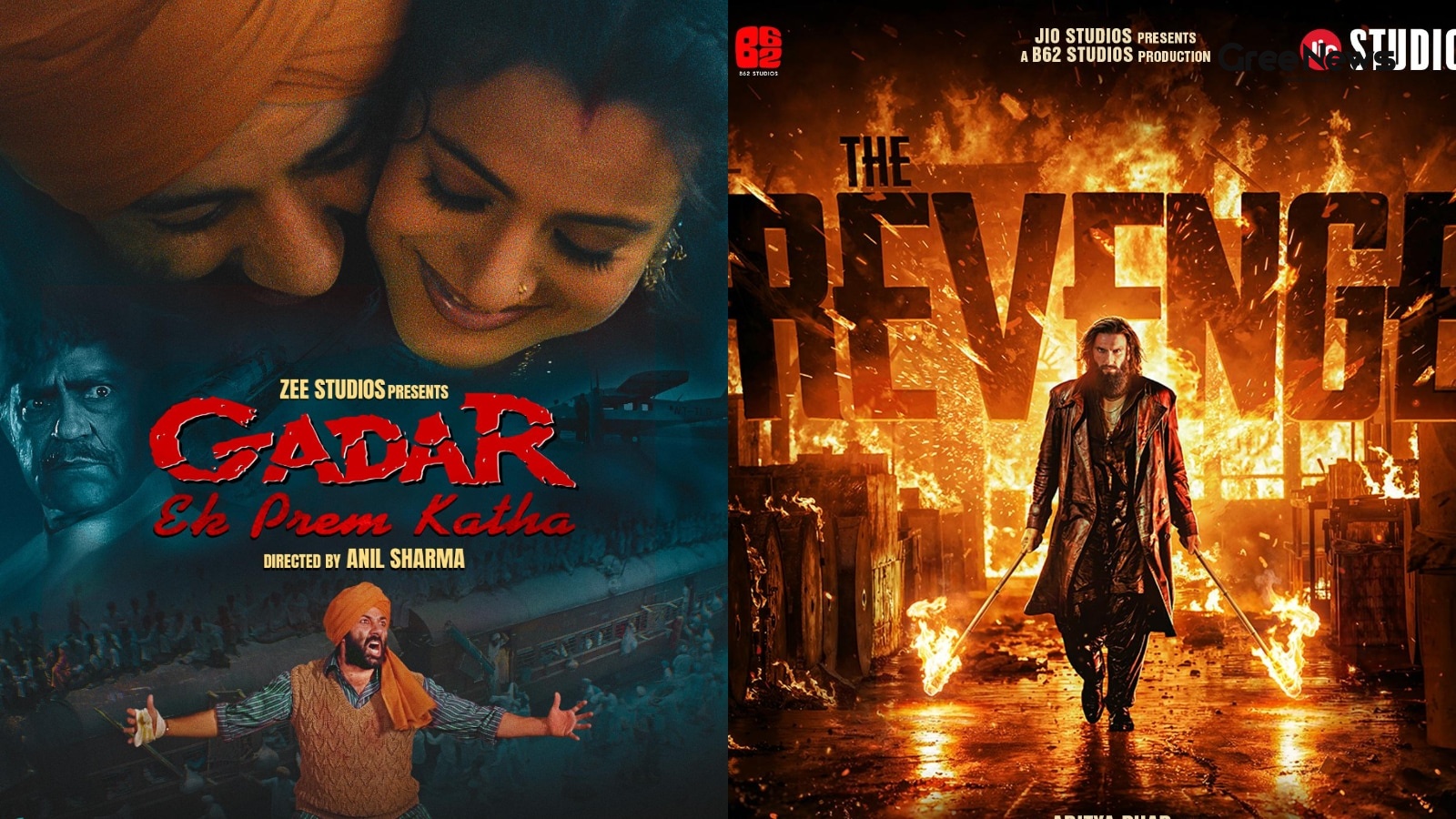
Ameesha Patel is pushing back on something, you know? She’s backing up her feeling that her old film, ‘Gadar: Ek Prem Katha,’ actually managed to pull in more audience numbers than the massive box-office juggernaut, ‘Dhurandhar.’ It’s a subtle claim, but it gets people talking.
This whole thing came out on Sunday when she posted screenshots to her X account formerly Twitter. She showed what she found through web and AI searches. The results she pulled up were pretty specific, detailing the numbers for both films during their theatrical runs.
It turns out there’s a bit of a discrepancy in how the success is being measured, or maybe just where people are looking. When you look at ‘Dhurandhar,’ the Ranveer Singh movie, those search results pegged its domestic footfalls somewhere between 3.22 and 3.56 crore that’s thirty-two to thirty-five million viewers during it. They framed it as one of the most watched Hindi films out there.
But then you look at ‘Dhurandhar 2.’ That sequel really ballooned, hitting over 4.3 crore total footfalls across all languages. The Hindi version alone was already pushing four crore views. And remember the original, ‘Gadar: Ek Prem Katha’? That one still holds a significant spot; it recorded over 5.05 crore theatrical footfalls in India right from the start. Even its sequel, ‘Gadar 2,’ managed an estimated 3.40 to 3.50 crore views domestically.
Patel’s reaction to all this data was surprisingly short. She just tweeted, “So blessed.” It feels almost dismissive compared to the hard numbers laid out there. A simple acknowledgment after presenting that kind of comparative success.
It brings us back to why people are talking about these films at all. ‘Dhurandhar: The Revenge,’ directed by Aditya Dhar and starring Ranveer Singh, just exploded onto the scene recently. It’s undeniably one of the biggest box-office hits in recent Indian cinema. The response wasn't just big; it felt almost overwhelming across different markets. People were flocking to it.
You see that massive appeal reflected in how the film performed. It saw extremely high occupancy rates, multiple shows sold out, which is a big indicator of mass appeal. And it really managed to cultivate something new a market for dubbed versions, showing just how pan-India this thing felt. That kind of traction changes things.
Culturally, ‘Dhurandhar’ has done more than just make money. It’s morphed into something much bigger, a genuine mass phenomenon. There’s this blend in the film that really hit hard: hyper-stylized action mixed with nationalism and massive star power. That mix resonated deeply, tapping right into what people are watching these days in cinema.
It’s not just the plot; it's the noise around it. Viral moments, the music even those little off-screen incidents that leak out they all amplify its reach. It stopped being just a film and started becoming a conversation driver. The sequel didn't just follow up; it cemented this franchise as something defining in modern Bollywood spectacle cinema right now.
And Ameesha Patel’s post seems to be an observation layered on top of that existing cultural reality. She’s pointing out that even with the massive current success, there’s still a historical footprint, a kind of legacy in terms of pure audience reach for the original entry. It feels like she's referencing something deeper than just the immediate ticket sales figures.
It makes you wonder about how we measure cinema success these days. Is it purely about the numbers on the screen? Or is there some other kind of staying power, a sort of enduring cultural weight that those older films carry? That’s what her seemingly simple comment hints at.
The way these big cinematic events play out the rise and fall of franchises, the shift in audience preference it's never just a straight line. There are layers of cultural impact you can’t easily quantify with simple crores or millions. It’s about resonance, about how something sticks in the collective memory.
When films like ‘Dhurandhar’ generate this kind of buzz, it changes the landscape for everything else. It sets a new benchmark. But that doesn't erase the history of earlier, foundational cinema either. Both things exist simultaneously, pushing different narratives about what entertainment means to people across the country. It’s messy, isn’t it? Not neatly categorized by simple metrics.
Written by Gree News Team — Senior Editorial Board
Gree News Team covers international news and global affairs at Gree News. Our collective of senior editors is dedicated to providing independent, accurate, and responsible journalism for a global audience.
More from Movies
View All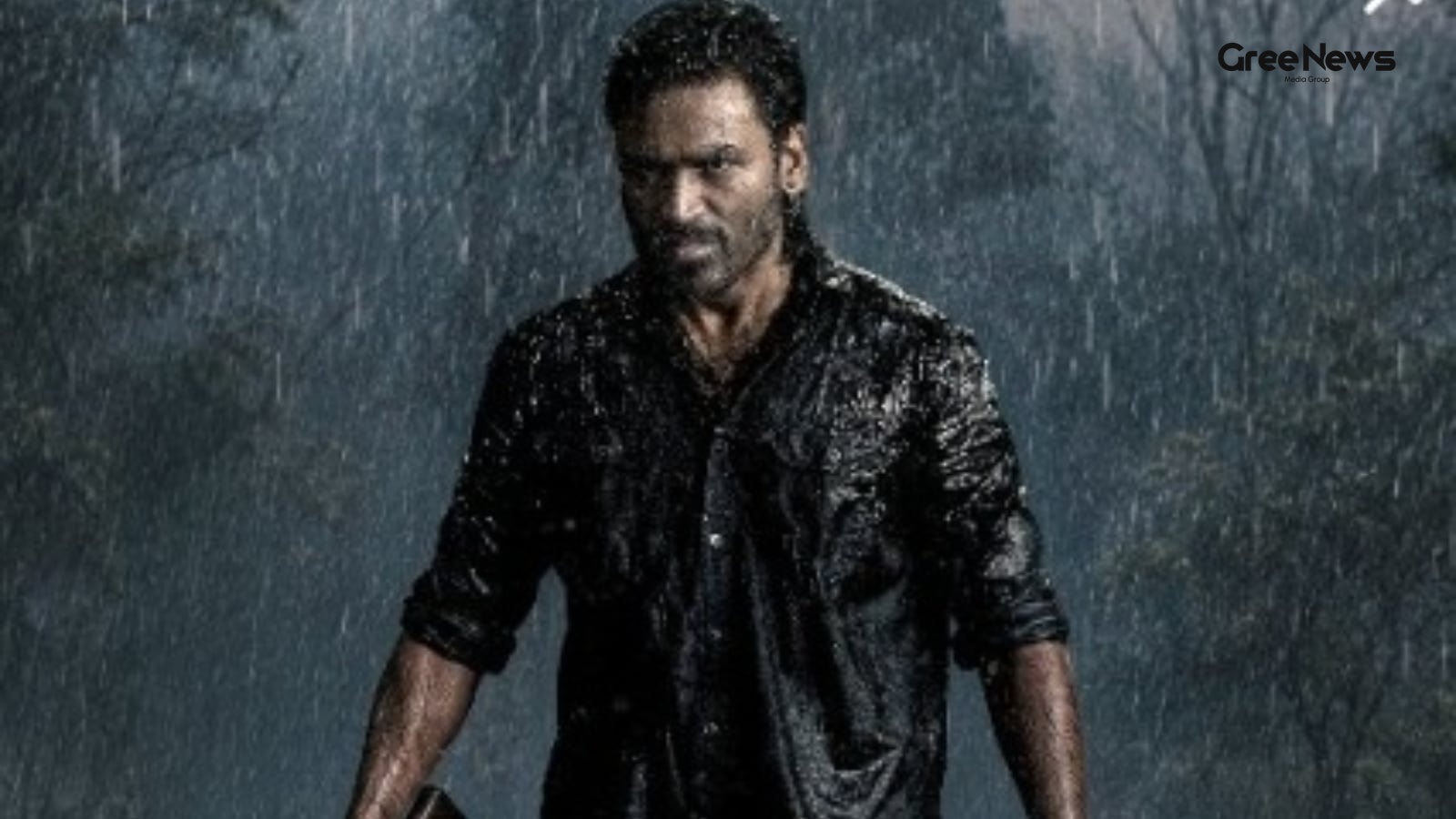
Dhanush and Mammootty Action Drama Buzz: Details and Cast
Man, the buzz around Dhanush and Mammootty’s action drama is really building. It was a long wait for this kind of thing. They finally dropped some details about it. The makers went with the title OM. And they gave a date. October 16th, 2026. That’s when it’s supposed to hit. Dhanush isn't alone in t
Jun 19, 2026 by Gree News Team

Anandita Sundar on Criticism, Weight Loss, and Her Journey
Anandita Sundar, she talked about all the criticism, the scrutiny she dealt with since she was little. It’s heavy stuff. She was on the JFW podcast, and she just opened up about growing up in the public eye. And then there’s the whole weight-loss thing everyone speculates about. People used to troll
Jun 18, 2026 by Gree News Team
Sonali Bendre on Her Journey and the Search for Hopeful Roles
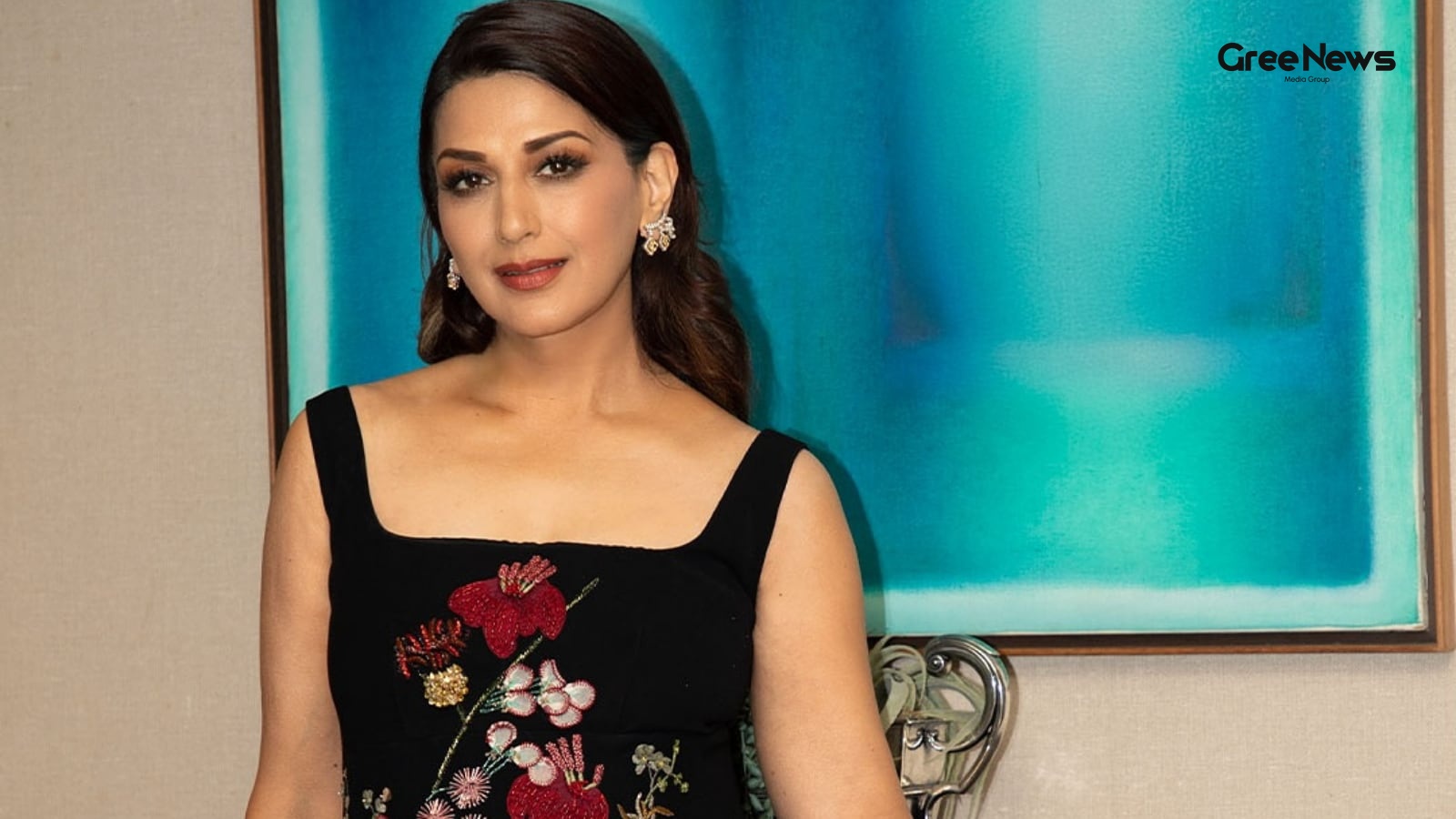
2018 was when Sonali Bendre got the diagnosis. Stage four metastatic cancer. It was a lot. But she kept going. After surviving that big C battle, she started her second act in 2022 as an actor. Web series stuff, like *The Broken News*. And then, same year, she tried something completely different ju
Jun 18, 2026 by Gree News Team
Kala Hiran Controversy: Legal Battles and Legacy in Filmmaking
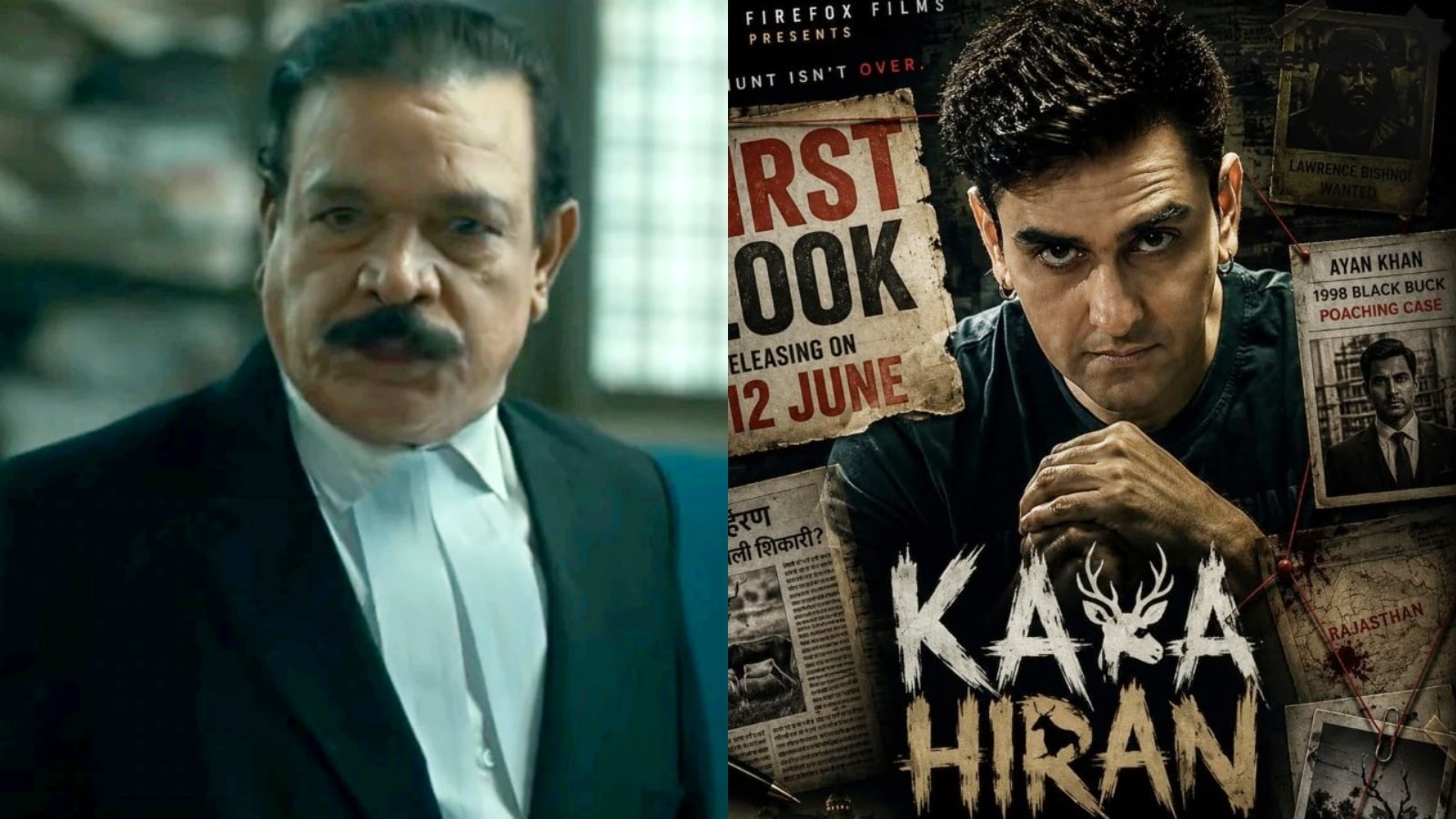
Govind Namdev has pulled back from Kala Hiran. It’s all about legacy now, you know? The film itself is based on that whole blackbuck poaching thing from 1998. Amit Jani produced it. Namdev was in it, playing the advocate trying to fight for justice for the Bishnoi community. Things got messy after t
Jun 18, 2026 by Gree News Team
Latest Headlines

Mumbai Court Grants Temporary Bail for NEET Retest Amid Rape Charges
A special court in Mumbai decided something about temporary bail. It granted four days to an eighteen-year-old man who is currently locked up for rape charges. The reason? He needs to be allowed to appear for a NEET retest scheduled for June 21st. This order came down on Thursday, handed by Special
Jun 19, 2026 by Gree News Team

The Power of Yoga for Holistic Health and Weight Management
International Day of Yoga hits every year on June 21st. It’s meant to push people toward this ancient practice, focusing on how yoga helps with holistic health. It got officially recognized by the United Nations back in 2014, thanks to India putting forward the idea. Since then it just exploded into
Jun 19, 2026 by Gree News Team
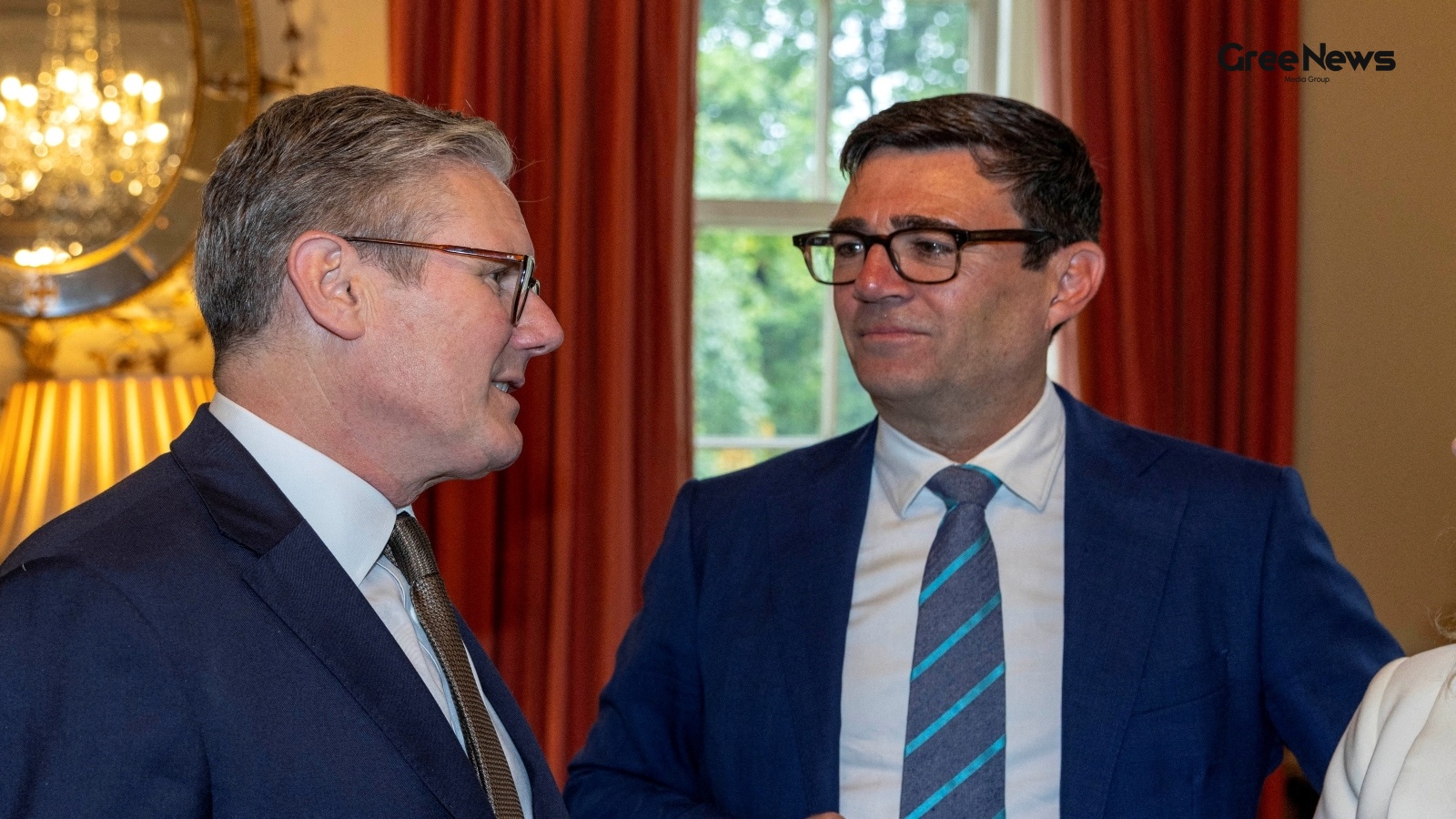
Andy Burnham's Makerfield Victory and the Challenge to Labour Leadership
Andy Burnham actually won that Makerfield by-election. A commanding majority. That’s what cleared the biggest hurdle in any attempt to rock Prime Minister Keir Starmer’s leadership of the Labour Party. It felt like a real shift happening right there. The Greater Manchester mayor grabbed 24,927 votes
Jun 19, 2026 by Gree News Team
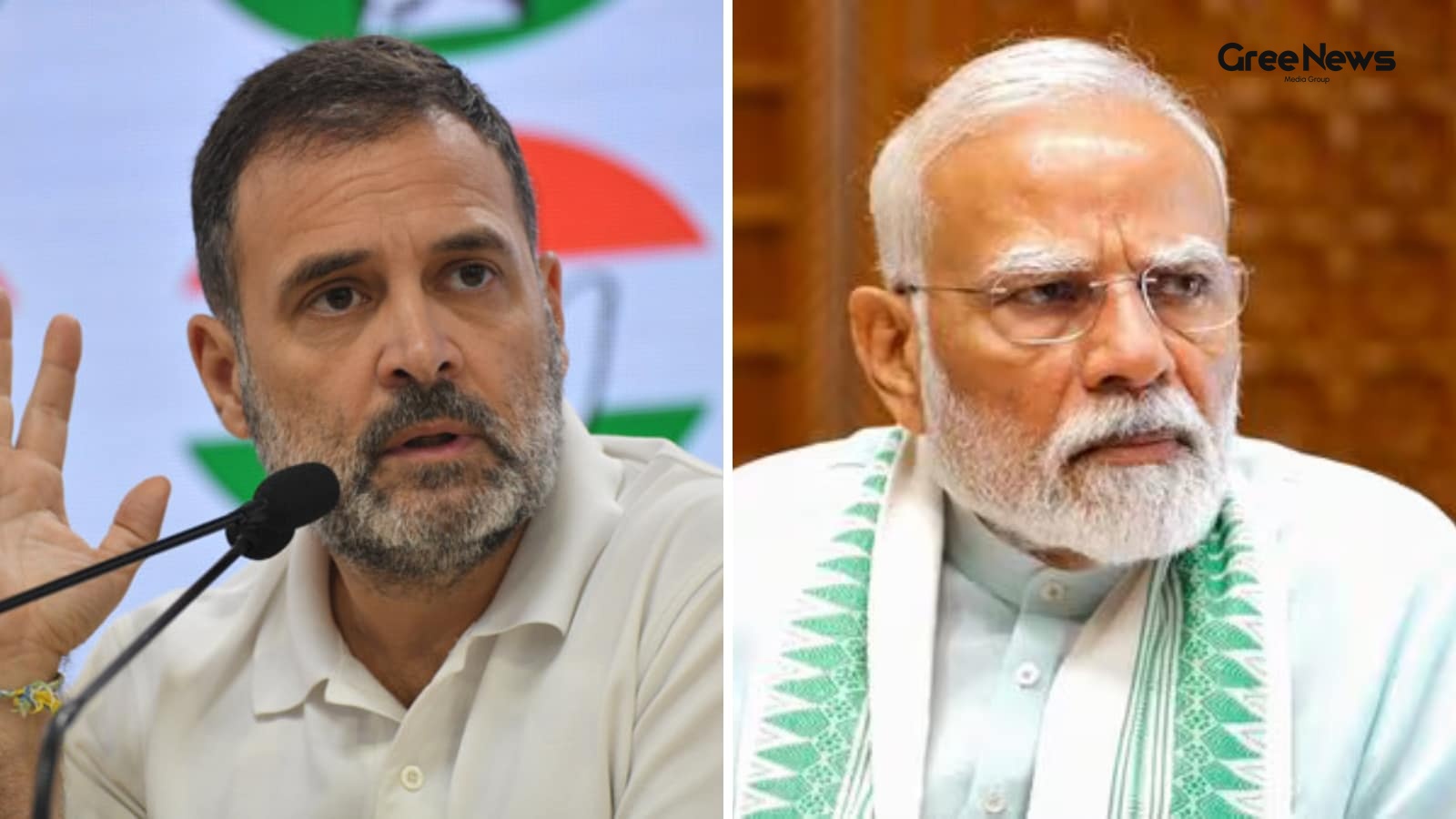
The Political Layering of Public Acknowledgments
Friday. Just another Friday, you know? But things were moving around the political landscape, even the small stuff. Prime Minister Modi extended birthday wishes to Rahul Gandhi. Just that. A routine gesture, maybe, but when you look at these exchanges these little public acknowledgments they always
Jun 19, 2026 by Gree News Team
Dhanush and Mammootty Action Drama Buzz: Details and Cast
Man, the buzz around Dhanush and Mammootty’s action drama is really building. It was a long wait for this kind of thing. They finally dropped some details about it. The makers went with the title OM. And they gave a date. October 16th, 2026. That’s when it’s supposed to hit. Dhanush isn't alone in t
Jun 19, 2026 by Gree News Team

Tragedy in Central Park: Death of Romanch Mahajan
An eighteen-year-old Indian kid, Romanch Mahajan, died after falling from a horse-drawn carriage in Central Park. It happened while he was trying to save his mother. Police said the whole thing started during a family ride. The driver stepped away, just for a picture of the group. That’s when the ho
Jun 19, 2026 by Gree News Team

The Complex Meaning of Father's Day
Father’s Day. It always lands on that third Sunday of June. A fixed point in the calendar, designed, I guess, to pause everything for a bit. It’s supposed to be about fathers. Father figures. That whole messy constellation of people who show up and somehow anchor things. Gratitude. Love. All those b
Jun 19, 2026 by Gree News Team
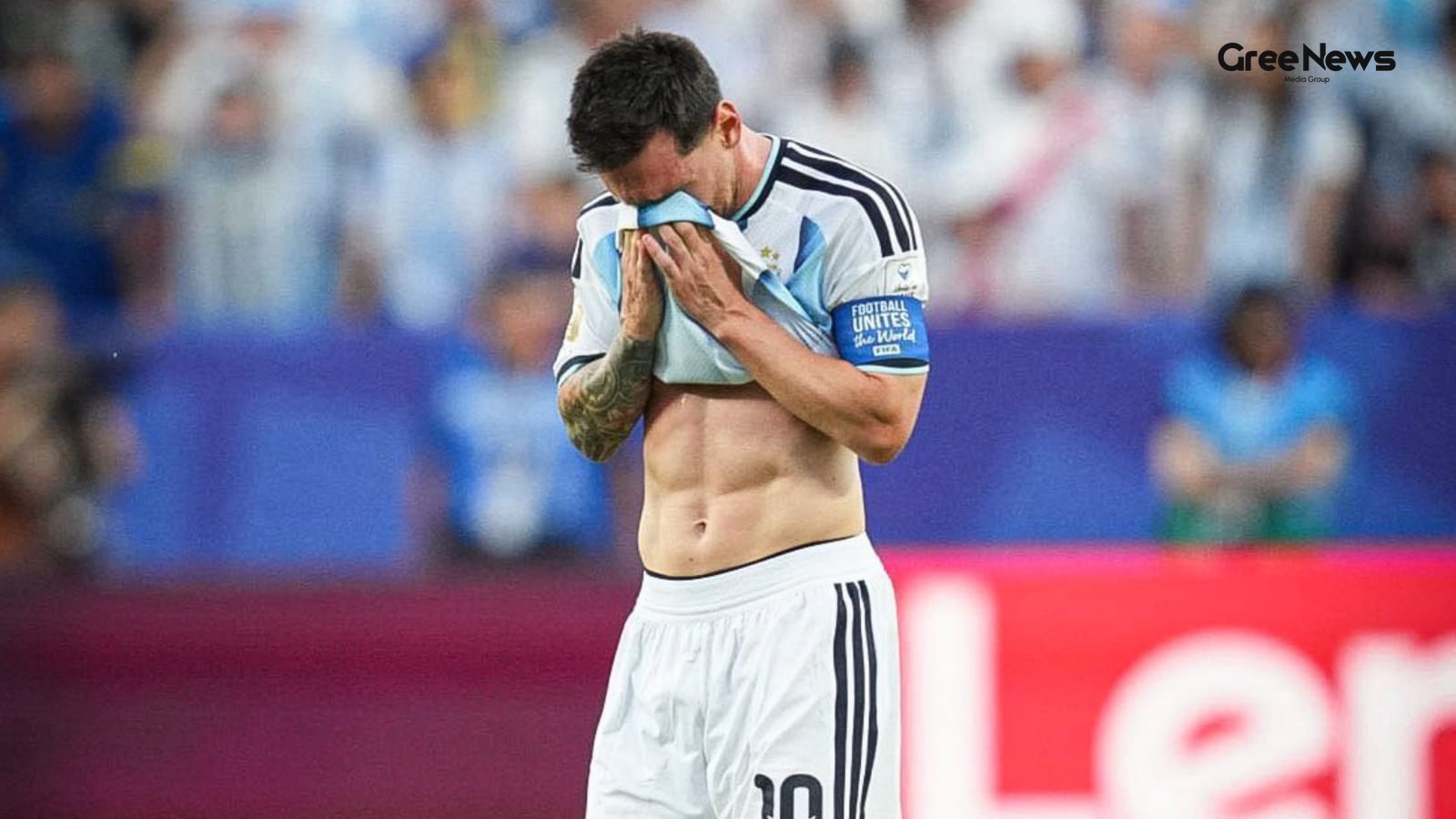
The Revelation About Jorge Messi and the TV Broadcast
That whole thing with Florencia Pena? It just blew up. A total blunder on live TV. She reported something huge. That Lionel Messi’s father Jorge Messi was dead. Straight out of the broadcast. It happened during *El Show del Verano* on Luzu TV. Right after some football excitement, you know? Messi ha
Jun 19, 2026 by Gree News Team
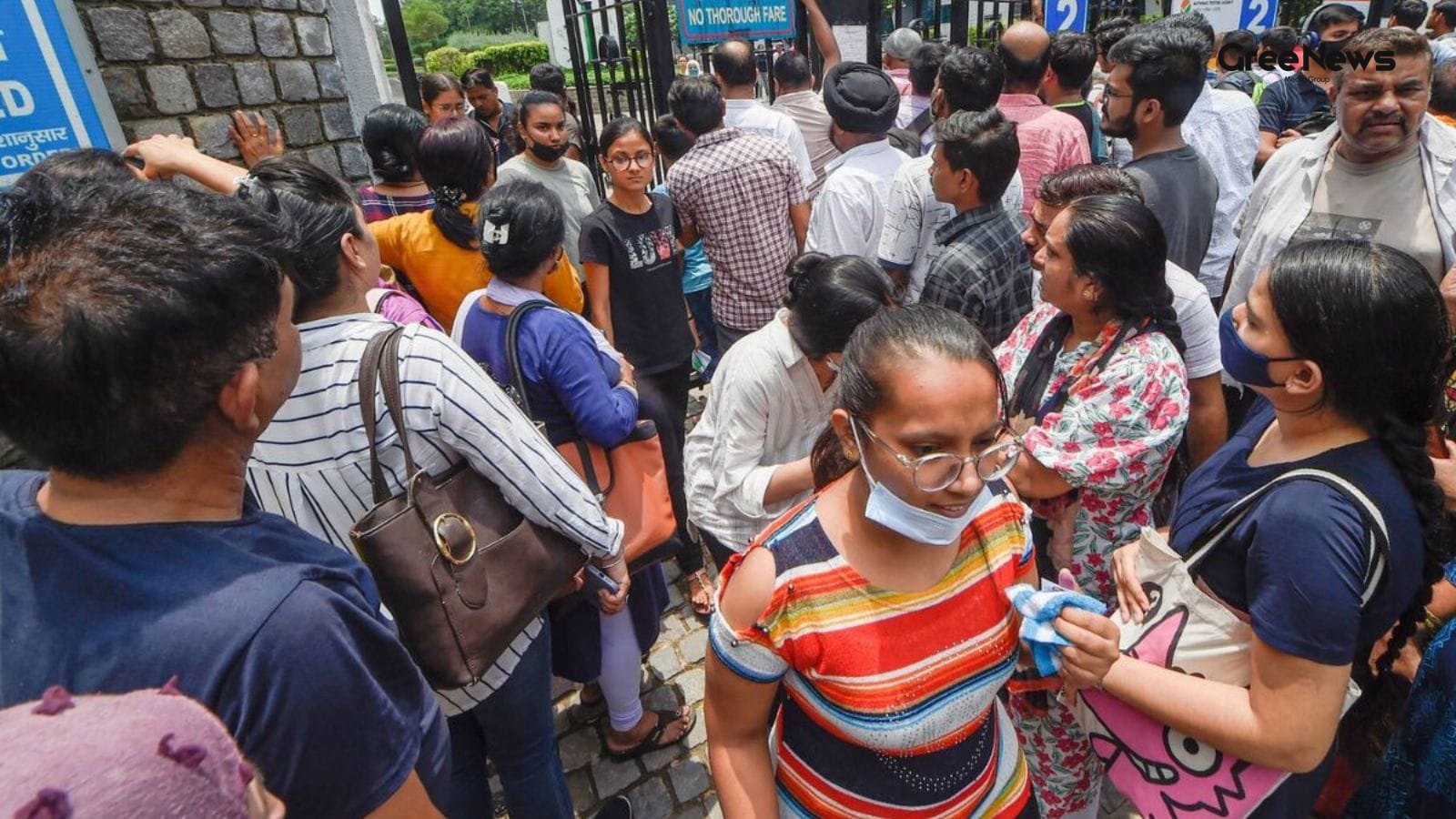
NEET UG Re-exam: Security, Logistics, and Free Travel Initiatives
The air is thick with tension right now about the upcoming NEET UG re-exam. June 21st looms. The central government is definitely on high alert. Dharmendra Pradhan, the Education Minister, chaired a big review meeting just to make sure everything runs smoothly. They were focused entirely on fairness
Jun 19, 2026 by Gree News Team
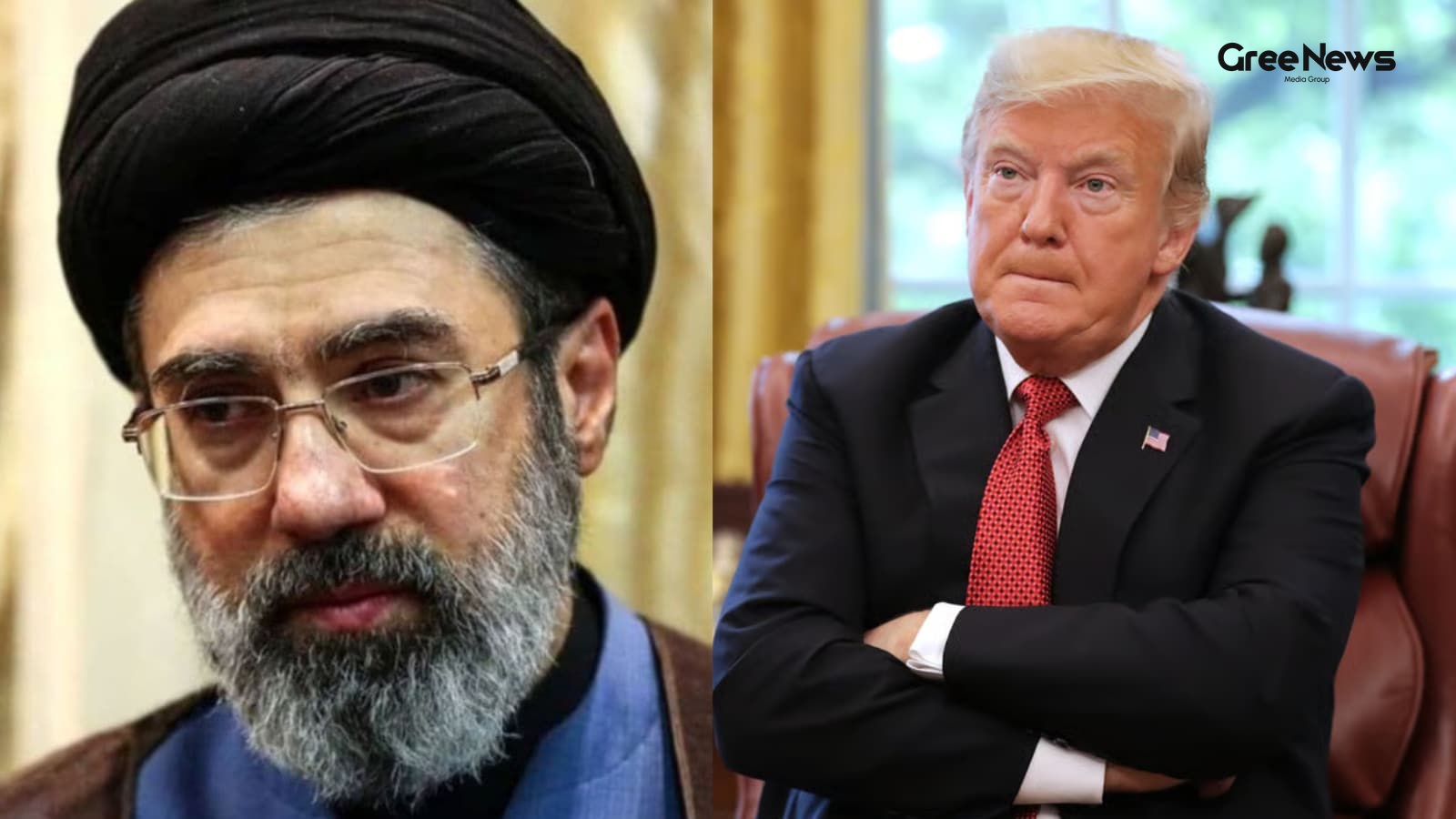
Iran Pulls Out of Planned Public Ceremony
Iran pulled out. Out of a planned public ceremony in Switzerland. It was meant to mark that US-Iran peace agreement. Hardliners warned immediately. Sharing a stage with American officials? That would cause massive domestic backlash. A key source, someone close to a senior Islamic Revolutionary Guard
Jun 19, 2026 by Gree News Team
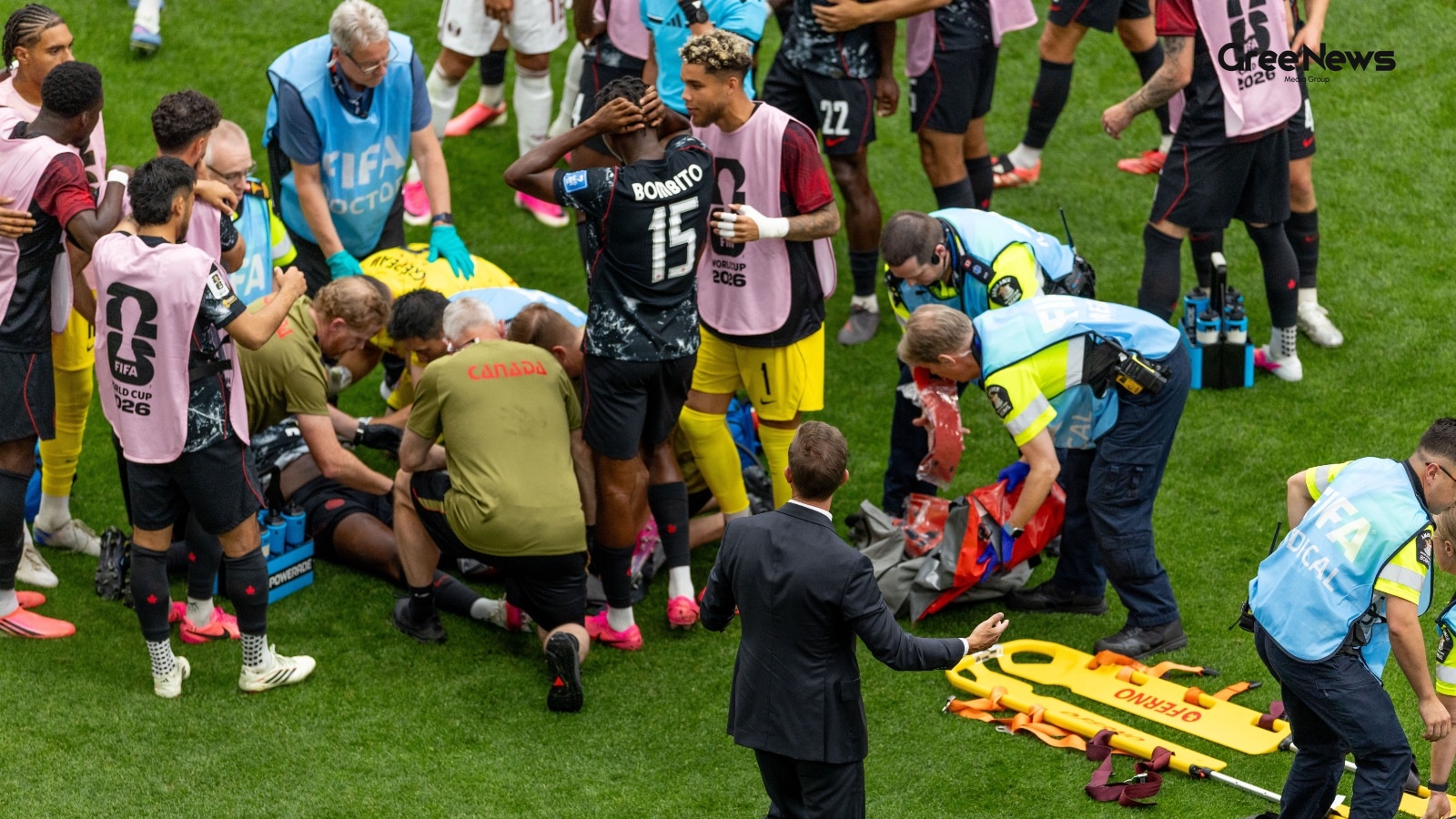
Ismael Kone Injury and Fallout After Canada vs Qatar World Cup Match
Canada’s demolition of Qatar, six-nil at the World Cup, should have been huge. A historic night. But it ended with something much darker for one player: midfielder Ismael Kone. He was rushed to the hospital. Suspected broken leg. The injury came after a brutal challenge from Qatar's Assim Madibo dur
Jun 19, 2026 by Gree News Team
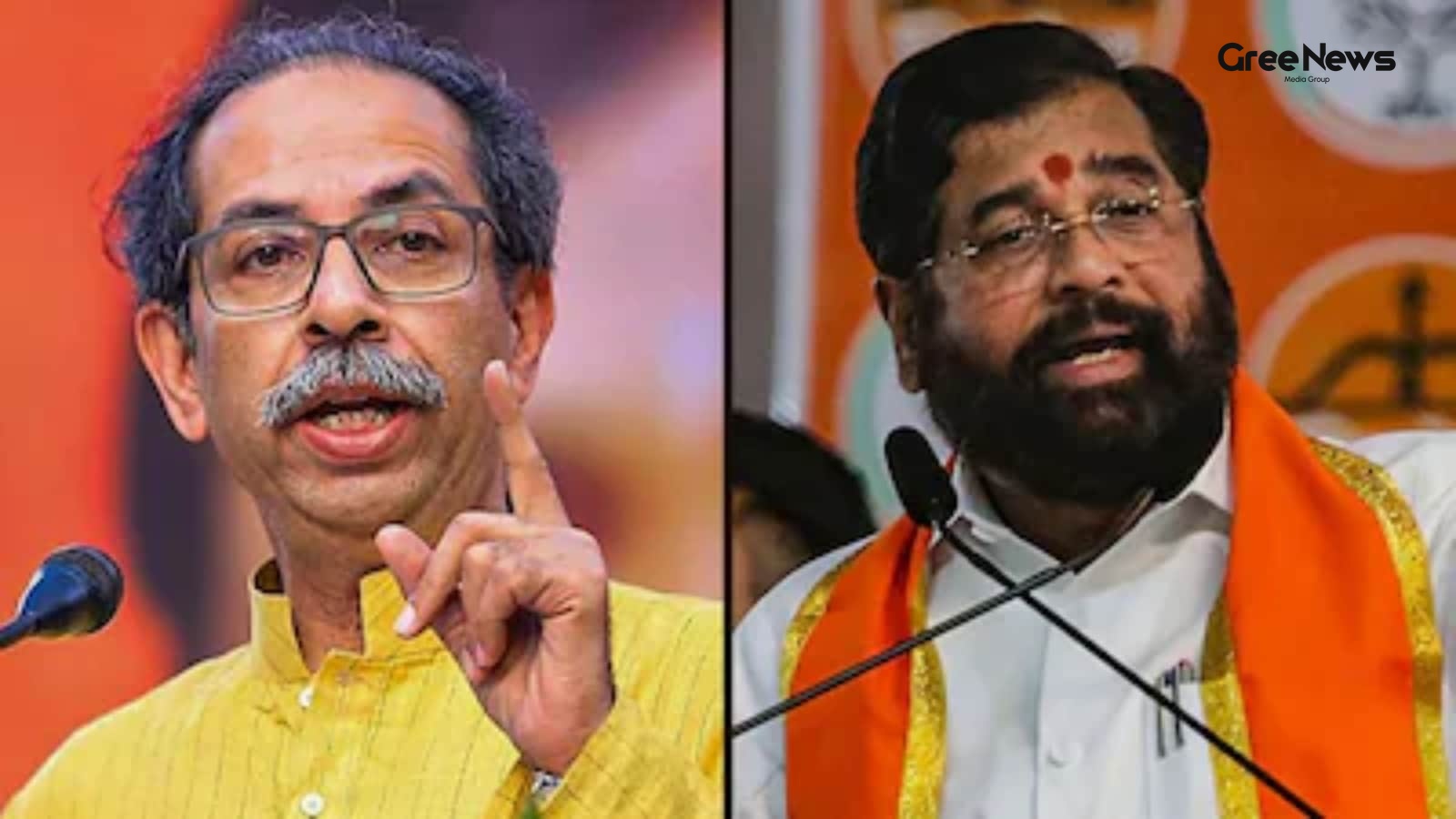
Shiv Sena UBT Political Developments and MP Defection Speculation
Shiv Sena UBT. The whole thing is moving in strange directions right now. There’s this talk about six Shiv Sena MPs potentially crossing over to the Eknath Shinde side. But that move? It seems stuck for now. No formal induction happening Friday during those foundation day celebrations, sources are s
Jun 19, 2026 by Gree News Team
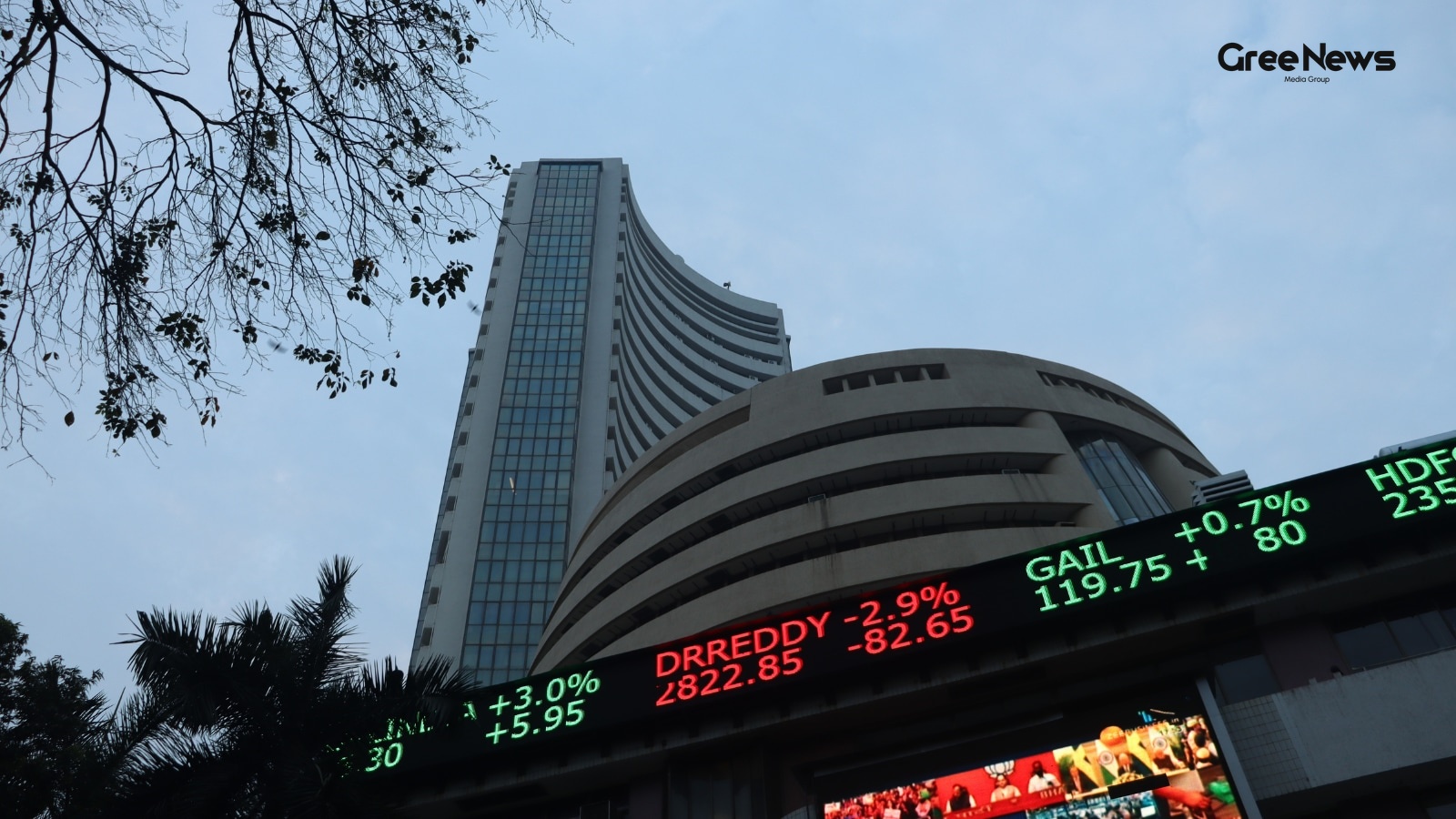
Indian Market Update: Sharp Dip and IT Sector Correction on June 19th
Market updates today. June 19th. It was a sharp dip. A real sell-off in the morning trade. The five-day winning streak just vanished. Indian equity benchmarks took a hit. You saw that drop right away. Information technology stocks were hit hardest. They dumped nearly two lakh crore in investor wealt
Jun 19, 2026 by Gree News Team
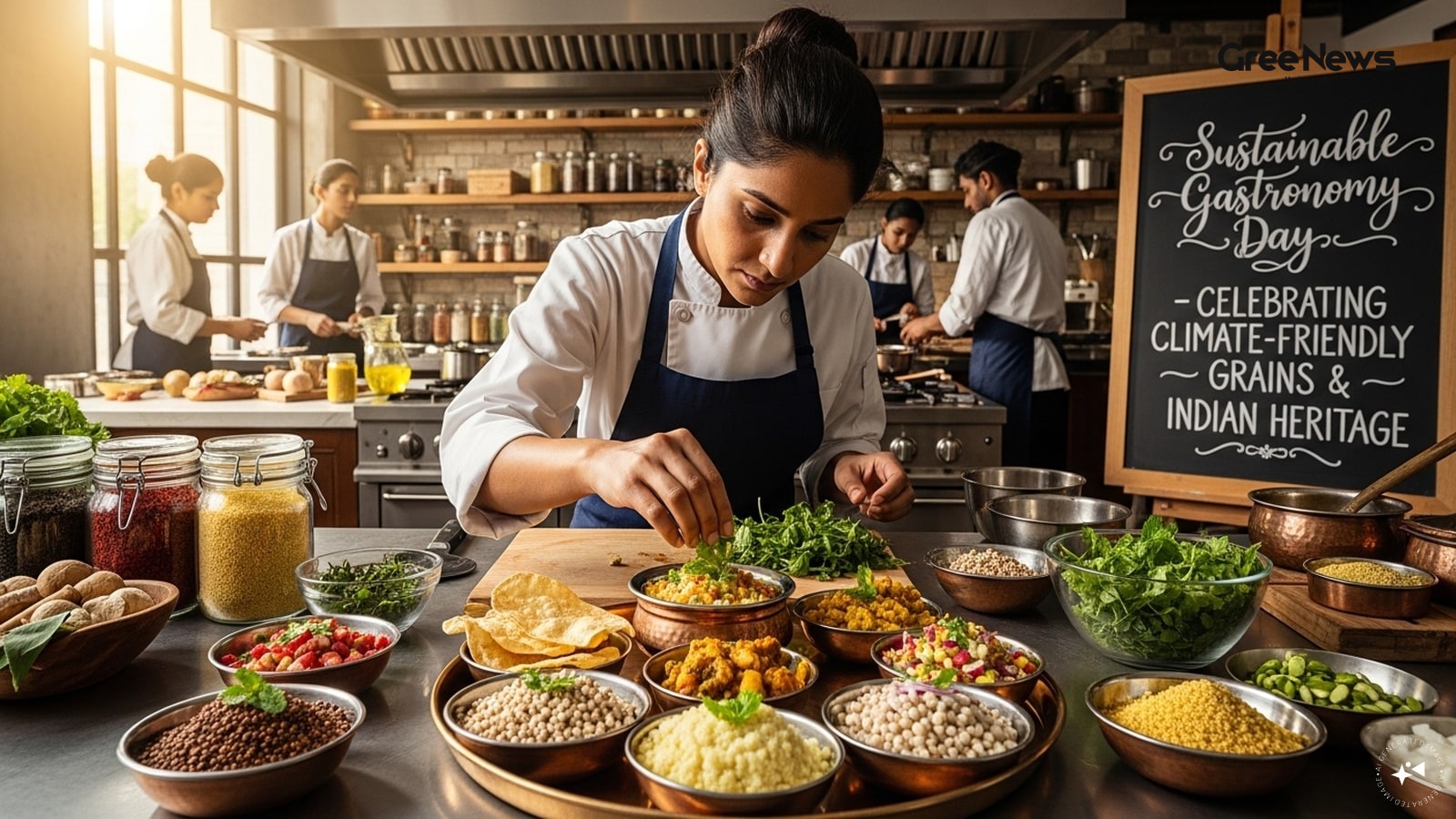
Sustainable Gastronomy and the Rise of Millets: A Path to Food Sustainability
Sustainable Gastronomy Day hits every year on June 18th. It’s supposed to be about highlighting how important sustainable food systems are. People are supposed to stop and think about everything: how food gets grown, cooked, eaten. And what impact those choices actually have on the environment, our
Jun 18, 2026 by Gree News Team
Anandita Sundar on Criticism, Weight Loss, and Her Journey
Anandita Sundar, she talked about all the criticism, the scrutiny she dealt with since she was little. It’s heavy stuff. She was on the JFW podcast, and she just opened up about growing up in the public eye. And then there’s the whole weight-loss thing everyone speculates about. People used to troll
Jun 18, 2026 by Gree News Team