The Telegram Ban: Public Reaction, Analogy, and Platform Responsibility

When the Centre first announced that they were blocking Telegram temporarily, until June 22 all you could hear was that old familiar question: was it right? Was this move justified?
It was a decision by the Ministry of Electronics and Information Technology. They restricted access to the messaging app for a while because of those paper leak rackets. The reaction was split. Some students and parents saw it as necessary. A fight against the fraud, maybe. Others wondered if this was just some kind of deflection.
Then there were Telegram’s replies. About twenty-four hours later, things got weird on X. They started firing back, those snarky responses. It pulled the focus away from whatever the actual issue was. Away from the real debate.
One reply caught everyone’s eye. It was directed at a Congress MP, Karti Chidambaram. Telegram suggested shutting down shopping malls because thefts happen there, or closing roads because people speed. A strange analogy.
Maybe they were trying to say that platforms shouldn't be blamed for what individual users do. But it just ended up turning the spotlight right back onto Telegram itself.
People got critical fast. Users started asking if this comparison made sense. Did it trivialize something huge? Lakhs of students, futures hanging by these alleged leaks.
Some argued that malls aren’t supposed to be safe havens for organized theft. That platforms have responsibility when illegal stuff is happening right in plain sight. Others countered that individual theft isn't the main issue. The real damage is undermining an exam taken by millions. They pointed out the fraud channels, the scam networks operating on the app itself.
But Telegram just kept going. Doubled down, you know?
And then some. By Wednesday evening, they started trolling harder. More exaggerated comparisons. One post came out: “Your government is also considering banning solid food because it presents a needless choking hazard.” They didn't name a country, but the implication hung there.
As Indian X users took offense to that tone, Telegram responded again with something else. When people worried their confrontational posts might lead to a permanent ban, they pitched it as protecting civil liberties. Preventing a slide toward some kind of “authoritarian evil.”
Look, Telegram had supporters too. A bunch of people argued that the real problem was in the institutions and systems themselves, not just the messaging apps. They felt the focus should be on finding and punishing the actual leakers.
But by choosing these exaggerated analogies, by using snarky replies to handle something this big? That seemed like a miss. It shifted everything away from asking why the government acted, toward judging how Telegram reacted.
That’s just not how big tech companies usually deal with governments. It’s not typical.
For years now, giant tech firms operating here have pushed back against directives. Usually through courts or formal statements. WhatsApp fought India's traceability rules in court because they worried about encryption. X disaGreed publicly on some content blocks but still followed the orders anyway. Google, Meta, Microsoft they stuck to legal routes or regulatory talks.
It’s not new for companies to disaGree with what the government does. It’s just that using this kind of disconnected analogy for something so serious? That feels off.
The criticism makes sense when you look at why the government actually imposed the ban in the first place.
Authorities argued Telegram was different. Not like WhatsApp, which sticks strictly to phone numbers and closed groups. Telegram lets people host public channels. Huge audiences there. Channels are searchable. Anyone can find what they want.
Investigators found that these public channels were used for something serious. They openly advertised alleged access to NEET papers. They charged students money for this supposed leaked material.
And the government zeroed in on a specific feature of Telegram. Something about being able to edit messages while keeping the timestamp. Investigators figured scammers exploited this trick perfectly. An admin would post something irrelevant days before an exam. Then, when the real paper came out, they’d swap it in. The old time stamp stayed there. Screenshots looked like proof the paper was already leaked.
That tactic, repeated over and over it convinced students and parents that papers had been leaked. It made fraudsters demand huge sums of money for supposed insider access. That’s why they ordered the temporary disablement of message editing until June 30th.
This distinction matters a lot. It explains why they focused on Telegram, not WhatsApp. WhatsApp is much more closed off. Less searchable. Depends entirely on direct contact between users. Telegram’s public channels and that anonymity made it a playground for everyone educators, hobbyists, fraud groups, cybercriminals.
It’s not the first time this platform has run into government heat. France, Brazil, Russia they’ve all acted against Telegram at different times over content or criminal activity through their public spaces. The UK regulators also looked closely at their safety rules.
Telegram supporters argue that governments are focusing on the messenger instead of the actual source of the problem. Critics just say platforms can’t ignore responsibility when illegal stuff is happening openly on their channels, repeatedly.
In India? Both sides found an audience.
The National Testing Agency still has to be held responsible for running a secure exam. If papers get messed up, the fault lies in the testing system itself. That reality hasn't changed even with Telegram restricted.
At the same time, those social media responses just didn’t help public perception at all. Before this whole mess, people were debating if the government went too far. Now? Attention is focused squarely on how Telegram handled the situation.
For a company trying to defend itself against an order, that felt like hitting themselves in the face.
Written by Gree News Team — Senior Editorial Board
Gree News Team covers international news and global affairs at Gree News. Our collective of senior editors is dedicated to providing independent, accurate, and responsible journalism for a global audience.
More from India
View All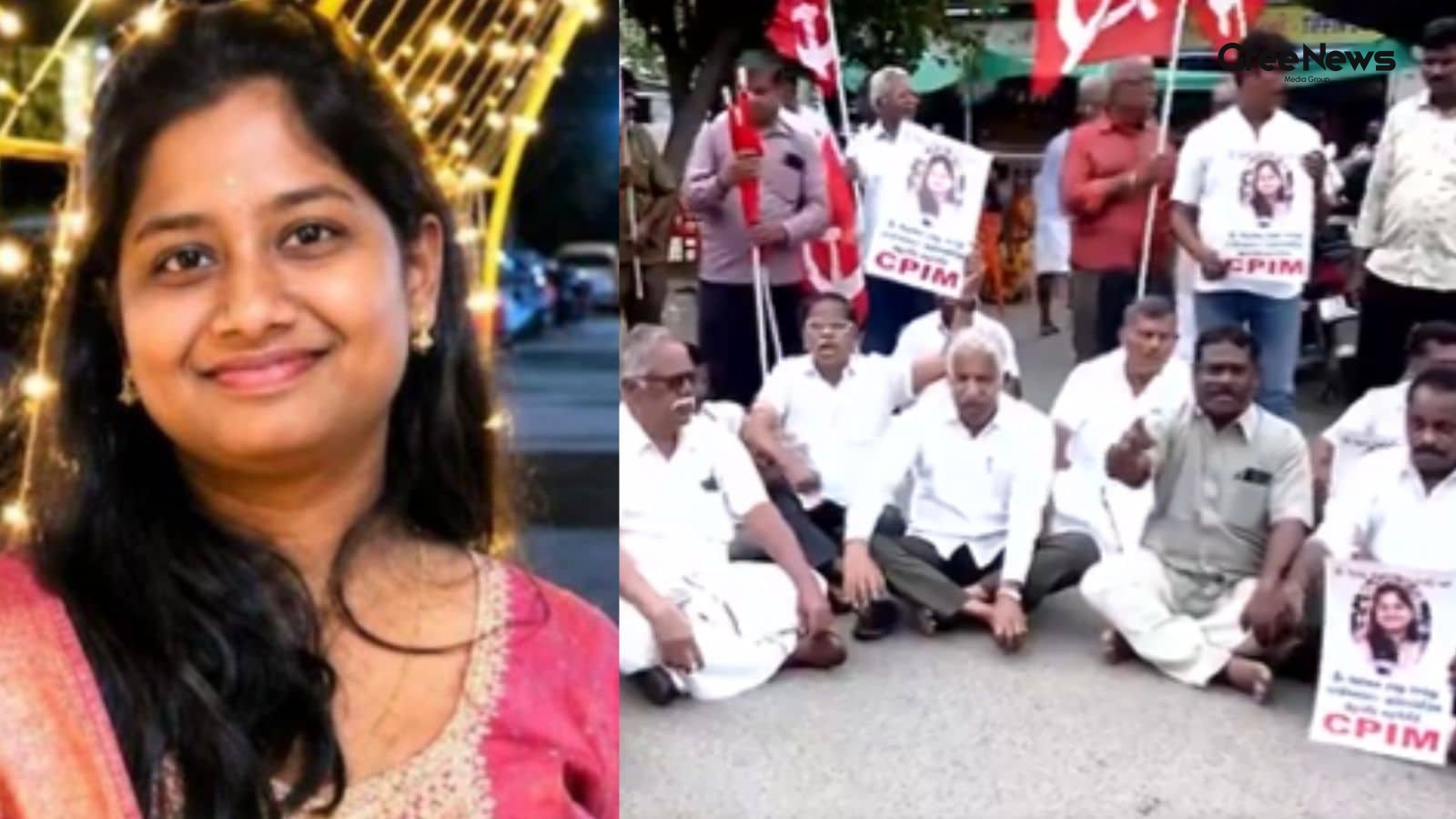
The Immense Stress and Tragedy Surrounding the NEET Aspirant Crisis
The student, Anunkeerthana, she was preparing for NEET, trying again. It sounds like a massive weight just sitting there. Preliminary reports suggest she was really under immense stress. Media whispers are running that candidates who got caught in the recent question paper leak would have to sit for
Jun 18, 2026 by Gree News Team

Public Parades, Arrests, and Political Tension in West Bengal
Jahangir Khan. The name keeps coming up. Arrested by the West Bengal police nine days ago, and now? He’s been paraded. Three times, in his own stronghold, Falta. It’s a spectacle, you have to admit that. Retaliation, mostly. His supporters his wife leading the charge they aren't sitting down. They a
Jun 18, 2026 by Gree News Team
Modi-Zelenskyy Talks and G7 Support for Ukraine
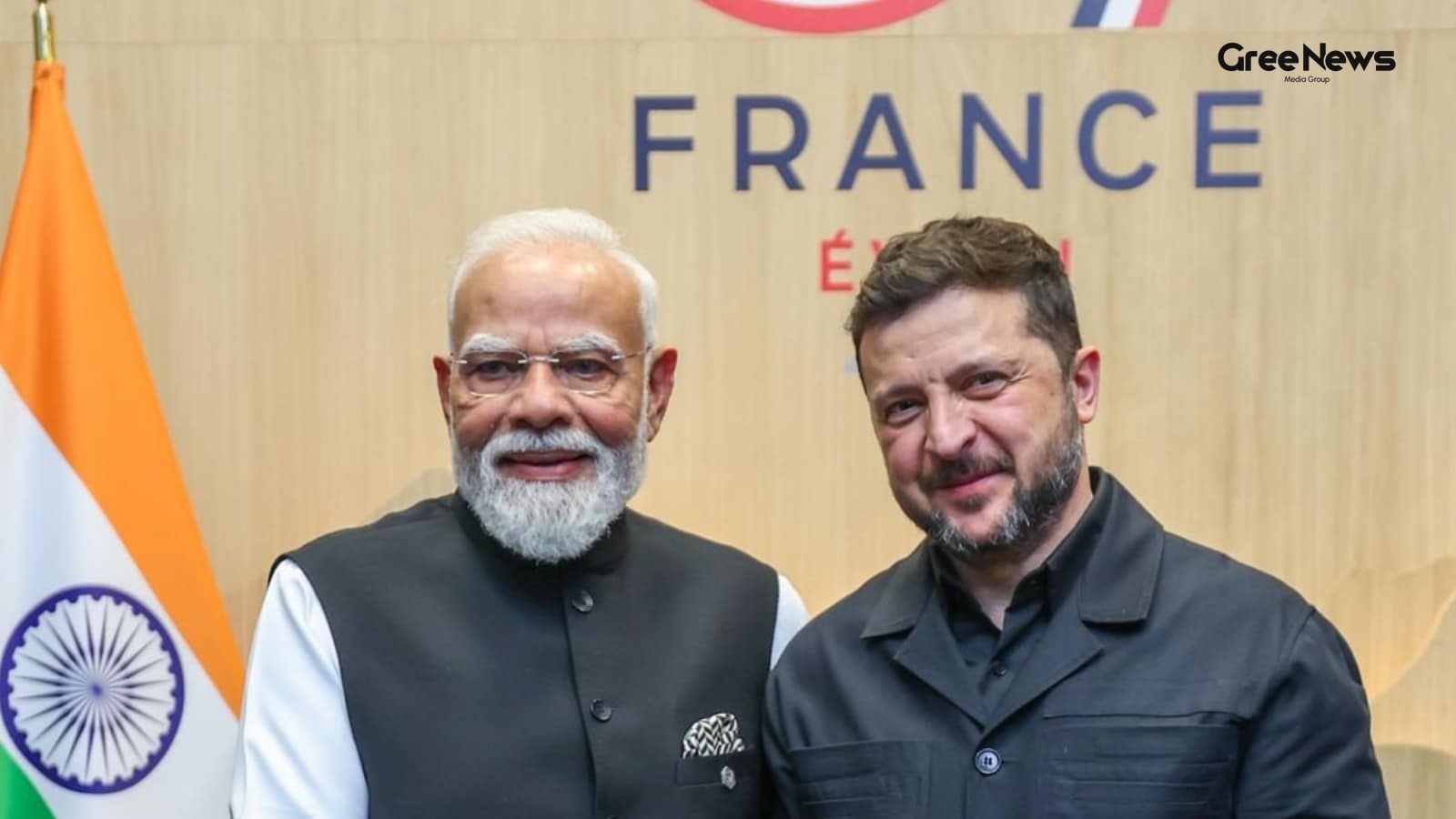
Modi met Zelenskyy during the G7 summit in Évian, France. It wasn’t just a formality though. They talked about cooperation. Trade ties. And trying to find some peace amidst all that mess happening over in Ukraine and Russia. S. Jaishankar and Ajit Doval were there too. External Affairs Minister and
Jun 18, 2026 by Gree News Team
Bhagwant Mann on Sacrilege, Justice, and the Future of Punjab
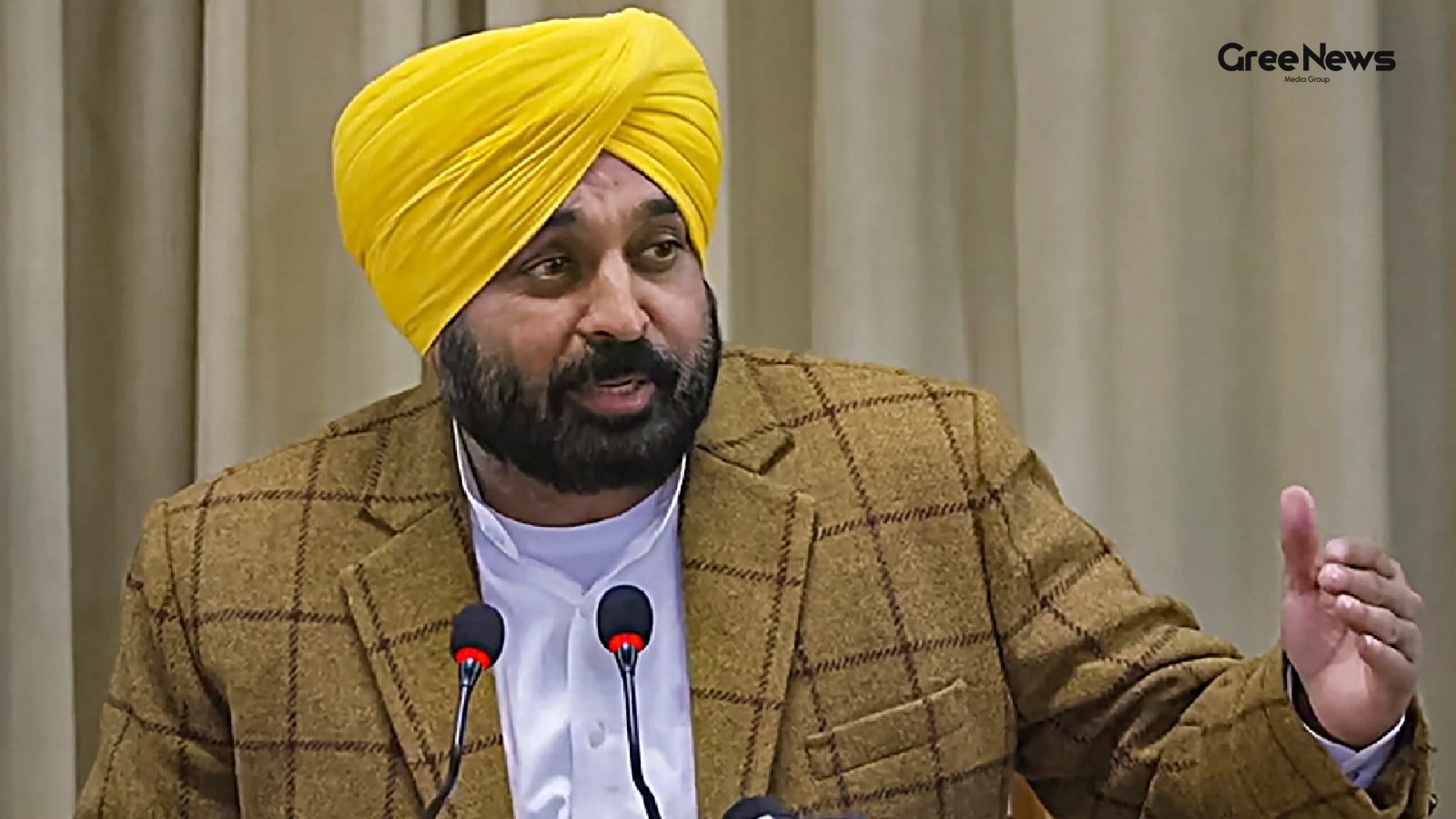
Bhagwant Mann hammered home his government’s stance on those 2015 sacrilege incidents. He insisted that the people responsible for those acts would face serious punishment and be brought to justice. He spoke about this during a public meeting in Hoshiarpur, talking about how those events the beadbi
Jun 18, 2026 by Gree News Team
Latest Headlines
Sustainable Gastronomy and the Rise of Millets: A Path to Food Sustainability
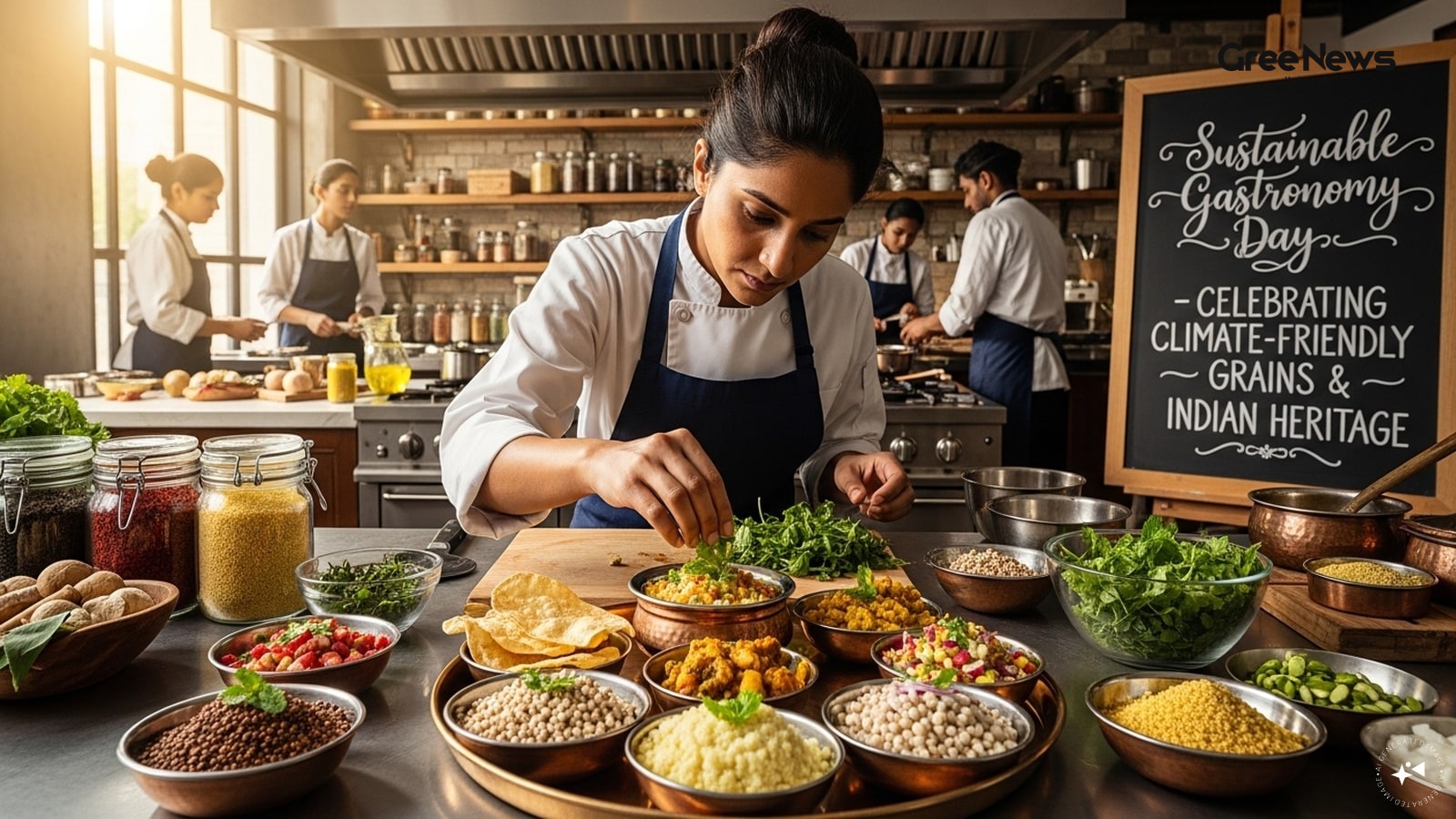
Sustainable Gastronomy Day hits every year on June 18th. It’s supposed to be about highlighting how important sustainable food systems are. People are supposed to stop and think about everything: how food gets grown, cooked, eaten. And what impact those choices actually have on the environment, our
Jun 18, 2026 by Gree News Team

Anandita Sundar on Criticism, Weight Loss, and Her Journey
Anandita Sundar, she talked about all the criticism, the scrutiny she dealt with since she was little. It’s heavy stuff. She was on the JFW podcast, and she just opened up about growing up in the public eye. And then there’s the whole weight-loss thing everyone speculates about. People used to troll
Jun 18, 2026 by Gree News Team
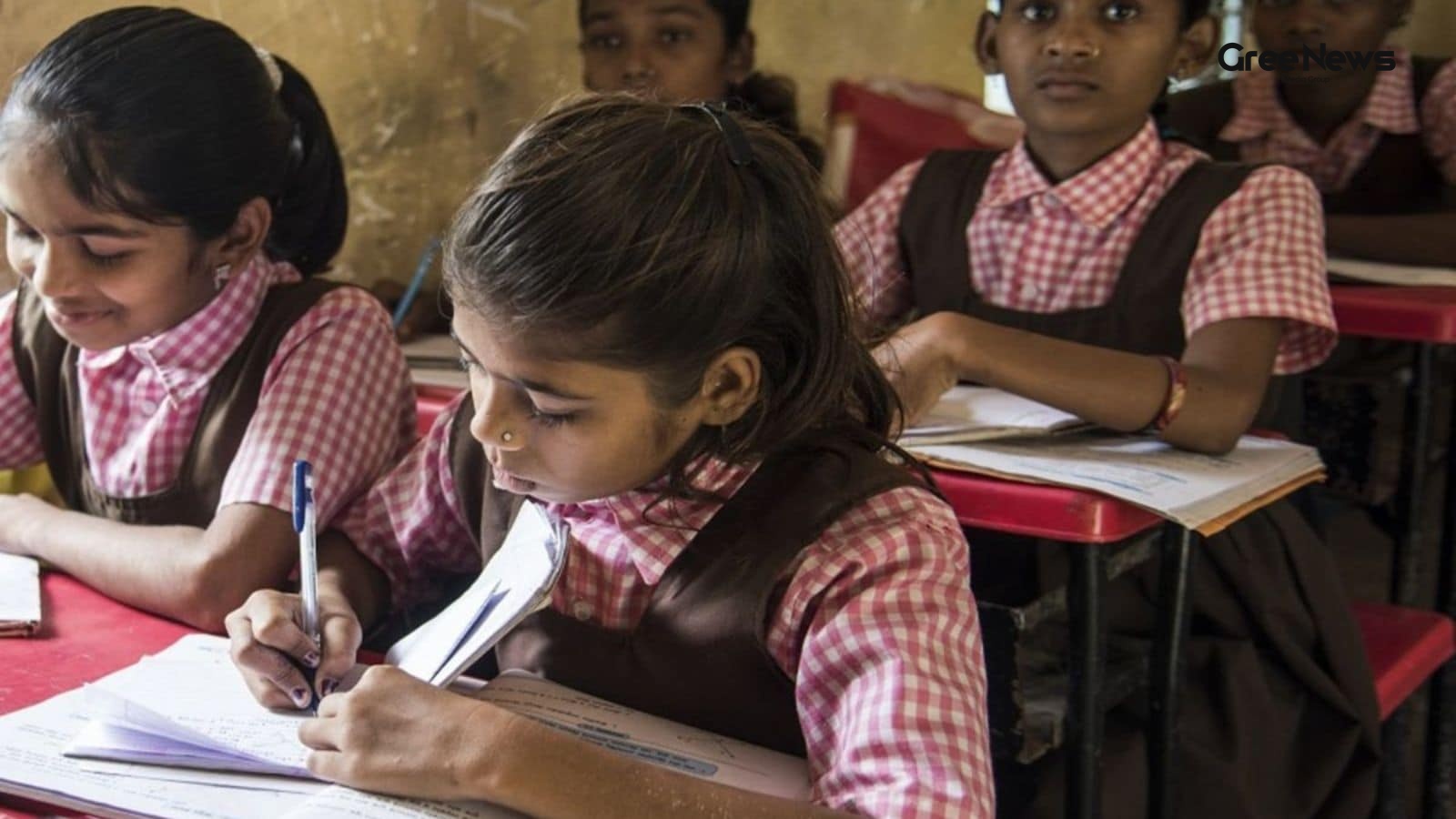
Uttar Pradesh School Holidays Extended and Board Recognition Status Cancelled
The heat is just relentless. That’s why the Uttar Pradesh government decided to push back the school summer holidays. It’s now extended until June 24th. Partha Sarathi Sen Sharma, Additional Chief Secretary for Basic and Secondary Education, issued the order. The vacation timeframe shifted: May 20th
Jun 18, 2026 by Gree News Team

Divyanka Tripathi and Vivek Dahiya's Pregnancy Journey and Twin Arrival
Divyanka Tripathi just dropped some photos that really pulled back the curtain on her pregnancy journey with Vivek Dahiya. It’s a whole memory lane moment, showing glimpses of those private weeks before they officially welcomed their twin baby boys. Weeks after bringing home the boys, she shared the
Jun 18, 2026 by Gree News Team
The Immense Stress and Tragedy Surrounding the NEET Aspirant Crisis
The student, Anunkeerthana, she was preparing for NEET, trying again. It sounds like a massive weight just sitting there. Preliminary reports suggest she was really under immense stress. Media whispers are running that candidates who got caught in the recent question paper leak would have to sit for
Jun 18, 2026 by Gree News Team
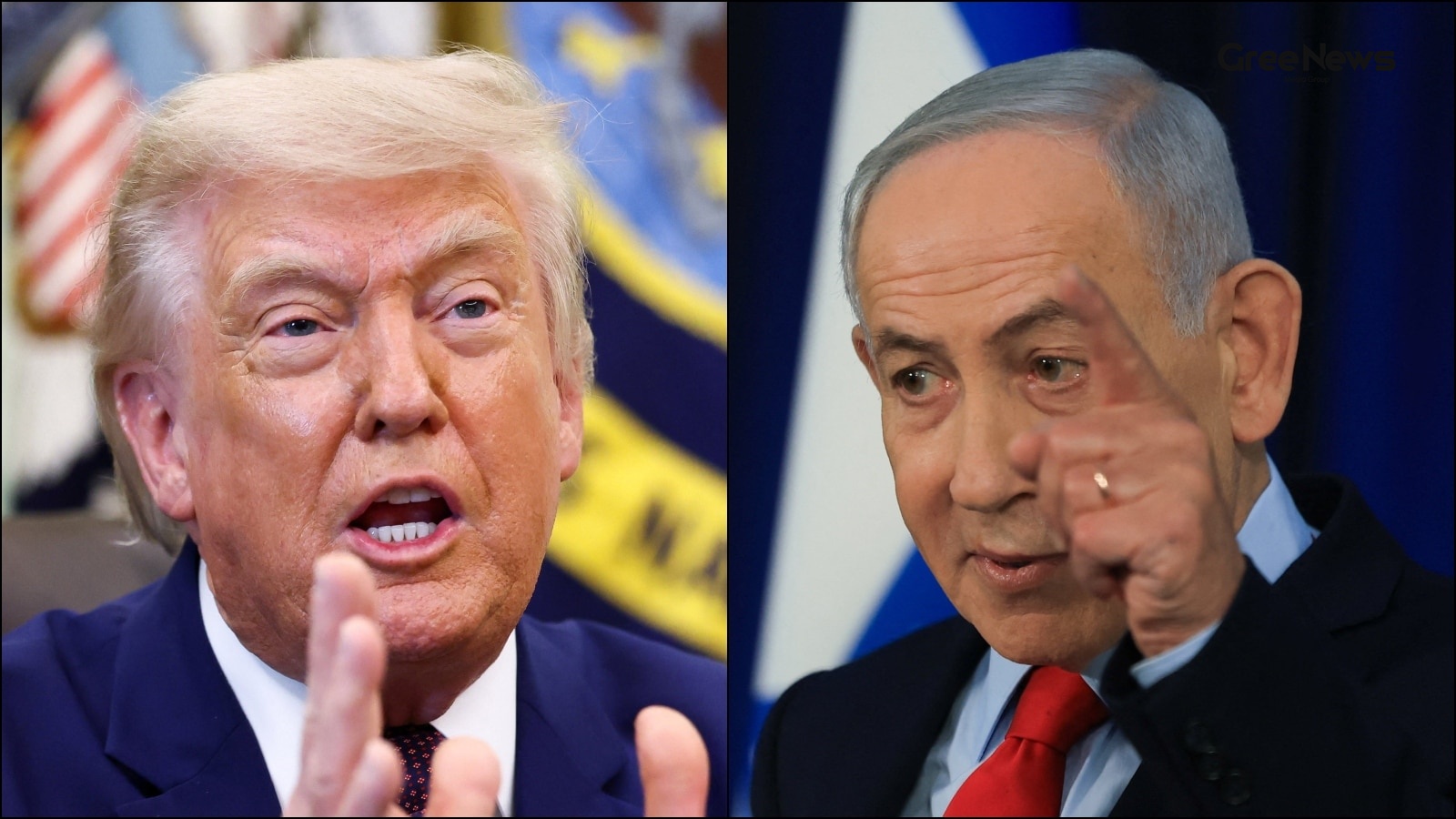
The Peace Deal Between Washington and Tehran and Israel's Security Concerns
That peace deal between Washington and Tehran? After it was signed, President Trump said it wiped out what he called Israel’s biggest security worry. He brought this up speaking to reporters in Évian-les-Bains, France, during that G7 meeting. He claimed he had actually talked to Israeli Prime Minist
Jun 18, 2026 by Gree News Team
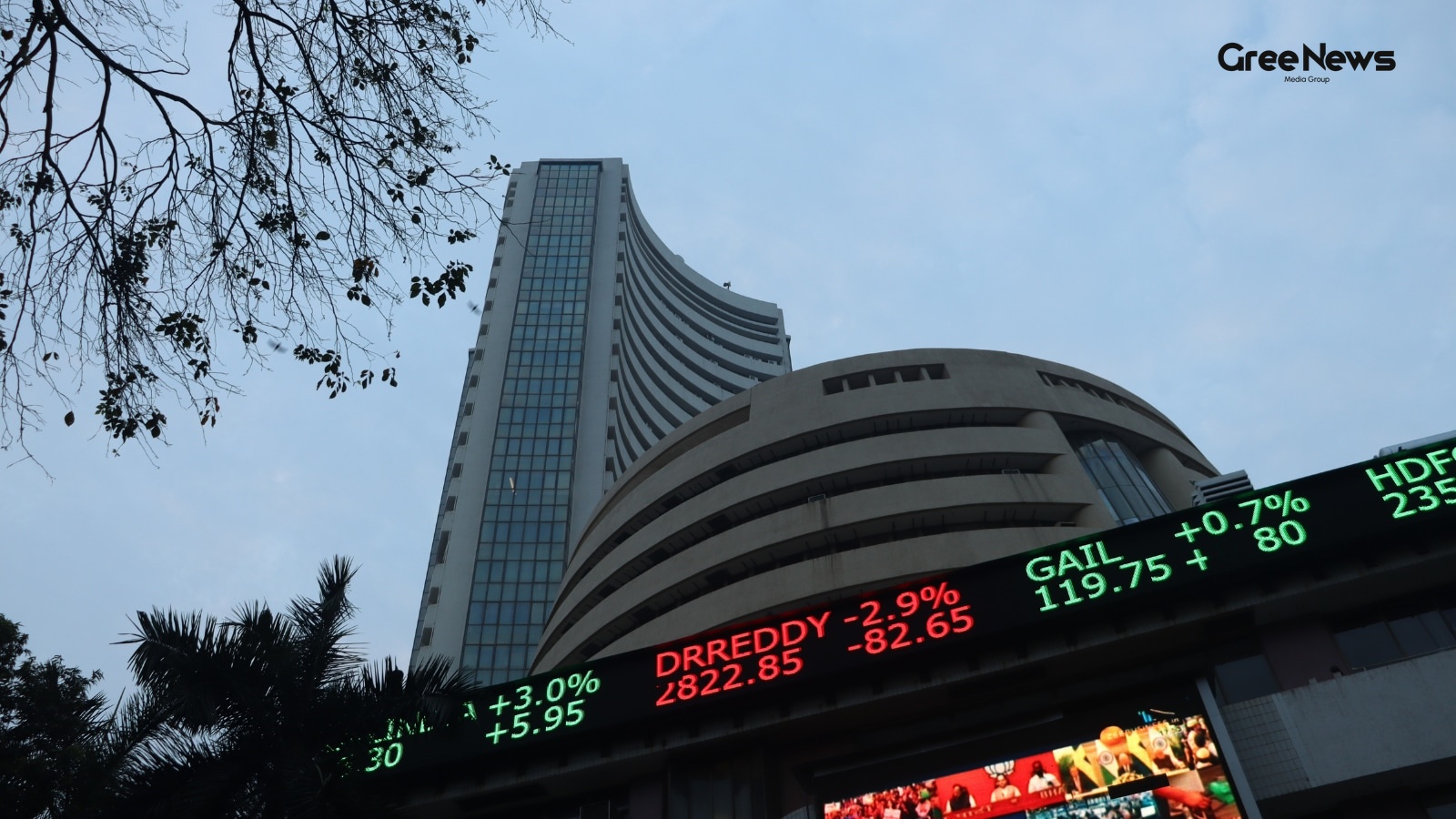
Stock Market Performance and Analysis: June 18
Stock Market Today, June 18. It ended higher on Thursday. A fifth straight session up. That’s what happened. The general mood seemed to lift a bit. Geopolitical tensions eased, crude oil prices dipped, and financial stocks just looked strong. Investor sentiment definitely lifted. Nifty settled at 24
Jun 18, 2026 by Gree News Team
Public Parades, Arrests, and Political Tension in West Bengal
Jahangir Khan. The name keeps coming up. Arrested by the West Bengal police nine days ago, and now? He’s been paraded. Three times, in his own stronghold, Falta. It’s a spectacle, you have to admit that. Retaliation, mostly. His supporters his wife leading the charge they aren't sitting down. They a
Jun 18, 2026 by Gree News Team

Sonali Bendre on Her Journey and the Search for Hopeful Roles
2018 was when Sonali Bendre got the diagnosis. Stage four metastatic cancer. It was a lot. But she kept going. After surviving that big C battle, she started her second act in 2022 as an actor. Web series stuff, like *The Broken News*. And then, same year, she tried something completely different ju
Jun 18, 2026 by Gree News Team
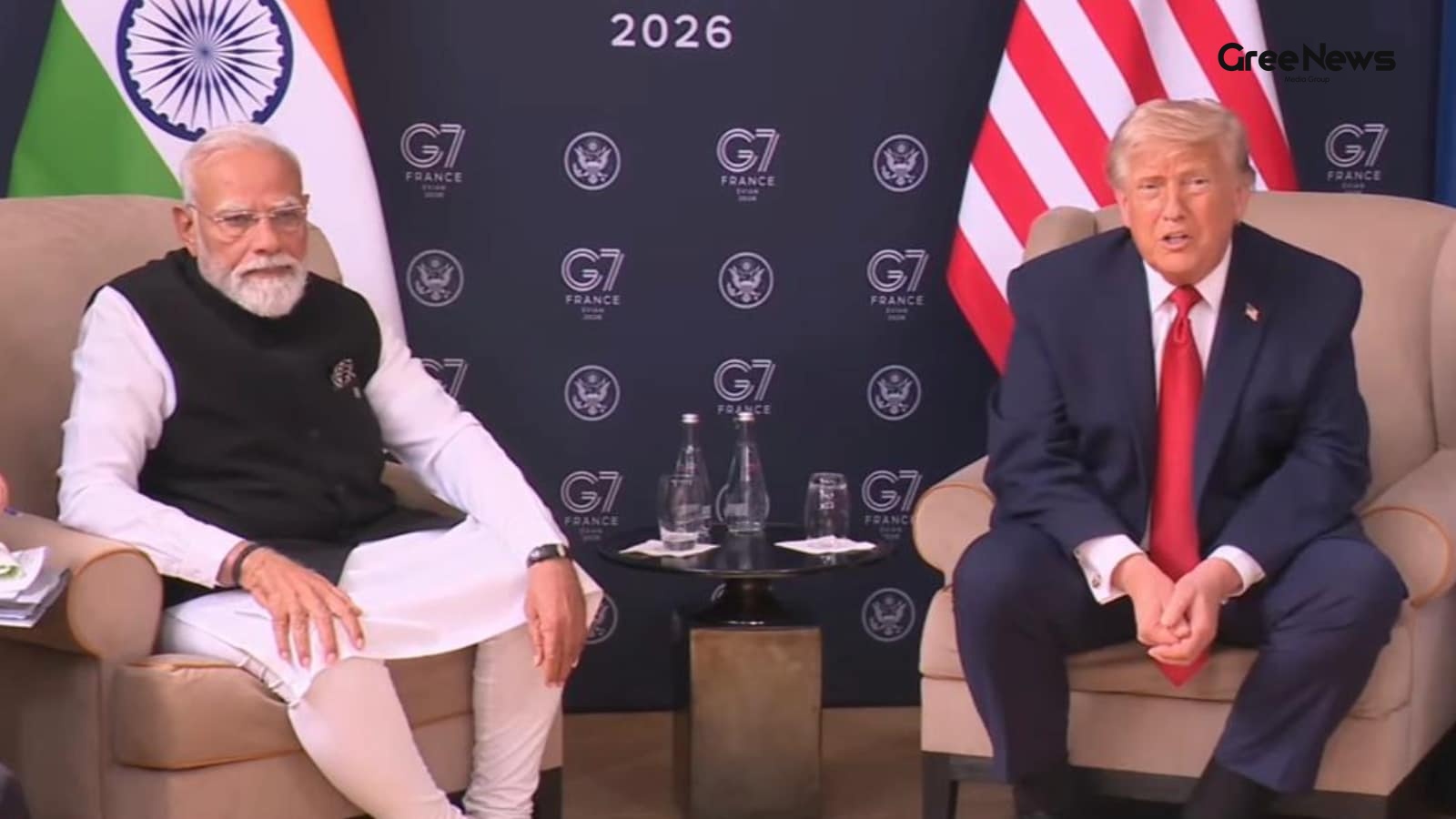
Donald Trump's Personal Dynamics in Meetings with Prime Minister Modi
Donald Trump seemed to really lean into the personal stuff during his meeting with Prime Minister Modi in France, especially while they were both hanging around the G7 Summit. It wasn’t just about trade or defense talks, though those things were definitely on the table regional security, cooperation
Jun 18, 2026 by Gree News Team
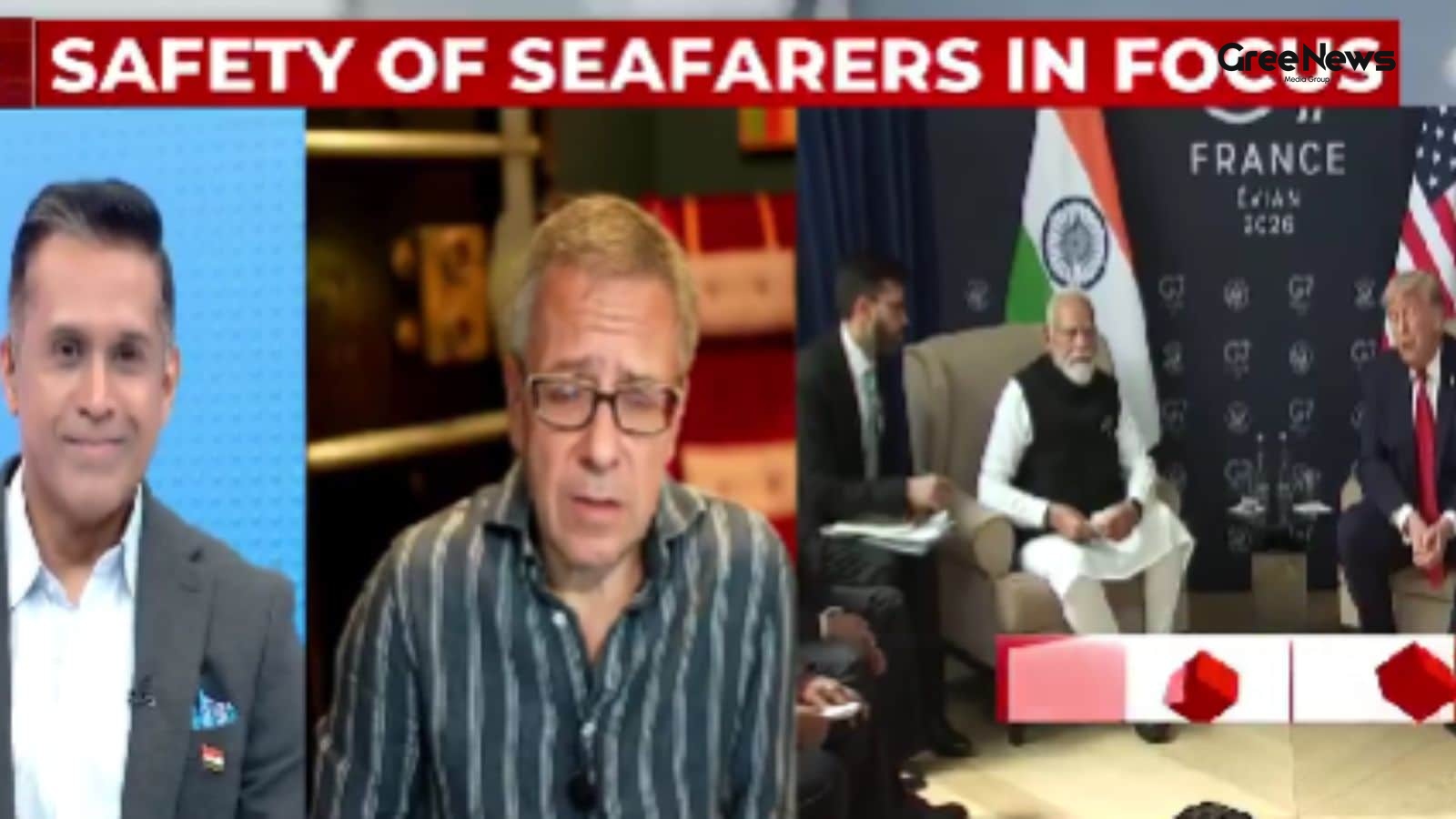
India's Growing Importance in Global Geopolitics and US-India Relations
Ian Bremmer, the guy who started Eurasia Group, he was talking about India today. He said its importance in global platforms? That’s gonna jump up over the next couple years. It felt like a shift. This followed something Trump said back there at the G7 summit in Evian, France. A kind of acknowledgme
Jun 18, 2026 by Gree News Team
Modi-Zelenskyy Talks and G7 Support for Ukraine
Modi met Zelenskyy during the G7 summit in Évian, France. It wasn’t just a formality though. They talked about cooperation. Trade ties. And trying to find some peace amidst all that mess happening over in Ukraine and Russia. S. Jaishankar and Ajit Doval were there too. External Affairs Minister and
Jun 18, 2026 by Gree News Team

Elye Wahi Arrested Over Match-Fixing Allegations
Elye Wahi, that Ivory Coast forward who’s representing his country at the 2026 World Cup he got arrested less than two weeks before the tournament. The reason? Allegations of match-fixing. That came out in *The Athletic* on Wednesday. Sources say he's now the subject of this whole ongoing probe. Inv
Jun 18, 2026 by Gree News Team
Bhagwant Mann on Sacrilege, Justice, and the Future of Punjab
Bhagwant Mann hammered home his government’s stance on those 2015 sacrilege incidents. He insisted that the people responsible for those acts would face serious punishment and be brought to justice. He spoke about this during a public meeting in Hoshiarpur, talking about how those events the beadbi
Jun 18, 2026 by Gree News Team
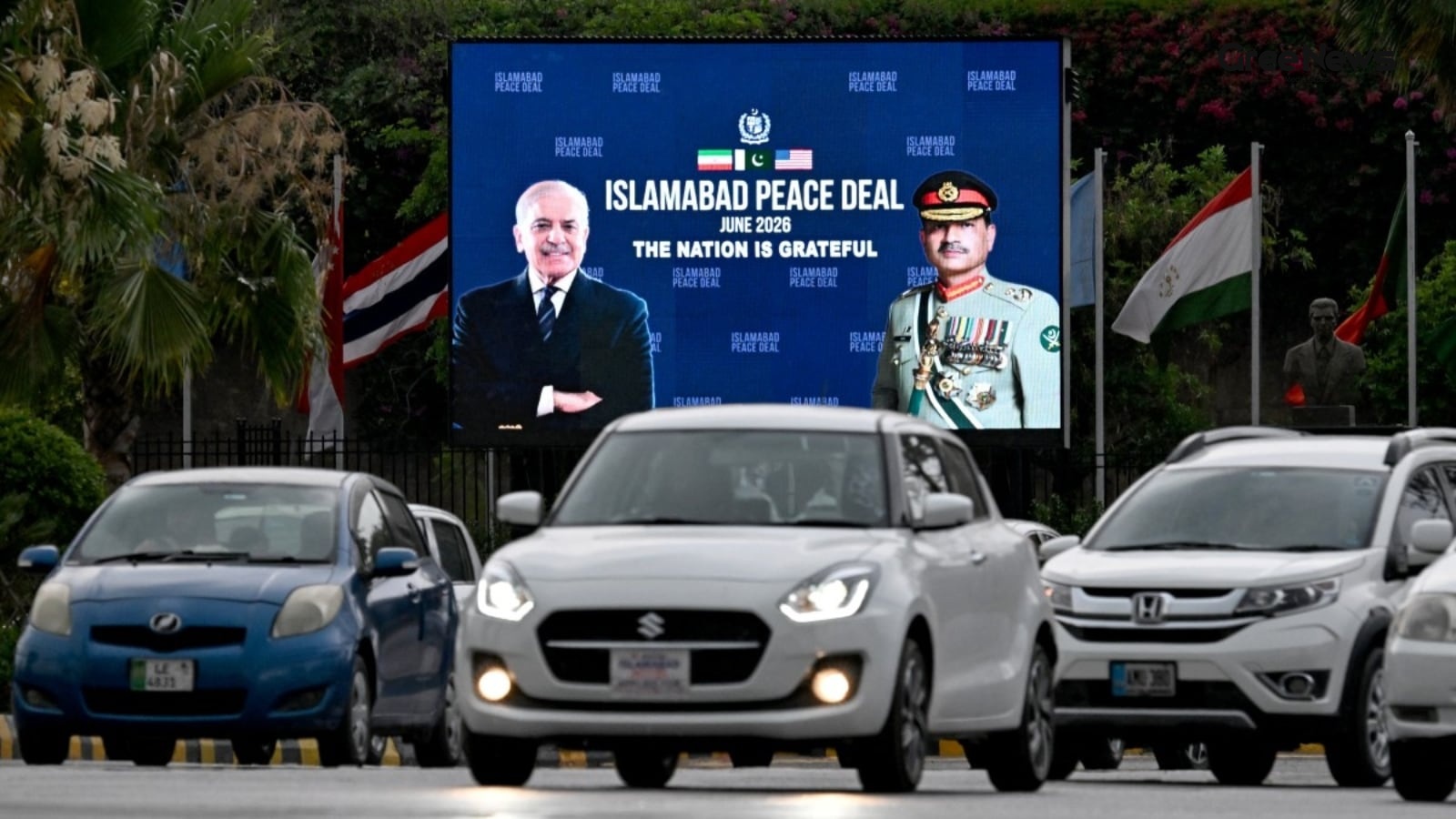
US-Iran Memorandum of Understanding Released
US officials finally put out the paperwork today. A memorandum of understanding with Iran. It’s supposed to end the war, but there’s more hanging over it stuff about diluting that enriched uranium stockpile. This agreement, which they released on Wednesday, came after a lot of criticism about how se
Jun 18, 2026 by Gree News Team