The Unresolved Aftermath of the US-Iran Memorandum

The US-Iran memorandum finally came out Wednesday. It reopened the Strait of Hormuz. A ceasefire extended. That’s the headline. But underneath that surface stuff the breathing room it buys there are still mountains left to climb, big ones.
It leaves all the really hard questions hanging there. Iran’s nuclear program. Missile capabilities. Who they’re actually backing in the region. All unresolved.
And then you look at the money side of things. This whole aGreement brings up this massive reconstruction plan. At least three hundred billion dollars. A huge number, right? Even while this is happening, Donald Trump insists Washington won't hand over any cash to Tehran. That’s the kicker.
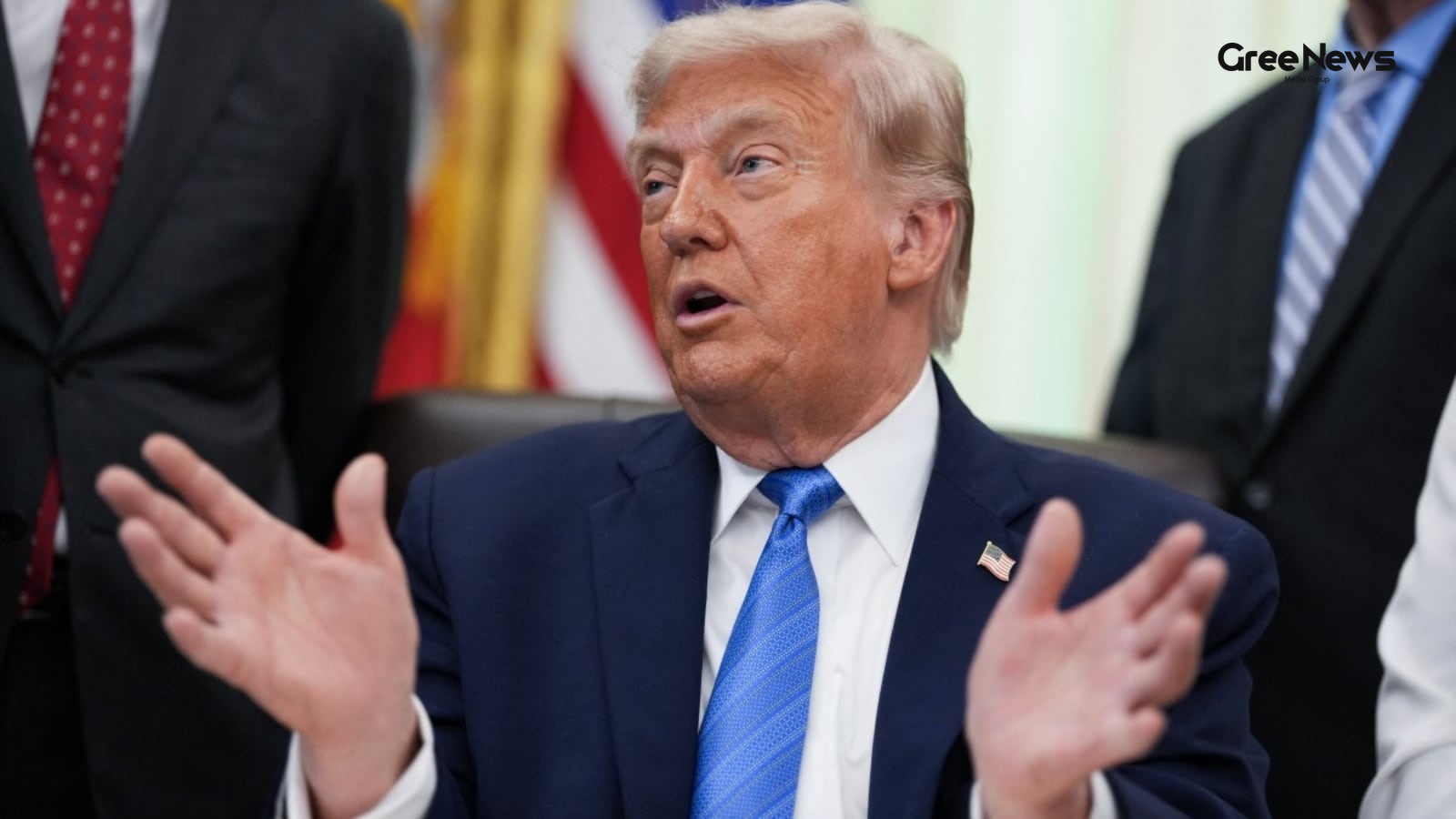
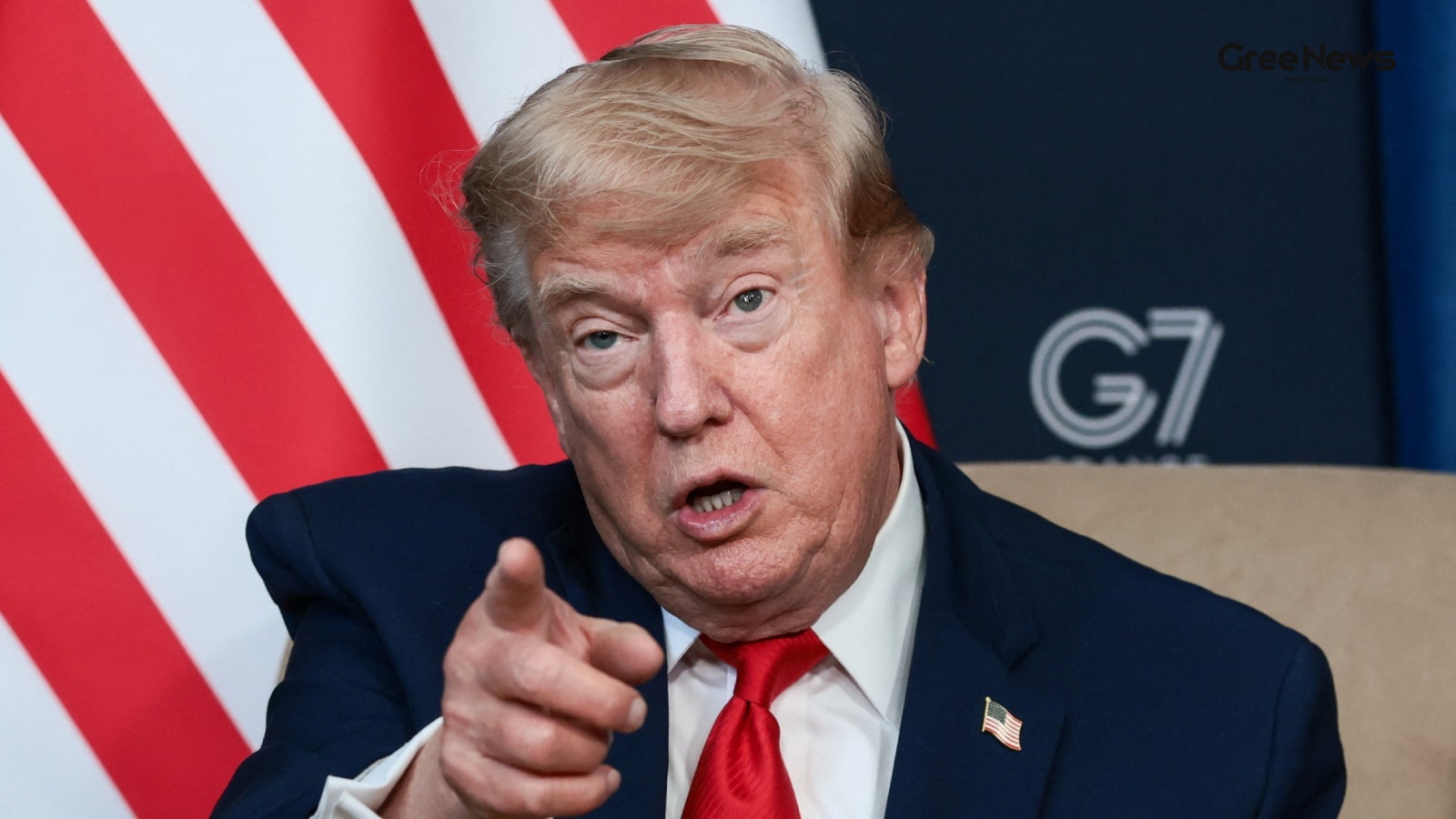
Trump framed it as a big American win. A major victory at that G7 summit in France. He put it on display there. But you get closer to what the officials actually said during those calls with reporters. It’s more of an interim thing. Stops the immediate fighting. Reopens the vital shipping lane. And sets a clock ticking sixty days. Sixty days for them to try and figure out something bigger.
What did it actually achieve? Mostly, just stopping the shooting for now. That's the physical result. The Strait is open again. That’s tangible.
But negotiation? That’s where it falls apart. They got sixty days to chase a final nuclear deal. And then some other squabbles. It’s not a finished peace treaty. It’s just a framework. A starting line for things they haven't sorted yet.
The whole nuclear issue stays stuck. Trump made it clear, he said Iran will never get a bomb. That promise is there in the air. But the actual text? It doesn't lay out the details on how that guarantee works. Not yet.
Iran did aGree to "downblend" its uranium stockpile. Under IAEA watch. A concession. A significant one, some US officials called it. But how they downblend it. The timeline for that process. That’s still open. They have those sixty days figuring out the mechanics. It's a race against the clock, and the timeframe itself can get stretched if they need more time.
Think about the history here. Back in 2015, negotiating the original nuclear deal took about twenty months. Now? Two months. That’s brutal pacing. They are trying to wrap up something massive in a flash. The aGreement even lets them extend those sixty days if things get messy. It acknowledges that maybe they just can't nail it down fast enough.
Then there is the money, which gets way messier. This reconstruction idea three hundred billion dollars. That part feels like pure political theater right now. Trump has been really loud about refusing to fund Iran directly. He’s criticized the Obama administration for that $1.7 billion payment back in 2016.
So where does this huge money figure fit? The memo just says the US will work with regional partners on a plan. A mutually aGreed plan worth that much. But who are these partners? How is it going to be paid? Where does the cash actually come from? It’s all smoke and mirrors, leaving a massive void of detail.
This ambiguity bothers people politically. Especially those on the right. People like Trump and Vice President Vance campaigned hard against getting dragged into new "forever wars." So an arrangement that facilitates handing over a reconstruction pot for Iran even if it's not direct US money that rubs some people wrong. It fuels the argument that they gave too much while getting little real concessions back.
You see that backlash already, right? Republicans are starting to talk. They’re demanding briefings. They want clarity on this deal and all the uncertainty wrapped up inside it. Some argue Trump let Iran off too easily. That they secured very little concrete change in behavior.
Bill Cassidy, that Louisiana Senator he made a sharp statement on X. He called it the worst foreign policy blunder in decades. Said Iran’s nuclear goals weren't stopped. And noted they learned that threatening the Strait of Hormuz works and will be used again. That kind of cynicism is creeping into Washington. It suggests the pressure tactic might just be seen as a future tool, not a deterrent.
And then there are the other big things totally ignored in this document. Hezbollah. Iran’s support for those regional groups was an issue at the start. The US wanted that funding cut off. Israel also had its own priorities with Lebanon and dealing with Iranian proxies. But the memo just extends the ceasefire to include Hezbollah. That's it.
It doesn't say anything about forcing Tehran to stop supporting those groups. It doesn't define what Iran must do in the next phase of talks regarding regional influence. So that whole side remains completely blank. A huge disaGreement left hanging outside these sixty days.
Missiles. The missile program. Trump and Netanyahu both pointed this out early on as critical. But the aGreement offers no specifics there either. No clear restrictions on missiles. No roadmap for how those capabilities will be handled in the final settlement. They are just sitting there, untouched by the framework.
So what’s left? Sixty days of staring at a wall. The structure is set: pause the fighting. Reopen the sea lanes. Start talking about stuff they haven't aGreed on yet. But the actual substance the nuclear future, the missile threat, regional alliances, and that enormous reconstruction debt that all remains entirely negotiable, undefined.
Trump himself seemed pretty casual about the outcome. He said if it doesn't get done in sixty days, "it’s all right." Go back to bombing. That line signals a deep uncertainty. It suggests he’s willing to risk more conflict just to force movement.
So, what happens next? The pause is over, technically. But the real fight isn't over. It moves into those sixty days where everything will be hammered out or broken. Whether this document becomes the foundation for something lasting or just a temporary holding pattern depends entirely on how much they can actually bridge that chasm between their positions.
Written by Gree News Team — Senior Editorial Board
Gree News Team covers international news and global affairs at Gree News. Our collective of senior editors is dedicated to providing independent, accurate, and responsible journalism for a global audience.
More from World
View All
Systemic Abuse and Legal Reckoning in Grooming Gang Scandals
In that packed session, Rupert Lowe really pushed things. It was a massive parliamentary session, and he brought all this stuff out the actual testimonies from survivors of those grooming gang scandals in the UK. It wasn't abstract policy; it was raw, graphic evidence forced right into the middle of
Jun 18, 2026 by Gree News Team
Defense Production Act and Military Manufacturing Strategy
Trump brought in the Defense Production Act DPA to push for faster weapons manufacturing. It was all about dealing with those worries about military stockpiles running low, especially after everything that went down with Iran and how the US keeps backing allies globally. The order itself came with a
Jun 18, 2026 by Gree News Team
US-Iran Peace Memorandum: Terms, Commitments, and Implications
Weeks of talking turned into something official between the United States and Iran. They signed that peace memorandum. It lays out fourteen points, supposed to be how they’re going to end this mess and start moving toward some bigger settlement. But it’s important to remember: this isn't a final tre
Jun 18, 2026 by Gree News Team
Trump's Warning to Iran and the Interim Accord
Trump threw out another warning to Iran, right after they locked down some agreement. He basically said the US was going to bomb them if they messed up the terms. It wasn't a polite request. “I want them to honor the agreement,” Trump claimed during a press conference with reporters in France. Then
Jun 18, 2026 by Gree News Team
Latest Headlines
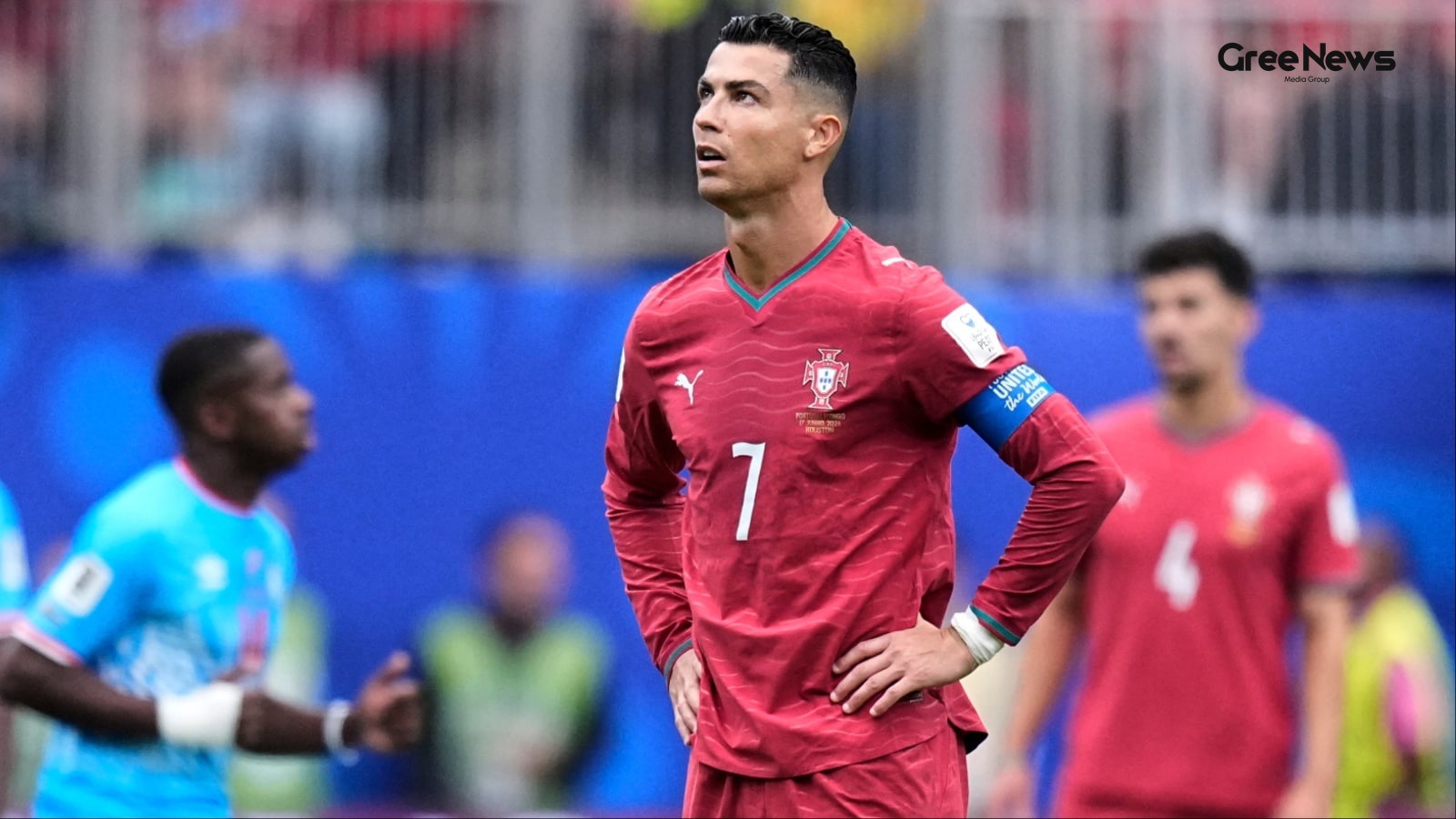
The Unscripted Narrative of the World Cup: Momentum, History, and Reaction
The whole thing started, you know? It wasn't what anyone was expecting when Portugal met DR Congo for that opening group match at the World Cup 2026. There were expectations, huge ones maybe, but nothing really lining up on the pitch right from the jump. It felt like a slow build, honestly. Just thi
Jun 18, 2026 by Gree News Team
Defense Production Act and Military Manufacturing Strategy
Trump brought in the Defense Production Act DPA to push for faster weapons manufacturing. It was all about dealing with those worries about military stockpiles running low, especially after everything that went down with Iran and how the US keeps backing allies globally. The order itself came with a
Jun 18, 2026 by Gree News Team
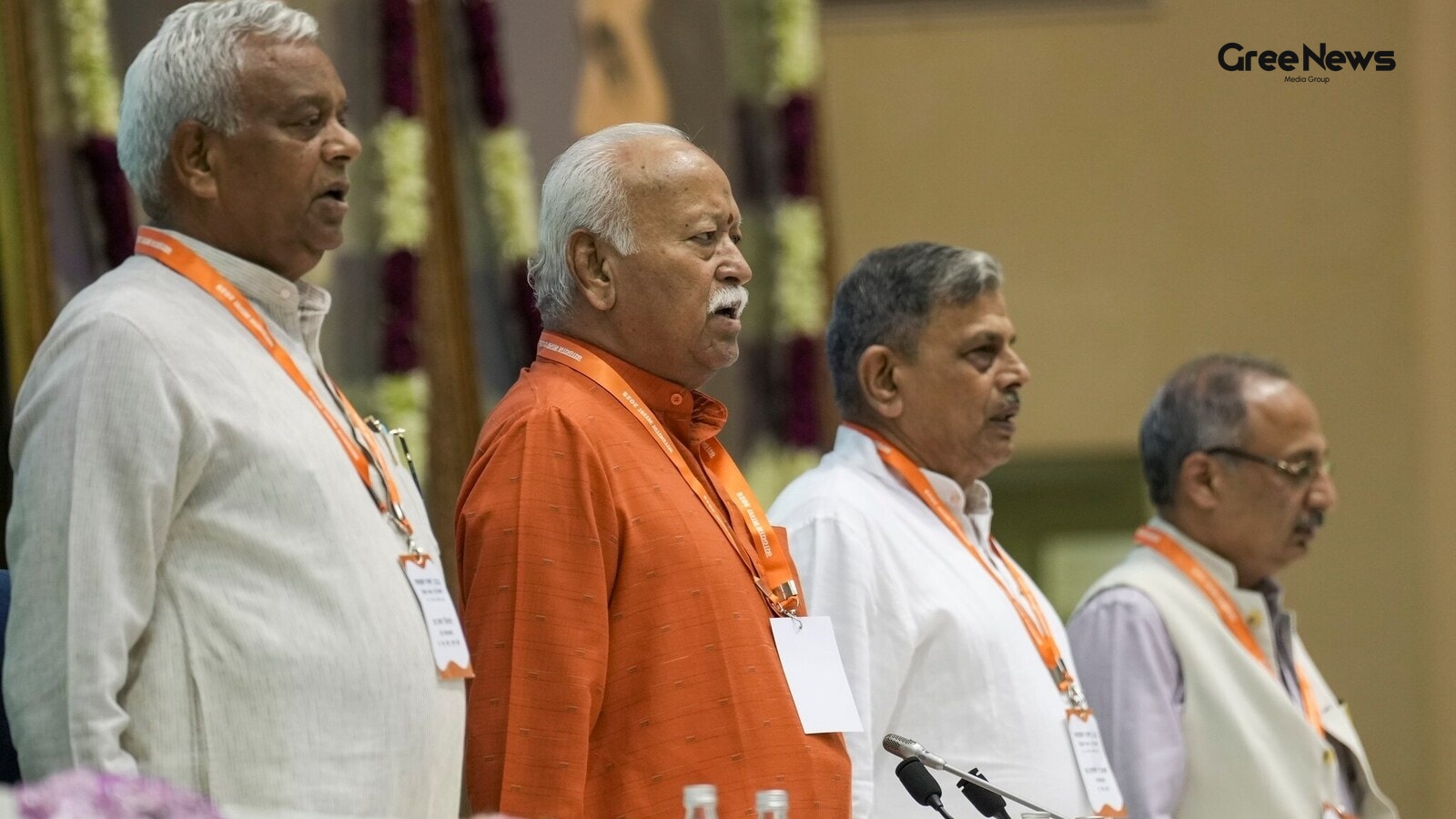
BJP Organizational Exercise and Political Strategy
Something big was happening inside the BJP this week. A real organizational exercise, it seems, kicked off after a coordination meeting in Delhi on Monday. Top leaders met up with senior RSS functionaries. Nothing official has been announced yet, of course. But you could tell something was brewing t
Jun 18, 2026 by Gree News Team
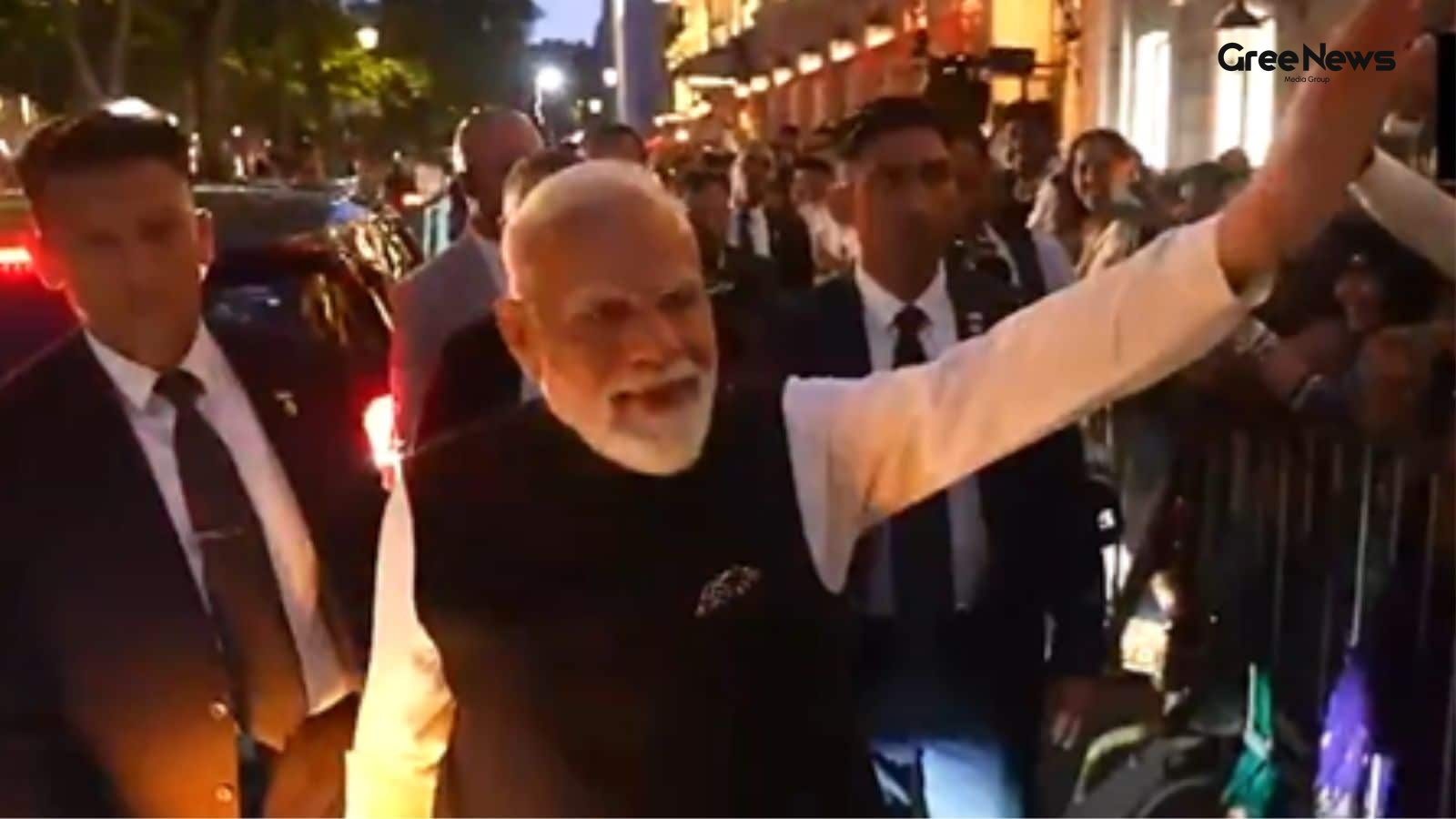
India's Global Ambition: Technology, Diplomacy, and Geopolitical Realities in Paris
The air in Paris felt different that day. Not just the usual Parisian chill there’s always a certain weight to the city, heavy history mixed with relentless modernity but there was an electric hum beneath the surface. A real crowd spilling out from the hotel lobby, waving flags the saffron, white, g
Jun 18, 2026 by Gree News Team

7 Essential Gadgets for Family Travel: Solving Packing Frustrations
Family travel. It has this rhythm you just fall into, right? The first hour, everything’s fine. Excitement is high, snacks are packed, every device charged up and ready to go. But then things shift. A few hours later, the mood changes. Someone's phone battery starts dipping fast. A kid finishes thei
Jun 18, 2026 by Gree News Team
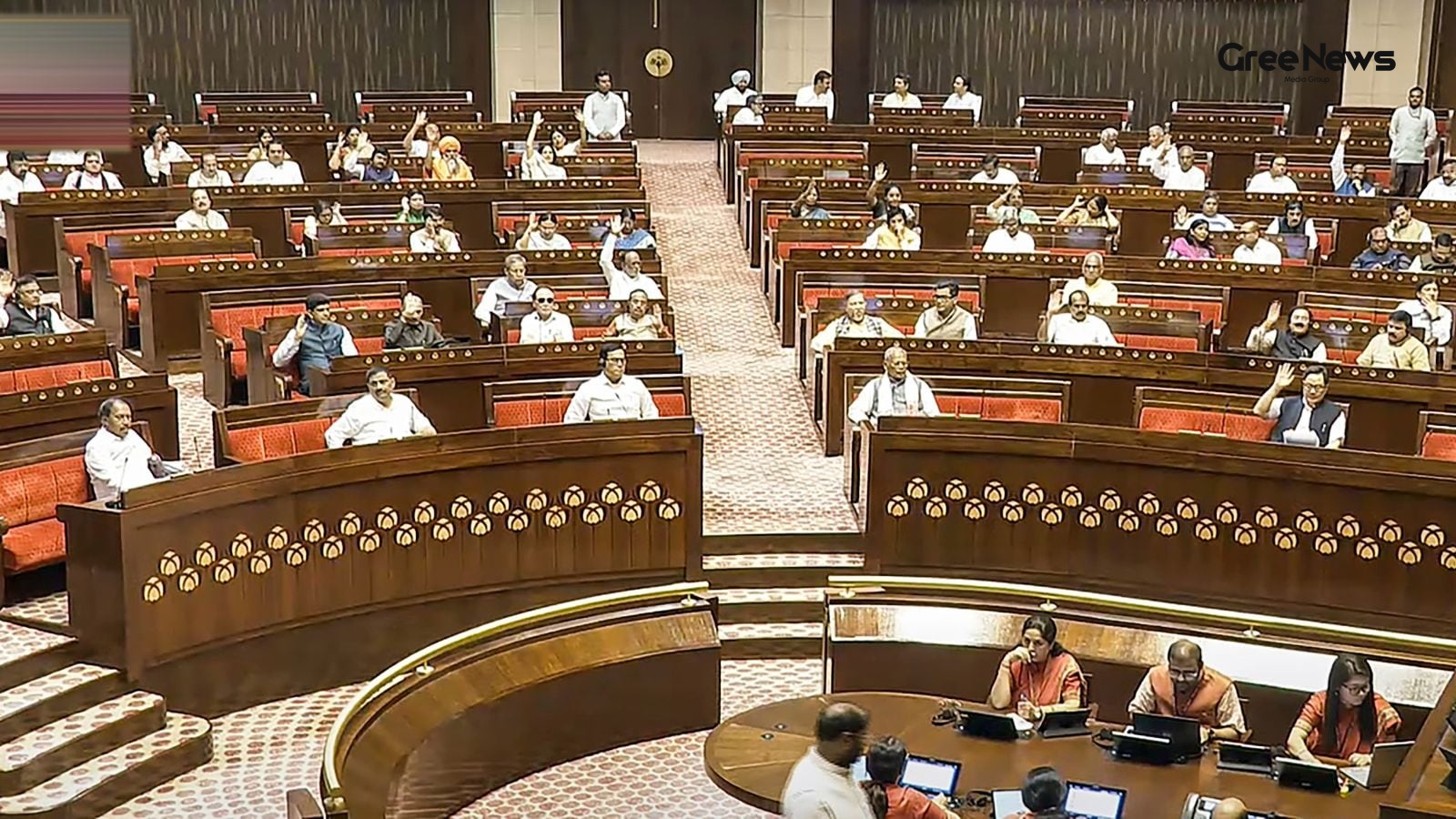
The Complex Dynamics of Rajya Sabha Elections and Localized Political Tensions
Voting is happening Thursday for those Rajya Sabha elections. It’s the biennial cycle. Twenty-four seats are up for grabs across ten states. And there are these extra bypolls too. One seat each in Maharashtra, Tamil Nadu, and Odisha. Just standard procedure, you know? But even when things look routi
Jun 18, 2026 by Gree News Team

Jonathan: The Oldest Living Land Animal and Living Icon
Jonathan. That’s the name for him. A giant tortoise living up there on St Helena. And he just keeps doing things that make people stop and think, right? Guinness World Records officially named him an ICON. The oldest living land animal. It’s history now. He’s been around for nearly two centuries. Bo
Jun 18, 2026 by Gree News Team
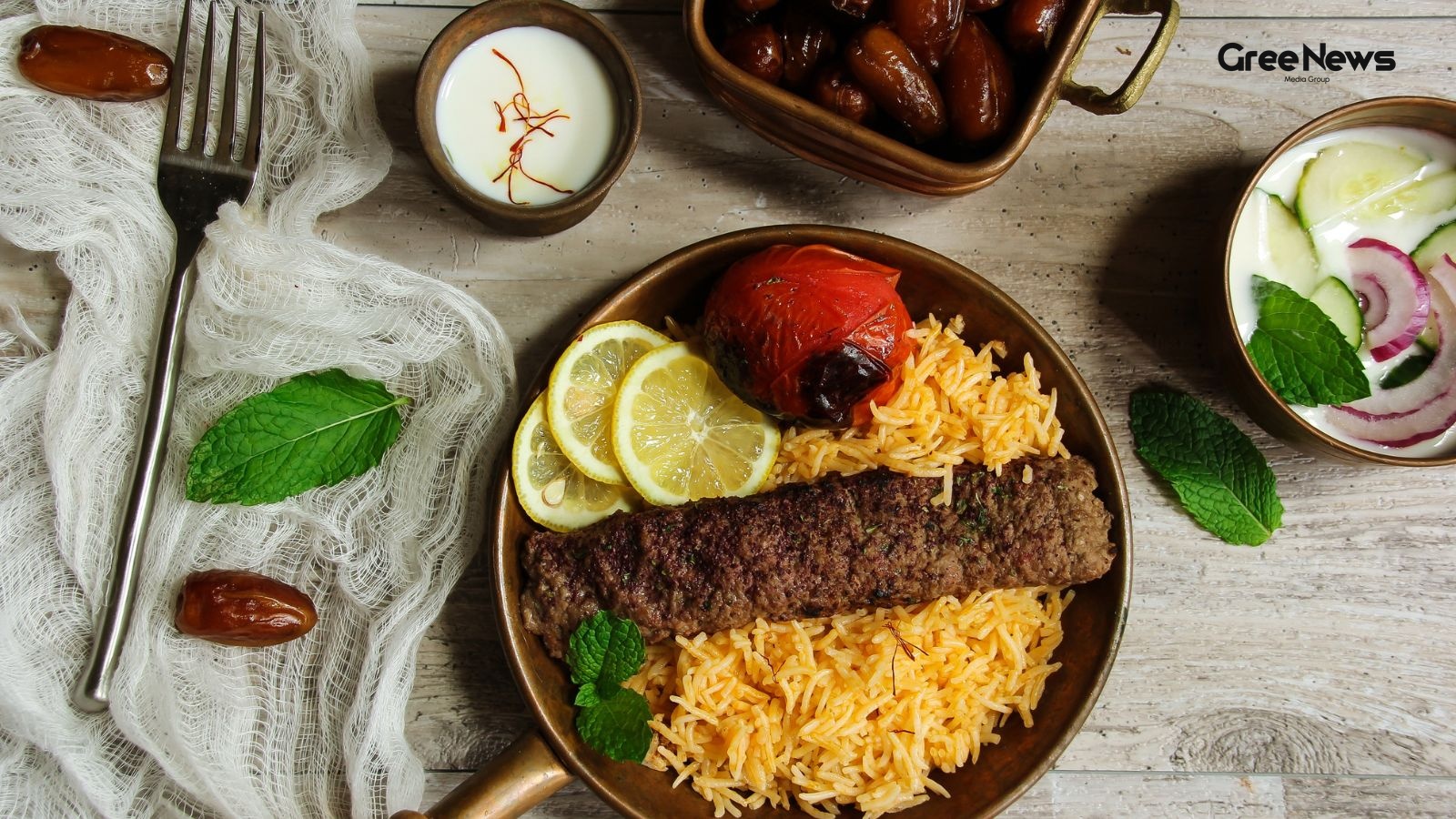
Restoration of the Royal Kitchen at Lucknow's Chota Imambara
Built back in 1837 by Muhammad Ali Shah, that royal kitchen at Lucknow’s Chota Imambara used to feed the ruler’s household and folks during religious times. It still works now, preparing meals for thousands every Ramadan and Muharram. But things have gotten rough. Years of wear showing through crumb
Jun 18, 2026 by Gree News Team

Fuel Price Movements and Market Dynamics
Petrol, diesel and CNG prices held steady on Monday, June 18th. That’s what they stayed at. But behind that stillness, there was movement happening somewhere else. Oil market companies and those natural gas distributors they do their thing every morning, revising the numbers right at six a.m. It’s c
Jun 18, 2026 by Gree News Team
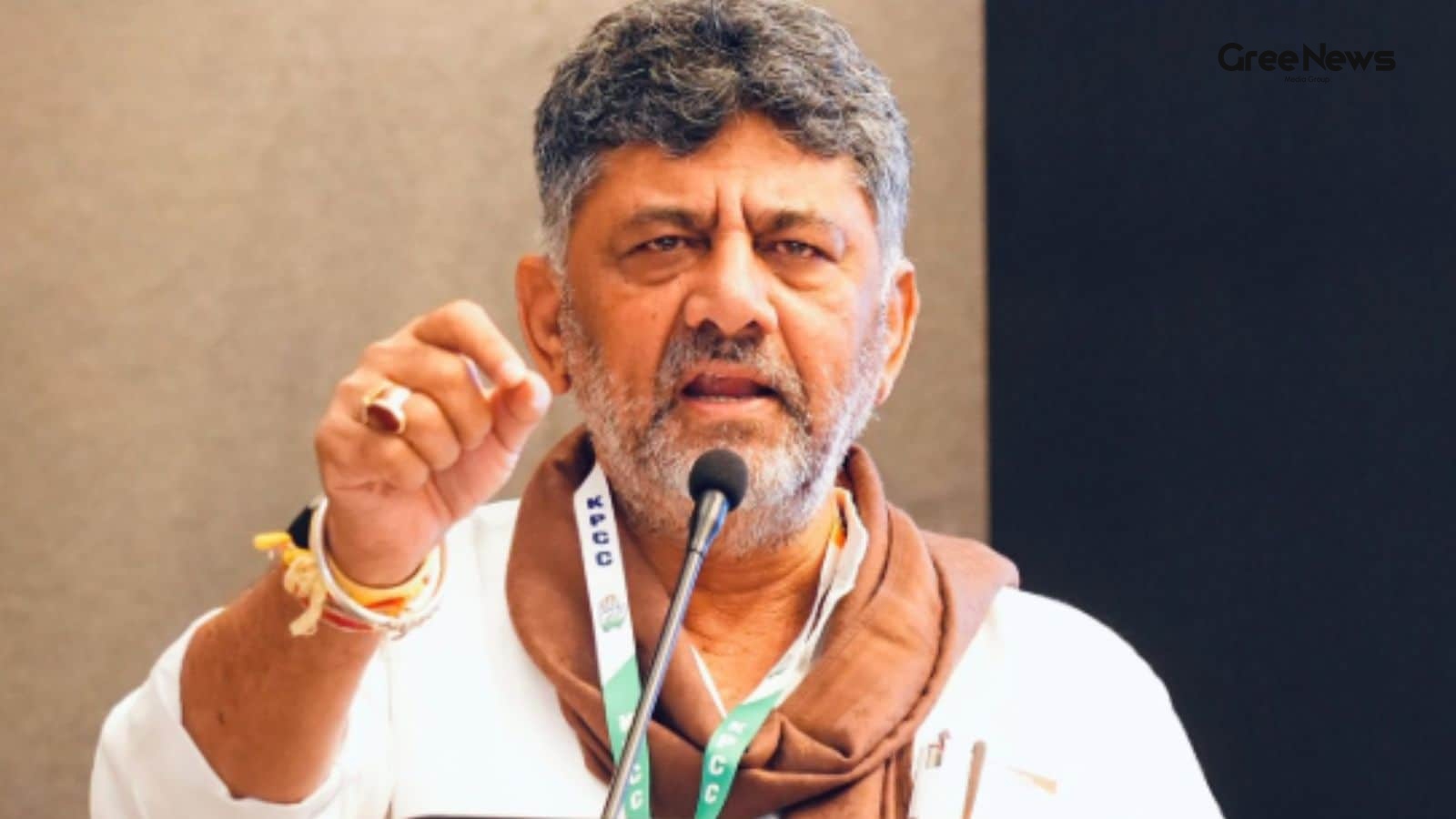
Political Maneuvering and Voting Strategy in Karnataka Election
The Congress party, they are just oozing confidence about that fifth seat. Like they’re going to sweep it. No real expectation of the Opposition even bothering them in Thursday’s election for the Legislative Council seven seats there in Karnataka. It felt almost like a free pass, didn't it? They put
Jun 18, 2026 by Gree News Team
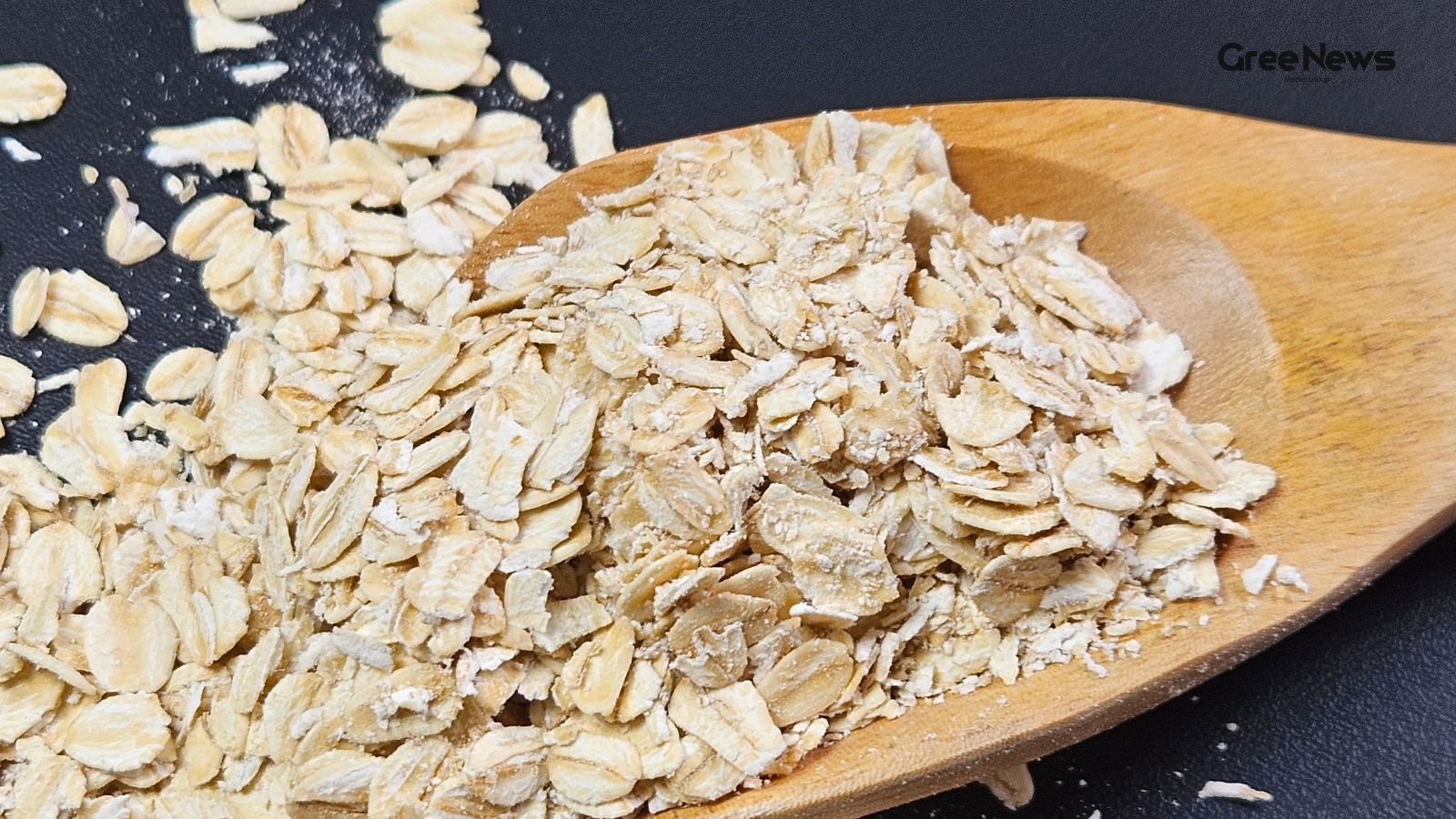
The Role of Protein and Fibre in Indian Wellness and Breakfast Choices
India’s wellness talk lately is really focusing on just two things: protein and fibre. It’s everywhere now. Protein gets added to everything shakes, bars, snacks, meal plans. And fibre? It’s finally getting serious recognition for how much it does for digestion and overall feeling good. You see this
Jun 18, 2026 by Gree News Team
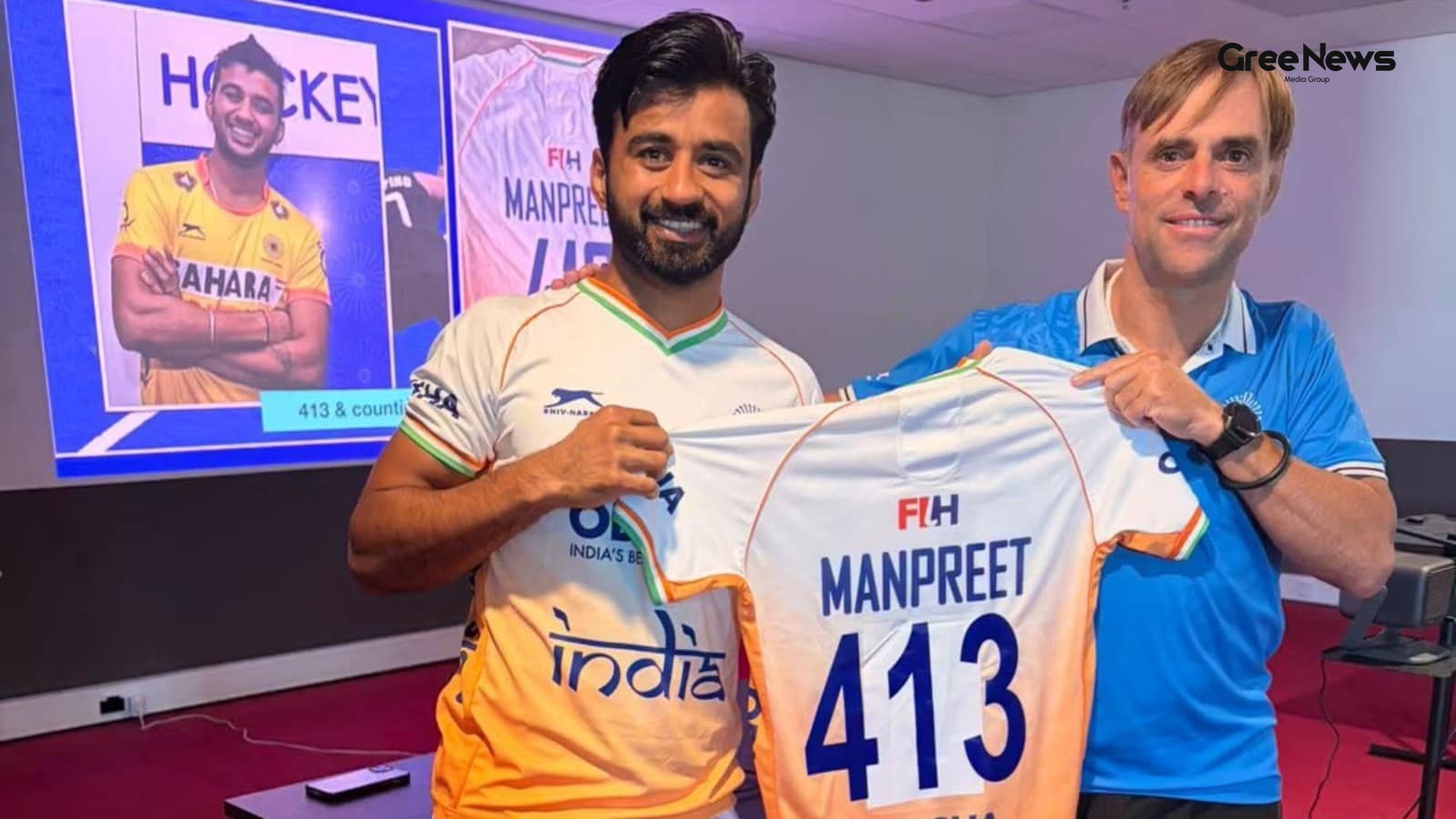
Manpreet Singh: The Most-Capped Player in Indian Hockey History
Manpreet Singh just hit something huge in Indian hockey history. He’s now the most-capped player representing the country. That’s 413 international appearances. He got this milestone during India's FIH Pro League match against Germany on Wednesday. It was a big game, you know? And Manpreet was in it
Jun 18, 2026 by Gree News Team
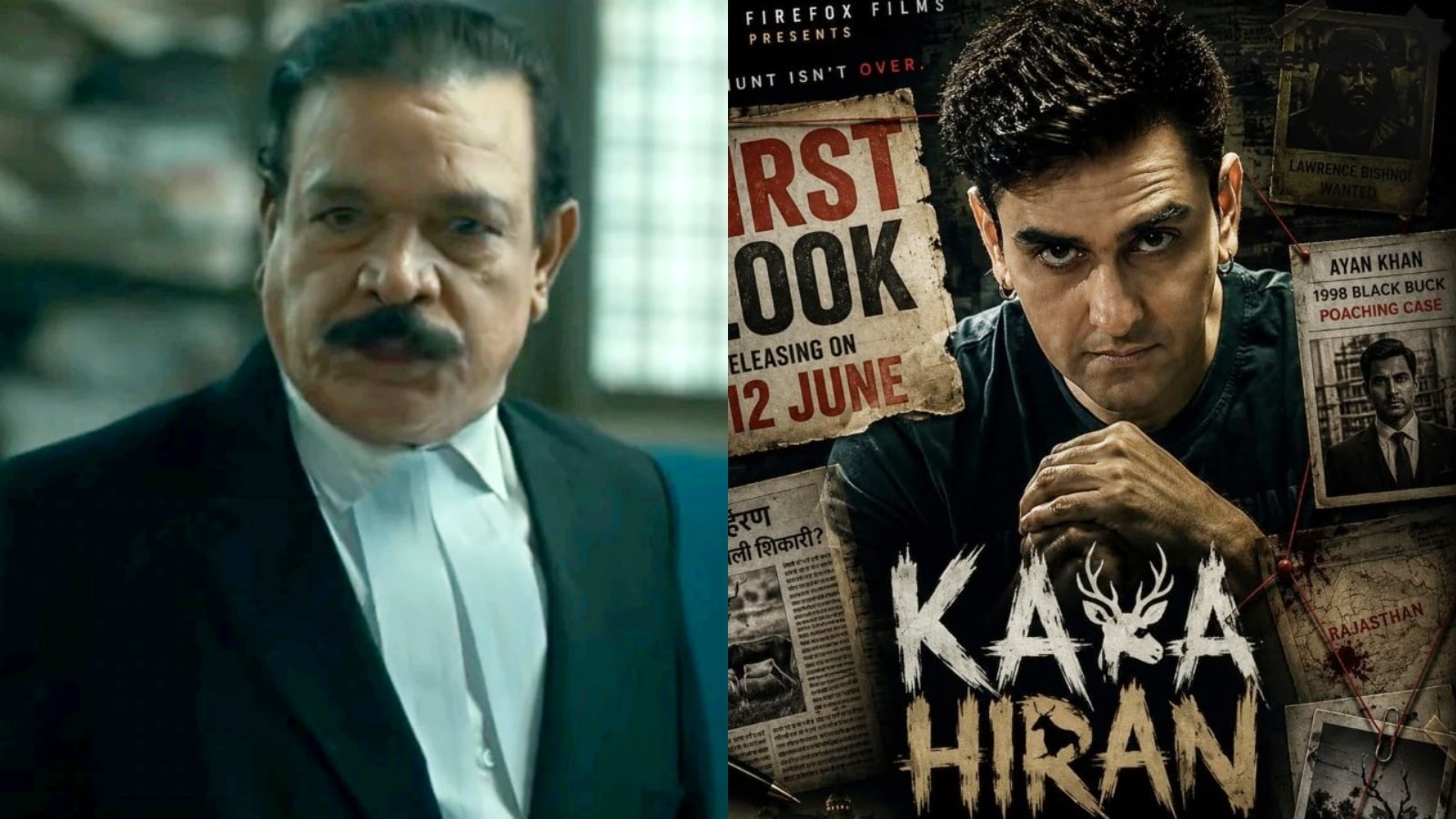
Kala Hiran Controversy: Legal Battles and Legacy in Filmmaking
Govind Namdev has pulled back from Kala Hiran. It’s all about legacy now, you know? The film itself is based on that whole blackbuck poaching thing from 1998. Amit Jani produced it. Namdev was in it, playing the advocate trying to fight for justice for the Bishnoi community. Things got messy after t
Jun 18, 2026 by Gree News Team

The Reality of Online Trolling and Paid Smear Campaigns in the Film Industry
Alia Bhatt is in the eye of a storm right now. Her appearance at Cannes got all the chatter online. Then it just became relentless trolling. People were tearing into her for going unnoticed on the red carpet, playing along with whatever noise was happening. What really kicked things up? Alpha’s teas
Jun 18, 2026 by Gree News Team
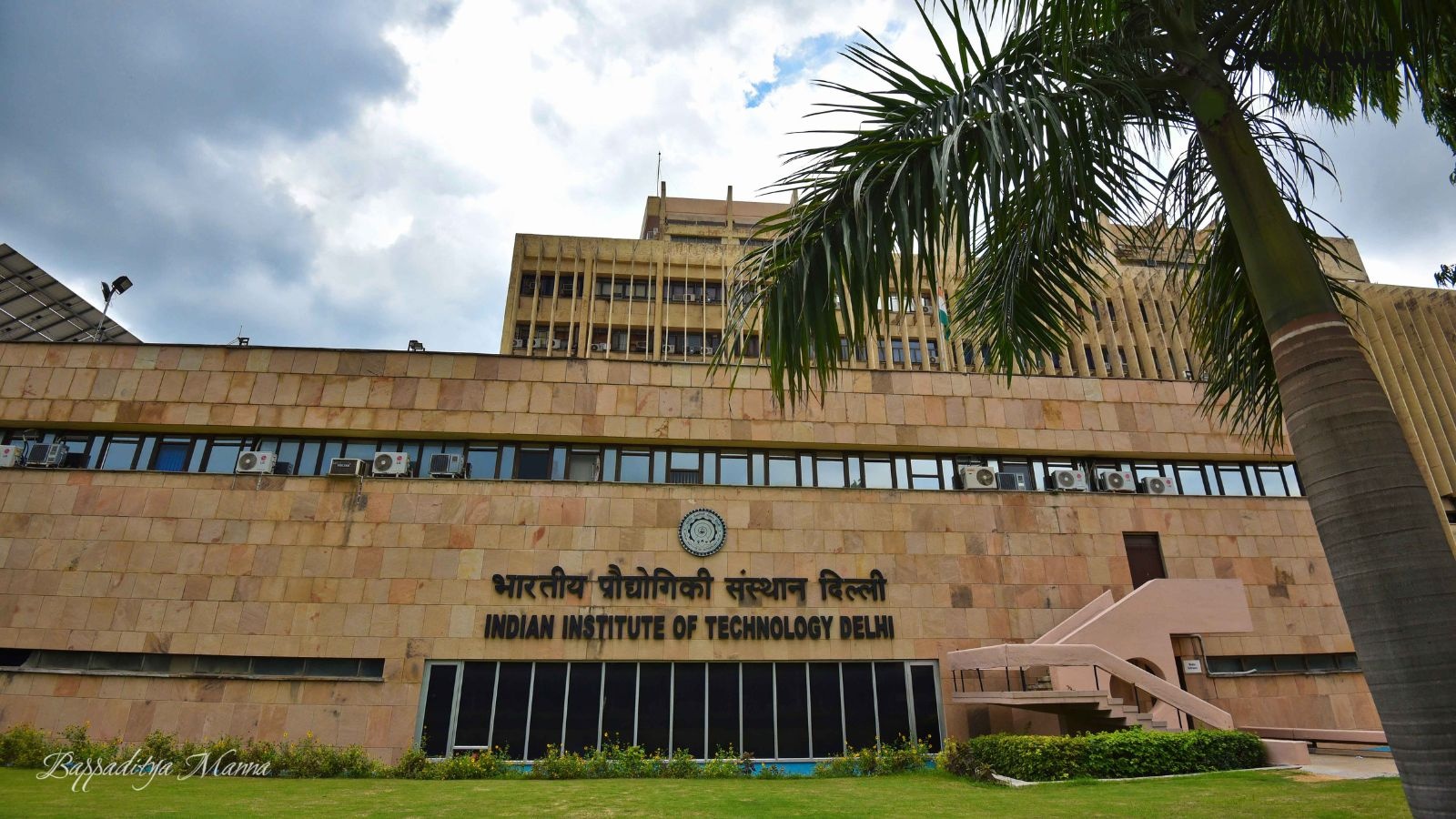
QS World University Rankings 2027: Analysis of Global Academic Shifts
The QS World University Rankings for 2027 finally dropped. It’s out now. And you see IIT Delhi up there again. Top spot in India, once more. They climbed five places this time. Now they sit at number 118 globally. That's a big jump from last year. Last year they were at 123. Highest rank ever for an
Jun 18, 2026 by Gree News Team