The Friction and Conflict Surrounding the US-Iran Memorandum of Understanding
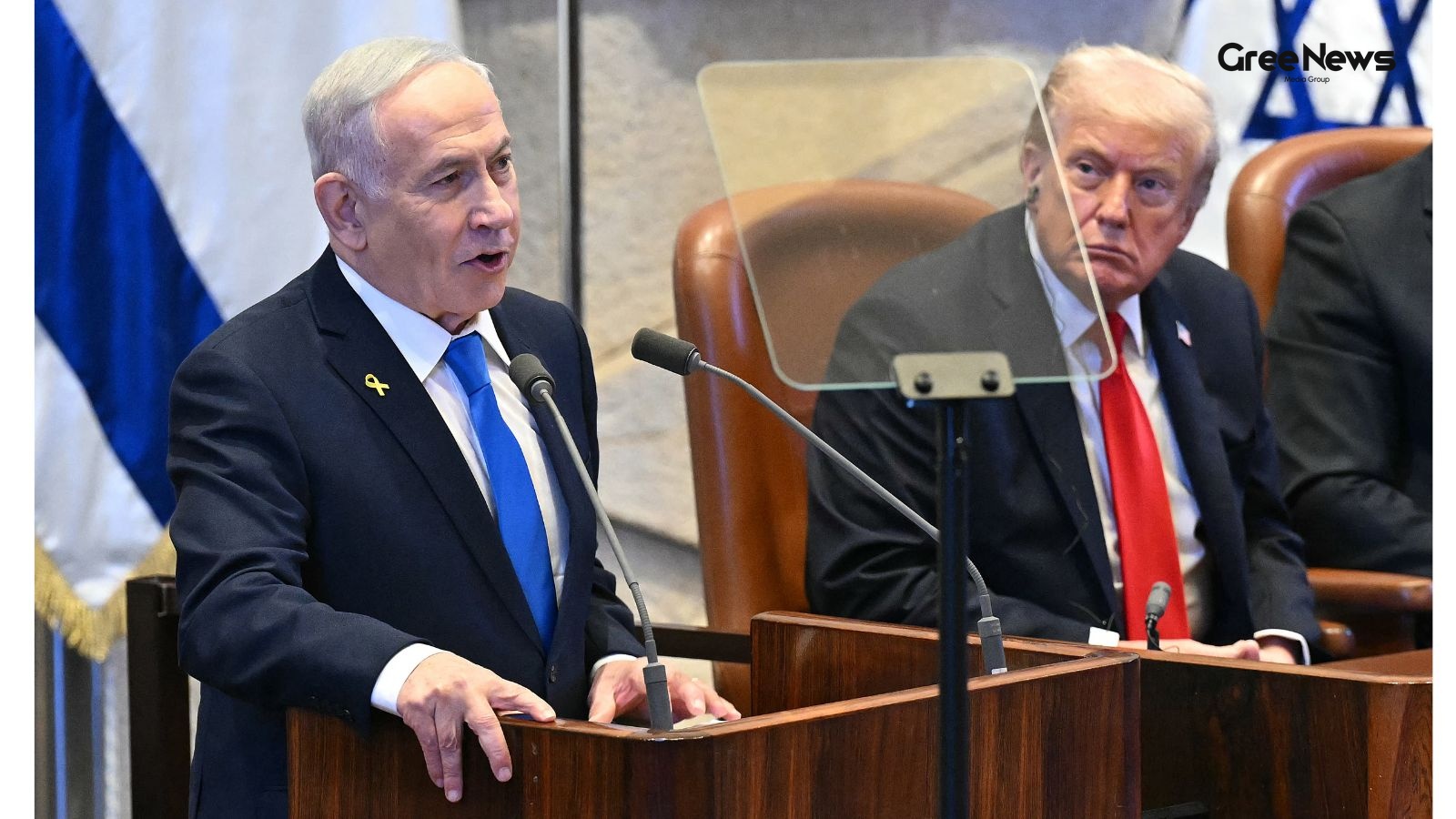
The air around the potential US-Iran memorandum of understanding is thick with something that isn't just diplomacy. It’s friction . A deep, grinding tension that surfaces whenever you look at the numbers the fourteen clauses hanging over Geneva this Friday.
Israel, naturally, hasn't been comfortable with it. That’s the baseline reality. They asked to see the details. To review the document before anyone signed anything. But that request? It got shut down. Israeli media is saying they still don’t know what’s actually going to happen. Just a vague sense of unease, doesn't it?
It’s not just about trade routes or frozen money. It spirals instantly into existential security concerns for Jerusalem and Tel Aviv. Suddenly, the focus shifts from international finance to the very ground they stand on. Prime Minister Netanyahu, he was pretty clear, wasn't going to let this derail any sense of self-preservation. He insisted that Israel would handle its own security interests, period. Regardless of whatever Trump cooked up on the side.
Defence Minister Katz weighed in too. A simple line, almost dismissive maybe, but loaded with implication: no troop withdrawal from southern Lebanon. That’s a non-negotiable sticking point right there. The idea that Israel would simply fold its position because some external deal was being pushed? Unthinkable for them.
Then you have the political heavyweight side of things. Bezalel Smotrich, Finance Minister he made it loud. He called the whole arrangement "bad for Israel and for the entire free world." That kind of bluntness shows how deeply divided the consensus is, even among those who are supposed to be unified on foreign policy. It’s not just a diplomatic disaGreement; it's an internal fracturing about what constitutes security versus expediency.
Meanwhile, across the Atlantic, Donald Trump was making noise. He was talking about these matters Lebanon, military actions with a very specific, almost transactional lens. He brought up the human cost quickly. “Too many people are being killed,” he stated on the sidelines of that G7 summit in France. It felt less like high-minded diplomacy and more like an immediate, messy assessment of battlefield reality.
And then there’s this shadow play involving Syria and Hezbollah. Trump floated a suggestion a very provocative one about letting Syrian forces take over the job against Hezbollah. He suggested: “If Israel can’t do the job (against Hezbollah) without killing everyone else, then he (Syrian President Ahmed al-Sharaa) will do the job.”
That statement hung there, heavy and unsettling. It wasn't a smooth diplomatic bridge; it was a raw assertion about who actually held the leverage in that complex mess of the Middle East. It suggested an alternative power dynamic entirely.
It ties back to what Trump had previously hinted at concerning Israel’s military actions in Lebanon. He seemed intent on placing blame, or perhaps redefining responsibility. He pressed Netanyahu to be “more responsible” with respect to Lebanon. A subtle shift from abstract negotiation to direct accountability, though the underlying tension remains painfully clear.
And then there was that idea about releasing the actual text of the aGreement. Trump had promised he would release it in a formal setting a press conference, reading it word by word so the press could see exactly what was happening. But Israel declined access. That absence of transparency is almost as telling as the content itself. It leaves everything swimming in ambiguity.
Iran’s side, meanwhile, reported something entirely different. They circulated details that suggested a very specific structure for this supposed deal. Fourteen clauses surfaced details about Israeli withdrawal from southern Lebanon, lifting the US blockade on Iranian ports, reopening the Strait of Hormuz, and releasing those massive frozen funds twenty-four billion dollars worth. These aren't just abstract points; they are concrete demands woven into the fabric of whatever aGreement is being negotiated.
It’s this layering that makes it so messy. You have the formal diplomatic track, the highly politicized internal Israeli resistance, Trump’s somewhat erratic commentary about local conflicts, and now these specific financial and territorial stipulations floating around from Tehran. It doesn't move in a clean line. It just keeps spinning.
The emerging deal itself seems to be viewed with extreme suspicion by many within Israel. It feels like an imposition more than a mutual understanding. The reaction isn't quiet dissent; it’s outright political resistance bubbling up from the highest levels of government, fueled by deep-seated security anxieties that seem to ignore any potential diplomatic gain offered by such arrangements.
What we see is not a neatly ordered negotiation moving toward a signing ceremony. It’s a series of conflicting realities colliding: one side pushing for an aGreement based on broad strategic goals; the other side insisting on absolute, independent sovereignty over their immediate security environment. And in between, figures like Trump are throwing commentary that only amplifies the existing fracture lines.
The lack of official details means we are left with whispers and assertions. The fear is that whatever happens Friday will not be what anyone expects. It’s a high-stakes gamble played out in the shadows of established alliances and deep territorial disputes. Uncertainty isn't just an afterthought here; it feels like the main feature.
Written by Gree News Team — Senior Editorial Board
Gree News Team covers international news and global affairs at Gree News. Our collective of senior editors is dedicated to providing independent, accurate, and responsible journalism for a global audience.
More from World
View All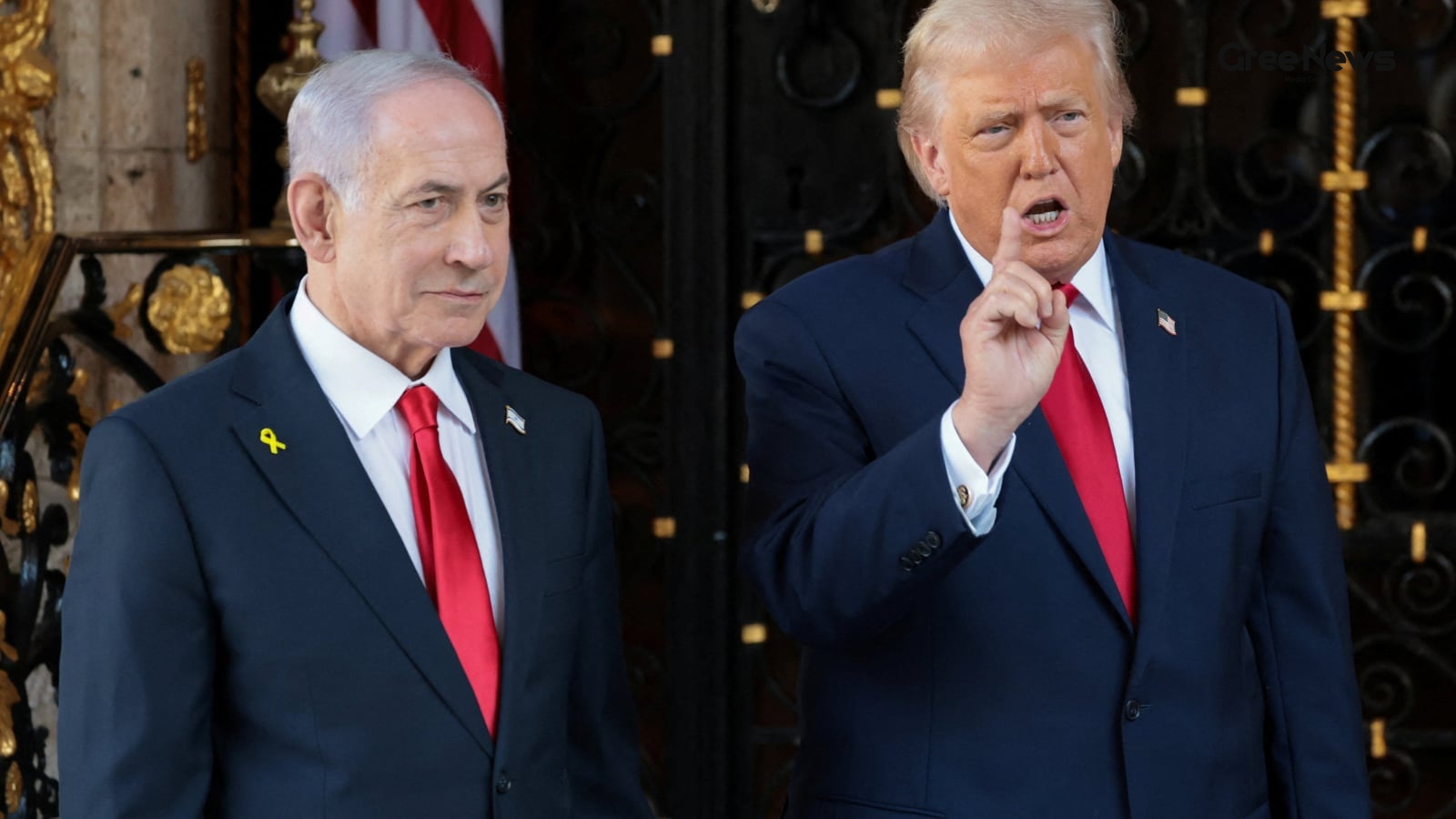
Donald Trump's Idea: Syria's Role in the Israel-Hezbollah Conflict
Donald Trump floated an idea recently: Syria should step in for Hezbollah instead of Israel when dealing with Lebanon’s situation. It signals something shifting in Washington's regional thinking. He was pretty frustrated about the casualties from Israel’s campaign against Hezbollah. That’s where the
Jun 17, 2026 by Gree News Team
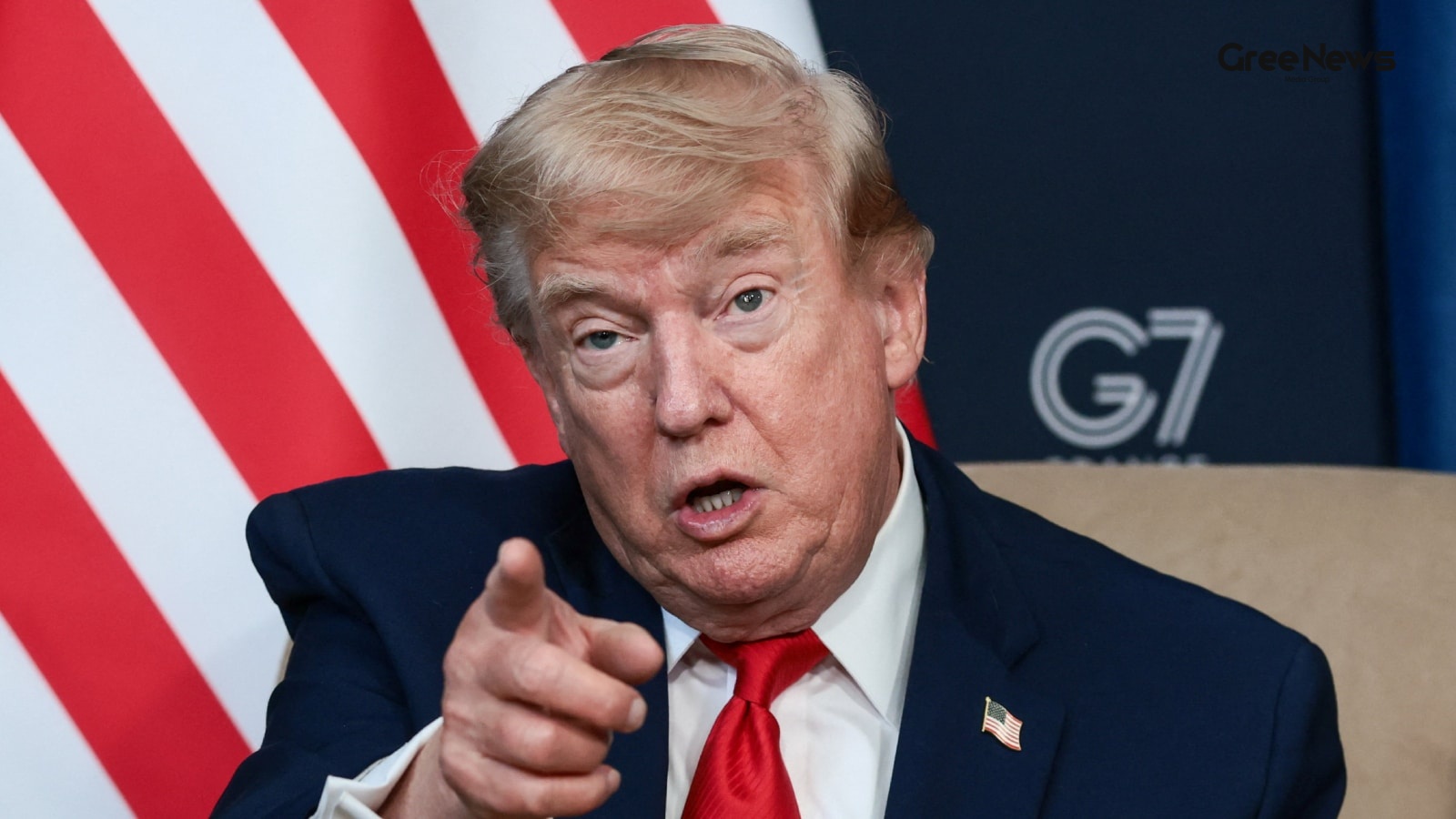
Donald Trump on the Lebanon Conflict and Iran Deal
Tuesday, Donald Trump talked about the whole situation in Lebanon. He basically dismissed the Israeli-Hezbollah fighting as just a minor conflict. Not much impact, he said. Nothing big deal for the bigger picture. This came up while he was hanging out with Qatar Emir Sheikh Tamim bin Hamad Al Thani
Jun 17, 2026 by Gree News Team
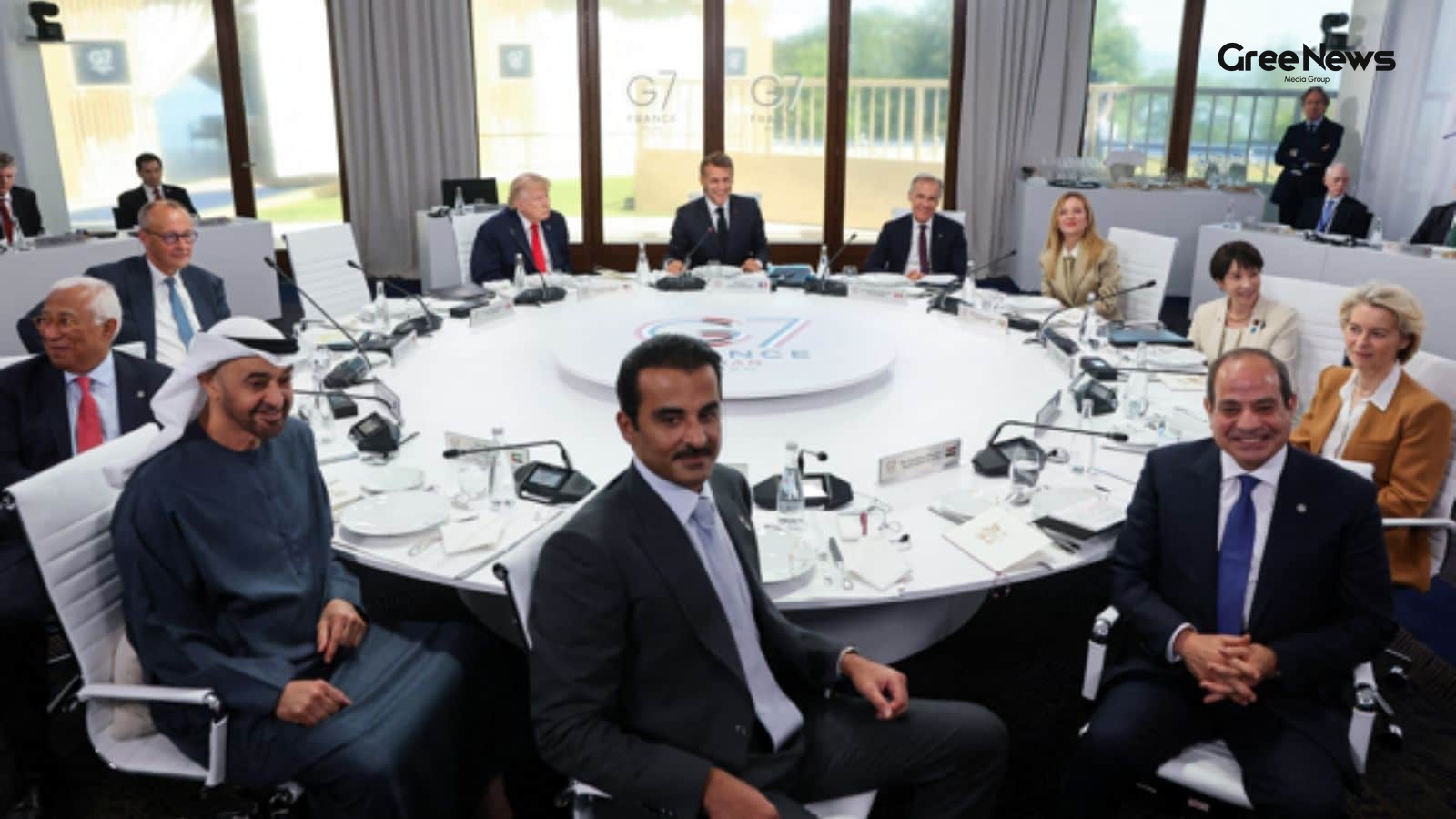
The Friction of Power: Personal Animosities in Global Geopolitics
the air around the g7 summits isn't always clean anymore. it’s thick with something else now, isn’t it? a low hum of old grudges and sharp, almost performative dismissals. we’re talking about the behind-the-scenes friction, the way these supposed pillars of the western world are actually fraying und
Jun 17, 2026 by Gree News Team
The History Agreement: Negotiations, Demands, and Geopolitical Shifts
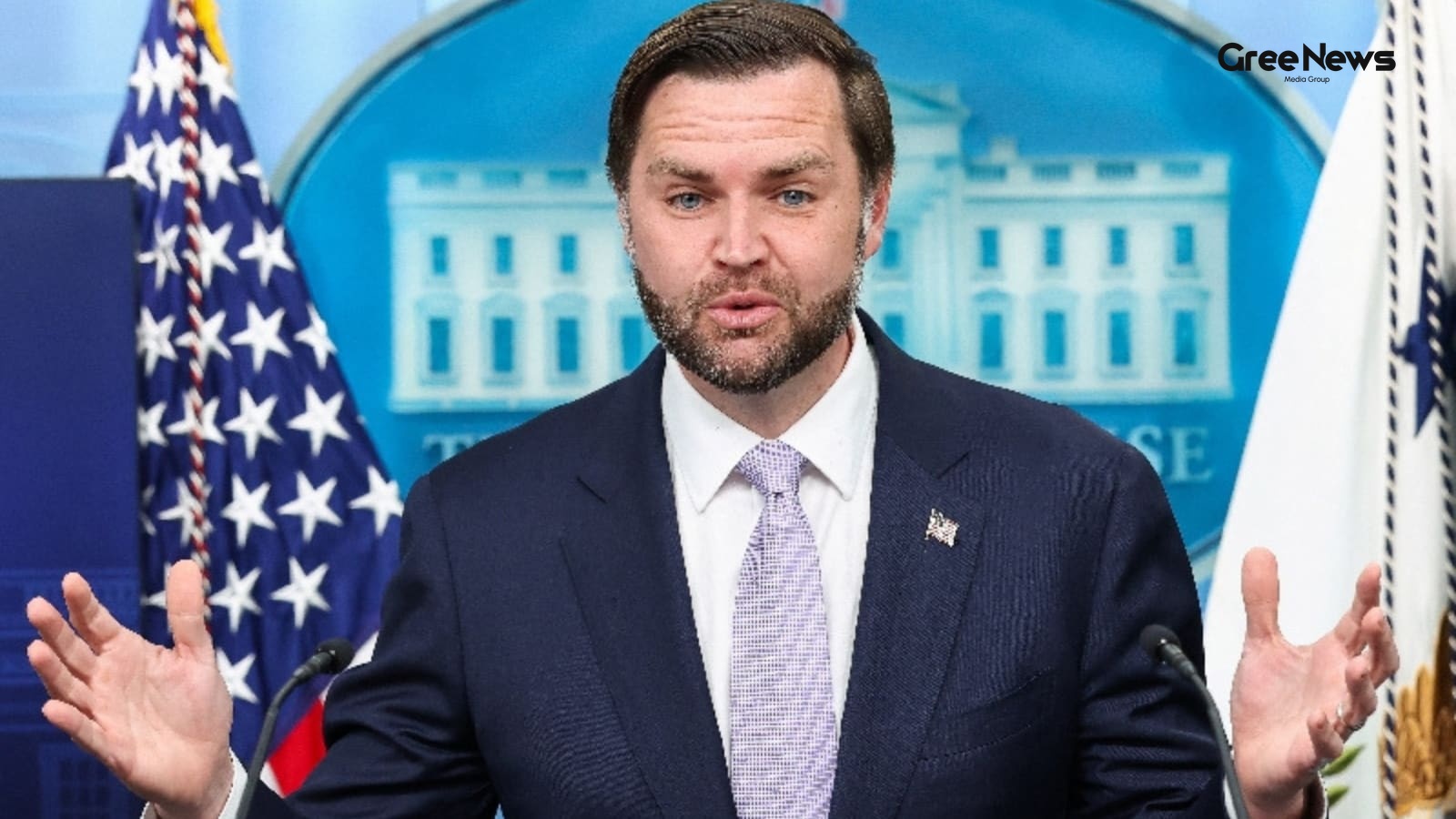
The world is gearing up for whatever signing happens next regarding that history agreement in West Asia. And you know who’s talking about it? Vice President JD Vance. He just said the whole memorandum doesn't even take up two pages. Just that. But what does that mean? It sounds incredibly light, alm
Jun 17, 2026 by Gree News Team
Latest Headlines
The Friction of Power: Personal Animosities in Global Geopolitics
the air around the g7 summits isn't always clean anymore. it’s thick with something else now, isn’t it? a low hum of old grudges and sharp, almost performative dismissals. we’re talking about the behind-the-scenes friction, the way these supposed pillars of the western world are actually fraying und
Jun 17, 2026 by Gree News Team
Orry's Income: Social Media, Brand Deals, and Private Bookings
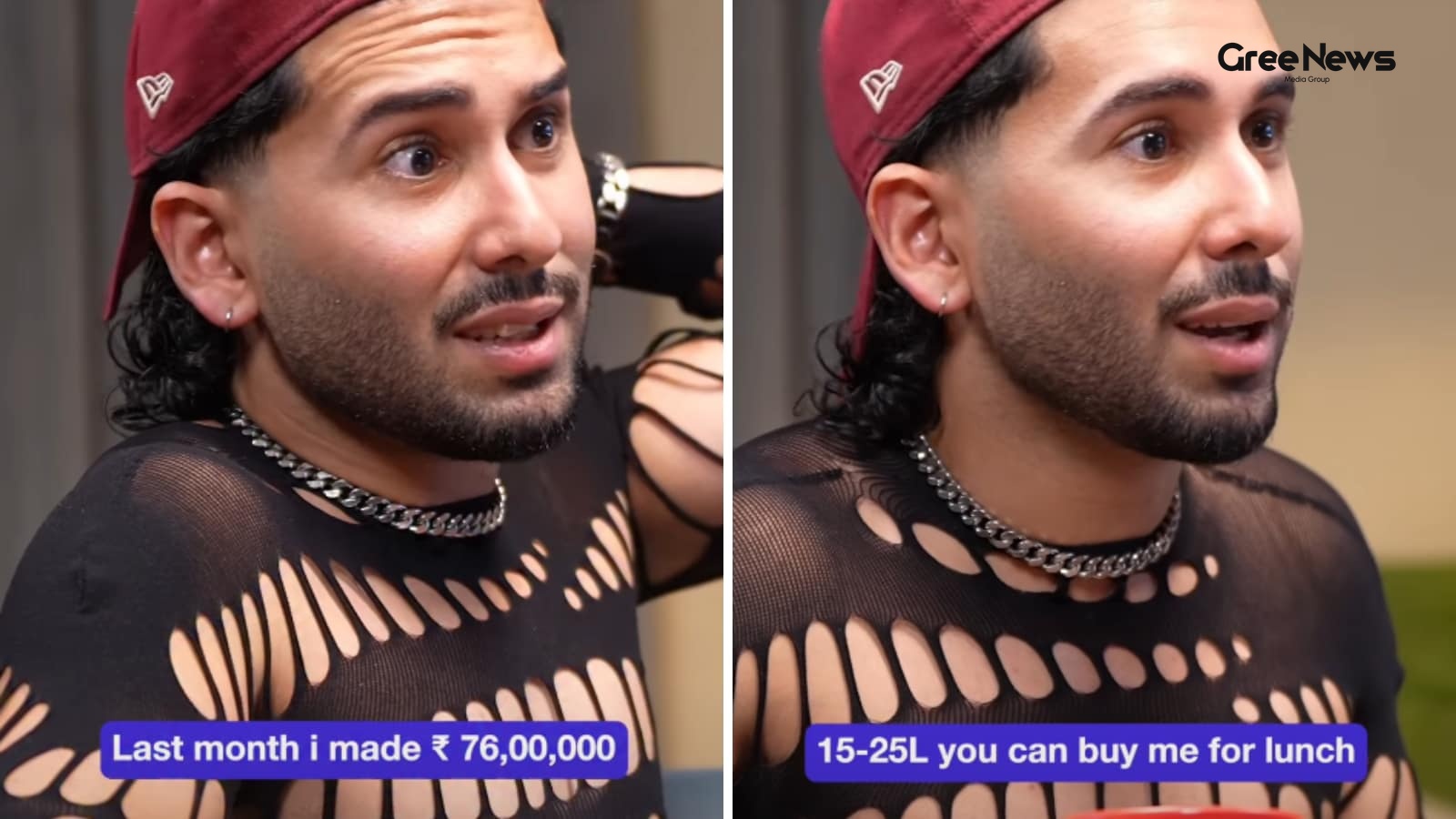
The whole thing just came out of that podcast, you know? Orry was talking about how he actually makes money now. It’s not just sitting around posting stuff anymore. He explained this whole social media and brand deal thing really clearly. How it became a big source of income for him. He mentioned so
Jun 17, 2026 by Gree News Team

Patriarchy, Climate Change, and Systemic Failure in Activism
The noise started immediately after Dia Mirza made her comments about climate change and men. It was a reaction, fast and ugly. People went straight to social media. Trolling started up instantly. She had said something pretty pointed, linking patriarchy directly to the climate crisis. The original
Jun 17, 2026 by Gree News Team

Sanchita Ugale's Death: Conflicting Stories and Controversy
Sanchita Ugale’s death really shook everyone. Twenty-two years old. Television actress. The shockwave just keeps going through the country. She was found dead at her place in Nalasopara, Maharashtra, back on June 14th. Officially, it’s being reported as suicide. But that’s where things get messy fas
Jun 17, 2026 by Gree News Team

Jyotsna Chandola Singh on Mental Health and Grief
Jyotsna Chandola Singh. Actress. She broke down. Cried about Sanchita Ugale. It happened recently. Tuesday, she posted something on Instagram. A video dropped there. Talking about mental health. Calling Sanchita’s death “very sad.” Simple words, but they carried weight. She was friends with Sanchita
Jun 17, 2026 by Gree News Team

Comparing Cinema Experiences: India versus Europe
Sandra On, this Ukrainian content creator, she put out some thoughts recently comparing cinema experiences across borders India versus Europe. It wasn't just a simple review. She posted it on Instagram, setting up this comparison about how different these movie settings feel in India compared to wha
Jun 17, 2026 by Gree News Team
Pavel Durov Criticizes India's Telegram Ban and Platform Restrictions
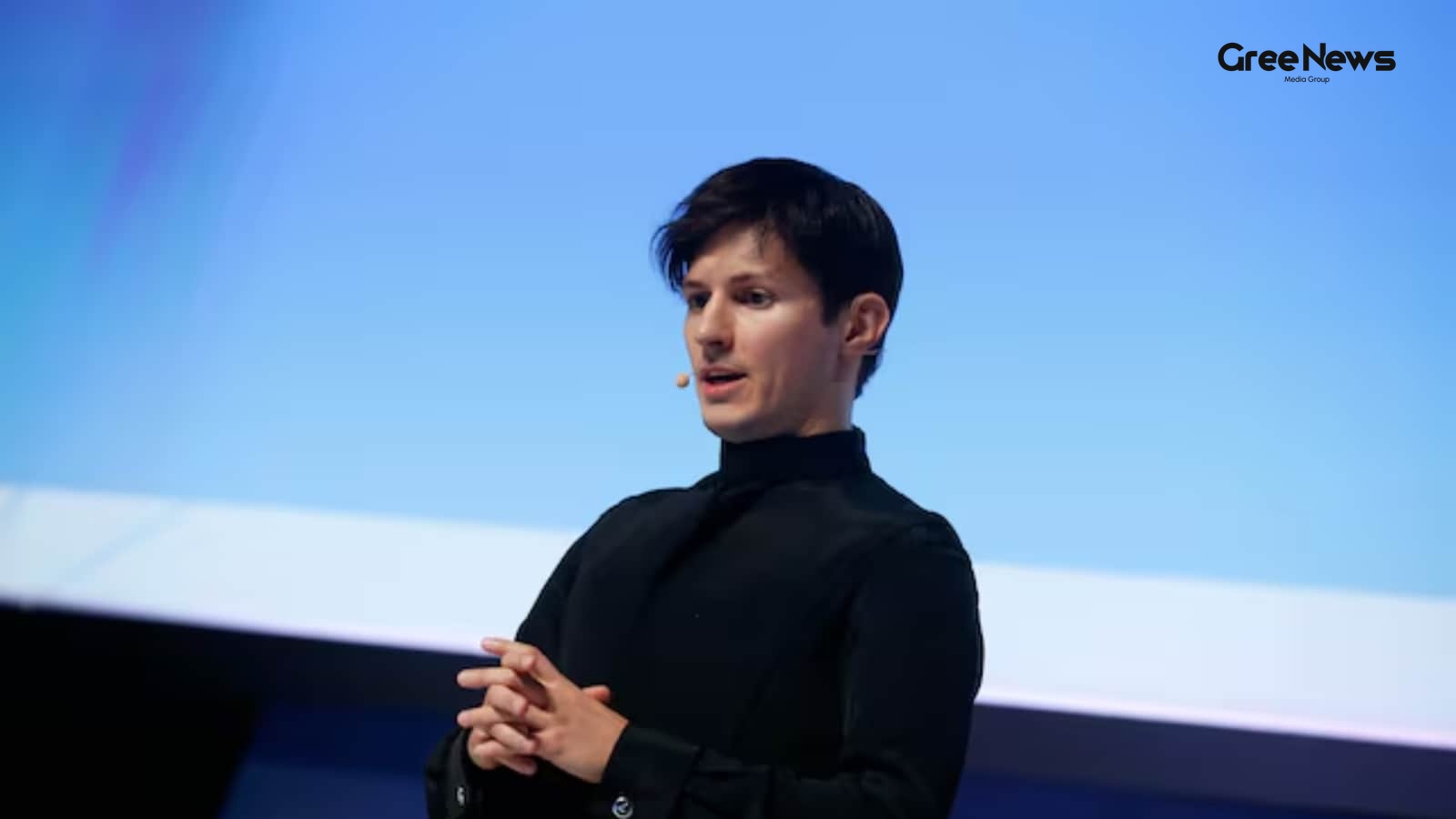
Pavel Durov, the founder of Telegram, stepped in to criticize what the Indian government did. He argued that banning the messaging platform for a week really punishes over 150 million users in the country. The ban itself didn't stop anything, he said. The leaks just moved over to other apps. That wa
Jun 17, 2026 by Gree News Team

The Rising Cost of Living and Rent in Bengaluru
Rising rent and just the sheer daily costs in Bengaluru are starting to worry a lot of young people living alone there. People are really starting to share online how expensive it’s become just to manage a basic lifestyle in the city now. One post from a resident named Shruti went totally viral afte
Jun 17, 2026 by Gree News Team

The Emotional and Financial Struggle of Living in Gurugram
That guy, a software developer, twenty-seven. From Gurugram. He posted it on Reddit, just dropped this mess about money. It went viral, you know? Suddenly everyone was looking at his numbers. He said his monthly salary, that 1.5 lakh figure, doesn't feel high enough. That’s the core of it. The feeli
Jun 17, 2026 by Gree News Team
The History Agreement: Negotiations, Demands, and Geopolitical Shifts
The world is gearing up for whatever signing happens next regarding that history agreement in West Asia. And you know who’s talking about it? Vice President JD Vance. He just said the whole memorandum doesn't even take up two pages. Just that. But what does that mean? It sounds incredibly light, alm
Jun 17, 2026 by Gree News Team
The Security and Political Crisis in Jammu and Kashmir
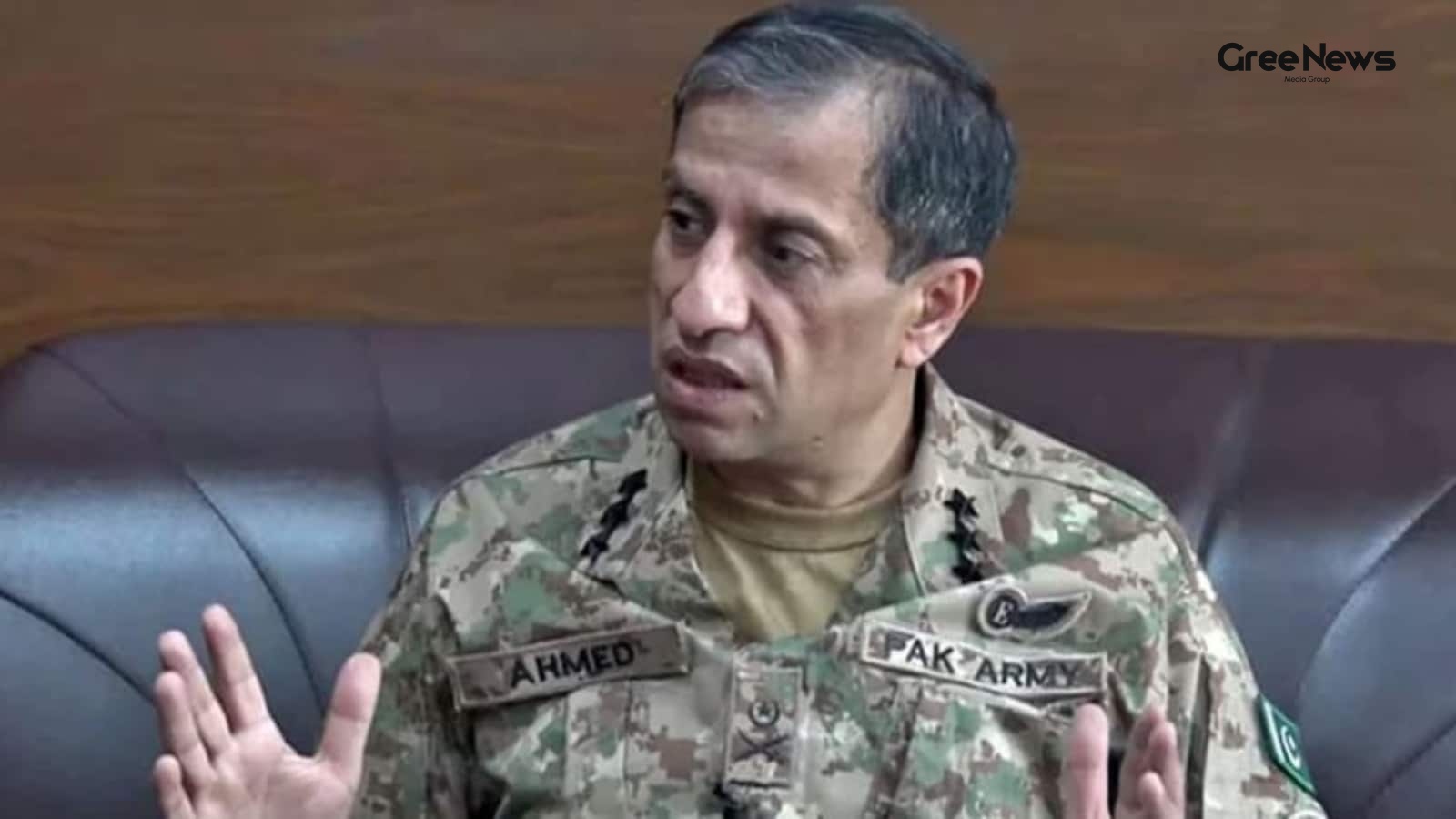
Rawalpindi is running with its usual playbook, blaming foreign intelligence agencies for everything happening in Jammu and Kashmir. It’s massive domestic pushback, unprecedented stuff. The Director General of ISPR, Lieutenant General Ahmed Sharif Chaudhry, just gave an exclusive briefing to the pres
Jun 17, 2026 by Gree News Team
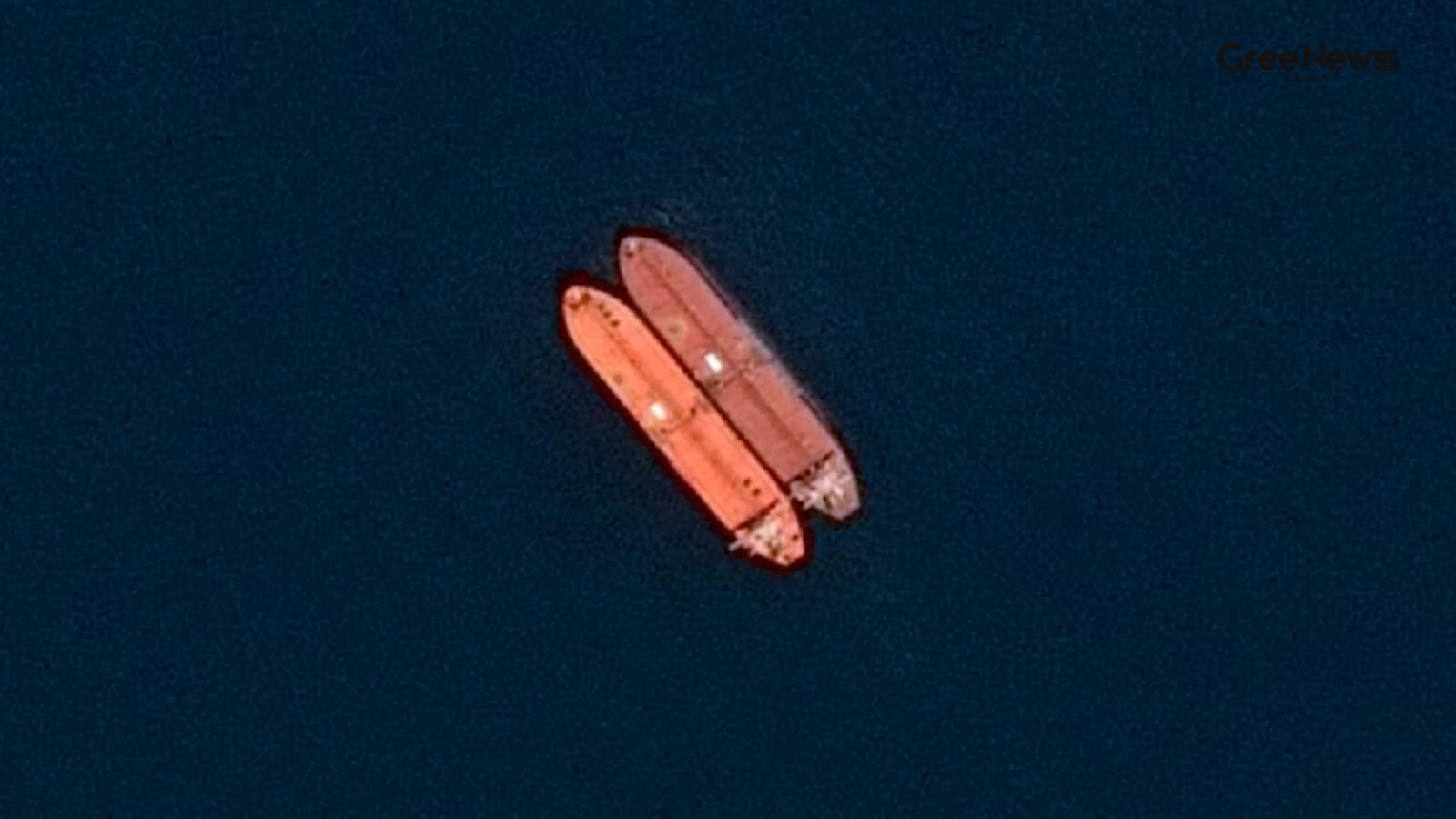
US Military Covert Operation: Bypassing Sanctions via Ship-to-Ship Transfers
The US military has been running this whole covert operation since early May. It’s about moving Gulf oil out of the Strait of Hormuz, using those secretive ship-to-ship transfers. They're basically borrowing a trick from Iran’s playbook on bypassing sanctions. Reuters got wind of it Monday. It’s hap
Jun 17, 2026 by Gree News Team
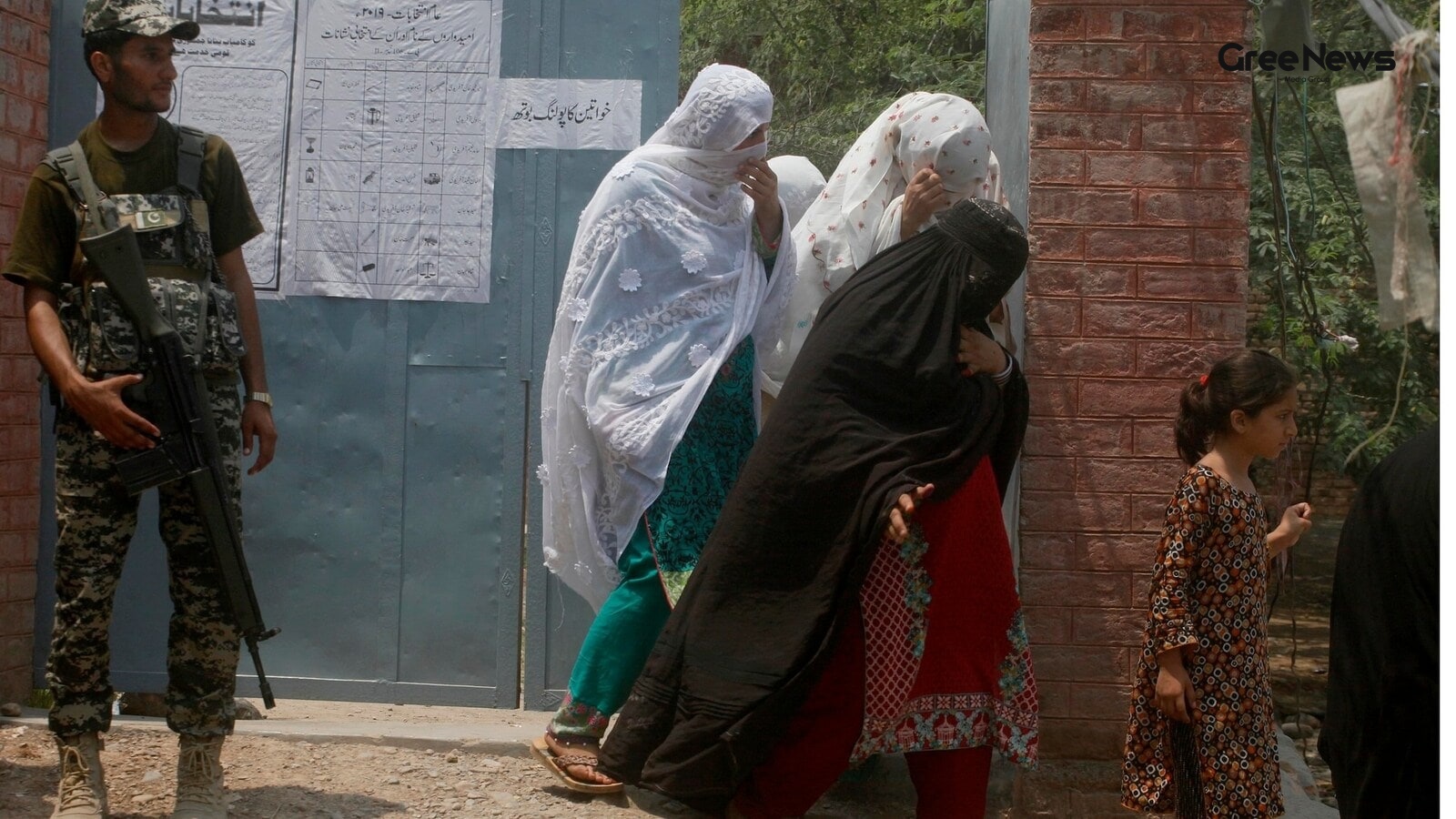
Tax Exemption for Women's Sanitary Products and Contraceptives in Pakistan
The tax exemption for women’s sanitary products and contraceptives has finally landed in the federal budget for 2026-27. It kicks in July 1st. Finance Minister Muhammad Aurangzeb pushed this through as part of the larger federal plan. But there’s more to it than just the numbers on the page. This mo
Jun 17, 2026 by Gree News Team
Justice Served: BSF Jawans Sentenced for Gang-Rape and Acid Attack in Mizoram
Bringing that nine-year legal fight to a close in Mizoram’s district court was something huge. They finally sentenced two Border Security Force jawans to rigorous imprisonment. The charges? Gang-rape and brutal acid attack against a local tribal woman back in 2017. The judge, Additional District and
Jun 17, 2026 by Gree News Team

Erling Haaland Scores First World Cup Goals in Norway Victory
Erling Haaland scored his first World Cup goals. Norway beat Iraq four to one on Tuesday in their very first game at a major tournament in twenty-six years. It happened fast. He turned in from close range for the lead around the twenty-ninth minute in Boston. But Aymen Hussein got level with a heade
Jun 17, 2026 by Gree News Team