The Shifting Geopolitics of the Middle East: Uncertainty and Realignment
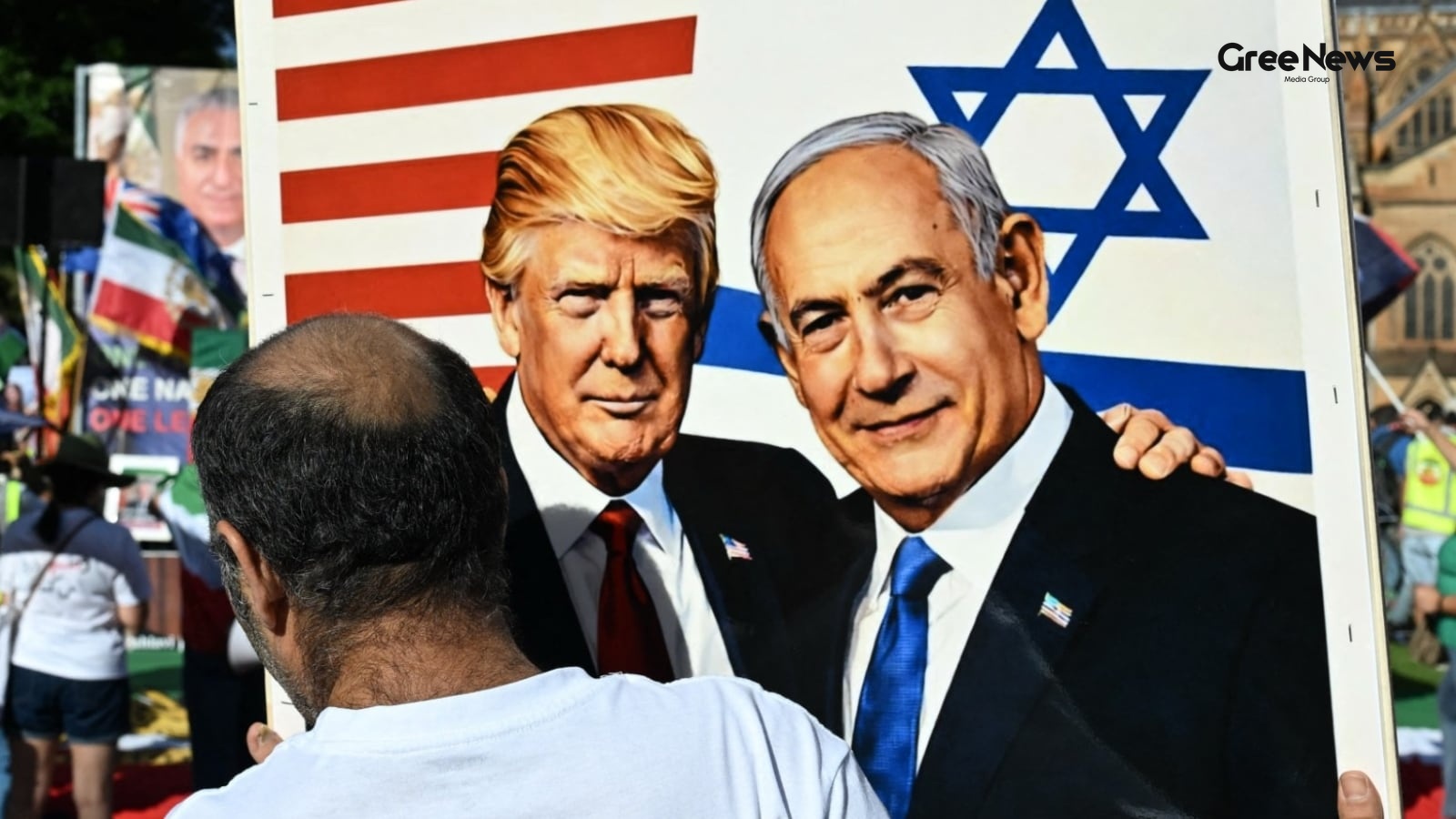
The air around this whole situation feels thin. You know? It’s not just some headline flashing across a screen. It’s that slow, creeping realization that whatever moves happen in the Middle East right now the deals, the threats, the shifting lines on the map they don't follow any neat, predictable path anymore. They just… happen. Like a bad mood you can’t quite name.
We were talking about this whole push for an immediate and permanent end to the military operations across that region. A grand gesture. Some kind of breakthrough. It sounded so clean then. Like the kind of resolution history books write about, the moment when all those tangled threads finally snap into a manageable knot. But reality? Reality is always messier.
The West Asia crisis, right? It’s gone into this new phase. Not just escalating further. Something deeper has kicked in. A forced pause, maybe. Or maybe just a very deliberate staging of the next move. The announcement about bringing that end to the military actions it felt significant. A shift. Especially after all those long, grinding months. One hundred days, they said. One hundred days where things just kept churning, where the tension was a physical thing you could almost taste in the air.
And then there’s the movement of the ships. The idea that Iranian vessels could finally start moving again through the Strait of Hormuz. That vital choke point. It felt like something momentous. A small crack in the massive wall of blockade, if you could even call it a wall. But even that resumption of transit is layered with doubt. It’s not just about shipping lanes. It’s about who holds the power to define those routes now. Who gets to decide what flows where.
But that hopeful sound? It’s immediately undercut by noise. Because you can’t just sweep away a hundred days of conflict and expect silence. You get resistance everywhere. And right in the middle of it all, there’s this massive fissure opening up between the players involved.
Israel, for instance. They are pulling back. Distancing themselves from whatever framework was being discussed. Netanyahu, that name keeps coming up, stressing that any deal brokered by the US and Iran wouldn't stick, wouldn't bind them. It’s a stark reminder that these aGreements, this supposed relief, they exist on one plane for some people, and another entirely for others. A political reality you have to contend with. The sense of shared momentum dissolves instantly when national interests slam into each other like colliding trains.
It makes you wonder about the foundation everything is built on. If a deal can be made, does it actually solve the underlying rot? Or does it just pause the bleeding until the next inevitable fight starts up somewhere else? That’s the perpetual question hanging over every diplomatic move in this theater.
Then you have Trump stepping onto that stage. Attending some G7 Summit in France, apparently. And what he throws out then it shifts the focus entirely. It stops being just about the Iran-US axis for a moment and starts looking sideways, to other vectors of conflict. He suggested something about Hezbollah. A new approach needed there. Something involving Syria.
It’s always that kind of pivot, isn't it? From immediate crisis management to long-term strategic realignment. It suggests a complete rethinking of the chessboard. If one side can’t manage the situation alone if they can’t handle the pressure against Hezbollah effectively then someone else has to step in. Someone with different leverage points.
And that leads directly into the observation about Syria, specifically President Ahmed al-Sharaa. Trump praised him. Called him doing an “amazing job.” That kind of praise, delivered on a global stage, carries a weight you can’t ignore. It’s not just flattery. It’s a statement of perceived necessity emerging from a very specific calculation about power dynamics.
“If Israel can’t do the job (against Hezbollah) without killing everyone else,” he put it out there, and then he pivoted. “Then he (Sharaa) will do the job. Syria will do the job.”
That sentence is heavy with implication. It strips away all the diplomatic pleasantries. It boils down to a brutal equation of capability versus necessity. It suggests that the current arrangement the one involving Israel, and the immediate regional actors is fundamentally insufficient. There’s a gap. A void where effective action should be happening. And someone has to fill it. Someone with different tools, different alliances, perhaps even different priorities than the ones currently being debated in Washington or Tehran.
This isn't just about military strategy anymore. It’s about who gets to define security. Who gets to dictate the terms of de-escalation? Is the solution something that flows from a negotiated truce between two main antagonists, or is it something that requires an intervention from a third party, someone like Syria, operating under very specific and perhaps even competing external influences?
The complexity just multiplies when you look at these shifting alliances. It’s not a simple cause and effect chain anymore. It’s layers of intention colliding with layers of capability. You have the immediate pressure points, the blockade, the border skirmishes, and then you have this much larger strategic dance involving proxy forces and regional powers deciding who gets to hold the reins.
And that's where the real uncertainty lives. When a statement is made like that praising one actor’s capacity while implying another must step up it opens up a whole new set of political possibilities. It introduces variables that were previously sidelined. You start looking at how those regional dynamics, these internal struggles within Syria and Lebanon, are going to play out now that the external focus has shifted onto them.
It’s not just about military force anymore. It's about influence. It’s about which narrative becomes dominant when the immediate pressure eases up, or perhaps even when it doesn't ease at all. The silence after a big statement can be deafening. It leaves you staring into the void where certainty used to reside.
We have to watch how this plays out in the next few weeks. Because whatever framework is being discussed whether it involves Hezbollah’s posture, or Syria’s willingness to act as a fulcrum it’s all contingent on these high-level political calculations made far away from the actual ground level chaos. The implications ripple outwards. They don't stay confined to the diplomatic halls. They infect the daily lives of people who have nothing to do with the grand strategy, only the very real consequences when that strategy is executed or deliberately ignored.
The human element in all this feels so fragile. People are living through these calculated maneuvers. Their security, their future it’s all hanging on these incredibly high-stakes decisions being made by people operating at such a distance. It makes you feel small, doesn't it? Like watching pieces on an impossibly large board, knowing that every move has consequences far beyond what anyone can fully grasp in the moment.
And that feeling of having no clear track that’s perhaps the most unsettling part. The reporting isn't just about what happened yesterday. It's about where things *might* go tomorrow. And those possibilities are vast, messy, and utterly resistant to neat categorization. They resist being put into a simple sequence because the actual forces at play are so deeply interwoven with historical grievances, local ambitions, and massive international power plays that they refuse to be simplified for easy consumption.
It’s just watching the shadows move across the landscape. Waiting to see if this new alignment, this proposed shift in responsibility whether it's a formal alliance or just an unspoken aGreement between regional powers will actually translate into anything tangible on the ground. Or if it remains just another layer of rhetoric, another set of promises made under the harsh glare of international scrutiny, destined to fade back into the noise. That’s where the real story is unfolding now. Right there in the messy space between what is said and what actually happens.
Written by Gree News Team — Senior Editorial Board
Gree News Team covers international news and global affairs at Gree News. Our collective of senior editors is dedicated to providing independent, accurate, and responsible journalism for a global audience.
More from World
View All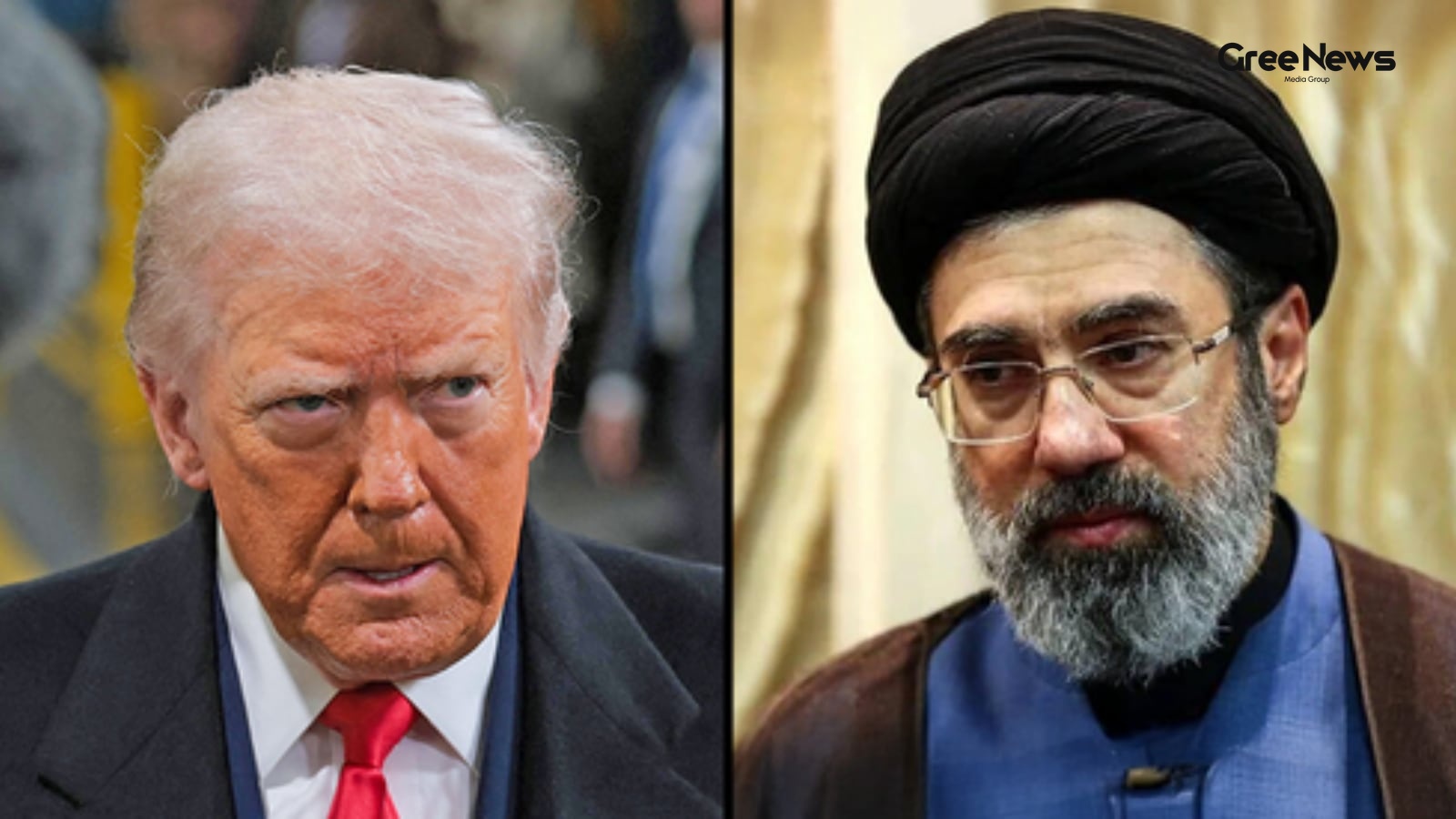
The $300 Billion Investment Fund for Iran and the Peace Framework
That $300 billion figure for Iran is really starting to look like one of the biggest sticking points in whatever peace framework the Trump administration is pushing with Tehran right now. If they actually nail this deal, it changes everything. It means the first major investment tied directly to the
Jun 17, 2026 by Gree News Team
Geopolitical Tension and Maritime Security at International Summits
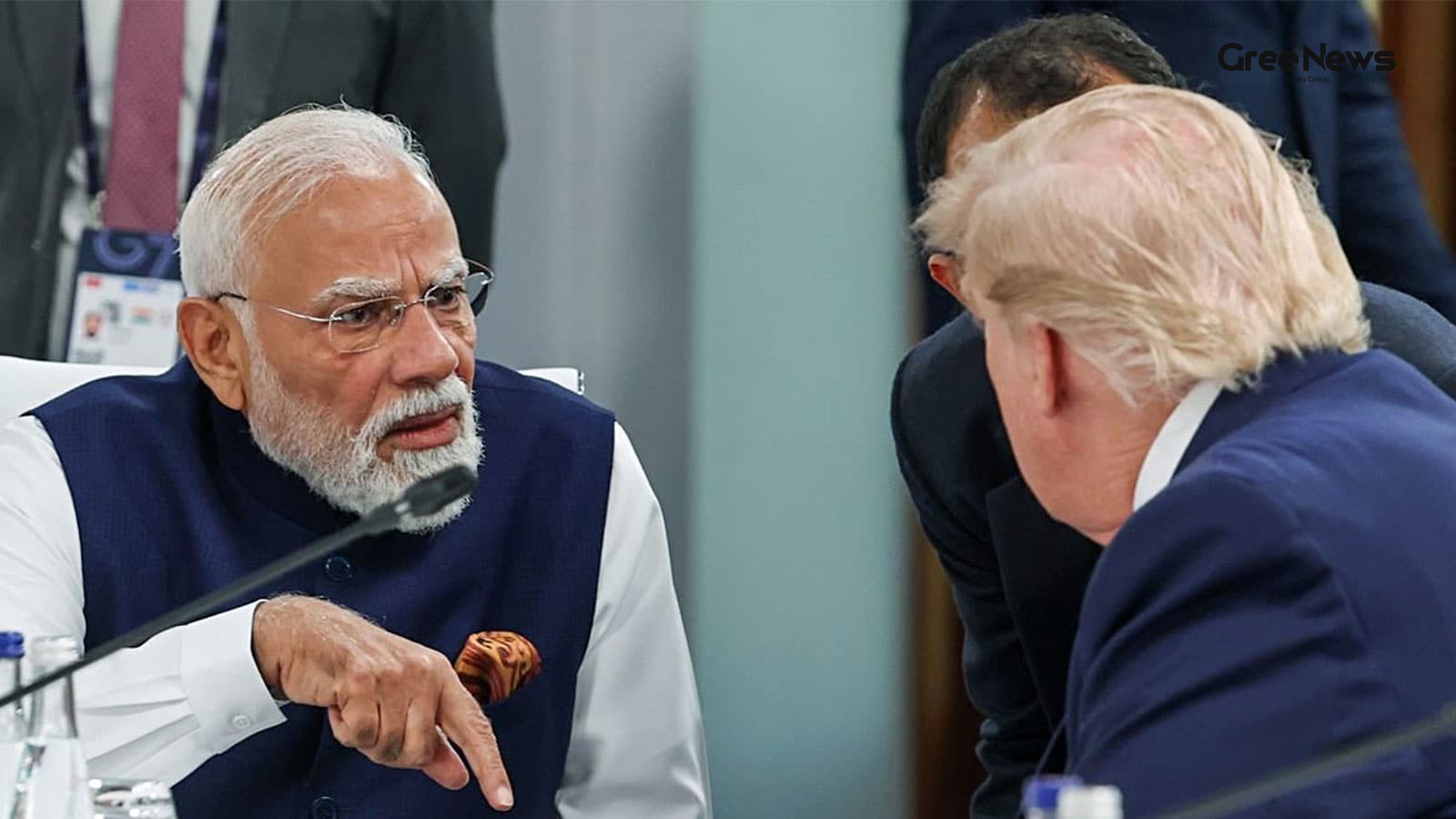
The air around international summits always smells different. It’s thick with unspoken deals and simmering tensions. And right now, that tension is particularly sharp as we look toward France, where Prime Minister Modi and President Trump are scheduled to meet on the sidelines of the G7 Summit. Wedn
Jun 17, 2026 by Gree News Team
Satellite Imagery Reveals Oil Transfers in the Gulf of Oman and Strait of Hormuz
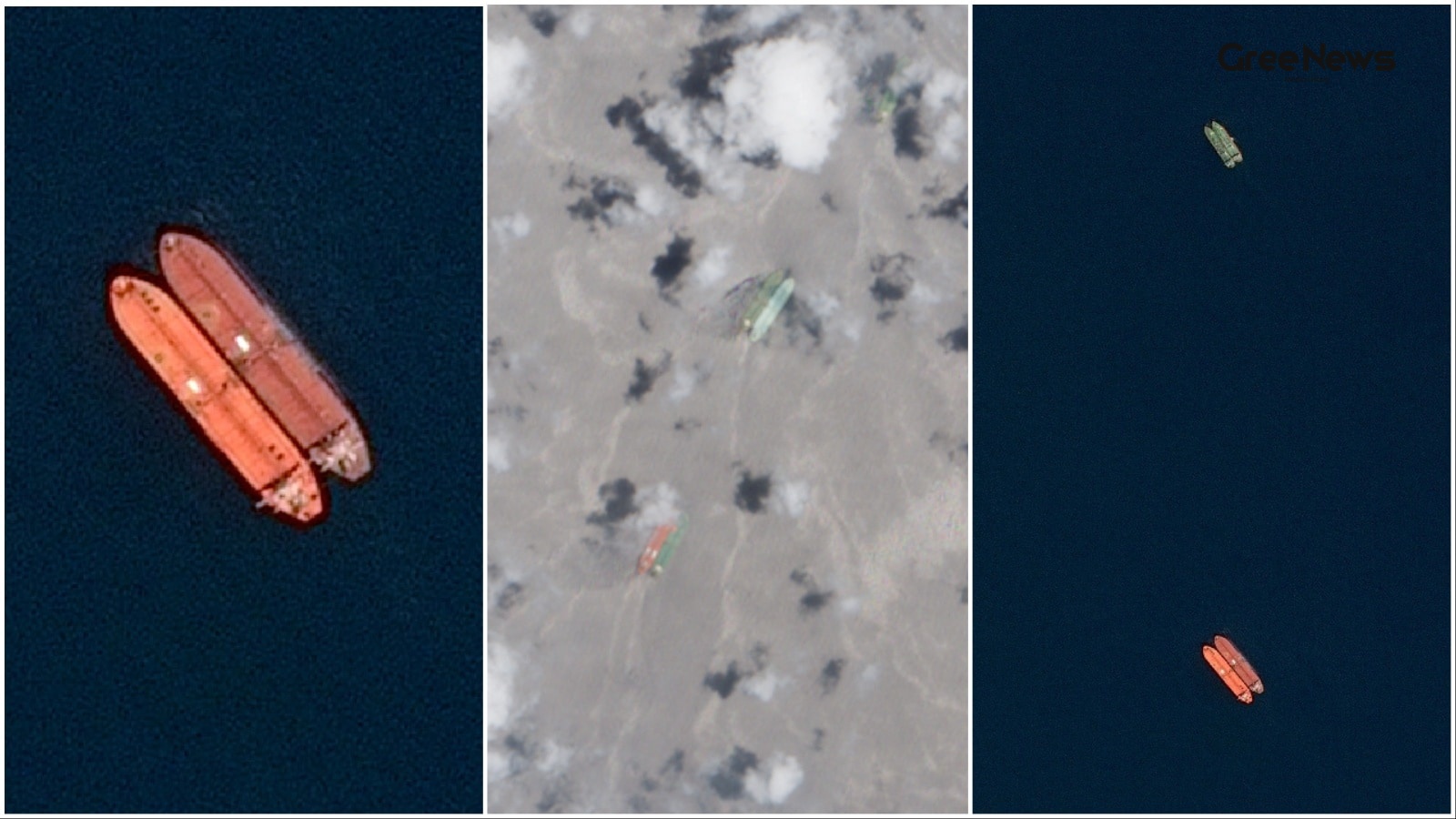
Satellite images from May 2nd through June 11th reveal something pretty intense happening in the Gulf of Oman and near the Strait of Hormuz. It’s a sprawling network of tankers moving oil offshore, side by side for extended periods. We’re talking about transfers happening at least two spots: one off
Jun 17, 2026 by Gree News Team
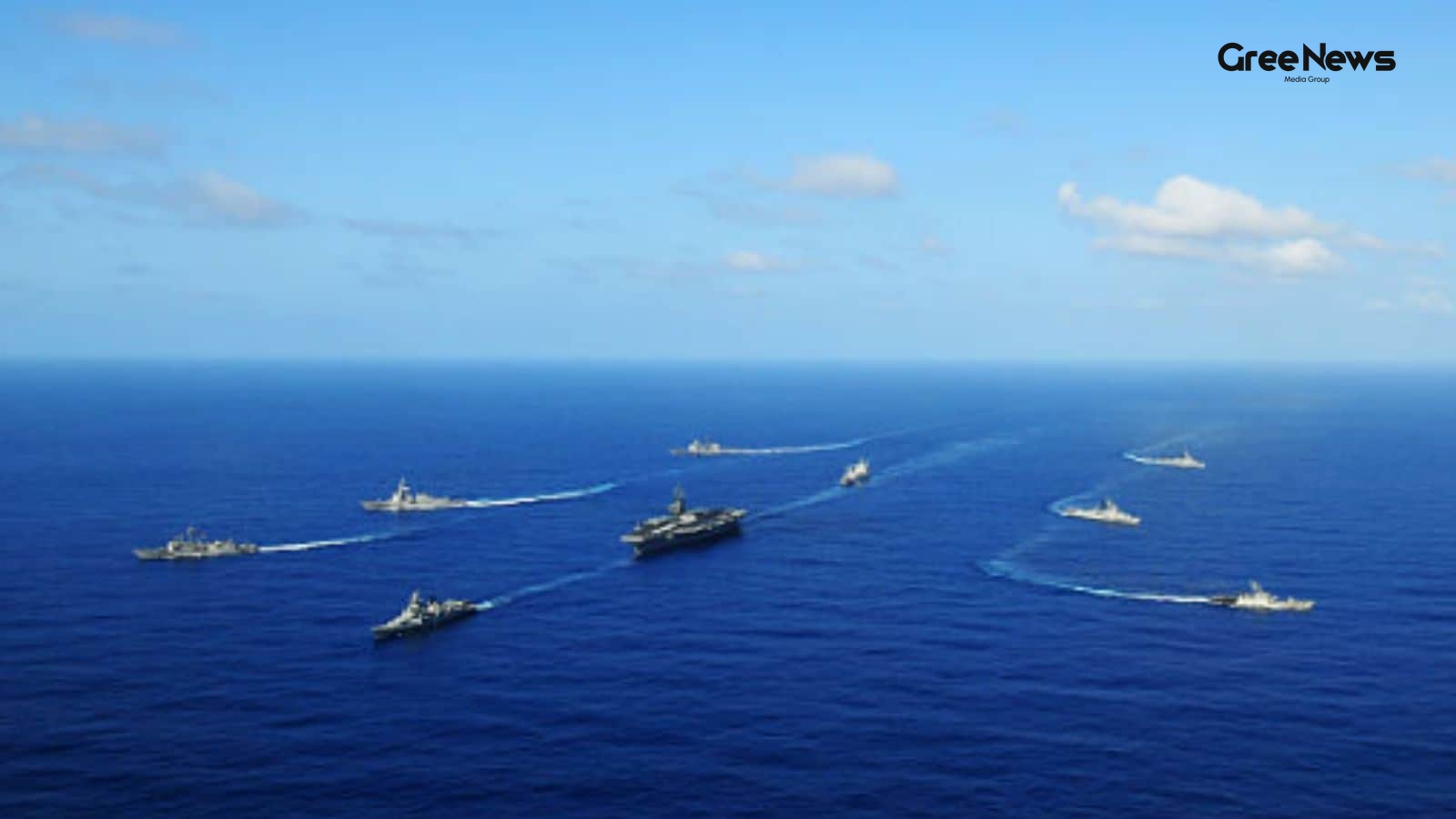
Restoration of USPACOM: History and Geopolitical Context
They just announced something about a command name change. It’s kind of buried in the details, really. The US Department of War, which used to be called the Department of Defense that’s where this is coming from said they are dropping ‘INDO’ from the name of its oldest and largest unified combatant
Jun 17, 2026 by Gree News Team
Latest Headlines
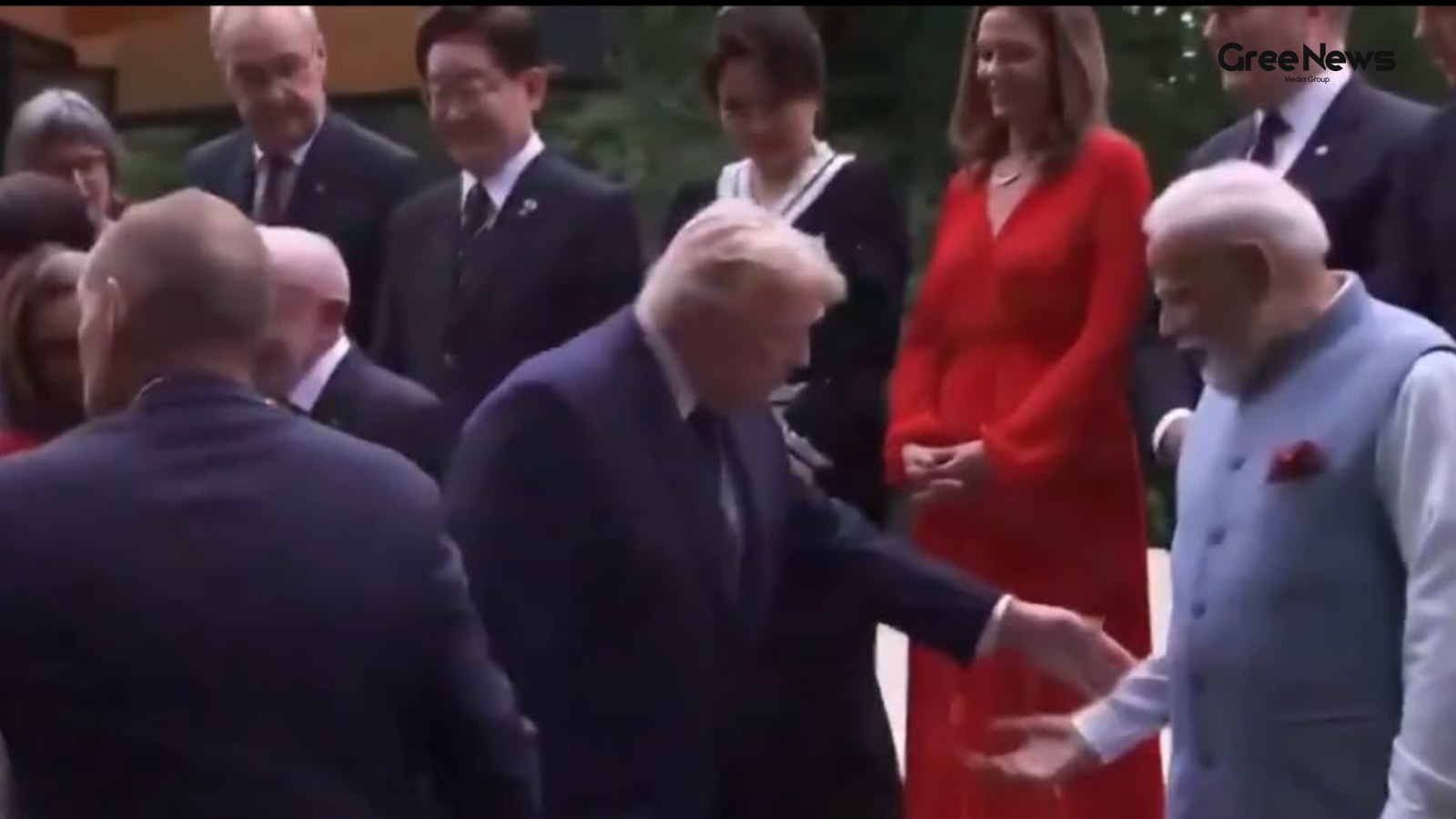
The Geopolitics of the Handshake: Analyzing the Trump-Modi Moment
The whole thing just sort of exploded online, didn't it? That little clip from the G7 Summit. It wasn’t some grand strategic maneuver or anything massive. Just a moment, really. Trump reaching for Modi’s wrist while they were walking up those steps in that French spa town, Evian-les-Bains. Suddenly,
Jun 17, 2026 by Gree News Team
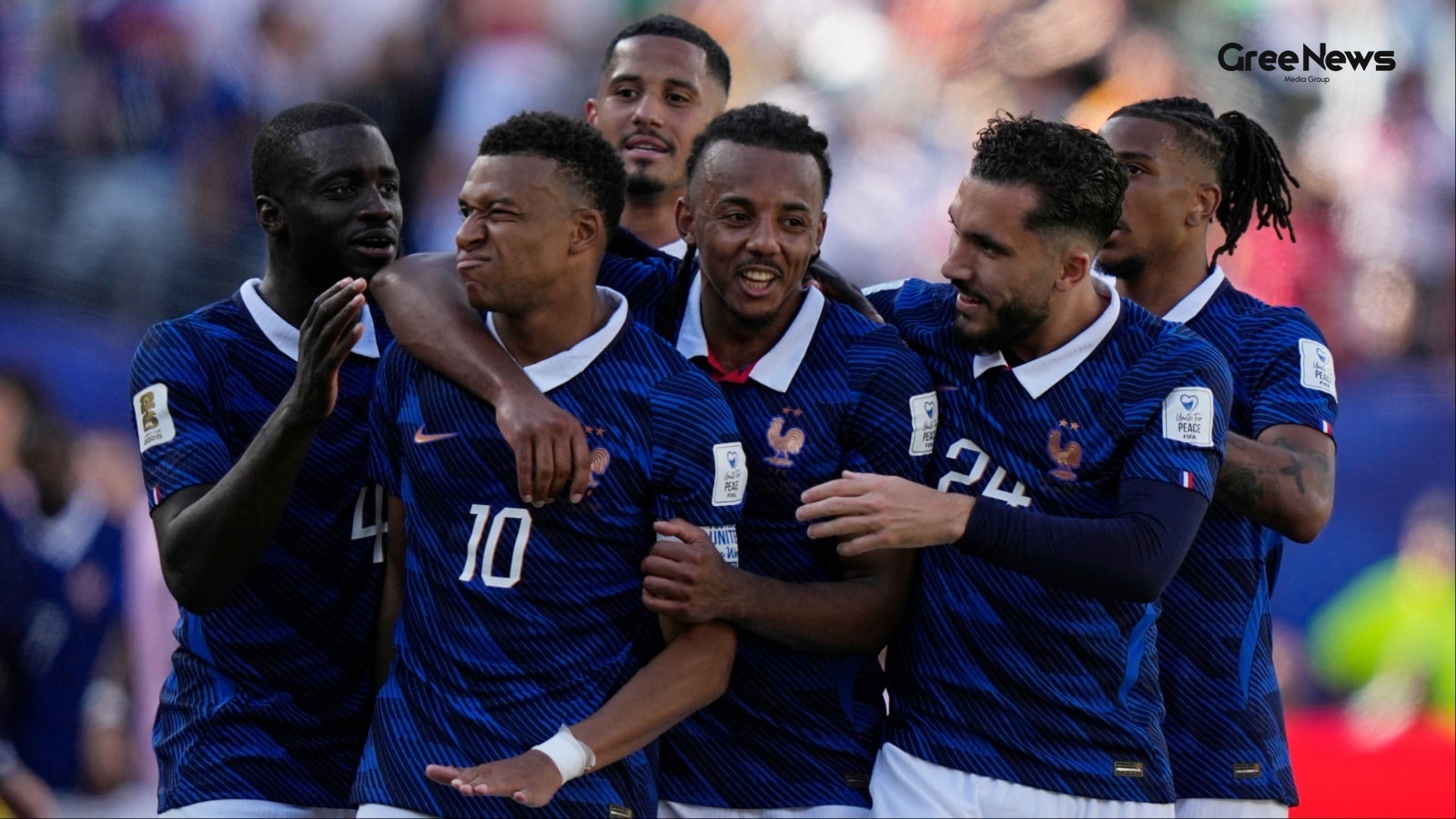
Kylian Mbappé's World Cup Legacy and Match Highlights
Kylian Mbappé took his career World Cup tally to fourteen. Two behind Miroslav Klose. And Bradley Barcola was also on target for Les Bleus. That’s what happened in that game against Senegal, securing those three points for Didier Deschamps. Mbappe darted across the box. A brilliant pass from Michael
Jun 17, 2026 by Gree News Team
The $300 Billion Investment Fund for Iran and the Peace Framework
That $300 billion figure for Iran is really starting to look like one of the biggest sticking points in whatever peace framework the Trump administration is pushing with Tehran right now. If they actually nail this deal, it changes everything. It means the first major investment tied directly to the
Jun 17, 2026 by Gree News Team
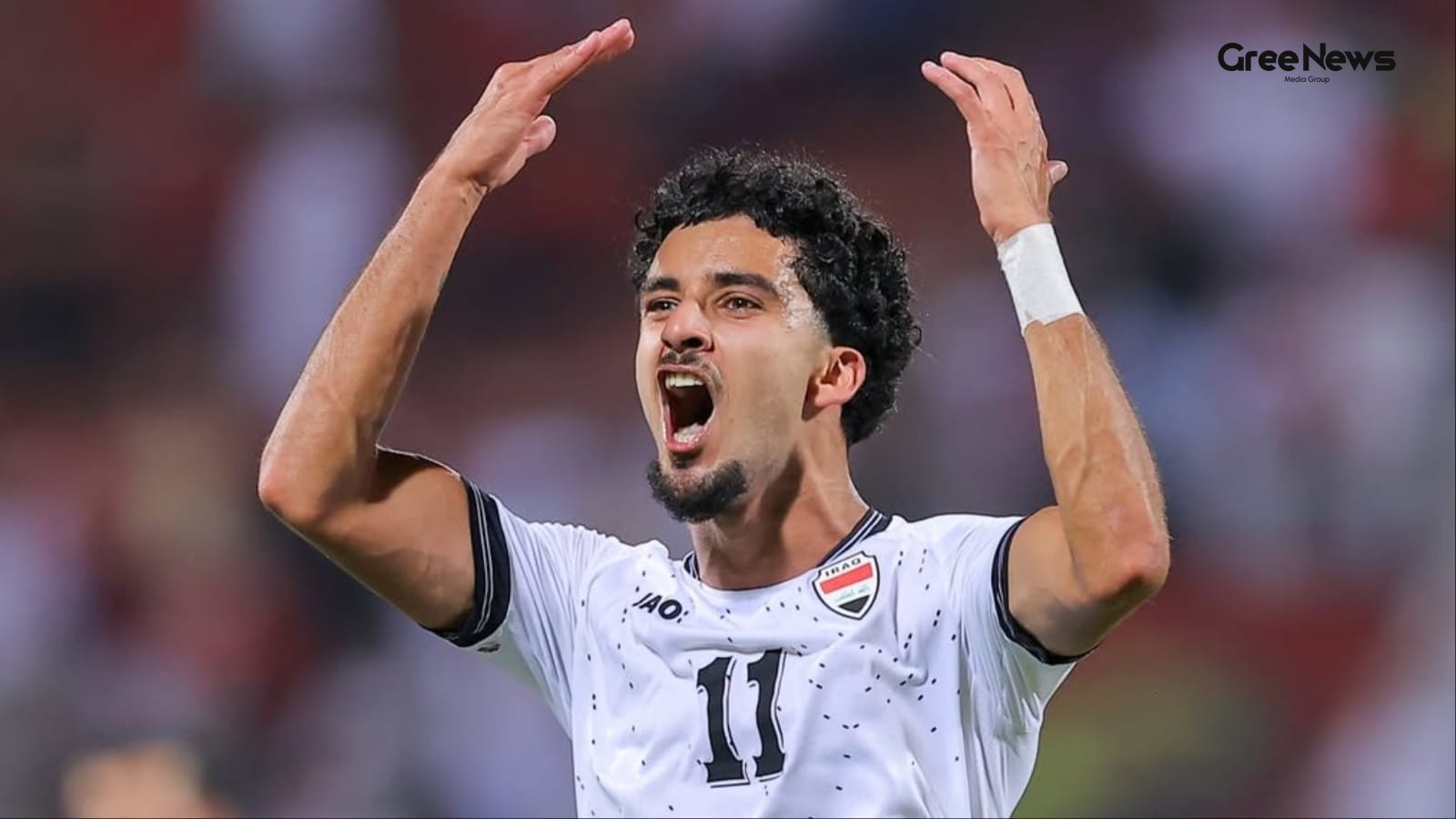
The Collision of History and Possibility in Global Football Narratives
the air around that moment, you know? it wasn't just football. it was something else entirely. a strange collision of history, geography, and sheer, raw possibility unfolding on the pitch in Boston. zidane iqbal. the name itself carries this weight, doesn’t it? not just for the goals, but for what t
Jun 17, 2026 by Gree News Team
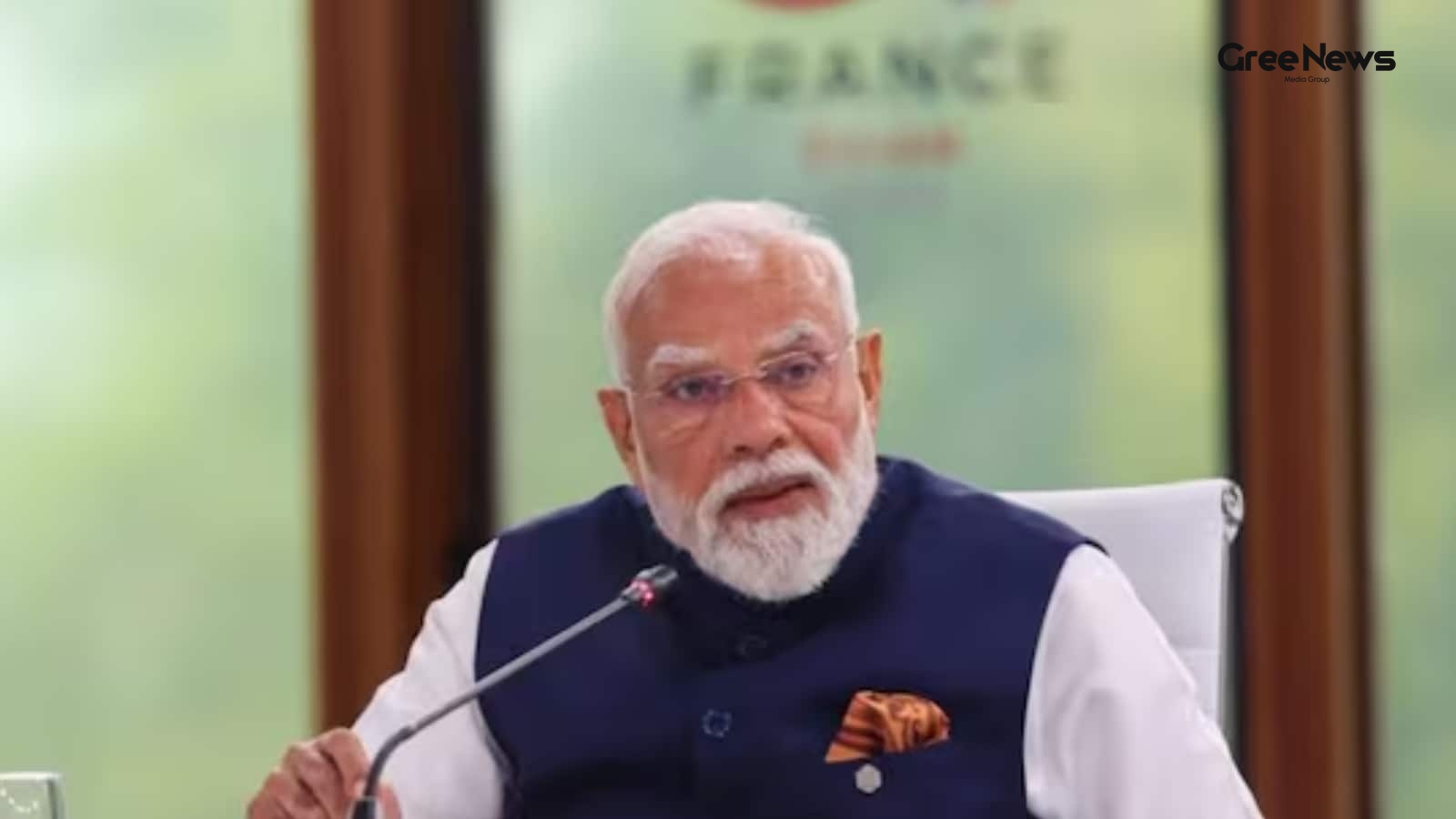
Maritime Security, Global Interdependence, and the Call for Trust
Prime Minister Modi brought this up during a G7 session, right in the middle of big international talks with leaders like Trump. It wasn’t just some standard talking point; it felt heavy, almost immediate. The backdrop was those three Indian sailors killed in that US military strike off the Omani co
Jun 17, 2026 by Gree News Team

Sanchita Ugale's Passing: Mental Health Struggles and Investigation
Sanchita Ugale’s passing really hit people hard. It wasn't just shock. It opened up this huge conversation about mental health, something everyone was grappling with right away. There were reports floating around that she had been struggling with mental health issues for some time before everything
Jun 17, 2026 by Gree News Team
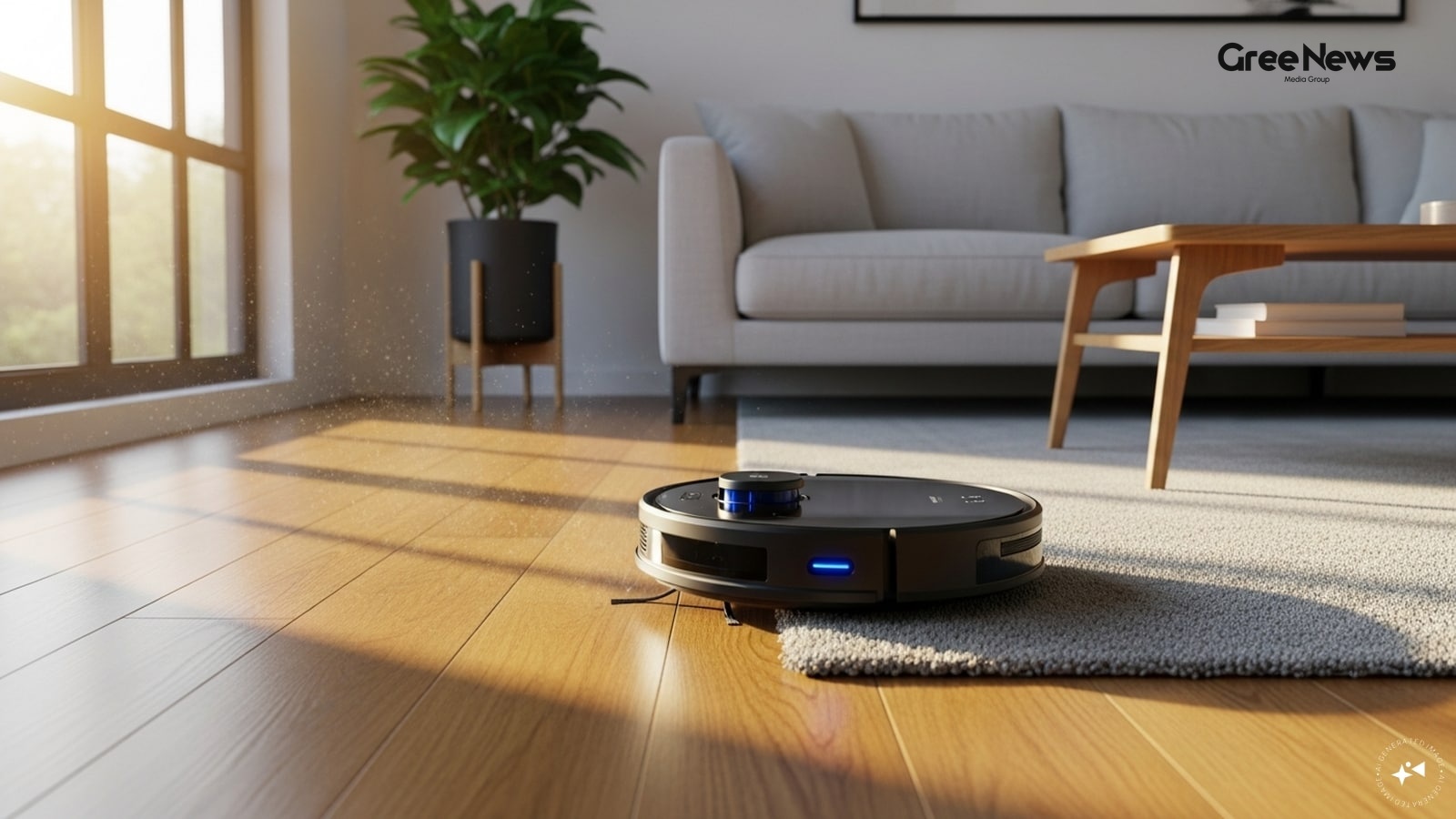
Robot Vacuum Reviews and Telegram Messaging Incident in India
Keeping floors clean isn’t usually hard. Keeping them clean every day is the real challenge. Dust settles surprisingly quickly, crumbs just appear out of nowhere. Pet hair finds every corner of the house somehow. That's why robot vacuum cleaners have become so popular. They don’t replace deep cleani
Jun 17, 2026 by Gree News Team
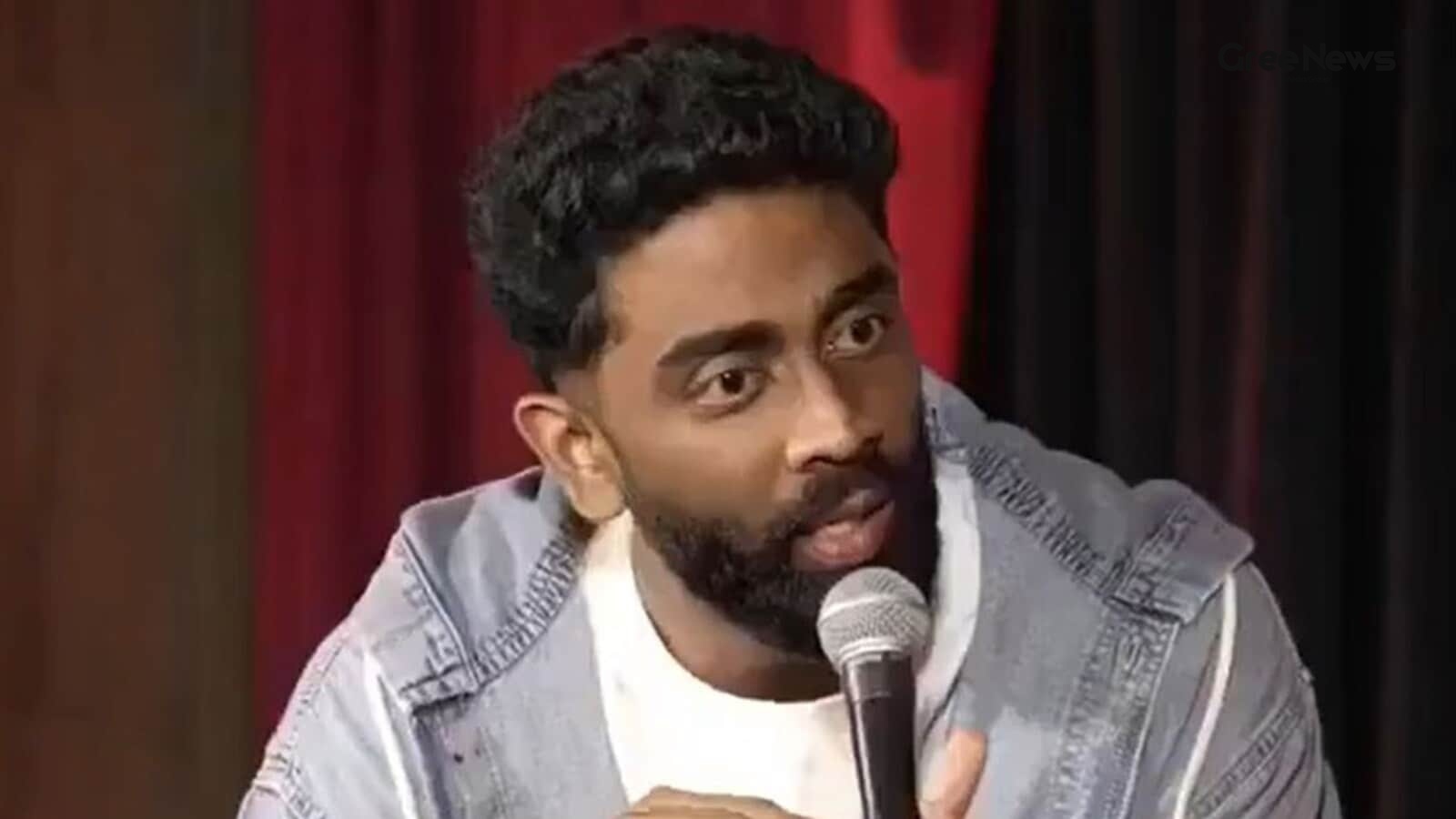
Legal Trouble and Controversy Involving Pranit More and Himanshu Jangra
The noise around Pranit More isn't going to quiet down anytime soon. Gurugram police just slapped another FIR on the stand-up comedian. The reason? That ridiculous 'Rs 370 Biryani' comment. But it’s not just about him. Himanshu Jangra, the tech guy who actually made those remarks, is also named in t
Jun 17, 2026 by Gree News Team
Geopolitical Tension and Maritime Security at International Summits
The air around international summits always smells different. It’s thick with unspoken deals and simmering tensions. And right now, that tension is particularly sharp as we look toward France, where Prime Minister Modi and President Trump are scheduled to meet on the sidelines of the G7 Summit. Wedn
Jun 17, 2026 by Gree News Team

Indian Equities Market Update and Corporate News
Stocks moving today are going to be kind of slow, maybe a bit muted. The Indian equities market is expected to start Wednesday without much real momentum, especially after that Iran-US peace deal stuff cooled things down a bit. SGX Nifty already signals a soft opening for India. As of the morning, i
Jun 17, 2026 by Gree News Team
Satellite Imagery Reveals Oil Transfers in the Gulf of Oman and Strait of Hormuz
Satellite images from May 2nd through June 11th reveal something pretty intense happening in the Gulf of Oman and near the Strait of Hormuz. It’s a sprawling network of tankers moving oil offshore, side by side for extended periods. We’re talking about transfers happening at least two spots: one off
Jun 17, 2026 by Gree News Team
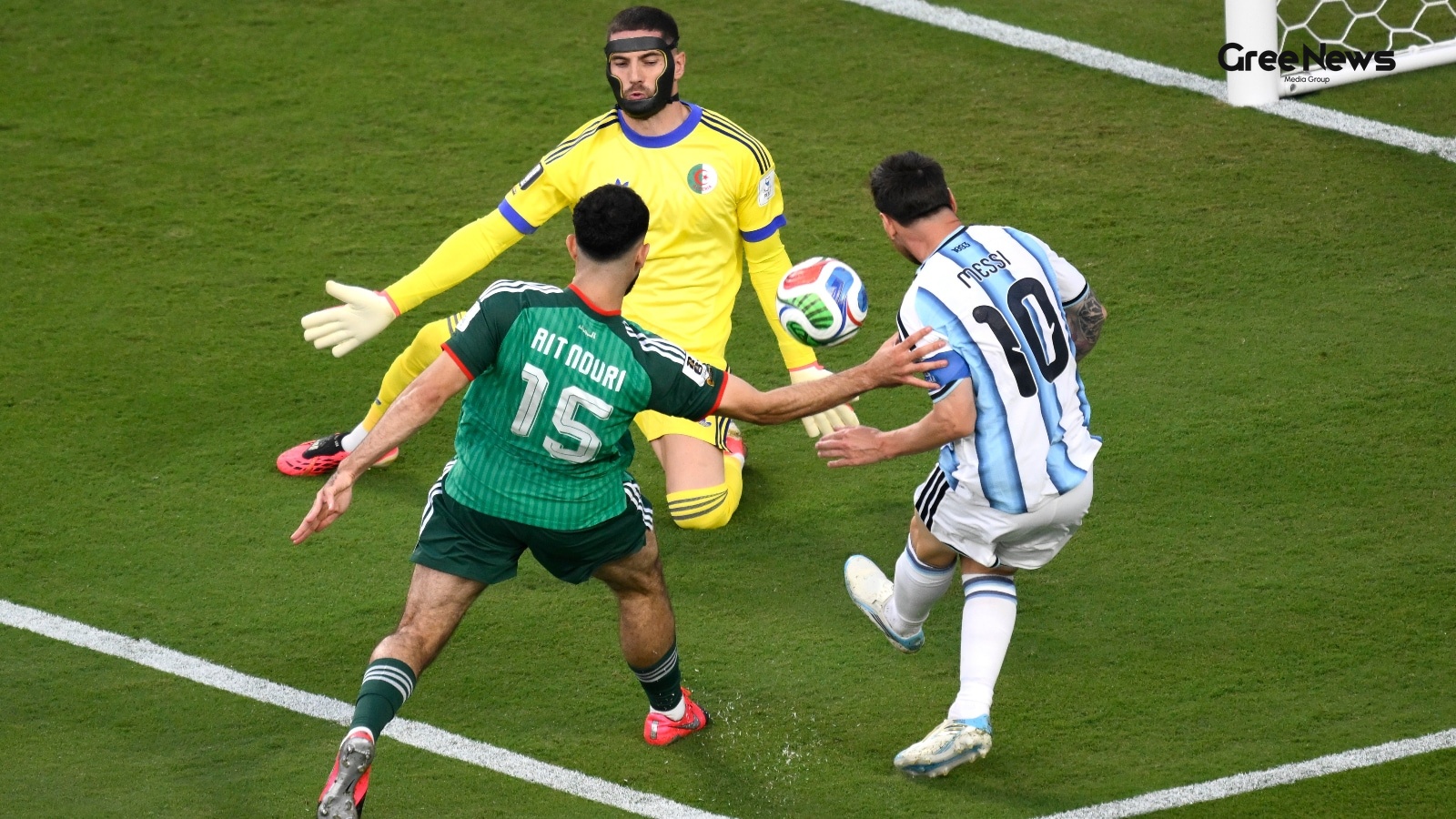
The Psychology of Performance: Legacy, Media, and the Narrative of Football
Argentina versus Algeria. The World Cup 2026 kickoff in Kansas City felt like something else entirely. Twenty years on, and you still see it. Messi. He just put on a show. A hat-trick. Three goals in a solid three-nil win against Algeria. It wasn't just a game; it was a reminder of everything. The w
Jun 17, 2026 by Gree News Team
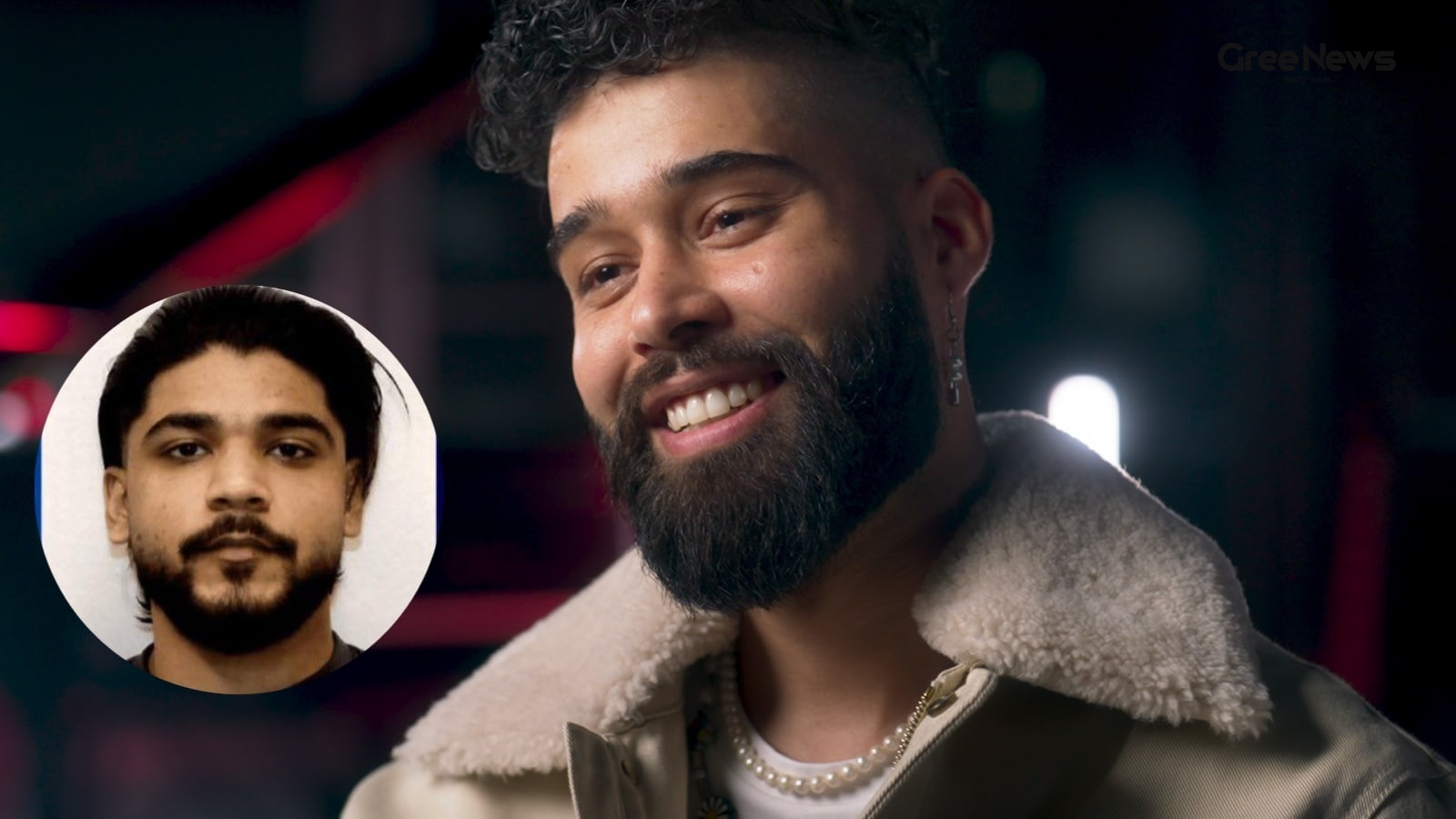
Deportation Order Linked to Organized Crime and the Lawrence Bishnoi Gang
Something big is happening with Punjabi singer AP Dhillon’s house firing case. Canada’s Immigration and Refugee Board just ordered the deportation of Indian national Abhijeet Kingra. The reason? They found him connected to the Lawrence Bishnoi gang. This group, apparently, is involved in a lot of se
Jun 17, 2026 by Gree News Team

Cocktail 2 Rumors: Inside the Queer Speculation and On-Set Reality
It turned out that there was some noise swirling around *Cocktail 2*. A lot of talk about what the film might be about, right? Especially regarding Kriti Sanon and Rashmika Mandanna. Some reports floated around suggesting they were queer, or maybe even exploring something more intimate in the movie.
Jun 17, 2026 by Gree News Team

Karnataka's Standing Order 1061: New Guidelines on Digital Privacy and Cybercrime
A massive new directive just dropped from Karnataka. It’s called Standing Order 1061. It came from the Director General and Inspector General of Police. A big move, they say. Trying to lock down digital privacy and seriously tackle those cybercrimes specifically targeting women. The guidelines are s
Jun 17, 2026 by Gree News Team