The Fragile Geopolitical Framework: Trump, Vance, and Iran Negotiations
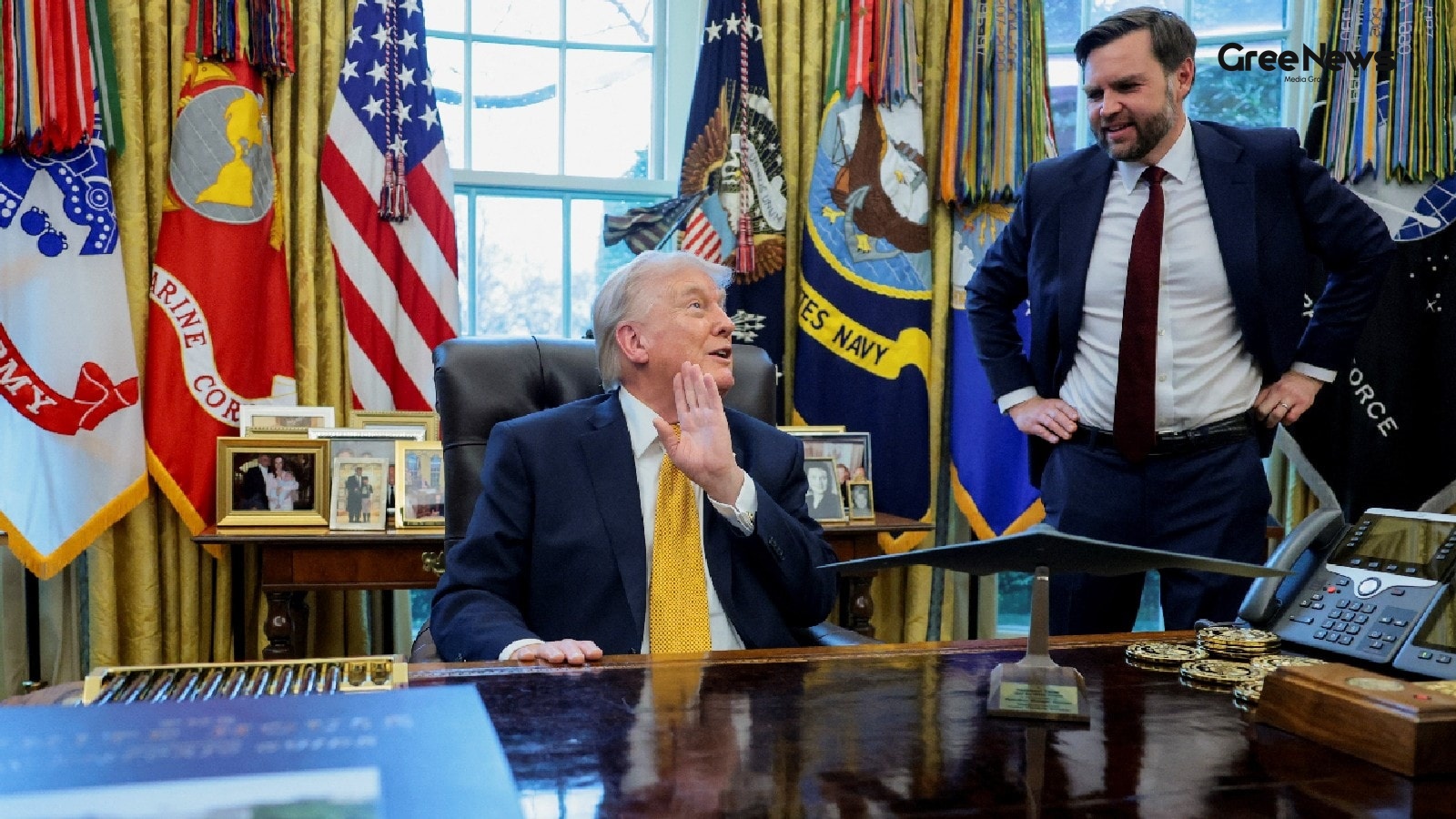
The air around this whole situation is thick, isn't it? It’s not just official statements or press releases; it’s that heavy, almost suffocating silence that comes when two massive powers finally decide to put pen to paper about things that have been boiling for years. We’re talking about Trump and Vance , trying to broker something between Washington and Tehran, and the involvement of Iran's chief negotiator, Mohammad Bagher Ghalibaf .
It all started with this framework aGreement . And it was signed, digitally. That’s the headline, right? A digital handshake across continents that supposedly smooths out some monstrous military hostilities spanning Lebanon and beyond. But you look closer at what “signed” actually means in this high-stakes game. It feels less like a treaty sealed by diplomats and more like an acknowledgment of a temporary ceasefire, a pause button pressed onto an endless war.
Trump , speaking to reporters over there in France on Monday local time he was pretty clear about the roles. Vance , he’s stepping up as the representative for Washington at that big signing event in Switzerland. And Trump himself? He made it sound almost casual. “JD’s coming in for it,” he said. Followed by that slightly ambiguous qualifier: “I may be involved, I may not.” That little pause, that uncertainty woven into the announcement, tells you everything about the nature of these deals. It suggests a carefully managed distance, an attempt to frame something monumental while keeping the true levers of power and potential fallout somewhere safely behind closed doors.
And then there’s the background noise. The fact that this aGreement didn't just emerge from some isolated negotiation room is crucial. We have to remember who was sitting at the table, or rather, who was facilitating it. Pakistan and Qatar were brought in as mediators. That detail alone changes the entire narrative. It means the process wasn't a pure bilateral affair; it was filtered through regional players whose own interests and existing rivalries are now inextricably linked to this fragile arrangement. You can’t just look at the outcome; you have to see the messy web of influence that got there.
The official confirmation, as reported by those in government circles cited by The New York Times, suggests that the framework aGreement itself had already been electronically signed between Trump , Vance , and Iran’s chief negotiator, Ghalibaf . That digital signature is just the starting line. It sets a baseline, an aGreed-upon intention, but it doesn't actually resolve everything hanging over the region. The real substance, the meat of what this means for the streets, for the oil markets, for the nuclear countdown that’s supposed to come out after the formal ceremony.
Vance himself jumped in and confirmed that the signing happened digitally yesterday, on the Good Morning America programme. He stressed that the complete text would likely be made public later this week. Trump echoed this sentiment: details would be released “sometime after Friday.” See how slippery that language is? It’s designed to manage expectations while obscuring specifics. When you deal with this level of geopolitical maneuvering, vagueness isn't accidental; it’s a deliberate tactic.
The context behind the necessity of this aGreement that’s where things get really complicated. This wasn't some theoretical exercise in diplomacy. It follows a genuine breakthrough, an acknowledgment that military hostilities across multiple fronts, particularly those involving Lebanon, had reached a point of unsustainable cost. The goal was immediate and permanent cessation of fighting. But achieving that doesn't erase the underlying grievances. It just puts a pause on the bloodshed.
Now, let’s pivot to what this supposed peace actually unlocks. One of the most tangible promises made in these high-level talks is about maritime access. Trump talked about reopening the Strait of Hormuz . That strait isn’t just some arbitrary waterway; it’s absolutely critical. It channels a massive share of global oil and liquefied natural gas trade. If that route is choked or threatened, the ripple effect hits every economy instantly. The promise was immediate removal of the US naval blockade there, and ensuring heavy tankers could move with priority.
And if that promise holds water if the Strait opens up as they suggest by Friday then we’re talking about a sudden, dramatic shift in global energy dynamics. Oil prices would swing wildly. Energy supply lines would be instantly reconfigured. It's not just about shipping; it’s about global economic stability hanging on this delicate arrangement.
Meanwhile, the internal negotiations inside Tehran are clearly still very much underway. Deputy Foreign Minister Kazem Gharibabadi offered a slightly more cautious outlook regarding the future trajectory. He emphasized that the memorandum isn't the final word. It is explicitly stated to serve as the foundation for further talks. Sixty days . That gives the process breathing room, but it also injects massive uncertainty into the immediate atmosphere.
What are those sixty days going to be filled with? The substance of the deal remains frustratingly opaque. Iranian officials have made it clear that Tehran will be watching US compliance extremely closely before any final settlement is considered legitimate. And what concerns everyone involved the regional players, the international observers is the persistent friction over the core issues. Nuclear activities . Sanctions relief . The freezing and eventual release of those frozen Iranian assets. These aren't footnotes; they are the central pillars upon which true long-term stability must rest.
The fact that differences persist on these points is glaring. You have a framework for stopping the shooting, but you still have unresolved tectonic plates beneath it. Regional security arrangements are another sticking point. It suggests that while the military conflict might pause, the underlying political and territorial disputes remain fiercely alive.
This lack of clarity breeds suspicion. When things feel this deliberately ambiguous, people start looking for hidden agendas. Iranian officials stressing their right to monitor compliance naturally feeds into that suspicion from Washington and other external observers. It’s a classic standoff: one side wants immediate relief or action; the other demands full accountability before any concession is made.
The whole process feels less like diplomacy and more like a game of chicken played with extreme risk. Everyone involved seems acutely aware that this aGreement could be a fleeting moment, easily undone by future political shifts or renewed military posturing. The digital signing provides a veneer of finality, but the real work the painstaking, often brutal negotiation over sanctions and nuclear posture is clearly just beginning its agonizing crawl toward completion.
Think about the observers watching this unfold. They are not focused on the symbolic act in Switzerland. They are looking at the infrastructure: how quickly can those tankers move? How reliable is the promise of an open strait? And most importantly, what happens when the next political cycle begins? Will the momentum gained here be sustained, or will old grievances simply resurface once the immediate pressures ease?
The complexity isn't just in the technical details of oil routes or nuclear schedules. It’s in the human element. The deep-seated distrust between these nations means that every concession is viewed through a lens of potential betrayal. There’s an observational political tone here, one recognizing that peace treaties are rarely clean documents; they are messy compromises written in shifting sands.
The narrative shifts constantly. One moment you have the hope for immediate maritime freedom. The next, you have the lingering shadow of sanctions enforcement. And always underneath it all is the constant, unnerving realization: this deal exists in a fragile state, held together by digital signatures and tenuous regional mediation, waiting for the real test to begin. It’s less about victory achieved and more about survival managed minute by agonizing minute. The silence that follows these announcements isn't peace; it’s simply the sound of things holding their breath.
Written by Gree News Team — Senior Editorial Board
Gree News Team covers international news and global affairs at Gree News. Our collective of senior editors is dedicated to providing independent, accurate, and responsible journalism for a global audience.
More from World
View All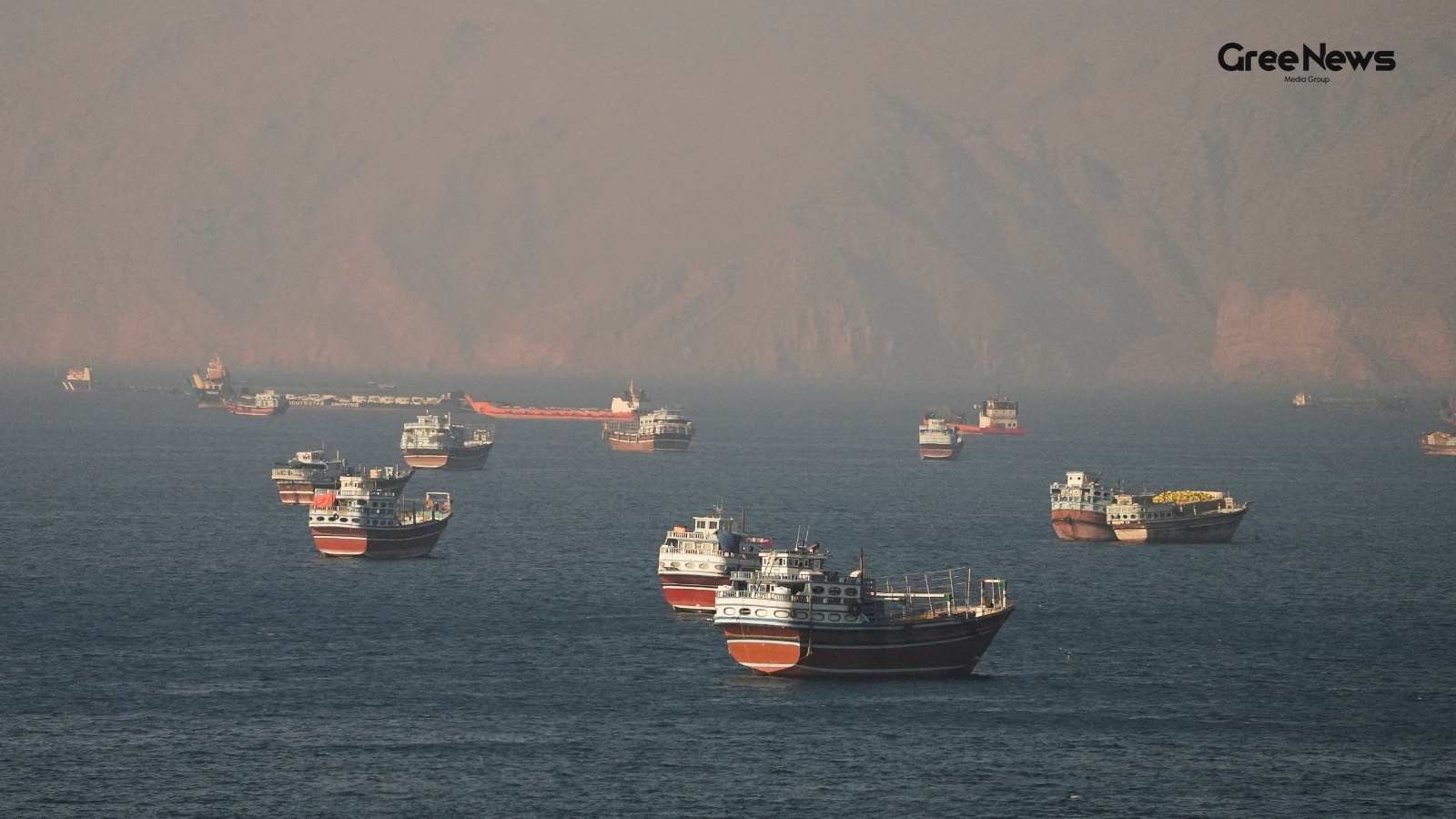
Indian LNG Tanker Successfully Crosses Strait of Hormuz Amid Geopolitical Uncertainty
The Indian LNG tanker *Disha* finally made it through the Strait of Hormuz on Monday. It was the first Indian merchant vessel to safely cross that route after nearly two months of waiting. This transit followed the recent understanding between the US and Iran, though the underlying situation remains
Jun 16, 2026 by Gree News Team
US Sanctions, Strait of Hormuz, and Iran Framework Agreement
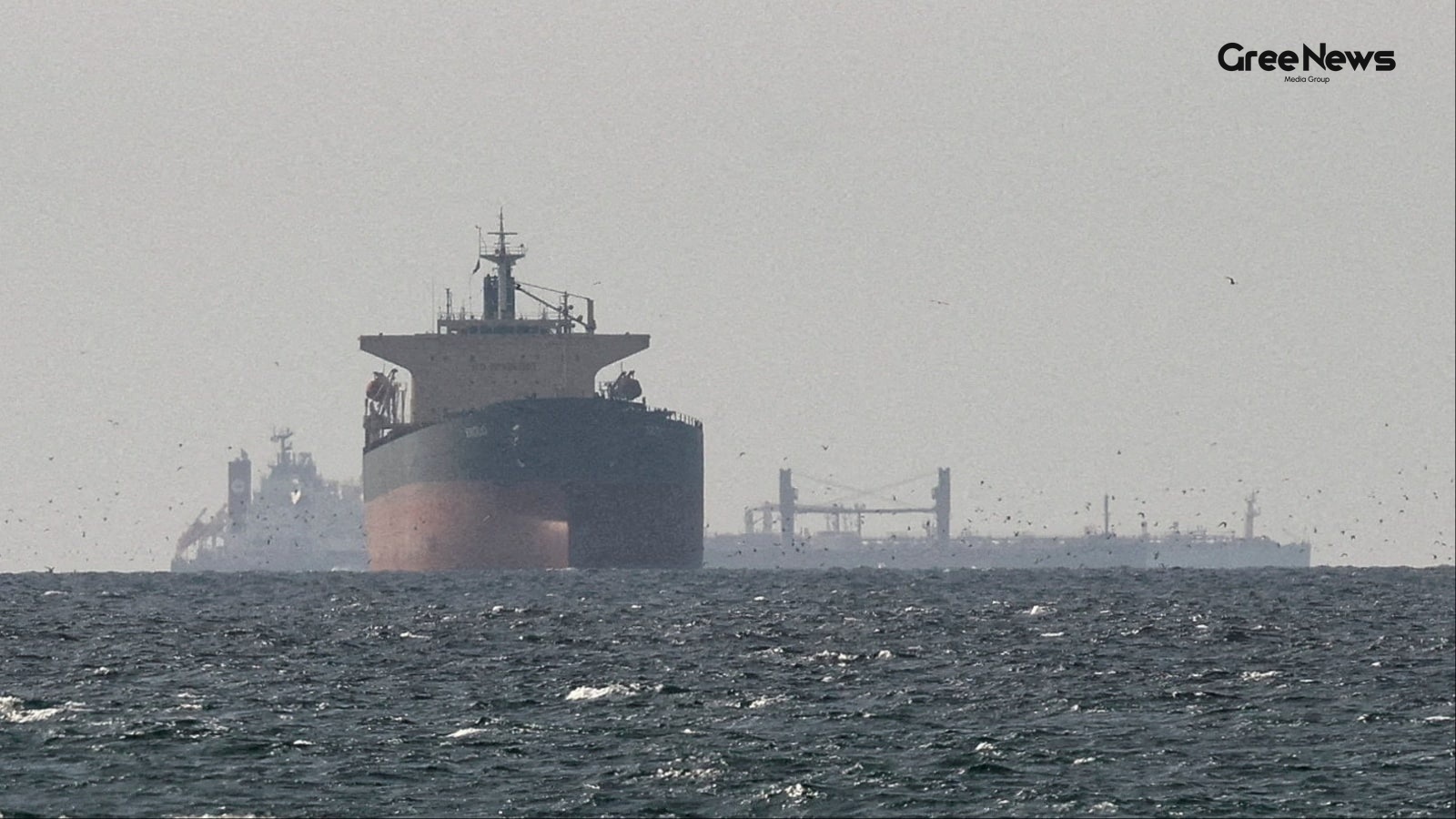
The US is talking about lifting sanctions on Iran right alongside reopening the Strait of Hormuz. That’s what one official mentioned, quoted by Fox News. But getting those mines out? That’s set for later. A phase after that. This whole setup seems tied into some indications from Washington and regio
Jun 16, 2026 by Gree News Team
Crackdown, Blackout, and Humanitarian Crisis in Rawalakot Amid Regional Unrest
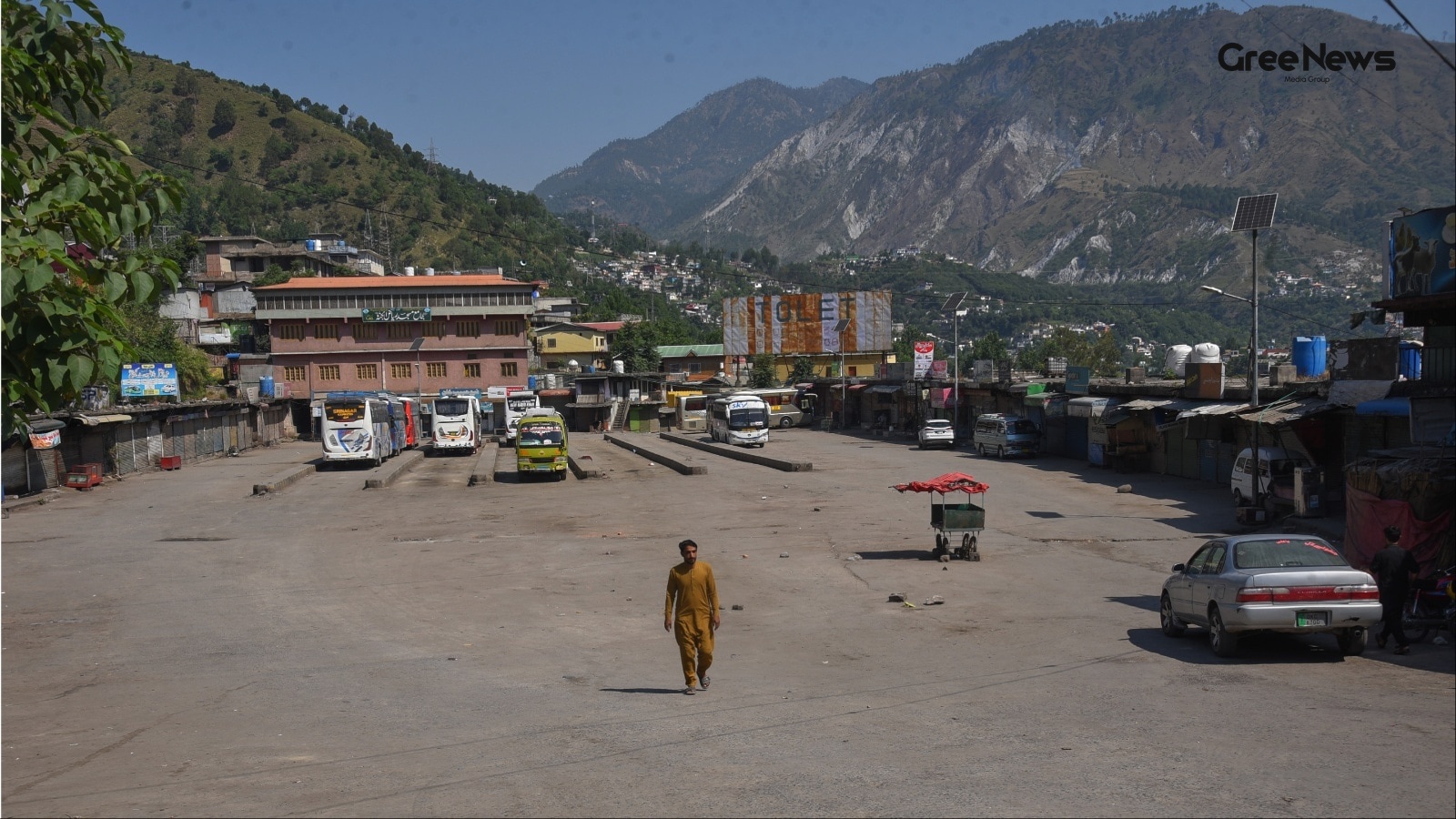
The crackdown hit Rawalakot hard. It happened during Fajr prayers at Eid Gah Ground, right when members and supporters of the Awami Action Committee were holding a sit-in. Things escalated fast. Security personnel used direct firing, heavy shelling, and tons of tear gas just to break up the gatherin
Jun 15, 2026 by Gree News Team
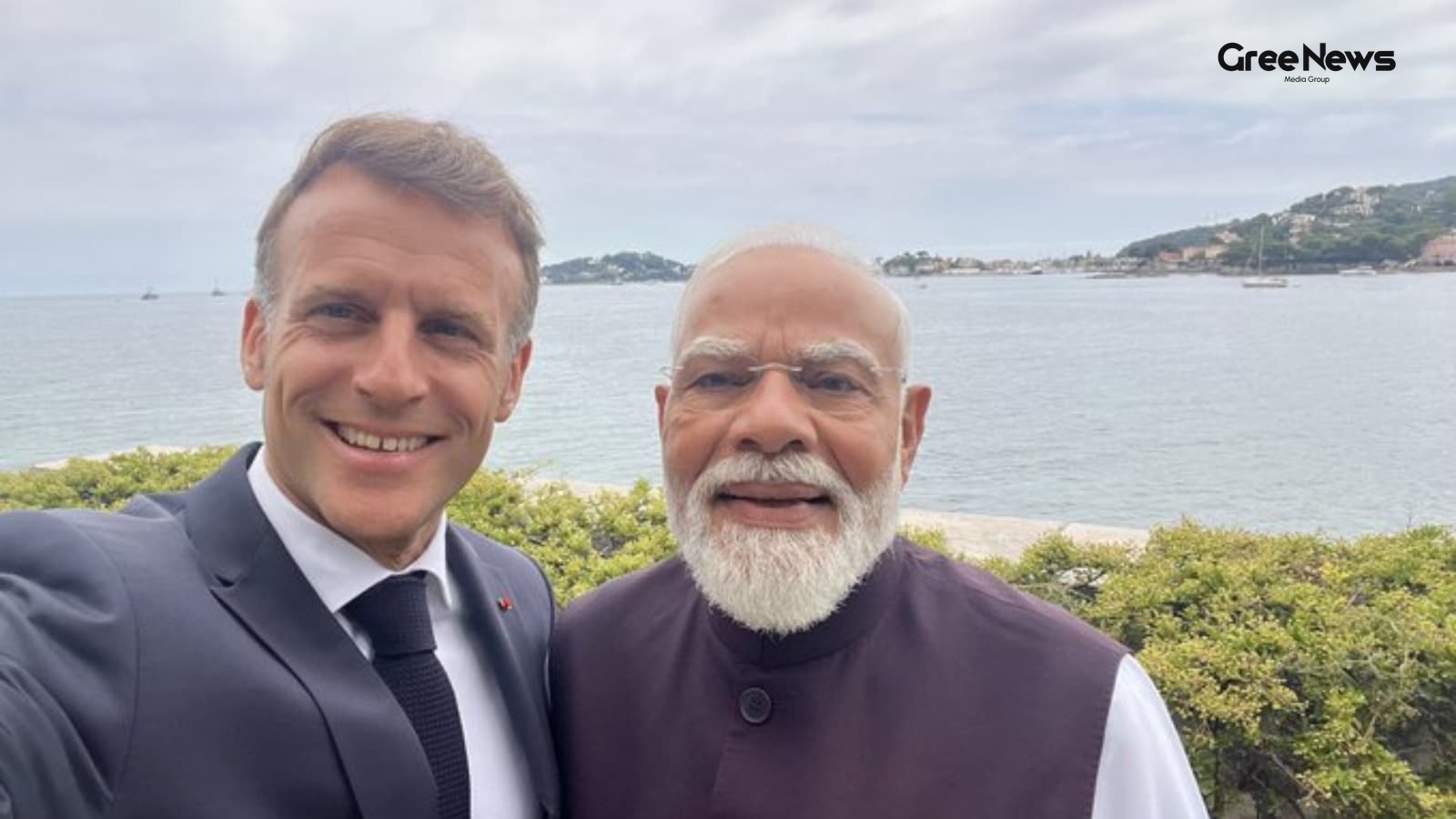
The Geopolitical Significance of the Macron-Modi Moment
The photo dropped online, naturally. Macron and Modi smiling against that Mediterranean backdrop in Nice. Just a selfie, captioned with one word: “Nice!” It felt… light. Almost deliberately so. But underneath that simple caption, there was a whole current running through it. A kind of unspoken ackno
Jun 15, 2026 by Gree News Team
Latest Headlines

Bollywood Stars Renting Out Properties: The Mumbai Real Estate Trend
Disha Patani isn't the only one moving real estate around here. It’s getting weird, you know? Bollywood stars are actually putting their properties up for rent across Mumbai now. It’s a strange scene. She’s done it too. This actor has leased out her apartment in Khar West. Right in that upscale area
Jun 16, 2026 by Gree News Team
Guide to Washing Machines and Kitchen Chimneys: Buying Essentials
the washing machine. it seems like one of those easy buys, right? you walk into the showroom thinking twenty minutes is all it takes. then bam. suddenly you’re staring at front-load versus top-load machines. inverter motors, steam wash programs... capacities jumping from six kilos to twelve kilos an
Jun 16, 2026 by Gree News Team

UPSC Prelims Results and Next Steps for Civil Services 2026
UPSC Prelims results finally out. That’s what the Commission dropped on their site, upsc.gov.in. It means the preliminary stage for 2026 is over. For those who managed to qualify 13,343 folks now eligible for the next hurdle: the Mains exam. It’s a big step forward, but it doesn't feel like the fini
Jun 16, 2026 by Gree News Team

The Neuroscience of Fatherhood: Redefining "Dad Strength"
Father’s Day 2026 is coming up on June 21st. It’s more than just gifts and family dinners though. It's really about how fathers fit into modern life now. They aren't just showing up anymore. They are deeply involved in caregiving, parenting daily. That kind of shift feels huge, right? But there’s so
Jun 16, 2026 by Gree News Team
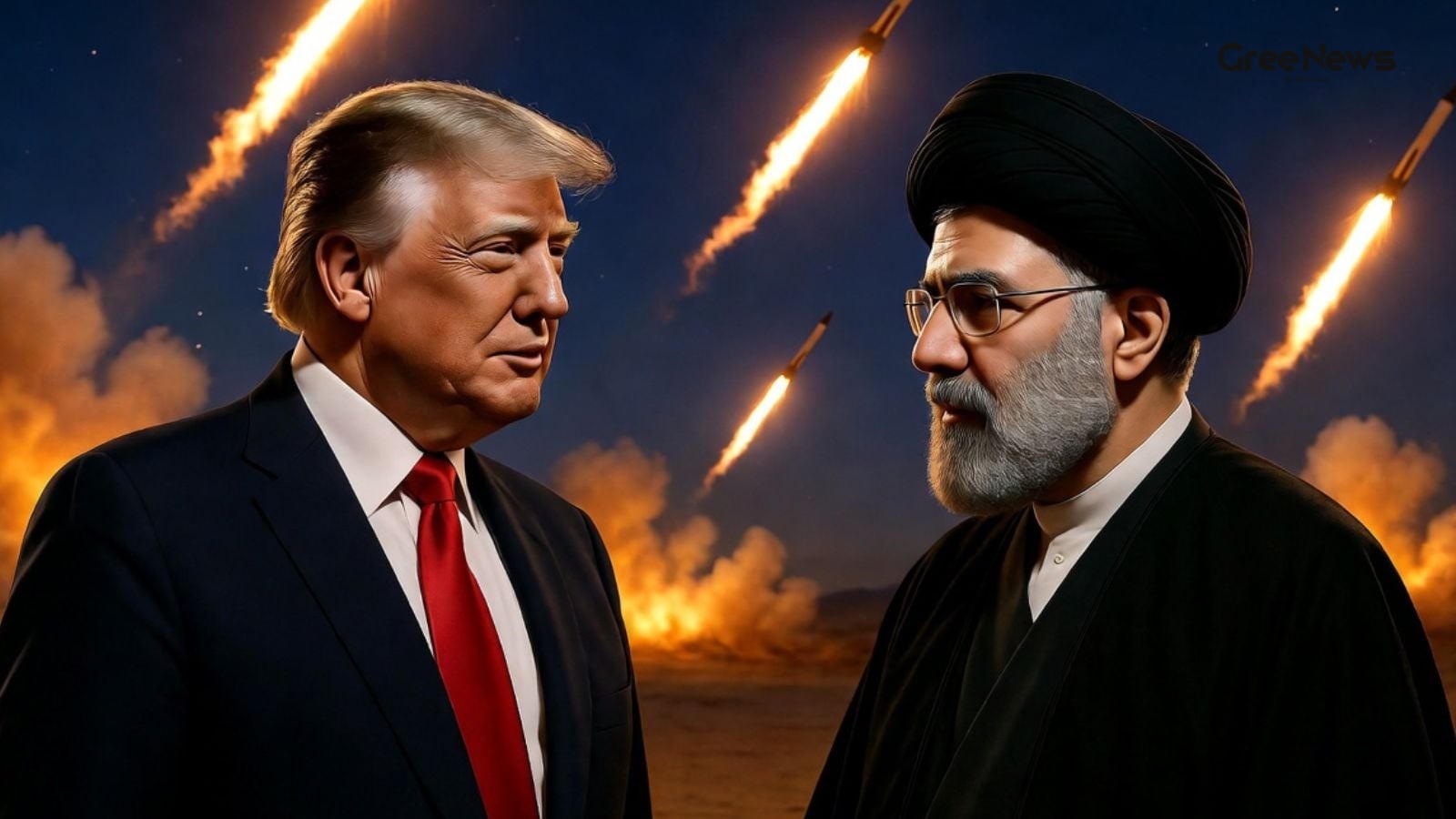
Intelligence Doubts and Skepticism Over the US-Iran Nuclear Deal
Trump tossed out reports about Washington paying Iran three hundred million dollars under that new US-Iran deal. He insisted, straight up, that Tehran had agreed never to get a nuclear weapon. He posted it on Truth Social. Said the story about the money? Fake news. Put out by the Dumocrats. This all
Jun 16, 2026 by Gree News Team
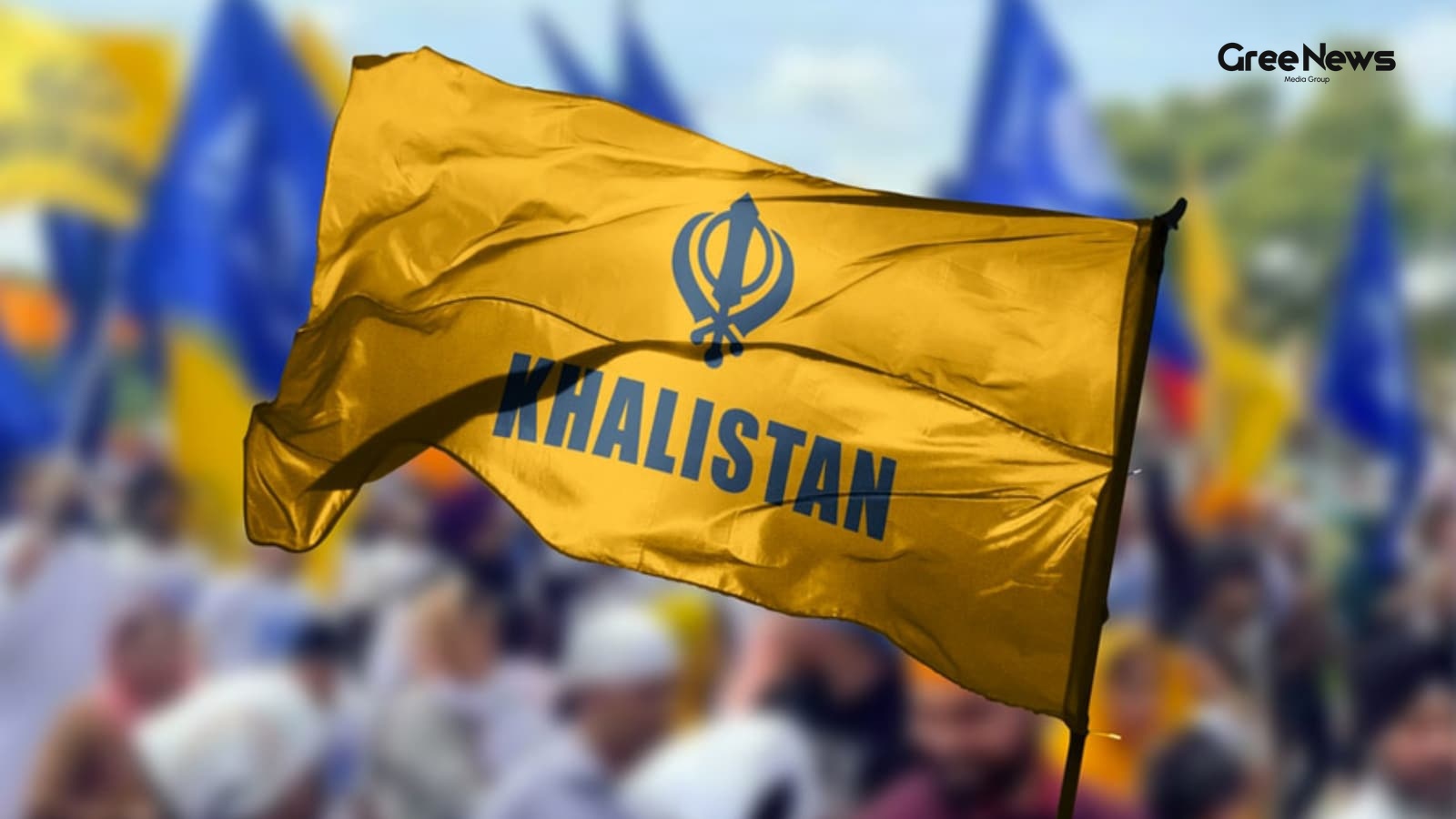
Khalistani Liberation Army (KLA): Emerging Threat and Cross-Border Terror Networks
Sources are talking about a new player emerging in this space. It’s the Khalistani Liberation Army, or KLA. They claim they’re one of the most trained, armed proxy groups right now under that whole Khalistani terror umbrella. This isn't just some fringe element. Intelligence suggests these groups, w
Jun 16, 2026 by Gree News Team
Legendary Indian Eateries: Culinary Landmarks of History
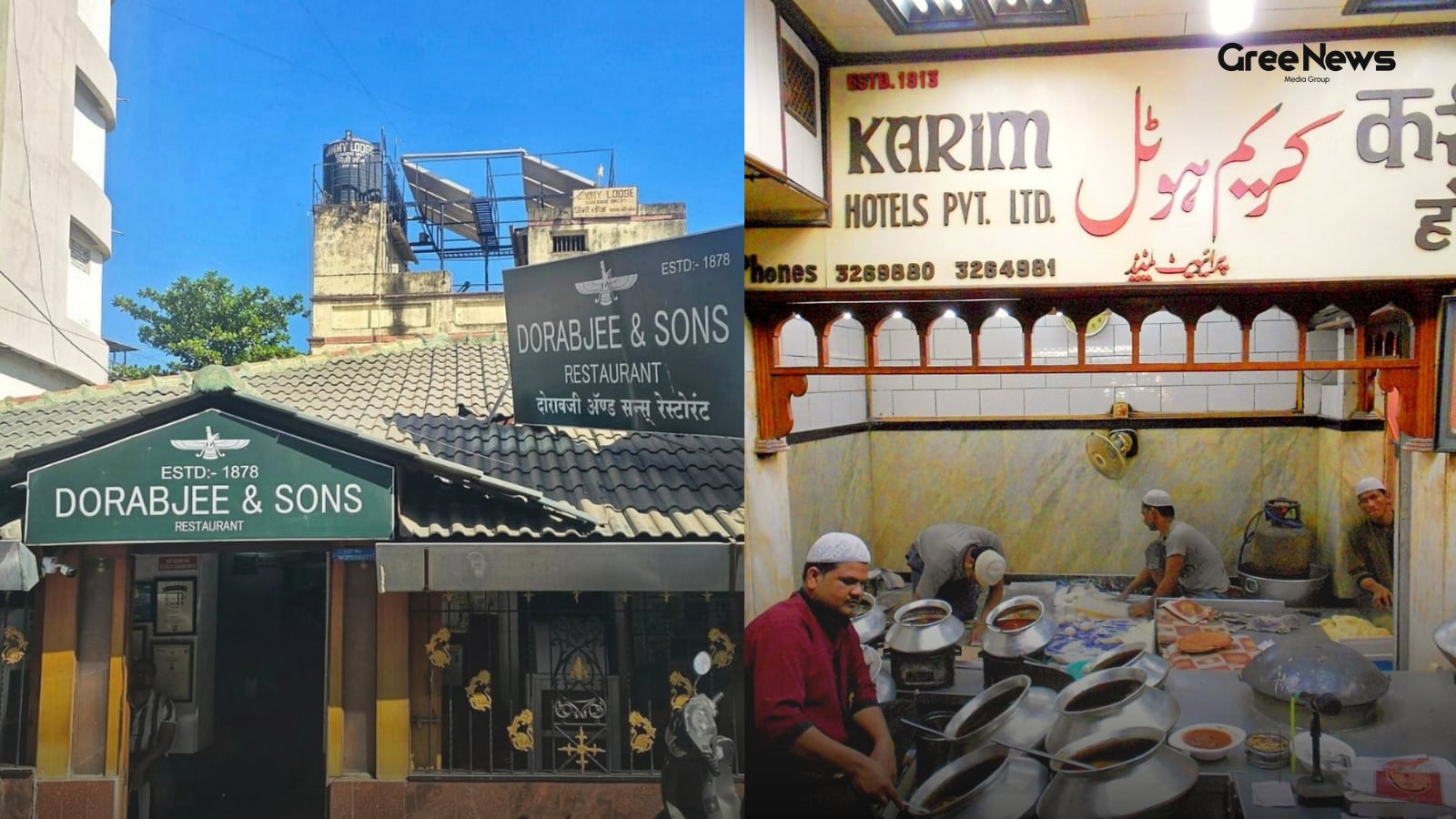
Trends come and go. Restaurants pop up with all that hype and then vanish in a few years. It’s just how things move, right? But across India, there are these places. Select few dining spots that have actually done something incredible. They’ve managed to survive for decades. Some of them even stretc
Jun 16, 2026 by Gree News Team
Market Movement Analysis: Factors Driving the Morning Gains
The markets kicked off Tuesday. Indian benchmarks actually managed a slight gain. It wasn't a huge jump, just enough to tick up on the global mood. The BSE Sensex, for instance. It climbed 300.72 points. That’s 0.39%. It settled at 76,565.05. They started the day lower, you know? Opening around 76,5
Jun 16, 2026 by Gree News Team

The Reality of Freelancing: Expectations vs. Reality in Video Editing
That LinkedIn post hit something. It went viral, you know? A video editor and founder just laid out a conversation he had with a potential client, and it immediately started sparking some serious debate online about how freelancers actually get paid these days. It all boiled down to expectations ver
Jun 16, 2026 by Gree News Team

The Rise of Facial Fitness: A New Approach to Beauty and Wellness
It’s funny how things shift. For ages, beauty talk has been all about skincare. Simple, right? But now, people are looking deeper. They’re turning their attention under the skin to the actual muscles that hold every smile, every frown, every expression we make. It’s this whole thing they call facial
Jun 16, 2026 by Gree News Team
Indian LNG Tanker Successfully Crosses Strait of Hormuz Amid Geopolitical Uncertainty
The Indian LNG tanker *Disha* finally made it through the Strait of Hormuz on Monday. It was the first Indian merchant vessel to safely cross that route after nearly two months of waiting. This transit followed the recent understanding between the US and Iran, though the underlying situation remains
Jun 16, 2026 by Gree News Team

The Raw Power of Ambition in Isakapatnam: A Deep Dive into Human Conflict
The air around the announcement of *Isakapatnam* feels thick right now. It’s not just the buzz about a new show; it’s this whole collision of ambition and raw human feeling that the trailer throws at you. Crime, politics, loyalty all boiling down into something intense, something that drags you unde
Jun 16, 2026 by Gree News Team
Iran's World Cup Opener: Politics, Controversy, and Frustration
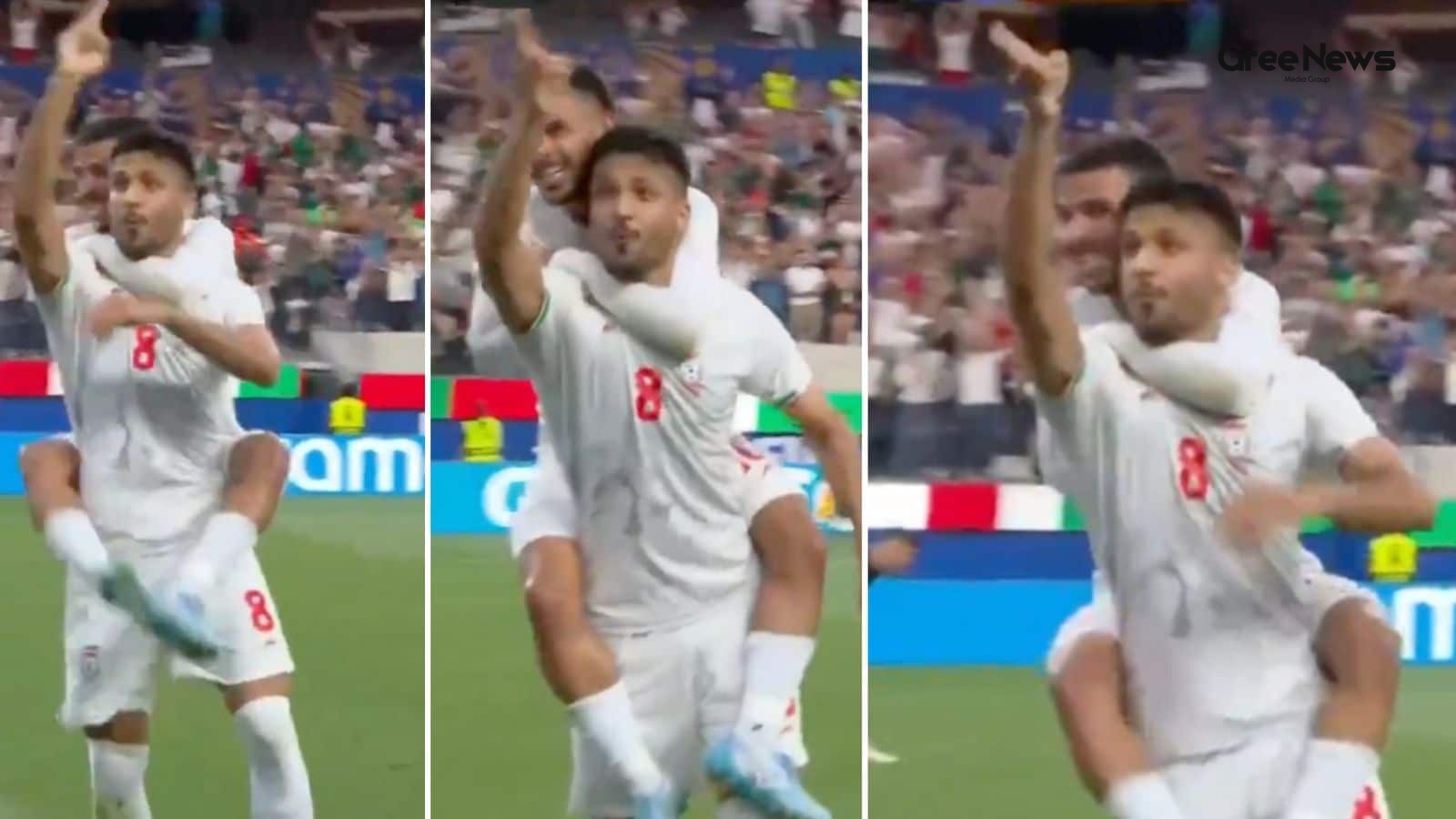
Iran’s opening game for the FIFA World Cup 2026 against New Zealand really stirred up a lot of noise, both on and off the pitch. It wasn't just football; it felt loaded with politics. Midfielder Mohammad Mohebi scored Iran’s second goal in that tense 2-2 draw at SoFi Stadium in Los Angeles. But what
Jun 16, 2026 by Gree News Team

The Link Between Nutrition and Sexual Health
most people just jump to stress or relationship drama when they talk about sexual health problems. but what if the real culprit isn’t in the bedroom? what if it’s hiding right there on your dinner plate? vitamins. they aren't usually the first thing that pops into mind, right? but they actually matt
Jun 16, 2026 by Gree News Team
Fuel Market Updates: Petrol, Diesel, and CNG Costs
Petrol, diesel, and CNG costs just hung there on Saturday, June 13th. Nothing changed officially. But behind the scenes, the oil market companies and those handling natural gas distribution keep tweaking things every morning at six, you know? Still, those crude oil prices from West Asia, that crisis
Jun 16, 2026 by Gree News Team