The Enduring Echoes of Creation: Reflection on Art, Time, and Shared Experience
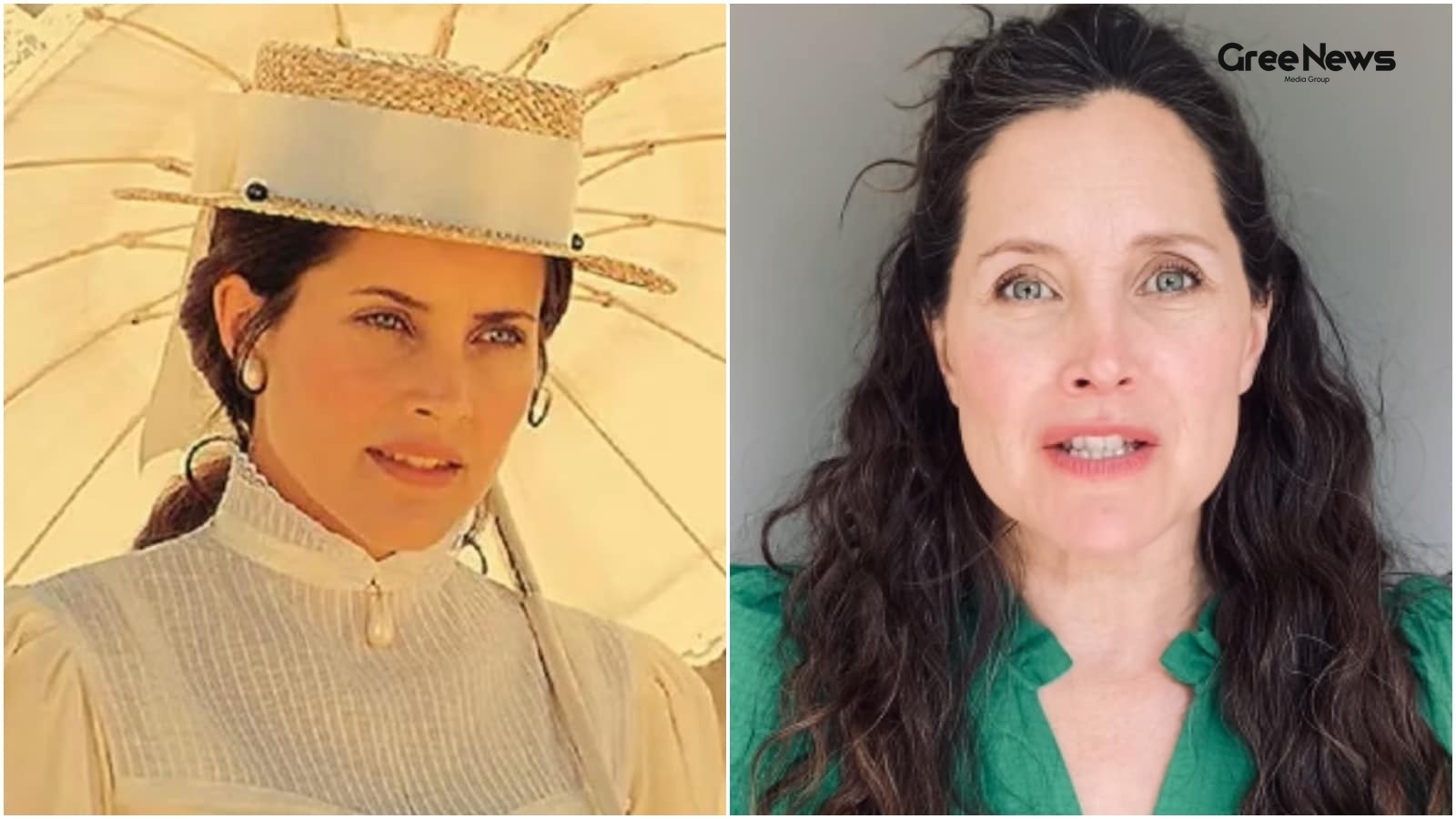
The air around that anniversary felt thick, didn't it? Not just with the usual noise of celebrations, but something heavier. A kind of retrospective weight settling over everything related to Lagaan . Twenty-five years. It’s a huge stretch of time when you think about how much a single story manages to stick.
She brought up the milestone, this twenty-five year mark, and it immediately opened up so much space for reflection. It’s funny how time warps things. It’s this strange temporal dislocation.
She talked about the audience. That was the pivot point for her reflection.
She made that distinction so clearly: the cast and crew make the film. Absolutely, they poured their lives into it. But the audience? They completed it. That idea that watching it, loving it over time, is what makes it real for her now it felt very human. It stripped away some of the glossy veneer you sometimes see in big movie narratives. It made it personal.
And then there was that tangible piece she mentioned. The memento from the final day in Bhuj. A cricket bat. Not just any bat, mind you. Something signed by crew members. That detail grounds the entire conversation. It shifts the focus from the grand cinematic sweep to a very small, very real artifact. A physical link to the chaos and camaraderie of making something that big.
She looked back at that moment the shoot in Bhuj. She touched on the emotional weight of it all. The sheer feeling of being there, under those circumstances, is what colors everything she says about Lagaan . It’s not just about cricket or taxes; it's about that shared crucible experience.
Think about what that means for storytelling generally. How much do we rely on these echoes? These persistent cultural touchstones keep cycling through our lives. They become anchors.
Rachel Shelley’s career trajectory itself mirrors this kind of enduring quality. She didn't stay confined to one frame or one story. After that period, she moved. She built a diverse international presence. Recognition came through different lenses. There was the weight of acclaim from television series like The L Word . That brought a different sort of scrutiny, a different set of expectations about her image and talent.
And then the return to Indian storytelling. It’s always interesting when established figures pivot back into familiar territory, especially in genres that demand emotional depth, like crime dramas such as Kohrra . There's an inherent tension there. The global recognition versus the local narrative pull. She brought that experience back, folding it into new stories.
It’s often messy. You have these layered realities. The memory of the intense, communal energy of that film set versus the polished, high-stakes world of international television production. They coexist. One informs the other. That’s how real careers move, I suppose. Not in neat, predictable arcs. More like a series of overlapping orbits.
Take the cricket bat again. It wasn't just wood and paint. It was an object imbued with shared labor. A symbol handed over. It represents that initial, intense bond forged under pressure. That feeling of being truly invested in something collaborative.
It’s this observational quality that makes these reflections compelling. They aren't perfectly structured reports; they are glimpses into the internal landscape of someone who has lived through major cultural moments. The way she speaks about the audience isn't just polite acknowledgment. It’s a profound statement about reciprocity.
It suggests that these shared memories are fragile things, constantly needing reinforcement. They need that continued love, that ongoing attention from viewers, to remain vibrant rather than fading into mere historical footnotes. It’s a gentle push a reminder that the impact of art isn't static; it requires maintenance.
And when you look at her journey across different mediums from epic cinema to serialized drama you see a consistent thread: an engagement with narrative itself. Whether she was playing Elizabeth Russell, or Helena Peabody, or anchoring a crime story, the core is always about inhabiting a character and connecting that feeling to the viewer. It’s the human element persisting beneath the production values.
There are moments where you have to pause the chronology. You step away from the perfect timeline of events and just look at the emotional residue left behind. The laughter, the tension, the shared hope on those sets in Bhuj. That energy doesn't simply vanish when the film is over. It settles somewhere deeper. It becomes part of the memory itself, a texture underlying subsequent experiences.
This process of revisiting of looking back after a significant period is deeply human. It’s how we try to make sense of the passage of time and our own involvement in it. It forces us to re-evaluate what truly mattered during those intense periods of creation. What was the real transaction? Was it just about making a movie, or something more complex about creating shared meaning across time?
It’s this layered reality the public persona versus the private reflection that makes the reporting feel uneven. You have the polished celebrity narrative, and then you get the raw, almost unguarded feeling about what it actually means to participate in art over time. It's a mess of intention and memory, which is perhaps more honest than any neatly packaged statement.
The cricket bat, that small object, serves as a perfect anchor for this complexity. It’s tangible proof of an interaction that happened outside the formal structure of the film itself. It reminds us that behind the grand narratives are these tiny, intensely personal exchanges that hold enormous emotional currency.
And so, we leave with this sense of lingering observation. Not a neat conclusion.
Written by Gree News Team — Senior Editorial Board
Gree News Team covers international news and global affairs at Gree News. Our collective of senior editors is dedicated to providing independent, accurate, and responsible journalism for a global audience.
More from Movies
View All
K-pop's Dominance: Awards, Legacy, and Cross-Cultural Reach
K-pop just keeps pushing across Asia. It really does. Some of the biggest names are walking away with top honors at the Music Awards Japan 2026. It’s clear their grip isn't slipping. The whole thing happened on June 13th, held over at the Toyoto Arena in Tokyo. That was the second time they brought
Jun 15, 2026 by Gree News Team
Controversy Surrounding Govind Namdev and the Film Kala Hiran
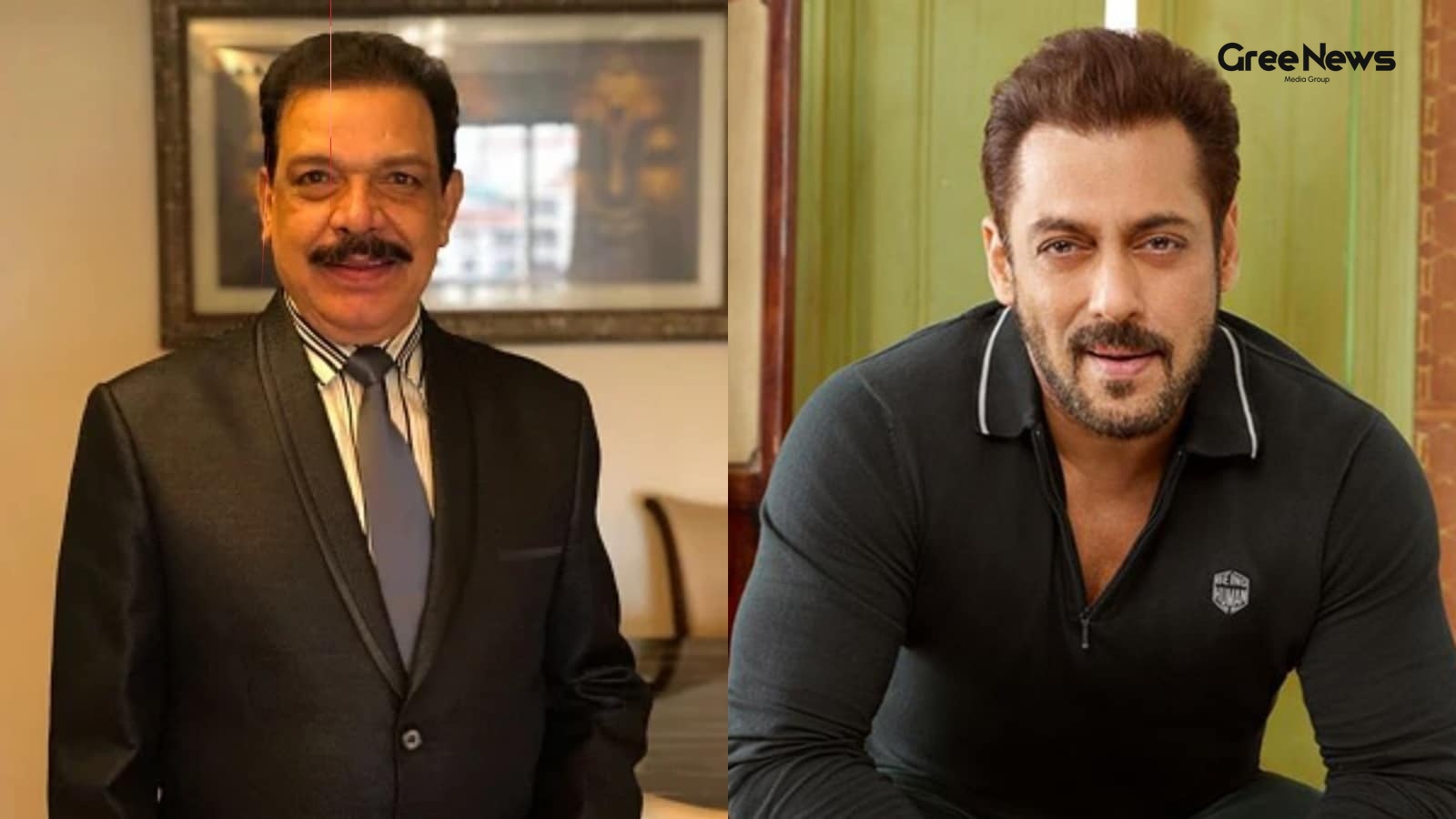
Govind Namdev has pulled back from *Kala Hiran*. It’s all because the first look video caused a huge stir. That initial glimpse brought up obvious links to Salman Khan. The film itself, made by Amit Jani, is supposed to be about the Bishnoi community and seeking justice. Namdev was in it, playing an
Jun 15, 2026 by Gree News Team
The Dynamics of Cinema Buzz: From Horror-Comedy Formulas to Action Stunts
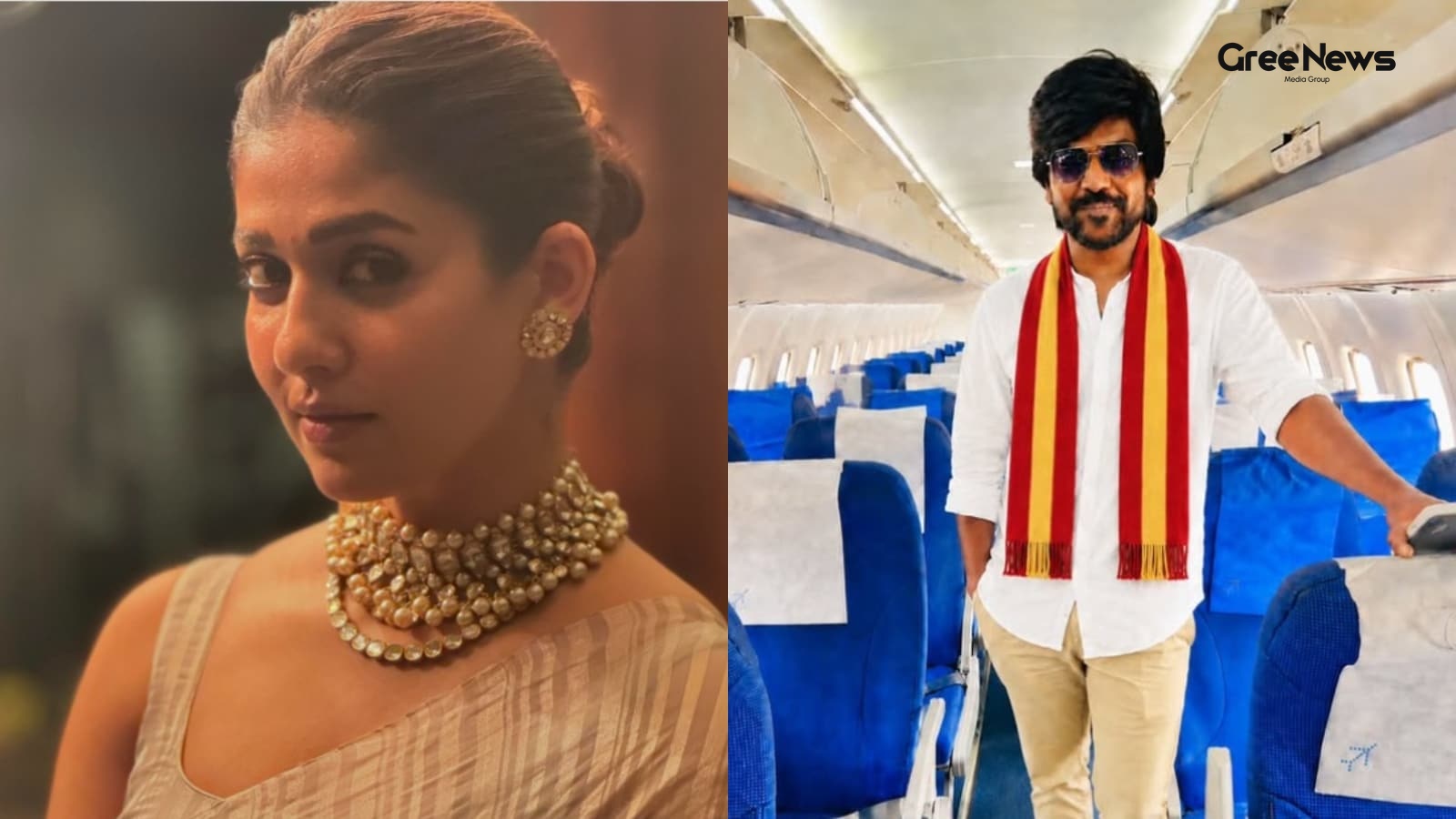
The air around these projects right now is thick with something you can’t quite name. Take this latest wave surrounding *Kanchana 4*. It’s not just a sequel; it feels like an event, a proper cinematic moment unfolding slowly. Raghav Lawrence, always the anchor for that successful horror-comedy formu
Jun 15, 2026 by Gree News Team
Manjari Fadnnis Speaks Out for Mikey: A Call for Justice and Community Accountability
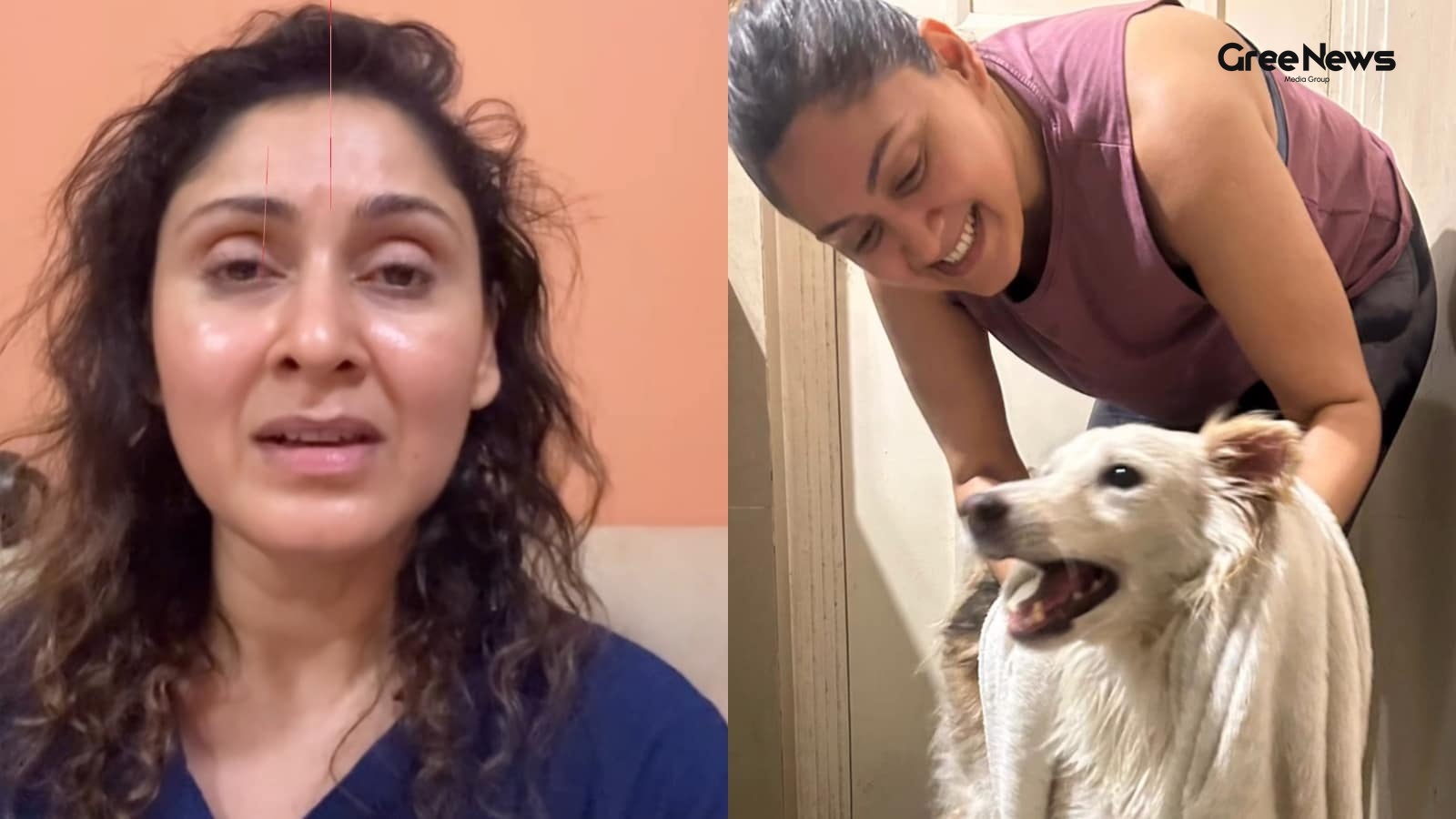
Manjari Fadnnis brought up Mikey, a community dog from her housing society, in an emotional post, really pushing for some kind of justice after he was allegedly killed brutally. It’s heavy stuff. She’s known, you know, for the films she’s done stuff like *Jaane Tu… Ya Jaane Na*, *Grand Masti*, all t
Jun 15, 2026 by Gree News Team
Latest Headlines
K-pop's Dominance: Awards, Legacy, and Cross-Cultural Reach
K-pop just keeps pushing across Asia. It really does. Some of the biggest names are walking away with top honors at the Music Awards Japan 2026. It’s clear their grip isn't slipping. The whole thing happened on June 13th, held over at the Toyoto Arena in Tokyo. That was the second time they brought
Jun 15, 2026 by Gree News Team
Controversy Surrounding Govind Namdev and the Film Kala Hiran
Govind Namdev has pulled back from *Kala Hiran*. It’s all because the first look video caused a huge stir. That initial glimpse brought up obvious links to Salman Khan. The film itself, made by Amit Jani, is supposed to be about the Bishnoi community and seeking justice. Namdev was in it, playing an
Jun 15, 2026 by Gree News Team
The Dynamics of Cinema Buzz: From Horror-Comedy Formulas to Action Stunts
The air around these projects right now is thick with something you can’t quite name. Take this latest wave surrounding *Kanchana 4*. It’s not just a sequel; it feels like an event, a proper cinematic moment unfolding slowly. Raghav Lawrence, always the anchor for that successful horror-comedy formu
Jun 15, 2026 by Gree News Team

Lock Upp Season 2: New Contestants, Hosts, and Intense Reality Show Details
Lock Upp just got renewed. Ekta Kapoor’s digital reality show, *Lock Upp*, it started in 2022, and now they’re doing it again. And this time, things are getting bigger. They’re heading to Netflix on June 27th. A list of people they might bring in tentative contestants has surfaced. Some names alread
Jun 15, 2026 by Gree News Team
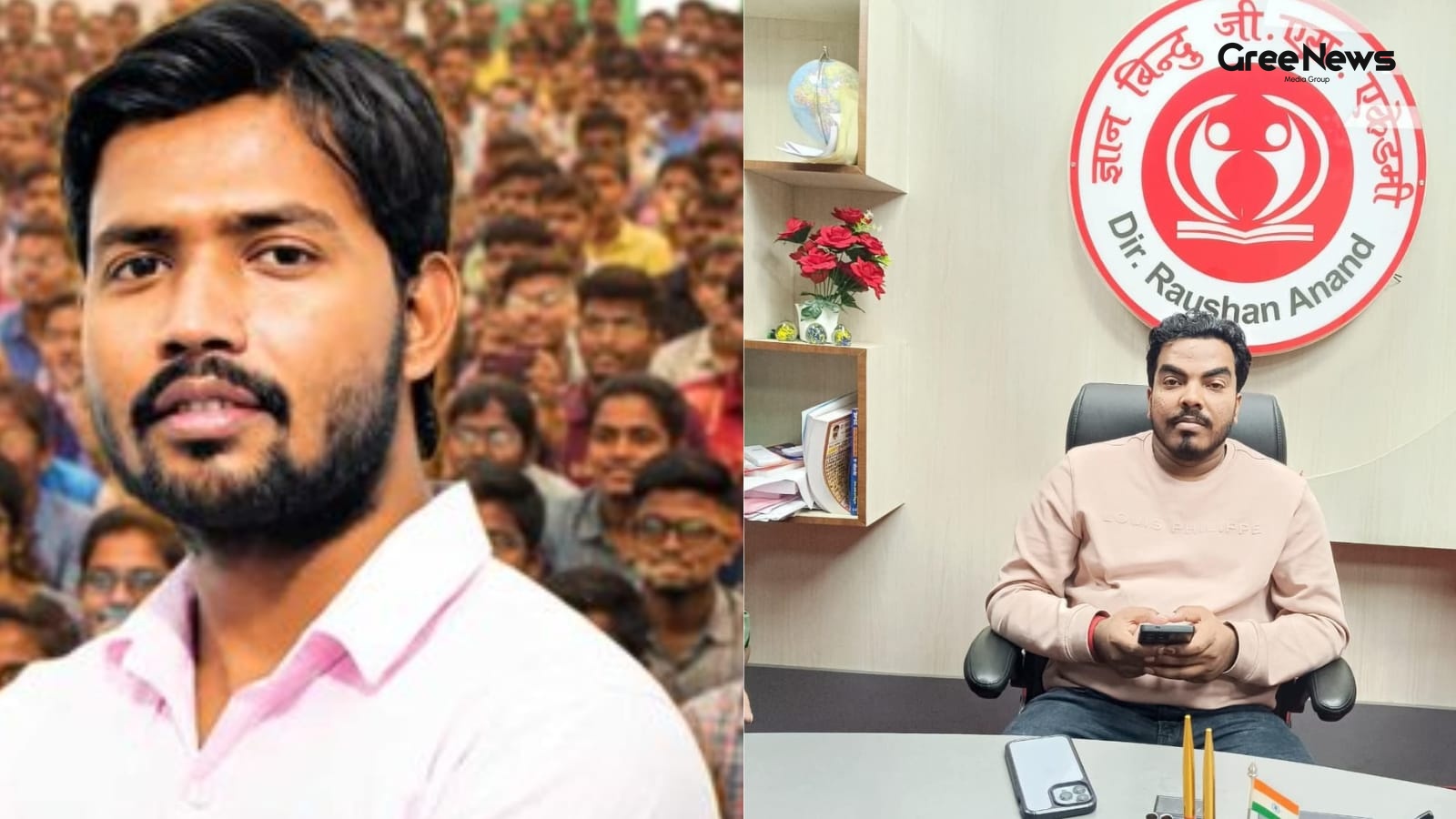
Controversy Surrounds Death of Prince Yadav and Khan Global Studies Case
The death of Prince Yadav, brother to Bihar educator Roshan Anand you know him as “Raushan Sir” it just kicked off another wave of controversy. He was found dead under really suspicious circumstances at some hotel over in Nepal. This development surfaces months later, coming after his name had alrea
Jun 15, 2026 by Gree News Team
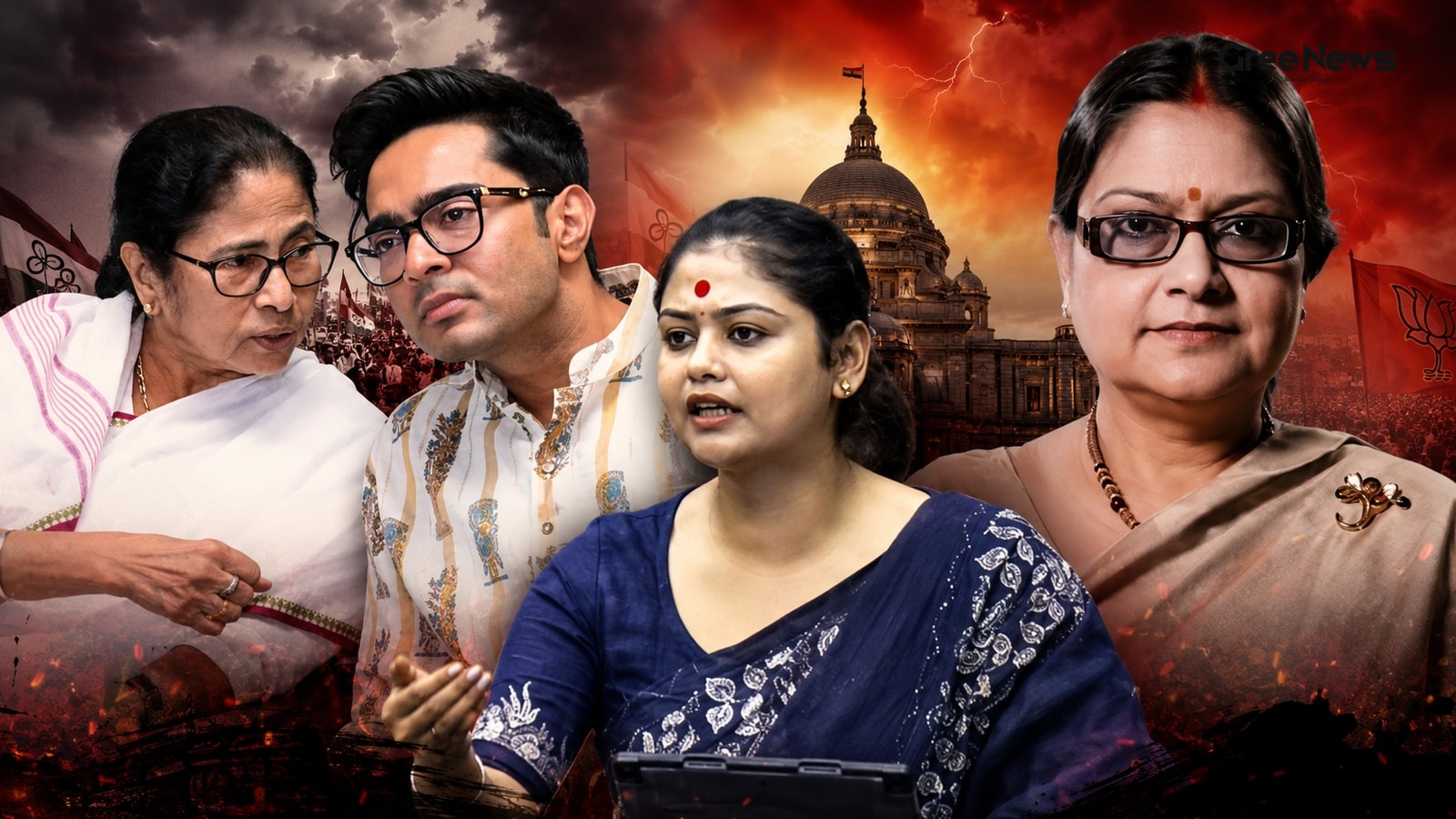
Political Fragmentation and Legal Warfare within the TMC
The air in Delhi felt thick that week. Not just with the usual political static, but something sharper, a kind of brittle tension you could almost taste in the hallway conversations and the way people held their silence. It was all about those rebel TMC MPs, the ones who decided they weren’t going t
Jun 15, 2026 by Gree News Team

Avneet Kaur: Style, Fashion, and Acting Career Journey
Avneet Kaur is really living that Disney princess vibe right now. She just shared these snapshots from Disneyland, and it proves why she’s one of those young style stars everyone keeps watching online. The whole thing was sun-soaked. Roller coasters, cartoon characters, that perfect California light
Jun 15, 2026 by Gree News Team

Lock Upp: Mahhi Vij, Rumors, and the Psychology of Reality TV
Lock Upp keeps going. It’s been renewed for another season, which is already something, you know? But the real buzz right now isn't about the renewal itself. It’s about who might be inside those walls. There are all these whispers floating around about confirmed contestants, and honestly, nobody kno
Jun 15, 2026 by Gree News Team
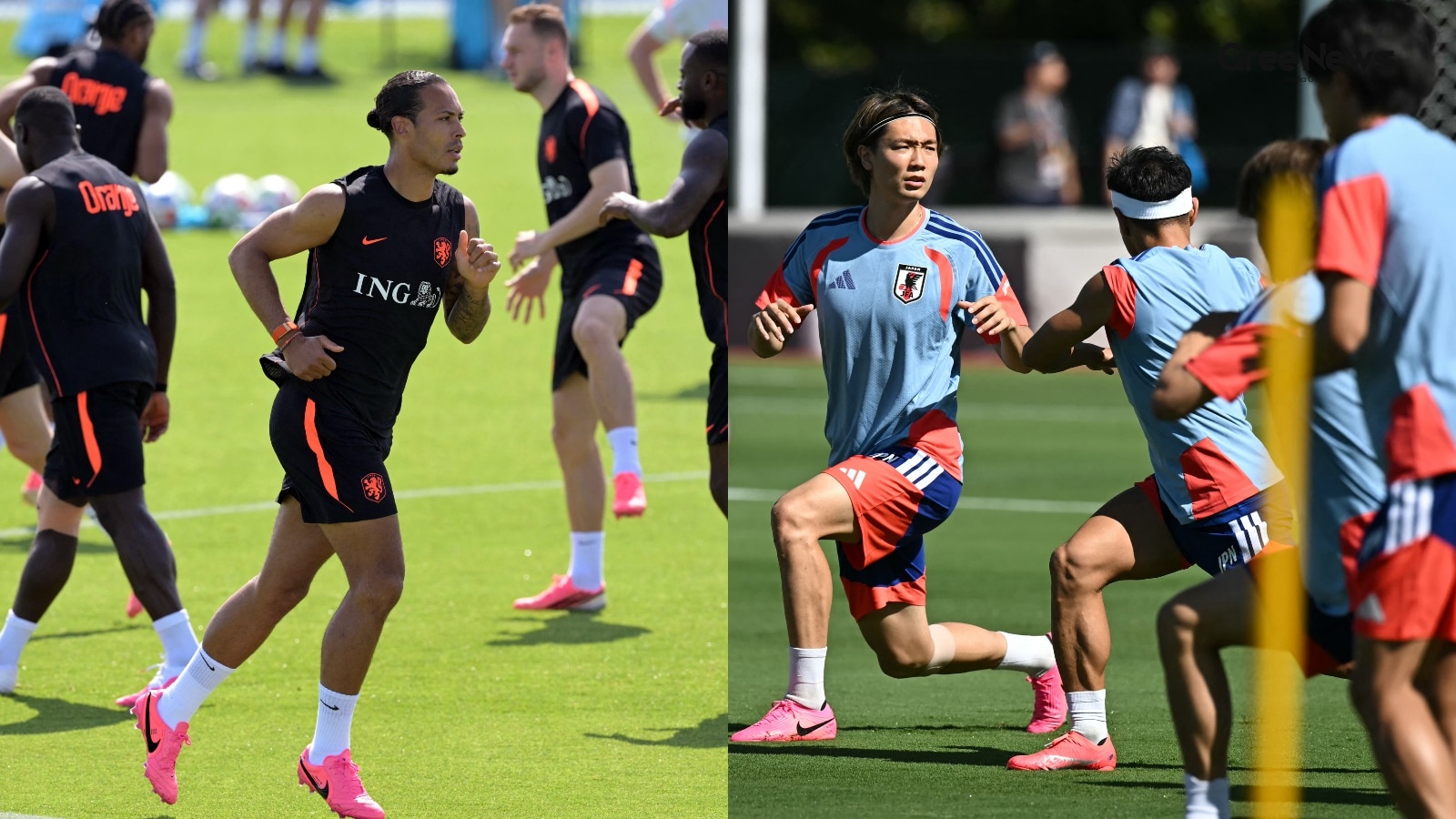
Netherlands vs Japan World Cup 2026 Preview and Analysis
The Netherlands kick off their World Cup 2026 run in a sticky Group F game against Japan at the AT&T Stadium on Sunday. It’s immediately obvious there isn't much room for error, especially since Sweden and Tunisia are also tangled up in this group. But things aren't smooth for the Oranje right now.
Jun 15, 2026 by Gree News Team
Manjari Fadnnis Speaks Out for Mikey: A Call for Justice and Community Accountability
Manjari Fadnnis brought up Mikey, a community dog from her housing society, in an emotional post, really pushing for some kind of justice after he was allegedly killed brutally. It’s heavy stuff. She’s known, you know, for the films she’s done stuff like *Jaane Tu… Ya Jaane Na*, *Grand Masti*, all t
Jun 15, 2026 by Gree News Team
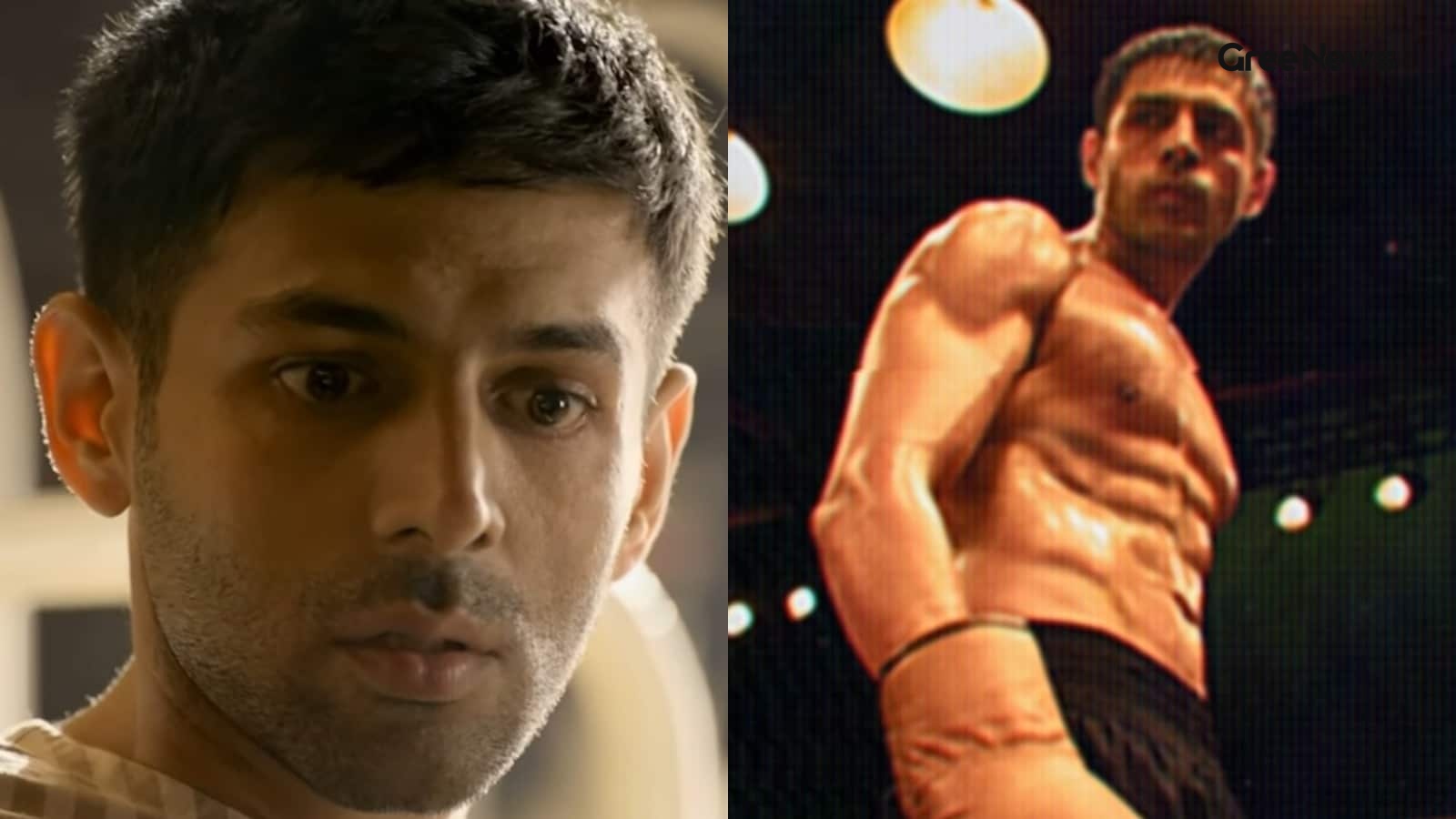
Kartik Aaryan's Emotional Journey and Next Project Rumors
Kartik Aaryan recently took a trip down memory lane. It was Chandu Champion’s two-year mark, and he shared something really emotional about the journey of portraying Murlikant Petkar, India’s first Paralympic gold medallist. But it wasn't just a reflection; his closing remark really snagged attentio
Jun 15, 2026 by Gree News Team
Cooling Down in Indian Summer: Ayurvedic Home Remedies
Indian summer isn’t just about the heat itself. It’s really about how your body tries to keep up with it. You move through those humid streets, and the discomfort you feel? That’s not just outside stuff. Your body is sending a quiet signal something needs attention. Balance. In Ayurveda, they link t
Jun 15, 2026 by Gree News Team
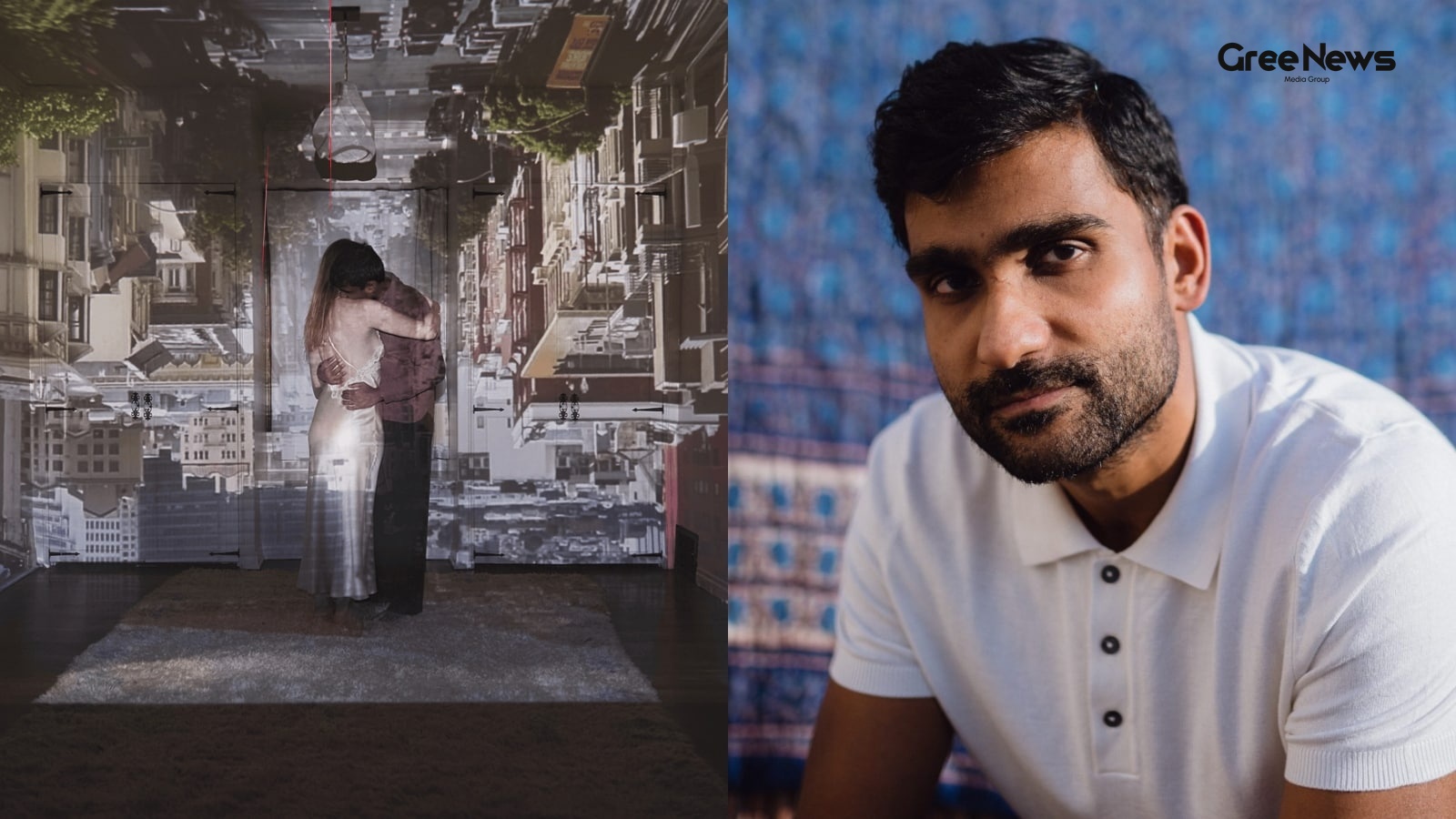
Prateek Kuhad's New Single and Album: Exploring Identity and Emotion
Prateek Kuhad just dropped a new single, “If I Cannot Be Yours.” It comes after Blush, which was the first track from the album they were working on last month. And now this. It’s all tied up in *Full Moon Chamber*. The new music video is out too. It gives you another look at that emotional landscap
Jun 15, 2026 by Gree News Team
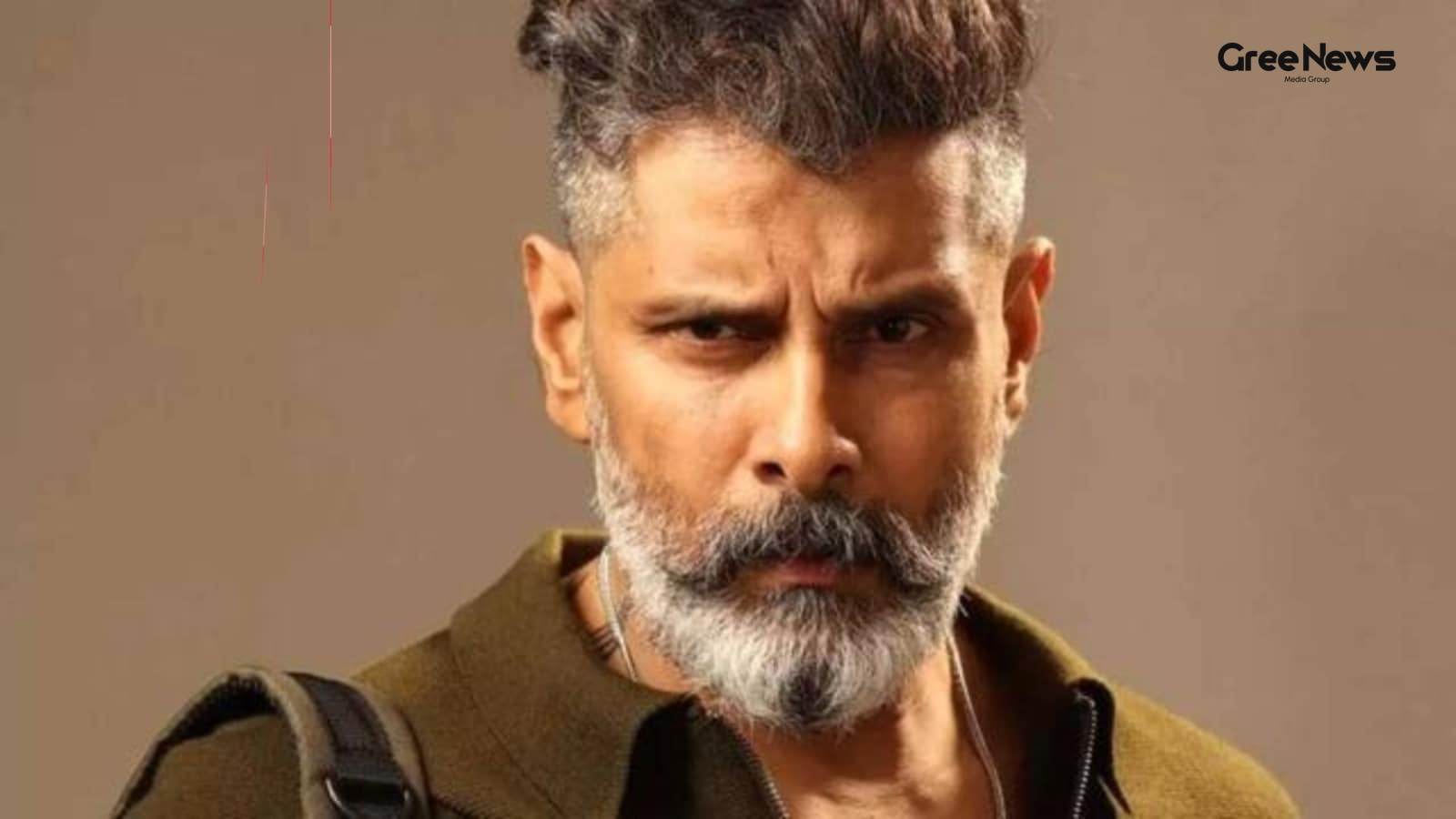
Chiyaan Vikram's *Chiyaan63*: Rumors, Fees, and Production Details
Chiyaan Vikram’s next big thing, *Chiyaan63*, is definitely generating a lot of noise right now. It’s all about that rumored fee floating around, isn't it? There are whispers real whispers, based on what industry trackers are circulating that the actor might have agreed to a hefty sum, something aro
Jun 15, 2026 by Gree News Team
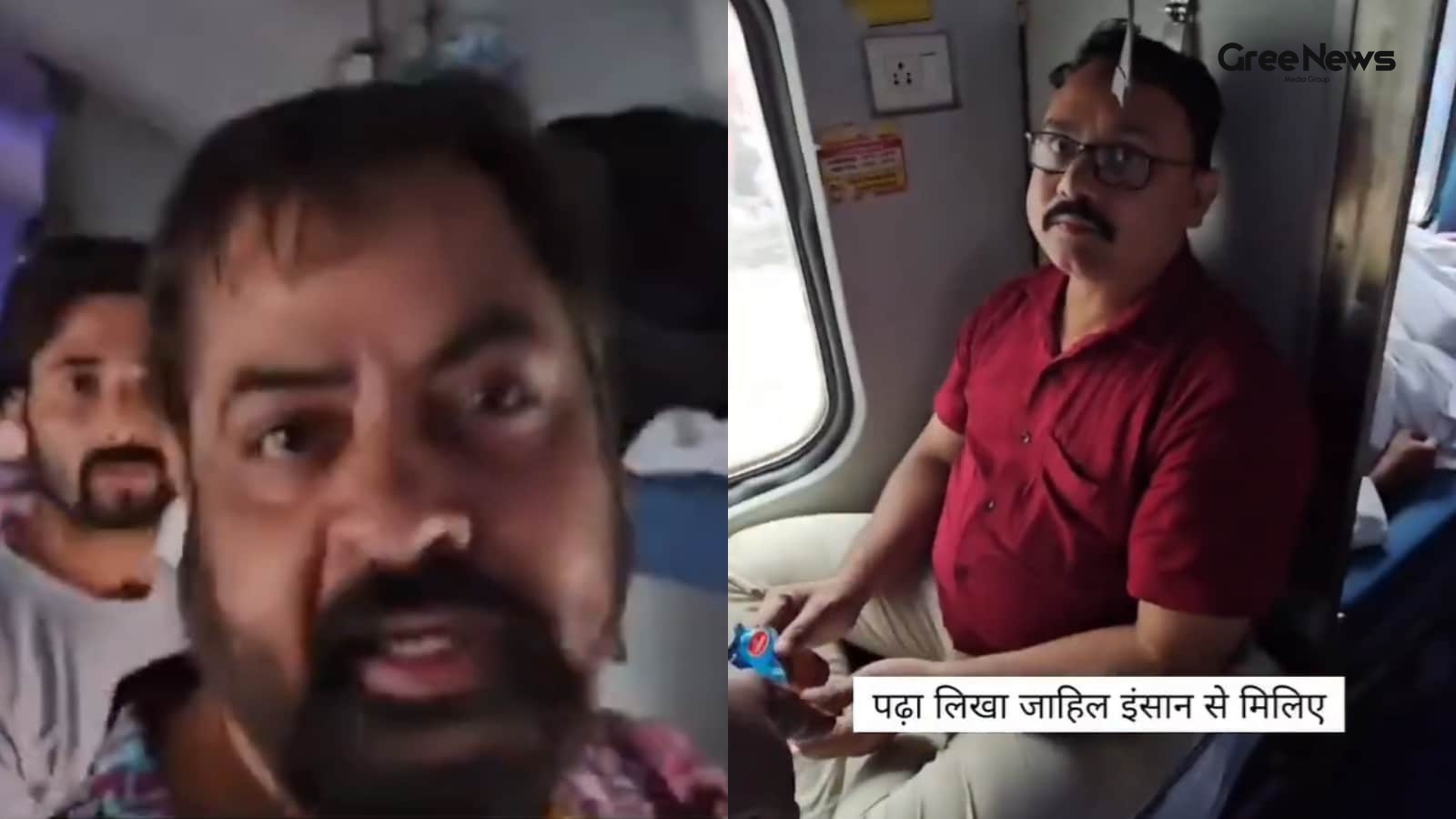
The Entitlement of Space: A Reflection on Public Friction and Social Boundaries
What happens when you watch stuff like that online? It just sparks things. You see this clip, right? Two guys on a train, fighting over a seat. Not some grand political drama, no. Just basic inconvenience escalating into something… messy. People latch onto it instantly. It’s the whole seating thing,
Jun 15, 2026 by Gree News Team