The Fight for Visibility: Show Timings and the Future of Indian Cinema in Theaters
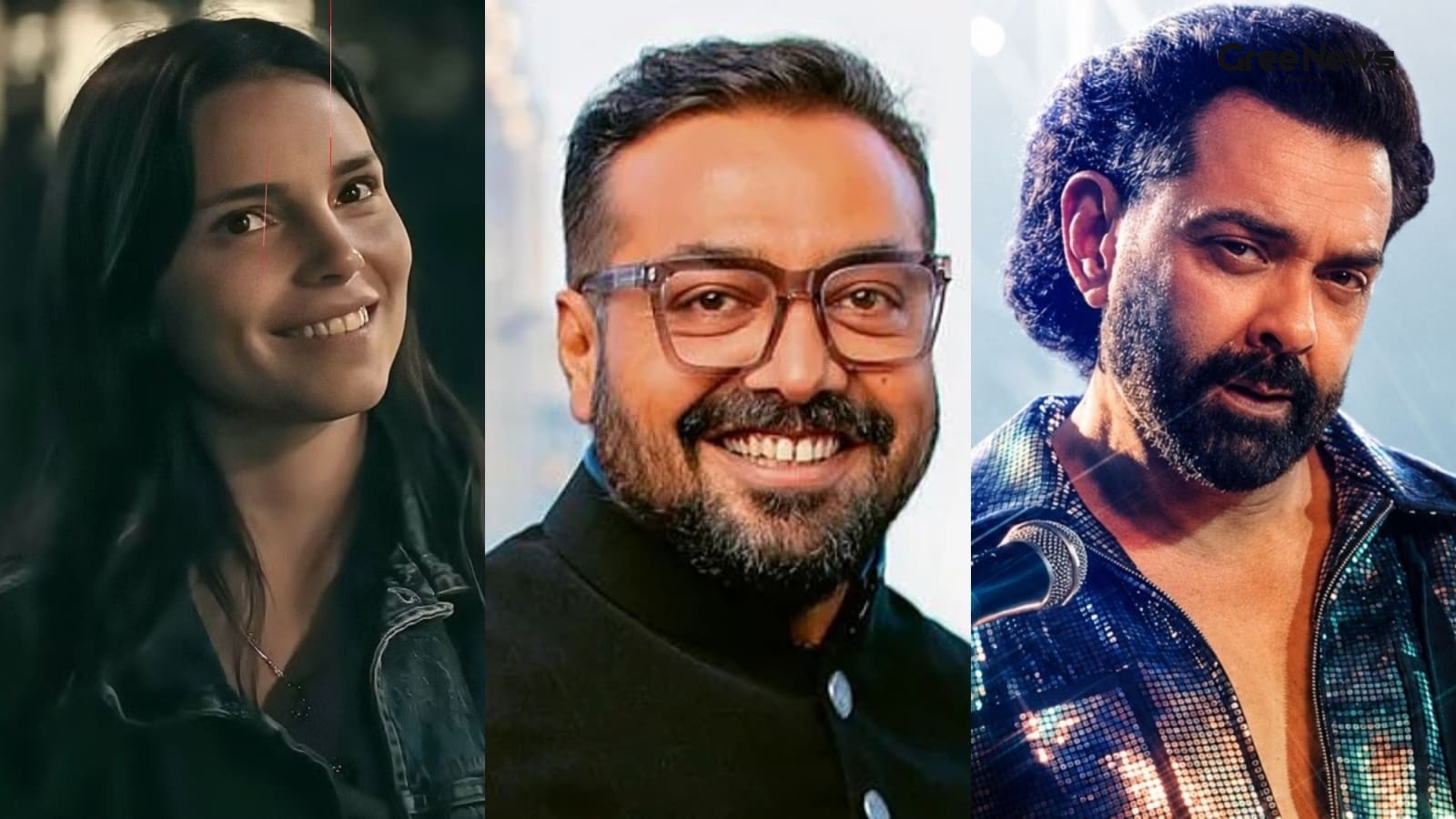
Anurag Kashyap never hesitates when there’s something glaring that needs pointing out. This time it wasn't about reviews or box office numbers. It was about show timings. Something much more fundamental for any film trying to survive in theaters.
He posted these comments on Instagram stories, calling out multiplexes. They were upset about prime-time slots being snagged by Hollywood junk stuff like Obsession while Indian films, his own Bandar , Imtiaz Ali’s work, and others got pushed into less desirable spots. It reopened that old argument in the exhibition business: how do domestic movies fight when a massive international release owns the best screens and the best times?
It's not just one filmmaker being mad about one movie. This is bigger. It’s about visibility . Access . The shrinking space for Indian theatrical releases that aren't built to be opening-weekend monsters. A larger battle happening behind the scenes.
What Kashyap was actually saying
Kashyap focused on scheduling. That was the core of his frustration. Obsession is doing well, big numbers across the board. It keeps getting prime evening and weekend slots. Meanwhile, Indian films get fewer shows. Worse timings.
He argued he got the demand for Obsession . But why couldn't it just keep running with a few less shows? His real point was simpler: if Indian movies aren’t given the right chance to be seen, how are they supposed to grow?
Timing really matters. It decides everything sometimes. A 7:30 or 8:30 PM slot on a Friday or Saturday actually gives people a shot. Working professionals, friend groups they can fit it in. But a 9 AM or 11 PM showing? That’s not just inconvenient. It can quietly kill a film's word-of-mouth before it even starts moving.
For something like Bandar , which has solid reviews and a gritty feel, poor visibility is a real handicap. Good buzz needs air. In theaters, that air is screen count. Prime timing. Simple as that.
Why the Timing Fight Is So Crucial
The streaming world changed everything in the theatrical space. Windows are shorter now. Brutal. A film can’t afford weeks of slow audience discovery anymore. If it doesn't grab attention early, screens vanish fast. Fewer screens mean fewer viewers find it. Less discovery means failure before word-of-mouth even kicks in.
Filmmakers keep talking about timing because a film might technically be "running," but if the shows are scattered at weird hours? Its chance to actually make money disappears.
Prime time slots? They’re premium real estate in those theaters. Evening shows, weekend afternoon slots that's when ticket sales naturally spike. That’s where you test actual demand. Without those times, even a good film can look weaker than it is.
This hits the heart of Kashyap’s complaint. It isn't about Obsession being successful. It’s about its dominance squeezing out space for Indian films that desperately need time and accessibility to build momentum.
The Hollywood Advantage in Urban India
Exhibitors don’t feel it emotionally. They feel it commercially. Multiplexes are businesses, right? They put screens where the money is. When a Hollywood blockbuster hits hard, they double down. It’s lower risk. Immediate revenue.
Hollywood films carry an advantage. Spectacle value. Urban curiosity. International marketing momentum. In big cities, these event films pull crowds. People pay more for IMAX or 4DX if it’s a late-evening show. That makes the math easy for theatre chains. One film fills premium seats and brings in high per-show revenue. They keep giving that film the best slots.
Smaller Indian films? Even good ones? They look riskier. The market ends up favoring the biggest spectacle. It's a marketplace where the strongest thing keeps getting stronger, and everything else struggles for oxygen.
Hollywood’s grip on these urban theaters is huge now. Superhero stuff, franchises, big action flicks they built this audience. Hollywood just feels like the default big-screen experience for many city dwellers.
But that doesn't mean Indian audiences stop supporting local cinema. Star films still draw massive attention across the country. The problem is in the middle ground. That space? That’s where a lot of interesting stuff lives dramas, thrillers, indie stories, social themes. They don't open like blockbusters. But they rely on conversation and discovery. If you deny them good timings, their entire release plan crumbles.
The Reality for Mid-Budget Cinema
Films like Bandar or Main Vaapas Aaunga aren’t built to be instant monsters. They need people to talk about them. They need that slow burn. That interest needs accessible slots. A viewer who likes the film should easily find an evening show nearby. If they only see early mornings or late nights? People just give up. The film loses not because audiences rejected it, but because they never got a convenient chance to watch it.
This is why Kashyap’s complaint echoes wider. It shows that theatrical success isn't always pure audience rejection. Sometimes films fail simply because they don't get the visibility they need.
The post-pandemic shift made this even nastier. The ecosystem changed completely. Audiences are choosier now. Ticket prices are up. Streaming trained everyone to wait at home. Multiplexes? They’re more cautious, chasing immediate returns.
This squeezes mid-budget Indian cinema hard. Before, a film could breathe slowly over weeks of word-of-mouth. Now? One weekend to prove itself. If it doesn't hit numbers fast enough, the shows get cut. Once they are gone, failure sticks.
Blockbusters benefit from this speed because there’s urgency built in. People have to see them now. Smaller Indian films rarely get that advantage unless they have a massive star or some viral hook attached.
The Bigger Picture for Theaters
This isn't just an India versus Hollywood thing. There's friction inside the domestic market too. Big pan-India releases push smaller Hindi ones aside. Regional cinema struggles outside its home states in multiplexes. Independent films get overwhelmed by big stars. The real fight is about scale. Event cinema versus everything else.
Kashyap’s critique matters because it forces a look at what kind of theatrical culture we actually want to build here. Should cinemas just chase the biggest immediate earner every week? Or should they nurture a space where different types of films can find an audience?
If they only chase spectacles and franchises, then theaters will become dominated by them. If they focus on variety action, romance, drama, horror, everything then exhibitors and producers need to start working together. They need release models that don't just discard smaller or mid-sized cinema after the first flicker of doubt.
Indian cinema has always been varied. It can handle action, romance, political drama, thrillers, comedies. But variety doesn't survive on paper alone. It needs actual showtimes. And right now, those timings are being fought over.
Kashyap’s complaint isn't just about Bandar versus Obsession . It’s the fight for visibility in Indian theaters. Blockbusters are getting bigger and stronger in the city centers. Exhibitors want revenue. But if they don't protect space if they allow those who rely on thoughtful scheduling to get pushed out then the market assumes there wasn't demand.
Timing isn't just a schedule anymore. It’s survival.
Written by Gree News Team — Senior Editorial Board
Gree News Team covers international news and global affairs at Gree News. Our collective of senior editors is dedicated to providing independent, accurate, and responsible journalism for a global audience.
More from Movies
View All
Chiyaan Vikram's *Chiyaan63*: Rumors, Fees, and Production Details
Chiyaan Vikram’s next big thing, *Chiyaan63*, is definitely generating a lot of noise right now. It’s all about that rumored fee floating around, isn't it? There are whispers real whispers, based on what industry trackers are circulating that the actor might have agreed to a hefty sum, something aro
Jun 15, 2026 by Gree News Team
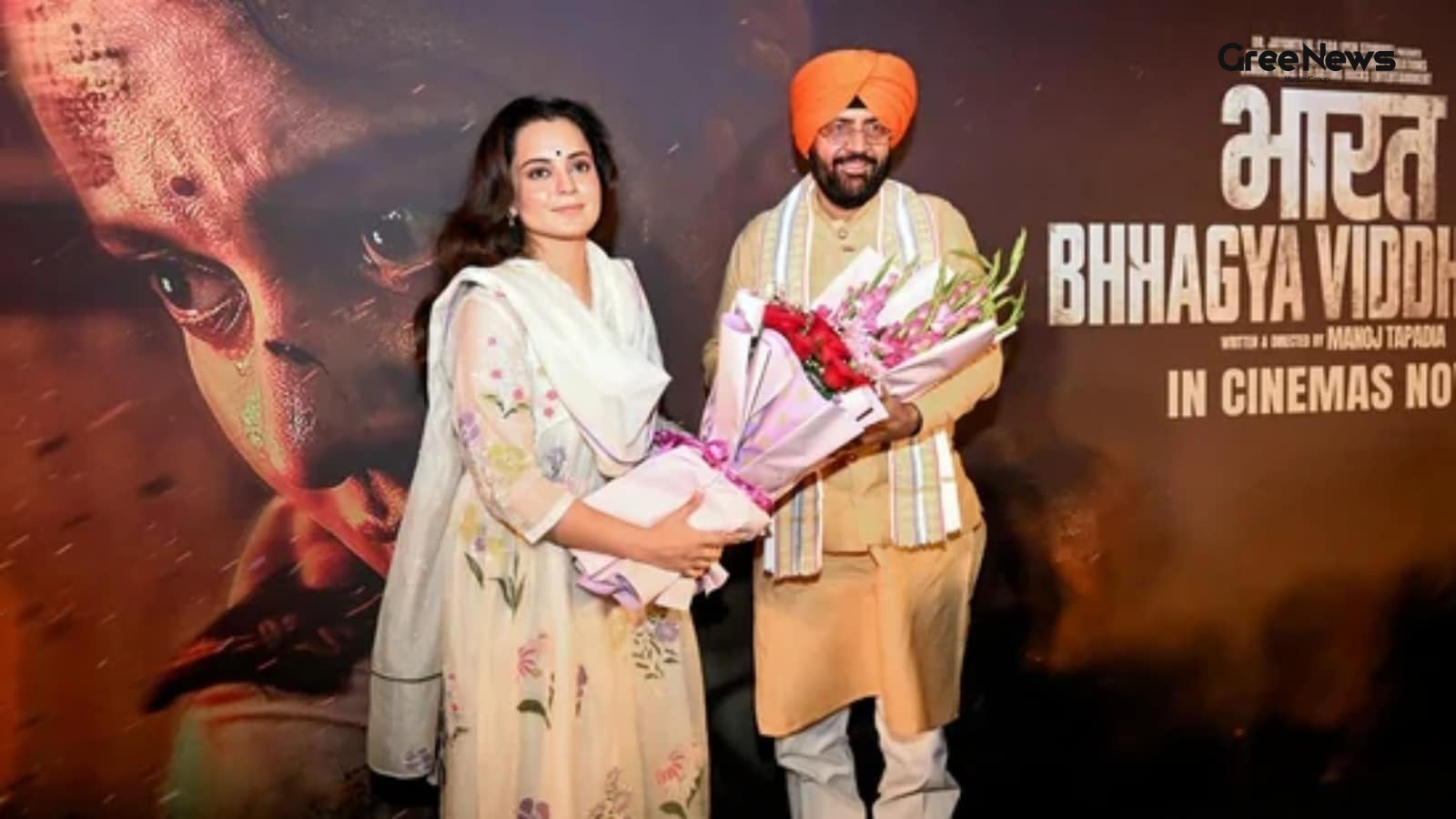
Kangana Ranaut's Film Receives Entertainment Tax Exemption in Haryana and Delhi
Kangana Ranaut’s new film, *Bharat Bhhagya Viddhaata*, is suddenly doing really well at the box office. And it’s not just the movie that got attention. Haryana actually waived entertainment tax on it within days of release. That announcement came after a special screening. Chief Minister Nayab Singh
Jun 15, 2026 by Gree News Team
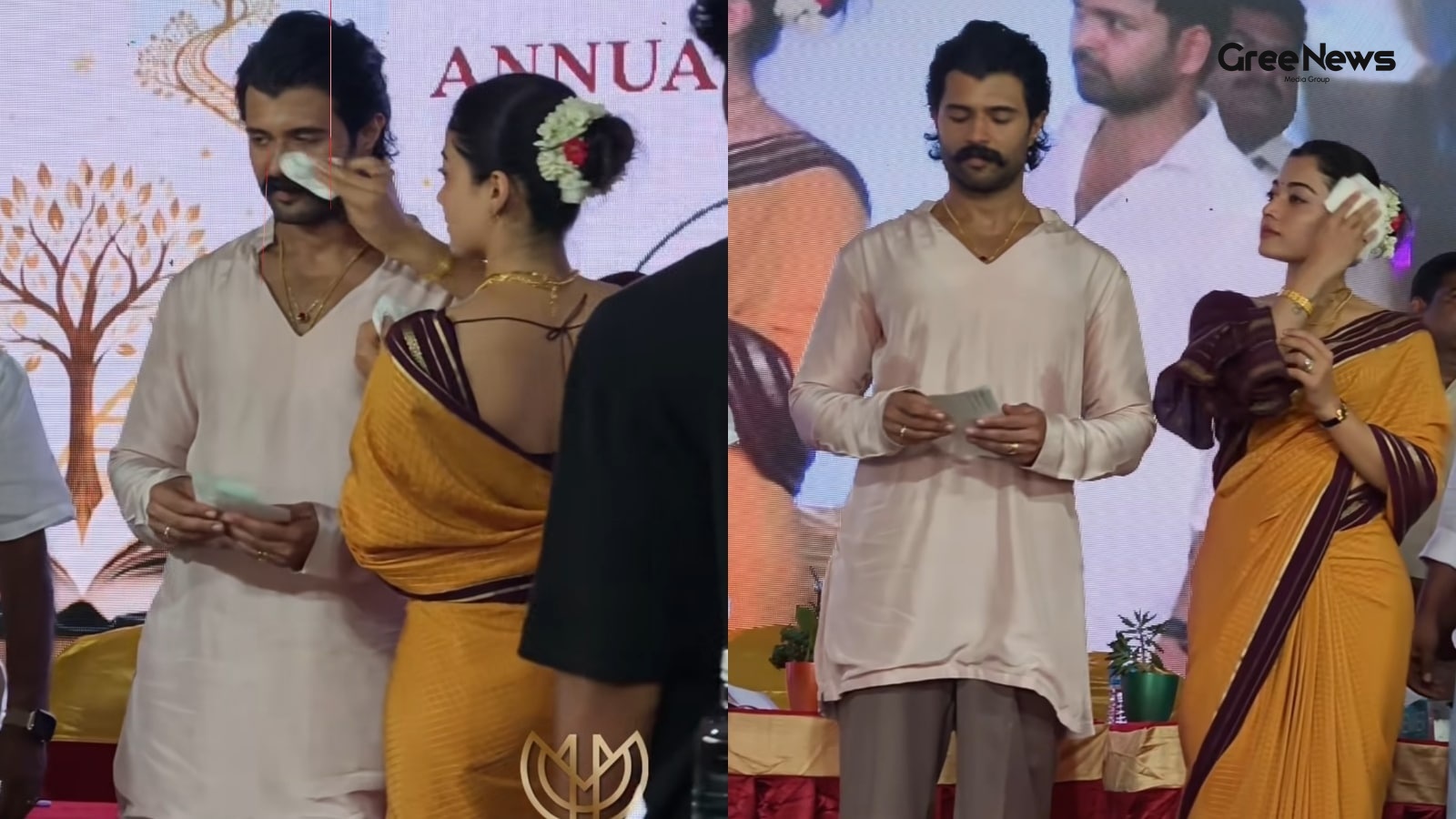
Vijay Deverakonda and Rashmika Mandanna's Viral Trip to Telangana
Vijay Deverakonda and Rashmika Mandanna are still getting clicks online after a video from their trip to Telangana blew up social media. It was a candid moment, you know? A sweet one that just caught everyone’s attention. They were there in Thummanpet village for some scholarship stuff. They were vi
Jun 15, 2026 by Gree News Team
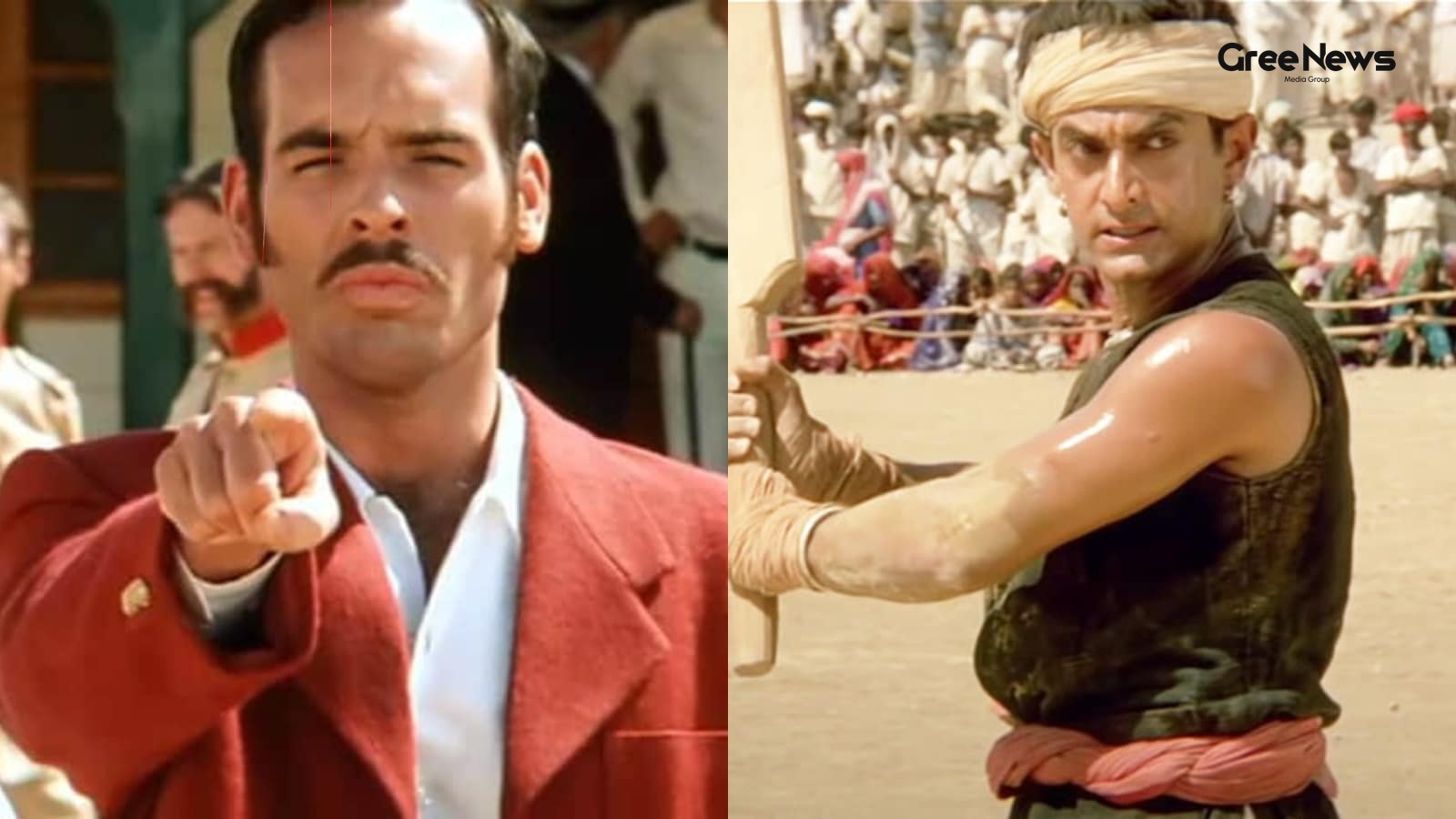
The Magic Behind Lagaan: Behind the Scenes of Cinematic History
The scene that became the heart of *Lagaan* that moment where Captain Russell delivers his famous line, “Teen guna lagaan” wasn’t just cinematic magic. It was born out of a real struggle. Twenty-five years later, Paul Blackthorne finally opened up about how they actually got that terrifying stillnes
Jun 15, 2026 by Gree News Team
Latest Headlines

Lock Upp: Mahhi Vij, Rumors, and the Psychology of Reality TV
Lock Upp keeps going. It’s been renewed for another season, which is already something, you know? But the real buzz right now isn't about the renewal itself. It’s about who might be inside those walls. There are all these whispers floating around about confirmed contestants, and honestly, nobody kno
Jun 15, 2026 by Gree News Team

Netherlands vs Japan World Cup 2026 Preview and Analysis
The Netherlands kick off their World Cup 2026 run in a sticky Group F game against Japan at the AT&T Stadium on Sunday. It’s immediately obvious there isn't much room for error, especially since Sweden and Tunisia are also tangled up in this group. But things aren't smooth for the Oranje right now.
Jun 15, 2026 by Gree News Team
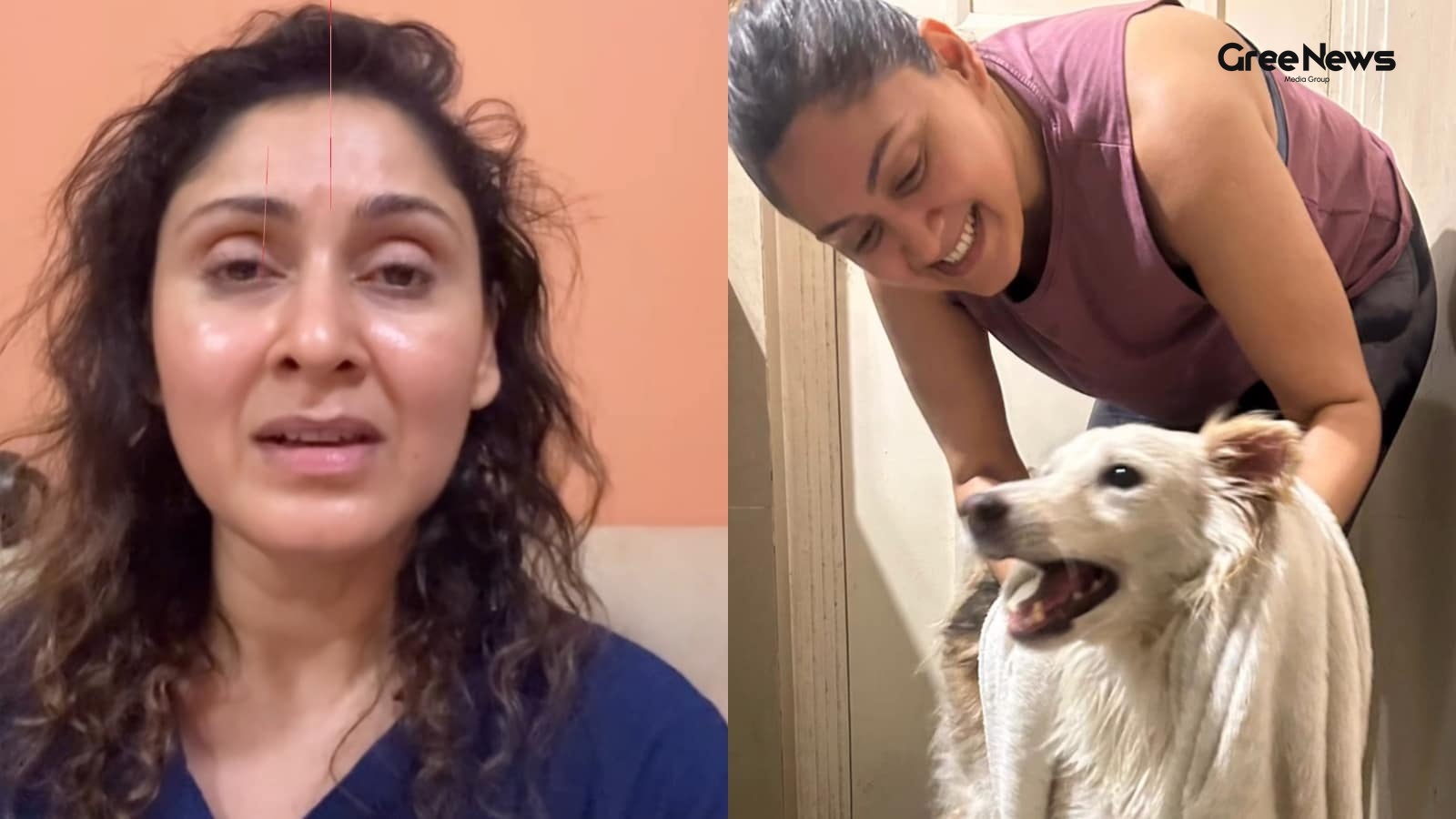
Manjari Fadnnis Speaks Out for Mikey: A Call for Justice and Community Accountability
Manjari Fadnnis brought up Mikey, a community dog from her housing society, in an emotional post, really pushing for some kind of justice after he was allegedly killed brutally. It’s heavy stuff. She’s known, you know, for the films she’s done stuff like *Jaane Tu… Ya Jaane Na*, *Grand Masti*, all t
Jun 15, 2026 by Gree News Team
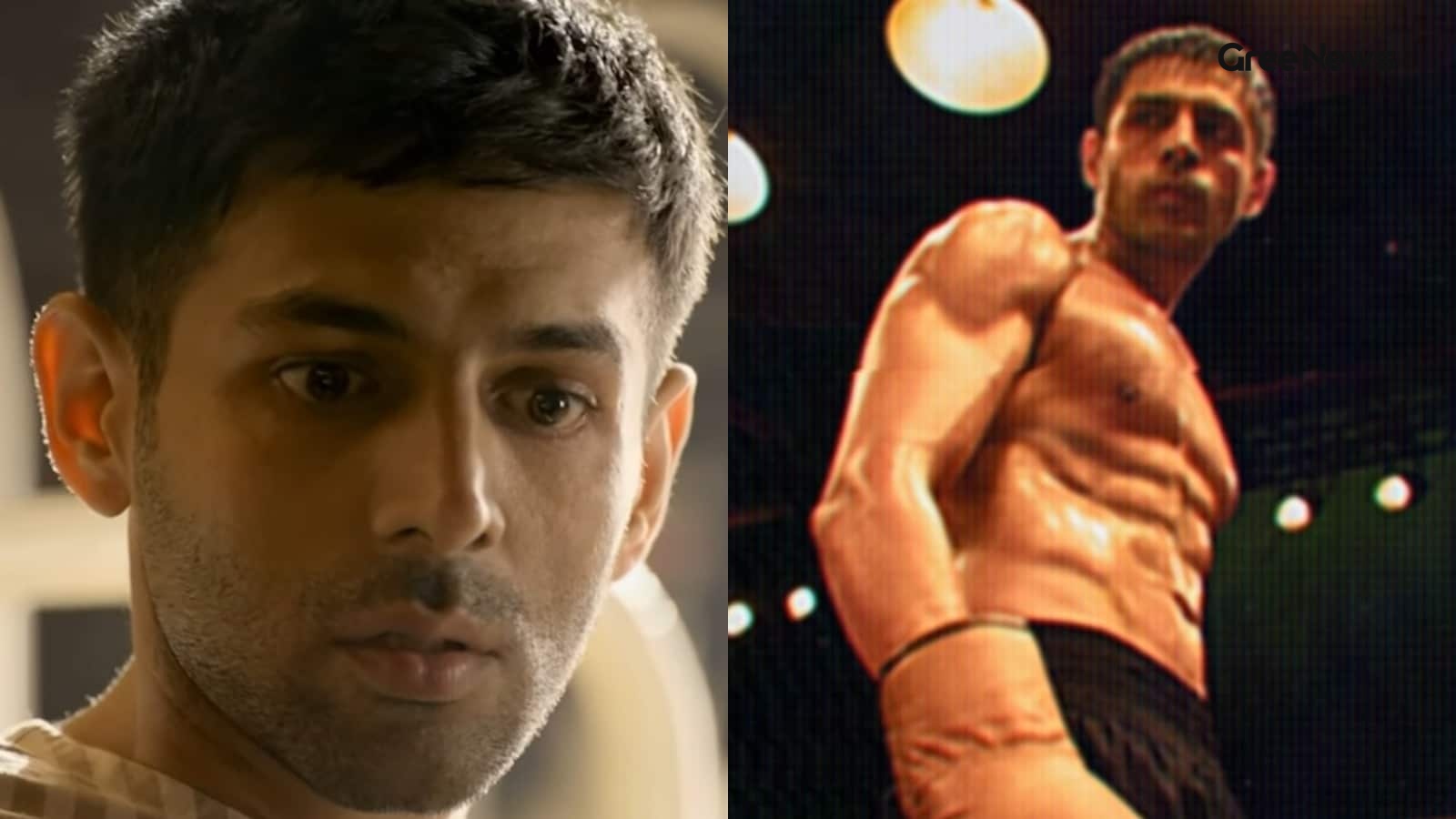
Kartik Aaryan's Emotional Journey and Next Project Rumors
Kartik Aaryan recently took a trip down memory lane. It was Chandu Champion’s two-year mark, and he shared something really emotional about the journey of portraying Murlikant Petkar, India’s first Paralympic gold medallist. But it wasn't just a reflection; his closing remark really snagged attentio
Jun 15, 2026 by Gree News Team

Cooling Down in Indian Summer: Ayurvedic Home Remedies
Indian summer isn’t just about the heat itself. It’s really about how your body tries to keep up with it. You move through those humid streets, and the discomfort you feel? That’s not just outside stuff. Your body is sending a quiet signal something needs attention. Balance. In Ayurveda, they link t
Jun 15, 2026 by Gree News Team
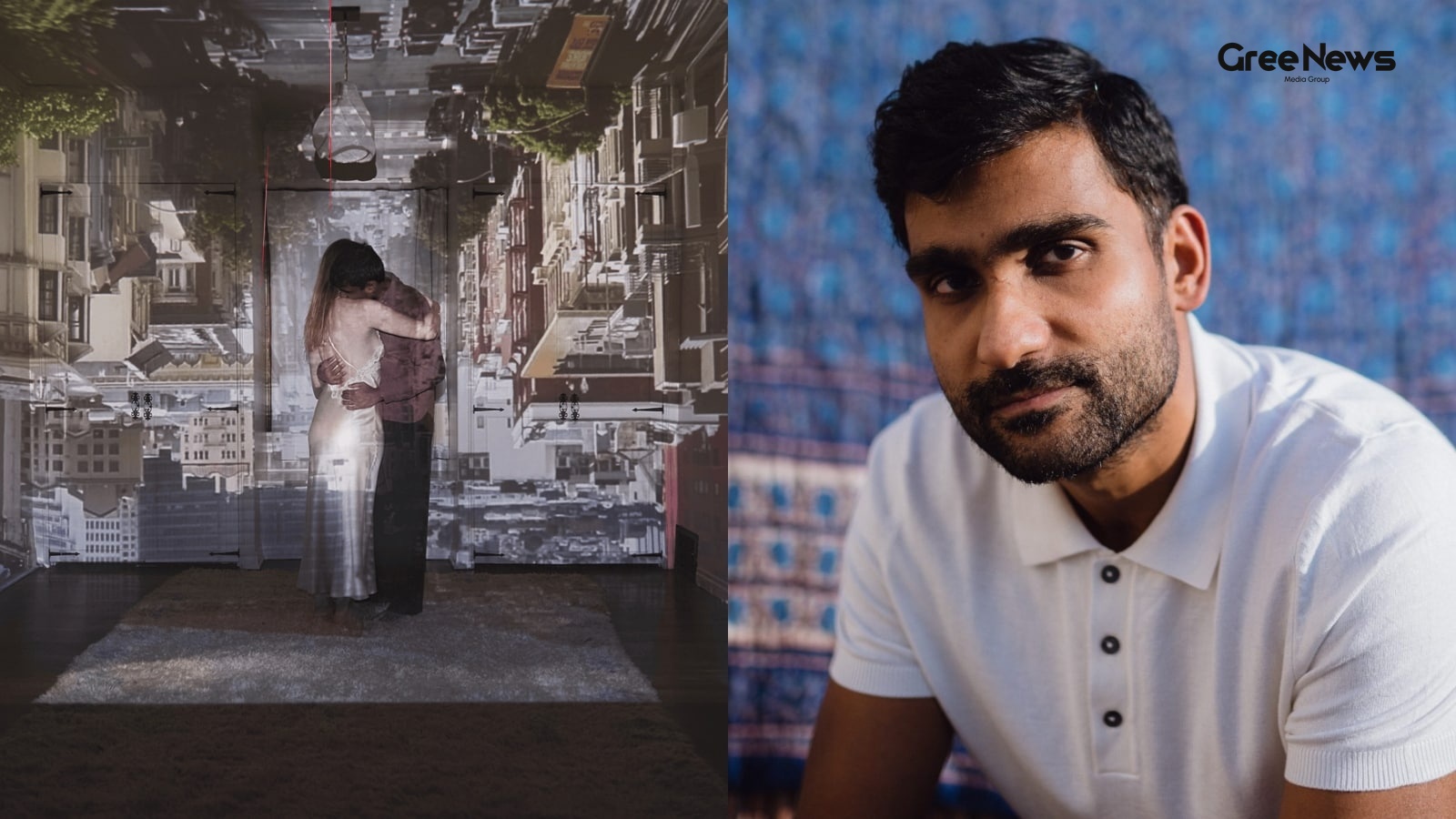
Prateek Kuhad's New Single and Album: Exploring Identity and Emotion
Prateek Kuhad just dropped a new single, “If I Cannot Be Yours.” It comes after Blush, which was the first track from the album they were working on last month. And now this. It’s all tied up in *Full Moon Chamber*. The new music video is out too. It gives you another look at that emotional landscap
Jun 15, 2026 by Gree News Team
Chiyaan Vikram's *Chiyaan63*: Rumors, Fees, and Production Details
Chiyaan Vikram’s next big thing, *Chiyaan63*, is definitely generating a lot of noise right now. It’s all about that rumored fee floating around, isn't it? There are whispers real whispers, based on what industry trackers are circulating that the actor might have agreed to a hefty sum, something aro
Jun 15, 2026 by Gree News Team
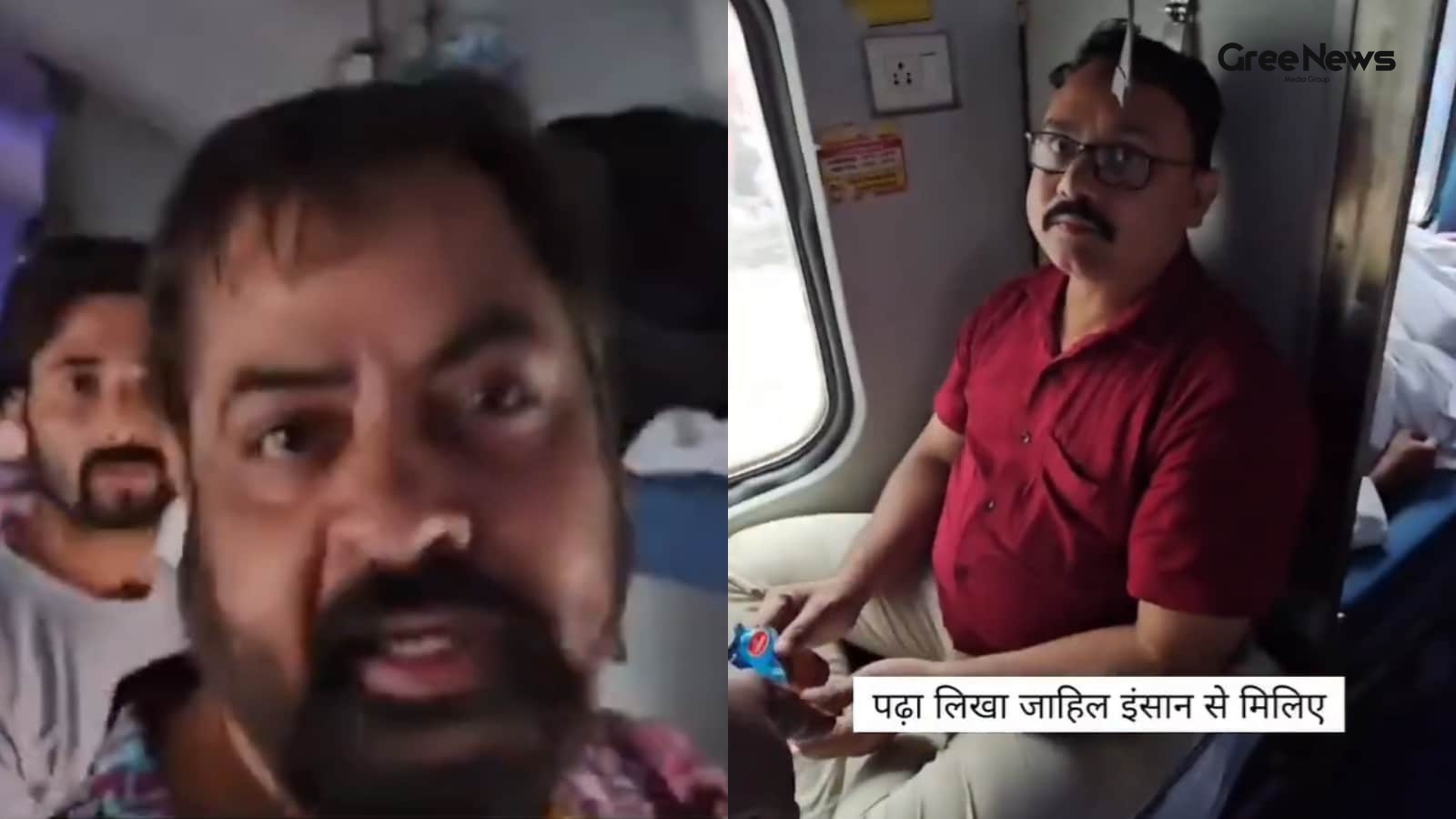
The Entitlement of Space: A Reflection on Public Friction and Social Boundaries
What happens when you watch stuff like that online? It just sparks things. You see this clip, right? Two guys on a train, fighting over a seat. Not some grand political drama, no. Just basic inconvenience escalating into something… messy. People latch onto it instantly. It’s the whole seating thing,
Jun 15, 2026 by Gree News Team
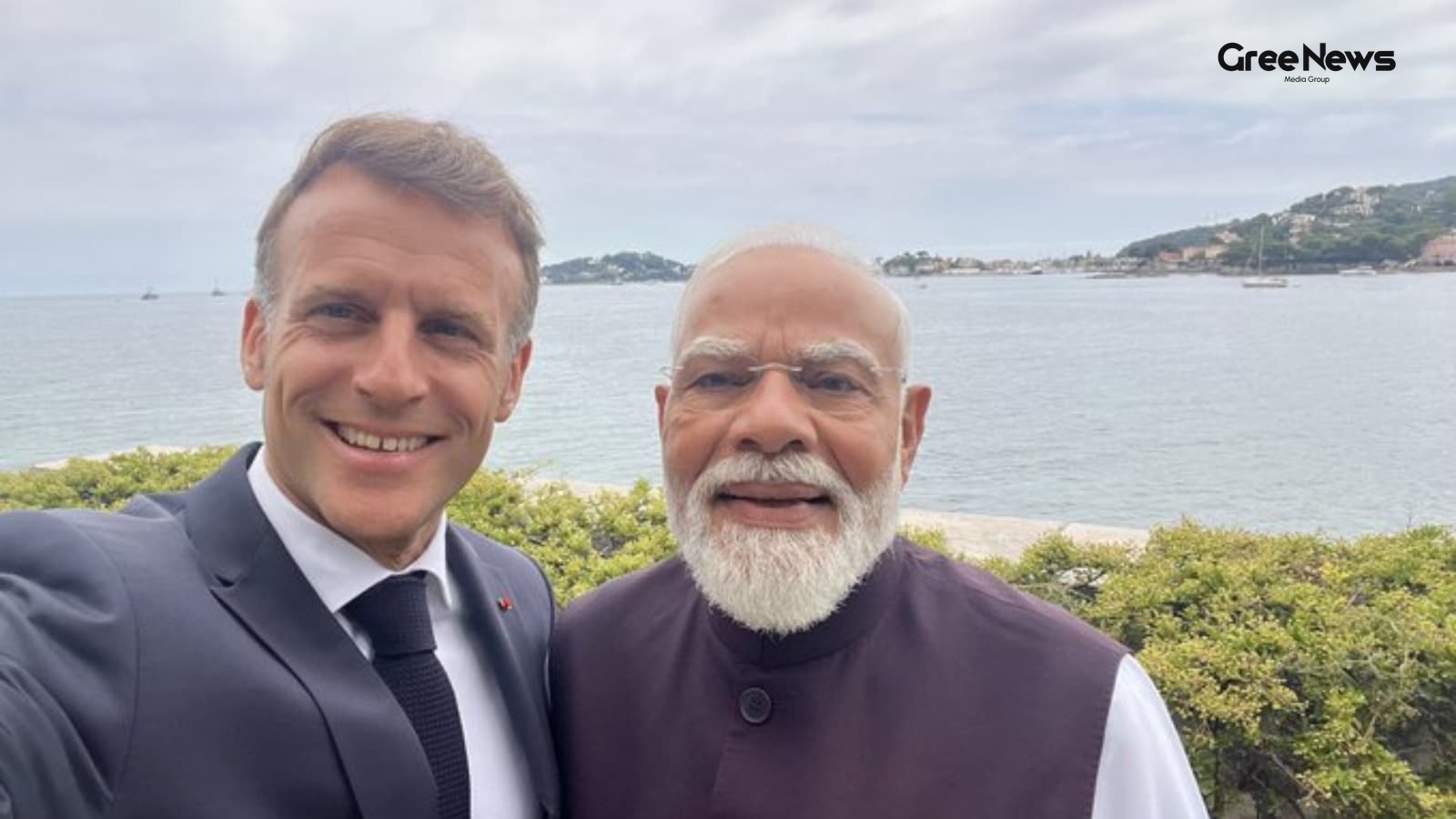
The Geopolitical Significance of the Macron-Modi Moment
The photo dropped online, naturally. Macron and Modi smiling against that Mediterranean backdrop in Nice. Just a selfie, captioned with one word: “Nice!” It felt… light. Almost deliberately so. But underneath that simple caption, there was a whole current running through it. A kind of unspoken ackno
Jun 15, 2026 by Gree News Team

Protest in Delhi Linked to US Naval Strikes and Maritime Incidents
The scene in Delhi is wild right now. Auto-rickshaw drivers, you know, they’re tearing down posters. Posters of Donald Trump. It’s happening on their vehicles. A protest, obviously, after some nasty news about a US strike off Oman that supposedly killed three Indian sailors. Videos are flooding soci
Jun 15, 2026 by Gree News Team
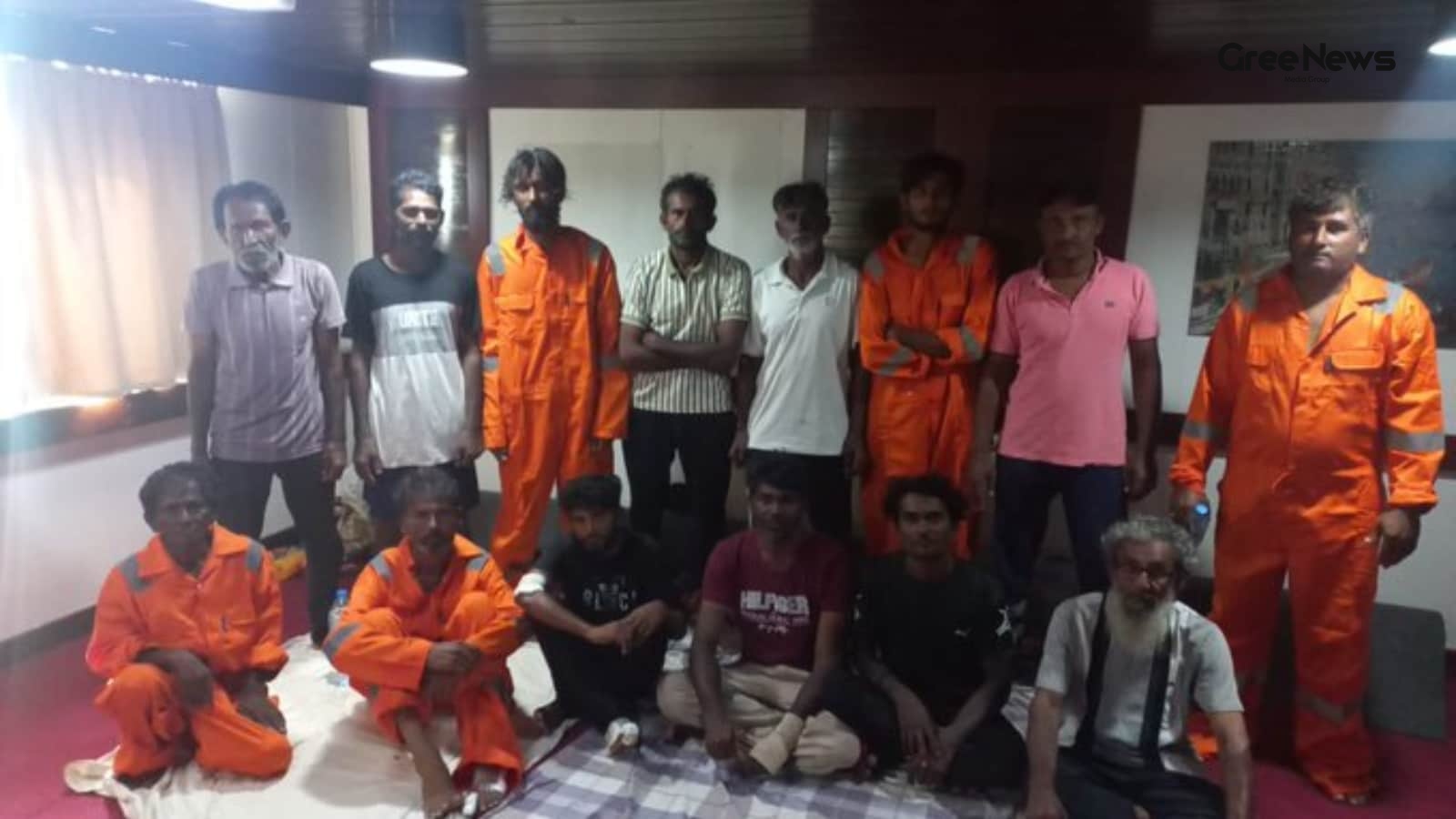
Maritime Safety and Geopolitical Risks in the Gulf Region
Fourteen Indian crew members. That’s what they managed to pull off, safely evacuated from a ship near Oman this past Sunday. An engine failure forced the issue. It kicked off an immediate rescue operation involving Omani authorities and various maritime agencies scrambling into action. It wasn't jus
Jun 15, 2026 by Gree News Team
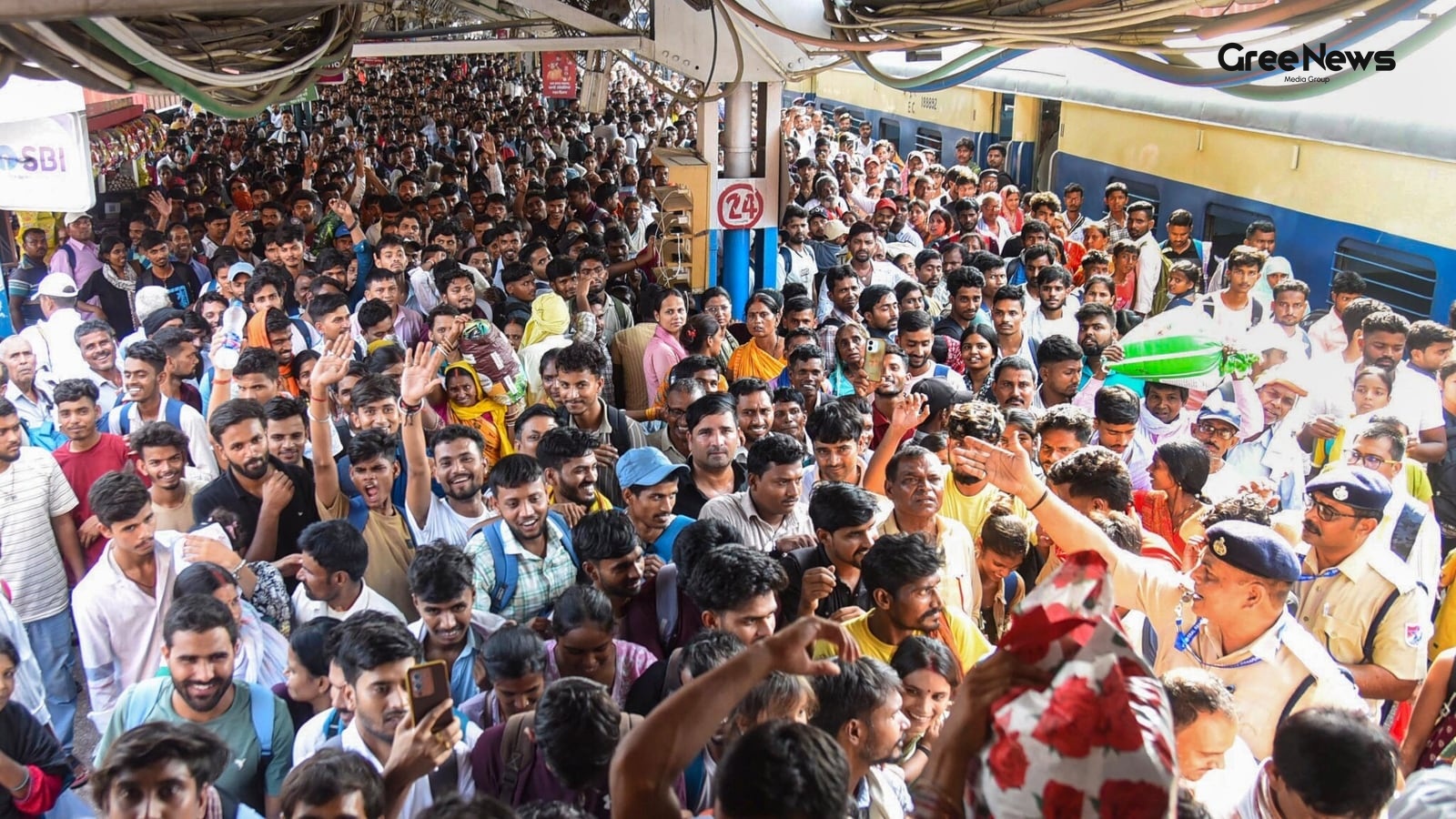
Violence Erupts at Patna Railway Station During Exam Protest
Violence erupted at Patna’s Pataliputra Railway Station on Saturday night. Hundreds of exam aspirants had blocked the railway tracks. They were protesting what they claimed was inadequate train arrangements for an examination scheduled for Sunday. Amresh Kumar, who is the Inspector General in charge
Jun 15, 2026 by Gree News Team
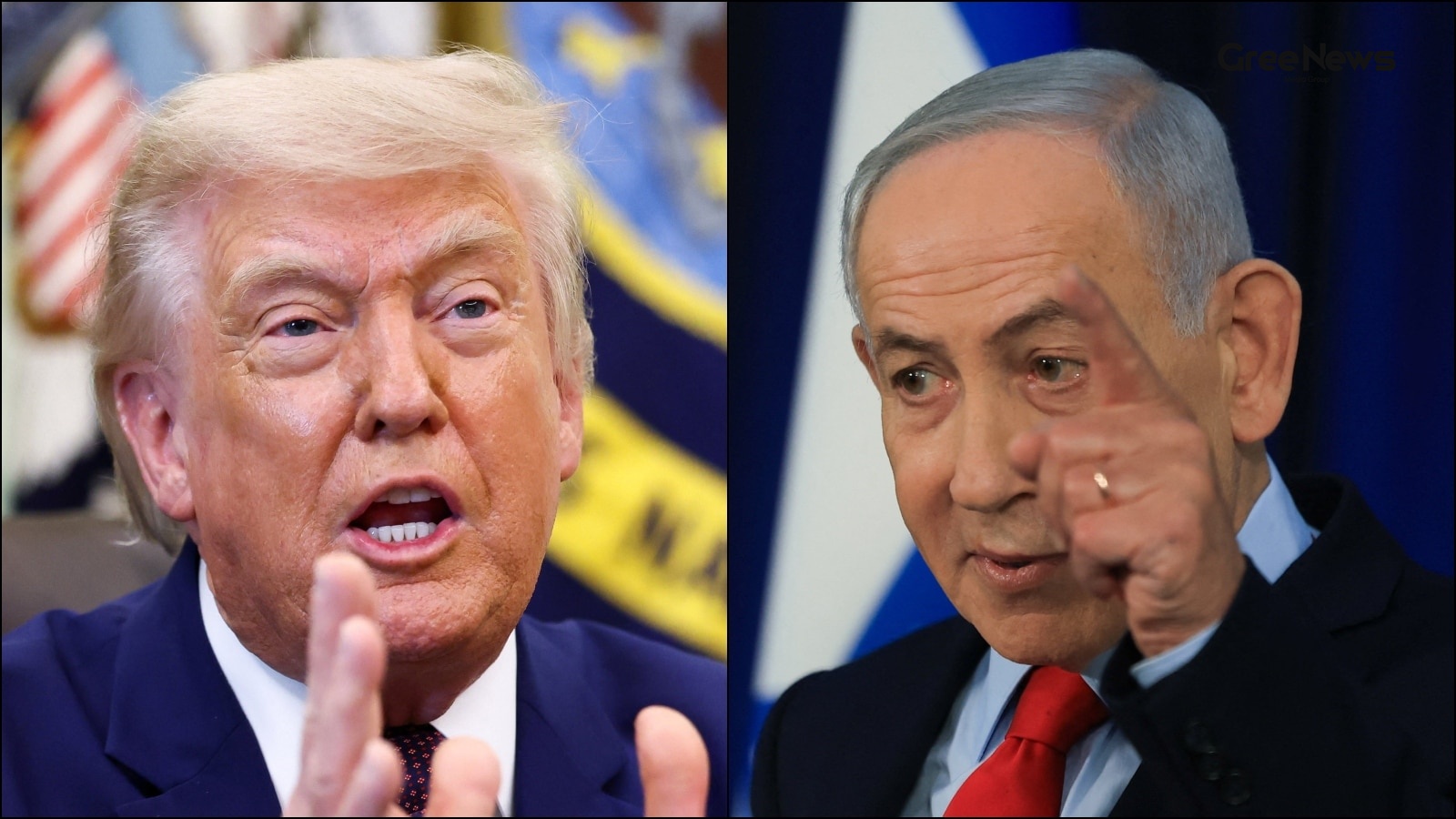
Donald Trump's Reaction to the Beirut Strike and the Iran Peace Deal
Donald Trump got really angry. He sharply criticized Israeli Prime Minister Benjamin Netanyahu about that Beirut strike on Sunday. He said he was "so pissed off" by the decision. That’s what came out in remarks shared with journalist Barak Ravid of *Axios*. Apparently, this happened during a phone c
Jun 15, 2026 by Gree News Team
Kangana Ranaut's Film Receives Entertainment Tax Exemption in Haryana and Delhi
Kangana Ranaut’s new film, *Bharat Bhhagya Viddhaata*, is suddenly doing really well at the box office. And it’s not just the movie that got attention. Haryana actually waived entertainment tax on it within days of release. That announcement came after a special screening. Chief Minister Nayab Singh
Jun 15, 2026 by Gree News Team

The Power of the First Hour: Morning Habits for Longevity and Health
That first hour after you wake up. it might be way more important than most people realize. longevity physician Dr Vassily Eliopoulos, he just goes by Dr Vass, points out that the habits we get into in the morning really mess with everything. think hormone levels, metabolism, energy, focus even long
Jun 15, 2026 by Gree News Team