Impact of Crude Oil Price Drop on Global Markets and India's Economy
Crude oil prices took a dive on Monday. Nearly five percent off. It happened after the US and Iran announced some preliminary peace deal. The big thing? They said it might reopen the Strait of Hormuz. That choke point, one of the most vital shipping lanes globally for oil, suddenly felt less threatened.
This move eased those fears about supply getting messed up in West Asia. And naturally, that triggered a sharp correction across the board.
Brent crude, which sets the global benchmark, slid down to about $83 a barrel. WTI, US West Texas Intermediate, dropped below $81. Traders just started unwinding all that geopolitical risk they’d been pricing into oil for months now. It felt like the fear premium just evaporated. That aGreement is supposed to let oil and gas flow through Hormuz again. Roughly a fifth of all global oil moves that way.
Markets had been running hot, hitting $120 per barrel back in March when things were escalating between the US and Iran. Everyone was worried about supply tightens. But now, this peace framework signals a slow normalization of exports from that whole region. The risk of a massive supply shock just faded away. That’s what made prices fall so fast.
Impact on India
India is dealing with all this too. It's the world's third-largest oil consumer. They pull in over eighty-five percent of their crude needs. So, when global prices shift, it hits India hard. It messes with their economy, inflation numbers, how much money they have on hand, and corporate profits.
A sustained drop in oil costs directly lowers India’s import bill. That lessens the pressure on the rupee and helps balance the current account. Spikes, conversely, just widen deficits and fuel inflation everywhere else.
Crude remains one of those massive external variables policymakers watch constantly growth, inflation... it all hinges on it.
When you look at it purely from an import angle, crude is India’s single biggest thing they buy. Prices drop, less foreign exchange drains out for energy imports. This helps narrow that current account deficit (CAD). Less dependence on outside money flows supports the rupee and keeps some stability.
Think about how much oil they move daily. Even a ten-dollar dip per barrel can translate into billions saved annually just by avoiding those import costs. It’s a huge amount of cash flow, really.
Macroeconomic and Sectoral Effects
Energy prices touch everything. Transportation, logistics, making things all get cheaper when crude is lower. That should ease the inflationary pressure everywhere. Petrol, diesel, jet fuel, LPG... these are all tied up with oil. Even if you don't see retail pump prices drop immediately, those lower input costs eventually help keep inflation in check across sectors.
This breathing room matters for the Reserve Bank of India, too. It gives them more flexibility when managing growth and rates.
And that stability helps the currency a lot. When import bills shrink, there’s less demand for US dollars from oil companies and refiners. That can help stabilize the rupee against the dollar. A steadier rupee means imports are cheaper overall, which is another way to fight imported inflation.
Investor confidence also follows that trend. Stability in the currency makes people feel better about putting money into Indian financial markets.
Airlines, for example, they run on aviation fuel it’s a huge cost. Paint makers, tire companies, chemical firms all get a boost from lower raw material expenses. Logistics and transport firms see their fuel bills ease instantly. Even auto companies might cheer up based on general consumer mood when costs ease.
Consumer businesses too probably see more demand. When households spend less money wrestling with high fuel prices, they have more cash left over for other things.
Historically, falling crude has been good news for Indian stocks. It just creates a calmer macroeconomic environment. Lower inflation, a stronger rupee, and less strain on the current account that setup generally favors corporate earnings. Banking, auto, chemicals... those sectors often look attractive when oil dips.
Market Reaction
That fear factor is gone now, too. The latest drop boosted risk appetite globally because that big Middle East disruption threat seemed to dissipate. Indian equities saw a strong start Monday. They rallied across the board as everyone reacted to that US-Iran deal framework involving Hormuz.
Japan’s Nikkei jumped over four percent in early trade. South Korea’s Kospi pushed up 4.3 percent. Australia’s ASX 200 gained a touch more, up 1.4 percent. Even the US futures moved up slightly S&P 500 futures crept up 0.8 percent, and Nasdaq futures climbed 1.4 percent.
But here's the kicker: retail fuel prices in India didn't budge on Monday. Petrol and diesel stayed exactly the same. Why? Because those numbers aren't just about crude oil. They depend on refining margins, taxes, marketing costs... all that local stuff changes things. If crude stays low for a long time, consumers will eventually feel that benefit rolling in. It’s not instant magic at the pump.
Written by Gree News Team — Senior Editorial Board
Gree News Team covers international news and global affairs at Gree News. Our collective of senior editors is dedicated to providing independent, accurate, and responsible journalism for a global audience.
More from Economy
View All
Petrol, Diesel, and CNG Prices Update and Market Shifts
Petrol, diesel, and CNG prices... they just stayed put on Monday, June 15th, 2026. Nothing major shifted there. But the oil market companies and those gas distribution outfits are always revising things at six in the morning, you know? Still, you had that whole situation with petrol and diesel. OMCs
Jun 15, 2026 by Gree News Team

The 8th Pay Commission: Timeline, Arrears, and Financial Projections
The whole thing about the 8th Pay Commission feels like it’s always been looming. You know? For nearly fifty lakh central government employees and the pensioners about sixty-five lakh of them too it's one of those developments everyone is watching with bated breath. Consultations are running, that’s
Jun 13, 2026 by Gree News Team
Fuel Prices and Market Updates: Petrol, Diesel, and CNG
Petrol, diesel, and CNG prices hung steady on Friday, June 12th. Nothing moved there officially. But behind the scenes, oil market companies and those running gas distribution firms are still tweaking things every morning at six. Still, you saw movement elsewhere. Petrol and diesel had already jumpe
Jun 12, 2026 by Gree News Team
Geopolitical Escalation and Fear in the Strait of Hormuz
The air around the Strait of Hormuz just got heavier. It’s that kind of palpable shift you feel before something breaks a low hum of anxiety that settles deep in the bones of anyone paying attention to the geopolitical currents swirling through the Middle East right now. And it wasn't subtle this ti
Jun 12, 2026 by Gree News Team
Latest Headlines

Protest in Delhi Linked to US Naval Strikes and Maritime Incidents
The scene in Delhi is wild right now. Auto-rickshaw drivers, you know, they’re tearing down posters. Posters of Donald Trump. It’s happening on their vehicles. A protest, obviously, after some nasty news about a US strike off Oman that supposedly killed three Indian sailors. Videos are flooding soci
Jun 15, 2026 by Gree News Team
Maritime Safety and Geopolitical Risks in the Gulf Region
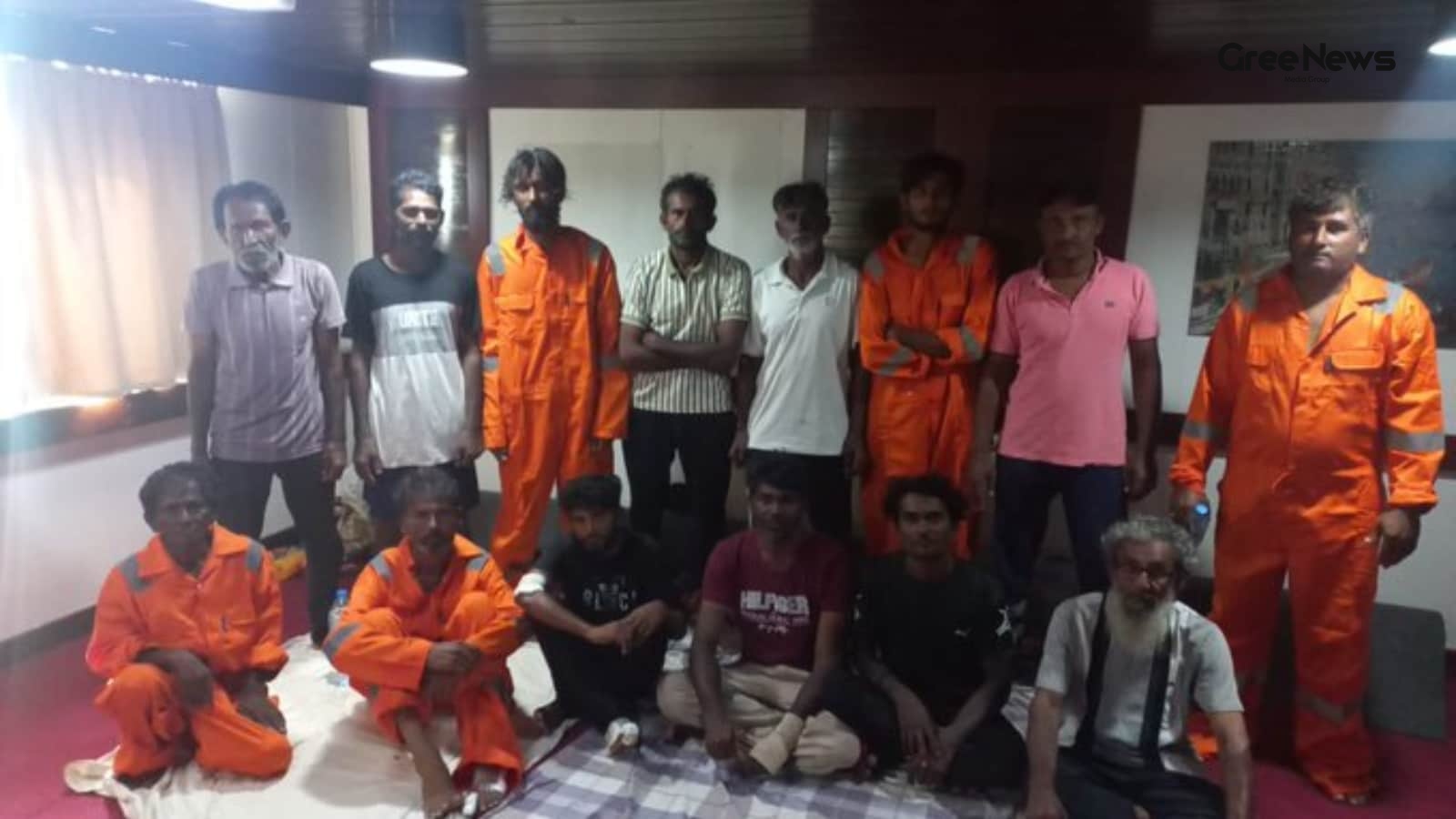
Fourteen Indian crew members. That’s what they managed to pull off, safely evacuated from a ship near Oman this past Sunday. An engine failure forced the issue. It kicked off an immediate rescue operation involving Omani authorities and various maritime agencies scrambling into action. It wasn't jus
Jun 15, 2026 by Gree News Team
Violence Erupts at Patna Railway Station During Exam Protest
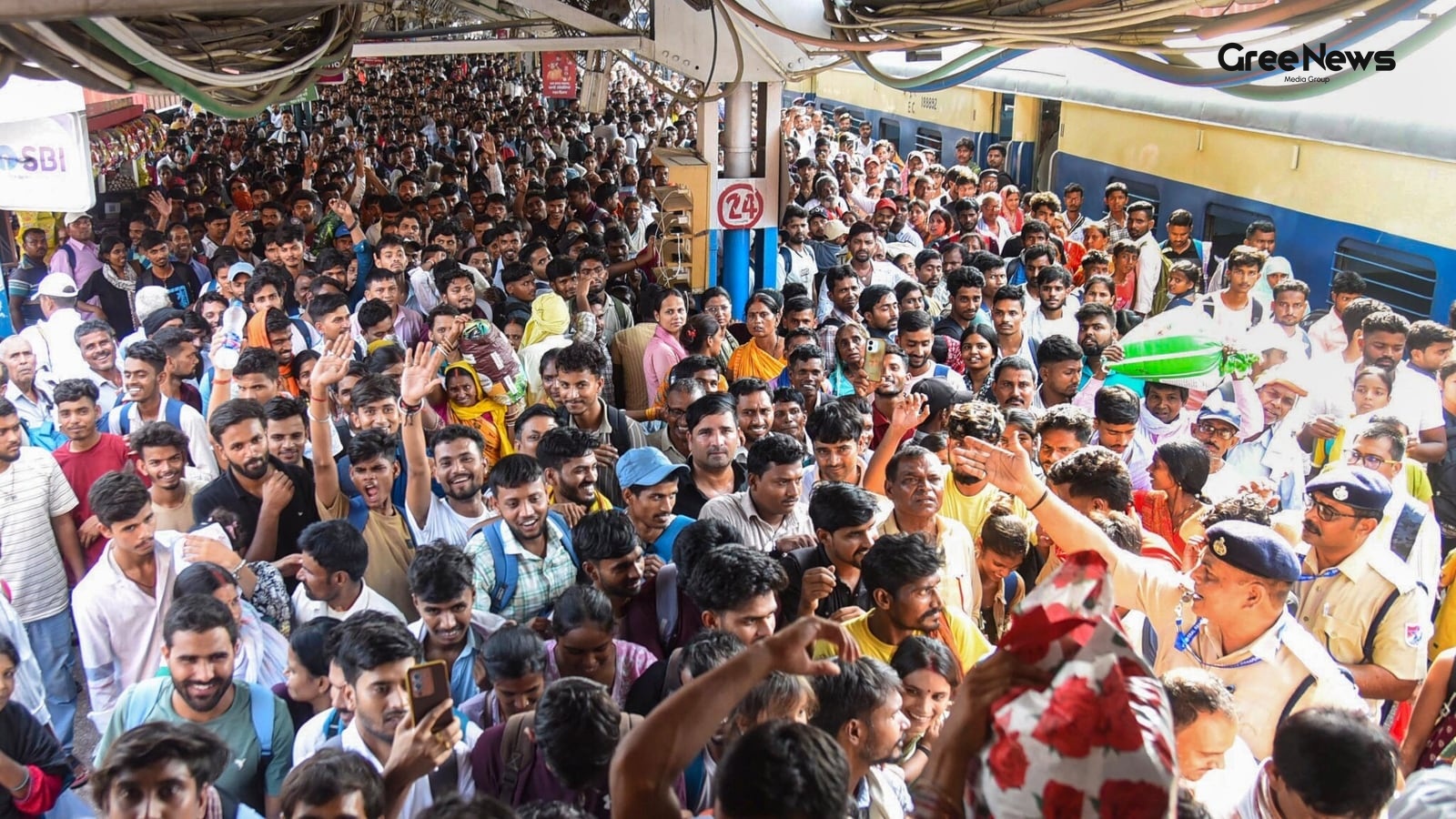
Violence erupted at Patna’s Pataliputra Railway Station on Saturday night. Hundreds of exam aspirants had blocked the railway tracks. They were protesting what they claimed was inadequate train arrangements for an examination scheduled for Sunday. Amresh Kumar, who is the Inspector General in charge
Jun 15, 2026 by Gree News Team
Donald Trump's Reaction to the Beirut Strike and the Iran Peace Deal
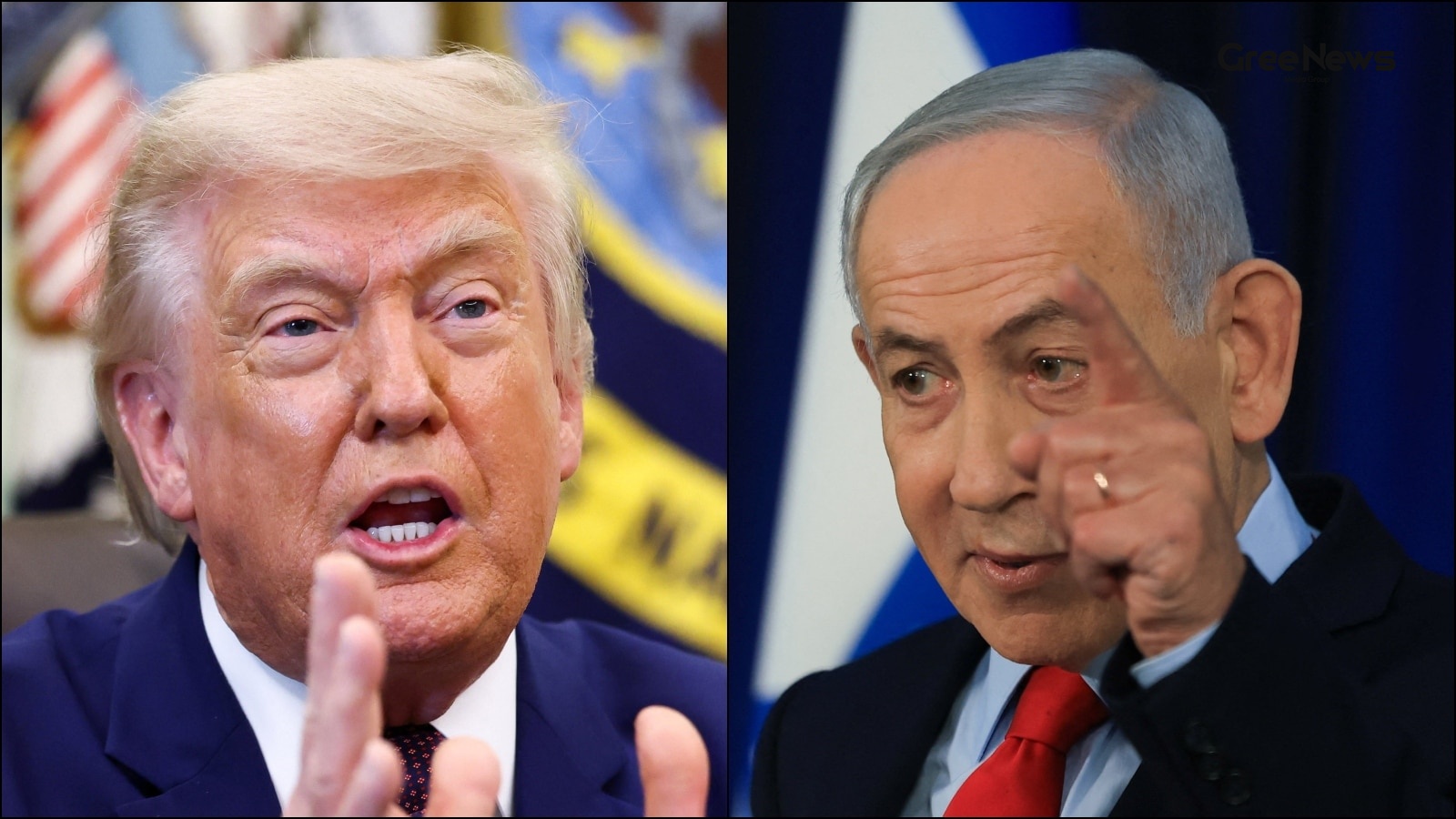
Donald Trump got really angry. He sharply criticized Israeli Prime Minister Benjamin Netanyahu about that Beirut strike on Sunday. He said he was "so pissed off" by the decision. That’s what came out in remarks shared with journalist Barak Ravid of *Axios*. Apparently, this happened during a phone c
Jun 15, 2026 by Gree News Team

Kangana Ranaut's Film Receives Entertainment Tax Exemption in Haryana and Delhi
Kangana Ranaut’s new film, *Bharat Bhhagya Viddhaata*, is suddenly doing really well at the box office. And it’s not just the movie that got attention. Haryana actually waived entertainment tax on it within days of release. That announcement came after a special screening. Chief Minister Nayab Singh
Jun 15, 2026 by Gree News Team

The Power of the First Hour: Morning Habits for Longevity and Health
That first hour after you wake up. it might be way more important than most people realize. longevity physician Dr Vassily Eliopoulos, he just goes by Dr Vass, points out that the habits we get into in the morning really mess with everything. think hormone levels, metabolism, energy, focus even long
Jun 15, 2026 by Gree News Team
Rail Disaster near Hetampur: Chaos and Aftermath
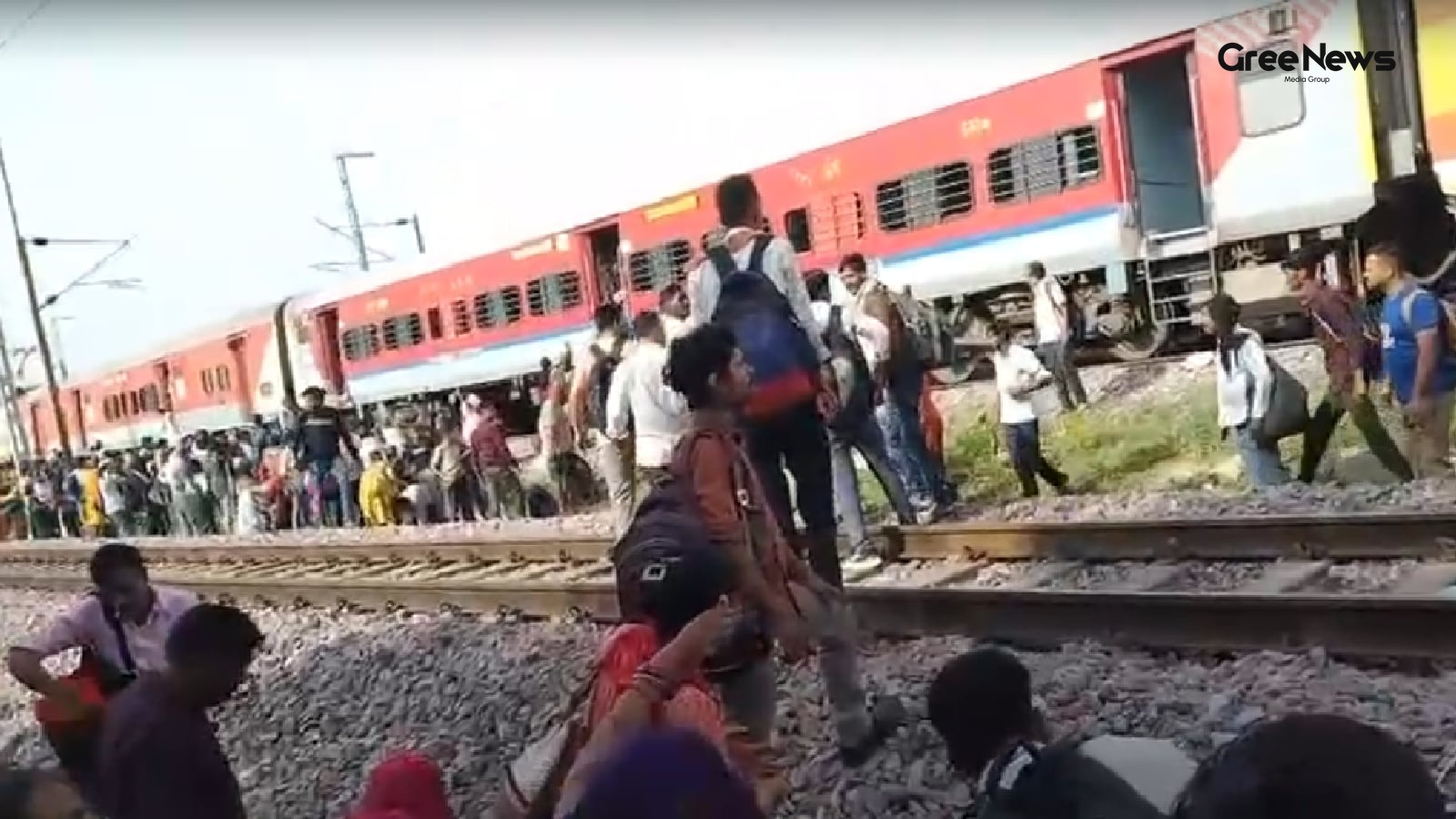
The scene near Hetampur railway station. It wasn’t smooth, not at all. Everything felt broken that day. Train No. 19665 Khajuraho-Udaipur Intercity Express had stopped. Around four fifteen in the afternoon. Just a halt. A sudden stop. And then things started to unravel. Initial whispers, you know? R
Jun 15, 2026 by Gree News Team

Tragedy and Negligence: The Brazil Bridge Swing Incident
That whole thing that happened in Brazil is just… shocking. A 21-year-old woman lost her life after apparently being launched off a bridge swing without any safety rope on her harness. It just happened. And now everyone’s furious, and police are looking into whether someone was negligent. She was na
Jun 15, 2026 by Gree News Team

Eye Health Risks During Monsoon Season: 5 Infections to Watch For
The monsoon season rolls in, bringing that much-needed relief from the brutal summer heat. But there’s a shadow hanging over everything a higher risk of seasonal infections creeping in. Moist weather, thick humidity, polluted air... all that dampness and dust just make it easier for germs to spread
Jun 15, 2026 by Gree News Team

International Cricket Stadium in Gorakhpur Development
The push for the International Cricket Stadium in Gorakhpur is really picking up speed now. Officials from the Uttar Pradesh government mentioned that about 6.73 per cent is done since they started the work after laying that foundation stone back in May. It’s a big deal, mind you. We're talking an e
Jun 15, 2026 by Gree News Team
Admissions Open at Major Dhyan Chand Sports University: Sports and Diploma Programs
Admissions are finally open at Major Dhyan Chand Sports University in Meerut. They’re looking at undergraduate stuff, postgraduate degrees, even some diploma programs for the 2026-27 session. Applications stay open until July 10th. That's the deadline hanging over everyone right now. This year, they
Jun 15, 2026 by Gree News Team
US and Iran Peace Deal Negotiations and Demands
The US and Iran supposedly nailed down a peace deal after some intense back-and-forth negotiations wrapped up Sunday. Both sides agreed to stop all military moves immediately. That included everything going on in Lebanon too. President Trump was the one to confirm it, calling it a huge step for stab
Jun 15, 2026 by Gree News Team
US-Iran Framework Agreement, Nuclear Sticking Points, and Diplomatic Tensions
The framework agreement between the US and Iran came out of nowhere. Months of conflict suddenly paused. Military operations stopped. Negotiations started on the really messy parts, especially Tehran’s nuclear programme. Then you have the chatter from Trump. He said Israel stood to benefit from this
Jun 15, 2026 by Gree News Team
US Iran Framework Agreement: Draft Details and Sticking Points
The framework agreement itself that’s what they announced through the mediators, Pakistan leading the way, later confirmed by folks in Washington and Tehran it’s slated for a formal signing in Switzerland on June 19th. That date hangs over everything. But you don't actually have the full memorandum
Jun 15, 2026 by Gree News Team
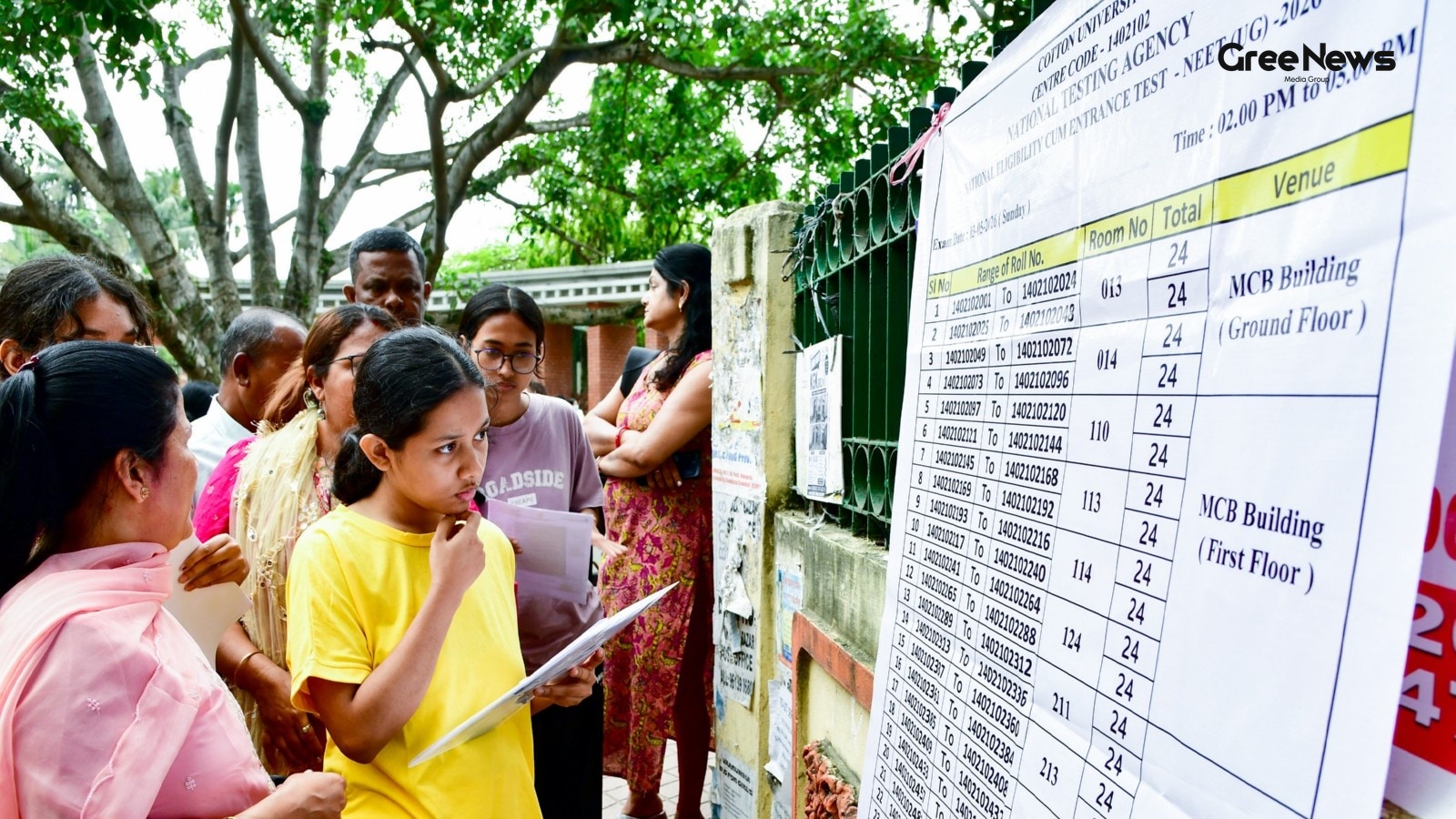
NEET (UG) 2026 Re-examination Admit Card Release Details
The National Testing Agency finally put out the admit cards for the NEET (UG) 2026 re-examination. It’s scheduled for June 21st, 2026. Sunday notice said you can grab these things from their official site, neet.nta.nic.in. You just need your application number and date of birth to get started. But t
Jun 15, 2026 by Gree News Team