The Geopolitical Aftermath: Peace, Anxiety, and the Deal in Lebanon
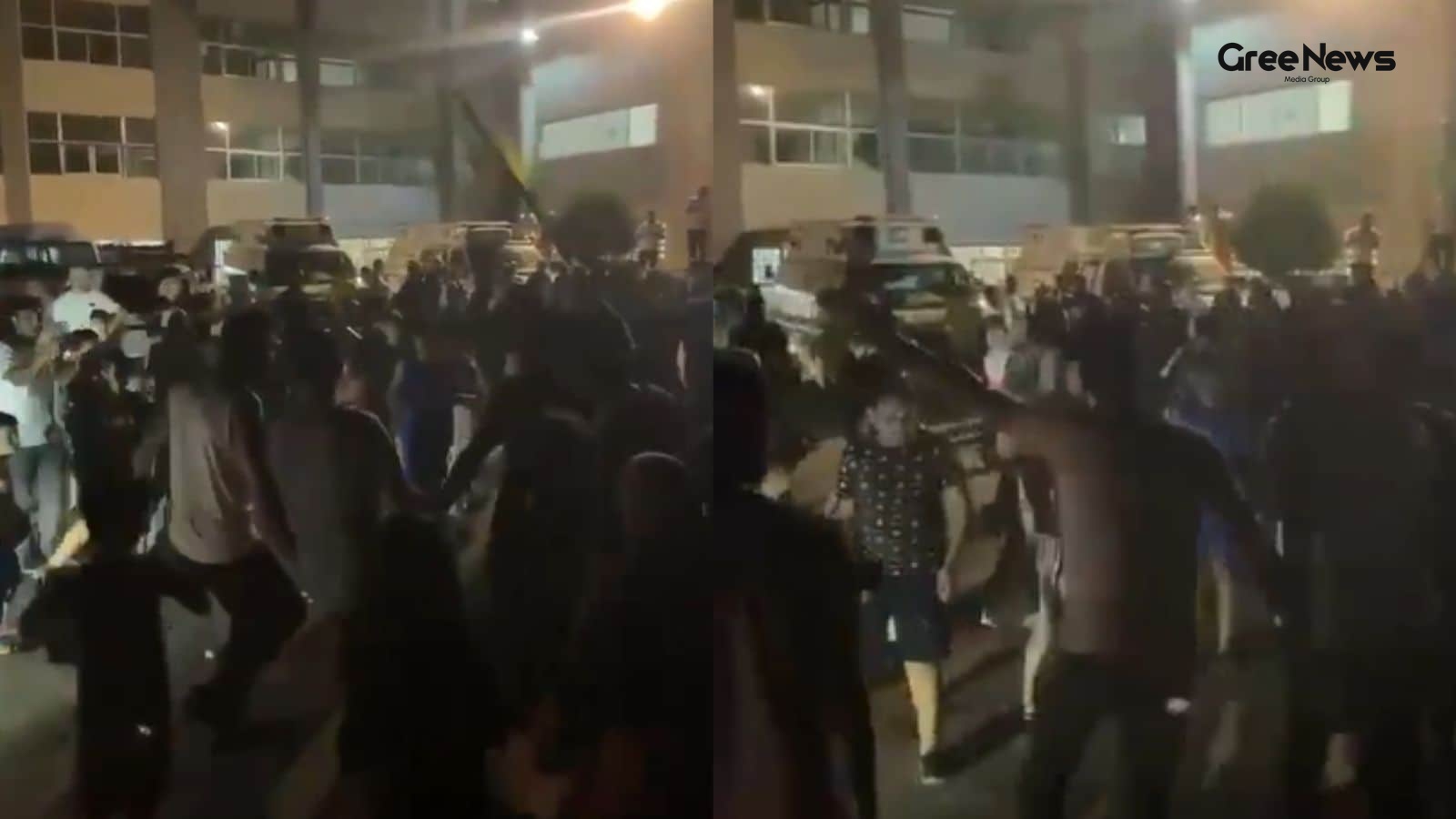
The air in Lebanon felt thick that day. Not just the usual summer humidity, no. It was something heavier, a strange mixture of exhausted relief mixed with lingering, raw anxiety. People were out on the streets, waving flags the colors seemed almost absurdly bright against the backdrop of months spent living under this constant, low-grade hum of regional tension. Horns blared, cheering mixed with nervous laughter as news of the deal finally started to filter through. It wasn't a clean resolution, not in the way you might expect from a formal treaty signed in some distant, sterile room. It was just… something happened.
The United States and Iran had managed it. An aGreement struck after what felt like an eternity of simmering conflict across the Middle East. Three months of war stretching out, a dragging mess that involved everything from the Strait of Hormuz to the volatile streets surrounding Beirut, suddenly paused. Immediate and permanent cessation of military operations that was the core promise whispered through the news feeds and shouted in the crowded squares.
It was Pakistan who stepped into the role of mediator, an awkward pivot point trying to stitch together something impossibly fractured. Then came the confirmations from Washington and Tehran. It felt less like a grand diplomatic triumph and more like two massive gears finally grinding into alignment after years of agonizing friction.
The actual signing ceremony? A formality set for Switzerland on June 19th. Sounds so clean, doesn't it? Like something neatly boxed up and sealed. But the reality unfolding back home was far messier than any diplomatic communiqué could convey. The celebration witnessed across Lebanon wasn’t just joy; it was a deep, visceral exhale. Residents who had spent half that time watching fear creep into every neighborhood, watching threats escalate with terrifying speed that relief tasted sharp.
But you have to look past the surface cheerfulness. There were questions hanging in the air, unspoken but heavy. How long would this actually last? Was it a true peace, or just a strategic pause before the next inevitable flare-up? That was the lingering shadow over every celebration. People welcomed the prospect of quiet after the noise had been deafening for so long.
And then there were the practical details, the bits that mattered most to people waiting by the radio and watching the screens. The aGreement wasn't just about stopping the fighting; it touched on arteries of global commerce. We’re talking about the Strait of Hormuz reopening. That passage, always a choke point, suddenly cleared. And simultaneously, the US naval blockade lifted from Iran.
Donald Trump made that announcement online. Just posted it there, in the ether of social media. “The Deal with the Islamic Republic of Iran is now complete.” A simple sentence, but it carried an immense weight because it came from him. It felt less like a formal declaration and more like a personal sign-off on a massive global headache.
Then you get to the specific authorizations. The language used regarding Hormuz was almost aggressive in its directness. “I hereby fully authorize the toll free opening of the Strait of Hormuz, and, simultaneously herewith, authorize the immediate removal of the United States Naval blockade.” It’s a statement of command, an act of permission handed over to the world. And then that follow-up the rallying cry: “Ships of the World, start your engines. Let the oil flow!” It shifts the focus instantly from geopolitical maneuvering to pure, tangible economic reality. Oil. Flowing. A sudden sense of potential movement in a stagnant region.
But for Lebanon, this entire colossal arrangement had one central, acute point. The most significant part wasn’t the reopening of shipping lanes or the end of distant warfare. It was the commitment hammered home: an immediate halt to fighting in Lebanon. That felt intensely personal, almost immediate, given the context that preceded it. Iran’s Deputy Foreign Minister Kazem Gharibabadi later confirmed that this meant an “immediate end” to hostilities between the two nations. But there was more going on underneath the surface.
That threat the one that caused the real panic just before this deal solidified it involved Israeli strikes, targeting Hezbollah in Beirut’s southern suburbs. That moment felt like the breaking point, the terrifying edge where any fragile diplomatic structure could snap. Fear that the peace would unravel before it was even properly finalized hung over everything.
The mediation itself played a role too, of course. Pakistani Prime Minister Shehbaz Sharif, whose government had been instrumental in brokering this tangled affair, offered his perspective. He stated plainly: “Both sides have declared the immediate and permanent termination of military operations on all fronts, including in Lebanon.” It’s a statement that attempts to pull disparate realities into one shared space, even if that space is inherently unstable.
And then there was the acknowledgment of the supporting players. Sharif also took a moment to thank Qatar, Saudi Arabia, and Turkey for lending their weight to this effort. Diplomacy isn't just about the two main actors; it’s about the entire messy web of alliances and interests pulling threads in different directions. Those acknowledgments felt necessary, humanizing the process slightly amidst all the grand strategy.
Looking back at those celebrations across Lebanon, you see that mixture again relief layered over deep uncertainty. People were breathing easier for a moment. They had endured months where the future seemed determined by the next incoming missile or the next border skirmish. Now, they had this fragile aGreement. It’s an acknowledgment of a pause, maybe even a temporary truce, but it doesn't erase the history etched into the landscape.
The real complexity, perhaps, lies in the long view. Peace isn't achieved by simply signing documents; it requires rebuilding something that was systematically torn down. The immediate cessation of fighting is one thing. Sustaining that quiet? That’s a mountain of work yet to be climbed. There will undoubtedly be friction points later on. Different interpretations. Different priorities reasserting themselves in the vacuum created by the ceasefire.
The flow of information itself feels intentionally fragmented, doesn't it? You have the immediate spectacle the flags waving, the cheers followed instantly by the heavy mechanics of maritime law and sanctions relief. Then you get pulled back to the very specific, localized fear about Hezbollah, and then a reflection on the role of mediators and external powers. It’s this uneven rhythm that mirrors the actual geopolitical situation: huge, sweeping events juxtaposed with intensely personal, immediate anxieties.
The world watches these deals happen, but what happens next? That remains the great unanswered question humming beneath the surface of the celebratory noise. The hope for peace is palpable right now. But true security, the kind that settles deep into a community, seems to require far more than just an announcement from Switzerland or a statement on social media. It requires a sustained effort, a genuine commitment beyond the immediate adrenaline rush of a negotiated ceasefire. And that journey, I suspect, is going to be long and incredibly fraught with difficulty.
Written by Gree News Team — Senior Editorial Board
Gree News Team covers international news and global affairs at Gree News. Our collective of senior editors is dedicated to providing independent, accurate, and responsible journalism for a global audience.
More from World
View All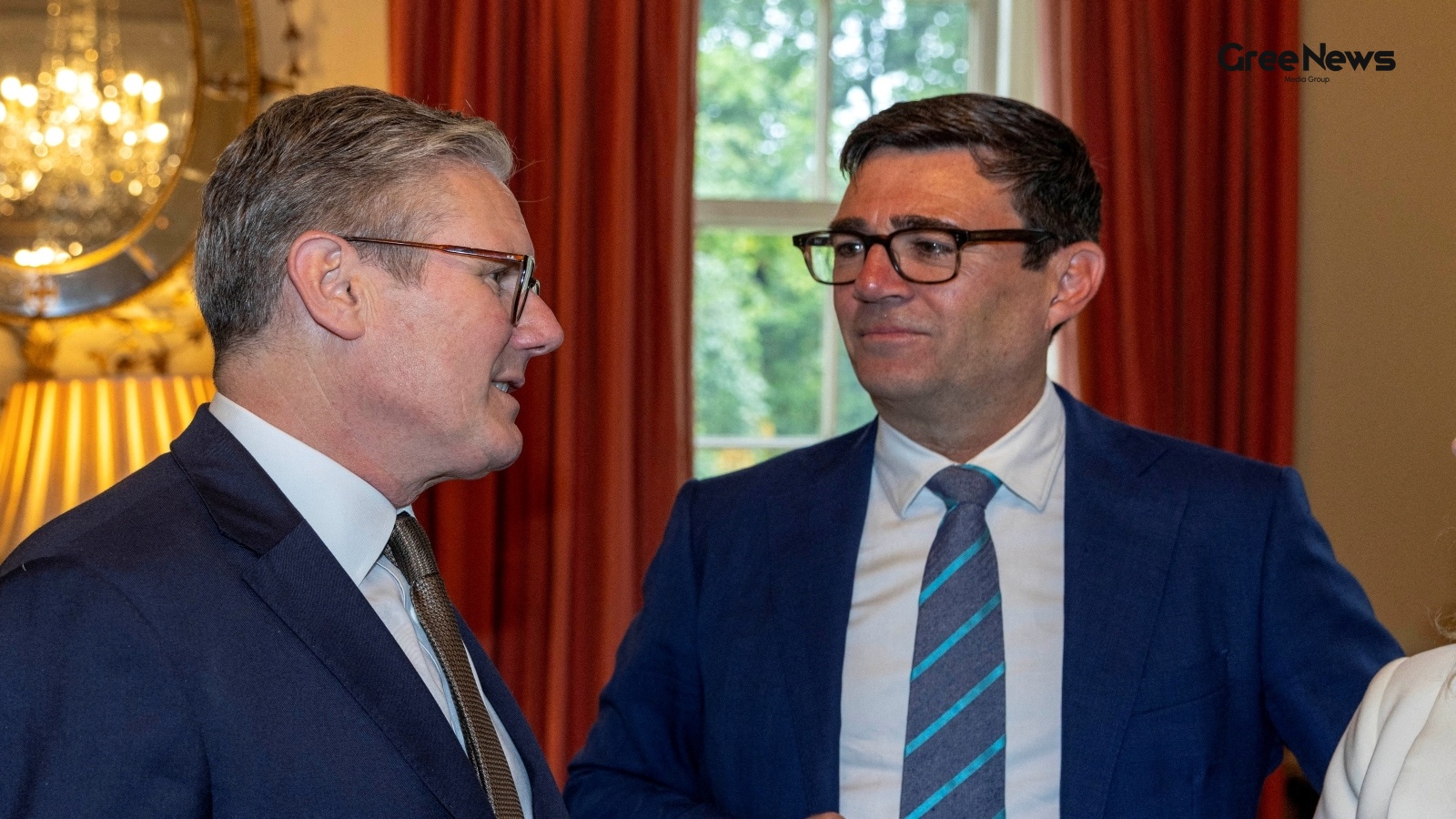
Andy Burnham's Makerfield Victory and the Challenge to Labour Leadership
Andy Burnham actually won that Makerfield by-election. A commanding majority. That’s what cleared the biggest hurdle in any attempt to rock Prime Minister Keir Starmer’s leadership of the Labour Party. It felt like a real shift happening right there. The Greater Manchester mayor grabbed 24,927 votes
Jun 19, 2026 by Gree News Team

Tragedy in Central Park: Death of Romanch Mahajan
An eighteen-year-old Indian kid, Romanch Mahajan, died after falling from a horse-drawn carriage in Central Park. It happened while he was trying to save his mother. Police said the whole thing started during a family ride. The driver stepped away, just for a picture of the group. That’s when the ho
Jun 19, 2026 by Gree News Team
Iran Pulls Out of Planned Public Ceremony
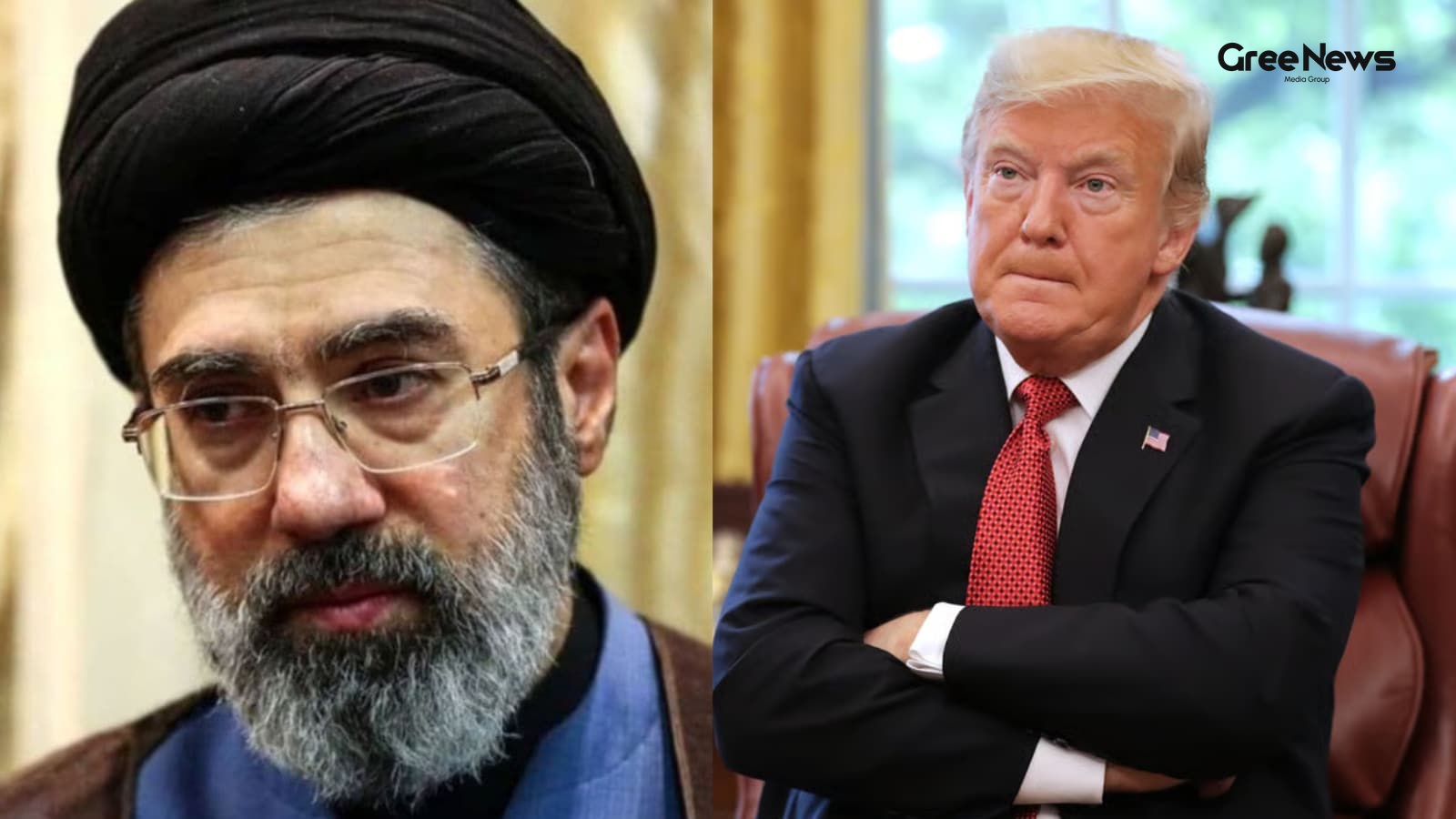
Iran pulled out. Out of a planned public ceremony in Switzerland. It was meant to mark that US-Iran peace agreement. Hardliners warned immediately. Sharing a stage with American officials? That would cause massive domestic backlash. A key source, someone close to a senior Islamic Revolutionary Guard
Jun 19, 2026 by Gree News Team
The Peace Deal Between Washington and Tehran and Israel's Security Concerns
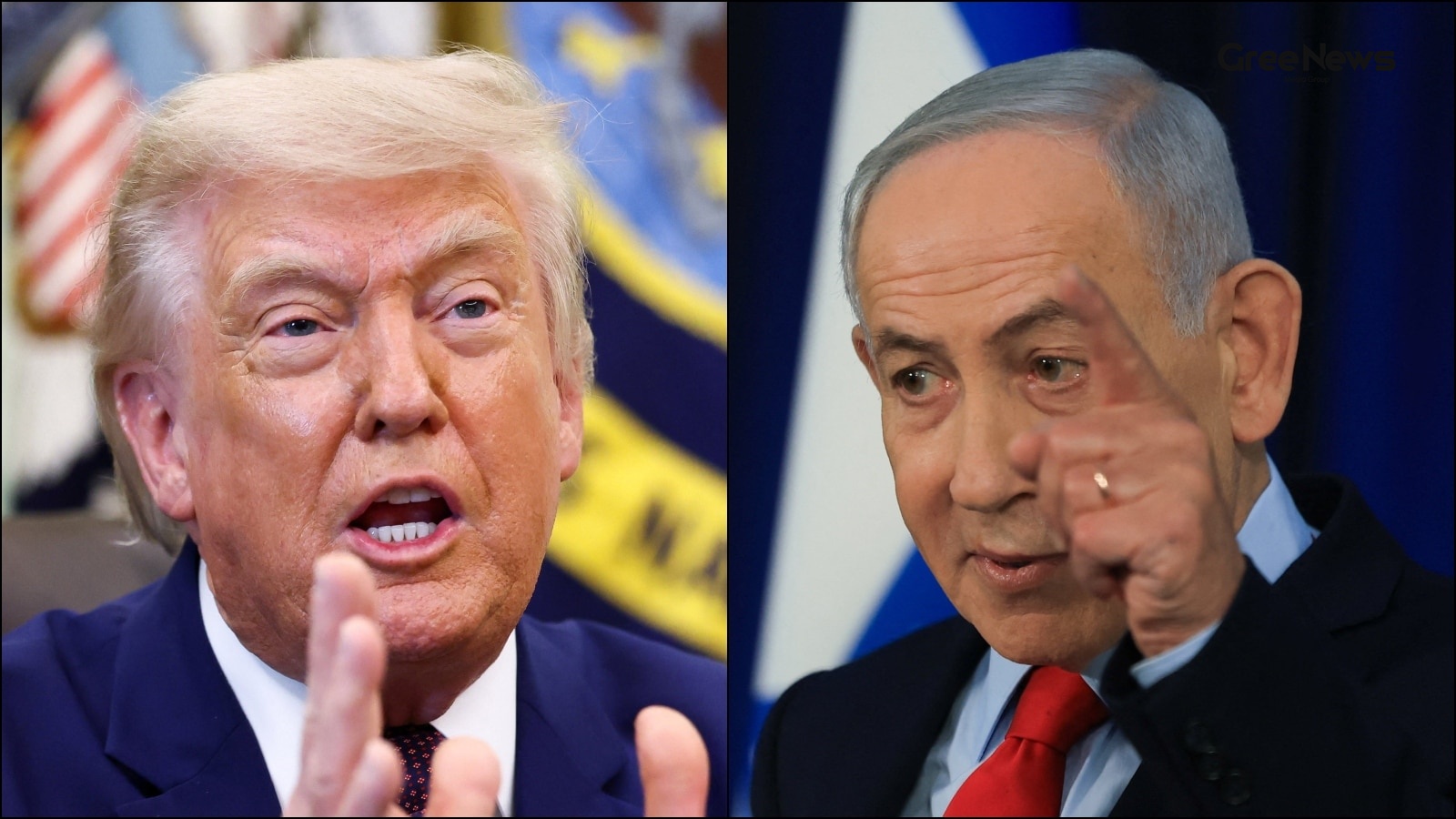
That peace deal between Washington and Tehran? After it was signed, President Trump said it wiped out what he called Israel’s biggest security worry. He brought this up speaking to reporters in Évian-les-Bains, France, during that G7 meeting. He claimed he had actually talked to Israeli Prime Minist
Jun 18, 2026 by Gree News Team
Latest Headlines
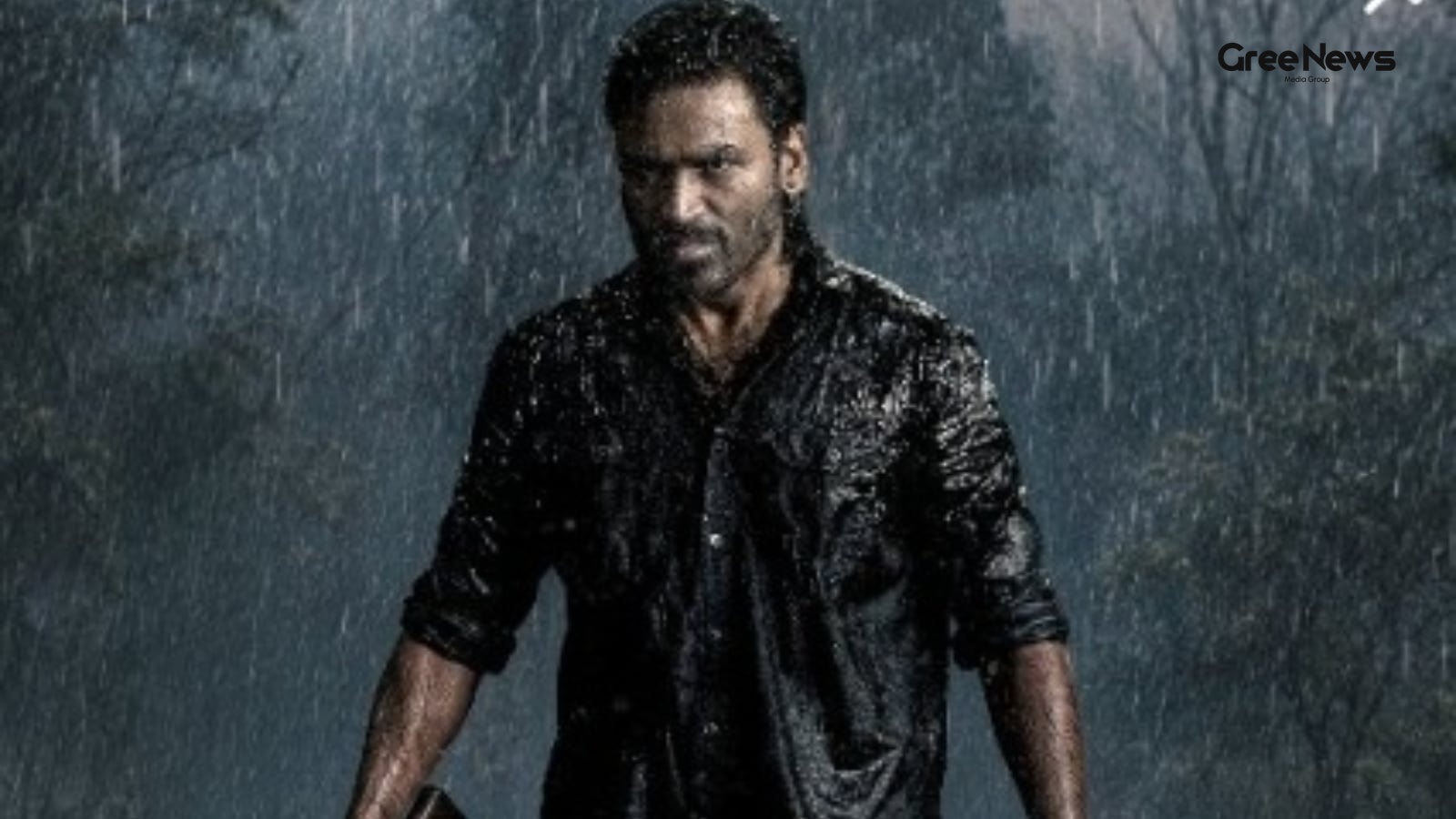
Dhanush and Mammootty Action Drama Buzz: Details and Cast
Man, the buzz around Dhanush and Mammootty’s action drama is really building. It was a long wait for this kind of thing. They finally dropped some details about it. The makers went with the title OM. And they gave a date. October 16th, 2026. That’s when it’s supposed to hit. Dhanush isn't alone in t
Jun 19, 2026 by Gree News Team
Tragedy in Central Park: Death of Romanch Mahajan
An eighteen-year-old Indian kid, Romanch Mahajan, died after falling from a horse-drawn carriage in Central Park. It happened while he was trying to save his mother. Police said the whole thing started during a family ride. The driver stepped away, just for a picture of the group. That’s when the ho
Jun 19, 2026 by Gree News Team
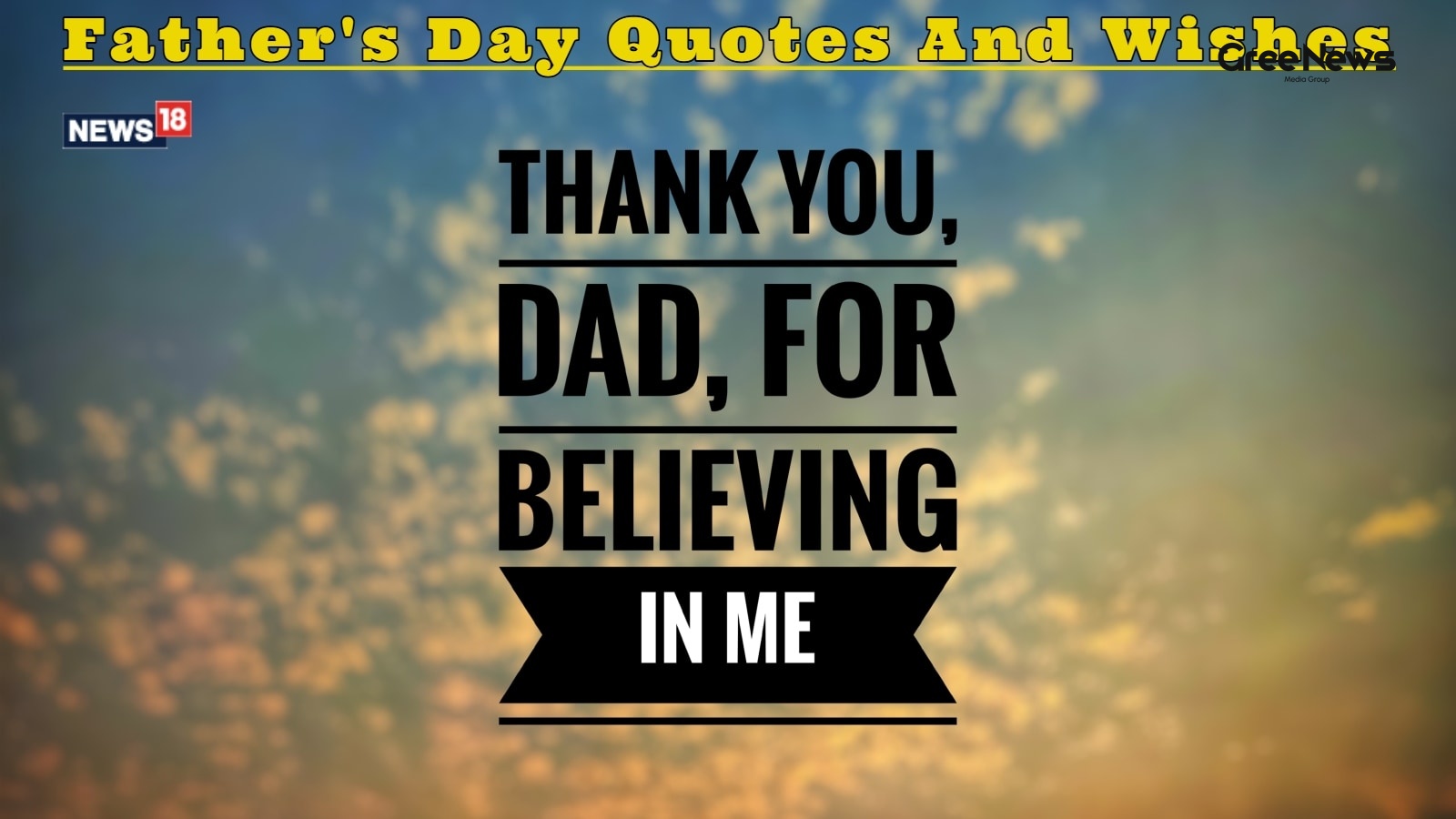
The Complex Meaning of Father's Day
Father’s Day. It always lands on that third Sunday of June. A fixed point in the calendar, designed, I guess, to pause everything for a bit. It’s supposed to be about fathers. Father figures. That whole messy constellation of people who show up and somehow anchor things. Gratitude. Love. All those b
Jun 19, 2026 by Gree News Team
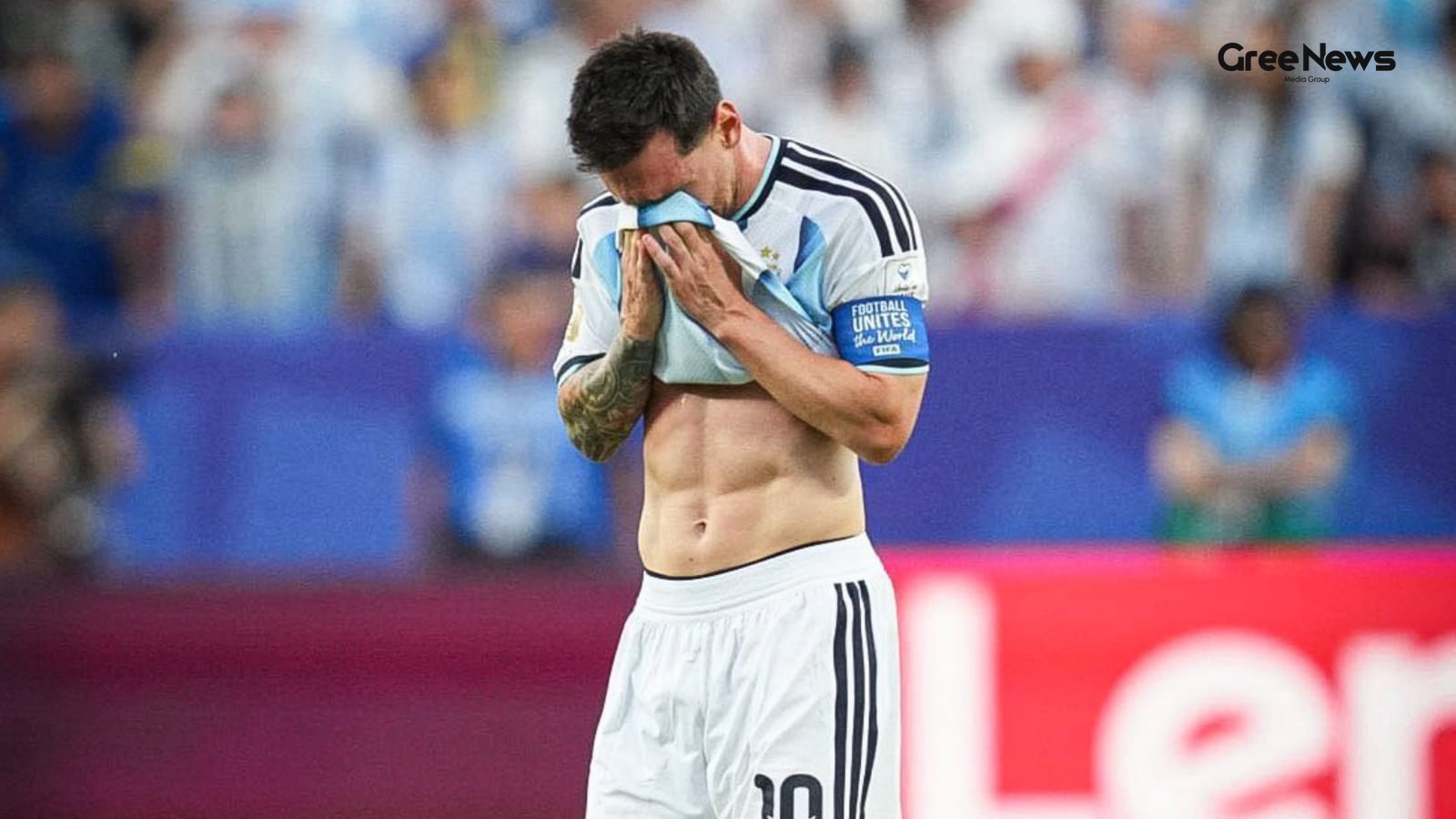
The Revelation About Jorge Messi and the TV Broadcast
That whole thing with Florencia Pena? It just blew up. A total blunder on live TV. She reported something huge. That Lionel Messi’s father Jorge Messi was dead. Straight out of the broadcast. It happened during *El Show del Verano* on Luzu TV. Right after some football excitement, you know? Messi ha
Jun 19, 2026 by Gree News Team
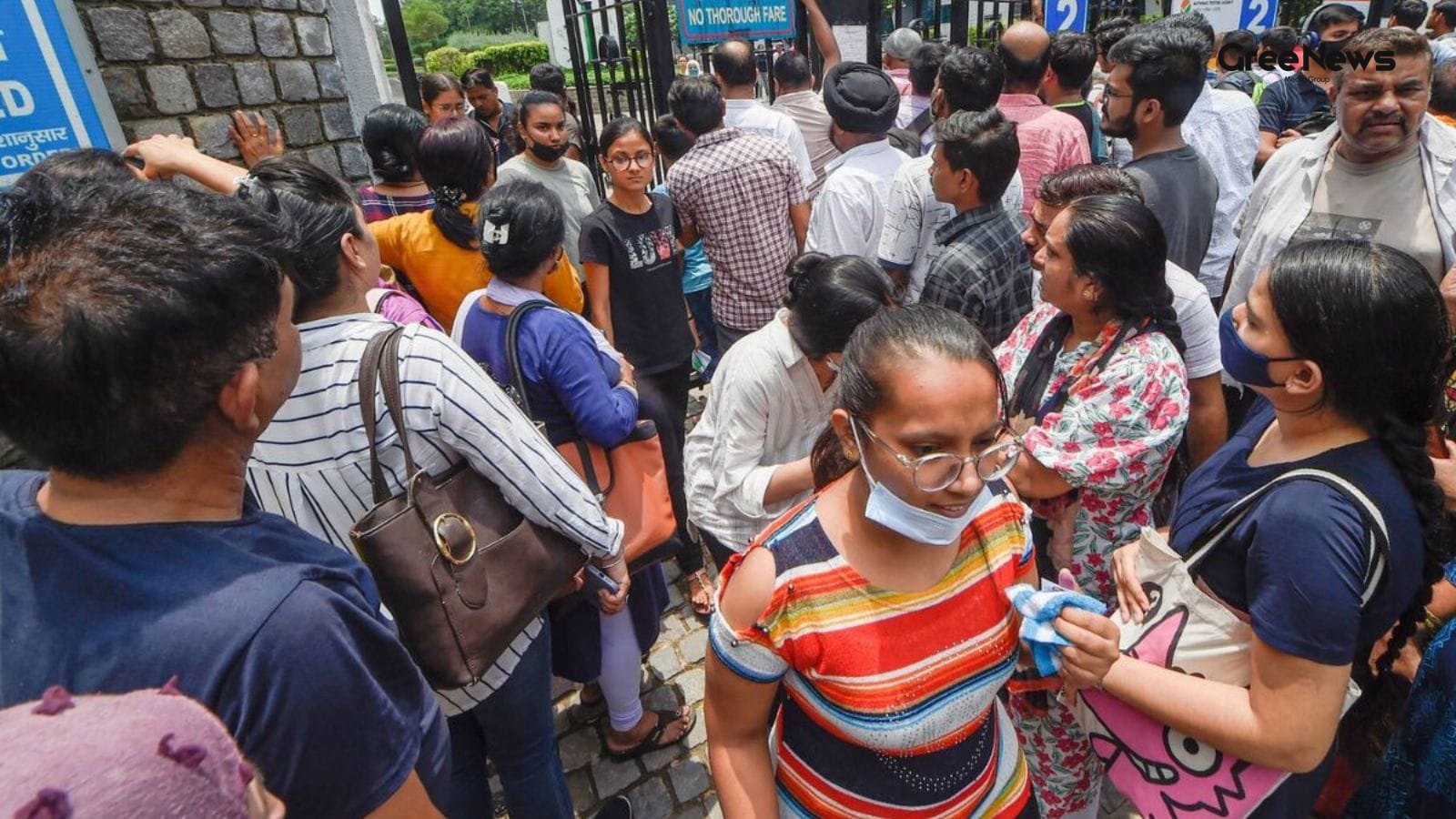
NEET UG Re-exam: Security, Logistics, and Free Travel Initiatives
The air is thick with tension right now about the upcoming NEET UG re-exam. June 21st looms. The central government is definitely on high alert. Dharmendra Pradhan, the Education Minister, chaired a big review meeting just to make sure everything runs smoothly. They were focused entirely on fairness
Jun 19, 2026 by Gree News Team
Iran Pulls Out of Planned Public Ceremony
Iran pulled out. Out of a planned public ceremony in Switzerland. It was meant to mark that US-Iran peace agreement. Hardliners warned immediately. Sharing a stage with American officials? That would cause massive domestic backlash. A key source, someone close to a senior Islamic Revolutionary Guard
Jun 19, 2026 by Gree News Team
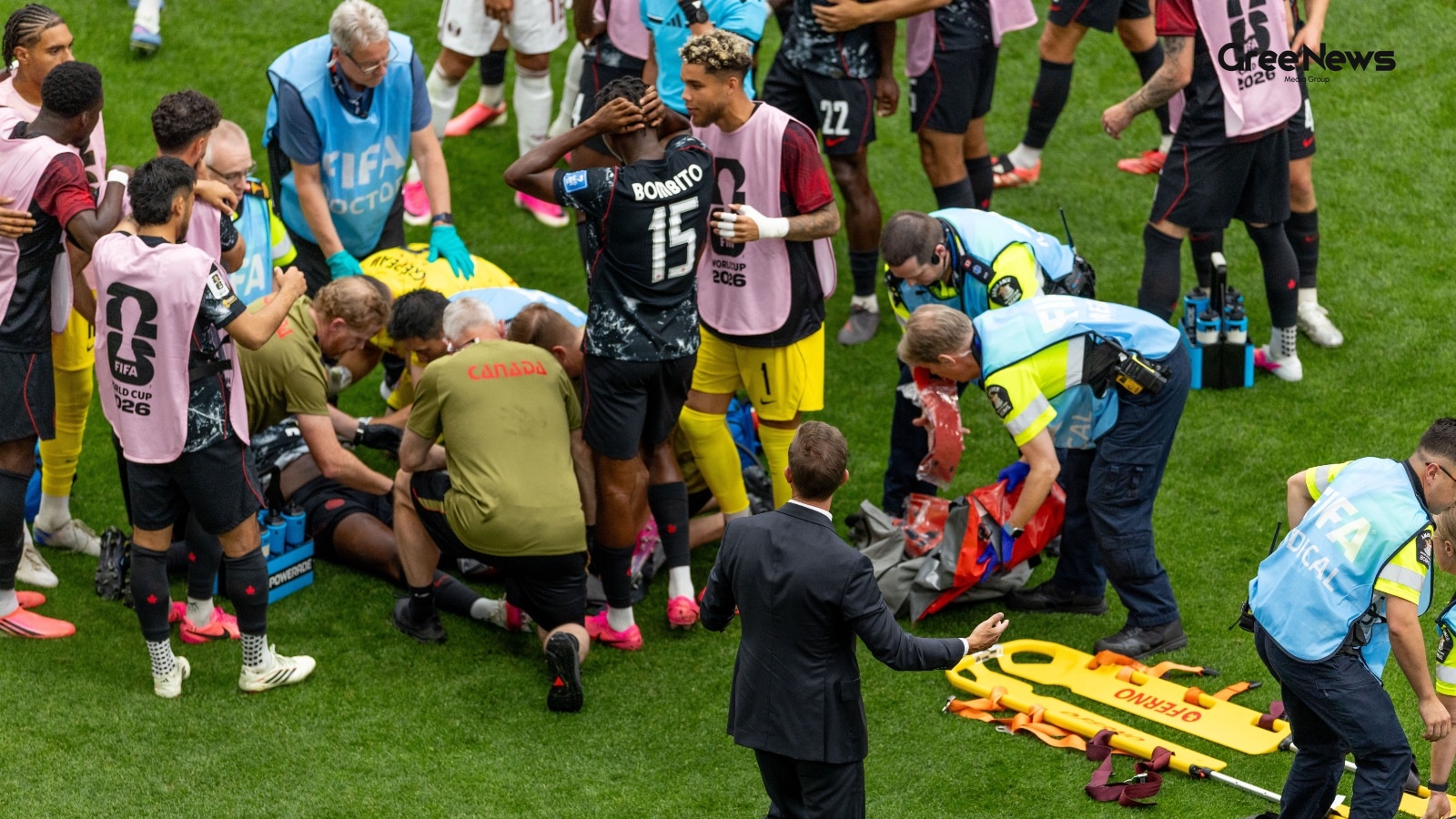
Ismael Kone Injury and Fallout After Canada vs Qatar World Cup Match
Canada’s demolition of Qatar, six-nil at the World Cup, should have been huge. A historic night. But it ended with something much darker for one player: midfielder Ismael Kone. He was rushed to the hospital. Suspected broken leg. The injury came after a brutal challenge from Qatar's Assim Madibo dur
Jun 19, 2026 by Gree News Team
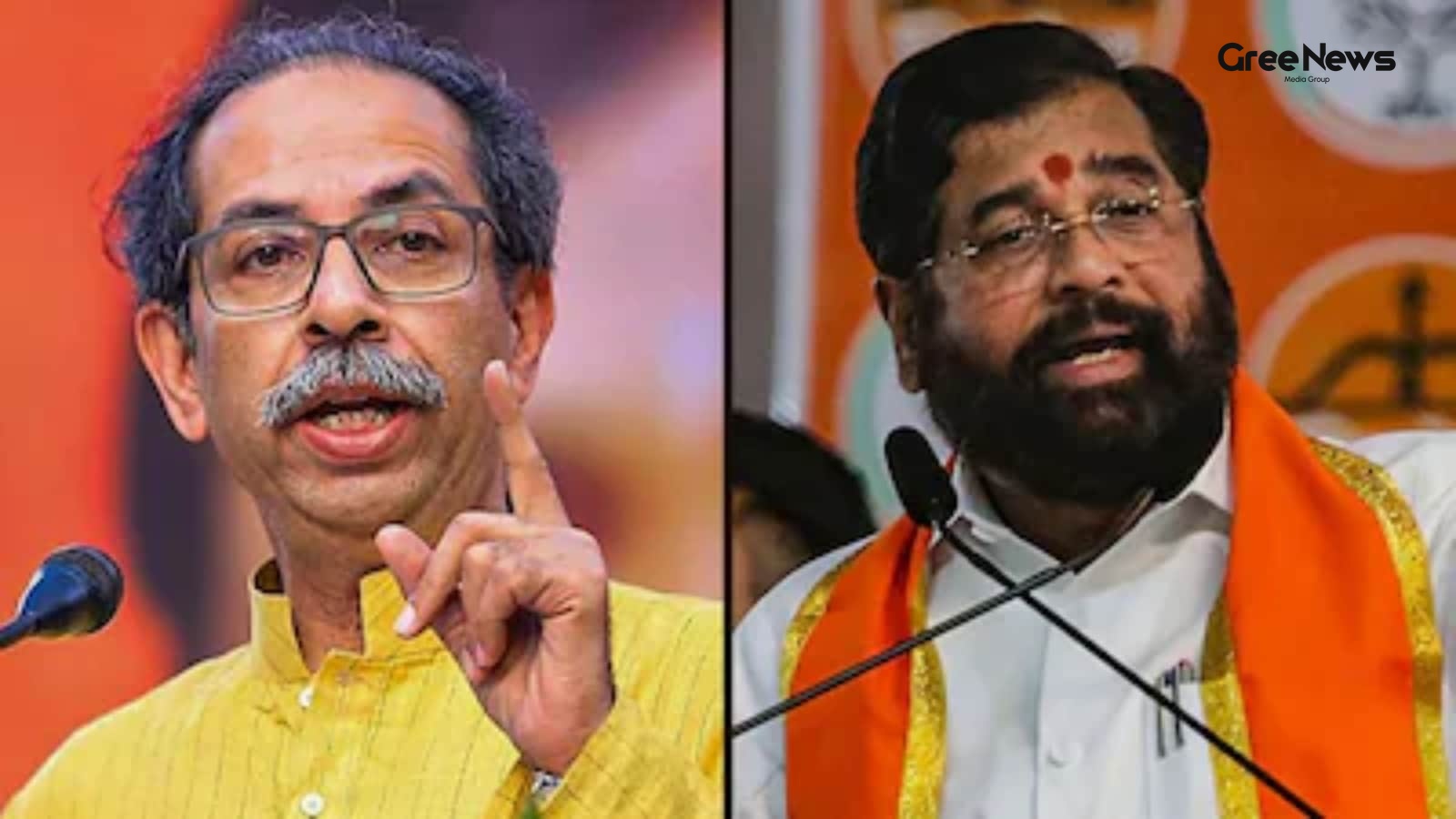
Shiv Sena UBT Political Developments and MP Defection Speculation
Shiv Sena UBT. The whole thing is moving in strange directions right now. There’s this talk about six Shiv Sena MPs potentially crossing over to the Eknath Shinde side. But that move? It seems stuck for now. No formal induction happening Friday during those foundation day celebrations, sources are s
Jun 19, 2026 by Gree News Team
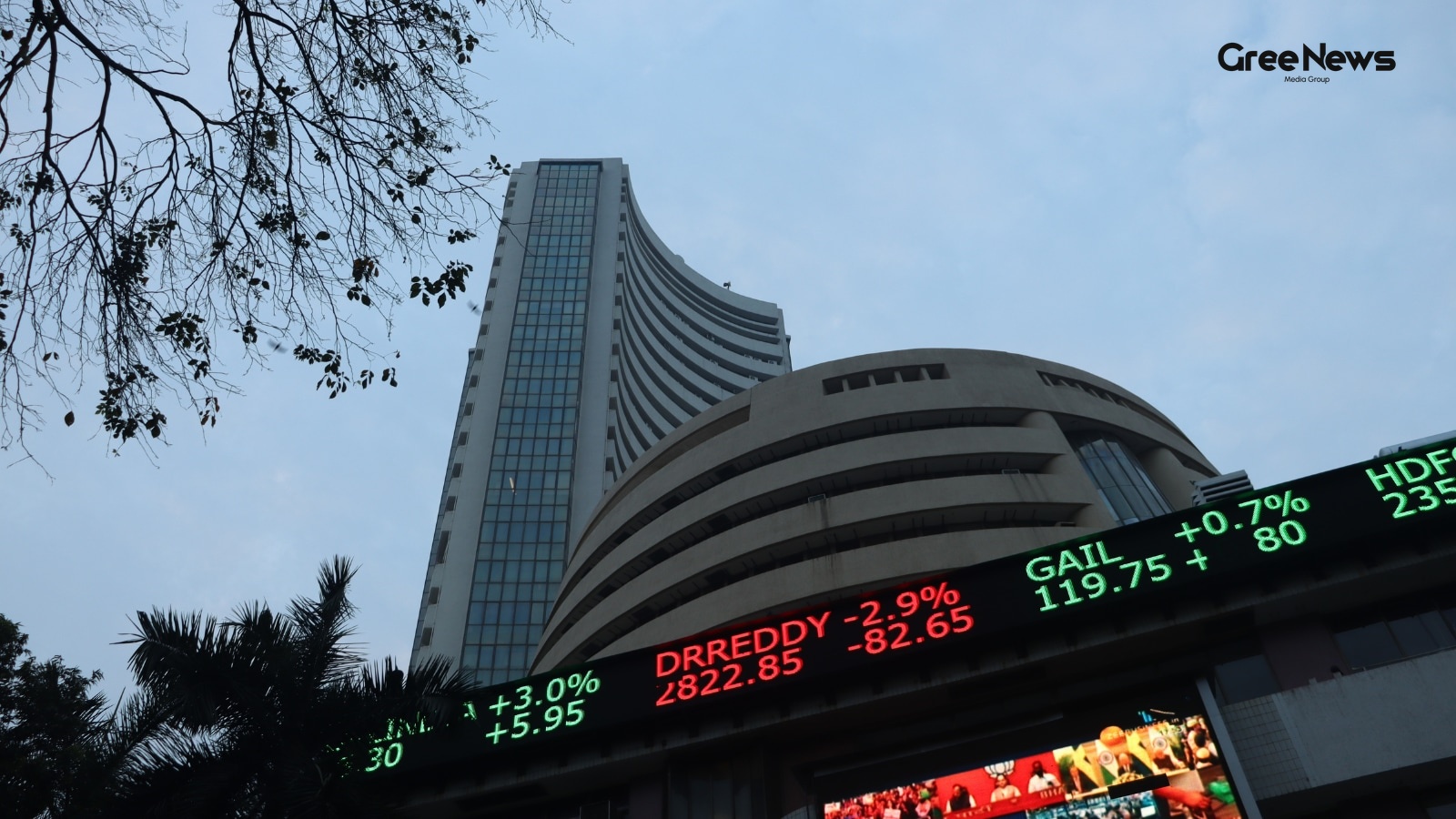
Indian Market Update: Sharp Dip and IT Sector Correction on June 19th
Market updates today. June 19th. It was a sharp dip. A real sell-off in the morning trade. The five-day winning streak just vanished. Indian equity benchmarks took a hit. You saw that drop right away. Information technology stocks were hit hardest. They dumped nearly two lakh crore in investor wealt
Jun 19, 2026 by Gree News Team
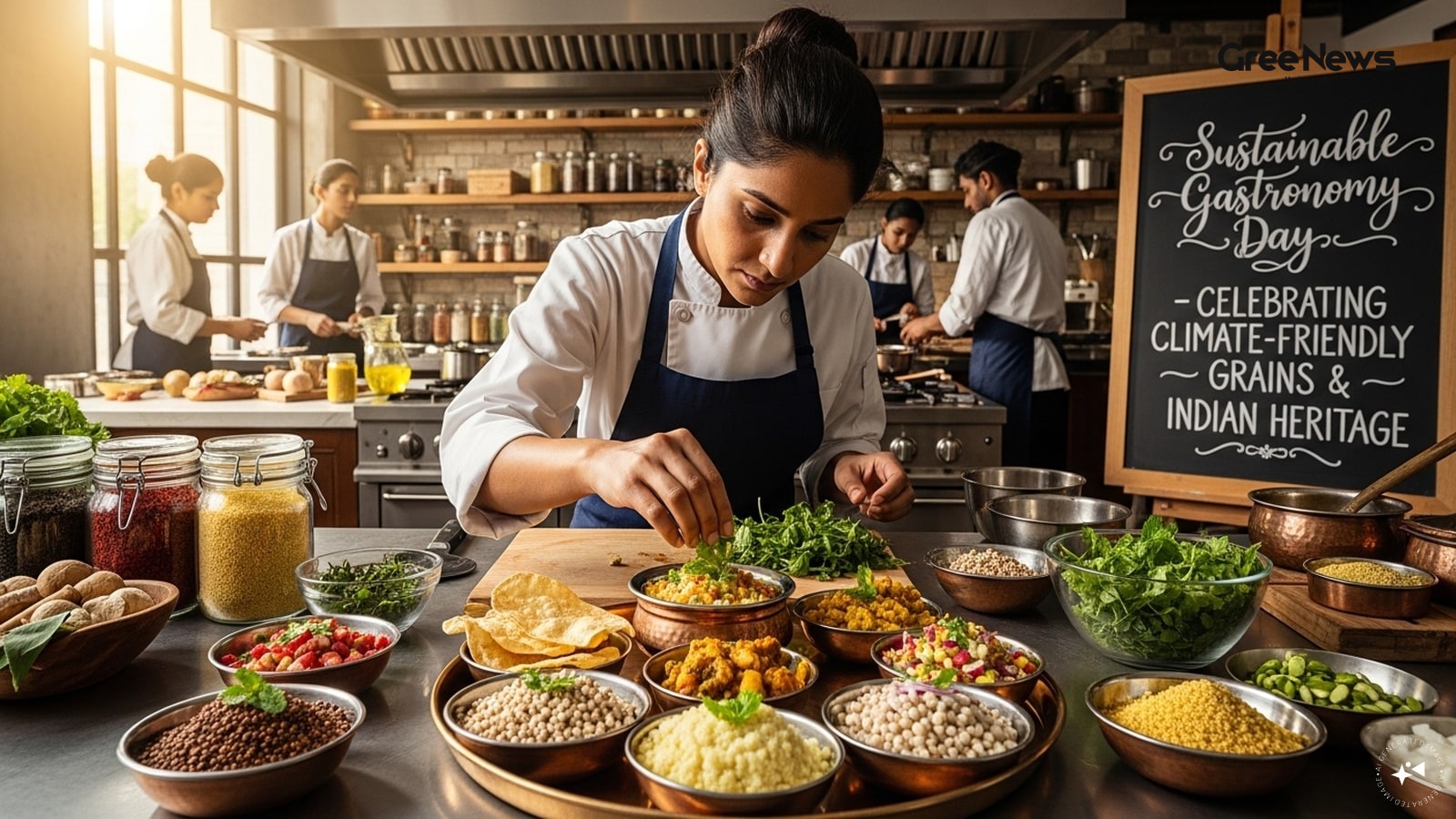
Sustainable Gastronomy and the Rise of Millets: A Path to Food Sustainability
Sustainable Gastronomy Day hits every year on June 18th. It’s supposed to be about highlighting how important sustainable food systems are. People are supposed to stop and think about everything: how food gets grown, cooked, eaten. And what impact those choices actually have on the environment, our
Jun 18, 2026 by Gree News Team

Anandita Sundar on Criticism, Weight Loss, and Her Journey
Anandita Sundar, she talked about all the criticism, the scrutiny she dealt with since she was little. It’s heavy stuff. She was on the JFW podcast, and she just opened up about growing up in the public eye. And then there’s the whole weight-loss thing everyone speculates about. People used to troll
Jun 18, 2026 by Gree News Team
Uttar Pradesh School Holidays Extended and Board Recognition Status Cancelled
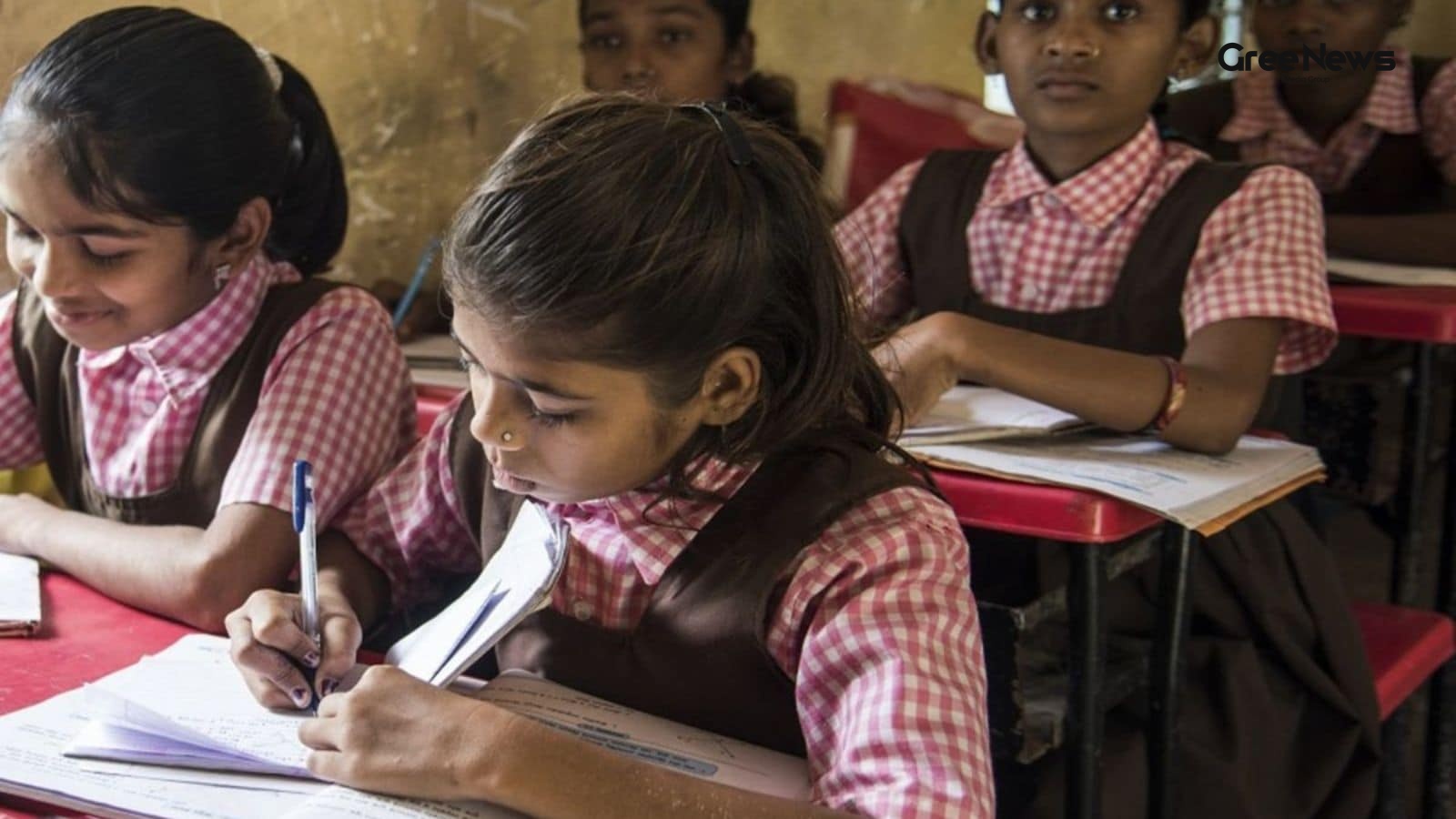
The heat is just relentless. That’s why the Uttar Pradesh government decided to push back the school summer holidays. It’s now extended until June 24th. Partha Sarathi Sen Sharma, Additional Chief Secretary for Basic and Secondary Education, issued the order. The vacation timeframe shifted: May 20th
Jun 18, 2026 by Gree News Team

Divyanka Tripathi and Vivek Dahiya's Pregnancy Journey and Twin Arrival
Divyanka Tripathi just dropped some photos that really pulled back the curtain on her pregnancy journey with Vivek Dahiya. It’s a whole memory lane moment, showing glimpses of those private weeks before they officially welcomed their twin baby boys. Weeks after bringing home the boys, she shared the
Jun 18, 2026 by Gree News Team
The Telegram Ban: Public Reaction, Analogy, and Platform Responsibility
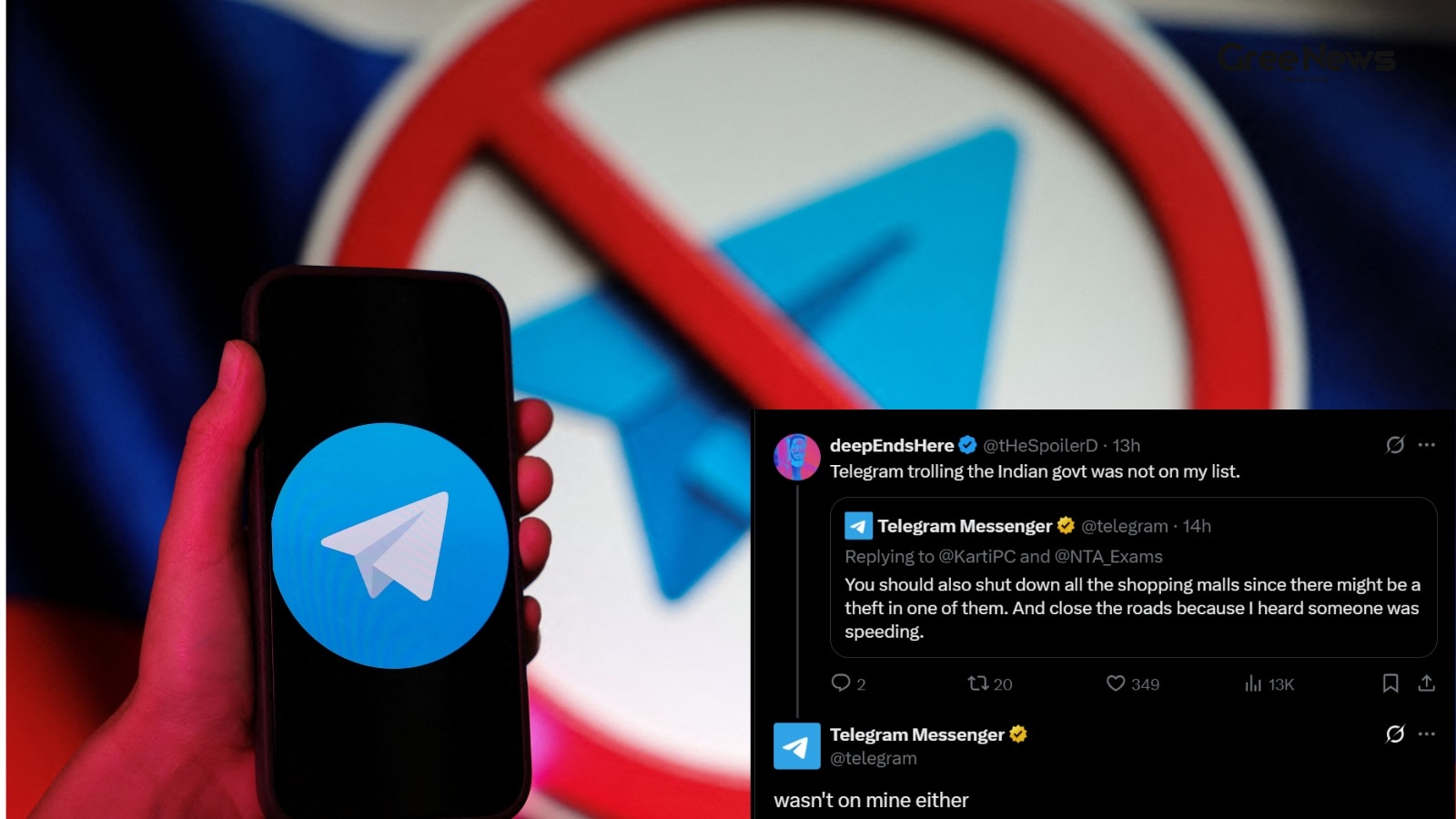
When the Centre first announced that they were blocking Telegram temporarily, until June 22 all you could hear was that old familiar question: was it right? Was this move justified? It was a decision by the Ministry of Electronics and Information Technology. They restricted access to the messaging a
Jun 18, 2026 by Gree News Team
The Immense Stress and Tragedy Surrounding the NEET Aspirant Crisis
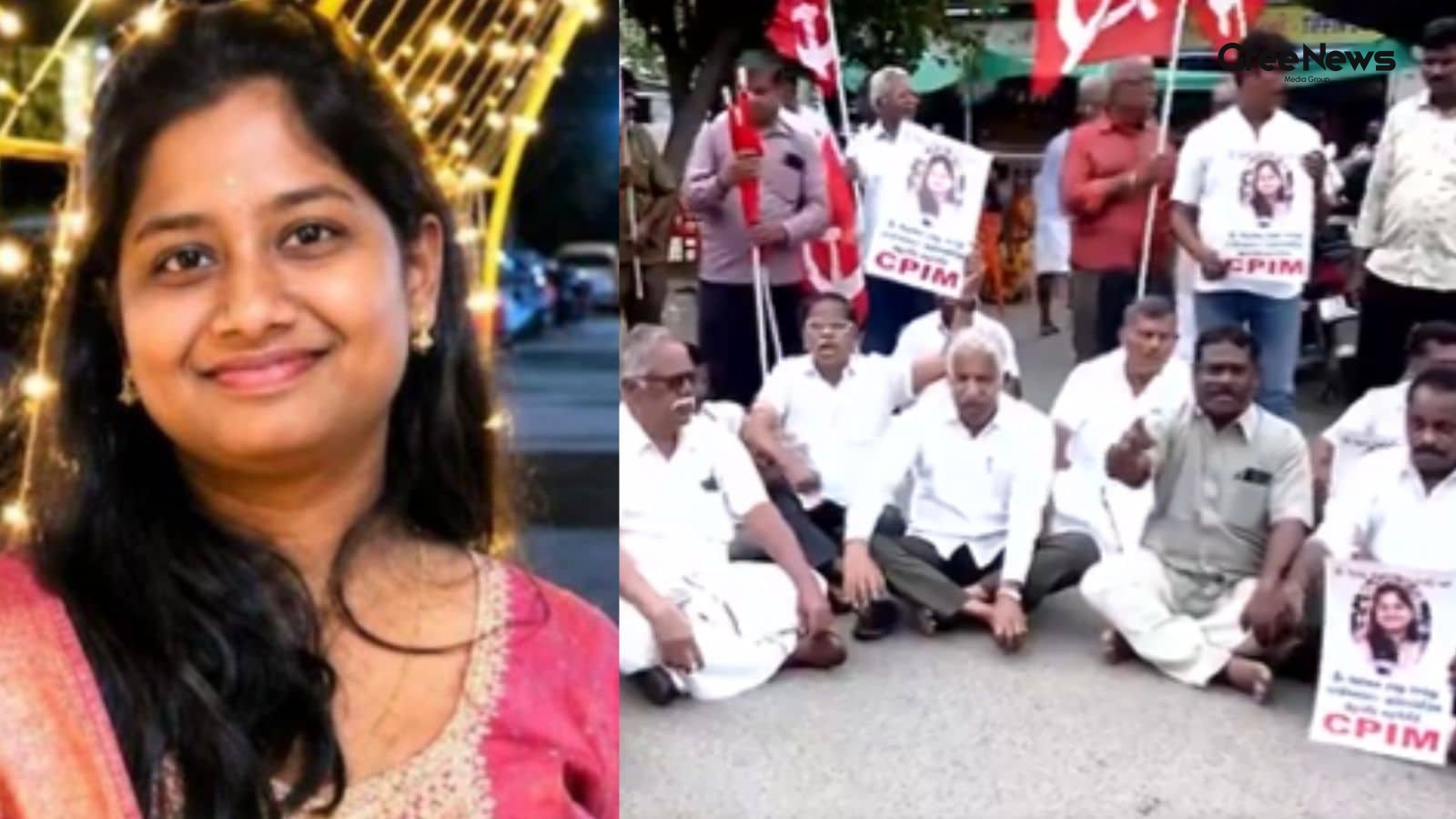
The student, Anunkeerthana, she was preparing for NEET, trying again. It sounds like a massive weight just sitting there. Preliminary reports suggest she was really under immense stress. Media whispers are running that candidates who got caught in the recent question paper leak would have to sit for
Jun 18, 2026 by Gree News Team