The Complex Dynamics of Rajya Sabha Elections and Localized Political Tensions
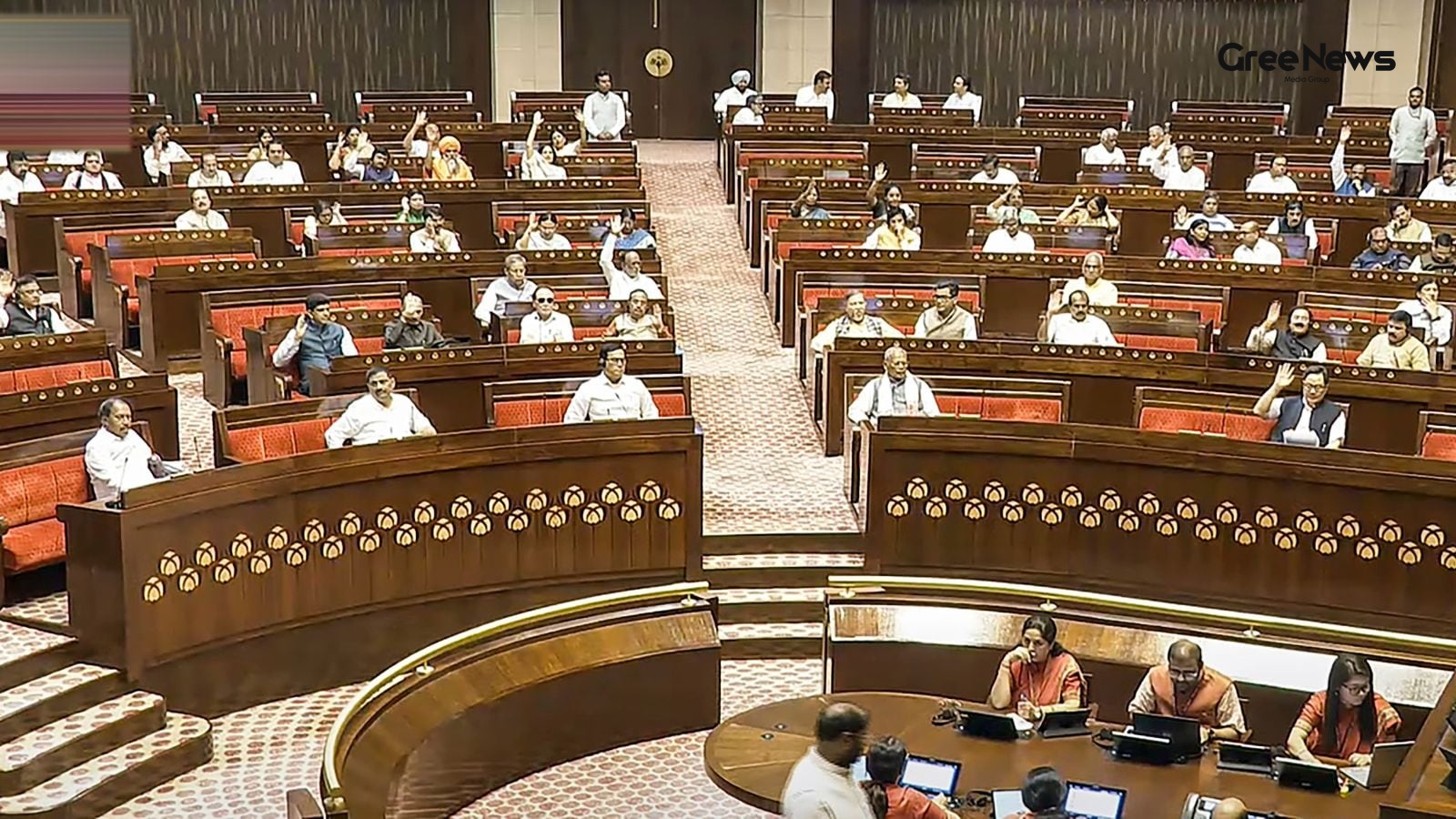
Voting is happening Thursday for those Rajya Sabha elections. It’s the biennial cycle. Twenty-four seats are up for grabs across ten states. And there are these extra bypolls too. One seat each in Maharashtra, Tamil Nadu, and Odisha. Just standard procedure, you know? But even when things look routine, there's always something under the surface shifting.
The big set of biennial elections itself involves a lot of seats that have already been settled, which is kind of strange, honestly. Twenty-one of those twenty-four spots are decided unopposed already. That means polling isn’t really necessary for most of them. The real action, the actual voting process we need to focus on right now, is focused only on the remaining three seats. Two in Jharkhand and one in Mizoram.
That distinction those two specific votes that’s where things get complicated. It pulls the focus away from the general state-level picture and zeroes in on a couple of very specific assemblies.
Polling for those two Rajya Sabha spots in Jharkhand is actually underway now. They’re doing it between nine in the morning and four in the afternoon, right there at the Assembly premises. And counting? That’s scheduled to kick off around five, assuming the Election Commission gives the okay, which always takes a moment. The Returning Officer, Ranjit Kumar, is handling that process.
Three candidates are actually running for those two spots in Jharkhand. JMM’s Baidyanath Ram is one. Then there’s Congress’s Pranav Jha. And then there’s this BJP-backed Independent nominee, Parimal Nathwani. It’s a small field, but the dynamics around these specific seats feel much heavier than just a simple vote count.
Then you have Mizoram. That single Rajya Sabha seat is also up for a vote. Here, it’s the ruling Zoram People’s Movement fielding their spokesperson, K. Laltluangkima. Opposing him is the Mizo National Front nominee, Zothansangi Hmar. It’s just two people facing off in that state.
The logistics of this polling are happening separately, you see? The schedule for Mizoram mirrors Jharkhand a bit nine to four for voting, and counting starting at five at the Assembly building. That kind of localized activity, managing those specific assembly votes, it always seems like an exercise in careful management, not just democracy in action.
It’s worth remembering how many seats are already settled. Twenty-one out of twenty-four gone unopposed. That tells you something about where the political friction lies. It suggests that for most states, the major parties have aGreed or at least settled things quietly. But those remaining three spots Jharkhand and Mizoram they carry a different weight entirely. They seem to be hot zones, waiting for the actual test of will.
The background noise around this is always loud. You can’t ignore the political energy simmering beneath the surface when these elections are being managed. It's not just about signatures on a form; it's about what happens behind closed doors.
Look at Jharkhand for a moment, because that area has a complex setup right now. We’re talking about the Assembly there. The picture isn't simple at all. The INDIA bloc has a significant number of MLAs in that assembly fifty-six of them. That breaks down into some interesting groupings: thirty-four from JMM, sixteen from the Congress, four from RJD, and two from CPI(ML) Liberation. That’s a lot of factions trying to make sense of things within those walls.
Then you have the BJP side, the NDA grouping. They managed to pull together twenty-four MLAs. Twenty-one of those are clearly aligned with the BJP itself. But there’s that little bit from LJP (Ram Vilas), AJSU Party, and JD(U) mixed in too. It's a patchwork, isn't it? Not a clean split.
And then you have the Jharkhand Loktantrik Krantikari Morcha, just one MLA there. So, when you look at those specific Rajya Sabha seats being contested by these three candidates Baidyanath Ram, Pranav Jha, and Parimal Nathwani you’re looking at a very fractured political landscape in that state right now.
Political activity really ramped up before all this polling started. You could feel the tension rising. The NDA was moving around fast. I heard whispers about them shifting their MLAs to some sort of hotel setup in Ranchi, just trying to keep things organized or perhaps manage visibility ahead of the process. Meanwhile, the INDIA bloc was doing its own thing too. They held meetings. Mock polling exercises. It felt like everyone was watching each other really closely, worried about cross-voting, about what might happen if these local votes were to be counted in a way that unsettled existing arrangements.
It’s this whole system of shifting alliances and managing internal dissent that colors every single vote. The fact that the focus narrows down to just those two Jharkhand seats and that one Mizoram seat suggests that the real uncertainty isn't statewide; it's hyper-localized, tied up in these specific assembly dynamics.
Let’s swing back to Madhya Pradesh for a moment, because there was a very sharp political drama unfolding there regarding three of those contested Rajya Sabha seats. That situation got really messy when they looked at the nomination process for Congress candidate Meenakshi Natarajan. It hit a snag hard. The Returning Officer rejected her nomination.
The reason given? Allegedly, information about some case was hidden in her affidavit.
This immediately brought out friction. The BJP side reacted instantly. Mahesh Kewat, who was contesting on the other side, and his lawyer, Sanket Gupta, jumped in. They claimed there was a criminal case hanging over Natarajan in Telangana that hadn't been properly disclosed. It felt like an immediate political weapon being deployed.
But Congress pushed back immediately. Harish Chaudhary, who is the Madhya Pradesh in-charge for them, stepped up to defend her. He argued that no such case had actually been filed against Natarajan. He insisted she had only received a show-cause notice. And he brought in this procedural point according to Election Commission instructions, that kind of information didn't need to be dumped into the affidavit anyway. He put it out there: "Technically, Natarajan’s nomination cannot be rejected."
That was a classic political push and pull, wasn't it? One side asserting legal process; the other side arguing intent and procedure. It just shows how these elections aren't purely about votes cast on paper; they’re tangled up in assertions of legality and political positioning right there at the start.
And what was the result of that fight over Natarajan? After all those arguments, after the objection was raised the rejection by the Returning Officer what happened next? All three Rajya Sabha seats pertaining to Madhya Pradesh were declared elected unopposed. Just like that. The controversy seemed to dissolve into an uncontested outcome once the procedural hurdle was cleared or overridden.
It’s this unevenness you see everywhere, isn't it? One state has a complicated, messy dispute over an affidavit and criminal history impacting three seats being settled instantly. Another state is managing polling for two specific spots in Jharkhand involving JMM, Congress, and BJP-backed independents against a backdrop of shifting MLA balances. And Mizoram is just a simple contest between the ruling party and the opposition nominee.
It’s all happening under this umbrella of biennial elections, but the texture changes depending on which state you focus on. The urgency isn't in the general election noise; it’s tucked away in these specific procedural battles the counting schedules, the objections over nominations, the maneuvering among MLAs. It makes the whole process feel less like a clean democratic event and more like a series of very tense negotiations happening simultaneously across different geographies.
The fact that only three seats are actually being voted on right now tells you everything about where the real political weight is currently focused. The rest are settled dust. But those few votes, they carry all the risk because they determine whether certain arrangements hold or break down in places like Jharkhand and Mizoram. It’s observational, really. Watching how these specific mechanisms play out when the pressure is on.
Written by Gree News Team — Senior Editorial Board
Gree News Team covers international news and global affairs at Gree News. Our collective of senior editors is dedicated to providing independent, accurate, and responsible journalism for a global audience.
More from India
View All
BJP Organizational Exercise and Political Strategy
Something big was happening inside the BJP this week. A real organizational exercise, it seems, kicked off after a coordination meeting in Delhi on Monday. Top leaders met up with senior RSS functionaries. Nothing official has been announced yet, of course. But you could tell something was brewing t
Jun 18, 2026 by Gree News Team
India's Global Ambition: Technology, Diplomacy, and Geopolitical Realities in Paris
The air in Paris felt different that day. Not just the usual Parisian chill there’s always a certain weight to the city, heavy history mixed with relentless modernity but there was an electric hum beneath the surface. A real crowd spilling out from the hotel lobby, waving flags the saffron, white, g
Jun 18, 2026 by Gree News Team
Political Maneuvering and Voting Strategy in Karnataka Election
The Congress party, they are just oozing confidence about that fifth seat. Like they’re going to sweep it. No real expectation of the Opposition even bothering them in Thursday’s election for the Legislative Council seven seats there in Karnataka. It felt almost like a free pass, didn't it? They put
Jun 18, 2026 by Gree News Team
Uttar Pradesh Action Plan for Mid-Day Meal Scheme and School Welfare
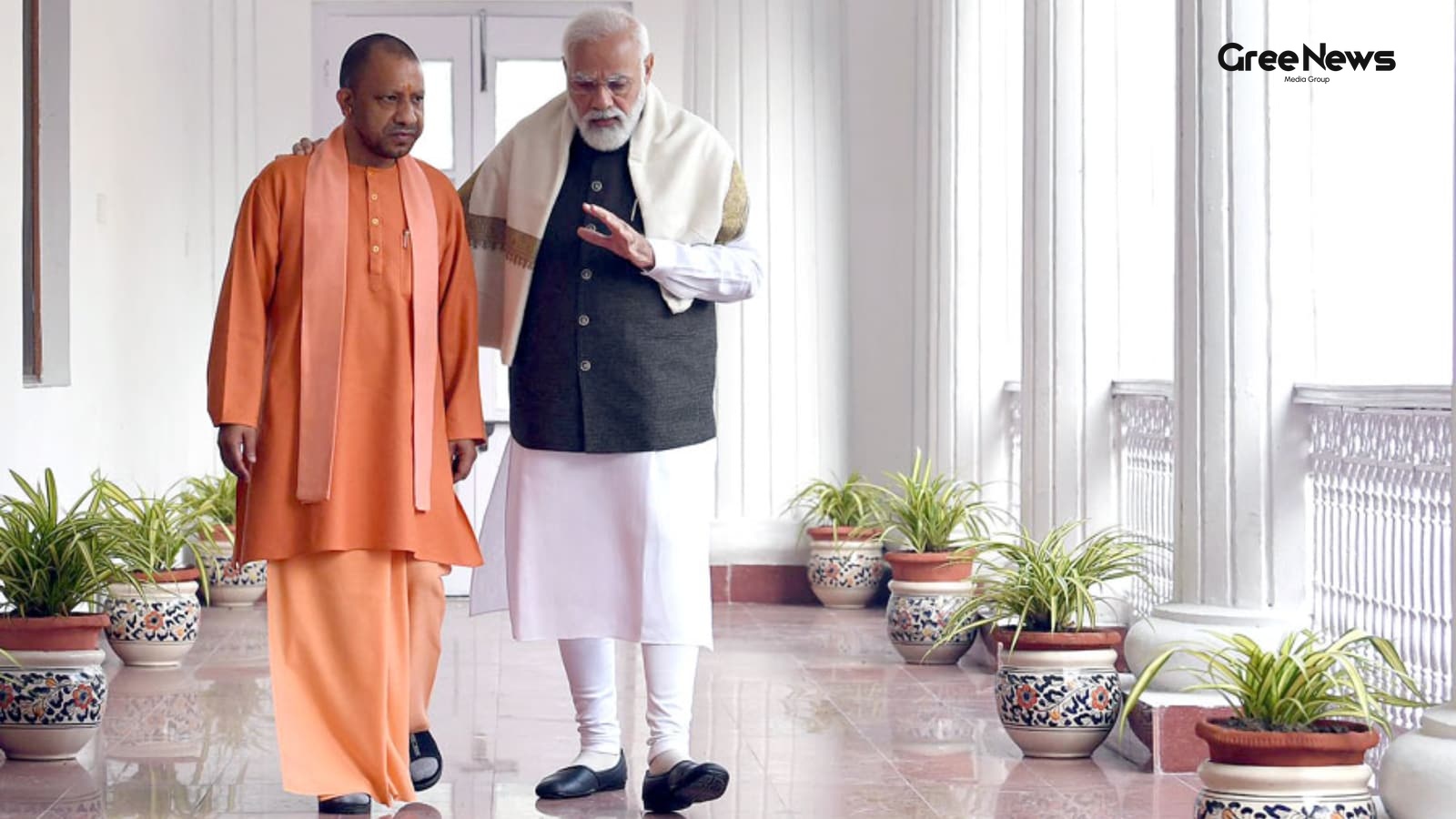
The Uttar Pradesh government has put together an action plan. It’s all about strengthening things up before the schools reopen after the summer break. This is tied into the PM-POSHAN scheme, you know? The one that used to be called the Mid-Day Meal Scheme. They are really pushing this hard now. Yogi
Jun 18, 2026 by Gree News Team
Latest Headlines
The Unscripted Narrative of the World Cup: Momentum, History, and Reaction
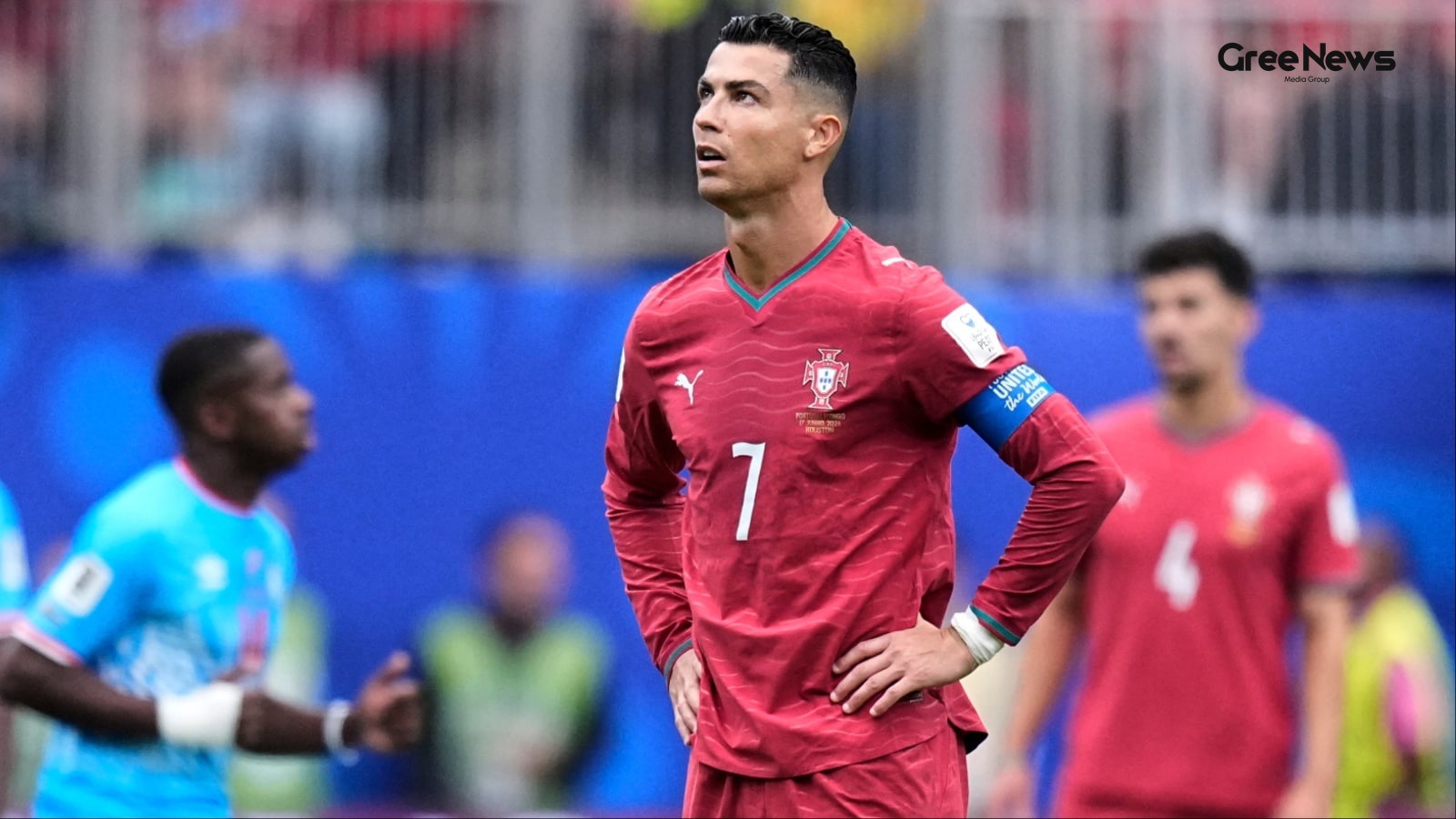
The whole thing started, you know? It wasn't what anyone was expecting when Portugal met DR Congo for that opening group match at the World Cup 2026. There were expectations, huge ones maybe, but nothing really lining up on the pitch right from the jump. It felt like a slow build, honestly. Just thi
Jun 18, 2026 by Gree News Team
Defense Production Act and Military Manufacturing Strategy
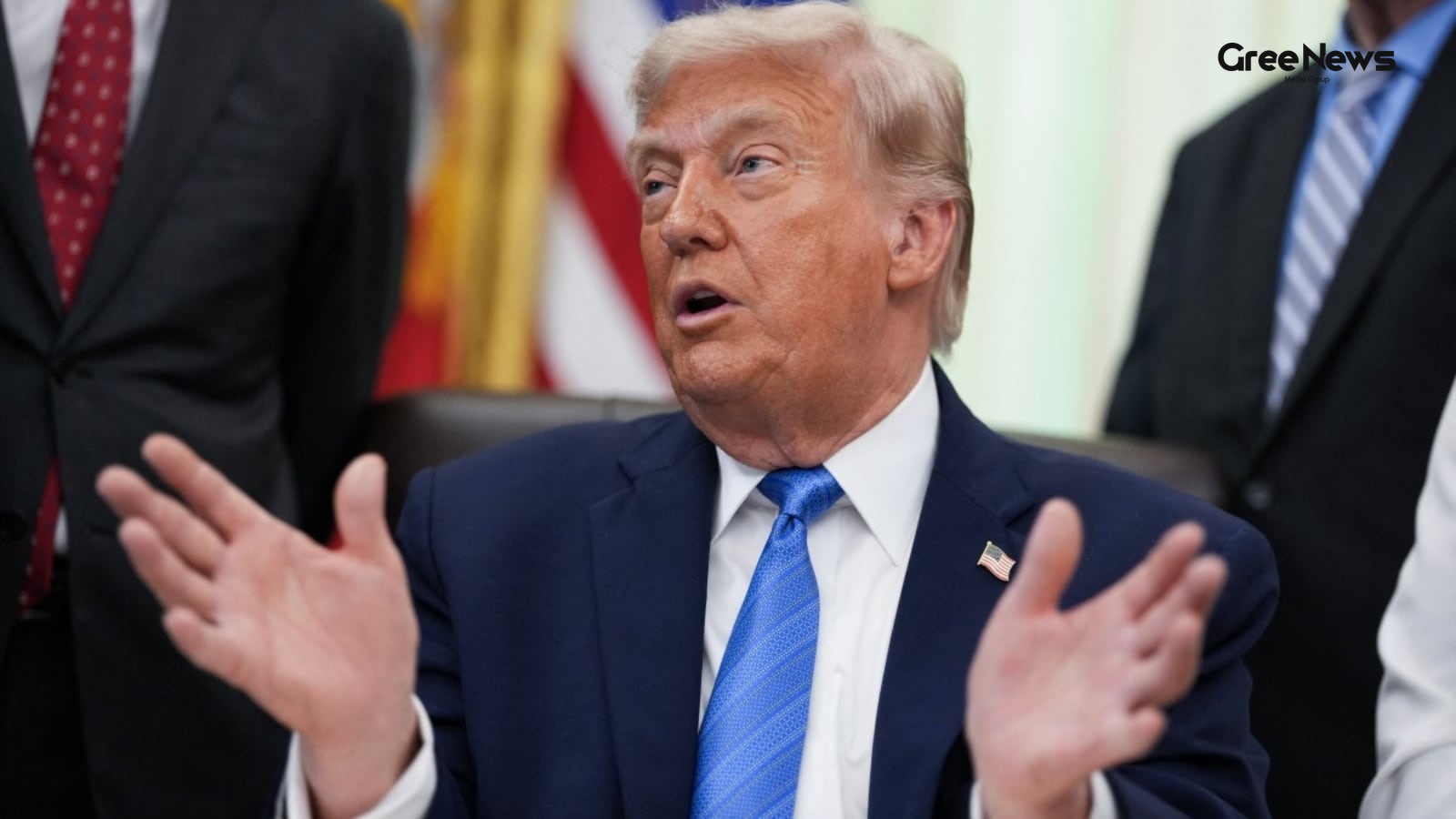
Trump brought in the Defense Production Act DPA to push for faster weapons manufacturing. It was all about dealing with those worries about military stockpiles running low, especially after everything that went down with Iran and how the US keeps backing allies globally. The order itself came with a
Jun 18, 2026 by Gree News Team
BJP Organizational Exercise and Political Strategy
Something big was happening inside the BJP this week. A real organizational exercise, it seems, kicked off after a coordination meeting in Delhi on Monday. Top leaders met up with senior RSS functionaries. Nothing official has been announced yet, of course. But you could tell something was brewing t
Jun 18, 2026 by Gree News Team
India's Global Ambition: Technology, Diplomacy, and Geopolitical Realities in Paris
The air in Paris felt different that day. Not just the usual Parisian chill there’s always a certain weight to the city, heavy history mixed with relentless modernity but there was an electric hum beneath the surface. A real crowd spilling out from the hotel lobby, waving flags the saffron, white, g
Jun 18, 2026 by Gree News Team
7 Essential Gadgets for Family Travel: Solving Packing Frustrations
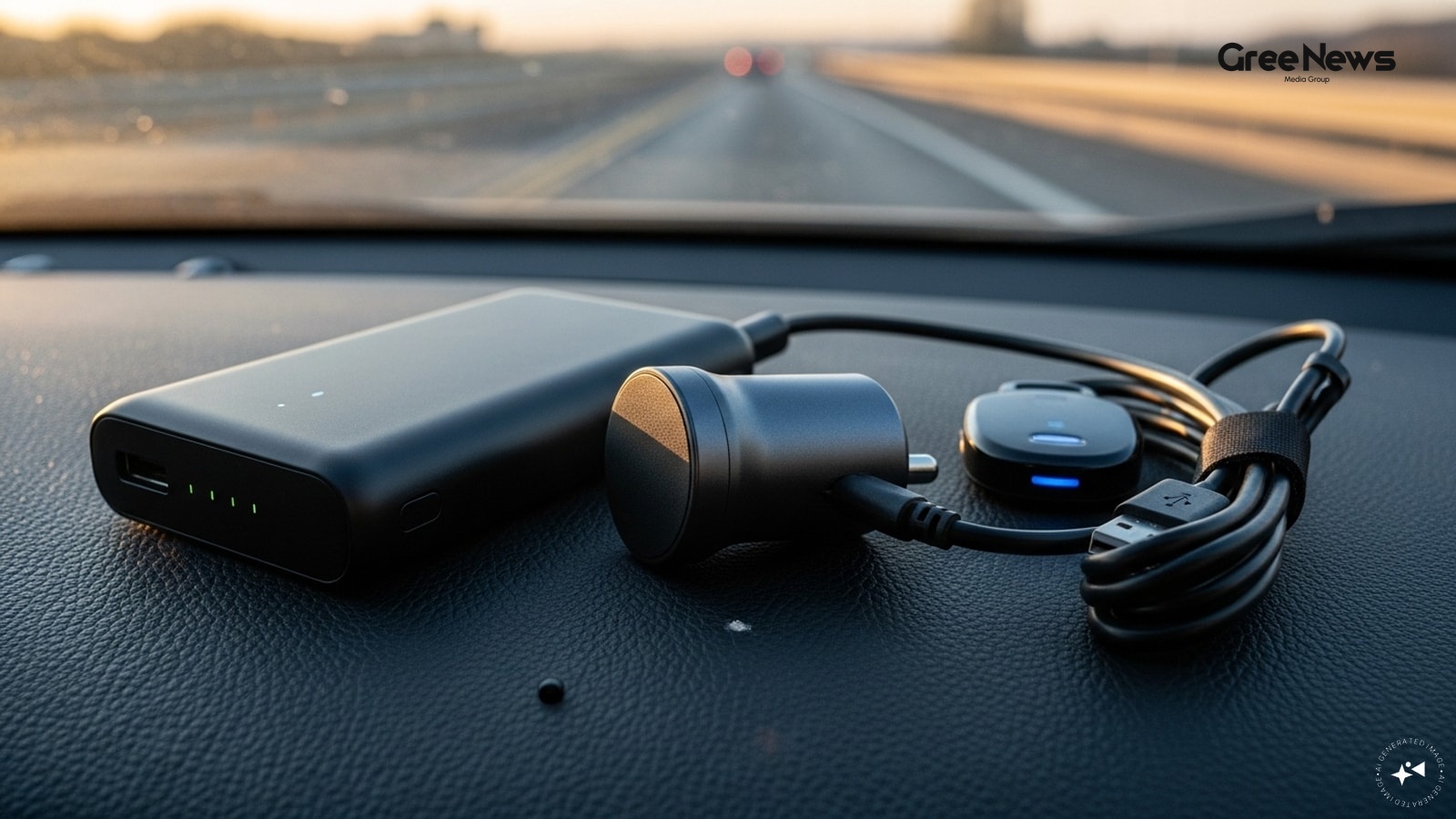
Family travel. It has this rhythm you just fall into, right? The first hour, everything’s fine. Excitement is high, snacks are packed, every device charged up and ready to go. But then things shift. A few hours later, the mood changes. Someone's phone battery starts dipping fast. A kid finishes thei
Jun 18, 2026 by Gree News Team
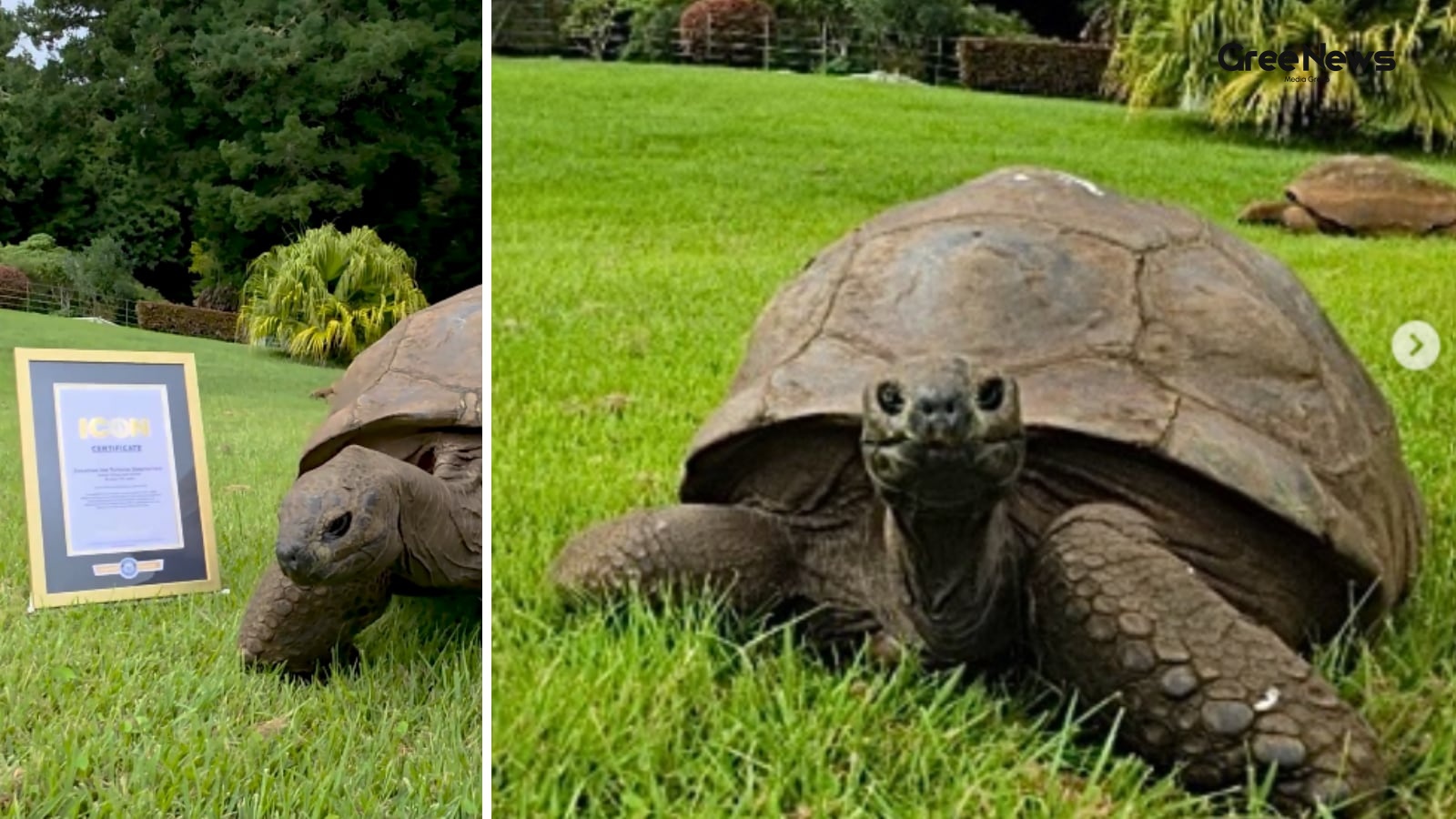
Jonathan: The Oldest Living Land Animal and Living Icon
Jonathan. That’s the name for him. A giant tortoise living up there on St Helena. And he just keeps doing things that make people stop and think, right? Guinness World Records officially named him an ICON. The oldest living land animal. It’s history now. He’s been around for nearly two centuries. Bo
Jun 18, 2026 by Gree News Team
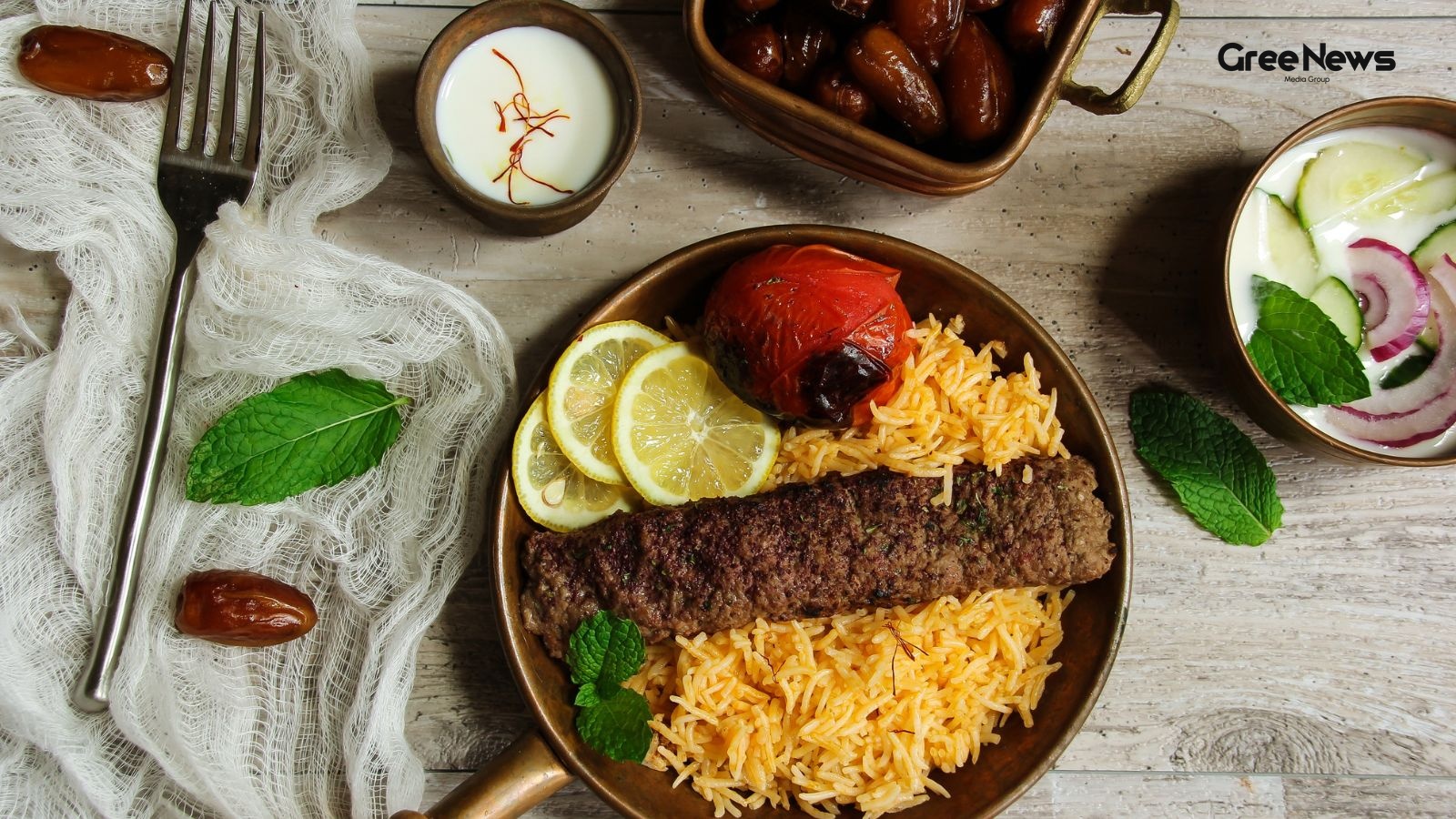
Restoration of the Royal Kitchen at Lucknow's Chota Imambara
Built back in 1837 by Muhammad Ali Shah, that royal kitchen at Lucknow’s Chota Imambara used to feed the ruler’s household and folks during religious times. It still works now, preparing meals for thousands every Ramadan and Muharram. But things have gotten rough. Years of wear showing through crumb
Jun 18, 2026 by Gree News Team

Fuel Price Movements and Market Dynamics
Petrol, diesel and CNG prices held steady on Monday, June 18th. That’s what they stayed at. But behind that stillness, there was movement happening somewhere else. Oil market companies and those natural gas distributors they do their thing every morning, revising the numbers right at six a.m. It’s c
Jun 18, 2026 by Gree News Team
Political Maneuvering and Voting Strategy in Karnataka Election
The Congress party, they are just oozing confidence about that fifth seat. Like they’re going to sweep it. No real expectation of the Opposition even bothering them in Thursday’s election for the Legislative Council seven seats there in Karnataka. It felt almost like a free pass, didn't it? They put
Jun 18, 2026 by Gree News Team
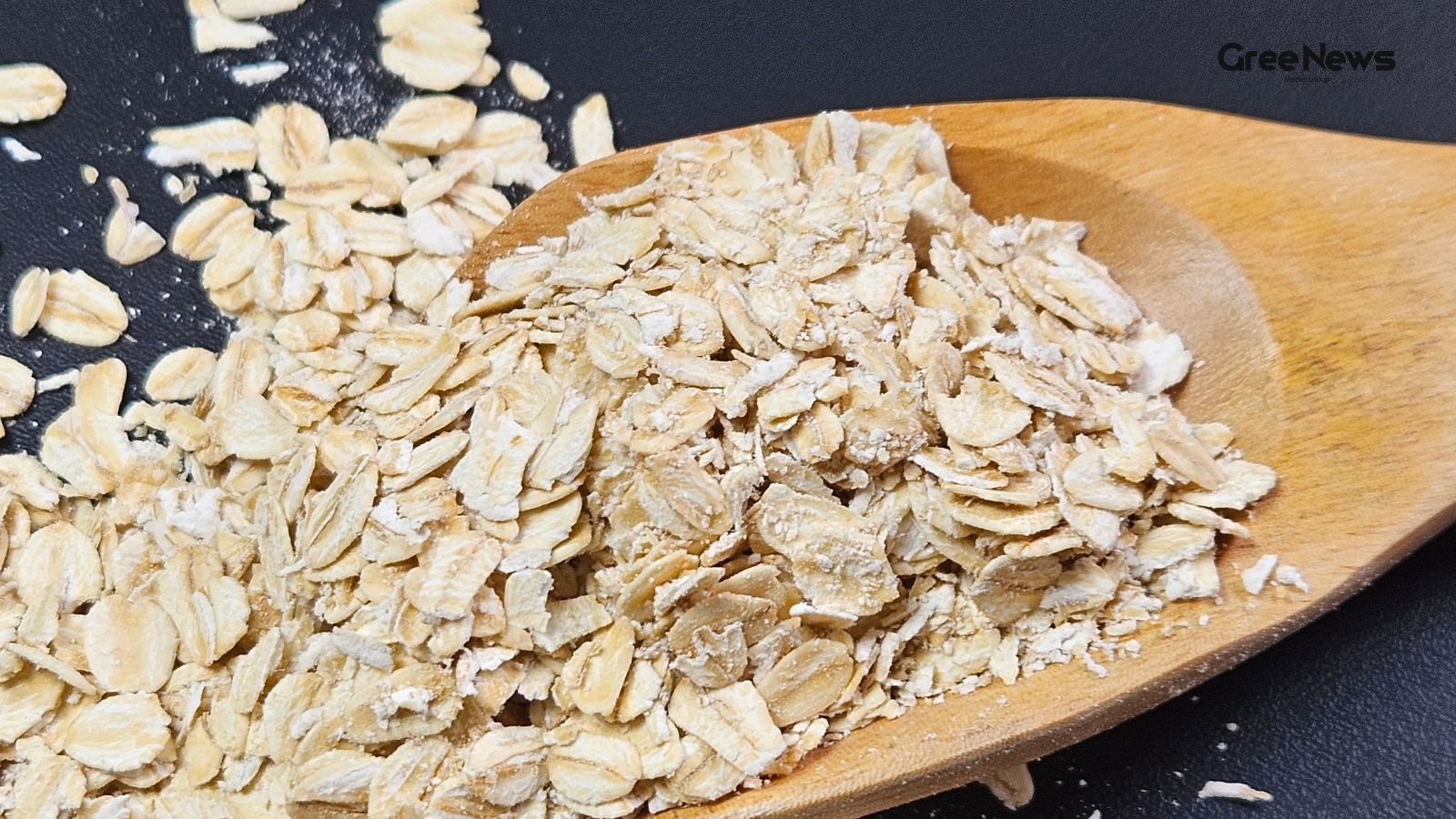
The Role of Protein and Fibre in Indian Wellness and Breakfast Choices
India’s wellness talk lately is really focusing on just two things: protein and fibre. It’s everywhere now. Protein gets added to everything shakes, bars, snacks, meal plans. And fibre? It’s finally getting serious recognition for how much it does for digestion and overall feeling good. You see this
Jun 18, 2026 by Gree News Team
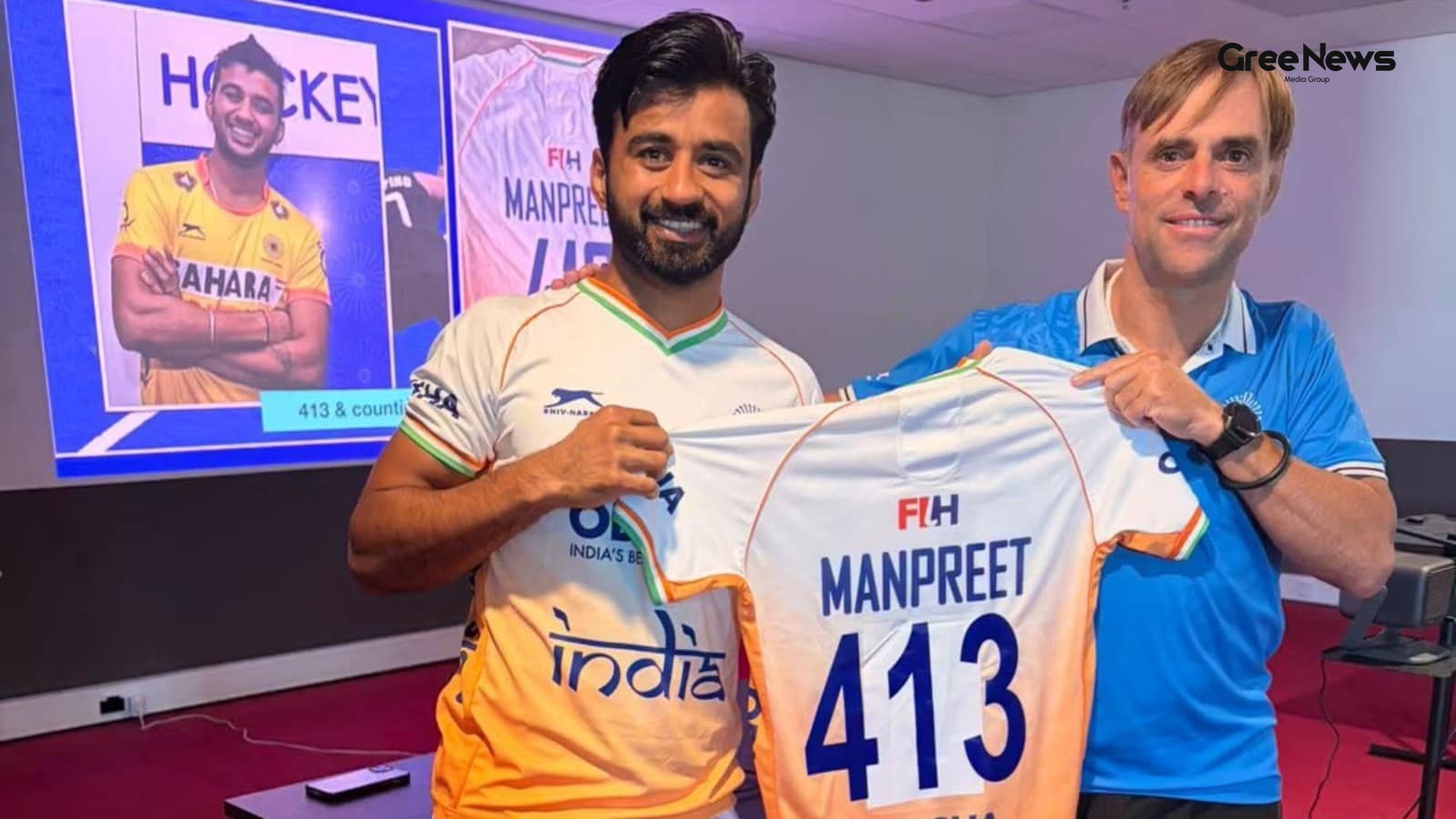
Manpreet Singh: The Most-Capped Player in Indian Hockey History
Manpreet Singh just hit something huge in Indian hockey history. He’s now the most-capped player representing the country. That’s 413 international appearances. He got this milestone during India's FIH Pro League match against Germany on Wednesday. It was a big game, you know? And Manpreet was in it
Jun 18, 2026 by Gree News Team
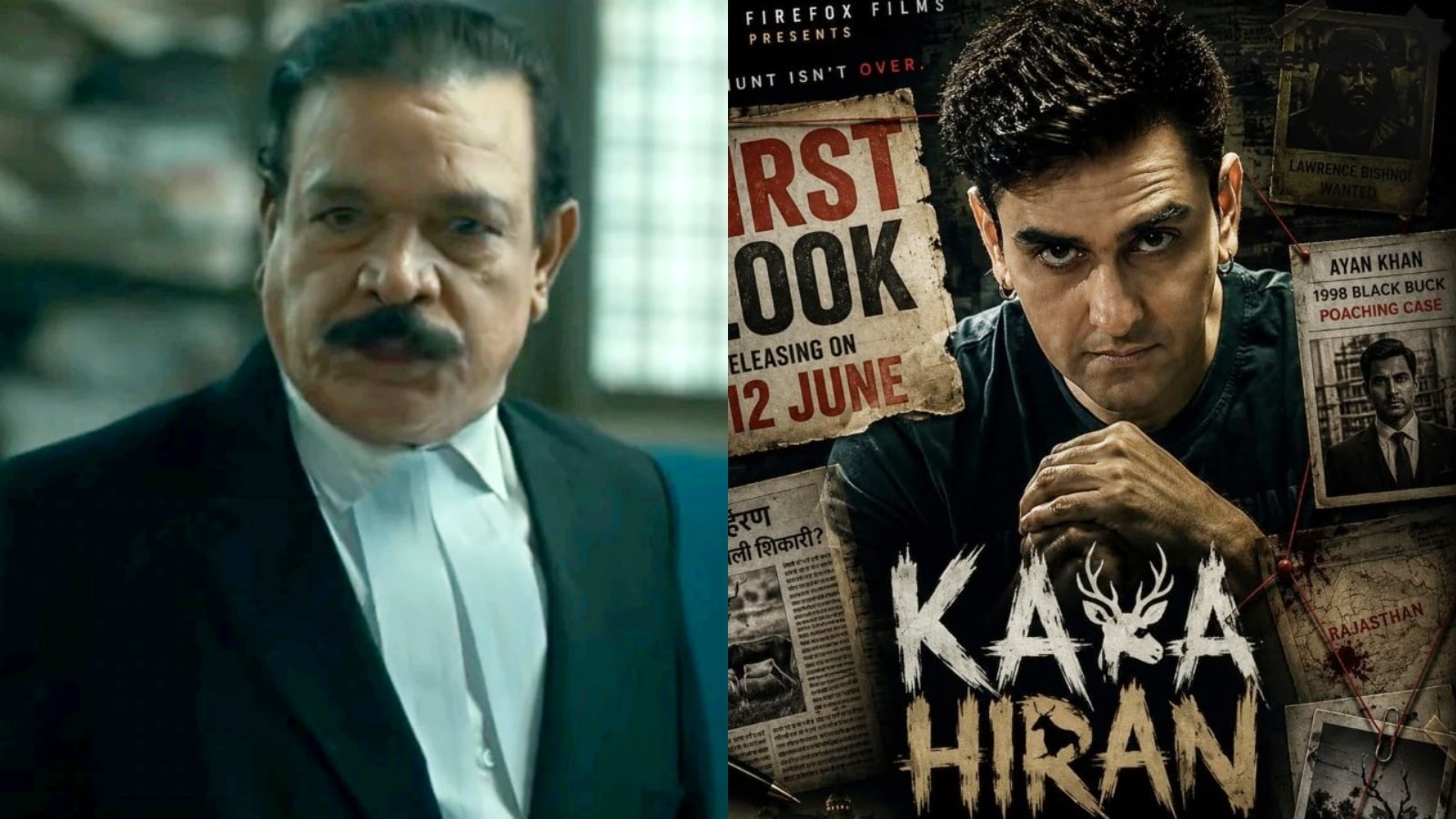
Kala Hiran Controversy: Legal Battles and Legacy in Filmmaking
Govind Namdev has pulled back from Kala Hiran. It’s all about legacy now, you know? The film itself is based on that whole blackbuck poaching thing from 1998. Amit Jani produced it. Namdev was in it, playing the advocate trying to fight for justice for the Bishnoi community. Things got messy after t
Jun 18, 2026 by Gree News Team
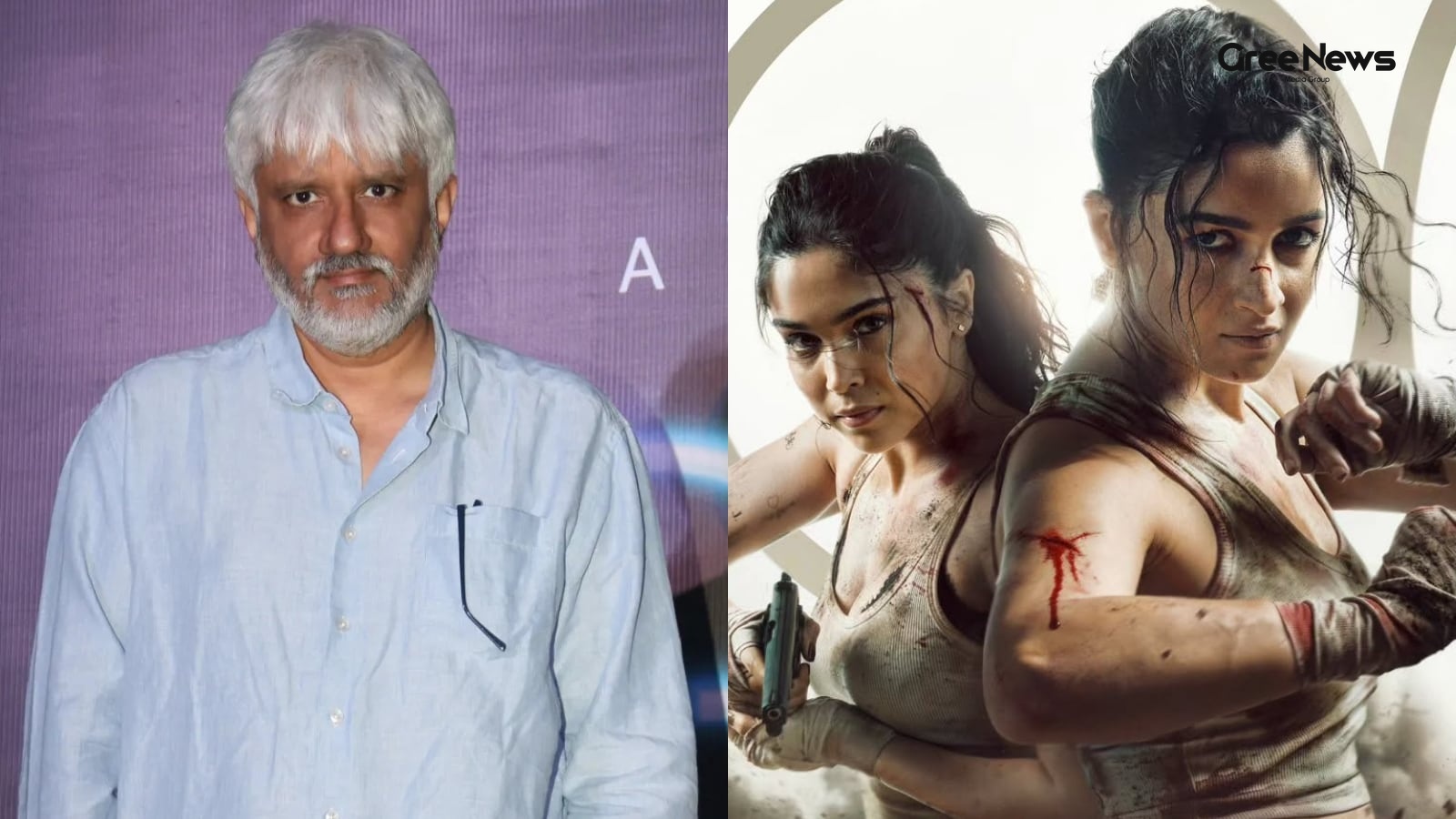
The Reality of Online Trolling and Paid Smear Campaigns in the Film Industry
Alia Bhatt is in the eye of a storm right now. Her appearance at Cannes got all the chatter online. Then it just became relentless trolling. People were tearing into her for going unnoticed on the red carpet, playing along with whatever noise was happening. What really kicked things up? Alpha’s teas
Jun 18, 2026 by Gree News Team
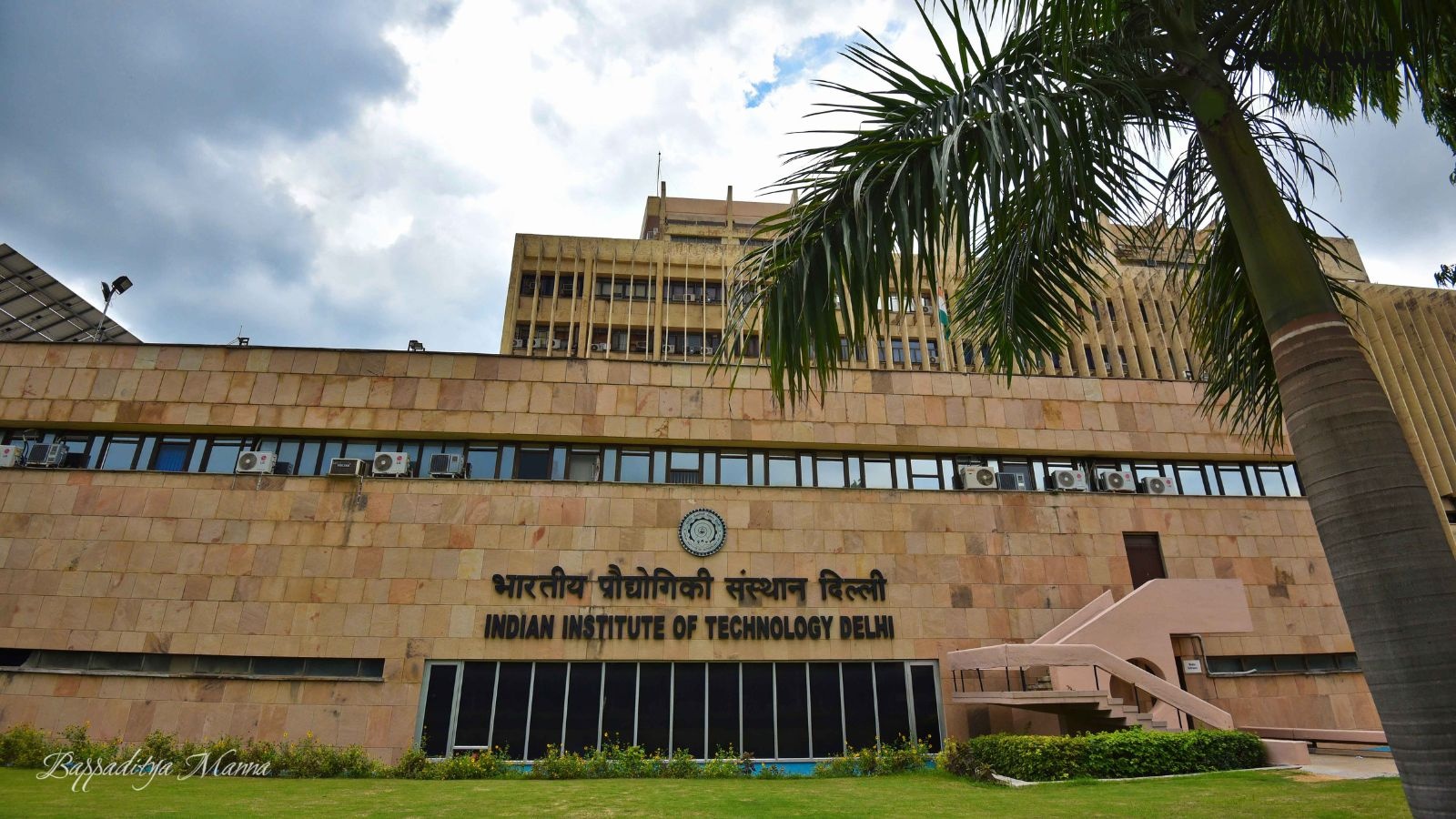
QS World University Rankings 2027: Analysis of Global Academic Shifts
The QS World University Rankings for 2027 finally dropped. It’s out now. And you see IIT Delhi up there again. Top spot in India, once more. They climbed five places this time. Now they sit at number 118 globally. That's a big jump from last year. Last year they were at 123. Highest rank ever for an
Jun 18, 2026 by Gree News Team
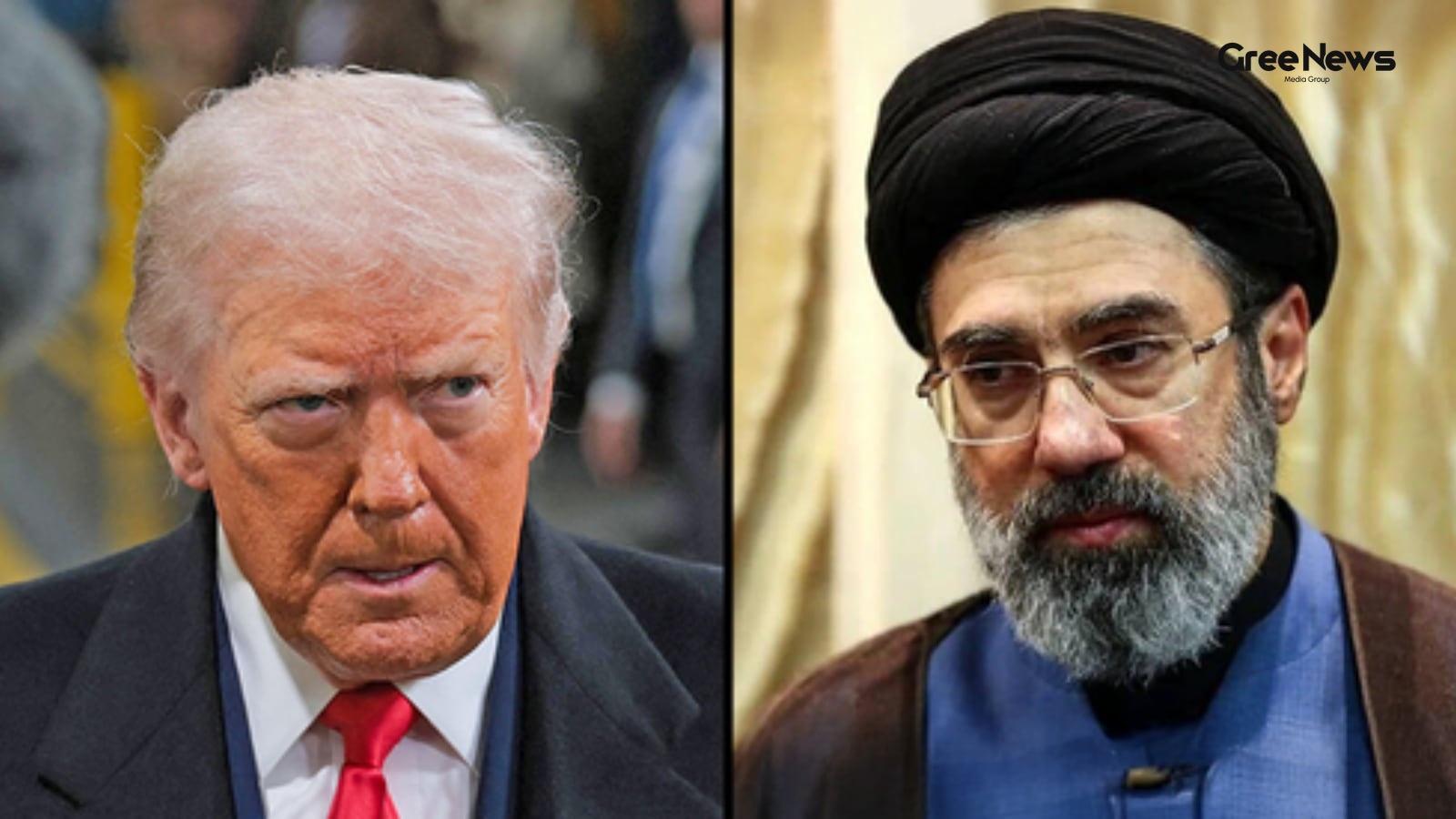
US-Iran Peace Memorandum: Terms, Commitments, and Implications
Weeks of talking turned into something official between the United States and Iran. They signed that peace memorandum. It lays out fourteen points, supposed to be how they’re going to end this mess and start moving toward some bigger settlement. But it’s important to remember: this isn't a final tre
Jun 18, 2026 by Gree News Team