The Friction of Power: Personal Animosities in Global Geopolitics
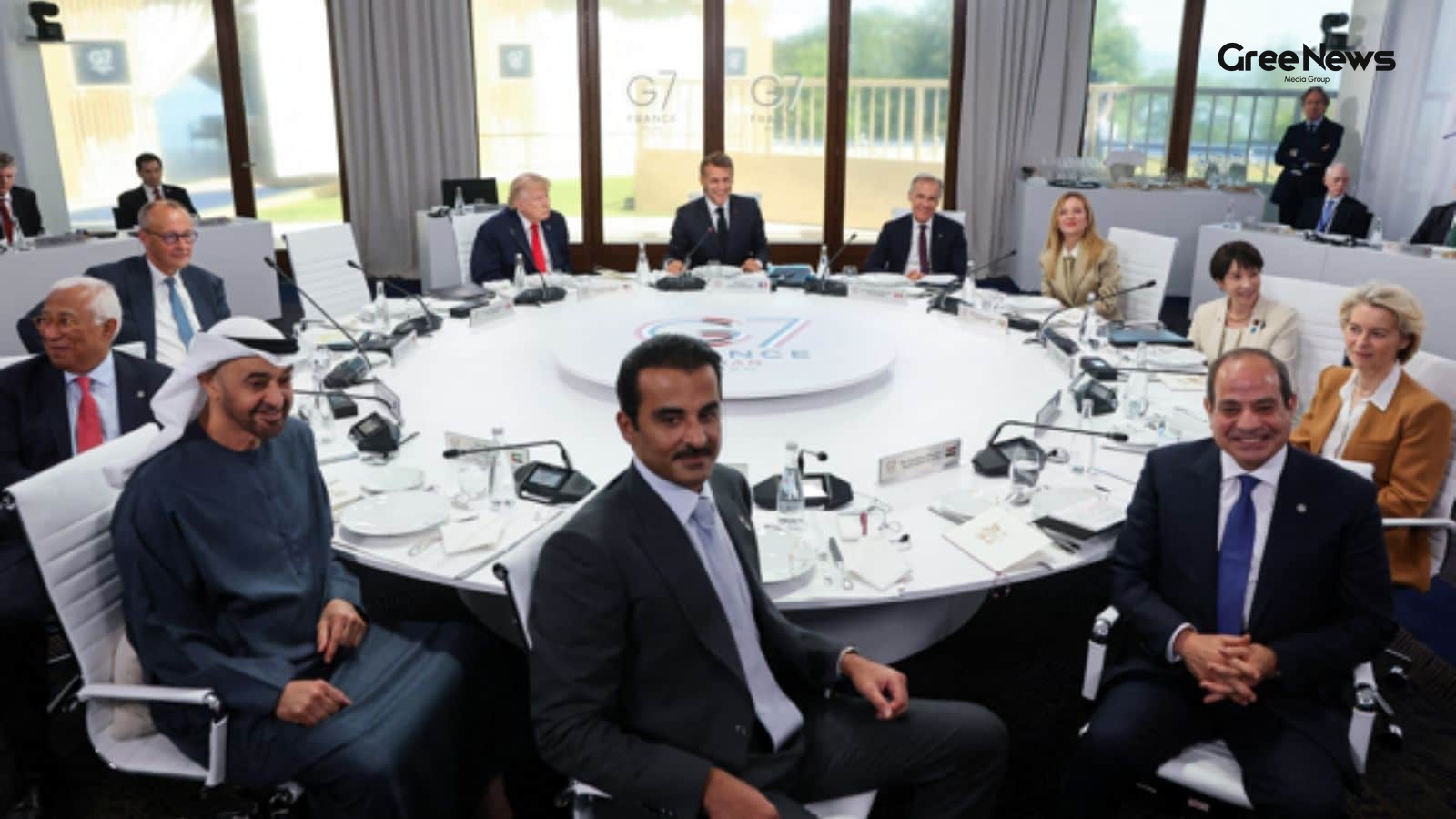
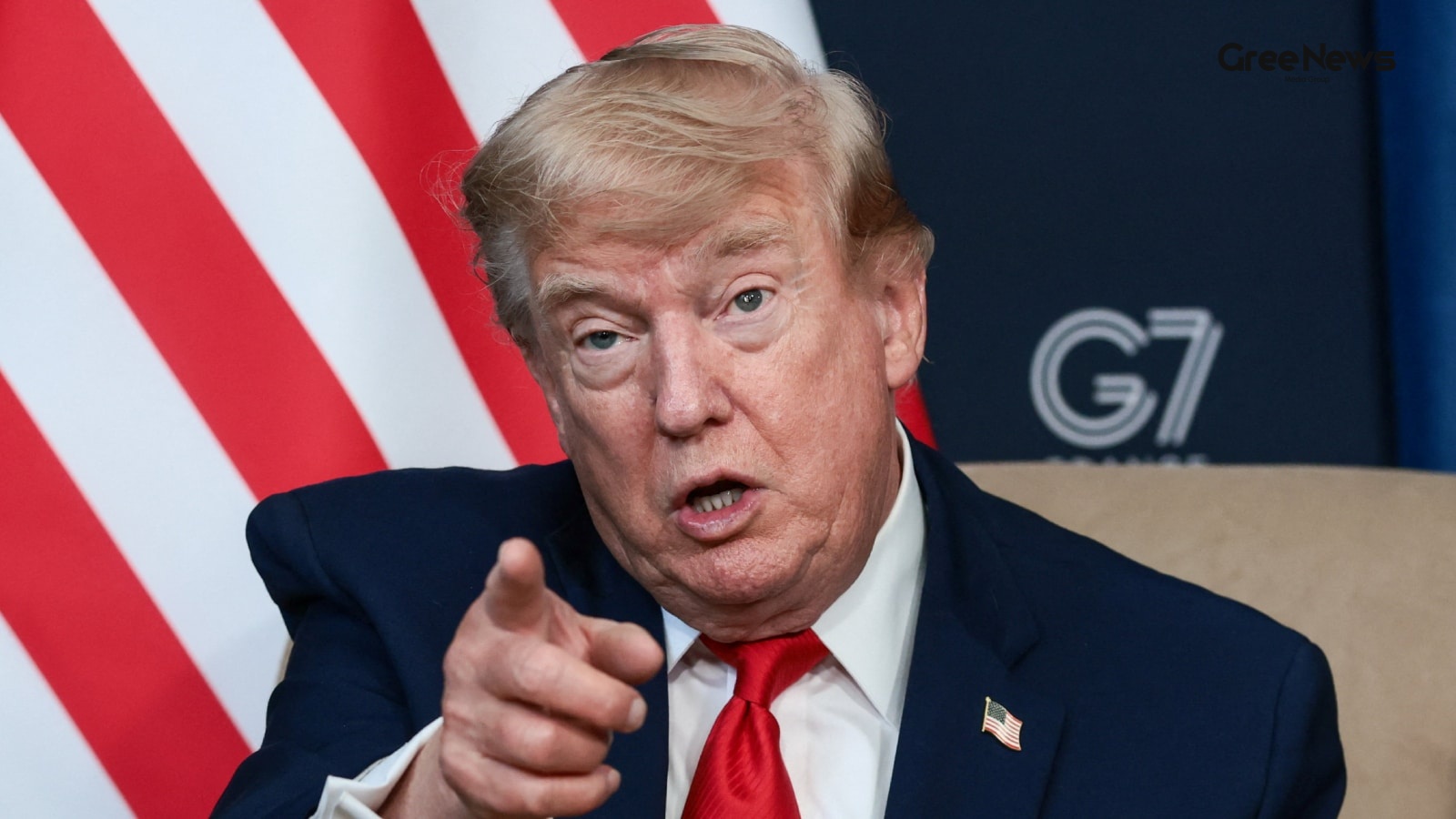
the air around the g7 summits isn't always clean anymore. it’s thick with something else now, isn’t it? a low hum of old grudges and sharp, almost performative dismissals. we’re talking about the behind-the-scenes friction, the way these supposed pillars of the western world are actually fraying under the weight of some very specific, deeply personal political theater involving d.c., iran, and everything in between.
donald trump. just the name carries a certain static charge now. it's not enough to just list the public pronouncements anymore. you have to look at the gaps, the things left unsaid, the subtle shifts in tone that tell you something is actively breaking down. these aren’t textbook diplomatic reports. this is the messy reality of how power operates when egos collide with geopolitical necessity.
take emmanuel macron first. the relationship between trump and macron has always been a study in contradictions, a bizarre tapestry woven from fleeting nods of respect and sudden, sharp jabs. it seems almost impossible to pin down where one feeling ends and the next begins. one moment you have the high-level deference, the shared stage at the summit. the next? suddenly, it’s about marital status. an oblique reference here, a subtle dig there. it just screams of an instability that goes far deeper than trade tariffs or energy deals.
it's like watching two powerful entities trying to maintain some semblance of smooth operation while actively sabotaging each other in public view. and the details you pull out the way these interactions are filtered through media, how they spin into something sharper than policy that’s where the real story lives. it’s not just about who supports what; it's about who feels entitled to judge whom.
and then there’s that specific moment referenced from january 20th this year. trump posted something on truth social, and it felt less like a political statement and more like an open declaration of disdain aimed squarely at the group he was supposed to be leading with. “nobody wants him because he will be out of office very soon…i’ll put a 200% tariff on his wines and champagnes, and he’ll join, but he doesn’t have to join.” that line alone is heavy. it’s not diplomacy. it’s personal theater dressed up in economic threats. it implies an inherent dismissal of the group itself.
and then there's macaron’s reaction to that kind of commentary or perhaps more accurately, the spin put on his response. he was accused of making a mistake about where trump was going, or maybe he was just wrong about the whole context. the narrative shifts immediately from economics to existential questions. did macaron miss something crucial? it felt like an accidental misstep, born out of a deep-seated misunderstanding of the underlying currents.
moving across the pond, let's look at mark carney and canada. here the dynamic seemed, for a while, perhaps more navigable. there was a perceived improvement in the relationship last year. things seemed to ease somewhat along trade lines, maybe some shared economic anxieties provided a temporary bridge. but that bridge proved terribly fragile.
as soon as those trade disputes flared up again, or when carney stepped onto the world stage at davos earlier this year, the shift was palpable. trump’s stance changed. it wasn't just policy adjusting; it felt like an intentional recalibration of perceived leverage. and then came that strange nickname. calling him “governor carney.” it sounded less like a title and more like a deliberate attempt to assert dominance, a way of framing the relationship not as equals negotiating, but as one side asserting a kind of proprietary claim over the other. it hinted at something far more territorial, trying to define boundaries where there should only be negotiation.
and this pattern repeats itself across the board. it’s about perceived betrayal, or perhaps just deeply ingrained mistrust that surfaces whenever high-stakes geopolitical decisions are on the table. take starmer, for instance. when he initially resisted supporting the us war with iran, the reaction was immediate and dismissive from trump: “no winston churchill.” that phrase it cuts through all pretense. it’s not just a political slight; it suggests a total devaluation of the principled stance taken by someone who refuses to align with the dominant force.
the tension surrounding the iran war is clearly the epicenter of this friction. it bleeds into every interaction, twisting diplomatic exchanges into personal accusations. trump questioning the reaction or even attacking figures like giorgia meloni the italian leader feels less like strategic positioning and more like a raw, unfiltered attempt to vent frustration.
there was an interview where he lashed out at her about not helping secure oil interests in iran. it wasn't framed as a call for cooperation; it was a probing, almost accusatory examination of her personal motives. “do people like the fact that your president isn’t doing anything to get the oil [in iran]? does she like it? i can’t imagine.” there is a certain ugly vulnerability in that phrasing, an attempt to expose perceived disloyalty under the guise of inquiry.
and meloni's response, captured in that interaction with papacy the attack on pope leo xiv regarding trump's actions it was a reaction steeped in wounded pride and offense. she felt cornered. when trump called his attacks “unacceptable,” it became another flashpoint, pushing the dynamic further into an area where respect has evaporated entirely.
this is what happens when you mix high-stakes global strategy with deeply personal political animosities. everything becomes refracted through a lens of grievance.
look at sanae takaichi in japan. her stated mission to develop a close personal relationship with trump that sounds like the ideal, doesn't it? pure diplomacy aimed at building trust. yet, even this pursuit is complicated by the existing history. trump had already made criticisms regarding her refusal to participate in the iran war. the foundation for that closeness isn't built on shared vision; it’s layered over old political scores and unresolved tensions.
it creates a strange dynamic where genuine connection seems perpetually at odds with political reality. takaichi is trying to build something warm, while trump’s history with her suggests an inherent coolness.
the whole situation feels less like calculated statecraft and more like a series of highly charged personal encounters that happen to be broadcast globally. the urgency isn't in a single treaty negotiation; it's in the constant, low-level anxiety about where this friction will erupt next.
there’s an observational quality to watching these relationships degrade. they don't follow any neat timeline. one month you might see a public disaGreement over trade; the next, it spirals into accusations about moral courage regarding iran. and that is just how it moves. messy. unpredictable.
the reporting itself has to reflect this unevenness. there are moments where you have a hard political quote, followed by an almost tangential observation about the atmosphere in the room. a sudden shift from discussing tariffs to speculating on personal motives. those fragments need to coexist. they don't need to lock together perfectly; they just need to exist in the same space as the reader is trying to make sense of it all.
it’s not always about the grand strategy unfolding. sometimes it’s about the way someone chooses their words, or deliberately missteps, and how that mistake echoes across continents. the weight of history the old grudges, the unaddressed resentments it doesn't just sit in archives. it actively shapes the present negotiations.
we see this play out constantly. the public demands unity on major fronts, but underneath, the personal relationships are fractured. they’re not just political entities; they are people with histories, expectations, and hurts. and those internal dynamics bleed directly into the international arena. you can’t separate them cleanly anymore. every summit becomes a stage for these complicated, often uncomfortable, human interactions.
the narrative isn't linear. it jumps between macro-economic figures and deeply personal spats about who deserves respect or how loyalty is defined. that uneven pacing mirrors the actual experience of watching this political landscape evolve. there are moments where the frustration feels overwhelming, immediately followed by a quieter observation of the sheer difficulty of navigating such an environment.
it’s messy because it *is* messy. and trying to impose perfect order on it just misses the point entirely. that subtle urgency you feel? it comes from knowing that these strained relationships aren't static; they are actively being tested, constantly shifting in response to the next headline, the next statement, the next perceived slight. there’s always an underlying current of friction waiting for a spark. and right now, that spark feels dangerously close.
Written by Gree News Team — Senior Editorial Board
Gree News Team covers international news and global affairs at Gree News. Our collective of senior editors is dedicated to providing independent, accurate, and responsible journalism for a global audience.
More from World
View All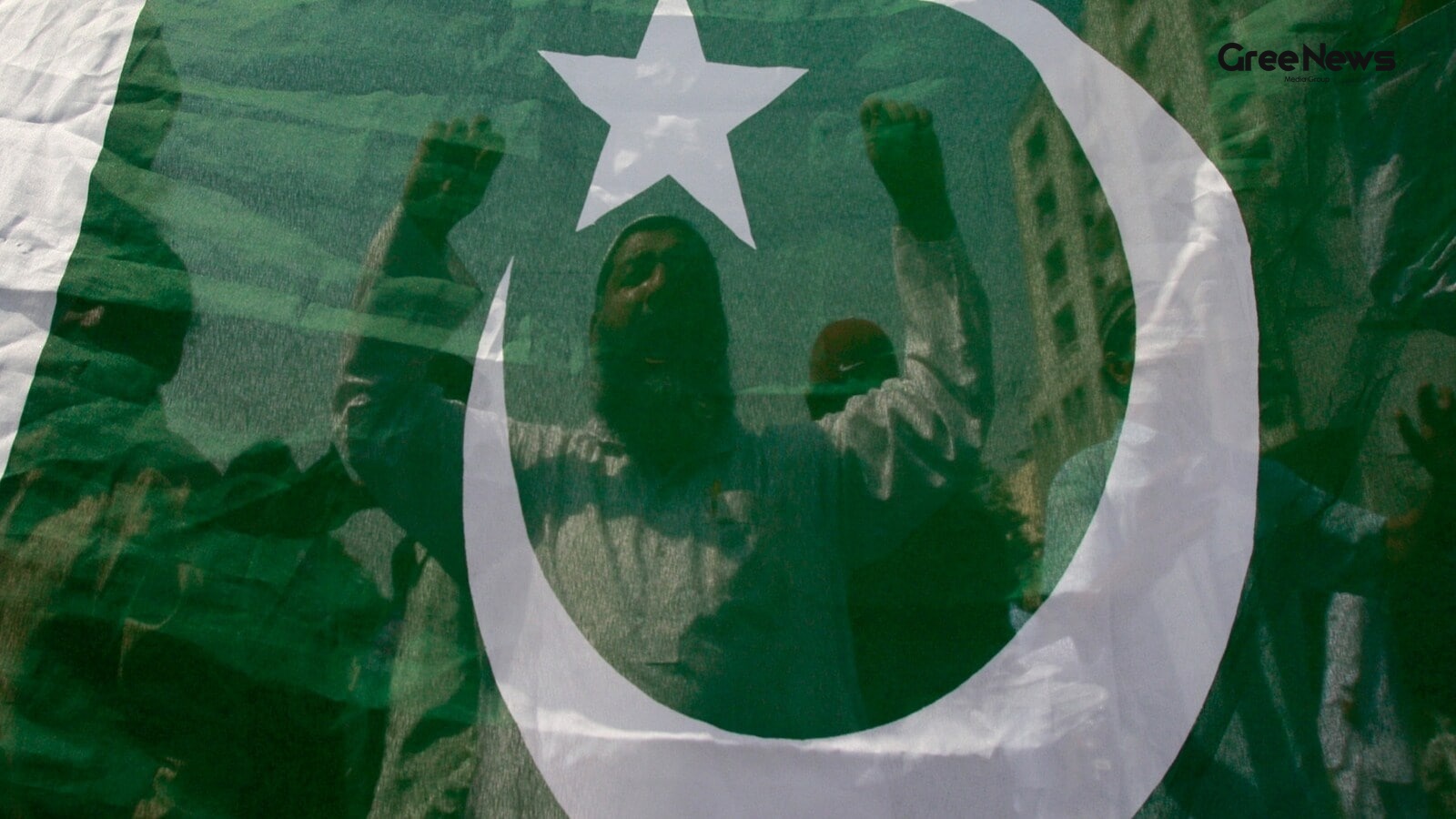
The Evolution of Protests in PoK: From Economic Grievances to Political Sovereignty
The protests started over simple things soaring electricity bills and wheat prices in PoK. That was the beginning. Now it’s gone way further into politics. Leaders are not just complaining anymore; they’re openly challenging Pakistan’s role entirely, demanding real control over their economy and gov
Jun 17, 2026 by Gree News Team
Geopolitical Tensions: The Lebanon-Israel Conflict and the Iran Deal
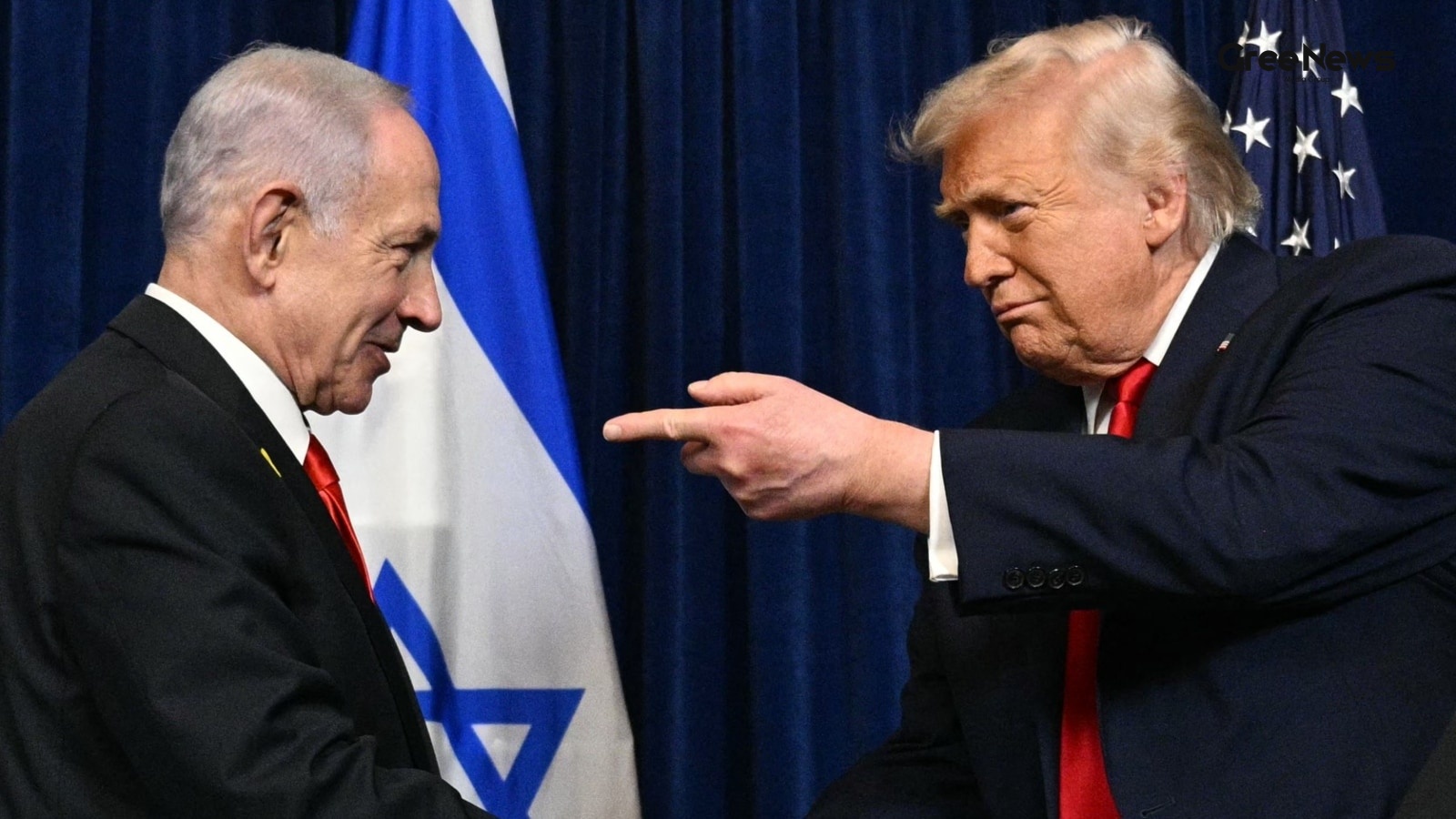
Tehran keeps pushing that Lebanon has to be in any ceasefire deal with Washington. But Israel isn't buying it. They’re still fighting Hezbollah. That’s the sticking point, isn’t it? Trump, talking to Qatari Emir Tamim bin Hamad Al Thani during the G7 summit in Evian, made some heavy statements about
Jun 17, 2026 by Gree News Team
Donald Trump's Idea: Syria's Role in the Israel-Hezbollah Conflict
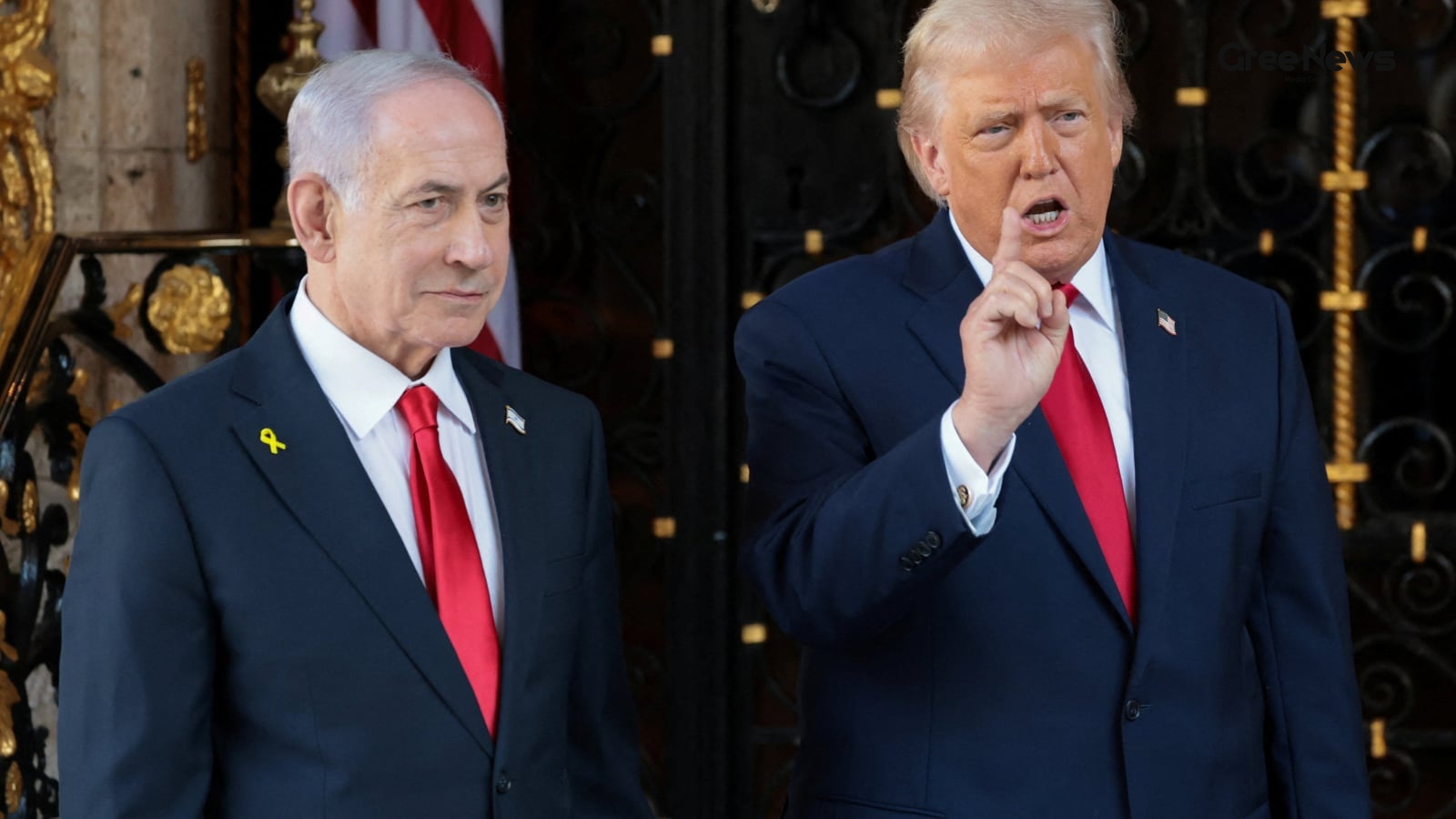
Donald Trump floated an idea recently: Syria should step in for Hezbollah instead of Israel when dealing with Lebanon’s situation. It signals something shifting in Washington's regional thinking. He was pretty frustrated about the casualties from Israel’s campaign against Hezbollah. That’s where the
Jun 17, 2026 by Gree News Team
Donald Trump on the Lebanon Conflict and Iran Deal
Tuesday, Donald Trump talked about the whole situation in Lebanon. He basically dismissed the Israeli-Hezbollah fighting as just a minor conflict. Not much impact, he said. Nothing big deal for the bigger picture. This came up while he was hanging out with Qatar Emir Sheikh Tamim bin Hamad Al Thani
Jun 17, 2026 by Gree News Team
Latest Headlines
The Political and Diplomatic Fallout of Renaming a Road in Hyderabad
The whole thing started so simply, really. A road name change in Hyderabad. But it quickly spiraled into this mess of posturing, doesn't it? It’s that kind of low-level political friction you see constantly simmering under the surface of any major state-level decision, especially when you start drag
Jun 17, 2026 by Gree News Team
Geopolitical Tensions: The Lebanon-Israel Conflict and the Iran Deal
Tehran keeps pushing that Lebanon has to be in any ceasefire deal with Washington. But Israel isn't buying it. They’re still fighting Hezbollah. That’s the sticking point, isn’t it? Trump, talking to Qatari Emir Tamim bin Hamad Al Thani during the G7 summit in Evian, made some heavy statements about
Jun 17, 2026 by Gree News Team
Shiv Sena (UBT) Split Rumors and "Operation Tiger"
The Shiv Sena (UBT) seems to be heading for another major split. Sources are whispering that fourteen to sixteen MLAs and seven MPs are actually preparing to walk out of Uddhav Thackeray’s party. This whole thing could happen fast. They say it might materialize in just six or seven days. If that hap
Jun 17, 2026 by Gree News Team
Donald Trump's Idea: Syria's Role in the Israel-Hezbollah Conflict
Donald Trump floated an idea recently: Syria should step in for Hezbollah instead of Israel when dealing with Lebanon’s situation. It signals something shifting in Washington's regional thinking. He was pretty frustrated about the casualties from Israel’s campaign against Hezbollah. That’s where the
Jun 17, 2026 by Gree News Team
Donald Trump on the Lebanon Conflict and Iran Deal
Tuesday, Donald Trump talked about the whole situation in Lebanon. He basically dismissed the Israeli-Hezbollah fighting as just a minor conflict. Not much impact, he said. Nothing big deal for the bigger picture. This came up while he was hanging out with Qatar Emir Sheikh Tamim bin Hamad Al Thani
Jun 17, 2026 by Gree News Team
Orry's Income: Social Media, Brand Deals, and Private Bookings
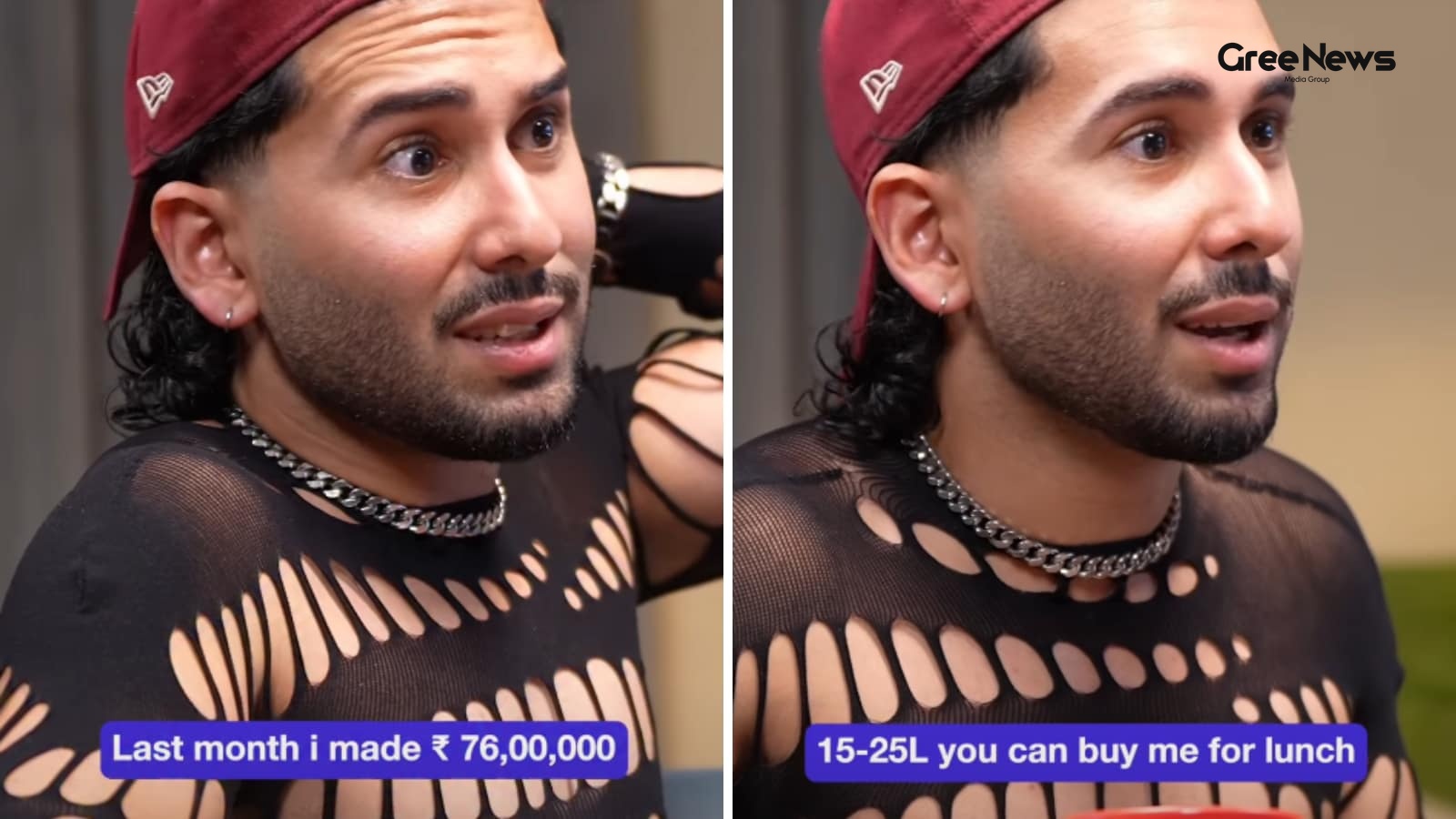
The whole thing just came out of that podcast, you know? Orry was talking about how he actually makes money now. It’s not just sitting around posting stuff anymore. He explained this whole social media and brand deal thing really clearly. How it became a big source of income for him. He mentioned so
Jun 17, 2026 by Gree News Team
Patriarchy, Climate Change, and Systemic Failure in Activism
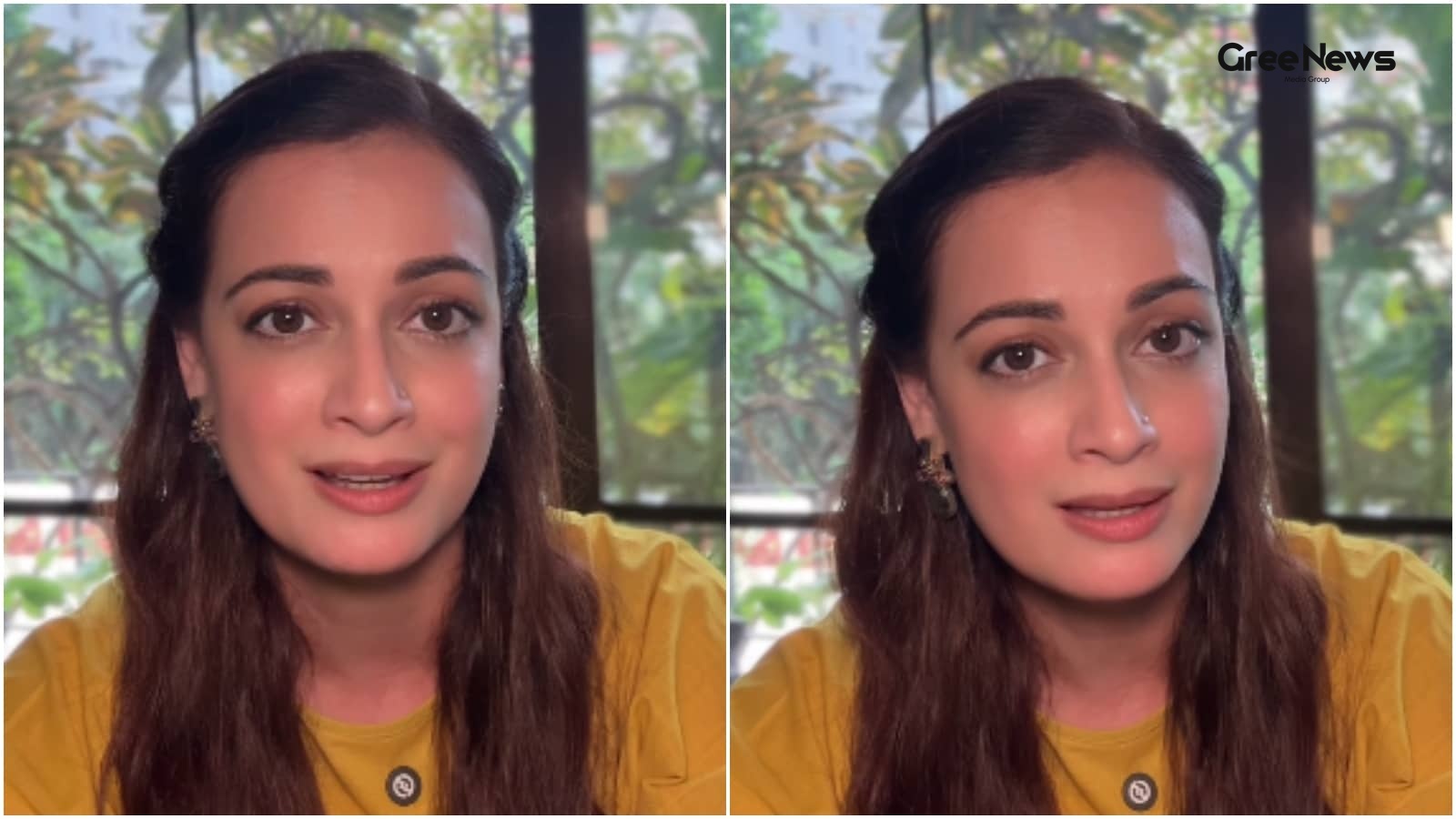
The noise started immediately after Dia Mirza made her comments about climate change and men. It was a reaction, fast and ugly. People went straight to social media. Trolling started up instantly. She had said something pretty pointed, linking patriarchy directly to the climate crisis. The original
Jun 17, 2026 by Gree News Team

Sanchita Ugale's Death: Conflicting Stories and Controversy
Sanchita Ugale’s death really shook everyone. Twenty-two years old. Television actress. The shockwave just keeps going through the country. She was found dead at her place in Nalasopara, Maharashtra, back on June 14th. Officially, it’s being reported as suicide. But that’s where things get messy fas
Jun 17, 2026 by Gree News Team

Jyotsna Chandola Singh on Mental Health and Grief
Jyotsna Chandola Singh. Actress. She broke down. Cried about Sanchita Ugale. It happened recently. Tuesday, she posted something on Instagram. A video dropped there. Talking about mental health. Calling Sanchita’s death “very sad.” Simple words, but they carried weight. She was friends with Sanchita
Jun 17, 2026 by Gree News Team

Comparing Cinema Experiences: India versus Europe
Sandra On, this Ukrainian content creator, she put out some thoughts recently comparing cinema experiences across borders India versus Europe. It wasn't just a simple review. She posted it on Instagram, setting up this comparison about how different these movie settings feel in India compared to wha
Jun 17, 2026 by Gree News Team
The Friction and Conflict Surrounding the US-Iran Memorandum of Understanding
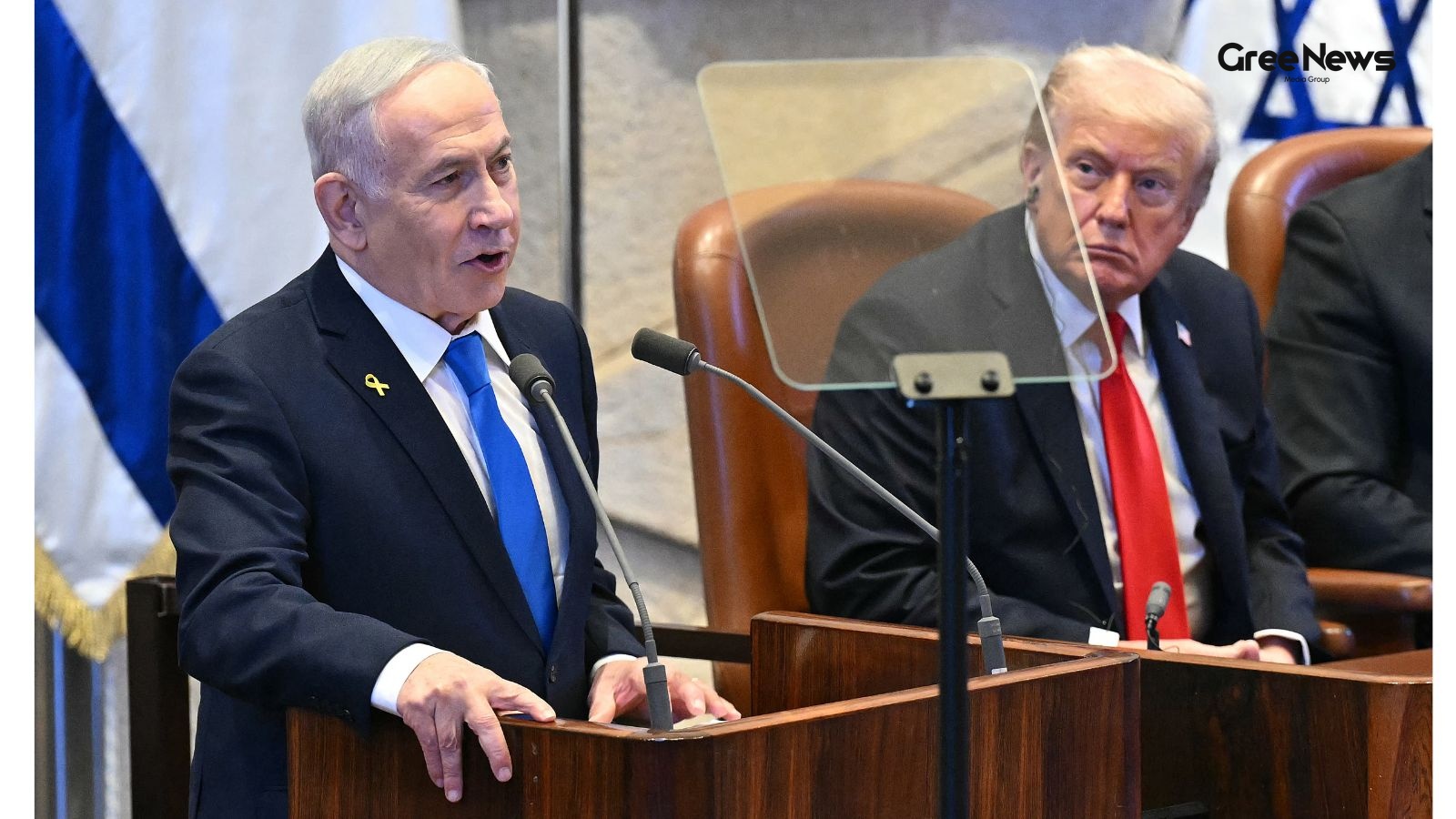
The air around the potential US-Iran memorandum of understanding is thick with something that isn't just diplomacy. It’s friction. A deep, grinding tension that surfaces whenever you look at the numbers the fourteen clauses hanging over Geneva this Friday. Israel, naturally, hasn't been comfortable
Jun 17, 2026 by Gree News Team
Pavel Durov Criticizes India's Telegram Ban and Platform Restrictions
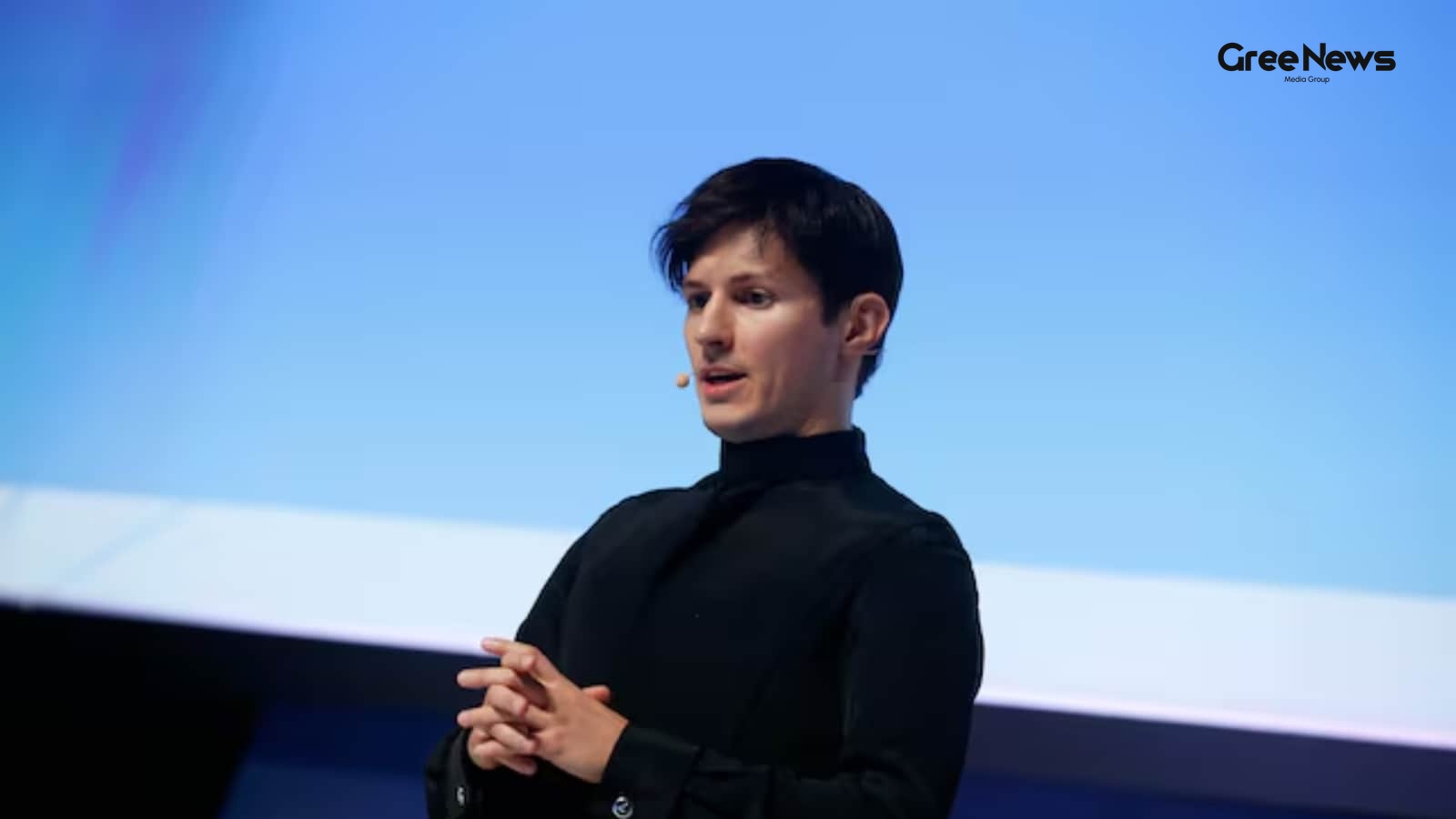
Pavel Durov, the founder of Telegram, stepped in to criticize what the Indian government did. He argued that banning the messaging platform for a week really punishes over 150 million users in the country. The ban itself didn't stop anything, he said. The leaks just moved over to other apps. That wa
Jun 17, 2026 by Gree News Team
The Rising Cost of Living and Rent in Bengaluru
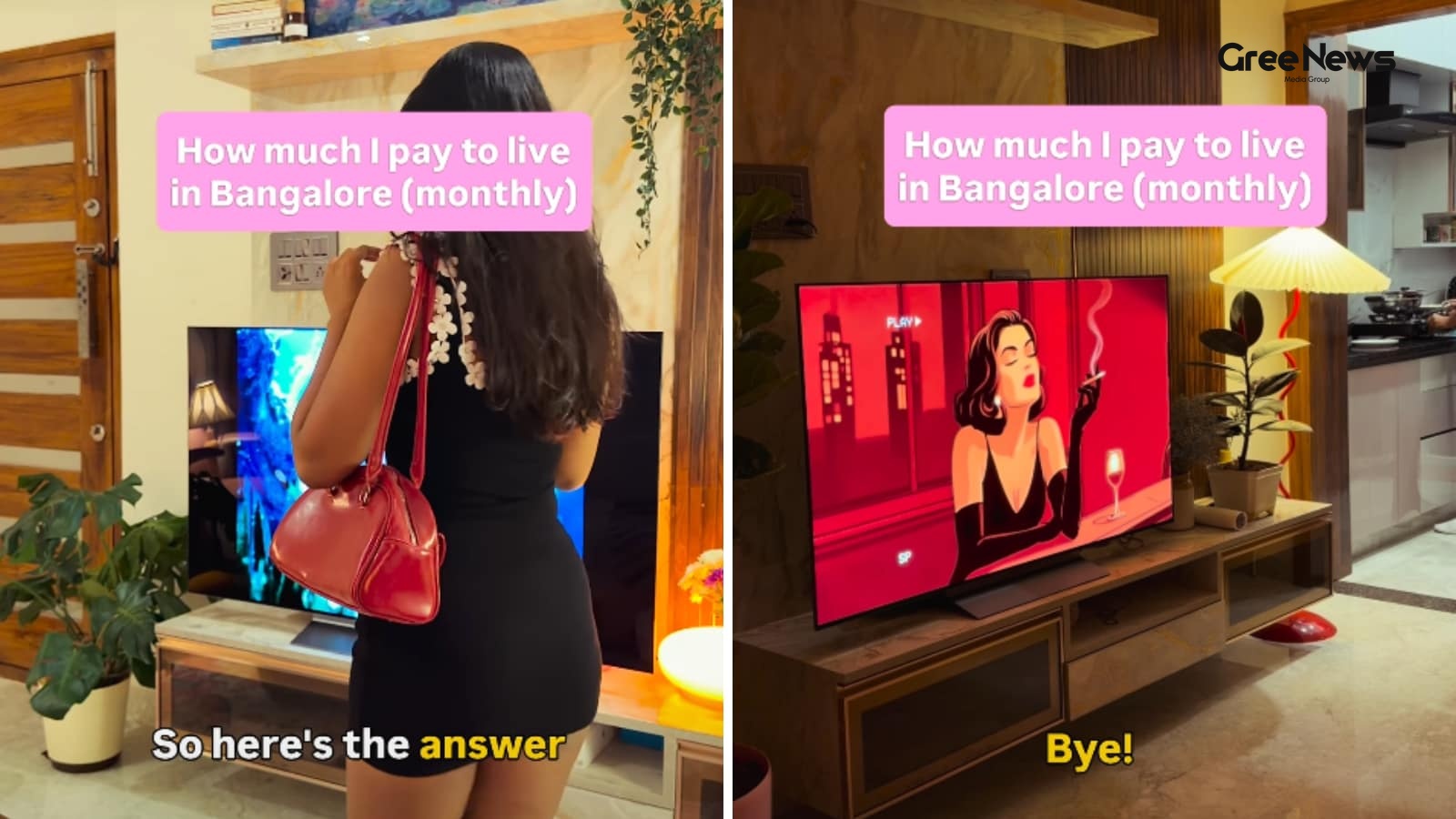
Rising rent and just the sheer daily costs in Bengaluru are starting to worry a lot of young people living alone there. People are really starting to share online how expensive it’s become just to manage a basic lifestyle in the city now. One post from a resident named Shruti went totally viral afte
Jun 17, 2026 by Gree News Team

The Emotional and Financial Struggle of Living in Gurugram
That guy, a software developer, twenty-seven. From Gurugram. He posted it on Reddit, just dropped this mess about money. It went viral, you know? Suddenly everyone was looking at his numbers. He said his monthly salary, that 1.5 lakh figure, doesn't feel high enough. That’s the core of it. The feeli
Jun 17, 2026 by Gree News Team
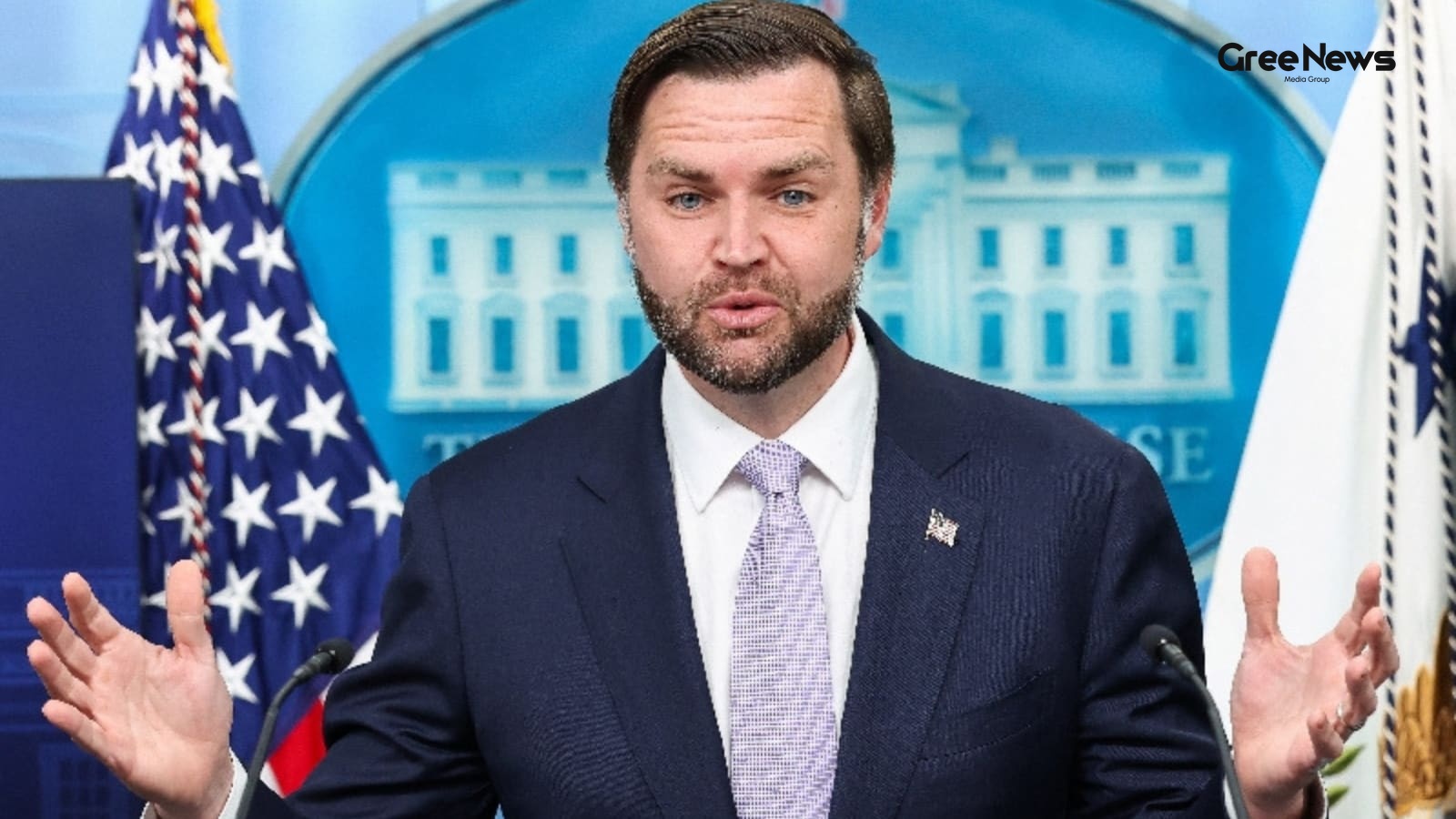
The History Agreement: Negotiations, Demands, and Geopolitical Shifts
The world is gearing up for whatever signing happens next regarding that history agreement in West Asia. And you know who’s talking about it? Vice President JD Vance. He just said the whole memorandum doesn't even take up two pages. Just that. But what does that mean? It sounds incredibly light, alm
Jun 17, 2026 by Gree News Team