Patriarchy, Climate Change, and Systemic Failure in Activism

The noise started immediately after Dia Mirza made her comments about climate change and men. It was a reaction, fast and ugly. People went straight to social media. Trolling started up instantly.
She had said something pretty pointed, linking patriarchy directly to the climate crisis. The original statement, which sparked this firestorm, was quite stark: that men were responsible for driving climate change and causing the resulting chaos. It felt like a direct accusation thrown out into the air.
But then came the clarification. After the backlash hit hard, she stepped back on Instagram. She wrote something to try and explain things more simply.
“Since so many of you are debating this,” she posted, “it is timely to explain as simply as one can.”
She stood by the core idea, though. The message shifted slightly in focus. It wasn't just about blaming individual men for every bit of environmental disaster.
Instead, it became about the systems themselves. She argued that patriarchy the way power is structured is what caused these crises. That the whole framework has prioritized extraction over care, treating nature and vulnerable communities as mere resources to be used up rather than protected.
She brought in a broader perspective. Thinking about how women and girls are treated within those systems. How forests, oceans, ecosystems they’re all just commodities, much like people often are. And the fallout from that thinking is impossible to ignore now.
It felt like she was pulling back the focus from personal blame to systemic failure. She brought in the episode of “All About Her” where Arati @aratikumarrao and she discussed how this extractive, uncaring system, controlled by men, directly feeds into the economic structures that cause climate change. It’s about dominance working overtime to silence anyone speaking up for nature or women's rights.
Then came the reality check, the part that caused the most friction. When discussing who is actually suffering women and girls in vulnerable communities dealing with water scarcity, food insecurity, displacement she insisted that justice has to be central. The climate crisis isn’t just about carbon emissions. It’s about how we relate to each other, to the natural world.
She pushed for questioning those systems that reward endless consumption while ignoring care and stewardship. A sustainable future demands moving away from domination toward something based on equity and respect for all life.
When she spoke on Soha Ali Khan’s podcast, the energy was intense. The statement about men driving the chaos came through again, more directly this time. It wasn't just an abstract point; it felt like a direct indictment of the global dynamic not just in the Global South, but everywhere now.
That is where things got really messy. Despite the attempt at philosophical grounding, the reaction on social media was brutal. The trolling was relentless. People didn’t seem to care about the nuance of the argument; they just reacted to the framing. It became pure noise.
Written by Gree News Team — Senior Editorial Board
Gree News Team covers international news and global affairs at Gree News. Our collective of senior editors is dedicated to providing independent, accurate, and responsible journalism for a global audience.
More from Movies
View All
The Dynamic of Stardom: Behind Dil To Pagal Hai and Bollywood Evolution
You know, you hear about *Dil To Pagal Hai*. It’s always something, isn't it? Not just a movie, really. It’s become this thing everyone talks about. A proper cult favorite now, that stuff. And you look at what happened behind the scenes with those actresses. It’s a story, really. A weird one. Karism
Jun 17, 2026 by Gree News Team
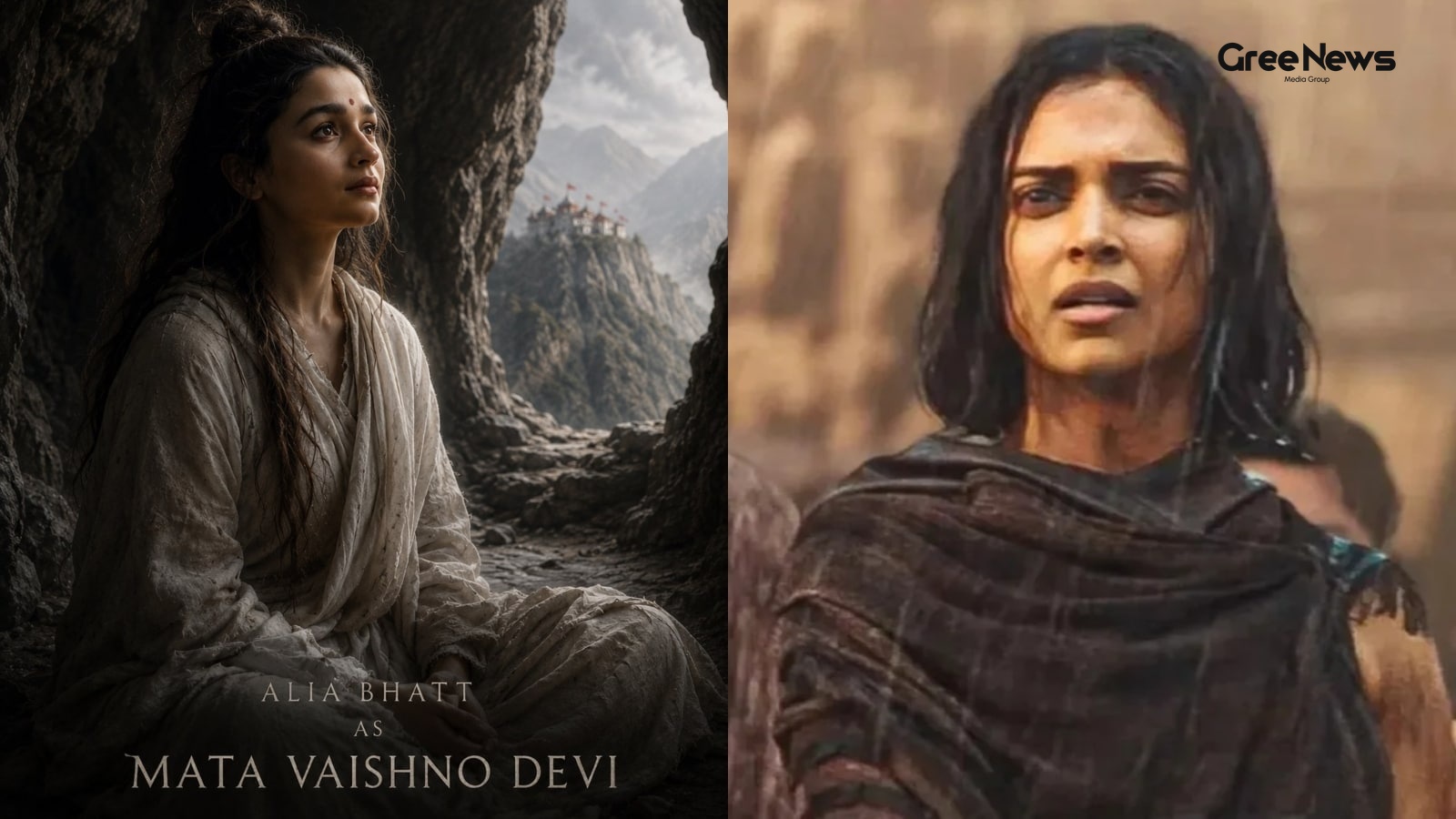
Deepika Padukone's Departure, Casting Speculation, and Industry Battles
Everyone’s buzzing about who’s going to step into Deepika Padukone's shoes for the sequel to *Kalki 2898 AD*. It’s all speculation right now, obviously. No official word yet. But then a new report surfaces, and suddenly things get interesting. Apparently, Alia isn’t taking that spot in Prabhas’ film
Jun 17, 2026 by Gree News Team

Adil Hussain on Creative Collaboration and the Legacy of Sridevi
Adil Hussain. He’s talking about old times now, walking down memory lane for that film ‘52 Blue’ which is coming up at the London Indian Film Festival. It’s July 9th through the 19th of 2026. A festival date, right? He spoke to IANS about working with a creative giant back in the early 2010s. Sridev
Jun 17, 2026 by Gree News Team

Ranabaali: The Collision of History, Mythology, and Star Power
Man, you just have to sit back and watch this unfold. Vijay Deverakonda and Rashmika Mandanna. They’re finally gearing up for *Ranabaali*. And honestly? The wait felt like an eternity sometimes, didn't it? All those whispers, all those frantic updates bouncing around the fandom… it was exhausting, b
Jun 17, 2026 by Gree News Team
Latest Headlines
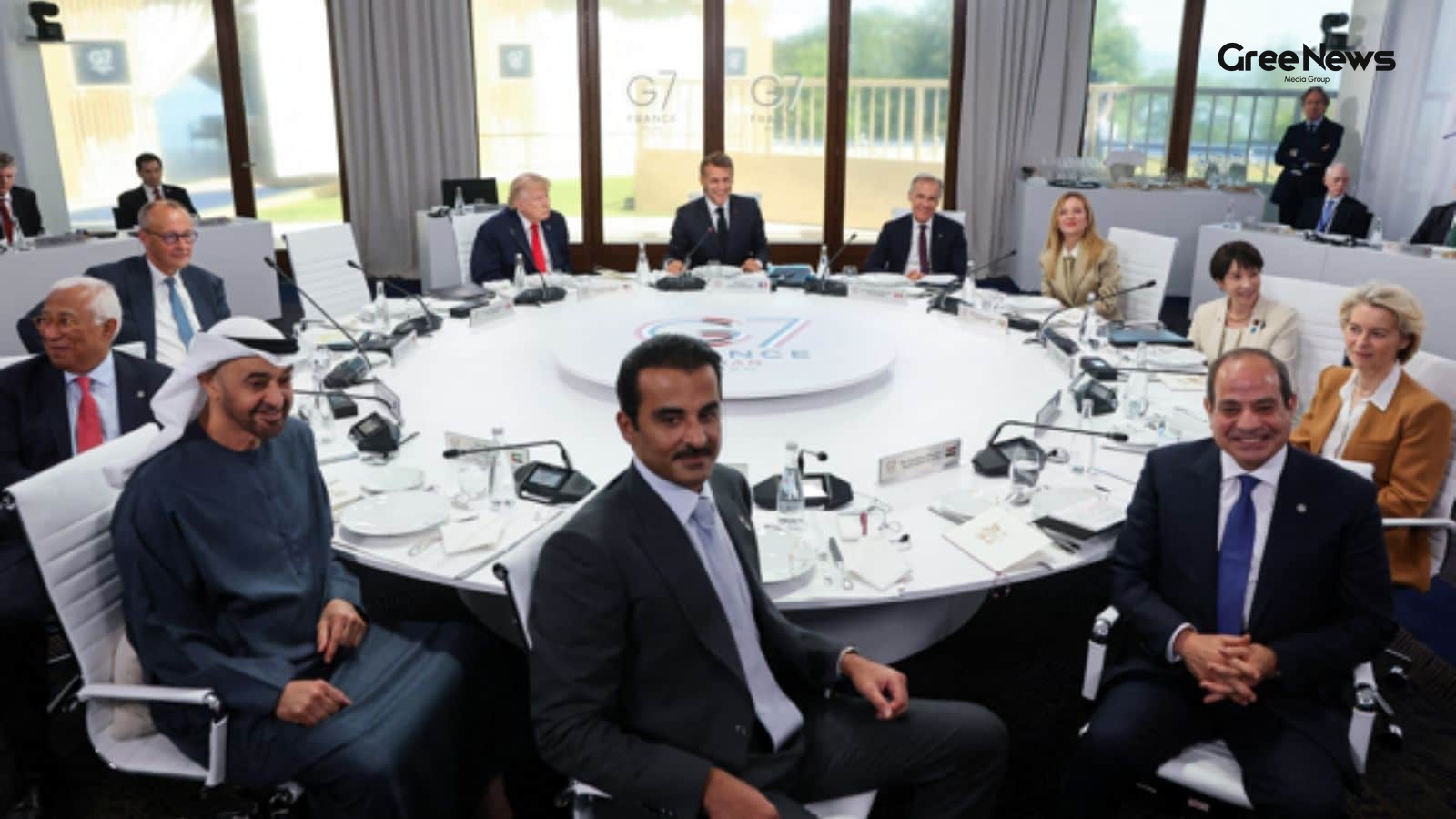
The Friction of Power: Personal Animosities in Global Geopolitics
the air around the g7 summits isn't always clean anymore. it’s thick with something else now, isn’t it? a low hum of old grudges and sharp, almost performative dismissals. we’re talking about the behind-the-scenes friction, the way these supposed pillars of the western world are actually fraying und
Jun 17, 2026 by Gree News Team
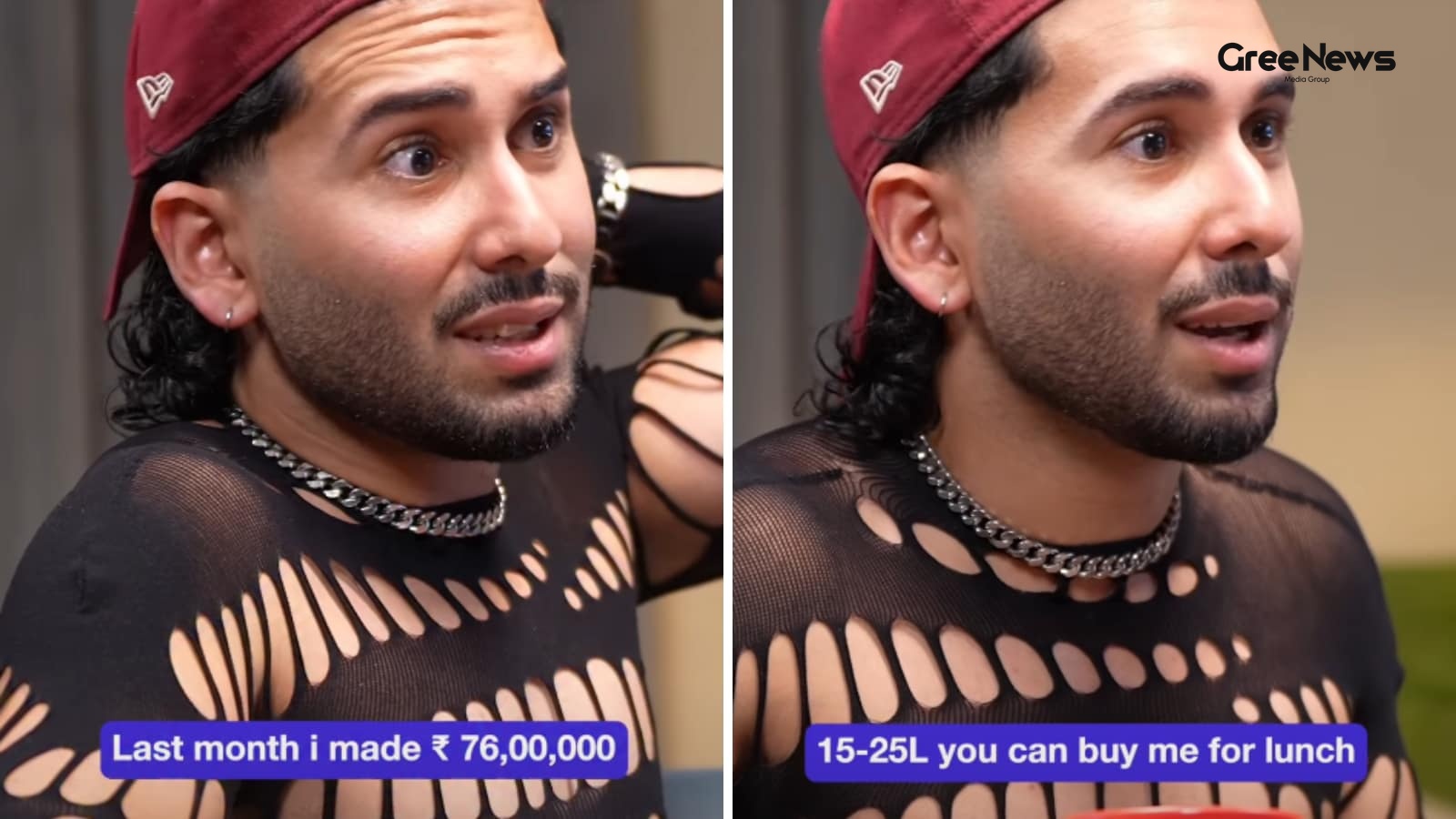
Orry's Income: Social Media, Brand Deals, and Private Bookings
The whole thing just came out of that podcast, you know? Orry was talking about how he actually makes money now. It’s not just sitting around posting stuff anymore. He explained this whole social media and brand deal thing really clearly. How it became a big source of income for him. He mentioned so
Jun 17, 2026 by Gree News Team

Sanchita Ugale's Death: Conflicting Stories and Controversy
Sanchita Ugale’s death really shook everyone. Twenty-two years old. Television actress. The shockwave just keeps going through the country. She was found dead at her place in Nalasopara, Maharashtra, back on June 14th. Officially, it’s being reported as suicide. But that’s where things get messy fas
Jun 17, 2026 by Gree News Team

Jyotsna Chandola Singh on Mental Health and Grief
Jyotsna Chandola Singh. Actress. She broke down. Cried about Sanchita Ugale. It happened recently. Tuesday, she posted something on Instagram. A video dropped there. Talking about mental health. Calling Sanchita’s death “very sad.” Simple words, but they carried weight. She was friends with Sanchita
Jun 17, 2026 by Gree News Team

Comparing Cinema Experiences: India versus Europe
Sandra On, this Ukrainian content creator, she put out some thoughts recently comparing cinema experiences across borders India versus Europe. It wasn't just a simple review. She posted it on Instagram, setting up this comparison about how different these movie settings feel in India compared to wha
Jun 17, 2026 by Gree News Team
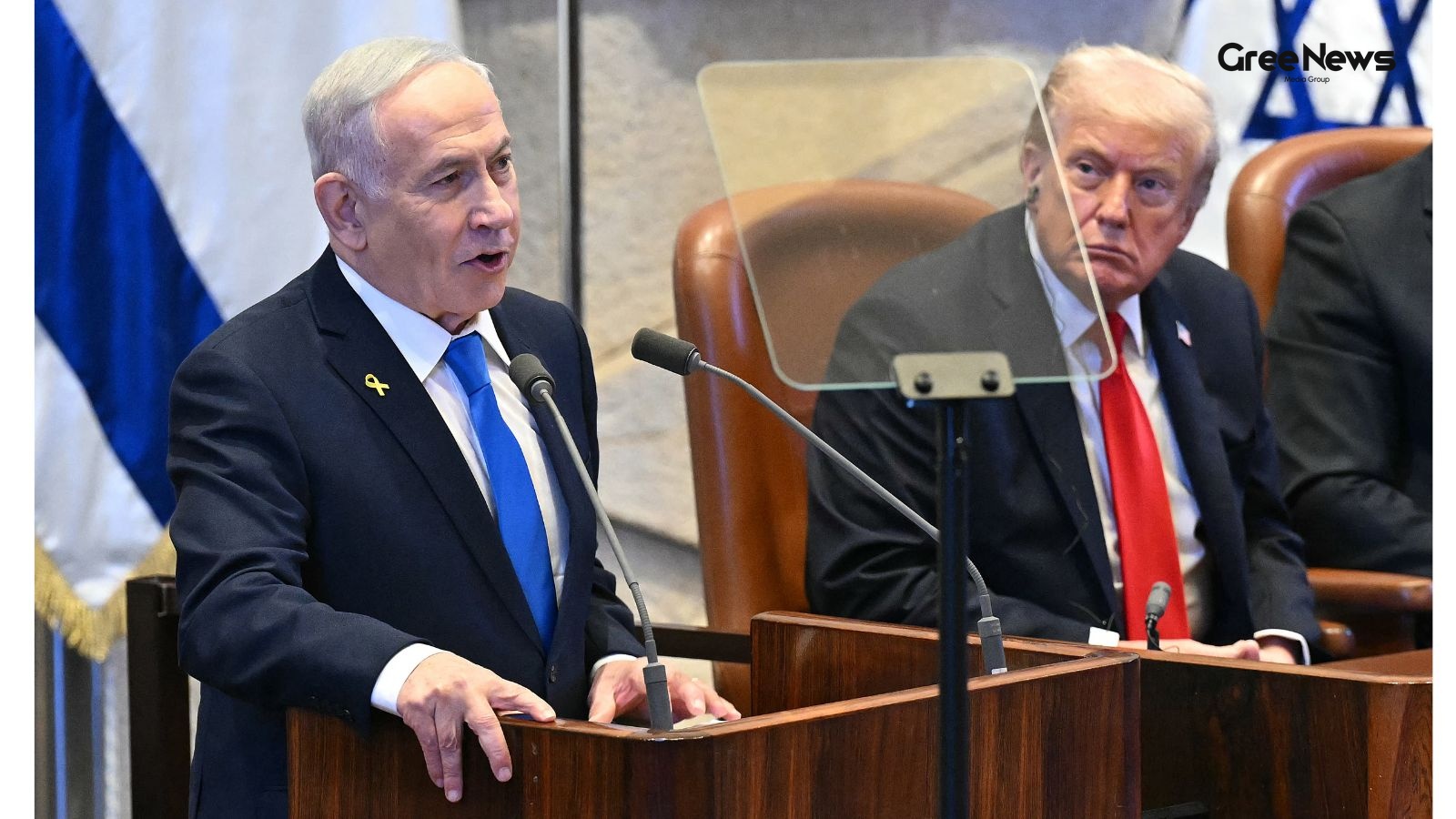
The Friction and Conflict Surrounding the US-Iran Memorandum of Understanding
The air around the potential US-Iran memorandum of understanding is thick with something that isn't just diplomacy. It’s friction. A deep, grinding tension that surfaces whenever you look at the numbers the fourteen clauses hanging over Geneva this Friday. Israel, naturally, hasn't been comfortable
Jun 17, 2026 by Gree News Team

Pavel Durov Criticizes India's Telegram Ban and Platform Restrictions
Pavel Durov, the founder of Telegram, stepped in to criticize what the Indian government did. He argued that banning the messaging platform for a week really punishes over 150 million users in the country. The ban itself didn't stop anything, he said. The leaks just moved over to other apps. That wa
Jun 17, 2026 by Gree News Team

The Rising Cost of Living and Rent in Bengaluru
Rising rent and just the sheer daily costs in Bengaluru are starting to worry a lot of young people living alone there. People are really starting to share online how expensive it’s become just to manage a basic lifestyle in the city now. One post from a resident named Shruti went totally viral afte
Jun 17, 2026 by Gree News Team

The Emotional and Financial Struggle of Living in Gurugram
That guy, a software developer, twenty-seven. From Gurugram. He posted it on Reddit, just dropped this mess about money. It went viral, you know? Suddenly everyone was looking at his numbers. He said his monthly salary, that 1.5 lakh figure, doesn't feel high enough. That’s the core of it. The feeli
Jun 17, 2026 by Gree News Team
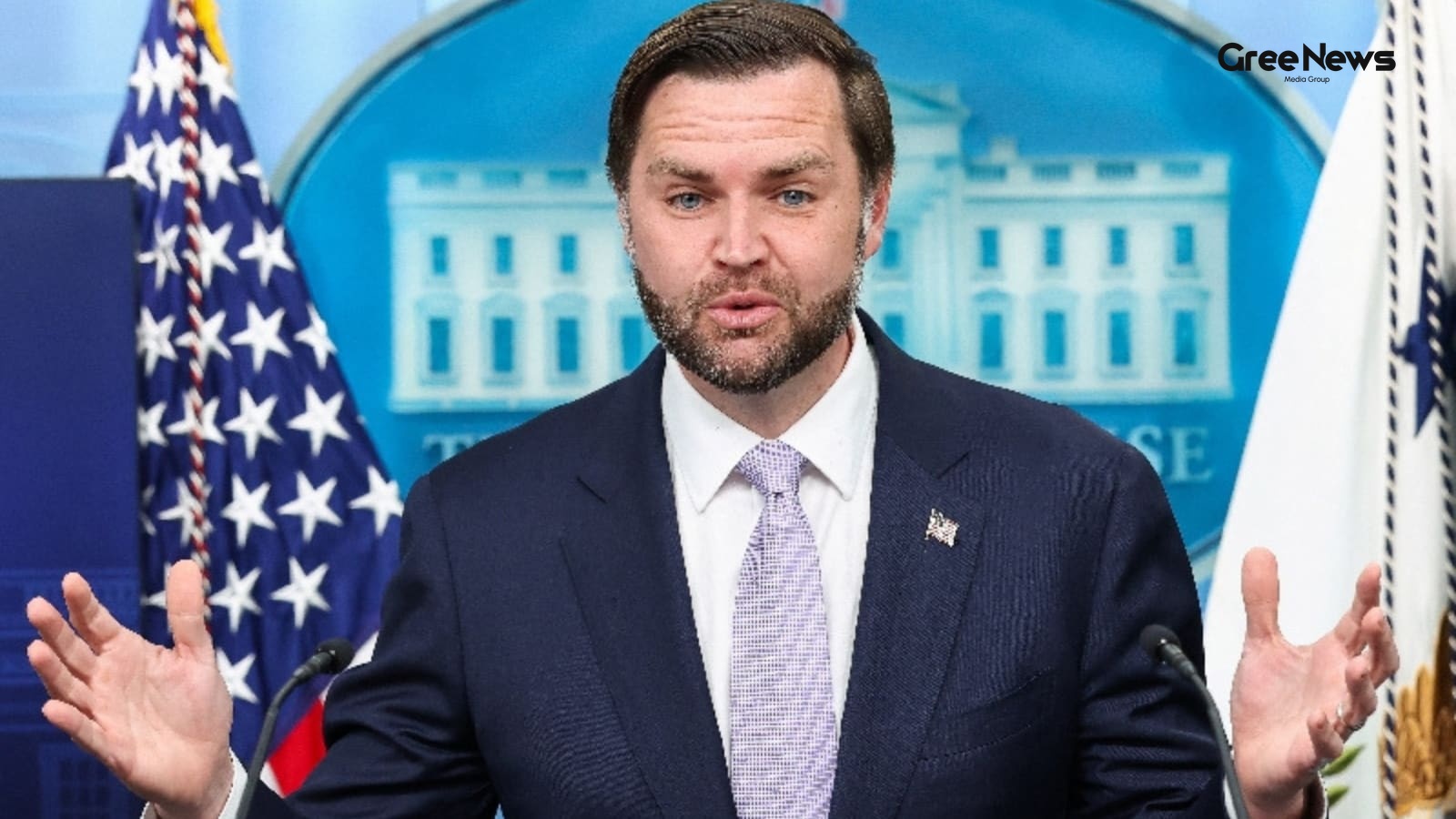
The History Agreement: Negotiations, Demands, and Geopolitical Shifts
The world is gearing up for whatever signing happens next regarding that history agreement in West Asia. And you know who’s talking about it? Vice President JD Vance. He just said the whole memorandum doesn't even take up two pages. Just that. But what does that mean? It sounds incredibly light, alm
Jun 17, 2026 by Gree News Team
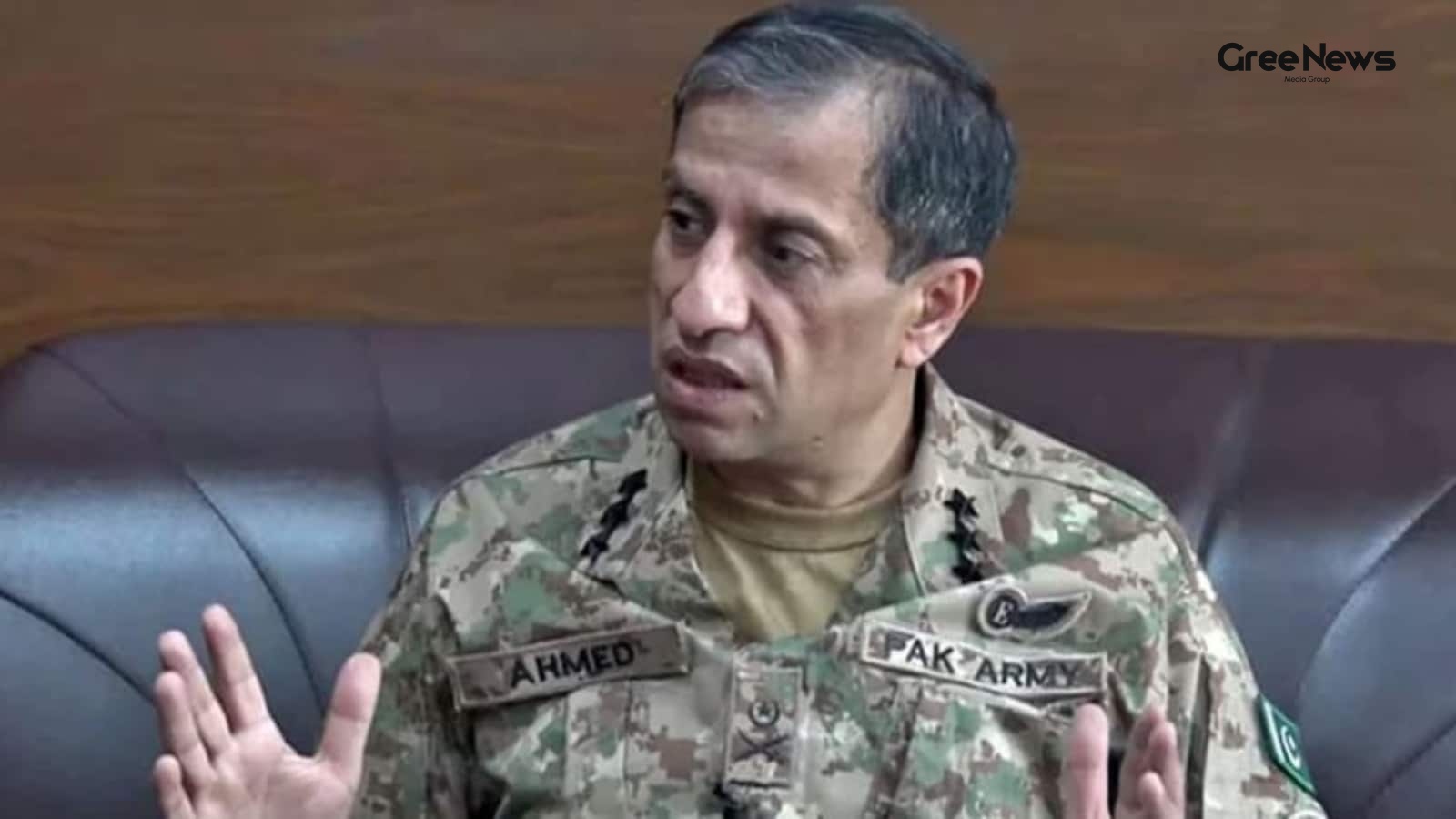
The Security and Political Crisis in Jammu and Kashmir
Rawalpindi is running with its usual playbook, blaming foreign intelligence agencies for everything happening in Jammu and Kashmir. It’s massive domestic pushback, unprecedented stuff. The Director General of ISPR, Lieutenant General Ahmed Sharif Chaudhry, just gave an exclusive briefing to the pres
Jun 17, 2026 by Gree News Team

US Military Covert Operation: Bypassing Sanctions via Ship-to-Ship Transfers
The US military has been running this whole covert operation since early May. It’s about moving Gulf oil out of the Strait of Hormuz, using those secretive ship-to-ship transfers. They're basically borrowing a trick from Iran’s playbook on bypassing sanctions. Reuters got wind of it Monday. It’s hap
Jun 17, 2026 by Gree News Team
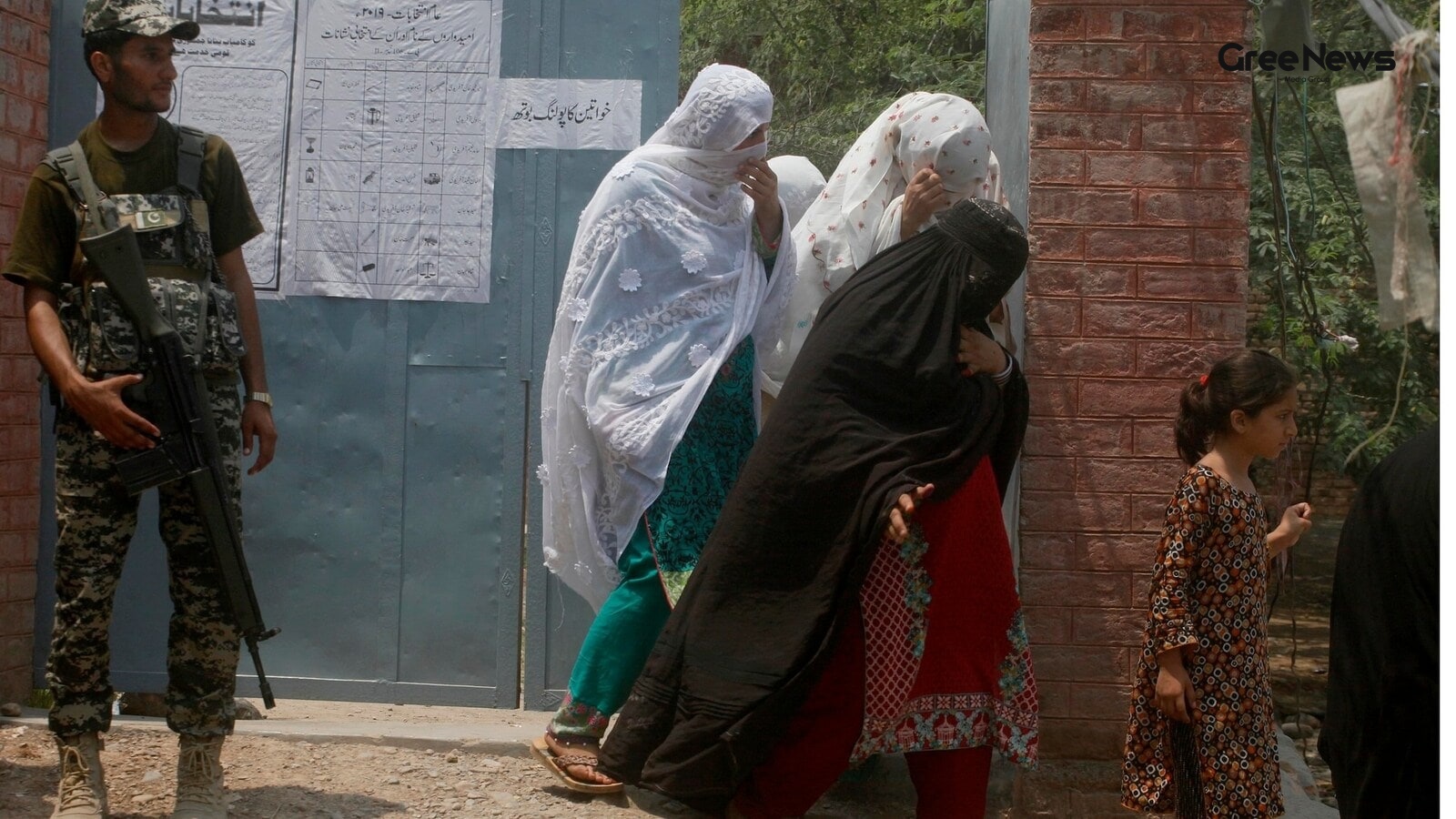
Tax Exemption for Women's Sanitary Products and Contraceptives in Pakistan
The tax exemption for women’s sanitary products and contraceptives has finally landed in the federal budget for 2026-27. It kicks in July 1st. Finance Minister Muhammad Aurangzeb pushed this through as part of the larger federal plan. But there’s more to it than just the numbers on the page. This mo
Jun 17, 2026 by Gree News Team

Justice Served: BSF Jawans Sentenced for Gang-Rape and Acid Attack in Mizoram
Bringing that nine-year legal fight to a close in Mizoram’s district court was something huge. They finally sentenced two Border Security Force jawans to rigorous imprisonment. The charges? Gang-rape and brutal acid attack against a local tribal woman back in 2017. The judge, Additional District and
Jun 17, 2026 by Gree News Team

Erling Haaland Scores First World Cup Goals in Norway Victory
Erling Haaland scored his first World Cup goals. Norway beat Iraq four to one on Tuesday in their very first game at a major tournament in twenty-six years. It happened fast. He turned in from close range for the lead around the twenty-ninth minute in Boston. But Aymen Hussein got level with a heade
Jun 17, 2026 by Gree News Team