Pavel Durov Criticizes India's Telegram Ban and Platform Restrictions

Pavel Durov, the founder of Telegram, stepped in to criticize what the Indian government did. He argued that banning the messaging platform for a week really punishes over 150 million users in the country.
The ban itself didn't stop anything, he said. The leaks just moved over to other apps. That was his main point floating around right now.
He posted this on X. It wasn’t some perfectly balanced statement. It felt more immediate. He basically threw it out there: India banned Telegram because people shared leaked exam questions. But that move hits 150 million regular users, not the insiders who actually leaked the materials. And honestly? The ban hasn't stopped anything at all.
This whole situation comes amid a lot of debate about these kinds of platform-wide restrictions. Are they even working to stop things online?
India temporarily locked down the messaging app because of this exam issue. They were worried it was being used for scams targeting candidates preparing for some national medical entrance test. The test itself had already been messy, full of rumors about paper leaks. That’s why millions of results got cancelled last month.
The government blocked access until June 22nd, ahead of the NEET re-examination date. That re-test is set for June 21st across various centers. It followed some recommendations from the National Testing Agency, or NTA. They said the restriction was only meant to cover the exam period and right after it.
The NTA regretted the inconvenience caused to lakhs of citizens using the platform during this time. A predictable response, perhaps.
But there’s another angle here. The government also pushed Telegram to disable its message-editing feature until June 30th. This was tied directly into concerns about how that feature could be abused.
The NTA pointed out exactly why they made this move. They claimed the editing feature had been used before, not just for normal communication. It let admins edit posted messages and swap attached files like PDFs while keeping the original timestamp intact.
It turned out that capability was exploited to fabricate what looked like "paper leak" evidence. Administrators could basically create after-the-event artifacts.
Telegram was involved in these cheating rackets targeting those NEET candidates, they said. It wasn't just about sharing a file; it was organized fraud. The agency noted they had already taken action, removing channels and bots that were pushing fraudulent claims about the question papers. But platform intervention became necessary when those initial steps didn't seem enough.
Both measures the app block and disabling editing were put in place for public order. They were a response to organized rackets trying to defraud people taking that re-examination. It felt less like targeted policing and more like damage control, you know? Dealing with the fallout of what already happened.
Written by Gree News Team — Senior Editorial Board
Gree News Team covers international news and global affairs at Gree News. Our collective of senior editors is dedicated to providing independent, accurate, and responsible journalism for a global audience.
More from Tech
View All
Robot Vacuum Reviews and Telegram Messaging Incident in India
Keeping floors clean isn’t usually hard. Keeping them clean every day is the real challenge. Dust settles surprisingly quickly, crumbs just appear out of nowhere. Pet hair finds every corner of the house somehow. That's why robot vacuum cleaners have become so popular. They don’t replace deep cleani
Jun 17, 2026 by Gree News Team

Guide to Washing Machines and Kitchen Chimneys: Buying Essentials
the washing machine. it seems like one of those easy buys, right? you walk into the showroom thinking twenty minutes is all it takes. then bam. suddenly you’re staring at front-load versus top-load machines. inverter motors, steam wash programs... capacities jumping from six kilos to twelve kilos an
Jun 16, 2026 by Gree News Team

Smart Home Gadgets and the AI Geopolitical Standoff
The world of smart homes is moving fast. People are looking for ways to make their daily lives easier, safer and cheaper. And right now, there’s a wave of gadgets priced under five thousand rupees that promise real convenience, security, and automation without needing a massive renovation or an army
Jun 16, 2026 by Gree News Team

Best Action Camera and Kitchen Gadget Pairings for Travel and Cooking
Travelling solo, right? That’s when you really start thinking about gear. Becoming your own photographer. It sounds simple enough, but getting good shots on a scooter ride or while hiking it all hinges on having something lightweight and solid. And that’s where the selfie stick comes in. It just mak
Jun 15, 2026 by Gree News Team
Latest Headlines

Sanchita Ugale's Death: Conflicting Stories and Controversy
Sanchita Ugale’s death really shook everyone. Twenty-two years old. Television actress. The shockwave just keeps going through the country. She was found dead at her place in Nalasopara, Maharashtra, back on June 14th. Officially, it’s being reported as suicide. But that’s where things get messy fas
Jun 17, 2026 by Gree News Team

Jyotsna Chandola Singh on Mental Health and Grief
Jyotsna Chandola Singh. Actress. She broke down. Cried about Sanchita Ugale. It happened recently. Tuesday, she posted something on Instagram. A video dropped there. Talking about mental health. Calling Sanchita’s death “very sad.” Simple words, but they carried weight. She was friends with Sanchita
Jun 17, 2026 by Gree News Team

Comparing Cinema Experiences: India versus Europe
Sandra On, this Ukrainian content creator, she put out some thoughts recently comparing cinema experiences across borders India versus Europe. It wasn't just a simple review. She posted it on Instagram, setting up this comparison about how different these movie settings feel in India compared to wha
Jun 17, 2026 by Gree News Team

The Friction and Conflict Surrounding the US-Iran Memorandum of Understanding
The air around the potential US-Iran memorandum of understanding is thick with something that isn't just diplomacy. It’s friction. A deep, grinding tension that surfaces whenever you look at the numbers the fourteen clauses hanging over Geneva this Friday. Israel, naturally, hasn't been comfortable
Jun 17, 2026 by Gree News Team

The Rising Cost of Living and Rent in Bengaluru
Rising rent and just the sheer daily costs in Bengaluru are starting to worry a lot of young people living alone there. People are really starting to share online how expensive it’s become just to manage a basic lifestyle in the city now. One post from a resident named Shruti went totally viral afte
Jun 17, 2026 by Gree News Team

The Emotional and Financial Struggle of Living in Gurugram
That guy, a software developer, twenty-seven. From Gurugram. He posted it on Reddit, just dropped this mess about money. It went viral, you know? Suddenly everyone was looking at his numbers. He said his monthly salary, that 1.5 lakh figure, doesn't feel high enough. That’s the core of it. The feeli
Jun 17, 2026 by Gree News Team

The History Agreement: Negotiations, Demands, and Geopolitical Shifts
The world is gearing up for whatever signing happens next regarding that history agreement in West Asia. And you know who’s talking about it? Vice President JD Vance. He just said the whole memorandum doesn't even take up two pages. Just that. But what does that mean? It sounds incredibly light, alm
Jun 17, 2026 by Gree News Team

The Security and Political Crisis in Jammu and Kashmir
Rawalpindi is running with its usual playbook, blaming foreign intelligence agencies for everything happening in Jammu and Kashmir. It’s massive domestic pushback, unprecedented stuff. The Director General of ISPR, Lieutenant General Ahmed Sharif Chaudhry, just gave an exclusive briefing to the pres
Jun 17, 2026 by Gree News Team

US Military Covert Operation: Bypassing Sanctions via Ship-to-Ship Transfers
The US military has been running this whole covert operation since early May. It’s about moving Gulf oil out of the Strait of Hormuz, using those secretive ship-to-ship transfers. They're basically borrowing a trick from Iran’s playbook on bypassing sanctions. Reuters got wind of it Monday. It’s hap
Jun 17, 2026 by Gree News Team
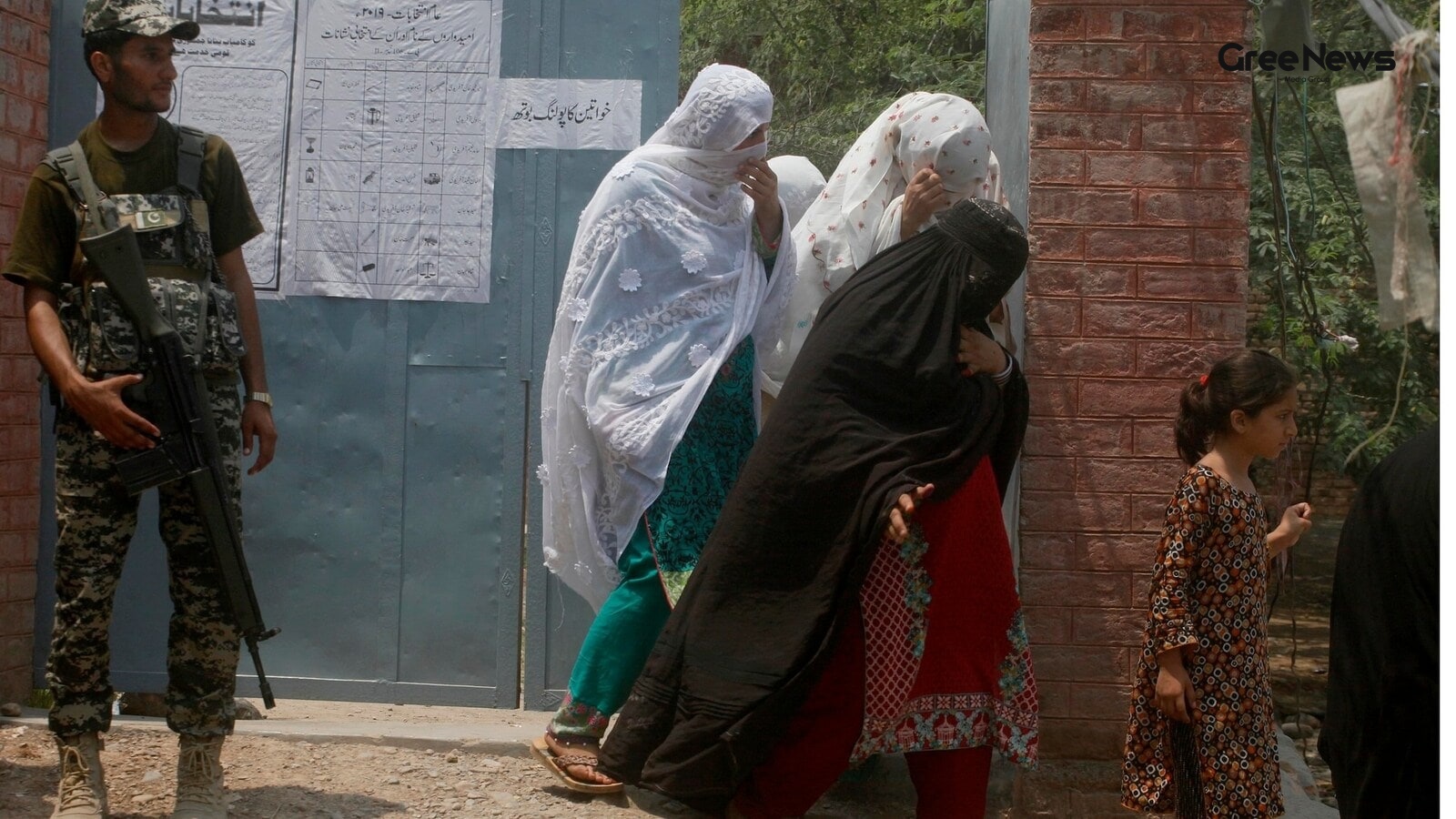
Tax Exemption for Women's Sanitary Products and Contraceptives in Pakistan
The tax exemption for women’s sanitary products and contraceptives has finally landed in the federal budget for 2026-27. It kicks in July 1st. Finance Minister Muhammad Aurangzeb pushed this through as part of the larger federal plan. But there’s more to it than just the numbers on the page. This mo
Jun 17, 2026 by Gree News Team

Justice Served: BSF Jawans Sentenced for Gang-Rape and Acid Attack in Mizoram
Bringing that nine-year legal fight to a close in Mizoram’s district court was something huge. They finally sentenced two Border Security Force jawans to rigorous imprisonment. The charges? Gang-rape and brutal acid attack against a local tribal woman back in 2017. The judge, Additional District and
Jun 17, 2026 by Gree News Team

Erling Haaland Scores First World Cup Goals in Norway Victory
Erling Haaland scored his first World Cup goals. Norway beat Iraq four to one on Tuesday in their very first game at a major tournament in twenty-six years. It happened fast. He turned in from close range for the lead around the twenty-ninth minute in Boston. But Aymen Hussein got level with a heade
Jun 17, 2026 by Gree News Team

Fuel Price Movements and Market Dynamics on June 17th
Petrol, diesel, and CNG prices stayed put Monday, June 17th. That’s what they said. But behind the scenes? The oil market companies and gas distributors are still tweaking things every morning at six, you know? Still, there was movement in the upstream stuff. OMCs hiked petrol and diesel by about se
Jun 17, 2026 by Gree News Team

The Secret to Making Deep, Rich Masala Chai
You know that smell? That fresh masala chai aroma. It’s unbeatable. But honestly, most people struggle with making it right. They throw in ginger, cardamom, cloves, all that good stuff, and still, it just doesn't hit that deep, rich fragrance you get from a real roadside stall or your mom’s kitchen.
Jun 17, 2026 by Gree News Team

The Dynamic of Stardom: Behind Dil To Pagal Hai and Bollywood Evolution
You know, you hear about *Dil To Pagal Hai*. It’s always something, isn't it? Not just a movie, really. It’s become this thing everyone talks about. A proper cult favorite now, that stuff. And you look at what happened behind the scenes with those actresses. It’s a story, really. A weird one. Karism
Jun 17, 2026 by Gree News Team