US Military Covert Operation: Bypassing Sanctions via Ship-to-Ship Transfers
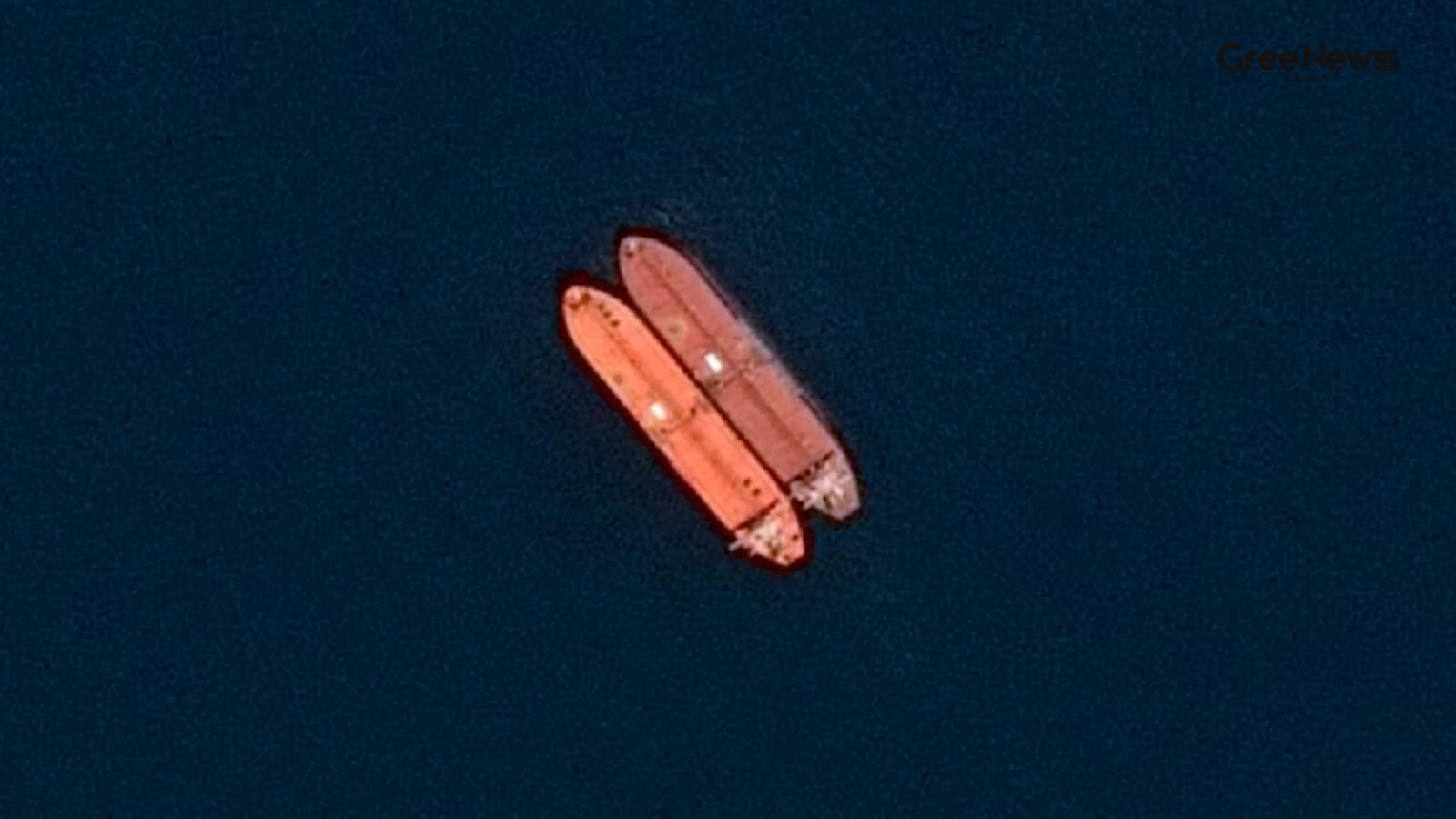
The US military has been running this whole covert operation since early May. It’s about moving Gulf oil out of the Strait of Hormuz, using those secretive ship-to-ship transfers. They're basically borrowing a trick from Iran’s playbook on bypassing sanctions. Reuters got wind of it Monday.
It’s happening near the exit of the strait, off the coasts of the UAE and Oman. At least ninety-two ships are involved. And they claim they’ve moved roughly ninety million barrels of crude oil and petroleum products since things kicked off. That's based on satellite images and shipping data that Reuters dug up.
The setup is deliberately hidden. Not a single thing obvious. Tankers just sail to a meeting spot before the strait. Then they stagger their departures three thousand to four thousand meters apart. They kill their transponders, dim the lights. Total blackout.
Then they go to one of two transfer sites. One off Fujairah in the UAE, the other near Sohar in Oman’s port. There, they pull alongside bigger carriers Very Large Crude Carriers and start pumping the cargo across.
Each actual transfer takes a long time. Twenty-four to forty hours. After that? The empty tankers just head back through the strait. While the loaded ships keep moving on. It's a slow dance of evasion.
Eight sources told Reuters, including some private security guys who were actually involved in those transfers, that this is all run by the US military. Anyone wanting access has to submit everything: tracking history, ownership stuff, cargo documentation. All to the US Navy’s Naval Cooperation and Guidance for Shipping office in Bahrain. You don't get a transit window until they clear some compliance review.
Something else happened with an Apache helicopter on June 9th. Iran shot it down. That triggered retaliatory bombings from the US. And that same mission? That was tied into it somehow, according to four sources, including someone who knows about that attack.
Both the crew and the chopper got rescued by a drone boat. Reuters counted six pairs of tankers clustered off Sohar that day the Apache went down. A defense official said no Central Command forces were actually running any offshore oil transfers. They couldn't confirm anything about the gunship’s role, though.
This ship-to-ship trick isn't new. Iran has been doing this for years to sneak oil past sanctions. Usually, they run just one pair of ships at a time, trying not to get caught. Especially since their prewar export volumes weren't huge.
But the US operation? It runs scores of pairs simultaneously. As recently as June 11th, satellite photos showed seventeen pairs doing transfers at both those sites at once. Crazy density.
Michael Froman, president of that Council on Foreign Relations group, made a pointed observation Friday. He noted the irony: “the United States has adopted the same dark fleet techniques that China, Russia, North Korea, and Iran pioneered to evade American and UN sanctions."
The operation is dangerous though. Real dangers. Ships are moving at night. Transponders off, lights dimmed. They’re going too fast, there's no room to move around safely. Collision risk is high, shipping officials warned.
Iranian drones and missiles? That threat is still hanging over everything. Noam Raydan, a senior fellow who specializes in maritime risk at the Washington Institute, said something chilling: “You just don’t know when Iran might decide to start using drones or even gunboats in order to prevent even those ships from transiting the strait."
The UAE state oil company ADNOC was among the most active players, according to six sources. The Kuwait Oil Tanker Company got involved too. For instance, on June 6th, around two-and-a-half million barrels of crude moved off one of their vessels near Sohar. And that receiving ship immediately headed for China.
The sheer volume they’re moving is big. But it still falls short of the pre-blockade average. Twenty million barrels a day used to pass through there, remember? Trump said this week the strait would reopen Friday under some framework peace deal with Iran. But details are totally vague. Reuters couldn't tell if that deal actually changed anything about these transfers happening now.
Raydan just sighed. “I don’t see a permanent solution in all of this,” he said. “This is just a temporary fix amid exceptional times.”
Written by Gree News Team — Senior Editorial Board
Gree News Team covers international news and global affairs at Gree News. Our collective of senior editors is dedicated to providing independent, accurate, and responsible journalism for a global audience.
More from World
View All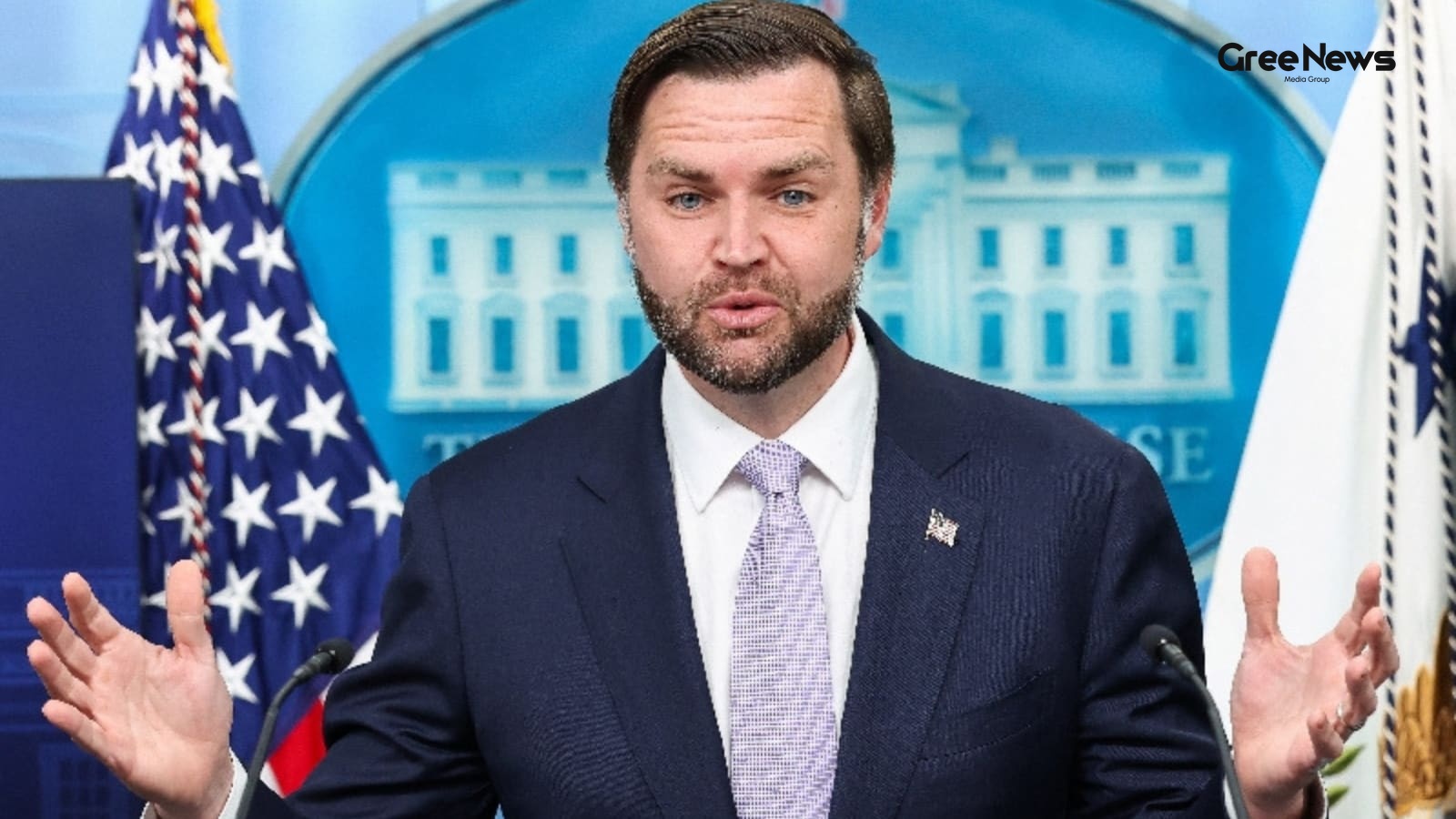
The History Agreement: Negotiations, Demands, and Geopolitical Shifts
The world is gearing up for whatever signing happens next regarding that history agreement in West Asia. And you know who’s talking about it? Vice President JD Vance. He just said the whole memorandum doesn't even take up two pages. Just that. But what does that mean? It sounds incredibly light, alm
Jun 17, 2026 by Gree News Team
The Security and Political Crisis in Jammu and Kashmir
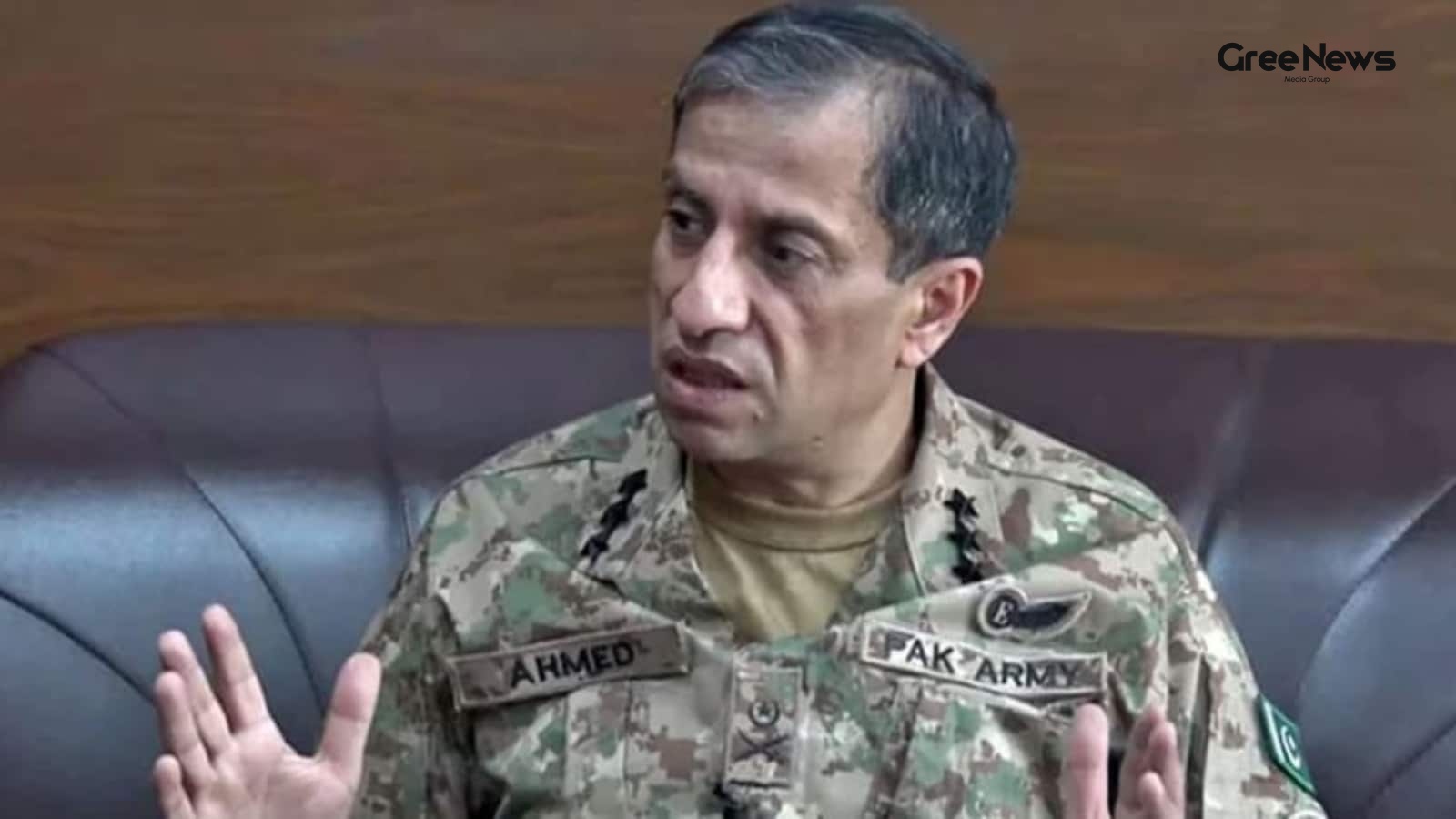
Rawalpindi is running with its usual playbook, blaming foreign intelligence agencies for everything happening in Jammu and Kashmir. It’s massive domestic pushback, unprecedented stuff. The Director General of ISPR, Lieutenant General Ahmed Sharif Chaudhry, just gave an exclusive briefing to the pres
Jun 17, 2026 by Gree News Team
Tax Exemption for Women's Sanitary Products and Contraceptives in Pakistan
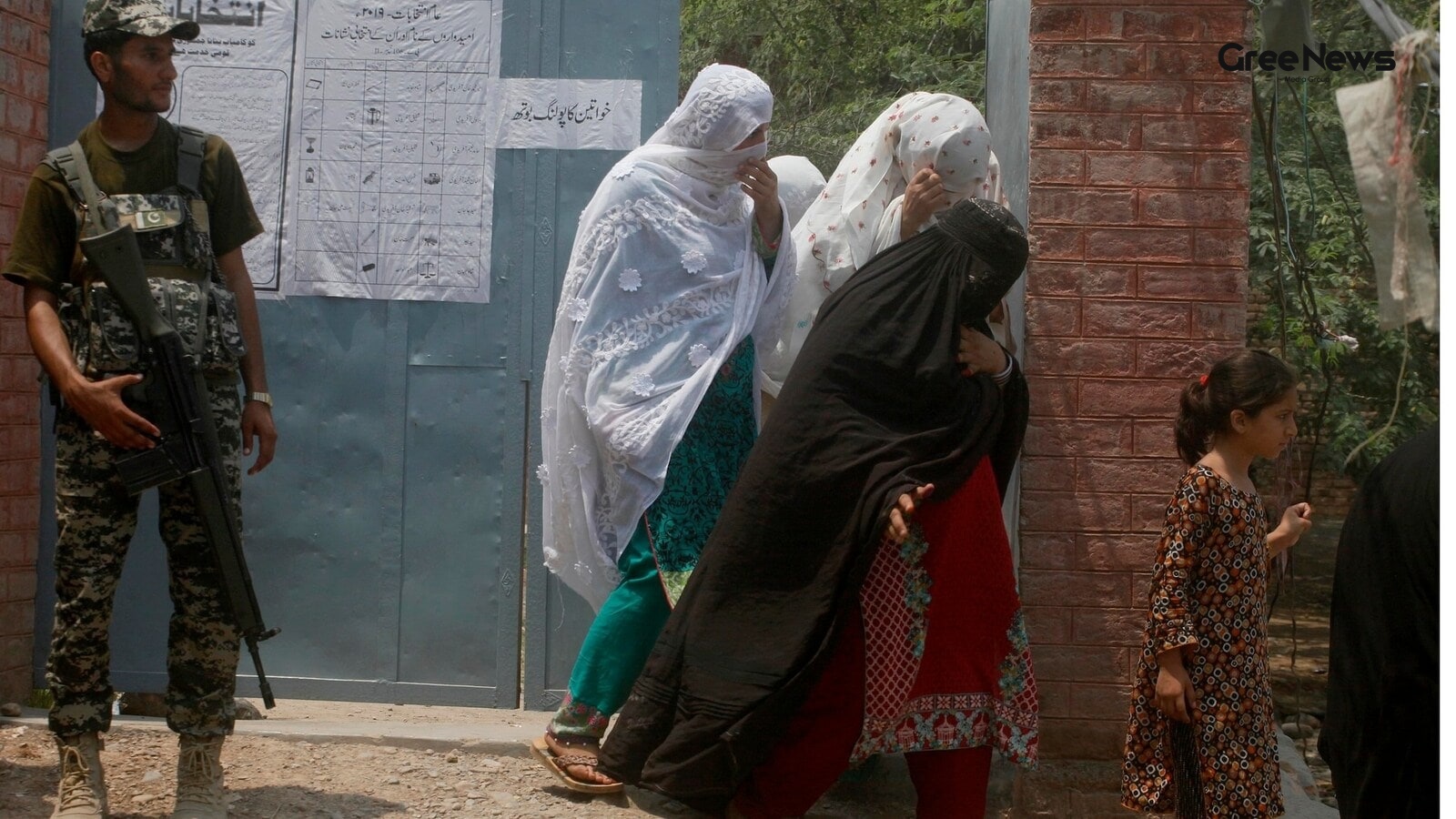
The tax exemption for women’s sanitary products and contraceptives has finally landed in the federal budget for 2026-27. It kicks in July 1st. Finance Minister Muhammad Aurangzeb pushed this through as part of the larger federal plan. But there’s more to it than just the numbers on the page. This mo
Jun 17, 2026 by Gree News Team
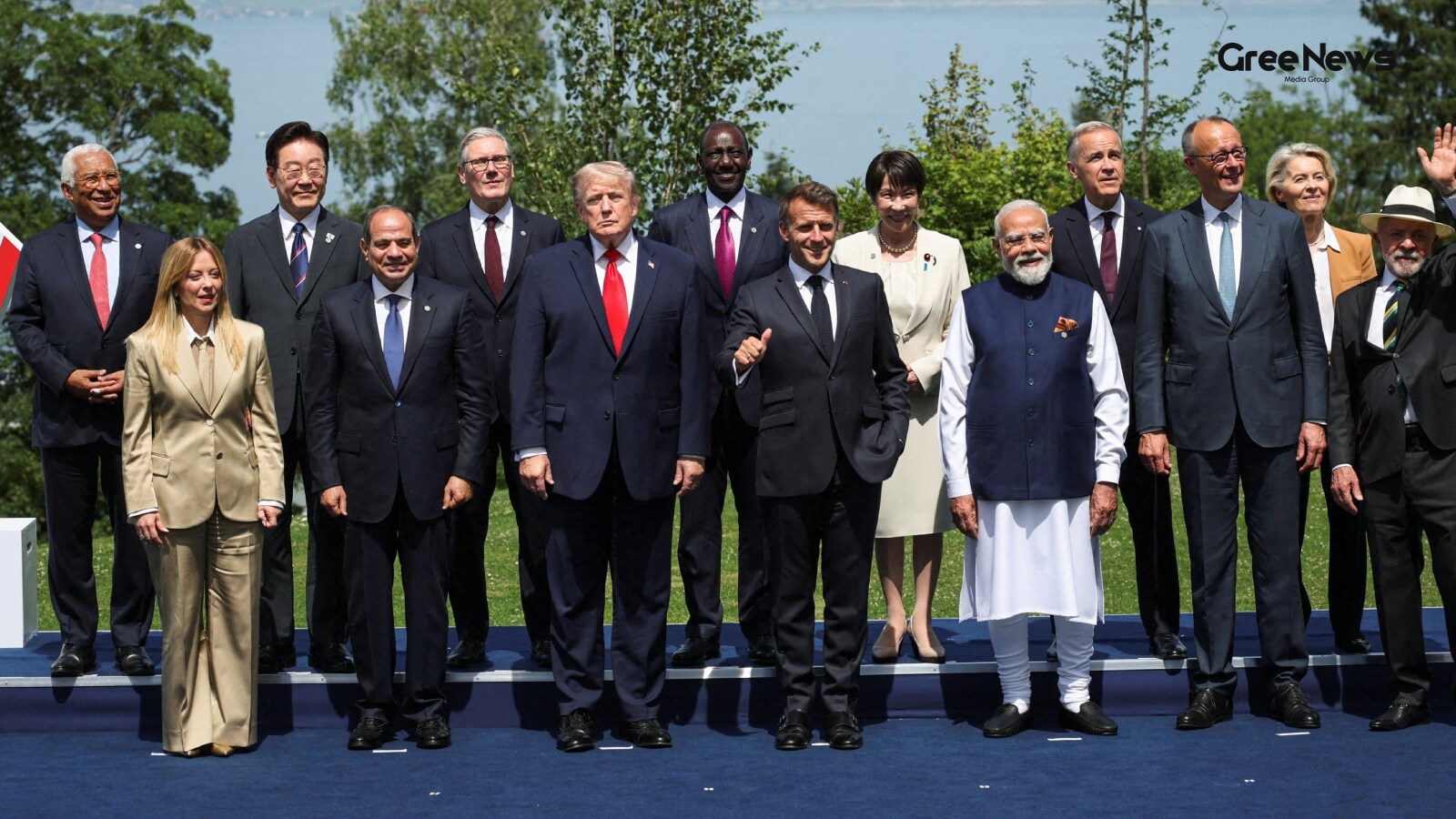
G7 Summit in Evian: Navigating Conflicts in the Middle East and Ukraine
Emmanuel Macron was hosting the world leaders on the second day of the G7 Summit in Evian. It felt like everything was swirling around that day the ongoing war in Ukraine and some really serious talks about ending hostilities between the United States and Iran were taking centre stage in the discuss
Jun 17, 2026 by Gree News Team
Latest Headlines

The Emotional and Financial Struggle of Living in Gurugram
That guy, a software developer, twenty-seven. From Gurugram. He posted it on Reddit, just dropped this mess about money. It went viral, you know? Suddenly everyone was looking at his numbers. He said his monthly salary, that 1.5 lakh figure, doesn't feel high enough. That’s the core of it. The feeli
Jun 17, 2026 by Gree News Team
The History Agreement: Negotiations, Demands, and Geopolitical Shifts
The world is gearing up for whatever signing happens next regarding that history agreement in West Asia. And you know who’s talking about it? Vice President JD Vance. He just said the whole memorandum doesn't even take up two pages. Just that. But what does that mean? It sounds incredibly light, alm
Jun 17, 2026 by Gree News Team
The Security and Political Crisis in Jammu and Kashmir
Rawalpindi is running with its usual playbook, blaming foreign intelligence agencies for everything happening in Jammu and Kashmir. It’s massive domestic pushback, unprecedented stuff. The Director General of ISPR, Lieutenant General Ahmed Sharif Chaudhry, just gave an exclusive briefing to the pres
Jun 17, 2026 by Gree News Team
Tax Exemption for Women's Sanitary Products and Contraceptives in Pakistan
The tax exemption for women’s sanitary products and contraceptives has finally landed in the federal budget for 2026-27. It kicks in July 1st. Finance Minister Muhammad Aurangzeb pushed this through as part of the larger federal plan. But there’s more to it than just the numbers on the page. This mo
Jun 17, 2026 by Gree News Team
Justice Served: BSF Jawans Sentenced for Gang-Rape and Acid Attack in Mizoram
Bringing that nine-year legal fight to a close in Mizoram’s district court was something huge. They finally sentenced two Border Security Force jawans to rigorous imprisonment. The charges? Gang-rape and brutal acid attack against a local tribal woman back in 2017. The judge, Additional District and
Jun 17, 2026 by Gree News Team

Erling Haaland Scores First World Cup Goals in Norway Victory
Erling Haaland scored his first World Cup goals. Norway beat Iraq four to one on Tuesday in their very first game at a major tournament in twenty-six years. It happened fast. He turned in from close range for the lead around the twenty-ninth minute in Boston. But Aymen Hussein got level with a heade
Jun 17, 2026 by Gree News Team
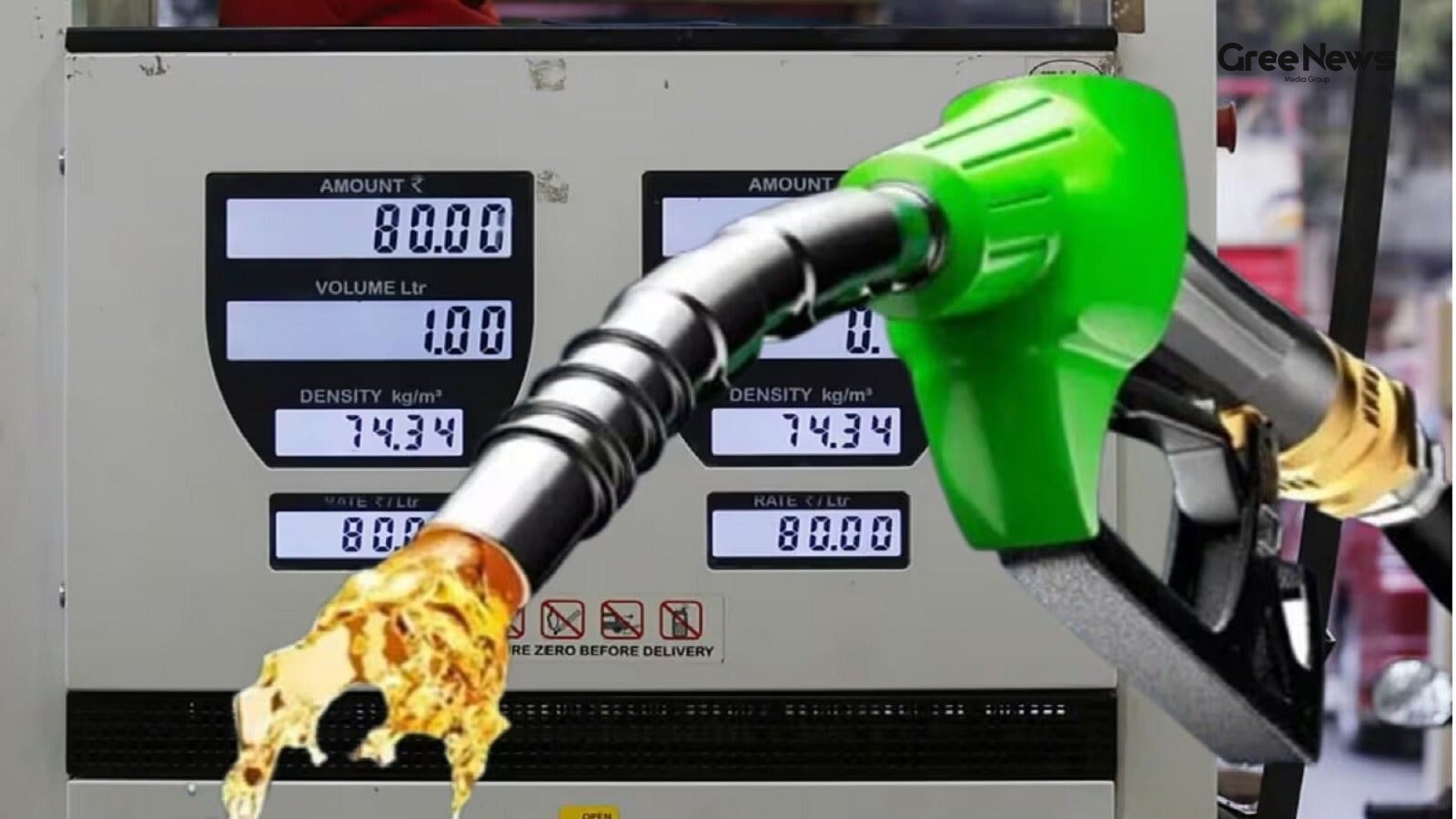
Fuel Price Movements and Market Dynamics on June 17th
Petrol, diesel, and CNG prices stayed put Monday, June 17th. That’s what they said. But behind the scenes? The oil market companies and gas distributors are still tweaking things every morning at six, you know? Still, there was movement in the upstream stuff. OMCs hiked petrol and diesel by about se
Jun 17, 2026 by Gree News Team

The Secret to Making Deep, Rich Masala Chai
You know that smell? That fresh masala chai aroma. It’s unbeatable. But honestly, most people struggle with making it right. They throw in ginger, cardamom, cloves, all that good stuff, and still, it just doesn't hit that deep, rich fragrance you get from a real roadside stall or your mom’s kitchen.
Jun 17, 2026 by Gree News Team

The Dynamic of Stardom: Behind Dil To Pagal Hai and Bollywood Evolution
You know, you hear about *Dil To Pagal Hai*. It’s always something, isn't it? Not just a movie, really. It’s become this thing everyone talks about. A proper cult favorite now, that stuff. And you look at what happened behind the scenes with those actresses. It’s a story, really. A weird one. Karism
Jun 17, 2026 by Gree News Team
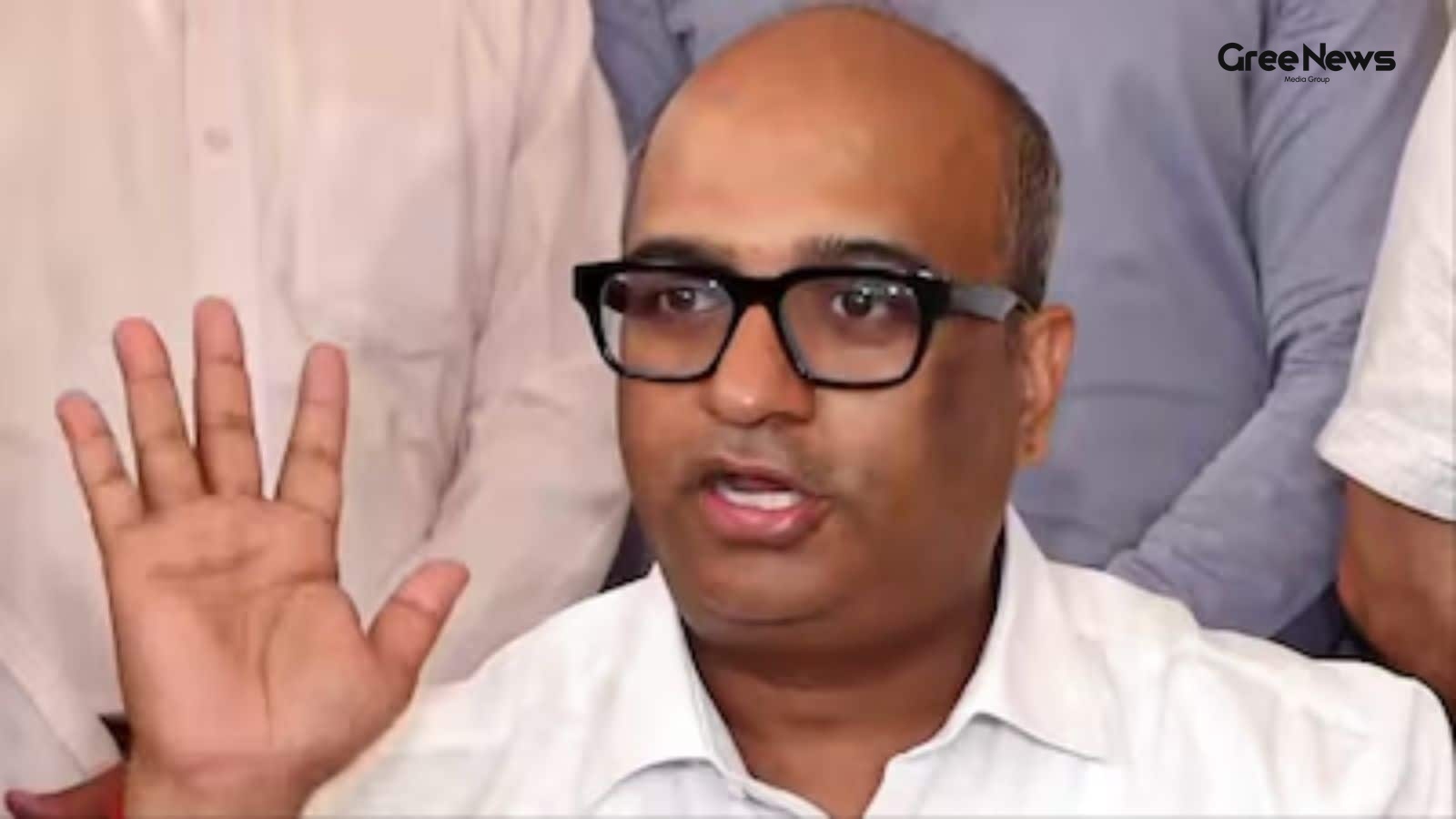
Abhishek Singh Defends Blocking of Telegram for NEET-UG Exam Security
Abhishek Singh, the Director General of the National Testing Agency, basically stood up and defended the government’s move to block Telegram temporarily before the re-NEET-UG 2026 exam. It wasn't some casual decision; it was a reaction to something really toxic happening on that platform. He argued
Jun 17, 2026 by Gree News Team

Deepika Padukone's Departure, Casting Speculation, and Industry Battles
Everyone’s buzzing about who’s going to step into Deepika Padukone's shoes for the sequel to *Kalki 2898 AD*. It’s all speculation right now, obviously. No official word yet. But then a new report surfaces, and suddenly things get interesting. Apparently, Alia isn’t taking that spot in Prabhas’ film
Jun 17, 2026 by Gree News Team
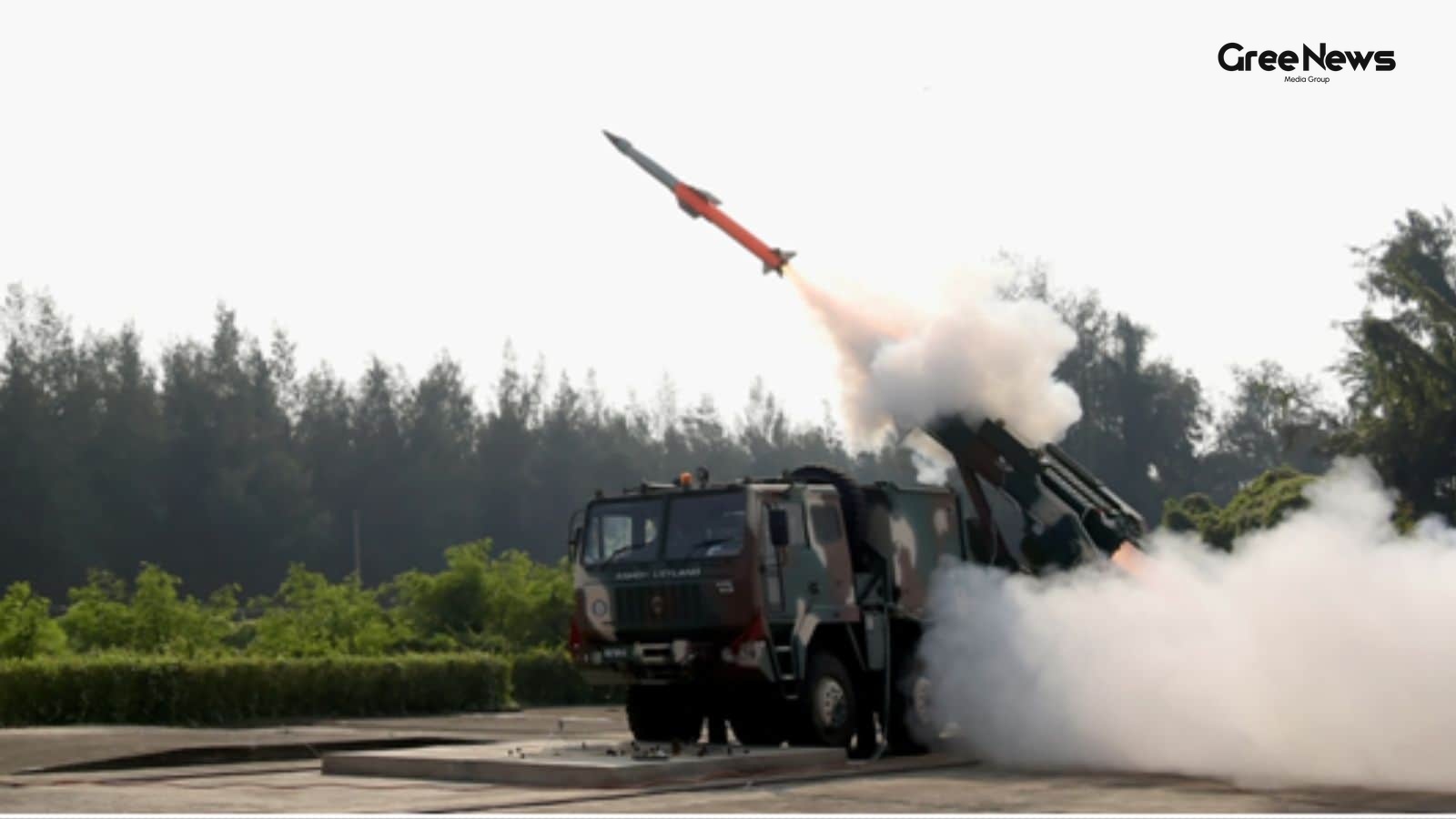
India's Defense Production and Indigenous Manufacturing Growth
India’s defense production hit a record high this year. It clocked in at Rs 1.78 lakh crore for FY 2025-26, Defence Minister Rajnath Singh announced. This really shows how much indigenous manufacturing capabilities are growing in the country. The context isn't just about the final number though. The
Jun 17, 2026 by Gree News Team
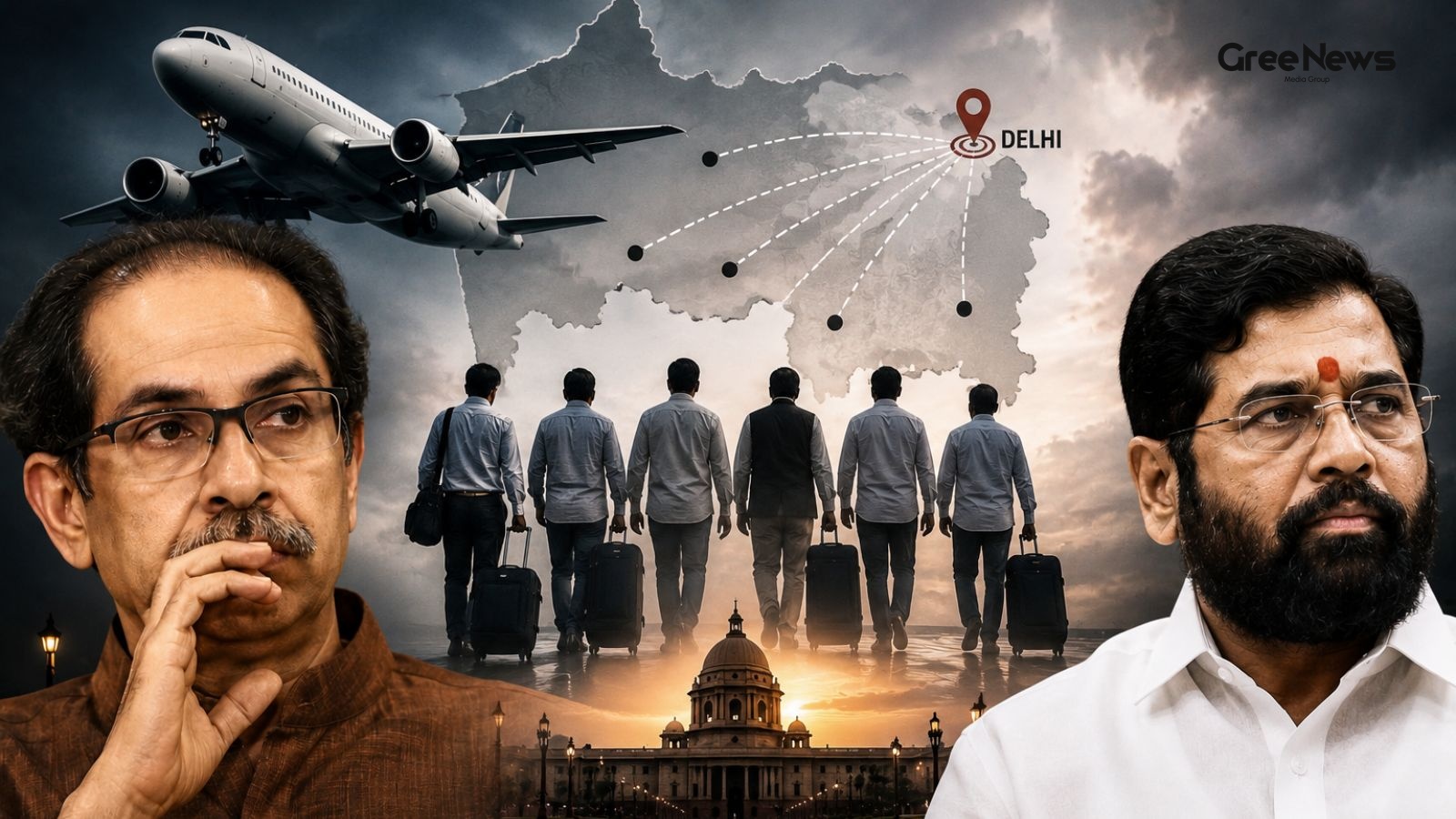
Shiv Sena (UBT) MP Movement and Political Split Rumors
One MP drove for hours. From Hadgaon to Hyderabad before catching a flight. Two others did the same, separate road trips to Nanded Airport, then boarded chartered planes heading to Delhi. Another one came in from Mumbai. And yet another took a direct flight straight from Shirdi. These journeys felt
Jun 17, 2026 by Gree News Team
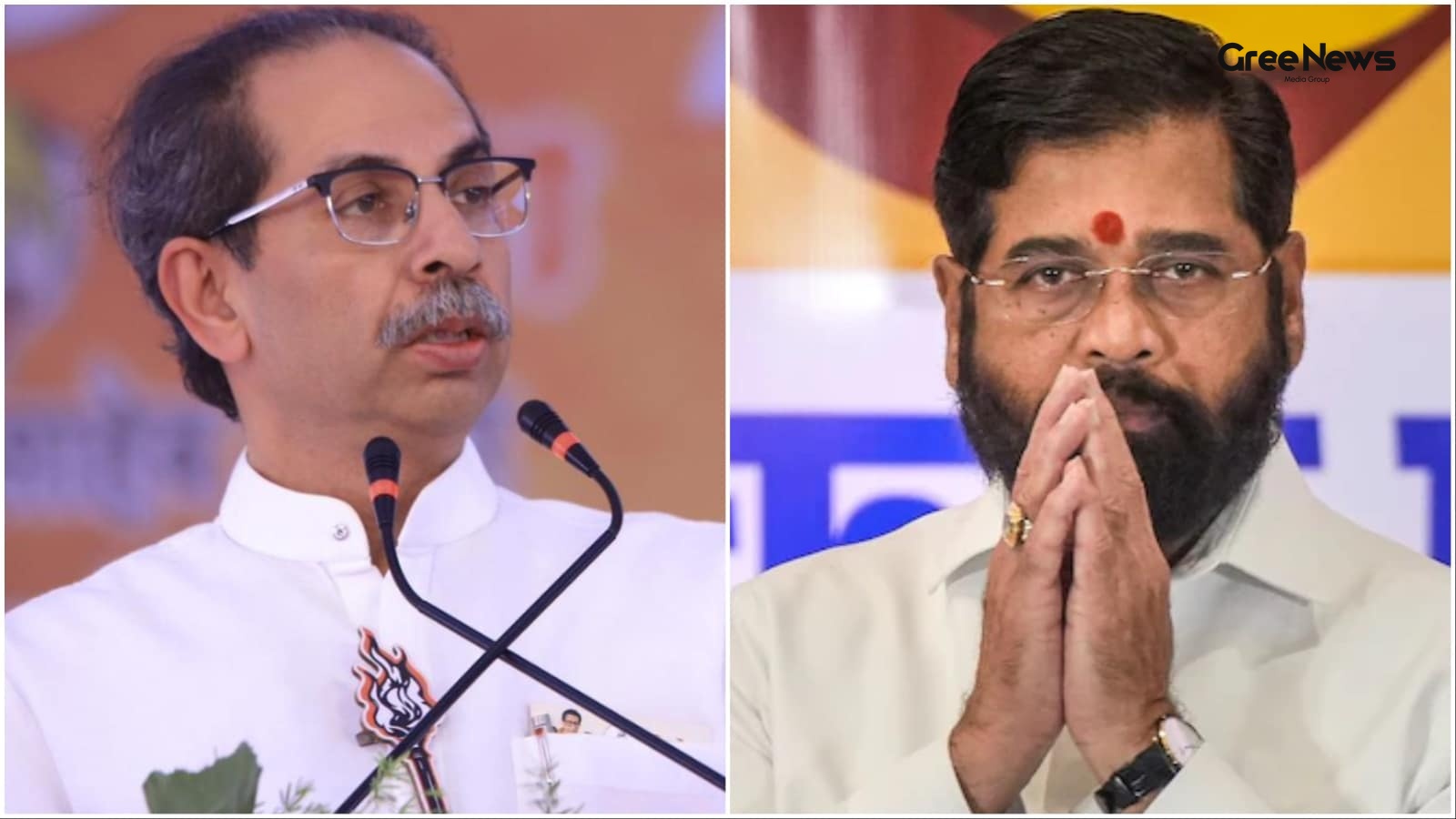
Maharashtra Politics Chaos and Shiv Sena Internal Speculation
Maharashtra politics right now feels totally thrown into chaos. There’s this huge undercurrent of speculation swirling around Shiv Sena. People are talking about a section of the party some MPs potentially wanting to just jump ship. It’s all about word wars, accusations of poaching, and lawyers star
Jun 17, 2026 by Gree News Team

Bharat Innovates 2026: Driving Global Investment in DeepTech and Innovation
The second day of Bharat Innovates 2026 was just intense. It felt like everyone global investors, industry heavyweights, researchers, policymakers, startups, academics were crammed together there. The whole focus was on moving innovation faster. Making those DeepTech solutions actually commercial. T
Jun 17, 2026 by Gree News Team