Maritime Security, Global Interdependence, and the Call for Trust
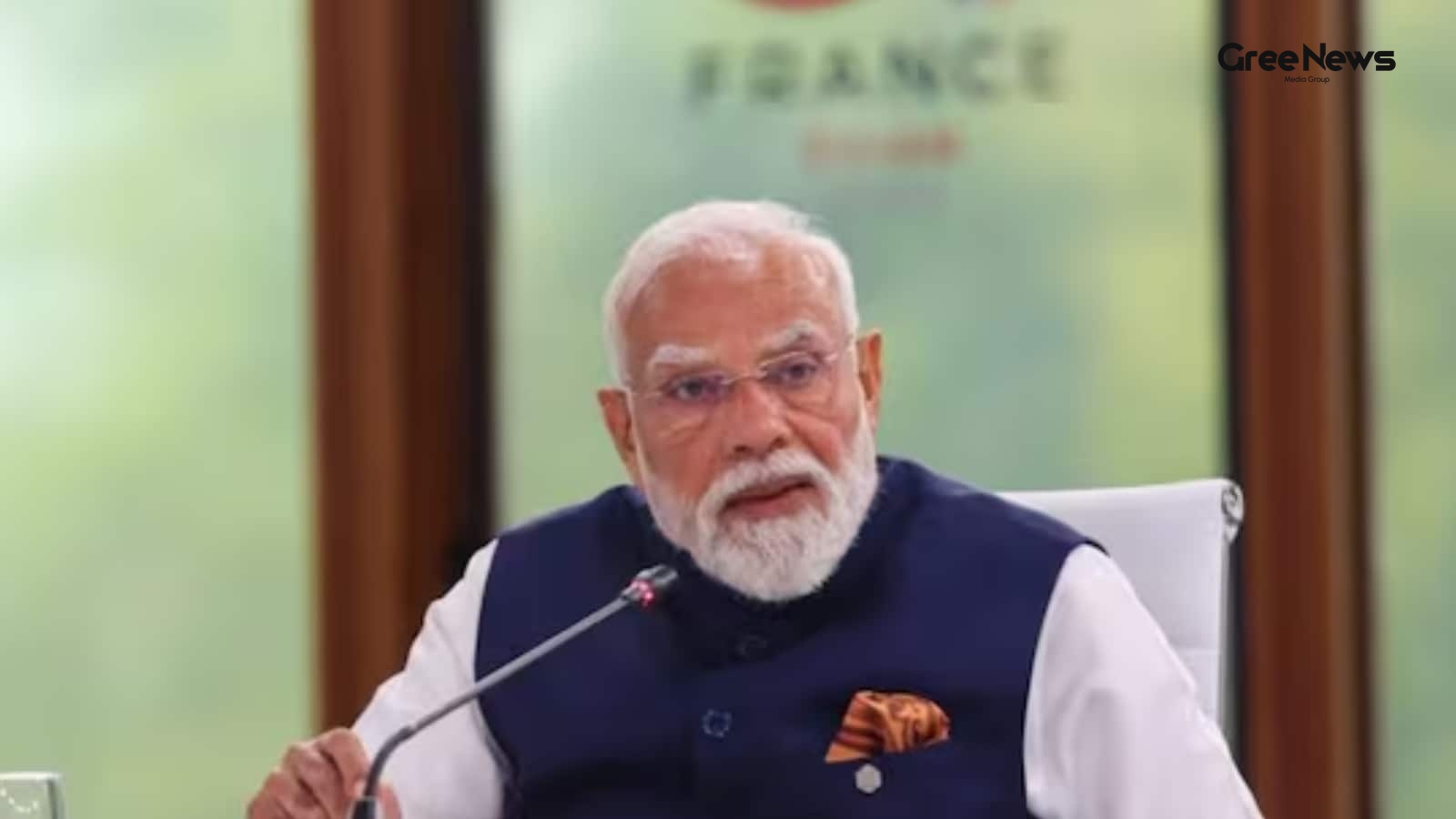
Prime Minister Modi brought this up during a G7 session, right in the middle of big international talks with leaders like Trump. It wasn’t just some standard talking point; it felt heavy, almost immediate. The backdrop was those three Indian sailors killed in that US military strike off the Omani coast last week. That incident the fate of those men on the tanker Settebello it hung over everything.
He called on every nation then to look at the global maritime routes. Not just as shipping lanes, but something much deeper. Security for those routes. And protecting the seafarers. It’s a strange thing, isn't it? How these distant events tie directly into someone’s daily life, their ability to do their job safely across thousands of miles of water.
“It is our responsibility,” he stated during that session, trying to put a solid weight on it, “to ensure the safety of the seafarers who connect all nations through global maritime trade.” It wasn't just an empty platitude. It felt like a direct appeal from someone who understood the fragility built into those vast supply chains.
The whole setup the growing risks in West Asia it was inescapable. Instability isn’t abstract when you look at shipping lanes, especially arteries like the Strait of Hormuz. That narrow passage? It controls so much energy and trade flows. When that gets jammed up or threatened, the ripple effect hits everyone. And it hits India hard. The loss of those three sailors wasn't just a local tragedy; it was a sharp reminder of how easily global tension translates into real, immediate human cost on the water.
Modi made sure to connect that disruption directly to economic reality. He pointed out how these shipping disruptions adversely affect the world economy. It’s not theoretical math when you start looking at fuel costs and trade bottlenecks. It's tangible loss. And then there was the direct loss of Indian lives woven into that fabric. That connection felt unavoidable, almost raw.
The details surrounding the incident itself were complex, fragmented, always shifting depending on who you asked. US Central Command reported their actions targeting specific vessels like Marivex , Settebello , and Jalveer . The allegation was they were trying to breach a blockade of Iranian ports. A political maneuver wrapped up in naval action. It’s that kind of messy reality unfolding, isn't it? Where geopolitical maneuvering spills directly onto merchant ships carrying people.
And this all happened so close to his scheduled bilateral talks with President Trump on the side. One day before. That timing suggests a deliberate layering. He was trying to inject this maritime security issue into the high-level diplomatic exchange, pushing it as an immediate concern rather than just another point on a long agenda. It made the conversation immediately less abstract and more visceral.
Then he pivoted away from the immediate danger of shipping lanes toward something much broader, something about the very foundation of international relations: trust. This was where things got philosophical, almost unexpectedly so for a moment. He stressed that trust has become the world’s most valuable strategic asset right now. It seems like everything else military might, economic leverage is built on shaky ground if you don't have that bedrock of confidence.
The reality is, we are all more intertwined than ever before. The idea that a nation's security isn't just about its borders anymore. It’s not just about internal politics or tanks and missiles alone. It bleeds out into energy supplies, food distribution, health crises moving across borders, even the constant hum of cyber security trying to keep systems running.
“Today’s world is more interconnected and interdependent than ever before,” he said. That phrase carried a certain weight. It wasn't just an observation; it felt like a statement about contemporary reality. You can’t isolate any single nation anymore, not really. Everything feeds into everything else.
This interdependence brings up the core challenge: how do we manage this interconnectedness without fracturing it? Modi argued that successful partnerships the kind that actually work in practice depend entirely on confidence and reliability. That technology, those complex global supply chains, they shouldn't be tools for coercion. They have to serve a purpose bigger than just power plays or blockades.
He pushed the idea that development opportunities shouldn't be limited to just a handful of powerful nations. This is where the focus shifted outward, toward the Global South. There’s a palpable sense that there needs to be a rebalancing. A shift in who gets to define the terms of global interaction.
The expectation from the Global South right now feels immense. They aren't just looking for traditional aid packages anymore. That framework feels outdated. What they are demanding, what they aspire to get from the global community is something much more active. Partnership. They want to be partners in real development, not just passive beneficiaries waiting for handouts.
It’s a massive shift in perspective when you move from ‘aid’ to ‘partnership.’ It implies shared risk, shared decision-making. It suggests that those institutions we talk about the global bodies meant to coordinate things they need to genuinely fulfill the aspirations of all nations, not just rubber-stamp existing power structures. That trust has to be earned through tangible action on the ground, especially when you look at how technology and trade are being wielded today. It’s a constant negotiation between what is promised and what is delivered in these incredibly complex systems.
Written by Gree News Team — Senior Editorial Board
Gree News Team covers international news and global affairs at Gree News. Our collective of senior editors is dedicated to providing independent, accurate, and responsible journalism for a global audience.
More from India
View All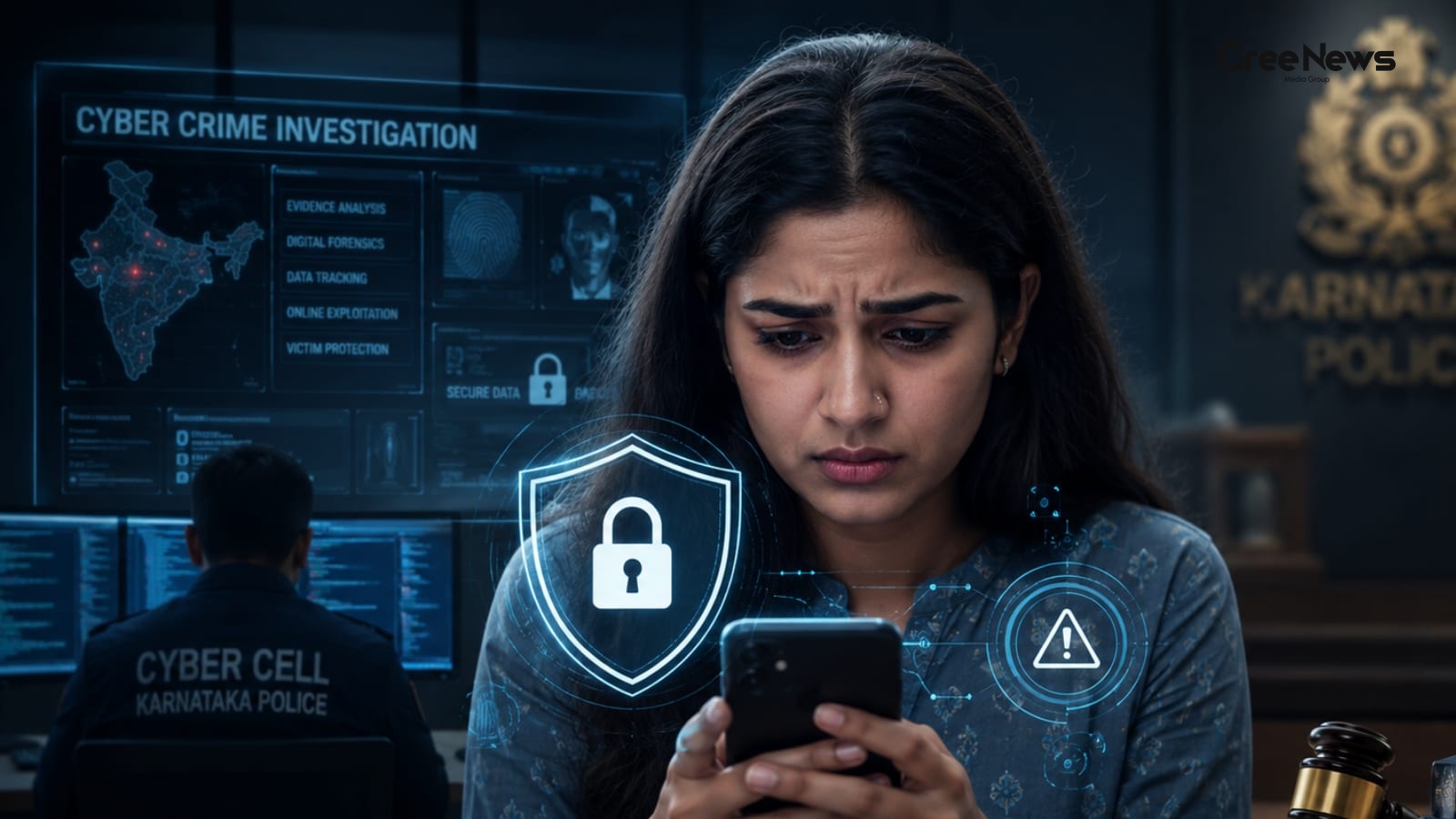
Karnataka's Standing Order 1061: New Guidelines on Digital Privacy and Cybercrime
A massive new directive just dropped from Karnataka. It’s called Standing Order 1061. It came from the Director General and Inspector General of Police. A big move, they say. Trying to lock down digital privacy and seriously tackle those cybercrimes specifically targeting women. The guidelines are s
Jun 17, 2026 by Gree News Team
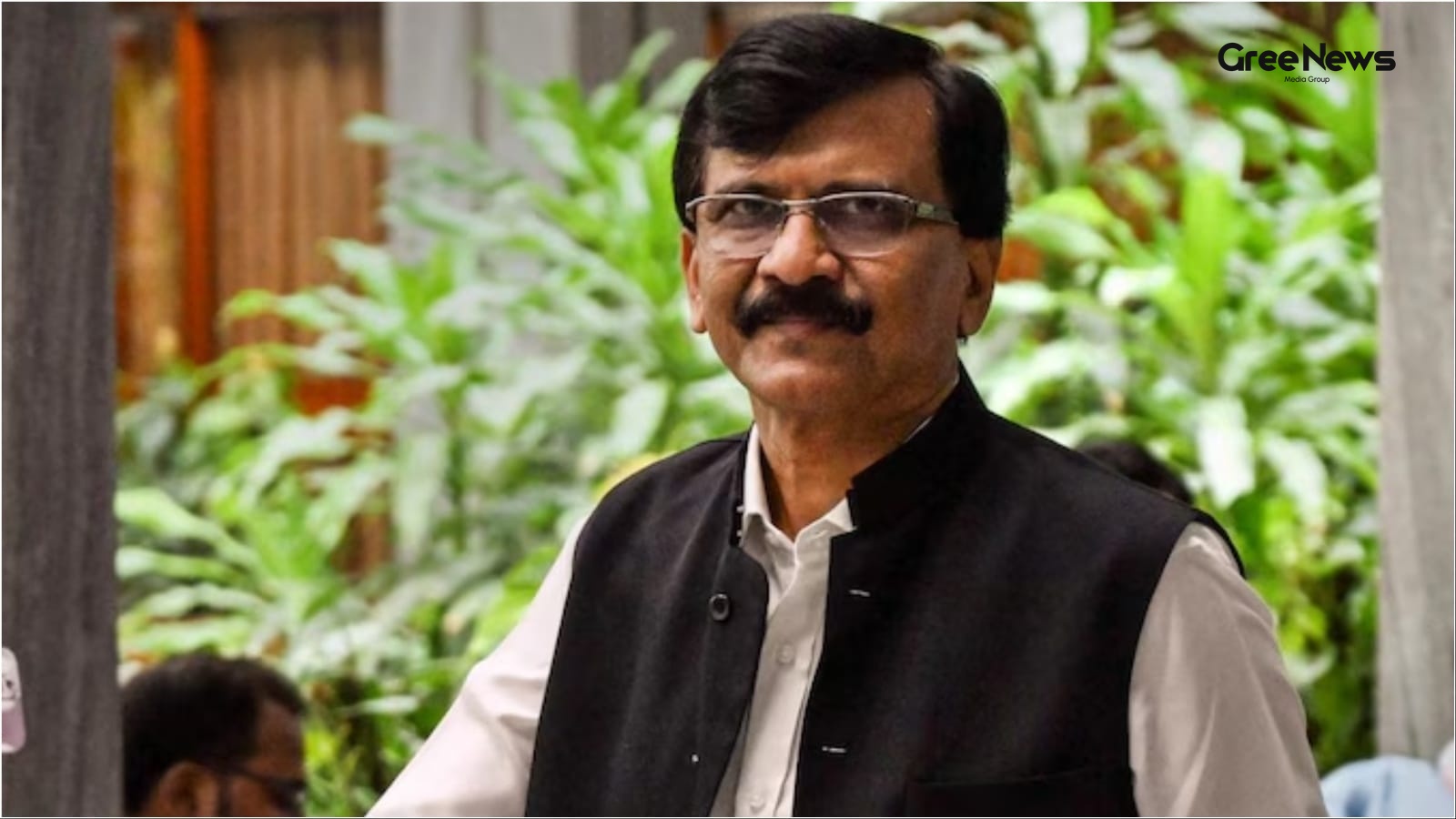
Allegations and Political Speculation within Shiv Sena (UBT)
Sanjay Raut, the leader of Shiv Sena (UBT), dragged some serious allegations onto the surface on Tuesday. He claimed there were actual attempts happening to bribe Members of Parliament from Maharashtra with huge sums just to switch sides. The rumor is that some MPs might be ready to jump over to the
Jun 17, 2026 by Gree News Team
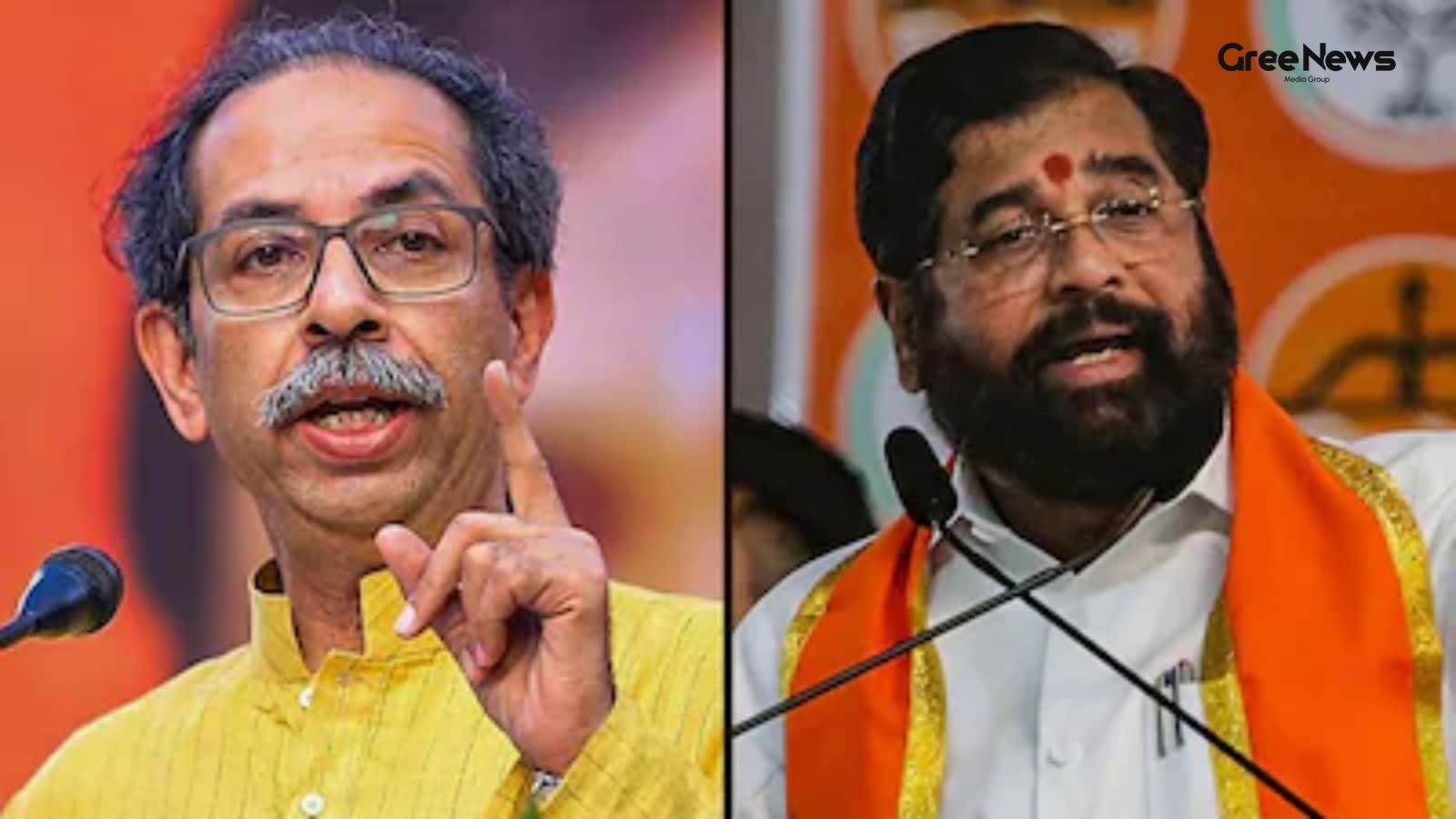
Shiv Sena Split: Defections, Speculation, and the Legacy of the 2022 Revolt
Four years after that big revolt, the split in Shiv Sena is still hanging over Uddhav Thackeray’s party. Now, there’s this fresh buzz about people actually leaving. It feels like it’s happening again. Reports are swirling that some of the MPs are planning to make moves. They’re reportedly looking to
Jun 17, 2026 by Gree News Team
Khalistani Liberation Army (KLA): Emerging Threat and Cross-Border Terror Networks
Sources are talking about a new player emerging in this space. It’s the Khalistani Liberation Army, or KLA. They claim they’re one of the most trained, armed proxy groups right now under that whole Khalistani terror umbrella. This isn't just some fringe element. Intelligence suggests these groups, w
Jun 16, 2026 by Gree News Team
Latest Headlines
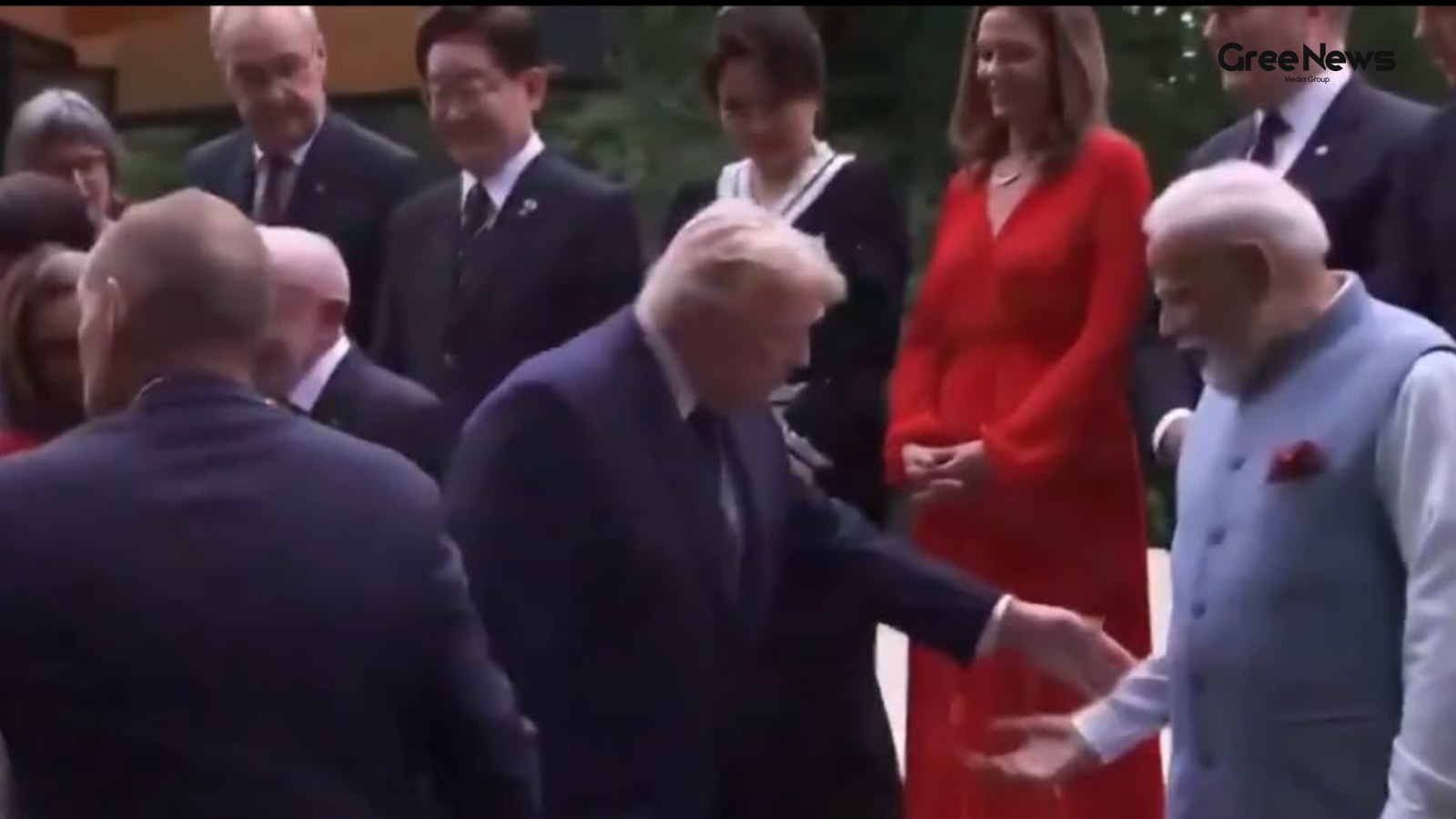
The Geopolitics of the Handshake: Analyzing the Trump-Modi Moment
The whole thing just sort of exploded online, didn't it? That little clip from the G7 Summit. It wasn’t some grand strategic maneuver or anything massive. Just a moment, really. Trump reaching for Modi’s wrist while they were walking up those steps in that French spa town, Evian-les-Bains. Suddenly,
Jun 17, 2026 by Gree News Team
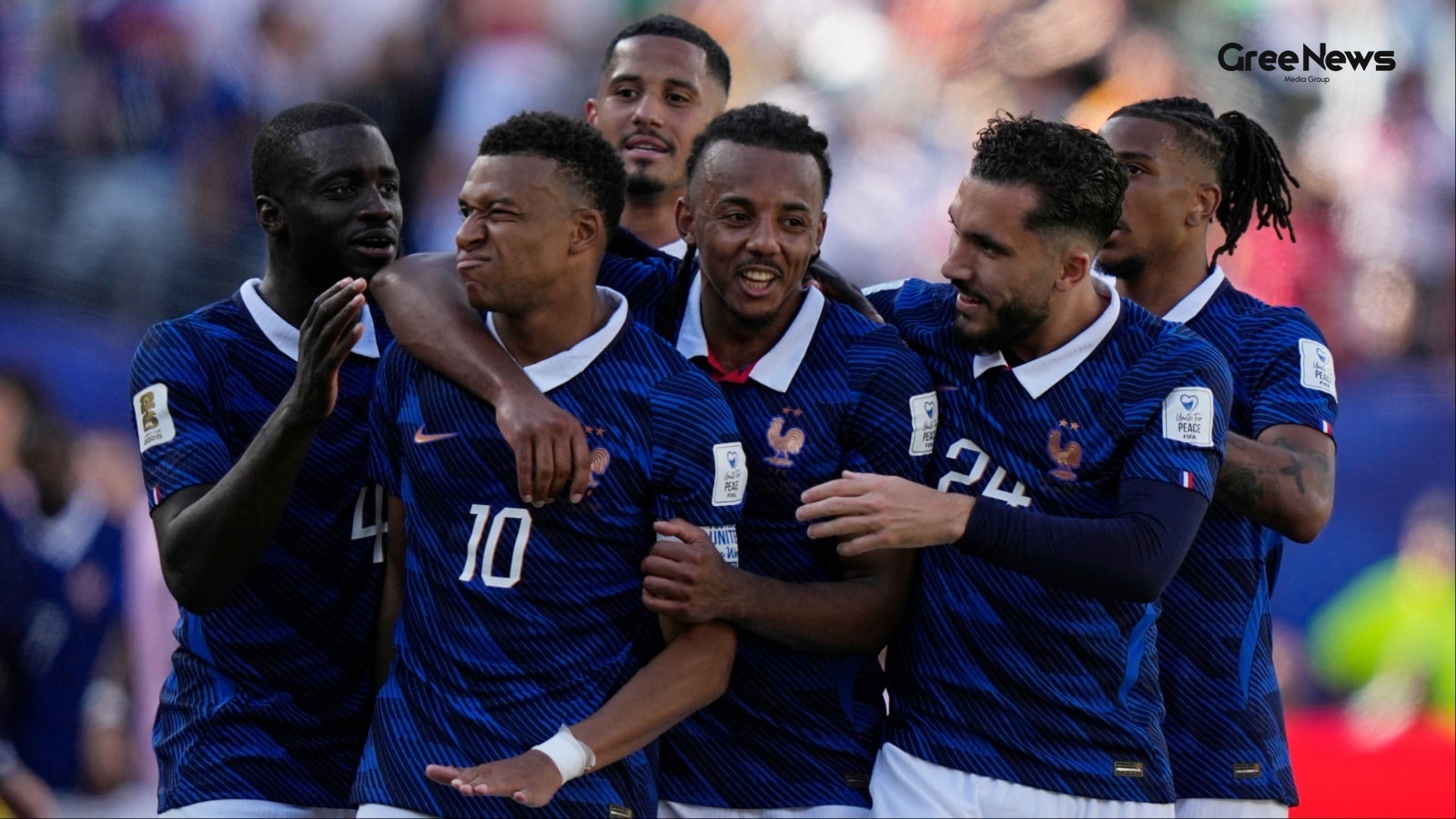
Kylian Mbappé's World Cup Legacy and Match Highlights
Kylian Mbappé took his career World Cup tally to fourteen. Two behind Miroslav Klose. And Bradley Barcola was also on target for Les Bleus. That’s what happened in that game against Senegal, securing those three points for Didier Deschamps. Mbappe darted across the box. A brilliant pass from Michael
Jun 17, 2026 by Gree News Team
The Shifting Geopolitics of the Middle East: Uncertainty and Realignment
The air around this whole situation feels thin. You know? It’s not just some headline flashing across a screen. It’s that slow, creeping realization that whatever moves happen in the Middle East right now the deals, the threats, the shifting lines on the map they don't follow any neat, predictable p
Jun 17, 2026 by Gree News Team
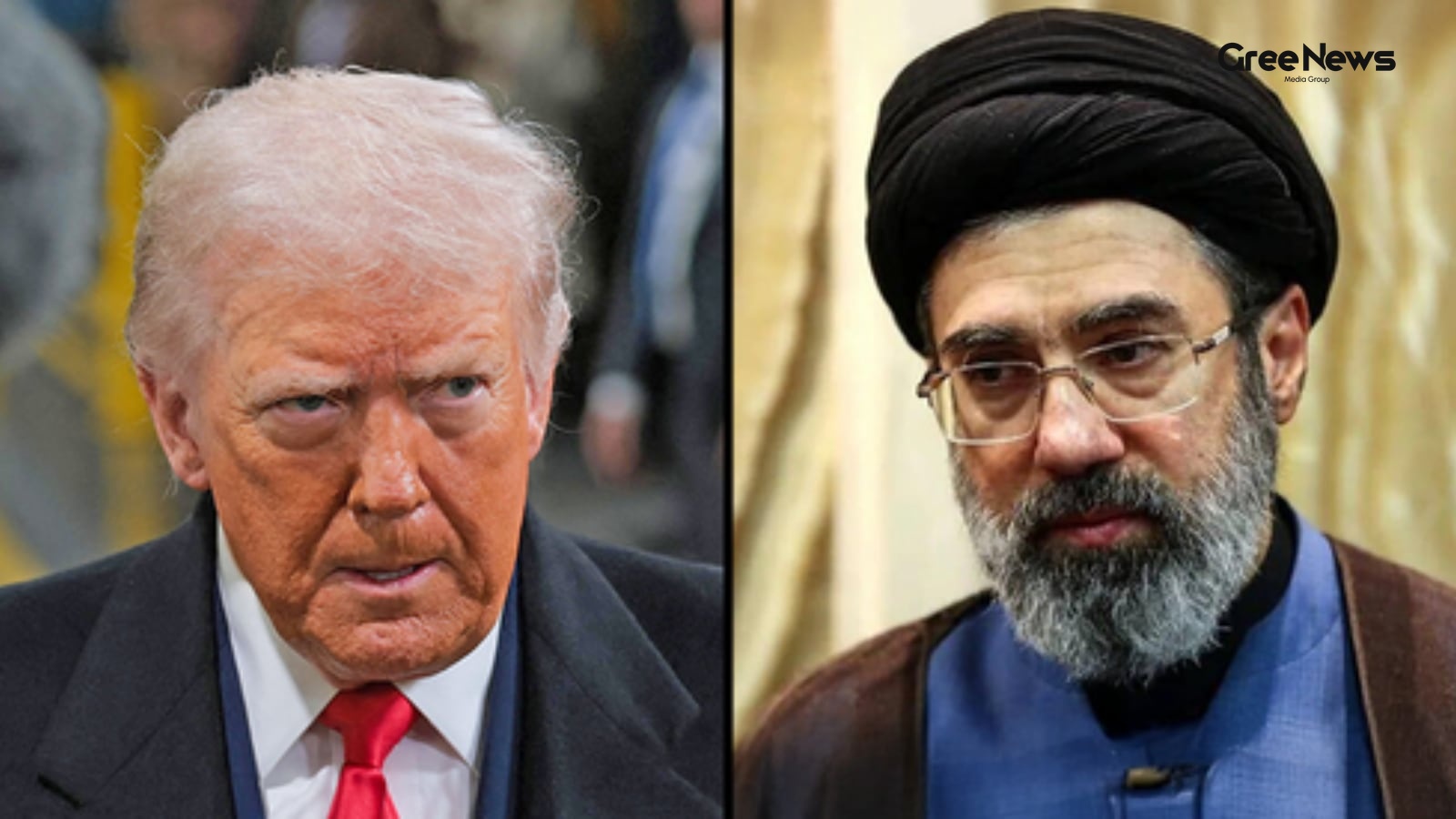
The $300 Billion Investment Fund for Iran and the Peace Framework
That $300 billion figure for Iran is really starting to look like one of the biggest sticking points in whatever peace framework the Trump administration is pushing with Tehran right now. If they actually nail this deal, it changes everything. It means the first major investment tied directly to the
Jun 17, 2026 by Gree News Team
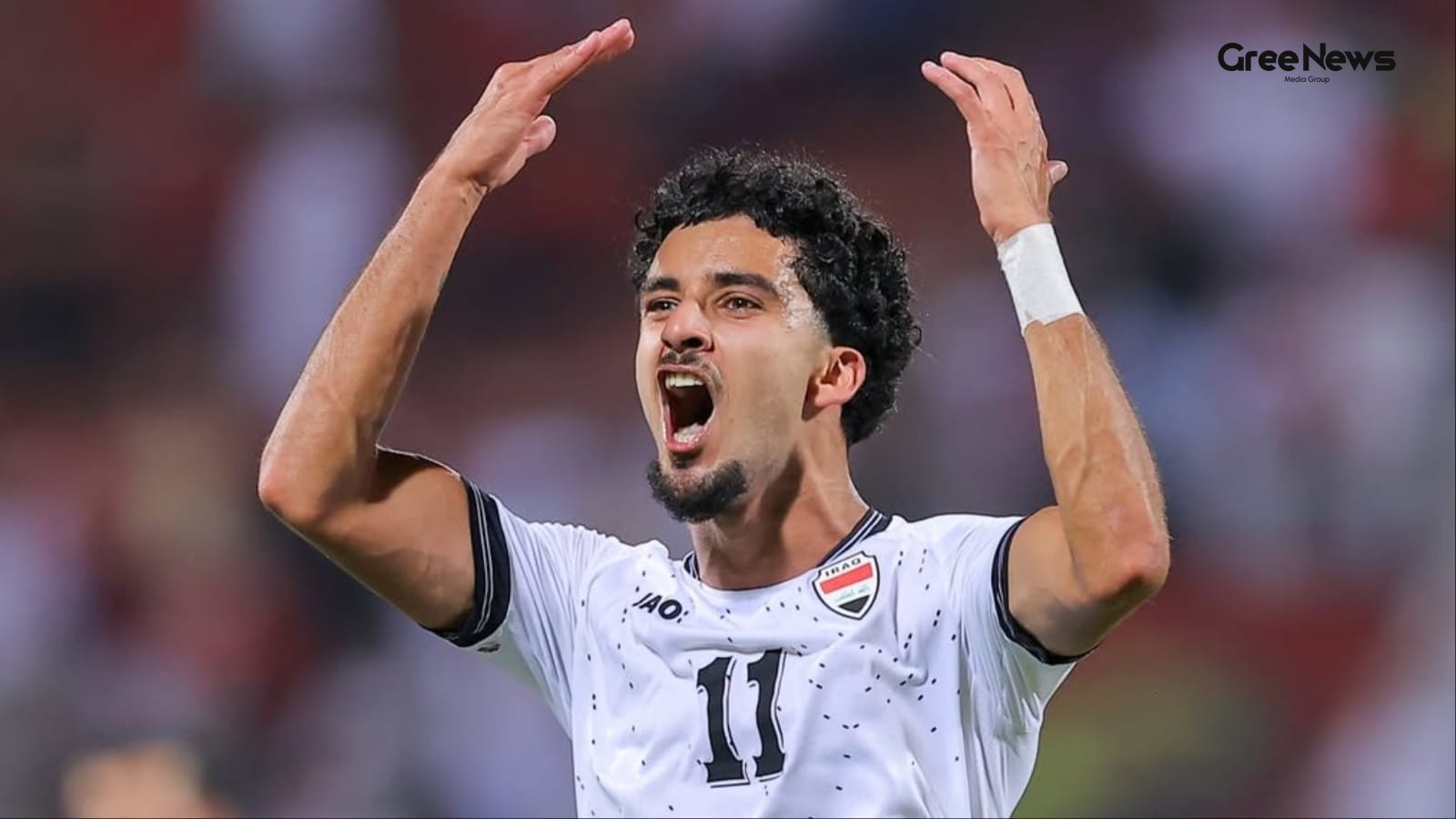
The Collision of History and Possibility in Global Football Narratives
the air around that moment, you know? it wasn't just football. it was something else entirely. a strange collision of history, geography, and sheer, raw possibility unfolding on the pitch in Boston. zidane iqbal. the name itself carries this weight, doesn’t it? not just for the goals, but for what t
Jun 17, 2026 by Gree News Team

Sanchita Ugale's Passing: Mental Health Struggles and Investigation
Sanchita Ugale’s passing really hit people hard. It wasn't just shock. It opened up this huge conversation about mental health, something everyone was grappling with right away. There were reports floating around that she had been struggling with mental health issues for some time before everything
Jun 17, 2026 by Gree News Team

Robot Vacuum Reviews and Telegram Messaging Incident in India
Keeping floors clean isn’t usually hard. Keeping them clean every day is the real challenge. Dust settles surprisingly quickly, crumbs just appear out of nowhere. Pet hair finds every corner of the house somehow. That's why robot vacuum cleaners have become so popular. They don’t replace deep cleani
Jun 17, 2026 by Gree News Team
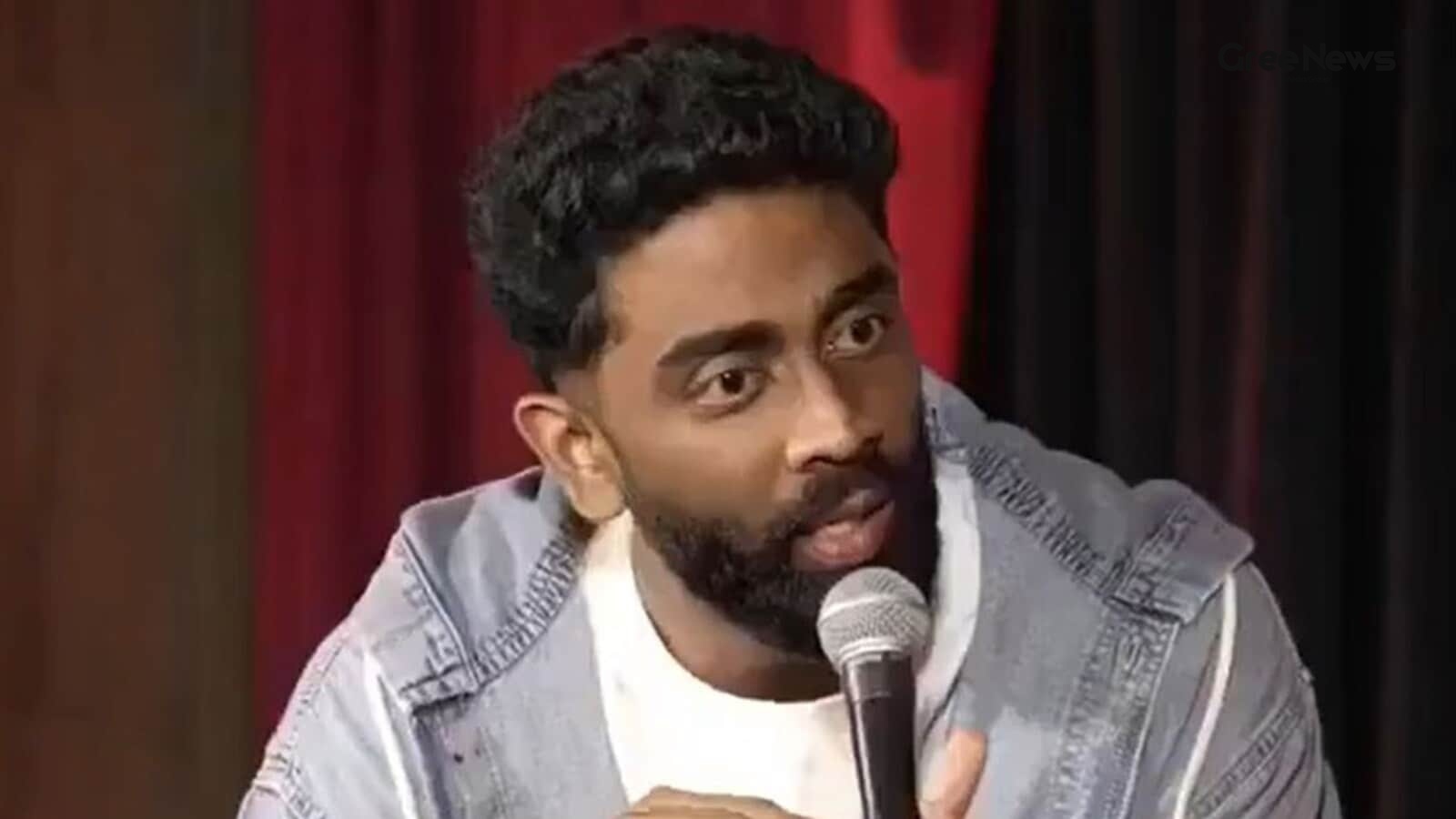
Legal Trouble and Controversy Involving Pranit More and Himanshu Jangra
The noise around Pranit More isn't going to quiet down anytime soon. Gurugram police just slapped another FIR on the stand-up comedian. The reason? That ridiculous 'Rs 370 Biryani' comment. But it’s not just about him. Himanshu Jangra, the tech guy who actually made those remarks, is also named in t
Jun 17, 2026 by Gree News Team
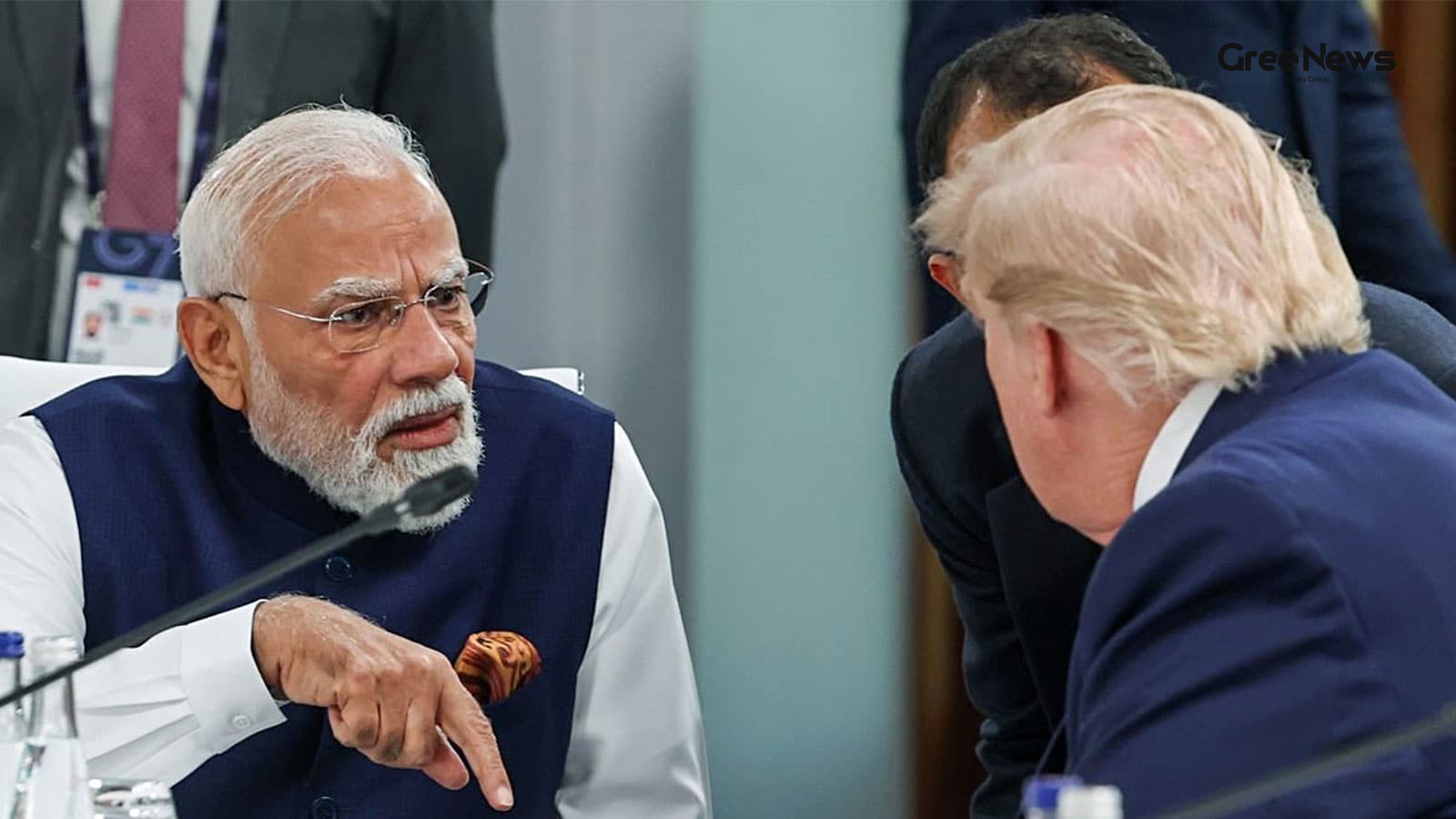
Geopolitical Tension and Maritime Security at International Summits
The air around international summits always smells different. It’s thick with unspoken deals and simmering tensions. And right now, that tension is particularly sharp as we look toward France, where Prime Minister Modi and President Trump are scheduled to meet on the sidelines of the G7 Summit. Wedn
Jun 17, 2026 by Gree News Team

Indian Equities Market Update and Corporate News
Stocks moving today are going to be kind of slow, maybe a bit muted. The Indian equities market is expected to start Wednesday without much real momentum, especially after that Iran-US peace deal stuff cooled things down a bit. SGX Nifty already signals a soft opening for India. As of the morning, i
Jun 17, 2026 by Gree News Team
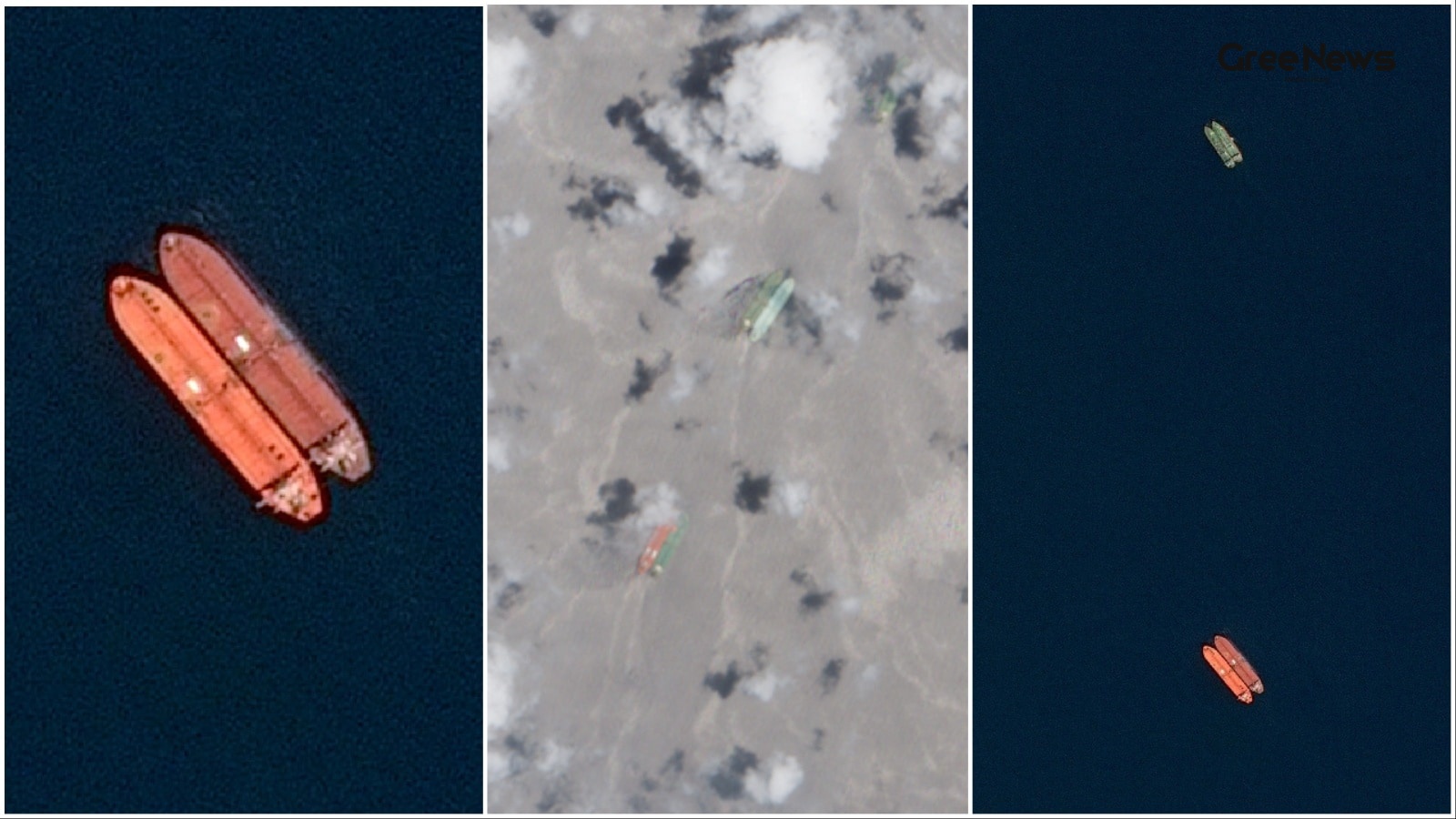
Satellite Imagery Reveals Oil Transfers in the Gulf of Oman and Strait of Hormuz
Satellite images from May 2nd through June 11th reveal something pretty intense happening in the Gulf of Oman and near the Strait of Hormuz. It’s a sprawling network of tankers moving oil offshore, side by side for extended periods. We’re talking about transfers happening at least two spots: one off
Jun 17, 2026 by Gree News Team
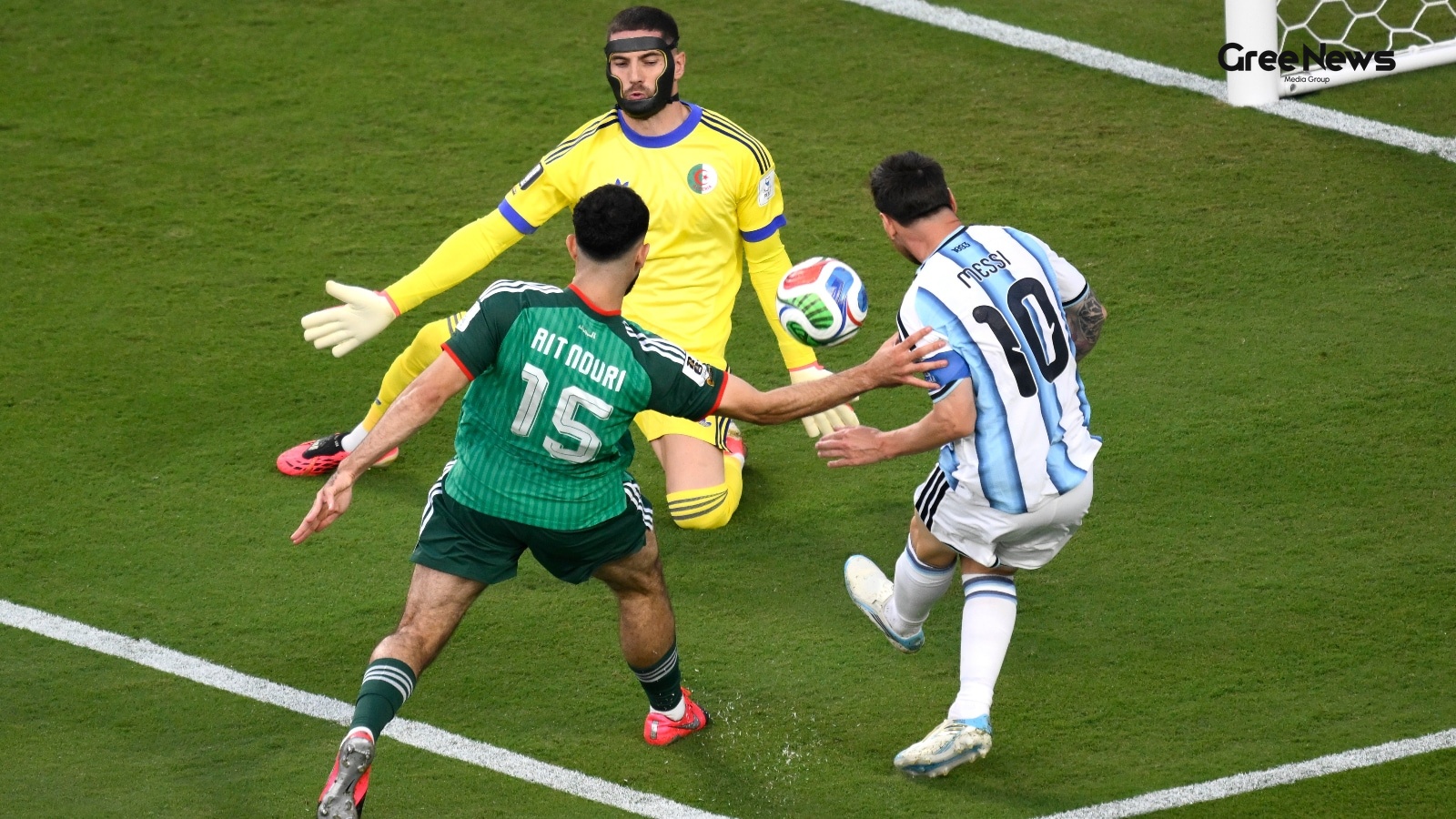
The Psychology of Performance: Legacy, Media, and the Narrative of Football
Argentina versus Algeria. The World Cup 2026 kickoff in Kansas City felt like something else entirely. Twenty years on, and you still see it. Messi. He just put on a show. A hat-trick. Three goals in a solid three-nil win against Algeria. It wasn't just a game; it was a reminder of everything. The w
Jun 17, 2026 by Gree News Team
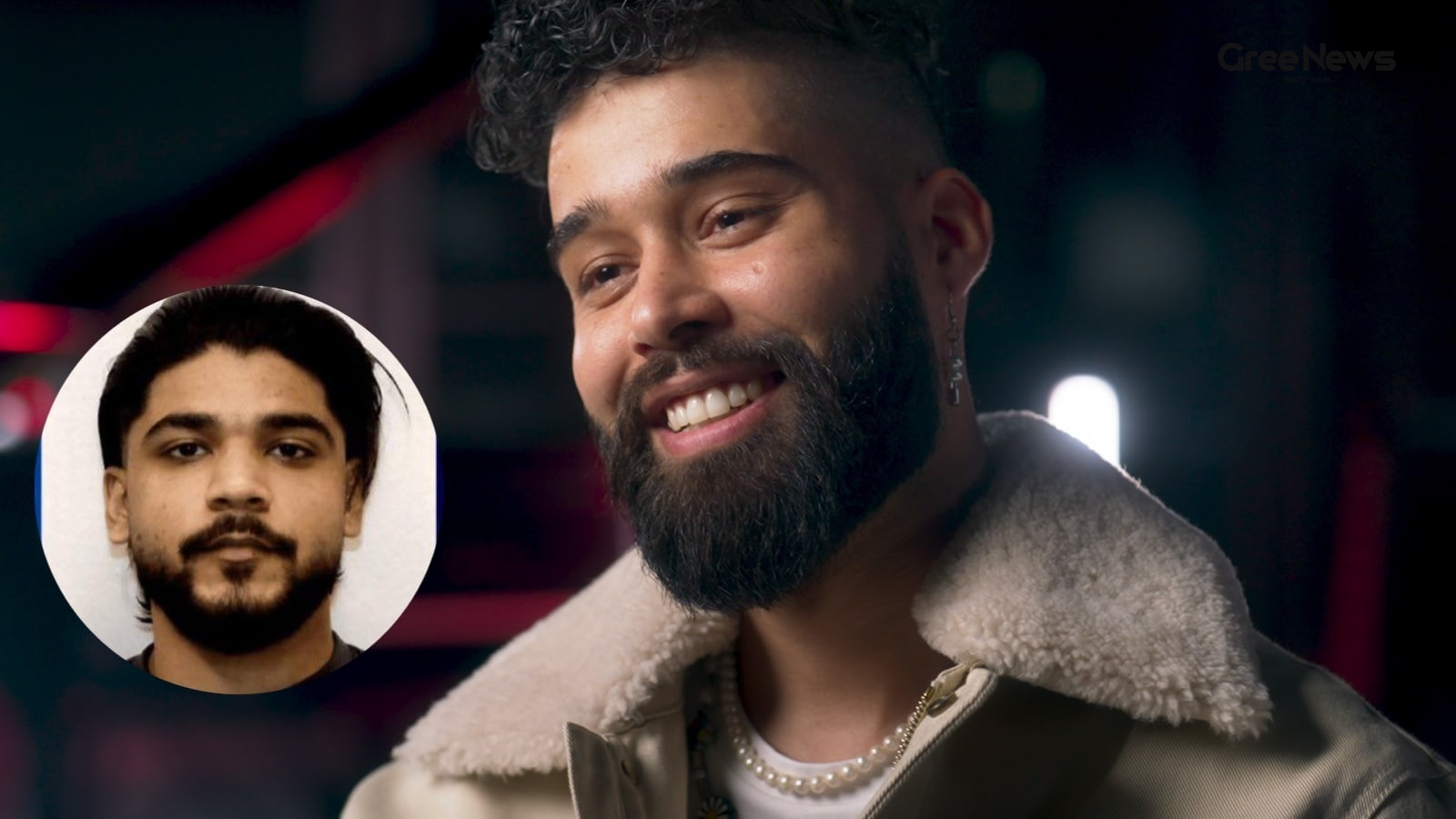
Deportation Order Linked to Organized Crime and the Lawrence Bishnoi Gang
Something big is happening with Punjabi singer AP Dhillon’s house firing case. Canada’s Immigration and Refugee Board just ordered the deportation of Indian national Abhijeet Kingra. The reason? They found him connected to the Lawrence Bishnoi gang. This group, apparently, is involved in a lot of se
Jun 17, 2026 by Gree News Team

Cocktail 2 Rumors: Inside the Queer Speculation and On-Set Reality
It turned out that there was some noise swirling around *Cocktail 2*. A lot of talk about what the film might be about, right? Especially regarding Kriti Sanon and Rashmika Mandanna. Some reports floated around suggesting they were queer, or maybe even exploring something more intimate in the movie.
Jun 17, 2026 by Gree News Team
Karnataka's Standing Order 1061: New Guidelines on Digital Privacy and Cybercrime
A massive new directive just dropped from Karnataka. It’s called Standing Order 1061. It came from the Director General and Inspector General of Police. A big move, they say. Trying to lock down digital privacy and seriously tackle those cybercrimes specifically targeting women. The guidelines are s
Jun 17, 2026 by Gree News Team