The Geopolitics of the Handshake: Analyzing the Trump-Modi Moment
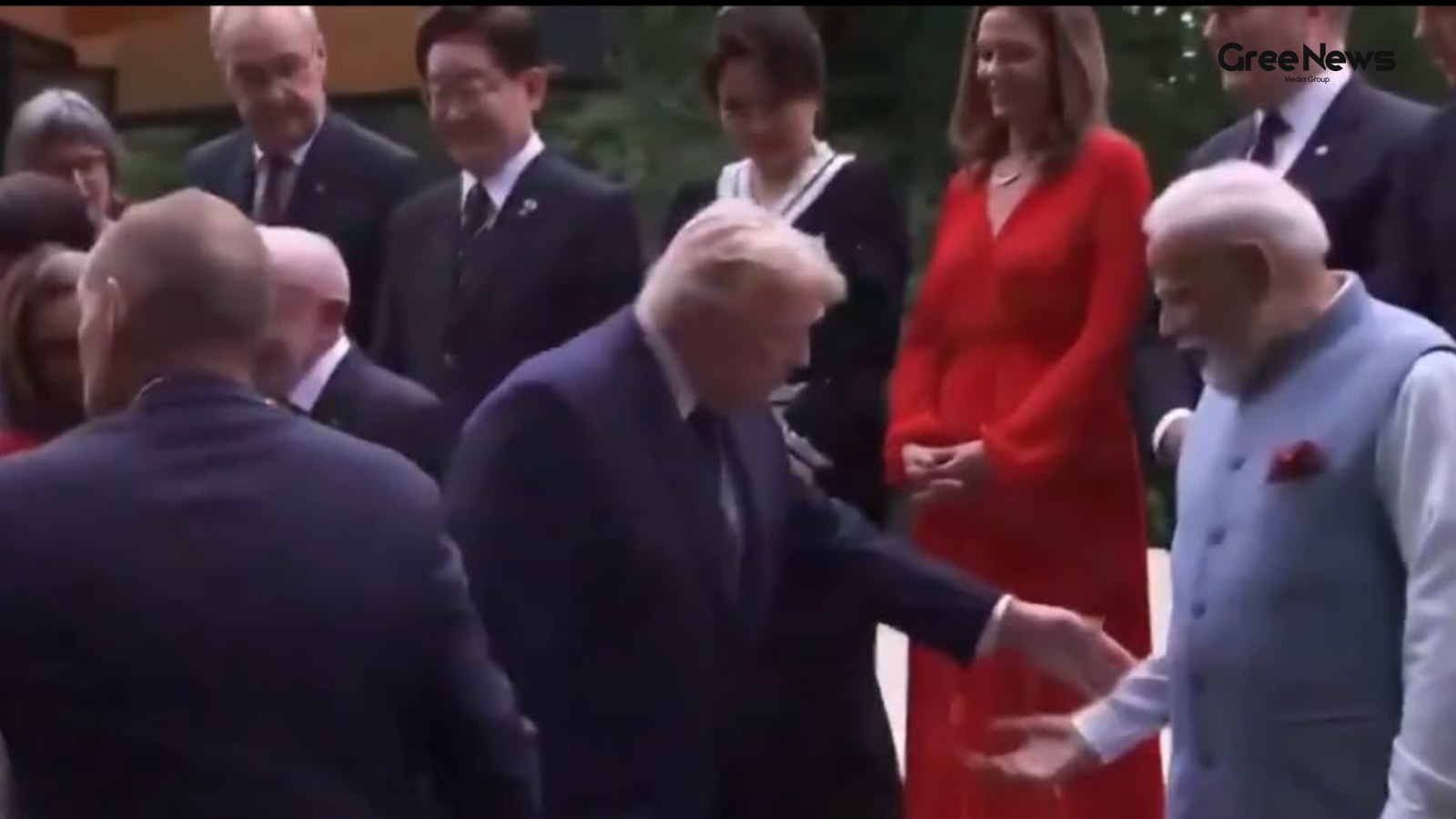
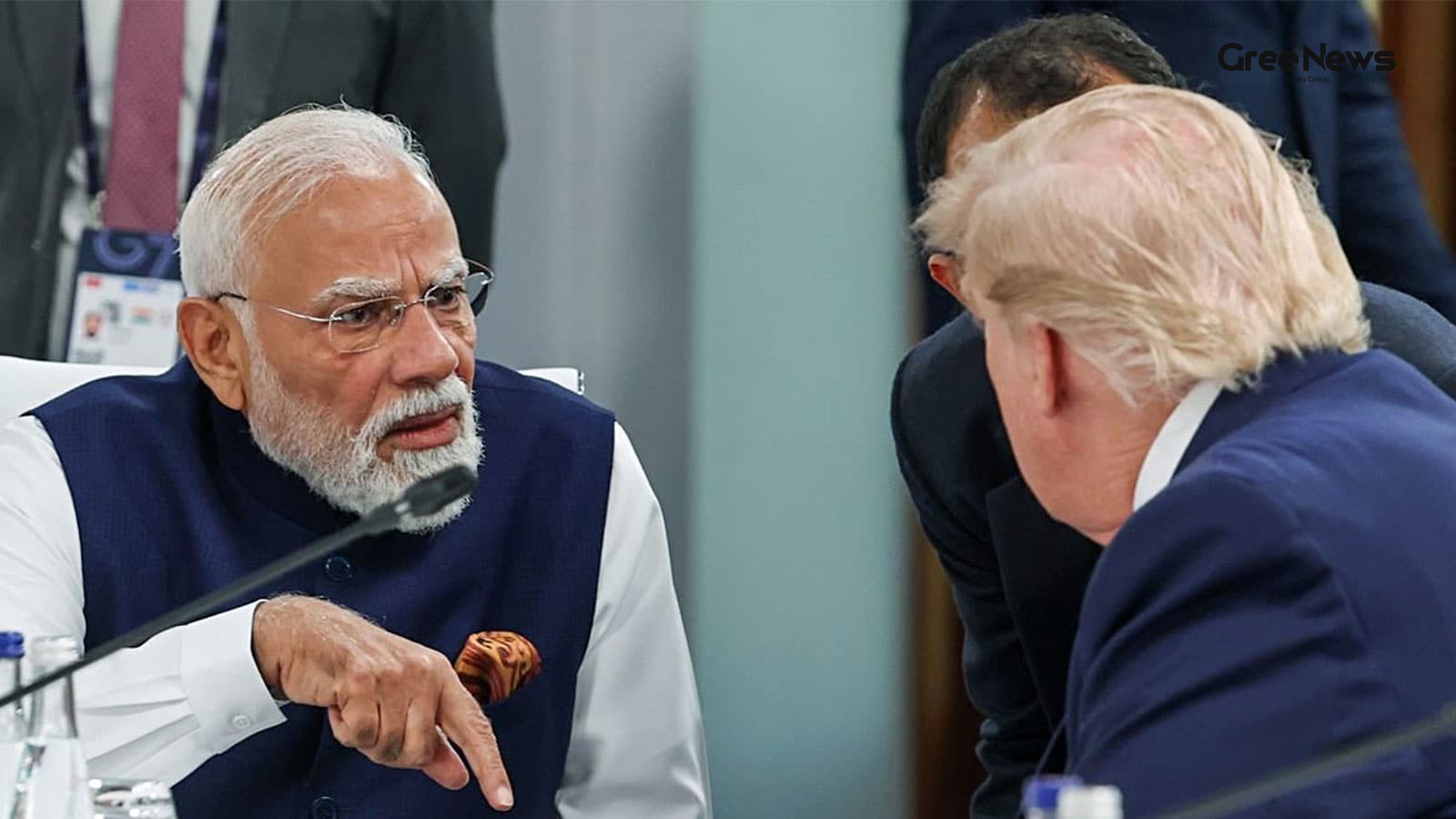
The whole thing just sort of exploded online, didn't it? That little clip from the G7 Summit. It wasn’t some grand strategic maneuver or anything massive. Just a moment, really. Trump reaching for Modi’s wrist while they were walking up those steps in that French spa town, Evian-les-Bains. Suddenly, that tiny gesture became this enormous thing.
People weren't just watching two world leaders walk somewhere. They were dissecting it. Replaying it over and over. It felt less like diplomacy and more like some kind of public performance now. A little bit of casual contact blown up into a massive story about the state of things between Washington and New Delhi.
It came out right after all that other stuff, you know? The whole chain reaction of footage circulating. It wasn’t just this one moment floating around. There were videos and photos already doing their thing. Warm handshakes. Those felt important then, marking some kind of thaw. A first face-to-face meeting in sixteen months. Sixteen months of careful maneuvering, backroom deals, public smiles all leading up to that single handshake.
You have to remember where they were coming from. The last real meeting? That was way back in February 2025. White House setting. A different kind of pressure then, maybe more formal, more controlled. This G7 moment felt… different. More raw. Less polished. It carried this immediate, almost accidental energy that just feeds the internet so well.
And now they’re back together. At a summit. On a stage. And this little physical interaction surfaces. It implies something about the ease, or perhaps the friction, between them. Is it genuine connection? Or is it just optics being managed for the cameras? That's the question everyone's chewing on.
The background noise, though, that’s where things get messy. You can’t just look at the handshake and assume everything is smooth sailing. Relations haven't been simple lately. There are always these undercurrents pulling against the surface of official statements.
Tariffs. That was one big source of strain. The Trump administration, they kept pushing those punitive tariffs on Indian imports. It wasn’t just economics; it felt like a deliberate chipping away at the relationship. A way to signal displeasure. Trade wars bleed into personal diplomacy somehow. You see that happening all the time.
Then there were the incidents. Those small things that pile up and become heavy. Last week, something happened out on the water. Three Indian sailors. Killed in attacks by US forces off the coast of Oman. That kind of event doesn't just stay in the news cycle; it changes the atmosphere entirely. It injects a very sharp note of tension into whatever diplomatic efforts were happening concurrently.
These things the trade disputes, the maritime tensions they are layered on top of everything else. They create this constant low hum of anxiety that makes every subsequent interaction feel loaded with hidden meaning. You have to watch for those subtle shifts in tone. The way they address each other, or the silence between sentences. That’s where the real story lives, not just in the polished press releases.
But there were moments, attempts to push back against that backdrop of difficulty. There were efforts, some months ago, trying to force things forward. A visit to India last month was one such attempt. US Secretary of State Marco Rubio made an effort. He extended an invitation from Trump for Modi to come to the White House soon. It wasn't just a courtesy call. It carried weight.
Rubio described India in that context as part of Washington’s Indo-Pacific strategy. The "cornerstone." That phrase, when used by high-level diplomats, isn't empty. It suggests a deep strategic alignment. A recognition of shared geographical and geopolitical interests. It frames the relationship as essential, not just transactional.
But does that framework hold up when you look at the immediate pressures? When you see the friction points the tariffs hanging over trade, the maritime incidents creating real-world danger it becomes harder to sustain that high-level vision of seamless partnership. The reality on the ground is always complex. It’s a constant negotiation between grand strategy and gritty reality.
The whole dynamic seems to be about trying to balance two very different realities. One side wants the expansive view, the big strategic picture. The other side deals with the immediate, often painful, consequences of real-world actions. And those personal moments, like the one captured on camera that’s where the tension leaks out, isn't it? It’s a flashpoint.
You see this pattern repeatedly in international relations. There’s always that gap between what is said publicly and what actually feels true privately. The public narrative is carefully constructed. It has to be managed for stability, for political gain. But the human element the physical proximity, the slight hesitation, the gesture of reaching that bypasses all the careful scripting. That’s the stuff that gets amplified when it hits social media.
It forces a re-evaluation. Not just of the leaders involved, but of the entire framework they are operating within. Are these grand strategic goals still achievable when immediate security concerns and economic disaGreements are so acute? It seems like the pressure cooker is constantly being stoked. Every headline, every video, every diplomatic move adds another layer to this complex, sometimes contradictory story.
The way people consume this information changes how they interpret it entirely. They don't get the measured analysis from the State Department briefings. They get the raw visual evidence, and they fill in the blanks with their own fears and hopes. That’s why these moments the fleeting gestures at a summit become so potent. They are shorthand for everything complicated happening beneath the surface of official dialogue. It's messy. It’s unpredictable. And it demands a lot more interpretation than any single photograph or clip can ever provide. The silence after the sound fades is often louder than the noise itself.
Written by Gree News Team — Senior Editorial Board
Gree News Team covers international news and global affairs at Gree News. Our collective of senior editors is dedicated to providing independent, accurate, and responsible journalism for a global audience.
More from World
View All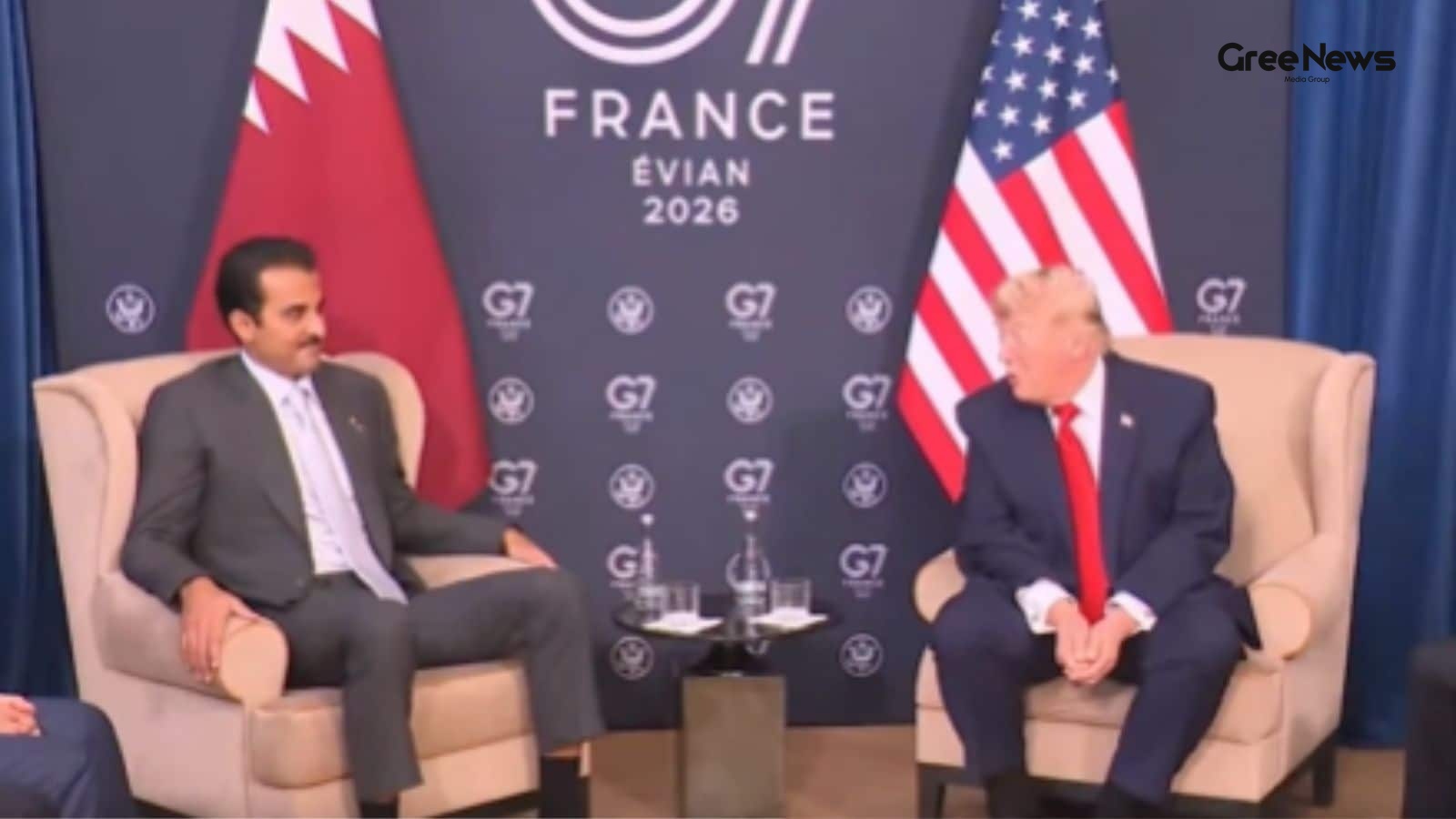
Donald Trump and Qatar's Emir: Geopolitics, Economics, and the Iran Crisis
Tuesday, at the G7 Summit in Evian, France that’s where Donald Trump met with Qatar's Emir, Sheikh Tamim bin Hamad Al Thani. It was on the sidelines, a brief moment caught up in the big stuff, but something just slipped out that got talked about immediately online. He made this remark about proximit
Jun 17, 2026 by Gree News Team
Framework Deal Between the United States and Iran: Oil, Sanctions, and Negotiations
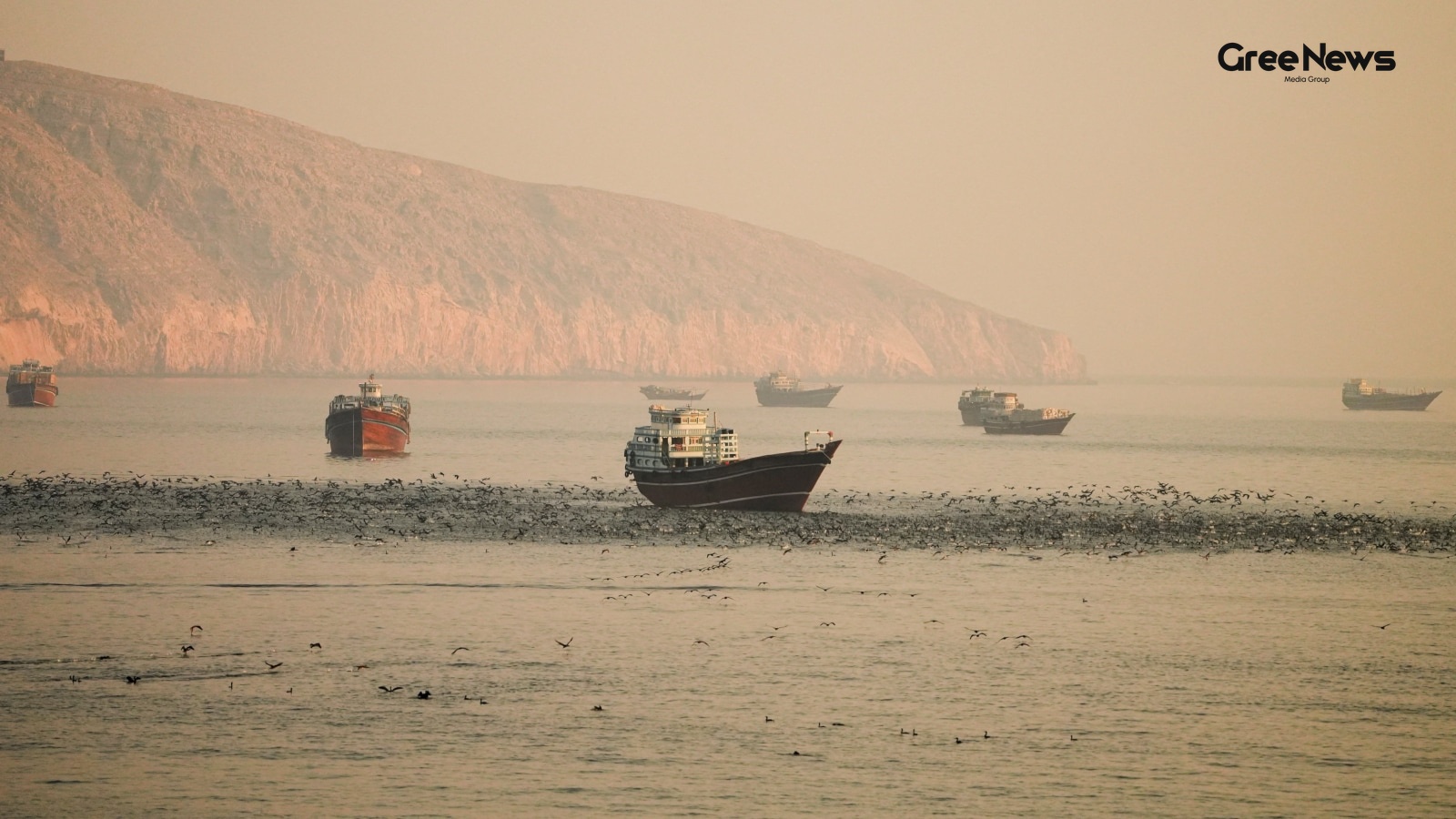
The framework deal struck between the United States and Iran actually lets Tehran start selling oil right away. It’s supposed to give the Islamic Republic an immediate economic lifeline while those 60 days of negotiations are happening, trying to ease the pressure from the conflict. Sanction waivers
Jun 17, 2026 by Gree News Team
The Shifting Geopolitics of the Middle East: Uncertainty and Realignment
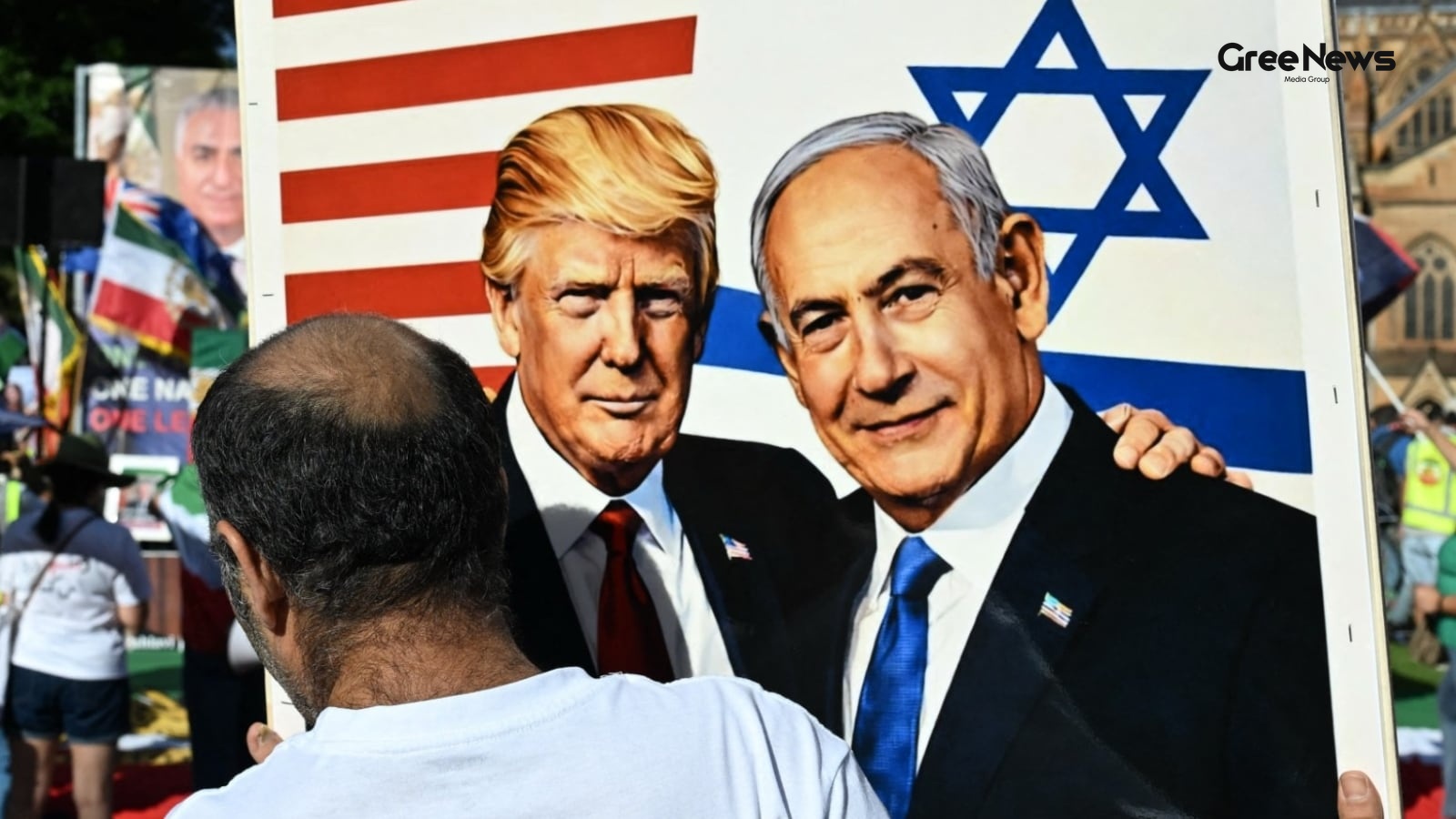
The air around this whole situation feels thin. You know? It’s not just some headline flashing across a screen. It’s that slow, creeping realization that whatever moves happen in the Middle East right now the deals, the threats, the shifting lines on the map they don't follow any neat, predictable p
Jun 17, 2026 by Gree News Team
The $300 Billion Investment Fund for Iran and the Peace Framework
That $300 billion figure for Iran is really starting to look like one of the biggest sticking points in whatever peace framework the Trump administration is pushing with Tehran right now. If they actually nail this deal, it changes everything. It means the first major investment tied directly to the
Jun 17, 2026 by Gree News Team
Latest Headlines
The $24 Billion Frozen in Iranian Assets: Framework and Conditions
That $24 billion frozen in Iranian assets? Some reports are saying it could actually be released in four stages. That’s all tied up in this whole framework Tehran and Washington are trying to push, sort of aiming for peace, or at least an end to the fighting. The story here is that the release isn't
Jun 17, 2026 by Gree News Team

The Unseen Burden: Exploring the Aftermath of Sanchita Udale's Story
The silence around this whole situation is thick, isn't it? It feels like everything just stopped mid-sentence. You read about these things, you see the headlines, but nothing really scratches the surface of what happened behind those closed doors, does it? We’re talking about Sanchita Udale. And wh
Jun 17, 2026 by Gree News Team
Bhagwant Singh Mann on Video Controversy and Political Attacks
Bhagwant Singh Mann, the Punjab Chief Minister, basically shut down a video that was floating around, claiming it was fake. He said some kind of political garbage was going on a real campaign aimed at just defaming him and messing with what his government was trying to achieve. It all seems tied bac
Jun 17, 2026 by Gree News Team
Donald Trump and Qatar's Emir: Geopolitics, Economics, and the Iran Crisis
Tuesday, at the G7 Summit in Evian, France that’s where Donald Trump met with Qatar's Emir, Sheikh Tamim bin Hamad Al Thani. It was on the sidelines, a brief moment caught up in the big stuff, but something just slipped out that got talked about immediately online. He made this remark about proximit
Jun 17, 2026 by Gree News Team
Framework Deal Between the United States and Iran: Oil, Sanctions, and Negotiations
The framework deal struck between the United States and Iran actually lets Tehran start selling oil right away. It’s supposed to give the Islamic Republic an immediate economic lifeline while those 60 days of negotiations are happening, trying to ease the pressure from the conflict. Sanction waivers
Jun 17, 2026 by Gree News Team
Recovery of Gold from IndiGo Aircraft: Investigation Challenges
The Directorate of Revenue Intelligence actually recovered something Monday. Twenty-four gold biscuits. Worth about four crore rupees. It was found tucked inside an IndiGo aircraft in Ahmedabad. Specifically, it wasn't just lying around; it was hidden inside a speaker box in the front lavatory. Wrap
Jun 17, 2026 by Gree News Team
Kylian Mbappé's World Cup Legacy and Match Highlights
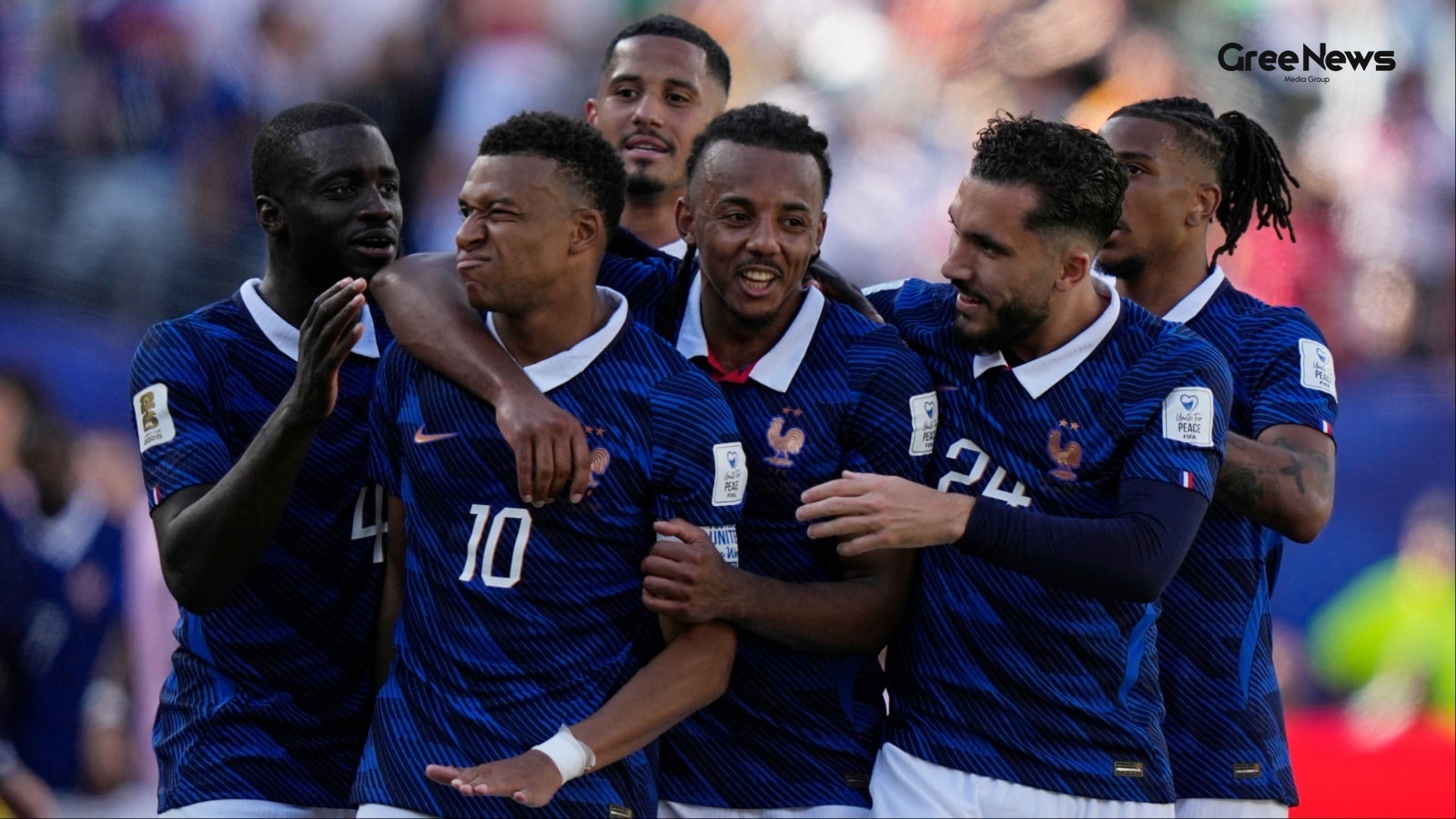
Kylian Mbappé took his career World Cup tally to fourteen. Two behind Miroslav Klose. And Bradley Barcola was also on target for Les Bleus. That’s what happened in that game against Senegal, securing those three points for Didier Deschamps. Mbappe darted across the box. A brilliant pass from Michael
Jun 17, 2026 by Gree News Team
The Shifting Geopolitics of the Middle East: Uncertainty and Realignment
The air around this whole situation feels thin. You know? It’s not just some headline flashing across a screen. It’s that slow, creeping realization that whatever moves happen in the Middle East right now the deals, the threats, the shifting lines on the map they don't follow any neat, predictable p
Jun 17, 2026 by Gree News Team
The $300 Billion Investment Fund for Iran and the Peace Framework
That $300 billion figure for Iran is really starting to look like one of the biggest sticking points in whatever peace framework the Trump administration is pushing with Tehran right now. If they actually nail this deal, it changes everything. It means the first major investment tied directly to the
Jun 17, 2026 by Gree News Team
The Collision of History and Possibility in Global Football Narratives
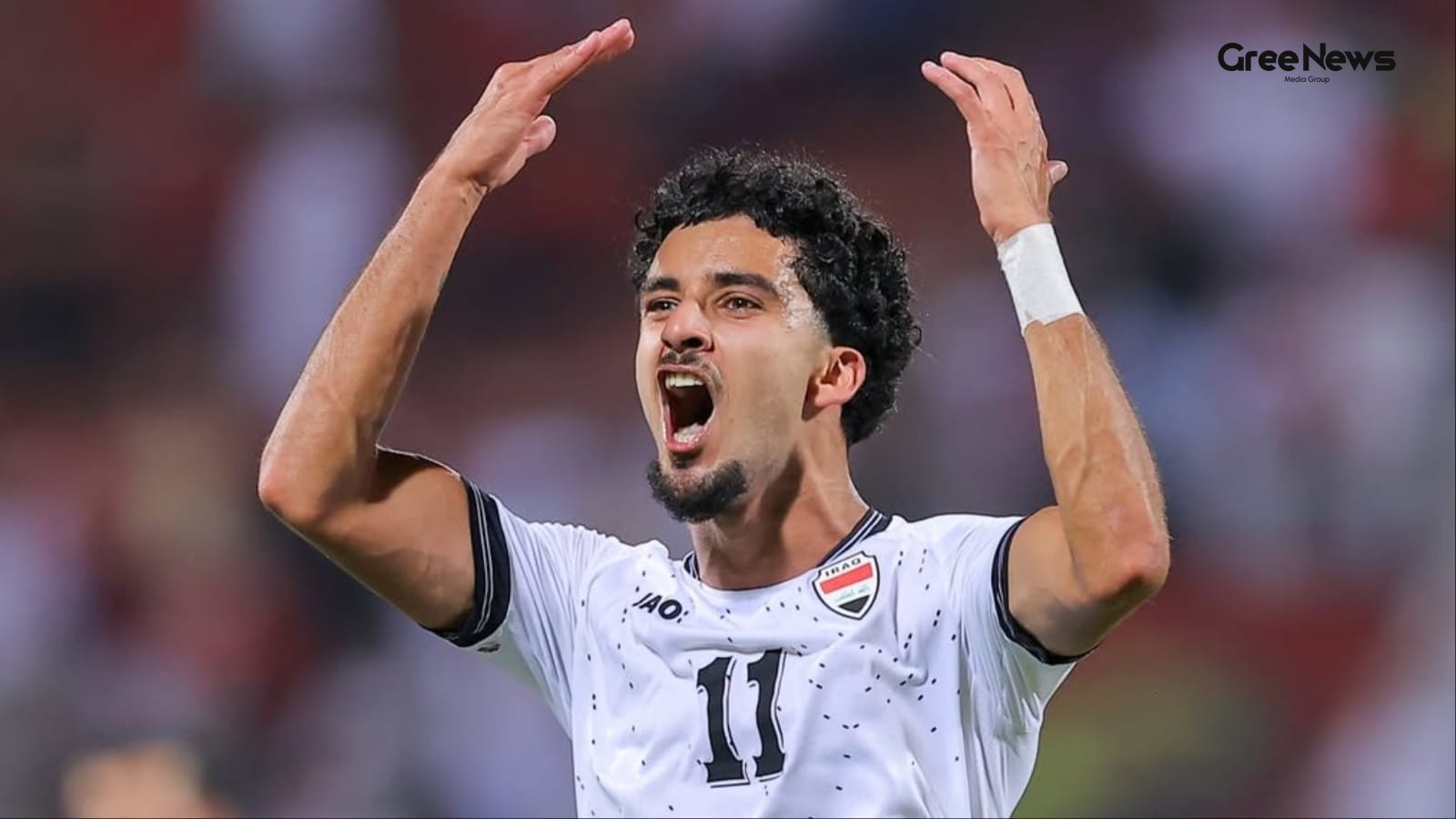
the air around that moment, you know? it wasn't just football. it was something else entirely. a strange collision of history, geography, and sheer, raw possibility unfolding on the pitch in Boston. zidane iqbal. the name itself carries this weight, doesn’t it? not just for the goals, but for what t
Jun 17, 2026 by Gree News Team
Maritime Security, Global Interdependence, and the Call for Trust
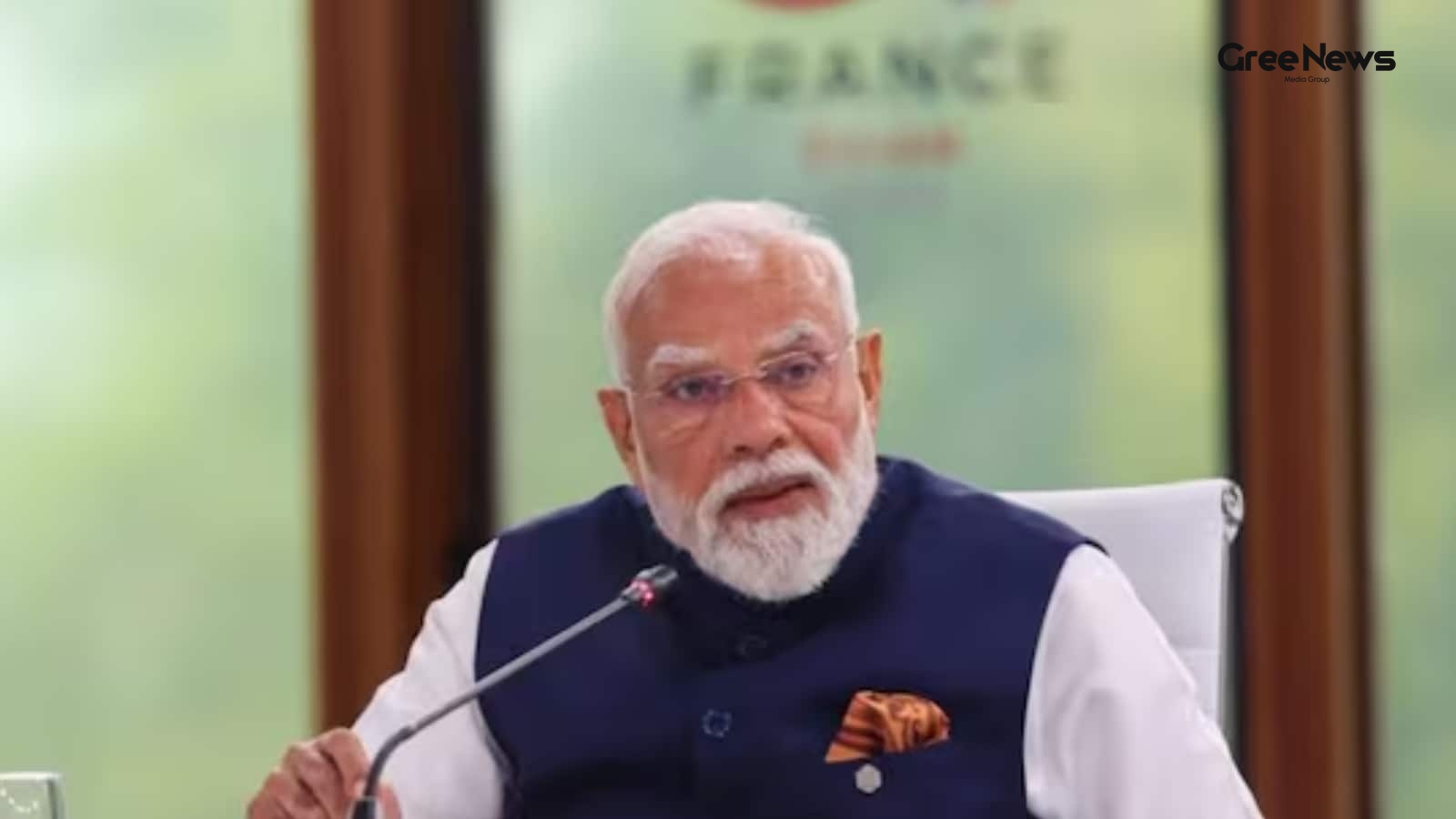
Prime Minister Modi brought this up during a G7 session, right in the middle of big international talks with leaders like Trump. It wasn’t just some standard talking point; it felt heavy, almost immediate. The backdrop was those three Indian sailors killed in that US military strike off the Omani co
Jun 17, 2026 by Gree News Team

Sanchita Ugale's Passing: Mental Health Struggles and Investigation
Sanchita Ugale’s passing really hit people hard. It wasn't just shock. It opened up this huge conversation about mental health, something everyone was grappling with right away. There were reports floating around that she had been struggling with mental health issues for some time before everything
Jun 17, 2026 by Gree News Team
Robot Vacuum Reviews and Telegram Messaging Incident in India
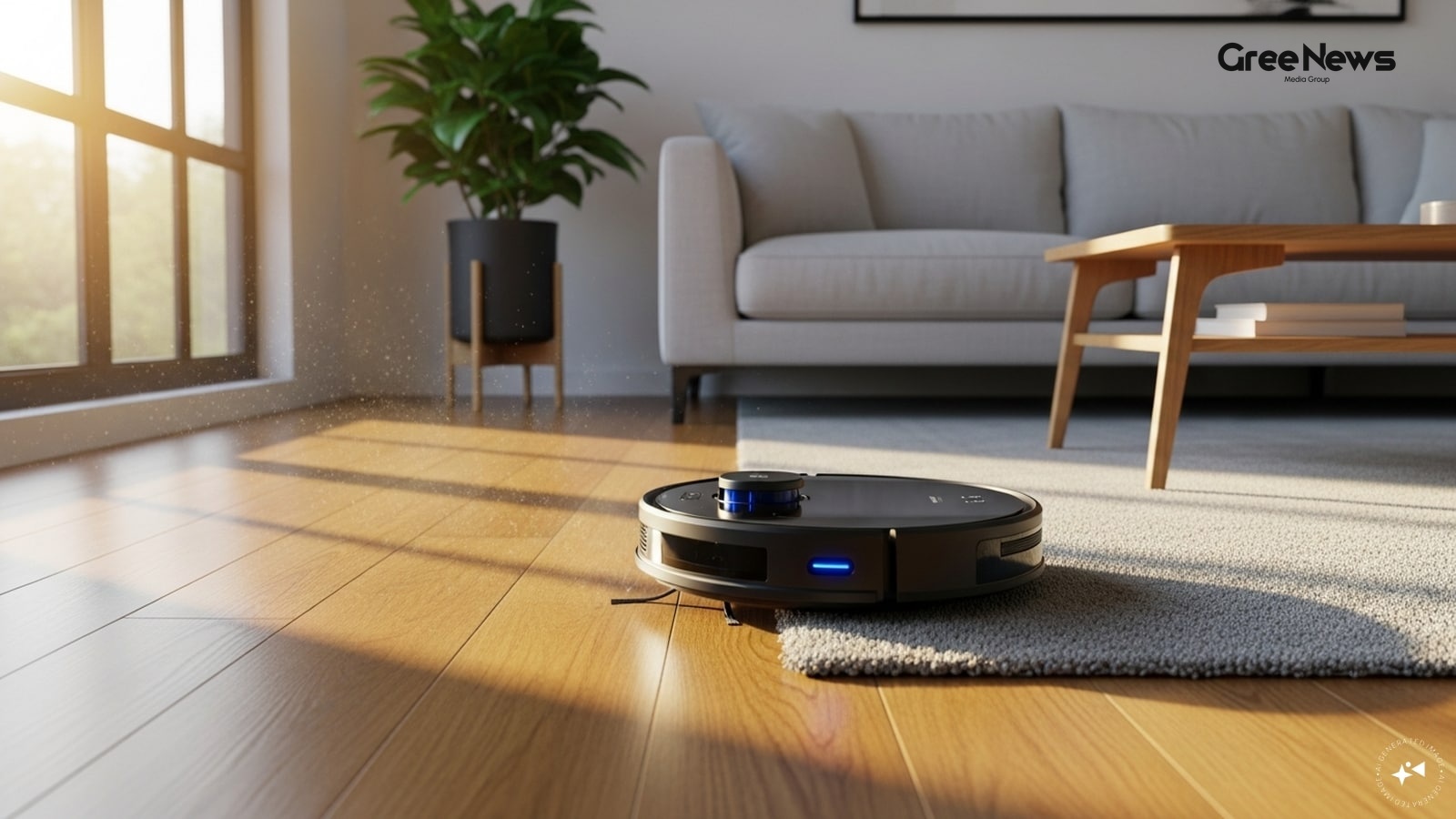
Keeping floors clean isn’t usually hard. Keeping them clean every day is the real challenge. Dust settles surprisingly quickly, crumbs just appear out of nowhere. Pet hair finds every corner of the house somehow. That's why robot vacuum cleaners have become so popular. They don’t replace deep cleani
Jun 17, 2026 by Gree News Team
Legal Trouble and Controversy Involving Pranit More and Himanshu Jangra
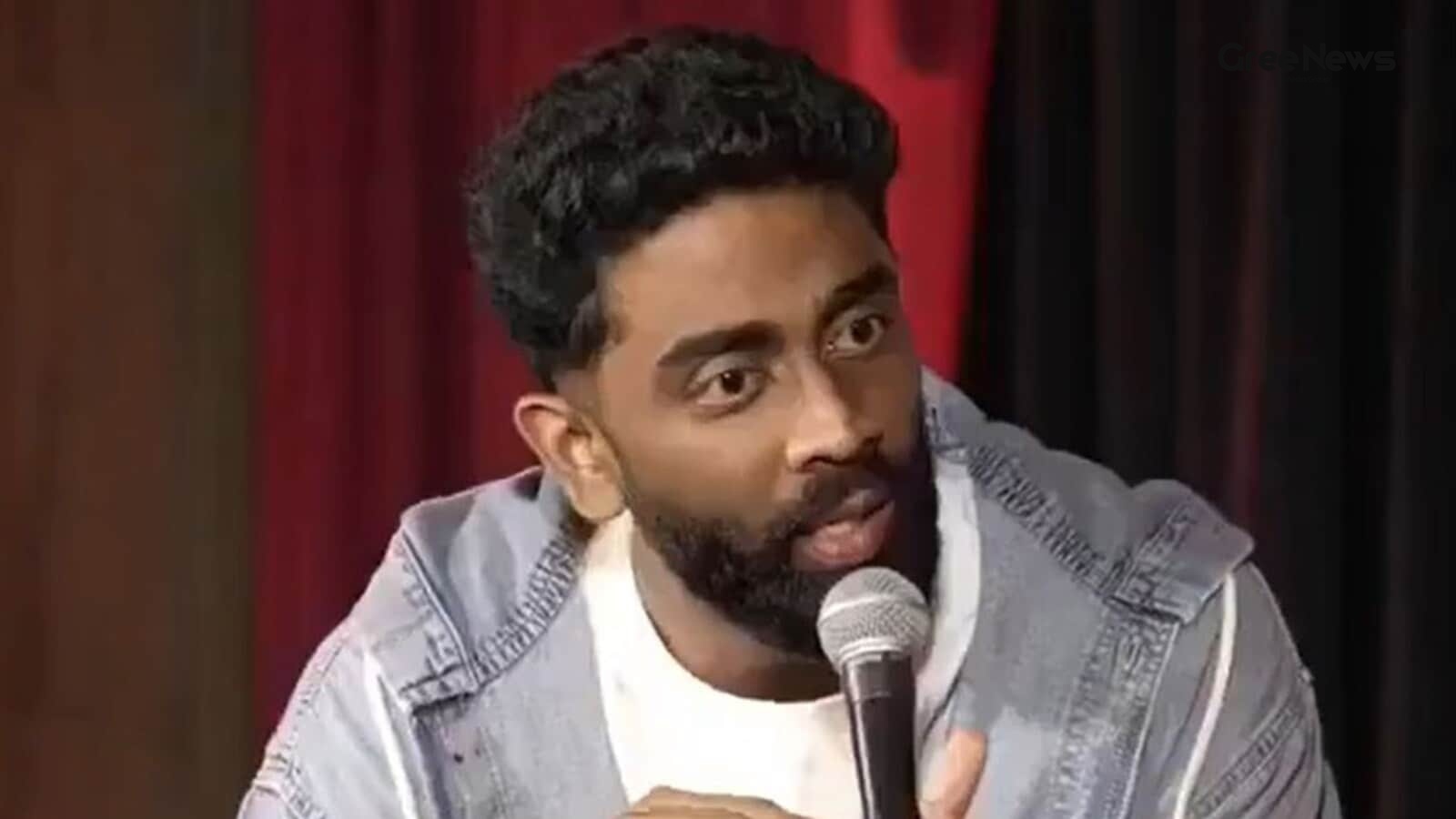
The noise around Pranit More isn't going to quiet down anytime soon. Gurugram police just slapped another FIR on the stand-up comedian. The reason? That ridiculous 'Rs 370 Biryani' comment. But it’s not just about him. Himanshu Jangra, the tech guy who actually made those remarks, is also named in t
Jun 17, 2026 by Gree News Team
Geopolitical Tension and Maritime Security at International Summits
The air around international summits always smells different. It’s thick with unspoken deals and simmering tensions. And right now, that tension is particularly sharp as we look toward France, where Prime Minister Modi and President Trump are scheduled to meet on the sidelines of the G7 Summit. Wedn
Jun 17, 2026 by Gree News Team