Framework Deal Between the United States and Iran: Oil, Sanctions, and Negotiations
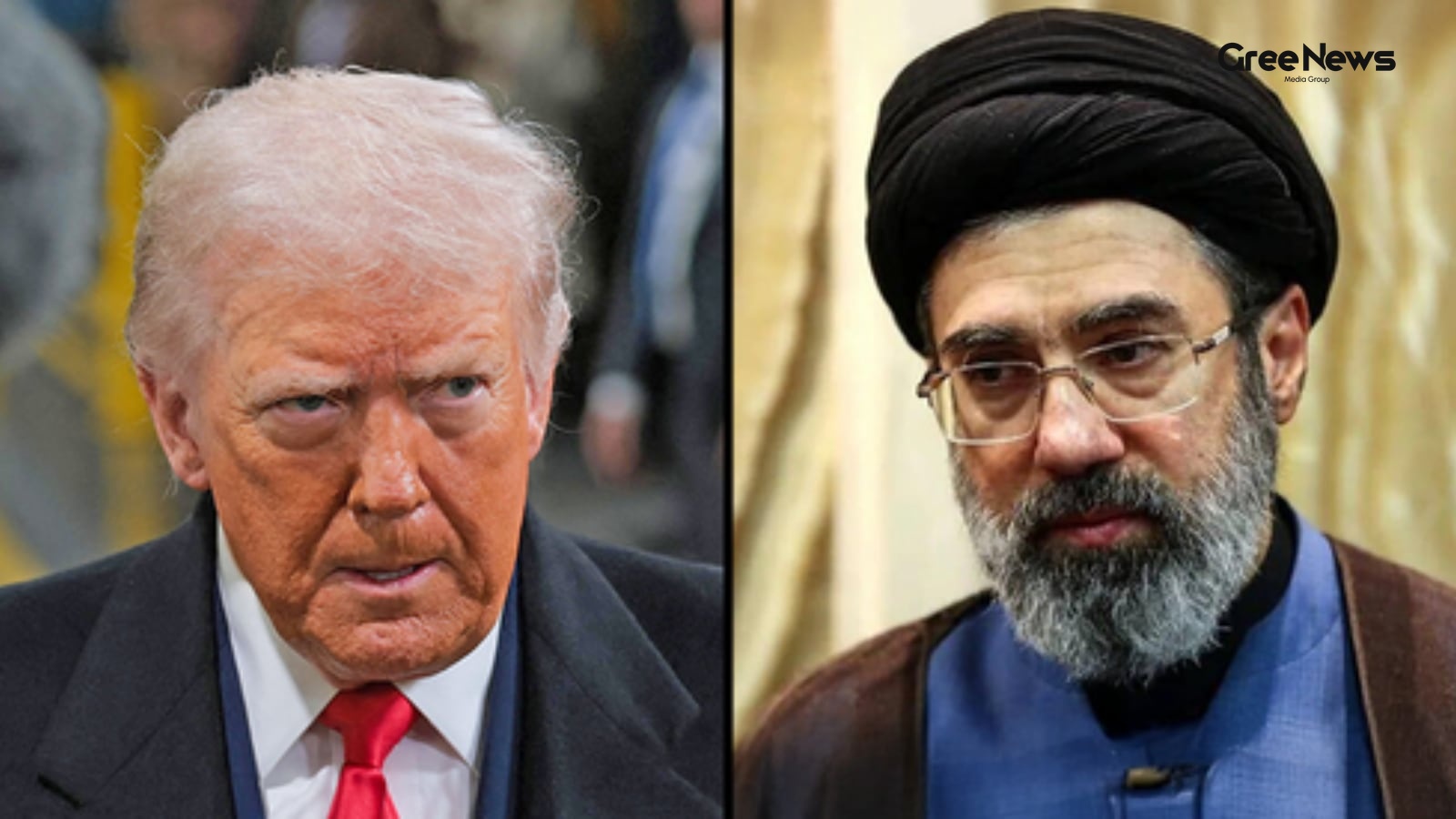
The framework deal struck between the United States and Iran actually lets Tehran start selling oil right away. It’s supposed to give the Islamic Republic an immediate economic lifeline while those 60 days of negotiations are happening, trying to ease the pressure from the conflict.
Sanction waivers for these oil sales and all the necessary services, banking, shipping, insurance will kick in once they sign the paperwork in Switzerland this Friday. That’s what the Wall Street Journal reported. People familiar with the deal said it’s a big step forward, even if it feels temporary.
They’re actually going to meet face-to-face. The US and Iran will sign the peace aGreement at the Burgenstock Resort near Lucerne in Switzerland on Friday, June 19th. Just sitting there signing something.
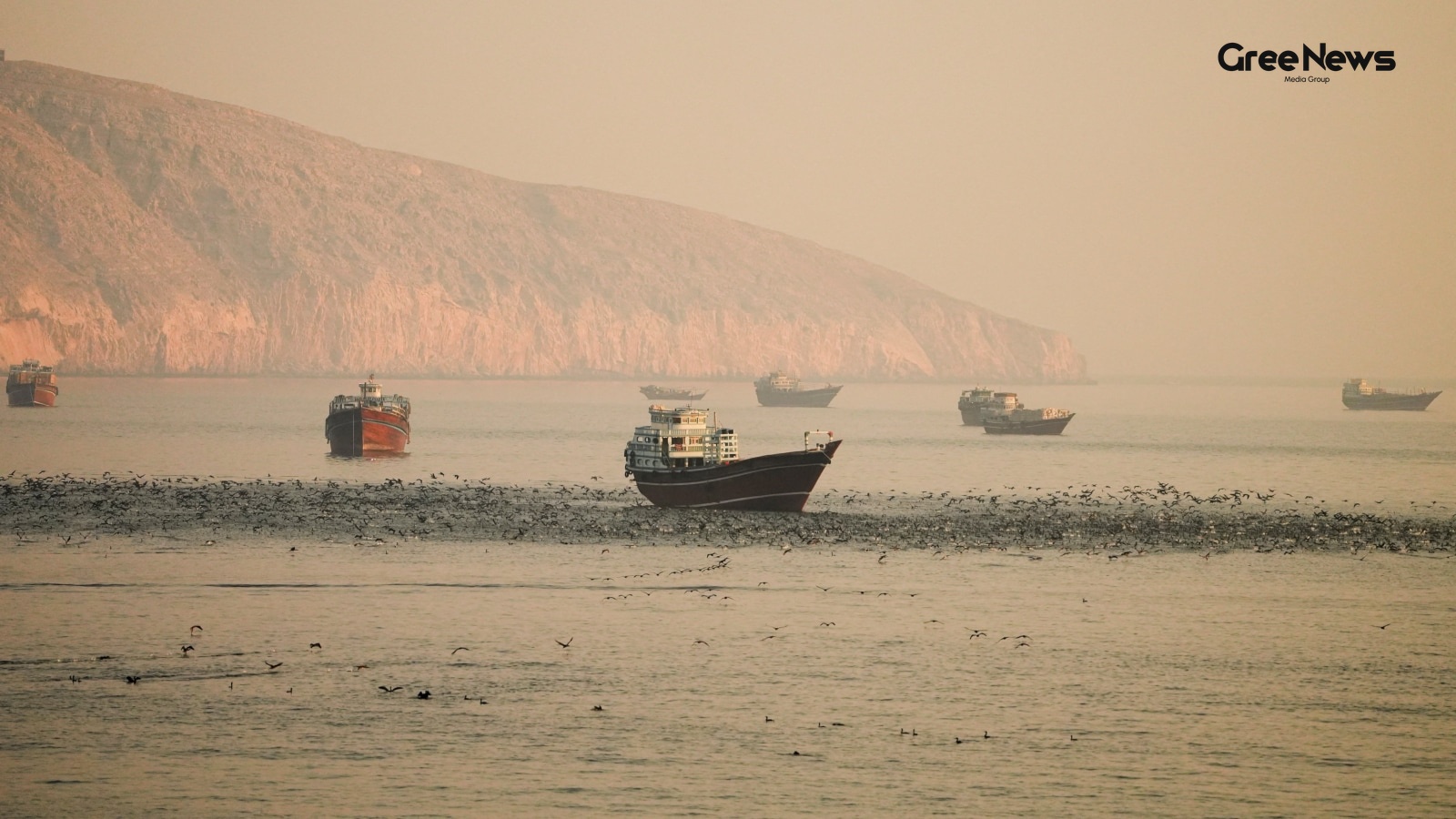
Meanwhile, things have been moving outside of official channels too. An Iranian tanker managed to cross the US blockade and sailed out of the Gulf of Oman on Tuesday. That was the first time a ship like that had been allowed out since the blockade started back in April. It’s a small thing, maybe. But it shows something is shifting on the water.
The whole point of letting Iran sell oil seems to be about money. Oil exports are one of their biggest ways to make cash. This extra income could help Tehran stabilize things. They were already struggling before the war because of all those harsh sanctions piled on them by the US. It’s a massive injection, if it works out right.
They could also use some of that new revenue to start rebuilding stuff. Infrastructure, industries all the damage from the fighting and years of economic strangulation needs fixing. Getting Iranian oil to new buyers means wider exports. More money flowing in.
But there's an asterisk attached to all this. The US officials were pretty clear about it. This deal is performance-based. Real relief depends entirely on how Iran actually follows through on what America wants specifically reopening the Strait of Hormuz and dealing with their nuclear program. That’s the sticking point.
A lot of lawmakers and political figures, though, they push back hard against giving financial relief to Iran. They argue it just helps bolster their defenses. But you hear things from people inside Washington too. Farzin Nadimi, a senior fellow over at the Washington Institute, he points out that the White House clearly thought these kinds of sweeteners were necessary to get Iran to move. Otherwise, negotiations would be nearly impossible.
He suggested that opening up energy corridors, like the Strait of Hormuz one of the world’s most important routes for energy is what they were really trying to leverage.
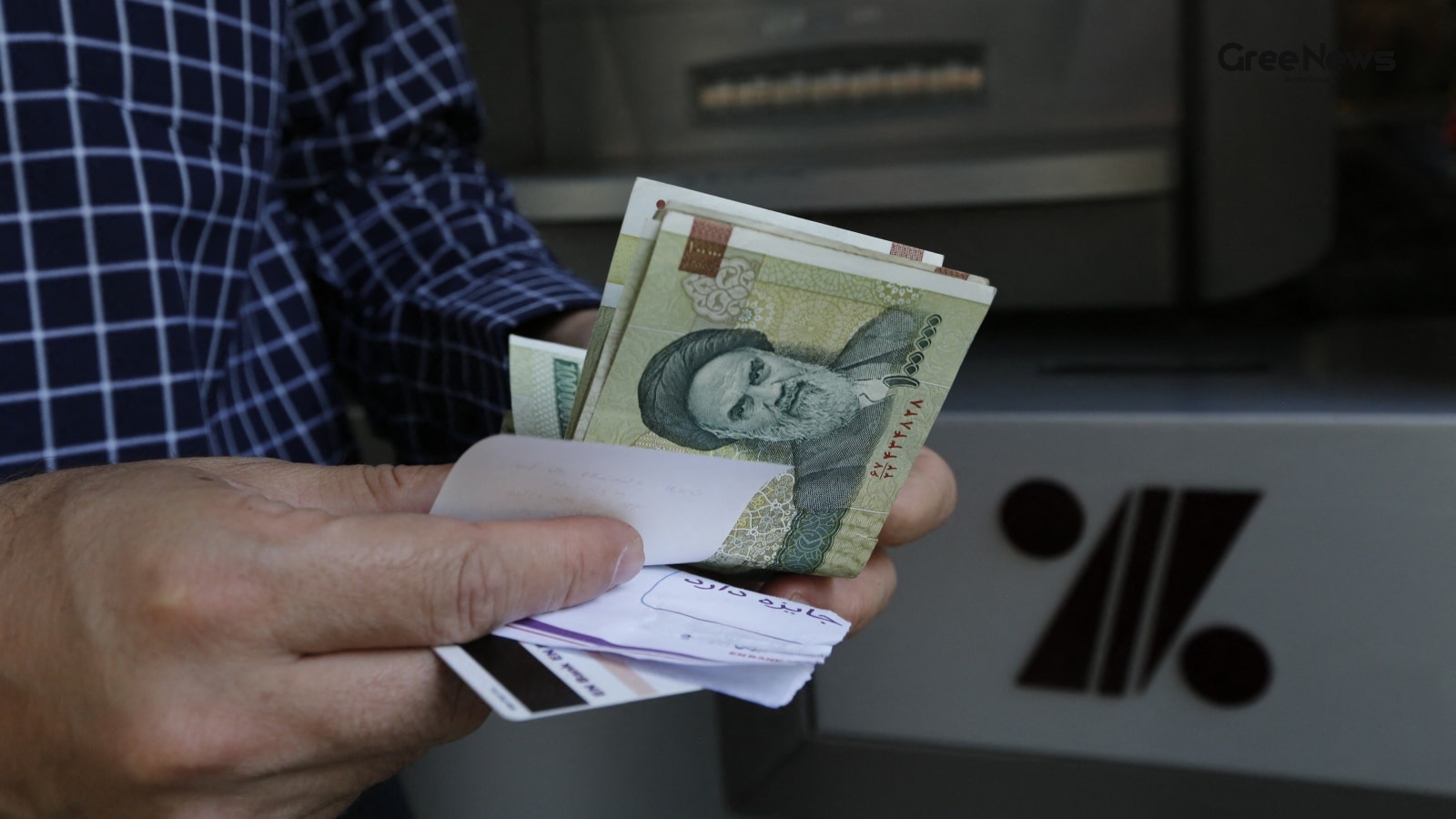
And don't even get me started on frozen money. The US ruled out immediate access to billions in those frozen Iranian funds. While they might be willing to release some of it, Trump has denied providing that $300 billion chunk for reconstruction and war damage repair. It’s all tangled up.
Written by Gree News Team — Senior Editorial Board
Gree News Team covers international news and global affairs at Gree News. Our collective of senior editors is dedicated to providing independent, accurate, and responsible journalism for a global audience.
More from World
View All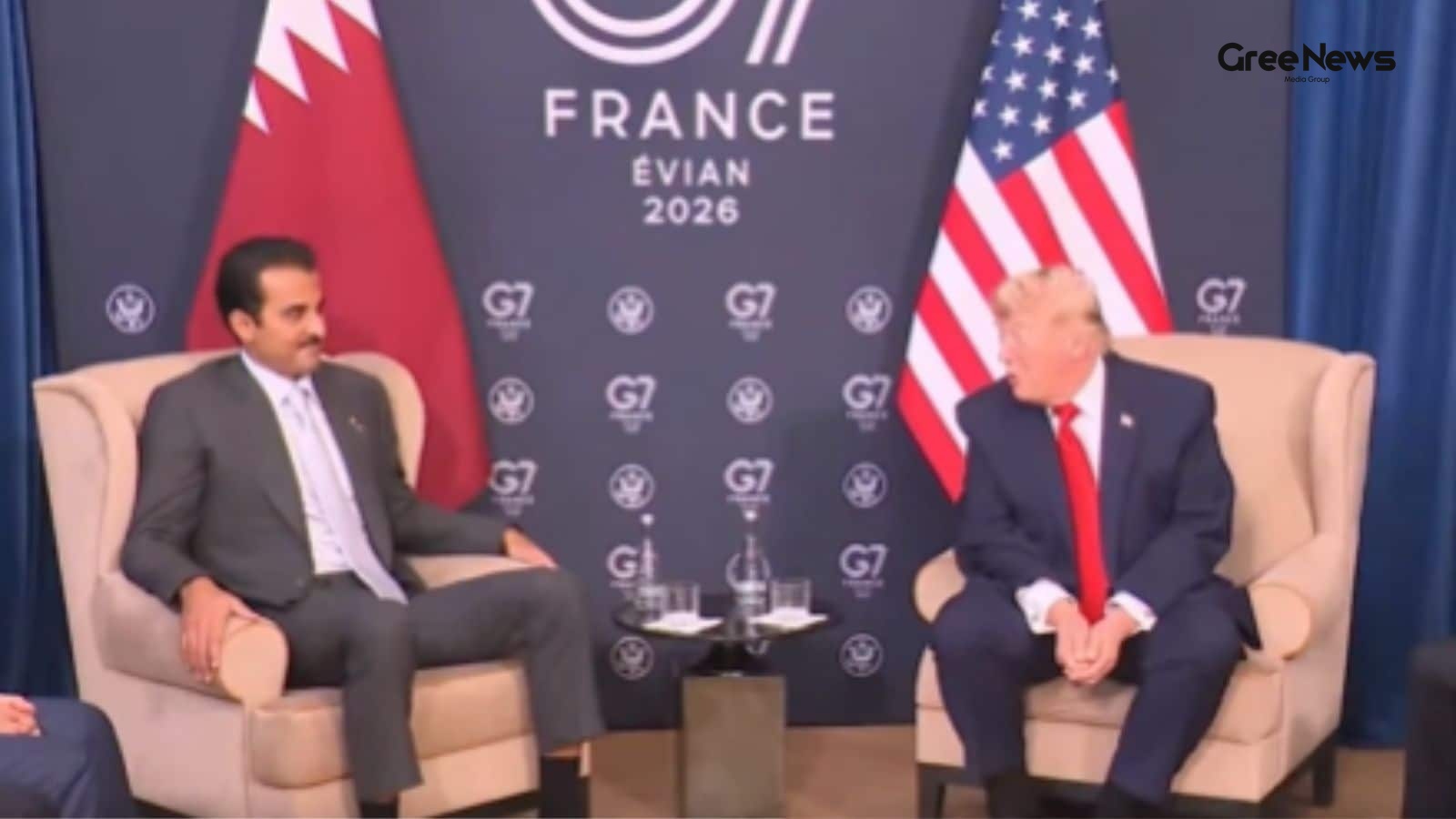
Donald Trump and Qatar's Emir: Geopolitics, Economics, and the Iran Crisis
Tuesday, at the G7 Summit in Evian, France that’s where Donald Trump met with Qatar's Emir, Sheikh Tamim bin Hamad Al Thani. It was on the sidelines, a brief moment caught up in the big stuff, but something just slipped out that got talked about immediately online. He made this remark about proximit
Jun 17, 2026 by Gree News Team
The Geopolitics of the Handshake: Analyzing the Trump-Modi Moment
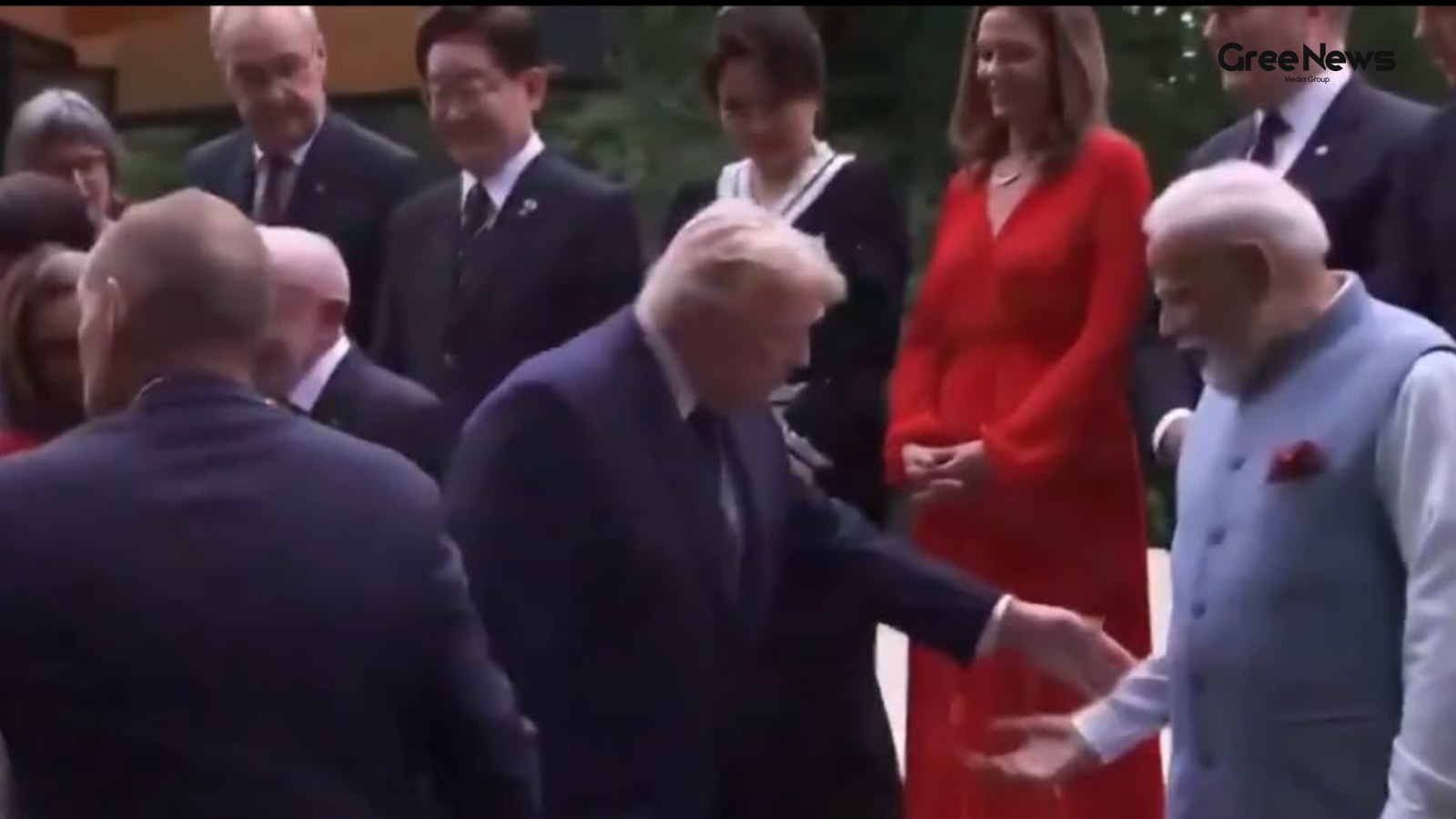
The whole thing just sort of exploded online, didn't it? That little clip from the G7 Summit. It wasn’t some grand strategic maneuver or anything massive. Just a moment, really. Trump reaching for Modi’s wrist while they were walking up those steps in that French spa town, Evian-les-Bains. Suddenly,
Jun 17, 2026 by Gree News Team
The Shifting Geopolitics of the Middle East: Uncertainty and Realignment
The air around this whole situation feels thin. You know? It’s not just some headline flashing across a screen. It’s that slow, creeping realization that whatever moves happen in the Middle East right now the deals, the threats, the shifting lines on the map they don't follow any neat, predictable p
Jun 17, 2026 by Gree News Team
The $300 Billion Investment Fund for Iran and the Peace Framework
That $300 billion figure for Iran is really starting to look like one of the biggest sticking points in whatever peace framework the Trump administration is pushing with Tehran right now. If they actually nail this deal, it changes everything. It means the first major investment tied directly to the
Jun 17, 2026 by Gree News Team
Latest Headlines
The $24 Billion Frozen in Iranian Assets: Framework and Conditions
That $24 billion frozen in Iranian assets? Some reports are saying it could actually be released in four stages. That’s all tied up in this whole framework Tehran and Washington are trying to push, sort of aiming for peace, or at least an end to the fighting. The story here is that the release isn't
Jun 17, 2026 by Gree News Team

The Unseen Burden: Exploring the Aftermath of Sanchita Udale's Story
The silence around this whole situation is thick, isn't it? It feels like everything just stopped mid-sentence. You read about these things, you see the headlines, but nothing really scratches the surface of what happened behind those closed doors, does it? We’re talking about Sanchita Udale. And wh
Jun 17, 2026 by Gree News Team
Bhagwant Singh Mann on Video Controversy and Political Attacks
Bhagwant Singh Mann, the Punjab Chief Minister, basically shut down a video that was floating around, claiming it was fake. He said some kind of political garbage was going on a real campaign aimed at just defaming him and messing with what his government was trying to achieve. It all seems tied bac
Jun 17, 2026 by Gree News Team
Donald Trump and Qatar's Emir: Geopolitics, Economics, and the Iran Crisis
Tuesday, at the G7 Summit in Evian, France that’s where Donald Trump met with Qatar's Emir, Sheikh Tamim bin Hamad Al Thani. It was on the sidelines, a brief moment caught up in the big stuff, but something just slipped out that got talked about immediately online. He made this remark about proximit
Jun 17, 2026 by Gree News Team
Recovery of Gold from IndiGo Aircraft: Investigation Challenges
The Directorate of Revenue Intelligence actually recovered something Monday. Twenty-four gold biscuits. Worth about four crore rupees. It was found tucked inside an IndiGo aircraft in Ahmedabad. Specifically, it wasn't just lying around; it was hidden inside a speaker box in the front lavatory. Wrap
Jun 17, 2026 by Gree News Team
The Geopolitics of the Handshake: Analyzing the Trump-Modi Moment
The whole thing just sort of exploded online, didn't it? That little clip from the G7 Summit. It wasn’t some grand strategic maneuver or anything massive. Just a moment, really. Trump reaching for Modi’s wrist while they were walking up those steps in that French spa town, Evian-les-Bains. Suddenly,
Jun 17, 2026 by Gree News Team
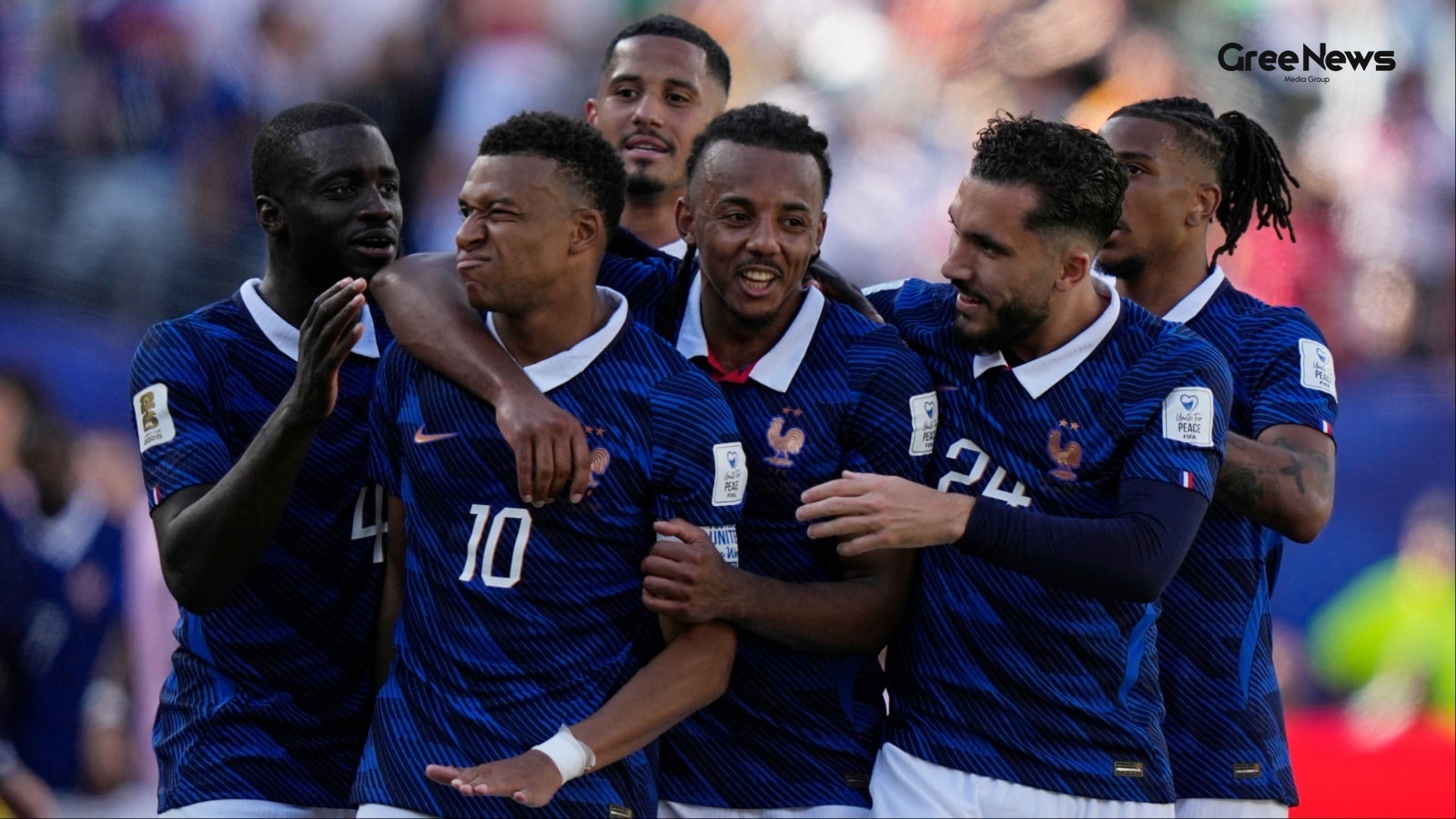
Kylian Mbappé's World Cup Legacy and Match Highlights
Kylian Mbappé took his career World Cup tally to fourteen. Two behind Miroslav Klose. And Bradley Barcola was also on target for Les Bleus. That’s what happened in that game against Senegal, securing those three points for Didier Deschamps. Mbappe darted across the box. A brilliant pass from Michael
Jun 17, 2026 by Gree News Team
The Shifting Geopolitics of the Middle East: Uncertainty and Realignment
The air around this whole situation feels thin. You know? It’s not just some headline flashing across a screen. It’s that slow, creeping realization that whatever moves happen in the Middle East right now the deals, the threats, the shifting lines on the map they don't follow any neat, predictable p
Jun 17, 2026 by Gree News Team
The $300 Billion Investment Fund for Iran and the Peace Framework
That $300 billion figure for Iran is really starting to look like one of the biggest sticking points in whatever peace framework the Trump administration is pushing with Tehran right now. If they actually nail this deal, it changes everything. It means the first major investment tied directly to the
Jun 17, 2026 by Gree News Team
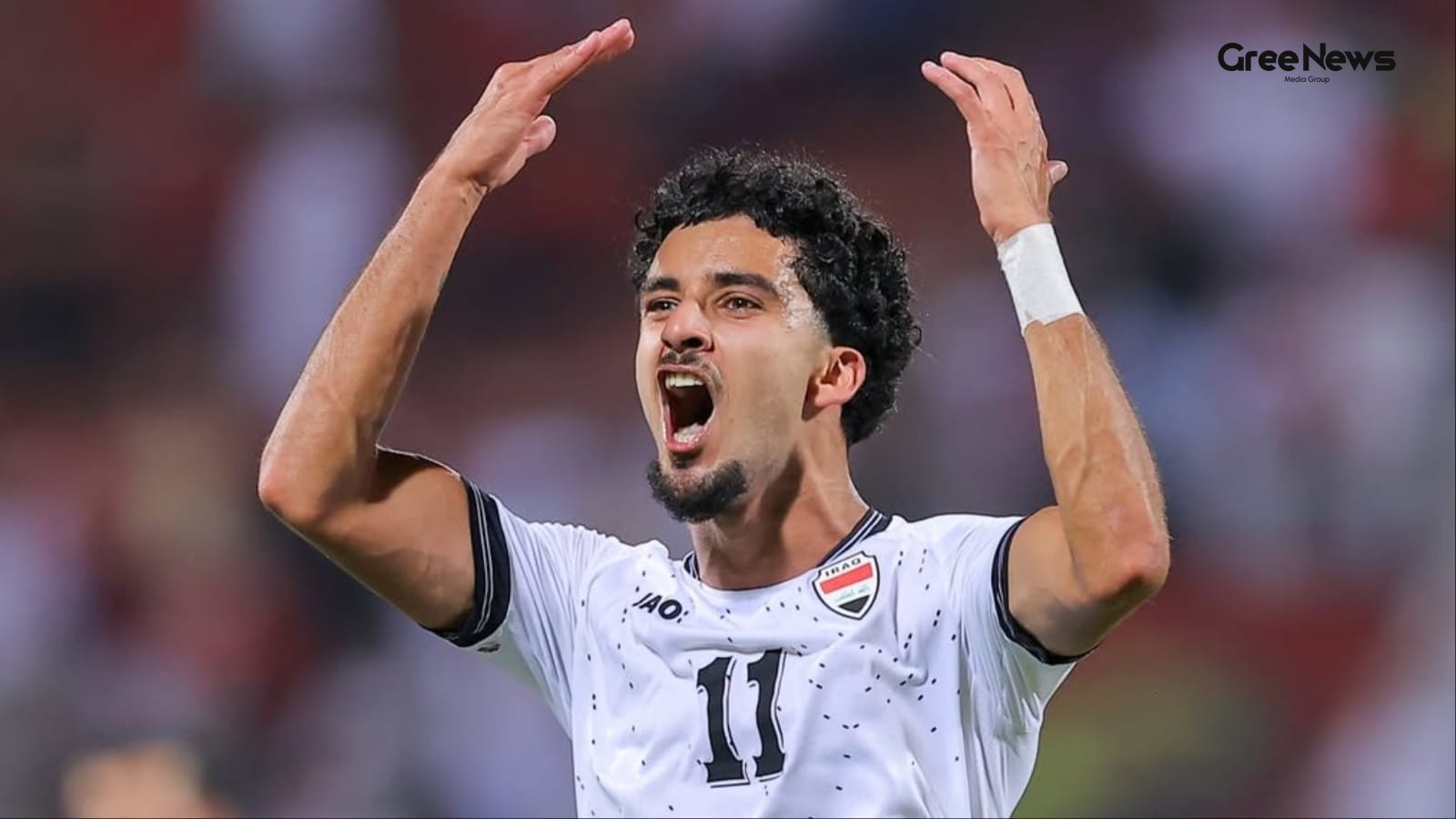
The Collision of History and Possibility in Global Football Narratives
the air around that moment, you know? it wasn't just football. it was something else entirely. a strange collision of history, geography, and sheer, raw possibility unfolding on the pitch in Boston. zidane iqbal. the name itself carries this weight, doesn’t it? not just for the goals, but for what t
Jun 17, 2026 by Gree News Team
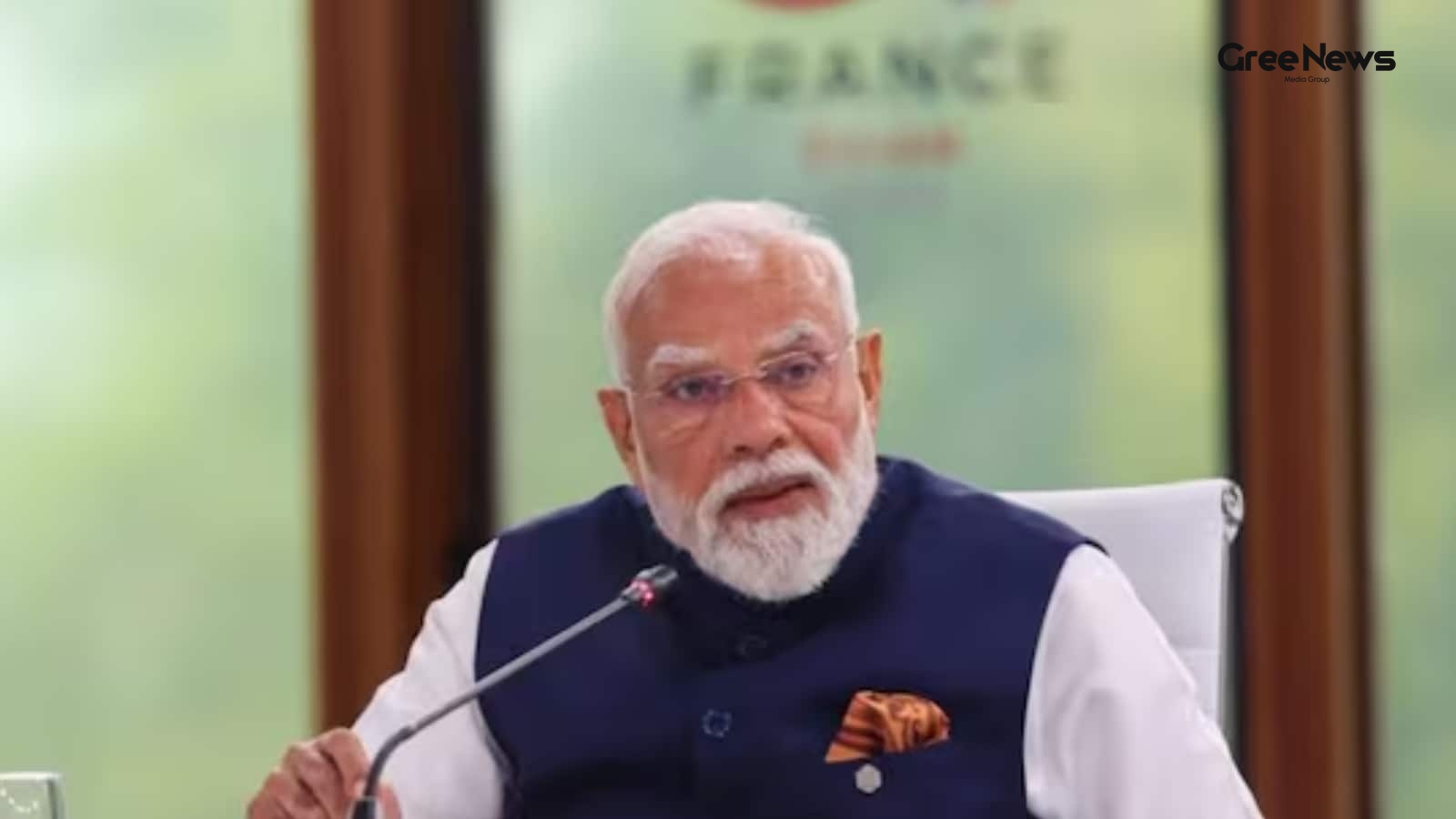
Maritime Security, Global Interdependence, and the Call for Trust
Prime Minister Modi brought this up during a G7 session, right in the middle of big international talks with leaders like Trump. It wasn’t just some standard talking point; it felt heavy, almost immediate. The backdrop was those three Indian sailors killed in that US military strike off the Omani co
Jun 17, 2026 by Gree News Team

Sanchita Ugale's Passing: Mental Health Struggles and Investigation
Sanchita Ugale’s passing really hit people hard. It wasn't just shock. It opened up this huge conversation about mental health, something everyone was grappling with right away. There were reports floating around that she had been struggling with mental health issues for some time before everything
Jun 17, 2026 by Gree News Team

Robot Vacuum Reviews and Telegram Messaging Incident in India
Keeping floors clean isn’t usually hard. Keeping them clean every day is the real challenge. Dust settles surprisingly quickly, crumbs just appear out of nowhere. Pet hair finds every corner of the house somehow. That's why robot vacuum cleaners have become so popular. They don’t replace deep cleani
Jun 17, 2026 by Gree News Team
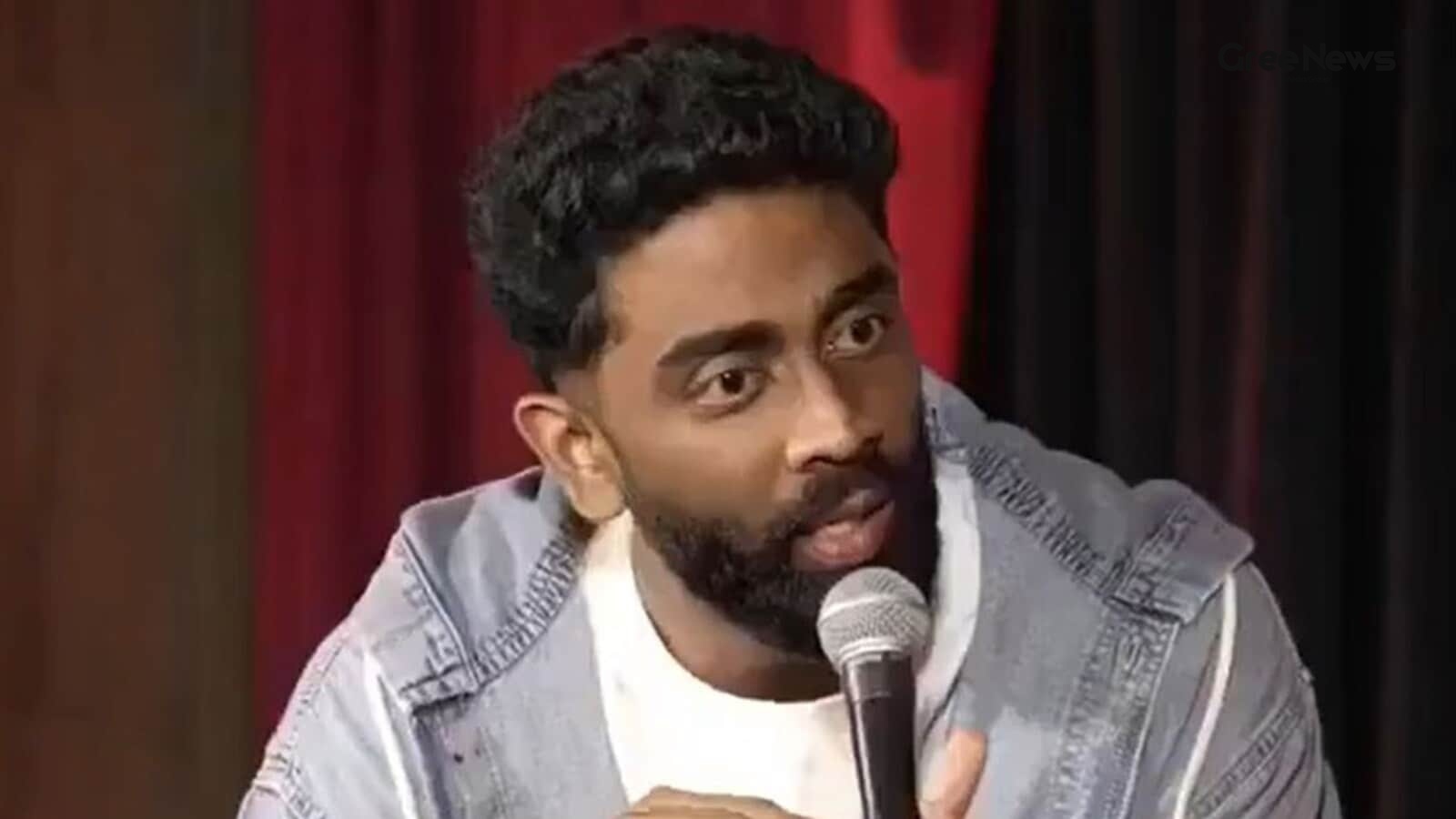
Legal Trouble and Controversy Involving Pranit More and Himanshu Jangra
The noise around Pranit More isn't going to quiet down anytime soon. Gurugram police just slapped another FIR on the stand-up comedian. The reason? That ridiculous 'Rs 370 Biryani' comment. But it’s not just about him. Himanshu Jangra, the tech guy who actually made those remarks, is also named in t
Jun 17, 2026 by Gree News Team
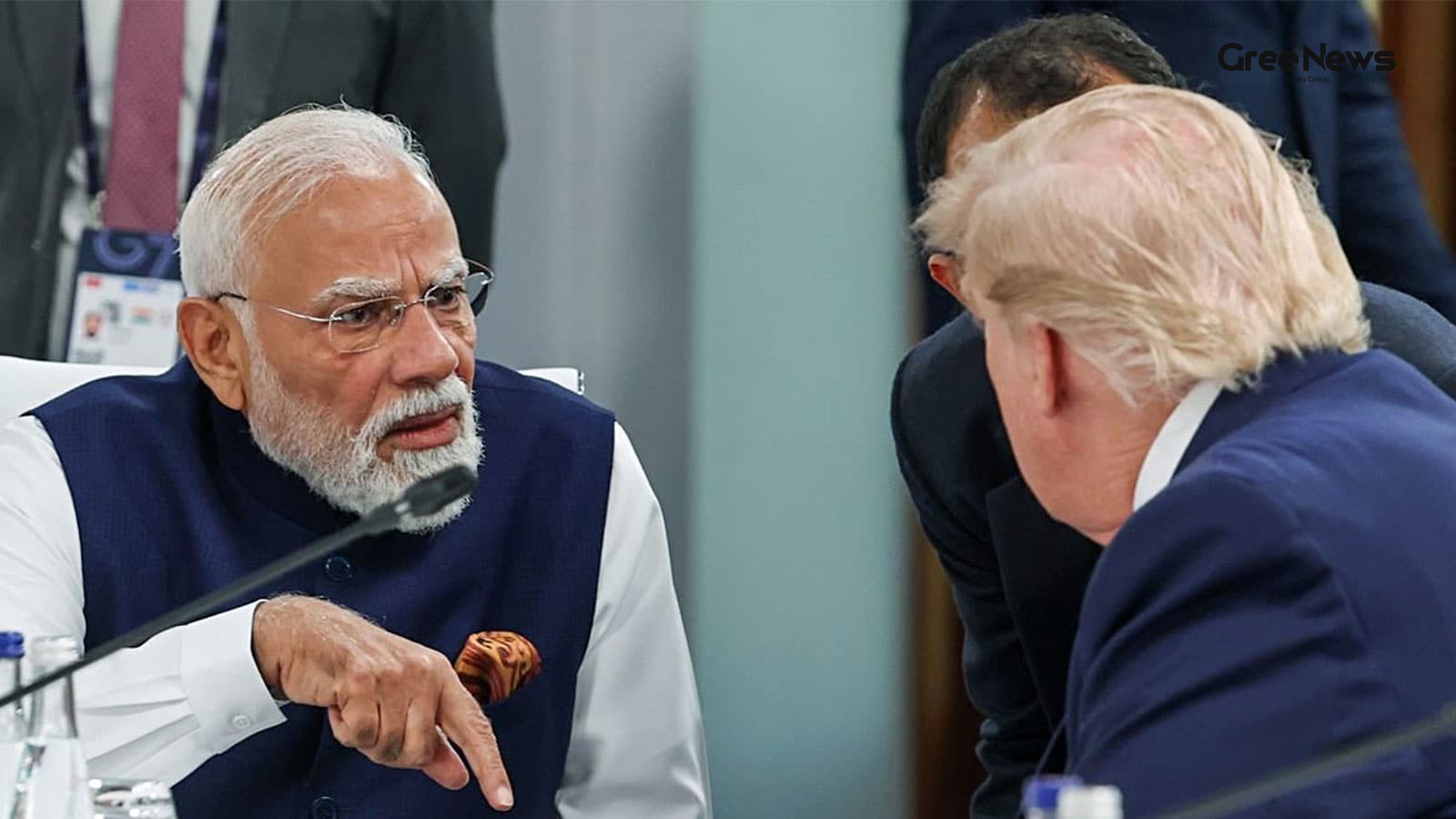
Geopolitical Tension and Maritime Security at International Summits
The air around international summits always smells different. It’s thick with unspoken deals and simmering tensions. And right now, that tension is particularly sharp as we look toward France, where Prime Minister Modi and President Trump are scheduled to meet on the sidelines of the G7 Summit. Wedn
Jun 17, 2026 by Gree News Team