G7 Summit in Evian: Navigating Conflicts in the Middle East and Ukraine
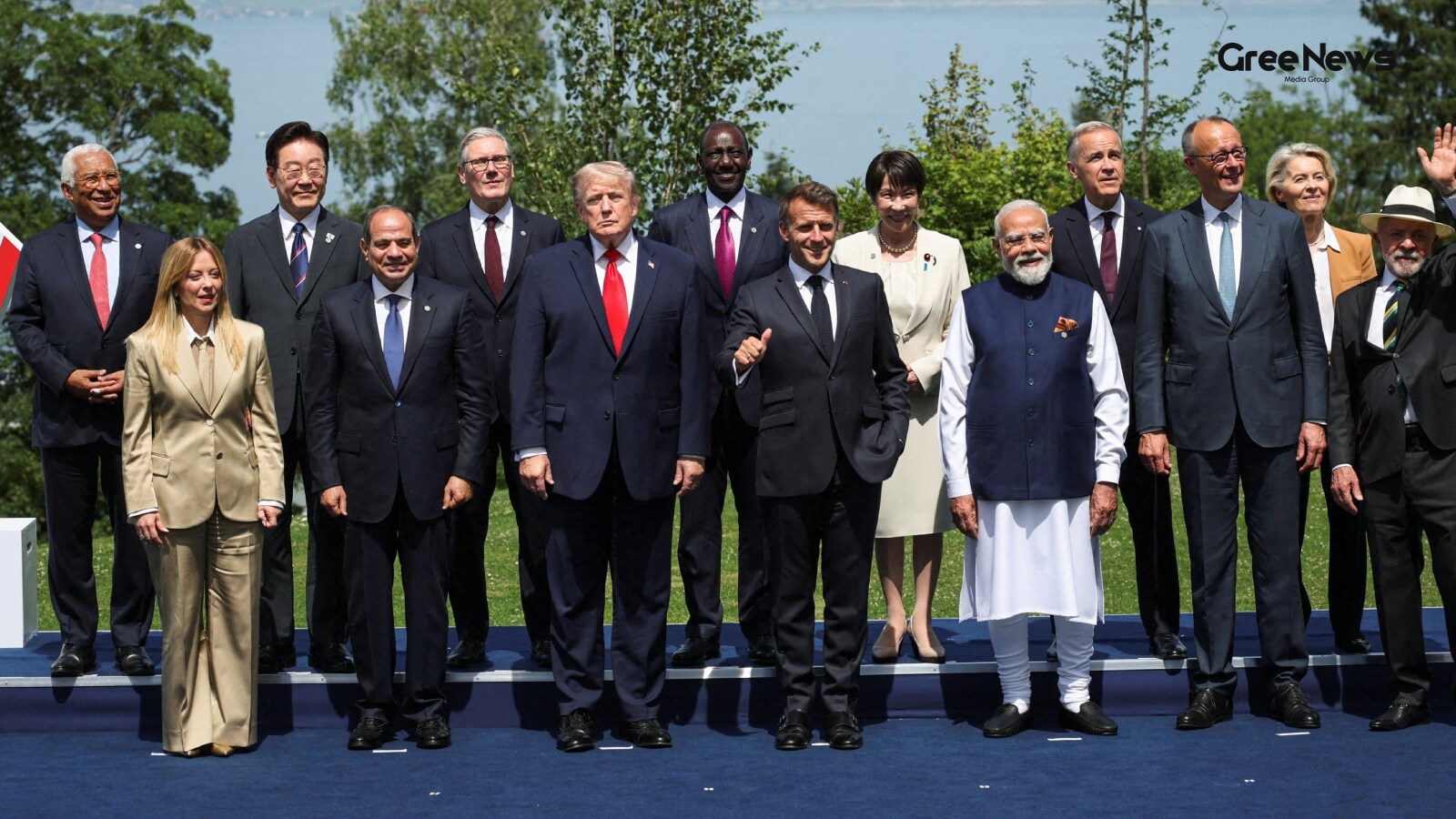
Emmanuel Macron was hosting the world leaders on the second day of the G7 Summit in Evian. It felt like everything was swirling around that day the ongoing war in Ukraine and some really serious talks about ending hostilities between the United States and Iran were taking centre stage in the discussions happening Tuesday.
Prime Minister Narendra Modi was there, among a bunch of invited world figures. Brazil, Egypt, Kenya, South Korea they all showed up too. It wasn't just Europe or the US; it pulled in a lot of different players for this working session they called ‘Forging New Partnerships and Rebuilding International Solidarity.’
Things were already moving fast before the main talks even started. This whole thing kicked off because President Donald Trump had announced something about a landmark deal aimed at stopping fighting in West Asia. He promised he’d release the actual details soon, within the next couple of days. That kind of promise always brings tension, doesn't it?
The leaders got time to actually chew on this US-Iran framework deal. CNN reported that they had a chance for some frank, detailed conversations about ending that 107-day war in the Gulf. But even during that nearly two-hour dinner, European leaders were clearly raising questions about the aGreement itself. It was heavy stuff.
One of the sticking points came up quickly. European officials focused heavily on reopening the Strait of Hormuz for commercial shipping. That waterway is huge; it handles twenty percent of the world’s energy exports. US officials gave varying timelines and explanations over the past day about how fast normal maritime traffic could actually resume through that route. It felt like a real tightrope walk, trying to balance peace with practical logistics.
And then there was the issue of who helped clear the way. Ahead of this summit, US officials made it clear they expected European nations to chip in on efforts to remove mines from the Strait of Hormuz once the fighting stopped. France and Britain signaled they were going to try and reopen that energy corridor. But Trump? He seemed to downplay the need for European assistance there. It’s always those small things, the political hand-wringing over who owes what.
Meanwhile, the Ukraine conflict just kept pulling focus. That part became crucial during the negotiations. Especially after some of the numbers about people lost came out. Trump had called on Russia to make a deal to finally end that four-year war. And he hinted at reimposing sanctions on Russian oil shipments if they didn't cooperate. He also had separate meetings with Ukrainian President Volodymyr Zelenskyy.
Zelenskyy said after meeting with Trump that the US president seemed "very positive" about Washington’s ability to help Kyiv specifically, getting more air defence missiles. That was a massive priority for him. The G7 leaders talked about adding more sanctions on Russia too, focusing heavily on the energy sector. It felt like those two massive global issues the Middle East peace and the European war were trying to share space at the same time.
A French diplomat told Reuters that the talks on Ukraine were very productive. They seemed united in pushing for more pressure on Russia. But there was always this underlying messiness, you know? You had the immediate demands of the war colliding with the long-term diplomatic maneuvering about oil routes and regional security.
Then you looked at Israel and Lebanon. The Israeli withdrawal from Lebanon became a real snag in those US-Iran talks. Israel just refused to pull back, even though Tehran insisted it was part of whatever deal was being discussed. That created a huge knot there.
US officials later said that Monday, the Israeli move wasn't actually part of the aGreement. Trump seemed pretty frustrated with Netanyahu on Tuesday, pushing him to be "more responsible" about Lebanon. He made it sound like if Israel didn’t act, there wouldn’t be any Israel at all. That kind of pressure, making demands seem existential... it just changes everything you're trying to negotiate.
It was this constant shifting between the Gulf energy crisis and the frozen conflict that defined the atmosphere in Evian. All these big players were trying to manage separate crises while pretending they were part of one grand G7 effort. It wasn't smooth, not at all. There were just these messy details bubbling up underneath the surface of the official statements. The real story was how those threads tangled together the energy flow, the war in Ukraine, and the stubborn refusal to settle old border disputes.
Written by Gree News Team — Senior Editorial Board
Gree News Team covers international news and global affairs at Gree News. Our collective of senior editors is dedicated to providing independent, accurate, and responsible journalism for a global audience.
More from World
View All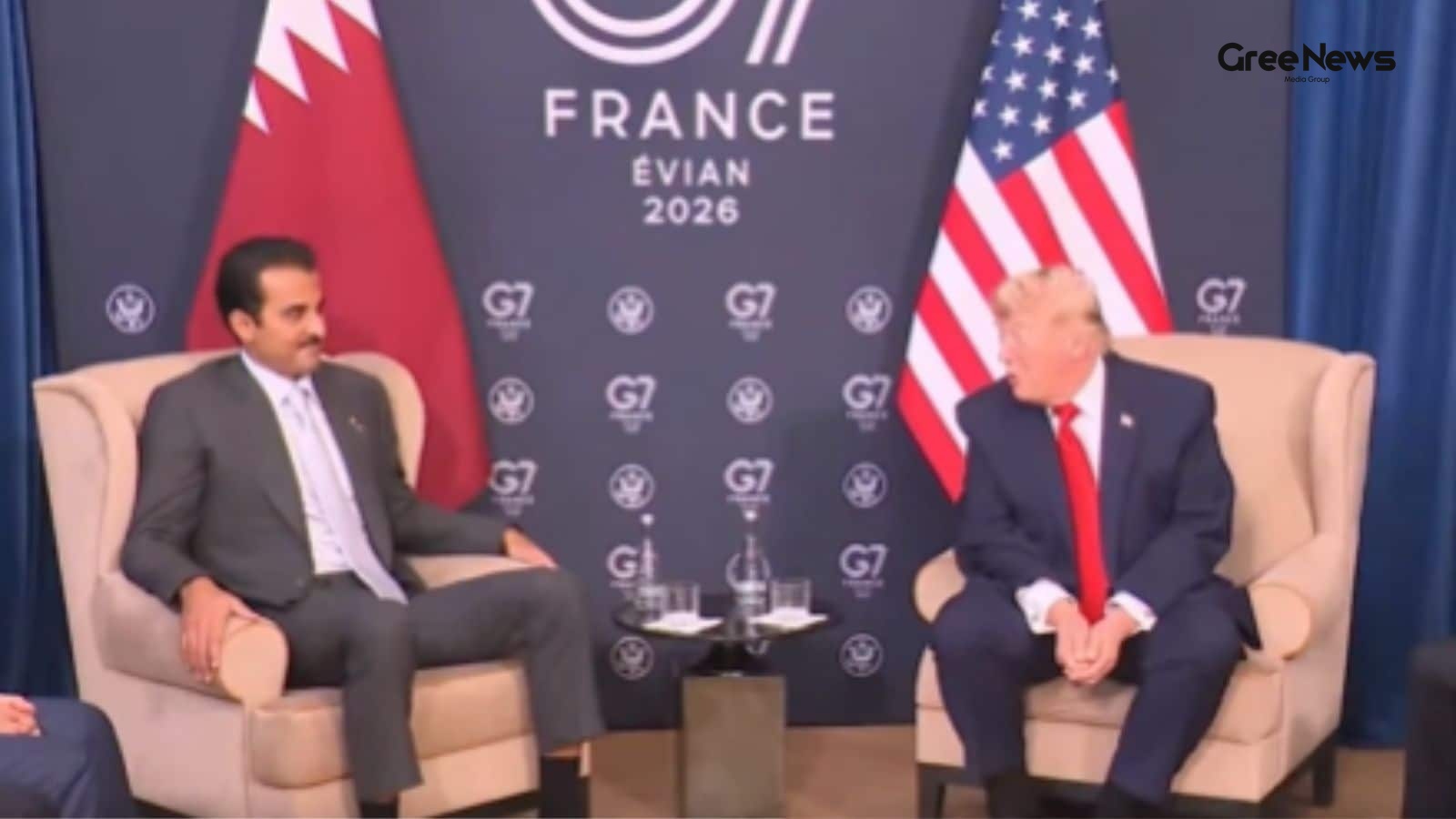
Donald Trump and Qatar's Emir: Geopolitics, Economics, and the Iran Crisis
Tuesday, at the G7 Summit in Evian, France that’s where Donald Trump met with Qatar's Emir, Sheikh Tamim bin Hamad Al Thani. It was on the sidelines, a brief moment caught up in the big stuff, but something just slipped out that got talked about immediately online. He made this remark about proximit
Jun 17, 2026 by Gree News Team
Framework Deal Between the United States and Iran: Oil, Sanctions, and Negotiations
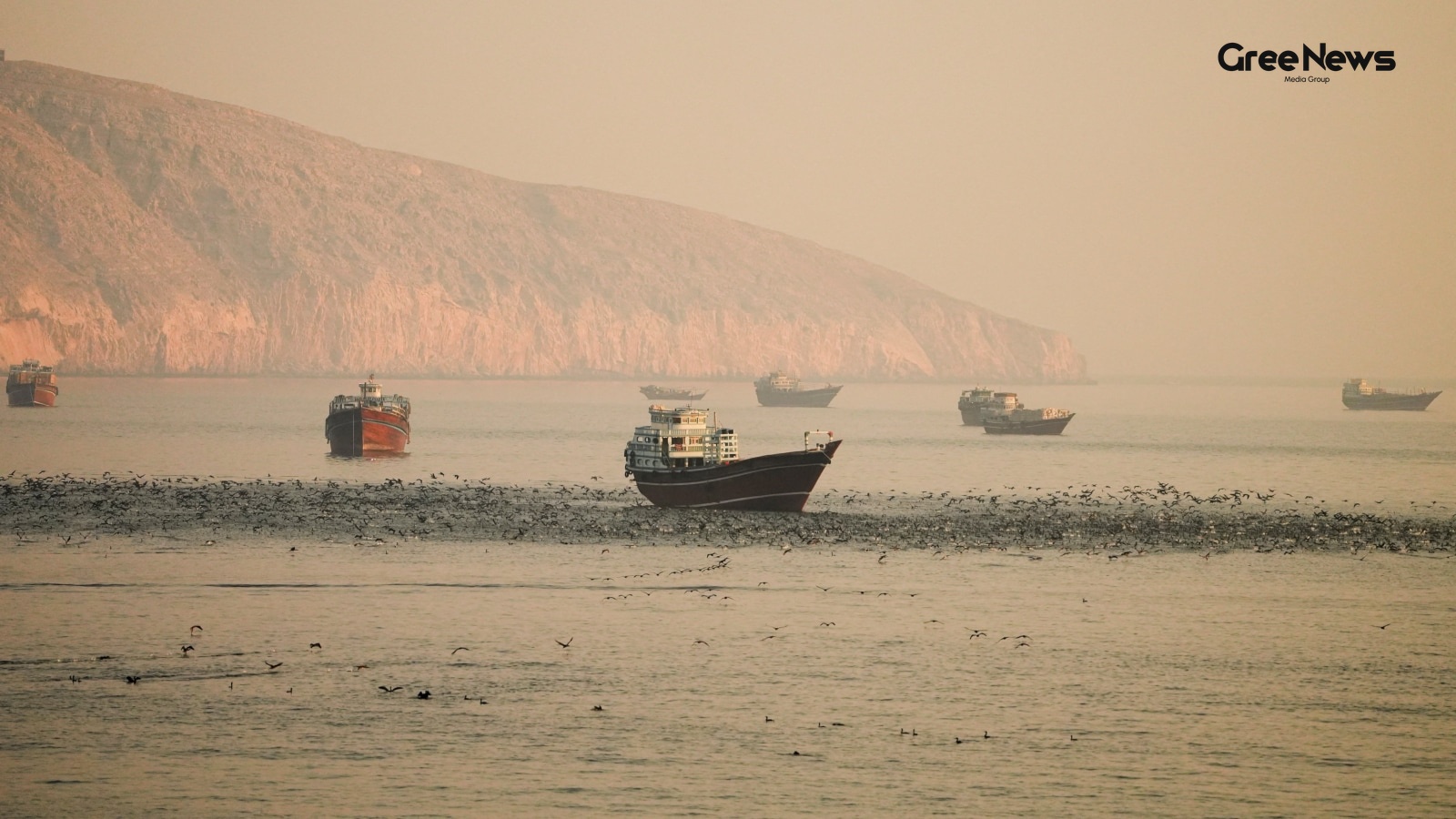
The framework deal struck between the United States and Iran actually lets Tehran start selling oil right away. It’s supposed to give the Islamic Republic an immediate economic lifeline while those 60 days of negotiations are happening, trying to ease the pressure from the conflict. Sanction waivers
Jun 17, 2026 by Gree News Team
The Geopolitics of the Handshake: Analyzing the Trump-Modi Moment
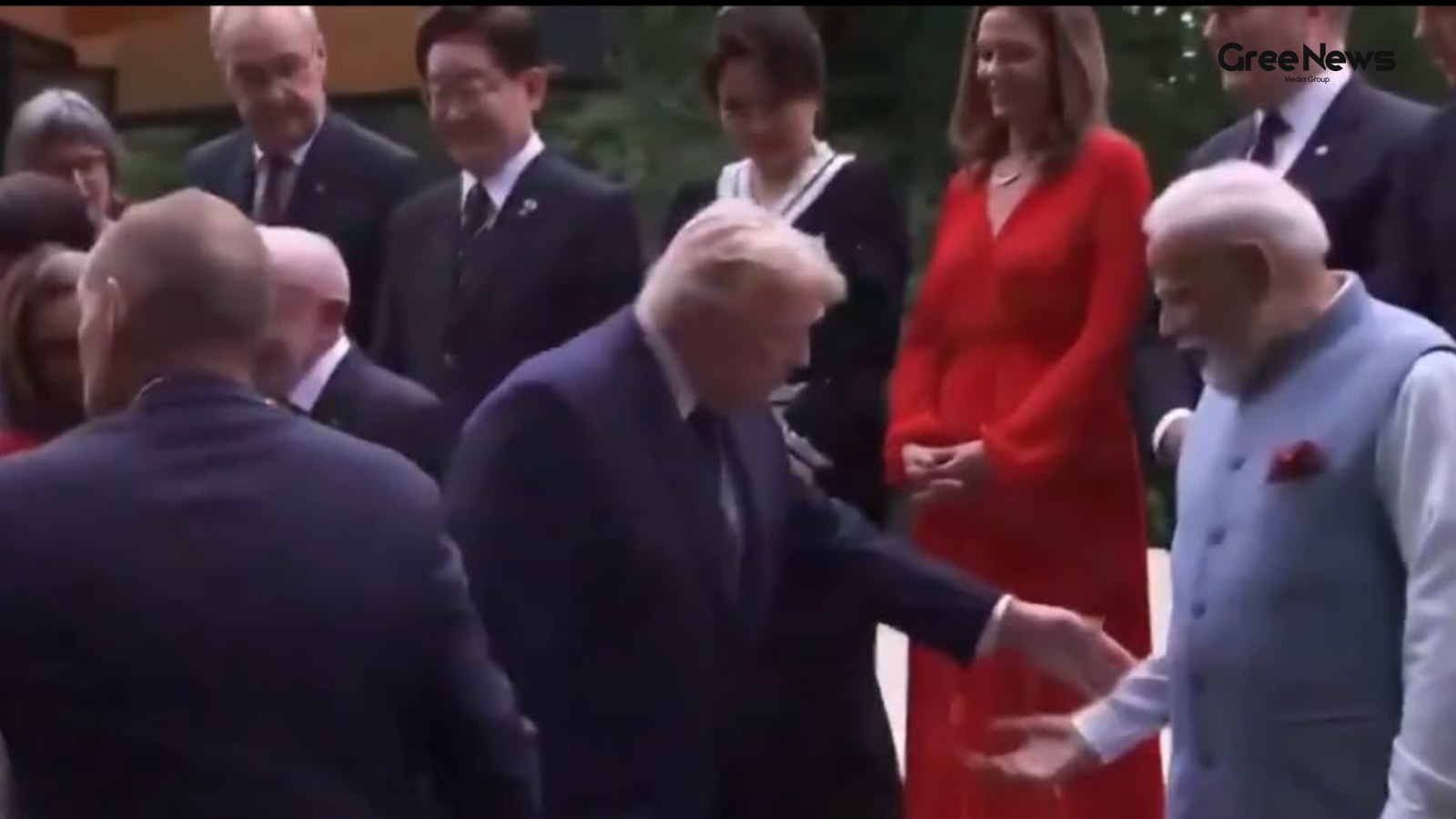
The whole thing just sort of exploded online, didn't it? That little clip from the G7 Summit. It wasn’t some grand strategic maneuver or anything massive. Just a moment, really. Trump reaching for Modi’s wrist while they were walking up those steps in that French spa town, Evian-les-Bains. Suddenly,
Jun 17, 2026 by Gree News Team
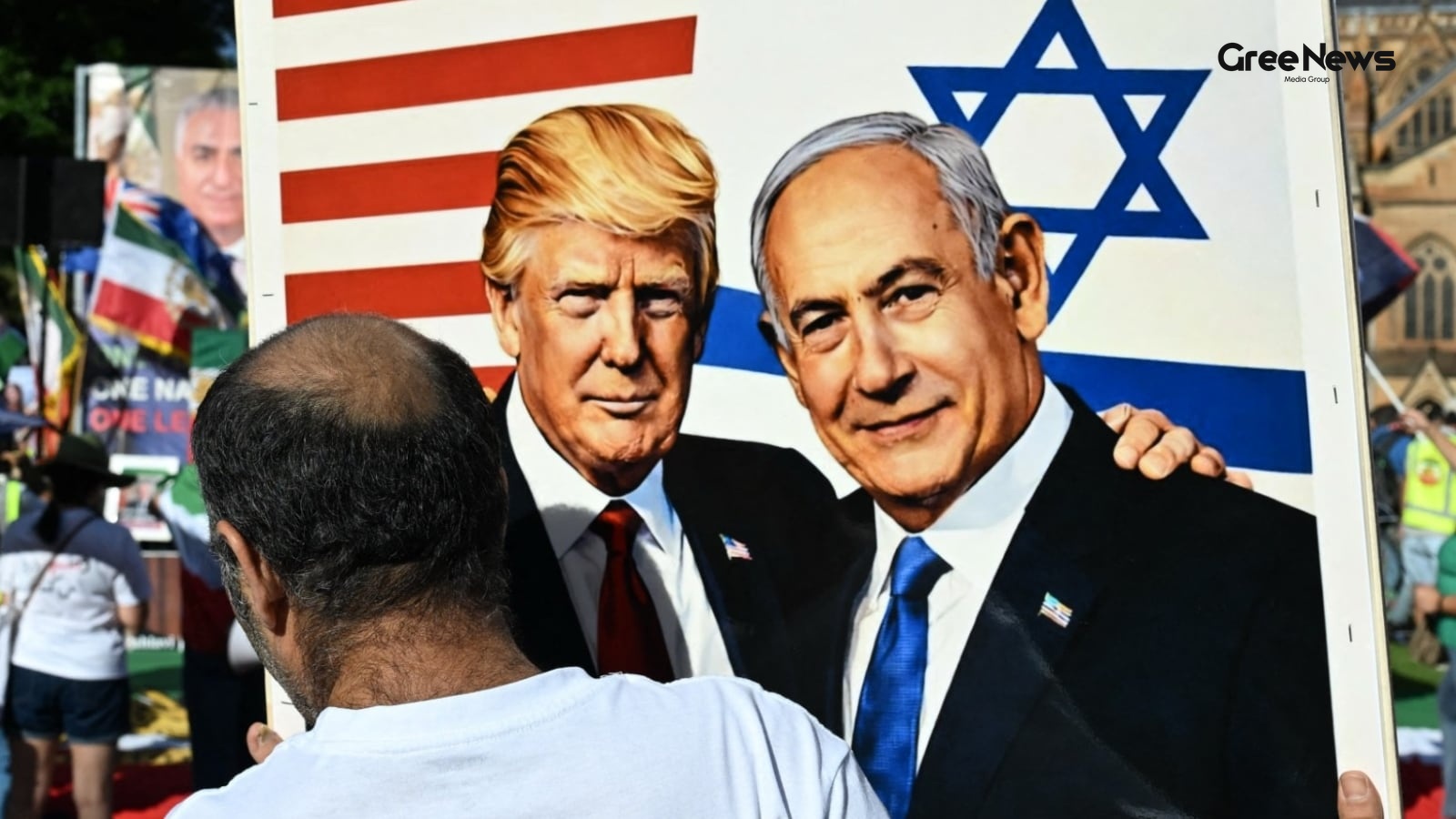
The Shifting Geopolitics of the Middle East: Uncertainty and Realignment
The air around this whole situation feels thin. You know? It’s not just some headline flashing across a screen. It’s that slow, creeping realization that whatever moves happen in the Middle East right now the deals, the threats, the shifting lines on the map they don't follow any neat, predictable p
Jun 17, 2026 by Gree News Team
Latest Headlines

Adil Hussain on Creative Collaboration and the Legacy of Sridevi
Adil Hussain. He’s talking about old times now, walking down memory lane for that film ‘52 Blue’ which is coming up at the London Indian Film Festival. It’s July 9th through the 19th of 2026. A festival date, right? He spoke to IANS about working with a creative giant back in the early 2010s. Sridev
Jun 17, 2026 by Gree News Team
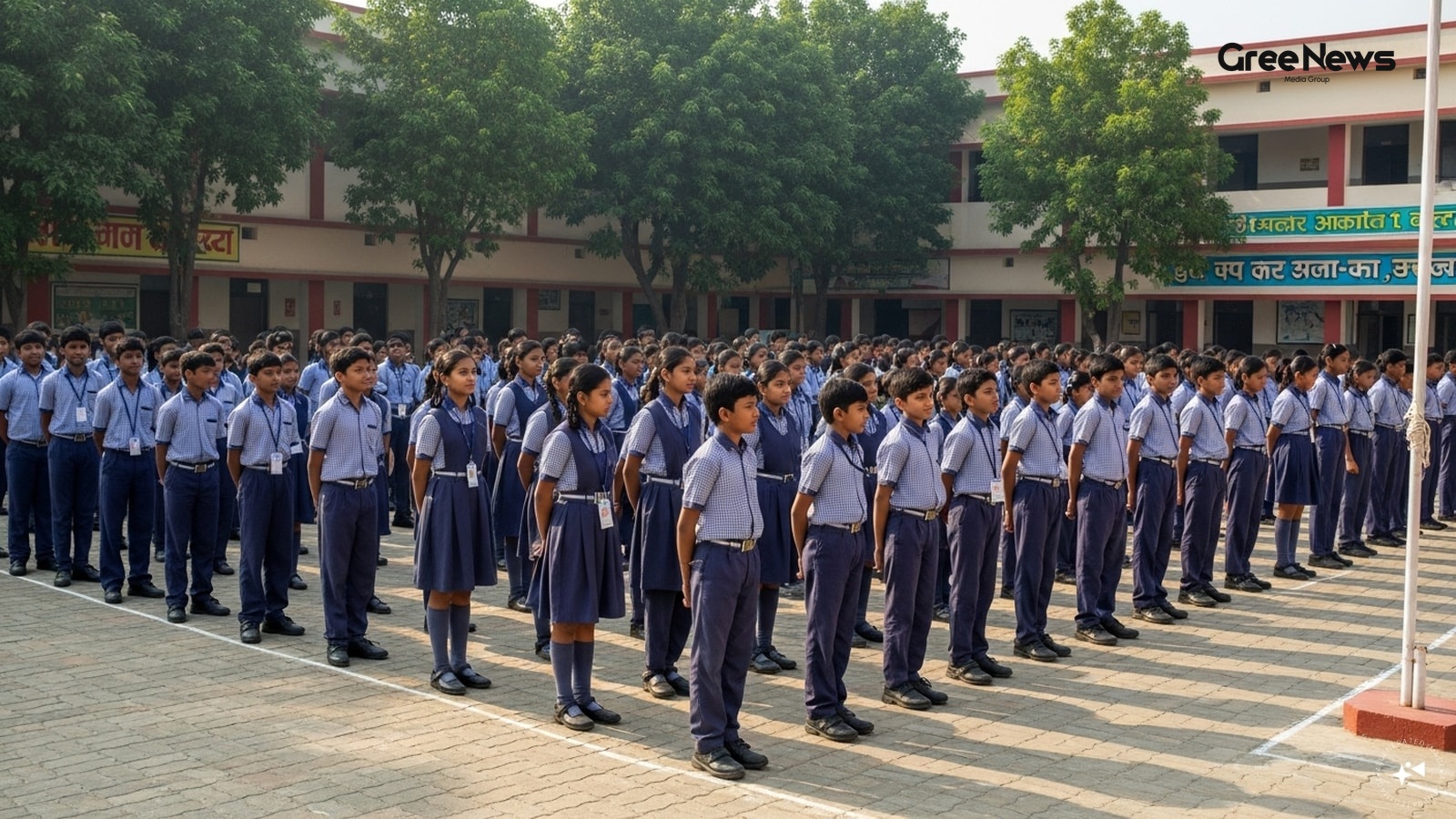
Mandatory Rituals and Ideological Conflict in School Education
The whole thing just exploded. This sweeping order from the School Education Department it’s a total shift for how schools operate across the state. They made it mandatory. Apparently, starting with the 2026-27 academic session, everything changes. It’s not just some new rule; it’s about restructuri
Jun 17, 2026 by Gree News Team
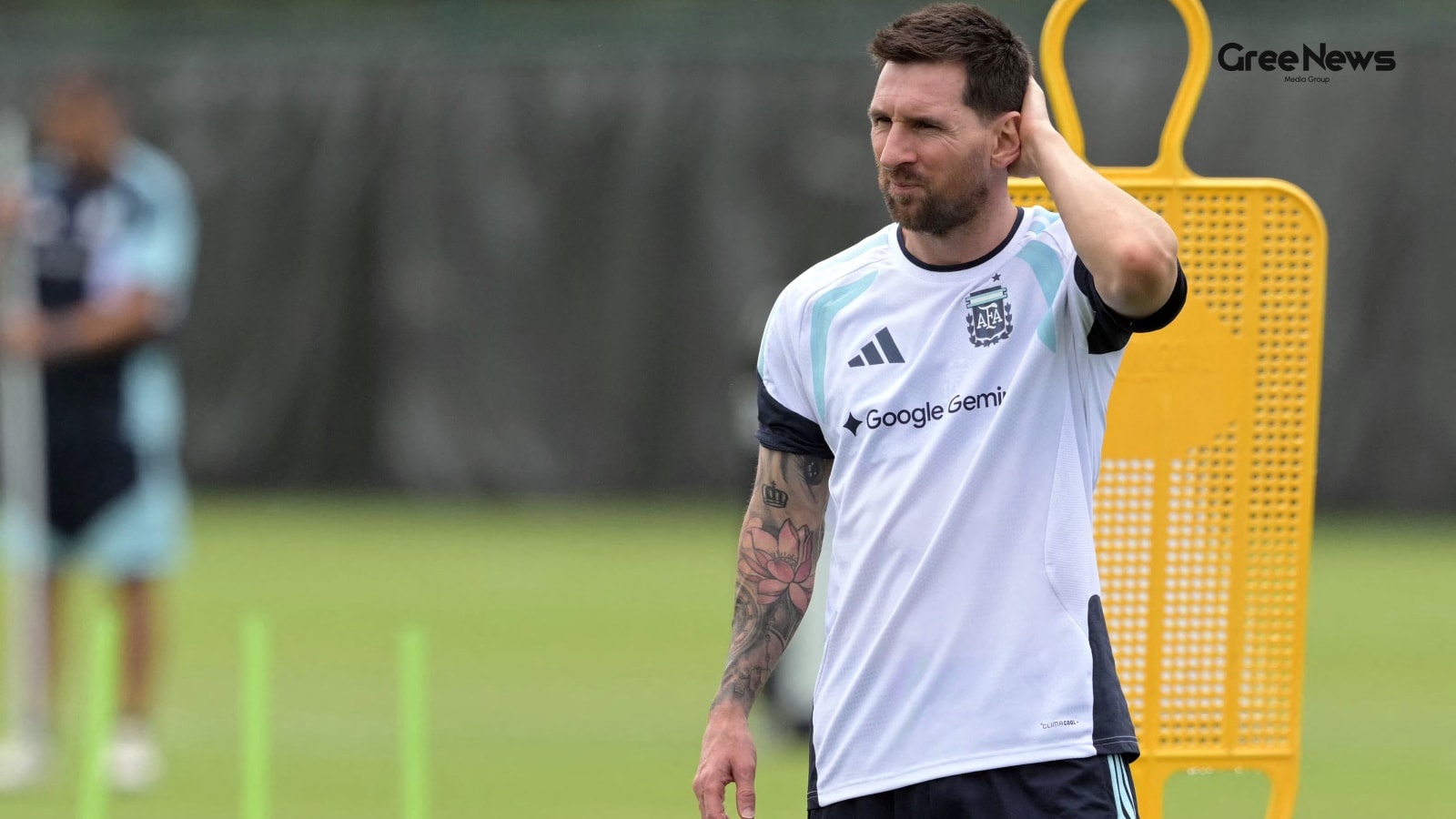
Argentina's Quest to Defend the World Cup Title
Argentina trying to become the third nation in history to actually defend that World Cup title. It starts now. Wednesday. Messi and La Albiceleste head into Algeria. Group J opener at Arrowhead Stadium, Kansas City. Just another step in this whole messy journey. Four years ago things looked complete
Jun 17, 2026 by Gree News Team
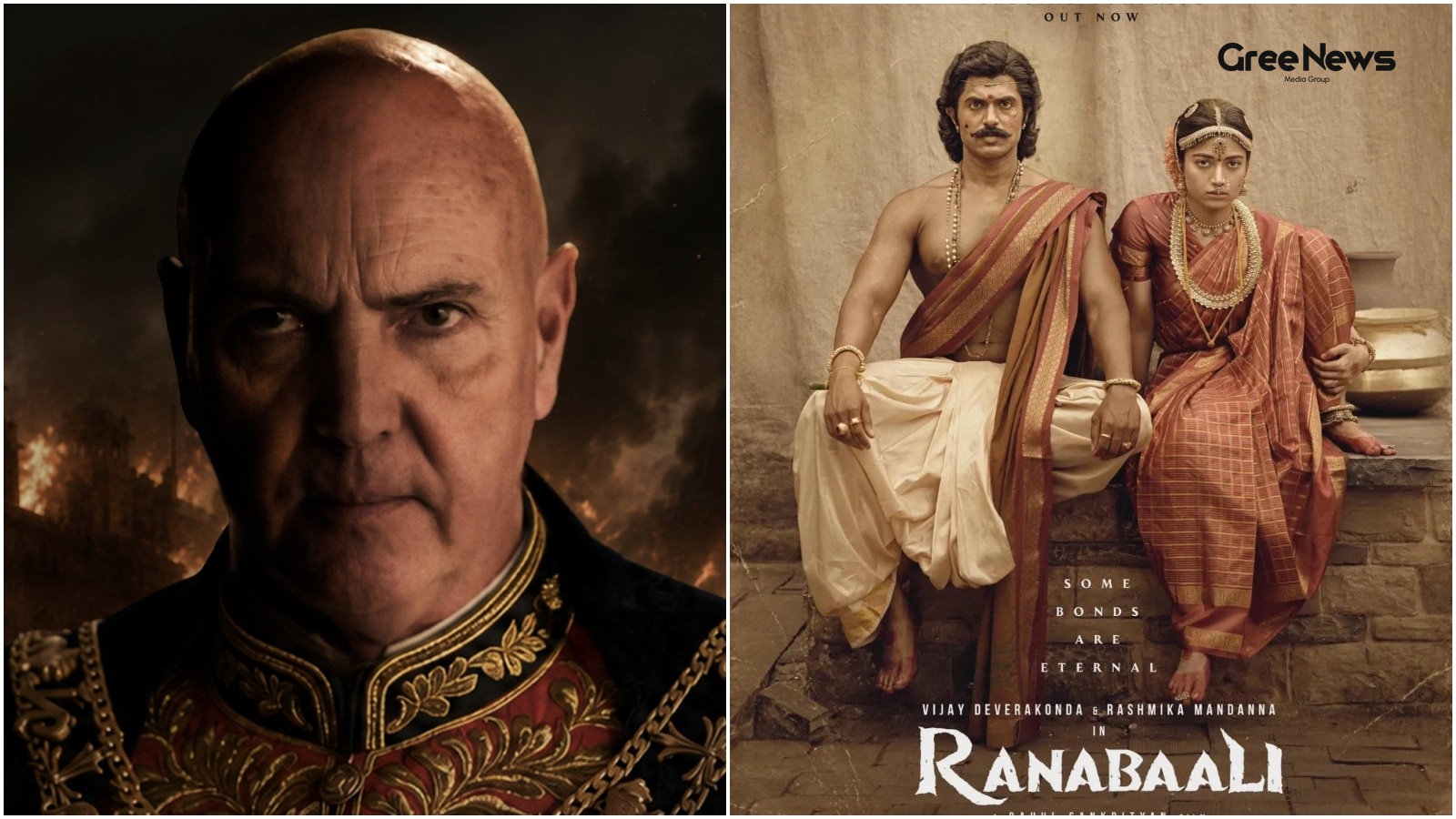
Ranabaali: The Collision of History, Mythology, and Star Power
Man, you just have to sit back and watch this unfold. Vijay Deverakonda and Rashmika Mandanna. They’re finally gearing up for *Ranabaali*. And honestly? The wait felt like an eternity sometimes, didn't it? All those whispers, all those frantic updates bouncing around the fandom… it was exhausting, b
Jun 17, 2026 by Gree News Team
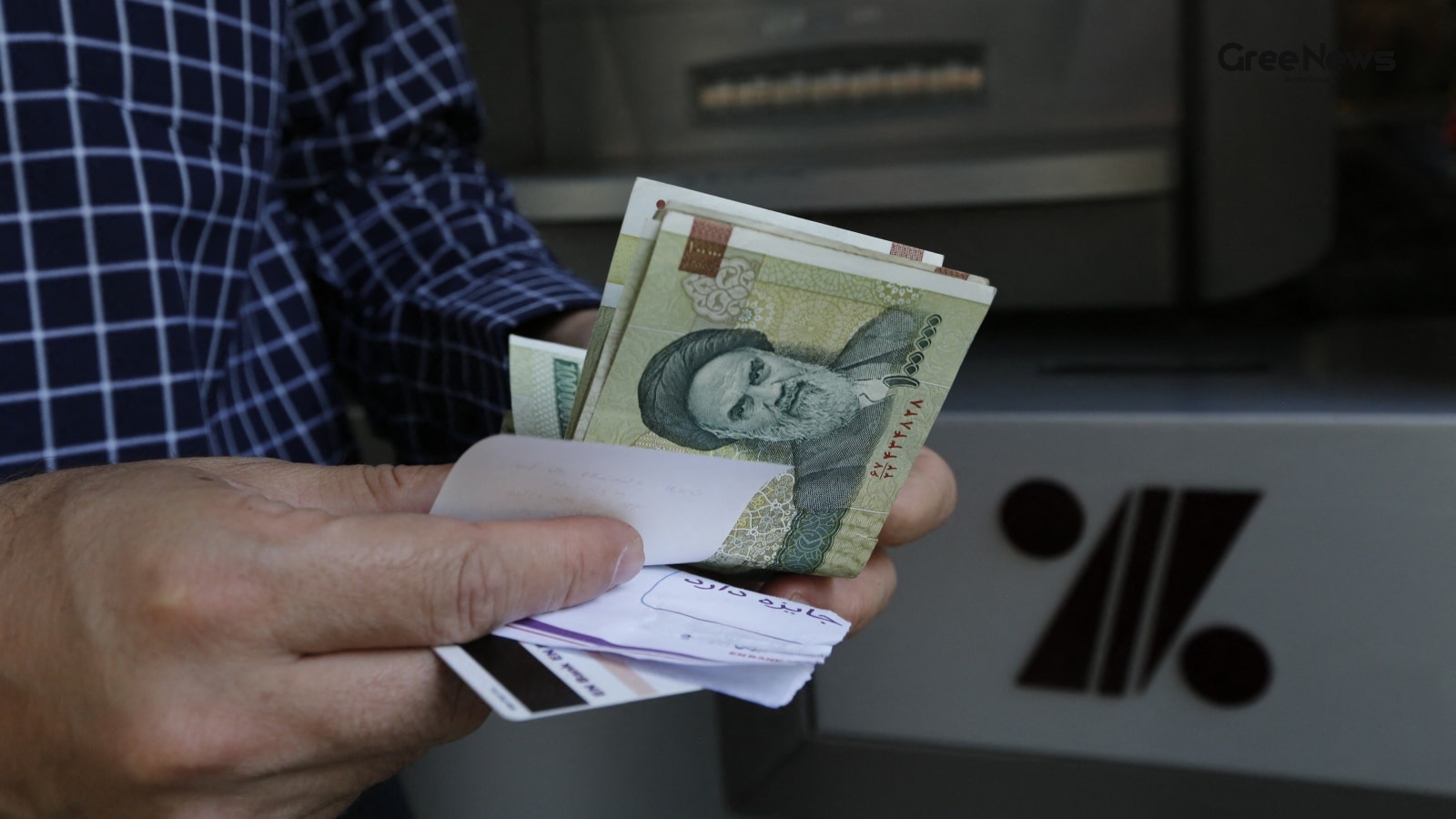
The $24 Billion Frozen in Iranian Assets: Framework and Conditions
That $24 billion frozen in Iranian assets? Some reports are saying it could actually be released in four stages. That’s all tied up in this whole framework Tehran and Washington are trying to push, sort of aiming for peace, or at least an end to the fighting. The story here is that the release isn't
Jun 17, 2026 by Gree News Team
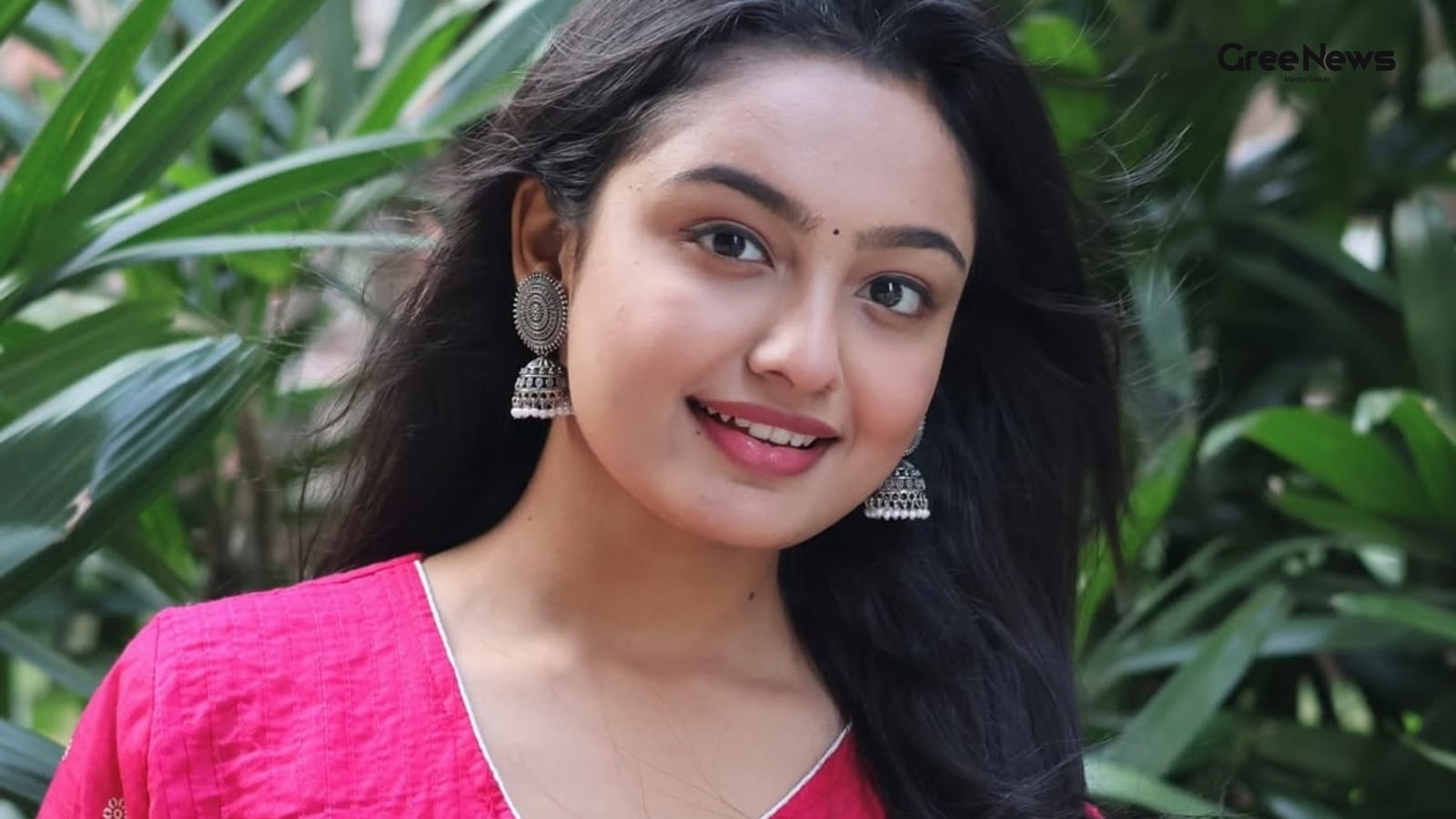
The Unseen Burden: Exploring the Aftermath of Sanchita Udale's Story
The silence around this whole situation is thick, isn't it? It feels like everything just stopped mid-sentence. You read about these things, you see the headlines, but nothing really scratches the surface of what happened behind those closed doors, does it? We’re talking about Sanchita Udale. And wh
Jun 17, 2026 by Gree News Team
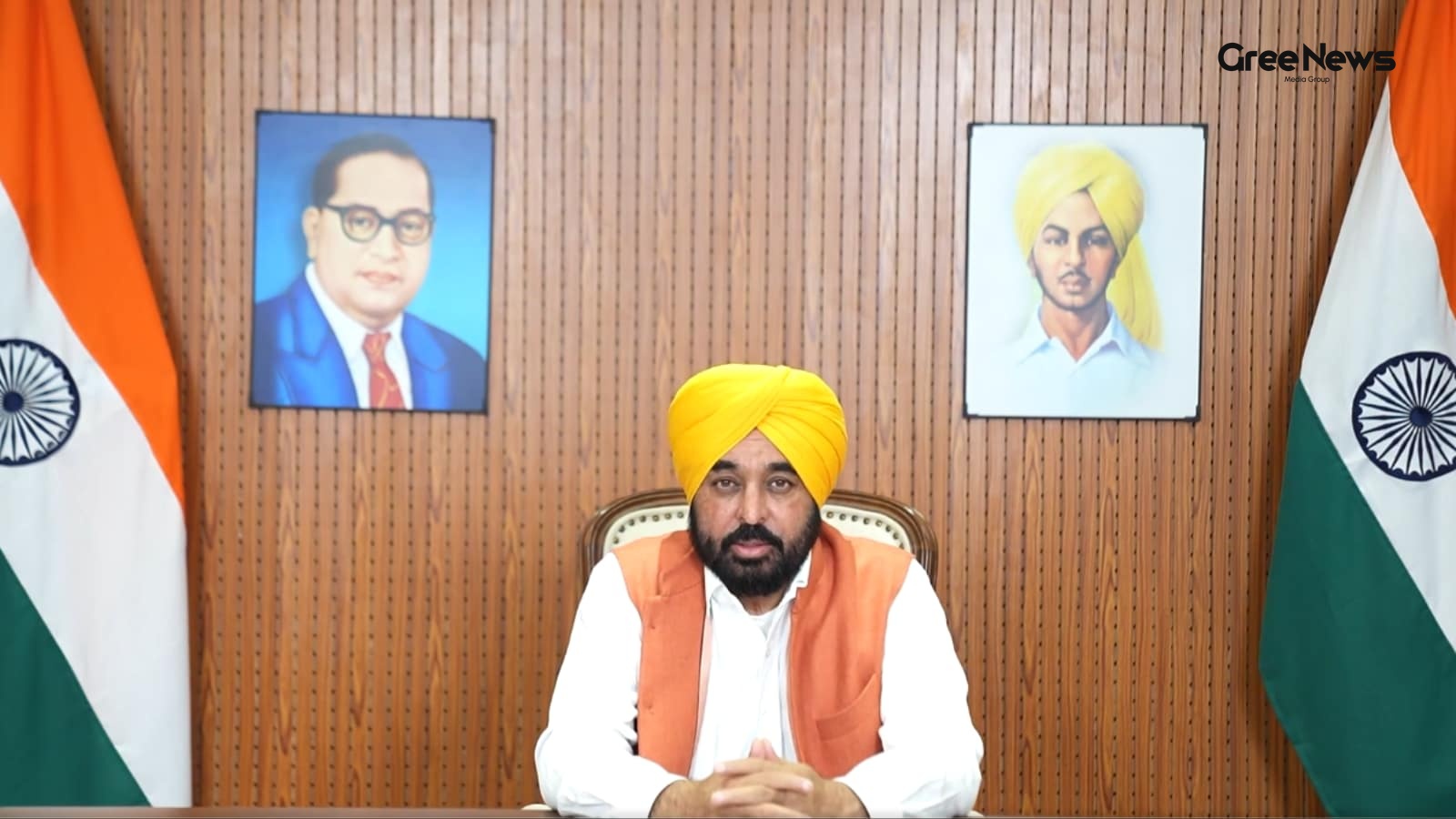
Bhagwant Singh Mann on Video Controversy and Political Attacks
Bhagwant Singh Mann, the Punjab Chief Minister, basically shut down a video that was floating around, claiming it was fake. He said some kind of political garbage was going on a real campaign aimed at just defaming him and messing with what his government was trying to achieve. It all seems tied bac
Jun 17, 2026 by Gree News Team
Donald Trump and Qatar's Emir: Geopolitics, Economics, and the Iran Crisis
Tuesday, at the G7 Summit in Evian, France that’s where Donald Trump met with Qatar's Emir, Sheikh Tamim bin Hamad Al Thani. It was on the sidelines, a brief moment caught up in the big stuff, but something just slipped out that got talked about immediately online. He made this remark about proximit
Jun 17, 2026 by Gree News Team
Framework Deal Between the United States and Iran: Oil, Sanctions, and Negotiations
The framework deal struck between the United States and Iran actually lets Tehran start selling oil right away. It’s supposed to give the Islamic Republic an immediate economic lifeline while those 60 days of negotiations are happening, trying to ease the pressure from the conflict. Sanction waivers
Jun 17, 2026 by Gree News Team
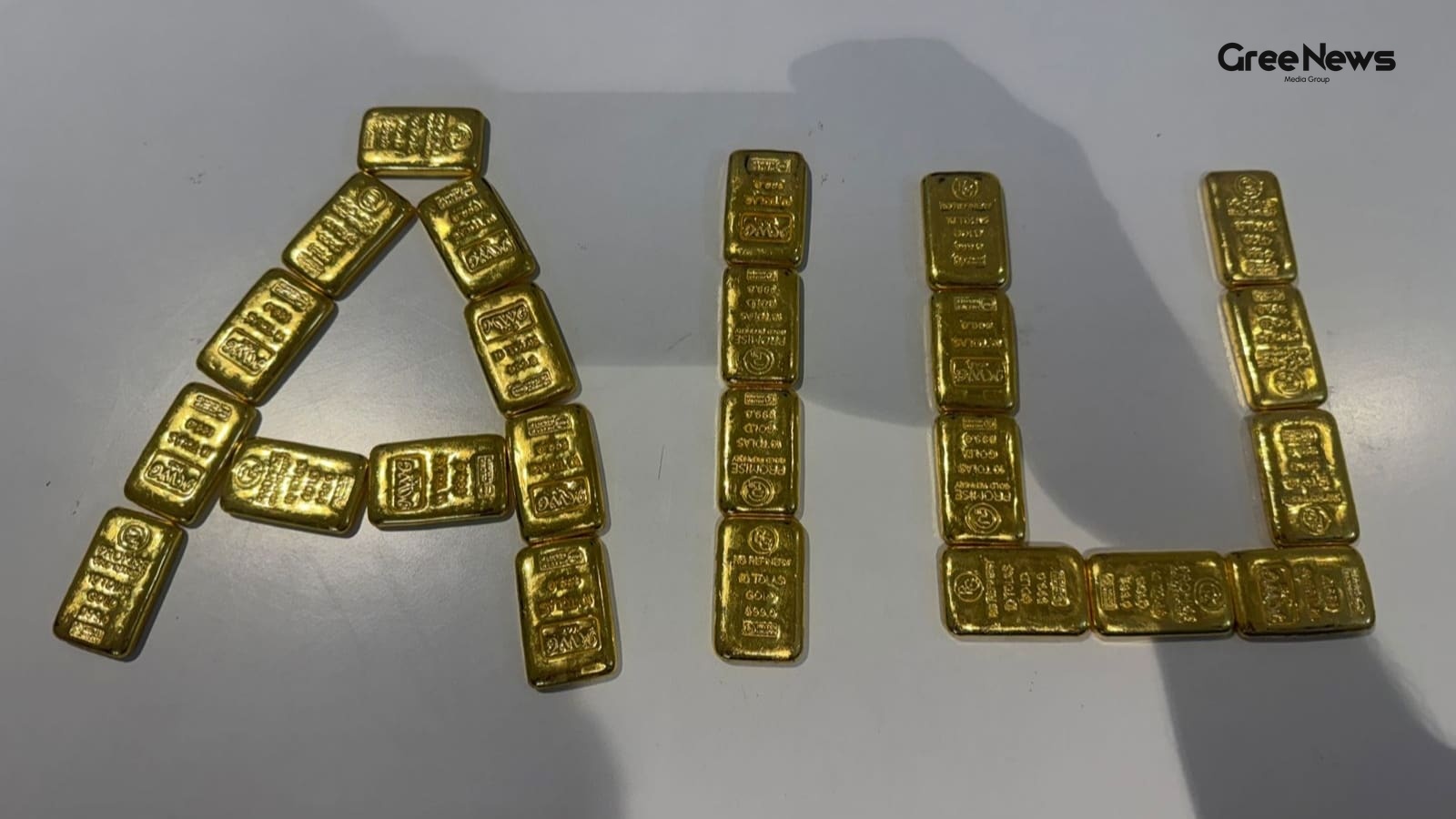
Recovery of Gold from IndiGo Aircraft: Investigation Challenges
The Directorate of Revenue Intelligence actually recovered something Monday. Twenty-four gold biscuits. Worth about four crore rupees. It was found tucked inside an IndiGo aircraft in Ahmedabad. Specifically, it wasn't just lying around; it was hidden inside a speaker box in the front lavatory. Wrap
Jun 17, 2026 by Gree News Team
The Geopolitics of the Handshake: Analyzing the Trump-Modi Moment
The whole thing just sort of exploded online, didn't it? That little clip from the G7 Summit. It wasn’t some grand strategic maneuver or anything massive. Just a moment, really. Trump reaching for Modi’s wrist while they were walking up those steps in that French spa town, Evian-les-Bains. Suddenly,
Jun 17, 2026 by Gree News Team
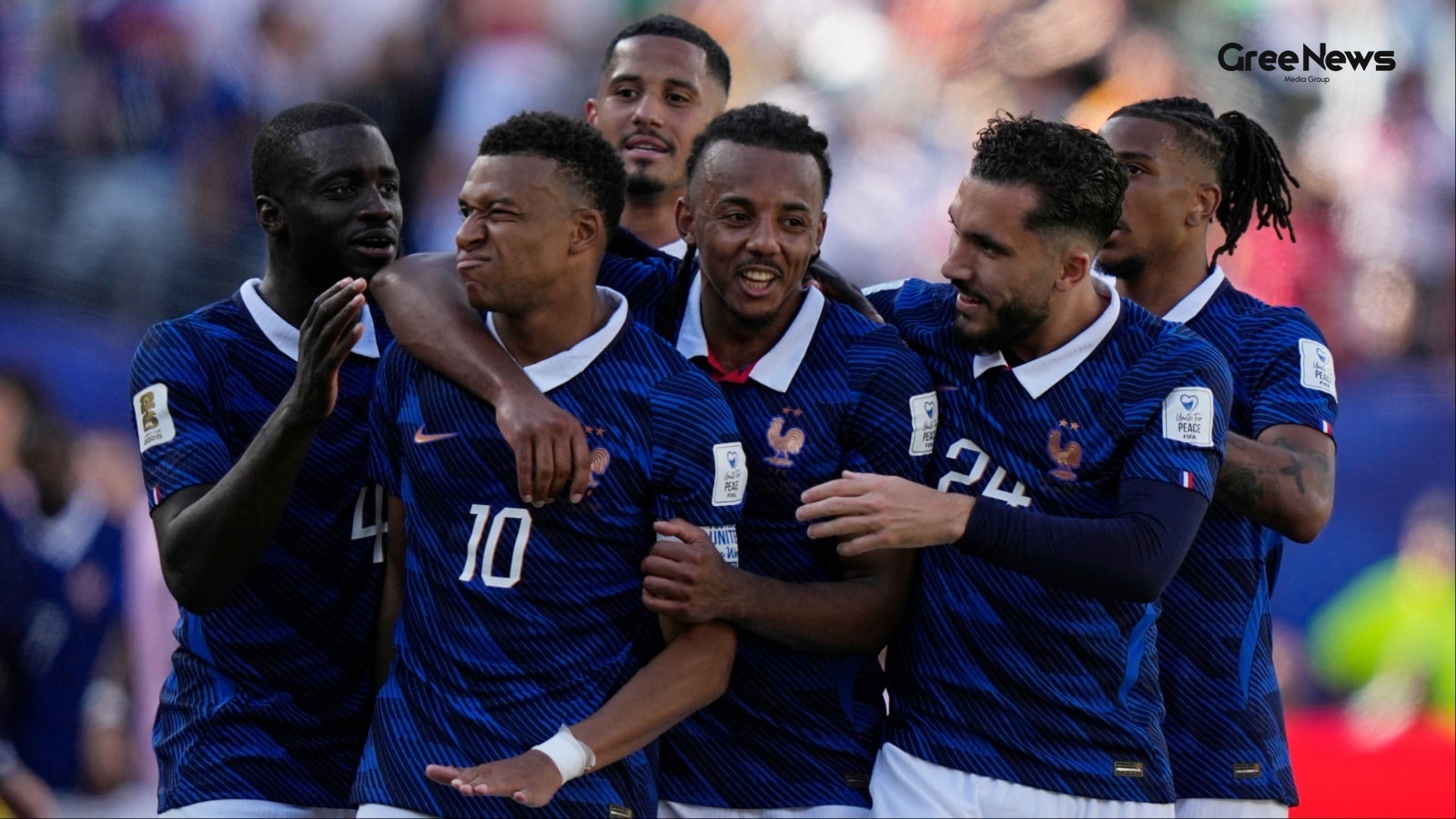
Kylian Mbappé's World Cup Legacy and Match Highlights
Kylian Mbappé took his career World Cup tally to fourteen. Two behind Miroslav Klose. And Bradley Barcola was also on target for Les Bleus. That’s what happened in that game against Senegal, securing those three points for Didier Deschamps. Mbappe darted across the box. A brilliant pass from Michael
Jun 17, 2026 by Gree News Team
The Shifting Geopolitics of the Middle East: Uncertainty and Realignment
The air around this whole situation feels thin. You know? It’s not just some headline flashing across a screen. It’s that slow, creeping realization that whatever moves happen in the Middle East right now the deals, the threats, the shifting lines on the map they don't follow any neat, predictable p
Jun 17, 2026 by Gree News Team
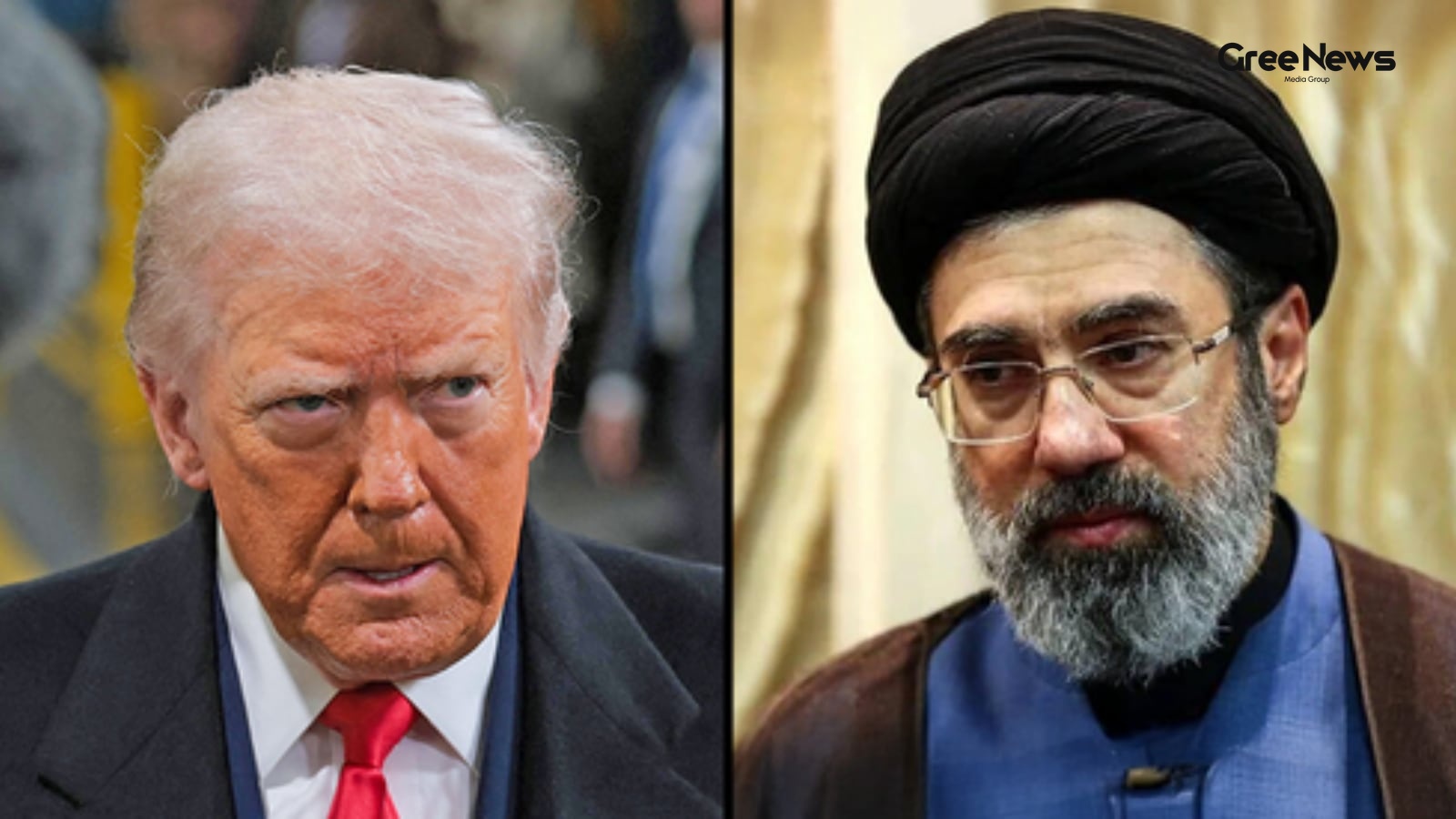
The $300 Billion Investment Fund for Iran and the Peace Framework
That $300 billion figure for Iran is really starting to look like one of the biggest sticking points in whatever peace framework the Trump administration is pushing with Tehran right now. If they actually nail this deal, it changes everything. It means the first major investment tied directly to the
Jun 17, 2026 by Gree News Team
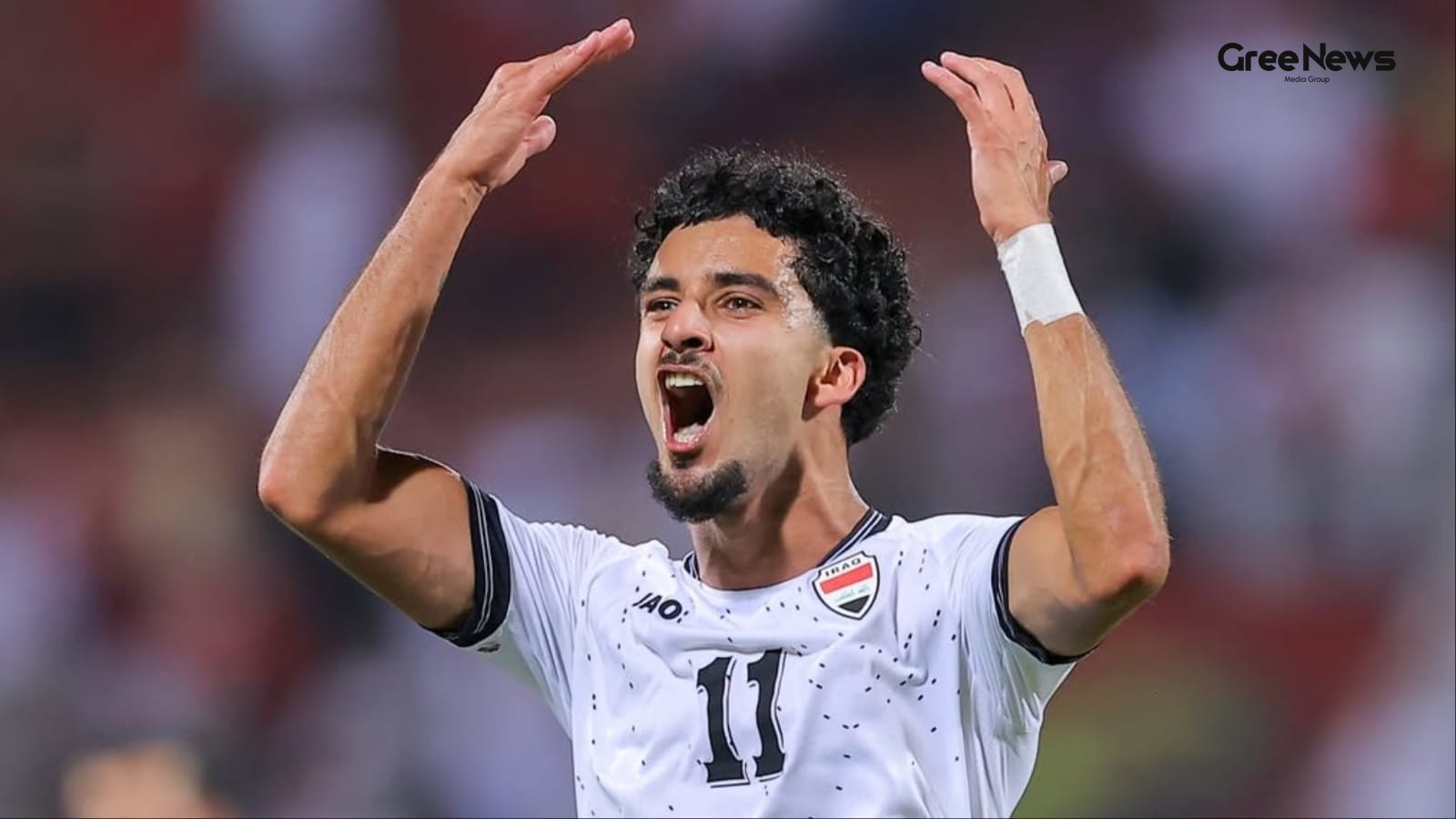
The Collision of History and Possibility in Global Football Narratives
the air around that moment, you know? it wasn't just football. it was something else entirely. a strange collision of history, geography, and sheer, raw possibility unfolding on the pitch in Boston. zidane iqbal. the name itself carries this weight, doesn’t it? not just for the goals, but for what t
Jun 17, 2026 by Gree News Team