The Emotional Weight of Cinema: Analyzing the Success and Substance of Main Vaapas Aaunga
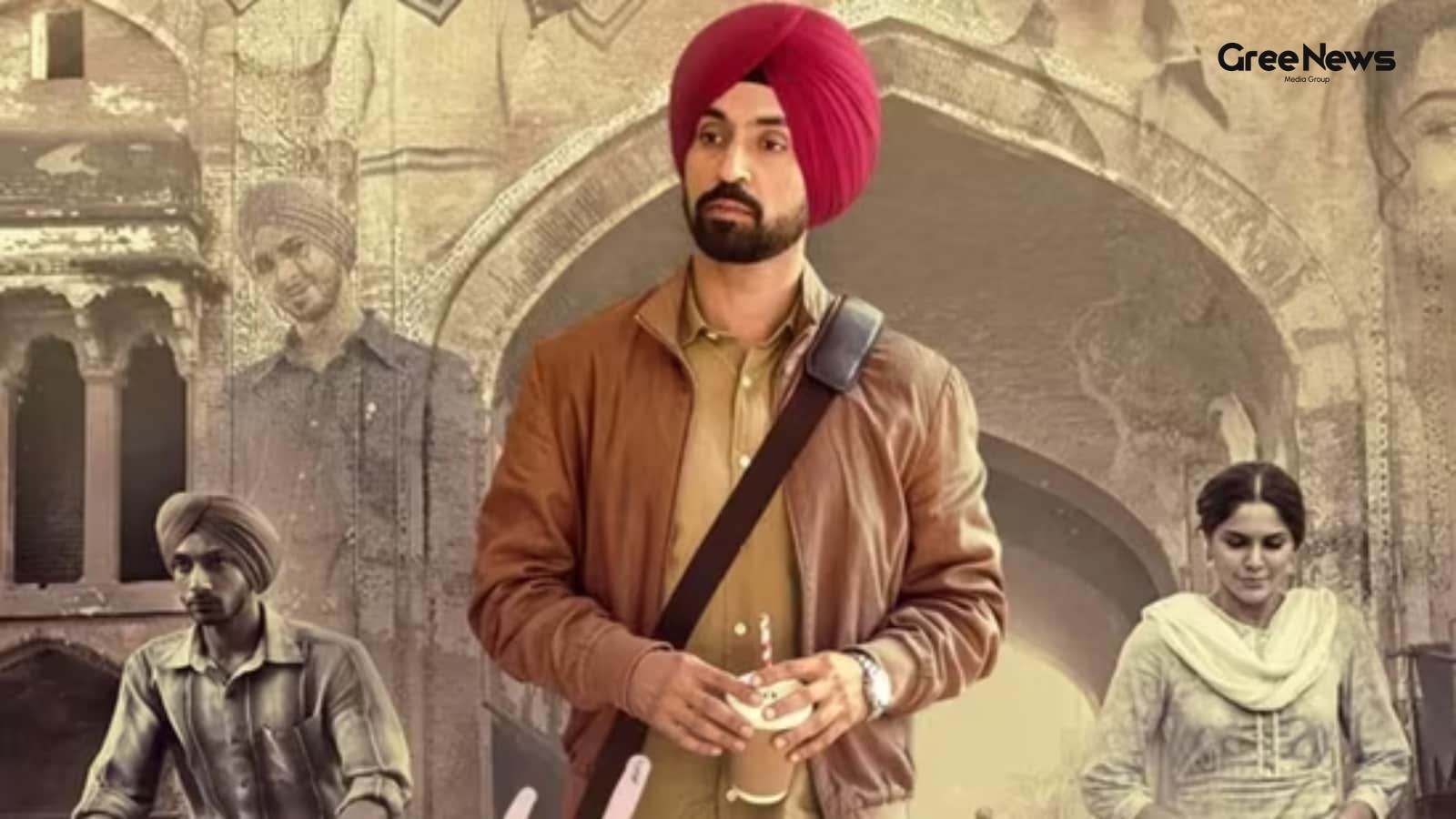
The air in the cinema lobby felt thick, didn’t it? That kind of heavy silence that settles after the initial buzz fades out. You watch these numbers, right? They flash up on the screen, and you try to make sense of them. It’s not just about the cash, really. It’s about the echo bouncing around in the theater, the way people are reacting to whatever story is playing out.
Main Vaapas Aaunga . That's what they call it now. A romantic drama. And honestly, when you look at how things are moving in the market right now, success isn’t always a straight line. It’s more like a series of little bumps and sudden dips. You see that small jump? That modest growth on the second day? It feels almost insignificant against the backdrop of everything else happening out there all the other noise vying for attention.
Diljit Dosanjh, Sharvari, Vedang Raina, Naseeruddin Shah… they are the faces attached to this project. A big cast pulls weight, obviously. But does that automatically translate into ticket sales? Not necessarily. It’s complicated. People are watching movies now; they’re bombarded with choices.
Sacnilk reports the figures: ₹1.85 crore on Saturday. That’s better than the opening day figure of ₹1.15 crore. A slight improvement, a gentle upward slide, maybe? But when you put it into context and this is where things get messy, because context shifts so fast in this business it doesn't feel like a massive win. It feels… cautious. Like they’re just managing to stay afloat for now.
And then there’s the total India gross collection hitting ₹3.57 crore. Net collection is sitting at three crores. These numbers exist, of course. They are facts on a spreadsheet. But facts don't tell you how the emotional impact was. That’s what the real story seems to be.
We have to look past the immediate tallying for a minute. It’s about momentum . Gaining traction at the ticket windows. And that requires more than just good faces, or even a decent script. It needs something deeper. Something that sticks with you when the credits roll and you walk out into the street.
The theatrical landscape right now is brutal, isn't it? It’s crowded. You aren't just competing against other new releases. You are swimming in holdovers. Films from weeks ago keep pulling people back in. Varun Dhawan’s Hai Jawani Toh Ishq Hona Hai , Anurag Kashyap’s Bandar , even that horror hit, Obsession they all have their audience waiting.
And then you have the brand new stuff crowding in. Kangana Ranaut's Bharat Bhhagya Viddhaata . Steven Spielberg’s Hollywood offering, Disclosure Day . They are all fighting for the same slice of attention. It makes the smaller gains feel… fragile. Like a candle flickering in a strong wind.
But this film, Main Vaapas Aaunga , it seems to have something else working. Word-of-mouth. That’s the unexpected part. Despite the competition churning around it, people are talking about it. They are talking about the performances. The lead cast is generating some positive buzz. That kind of organic conversation? It cuts through some of the noise.
It suggests that whatever this film is doing whatever story it’s weaving it managed to connect on a personal level with some viewers, even if the box office numbers aren't screaming 'blockbuster.' It implies an emotional resonance that isn't easily measured in crores yet.
Let’s shift gears slightly. Because the real substance of this project seems to lie not just in the entertainment value, but in the heavy subject matter it tackles. That’s where things get really interesting, moving away from the commercial noise for a moment and looking at what the film is actually about .
The narrative thread itself is powerful. It follows a man. A ninety-five-year-old man who endures something immense a stroke. And in that drift between memory and reality, his grandson starts to piece together history. Not just family history. Something much bigger. Fragments of a past shaped by Partition.
That’s weighty stuff. History. Emotional scars. How historical events don't just sit in textbooks; they live inside people. That is the kind of territory that demands respect from the storyteller. It asks you to look beyond the immediate spectacle and see the deeper, often painful, layers underneath.
And this brought us to Imtiaz Ali. When he spoke about it with ANI, there was a clarity there, a refusal to just offer easy answers. He wasn't talking about box office projections; he was talking about necessity. The importance of acknowledging what happened. Not running from it.
He said something that really landed: “To move forward, it is not necessary to forget the past. I feel that it is very important to keep the past open.” Think about that phrasing. It’s an instruction more than a statement. It suggests a philosophy for living.
The metaphor he used the tree growing taller by strengthening its roots. That image is powerful. Growth isn't just vertical expansion; it's the deep, slow work of building those foundations. You can’t rush that part. You have to let the roots grow deeper to support the height you reach. It implies a kind of necessary patience with memory.
It’s about letting the past inform the present, not letting it paralyze the future. That's a heavy burden for any artist to carry, but when done right, it can give something profoundly true.
Imtiaz also touched on the impulse toward escapism. The common reaction people have the easy way out is to just forget. Forget it. Move ahead. Don’t remember that sharp, defining moment of history. It’s a temptation. A soft blanket thrown over difficult truths. But he countered that instinct so directly.
“I don’t like this whole thing of escapism,” he stated. And then the punchline: “People often say Forget it, move ahead, don’t remember. I feel that you should remember. Open your heart. It will not stop you from progress.”
That line it carries so much weight. It flips the script on how we are taught to handle trauma and history. Remembering isn't a regression; it’s a prerequisite for genuine forward movement. To truly move forward, you have to face the ground you stand on. You have to acknowledge the scars, not hide them under the soil of denial. Opening your heart? That sounds terrifyingly vulnerable. But he suggests that vulnerability that honest engagement with memory is actually the engine for progress.
It’s a challenging perspective, isn't it? It forces the audience to confront their own relationship with history. How much do we allow ourselves to forget? And how much of that forgotten weight is still shaping where we go next? This film seems to be leaning into that difficult conversation. It gives permission, perhaps, to look at those emotional scars the ones passed down through generations and integrate them into the story of who we are now.
The way the narrative unfolds, following this old man’s journey, it’s not just a personal drama; it becomes an examination of legacy. How do memories become physical realities? How does political division translate into personal heartache across decades? That's where the film moves beyond simple romance or family squabbles. It taps into something much larger, something deeply rooted in the shared human experience of time and loss.
And this is why the word-of-mouth matters so much more than just the raw numbers for now. Because when a story touches that deep nerve when it forces you to sit with uncomfortable truths about the past it generates a kind of internal momentum. People talk about those kinds of stories long after they leave the cinema. They revisit them. They debate them. That’s the real circulation, isn't it? Not just ticket sales on a Saturday.
The challenge remains, though. Getting that emotional depth into the mass market without sanding down the edges too much for accessibility. It is a tightrope walk. You need the commercial pull to get people in the door, but you need the artistic integrity to keep them sitting and thinking long after they leave. Main Vaapas Aaunga seems to be attempting that balance a blend of accessible romance layered over profound historical weight.
It’s an attempt to bridge two worlds: the immediate emotional connection sought by cinema-goers, and the enduring necessity of confronting personal history. Whether it hits that big box office goal or not right now is secondary to the fact that it’s creating this kind of conversation. It's generating a space for reflection. And in this noisy world, sometimes just carving out a space for remembering feels like a monumental achievement itself. A small jump on Saturday? Maybe. But a shift in perspective? That’s something else entirely.
Written by Gree News Team — Senior Editorial Board
Gree News Team covers international news and global affairs at Gree News. Our collective of senior editors is dedicated to providing independent, accurate, and responsible journalism for a global audience.
More from Movies
View All
Analysis of Horror Film Box Office Performance and Growth
That whole box office is just nuts right now. Everyone chasing those big star releases. But somehow, one horror film manages to stick around. *Haunted 3D: Echoes Of The Past*. It’s quietly finding its space despite the noise. It’s got that slow build going on through the opening weekend. Not exactly
Jun 15, 2026 by Gree News Team
Raghubir Yadav: Journey from Uncertainty to Stardom
Raghubir Yadav wasn't just some familiar face on TV and cinema screens, you know? Long before that, his life was totally uncertain. Now he’s celebrated for those memorable performances, but getting there? That wasn't easy at all. He looked back at those rough years in a chat with ABP Live. He talked
Jun 15, 2026 by Gree News Team

K-pop's Dominance: Awards, Legacy, and Cross-Cultural Reach
K-pop just keeps pushing across Asia. It really does. Some of the biggest names are walking away with top honors at the Music Awards Japan 2026. It’s clear their grip isn't slipping. The whole thing happened on June 13th, held over at the Toyoto Arena in Tokyo. That was the second time they brought
Jun 15, 2026 by Gree News Team
Controversy Surrounding Govind Namdev and the Film Kala Hiran
Govind Namdev has pulled back from *Kala Hiran*. It’s all because the first look video caused a huge stir. That initial glimpse brought up obvious links to Salman Khan. The film itself, made by Amit Jani, is supposed to be about the Bishnoi community and seeking justice. Namdev was in it, playing an
Jun 15, 2026 by Gree News Team
Latest Headlines

The Link Between Nutrition and Sexual Health
most people just jump to stress or relationship drama when they talk about sexual health problems. but what if the real culprit isn’t in the bedroom? what if it’s hiding right there on your dinner plate? vitamins. they aren't usually the first thing that pops into mind, right? but they actually matt
Jun 16, 2026 by Gree News Team

Fuel Market Updates: Petrol, Diesel, and CNG Costs
Petrol, diesel, and CNG costs just hung there on Saturday, June 13th. Nothing changed officially. But behind the scenes, the oil market companies and those handling natural gas distribution keep tweaking things every morning at six, you know? Still, those crude oil prices from West Asia, that crisis
Jun 16, 2026 by Gree News Team

US Sanctions, Strait of Hormuz, and Iran Framework Agreement
The US is talking about lifting sanctions on Iran right alongside reopening the Strait of Hormuz. That’s what one official mentioned, quoted by Fox News. But getting those mines out? That’s set for later. A phase after that. This whole setup seems tied into some indications from Washington and regio
Jun 16, 2026 by Gree News Team
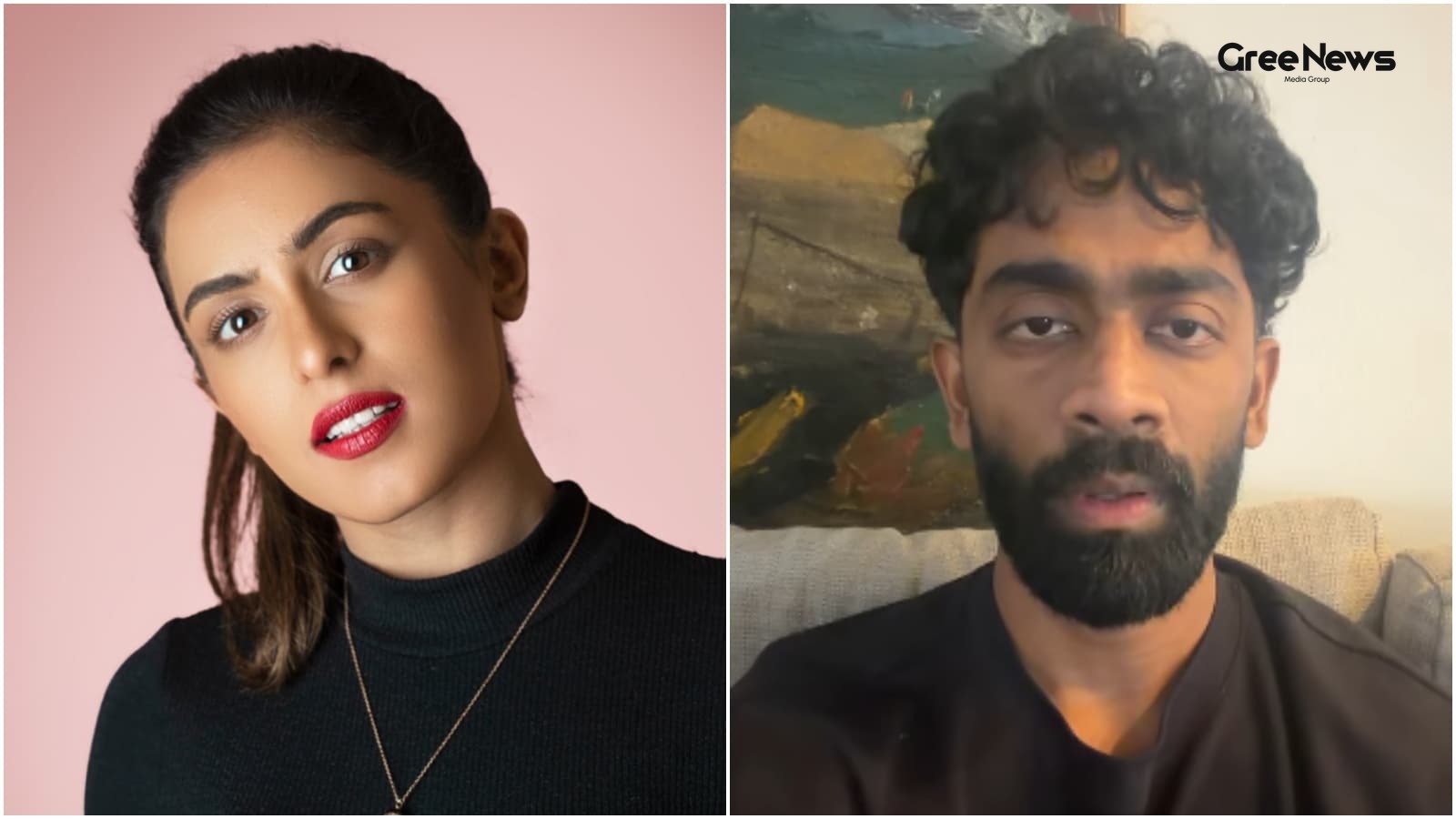
Controversy and Reactions: Pranit More Apology and Social Commentary
Samyuktha Hegde really went off about Pranit More’s latest apology. It was all tied up in that whole mess from his show, where some audience member, Himanshu Jangra, made some comments. The initial spark was about something ridiculously small some guy spent money on chicken biryani and felt entitled
Jun 16, 2026 by Gree News Team

The Paradox of Information: Drowning in Content vs. Gaining Wisdom
We never had access to information like we do now. It’s just... different. News hits you instantly. Content pops up on your screen right when you look for it. AI spits answers back in seconds. And yet, somehow, people feel less informed. Less certain. More overwhelmed than ever before. That feels li
Jun 16, 2026 by Gree News Team
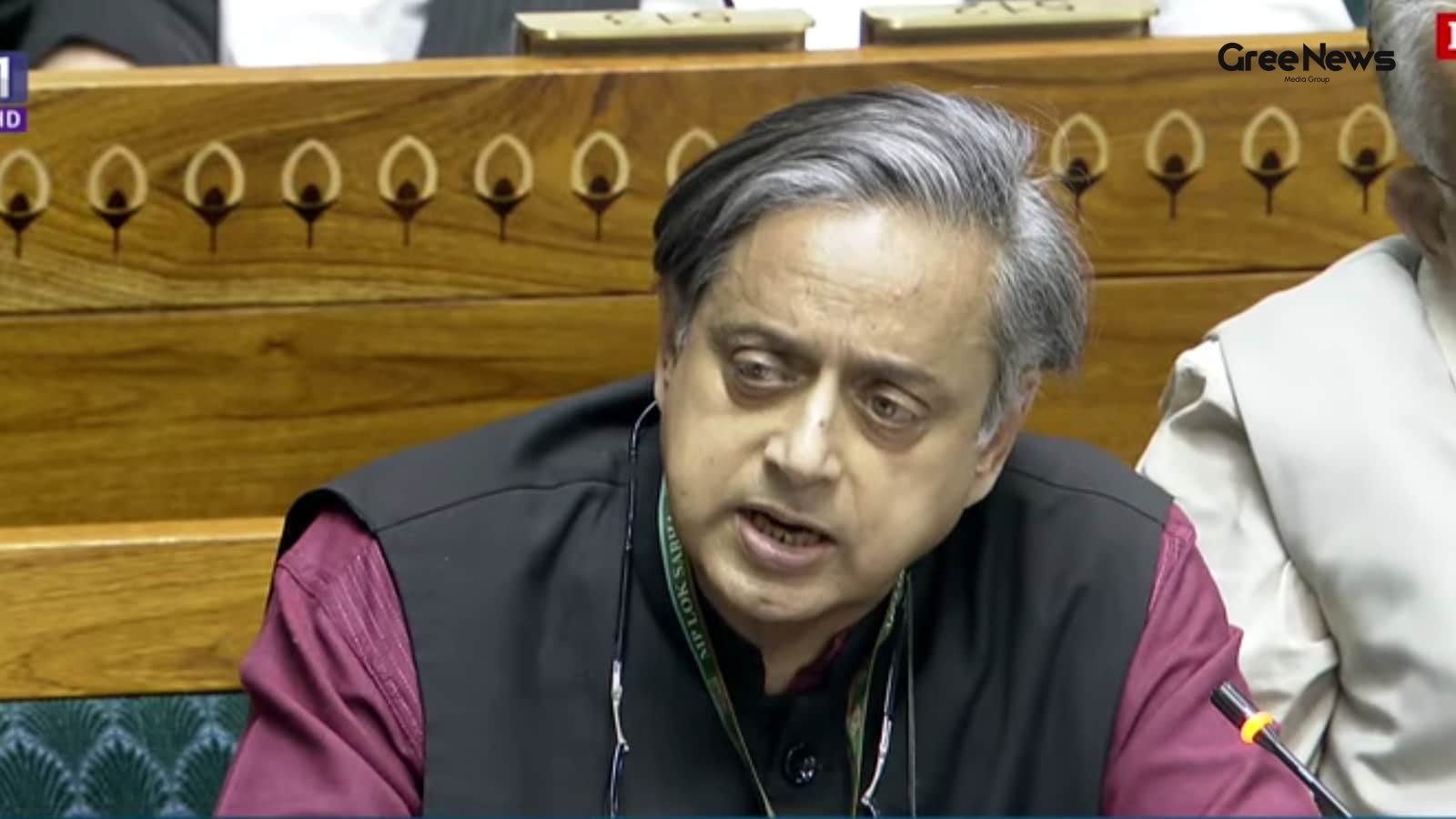
Shashi Tharoor on US Response to Indian Mariners' Deaths in Gulf of Oman
Shashi Tharoor, MP and head of the Parliamentary Standing Committee on External Affairs, really hammered Washington over the silence. No condolences offered after three Indian mariners died in a US military strike on a merchant ship somewhere in the Gulf of Oman. It was a major sticking point right
Jun 16, 2026 by Gree News Team
Smart Home Gadgets and the AI Geopolitical Standoff
The world of smart homes is moving fast. People are looking for ways to make their daily lives easier, safer and cheaper. And right now, there’s a wave of gadgets priced under five thousand rupees that promise real convenience, security, and automation without needing a massive renovation or an army
Jun 16, 2026 by Gree News Team
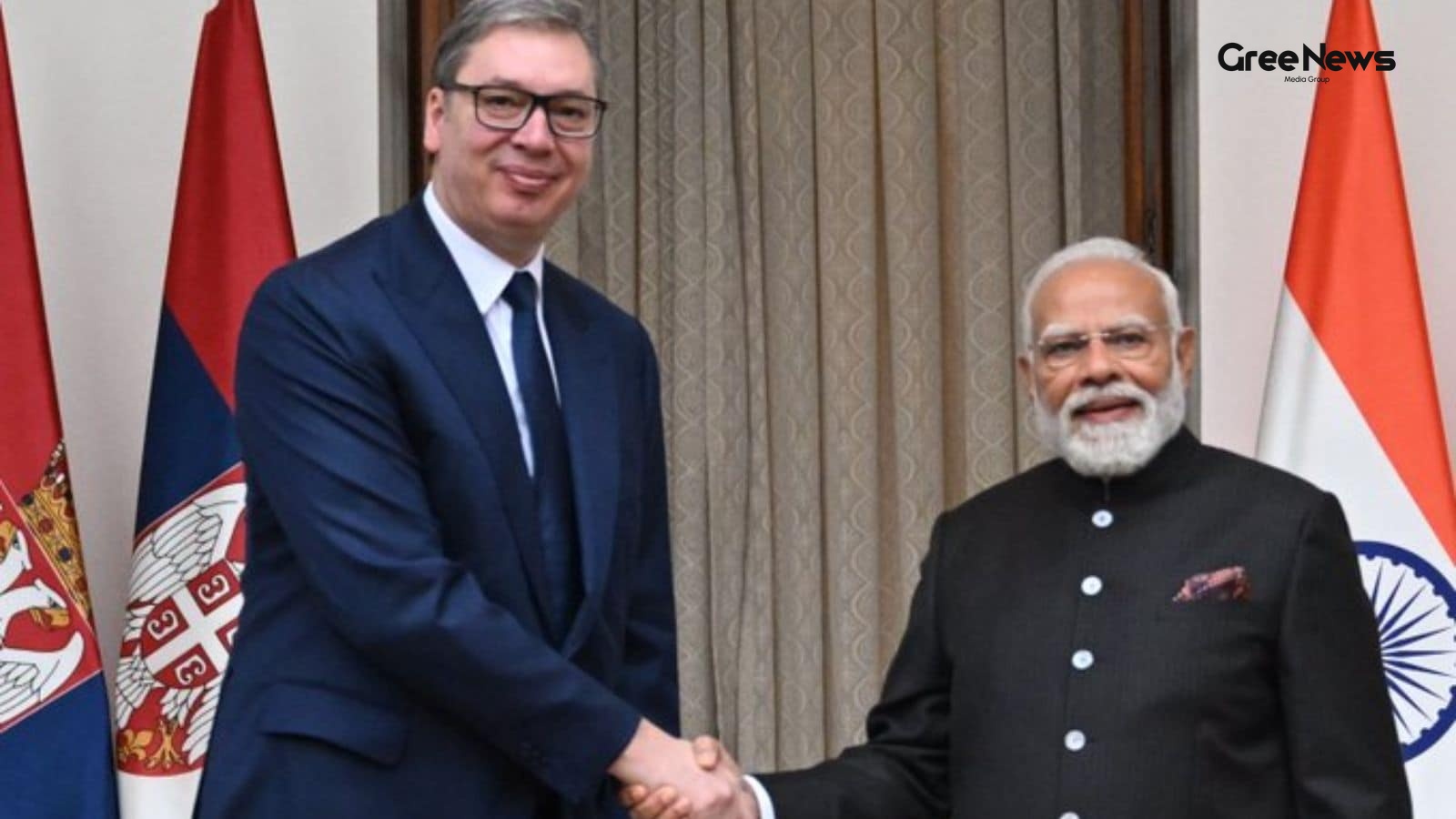
Diplomatic Exchange: Modi and Vucic on Leadership and Partnership
The exchange between New Delhi and Belgrade, centered around Prime Minister Modi’s tenure, felt less like official diplomacy and more like something shared across social media feeds a casual acknowledgment of status mixed with a hint of deeper history. It wasn't just about congratulations; it was ab
Jun 15, 2026 by Gree News Team
Analysis of Horror Film Box Office Performance and Growth
That whole box office is just nuts right now. Everyone chasing those big star releases. But somehow, one horror film manages to stick around. *Haunted 3D: Echoes Of The Past*. It’s quietly finding its space despite the noise. It’s got that slow build going on through the opening weekend. Not exactly
Jun 15, 2026 by Gree News Team
Systemic Failure and Public Frustration: The Impact of Delayed Indian Railways
The digital space flared up fast. A single post about a missed exam date the RBI Grade B test, June 13th quickly morphed into something much larger. It wasn’t just a personal complaint; it became an instant mirror reflecting a deep, simmering frustration about the state of Indian Railways and the sh
Jun 15, 2026 by Gree News Team
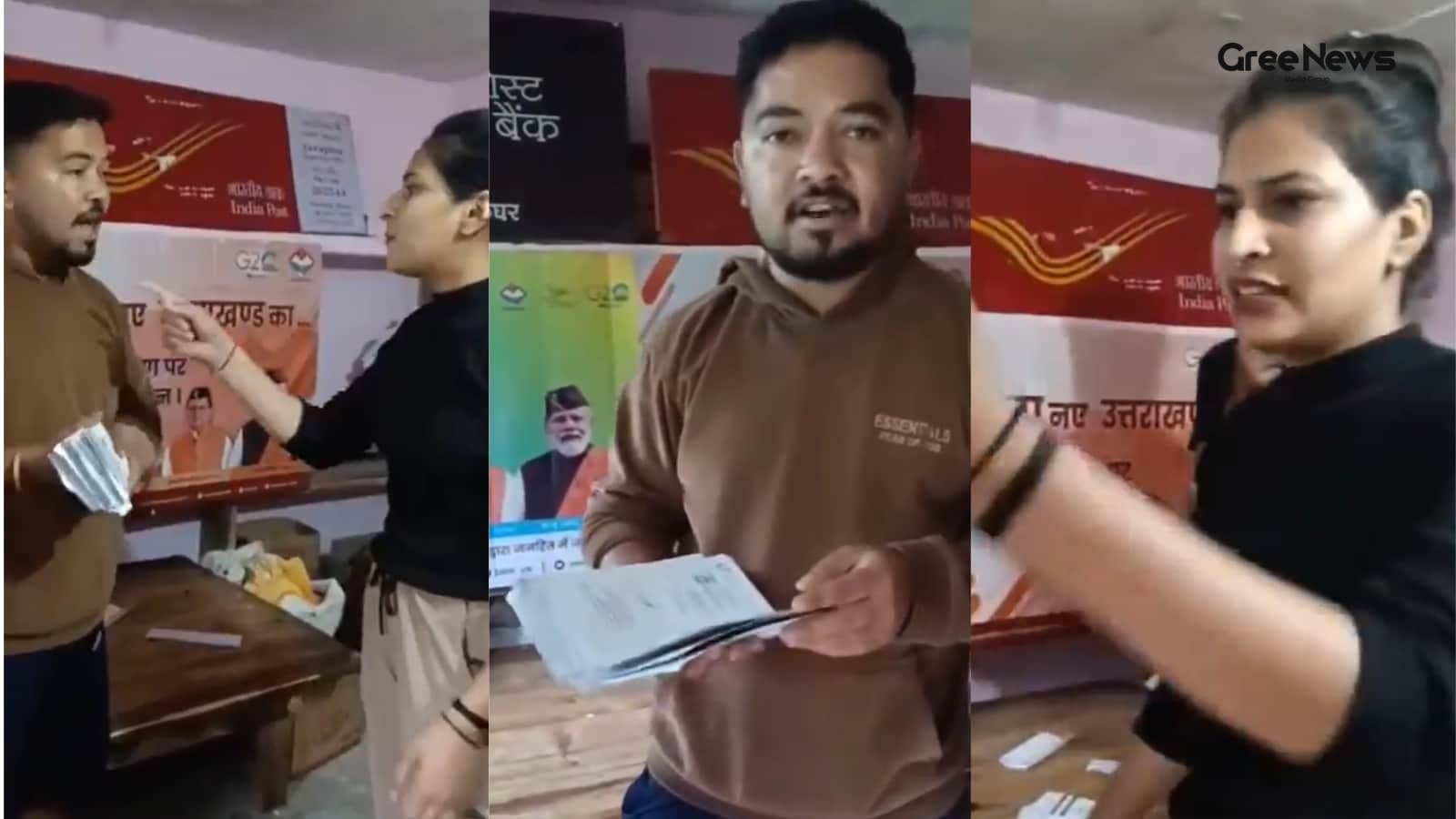
Post Office Misconduct and Social Media Outrage in Uttarakhand
The noise started in Uttarakhand, right at the post office in Jara Jibli village. It wasn't a quiet disagreement; it was just raw, heated confrontation between some local residents and the India Post staff. Things blew up fast online. It all kicked off because one local came in there claiming the em
Jun 15, 2026 by Gree News Team
Raghubir Yadav: Journey from Uncertainty to Stardom
Raghubir Yadav wasn't just some familiar face on TV and cinema screens, you know? Long before that, his life was totally uncertain. Now he’s celebrated for those memorable performances, but getting there? That wasn't easy at all. He looked back at those rough years in a chat with ABP Live. He talked
Jun 15, 2026 by Gree News Team

Accountability, Apology, and Growth in Public Scrutiny
Nehal Chudasama weighed in on the whole mess with Pranit More’s situation. She basically said that even though what went down at his show was wrong which it was people still need some space for growth after accountability is actually shown. The whole thing kicked off because of that viral clip from
Jun 15, 2026 by Gree News Team

Best Action Camera and Kitchen Gadget Pairings for Travel and Cooking
Travelling solo, right? That’s when you really start thinking about gear. Becoming your own photographer. It sounds simple enough, but getting good shots on a scooter ride or while hiking it all hinges on having something lightweight and solid. And that’s where the selfie stick comes in. It just mak
Jun 15, 2026 by Gree News Team
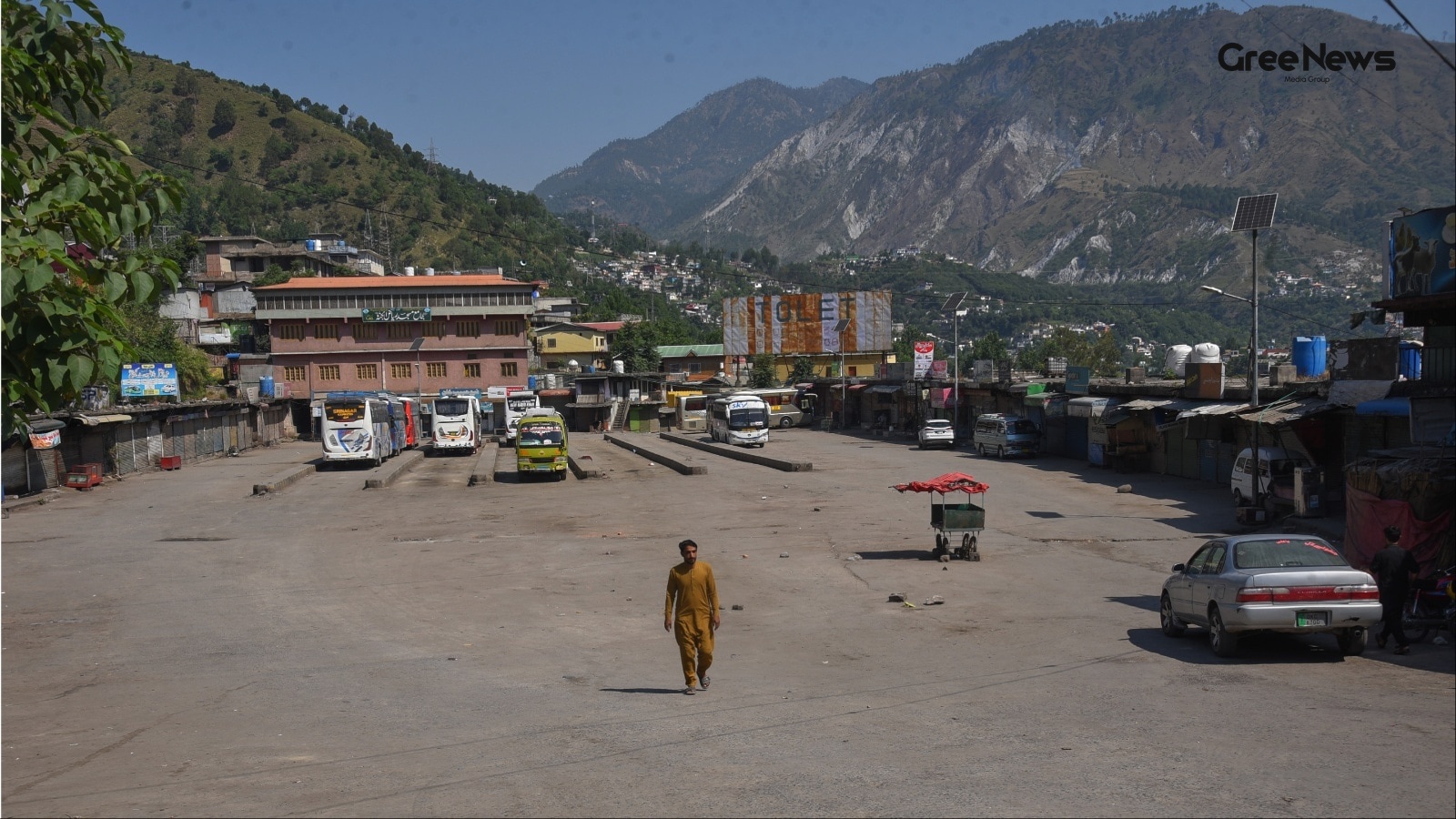
Crackdown, Blackout, and Humanitarian Crisis in Rawalakot Amid Regional Unrest
The crackdown hit Rawalakot hard. It happened during Fajr prayers at Eid Gah Ground, right when members and supporters of the Awami Action Committee were holding a sit-in. Things escalated fast. Security personnel used direct firing, heavy shelling, and tons of tear gas just to break up the gatherin
Jun 15, 2026 by Gree News Team