Political Fragmentation and Legal Warfare within the TMC
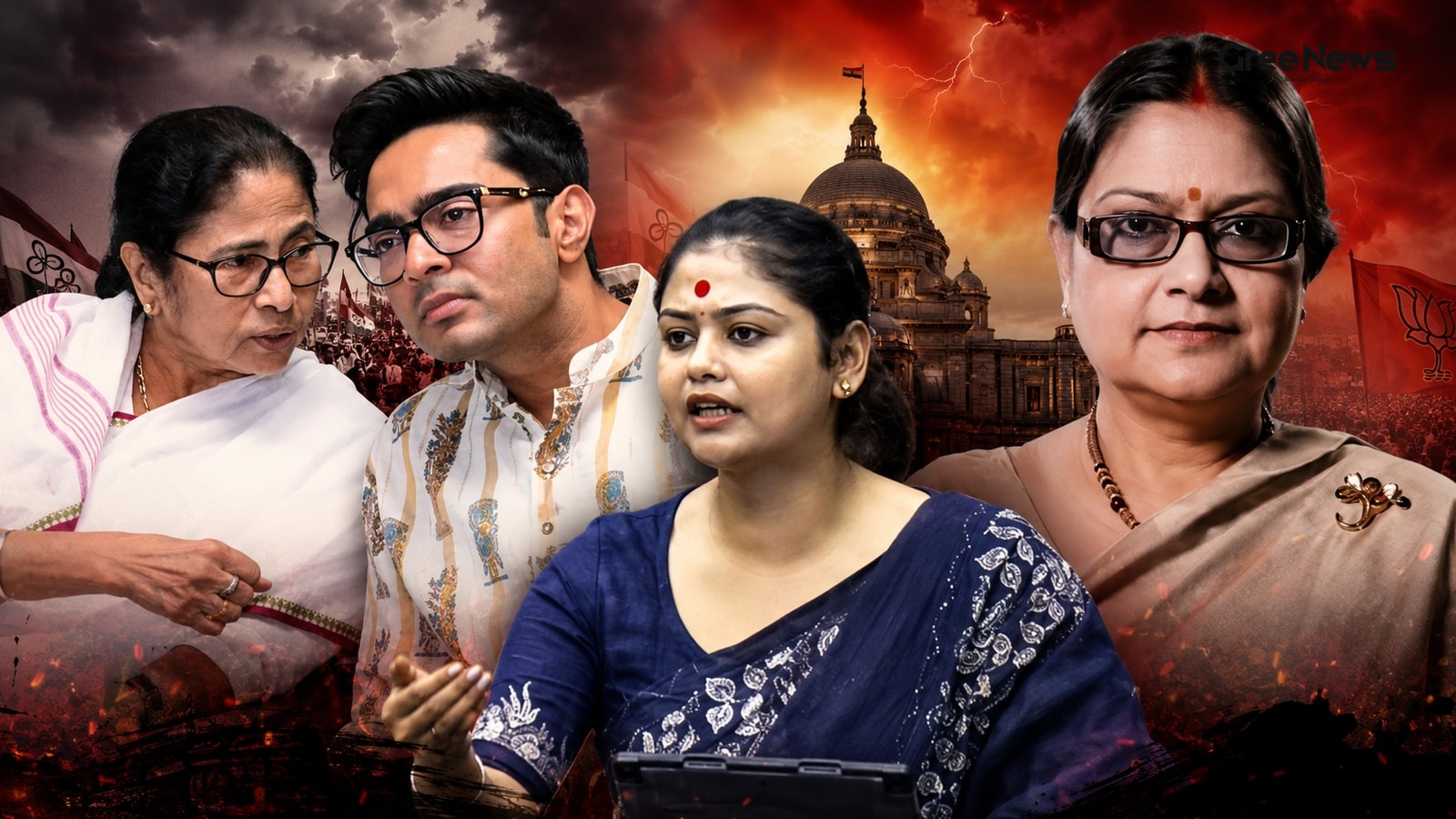
The air in Delhi felt thick that week. Not just with the usual political static, but something sharper, a kind of brittle tension you could almost taste in the hallway conversations and the way people held their silence. It was all about those rebel TMC MPs , the ones who decided they weren’t going to sit quietly anymore. They were pushing for recognition. For being the “Asli TMC.”
It wasn't just some abstract political maneuvering. This felt very real, very immediate. A scramble happening behind closed doors, fueled by legal maneuvers and old loyalties clashing head-on with new ambitions. You watch these things unfold, you see how quickly a disaGreement over party lines can morph into something much bigger, something constitutional.
The actual movement started Sunday. Those MPs left for Delhi ahead of the planned meeting with Speaker Om Birla. It wasn’t just a casual visit. It was a tactical move. They needed to be there. Needed to solidify whatever ground they were trying to claim before facing down the inevitable legal pushback from the established leadership in Mamata Banerjee's camp.
What exactly were they doing when they arrived? It wasn't just talking about party grievances. The agenda, if you could call it that, was heavy with strategy. They needed to take stock of what they had managed to secure so far. How many signatures? How much weight did those names actually carry in the larger political equation? And most importantly, assessing where the next wave of support would come from. Were more MPs going to join this new faction? That felt like the real focus.
And then there’s the legal side, which has completely dragged this whole mess into a different arena. It became less about local politics and more about constitutional teeth. Baidyanath Ghosh Dastidar, Kakoli Ghosh Dastidar's son he stepped in with a legal notice. A formal challenge thrown down at Mamata Banerjee and several of the senior TMC figures. Mahua Moitra, Kalyan Banerjee, Sougata Roy, Sonali Guha were all named.
This wasn’t some friendly disaGreement about party discipline. This was high-stakes legal warfare disguised as internal political wrangling. He denied the core allegations. The idea that he had sought a ticket from the Barasat Assembly seat that didn't happen. He insisted there was no ambition tied to that particular constituency at all. But even with that denial, the demand remained: public clarification and an apology within fifteen days. An acknowledgment of whatever rupture had occurred. It’s that kind of pressure that changes everything.
The reaction from the other side, the Mamata Banerjee camp, is predictably sharp. They threw the Anti-Defection Law at the situation. It's a powerful tool, designed to lock people into their original parties. But here, it was being used to try and erase this emerging group entirely. They use the law to challenge the very premise of the rebels’ existence.
TMC Rajya Sabha MP Sagarika Ghosh brought up the constitutional angles. She cited Paragraph 4 of the Tenth Schedule of the Constitution. It’s a dense piece of legal text, but it boils down to a specific argument about mergers. The point she made was that disqualification only happens if there's an actual merger with another party. If you are just operating as a separate group, within Parliament or an Assembly, retaining your original symbol that doesn't trigger the mechanism for removal.
She argued that there simply isn’t a legal provision for these separate factions to operate freely while holding onto their existing membership based on the old party structure. Lawmakers must either merge or face being kicked out of the system entirely. It was a very clear, rigid argument against fragmentation.
Kirti Azad echoed this sentiment. He made a similar point about the lack of constitutional space for these separate political factions. The idea that even if two-thirds of MPs or MLAs decided to walk away doesn't magically dissolve the party itself. No. The political entity remains bigger than just the legislators sitting in the chamber. A real merger, under the law, is what’s required. That legal framework demands a unified front.
And this brings us back to Paragraph 4 of the Tenth Schedule. It’s fascinatingly specific. It deals with protection from disqualification during mergers. The provision requires a heavy threshold: support from at least two-thirds of the party members in the legislature. This wasn't designed for small, temporary splits. It was built to encourage genuine political integrations.
The intent behind it, you have to understand, is clear. It was meant to discourage these kinds of breakaway groups. It created a barrier. A high wall against fragmentation. If two-thirds aGree and merge that’s protected. But if a smaller group pulls away, the law doesn't automatically grant them sanctuary.
And that history itself tells you something about where the fight is going now. An earlier provision, Paragraph 3, allowed splits if one-third disaGreed with the party. That was gone. Removed by the 91st Constitutional Amendment in 2003. It was effectively wiped clean. Now, the door to separation is much harder to open legally. Mergers supported by that two-thirds majority remain the only official exemption under the Anti-Defection Law.
So you have these competing narratives playing out simultaneously. On one side, there are those who see themselves as a distinct political force, operating with their own mandate and history. On the other, there is the established legal framework, designed to enforce unity above all else.
The Speaker meeting on Monday. That’s where it all converges. It stops being just about internal ambition or fragmented legal claims. It becomes a direct confrontation over who gets to claim legitimacy. Who represents the true spirit of the TMC? The process itself is messy, unpredictable. There are no clean lines here. Just competing interpretations of law bumping up against raw political will.
You watch these dynamics unfold, and you realize how little control anyone actually has. They have their legal arguments. They have their demands for recognition. But ultimately, it comes down to momentum. To who can amass the most visible support? Who can make the loudest case in that room or in whatever arena follows? It’s less about perfect constitutional adherence and more about the raw, unpredictable energy of a political divide trying desperately to find its footing. And that uncertainty, that lack of clean answers, is what makes these moments so intensely charged for everyone involved. The fight isn't over; it’s just changing shape.
Written by Gree News Team — Senior Editorial Board
Gree News Team covers international news and global affairs at Gree News. Our collective of senior editors is dedicated to providing independent, accurate, and responsible journalism for a global audience.
More from India
View All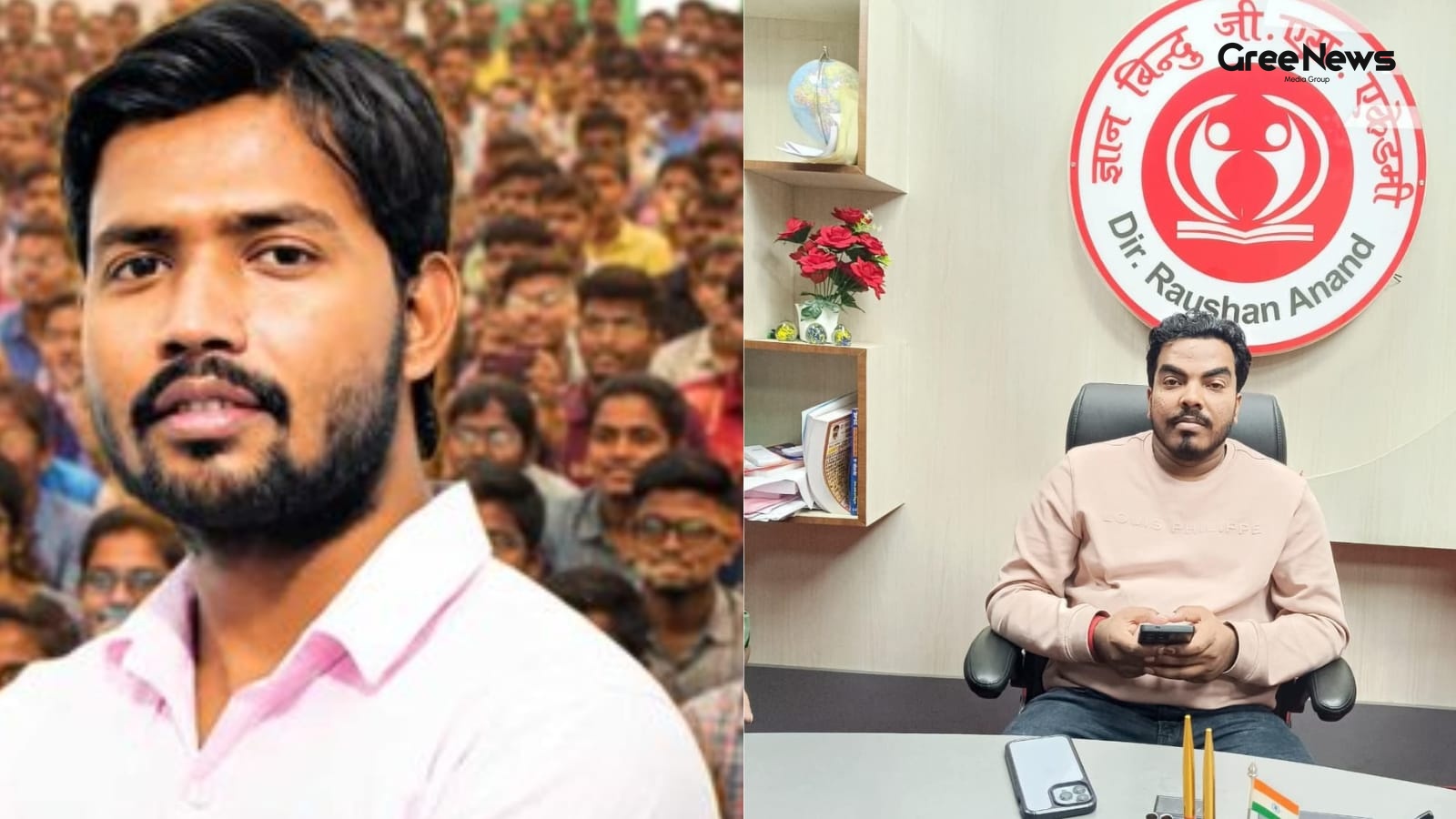
Controversy Surrounds Death of Prince Yadav and Khan Global Studies Case
The death of Prince Yadav, brother to Bihar educator Roshan Anand you know him as “Raushan Sir” it just kicked off another wave of controversy. He was found dead under really suspicious circumstances at some hotel over in Nepal. This development surfaces months later, coming after his name had alrea
Jun 15, 2026 by Gree News Team
Protest in Delhi Linked to US Naval Strikes and Maritime Incidents
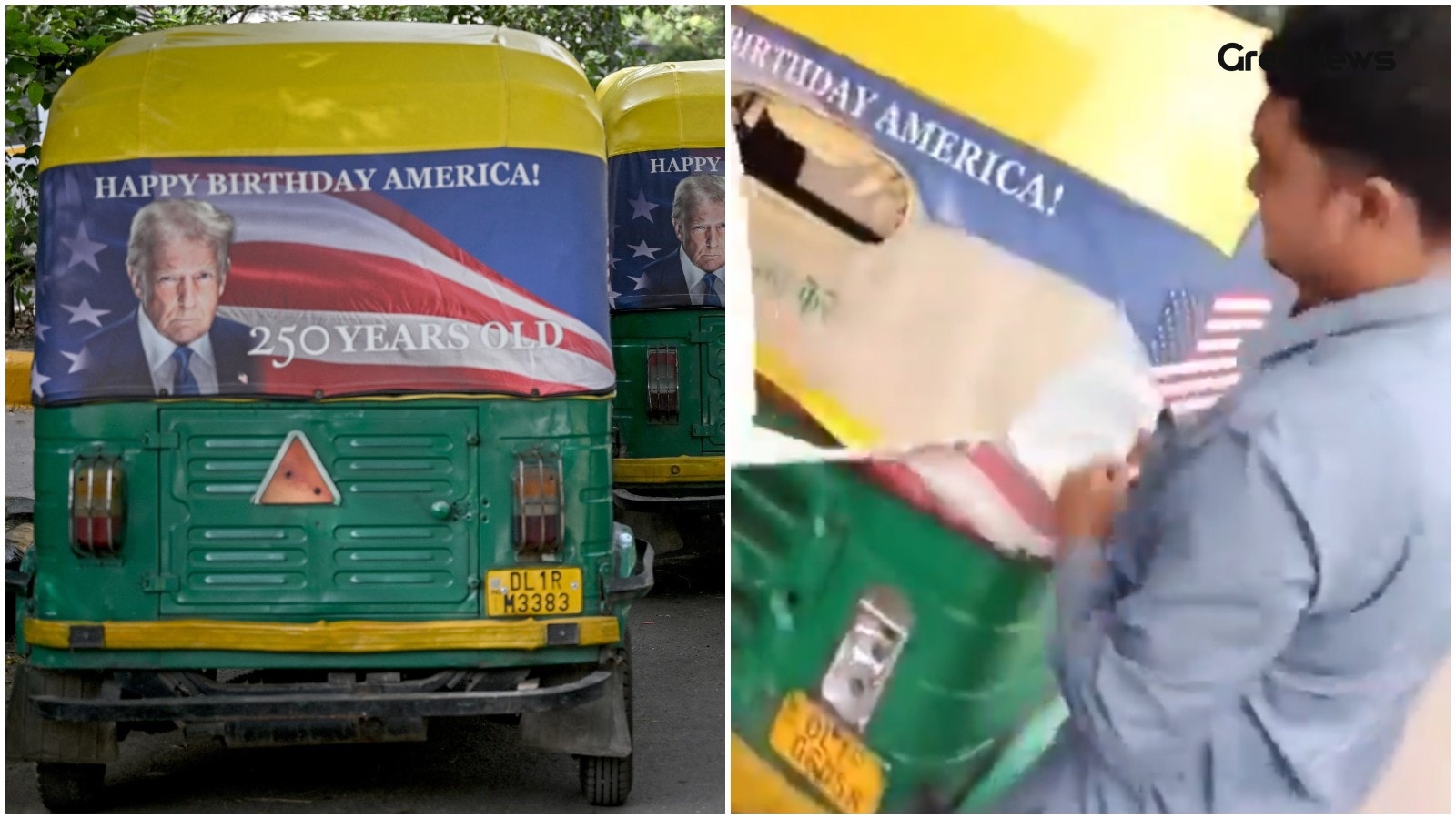
The scene in Delhi is wild right now. Auto-rickshaw drivers, you know, they’re tearing down posters. Posters of Donald Trump. It’s happening on their vehicles. A protest, obviously, after some nasty news about a US strike off Oman that supposedly killed three Indian sailors. Videos are flooding soci
Jun 15, 2026 by Gree News Team
Violence Erupts at Patna Railway Station During Exam Protest
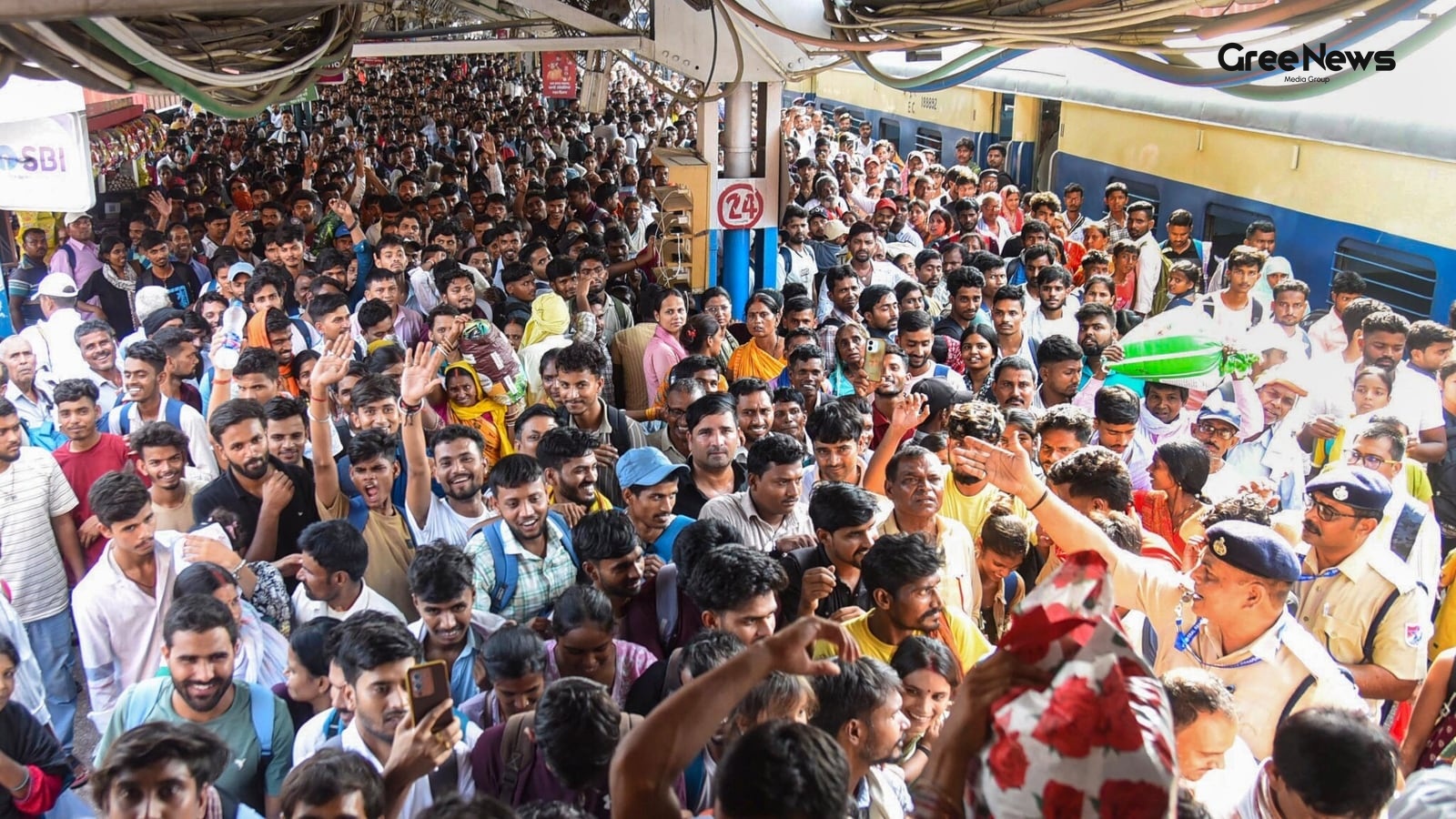
Violence erupted at Patna’s Pataliputra Railway Station on Saturday night. Hundreds of exam aspirants had blocked the railway tracks. They were protesting what they claimed was inadequate train arrangements for an examination scheduled for Sunday. Amresh Kumar, who is the Inspector General in charge
Jun 15, 2026 by Gree News Team
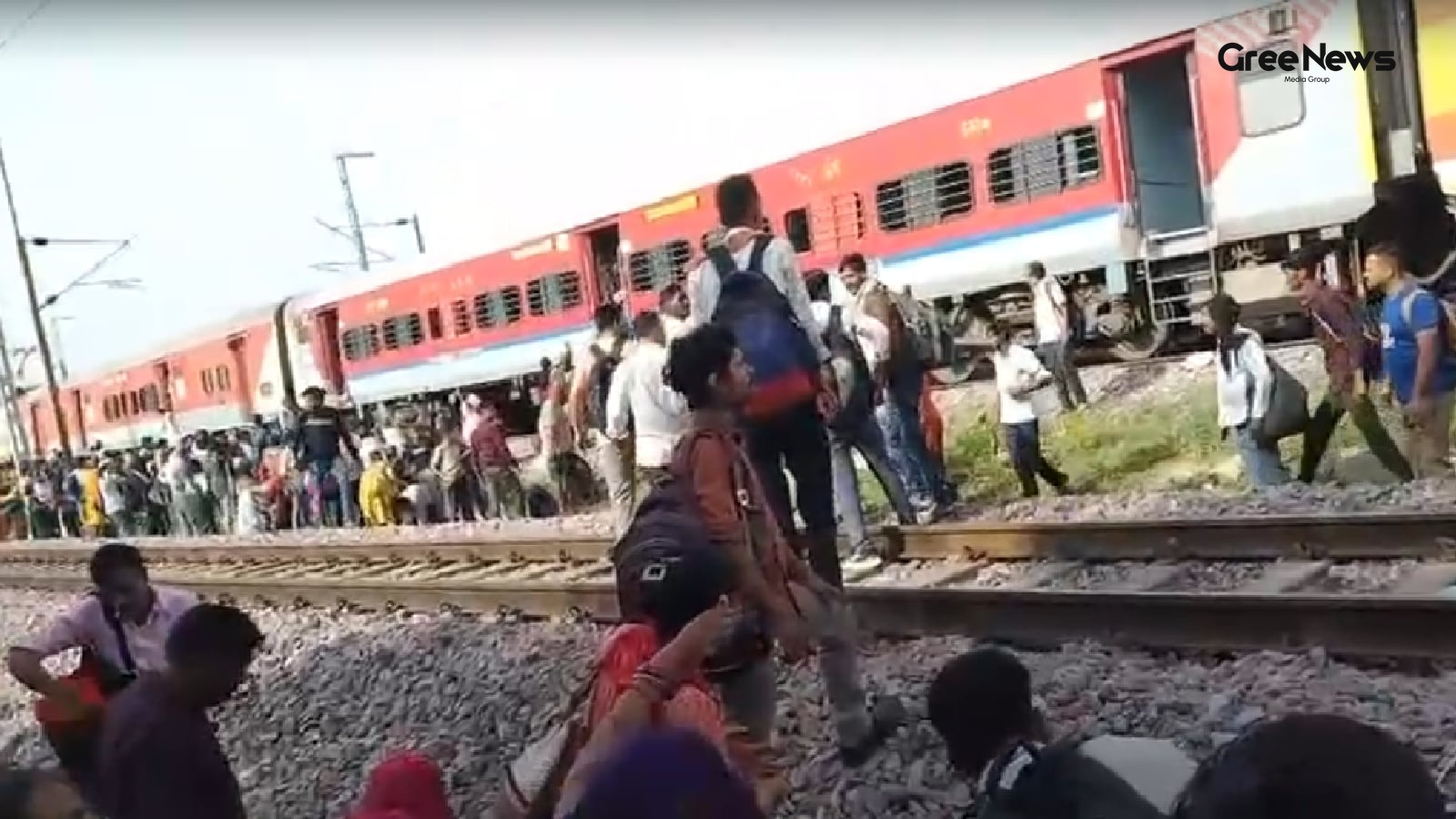
Rail Disaster near Hetampur: Chaos and Aftermath
The scene near Hetampur railway station. It wasn’t smooth, not at all. Everything felt broken that day. Train No. 19665 Khajuraho-Udaipur Intercity Express had stopped. Around four fifteen in the afternoon. Just a halt. A sudden stop. And then things started to unravel. Initial whispers, you know? R
Jun 15, 2026 by Gree News Team
Latest Headlines
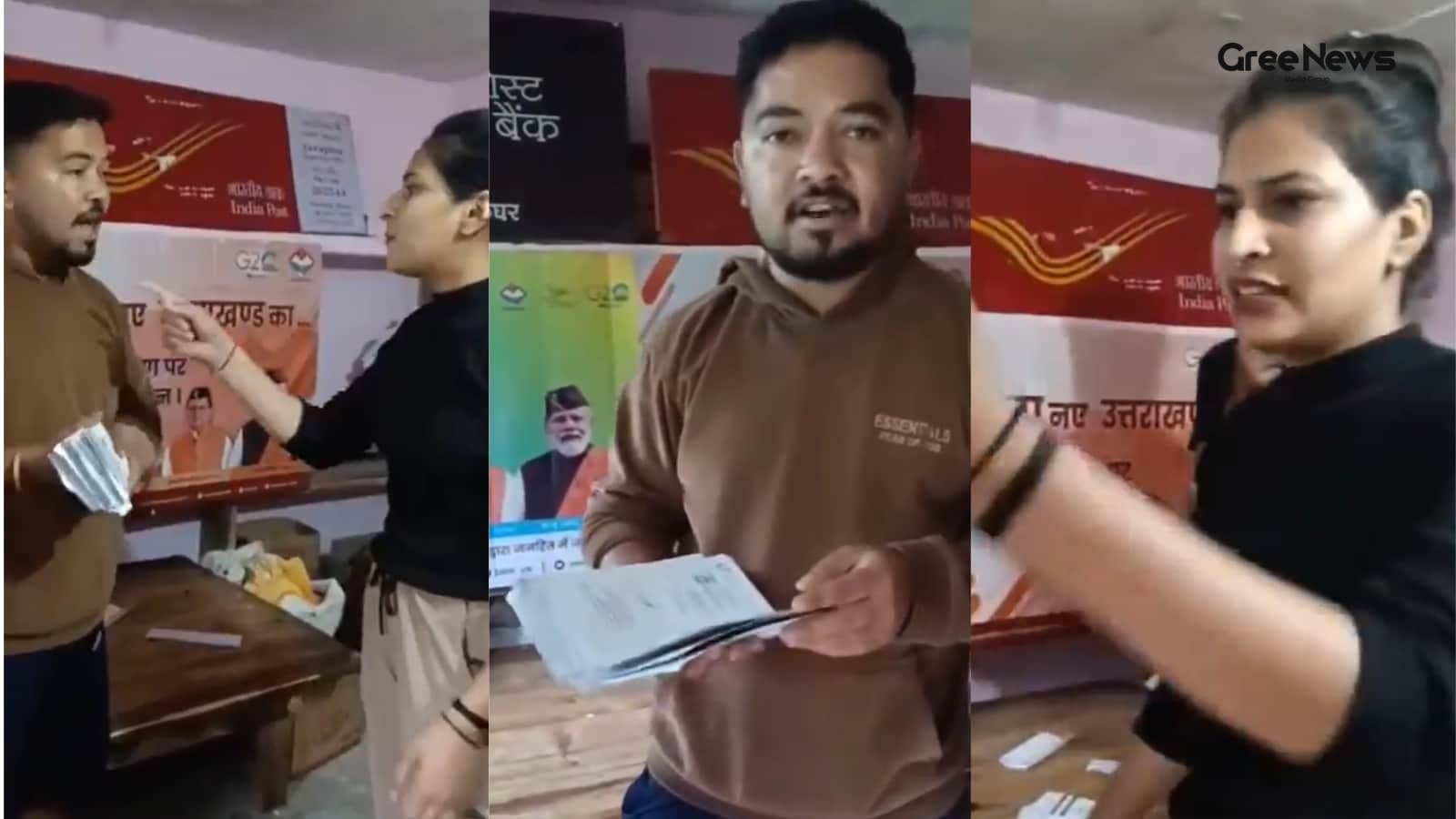
Post Office Misconduct and Social Media Outrage in Uttarakhand
The noise started in Uttarakhand, right at the post office in Jara Jibli village. It wasn't a quiet disagreement; it was just raw, heated confrontation between some local residents and the India Post staff. Things blew up fast online. It all kicked off because one local came in there claiming the em
Jun 15, 2026 by Gree News Team
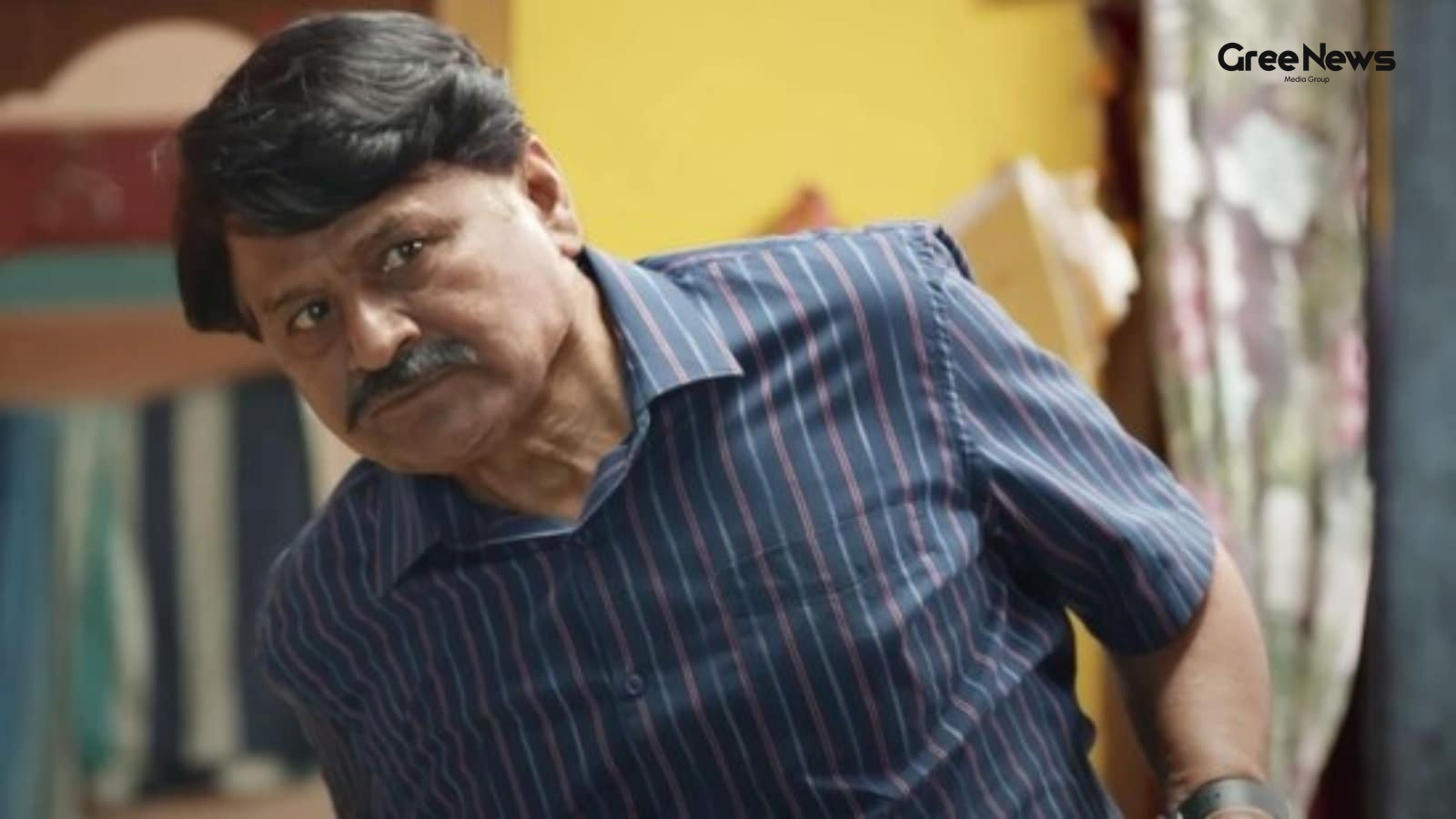
Raghubir Yadav: Journey from Uncertainty to Stardom
Raghubir Yadav wasn't just some familiar face on TV and cinema screens, you know? Long before that, his life was totally uncertain. Now he’s celebrated for those memorable performances, but getting there? That wasn't easy at all. He looked back at those rough years in a chat with ABP Live. He talked
Jun 15, 2026 by Gree News Team
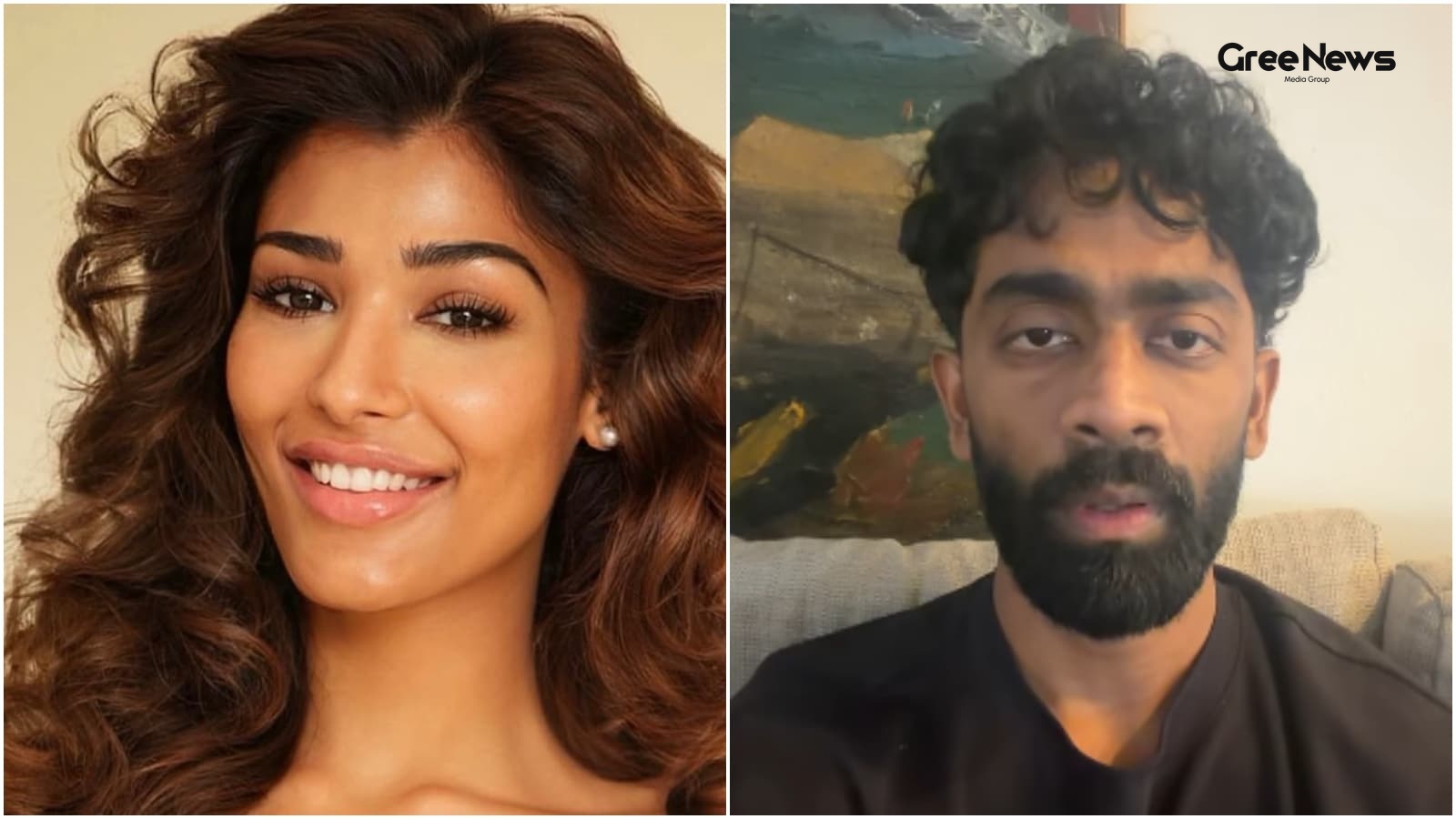
Accountability, Apology, and Growth in Public Scrutiny
Nehal Chudasama weighed in on the whole mess with Pranit More’s situation. She basically said that even though what went down at his show was wrong which it was people still need some space for growth after accountability is actually shown. The whole thing kicked off because of that viral clip from
Jun 15, 2026 by Gree News Team

Best Action Camera and Kitchen Gadget Pairings for Travel and Cooking
Travelling solo, right? That’s when you really start thinking about gear. Becoming your own photographer. It sounds simple enough, but getting good shots on a scooter ride or while hiking it all hinges on having something lightweight and solid. And that’s where the selfie stick comes in. It just mak
Jun 15, 2026 by Gree News Team
Crackdown, Blackout, and Humanitarian Crisis in Rawalakot Amid Regional Unrest
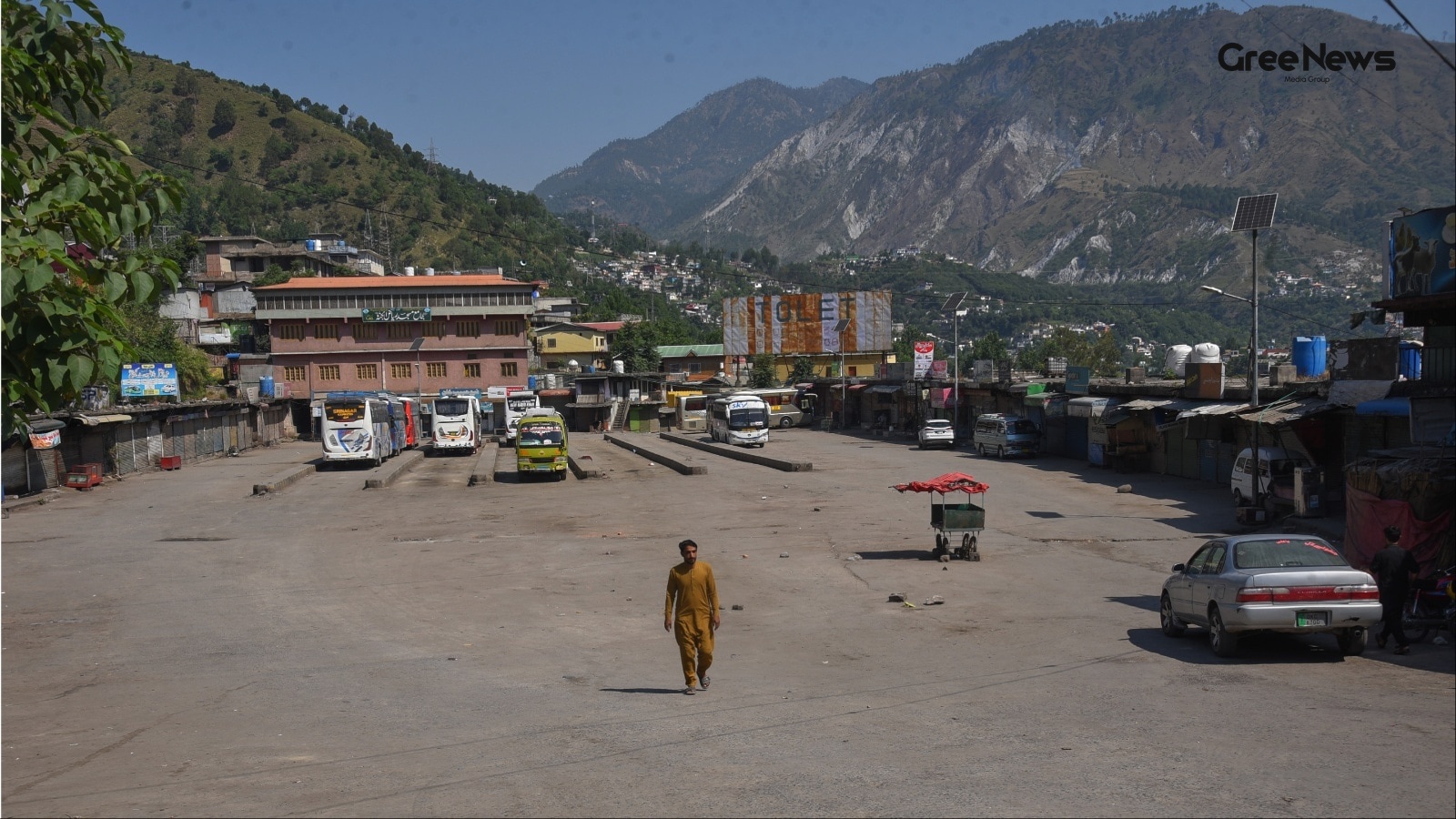
The crackdown hit Rawalakot hard. It happened during Fajr prayers at Eid Gah Ground, right when members and supporters of the Awami Action Committee were holding a sit-in. Things escalated fast. Security personnel used direct firing, heavy shelling, and tons of tear gas just to break up the gatherin
Jun 15, 2026 by Gree News Team

K-pop's Dominance: Awards, Legacy, and Cross-Cultural Reach
K-pop just keeps pushing across Asia. It really does. Some of the biggest names are walking away with top honors at the Music Awards Japan 2026. It’s clear their grip isn't slipping. The whole thing happened on June 13th, held over at the Toyoto Arena in Tokyo. That was the second time they brought
Jun 15, 2026 by Gree News Team
Controversy Surrounding Govind Namdev and the Film Kala Hiran
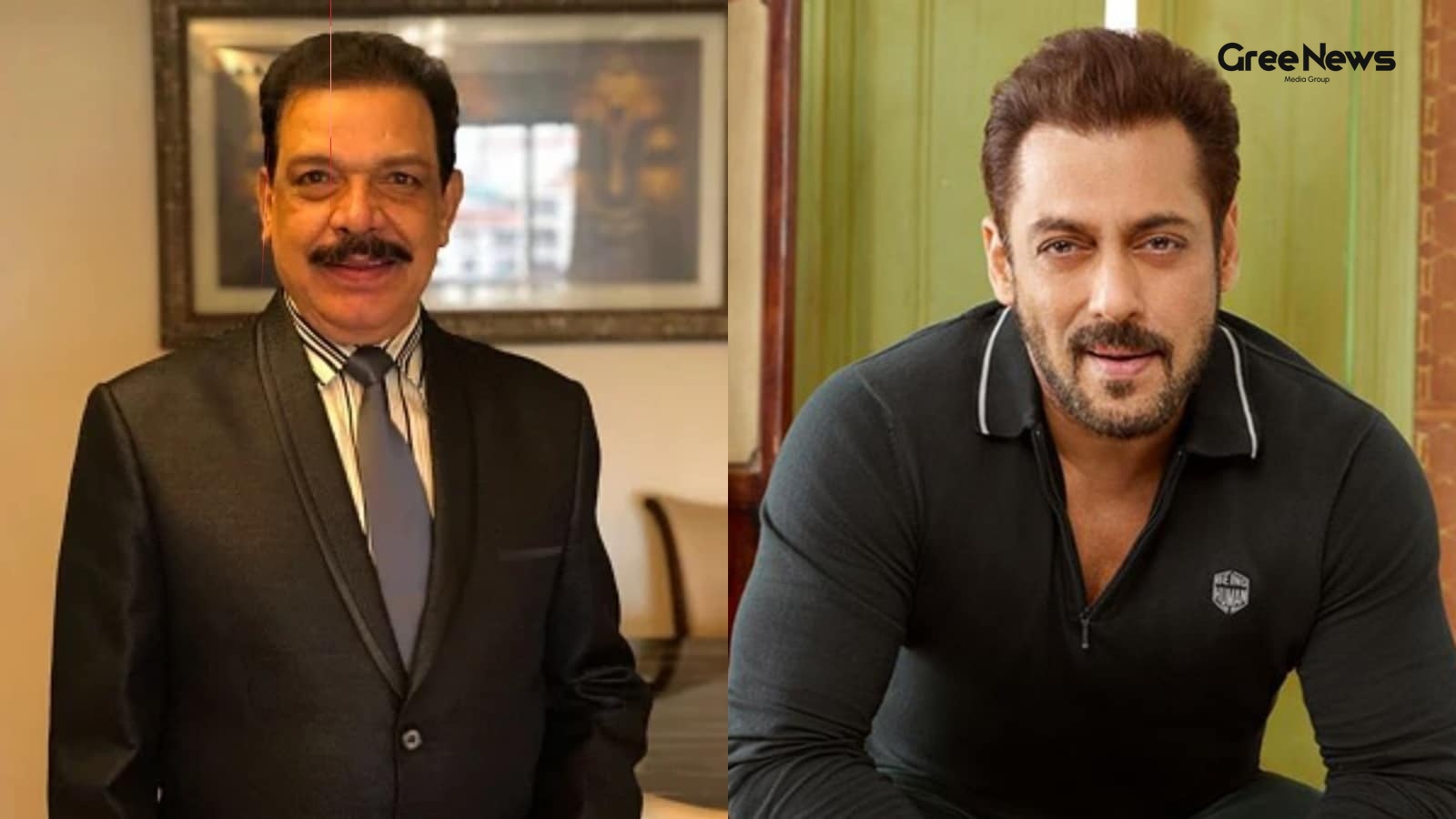
Govind Namdev has pulled back from *Kala Hiran*. It’s all because the first look video caused a huge stir. That initial glimpse brought up obvious links to Salman Khan. The film itself, made by Amit Jani, is supposed to be about the Bishnoi community and seeking justice. Namdev was in it, playing an
Jun 15, 2026 by Gree News Team
The Dynamics of Cinema Buzz: From Horror-Comedy Formulas to Action Stunts
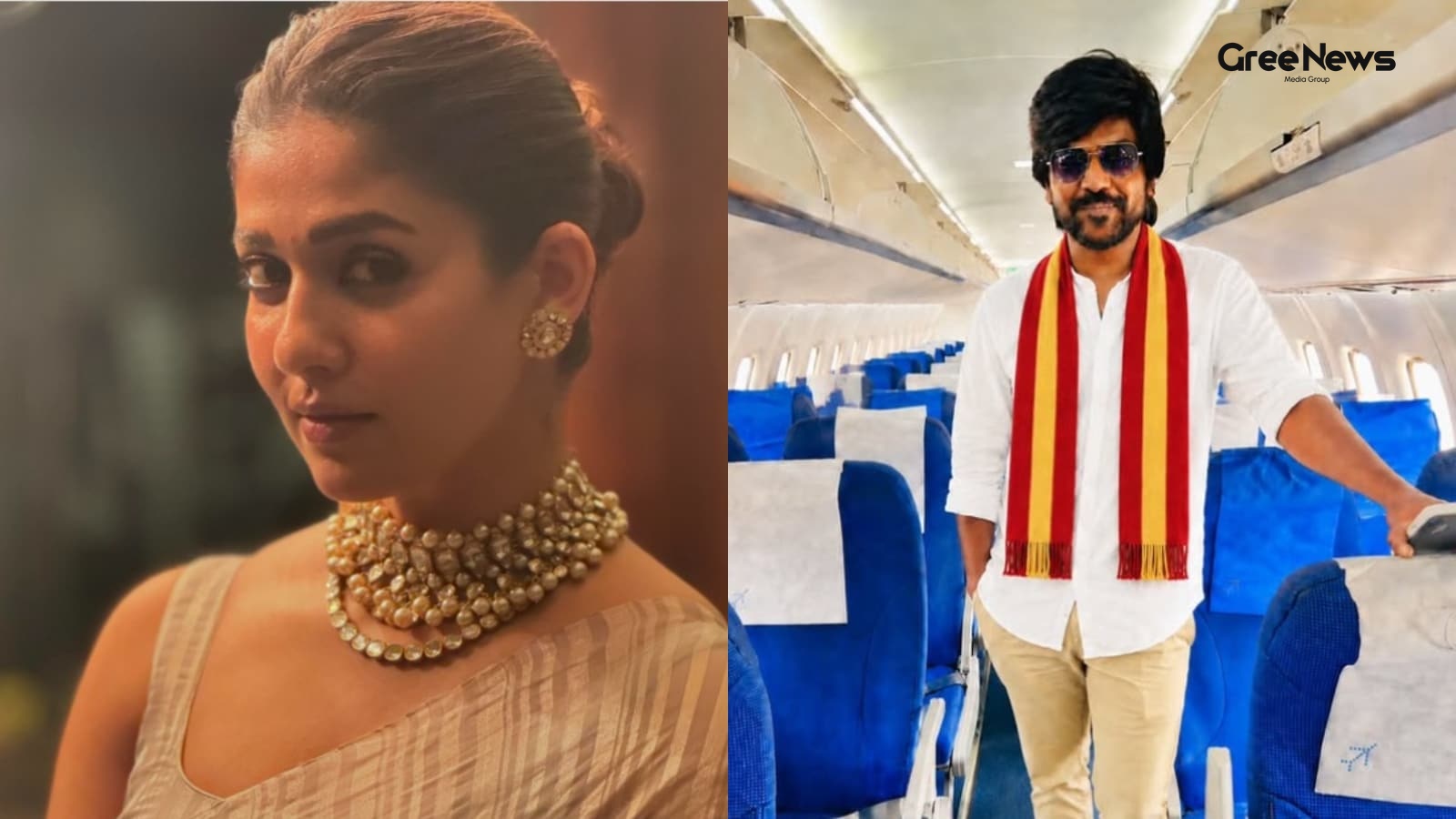
The air around these projects right now is thick with something you can’t quite name. Take this latest wave surrounding *Kanchana 4*. It’s not just a sequel; it feels like an event, a proper cinematic moment unfolding slowly. Raghav Lawrence, always the anchor for that successful horror-comedy formu
Jun 15, 2026 by Gree News Team

Lock Upp Season 2: New Contestants, Hosts, and Intense Reality Show Details
Lock Upp just got renewed. Ekta Kapoor’s digital reality show, *Lock Upp*, it started in 2022, and now they’re doing it again. And this time, things are getting bigger. They’re heading to Netflix on June 27th. A list of people they might bring in tentative contestants has surfaced. Some names alread
Jun 15, 2026 by Gree News Team
Controversy Surrounds Death of Prince Yadav and Khan Global Studies Case
The death of Prince Yadav, brother to Bihar educator Roshan Anand you know him as “Raushan Sir” it just kicked off another wave of controversy. He was found dead under really suspicious circumstances at some hotel over in Nepal. This development surfaces months later, coming after his name had alrea
Jun 15, 2026 by Gree News Team

The Enduring Echoes of Creation: Reflection on Art, Time, and Shared Experience
The air around that anniversary felt thick, didn't it? Not just with the usual noise of celebrations, but something heavier. A kind of retrospective weight settling over everything related to *Lagaan*. Twenty-five years. It’s a huge stretch of time when you think about how much a single story manage
Jun 15, 2026 by Gree News Team

Avneet Kaur: Style, Fashion, and Acting Career Journey
Avneet Kaur is really living that Disney princess vibe right now. She just shared these snapshots from Disneyland, and it proves why she’s one of those young style stars everyone keeps watching online. The whole thing was sun-soaked. Roller coasters, cartoon characters, that perfect California light
Jun 15, 2026 by Gree News Team

Lock Upp: Mahhi Vij, Rumors, and the Psychology of Reality TV
Lock Upp keeps going. It’s been renewed for another season, which is already something, you know? But the real buzz right now isn't about the renewal itself. It’s about who might be inside those walls. There are all these whispers floating around about confirmed contestants, and honestly, nobody kno
Jun 15, 2026 by Gree News Team
Netherlands vs Japan World Cup 2026 Preview and Analysis
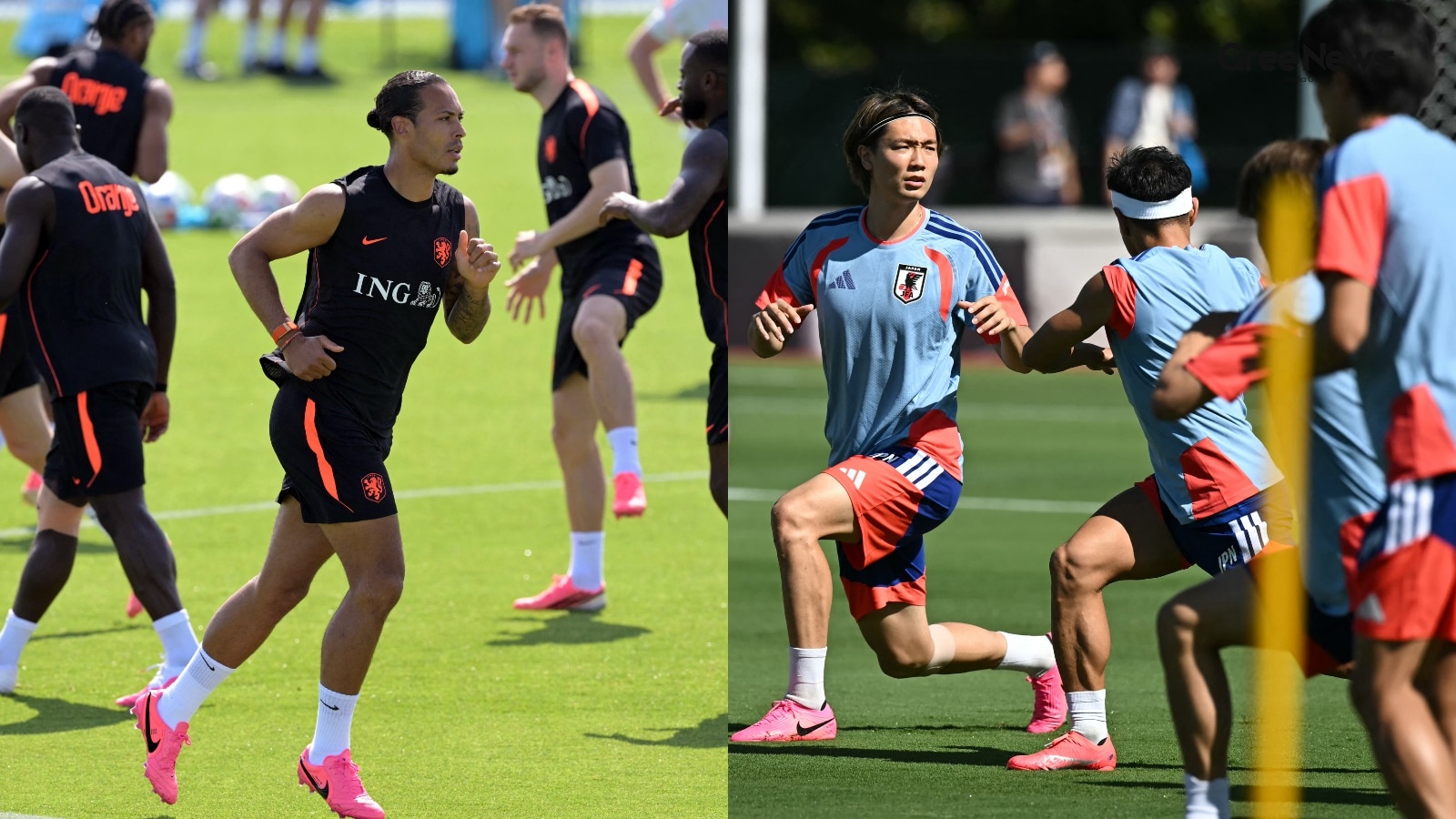
The Netherlands kick off their World Cup 2026 run in a sticky Group F game against Japan at the AT&T Stadium on Sunday. It’s immediately obvious there isn't much room for error, especially since Sweden and Tunisia are also tangled up in this group. But things aren't smooth for the Oranje right now.
Jun 15, 2026 by Gree News Team
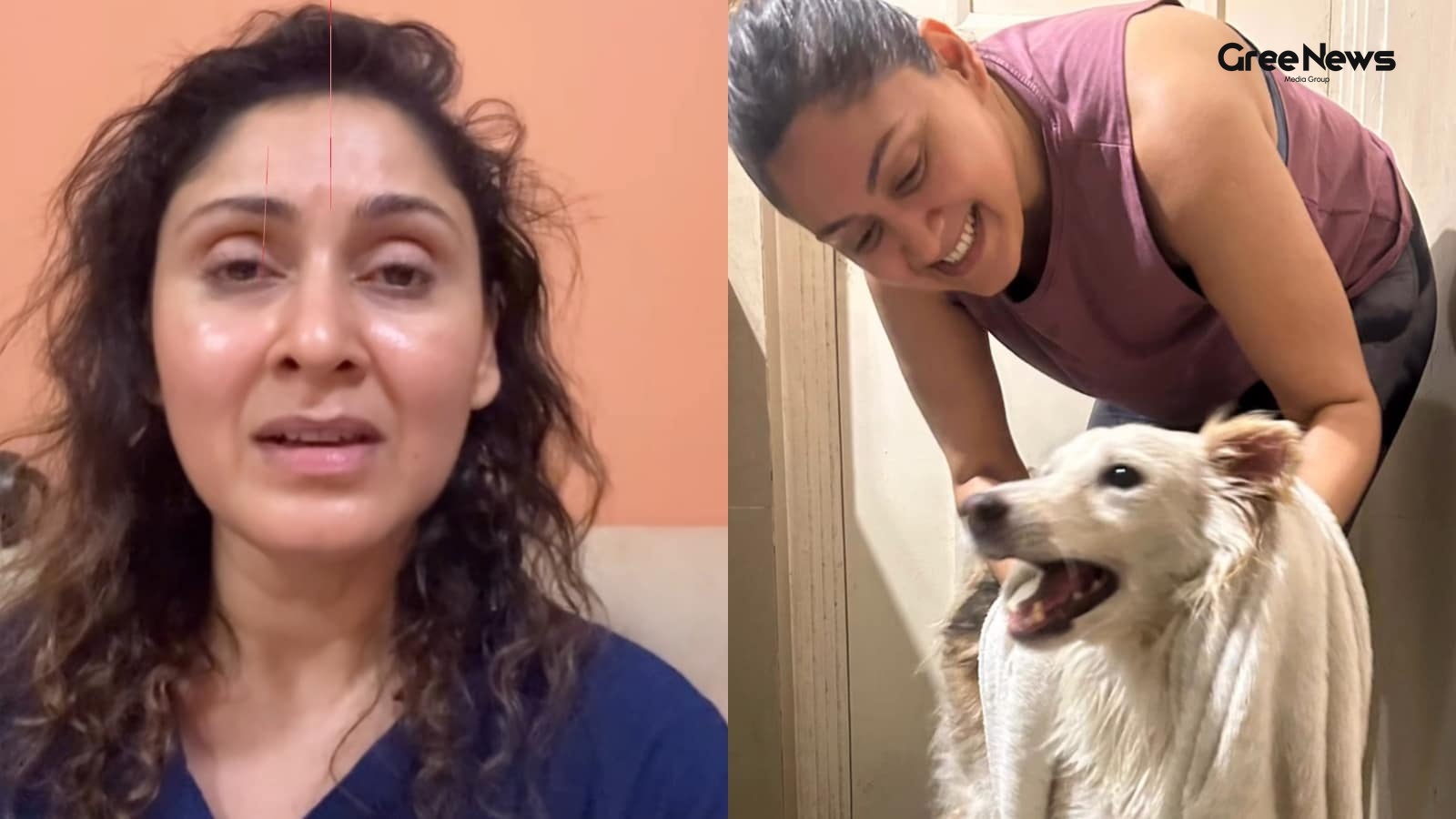
Manjari Fadnnis Speaks Out for Mikey: A Call for Justice and Community Accountability
Manjari Fadnnis brought up Mikey, a community dog from her housing society, in an emotional post, really pushing for some kind of justice after he was allegedly killed brutally. It’s heavy stuff. She’s known, you know, for the films she’s done stuff like *Jaane Tu… Ya Jaane Na*, *Grand Masti*, all t
Jun 15, 2026 by Gree News Team