US Sanctions, Strait of Hormuz, and Iran Framework Agreement
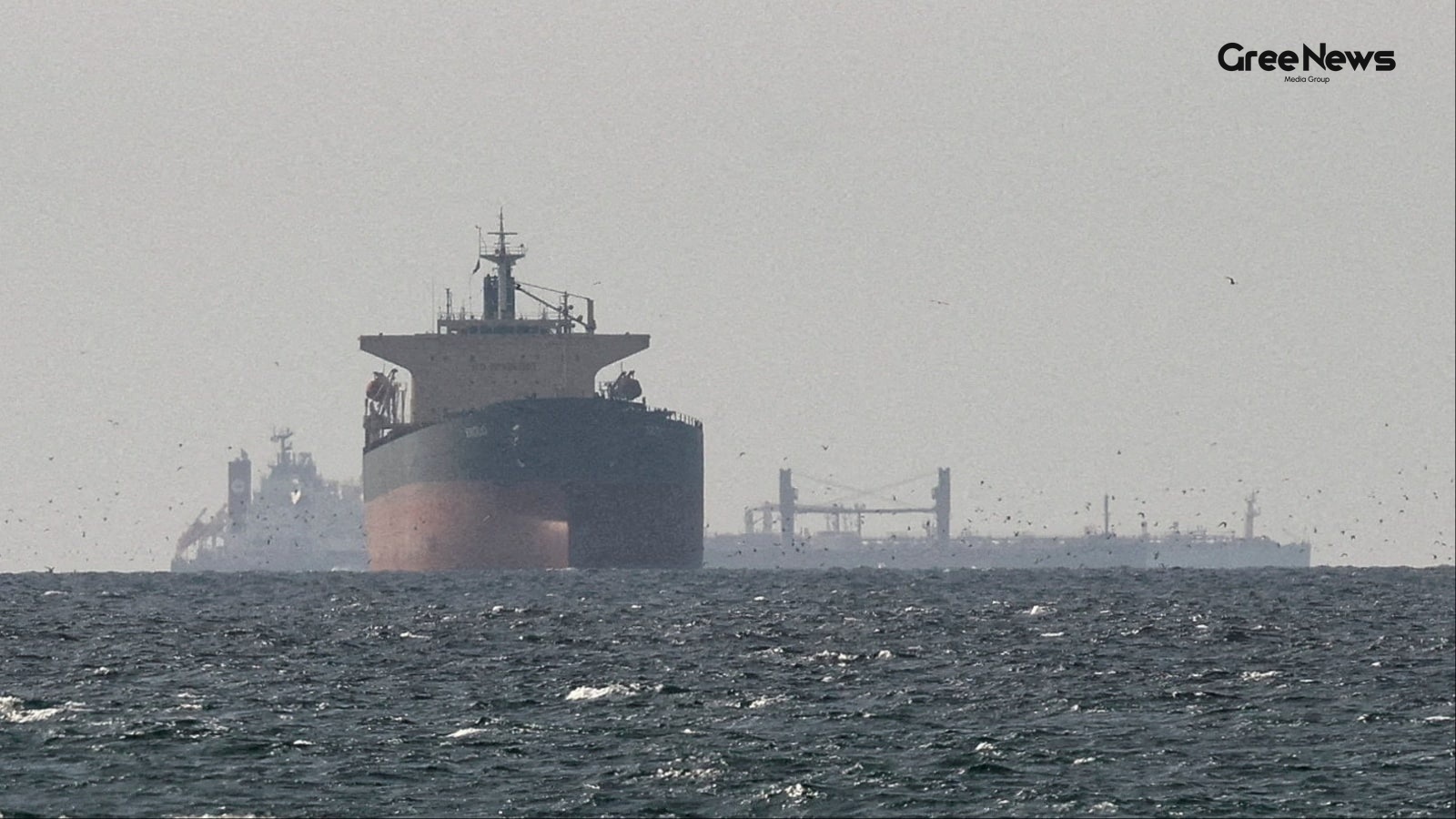
The US is talking about lifting sanctions on Iran right alongside reopening the Strait of Hormuz. That’s what one official mentioned, quoted by Fox News. But getting those mines out? That’s set for later. A phase after that.
This whole setup seems tied into some indications from Washington and regional players. They’re moving toward some kind of framework aGreement meant to finally end the fighting and get shipping running through that crucial energy route. The Strait itself is clearly central here, a choke point causing all the tension during this conflict.
Details coming out of those ongoing talks suggest reopening Hormuz will be a key part of whatever deal is being hammered out between Washington and Tehran.
Some reports floated around Reuters mentioned that Iran would have to reopen the strait as part of the arrangement itself. And the US side, they’re expected to ease the naval blockade right along with it. It has to happen in conjunction. That makes sense, I guess.
“It’s going to happen in conjunction,” the official told reporters via Reuters. “And part of the next step, the phase after that, is going to be the demining of the straits.” A bit of a complicated sequence there.
The Strait of Hormuz isn't just some random waterway; it’s a critical artery for global shipping. It was right at the heart of all this friction.
So what does the proposed aGreement actually aim for? It tries to restore navigation through that route, sure, but they also have to deal with the security stuff the mines and access issues looming over everything.
There’s some movement on a timeline here, though it’s shifting. Some people are pushing hard now. Donald Trump and Pakistani Prime Minister Shehbaz Sharif both suggested this framework aGreement could actually get signed pretty quickly.
Trump said Saturday that the deal was “scheduled to get signed tomorrow (Sunday).” Sharif countered that an aGreement meant to settle the Middle East conflict felt closer than ever, maybe achievable within twenty-four hours.
But Iran seems more hesitant about the speed. Esmaeil Baghaei, the Iranian Foreign Ministry spokesperson, said no signing would happen on Sunday. Still, he indicated things could be sorted out “in the coming days,” according to Reuters. A bit of a delay there, isn't it?
The sanctions relief is also expected to play a big role in this emerging deal. It’s not just about the water; it involves money too.
Draft terms under discussion involve releasing billions of dollars stuck in frozen Iranian assets and easing those sanctions hitting Iranian oil exports. Three regional folks cited by the Associated Press felt that phased sanctions relief, alongside freeing up those funds, would be part of the deal structure.
But there’s another layer here. While reopening Hormuz seems to be the immediate focus the physical access the bigger nuclear questions loom large. Negotiations over Iran's nuclear program are expected to keep going long after this initial framework is signed.
Abbas Araghchi, the Iranian Foreign Minister, said terms about the nuclear programme would take a sixty-day period following the initial aGreement. They left room for extending talks if needed. And what about the actual stockpile? A senior US administration source mentioned that the time after the deal was done would be used to figure out how to handle Iran’s highly enriched uranium stockpile destruction or removal, whatever works. It all seems layered, messy even.
Written by Gree News Team — Senior Editorial Board
Gree News Team covers international news and global affairs at Gree News. Our collective of senior editors is dedicated to providing independent, accurate, and responsible journalism for a global audience.
More from World
View All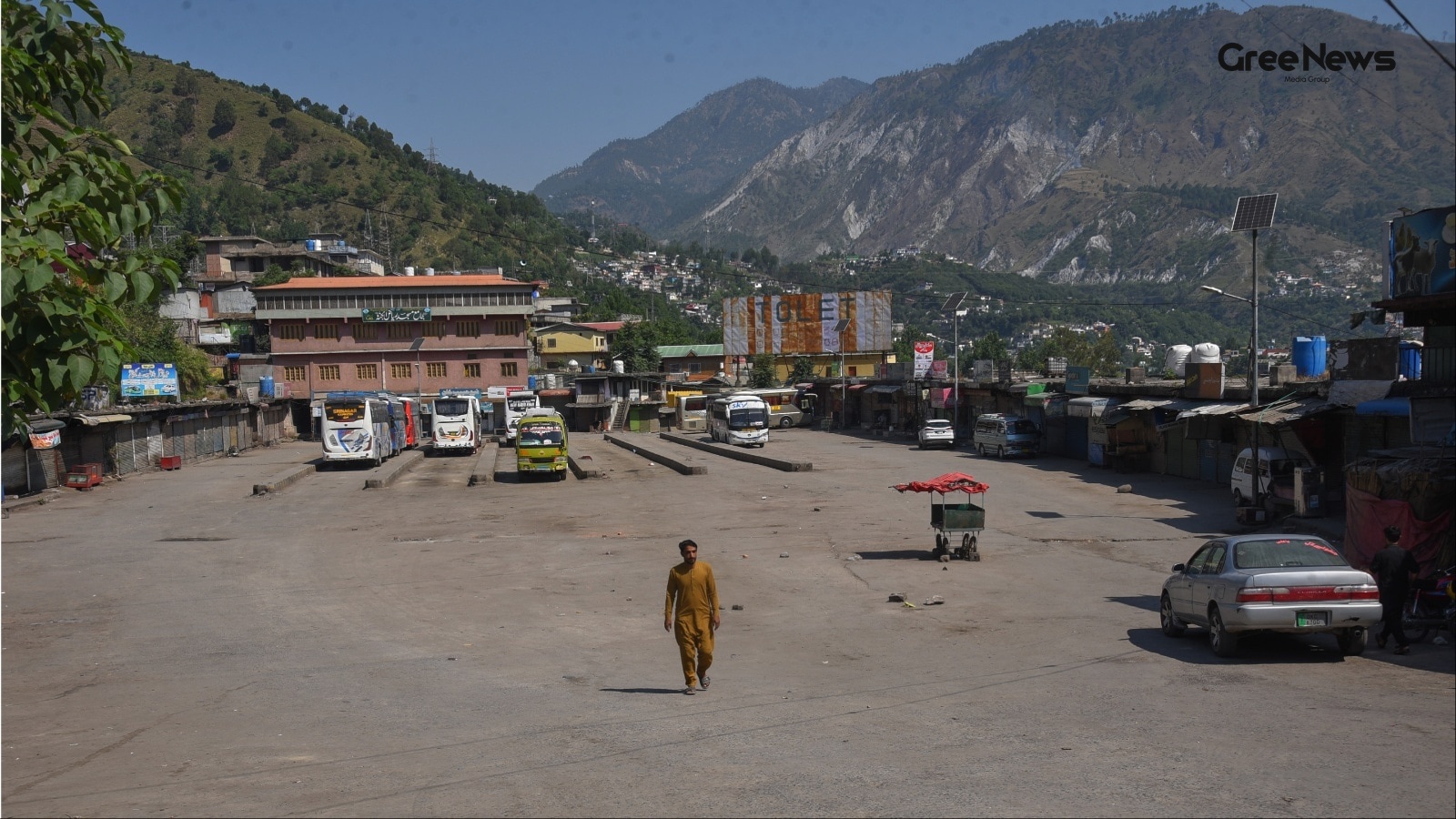
Crackdown, Blackout, and Humanitarian Crisis in Rawalakot Amid Regional Unrest
The crackdown hit Rawalakot hard. It happened during Fajr prayers at Eid Gah Ground, right when members and supporters of the Awami Action Committee were holding a sit-in. Things escalated fast. Security personnel used direct firing, heavy shelling, and tons of tear gas just to break up the gatherin
Jun 15, 2026 by Gree News Team
The Geopolitical Significance of the Macron-Modi Moment
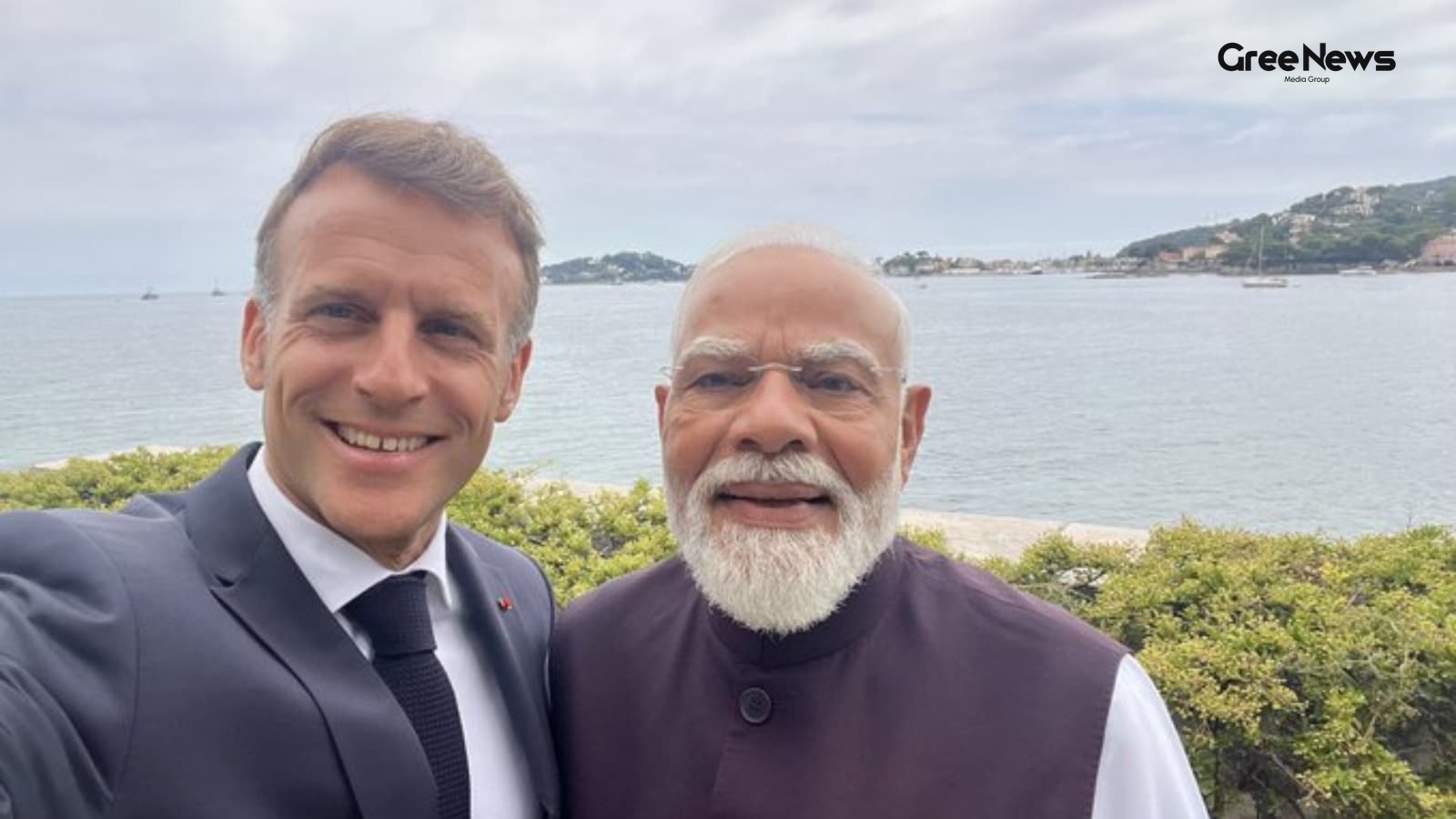
The photo dropped online, naturally. Macron and Modi smiling against that Mediterranean backdrop in Nice. Just a selfie, captioned with one word: “Nice!” It felt… light. Almost deliberately so. But underneath that simple caption, there was a whole current running through it. A kind of unspoken ackno
Jun 15, 2026 by Gree News Team
Maritime Safety and Geopolitical Risks in the Gulf Region
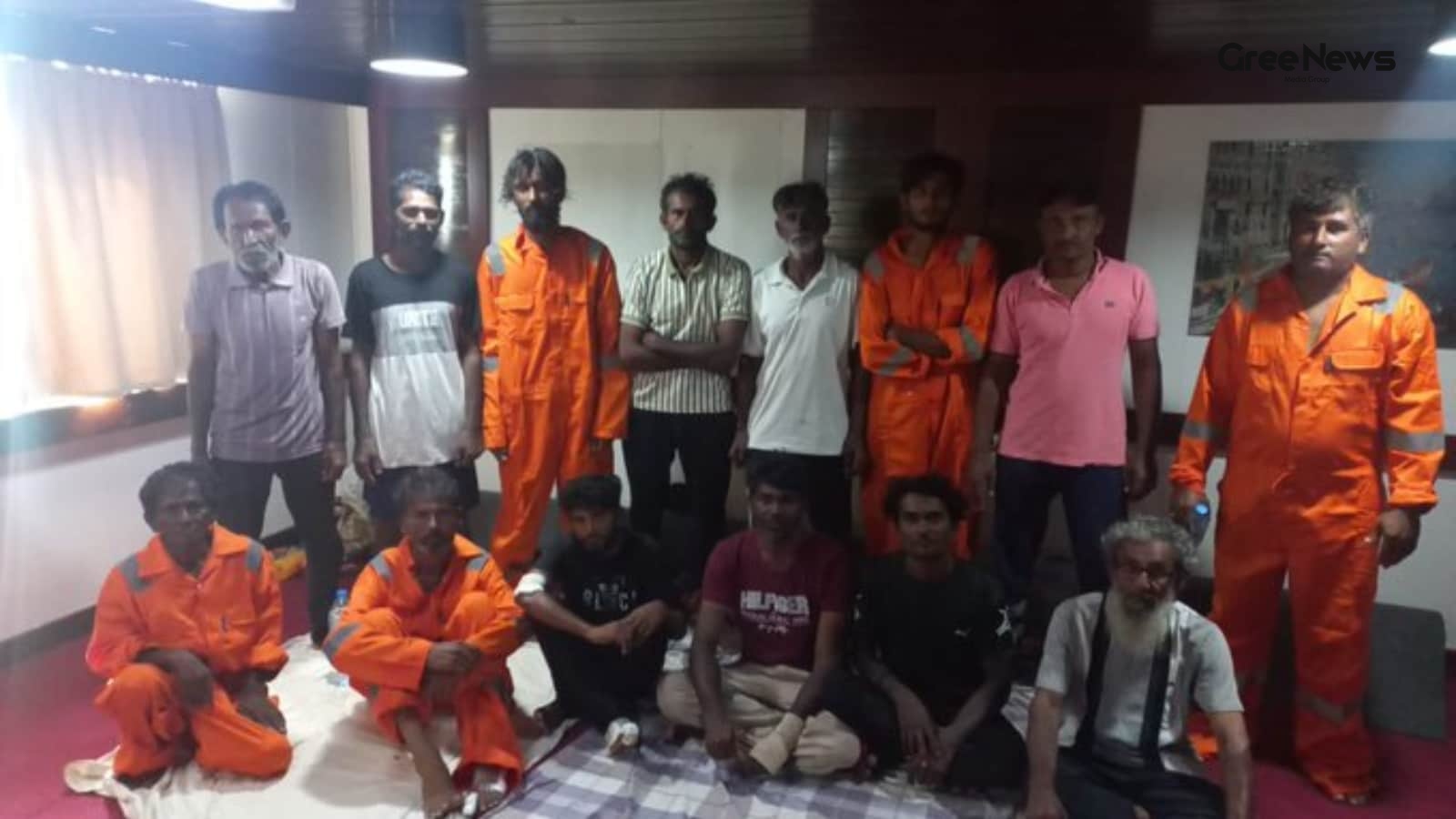
Fourteen Indian crew members. That’s what they managed to pull off, safely evacuated from a ship near Oman this past Sunday. An engine failure forced the issue. It kicked off an immediate rescue operation involving Omani authorities and various maritime agencies scrambling into action. It wasn't jus
Jun 15, 2026 by Gree News Team
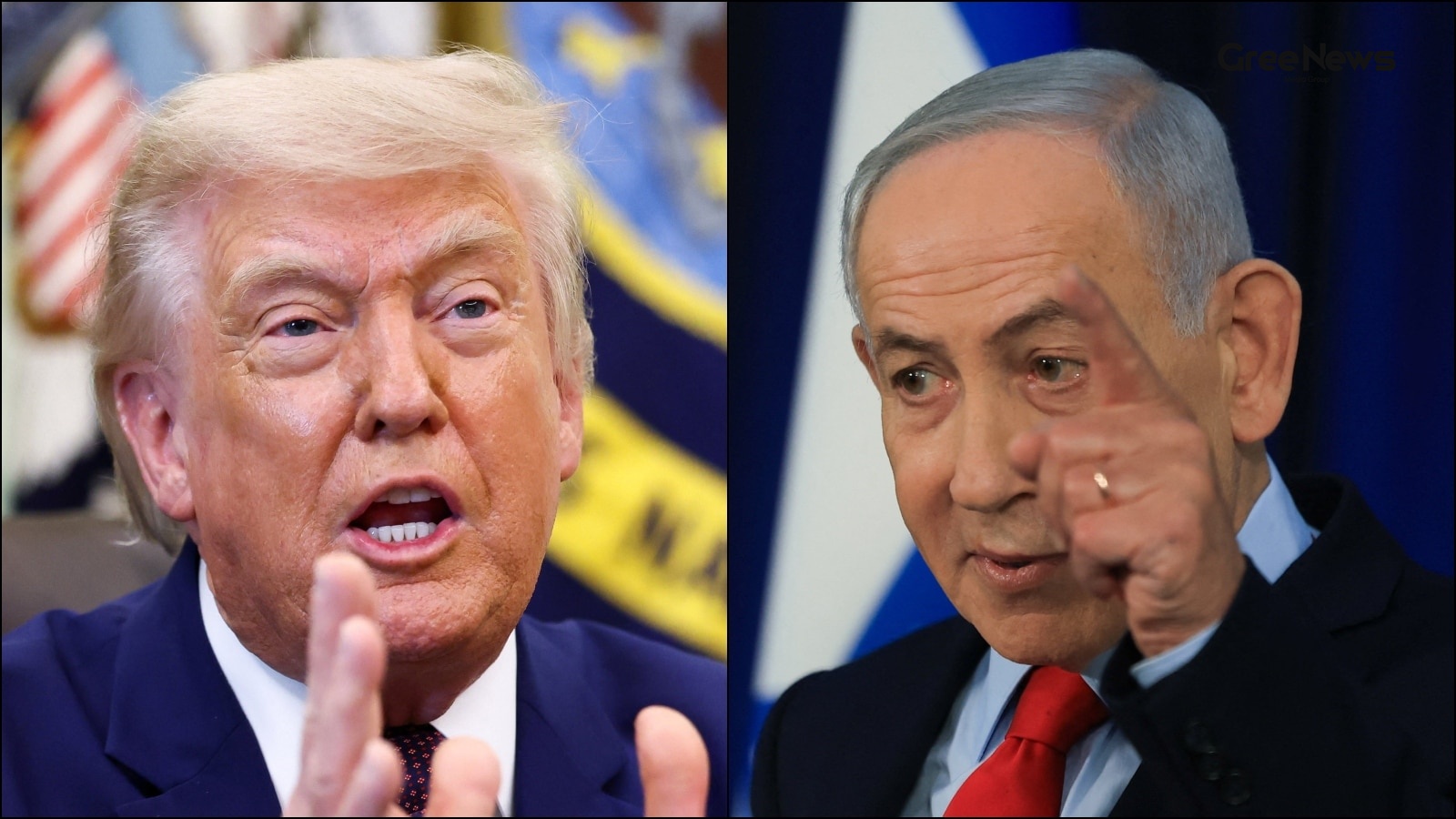
Donald Trump's Reaction to the Beirut Strike and the Iran Peace Deal
Donald Trump got really angry. He sharply criticized Israeli Prime Minister Benjamin Netanyahu about that Beirut strike on Sunday. He said he was "so pissed off" by the decision. That’s what came out in remarks shared with journalist Barak Ravid of *Axios*. Apparently, this happened during a phone c
Jun 15, 2026 by Gree News Team
Latest Headlines
The Link Between Nutrition and Sexual Health
most people just jump to stress or relationship drama when they talk about sexual health problems. but what if the real culprit isn’t in the bedroom? what if it’s hiding right there on your dinner plate? vitamins. they aren't usually the first thing that pops into mind, right? but they actually matt
Jun 16, 2026 by Gree News Team
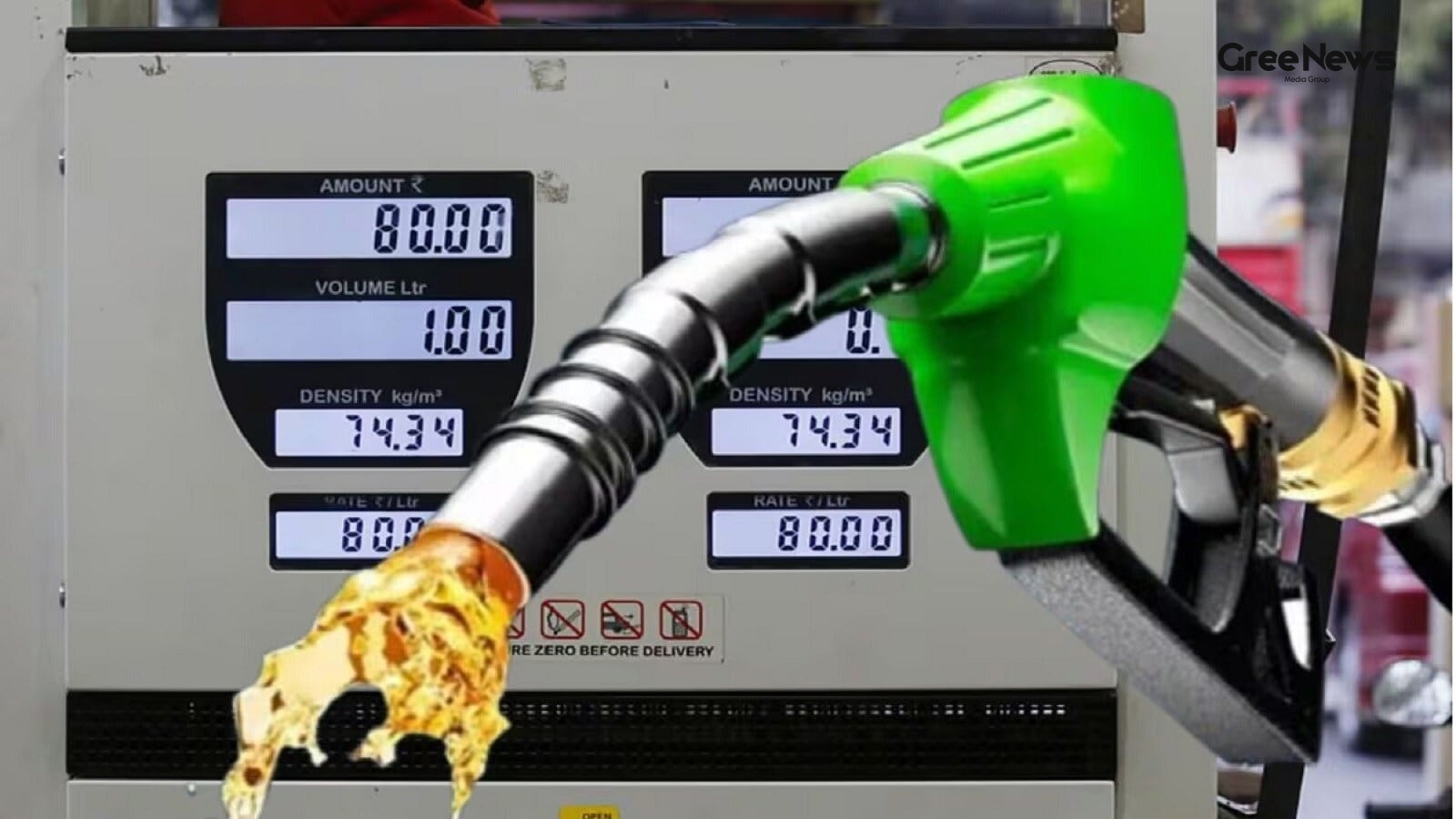
Fuel Market Updates: Petrol, Diesel, and CNG Costs
Petrol, diesel, and CNG costs just hung there on Saturday, June 13th. Nothing changed officially. But behind the scenes, the oil market companies and those handling natural gas distribution keep tweaking things every morning at six, you know? Still, those crude oil prices from West Asia, that crisis
Jun 16, 2026 by Gree News Team
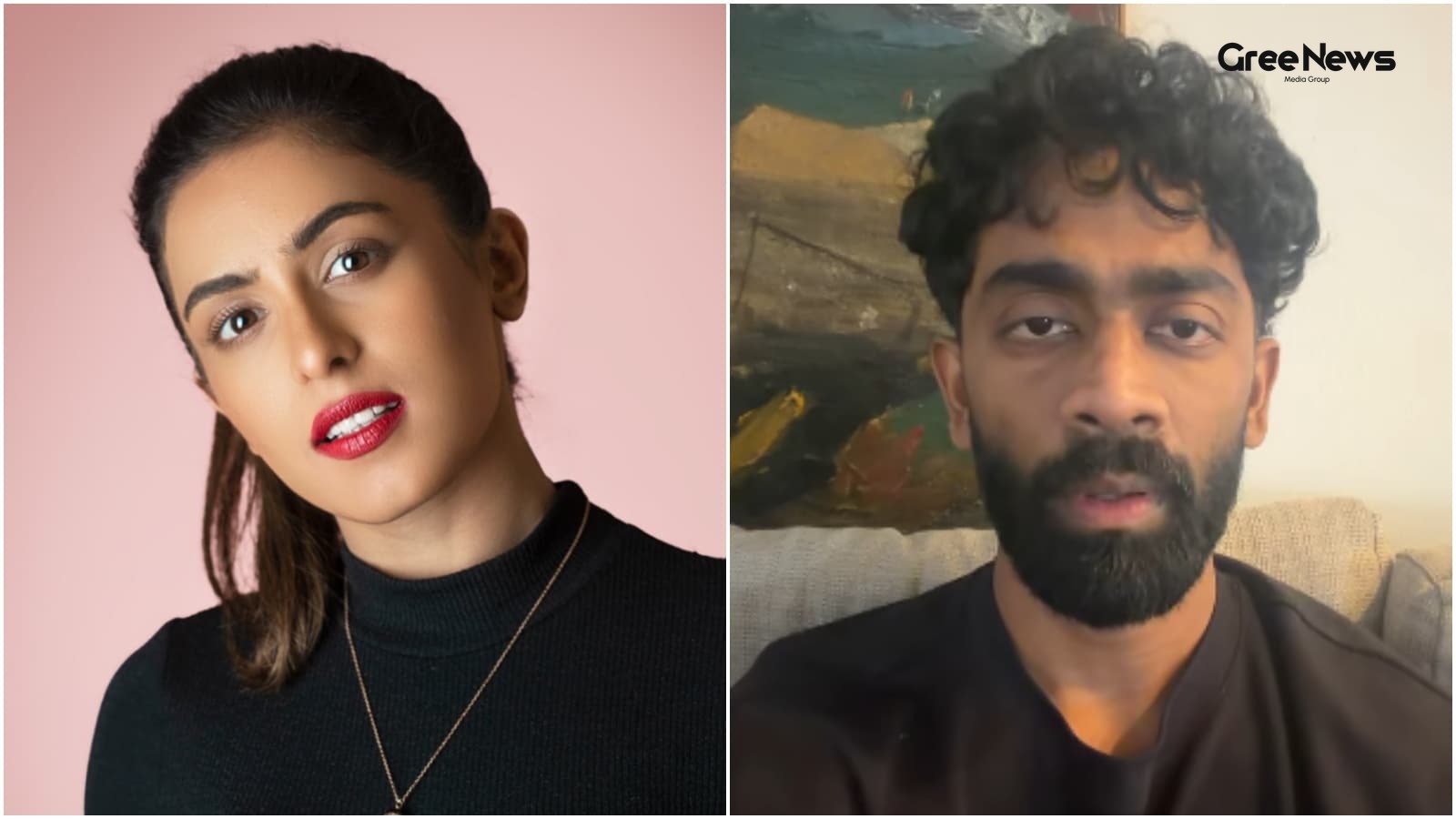
Controversy and Reactions: Pranit More Apology and Social Commentary
Samyuktha Hegde really went off about Pranit More’s latest apology. It was all tied up in that whole mess from his show, where some audience member, Himanshu Jangra, made some comments. The initial spark was about something ridiculously small some guy spent money on chicken biryani and felt entitled
Jun 16, 2026 by Gree News Team
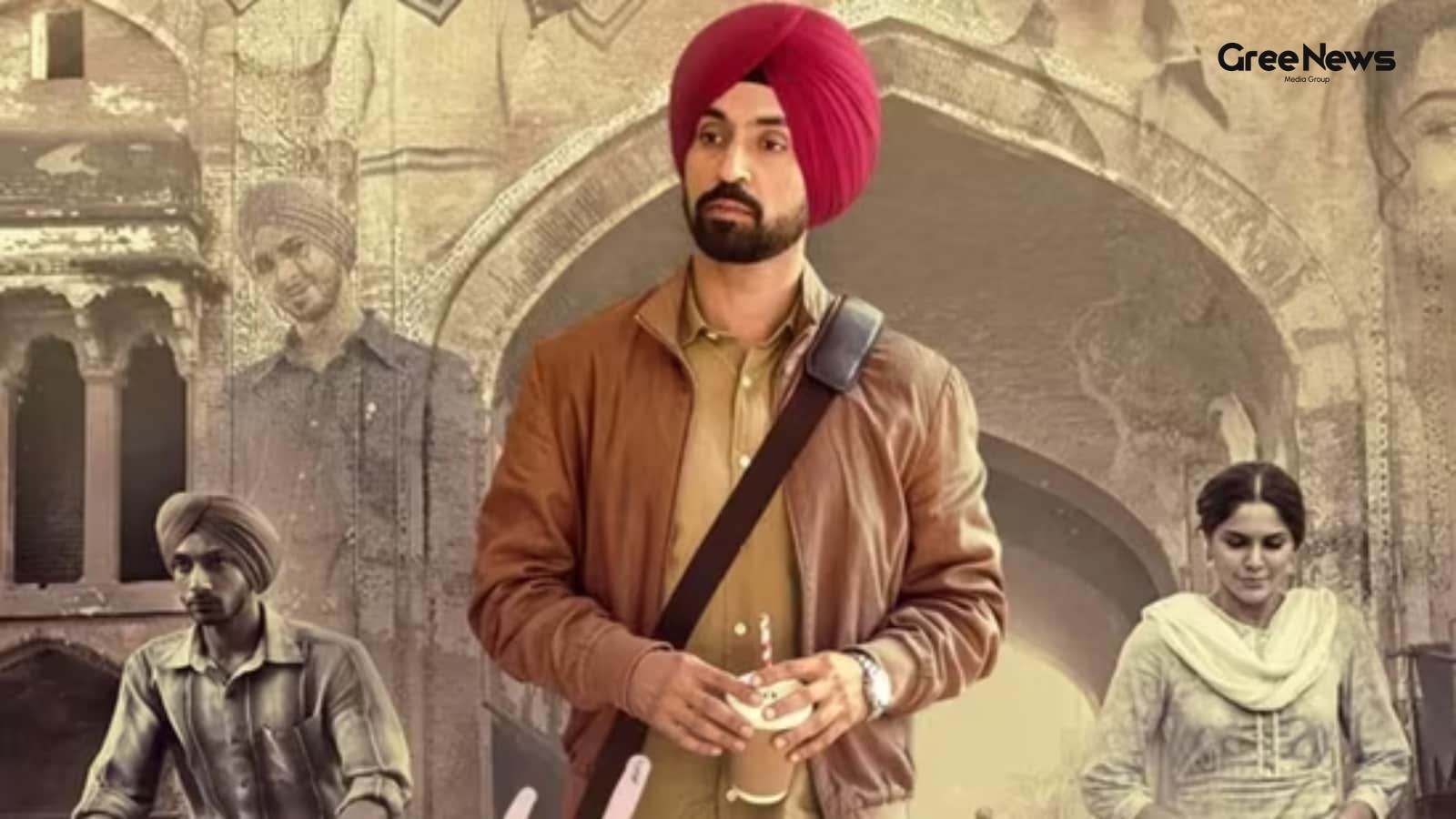
The Emotional Weight of Cinema: Analyzing the Success and Substance of Main Vaapas Aaunga
The air in the cinema lobby felt thick, didn’t it? That kind of heavy silence that settles after the initial buzz fades out. You watch these numbers, right? They flash up on the screen, and you try to make sense of them. It’s not just about the cash, really. It’s about the echo bouncing around in th
Jun 16, 2026 by Gree News Team

The Paradox of Information: Drowning in Content vs. Gaining Wisdom
We never had access to information like we do now. It’s just... different. News hits you instantly. Content pops up on your screen right when you look for it. AI spits answers back in seconds. And yet, somehow, people feel less informed. Less certain. More overwhelmed than ever before. That feels li
Jun 16, 2026 by Gree News Team
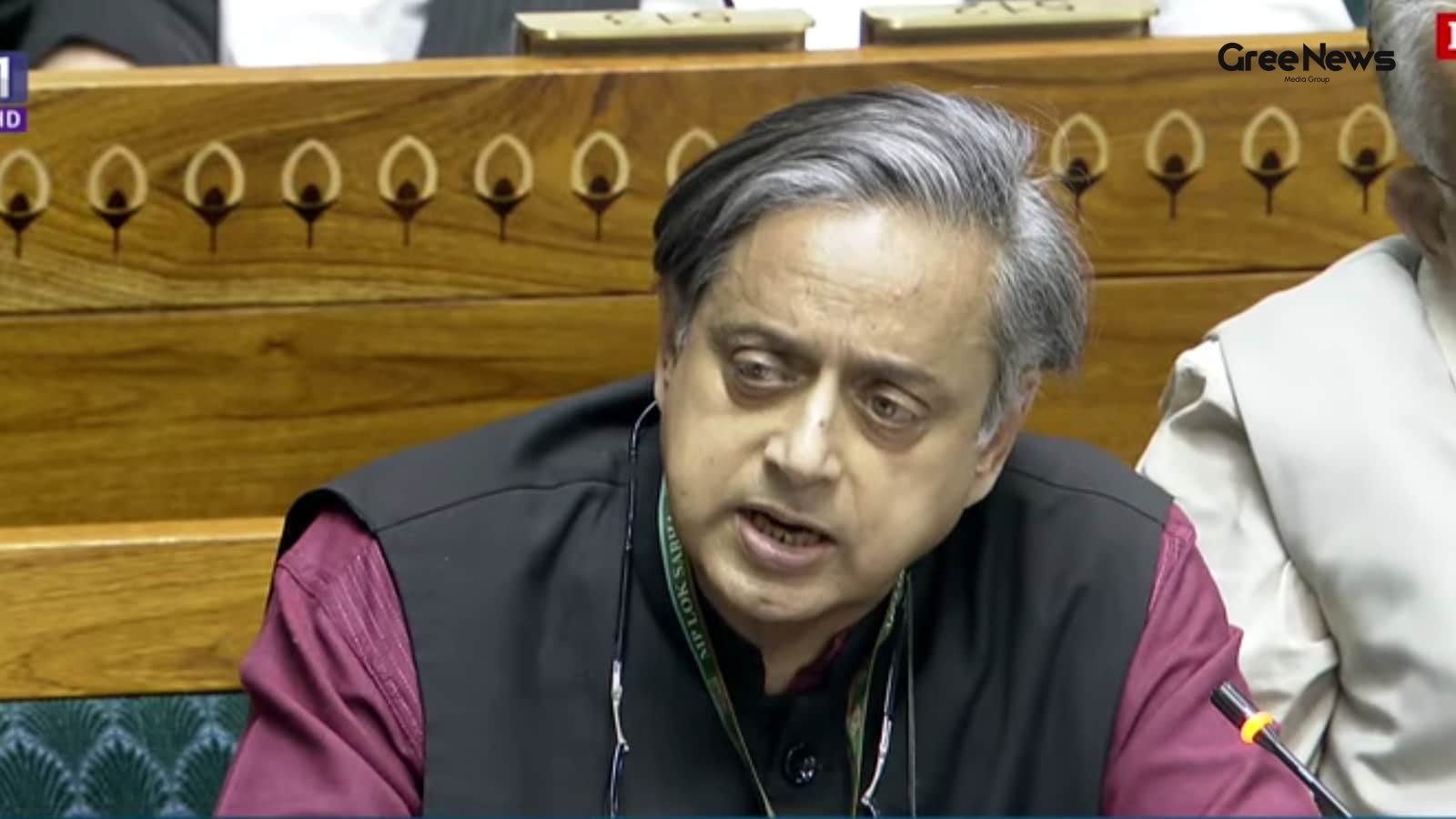
Shashi Tharoor on US Response to Indian Mariners' Deaths in Gulf of Oman
Shashi Tharoor, MP and head of the Parliamentary Standing Committee on External Affairs, really hammered Washington over the silence. No condolences offered after three Indian mariners died in a US military strike on a merchant ship somewhere in the Gulf of Oman. It was a major sticking point right
Jun 16, 2026 by Gree News Team
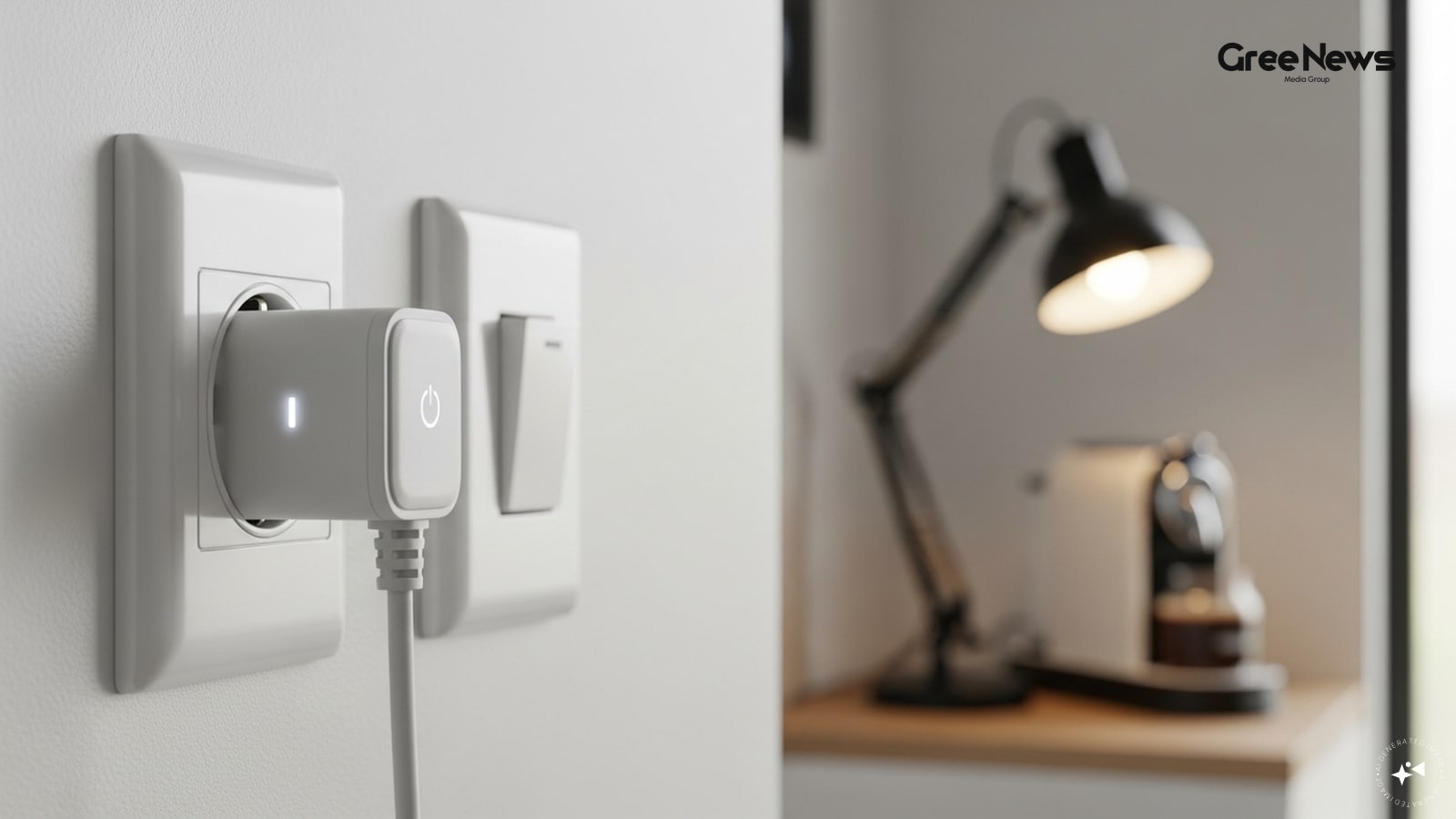
Smart Home Gadgets and the AI Geopolitical Standoff
The world of smart homes is moving fast. People are looking for ways to make their daily lives easier, safer and cheaper. And right now, there’s a wave of gadgets priced under five thousand rupees that promise real convenience, security, and automation without needing a massive renovation or an army
Jun 16, 2026 by Gree News Team
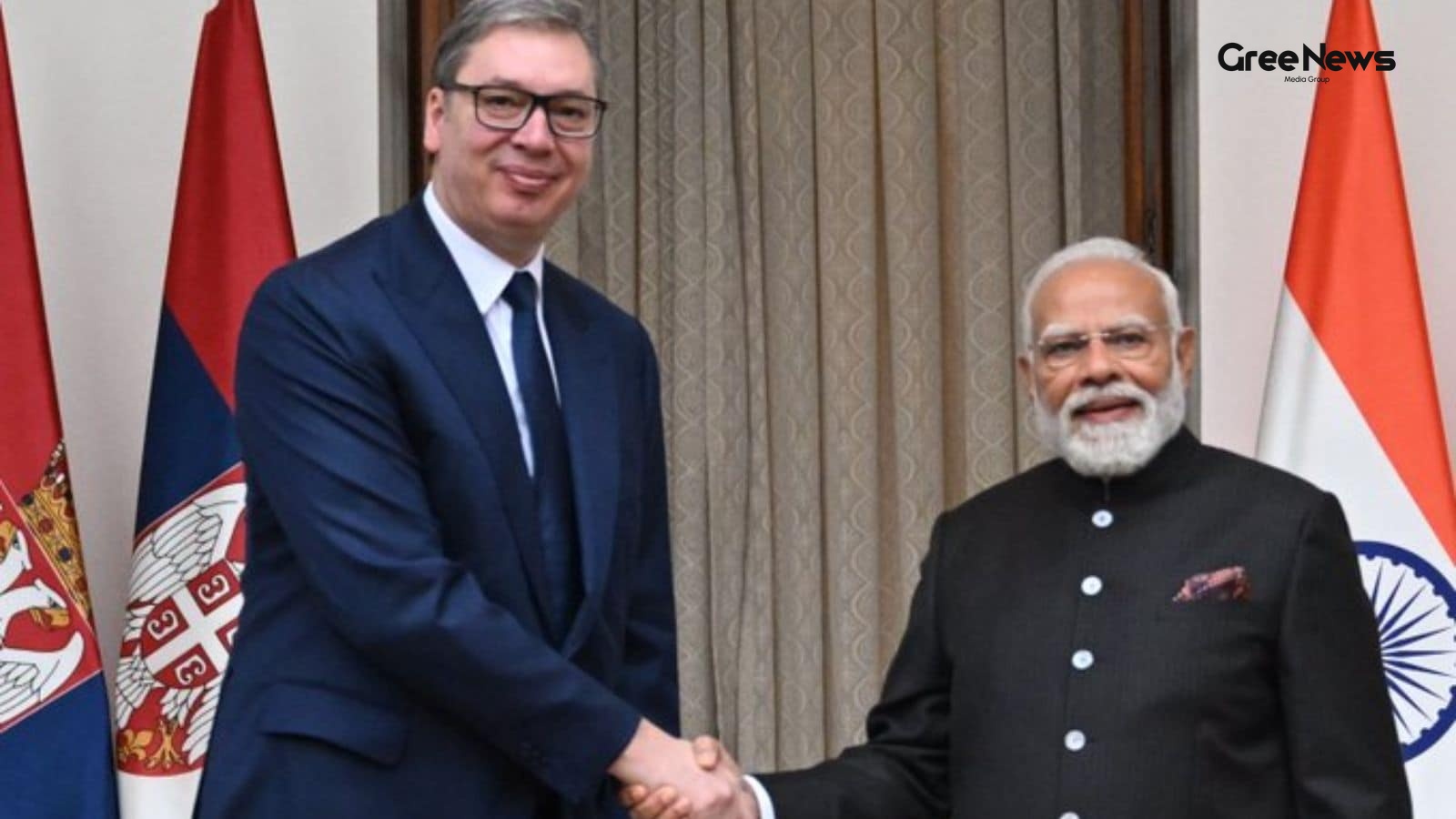
Diplomatic Exchange: Modi and Vucic on Leadership and Partnership
The exchange between New Delhi and Belgrade, centered around Prime Minister Modi’s tenure, felt less like official diplomacy and more like something shared across social media feeds a casual acknowledgment of status mixed with a hint of deeper history. It wasn't just about congratulations; it was ab
Jun 15, 2026 by Gree News Team
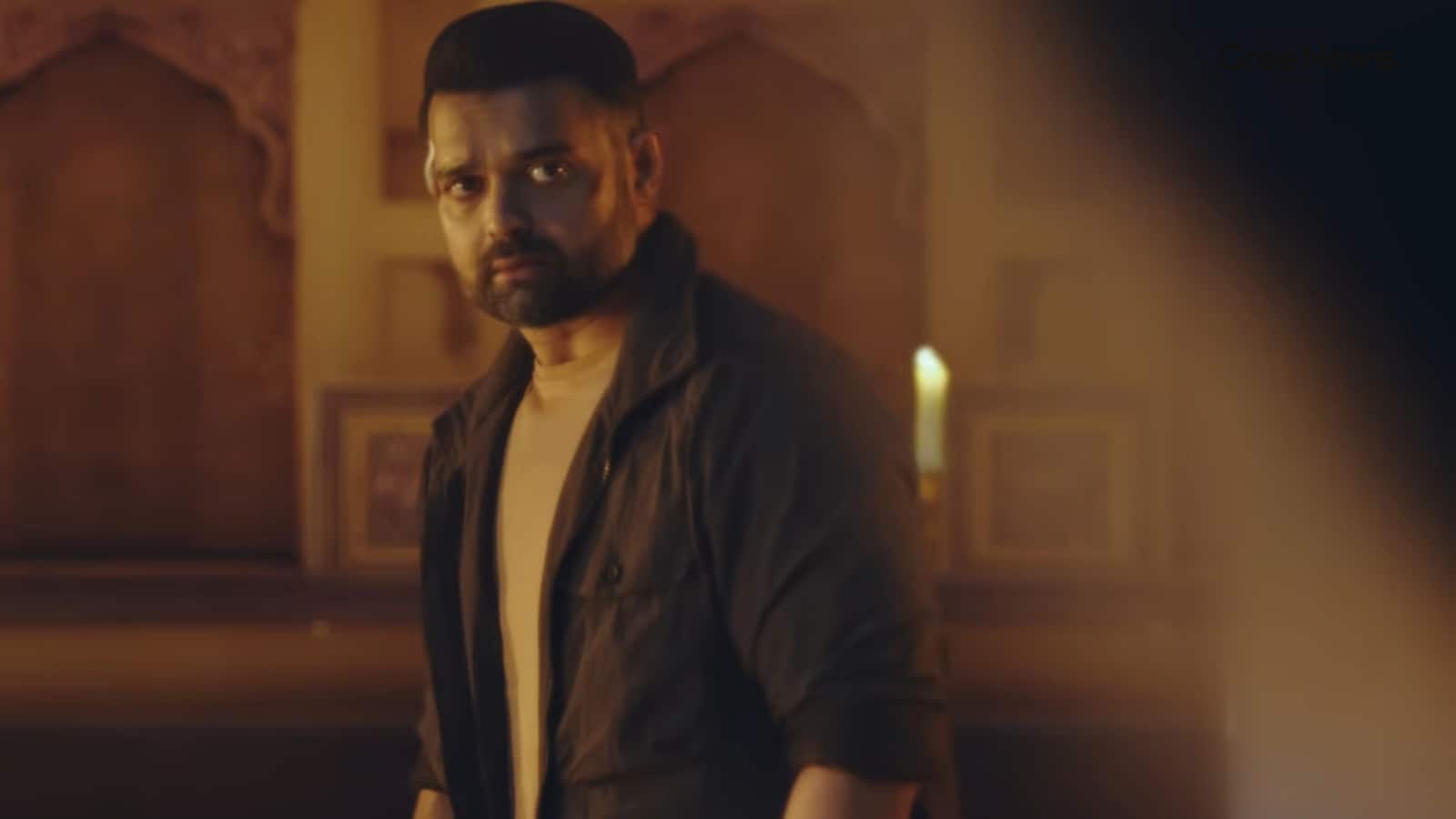
Analysis of Horror Film Box Office Performance and Growth
That whole box office is just nuts right now. Everyone chasing those big star releases. But somehow, one horror film manages to stick around. *Haunted 3D: Echoes Of The Past*. It’s quietly finding its space despite the noise. It’s got that slow build going on through the opening weekend. Not exactly
Jun 15, 2026 by Gree News Team
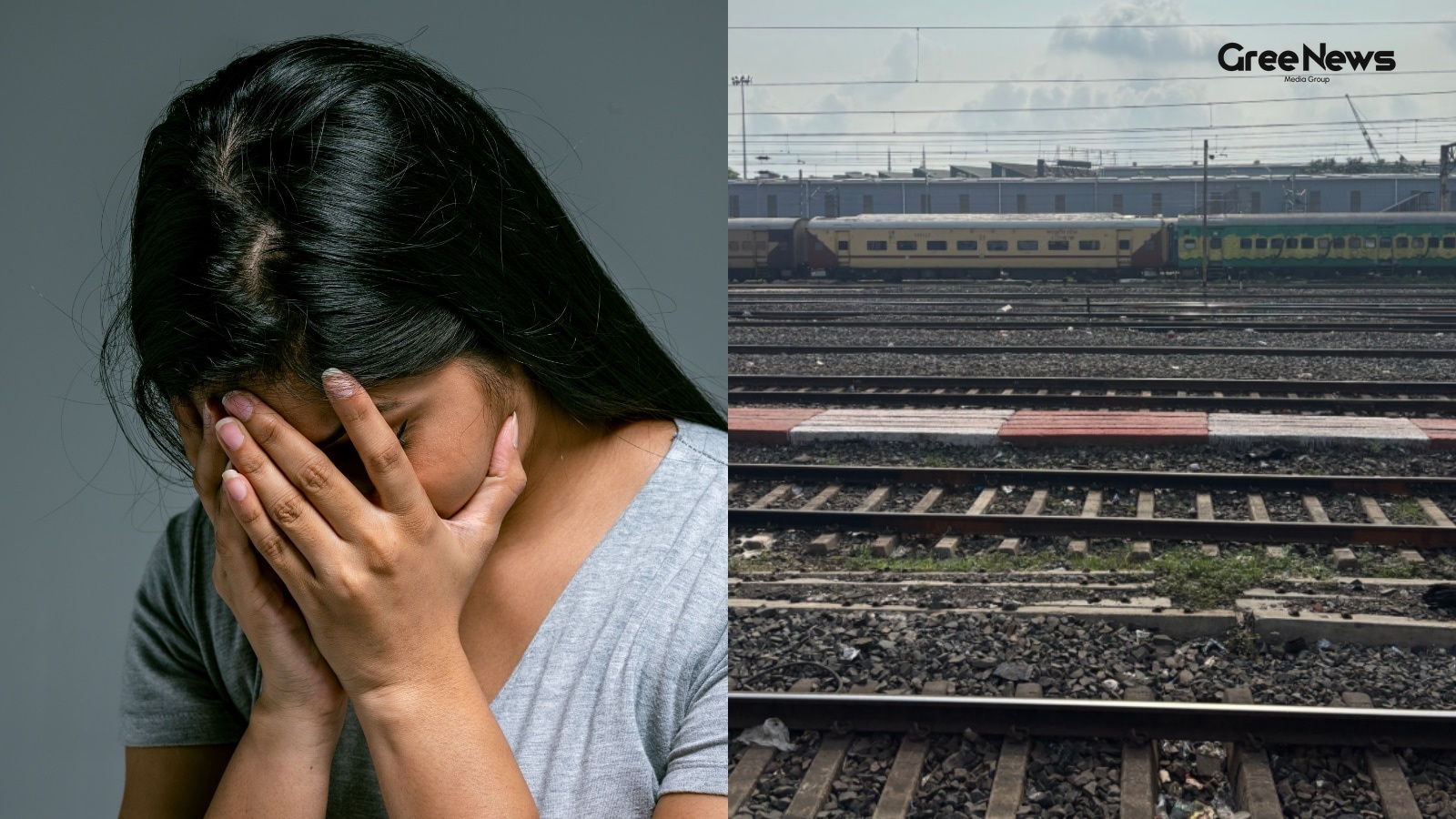
Systemic Failure and Public Frustration: The Impact of Delayed Indian Railways
The digital space flared up fast. A single post about a missed exam date the RBI Grade B test, June 13th quickly morphed into something much larger. It wasn’t just a personal complaint; it became an instant mirror reflecting a deep, simmering frustration about the state of Indian Railways and the sh
Jun 15, 2026 by Gree News Team
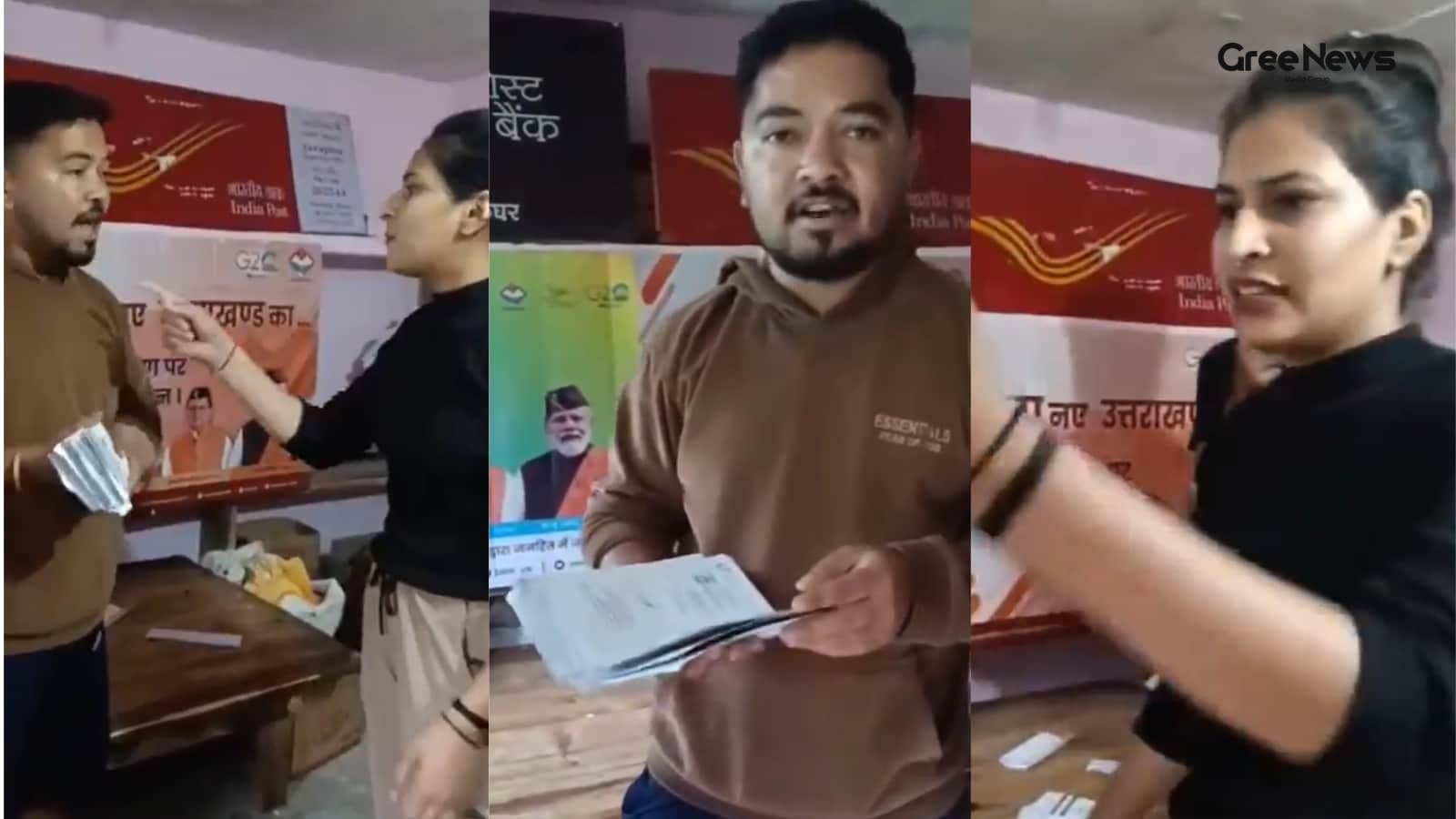
Post Office Misconduct and Social Media Outrage in Uttarakhand
The noise started in Uttarakhand, right at the post office in Jara Jibli village. It wasn't a quiet disagreement; it was just raw, heated confrontation between some local residents and the India Post staff. Things blew up fast online. It all kicked off because one local came in there claiming the em
Jun 15, 2026 by Gree News Team
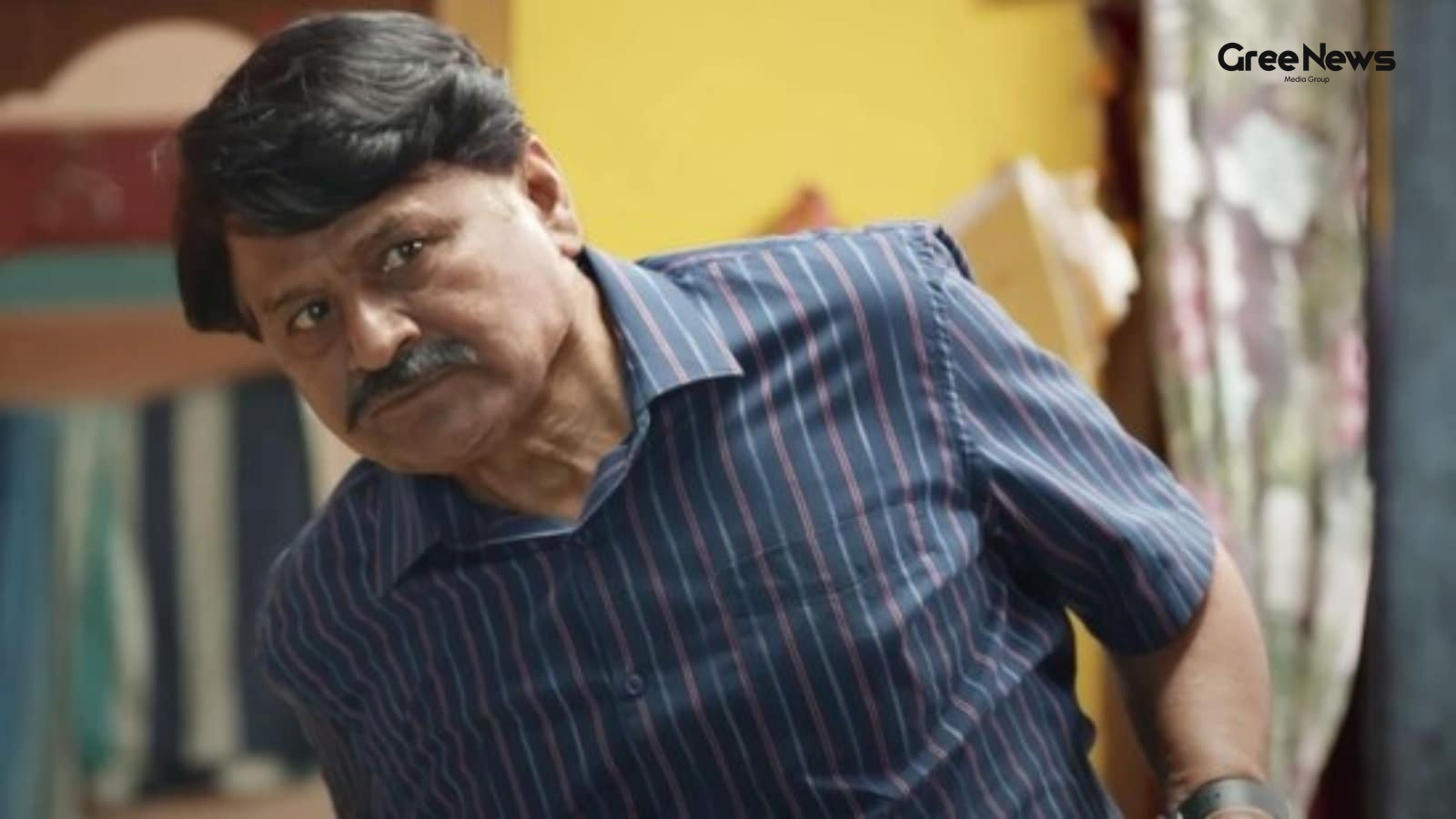
Raghubir Yadav: Journey from Uncertainty to Stardom
Raghubir Yadav wasn't just some familiar face on TV and cinema screens, you know? Long before that, his life was totally uncertain. Now he’s celebrated for those memorable performances, but getting there? That wasn't easy at all. He looked back at those rough years in a chat with ABP Live. He talked
Jun 15, 2026 by Gree News Team

Accountability, Apology, and Growth in Public Scrutiny
Nehal Chudasama weighed in on the whole mess with Pranit More’s situation. She basically said that even though what went down at his show was wrong which it was people still need some space for growth after accountability is actually shown. The whole thing kicked off because of that viral clip from
Jun 15, 2026 by Gree News Team

Best Action Camera and Kitchen Gadget Pairings for Travel and Cooking
Travelling solo, right? That’s when you really start thinking about gear. Becoming your own photographer. It sounds simple enough, but getting good shots on a scooter ride or while hiking it all hinges on having something lightweight and solid. And that’s where the selfie stick comes in. It just mak
Jun 15, 2026 by Gree News Team
Crackdown, Blackout, and Humanitarian Crisis in Rawalakot Amid Regional Unrest
The crackdown hit Rawalakot hard. It happened during Fajr prayers at Eid Gah Ground, right when members and supporters of the Awami Action Committee were holding a sit-in. Things escalated fast. Security personnel used direct firing, heavy shelling, and tons of tear gas just to break up the gatherin
Jun 15, 2026 by Gree News Team