The Emotional and Financial Struggle of Living in Gurugram

That guy, a software developer , twenty-seven. From Gurugram. He posted it on Reddit, just dropped this mess about money. It went viral, you know? Suddenly everyone was looking at his numbers.
He said his monthly salary, that 1.5 lakh figure , doesn't feel high enough. That’s the core of it. The feeling that hits you when you actually start tracking things it’s usually way different from what the bank statement says. He explained, kind of painfully, that after all the necessary stuff the EMIs, the rent taking up space, just basic daily survival there’s barely anything left in hand at the end of the month. It’s this constant squeeze.
He was recently married, juggling commitments already. That adds another layer. You’re not just managing your own life; you’re managing a shared existence, responsibilities that pile up fast. And then there's the relentless pressure of trying to keep pace with living costs in a city like Gurugram. It feels like running on a treadmill that keeps speeding up.
He actually broke down the geography of his money. That was the part that really got people talking. He started listing things out, kind of raw, almost brutally honest about where every rupee vanishes.
He laid it out:
- the plot EMI alone eats up forty-four thousand .
- Then there’s the rent in Gurugram twenty-five thousand .
- Basic groceries, trying to stretch that budget, came to six or seven thousand .
- Fuel costs? Eight to ten thousand , depending on how much he was driving around.
- And then you have the personal cost of keeping things running: fifteen thousand for his wife’s personal expenses.
- On top of all that eating out, miscellaneous stuff, just dealing with the daily grind that added another seven or eight thousand .
When he tallied it up, the total expense came in at around one point one lakh . One million, one hundred thousand rupees to cover everything before he even thought about savings or future goals. It’s a lot of pressure built into that number.
But the story didn't stop there. He wasn't just talking about outflows; he was talking about obligations. There was this debt hanging over him too. Friends, you know how it is, social connections come with expectations. He mentioned owing money to friends. And then there was that bigger weight: a loan of two point five five lakh rupees he was trying to chip away at alongside the regular monthly expenses. It’s compounding stress.
He admitted that this financial reality was feeding into something much heavier: emotional exhaustion. He talked about the feeling it created, the sheer mental strain. “It literally kills,” he wrote in his post. That's the kind of raw emotion you see when basic survival feels like an uphill battle against a relentless tide.
And then came the comparison. This is where things got really stark. He expressed this deep stress about seeing other people. People his age, earning twice what he is. They seem to have it easier, they can live more carefree lives while he’s stuck wrestling with these numbers. It’s a cruel reflection, isn't it? The feeling of being left behind, unable to provide the kind of comfort or ease for his wife and family that seems so common elsewhere.
He asked the big question into the void on Reddit: How do you fix this? How do you manage it better so you don’t look back and regret the choices made? He acknowledged something shifting in his mind, a slow realization creeping in. Being a software developer that feels like it should offer some security. Appraisals, bonuses, promotions, things should ease up eventually. But right now? It just feels like way much less. The potential relief isn't immediate; the current struggle is painfully present.
Meanwhile, the online reaction was instant and varied. People jumped in with advice, some offering platitudes, others delivering stark reality checks. There wasn’t a single consensus, just a messy collection of experiences bleeding onto the screen.
Some users were immediately sympathetic. They told him straight up that his income, 1.5 lakh at twenty-seven , was actually quite good compared to what most people in India are managing. They pushed back on the feeling of discouragement right away. The message was simple: don’t let the narrative beat you down.
There was this one comment that cut through some of the anxiety. It basically said, “ 1.5 L is already better than ninety-seven to ninety-eight percent of people in India. If everyone else is just surviving, you’re doing fine.” It tried to reframe the scarcity into a relative strength.
But even with that reassurance, the underlying tension remained palpable. The original poster pushed back slightly. He aGreed, sort of. “Can’t argue with that,” he admitted. But immediately followed it up with the deeper truth. Survival is one thing; living without constant anxiety is another. He felt the daily struggle acutely. It wasn't just about the numbers on paper; it was this persistent thought loop: we only have one life. And he feels trapped in a profession where there’s always an upper limit, something that creates a kind of resentment simmering underneath everything else.
Then you saw other examples popping up. Someone mentioned their own situation a different timeline, maybe slightly older than him, but the struggle was familiar. A person who was thirty-two, earning forty-five thousand a month from state government service. It highlights that financial hardship isn't confined to one specific career path or age bracket; it’s just everywhere.
And then there was the practical advice, the real, actionable stuff people started offering. This shifted the focus from lamenting the present to planning for the future. Someone offered a very concrete strategy. They talked about setting aside money. Not just throwing it around. They suggested locking it away FDs, or whatever mechanism exists for at least four to six months of income. Forget that money exists in your daily mental calculus. Make it untouchable. And crucially, they insisted on separation. Open a completely separate account for this emergency fund. Don't let those funds bleed into the everyday spending cycle. It needs to be protected. It’s not just about saving; it’s about building a fortress against sudden shocks. A cushion in case something goes wrong a job loss, an unexpected health issue, anything that threatens the stability of his life and his family.
It became less about the immediate sting of the monthly deficit and more about constructing a long-term defense mechanism. It’s this slow transition from panic to strategy. The initial shock gives way to the necessity of building something solid, something resilient against the constant pressure of inflation and debt. That's where the real conversation seems to land for many people scrolling through these feeds. It’s that messy blend of raw feeling and pragmatic instruction you see bubbling up online.
Written by Gree News Team — Senior Editorial Board
Gree News Team covers international news and global affairs at Gree News. Our collective of senior editors is dedicated to providing independent, accurate, and responsible journalism for a global audience.
More from Top News
View All
The Rising Cost of Living and Rent in Bengaluru
Rising rent and just the sheer daily costs in Bengaluru are starting to worry a lot of young people living alone there. People are really starting to share online how expensive it’s become just to manage a basic lifestyle in the city now. One post from a resident named Shruti went totally viral afte
Jun 17, 2026 by Gree News Team
Gurgaon vs Bangalore Relocation: Salary, Timing, and Life Choices
You know, sometimes these things just hit you out of nowhere. You’re sitting there, doing the normal thing just working, paying bills and then this massive fork in the road opens up. It’s not some neatly laid-out path; it’s more like a sudden jolt, an absolute gut punch where everything suddenly fee
Jun 17, 2026 by Gree News Team
The Reality of Freelancing: Expectations vs. Reality in Video Editing
That LinkedIn post hit something. It went viral, you know? A video editor and founder just laid out a conversation he had with a potential client, and it immediately started sparking some serious debate online about how freelancers actually get paid these days. It all boiled down to expectations ver
Jun 16, 2026 by Gree News Team

Systemic Failure and Public Frustration: The Impact of Delayed Indian Railways
The digital space flared up fast. A single post about a missed exam date the RBI Grade B test, June 13th quickly morphed into something much larger. It wasn’t just a personal complaint; it became an instant mirror reflecting a deep, simmering frustration about the state of Indian Railways and the sh
Jun 15, 2026 by Gree News Team
Latest Headlines

Sanchita Ugale's Death: Conflicting Stories and Controversy
Sanchita Ugale’s death really shook everyone. Twenty-two years old. Television actress. The shockwave just keeps going through the country. She was found dead at her place in Nalasopara, Maharashtra, back on June 14th. Officially, it’s being reported as suicide. But that’s where things get messy fas
Jun 17, 2026 by Gree News Team

Jyotsna Chandola Singh on Mental Health and Grief
Jyotsna Chandola Singh. Actress. She broke down. Cried about Sanchita Ugale. It happened recently. Tuesday, she posted something on Instagram. A video dropped there. Talking about mental health. Calling Sanchita’s death “very sad.” Simple words, but they carried weight. She was friends with Sanchita
Jun 17, 2026 by Gree News Team

Comparing Cinema Experiences: India versus Europe
Sandra On, this Ukrainian content creator, she put out some thoughts recently comparing cinema experiences across borders India versus Europe. It wasn't just a simple review. She posted it on Instagram, setting up this comparison about how different these movie settings feel in India compared to wha
Jun 17, 2026 by Gree News Team

The Friction and Conflict Surrounding the US-Iran Memorandum of Understanding
The air around the potential US-Iran memorandum of understanding is thick with something that isn't just diplomacy. It’s friction. A deep, grinding tension that surfaces whenever you look at the numbers the fourteen clauses hanging over Geneva this Friday. Israel, naturally, hasn't been comfortable
Jun 17, 2026 by Gree News Team

Pavel Durov Criticizes India's Telegram Ban and Platform Restrictions
Pavel Durov, the founder of Telegram, stepped in to criticize what the Indian government did. He argued that banning the messaging platform for a week really punishes over 150 million users in the country. The ban itself didn't stop anything, he said. The leaks just moved over to other apps. That wa
Jun 17, 2026 by Gree News Team
The Rising Cost of Living and Rent in Bengaluru
Rising rent and just the sheer daily costs in Bengaluru are starting to worry a lot of young people living alone there. People are really starting to share online how expensive it’s become just to manage a basic lifestyle in the city now. One post from a resident named Shruti went totally viral afte
Jun 17, 2026 by Gree News Team

The History Agreement: Negotiations, Demands, and Geopolitical Shifts
The world is gearing up for whatever signing happens next regarding that history agreement in West Asia. And you know who’s talking about it? Vice President JD Vance. He just said the whole memorandum doesn't even take up two pages. Just that. But what does that mean? It sounds incredibly light, alm
Jun 17, 2026 by Gree News Team
The Security and Political Crisis in Jammu and Kashmir
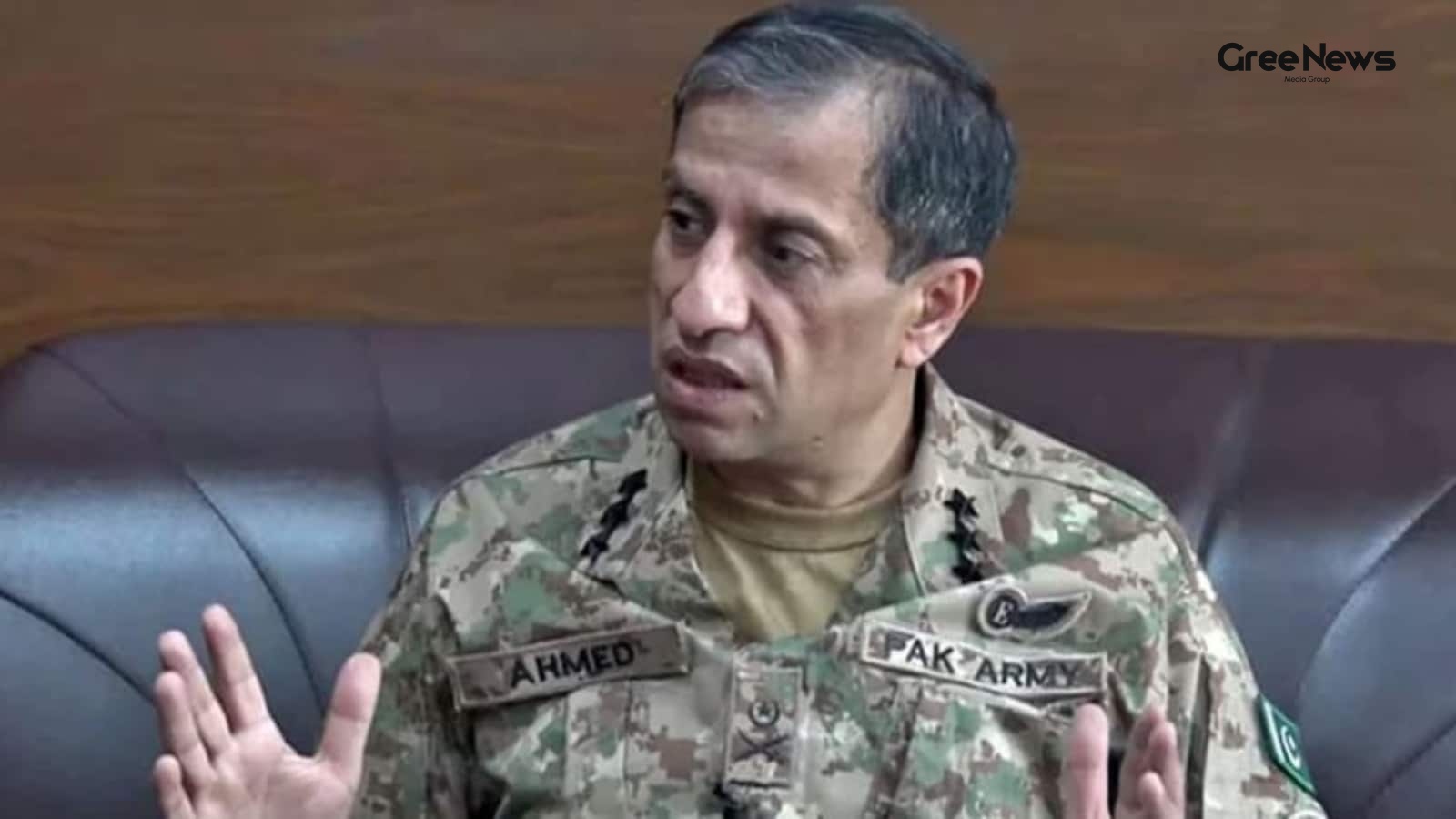
Rawalpindi is running with its usual playbook, blaming foreign intelligence agencies for everything happening in Jammu and Kashmir. It’s massive domestic pushback, unprecedented stuff. The Director General of ISPR, Lieutenant General Ahmed Sharif Chaudhry, just gave an exclusive briefing to the pres
Jun 17, 2026 by Gree News Team

US Military Covert Operation: Bypassing Sanctions via Ship-to-Ship Transfers
The US military has been running this whole covert operation since early May. It’s about moving Gulf oil out of the Strait of Hormuz, using those secretive ship-to-ship transfers. They're basically borrowing a trick from Iran’s playbook on bypassing sanctions. Reuters got wind of it Monday. It’s hap
Jun 17, 2026 by Gree News Team
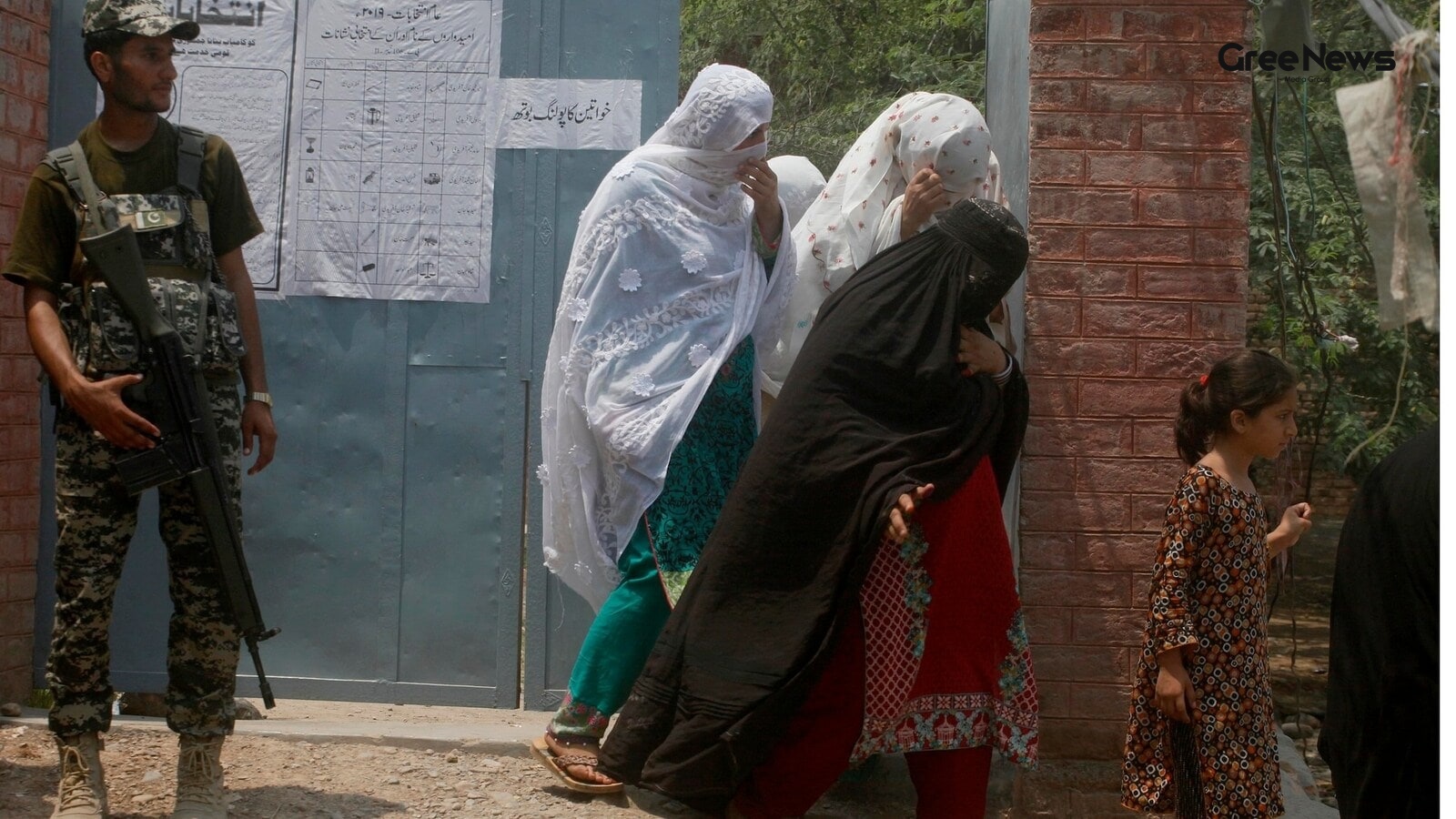
Tax Exemption for Women's Sanitary Products and Contraceptives in Pakistan
The tax exemption for women’s sanitary products and contraceptives has finally landed in the federal budget for 2026-27. It kicks in July 1st. Finance Minister Muhammad Aurangzeb pushed this through as part of the larger federal plan. But there’s more to it than just the numbers on the page. This mo
Jun 17, 2026 by Gree News Team

Justice Served: BSF Jawans Sentenced for Gang-Rape and Acid Attack in Mizoram
Bringing that nine-year legal fight to a close in Mizoram’s district court was something huge. They finally sentenced two Border Security Force jawans to rigorous imprisonment. The charges? Gang-rape and brutal acid attack against a local tribal woman back in 2017. The judge, Additional District and
Jun 17, 2026 by Gree News Team

Erling Haaland Scores First World Cup Goals in Norway Victory
Erling Haaland scored his first World Cup goals. Norway beat Iraq four to one on Tuesday in their very first game at a major tournament in twenty-six years. It happened fast. He turned in from close range for the lead around the twenty-ninth minute in Boston. But Aymen Hussein got level with a heade
Jun 17, 2026 by Gree News Team

Fuel Price Movements and Market Dynamics on June 17th
Petrol, diesel, and CNG prices stayed put Monday, June 17th. That’s what they said. But behind the scenes? The oil market companies and gas distributors are still tweaking things every morning at six, you know? Still, there was movement in the upstream stuff. OMCs hiked petrol and diesel by about se
Jun 17, 2026 by Gree News Team
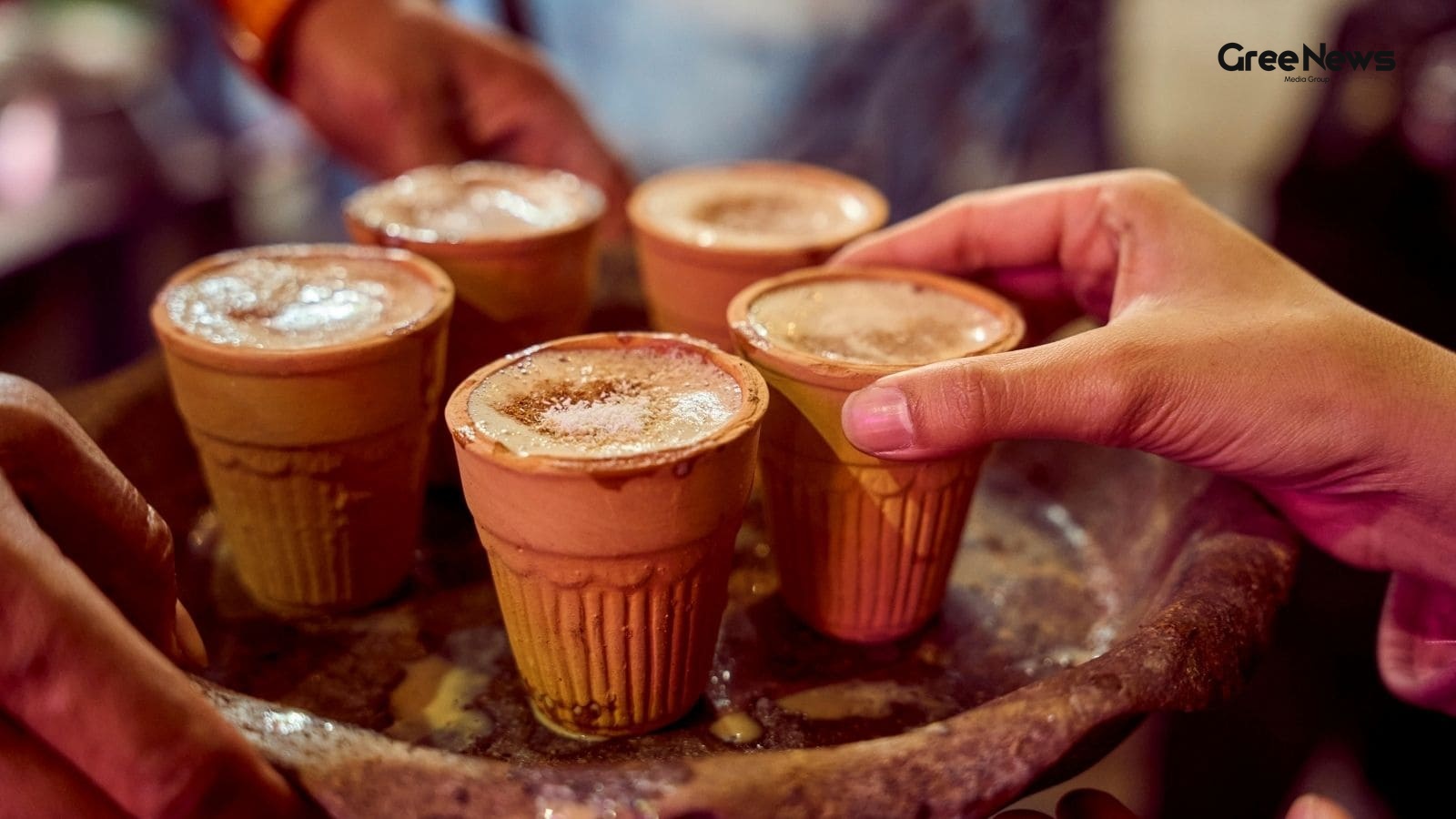
The Secret to Making Deep, Rich Masala Chai
You know that smell? That fresh masala chai aroma. It’s unbeatable. But honestly, most people struggle with making it right. They throw in ginger, cardamom, cloves, all that good stuff, and still, it just doesn't hit that deep, rich fragrance you get from a real roadside stall or your mom’s kitchen.
Jun 17, 2026 by Gree News Team

The Dynamic of Stardom: Behind Dil To Pagal Hai and Bollywood Evolution
You know, you hear about *Dil To Pagal Hai*. It’s always something, isn't it? Not just a movie, really. It’s become this thing everyone talks about. A proper cult favorite now, that stuff. And you look at what happened behind the scenes with those actresses. It’s a story, really. A weird one. Karism
Jun 17, 2026 by Gree News Team