Restoration of the Royal Kitchen at Lucknow's Chota Imambara
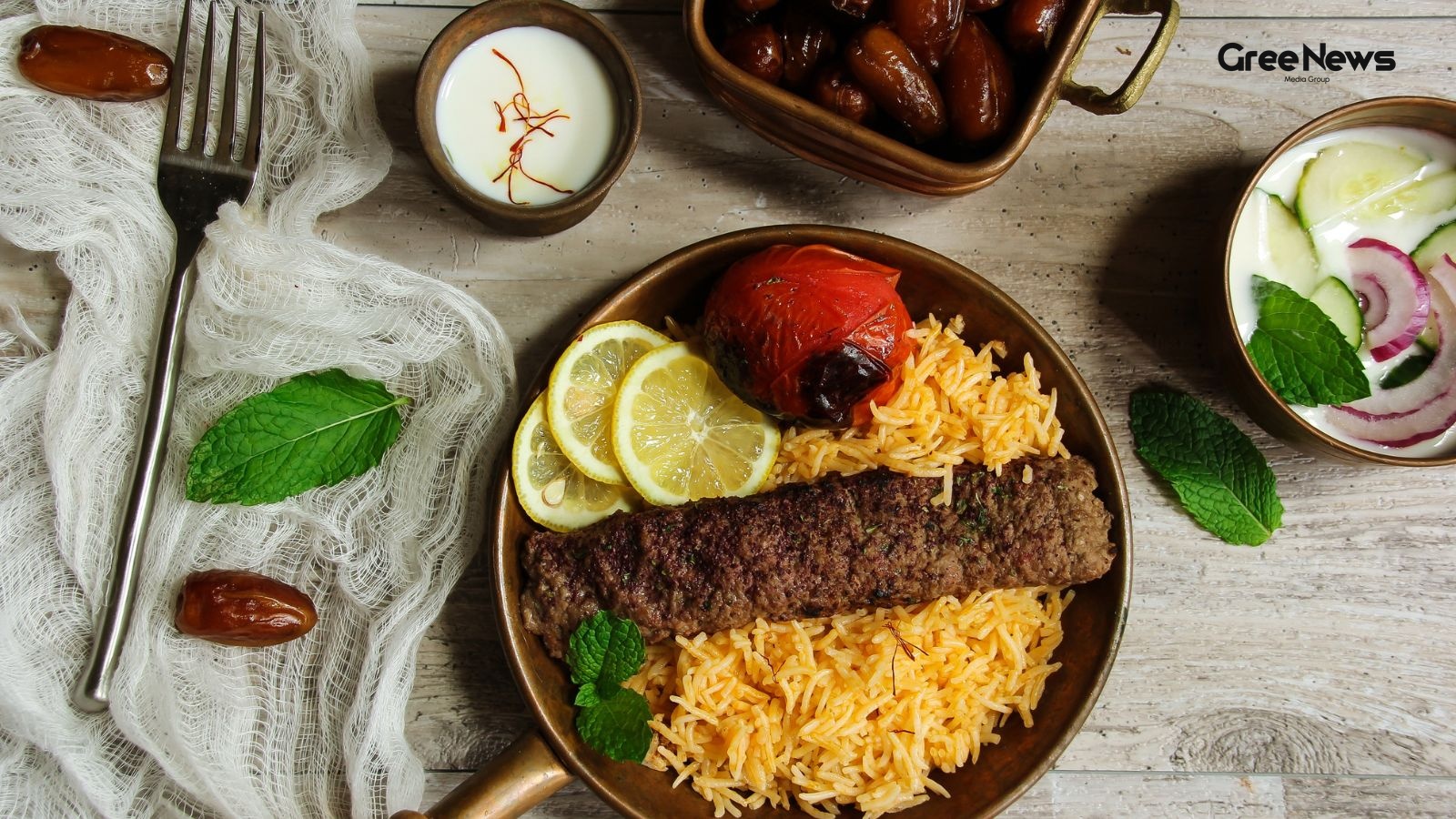
Built back in 1837 by Muhammad Ali Shah, that royal kitchen at Lucknow’s Chota Imambara used to feed the ruler’s household and folks during religious times. It still works now, preparing meals for thousands every Ramadan and Muharram. But things have gotten rough. Years of wear showing through crumbling plaster, cracked walls, damaged floors.
That tradition doesn't just stop. Even though Awadh isn't a state anymore, the kitchen keeps cooking for thousands. Nearly two hundred years later, that connection remains alive.
Historians point to some weird financial setup from the colonial era. Back in 1839, Muhammad Ali Shah reportedly gave the East India Company 3.6 million rupees. The deal was kind of specific. They wanted monuments kept up by the company. And this kitchen? It was supposed to stay running, sustained by interest from that endowment.
When India became independent, those funds just moved somewhere else. Now it’s run by the Hussainabad Trust . They keep operating it using money from that old gift.
But the building itself is struggling now. You see the damage everywhere. The structure needs fixing before it falls further apart.
Local folks started pushing for help. People saw the state of it and reached out to the Archaeological Survey of India, or ASI. Aftab Hussain, a superintending archaeologist involved in the mess, got things moving. Restoration started in October. They’re aiming to finish by the end of March.
It's not just about patching up walls though. The conservationists are focused on something deeper. They want to keep the building’s actual character. Those old construction methods, things that mostly vanished with modern stuff.
How the Restoration is Being Done
How are they actually fixing it? It’s all traditional nonsense mixed with some old knowledge. Hussain mentioned they're using slaked lime for the base. Then soaking it for a month and mixing in wood apple pulp, black gram, natural gum called gond, jaggery, and red brick dust.
That mixture is meant to recreate the mortar used back during the Mughal period, before cement became the big deal. They’re also using lakhauri bricks . Those thin baked-clay things that were common everywhere in northern India for historic structures.
So, the repair work involves all those old ingredients again. Slaked lime mixed with pulp and dust. Lakhauri bricks to match what was there. They are working hard protecting the carved details and rebuilding sections just to keep it close to how it looked centuries ago.
For the families who descend from the former Awadh rulers, this isn't just about old stones. Yasir Abbas, someone in that royal line, said restoring the kitchen is vital. It saves a living tradition alongside the physical building itself.
He felt it represented centuries of social practices. How they kept Lucknow connected to its past. As workers are rebuilding and fixing things, the institution keeps going. It’s still feeding people for religious observances. A legacy that just sticks around through colonial rule, independence, all the way to today’s city sprawl.
It's more than saving a building for some tourists. For many local residents, it’s about keeping alive those old ways of service and charity. The traditions that shaped this place across generations.
Written by Gree News Team — Senior Editorial Board
Gree News Team covers international news and global affairs at Gree News. Our collective of senior editors is dedicated to providing independent, accurate, and responsible journalism for a global audience.
More from Top News
View All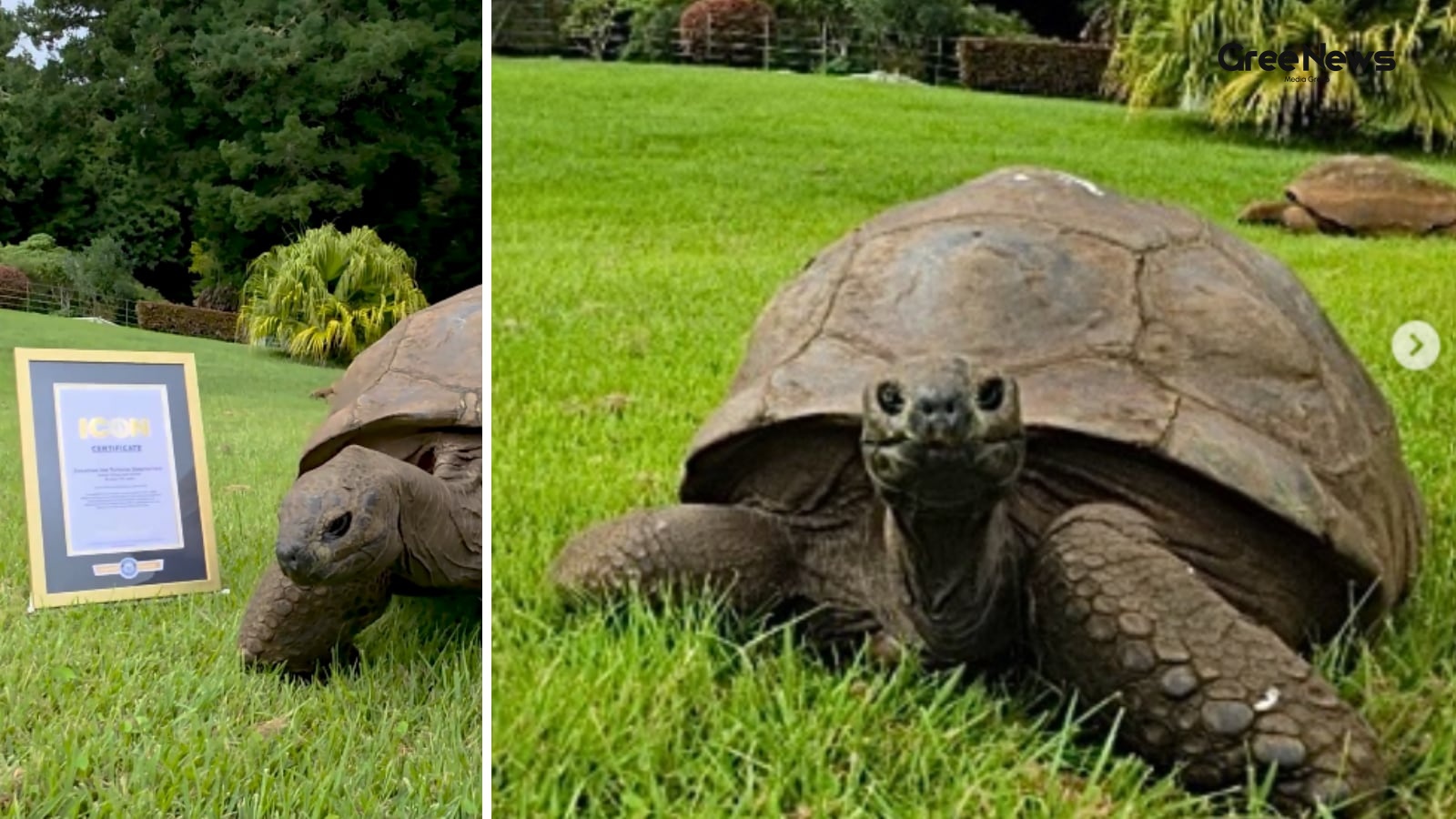
Jonathan: The Oldest Living Land Animal and Living Icon
Jonathan. That’s the name for him. A giant tortoise living up there on St Helena. And he just keeps doing things that make people stop and think, right? Guinness World Records officially named him an ICON. The oldest living land animal. It’s history now. He’s been around for nearly two centuries. Bo
Jun 18, 2026 by Gree News Team
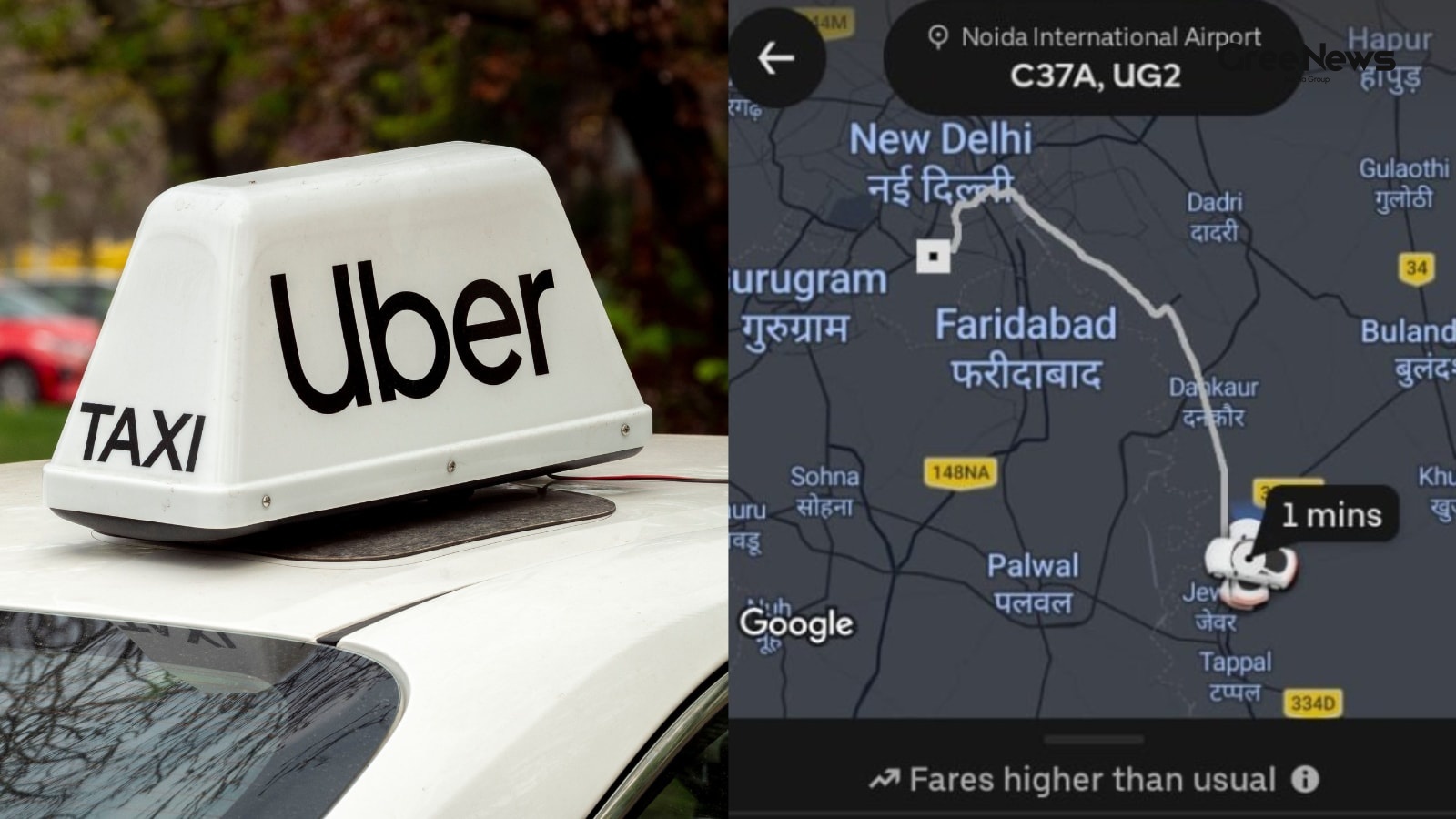
Noida International Airport Launch Sparks Debate Over Cab Fares and Regional Utility
The Noida International Airport in Jewar finally started flying operations Monday, June 15th. A big deal for air travel connecting to the whole National Capital Region. But right when everyone was celebrating the launch, something else popped up online. People were talking about cab fares from that
Jun 17, 2026 by Gree News Team
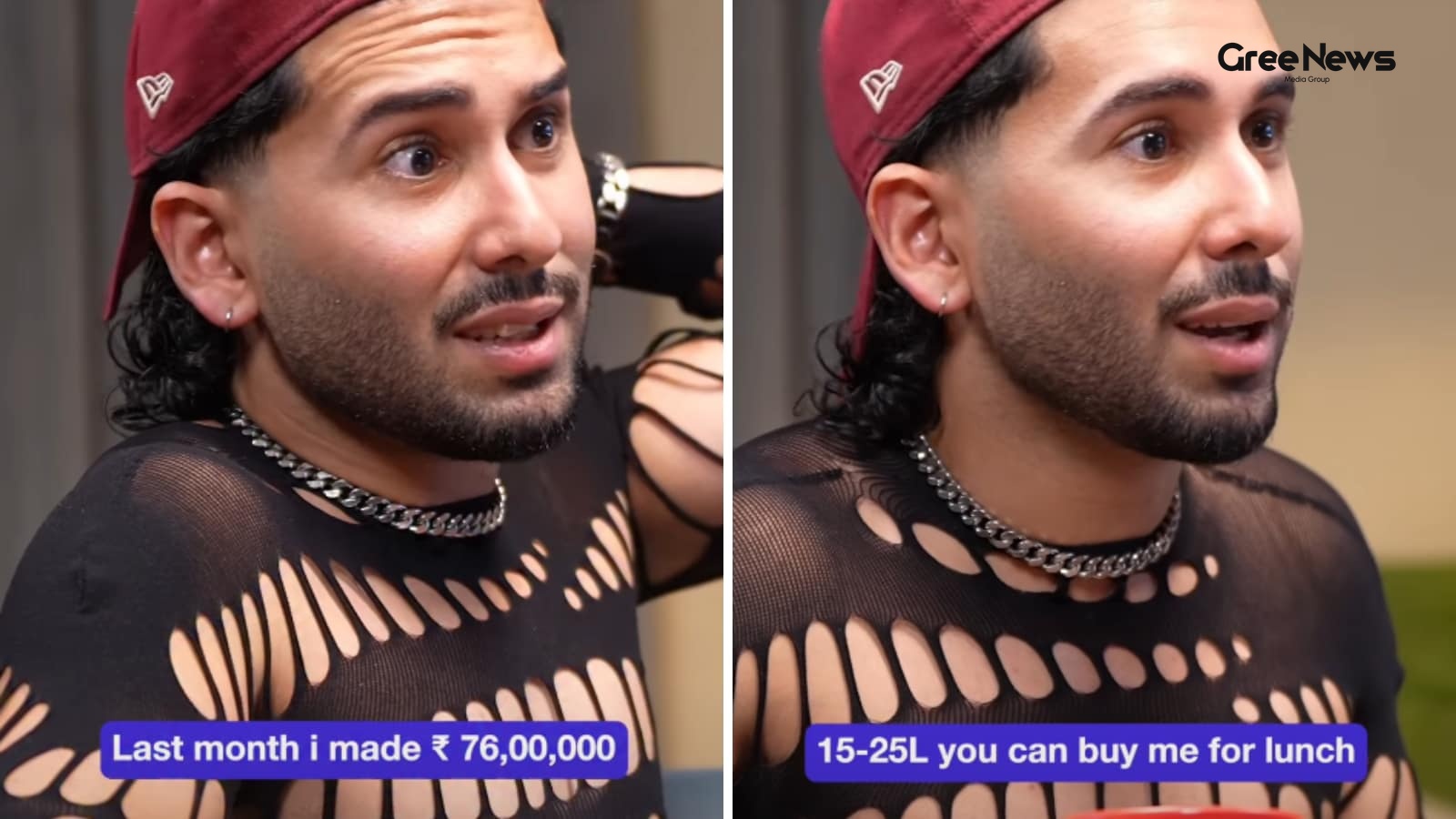
Orry's Income: Social Media, Brand Deals, and Private Bookings
The whole thing just came out of that podcast, you know? Orry was talking about how he actually makes money now. It’s not just sitting around posting stuff anymore. He explained this whole social media and brand deal thing really clearly. How it became a big source of income for him. He mentioned so
Jun 17, 2026 by Gree News Team

Comparing Cinema Experiences: India versus Europe
Sandra On, this Ukrainian content creator, she put out some thoughts recently comparing cinema experiences across borders India versus Europe. It wasn't just a simple review. She posted it on Instagram, setting up this comparison about how different these movie settings feel in India compared to wha
Jun 17, 2026 by Gree News Team
Latest Headlines

The Unscripted Narrative of the World Cup: Momentum, History, and Reaction
The whole thing started, you know? It wasn't what anyone was expecting when Portugal met DR Congo for that opening group match at the World Cup 2026. There were expectations, huge ones maybe, but nothing really lining up on the pitch right from the jump. It felt like a slow build, honestly. Just thi
Jun 18, 2026 by Gree News Team

Defense Production Act and Military Manufacturing Strategy
Trump brought in the Defense Production Act DPA to push for faster weapons manufacturing. It was all about dealing with those worries about military stockpiles running low, especially after everything that went down with Iran and how the US keeps backing allies globally. The order itself came with a
Jun 18, 2026 by Gree News Team
BJP Organizational Exercise and Political Strategy
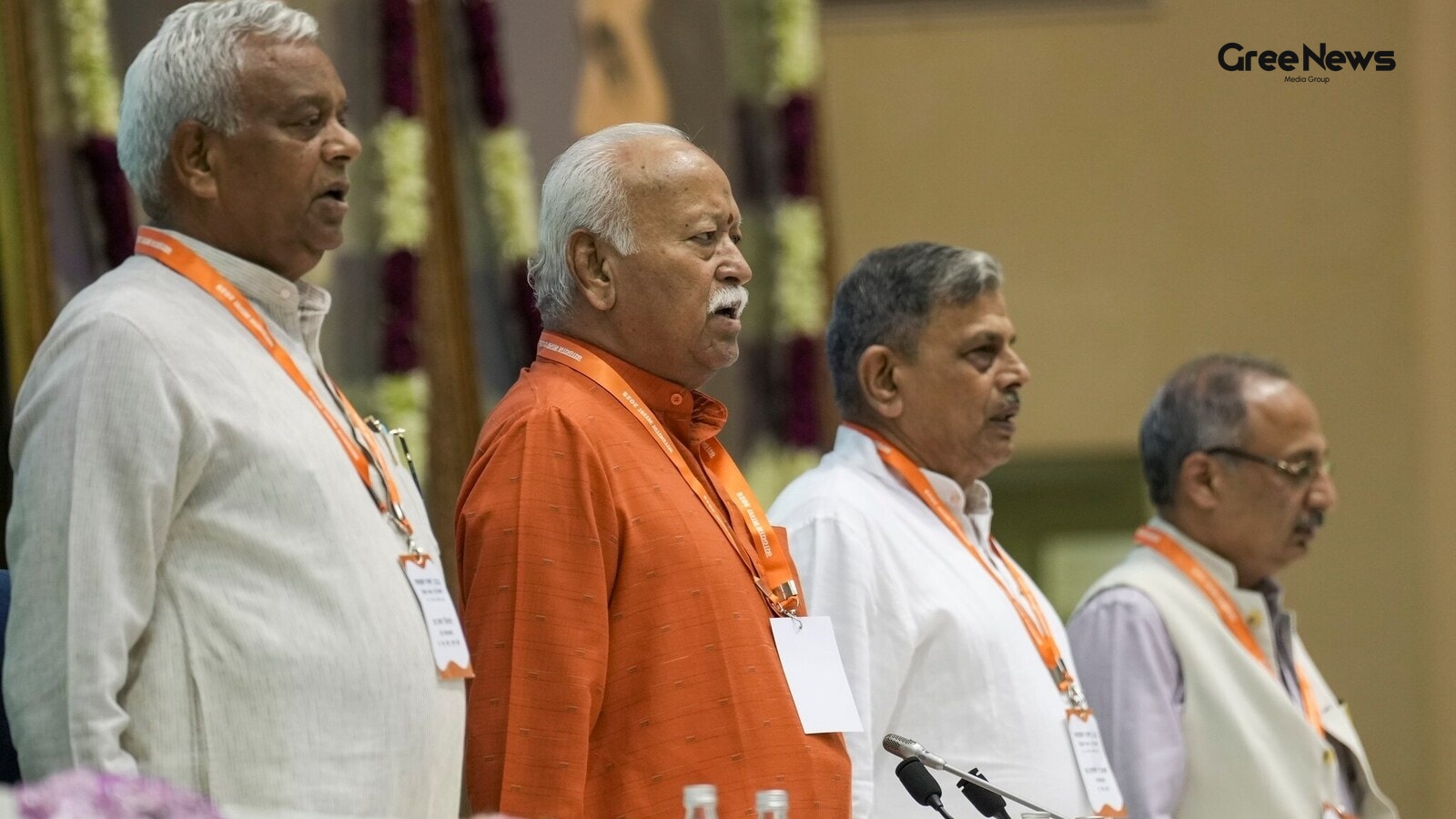
Something big was happening inside the BJP this week. A real organizational exercise, it seems, kicked off after a coordination meeting in Delhi on Monday. Top leaders met up with senior RSS functionaries. Nothing official has been announced yet, of course. But you could tell something was brewing t
Jun 18, 2026 by Gree News Team
India's Global Ambition: Technology, Diplomacy, and Geopolitical Realities in Paris
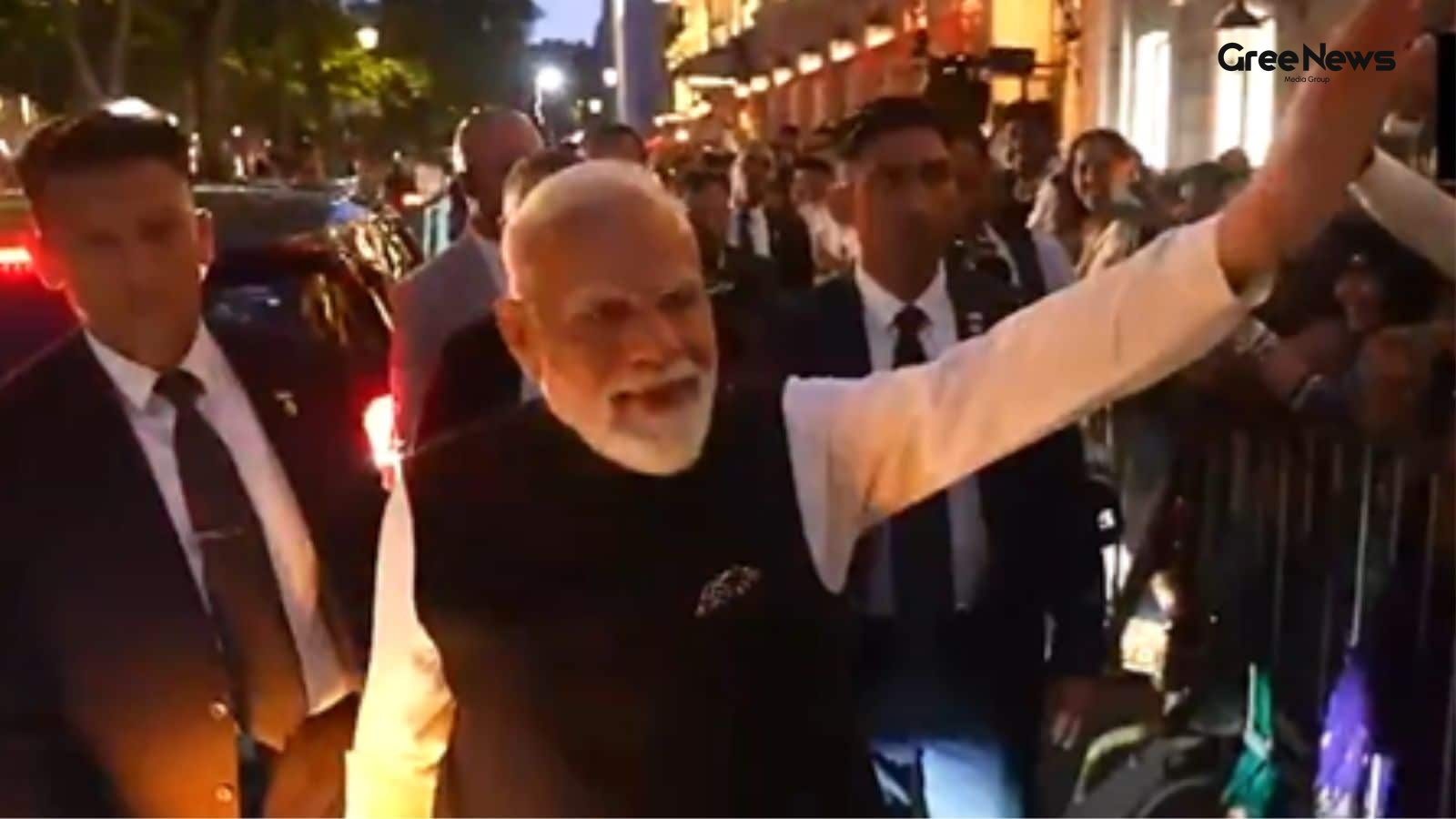
The air in Paris felt different that day. Not just the usual Parisian chill there’s always a certain weight to the city, heavy history mixed with relentless modernity but there was an electric hum beneath the surface. A real crowd spilling out from the hotel lobby, waving flags the saffron, white, g
Jun 18, 2026 by Gree News Team

7 Essential Gadgets for Family Travel: Solving Packing Frustrations
Family travel. It has this rhythm you just fall into, right? The first hour, everything’s fine. Excitement is high, snacks are packed, every device charged up and ready to go. But then things shift. A few hours later, the mood changes. Someone's phone battery starts dipping fast. A kid finishes thei
Jun 18, 2026 by Gree News Team
The Complex Dynamics of Rajya Sabha Elections and Localized Political Tensions
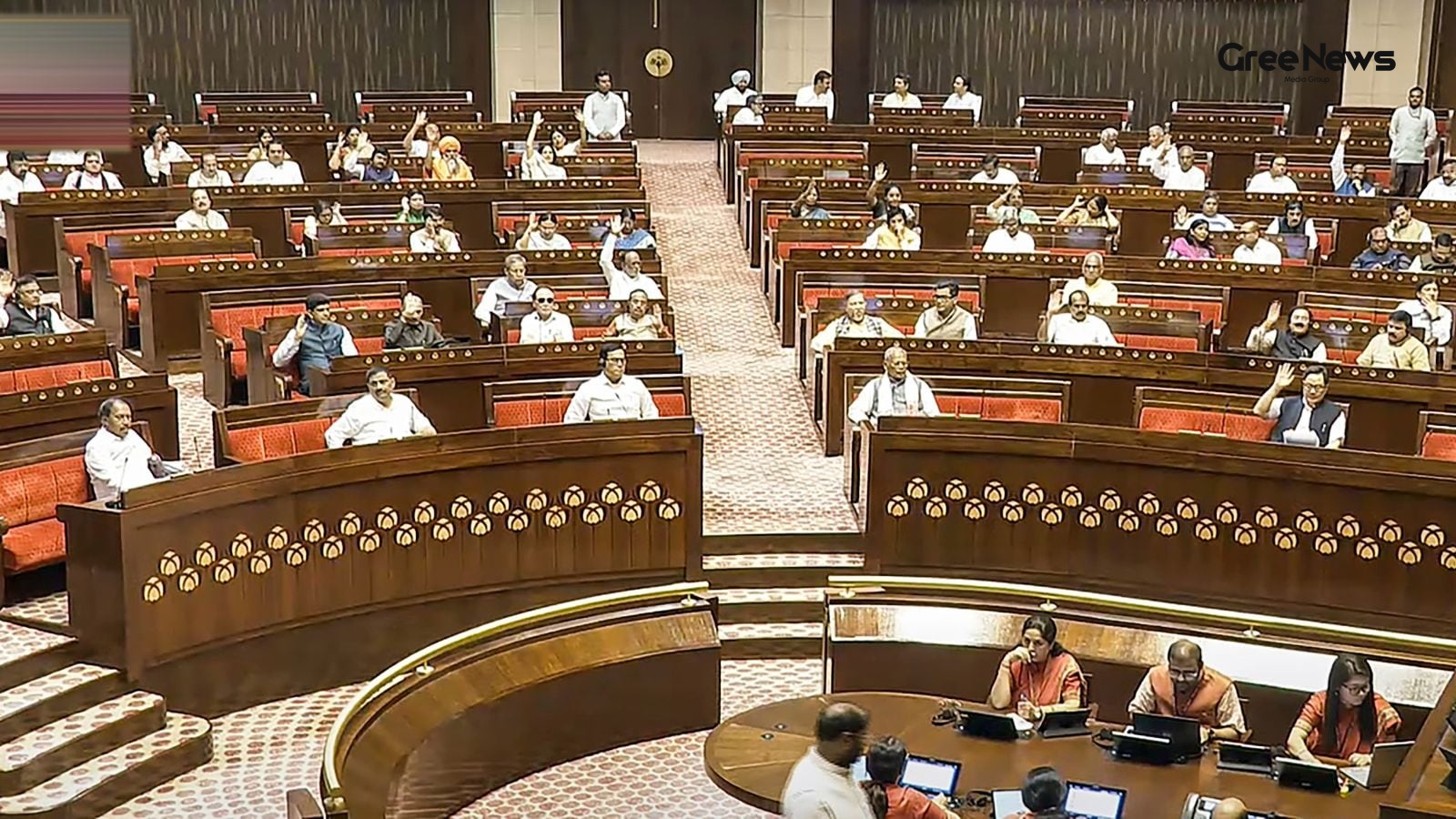
Voting is happening Thursday for those Rajya Sabha elections. It’s the biennial cycle. Twenty-four seats are up for grabs across ten states. And there are these extra bypolls too. One seat each in Maharashtra, Tamil Nadu, and Odisha. Just standard procedure, you know? But even when things look routi
Jun 18, 2026 by Gree News Team
Jonathan: The Oldest Living Land Animal and Living Icon
Jonathan. That’s the name for him. A giant tortoise living up there on St Helena. And he just keeps doing things that make people stop and think, right? Guinness World Records officially named him an ICON. The oldest living land animal. It’s history now. He’s been around for nearly two centuries. Bo
Jun 18, 2026 by Gree News Team

Fuel Price Movements and Market Dynamics
Petrol, diesel and CNG prices held steady on Monday, June 18th. That’s what they stayed at. But behind that stillness, there was movement happening somewhere else. Oil market companies and those natural gas distributors they do their thing every morning, revising the numbers right at six a.m. It’s c
Jun 18, 2026 by Gree News Team
Political Maneuvering and Voting Strategy in Karnataka Election
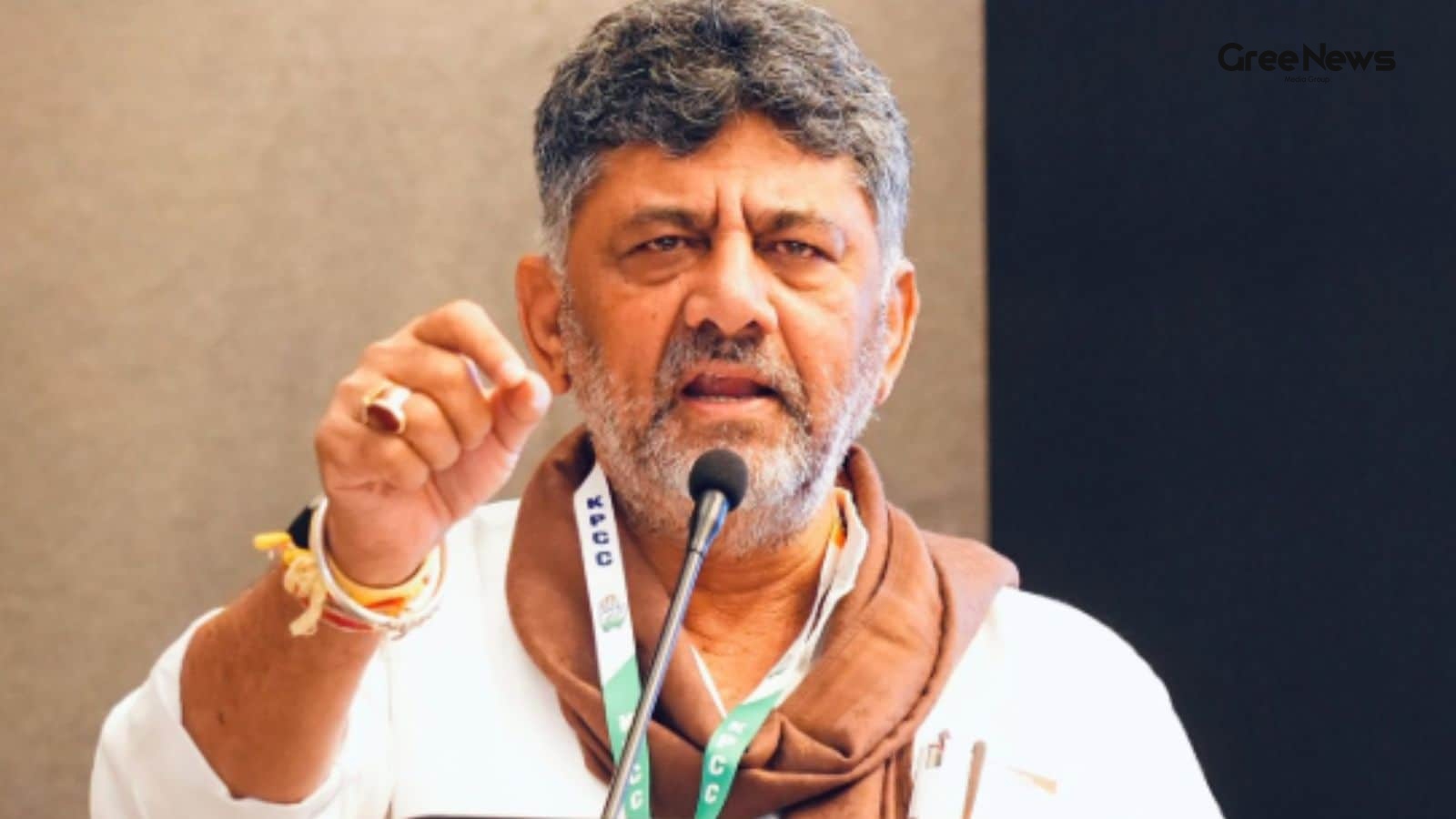
The Congress party, they are just oozing confidence about that fifth seat. Like they’re going to sweep it. No real expectation of the Opposition even bothering them in Thursday’s election for the Legislative Council seven seats there in Karnataka. It felt almost like a free pass, didn't it? They put
Jun 18, 2026 by Gree News Team
The Role of Protein and Fibre in Indian Wellness and Breakfast Choices
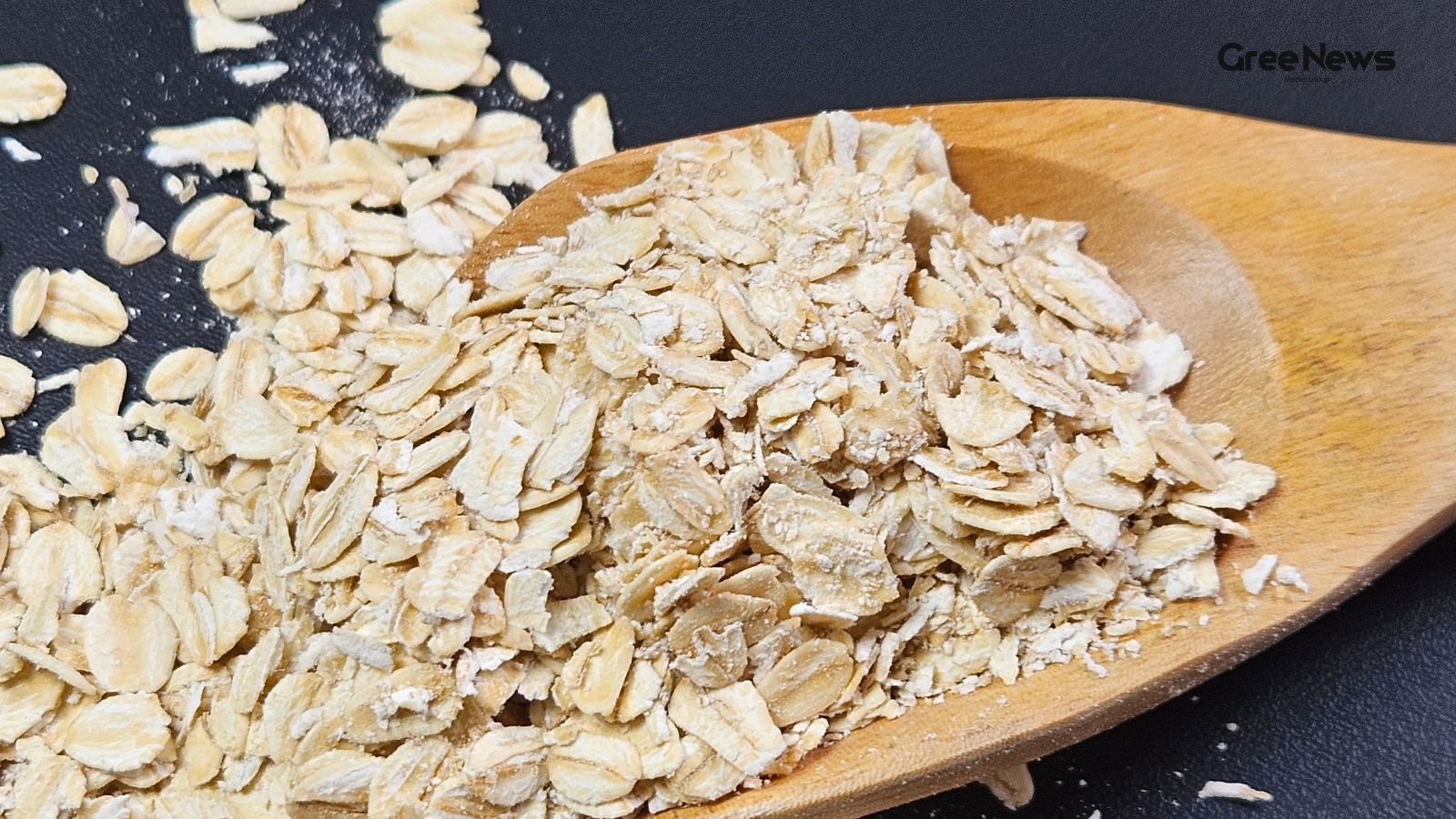
India’s wellness talk lately is really focusing on just two things: protein and fibre. It’s everywhere now. Protein gets added to everything shakes, bars, snacks, meal plans. And fibre? It’s finally getting serious recognition for how much it does for digestion and overall feeling good. You see this
Jun 18, 2026 by Gree News Team
Manpreet Singh: The Most-Capped Player in Indian Hockey History
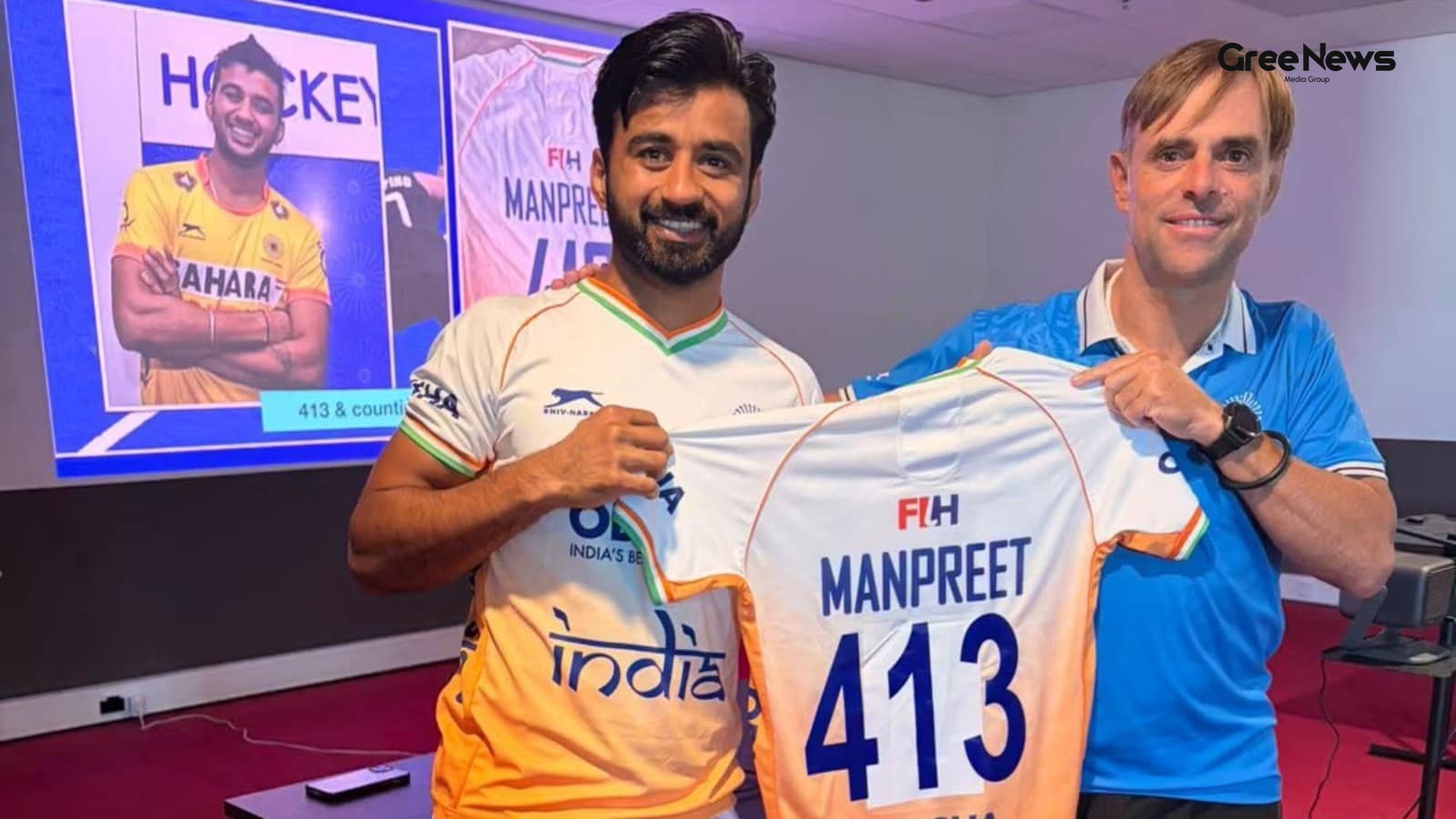
Manpreet Singh just hit something huge in Indian hockey history. He’s now the most-capped player representing the country. That’s 413 international appearances. He got this milestone during India's FIH Pro League match against Germany on Wednesday. It was a big game, you know? And Manpreet was in it
Jun 18, 2026 by Gree News Team
Kala Hiran Controversy: Legal Battles and Legacy in Filmmaking
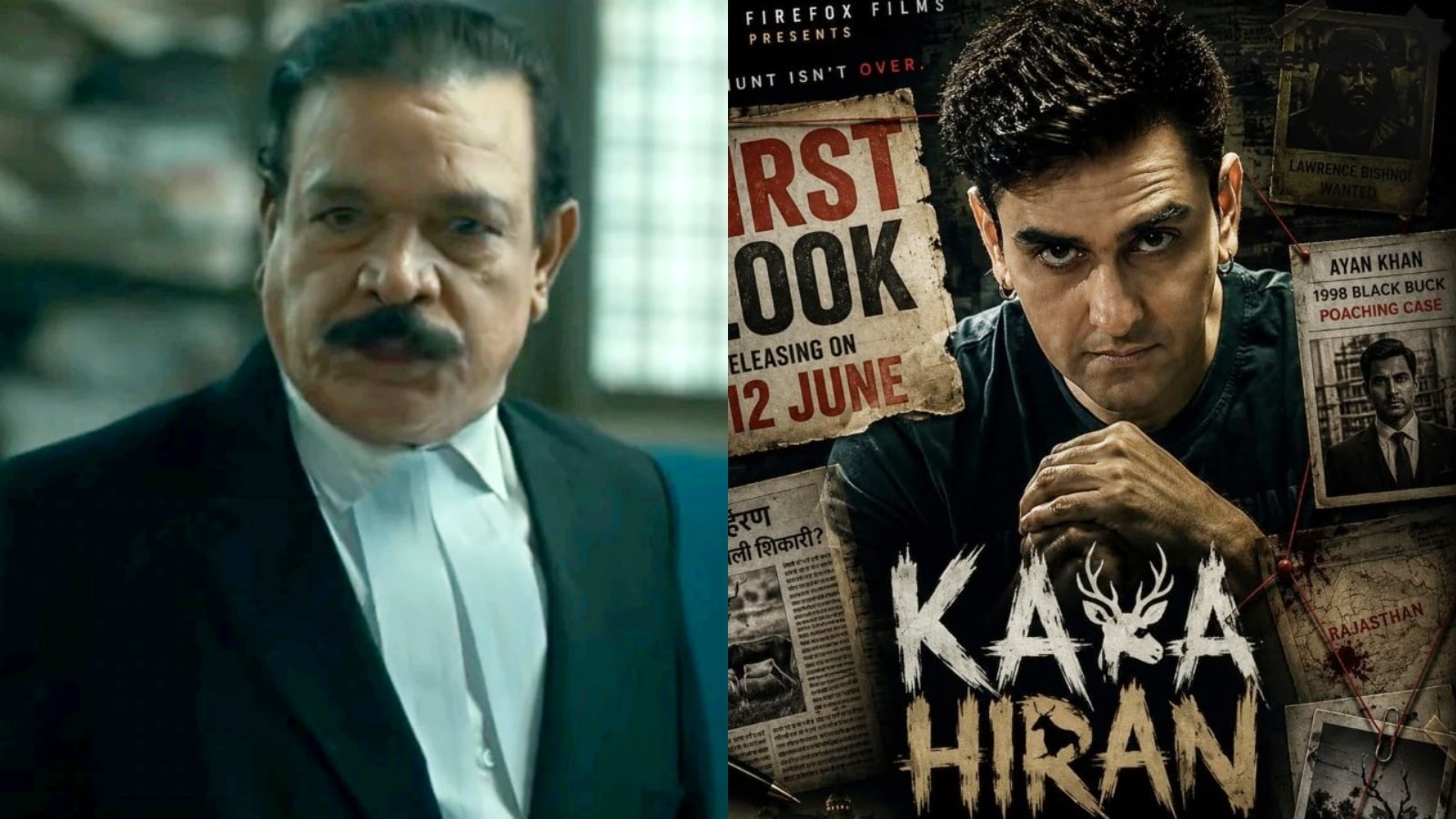
Govind Namdev has pulled back from Kala Hiran. It’s all about legacy now, you know? The film itself is based on that whole blackbuck poaching thing from 1998. Amit Jani produced it. Namdev was in it, playing the advocate trying to fight for justice for the Bishnoi community. Things got messy after t
Jun 18, 2026 by Gree News Team
The Reality of Online Trolling and Paid Smear Campaigns in the Film Industry
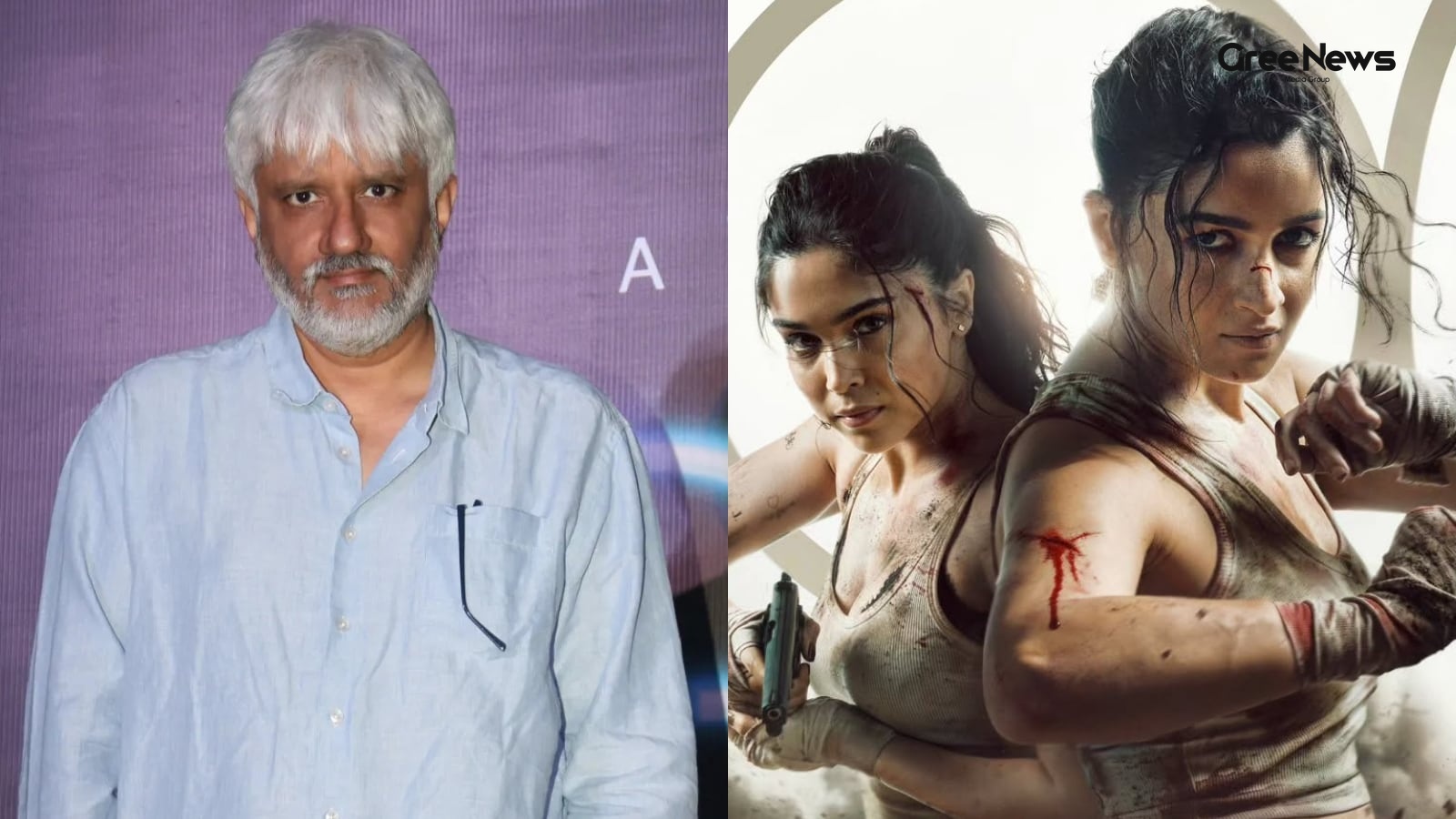
Alia Bhatt is in the eye of a storm right now. Her appearance at Cannes got all the chatter online. Then it just became relentless trolling. People were tearing into her for going unnoticed on the red carpet, playing along with whatever noise was happening. What really kicked things up? Alpha’s teas
Jun 18, 2026 by Gree News Team
QS World University Rankings 2027: Analysis of Global Academic Shifts
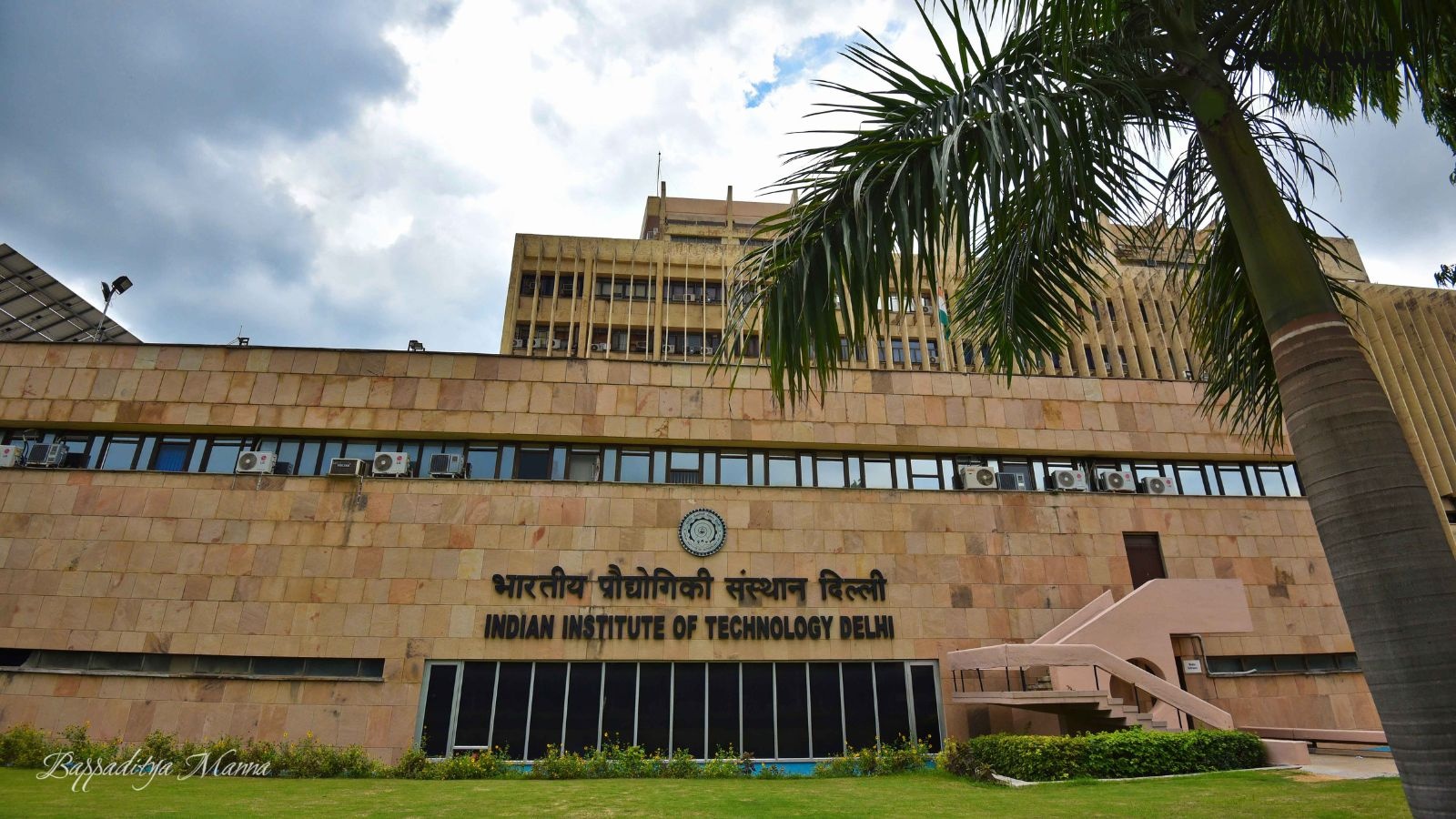
The QS World University Rankings for 2027 finally dropped. It’s out now. And you see IIT Delhi up there again. Top spot in India, once more. They climbed five places this time. Now they sit at number 118 globally. That's a big jump from last year. Last year they were at 123. Highest rank ever for an
Jun 18, 2026 by Gree News Team
US-Iran Peace Memorandum: Terms, Commitments, and Implications
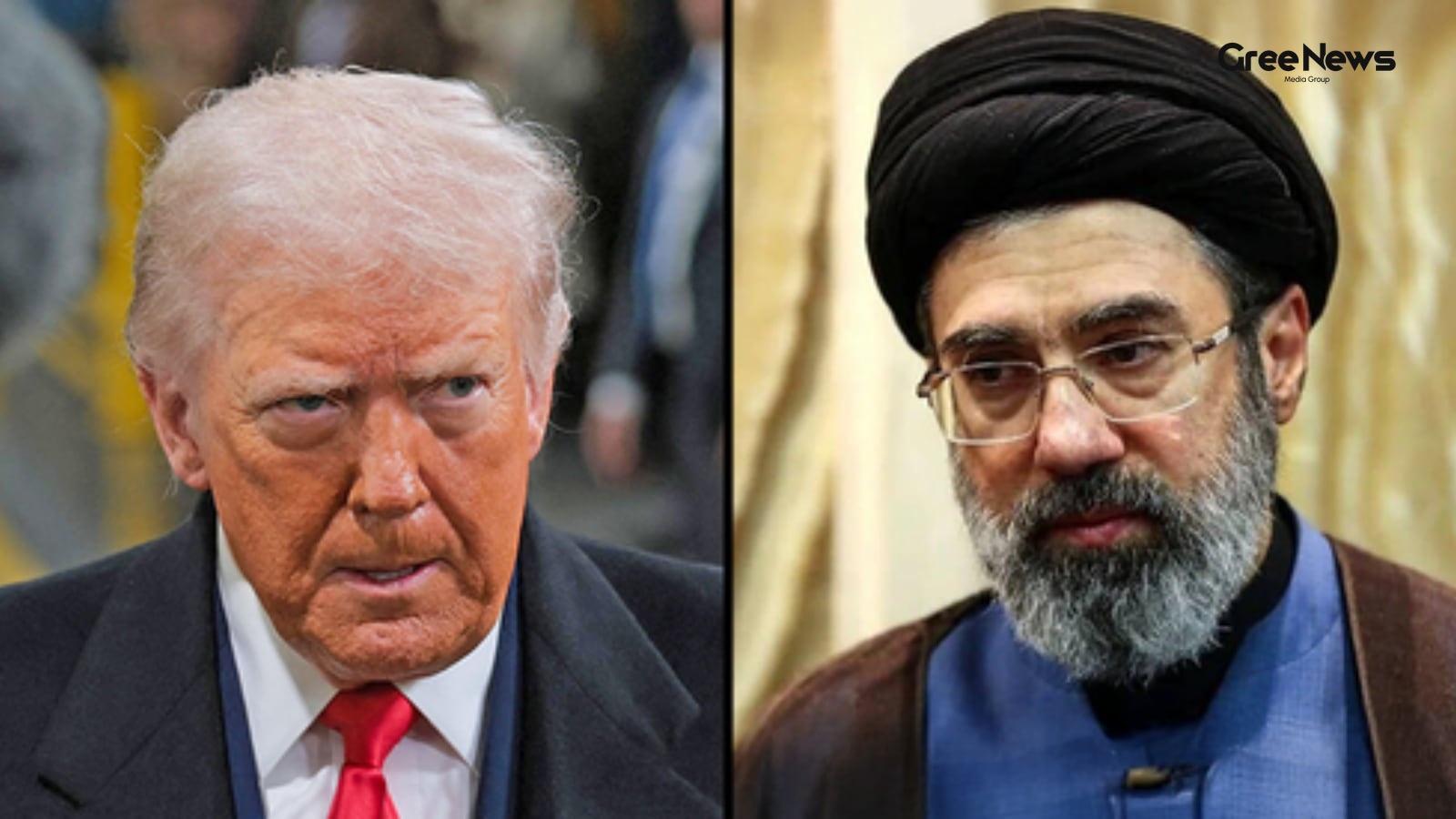
Weeks of talking turned into something official between the United States and Iran. They signed that peace memorandum. It lays out fourteen points, supposed to be how they’re going to end this mess and start moving toward some bigger settlement. But it’s important to remember: this isn't a final tre
Jun 18, 2026 by Gree News Team