The Real Choice: Understanding Cooling and Kitchen Appliance Decisions

The thing about cooling things whether it’s your living room or just a single desk is that people always end up looking for something simple, but they run right into this impossible choice between what works and what costs you the most.
You're sweating. The room is thick. You look around and think, maybe an air conditioner is the only answer. But then there’s the temptation of the portable unit versus the tower cooler. It seems like such a simple decision, doesn't it? Wrong.
It really comes down to what you actually need right now. Are you trying to slash electricity bills above all else? Or are you just trying to feel comfortable today ?
Cooling Solutions: Tower Coolers vs. Portable ACs
A tower cooler... that’s one thing. It sits there. It uses those water-soaked pads. It seems less demanding, cheaper to run, especially if your climate is dry. Think about Delhi or Jaipur in the summer; when the air is dry, evaporation works really well with these things. You can sit at your desk, and it feels almost heavenly.
But humidity changes everything fast. If you’re stuck somewhere humid and that's a big deal in many places the cooler just moves air around. It doesn't actually remove the heavy heat like you expect. That’s where things get tricky.
Then there are portable ACs. They deliver real, actual cooling power. They use compressors and refrigerant. They can drop the temperature significantly. But they come with a trade-off. More electricity. A lot more juice for that comfort. And they move more air overall.
So you have this split. You want the power of an AC but don’t want to commit to installation, right? That's where portable units live. They are great for renters. For temporary spots. For those specific rooms you need cooled down without ripping into the walls.
But portability has its costs. They’re heavier. They make a lot more noise when they kick on. And that electricity bill can sneak up on you later, especially if you run them all day long trying to chase the heat.
It's not about which one is inherently better. It’s about your setup. Your room matters. The climate outside matters way more than people usually let on.
Let's talk about the money side of things because that often defines the decision, doesn't it? Tower coolers usually win there if you look at long-term running costs. They don't chew through electricity like a portable unit trying to fight massive external heat. But then you have the initial investment versus the immediate comfort factor.
Kitchen Appliances: Mixer Grinder vs. Food Processor
Now shift gears entirely. Let’s talk about the kitchen mess, because that’s another battle we all face, right? The mixer grinder versus the food processor. It sounds silly, but it affects your whole day.
Do you really need a mixer grinder? Or do you need to stop thinking about grinding spices and start focusing on prep work? That's the real question in 2026 when you walk into that showroom.
A mixer grinder is built for brute force. It’s about crushing, blending, mixing batter fast. Chutneys. Masalas. Dosa batter. These machines handle that heavy grinding job really well. A 750W model often hits the sweet spot here good power without breaking the bank.
The food processor? That's different. It aims to reduce your actual physical effort. Chopping vegetables. Slicing onions. Shredding cabbage. It’s about reducing prep time for large meals.
If you spend hours slicing and dicing, a food processor might be worth it. But if your daily routine is more about making quick spice pastes or blending smoothies, the mixer grinder probably handles the job better. You have to ask yourself how many of those attachments you actually use.
People buy those fancy juicer attachments because they look good. They promise juice. But if you don't make fresh juices every single day? That attachment just sits there gathering dust in a cupboard. It’s an extra cost for something you might never touch.
The biggest mistake people make is chasing the bells and whistles instead of focusing on what actually happens in their kitchen. You need to think about cleaning too. Mixer grinders are usually simpler, easier to clean up after use. Food processors have more moving parts; they take time to put together and break apart. That matters when you’re trying to keep things manageable.
And spare parts? That’s a whole other headache down the line. You buy that grinder for years. Those jars wear out. The gaskets need replacing. If you can’t find those simple replacements easily, it ruins the whole experience. Brands with good service networks make a huge difference there.
You end up realizing that power isn't everything. It’s about matching the tool to the task. Matching your cooking habits to the machine. That’s where the real satisfaction lies. Don't just buy what looks expensive or has the highest wattage. Think about how much you actually use it every single day.
Written by Gree News Team — Senior Editorial Board
Gree News Team covers international news and global affairs at Gree News. Our collective of senior editors is dedicated to providing independent, accurate, and responsible journalism for a global audience.
More from Tech
View All
Pavel Durov Criticizes India's Telegram Ban and Platform Restrictions
Pavel Durov, the founder of Telegram, stepped in to criticize what the Indian government did. He argued that banning the messaging platform for a week really punishes over 150 million users in the country. The ban itself didn't stop anything, he said. The leaks just moved over to other apps. That wa
Jun 17, 2026 by Gree News Team
Robot Vacuum Reviews and Telegram Messaging Incident in India
Keeping floors clean isn’t usually hard. Keeping them clean every day is the real challenge. Dust settles surprisingly quickly, crumbs just appear out of nowhere. Pet hair finds every corner of the house somehow. That's why robot vacuum cleaners have become so popular. They don’t replace deep cleani
Jun 17, 2026 by Gree News Team
Guide to Washing Machines and Kitchen Chimneys: Buying Essentials
the washing machine. it seems like one of those easy buys, right? you walk into the showroom thinking twenty minutes is all it takes. then bam. suddenly you’re staring at front-load versus top-load machines. inverter motors, steam wash programs... capacities jumping from six kilos to twelve kilos an
Jun 16, 2026 by Gree News Team
Smart Home Gadgets and the AI Geopolitical Standoff
The world of smart homes is moving fast. People are looking for ways to make their daily lives easier, safer and cheaper. And right now, there’s a wave of gadgets priced under five thousand rupees that promise real convenience, security, and automation without needing a massive renovation or an army
Jun 16, 2026 by Gree News Team
Latest Headlines
Noida International Airport Launch Sparks Debate Over Cab Fares and Regional Utility
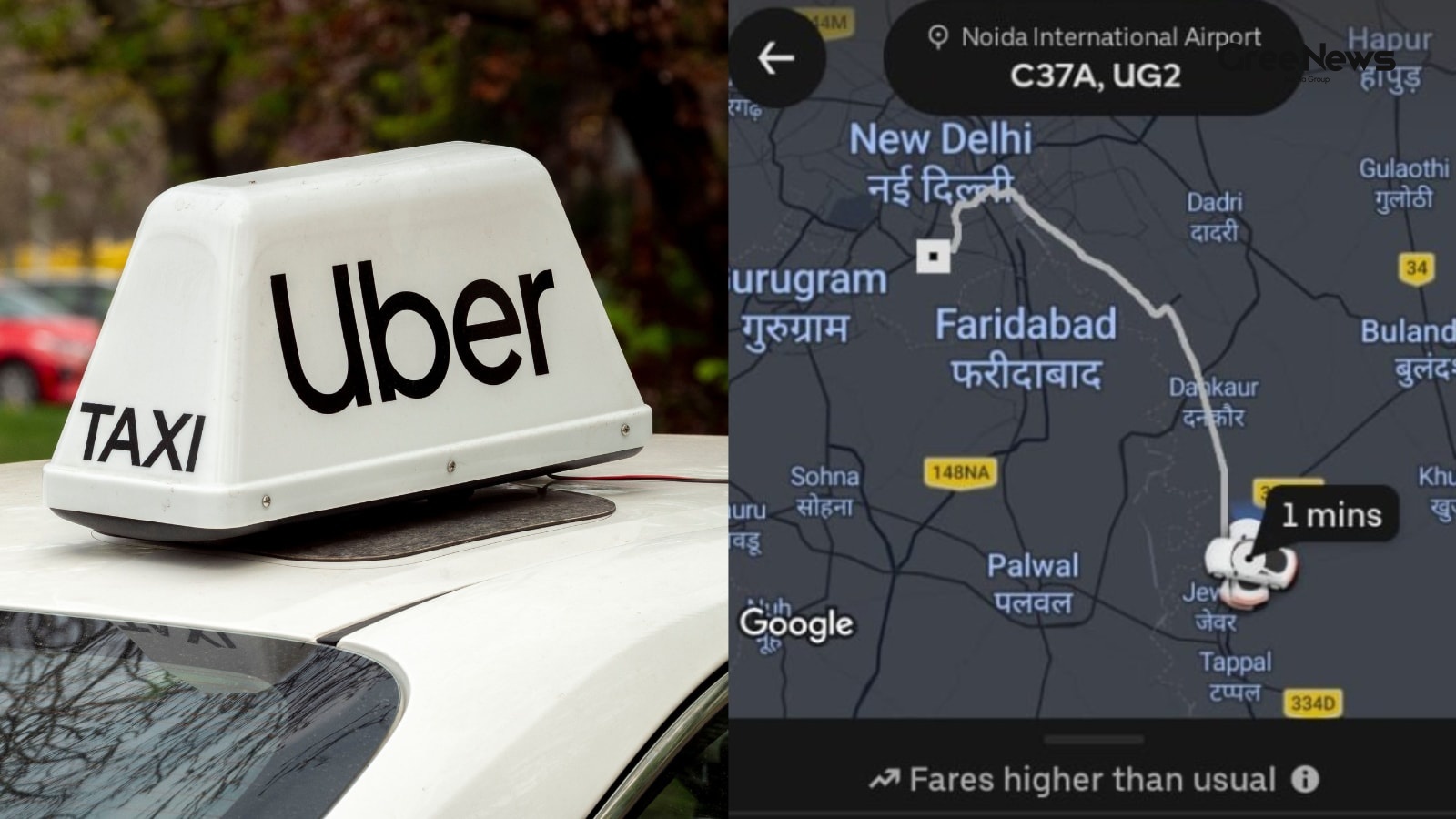
The Noida International Airport in Jewar finally started flying operations Monday, June 15th. A big deal for air travel connecting to the whole National Capital Region. But right when everyone was celebrating the launch, something else popped up online. People were talking about cab fares from that
Jun 17, 2026 by Gree News Team

Tragic Suicide in Andhra Pradesh: Family's Despair and Unresolved Questions
A retired schoolteacher, his wife, and their adopted son were found dead at home in Duvvur village, Andhra Pradesh’s Nellore district. Monday. Just gone. Police are looking into it now. They're checking if the teacher killed them first, maybe before taking his own life. A note was found inside the h
Jun 17, 2026 by Gree News Team

The Evolution of Protests in PoK: From Economic Grievances to Political Sovereignty
The protests started over simple things soaring electricity bills and wheat prices in PoK. That was the beginning. Now it’s gone way further into politics. Leaders are not just complaining anymore; they’re openly challenging Pakistan’s role entirely, demanding real control over their economy and gov
Jun 17, 2026 by Gree News Team

The Subversive Network: Underworld Links, Terror Strikes, and ISI Connections
A friendship started a quarter of a century ago. It happened inside a Bangkok prison. But that connection wasn't just personal. It led to something much darker. A diabolical plan. Terror strikes across multiple Indian cities. Now, the Delhi Police is digging into some arrested individuals during int
Jun 17, 2026 by Gree News Team

The Political and Diplomatic Fallout of Renaming a Road in Hyderabad
The whole thing started so simply, really. A road name change in Hyderabad. But it quickly spiraled into this mess of posturing, doesn't it? It’s that kind of low-level political friction you see constantly simmering under the surface of any major state-level decision, especially when you start drag
Jun 17, 2026 by Gree News Team

Geopolitical Tensions: The Lebanon-Israel Conflict and the Iran Deal
Tehran keeps pushing that Lebanon has to be in any ceasefire deal with Washington. But Israel isn't buying it. They’re still fighting Hezbollah. That’s the sticking point, isn’t it? Trump, talking to Qatari Emir Tamim bin Hamad Al Thani during the G7 summit in Evian, made some heavy statements about
Jun 17, 2026 by Gree News Team

Shiv Sena (UBT) Split Rumors and "Operation Tiger"
The Shiv Sena (UBT) seems to be heading for another major split. Sources are whispering that fourteen to sixteen MLAs and seven MPs are actually preparing to walk out of Uddhav Thackeray’s party. This whole thing could happen fast. They say it might materialize in just six or seven days. If that hap
Jun 17, 2026 by Gree News Team

Donald Trump's Idea: Syria's Role in the Israel-Hezbollah Conflict
Donald Trump floated an idea recently: Syria should step in for Hezbollah instead of Israel when dealing with Lebanon’s situation. It signals something shifting in Washington's regional thinking. He was pretty frustrated about the casualties from Israel’s campaign against Hezbollah. That’s where the
Jun 17, 2026 by Gree News Team

Donald Trump on the Lebanon Conflict and Iran Deal
Tuesday, Donald Trump talked about the whole situation in Lebanon. He basically dismissed the Israeli-Hezbollah fighting as just a minor conflict. Not much impact, he said. Nothing big deal for the bigger picture. This came up while he was hanging out with Qatar Emir Sheikh Tamim bin Hamad Al Thani
Jun 17, 2026 by Gree News Team

The Friction of Power: Personal Animosities in Global Geopolitics
the air around the g7 summits isn't always clean anymore. it’s thick with something else now, isn’t it? a low hum of old grudges and sharp, almost performative dismissals. we’re talking about the behind-the-scenes friction, the way these supposed pillars of the western world are actually fraying und
Jun 17, 2026 by Gree News Team

Orry's Income: Social Media, Brand Deals, and Private Bookings
The whole thing just came out of that podcast, you know? Orry was talking about how he actually makes money now. It’s not just sitting around posting stuff anymore. He explained this whole social media and brand deal thing really clearly. How it became a big source of income for him. He mentioned so
Jun 17, 2026 by Gree News Team

Patriarchy, Climate Change, and Systemic Failure in Activism
The noise started immediately after Dia Mirza made her comments about climate change and men. It was a reaction, fast and ugly. People went straight to social media. Trolling started up instantly. She had said something pretty pointed, linking patriarchy directly to the climate crisis. The original
Jun 17, 2026 by Gree News Team

Sanchita Ugale's Death: Conflicting Stories and Controversy
Sanchita Ugale’s death really shook everyone. Twenty-two years old. Television actress. The shockwave just keeps going through the country. She was found dead at her place in Nalasopara, Maharashtra, back on June 14th. Officially, it’s being reported as suicide. But that’s where things get messy fas
Jun 17, 2026 by Gree News Team

Jyotsna Chandola Singh on Mental Health and Grief
Jyotsna Chandola Singh. Actress. She broke down. Cried about Sanchita Ugale. It happened recently. Tuesday, she posted something on Instagram. A video dropped there. Talking about mental health. Calling Sanchita’s death “very sad.” Simple words, but they carried weight. She was friends with Sanchita
Jun 17, 2026 by Gree News Team

Comparing Cinema Experiences: India versus Europe
Sandra On, this Ukrainian content creator, she put out some thoughts recently comparing cinema experiences across borders India versus Europe. It wasn't just a simple review. She posted it on Instagram, setting up this comparison about how different these movie settings feel in India compared to wha
Jun 17, 2026 by Gree News Team