The Ethics of Media, Advertising, and Emotional Exploitation

the thing about this stuff is it never really settles right. you see something happens, a little piece of media gets shoved into your feed, and suddenly there’s this weird friction. not just a disaGreement, but something deeper. like a misalignment in what we think we’re supposed to be seeing.
it started with that ad. the durex pakistan one. it wasn't some subtle marketing trick; it was a collision. a really clumsy one. they grabbed something huge, something dripping with that kind of dark cinematic energy that whole obsession thing and slapped their product onto it. trying to make it relevant. trying to ride a wave.
the film itself, obsession . you have to understand the source before you judge the packaging, right? it’s not just some random horror flick. it deals with something ugly about desire. about how that feeling of wanting someone so badly can completely devour everything else. bear, and nikki. their dynamic wasn't a sweet romance. it was this suffocating spiral. the film leaned hard into the idea of male entitlement. of watching someone you care about become consumed by a force that ignores boundaries. it’s horror dressed up in yearning.
and then there’s the ad. "make her obsessed with you." that phrase, when placed next to something that depicts loss of control that's where the immediate nausea kicks in for most people. it’s not just tasteless; it feels actively manipulative. like taking a story about emotional imprisonment and turning it into an instruction manual for sexual coercion.
it’s messy because there isn't one clean way to look at it. you have the brand angle, right? they want connection. they want desire sold safely. but when you borrow from territory that deals with intense psychological distress when you touch on themes of non-consent or emotional captivity you shift the entire frame. suddenly, safety gets layered over something genuinely disturbing.
the caption added the final, sharp edge: "send this to your freaky nikki." it deflates everything. it takes a character whose struggle is internal, who is trapped by her own escalating emotions, and reduces her arc her loss of agency to some kind of punchline for someone else’s immediate gratification.
that's the heart of the problem isn’t just bad taste on social media. it’s about context. you see how brands operate in this space? they are chasing relevance. they want to be seen as edgy, relevant, part of the zeitgeist. but that pursuit often skips the actual work of understanding what the culture is actually grappling with.
durex existed precisely because people needed a framework for sex that was consensual. it’s built on trust and boundaries. when you inject something that suggests coercion or overwhelming imbalance into that space even accidentally you muddy the water significantly. it makes the product feel divorced from its core promise, doesn't it?
the internet just amplified this instantly. people weren’t debating film theory; they were reacting to the advertisement as a blatant moral failure dressed up in slick visuals. "disgusting." that single word cuts through all the marketing jargon. it bypasses the polite, academic critique and hits straight at the visceral reaction of seeing boundaries ignored.
and then you see the echo chamber start forming around this. it’s not just about one ad anymore. it becomes a commentary on how easily we consume trauma or intense themes from media without processing the implications. we take the emotional intensity the feeling of being overwhelmed, of losing control and use it as a filter for what we accept in advertising.
it forces us to ask: who gets to set the tone? if a film deals with unhealthy obsession and power dynamics, does its aesthetic automatically grant permission for advertisers to exploit that energy for sales? or is there a line? where does artistic expression end and commercial exploitation begin?
that line is slippery. it’s always moving. people feel they are watching something unfold in real-time. the reaction isn't just about offense; it’s about feeling exploited, feeling like the deep, messy stuff of human experience has been commodified without any respect for the actual weight behind it.
and this happens constantly across different media forms. it’s not isolated to horror films or sexual advertising. it’s a pattern. we pull from intense narratives whether they are historical, psychological, or cinematic and use them as shorthand to sell something mundane, something physical, something transactional. the emotional gravity of the source material is flattened into mere visual noise.
the brand then tries to claim ownership over that gravity. they want to say, "we understand this intensity." but understanding and appropriating are two very different things. one involves grappling with the ethics of the narrative itself. the other involves simply repackaging it for profit. often, when you look at these massive cultural shifts, what happens is a kind of performative empathy kicks in a surface-level acknowledgment without any true reckoning with the source material’s actual context or pain.
the fact that durex eventually pulled the ad from social media doesn't erase the initial damage. it just proves something else: that the backlash was real, and that the cultural friction was significant enough to cause a retraction. it highlights how fragile this kind of borrowed relevance is when it clashes with established ethical norms around consent and safety.
it leaves you staring at the residue. the screenshotted images floating around online become evidence. they become proof that sometimes, the pursuit of being "culturally relevant" means ignoring the actual culture you’re borrowing from entirely. there's a gap between what is profitable and what is ethically sound, and right now, in this fast-moving digital world, that gap seems to be widening with every piece of content shared.
it forces us back to the basics, doesn't it? when we talk about sex, or desire, or any intensely personal experience the framework has always been built around mutual aGreement. when external forces try to reframe that as something transactional, something purely driven by manufactured obsession, it feels deeply wrong. it’s an attempt to put a commercial gloss on something fundamentally vulnerable.
and the silence from the brand afterwards is telling too much. there's no immediate, sweeping apology that fixes the fundamental imbalance. just the removal. that suggests they saw the noise, acknowledged the heat, and decided to pull back from the fire rather than trying to rebuild the bridge. it’s a quiet admission of guilt, perhaps, or maybe just an acknowledgment of how quickly things can go sour when you try to bottle up raw emotional intensity for consumption.
this whole situation feels less like a simple marketing error and more like a symptom of a larger cultural fatigue. we are constantly bombarded with high-stakes narratives the horror, the drama, the psychological turmoil and our response is often immediate, transactional engagement rather than thoughtful reflection. we consume the feeling without engaging with the ethics of the feeling itself.
it’s an uneven rhythm to this whole exchange. you have the slickness of the advertisement juxtaposed against the raw, messy reality of what it represents. that tension is what makes people push back. they see the artifice, and they call out the underlying lack of genuine engagement with the human cost.
the conversation doesn't end there, obviously. the ad disappears from the feed temporarily. but those screenshots persist. they become artifacts. little digital monuments to this moment where commerce bumped into consequence. they remind us that in the age of infinite content, context is everything. and ignoring it just makes you look careless. very carelessly packaged, really.
Written by Gree News Team — Senior Editorial Board
Gree News Team covers international news and global affairs at Gree News. Our collective of senior editors is dedicated to providing independent, accurate, and responsible journalism for a global audience.
More from Movies
View All
Kala Hiran Controversy: Legal Battles and Legacy in Filmmaking
Govind Namdev has pulled back from Kala Hiran. It’s all about legacy now, you know? The film itself is based on that whole blackbuck poaching thing from 1998. Amit Jani produced it. Namdev was in it, playing the advocate trying to fight for justice for the Bishnoi community. Things got messy after t
Jun 18, 2026 by Gree News Team
The Reality of Online Trolling and Paid Smear Campaigns in the Film Industry
Alia Bhatt is in the eye of a storm right now. Her appearance at Cannes got all the chatter online. Then it just became relentless trolling. People were tearing into her for going unnoticed on the red carpet, playing along with whatever noise was happening. What really kicked things up? Alpha’s teas
Jun 18, 2026 by Gree News Team
Patriarchy, Climate Change, and Systemic Failure in Activism
The noise started immediately after Dia Mirza made her comments about climate change and men. It was a reaction, fast and ugly. People went straight to social media. Trolling started up instantly. She had said something pretty pointed, linking patriarchy directly to the climate crisis. The original
Jun 17, 2026 by Gree News Team

The Dynamic of Stardom: Behind Dil To Pagal Hai and Bollywood Evolution
You know, you hear about *Dil To Pagal Hai*. It’s always something, isn't it? Not just a movie, really. It’s become this thing everyone talks about. A proper cult favorite now, that stuff. And you look at what happened behind the scenes with those actresses. It’s a story, really. A weird one. Karism
Jun 17, 2026 by Gree News Team
Latest Headlines

7 Essential Gadgets for Family Travel: Solving Packing Frustrations
Family travel. It has this rhythm you just fall into, right? The first hour, everything’s fine. Excitement is high, snacks are packed, every device charged up and ready to go. But then things shift. A few hours later, the mood changes. Someone's phone battery starts dipping fast. A kid finishes thei
Jun 18, 2026 by Gree News Team
The Complex Dynamics of Rajya Sabha Elections and Localized Political Tensions
Voting is happening Thursday for those Rajya Sabha elections. It’s the biennial cycle. Twenty-four seats are up for grabs across ten states. And there are these extra bypolls too. One seat each in Maharashtra, Tamil Nadu, and Odisha. Just standard procedure, you know? But even when things look routi
Jun 18, 2026 by Gree News Team

Jonathan: The Oldest Living Land Animal and Living Icon
Jonathan. That’s the name for him. A giant tortoise living up there on St Helena. And he just keeps doing things that make people stop and think, right? Guinness World Records officially named him an ICON. The oldest living land animal. It’s history now. He’s been around for nearly two centuries. Bo
Jun 18, 2026 by Gree News Team

Restoration of the Royal Kitchen at Lucknow's Chota Imambara
Built back in 1837 by Muhammad Ali Shah, that royal kitchen at Lucknow’s Chota Imambara used to feed the ruler’s household and folks during religious times. It still works now, preparing meals for thousands every Ramadan and Muharram. But things have gotten rough. Years of wear showing through crumb
Jun 18, 2026 by Gree News Team

Fuel Price Movements and Market Dynamics
Petrol, diesel and CNG prices held steady on Monday, June 18th. That’s what they stayed at. But behind that stillness, there was movement happening somewhere else. Oil market companies and those natural gas distributors they do their thing every morning, revising the numbers right at six a.m. It’s c
Jun 18, 2026 by Gree News Team
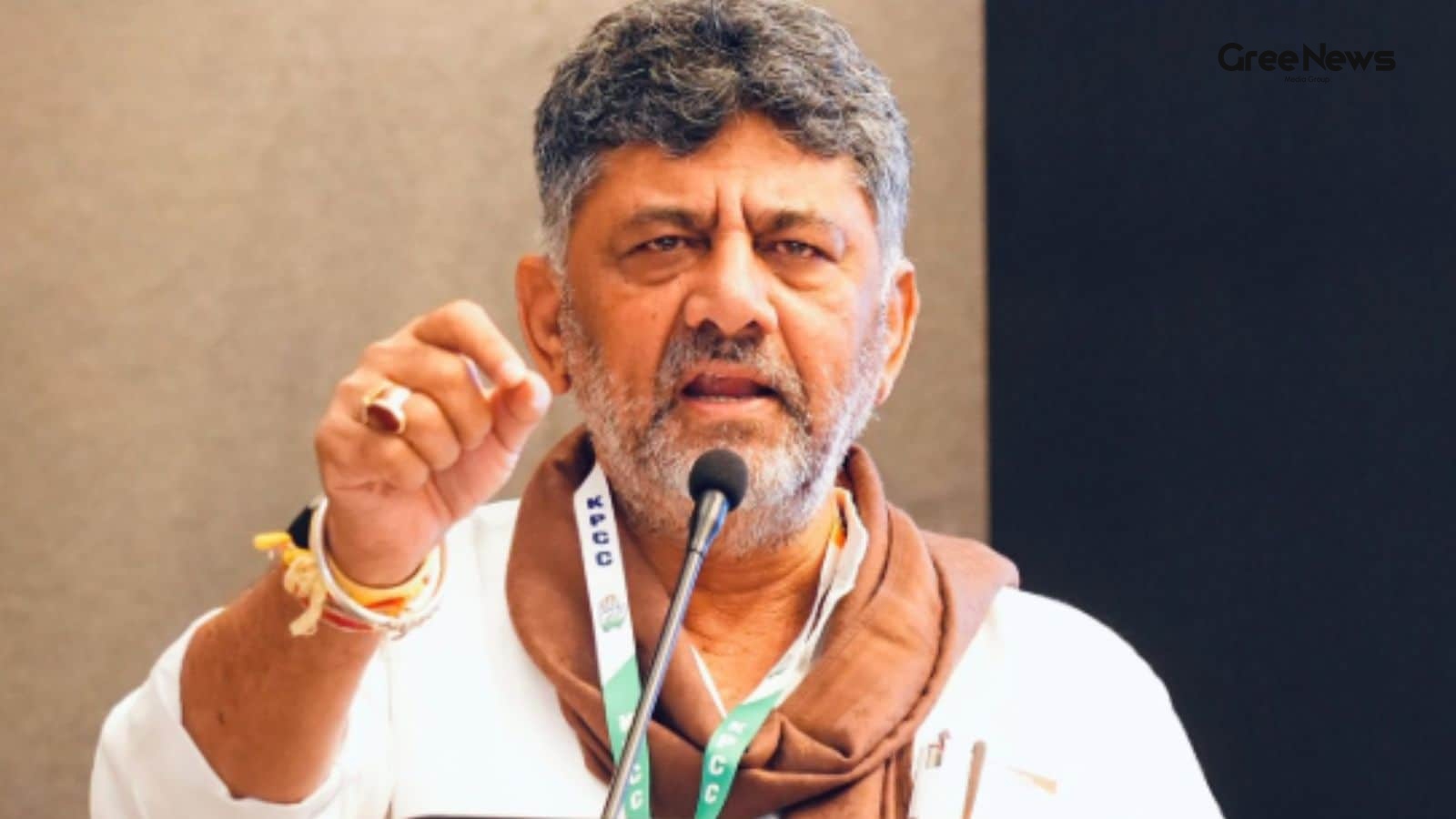
Political Maneuvering and Voting Strategy in Karnataka Election
The Congress party, they are just oozing confidence about that fifth seat. Like they’re going to sweep it. No real expectation of the Opposition even bothering them in Thursday’s election for the Legislative Council seven seats there in Karnataka. It felt almost like a free pass, didn't it? They put
Jun 18, 2026 by Gree News Team
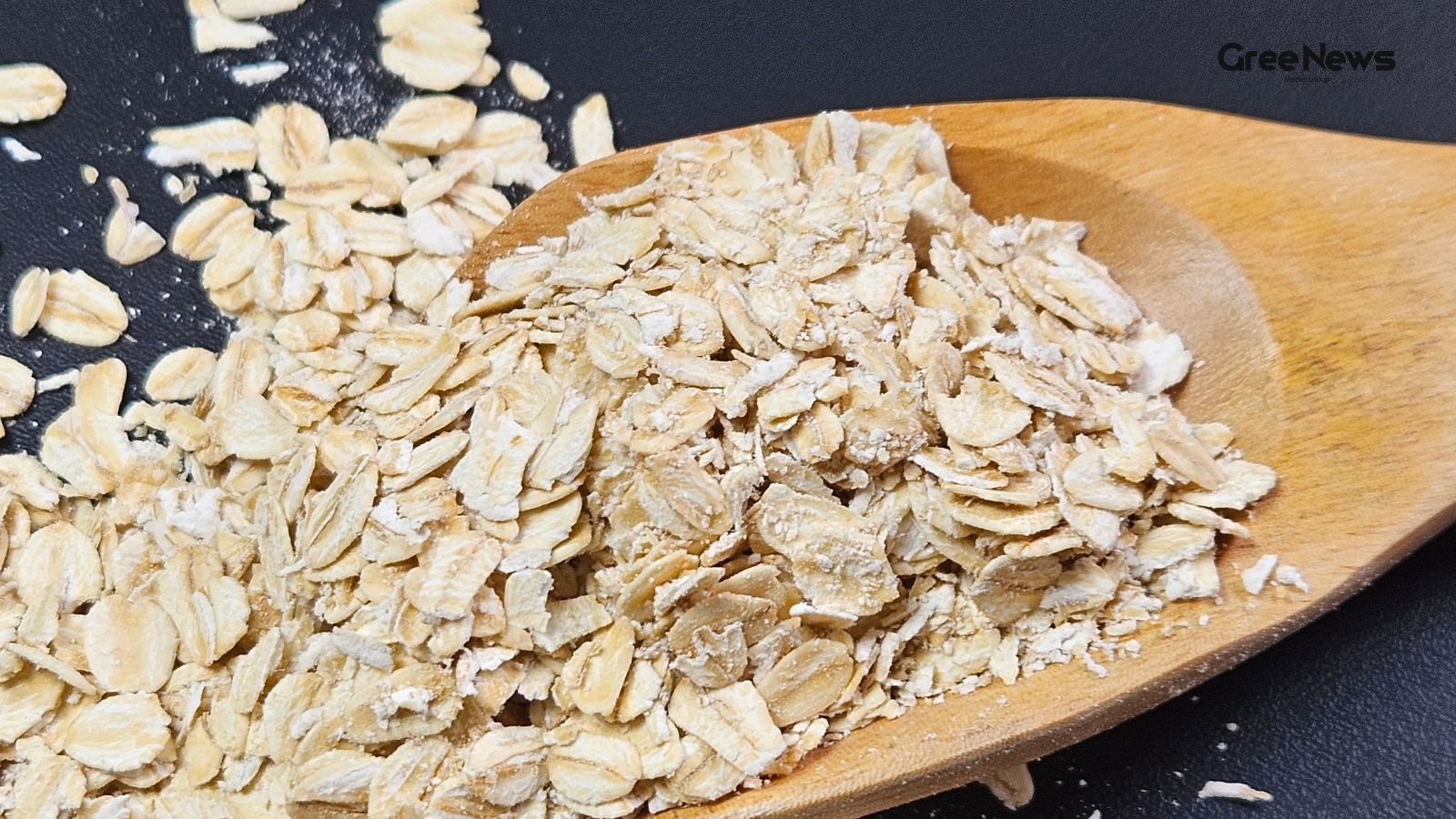
The Role of Protein and Fibre in Indian Wellness and Breakfast Choices
India’s wellness talk lately is really focusing on just two things: protein and fibre. It’s everywhere now. Protein gets added to everything shakes, bars, snacks, meal plans. And fibre? It’s finally getting serious recognition for how much it does for digestion and overall feeling good. You see this
Jun 18, 2026 by Gree News Team
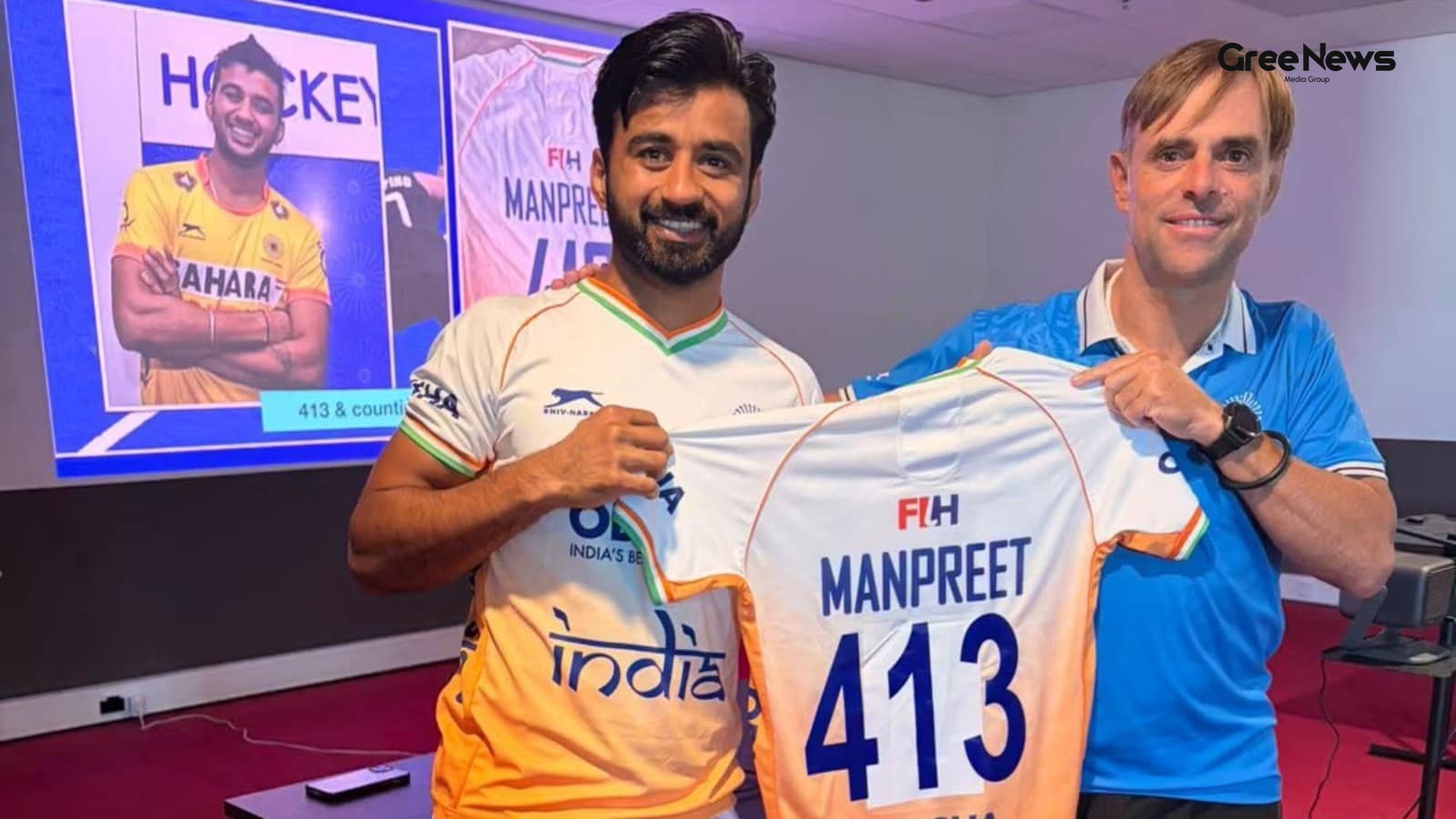
Manpreet Singh: The Most-Capped Player in Indian Hockey History
Manpreet Singh just hit something huge in Indian hockey history. He’s now the most-capped player representing the country. That’s 413 international appearances. He got this milestone during India's FIH Pro League match against Germany on Wednesday. It was a big game, you know? And Manpreet was in it
Jun 18, 2026 by Gree News Team
Kala Hiran Controversy: Legal Battles and Legacy in Filmmaking
Govind Namdev has pulled back from Kala Hiran. It’s all about legacy now, you know? The film itself is based on that whole blackbuck poaching thing from 1998. Amit Jani produced it. Namdev was in it, playing the advocate trying to fight for justice for the Bishnoi community. Things got messy after t
Jun 18, 2026 by Gree News Team
The Reality of Online Trolling and Paid Smear Campaigns in the Film Industry
Alia Bhatt is in the eye of a storm right now. Her appearance at Cannes got all the chatter online. Then it just became relentless trolling. People were tearing into her for going unnoticed on the red carpet, playing along with whatever noise was happening. What really kicked things up? Alpha’s teas
Jun 18, 2026 by Gree News Team
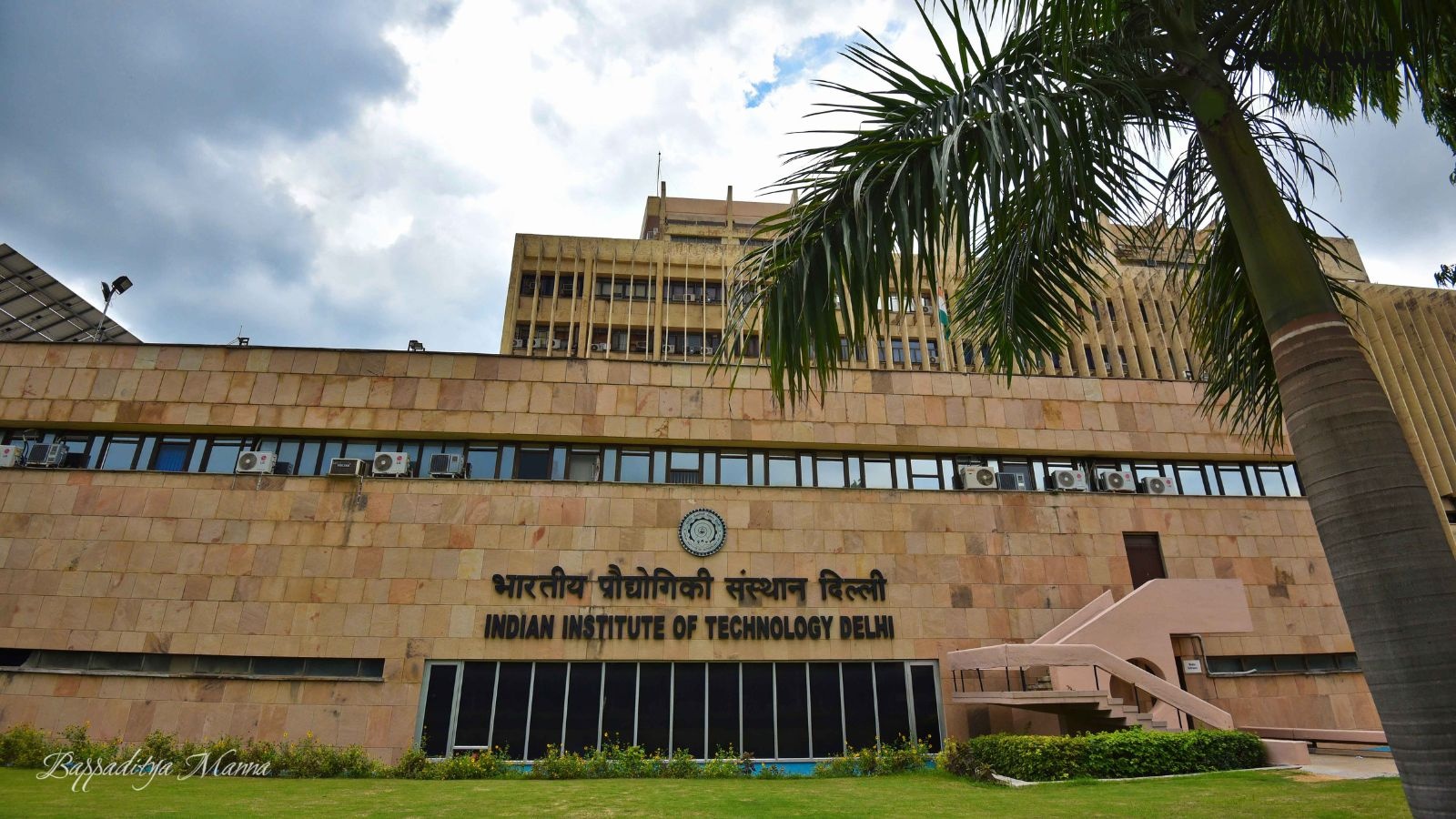
QS World University Rankings 2027: Analysis of Global Academic Shifts
The QS World University Rankings for 2027 finally dropped. It’s out now. And you see IIT Delhi up there again. Top spot in India, once more. They climbed five places this time. Now they sit at number 118 globally. That's a big jump from last year. Last year they were at 123. Highest rank ever for an
Jun 18, 2026 by Gree News Team
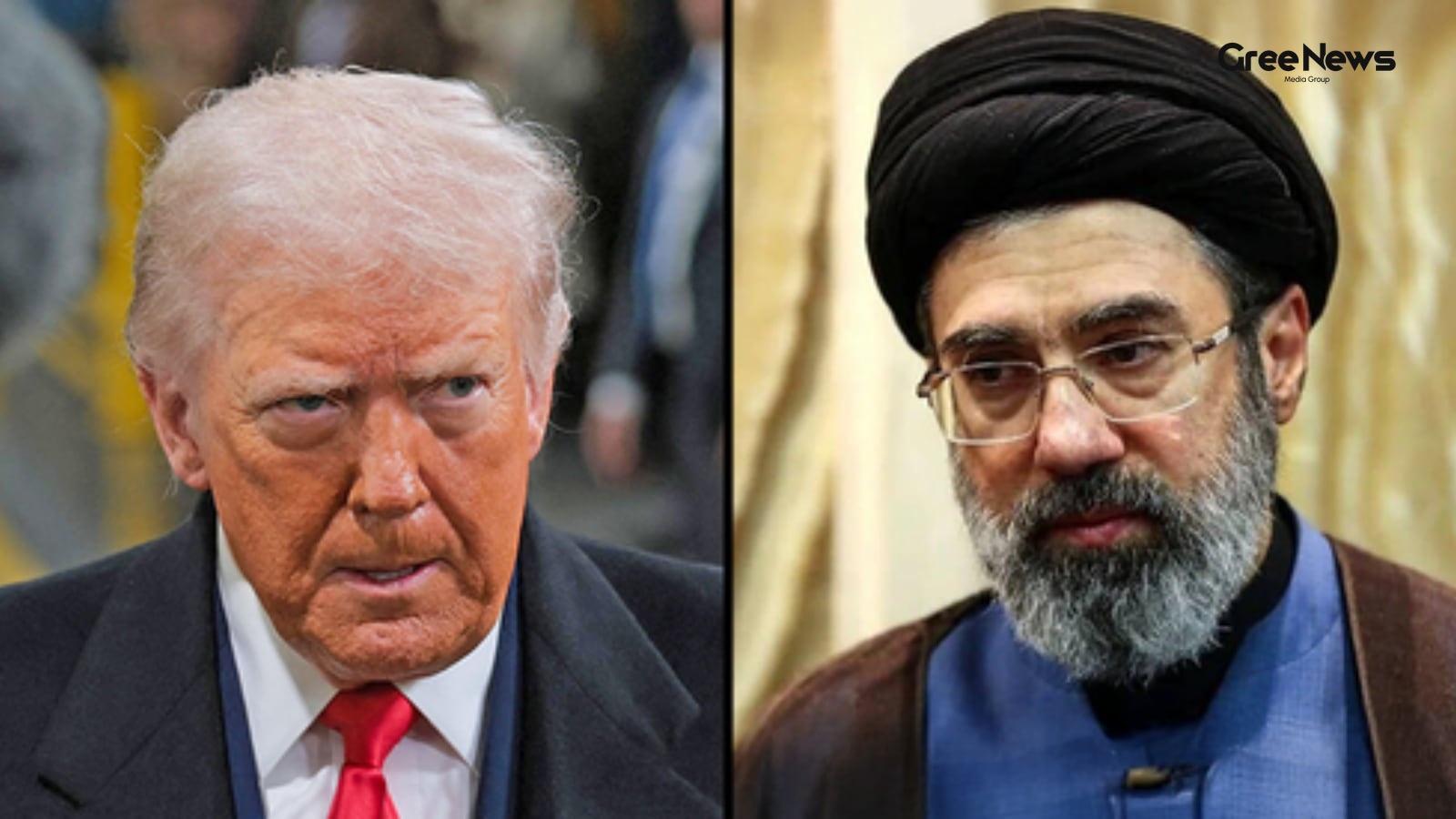
US-Iran Peace Memorandum: Terms, Commitments, and Implications
Weeks of talking turned into something official between the United States and Iran. They signed that peace memorandum. It lays out fourteen points, supposed to be how they’re going to end this mess and start moving toward some bigger settlement. But it’s important to remember: this isn't a final tre
Jun 18, 2026 by Gree News Team

The Unresolved Aftermath of the US-Iran Memorandum
The US-Iran memorandum finally came out Wednesday. It reopened the Strait of Hormuz. A ceasefire extended. That’s the headline. But underneath that surface stuff the breathing room it buys there are still mountains left to climb, big ones. It leaves all the really hard questions hanging there. Iran’
Jun 18, 2026 by Gree News Team
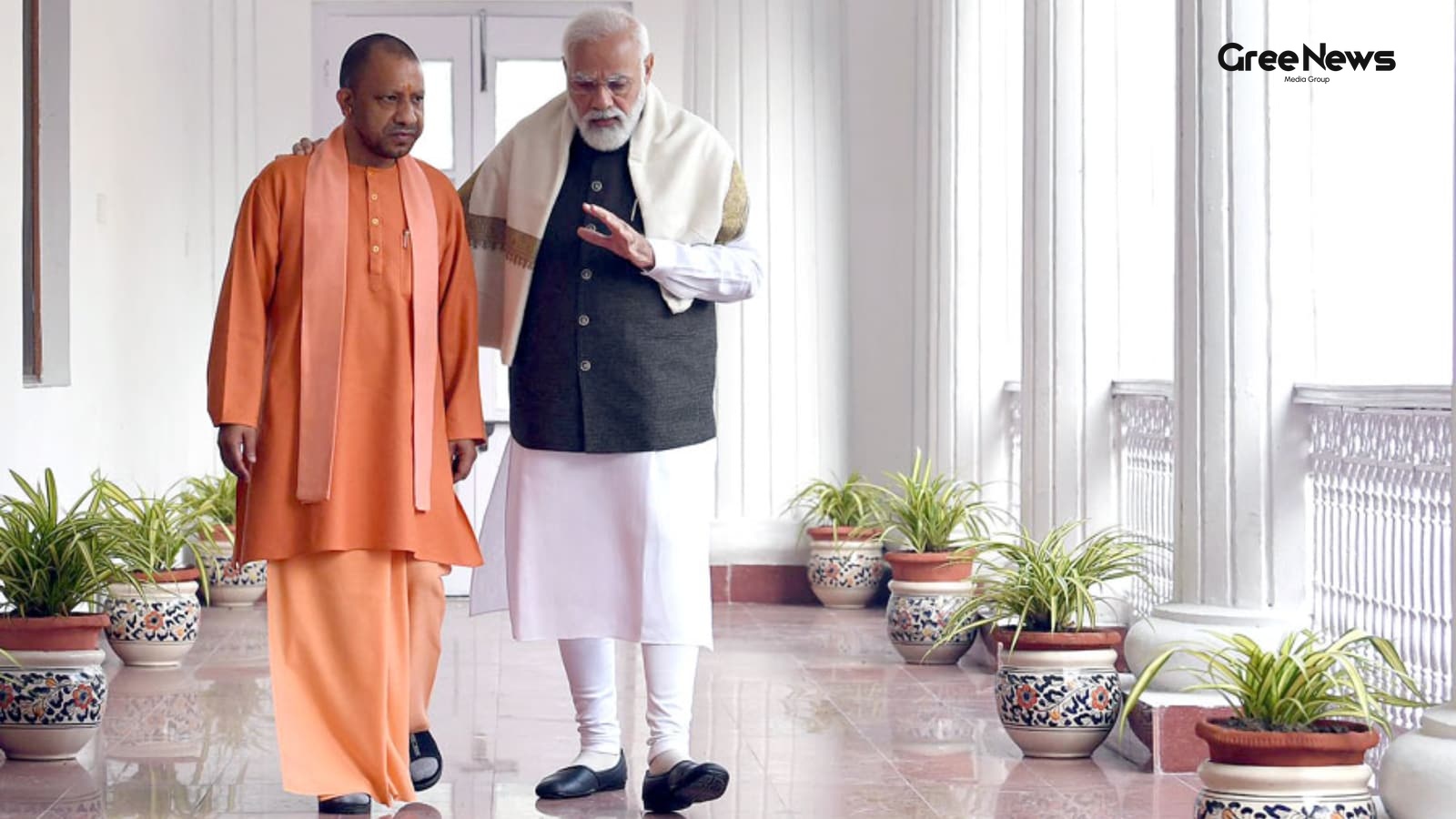
Uttar Pradesh Action Plan for Mid-Day Meal Scheme and School Welfare
The Uttar Pradesh government has put together an action plan. It’s all about strengthening things up before the schools reopen after the summer break. This is tied into the PM-POSHAN scheme, you know? The one that used to be called the Mid-Day Meal Scheme. They are really pushing this hard now. Yogi
Jun 18, 2026 by Gree News Team

Trump's Warning to Iran and the Interim Accord
Trump threw out another warning to Iran, right after they locked down some agreement. He basically said the US was going to bomb them if they messed up the terms. It wasn't a polite request. “I want them to honor the agreement,” Trump claimed during a press conference with reporters in France. Then
Jun 18, 2026 by Gree News Team