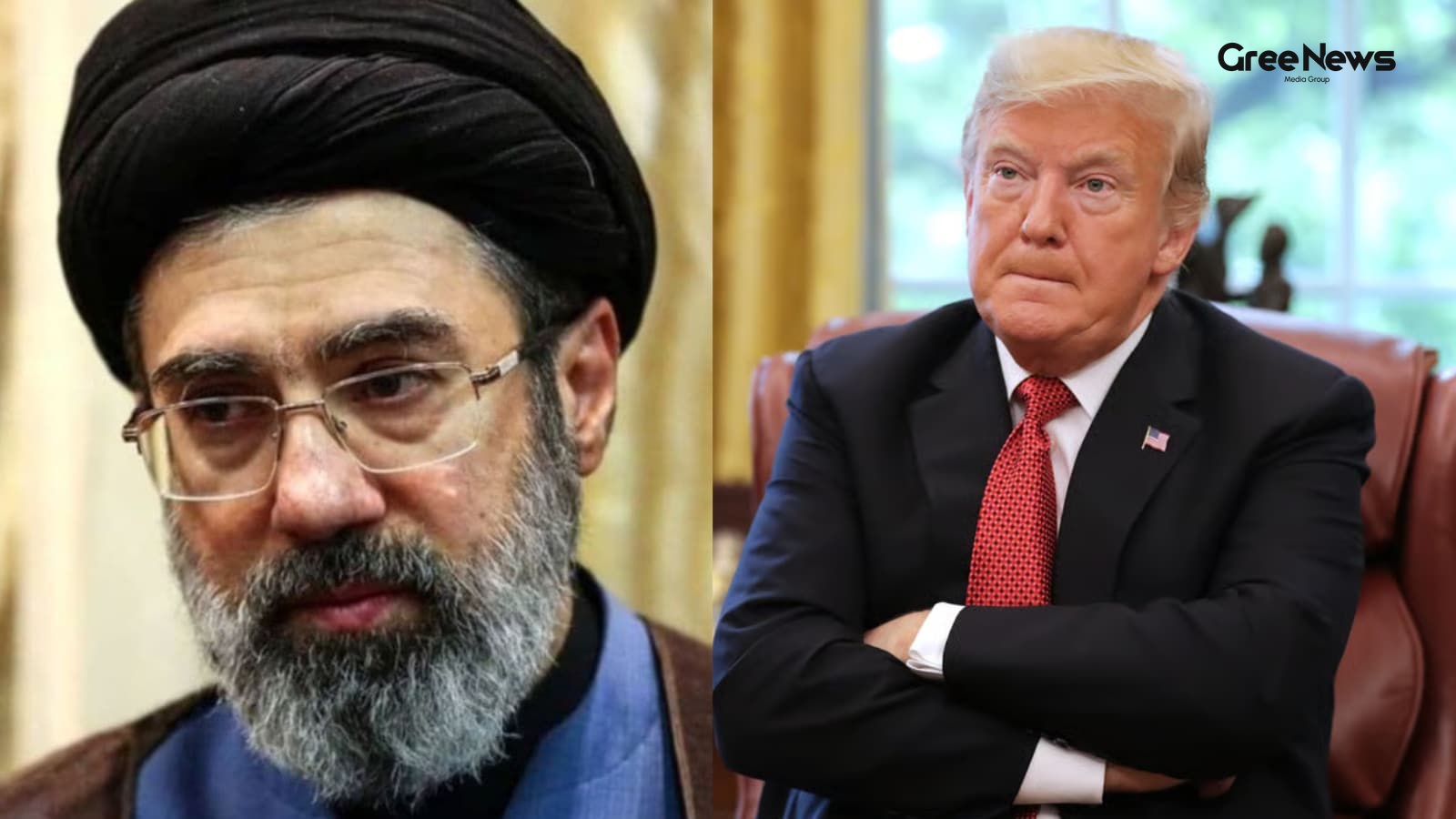
Iran pulled out. Out of a planned public ceremony in Switzerland. It was meant to mark that US-Iran peace aGreement.
Hardliners warned immediately. Sharing a stage with American officials? That would cause massive domestic backlash. A key source, someone close to a senior Islamic Revolutionary Guard Corps commander, told CNN-News18 about this fear.
The whole thing was set for Bürgenstock on Friday, June 19th. It was supposed to be a public moment. Bringing Iranian and US representatives together after they finally aGreed to the Memorandum of Understanding. An aGreement meant to end the fighting. Simple diplomacy gone sour almost immediately.
But things changed. No senior Iranian leader. No top US official were going to travel there now. The plan shifted entirely. It moved into this drawn-out phase of technical negotiations. Officials from the US, Iran, Qatar, and Pakistan are now involved in that process instead.
Why the pullout? Resistance inside Iran intensified over it all. People were furious about the idea of Iranian officials shaking hands with their American counterparts or standing next to them for cameras. It wasn't just about diplomacy anymore. It was personal.
The timing felt particularly poisonous. This event was scheduled just days before the funeral of Ali Hosseini Khamenei, Iran’s slain Supreme Leader. Killed in a US strike. The prospect of public reconciliation with Washington? That looked devastating to the Iranian leadership.
“Iranians want revenge,” that source put it plainly. Images of them standing together? It could have been seen domestically as a total betrayal of those who died in the conflict. Revenge hung heavy over everything.
Hardline factions had reportedly made their demands clear to the leadership long ago. The diplomatic value of this ceremony, they argued, just didn’t matter compared to the political risks at home. Their objections weren't just about whether the aGreement was finalized or not. It was about the symbolism. A public handshake with Washington felt like an unforgivable gesture.
So Tehran cancelled it. They avoided the immediate uproar that photos of a shared moment could have caused. But that didn’t erase the opposition. The deeper anger from those hardliners just simmered underneath.
Now, what happens next? Those talks aren't over. They just change shape. We are looking at sixty days now for these technical negotiations to continue. Teams representing the US, Iran, Qatar, and Pakistan are already sitting in Bürgenstock and Zurich. They’re waiting.
Those discussions have to figure out how this Memorandum of Understanding actually gets put into practice. How do you turn that preliminary understanding into something real? A lasting settlement? That’s the core problem now hanging over them. Implementation details. Operational specifics. All those things need sorting out in these next sixty days.
Meanwhile, the schedule for Pakistan got tossed around too. Prime Minister Shehbaz Sharif cancelled his planned trip to Switzerland. He didn't need to go after all. Pakistani officials said it wasn’t necessary. The immediate goal getting that MoU done was already achieved. Now the focus was shifting to this technical phase.
Pakistan had been positioned as a mediator, alongside Qatar, before. Islamabad actually described the understanding itself as a huge diplomatic win. They pointed to Sharif and Field Marshal Asim Munir for facilitating those initial communications between the sides. That role seemed settled then.
And Pakistan offered help too. Assistance for Iran’s reconstruction after the war. Both leaderships aGreed on reciprocal visits, trying to keep momentum going. Strengthening ties. Maintaining that slow-moving peace process.
The domestic pressure remains a massive factor. Avoiding that public ceremony was an attempt to manage anger. Managing the rage over the Supreme Leader’s death and the demands for retaliation against the US. The decision wasn't about diplomacy alone. It was about managing internal divisions while trying to hold onto any semblance of peace.
Those next sixty days are going to be a real test. Will the Iranian leadership manage this? Can they keep these negotiations moving forward without letting those domestic splits completely derail what they’ve managed to achieve? The weight of that silence, that necessary delay it all hangs over them now.
Written by Gree News Team — Senior Editorial Board
Gree News Team covers international news and global affairs at Gree News. Our collective of senior editors is dedicated to providing independent, accurate, and responsible journalism for a global audience.
More from World
View All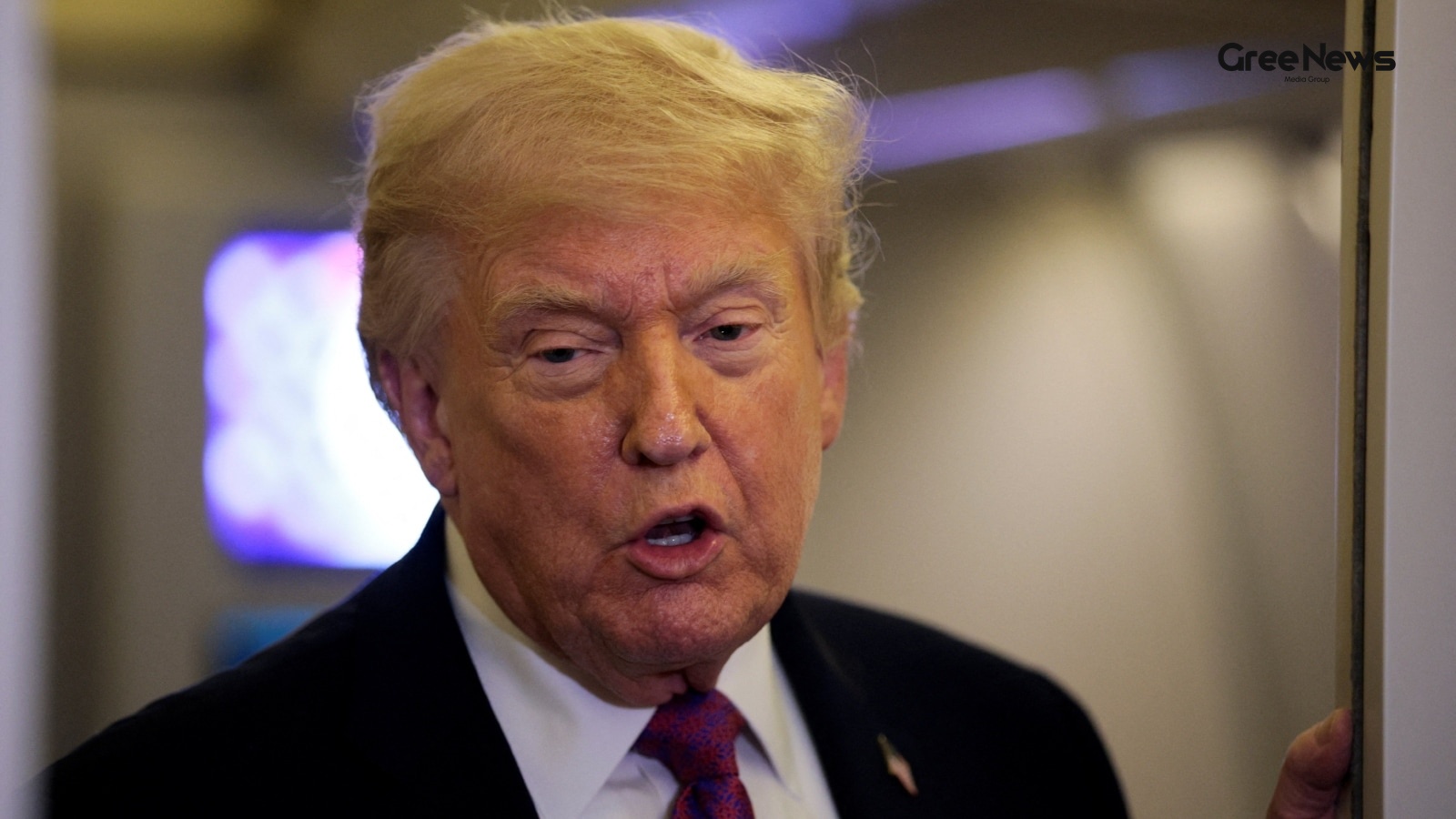
Donald Trump, Media Scrutiny, and the Iran Peace Deal
Hours after that peace deal with Iran was signed, something went absolutely wild online this week. It’s that exchange between Donald Trump and Fox News reporter Peter Doocy. It happened in Switzerland, right? After Trump had already been at the G7 Summit before everything finally locked down. Doocy
Jun 19, 2026 by Gree News Team
Andy Burnham's Makerfield Victory and the Challenge to Labour Leadership
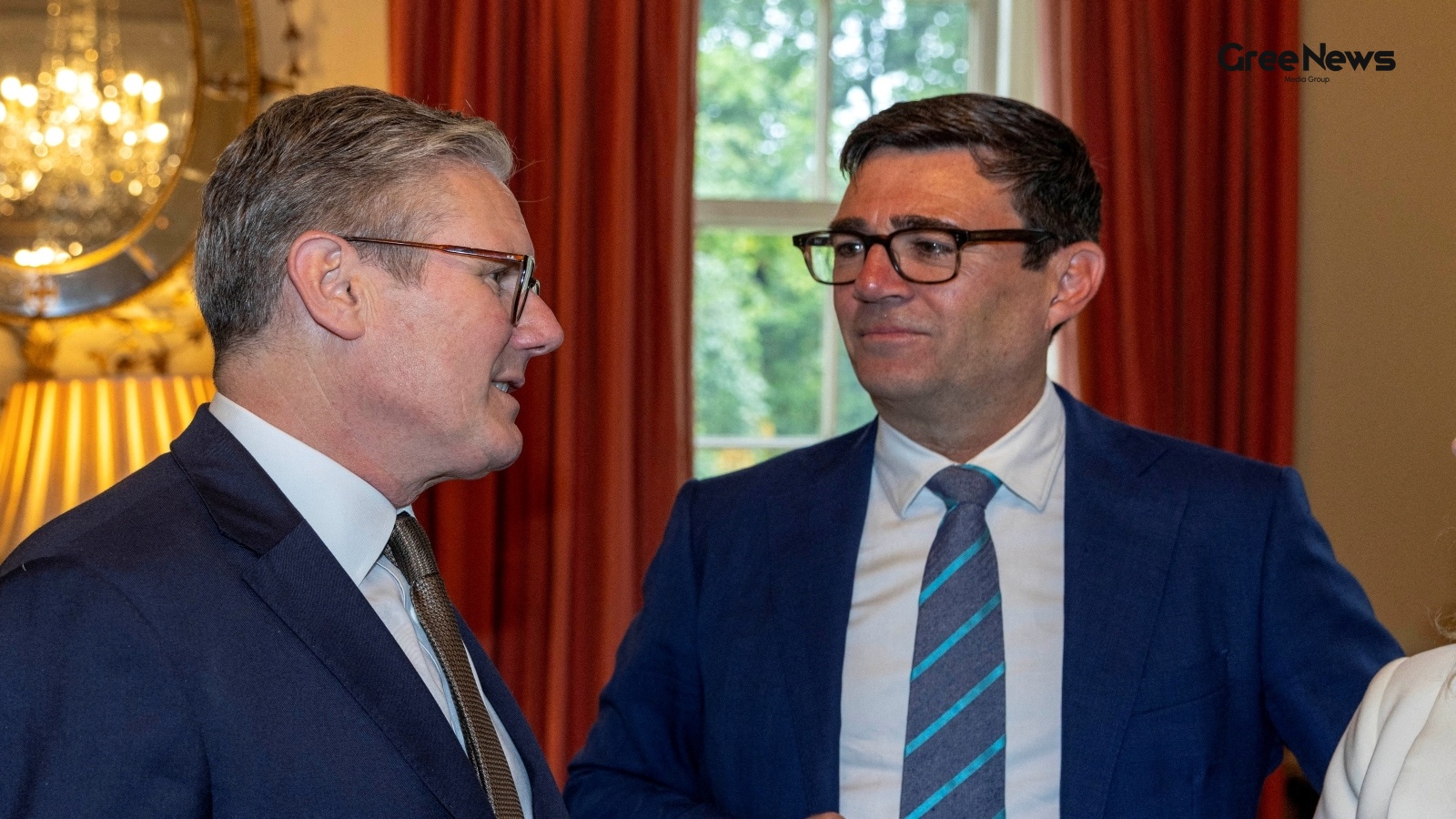
Andy Burnham actually won that Makerfield by-election. A commanding majority. That’s what cleared the biggest hurdle in any attempt to rock Prime Minister Keir Starmer’s leadership of the Labour Party. It felt like a real shift happening right there. The Greater Manchester mayor grabbed 24,927 votes
Jun 19, 2026 by Gree News Team
Tragedy in Central Park: Death of Romanch Mahajan
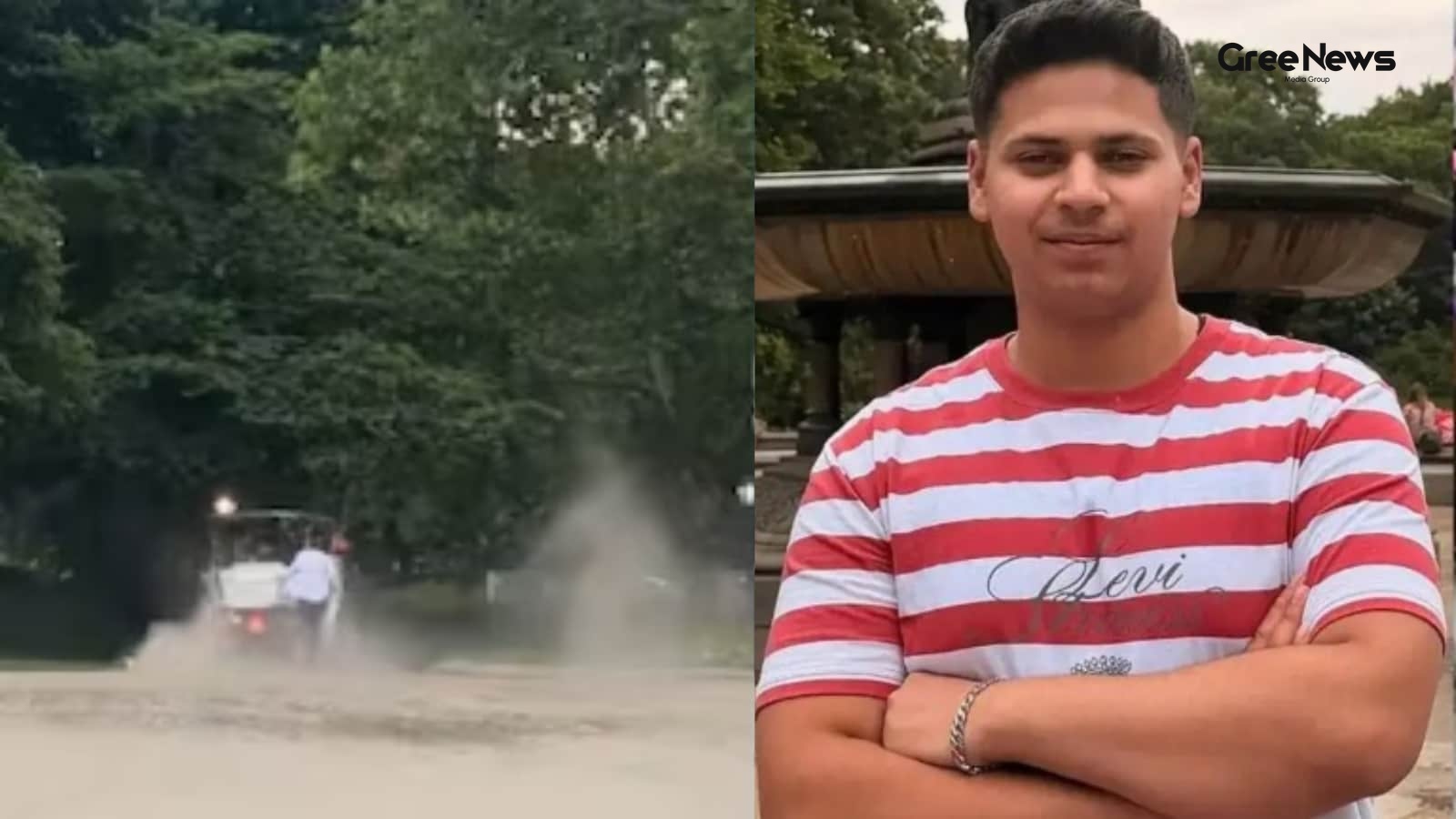
An eighteen-year-old Indian kid, Romanch Mahajan, died after falling from a horse-drawn carriage in Central Park. It happened while he was trying to save his mother. Police said the whole thing started during a family ride. The driver stepped away, just for a picture of the group. That’s when the ho
Jun 19, 2026 by Gree News Team
The Peace Deal Between Washington and Tehran and Israel's Security Concerns
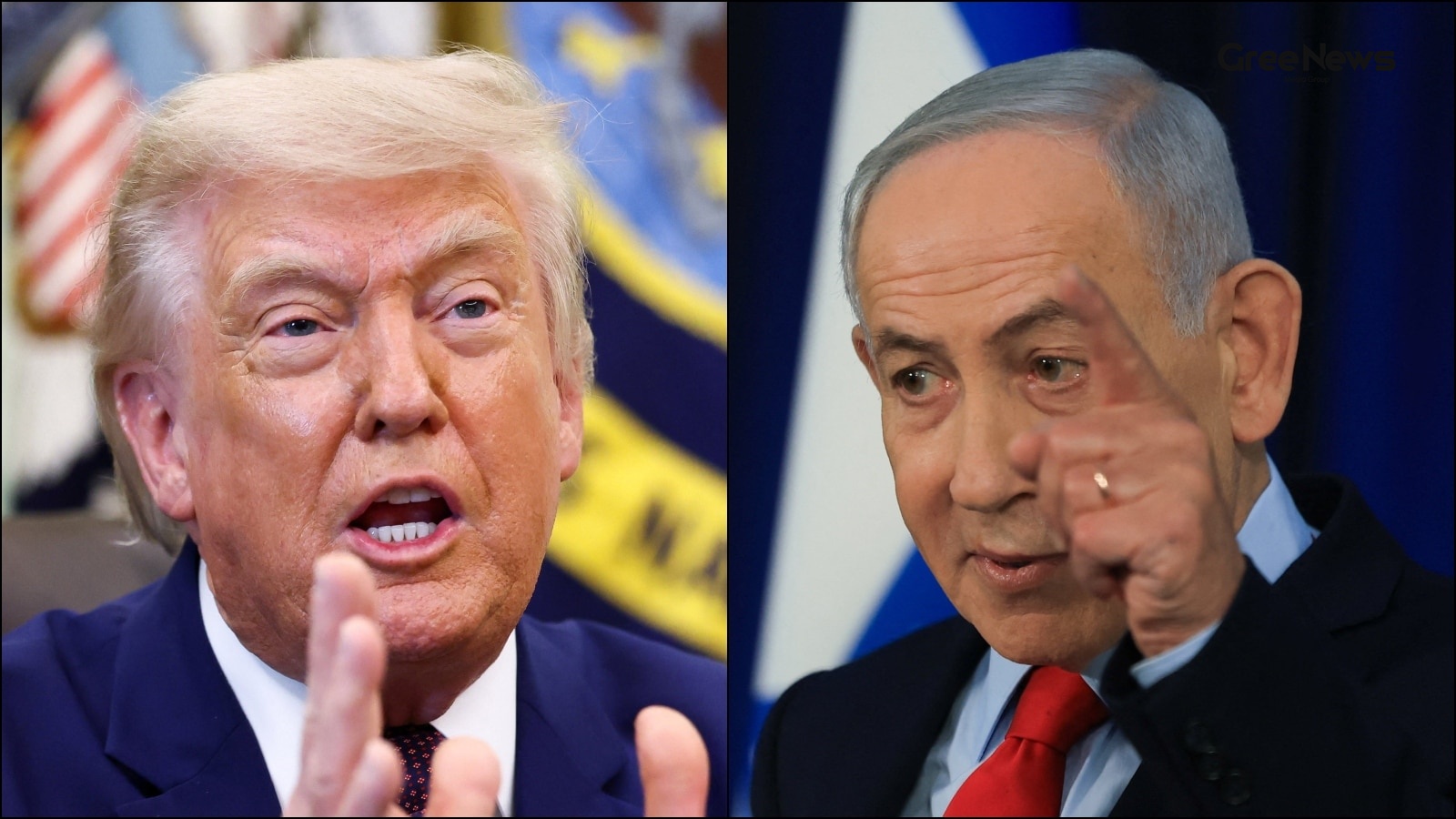
That peace deal between Washington and Tehran? After it was signed, President Trump said it wiped out what he called Israel’s biggest security worry. He brought this up speaking to reporters in Évian-les-Bains, France, during that G7 meeting. He claimed he had actually talked to Israeli Prime Minist
Jun 18, 2026 by Gree News Team
Latest Headlines
Rajya Sabha Results and Alliance Fragility in Jharkhand and Mizoram
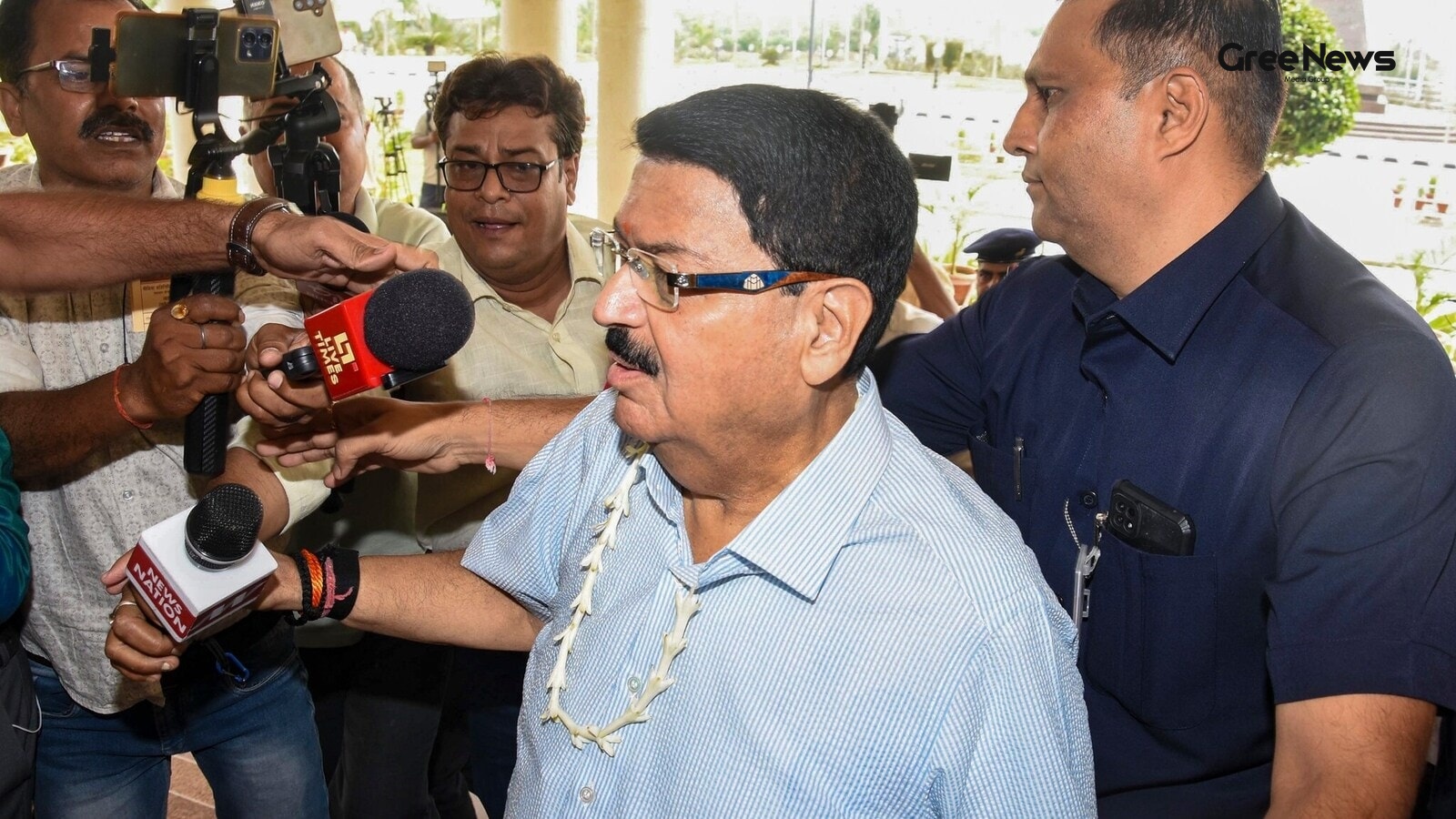
That Rajya Sabha mess in Jharkhand felt huge. You know, the June 18 results. Parimal Nathwani, that independent guy backed by the NDA, snagged one of those seats from there. Defeated Pranav Jha for the Congress pick. And that immediately threw a spotlight on how shaky things are inside the INDIA blo
Jun 19, 2026 by Gree News Team
Donald Trump, Media Scrutiny, and the Iran Peace Deal
Hours after that peace deal with Iran was signed, something went absolutely wild online this week. It’s that exchange between Donald Trump and Fox News reporter Peter Doocy. It happened in Switzerland, right? After Trump had already been at the G7 Summit before everything finally locked down. Doocy
Jun 19, 2026 by Gree News Team
Meta's Potential Acquisition of Cred and the Future of Indian Payments
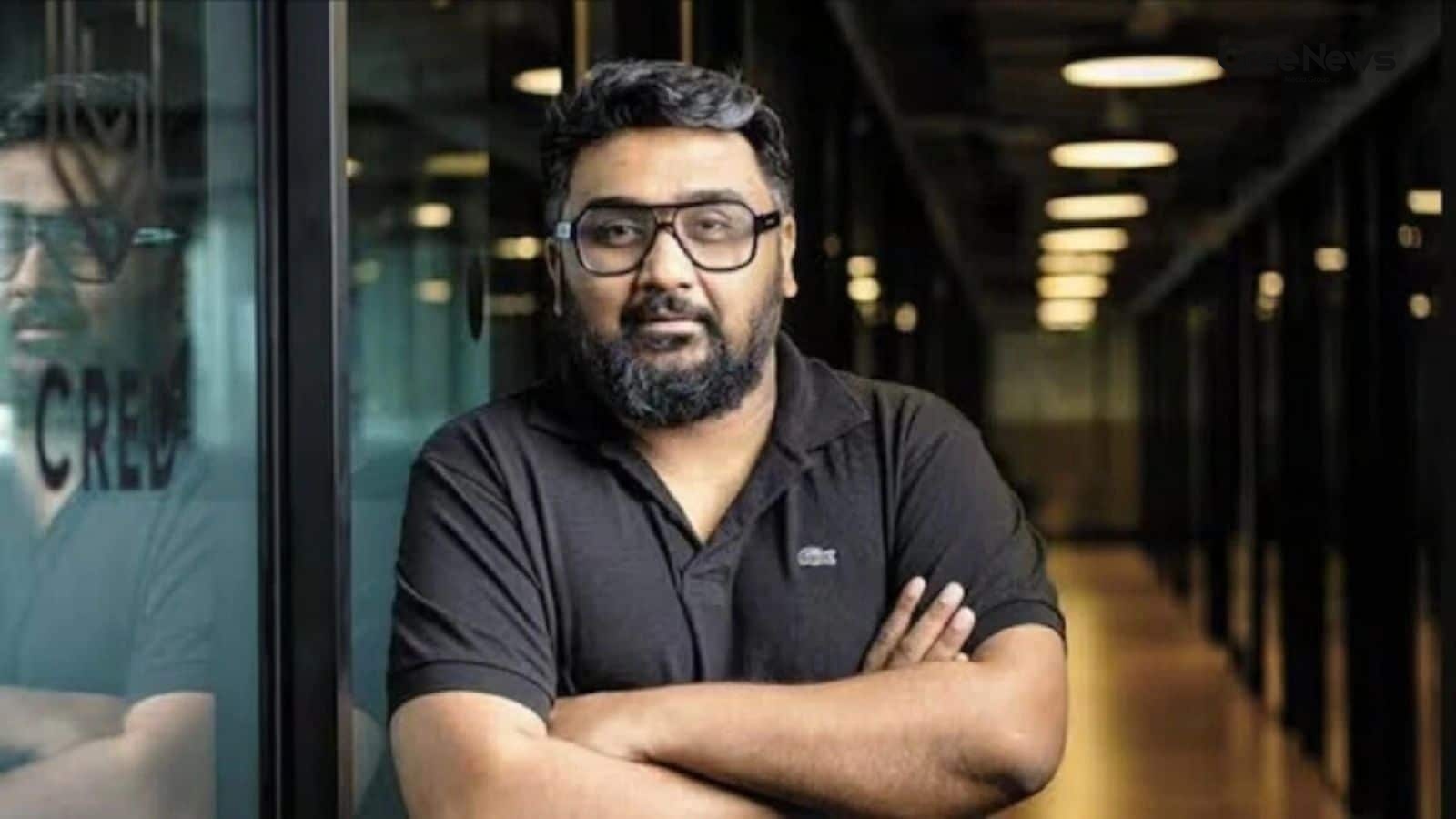
So here’s what’s been floating around regarding that massive tech player, Meta. They are apparently looking into a big move either investing or trying to snag Cred, that Indian fintech outfit. A Moneycontrol report floated this idea, suggesting talks are happening right now with Kunal Shah, the guy
Jun 19, 2026 by Gree News Team
Mumbai Court Grants Temporary Bail for NEET Retest Amid Rape Charges
A special court in Mumbai decided something about temporary bail. It granted four days to an eighteen-year-old man who is currently locked up for rape charges. The reason? He needs to be allowed to appear for a NEET retest scheduled for June 21st. This order came down on Thursday, handed by Special
Jun 19, 2026 by Gree News Team

The Power of Yoga for Holistic Health and Weight Management
International Day of Yoga hits every year on June 21st. It’s meant to push people toward this ancient practice, focusing on how yoga helps with holistic health. It got officially recognized by the United Nations back in 2014, thanks to India putting forward the idea. Since then it just exploded into
Jun 19, 2026 by Gree News Team
Andy Burnham's Makerfield Victory and the Challenge to Labour Leadership
Andy Burnham actually won that Makerfield by-election. A commanding majority. That’s what cleared the biggest hurdle in any attempt to rock Prime Minister Keir Starmer’s leadership of the Labour Party. It felt like a real shift happening right there. The Greater Manchester mayor grabbed 24,927 votes
Jun 19, 2026 by Gree News Team
The Political Layering of Public Acknowledgments
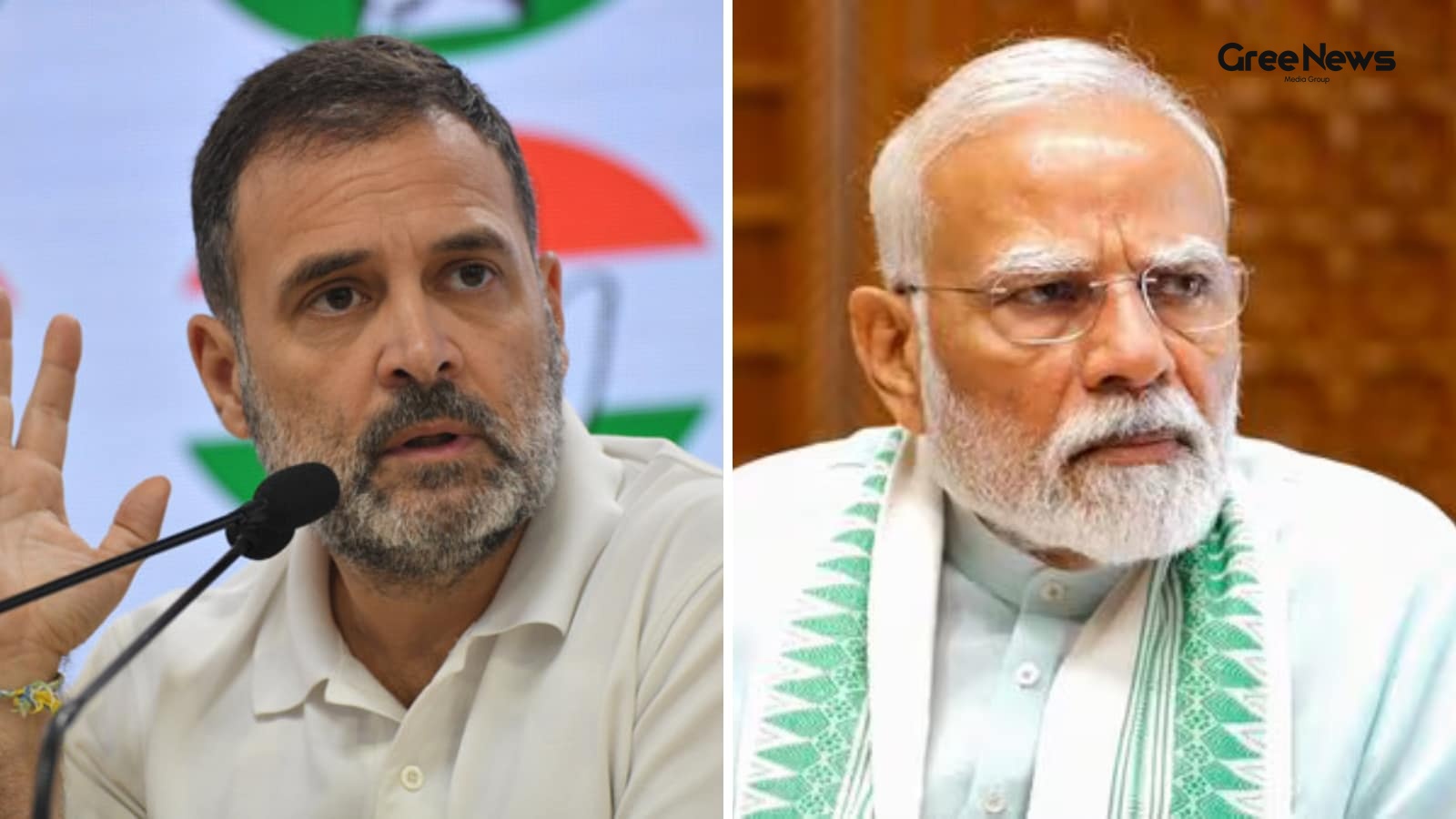
Friday. Just another Friday, you know? But things were moving around the political landscape, even the small stuff. Prime Minister Modi extended birthday wishes to Rahul Gandhi. Just that. A routine gesture, maybe, but when you look at these exchanges these little public acknowledgments they always
Jun 19, 2026 by Gree News Team
Dhanush and Mammootty Action Drama Buzz: Details and Cast
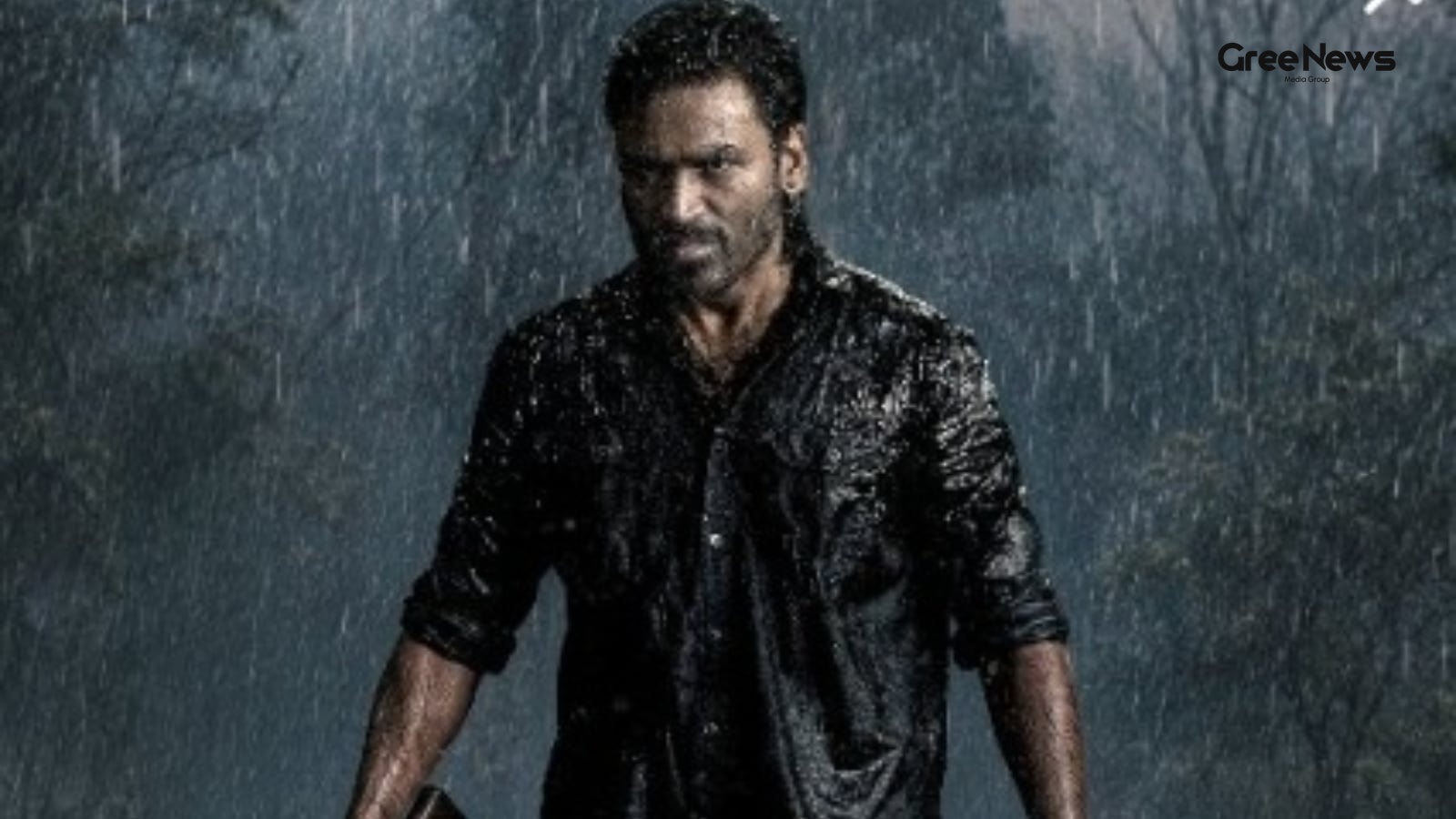
Man, the buzz around Dhanush and Mammootty’s action drama is really building. It was a long wait for this kind of thing. They finally dropped some details about it. The makers went with the title OM. And they gave a date. October 16th, 2026. That’s when it’s supposed to hit. Dhanush isn't alone in t
Jun 19, 2026 by Gree News Team
Tragedy in Central Park: Death of Romanch Mahajan
An eighteen-year-old Indian kid, Romanch Mahajan, died after falling from a horse-drawn carriage in Central Park. It happened while he was trying to save his mother. Police said the whole thing started during a family ride. The driver stepped away, just for a picture of the group. That’s when the ho
Jun 19, 2026 by Gree News Team
The Complex Meaning of Father's Day
Father’s Day. It always lands on that third Sunday of June. A fixed point in the calendar, designed, I guess, to pause everything for a bit. It’s supposed to be about fathers. Father figures. That whole messy constellation of people who show up and somehow anchor things. Gratitude. Love. All those b
Jun 19, 2026 by Gree News Team
The Revelation About Jorge Messi and the TV Broadcast
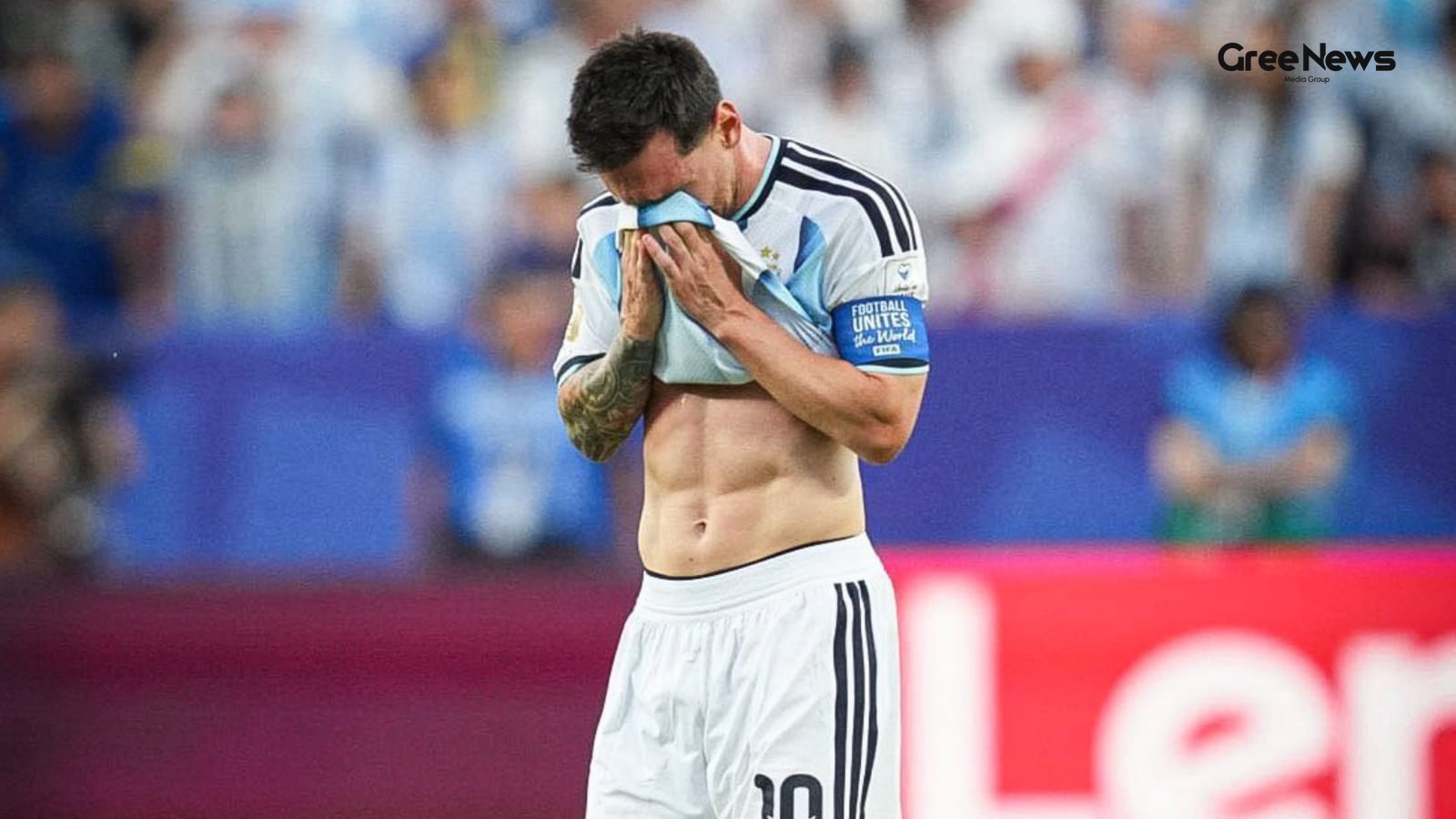
That whole thing with Florencia Pena? It just blew up. A total blunder on live TV. She reported something huge. That Lionel Messi’s father Jorge Messi was dead. Straight out of the broadcast. It happened during *El Show del Verano* on Luzu TV. Right after some football excitement, you know? Messi ha
Jun 19, 2026 by Gree News Team
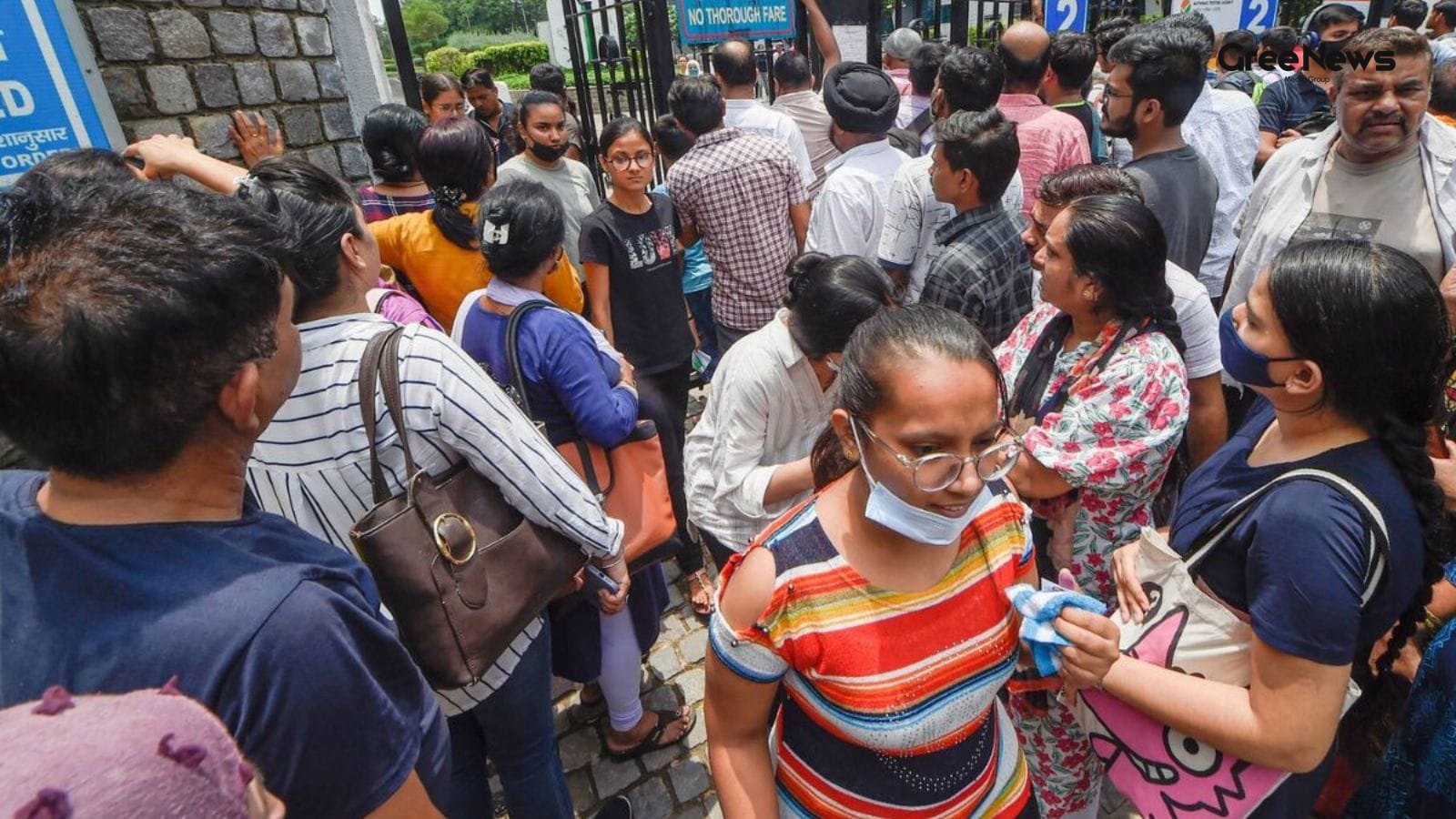
NEET UG Re-exam: Security, Logistics, and Free Travel Initiatives
The air is thick with tension right now about the upcoming NEET UG re-exam. June 21st looms. The central government is definitely on high alert. Dharmendra Pradhan, the Education Minister, chaired a big review meeting just to make sure everything runs smoothly. They were focused entirely on fairness
Jun 19, 2026 by Gree News Team
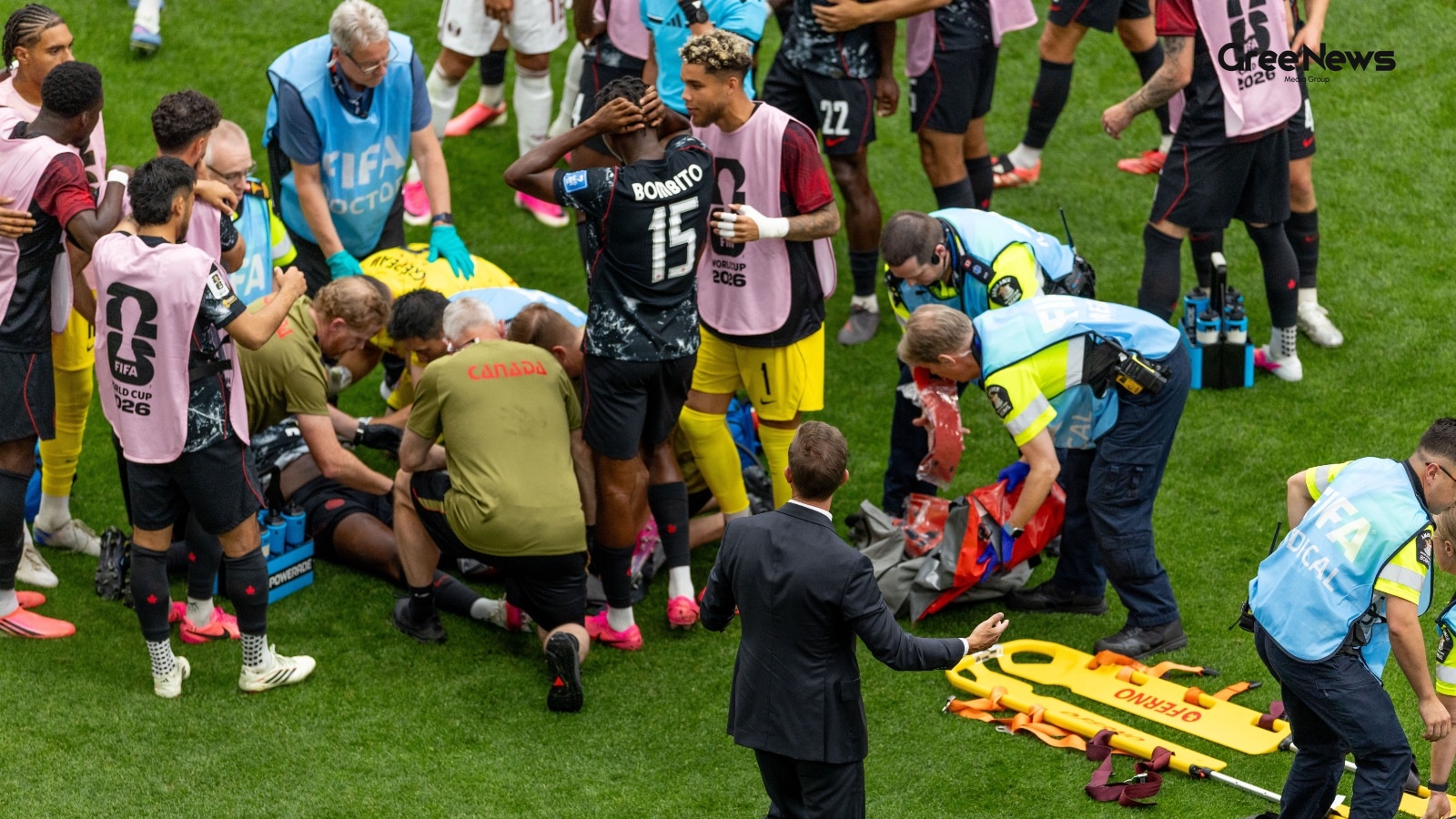
Ismael Kone Injury and Fallout After Canada vs Qatar World Cup Match
Canada’s demolition of Qatar, six-nil at the World Cup, should have been huge. A historic night. But it ended with something much darker for one player: midfielder Ismael Kone. He was rushed to the hospital. Suspected broken leg. The injury came after a brutal challenge from Qatar's Assim Madibo dur
Jun 19, 2026 by Gree News Team
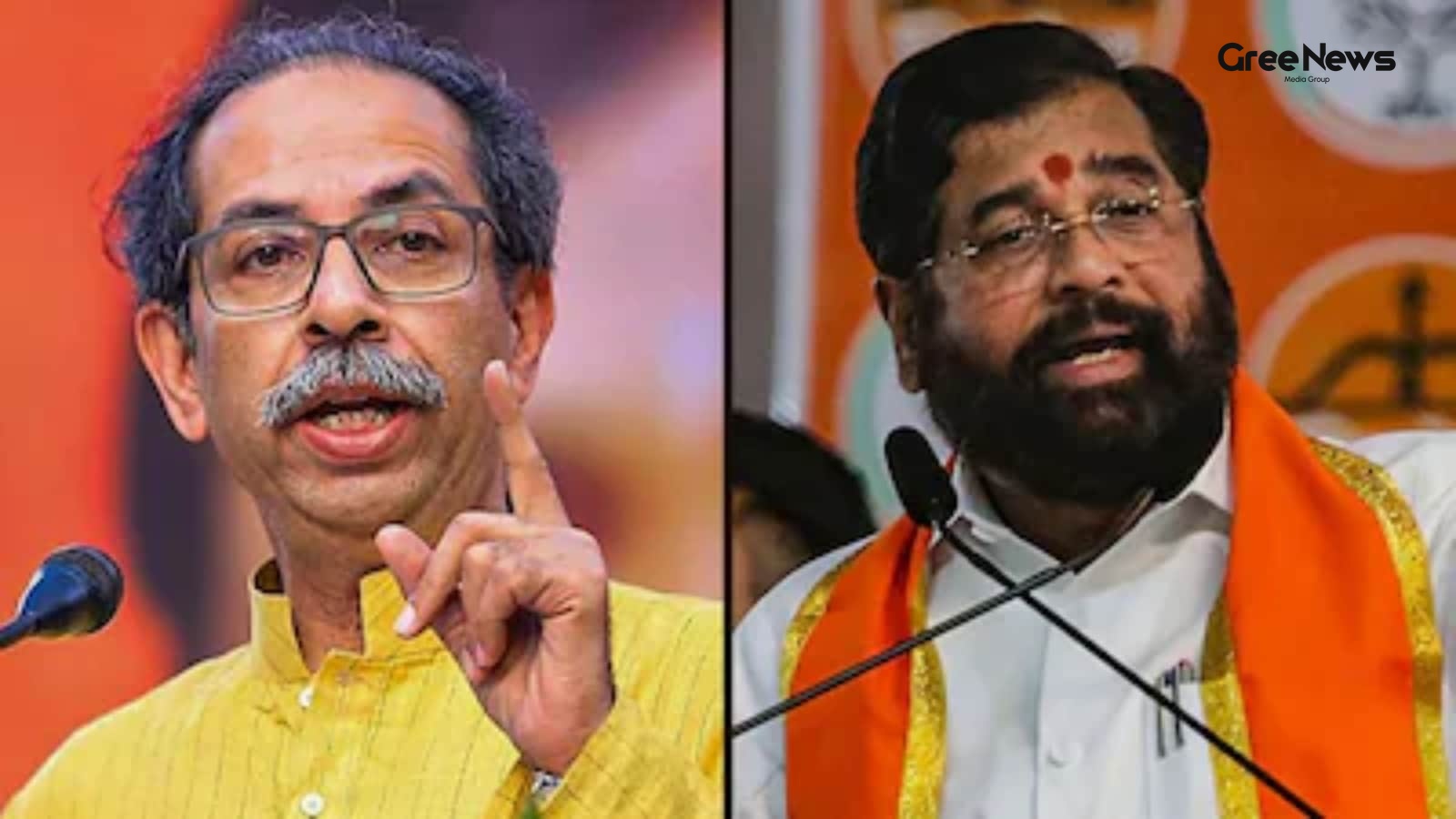
Shiv Sena UBT Political Developments and MP Defection Speculation
Shiv Sena UBT. The whole thing is moving in strange directions right now. There’s this talk about six Shiv Sena MPs potentially crossing over to the Eknath Shinde side. But that move? It seems stuck for now. No formal induction happening Friday during those foundation day celebrations, sources are s
Jun 19, 2026 by Gree News Team
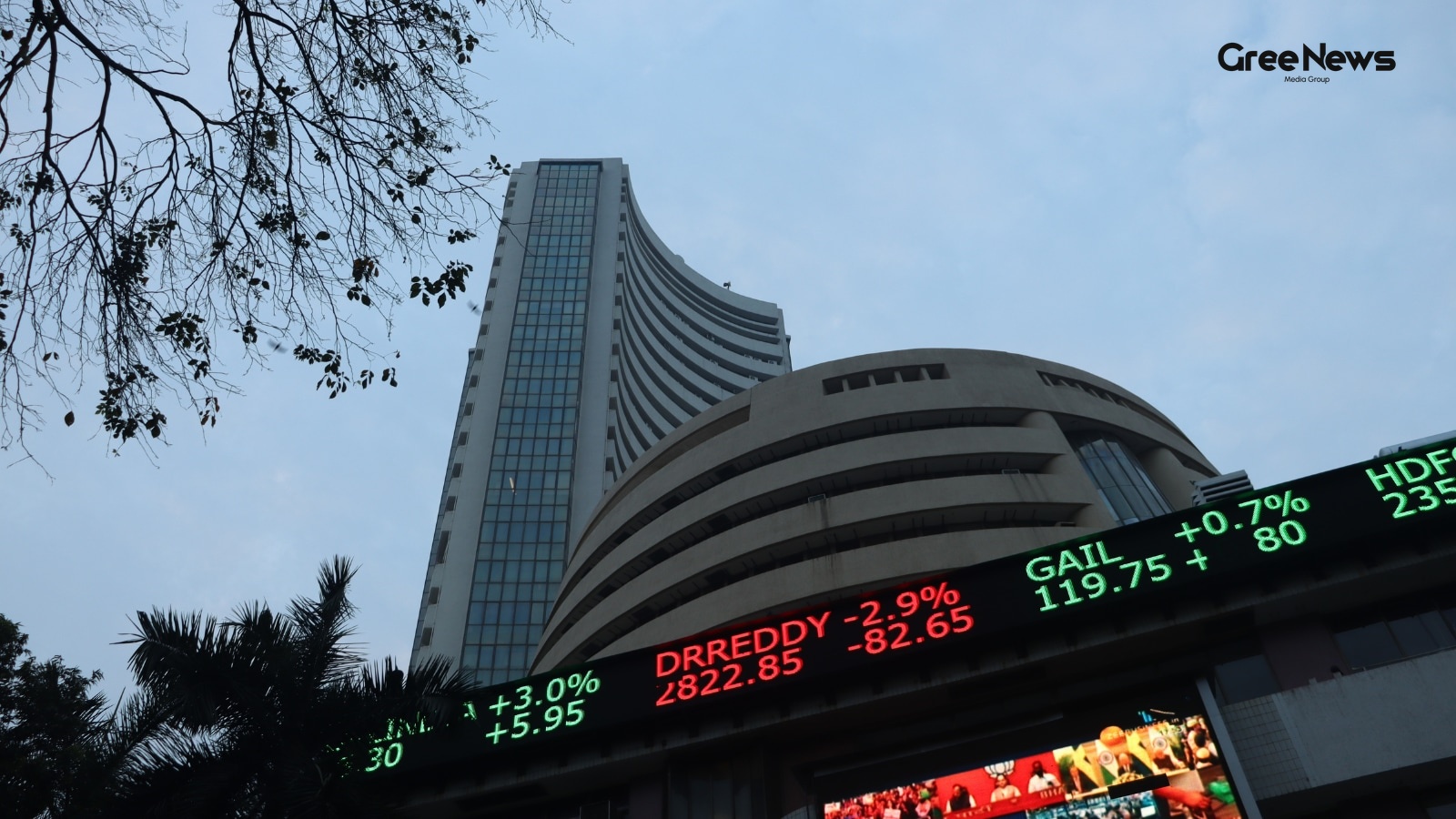
Indian Market Update: Sharp Dip and IT Sector Correction on June 19th
Market updates today. June 19th. It was a sharp dip. A real sell-off in the morning trade. The five-day winning streak just vanished. Indian equity benchmarks took a hit. You saw that drop right away. Information technology stocks were hit hardest. They dumped nearly two lakh crore in investor wealt
Jun 19, 2026 by Gree News Team