Father’s Day. It always lands on that third Sunday of June. A fixed point in the calendar, designed, I guess, to pause everything for a bit. It’s supposed to be about fathers. Father figures. That whole messy constellation of people who show up and somehow anchor things. Gratitude. Love. All those big, heavy words you try to fit into a single day.
It feels like an obligation sometimes. A designated slot in the annual routine. But then you look closer. You think about what that means for actual connection. It’s supposed to be this grand gesture of appreciation for sacrifices and guidance. Guidance is such a slippery thing, isn't it? How much was actually sacrificed? Not just the big, visible things the career moves, the financial strain but the quiet stuff. The late-night talks that felt like everything. The unspoken lessons hammered home through absence or sheer presence.
People celebrate it with gifts. Cards. Those little carefully chosen tokens meant to signify deep feeling. Or they try to force quality time. Dinner out. A weekend trip. It’s all surface level, isn't it? A performance of affection. We put on the appreciation act.
But is that real connection? I wonder sometimes if we’re just filling a void with commercialized sentimentality. The pressure mounts to make this day monumental. To validate the role fathers play in shaping everything values, morality, what kids become. It becomes less about the father and more about how well we can perform being a good child or a good family unit on that specific date.
And then you shift the focus. Look at it globally now. 2026. That year. It’s still pegged to June 21st in places like India and the US. Different locations, different ways people frame the same sentiment. Still, the underlying need remains the same: a recognition of fatherhood as a foundational force.
Some people treat it as a reflective pause. A chance to look back at the trajectory of their own lives. How much did they change? How much did they unintentionally mold the world around them just by existing in that space? It’s heavy stuff, realizing the weight of influence.
Meanwhile, there are others who see it purely as an opportunity for noise. For fanfare. For making sure everyone knows how much they appreciate their dad. The gifts pile up. The messages flood in. A relentless stream of expressed love that sometimes feels overwhelming. Is it genuine outpouring? Or just mandated expression? It’s hard to tell when the whole setup is so meticulously crafted around an emotional peak.
You have these stories floating around, bits and pieces. Things Indian dads rarely say out loud but always demonstrate through their actions. That kind of quiet communication. That's where the real weight lies, isn't it? Not in the brightly wrapped boxes, but in the mundane, repeated acts of showing up. The way they handle stress. The silent reassurance offered when things feel too big to name. Those moments aren't easily captured by a Hallmark card.
The structure around this celebration is getting thicker, almost suffocating. It’s not just about dads anymore. It expands into fatherhood as an abstract concept we constantly try to define and re-define. Each generation seems to bring a new lens. A different expectation for what a father should be providing. More responsibility, more emotional availability demanded.
We spend so much time talking about the legacy they leave. What kind of footprint do you want? Is it stability? Adventure? Unconditional acceptance? These aren't simple choices. They are massive philosophical undertakings disguised as family advice. And Father’s Day sits there, trying to summarize that enormous, sprawling history into a single, manageable feeling. It fails, inevitably.
Think about the time element. Quality time. That is what everyone talks about. But quality? That implies depth. Are we truly spending time together, or just occupying the same space while distracted by screens and obligations? The paradox of modern celebration is this: trying to create deep bonds through scheduled events that are inherently fleeting. It’s an exercise in temporal management applied to emotion.
There's a subtle urgency underneath all the sentimentality. A need to capture it right now, before time moves on and those specific moments the shared laughter over something silly, the moment of quiet understanding across a crowded room dissolve into memory. That feeling that this expression has to happen now . This pressure to make today count more than yesterday.
The societal expectation piles up. We are constantly bombarded with narratives about what successful fatherhood looks like. The idealized image clashes violently with the messy reality. Fathers aren't monolithic figures. They are complex, flawed humans navigating immense internal and external pressures. And we expect this one day to smooth out all those contradictions into something neat. It doesn’t work that way.
Look at how these narratives evolve over time. What was celebrated fifty years ago? Different expectations entirely. Now the conversation shifts toward mental well-being. Toward emotional literacy. The role of the father is being dissected under a microscope of psychological understanding. Suddenly, it's not just about provision; it’s about presence. About vulnerability.
And that makes Father’s Day feel even more strained. It demands an immediate shift from external performance to internal reflection. From showing off gifts to truly seeing what has been given and received in the silent spaces between words. It asks us to look past the surface noise the social media posts, the obligatory smiles and find something substantial underneath.
The historical view changes too. How society defined a father's role has shifted dramatically. From being the sole economic provider, the absolute authority figure, to becoming more integrated into complex, often fractured family dynamics. The definitions are fluid, constantly renegotiated by living experience. And this annual observance tries to freeze that fluidity in amber.
It’s a strange thing, this ritual of remembrance. It forces an uncomfortable confrontation with the gaps. The things left unsaid. The unspoken anxieties held just beneath the surface of everyday interaction. We try to fill those gaps with platitudes and pretty pictures. But the silence underneath is still there, waiting for attention.
And that’s where the real work has to happen. Not on June 21st itself. It happens in the quiet spaces following the celebration. In the slow realization that fatherhood isn't a single performance or a fixed role. It’s an ongoing process of recognition, repair, and rediscovery. A continuous acknowledgment of the complex tapestry woven by love, guidance, and sometimes, just sheer endurance.
It becomes less about the day itself. And more about how we carry the weight of those relationships throughout the rest of the year. How do we translate that fleeting feeling into sustained action? Into actual presence? That’s the real challenge hiding behind the festive veneer. It demands a kind of slow, messy honesty that the calendar date simply can't deliver.
Written by Gree News Team — Senior Editorial Board
Gree News Team covers international news and global affairs at Gree News. Our collective of senior editors is dedicated to providing independent, accurate, and responsible journalism for a global audience.
More from Life & Style
View All
The Power of Yoga for Holistic Health and Weight Management
International Day of Yoga hits every year on June 21st. It’s meant to push people toward this ancient practice, focusing on how yoga helps with holistic health. It got officially recognized by the United Nations back in 2014, thanks to India putting forward the idea. Since then it just exploded into
Jun 19, 2026 by Gree News Team
The Role of Protein and Fibre in Indian Wellness and Breakfast Choices
India’s wellness talk lately is really focusing on just two things: protein and fibre. It’s everywhere now. Protein gets added to everything shakes, bars, snacks, meal plans. And fibre? It’s finally getting serious recognition for how much it does for digestion and overall feeling good. You see this
Jun 18, 2026 by Gree News Team

The Neuroscience of Fatherhood: Redefining "Dad Strength"
Father’s Day 2026 is coming up on June 21st. It’s more than just gifts and family dinners though. It's really about how fathers fit into modern life now. They aren't just showing up anymore. They are deeply involved in caregiving, parenting daily. That kind of shift feels huge, right? But there’s so
Jun 16, 2026 by Gree News Team

The Rise of Facial Fitness: A New Approach to Beauty and Wellness
It’s funny how things shift. For ages, beauty talk has been all about skincare. Simple, right? But now, people are looking deeper. They’re turning their attention under the skin to the actual muscles that hold every smile, every frown, every expression we make. It’s this whole thing they call facial
Jun 16, 2026 by Gree News Team
Latest Headlines
Rajya Sabha Results and Alliance Fragility in Jharkhand and Mizoram
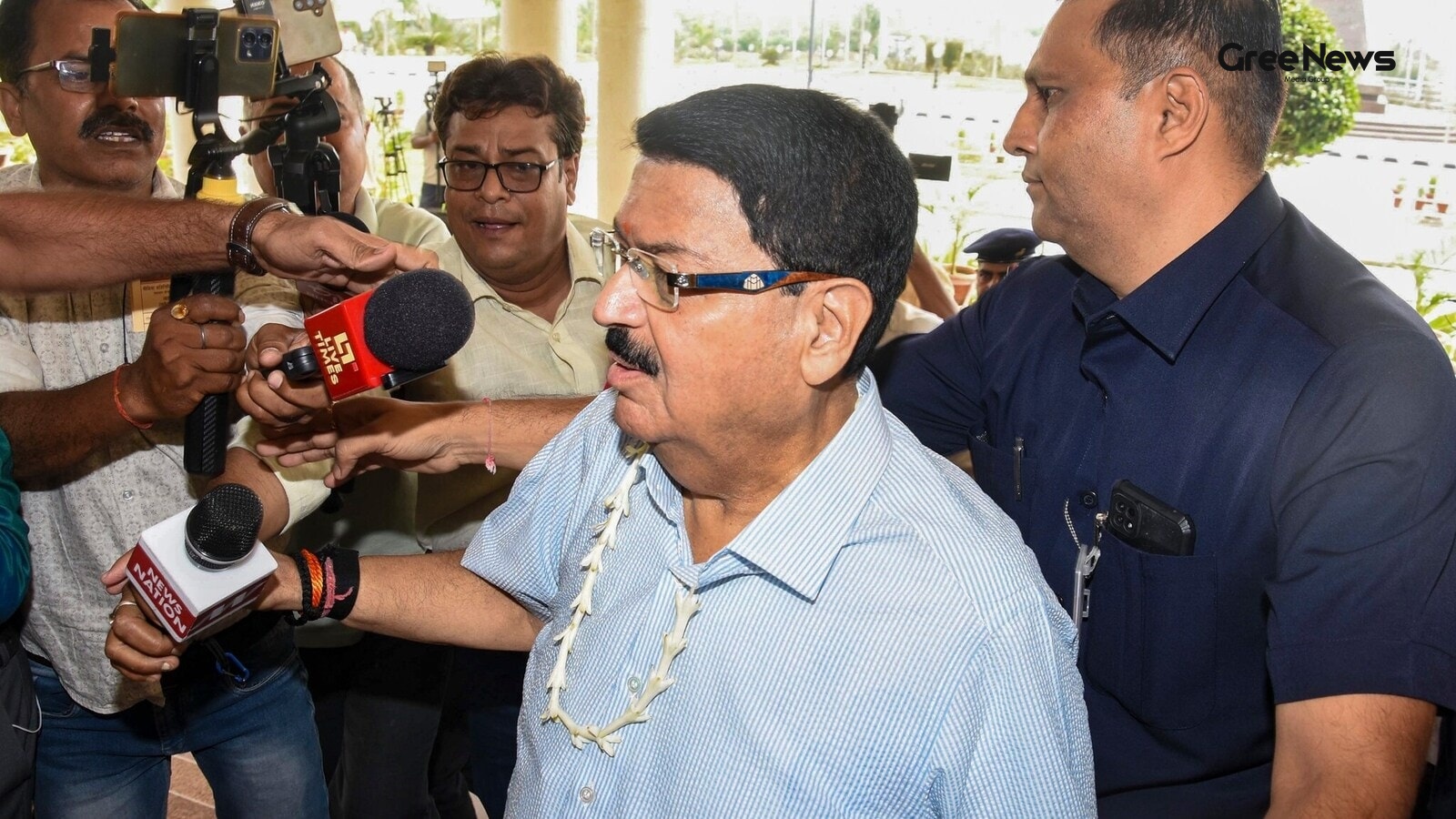
That Rajya Sabha mess in Jharkhand felt huge. You know, the June 18 results. Parimal Nathwani, that independent guy backed by the NDA, snagged one of those seats from there. Defeated Pranav Jha for the Congress pick. And that immediately threw a spotlight on how shaky things are inside the INDIA blo
Jun 19, 2026 by Gree News Team
Donald Trump, Media Scrutiny, and the Iran Peace Deal
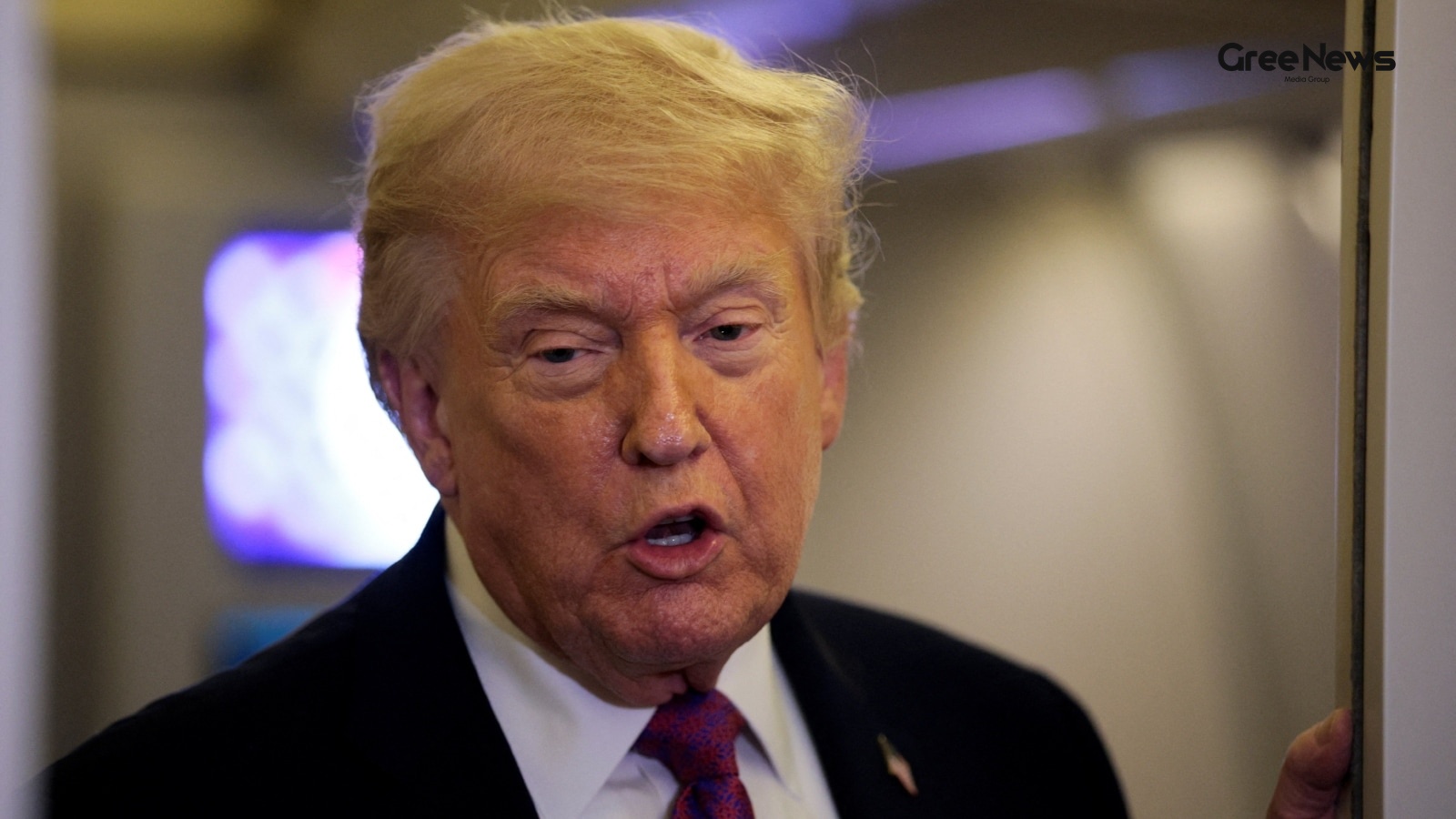
Hours after that peace deal with Iran was signed, something went absolutely wild online this week. It’s that exchange between Donald Trump and Fox News reporter Peter Doocy. It happened in Switzerland, right? After Trump had already been at the G7 Summit before everything finally locked down. Doocy
Jun 19, 2026 by Gree News Team
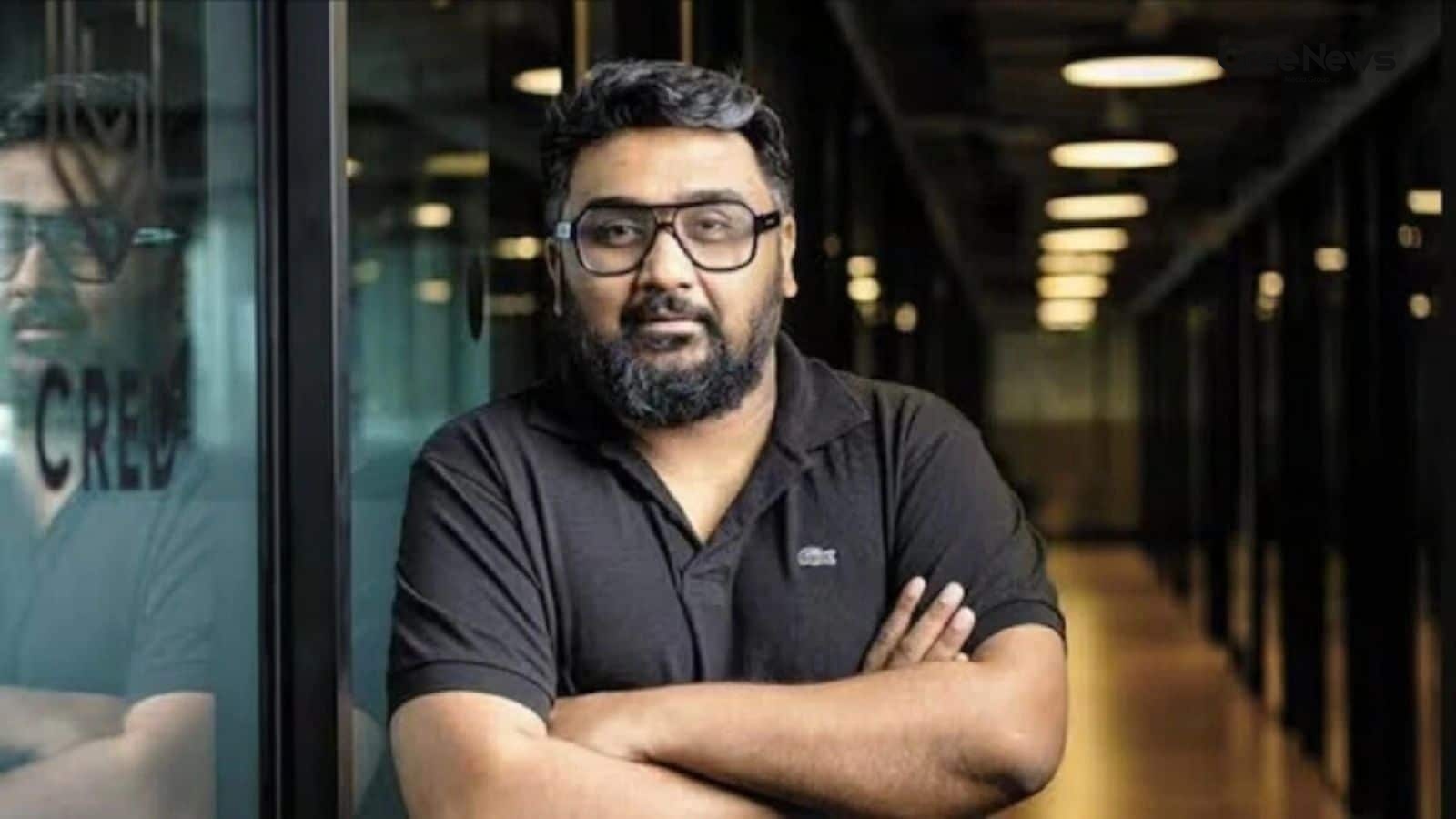
Meta's Potential Acquisition of Cred and the Future of Indian Payments
So here’s what’s been floating around regarding that massive tech player, Meta. They are apparently looking into a big move either investing or trying to snag Cred, that Indian fintech outfit. A Moneycontrol report floated this idea, suggesting talks are happening right now with Kunal Shah, the guy
Jun 19, 2026 by Gree News Team
Mumbai Court Grants Temporary Bail for NEET Retest Amid Rape Charges
A special court in Mumbai decided something about temporary bail. It granted four days to an eighteen-year-old man who is currently locked up for rape charges. The reason? He needs to be allowed to appear for a NEET retest scheduled for June 21st. This order came down on Thursday, handed by Special
Jun 19, 2026 by Gree News Team
The Power of Yoga for Holistic Health and Weight Management
International Day of Yoga hits every year on June 21st. It’s meant to push people toward this ancient practice, focusing on how yoga helps with holistic health. It got officially recognized by the United Nations back in 2014, thanks to India putting forward the idea. Since then it just exploded into
Jun 19, 2026 by Gree News Team
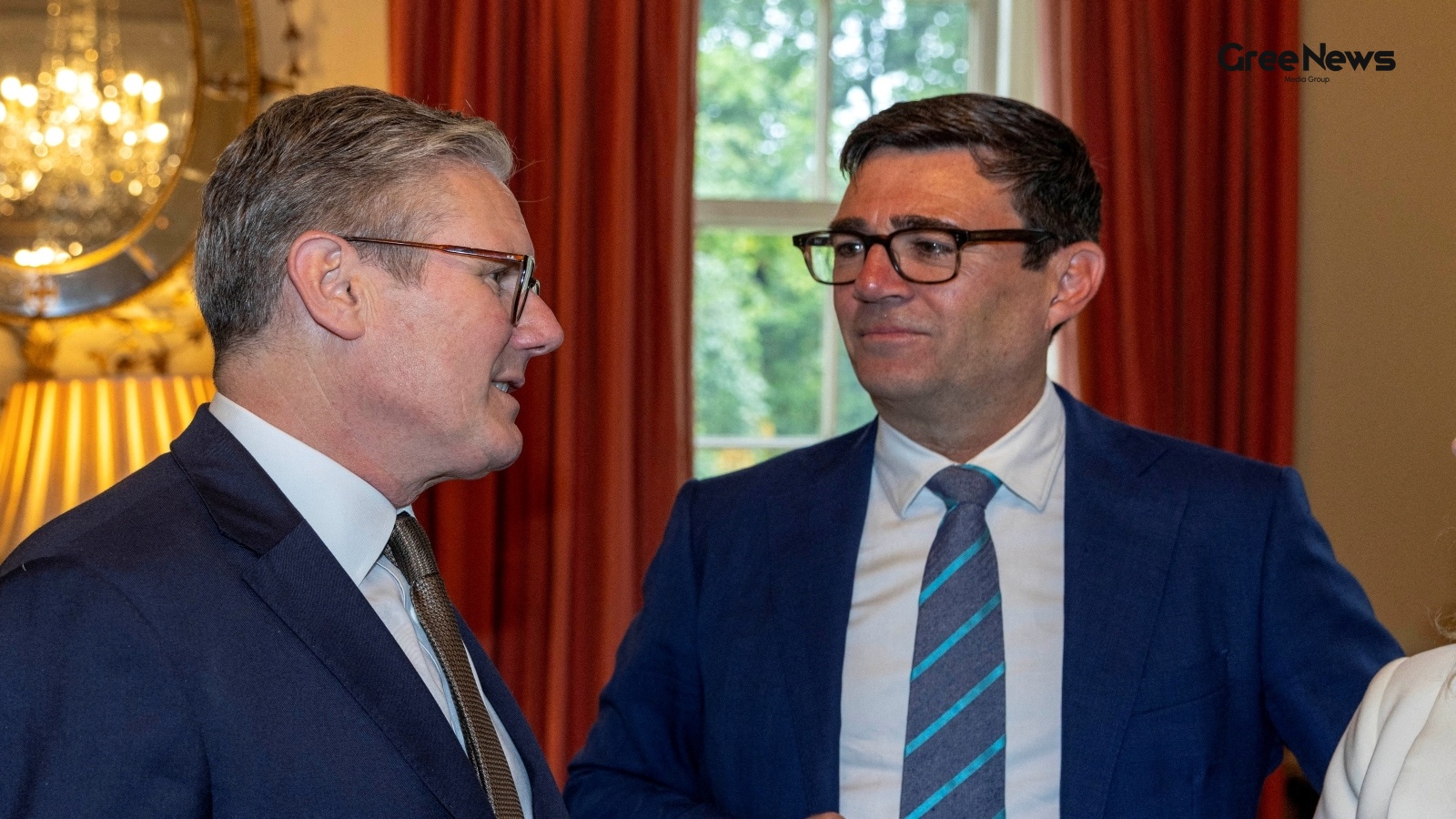
Andy Burnham's Makerfield Victory and the Challenge to Labour Leadership
Andy Burnham actually won that Makerfield by-election. A commanding majority. That’s what cleared the biggest hurdle in any attempt to rock Prime Minister Keir Starmer’s leadership of the Labour Party. It felt like a real shift happening right there. The Greater Manchester mayor grabbed 24,927 votes
Jun 19, 2026 by Gree News Team
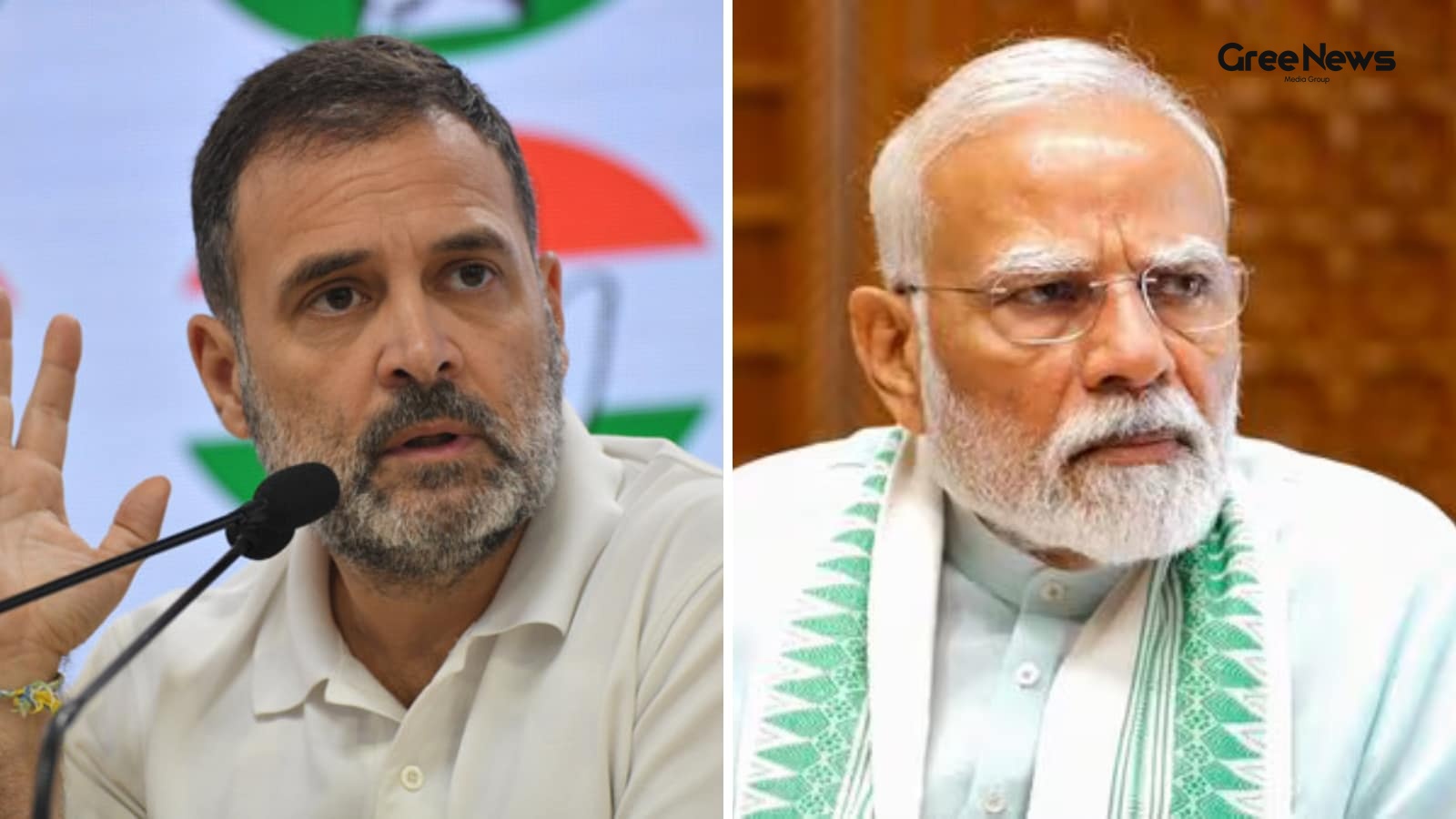
The Political Layering of Public Acknowledgments
Friday. Just another Friday, you know? But things were moving around the political landscape, even the small stuff. Prime Minister Modi extended birthday wishes to Rahul Gandhi. Just that. A routine gesture, maybe, but when you look at these exchanges these little public acknowledgments they always
Jun 19, 2026 by Gree News Team
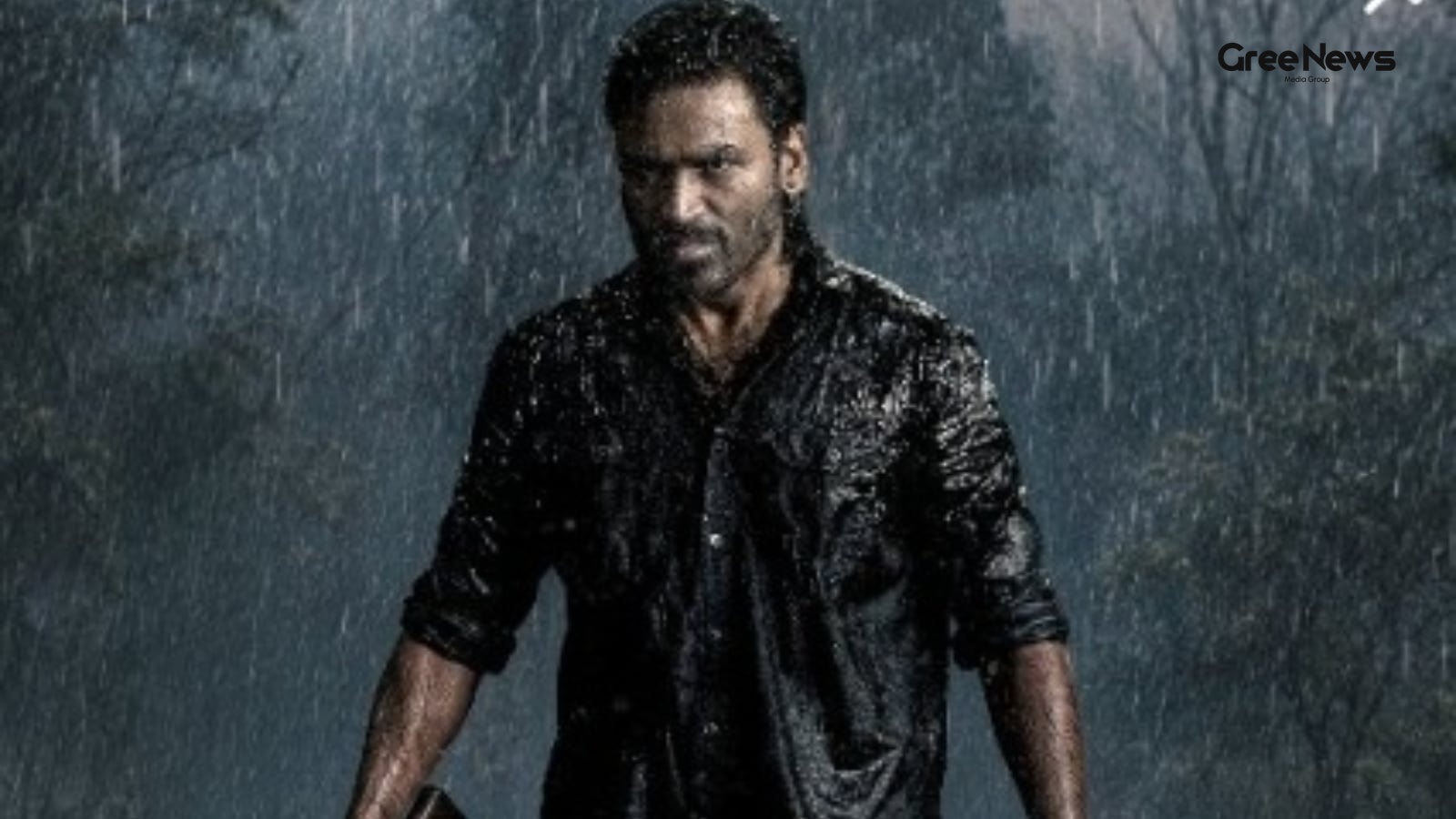
Dhanush and Mammootty Action Drama Buzz: Details and Cast
Man, the buzz around Dhanush and Mammootty’s action drama is really building. It was a long wait for this kind of thing. They finally dropped some details about it. The makers went with the title OM. And they gave a date. October 16th, 2026. That’s when it’s supposed to hit. Dhanush isn't alone in t
Jun 19, 2026 by Gree News Team
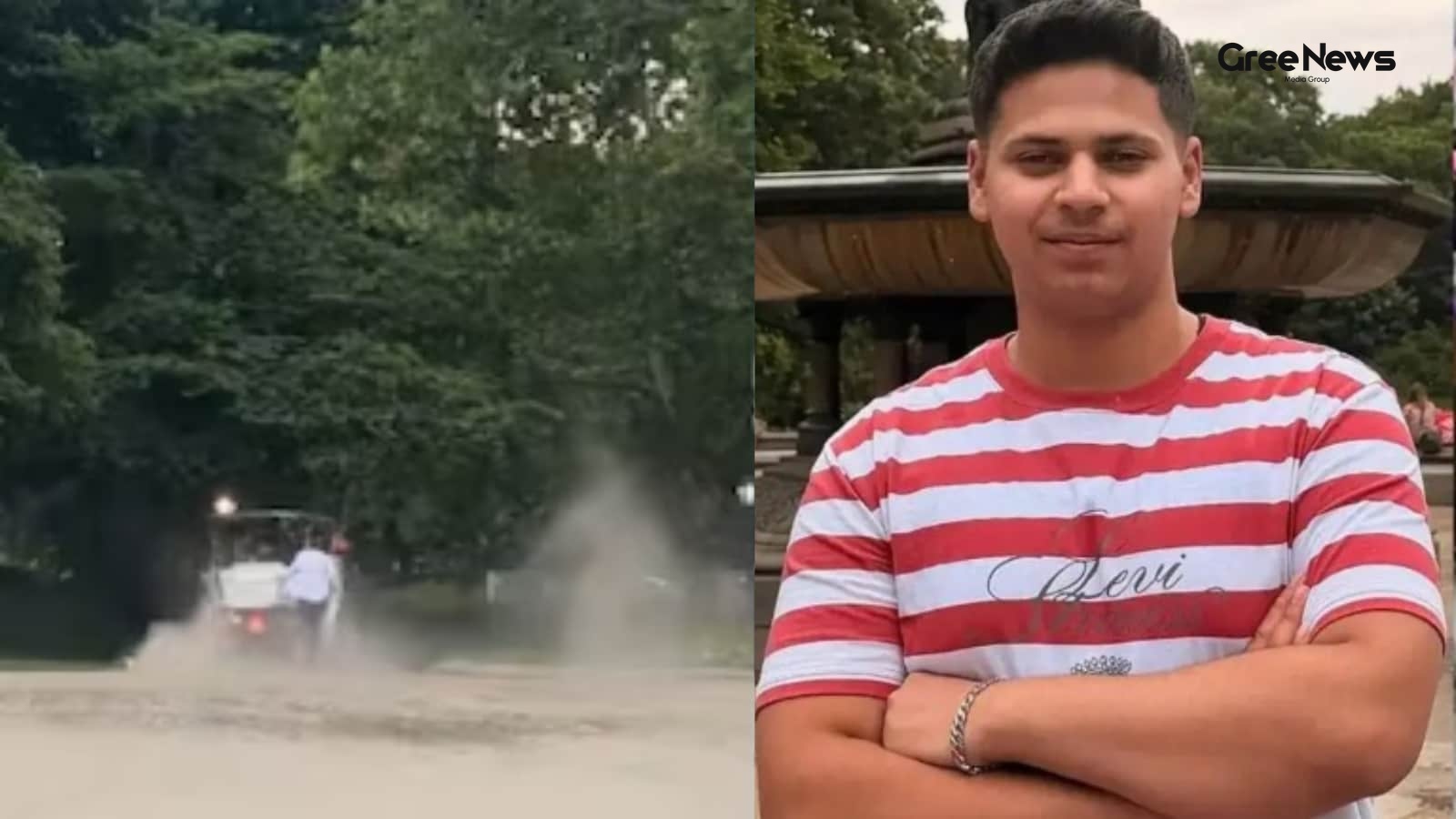
Tragedy in Central Park: Death of Romanch Mahajan
An eighteen-year-old Indian kid, Romanch Mahajan, died after falling from a horse-drawn carriage in Central Park. It happened while he was trying to save his mother. Police said the whole thing started during a family ride. The driver stepped away, just for a picture of the group. That’s when the ho
Jun 19, 2026 by Gree News Team
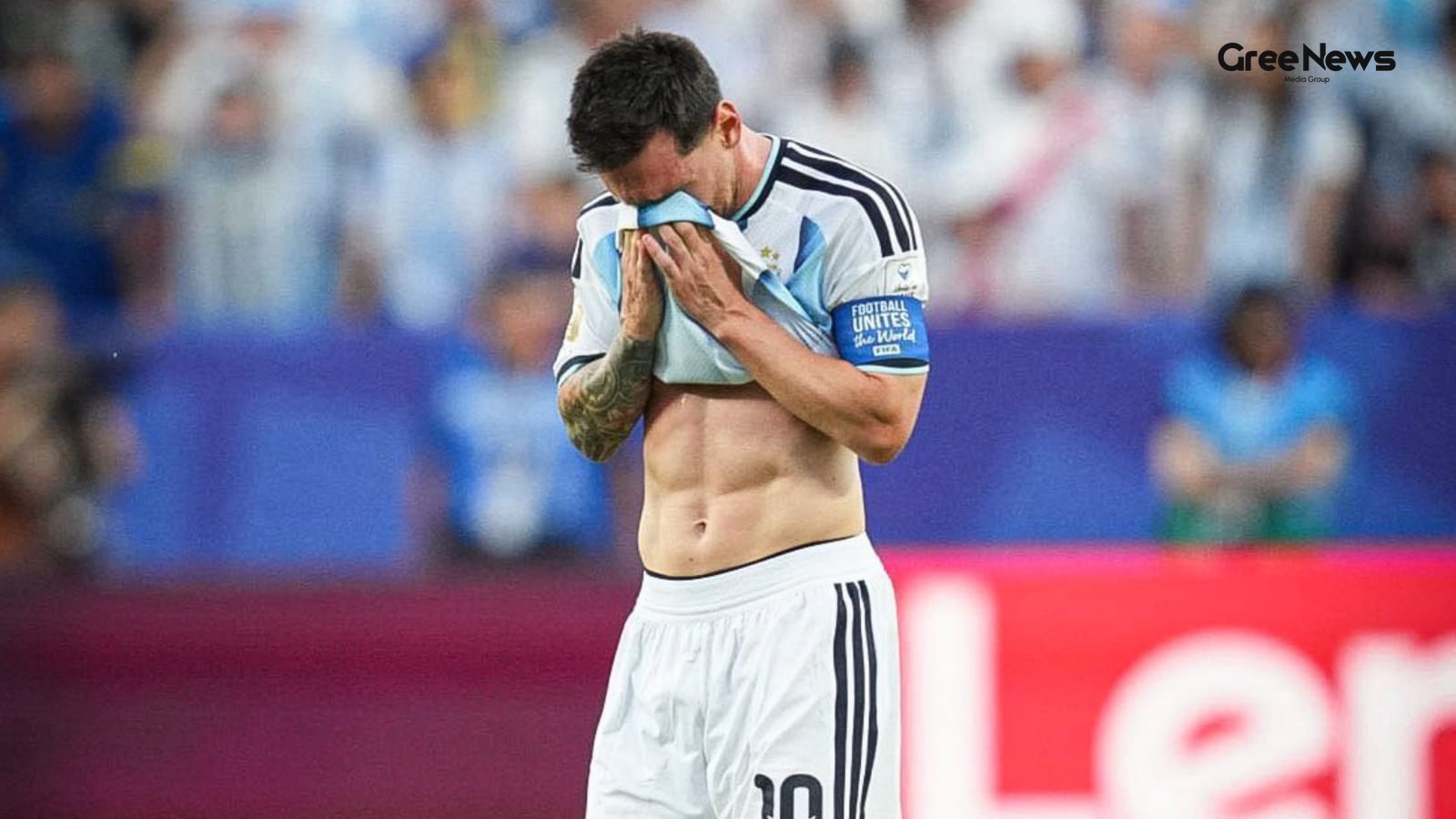
The Revelation About Jorge Messi and the TV Broadcast
That whole thing with Florencia Pena? It just blew up. A total blunder on live TV. She reported something huge. That Lionel Messi’s father Jorge Messi was dead. Straight out of the broadcast. It happened during *El Show del Verano* on Luzu TV. Right after some football excitement, you know? Messi ha
Jun 19, 2026 by Gree News Team
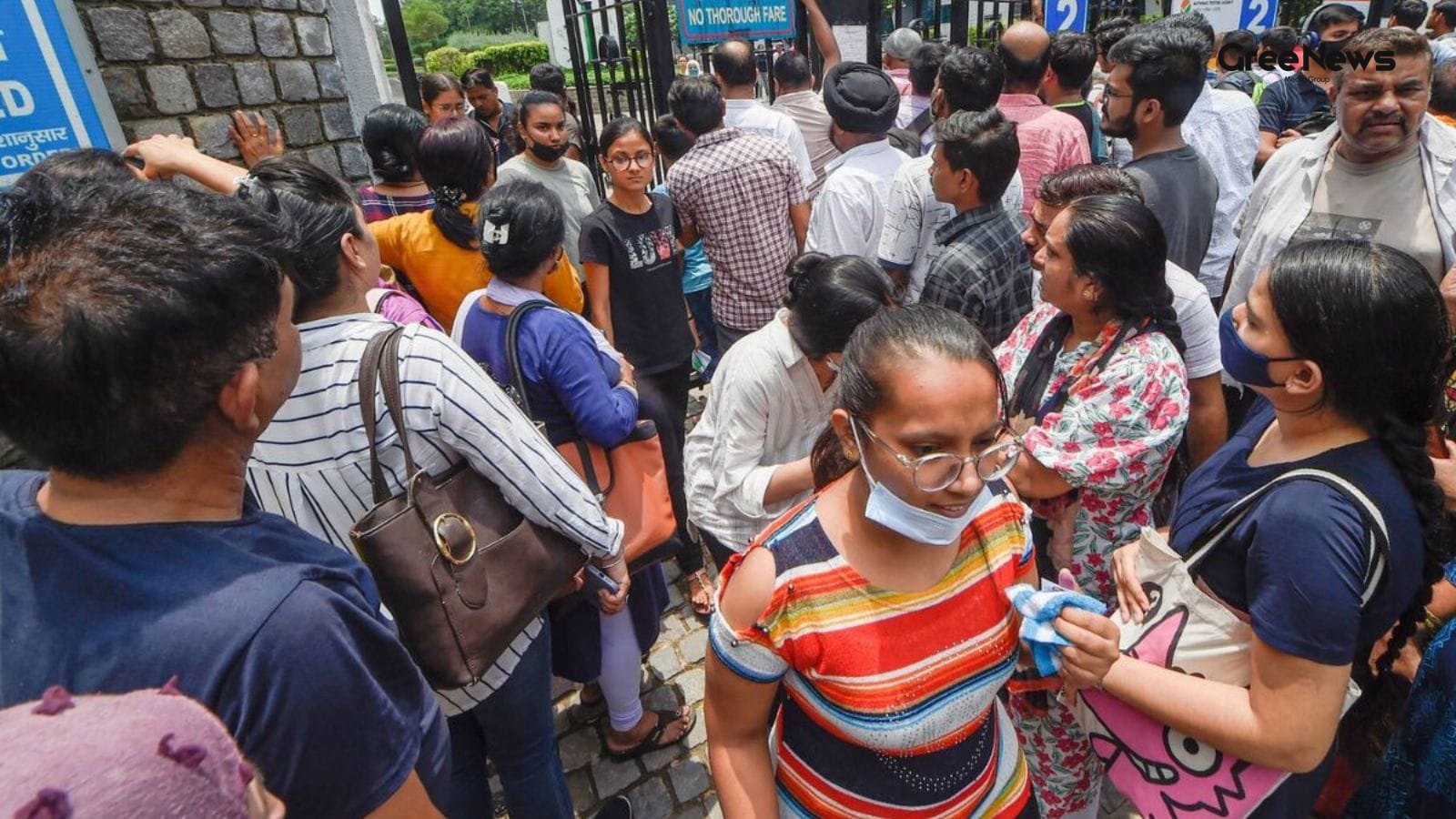
NEET UG Re-exam: Security, Logistics, and Free Travel Initiatives
The air is thick with tension right now about the upcoming NEET UG re-exam. June 21st looms. The central government is definitely on high alert. Dharmendra Pradhan, the Education Minister, chaired a big review meeting just to make sure everything runs smoothly. They were focused entirely on fairness
Jun 19, 2026 by Gree News Team
Iran Pulls Out of Planned Public Ceremony
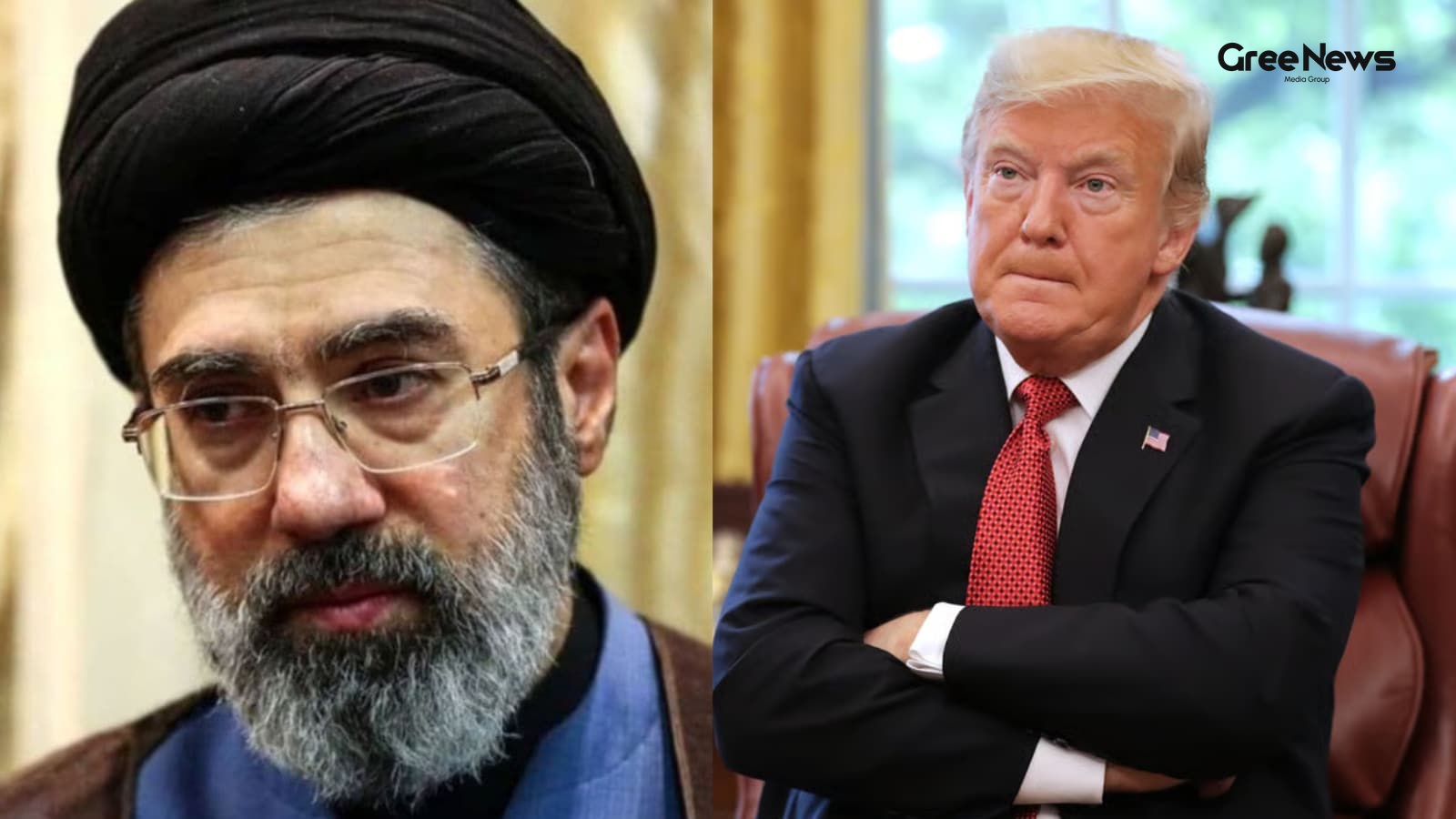
Iran pulled out. Out of a planned public ceremony in Switzerland. It was meant to mark that US-Iran peace agreement. Hardliners warned immediately. Sharing a stage with American officials? That would cause massive domestic backlash. A key source, someone close to a senior Islamic Revolutionary Guard
Jun 19, 2026 by Gree News Team
Ismael Kone Injury and Fallout After Canada vs Qatar World Cup Match
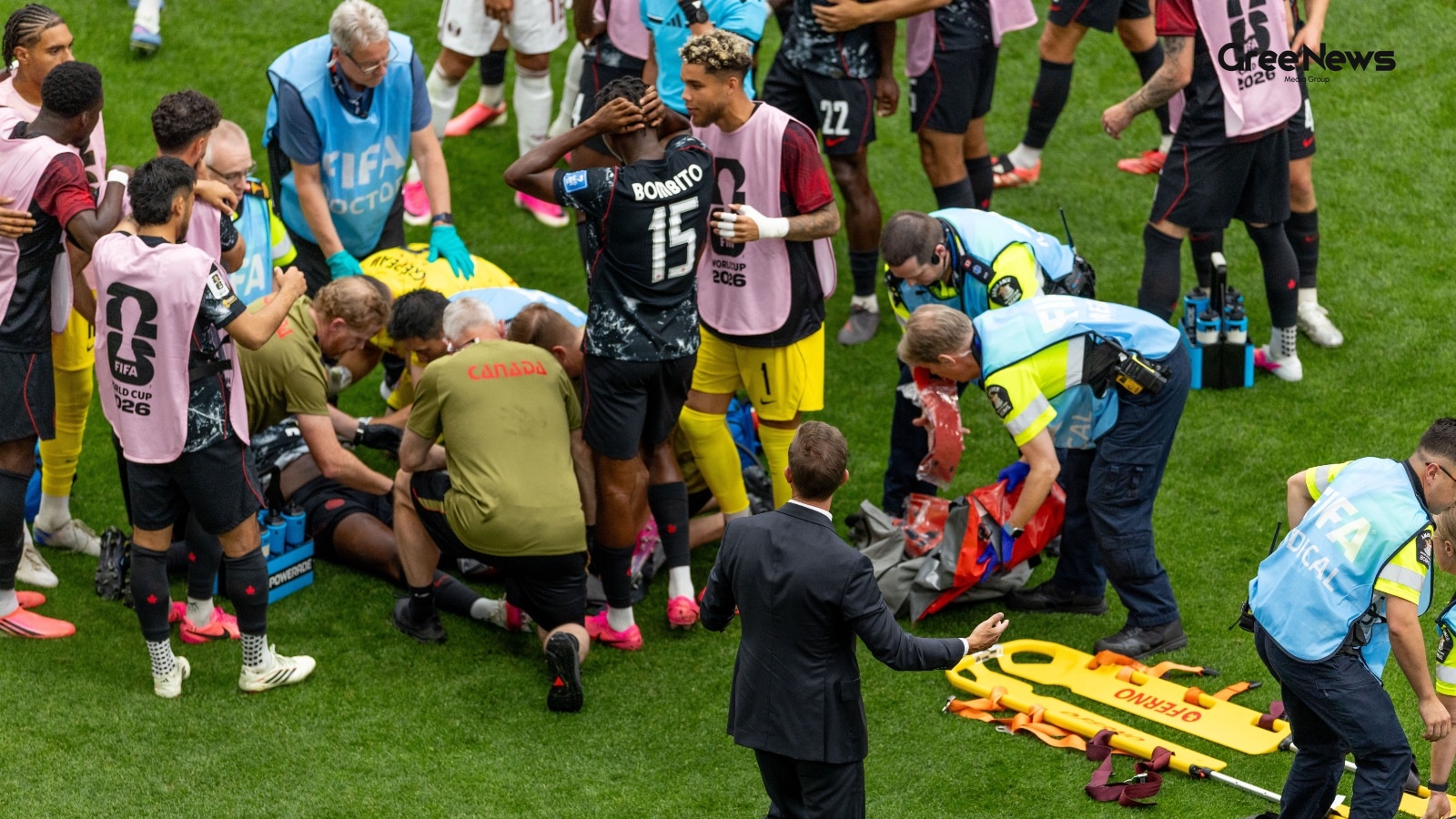
Canada’s demolition of Qatar, six-nil at the World Cup, should have been huge. A historic night. But it ended with something much darker for one player: midfielder Ismael Kone. He was rushed to the hospital. Suspected broken leg. The injury came after a brutal challenge from Qatar's Assim Madibo dur
Jun 19, 2026 by Gree News Team
Shiv Sena UBT Political Developments and MP Defection Speculation
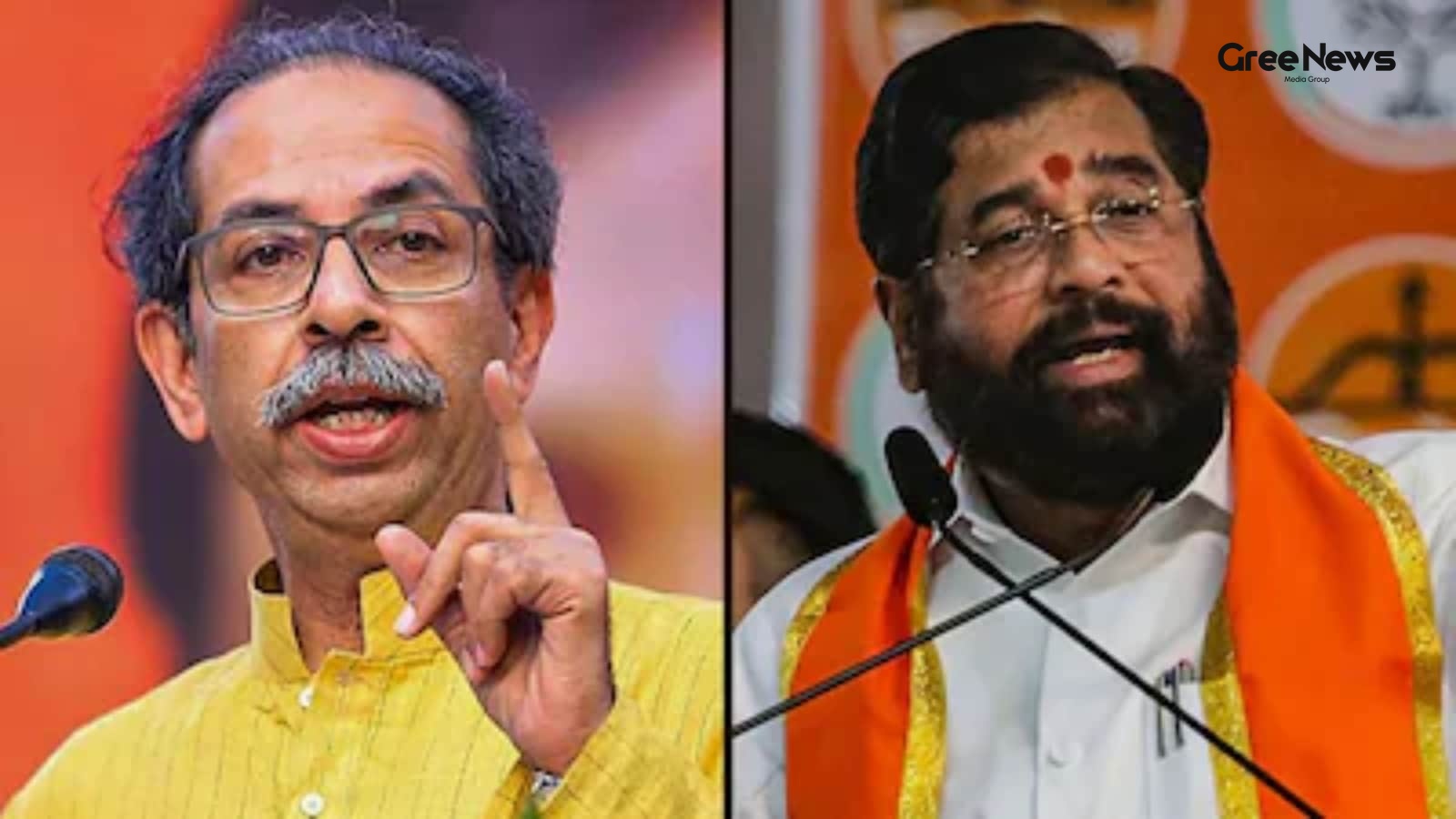
Shiv Sena UBT. The whole thing is moving in strange directions right now. There’s this talk about six Shiv Sena MPs potentially crossing over to the Eknath Shinde side. But that move? It seems stuck for now. No formal induction happening Friday during those foundation day celebrations, sources are s
Jun 19, 2026 by Gree News Team
Indian Market Update: Sharp Dip and IT Sector Correction on June 19th
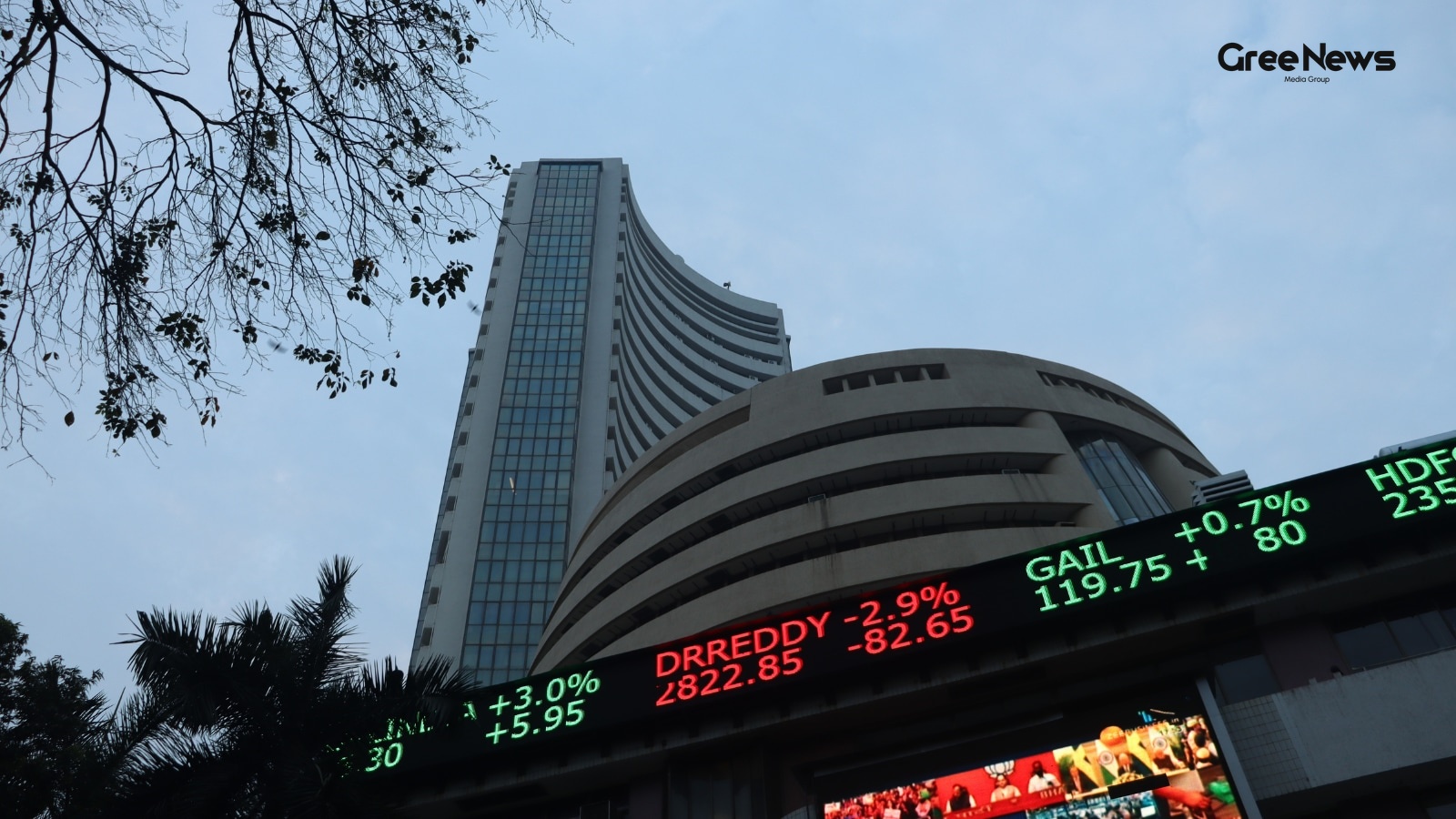
Market updates today. June 19th. It was a sharp dip. A real sell-off in the morning trade. The five-day winning streak just vanished. Indian equity benchmarks took a hit. You saw that drop right away. Information technology stocks were hit hardest. They dumped nearly two lakh crore in investor wealt
Jun 19, 2026 by Gree News Team