Andy Burnham's Makerfield Victory and the Challenge to Labour Leadership
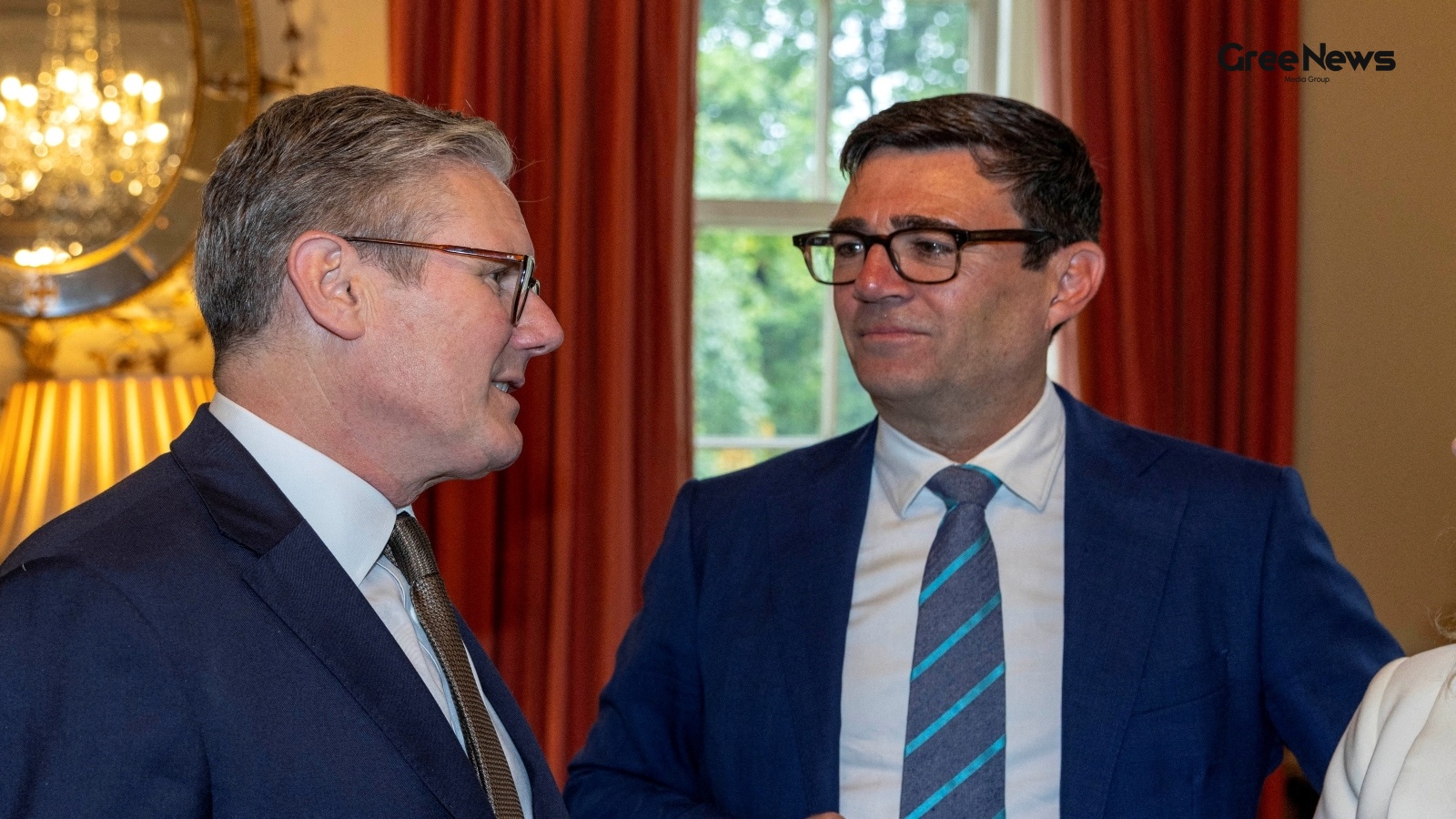
Andy Burnham actually won that Makerfield by-election. A commanding majority. That’s what cleared the biggest hurdle in any attempt to rock Prime Minister Keir Starmer’s leadership of the Labour Party. It felt like a real shift happening right there.
The Greater Manchester mayor grabbed 24,927 votes. Robert Kenyon from Reform UK got the other side by a much smaller margin 9,231 votes difference. Labour took 54 percent. Reform UK managed thirty-five. And then you had Rebecca Shepherd of Restore Britain finishing third with just seven percent.
The rest of the parties? The Conservatives, Greens, and Lib Dems trailed further behind. It was clear.
Turnout was solid at 58.75 percent. That meant 45,510 votes were cast overall. That’s more than six percentage points higher than what happened in Makerfield back during the general election in 2024. A noticeable difference.
This result puts Burnham right back in Westminster. Nine years after he left Parliament. And crucially, it gives him that parliamentary seat needed to formally challenge Starmer’s increasingly shaky leadership.
Burnham didn't just win a local vote. He presented this as something much bigger. A mandate for change.
“Everyone knows that politics is not working,” he said in his victory speech. There was an air of frustration there. “Everyone can feel that the country isn’t where it should be.”
He pushed hard on this idea. Tonight could just… could be the turning point. He promised to give everything he had to make sure Makerfield became synonymous with bringing about what the country actually needs.
He argued voters backed more power for the north, for everywhere Westminster seems to have forgotten. Communities like Makerfield felt neglected by the whole political setup.
“This is Labour’s final chance to change,” Burnham insisted.
There will be no second chances. It has to be a chance now. A chance to build something new. Based on unity and hope. Turning away from that path, you know the one leading to the kind of divided politics we see over there in the United States.
“We must take this up,” he stressed. “Put this country back on the right path. Bring people back together. Get things working properly.”
He made it clear Makerfield wouldn't just be a route back into national politics for him. It would be his touchstone instead. A test. A Makerfield test at the heart of British politics, ensuring that places Westminster has ignored finally get fairness.
So, will Burnham challenge Starmer now? That’s the big question hanging over everything.
His victory is clearly meant to put immense pressure on Starmer. It could lead to him stepping down entirely. Or it could kick off a proper leadership contest within Labour itself.
Some of his allies are pushing for time. They think Starmer should announce a timetable for leaving rather than being forced out immediately. There’s been chatter that some in Burnham’s team have even tried to discourage ministers from resigning this weekend, worried about the chaos that a sudden collapse might cause.
Starmer himself hasn't backed down. He said he intends to fight any challenge. He argued that a leadership contest would be “a bad thing for the country.”
Meanwhile, there are other names floating around too. Wes Streeting, the former health secretary, has hinted he might move to trigger a challenge as early as next week.
An Ipsos poll did come out before the by-election. It showed just how much advantage Burnham held over the Prime Minister. Twenty-five percent of British adults named Burnham as their preferred PM. Twelve percent chose Starmer. Al Jazeera reported that kind of split.
It’s worth remembering where Burnham comes from. He’s often called the “King of the North.” Elected to Parliament almost twenty-five years ago. Served in ministerial roles under Blair and Brown, too.
He left Westminster after becoming mayor of Greater Manchester in 2017. Re-elected in 2021, and again in 2024.
As mayor, he built a real base across northern England. He talked about attacking what he saw as an overly London-centric system political and economic. He railed against industrial decline, elite indifference, policies that just didn't deliver prosperity outside the wealthier parts of Britain.
His campaign promise was to “change Labour.” To change politics, to change the country. More than that, he promised making daily life more affordable. Leaving more money in people’s pockets. Shifting power away from Westminster itself.
Now, another major election looms. Burnham stepping down as mayor sets up another high-stakes contest in Greater Manchester. Reform UK will be back in the mix, challenging Labour again there. The mayoral election itself is expected on July 30th. It'll be one of the biggest by-elections in modern British political history.
The Makerfield situation was triggered when MP Josh Simons resigned last month. That allowed Burnham to contest that seat and get back into Parliament.
Look, this result doesn’t magically make Burnham the Prime Minister. And it certainly doesn’t remove Starmer from office. But it hands the Greater Manchester mayor a platform. Legitimacy. A presence in Parliament. Enough to seriously challenge him.
The real test isn't over. Whether Starmer chooses to negotiate an exit or fight tooth and nail for control of Labour will define whether this Makerfield victory actually becomes that turning point we were all waiting for.
Written by Gree News Team — Senior Editorial Board
Gree News Team covers international news and global affairs at Gree News. Our collective of senior editors is dedicated to providing independent, accurate, and responsible journalism for a global audience.
More from World
View All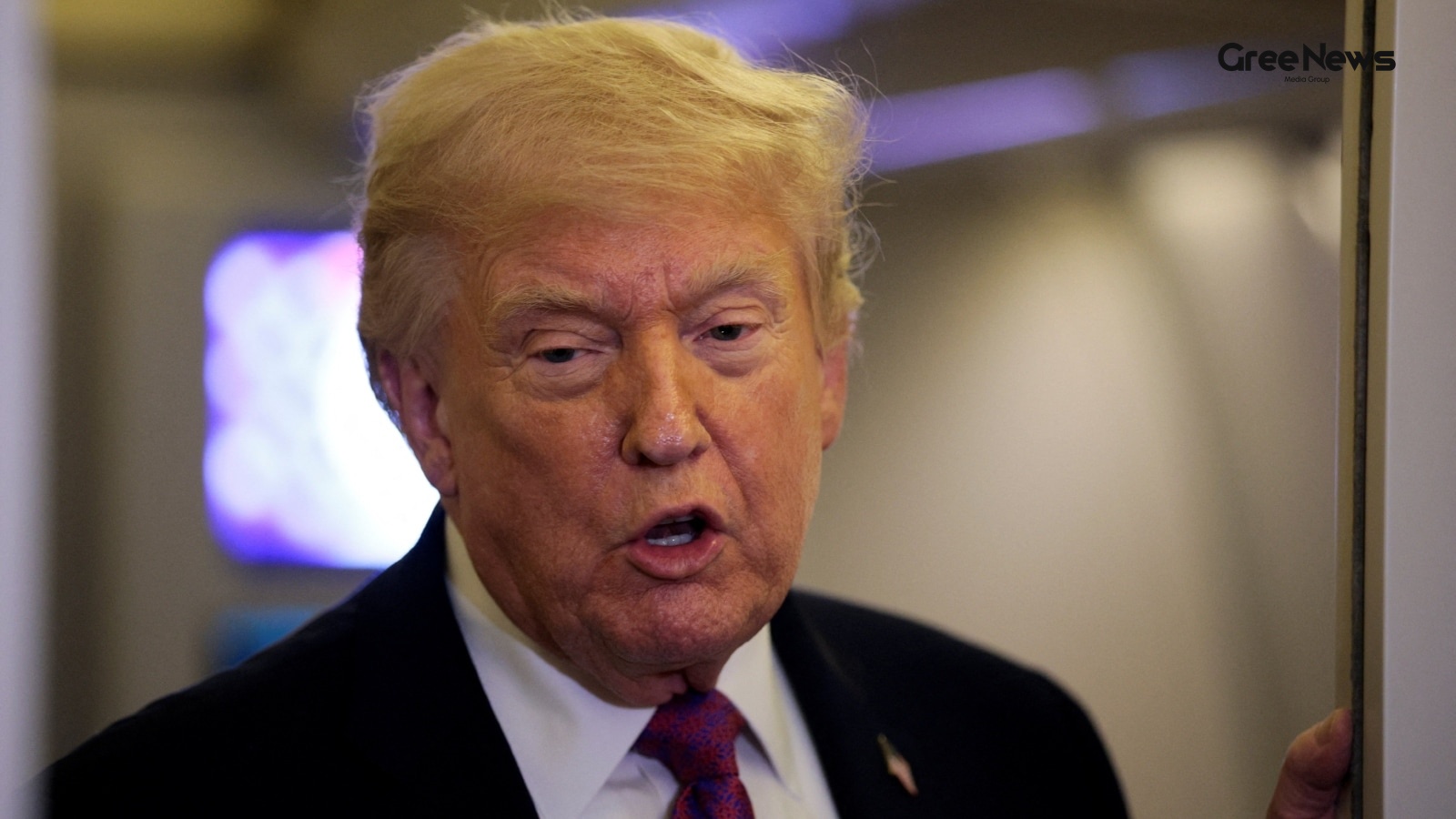
Donald Trump, Media Scrutiny, and the Iran Peace Deal
Hours after that peace deal with Iran was signed, something went absolutely wild online this week. It’s that exchange between Donald Trump and Fox News reporter Peter Doocy. It happened in Switzerland, right? After Trump had already been at the G7 Summit before everything finally locked down. Doocy
Jun 19, 2026 by Gree News Team
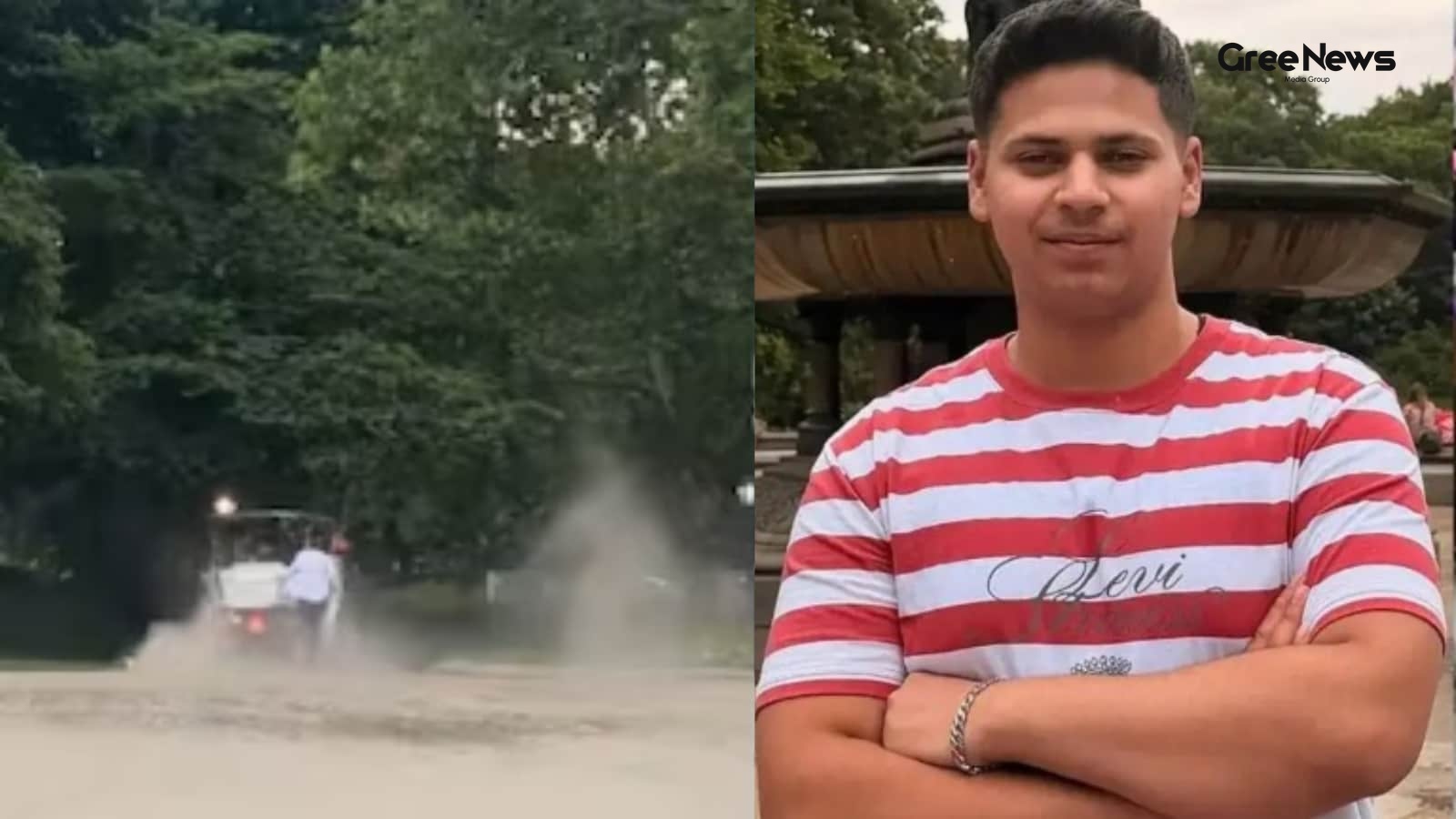
Tragedy in Central Park: Death of Romanch Mahajan
An eighteen-year-old Indian kid, Romanch Mahajan, died after falling from a horse-drawn carriage in Central Park. It happened while he was trying to save his mother. Police said the whole thing started during a family ride. The driver stepped away, just for a picture of the group. That’s when the ho
Jun 19, 2026 by Gree News Team
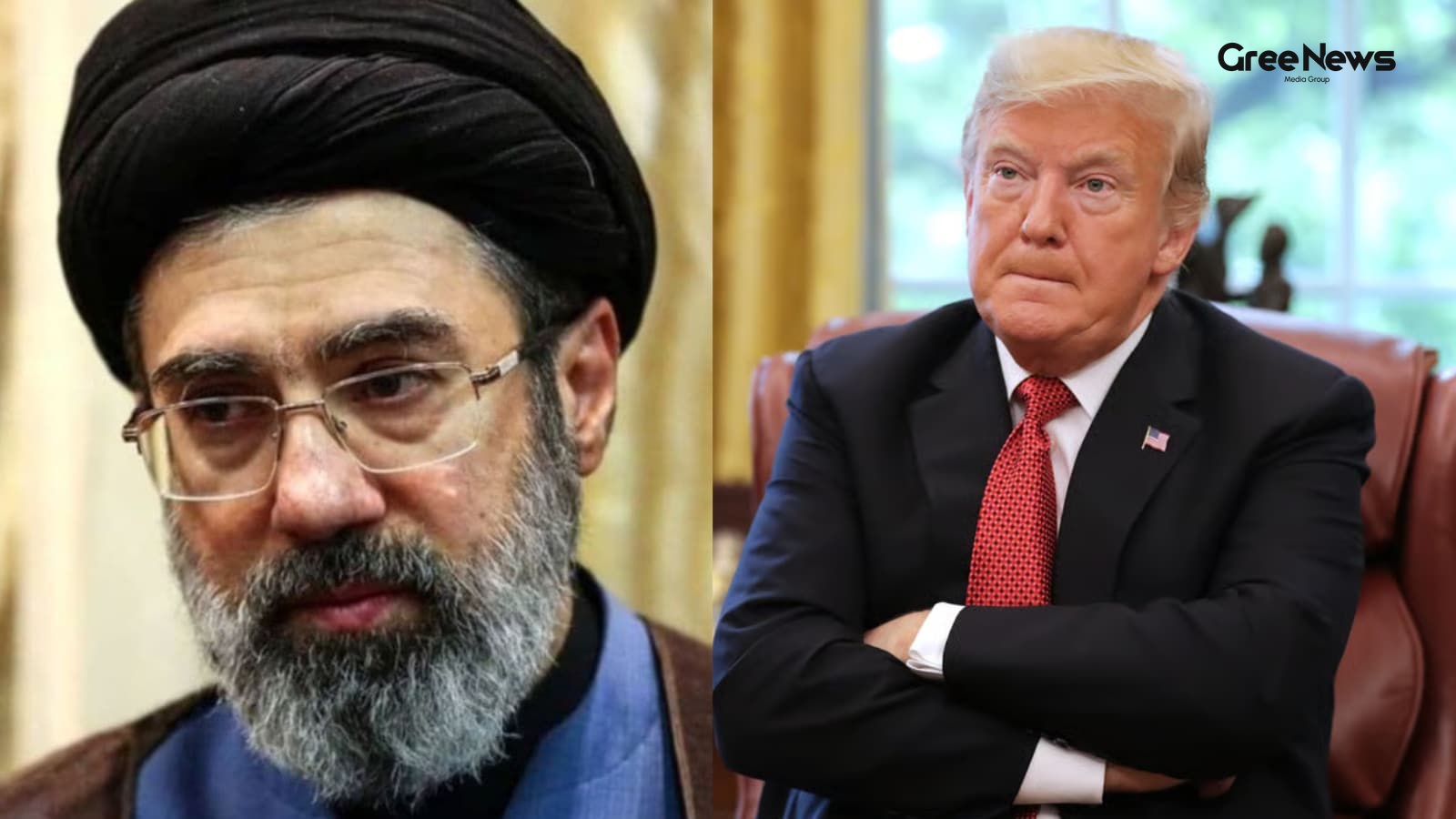
Iran Pulls Out of Planned Public Ceremony
Iran pulled out. Out of a planned public ceremony in Switzerland. It was meant to mark that US-Iran peace agreement. Hardliners warned immediately. Sharing a stage with American officials? That would cause massive domestic backlash. A key source, someone close to a senior Islamic Revolutionary Guard
Jun 19, 2026 by Gree News Team
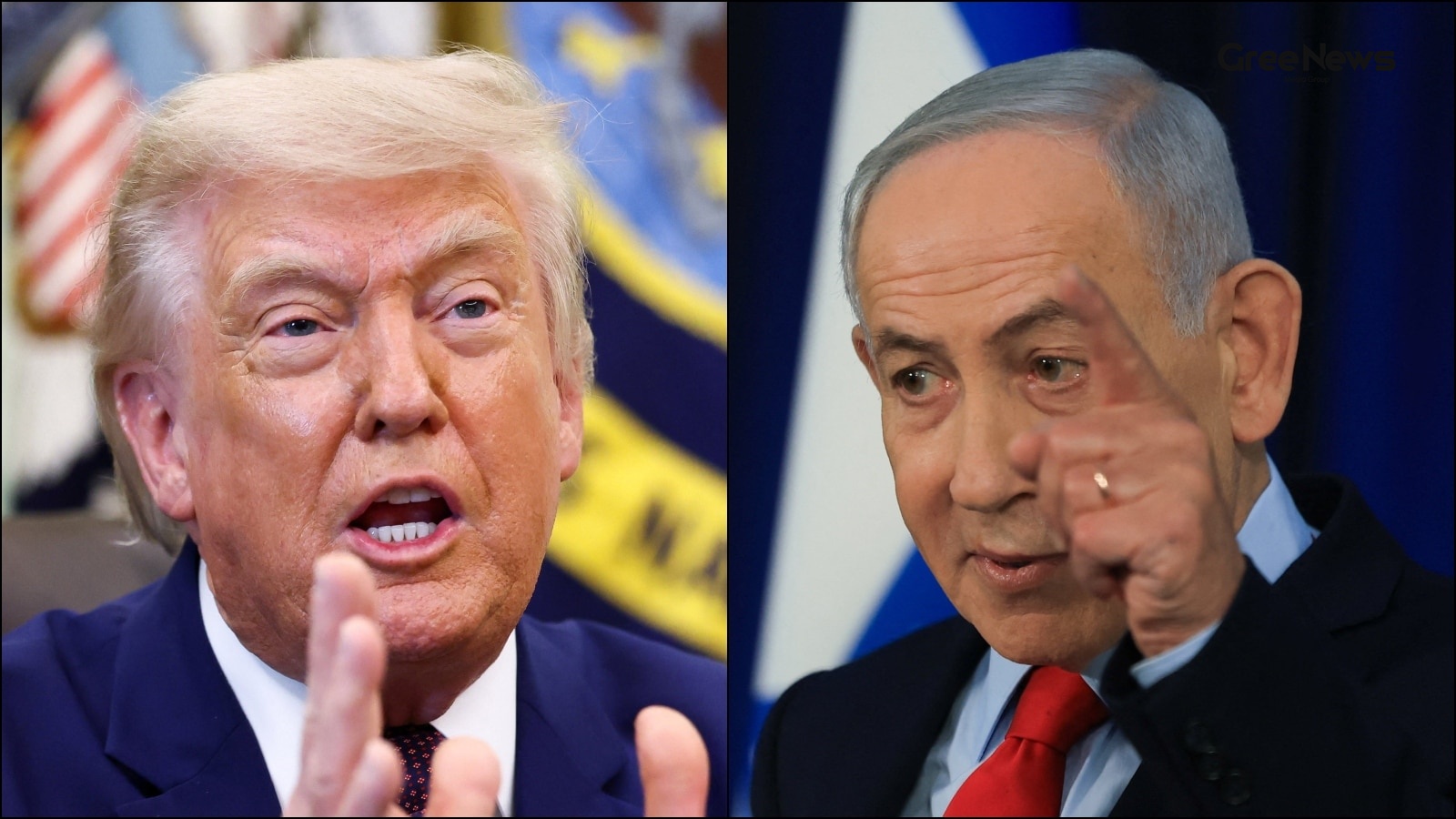
The Peace Deal Between Washington and Tehran and Israel's Security Concerns
That peace deal between Washington and Tehran? After it was signed, President Trump said it wiped out what he called Israel’s biggest security worry. He brought this up speaking to reporters in Évian-les-Bains, France, during that G7 meeting. He claimed he had actually talked to Israeli Prime Minist
Jun 18, 2026 by Gree News Team
Latest Headlines
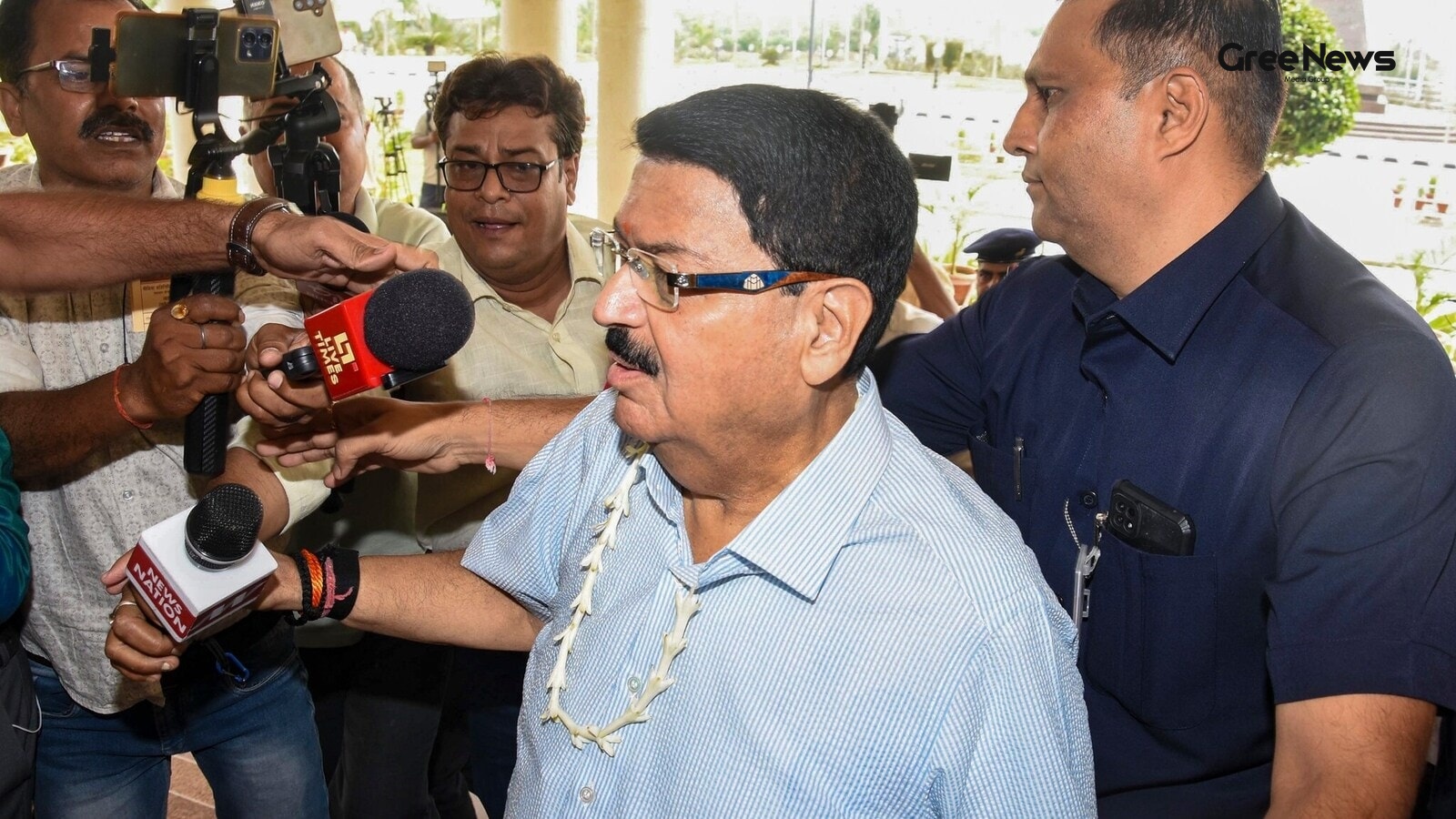
Rajya Sabha Results and Alliance Fragility in Jharkhand and Mizoram
That Rajya Sabha mess in Jharkhand felt huge. You know, the June 18 results. Parimal Nathwani, that independent guy backed by the NDA, snagged one of those seats from there. Defeated Pranav Jha for the Congress pick. And that immediately threw a spotlight on how shaky things are inside the INDIA blo
Jun 19, 2026 by Gree News Team
Donald Trump, Media Scrutiny, and the Iran Peace Deal
Hours after that peace deal with Iran was signed, something went absolutely wild online this week. It’s that exchange between Donald Trump and Fox News reporter Peter Doocy. It happened in Switzerland, right? After Trump had already been at the G7 Summit before everything finally locked down. Doocy
Jun 19, 2026 by Gree News Team
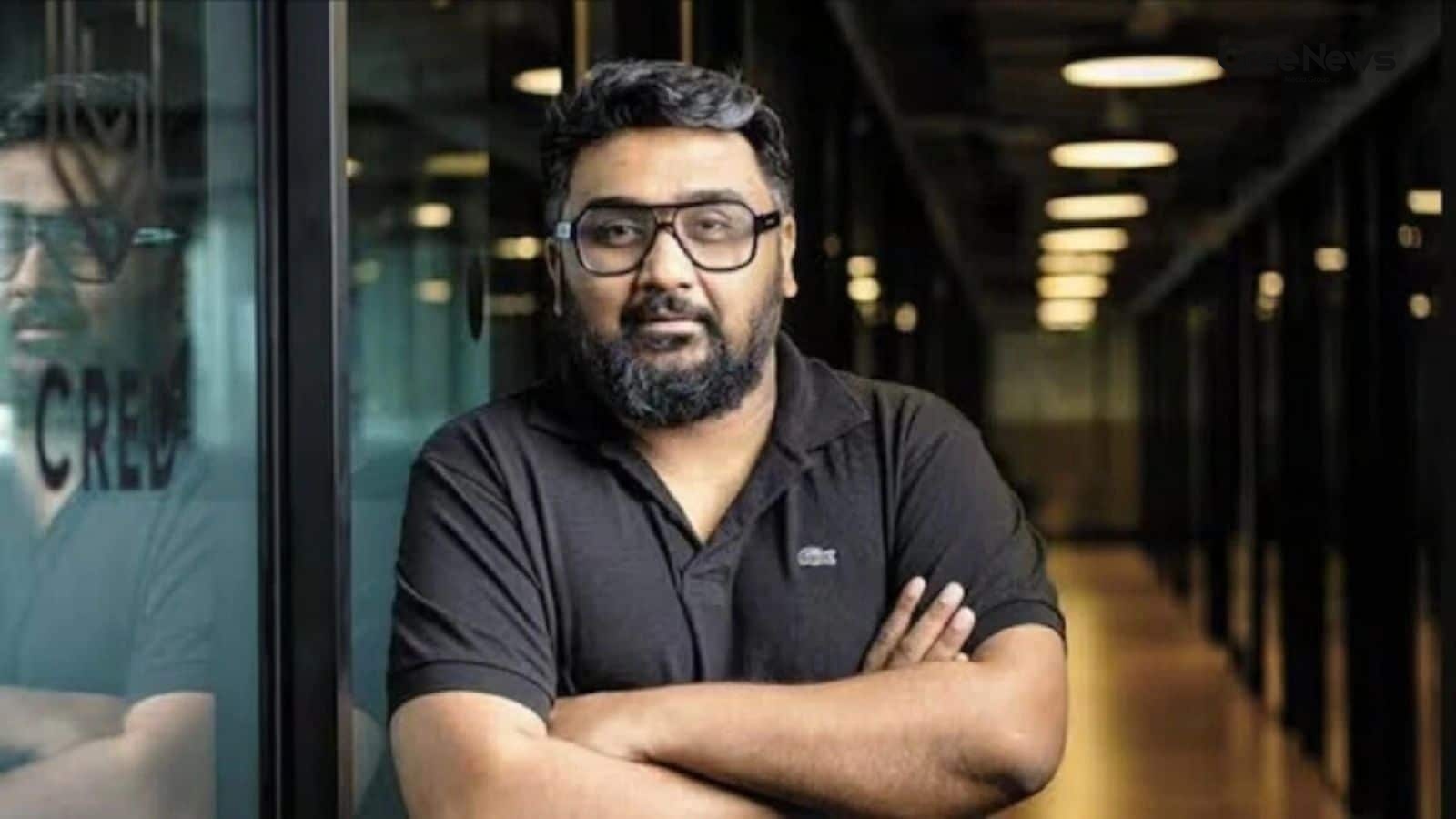
Meta's Potential Acquisition of Cred and the Future of Indian Payments
So here’s what’s been floating around regarding that massive tech player, Meta. They are apparently looking into a big move either investing or trying to snag Cred, that Indian fintech outfit. A Moneycontrol report floated this idea, suggesting talks are happening right now with Kunal Shah, the guy
Jun 19, 2026 by Gree News Team
Mumbai Court Grants Temporary Bail for NEET Retest Amid Rape Charges
A special court in Mumbai decided something about temporary bail. It granted four days to an eighteen-year-old man who is currently locked up for rape charges. The reason? He needs to be allowed to appear for a NEET retest scheduled for June 21st. This order came down on Thursday, handed by Special
Jun 19, 2026 by Gree News Team

The Power of Yoga for Holistic Health and Weight Management
International Day of Yoga hits every year on June 21st. It’s meant to push people toward this ancient practice, focusing on how yoga helps with holistic health. It got officially recognized by the United Nations back in 2014, thanks to India putting forward the idea. Since then it just exploded into
Jun 19, 2026 by Gree News Team
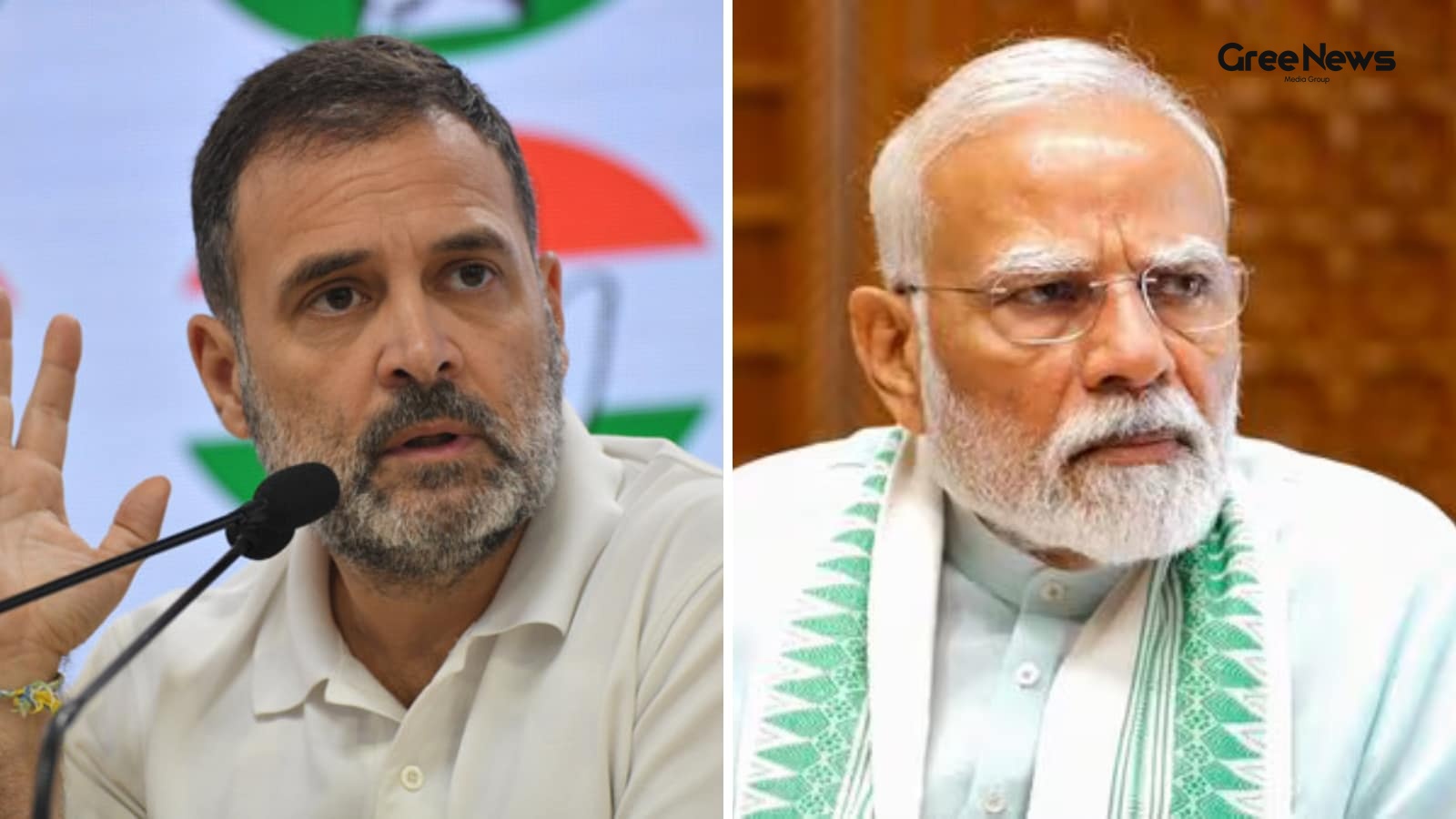
The Political Layering of Public Acknowledgments
Friday. Just another Friday, you know? But things were moving around the political landscape, even the small stuff. Prime Minister Modi extended birthday wishes to Rahul Gandhi. Just that. A routine gesture, maybe, but when you look at these exchanges these little public acknowledgments they always
Jun 19, 2026 by Gree News Team
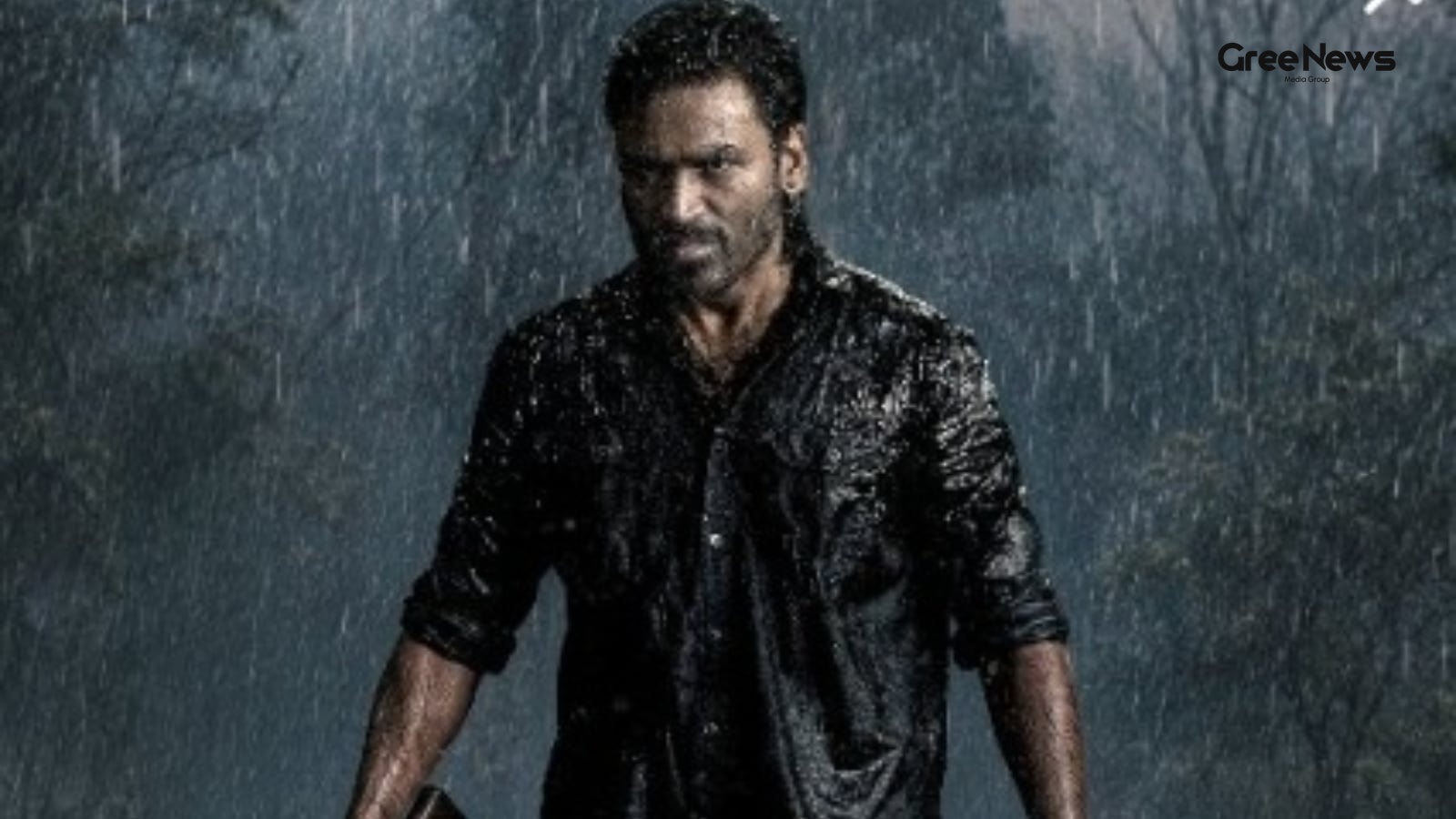
Dhanush and Mammootty Action Drama Buzz: Details and Cast
Man, the buzz around Dhanush and Mammootty’s action drama is really building. It was a long wait for this kind of thing. They finally dropped some details about it. The makers went with the title OM. And they gave a date. October 16th, 2026. That’s when it’s supposed to hit. Dhanush isn't alone in t
Jun 19, 2026 by Gree News Team
Tragedy in Central Park: Death of Romanch Mahajan
An eighteen-year-old Indian kid, Romanch Mahajan, died after falling from a horse-drawn carriage in Central Park. It happened while he was trying to save his mother. Police said the whole thing started during a family ride. The driver stepped away, just for a picture of the group. That’s when the ho
Jun 19, 2026 by Gree News Team
The Complex Meaning of Father's Day
Father’s Day. It always lands on that third Sunday of June. A fixed point in the calendar, designed, I guess, to pause everything for a bit. It’s supposed to be about fathers. Father figures. That whole messy constellation of people who show up and somehow anchor things. Gratitude. Love. All those b
Jun 19, 2026 by Gree News Team
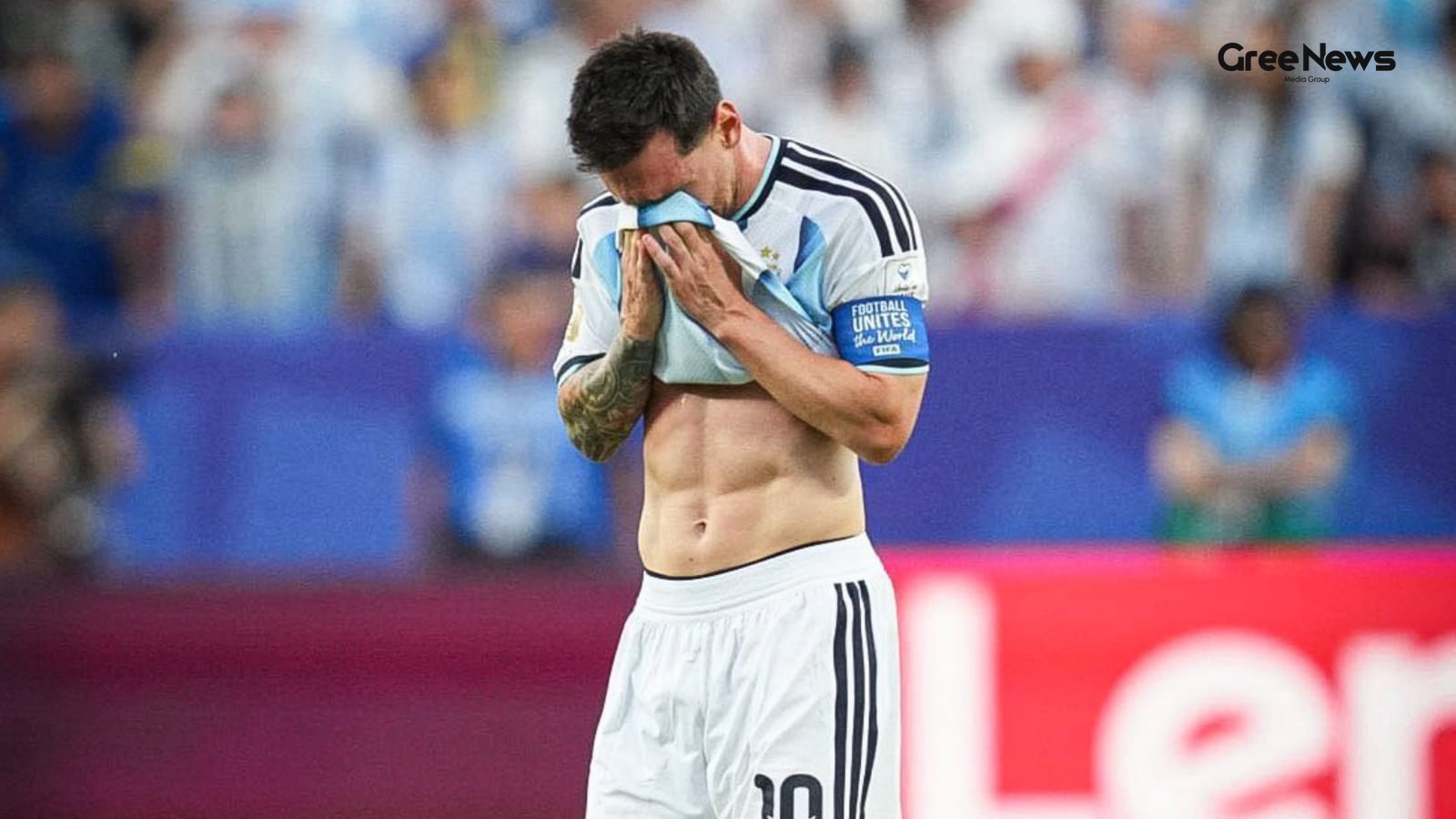
The Revelation About Jorge Messi and the TV Broadcast
That whole thing with Florencia Pena? It just blew up. A total blunder on live TV. She reported something huge. That Lionel Messi’s father Jorge Messi was dead. Straight out of the broadcast. It happened during *El Show del Verano* on Luzu TV. Right after some football excitement, you know? Messi ha
Jun 19, 2026 by Gree News Team
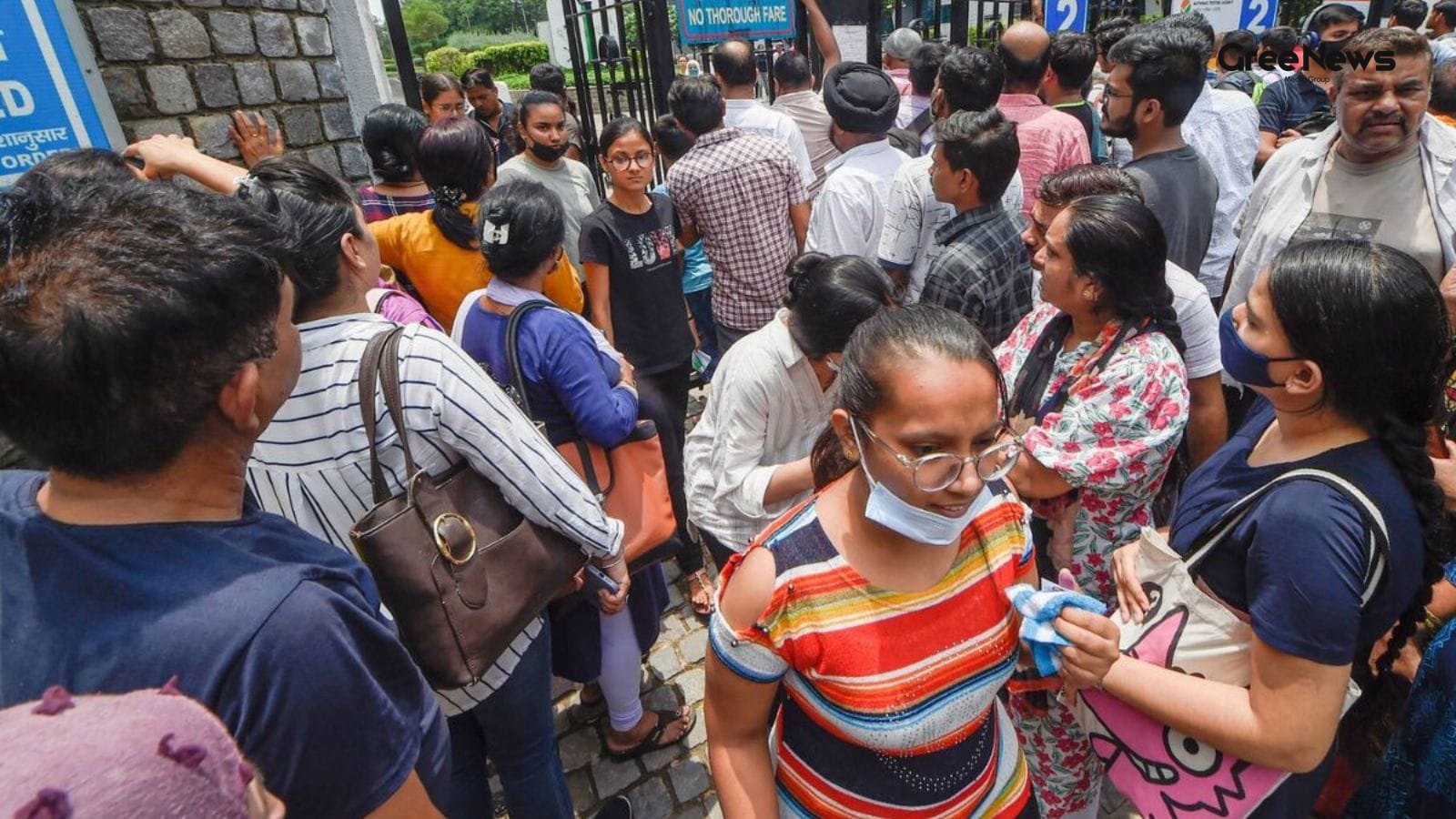
NEET UG Re-exam: Security, Logistics, and Free Travel Initiatives
The air is thick with tension right now about the upcoming NEET UG re-exam. June 21st looms. The central government is definitely on high alert. Dharmendra Pradhan, the Education Minister, chaired a big review meeting just to make sure everything runs smoothly. They were focused entirely on fairness
Jun 19, 2026 by Gree News Team
Iran Pulls Out of Planned Public Ceremony
Iran pulled out. Out of a planned public ceremony in Switzerland. It was meant to mark that US-Iran peace agreement. Hardliners warned immediately. Sharing a stage with American officials? That would cause massive domestic backlash. A key source, someone close to a senior Islamic Revolutionary Guard
Jun 19, 2026 by Gree News Team
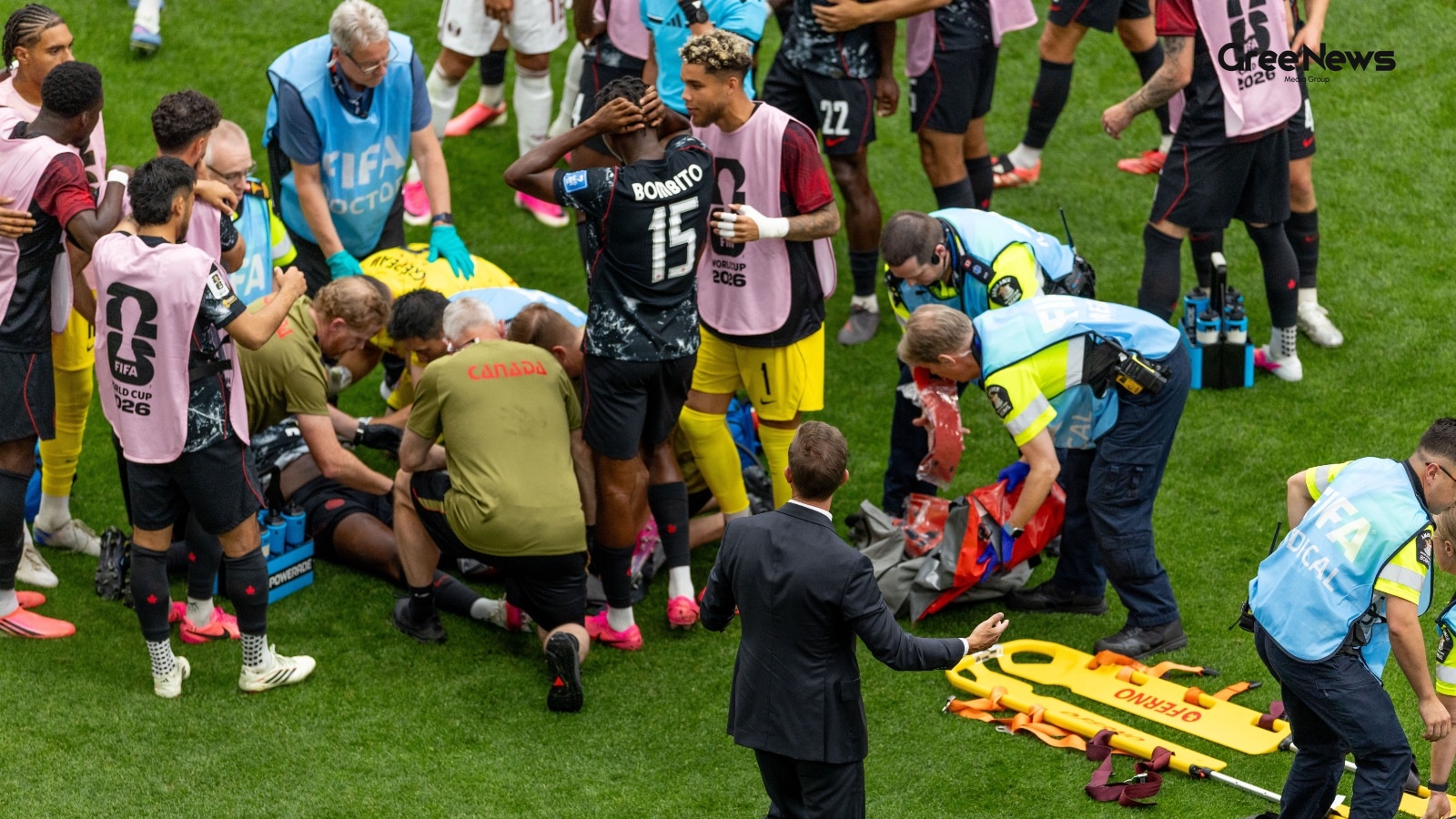
Ismael Kone Injury and Fallout After Canada vs Qatar World Cup Match
Canada’s demolition of Qatar, six-nil at the World Cup, should have been huge. A historic night. But it ended with something much darker for one player: midfielder Ismael Kone. He was rushed to the hospital. Suspected broken leg. The injury came after a brutal challenge from Qatar's Assim Madibo dur
Jun 19, 2026 by Gree News Team
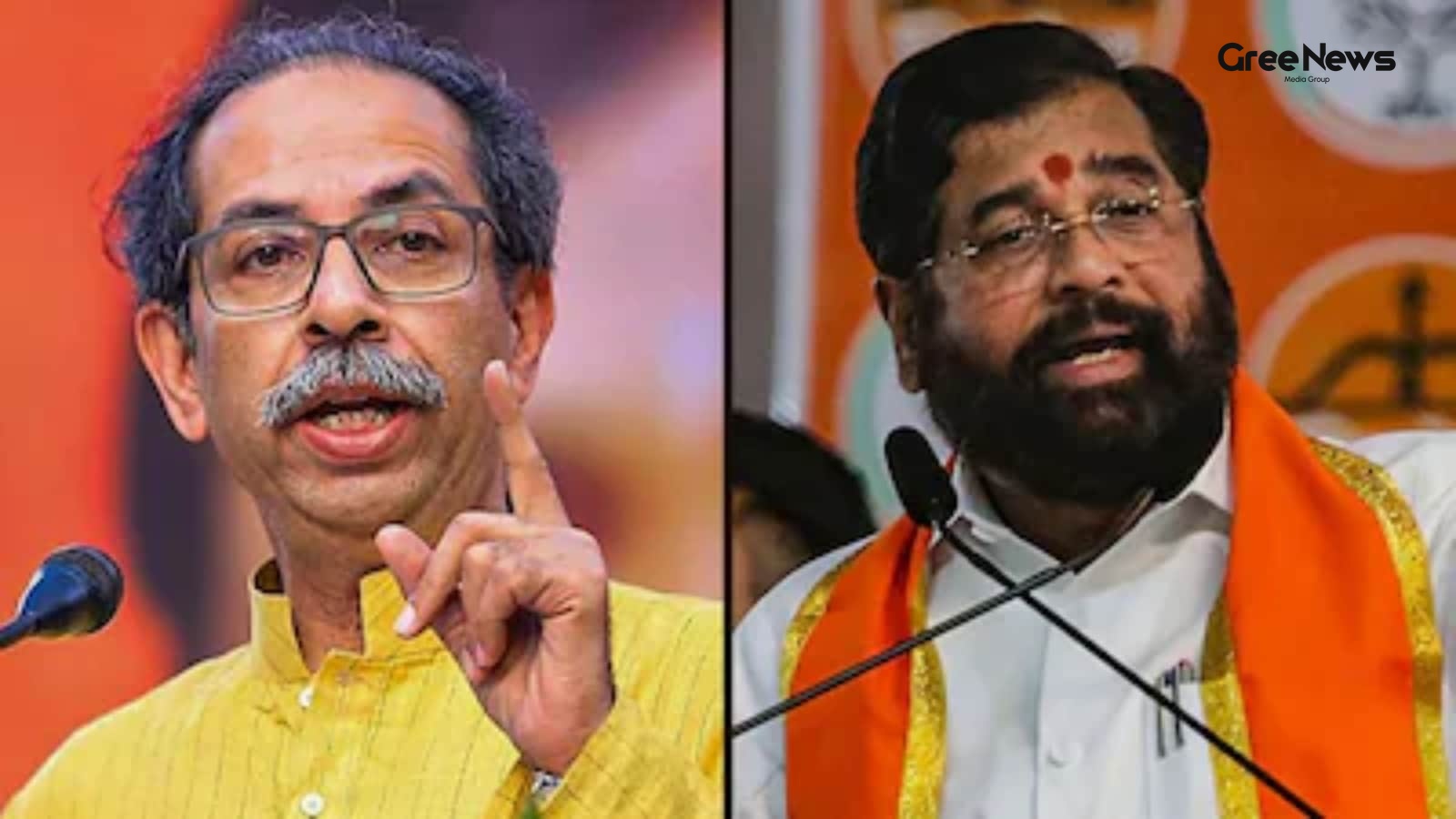
Shiv Sena UBT Political Developments and MP Defection Speculation
Shiv Sena UBT. The whole thing is moving in strange directions right now. There’s this talk about six Shiv Sena MPs potentially crossing over to the Eknath Shinde side. But that move? It seems stuck for now. No formal induction happening Friday during those foundation day celebrations, sources are s
Jun 19, 2026 by Gree News Team
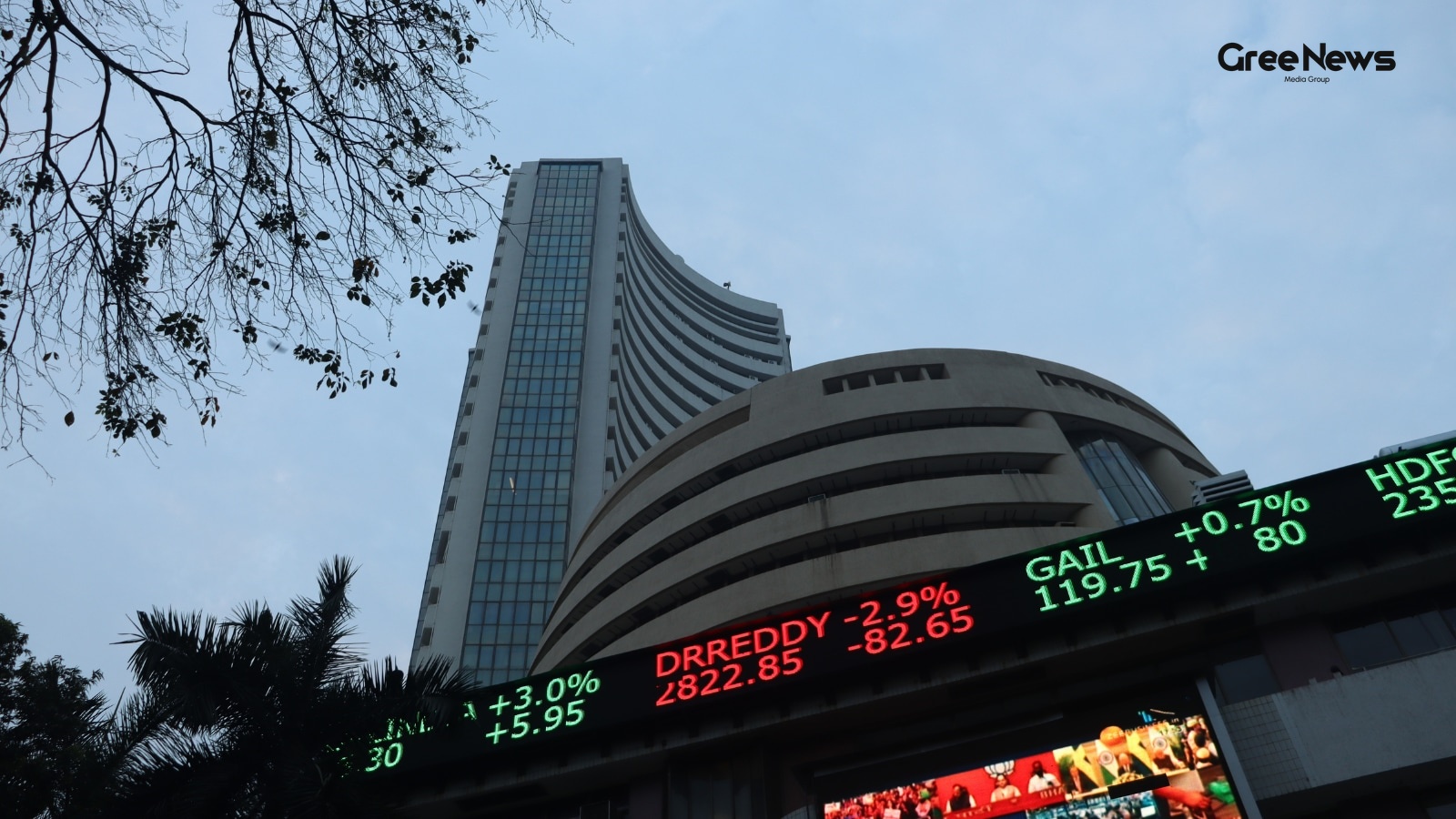
Indian Market Update: Sharp Dip and IT Sector Correction on June 19th
Market updates today. June 19th. It was a sharp dip. A real sell-off in the morning trade. The five-day winning streak just vanished. Indian equity benchmarks took a hit. You saw that drop right away. Information technology stocks were hit hardest. They dumped nearly two lakh crore in investor wealt
Jun 19, 2026 by Gree News Team