Petrol, Diesel, and CNG Price Movements and Market Analysis
Petrol, diesel, and CNG prices held steady on Monday, June 19, 2026. It felt almost static, didn't it? But beneath that surface calm, things were definitely moving. Oil market folks and the gas distribution companies still tweak those numbers every morning at six, trying to keep pace with what’s happening globally.
Still, there was this underlying pressure from crude oil . Those prices had jumped up by about seven and a half rupees per litre for petrol and diesel so far, just because of that whole West Asia situation rattling the global economy that energy crisis hanging over everything.
The government did start adjusting things on the export side too. They raised duties on diesel and aviation turbine fuel, though they kept the levy on petrol exports exactly where it was. For the period starting June 16th, that meant a bump for diesel exports: up to fourteen rupees per litre, from thirteen point five. And ATF? That one got increased to twelve point five, up from nine point five. Petrol export duty stayed put at one point five.
Now, shift over to the domestic side, where things felt a bit more specific. Domestic LPG cylinder prices saw another hike of twenty-nine rupees. This started back on June 7th, meaning this was the second jump in just three months for cooking gas costs. A standard fourteen-point-two kilogram cylinder in Delhi is now sitting at ninety-four two rupees, up from ninety one three.
Commercial LPG cylinders had already seen a rise earlier, starting around June 1st. For instance, a nineteen-kilogram cylinder in Delhi jumped by forty-two rupees to three thousand one hundred thirteen point five. Prices just keep shifting.
CNG saw its own movement too. In Mumbai, gas prices crept up by two rupees per kilogram, landing at eighty-six. This followed fifteen days of the same hike amount. Domestic PNG that’s the piped natural gas became costlier by fifty paise, settling at fifty two rupees per standard cubit metre.
When you look at where these differences showed up geographically for petrol, things were really stark. Hyderabad was still holding onto the lead in some spots, with petrol hitting one hundred fifteen point six nine rupees on May 25th. Thiruvananthapuram followed suit, sitting at one hundred fifteen point four nine rupees.
But then you look at Chandigarh. That city managed to keep the lowest petrol rate among the bunch, at ninety-eight point ten per litre. Lucknow and New Delhi were also relatively cheaper than some of the bigger metro areas; their rates were around one hundred two point zero five and one hundred two point twelve respectively.
Diesel prices showed a different picture. Thiruvananthapuram actually recorded the highest diesel rate among these places, at one hundred four point four per litre. Hyderabad was close behind, with diesel costing one hundred three point eighty two rupees. Meanwhile, Chandigarh managed to stay low on this front, with diesel priced at eighty-six point zero nine per litre. It’s all quite uneven across the board, isn't it? A mix of global worries and local adjustments playing out right there in the city markets.
Written by Gree News Team — Senior Editorial Board
Gree News Team covers international news and global affairs at Gree News. Our collective of senior editors is dedicated to providing independent, accurate, and responsible journalism for a global audience.
More from Economy
View All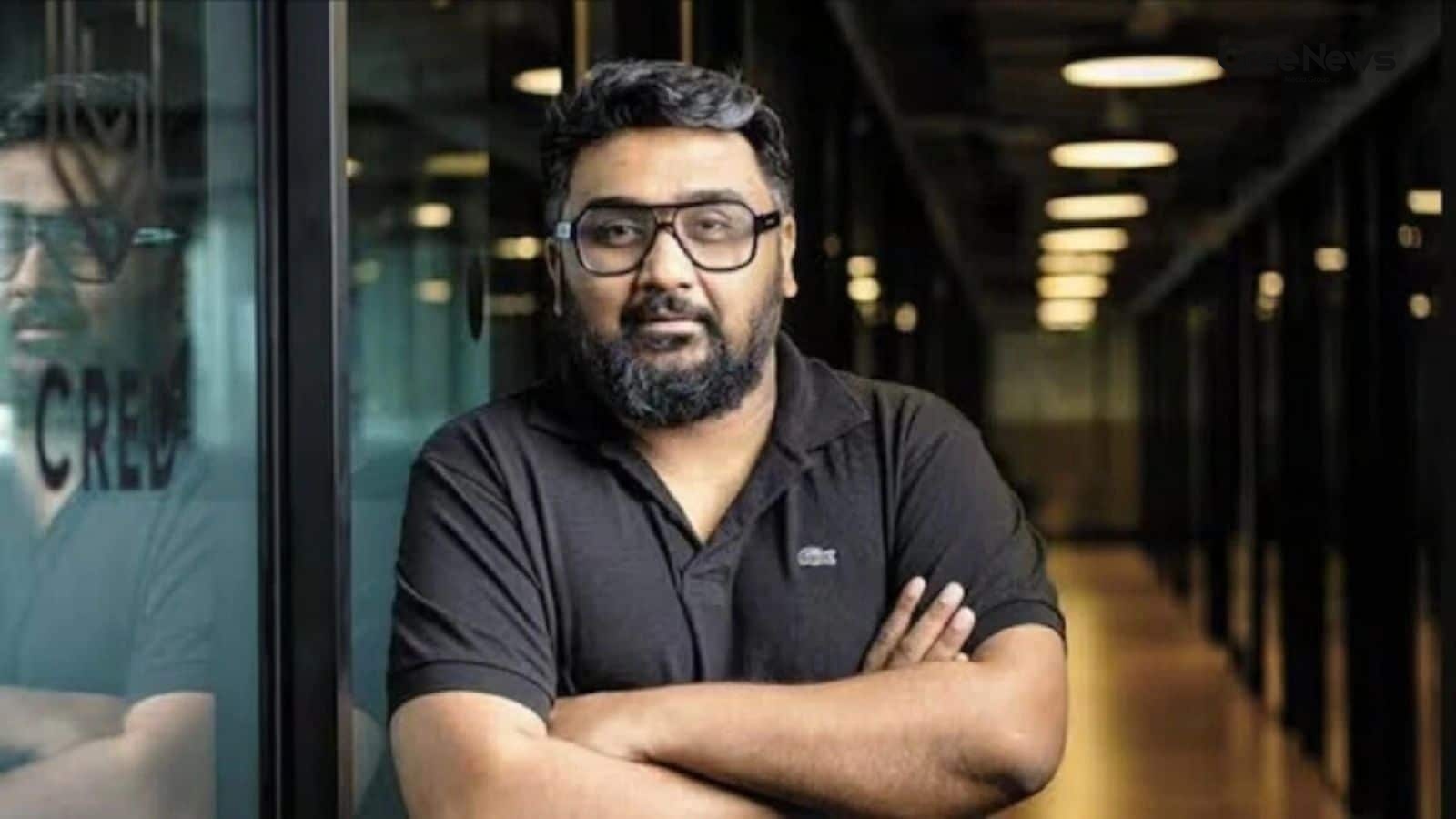
Meta's Potential Acquisition of Cred and the Future of Indian Payments
So here’s what’s been floating around regarding that massive tech player, Meta. They are apparently looking into a big move either investing or trying to snag Cred, that Indian fintech outfit. A Moneycontrol report floated this idea, suggesting talks are happening right now with Kunal Shah, the guy
Jun 19, 2026 by Gree News Team
Fuel Price Movements and Market Dynamics
Petrol, diesel and CNG prices held steady on Monday, June 18th. That’s what they stayed at. But behind that stillness, there was movement happening somewhere else. Oil market companies and those natural gas distributors they do their thing every morning, revising the numbers right at six a.m. It’s c
Jun 18, 2026 by Gree News Team
Fuel Price Movements and Market Dynamics on June 17th
Petrol, diesel, and CNG prices stayed put Monday, June 17th. That’s what they said. But behind the scenes? The oil market companies and gas distributors are still tweaking things every morning at six, you know? Still, there was movement in the upstream stuff. OMCs hiked petrol and diesel by about se
Jun 17, 2026 by Gree News Team
Fuel Market Updates: Petrol, Diesel, and CNG Costs
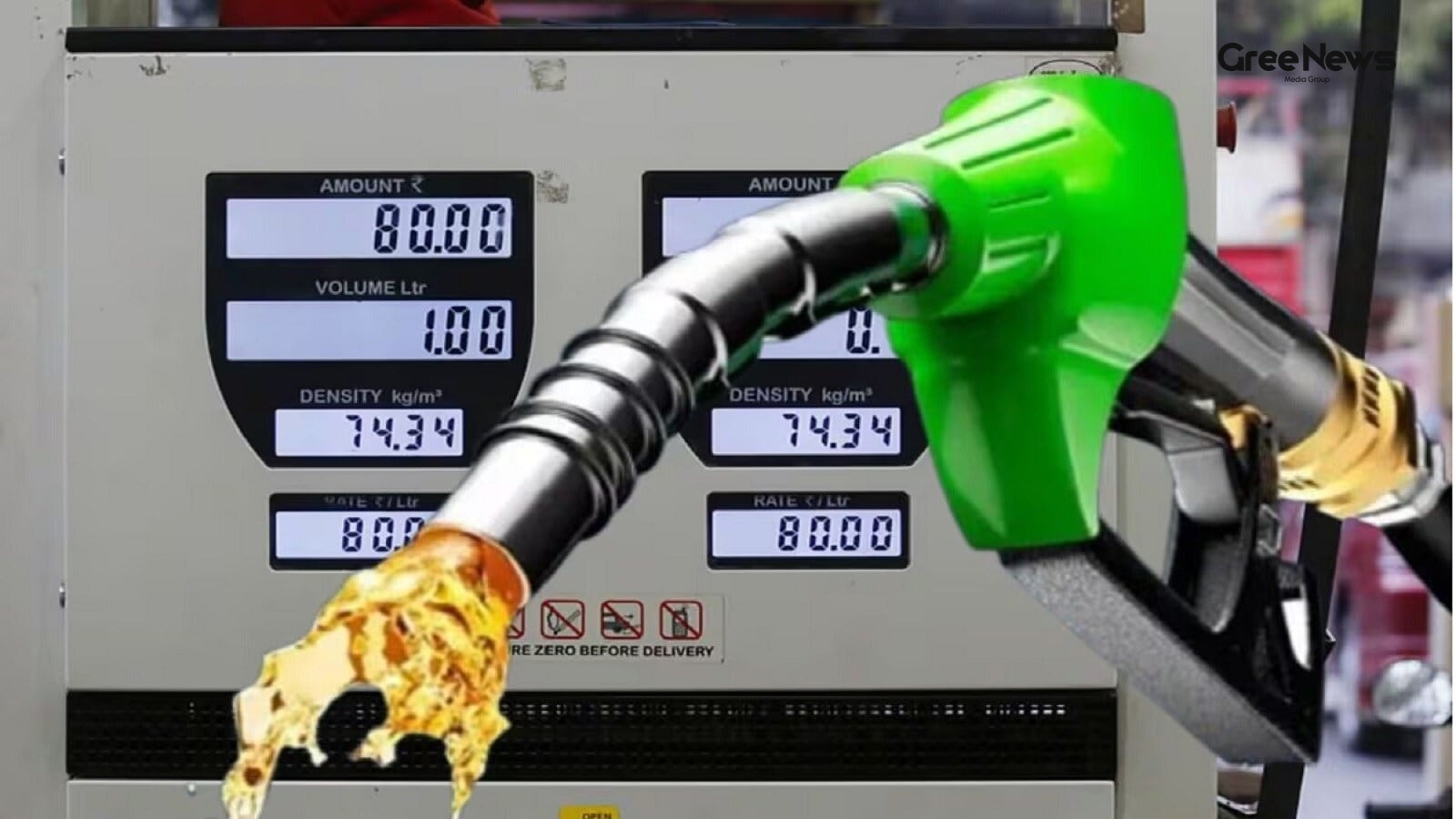
Petrol, diesel, and CNG costs just hung there on Saturday, June 13th. Nothing changed officially. But behind the scenes, the oil market companies and those handling natural gas distribution keep tweaking things every morning at six, you know? Still, those crude oil prices from West Asia, that crisis
Jun 16, 2026 by Gree News Team
Latest Headlines
Iran-US Agreement: Internal Dynamics and Negotiation Process
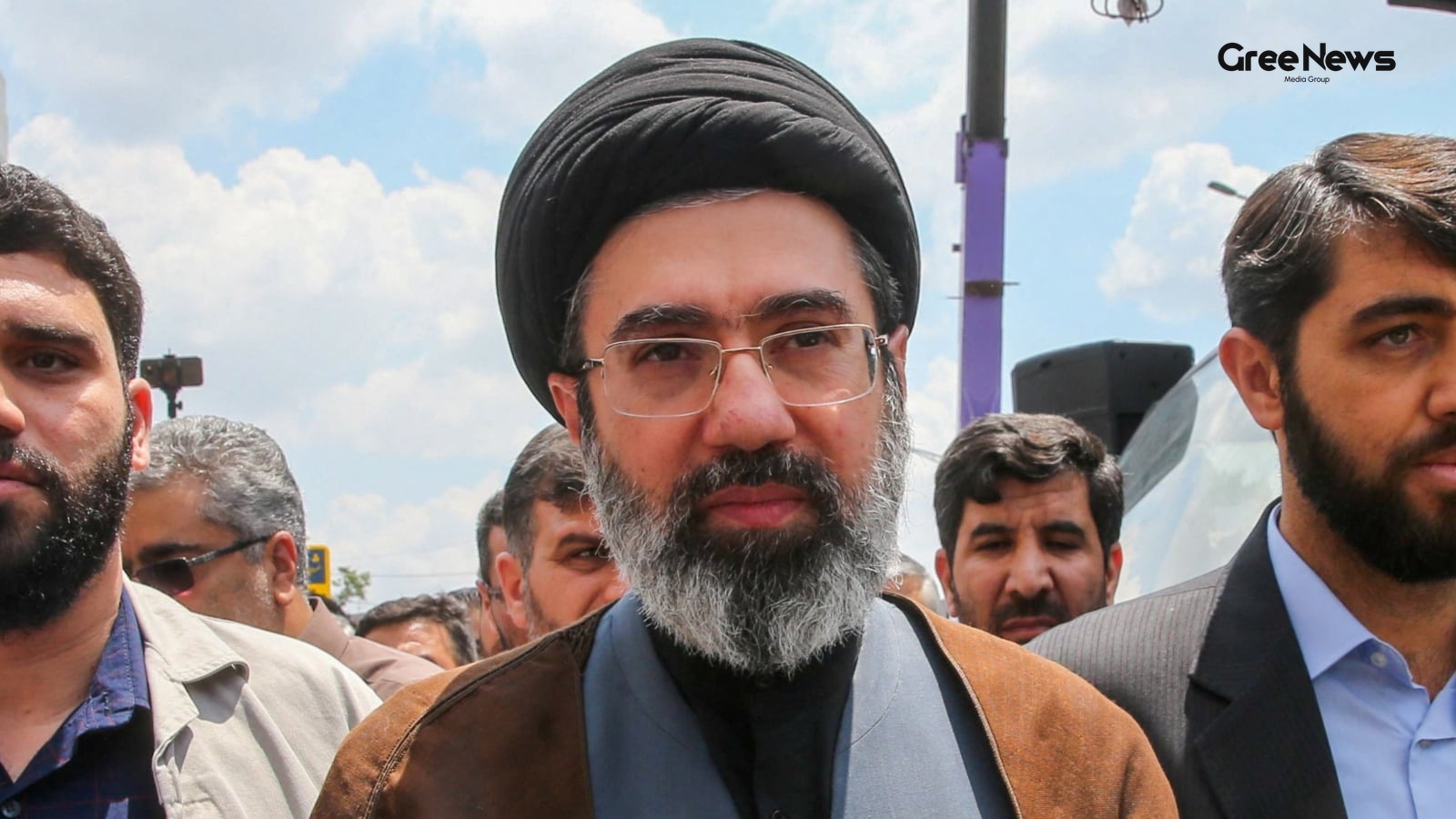
Iran’s Supreme Leader Mojtaba Khamenei, he admitted, wasn't exactly thrilled when that memorandum of understanding finally landed on the table between Tehran and Washington. There were clear reservations. It felt like a forced concession at first glance. But then things shifted. He ultimately gave h
Jun 19, 2026 by Gree News Team
Narendra Modi's Yoga Day in Kolkata: A Shift in Bengal's Identity
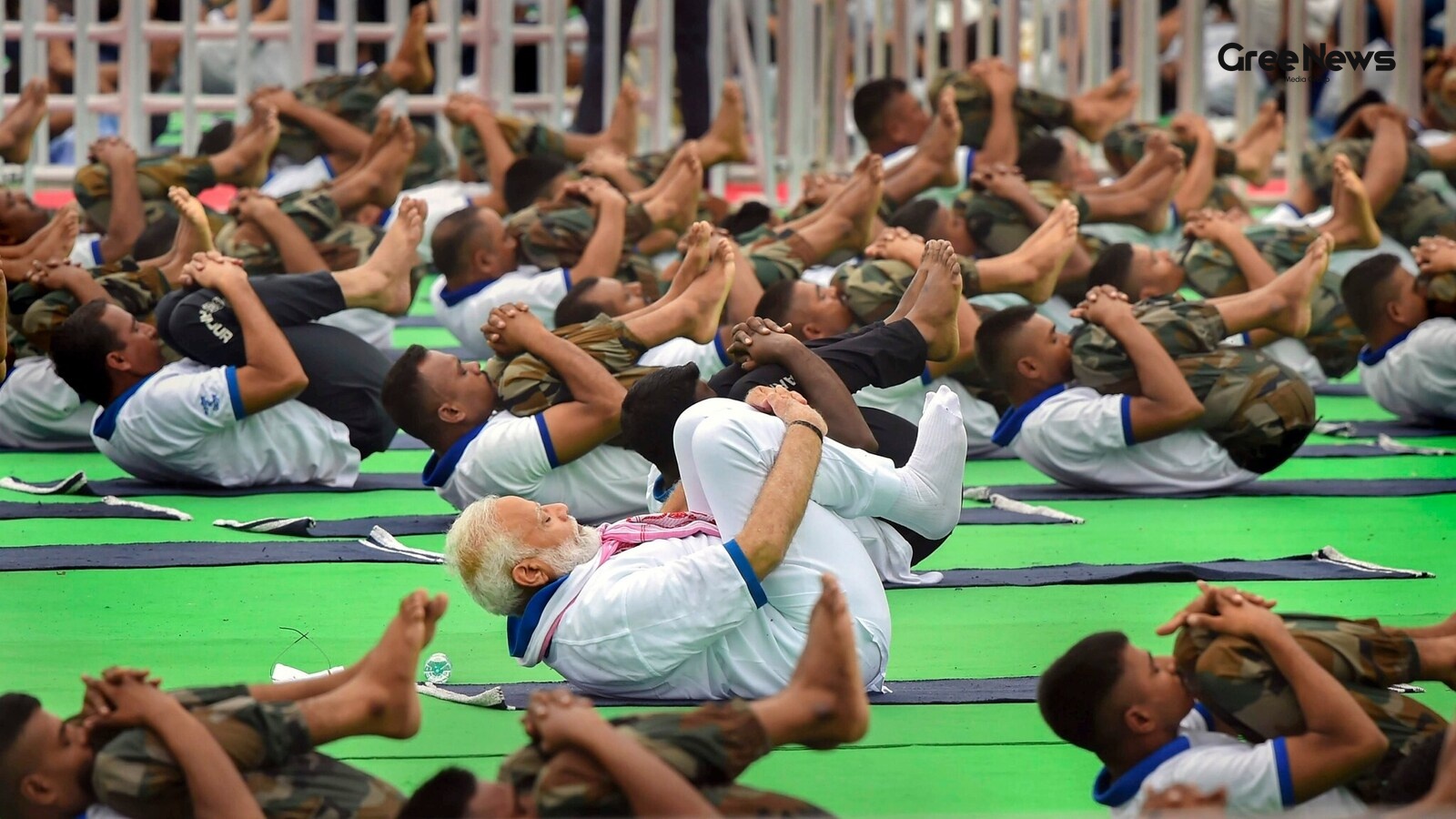
Narendra Modi is leading the International Day of Yoga in Kolkata on June 21. It’s happening at Red Road. That spot. It’s heavy with symbolism, you know? Geopolitics and culture all mixed up. The timing is jarring. It lines up perfectly with Paschim Bango Divas the state's foundation day. A real con
Jun 19, 2026 by Gree News Team
Re-NEET Exam Paper Controversy and Social Media Debate
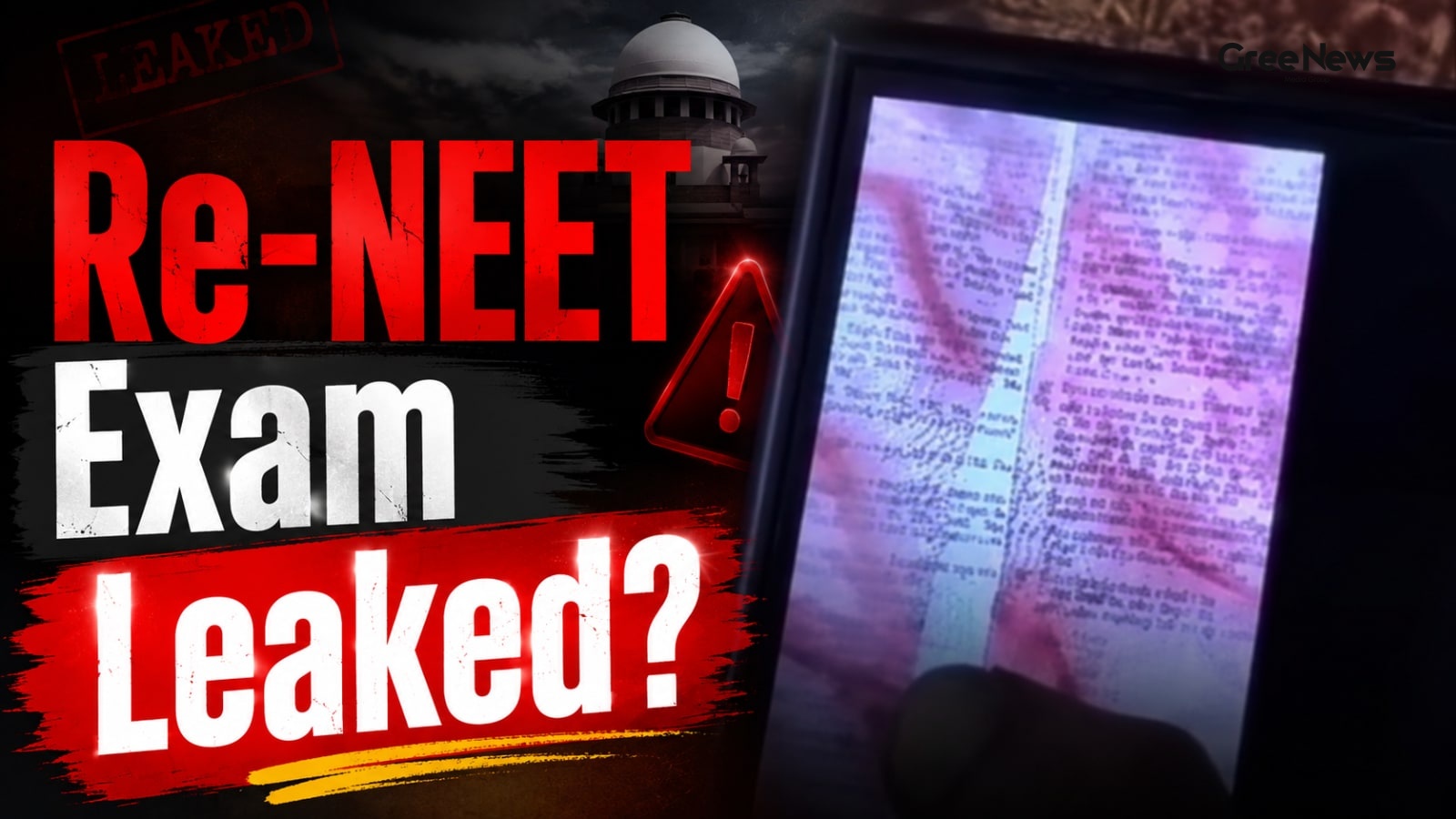
That video is blowing up online right now about the Re-NEET exam. People are talking about someone allegedly claiming they had the question paper before the test itself. The test is scheduled for June 21st, 2026. It’s all started with this clip circulating across social media. An Instagram page call
Jun 19, 2026 by Gree News Team
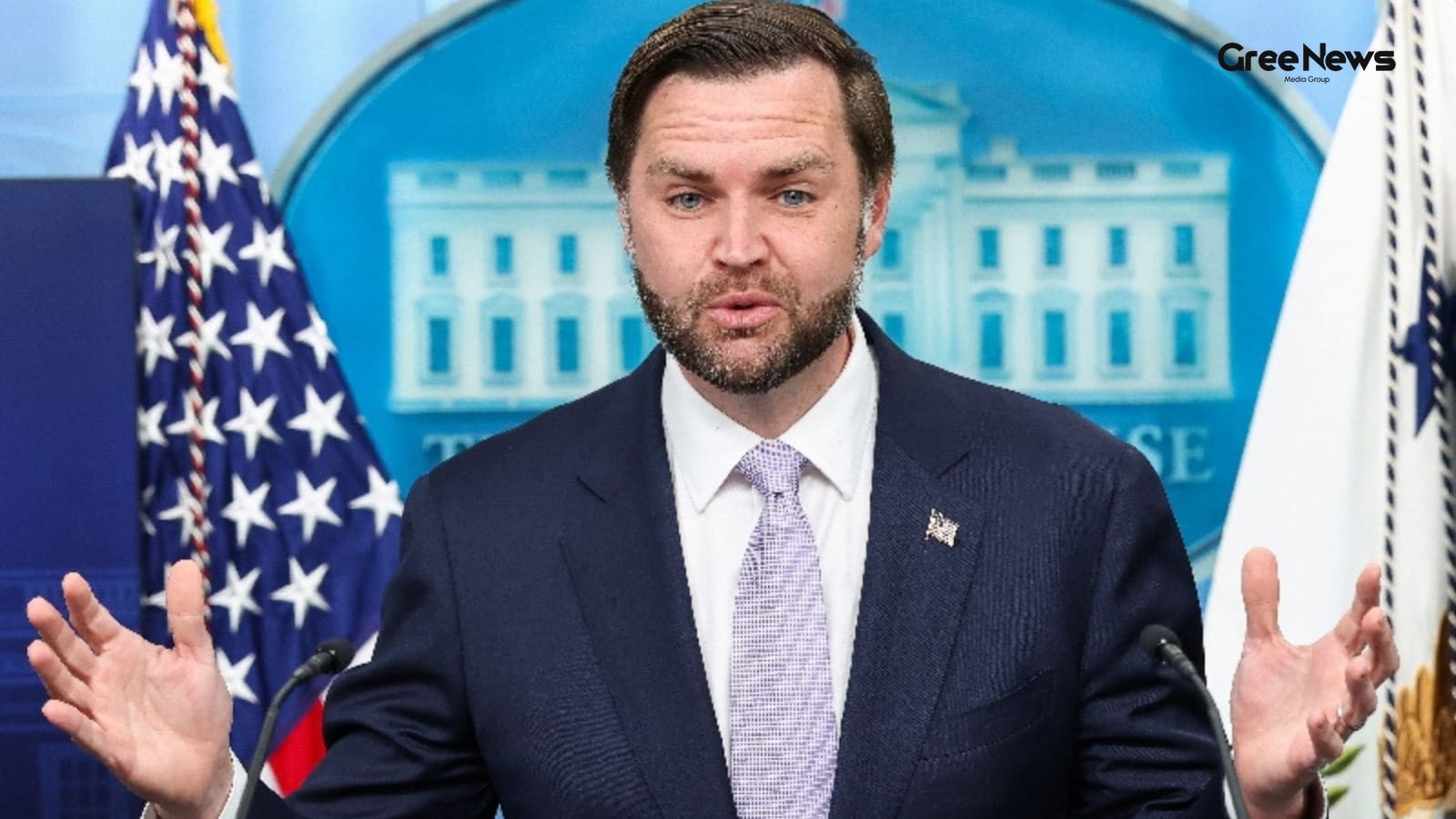
US-Israel Relations: Friction, Diplomacy, and Personal Tensions
Vance went straight for it. The Vice President sharply criticized members of Israel’s government. He basically accused them of not appreciating American backing. And warned that Israel is getting increasingly isolated out there. This wasn't some polite diplomatic note. It was blunt. It highlighted t
Jun 19, 2026 by Gree News Team

Heatwaves in France: Health, Inequality, and Housing Crisis
Two new studies just dropped warning bells about heatwaves in France. They’re serious. The biggest danger isn't just the temperature itself, but how this intense heat is hitting people especially those living in badly built housing and poorer neighborhoods. This comes right as Europe braces for a br
Jun 19, 2026 by Gree News Team
US Gas Prices Dip Amid Developments in US-Iran Negotiations
Gas prices finally dipped below four a gallon in the US. That’s the first time we’ve seen that drop since those early weeks of the war with Iran. It offers some breathing room for consumers after months where fuel costs were just relentless. Motor Club AAA data shows the national average for regular
Jun 19, 2026 by Gree News Team
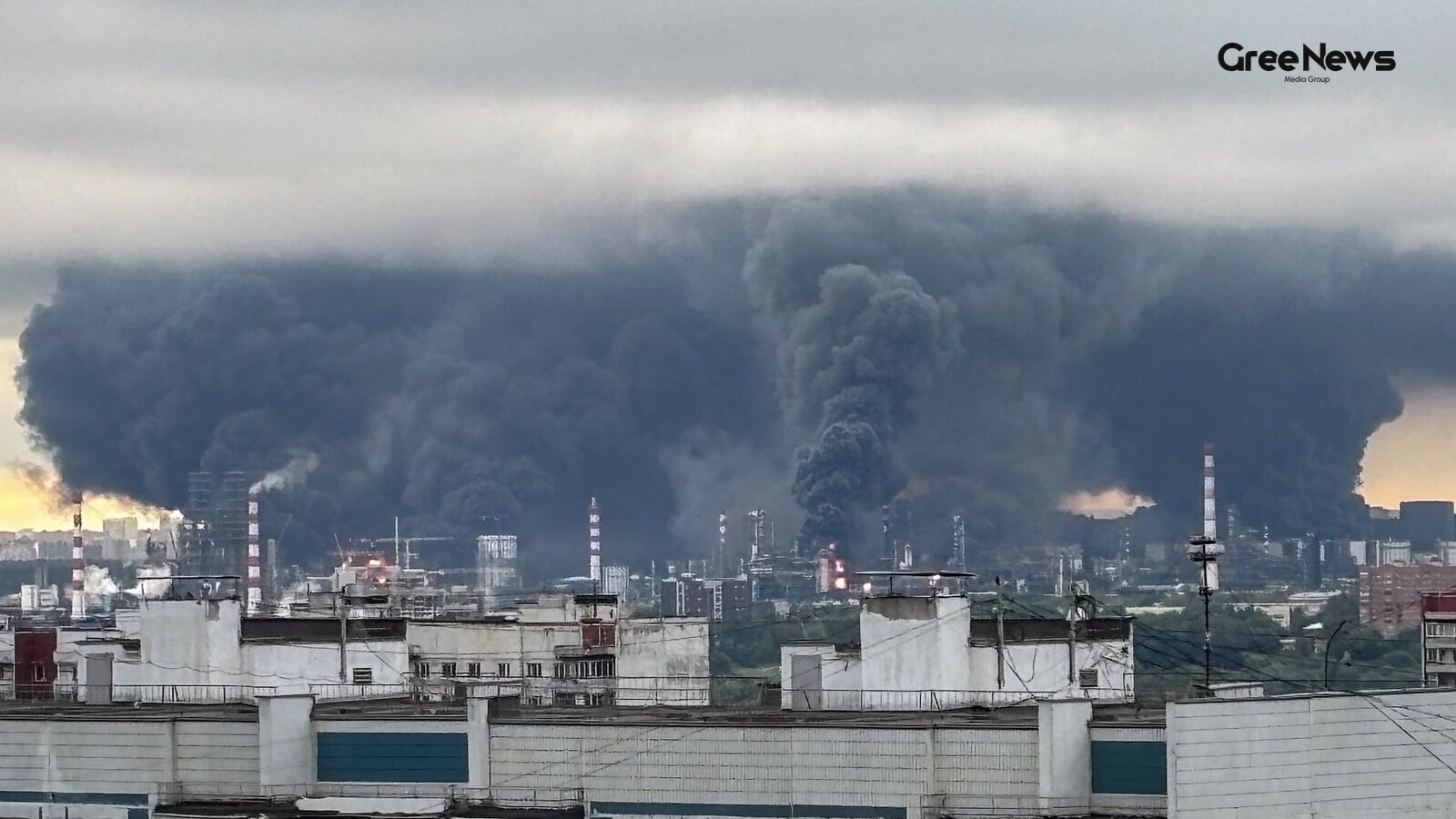
Drone Assault Ignites Moscow Oil Refinery Amid Conflict
Soot-choked black rain hit Moscow after Ukraine launched what they called their biggest drone assault yet against the capital. It was a direct hit, straight into a vital energy facility. Close to two hundred long-range drones aimed at the city early Thursday morning. They managed to overwhelm local
Jun 19, 2026 by Gree News Team

The Shift to Holistic Sustainability in Architecture and Design
The way we’re building things right now... it feels like a real shift. Not just some small tweak in energy efficiency, but something much deeper about how we look at the world and what we throw out. You see these projects popping up everywhere, kind of scattered across the globe, each one pushing so
Jun 19, 2026 by Gree News Team
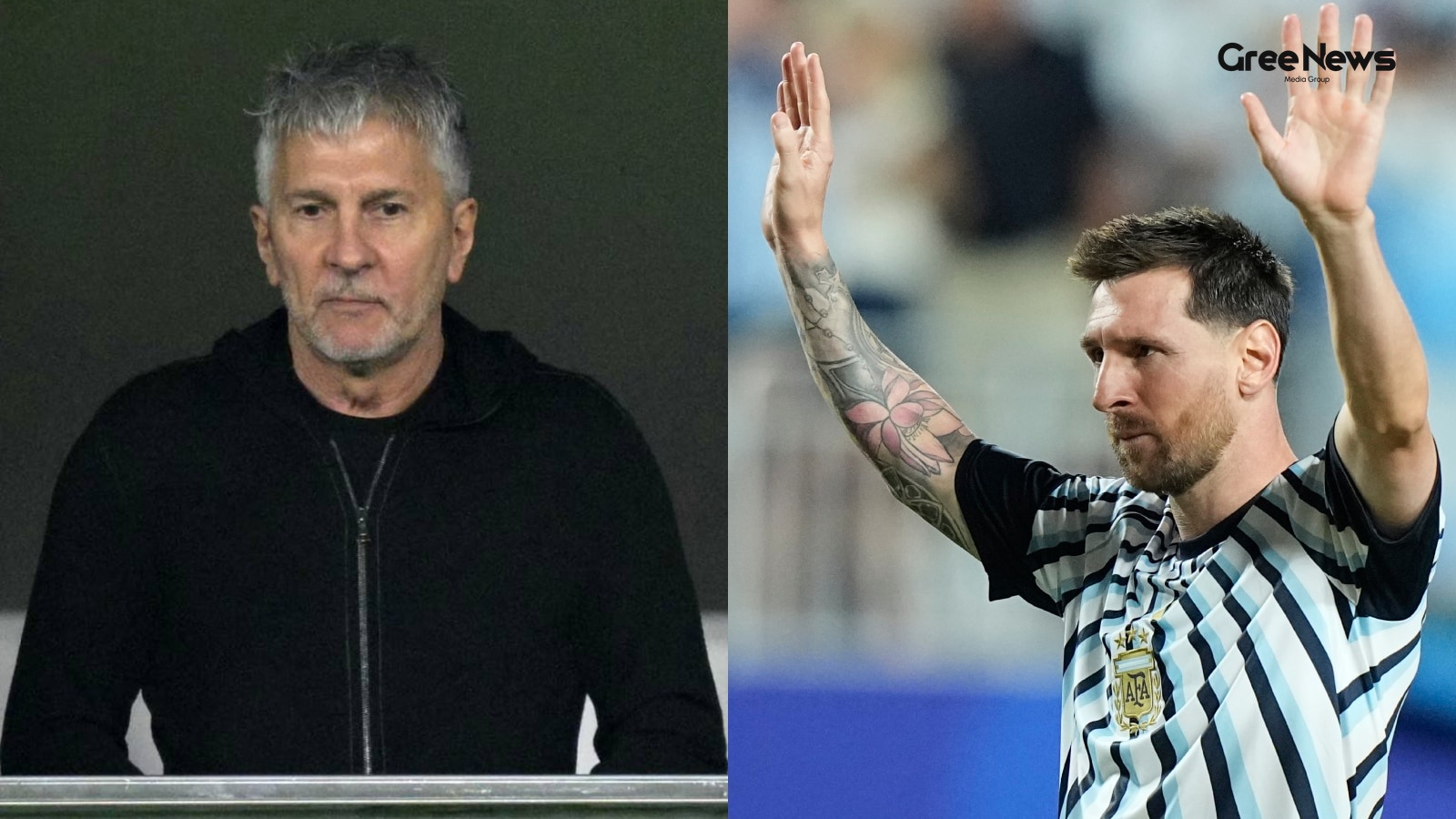
Lionel Messi Family Statement on Jorge Messi's Health and Privacy
The family of Lionel Messi stepped in after some really nasty rumors started flying around about his father, Jorge Messi. They released a statement through Messi’s media office on Thursday. It said that Jorge is actually receiving medical treatment for some undisclosed health issue. They asked every
Jun 19, 2026 by Gree News Team
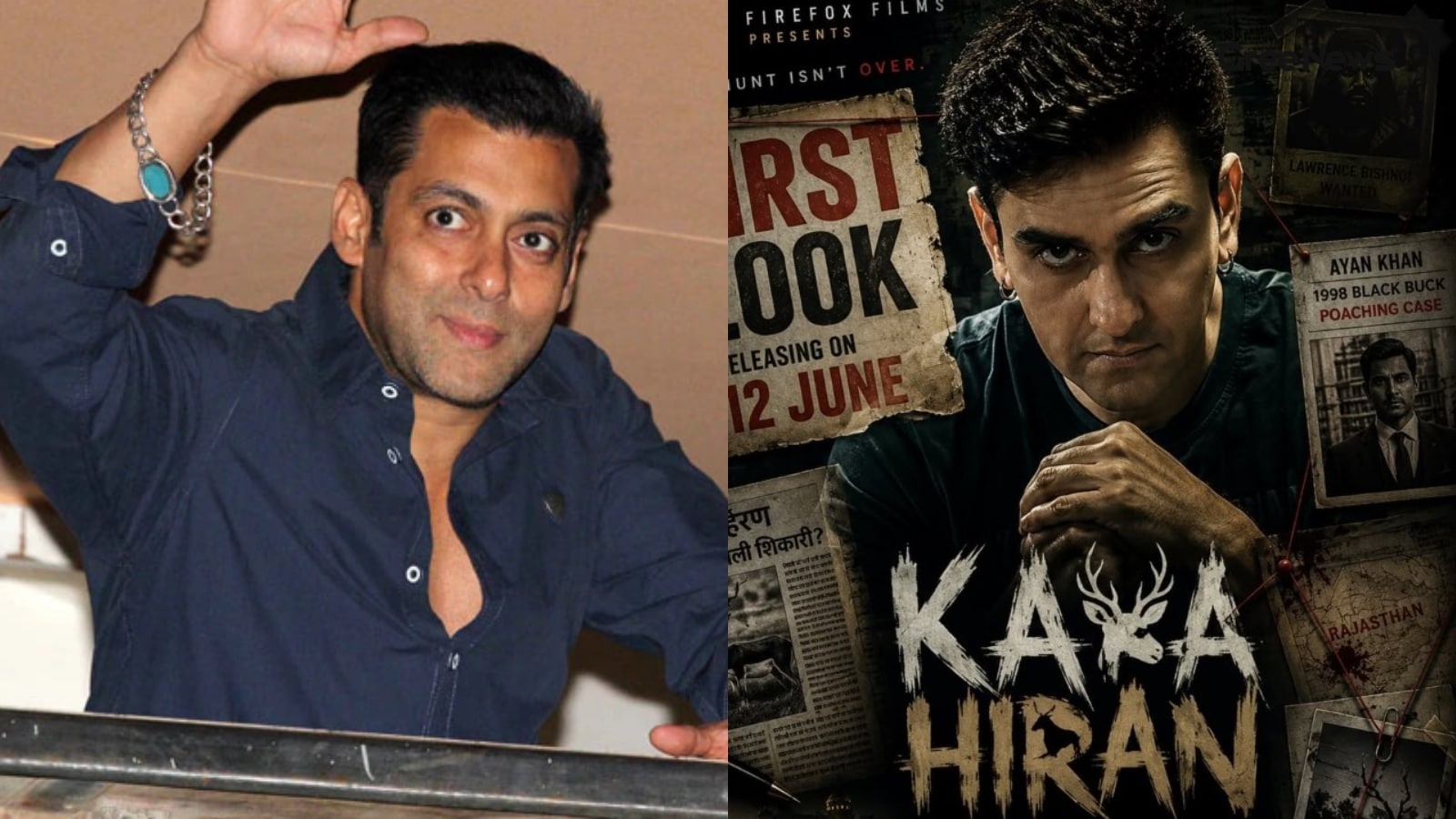
The Controversy Surrounding Kala Hiran and Salman Khan
The noise around *Kala Hiran: The Battle For Legacy* just keeps getting louder. Govind Namdev stepped away from the film because he didn’t want to be caught up in the story against Salman Khan. Director Bharat S Shrinate said something about it, unlike the veteran actor who claimed ignorance about w
Jun 19, 2026 by Gree News Team
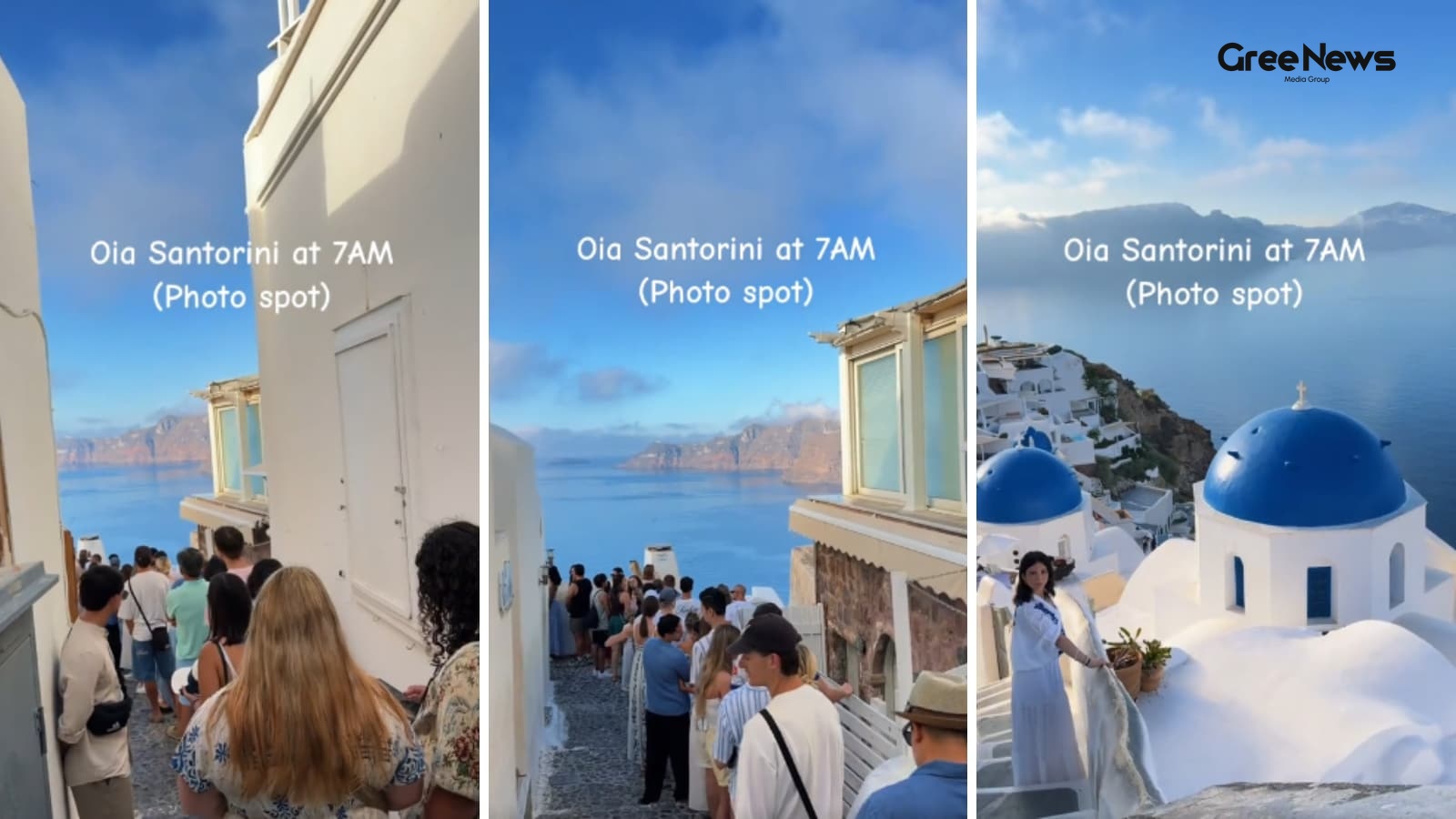
The Performance of Travel: Bottlenecks, Validation, and the Cost of Spectacle
The air around those famous spots in Santorini, you know? It’s always a mess. Not just the physical queues now. It’s this whole thing about how we see things. How travel has morphed into some kind of performance piece for the algorithm. You saw that clip, right? The one floating around X. It’s from
Jun 19, 2026 by Gree News Team
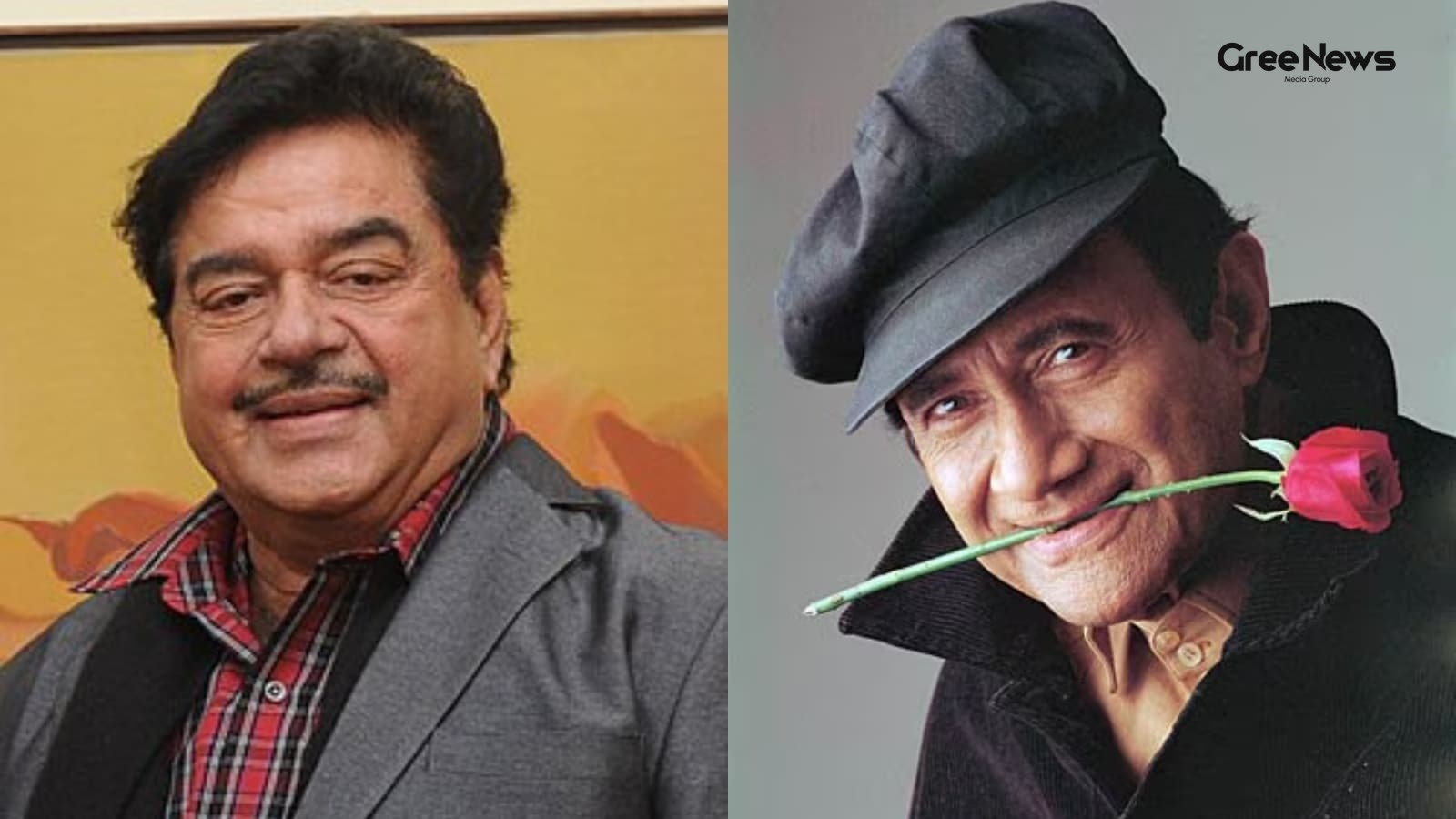
The Echoes of Mentorship and Cinematic Inspiration
The lights are always strange in these things. You watch them blink, waiting for something to shift. That’s what happens when you try to pull memories out of the dust. Especially old ones. So this episode of ‘Indian Idol’. It’s not just about singing or performance really. It’s bringing back stuff.
Jun 19, 2026 by Gree News Team
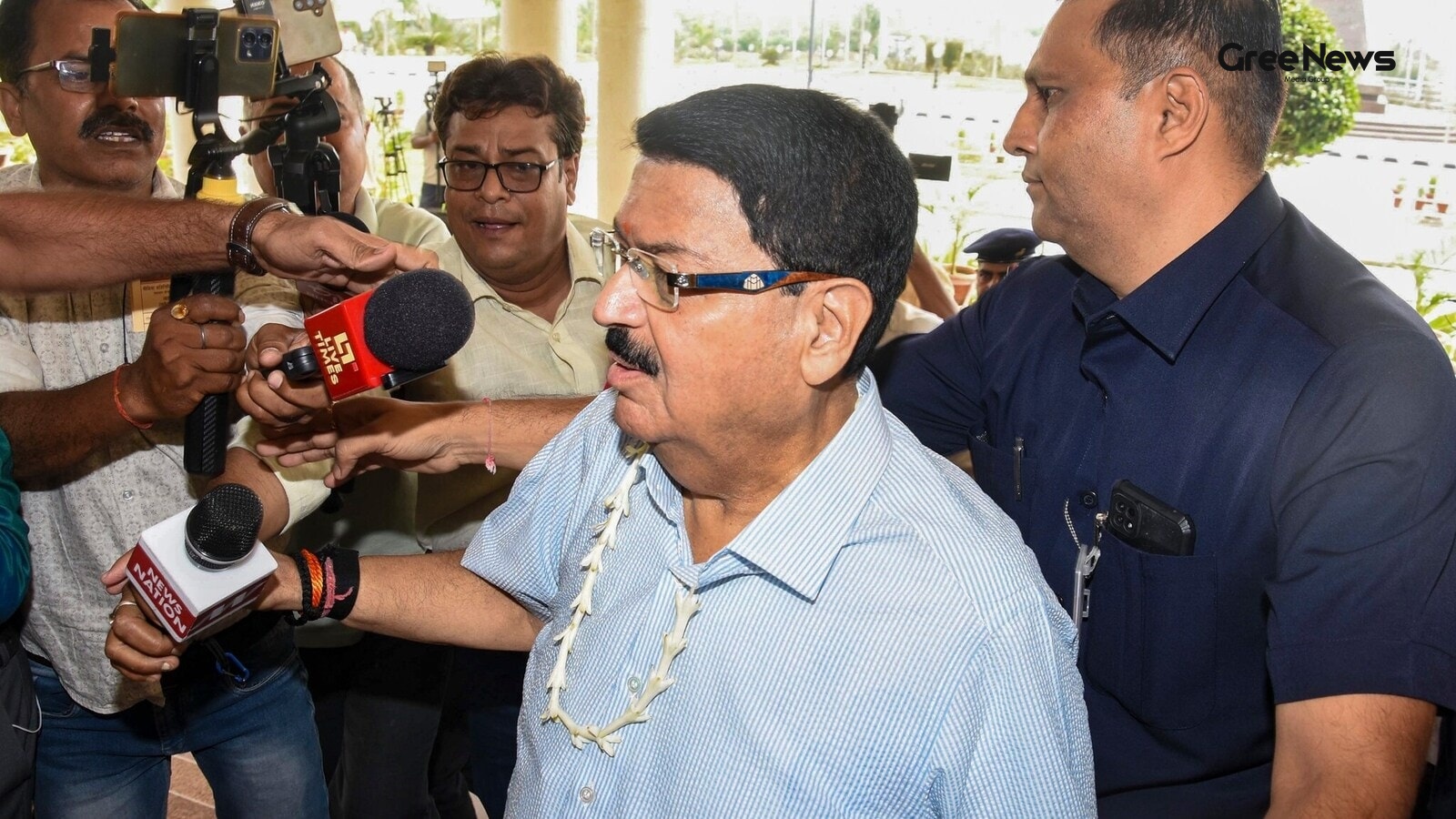
Rajya Sabha Results and Alliance Fragility in Jharkhand and Mizoram
That Rajya Sabha mess in Jharkhand felt huge. You know, the June 18 results. Parimal Nathwani, that independent guy backed by the NDA, snagged one of those seats from there. Defeated Pranav Jha for the Congress pick. And that immediately threw a spotlight on how shaky things are inside the INDIA blo
Jun 19, 2026 by Gree News Team
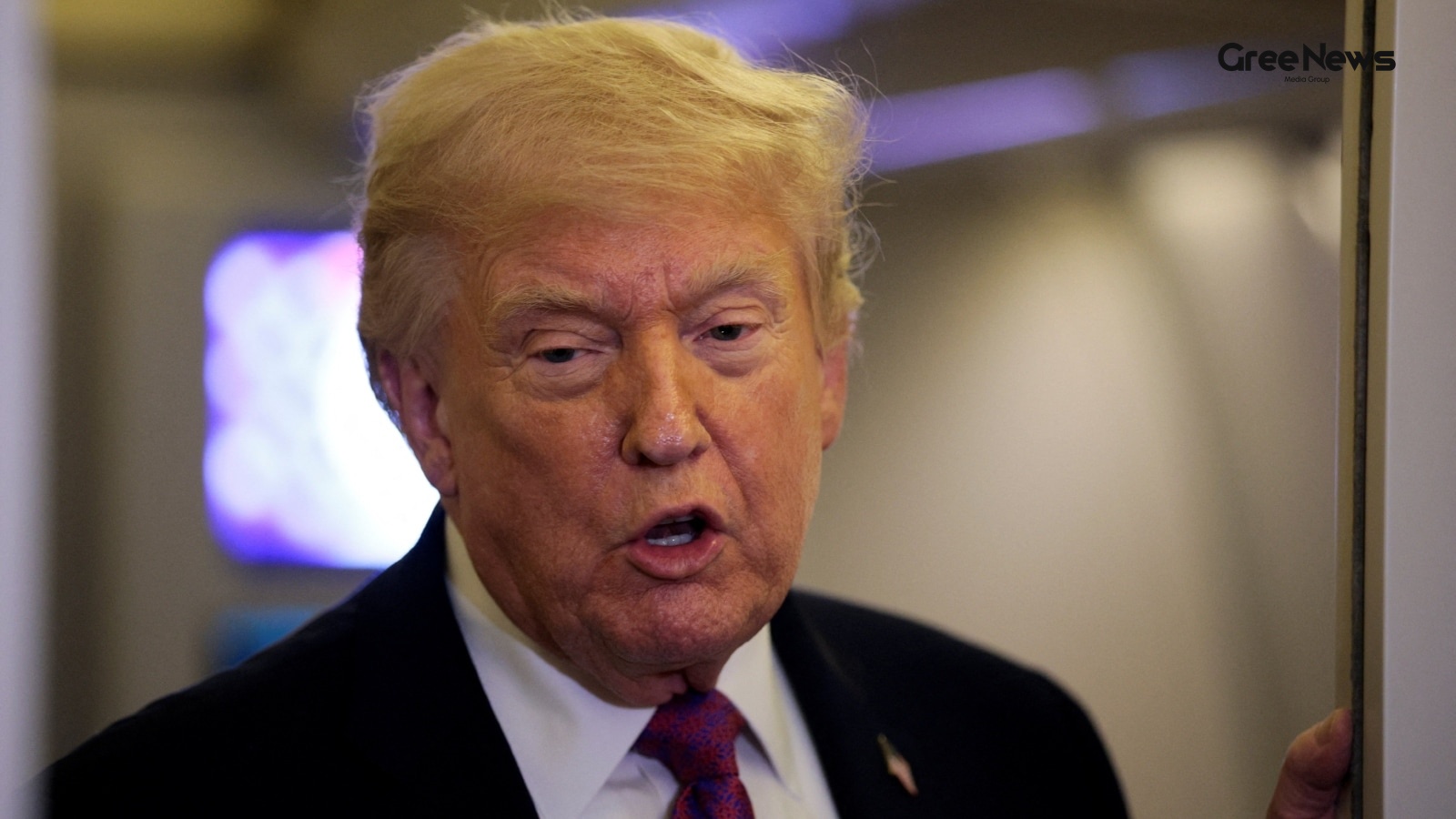
Donald Trump, Media Scrutiny, and the Iran Peace Deal
Hours after that peace deal with Iran was signed, something went absolutely wild online this week. It’s that exchange between Donald Trump and Fox News reporter Peter Doocy. It happened in Switzerland, right? After Trump had already been at the G7 Summit before everything finally locked down. Doocy
Jun 19, 2026 by Gree News Team
Meta's Potential Acquisition of Cred and the Future of Indian Payments
So here’s what’s been floating around regarding that massive tech player, Meta. They are apparently looking into a big move either investing or trying to snag Cred, that Indian fintech outfit. A Moneycontrol report floated this idea, suggesting talks are happening right now with Kunal Shah, the guy
Jun 19, 2026 by Gree News Team