The Performance of Travel: Bottlenecks, Validation, and the Cost of Spectacle
The air around those famous spots in Santorini, you know? It’s always a mess. Not just the physical queues now. It’s this whole thing about how we see things. How travel has morphed into some kind of performance piece for the algorithm.
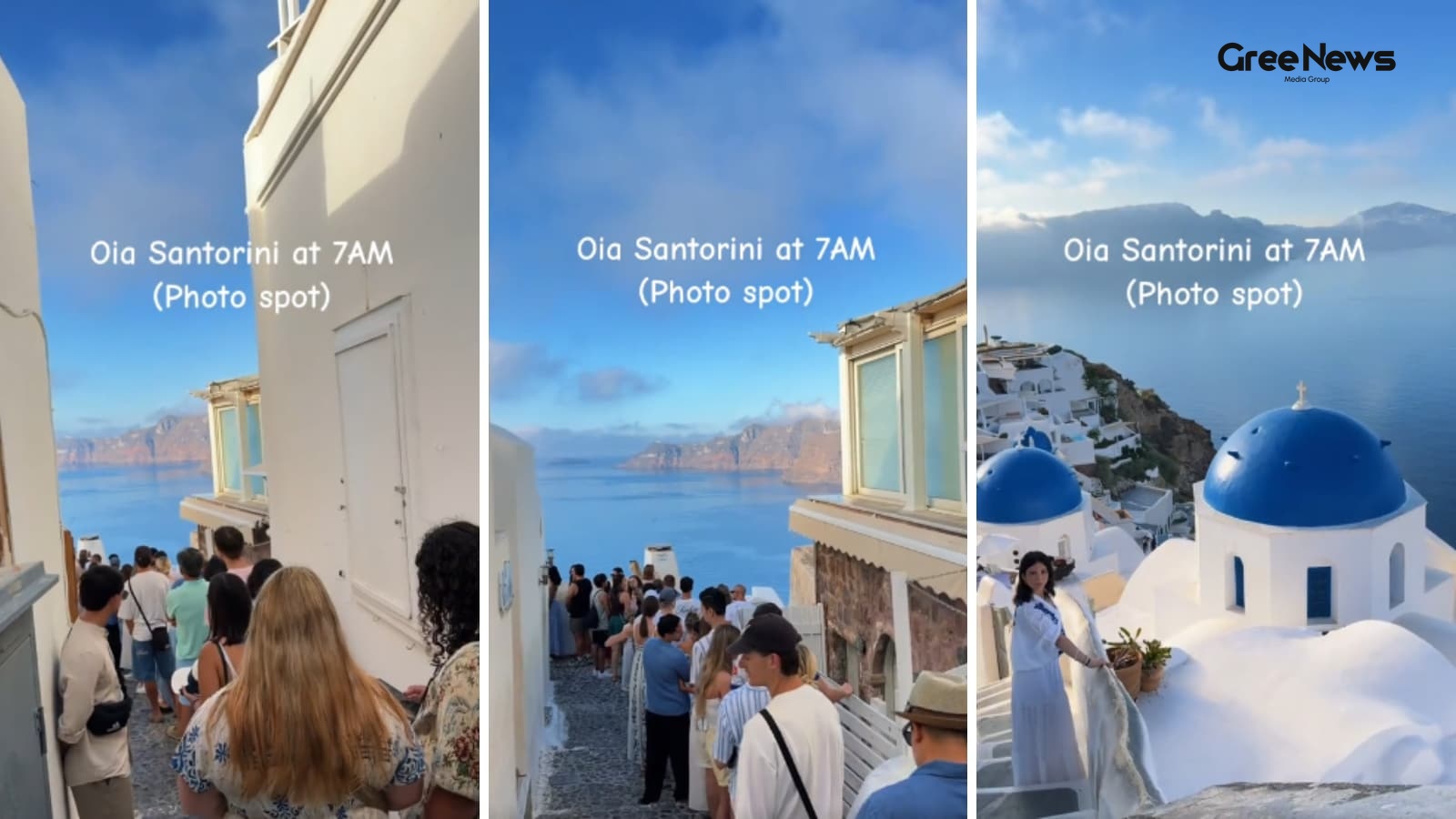
You saw that clip, right? The one floating around X. It’s from Oia. Those white buildings clinging to the cliffs. The blue domes. Everyone wants that shot. And then there are the lines. Endless, slow-moving rivers of people just trying to get that single frame. It’s not just waiting for a picture anymore. It feels like everyone is waiting for validation . Waiting for their moment in the perfectly filtered timeline.
It really hits you how much this shifts things. You look at places meant to inspire peace. Places defined by breathtaking beauty. And suddenly, they become these bottlenecks . These little zones of pure, frustrating congestion. The contrast is jarring. That’s the core thing people are talking about, I think. The beautiful view versus the sheer, unglamorous act of waiting for it.
The video itself shows this clearly. Early morning stuff. Seven AM perhaps. You see these crowds threading along the narrow stone paths. It's not a leisurely stroll anymore. It’s an organized march toward a specific visual goal. People are packed in tight, shoulder to shoulder. There’s a kind of forced patience there, isn't there? A performance of calm while internally everyone is just annoyed.
It captures that tension perfectly. You have the promise the stunning view at the end of the line. The reward for enduring the wait. And then you have the reality the physical grind of being stuck. It’s a very human experience, this kind of forced spectacle. We pack ourselves into these moments we think are just for looking.
And that leads straight into the noise online. Because once something is posted, it doesn't stay confined to the frame. It explodes into commentary. People start dissecting what they see. Not just saying "that’s crowded." They start digging into why this behavior matters. Why are we so obsessed with documenting every vista?
You get comments flying around about necessity. Some people, like those who posted, felt a kind of existential punch. “Why do you need your own photo of highly photographed places?” That line hangs there. It implies that the experience itself is being sidelined for the documentation. It’s not just about seeing; it's about proving you saw it correctly, and now you have to prove you did the waiting.
Then there are others who push back. They argue that this kind of structure this constant need to queue up is inherent to tourism. Some folks suggest that these crowded attractions have always existed. That travel inherently involves navigating crowds. It’s just part of the deal, maybe? A necessary friction in the experience.
But then there are the people who feel genuinely alienated by it. They talk about how this has eroded something deeper. They said things like, “At some point, it’s not even about the experience anymore! So sad!” That sounds less like a logistical complaint and more like a genuine lament about the soul of travel getting commodified. It’s the shift from personal discovery to public spectacle.
Think about what that means for the destination itself. The place isn't just rocks and whitewash anymore. It’s a stage. A backdrop designed primarily for the consumption of an external audience scrolling through their feeds. The authentic feeling gets submerged under the need to capture the perfect angle, the perfect light, exactly as everyone else has framed it.
The dynamic shifts from visitor engaging with environment to visitor performing for the camera lens. It’s a subtle but massive change in how people interact with beauty. We stop just absorbing it. We start actively trying to possess the right way of seeing it. That immediately introduces competition into what was supposed to be shared appreciation.
And then there's the counter-argument, which often comes from those who are trying to be practical, or maybe just bypass the drama entirely. Someone suggested walking past the line. Just go down the stairs. Enjoy the view and walk on. You can get the picture later. A more casual approach. An attempt to de-escalate the friction by ignoring the queue structure altogether. It’s a form of resistance against the imposed bottleneck.
But even that feels like dodging the real issue, doesn't it? The problem isn't just standing in line; the problem is the environment that forces you into that line in the first place. The design, the flow, the sheer density of desire pushing people into these predictable choke points. It’s a systemic issue masked by individual behavior.
The frustration extends beyond Santorini. It bleeds into travel everywhere. These places that are supposedly sanctuaries for peace become arenas for intense social competition. We see this pattern across different destinations. The curated image demands an equal amount of real-world sacrifice, often involving waiting and crowding.
And it’s not just about the physical wait. It's about the mental cost. You spend time, energy, and sometimes money adhering to a script set by social media trends. If you don’t conform, or if you refuse to participate in that specific visual ritual the photo session you feel like you are missing out on something essential of the trip itself. It creates this pressure cooker environment where authentic enjoyment has to compete with performative documentation.
The sheer volume of people trying to force themselves into a standardized experience is exhausting. It’s a kind of manufactured chaos. You see those lines not as a necessary part of sightseeing, but as evidence of an unsustainable hunger for external validation channeled through these highly visible locations.
And this isn't just about the tourist experience anymore. It touches on something broader the relationship between mass tourism and the preservation of genuine atmosphere. When every spot becomes optimized for the photo rather than simply being a place to be experienced, what happens to the unphotogenic moments? The quiet observation? The slow digestion of a landscape? They get squeezed out.
The video acts as this stark visual indictment. It strips away the postcard veneer and reveals the mechanism underneath. It shows the friction point where mass desire meets physical space. It’s messy. It’s frustrating. And it forces us to confront how we consume beauty in this age of hyper-visibility.
It makes you wonder about the future of travel itself. Will these pressures continue? Will destinations keep catering to the spectacle, knowing that the drama generated by crowds feeds the digital machine? Or will something shift? Will people start prioritizing actual immersion over photographic capture? That’s the big question hanging in the air after those lines are finally cleared.
The conversation shifts from "What do I see?" to "How do we behave when surrounded by so much desire?" It forces a reevaluation of what tourism actually means. Is it about accessing these iconic views, or is it about experiencing something real, even if that experience doesn't translate perfectly into an Instagrammable frame?
There’s an underlying sense of decay in the reporting, isn't there? A feeling that the polished surface hides a deeper, more chaotic reality. The ease with which we can generate images clashes violently with the slow, physical reality of waiting in line. It’s this tension between instant digital gratification and tangible, slow human movement.
People are tired of being objects to be photographed rather than subjects to be lived within. That’s a subtle but potent feeling bubbling up from those online comments. It suggests that the current model where access to beauty is mediated entirely through an external, competitive lens is fundamentally flawed for genuine connection.
We keep seeing this pattern: beautiful place attracts crowds. Crowds create bottlenecks. Bottlenecks generate online outrage and debate about authenticity. And then the system adjusts, perhaps subtly, accommodating the demands of the spectacle rather than addressing the underlying human friction it creates. It’s an endless loop, isn't it? A cycle fueled by desire and documented frustration.
It feels like we are living in a state of perpetual anticipation, where every beautiful moment is immediately framed as something that must be captured, often at the expense of the experience itself. The reality reported in those lines the slow, unavoidable wait is far more honest than the perfectly composed shot waiting at the end. That’s the story hiding beneath the surface noise. It's just… there. And it demands attention.
Written by Gree News Team — Senior Editorial Board
Gree News Team covers international news and global affairs at Gree News. Our collective of senior editors is dedicated to providing independent, accurate, and responsible journalism for a global audience.
More from Top News
View All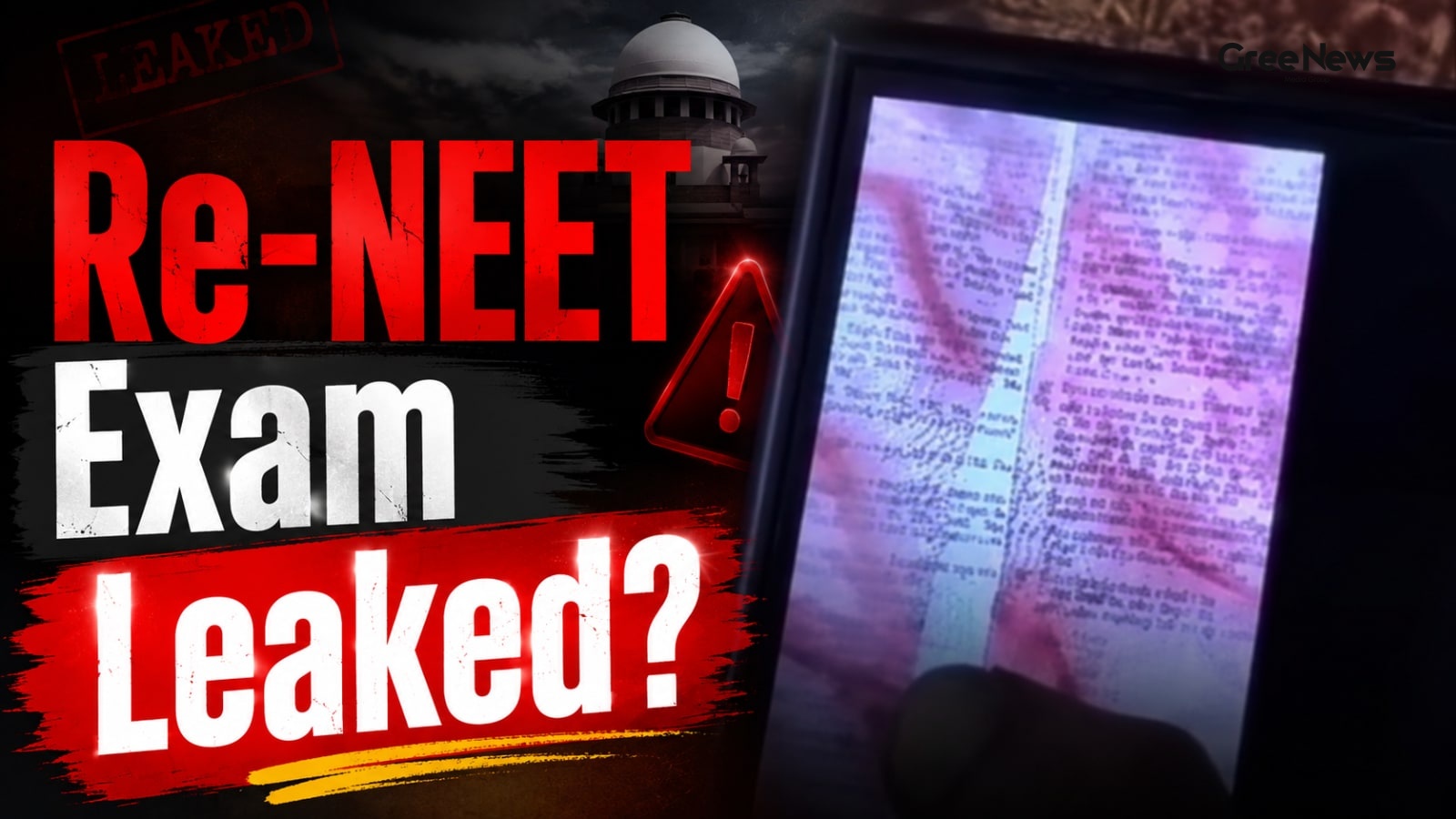
Re-NEET Exam Paper Controversy and Social Media Debate
That video is blowing up online right now about the Re-NEET exam. People are talking about someone allegedly claiming they had the question paper before the test itself. The test is scheduled for June 21st, 2026. It’s all started with this clip circulating across social media. An Instagram page call
Jun 19, 2026 by Gree News Team
The Shift to Holistic Sustainability in Architecture and Design
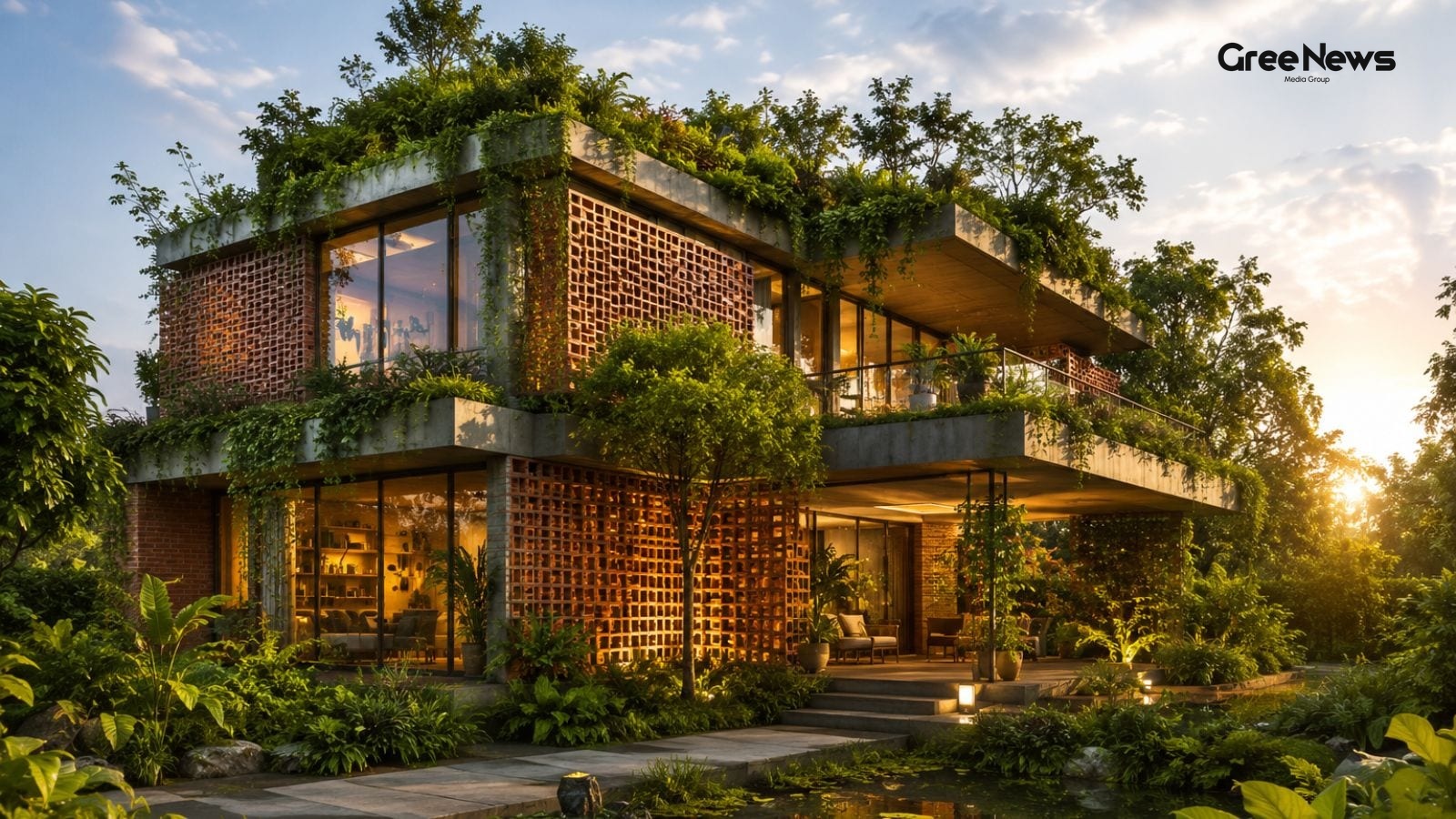
The way we’re building things right now... it feels like a real shift. Not just some small tweak in energy efficiency, but something much deeper about how we look at the world and what we throw out. You see these projects popping up everywhere, kind of scattered across the globe, each one pushing so
Jun 19, 2026 by Gree News Team
Jonathan: The Oldest Living Land Animal and Living Icon
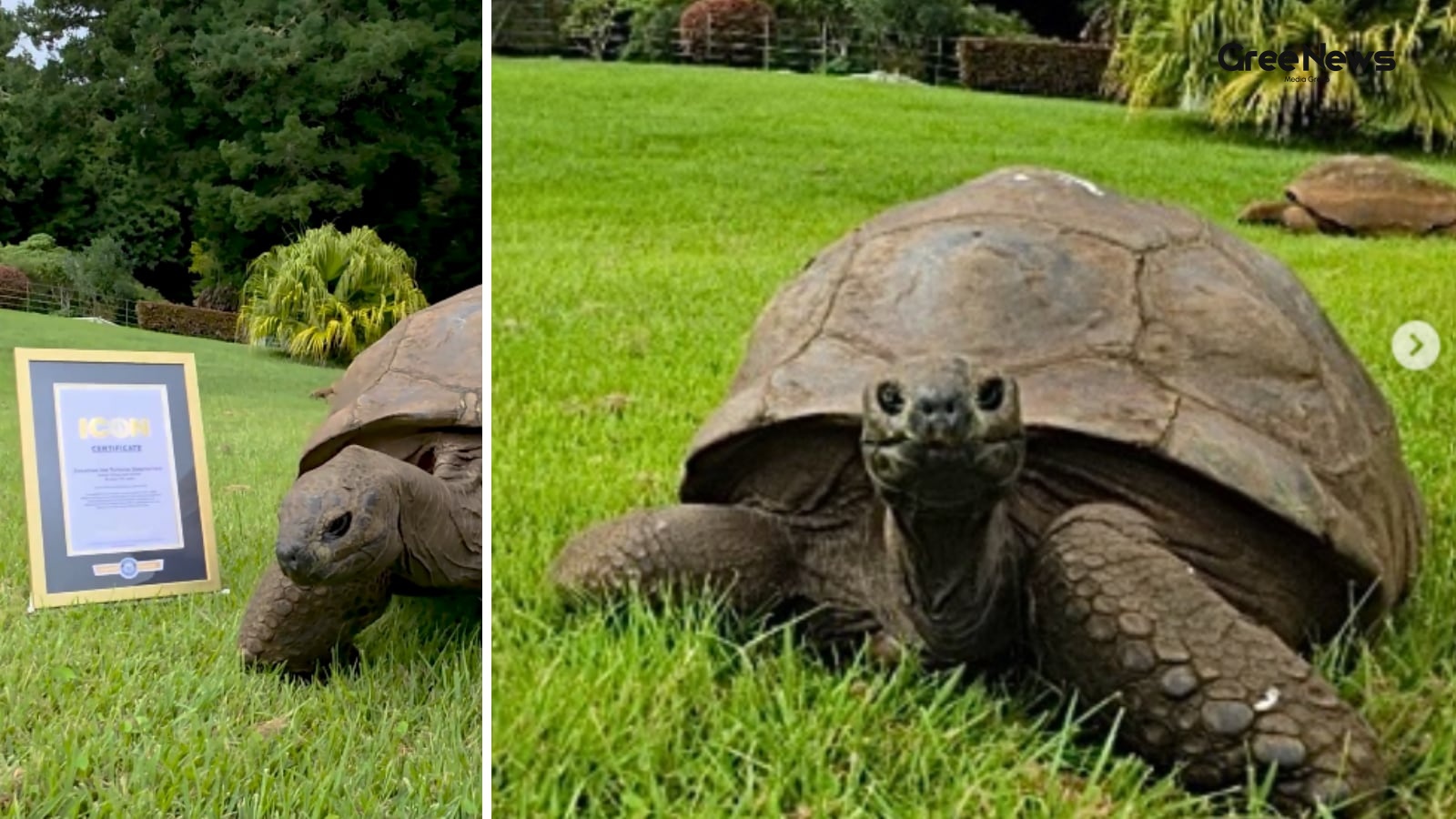
Jonathan. That’s the name for him. A giant tortoise living up there on St Helena. And he just keeps doing things that make people stop and think, right? Guinness World Records officially named him an ICON. The oldest living land animal. It’s history now. He’s been around for nearly two centuries. Bo
Jun 18, 2026 by Gree News Team
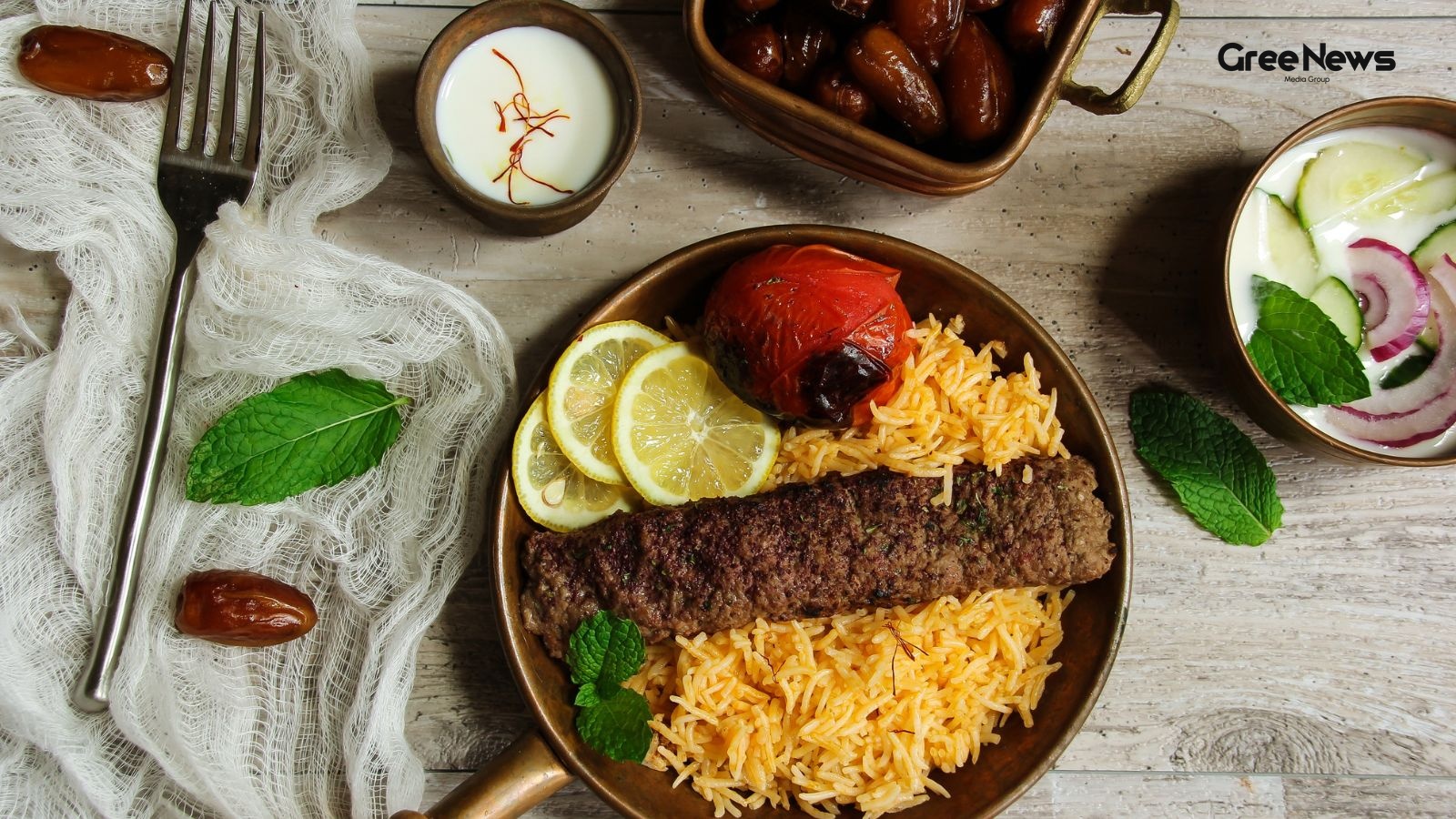
Restoration of the Royal Kitchen at Lucknow's Chota Imambara
Built back in 1837 by Muhammad Ali Shah, that royal kitchen at Lucknow’s Chota Imambara used to feed the ruler’s household and folks during religious times. It still works now, preparing meals for thousands every Ramadan and Muharram. But things have gotten rough. Years of wear showing through crumb
Jun 18, 2026 by Gree News Team
Latest Headlines
US Gas Prices Dip Amid Developments in US-Iran Negotiations
Gas prices finally dipped below four a gallon in the US. That’s the first time we’ve seen that drop since those early weeks of the war with Iran. It offers some breathing room for consumers after months where fuel costs were just relentless. Motor Club AAA data shows the national average for regular
Jun 19, 2026 by Gree News Team
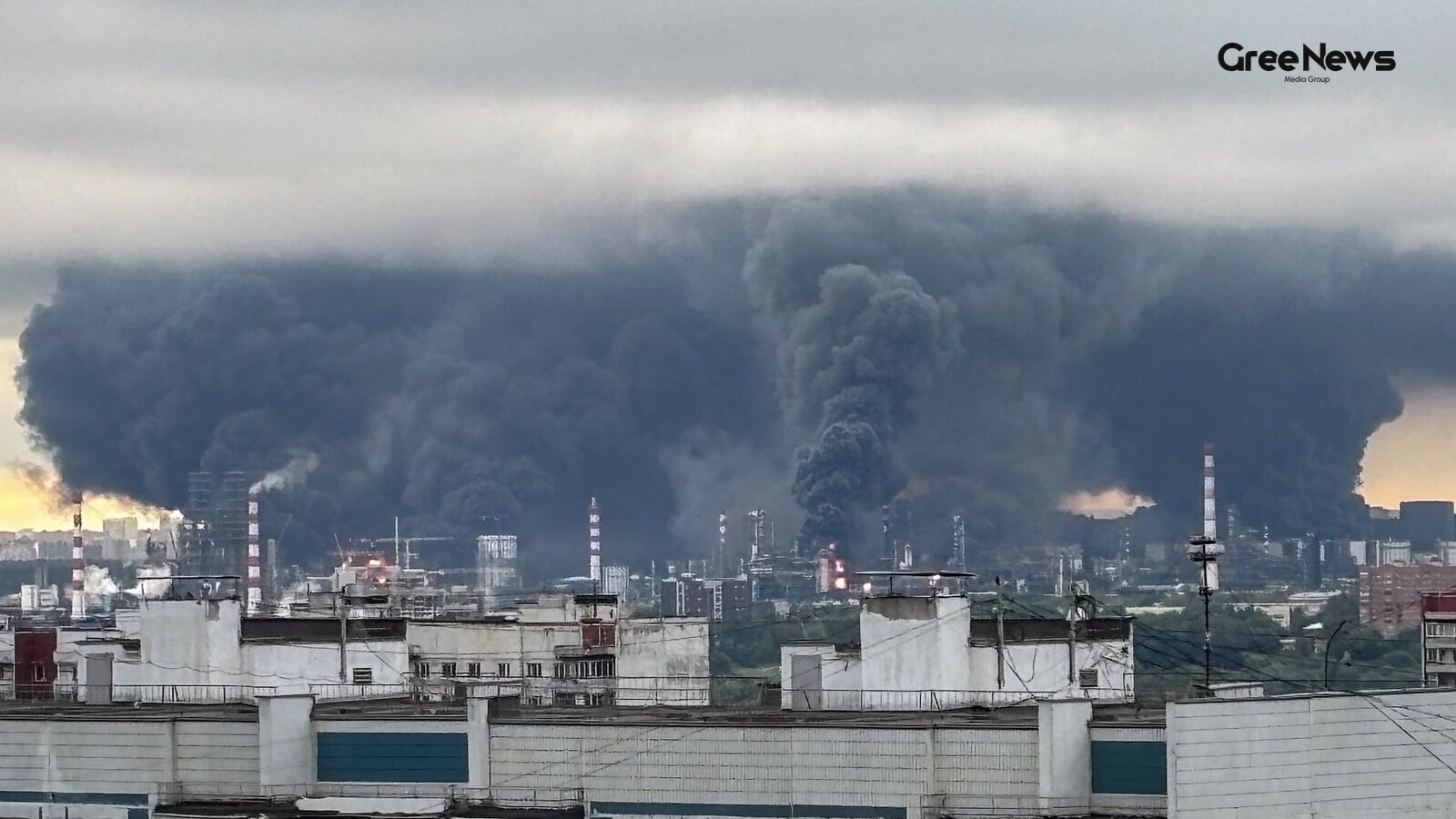
Drone Assault Ignites Moscow Oil Refinery Amid Conflict
Soot-choked black rain hit Moscow after Ukraine launched what they called their biggest drone assault yet against the capital. It was a direct hit, straight into a vital energy facility. Close to two hundred long-range drones aimed at the city early Thursday morning. They managed to overwhelm local
Jun 19, 2026 by Gree News Team
The Shift to Holistic Sustainability in Architecture and Design
The way we’re building things right now... it feels like a real shift. Not just some small tweak in energy efficiency, but something much deeper about how we look at the world and what we throw out. You see these projects popping up everywhere, kind of scattered across the globe, each one pushing so
Jun 19, 2026 by Gree News Team
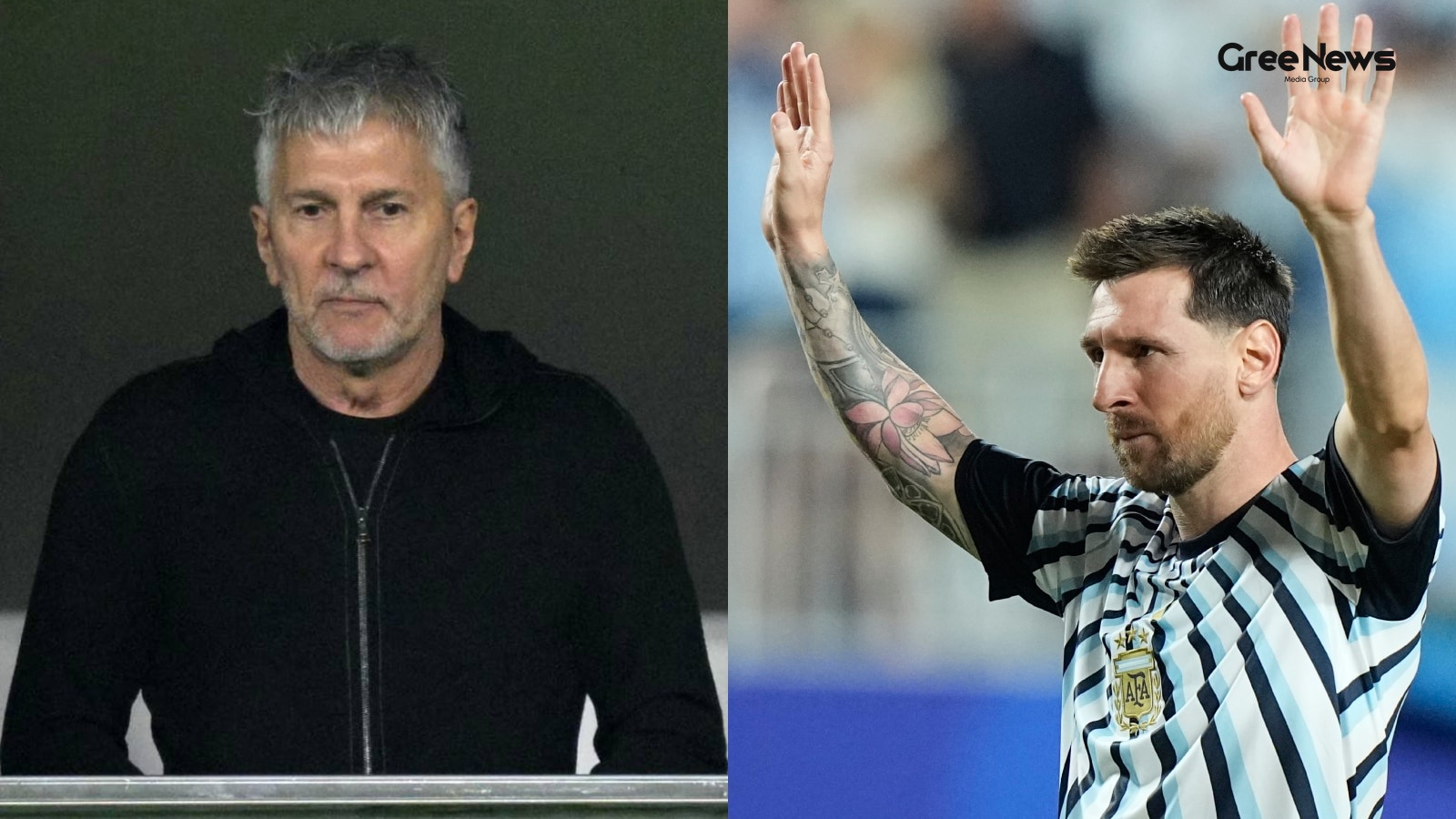
Lionel Messi Family Statement on Jorge Messi's Health and Privacy
The family of Lionel Messi stepped in after some really nasty rumors started flying around about his father, Jorge Messi. They released a statement through Messi’s media office on Thursday. It said that Jorge is actually receiving medical treatment for some undisclosed health issue. They asked every
Jun 19, 2026 by Gree News Team
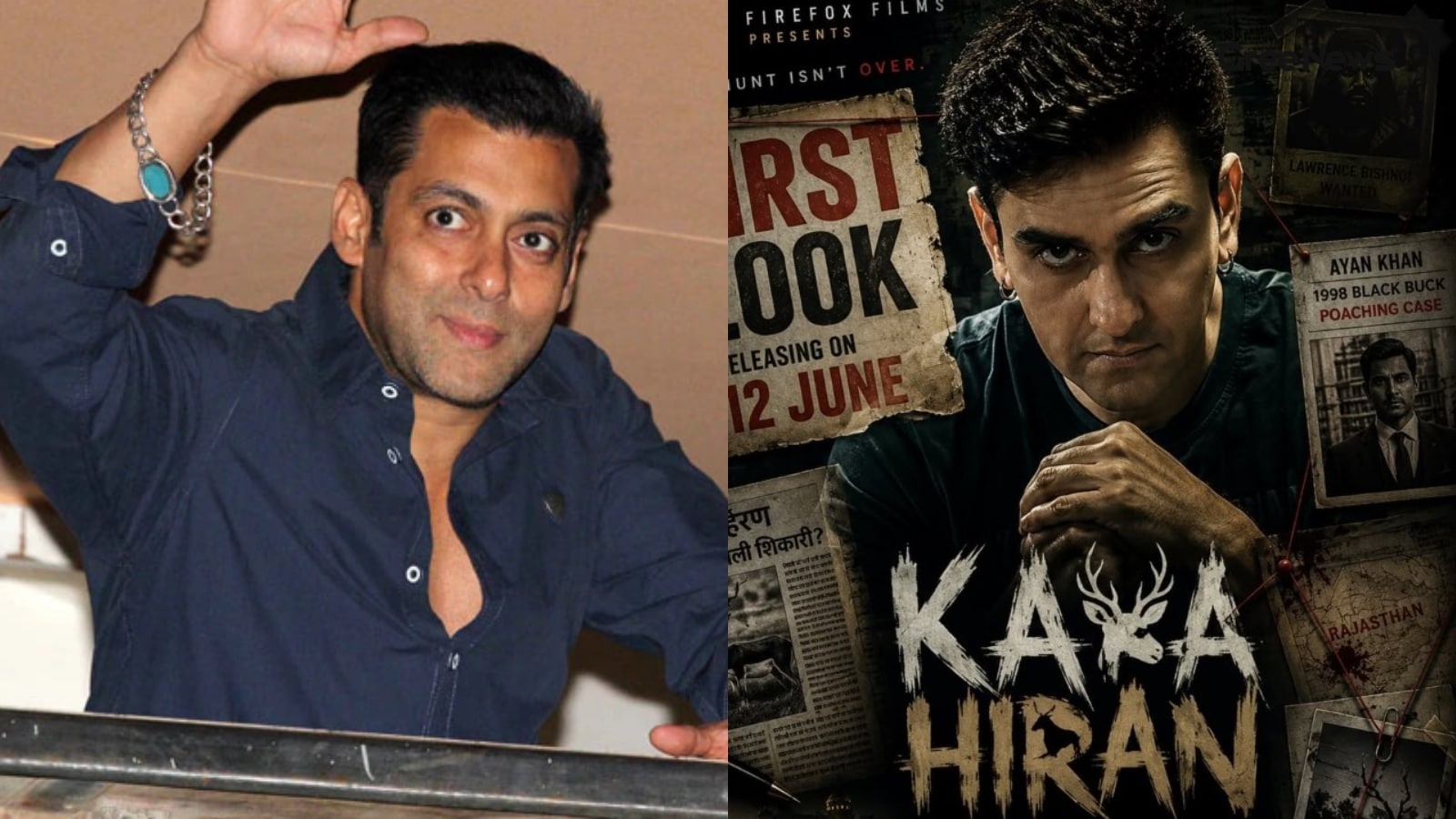
The Controversy Surrounding Kala Hiran and Salman Khan
The noise around *Kala Hiran: The Battle For Legacy* just keeps getting louder. Govind Namdev stepped away from the film because he didn’t want to be caught up in the story against Salman Khan. Director Bharat S Shrinate said something about it, unlike the veteran actor who claimed ignorance about w
Jun 19, 2026 by Gree News Team
Petrol, Diesel, and CNG Price Movements and Market Analysis
Petrol, diesel, and CNG prices held steady on Monday, June 19, 2026. It felt almost static, didn't it? But beneath that surface calm, things were definitely moving. Oil market folks and the gas distribution companies still tweak those numbers every morning at six, trying to keep pace with what’s hap
Jun 19, 2026 by Gree News Team
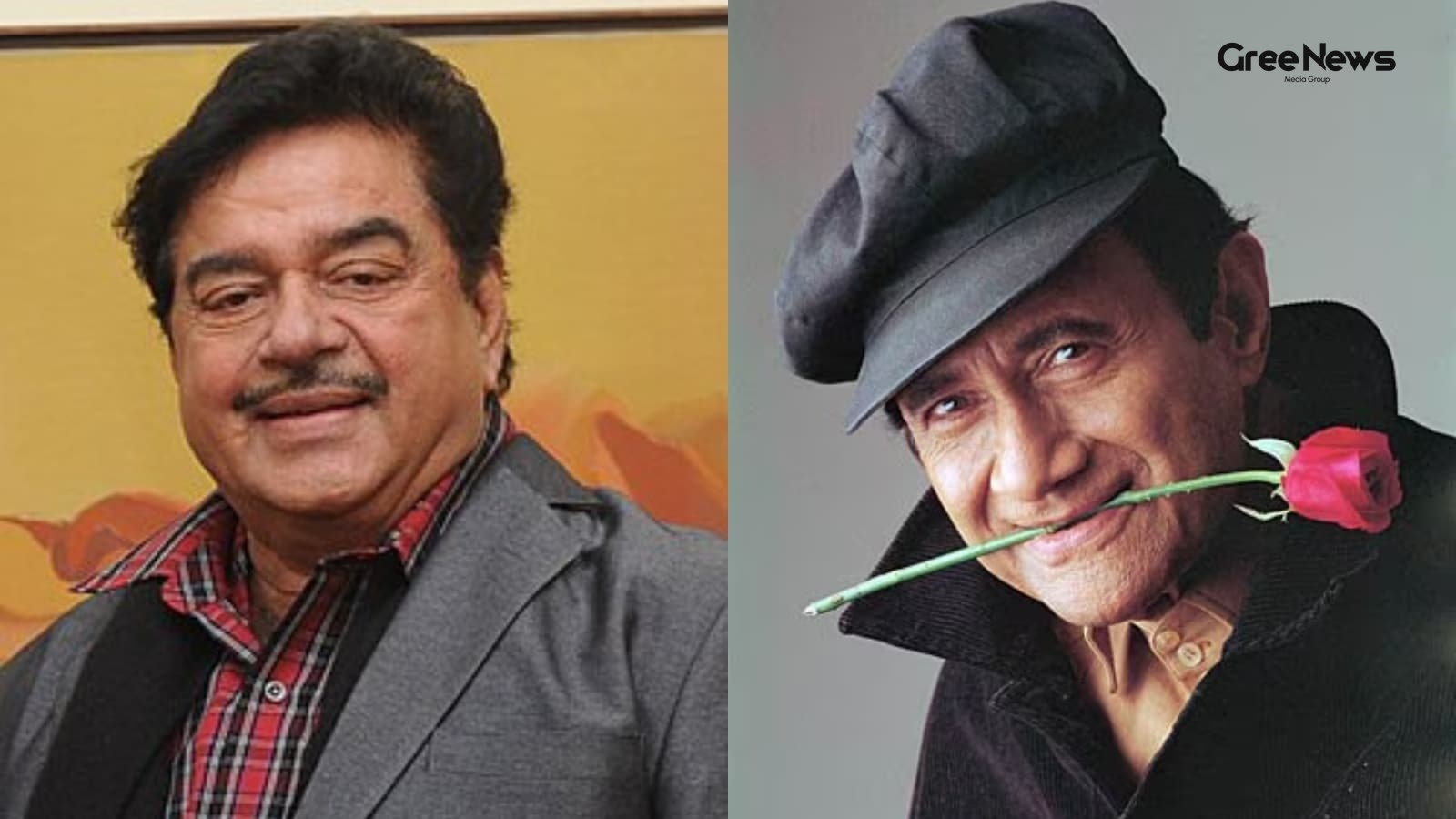
The Echoes of Mentorship and Cinematic Inspiration
The lights are always strange in these things. You watch them blink, waiting for something to shift. That’s what happens when you try to pull memories out of the dust. Especially old ones. So this episode of ‘Indian Idol’. It’s not just about singing or performance really. It’s bringing back stuff.
Jun 19, 2026 by Gree News Team
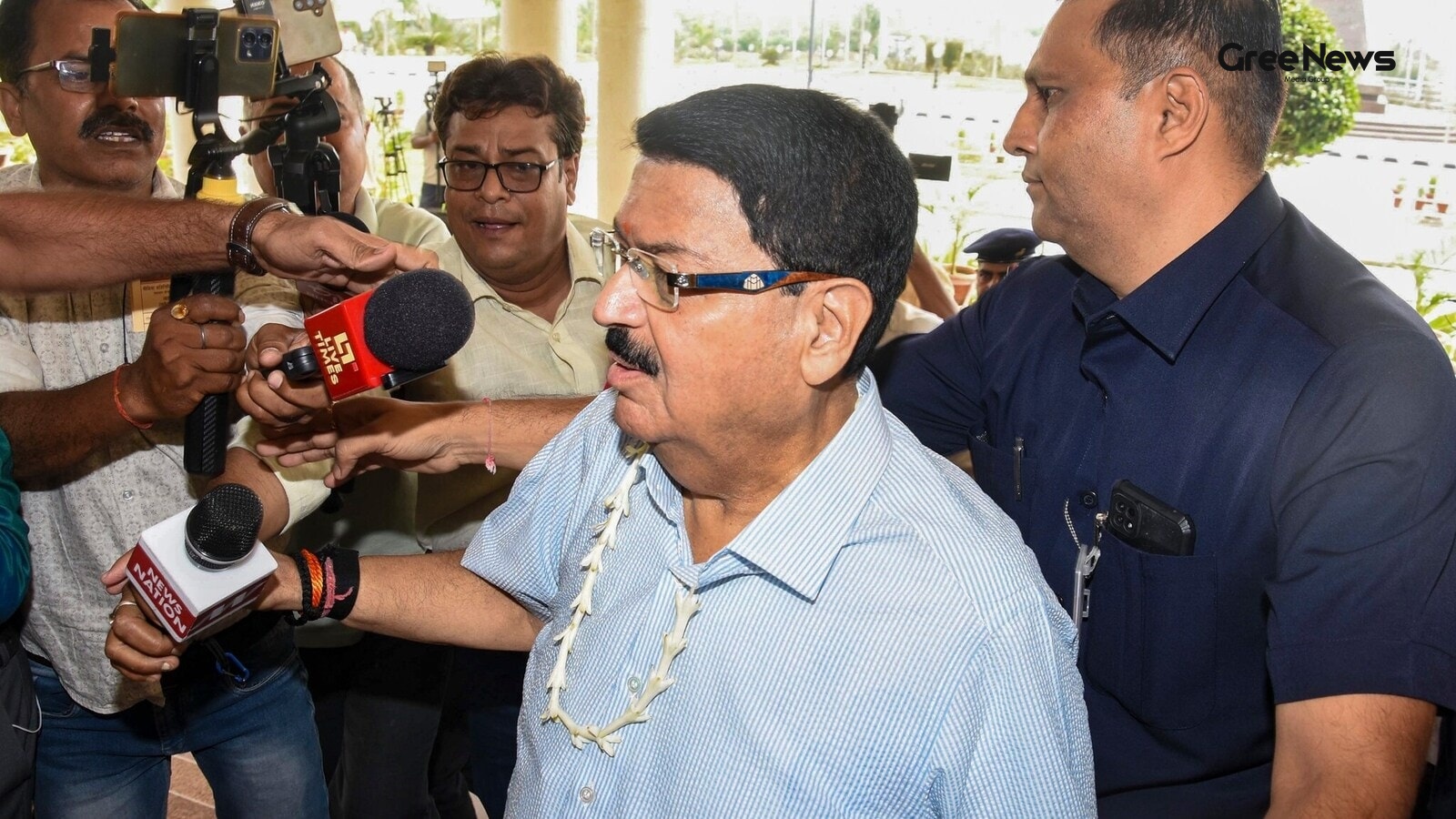
Rajya Sabha Results and Alliance Fragility in Jharkhand and Mizoram
That Rajya Sabha mess in Jharkhand felt huge. You know, the June 18 results. Parimal Nathwani, that independent guy backed by the NDA, snagged one of those seats from there. Defeated Pranav Jha for the Congress pick. And that immediately threw a spotlight on how shaky things are inside the INDIA blo
Jun 19, 2026 by Gree News Team
Donald Trump, Media Scrutiny, and the Iran Peace Deal
Hours after that peace deal with Iran was signed, something went absolutely wild online this week. It’s that exchange between Donald Trump and Fox News reporter Peter Doocy. It happened in Switzerland, right? After Trump had already been at the G7 Summit before everything finally locked down. Doocy
Jun 19, 2026 by Gree News Team
Meta's Potential Acquisition of Cred and the Future of Indian Payments
So here’s what’s been floating around regarding that massive tech player, Meta. They are apparently looking into a big move either investing or trying to snag Cred, that Indian fintech outfit. A Moneycontrol report floated this idea, suggesting talks are happening right now with Kunal Shah, the guy
Jun 19, 2026 by Gree News Team
Mumbai Court Grants Temporary Bail for NEET Retest Amid Rape Charges
A special court in Mumbai decided something about temporary bail. It granted four days to an eighteen-year-old man who is currently locked up for rape charges. The reason? He needs to be allowed to appear for a NEET retest scheduled for June 21st. This order came down on Thursday, handed by Special
Jun 19, 2026 by Gree News Team
The Power of Yoga for Holistic Health and Weight Management
International Day of Yoga hits every year on June 21st. It’s meant to push people toward this ancient practice, focusing on how yoga helps with holistic health. It got officially recognized by the United Nations back in 2014, thanks to India putting forward the idea. Since then it just exploded into
Jun 19, 2026 by Gree News Team
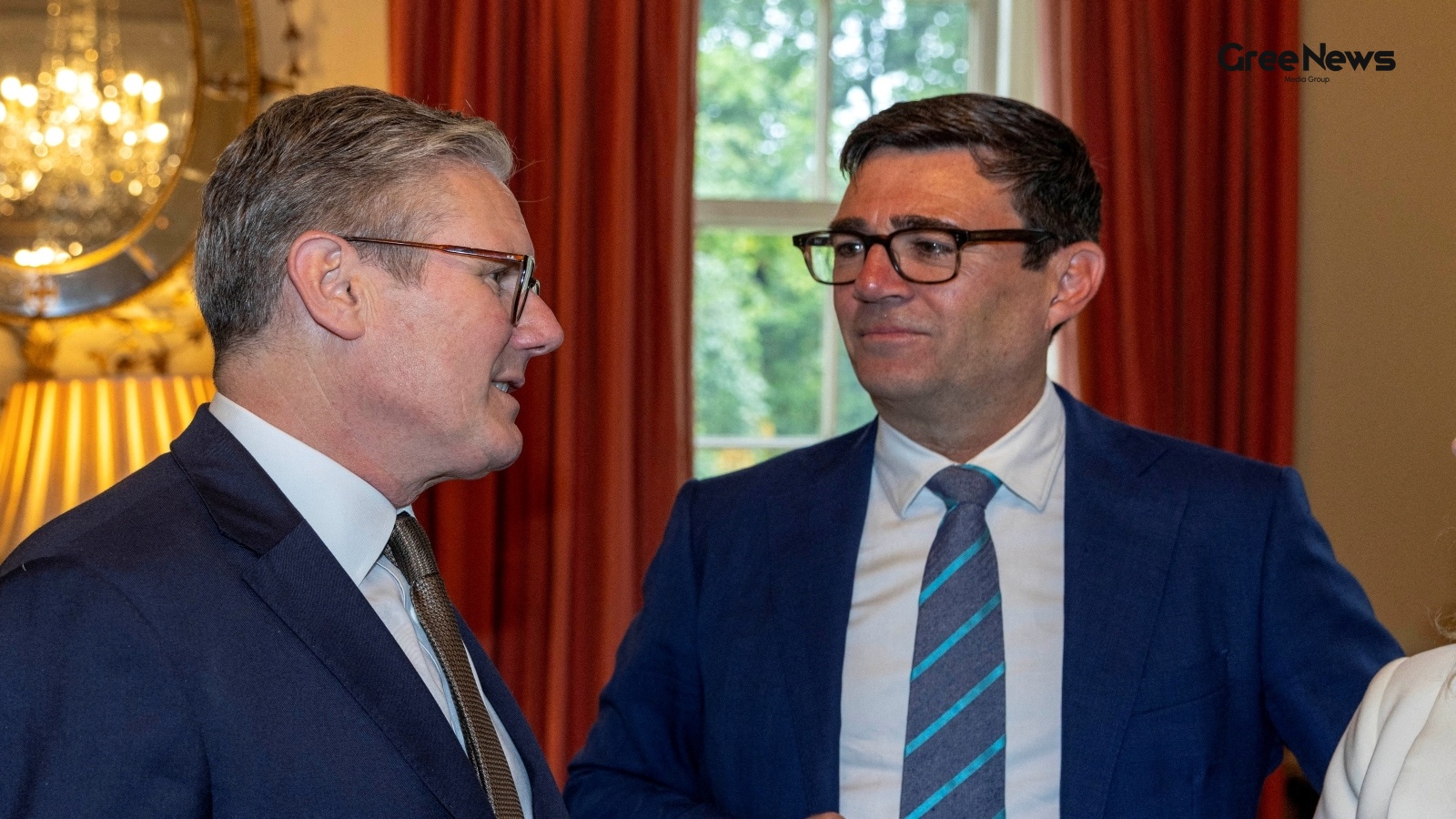
Andy Burnham's Makerfield Victory and the Challenge to Labour Leadership
Andy Burnham actually won that Makerfield by-election. A commanding majority. That’s what cleared the biggest hurdle in any attempt to rock Prime Minister Keir Starmer’s leadership of the Labour Party. It felt like a real shift happening right there. The Greater Manchester mayor grabbed 24,927 votes
Jun 19, 2026 by Gree News Team
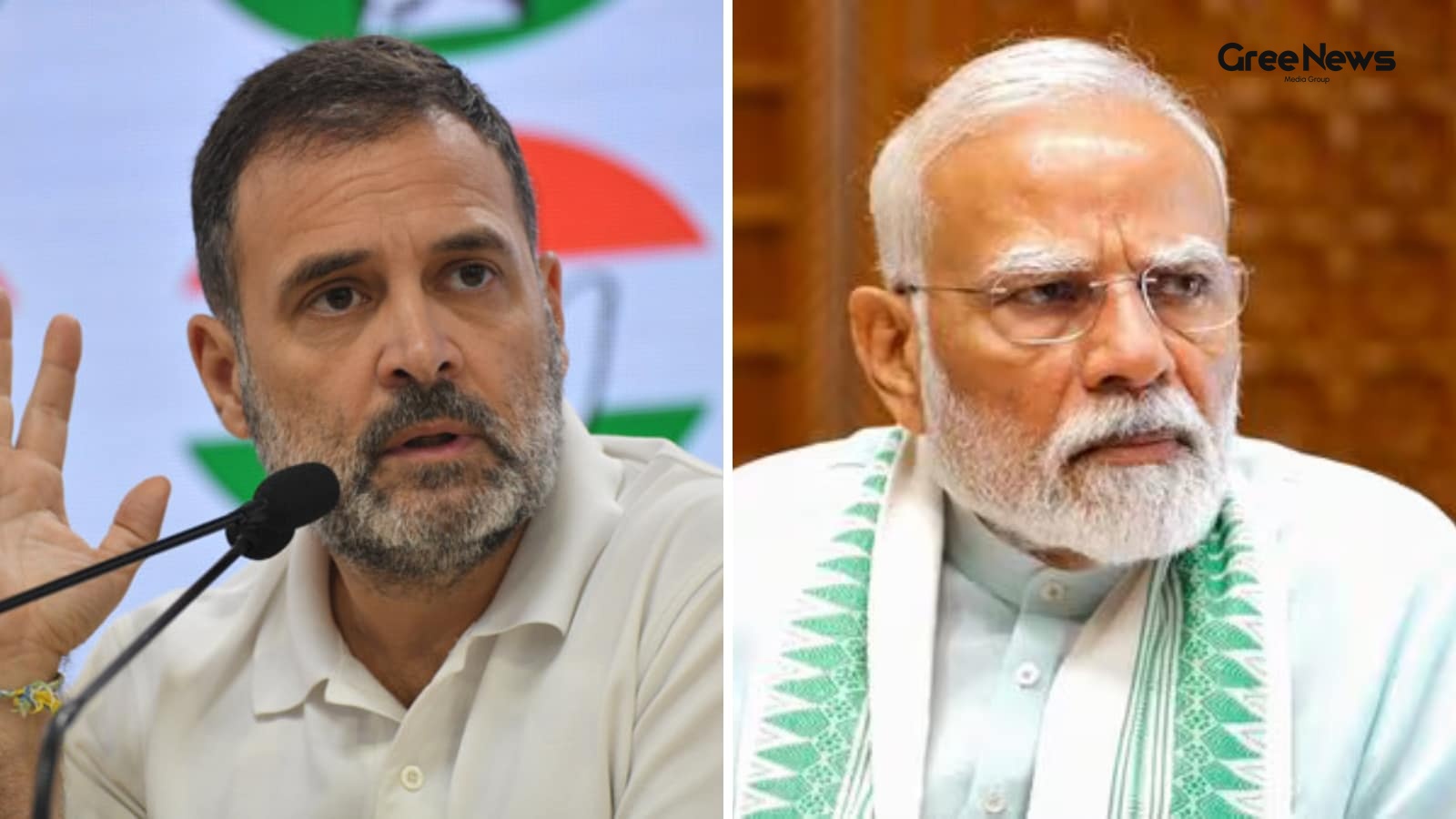
The Political Layering of Public Acknowledgments
Friday. Just another Friday, you know? But things were moving around the political landscape, even the small stuff. Prime Minister Modi extended birthday wishes to Rahul Gandhi. Just that. A routine gesture, maybe, but when you look at these exchanges these little public acknowledgments they always
Jun 19, 2026 by Gree News Team
Dhanush and Mammootty Action Drama Buzz: Details and Cast
Man, the buzz around Dhanush and Mammootty’s action drama is really building. It was a long wait for this kind of thing. They finally dropped some details about it. The makers went with the title OM. And they gave a date. October 16th, 2026. That’s when it’s supposed to hit. Dhanush isn't alone in t
Jun 19, 2026 by Gree News Team