The Shift to Holistic Sustainability in Architecture and Design
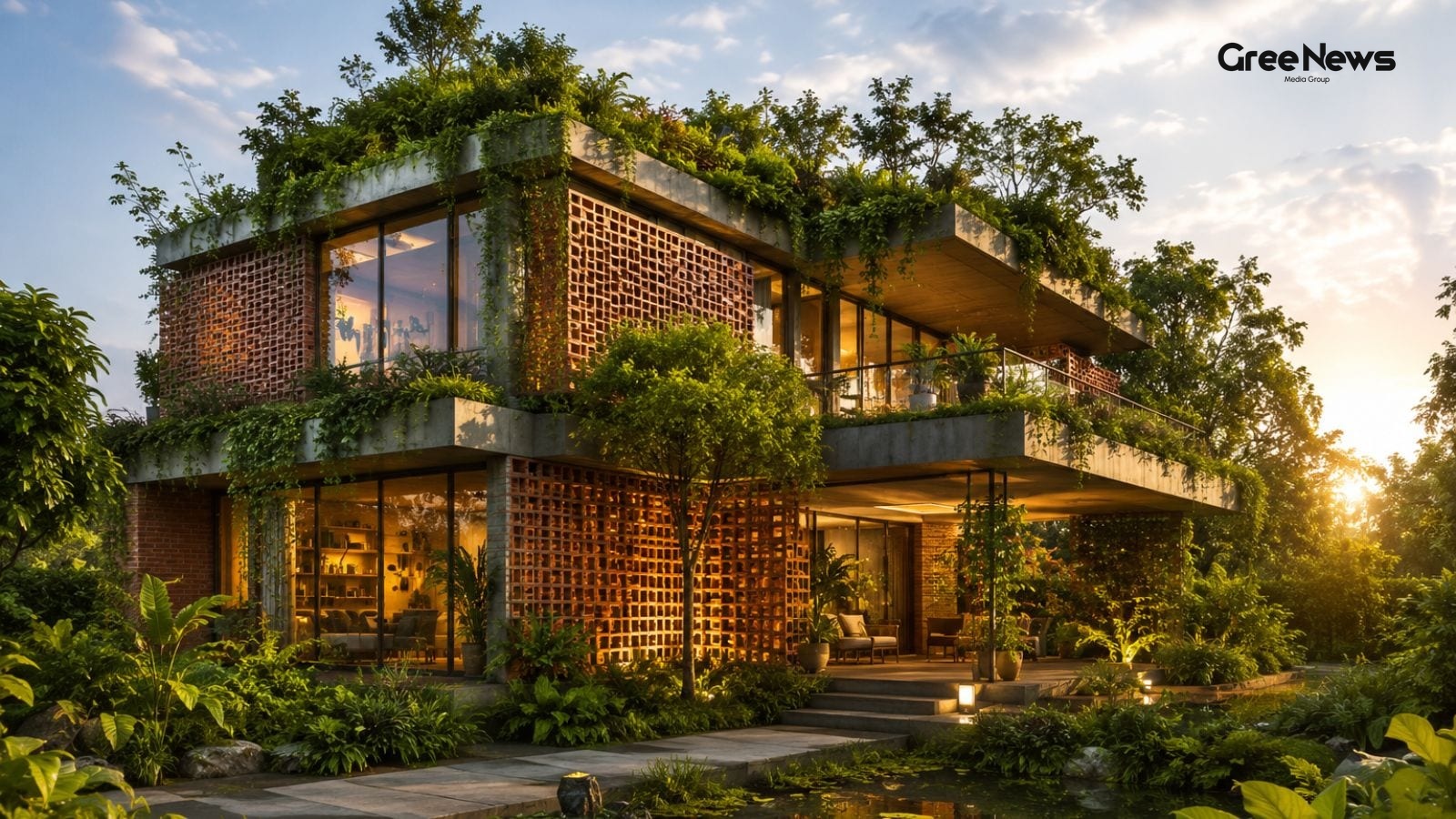
The way we’re building things right now... it feels like a real shift. Not just some small tweak in energy efficiency, but something much deeper about how we look at the world and what we throw out.
You see these projects popping up everywhere, kind of scattered across the globe, each one pushing something different. It's less about following some neat timeline and more about noticing the pattern emerging: a desire to stop fighting nature and start working with it instead.
Take that Japanese thing first. Niwa-no-ie in Gifu. It’s tucked away, really. It doesn't try to stomp on the landscape. Instead, it just lets everything happen. The whole point seems to be blurring that line between inside and outside. Natural light flooding in, fresh air moving around it’s not just a design choice; it feels like a philosophy. A growing movement pushing back against those old ideas of imposing human will onto nature. It reflects something bigger about how we want to live now.
And then you jump over to India. There’s this talk about climate-smart materials , specifically brickwork. It's interesting how locally, they are figuring out ways to make the building itself part of the solution for the climate. Less stress on the system. A tangible change happening right in the material itself.
Then there’s Bali. Bamboo. It used to just be rustic stuff, right? Now it’s serious architecture. Architects are using it for these modern homes that look sharp and feel incredibly light. Smaller footprint overall. That immediately makes you think about what we’re actually consuming versus what we can grow or harvest locally.
Meanwhile, in Milan, things got really dramatic with Bosco Verticale. Those twin towers aren't just concrete boxes anymore. They’ve become vertical forests. Hundreds of trees and plants right there on the façade. It’s not just pretty; it actively works to cool the city down. Absorb CO2. Boost biodiversity. It’s this whole concept, biophilic design taking center stage. People started calling it a home for trees and birds, as much as it is for people living inside. That shifts the entire focus from structure alone to ecosystem.
It makes you wonder where all this momentum is going. Because there are other examples floating around too. Look at Sydney’s Central Park. It’s not just Green space; it’s layered with these vertical gardens, massive systems managing water recycling and light distribution. Eight-five thousand plants living up there. It shows what's possible when you think vertically, when you integrate the natural cycle into the very structure of a city.
It all seems to feed into this bigger idea that we need to rethink how we build from scratch. Philip Jodidio put it into that new TASCHEN book, Homes for Our Time . It pulls together so many different projects sixty-three of them and treats sustainability not just as saving energy while the lights are on. That’s too narrow.
It’s about the whole process. How is the home made? What materials are we using? Are they recycled? Biodegradable? And how does the design respond to the sun, the wind, the rain? It starts at the first brick and goes all the way to the final finish. That’s where the real impact has to be measured.
There’s a clear direction forming here. It's not just about making buildings operate efficiently. It’s about reducing the initial impact. Building with less waste. Using fewer resources. And crucially, working with the local climate instead of trying to bulldoze it and force our designs onto it. That’s the message running through everything now. Sustainability isn't a footnote anymore. It’s fundamental.
It’s moving away from that old, rigid structure where we just tacked on "Green" features. Now it feels like this holistic approach material choice, climate response, local context, and living systems all tangled up together. It’s messy, sure. There's no perfect, clean line to follow in the reporting sense. But the underlying current is undeniable: we have to change how we think about what a home actually is .
You see these disparate pieces the bamboo strength, the vertical gardens, the natural flow of Japanese design they aren’t just isolated projects anymore. They start connecting into this massive rethink of architecture itself. It's less about single buildings and more about redesigning the entire relationship between human habitat and the environment. A slow shift, maybe. But it feels urgent, somehow. Like we finally understand that if the building isn't in harmony with the land around it, then the whole thing is fundamentally flawed.
Written by Gree News Team — Senior Editorial Board
Gree News Team covers international news and global affairs at Gree News. Our collective of senior editors is dedicated to providing independent, accurate, and responsible journalism for a global audience.
More from Top News
View All
Re-NEET Exam Paper Controversy and Social Media Debate
That video is blowing up online right now about the Re-NEET exam. People are talking about someone allegedly claiming they had the question paper before the test itself. The test is scheduled for June 21st, 2026. It’s all started with this clip circulating across social media. An Instagram page call
Jun 19, 2026 by Gree News Team
The Performance of Travel: Bottlenecks, Validation, and the Cost of Spectacle
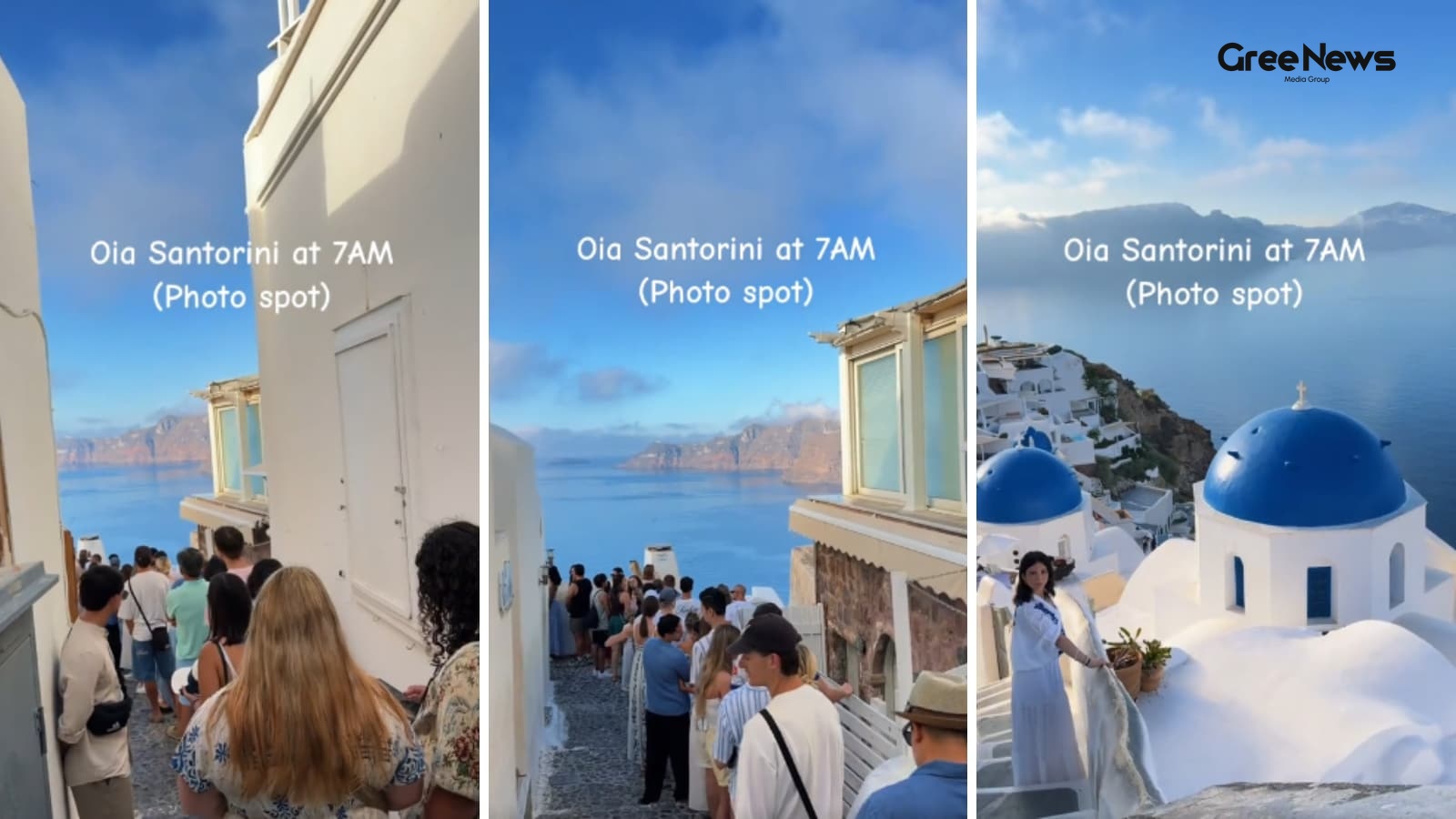
The air around those famous spots in Santorini, you know? It’s always a mess. Not just the physical queues now. It’s this whole thing about how we see things. How travel has morphed into some kind of performance piece for the algorithm. You saw that clip, right? The one floating around X. It’s from
Jun 19, 2026 by Gree News Team
Jonathan: The Oldest Living Land Animal and Living Icon
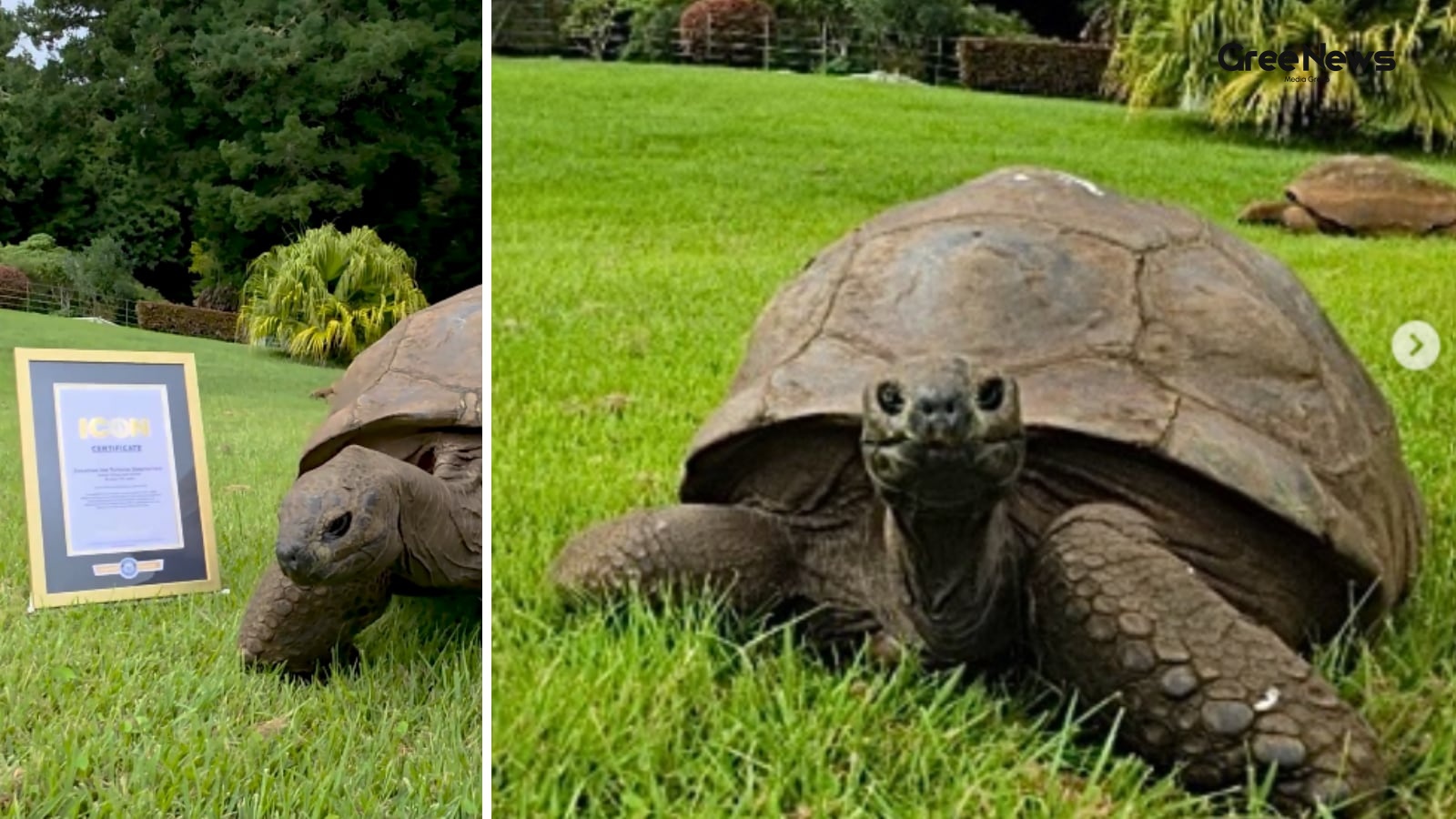
Jonathan. That’s the name for him. A giant tortoise living up there on St Helena. And he just keeps doing things that make people stop and think, right? Guinness World Records officially named him an ICON. The oldest living land animal. It’s history now. He’s been around for nearly two centuries. Bo
Jun 18, 2026 by Gree News Team
Restoration of the Royal Kitchen at Lucknow's Chota Imambara
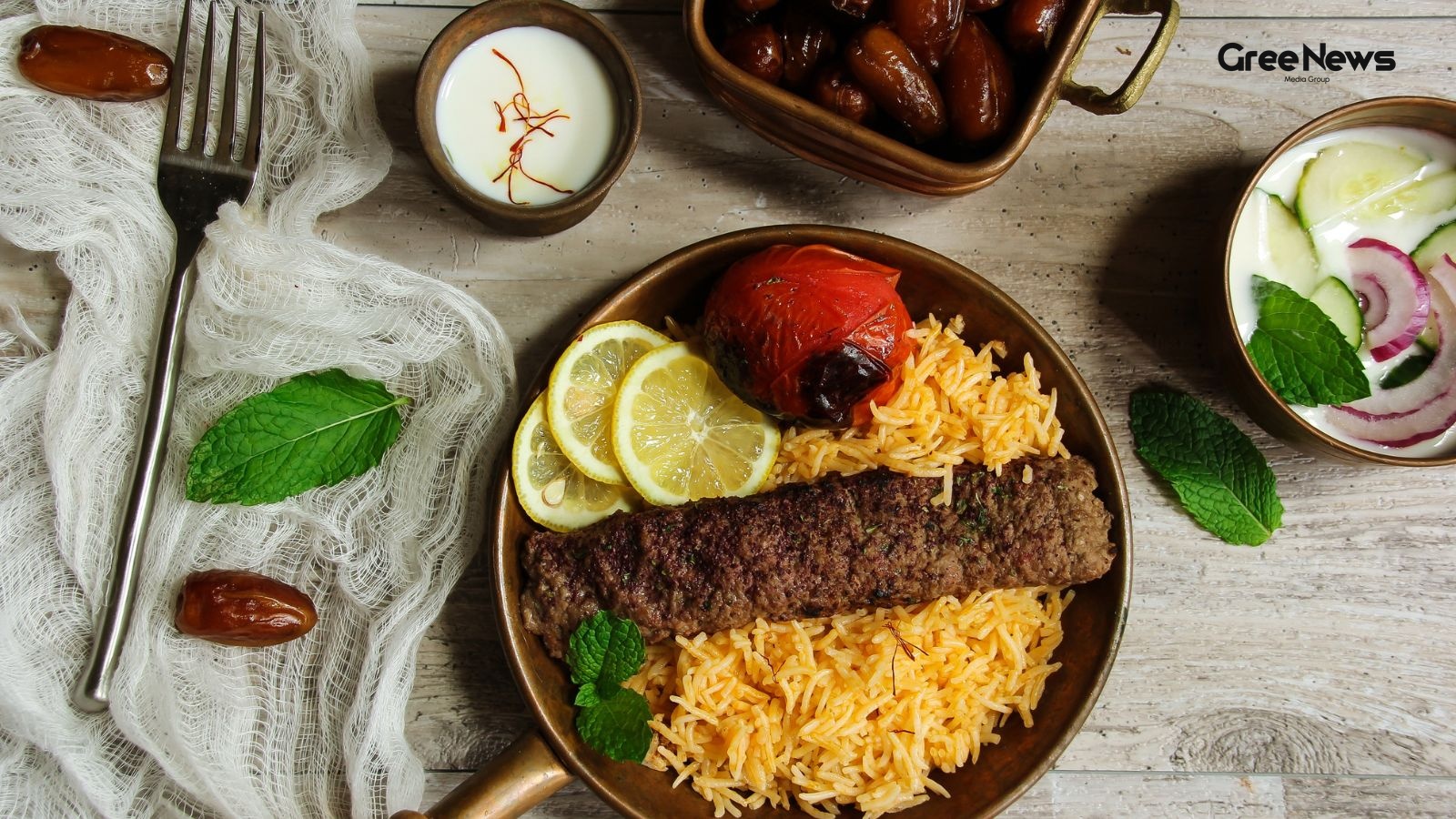
Built back in 1837 by Muhammad Ali Shah, that royal kitchen at Lucknow’s Chota Imambara used to feed the ruler’s household and folks during religious times. It still works now, preparing meals for thousands every Ramadan and Muharram. But things have gotten rough. Years of wear showing through crumb
Jun 18, 2026 by Gree News Team
Latest Headlines
Iran-US Agreement: Internal Dynamics and Negotiation Process
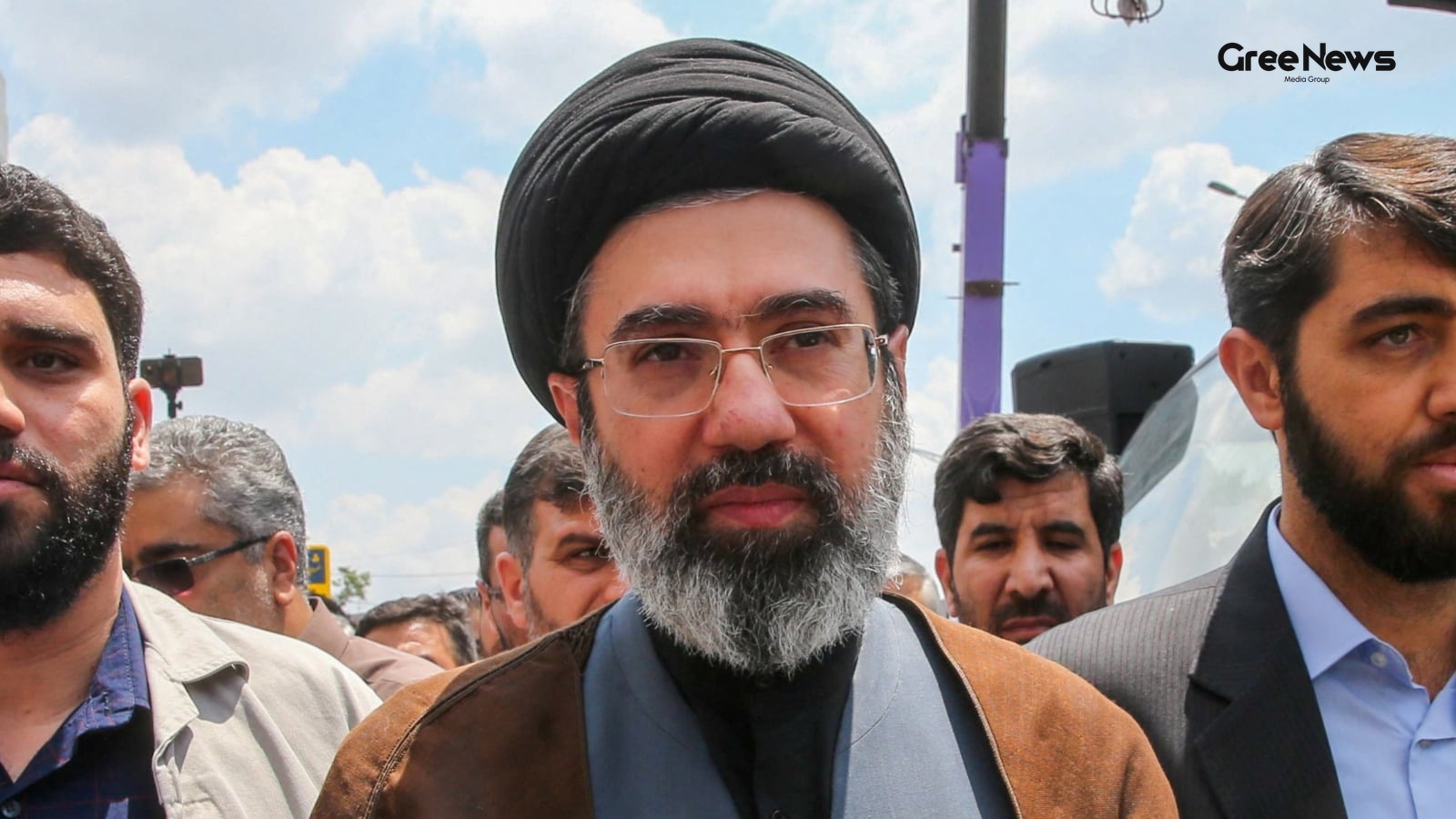
Iran’s Supreme Leader Mojtaba Khamenei, he admitted, wasn't exactly thrilled when that memorandum of understanding finally landed on the table between Tehran and Washington. There were clear reservations. It felt like a forced concession at first glance. But then things shifted. He ultimately gave h
Jun 19, 2026 by Gree News Team
Narendra Modi's Yoga Day in Kolkata: A Shift in Bengal's Identity
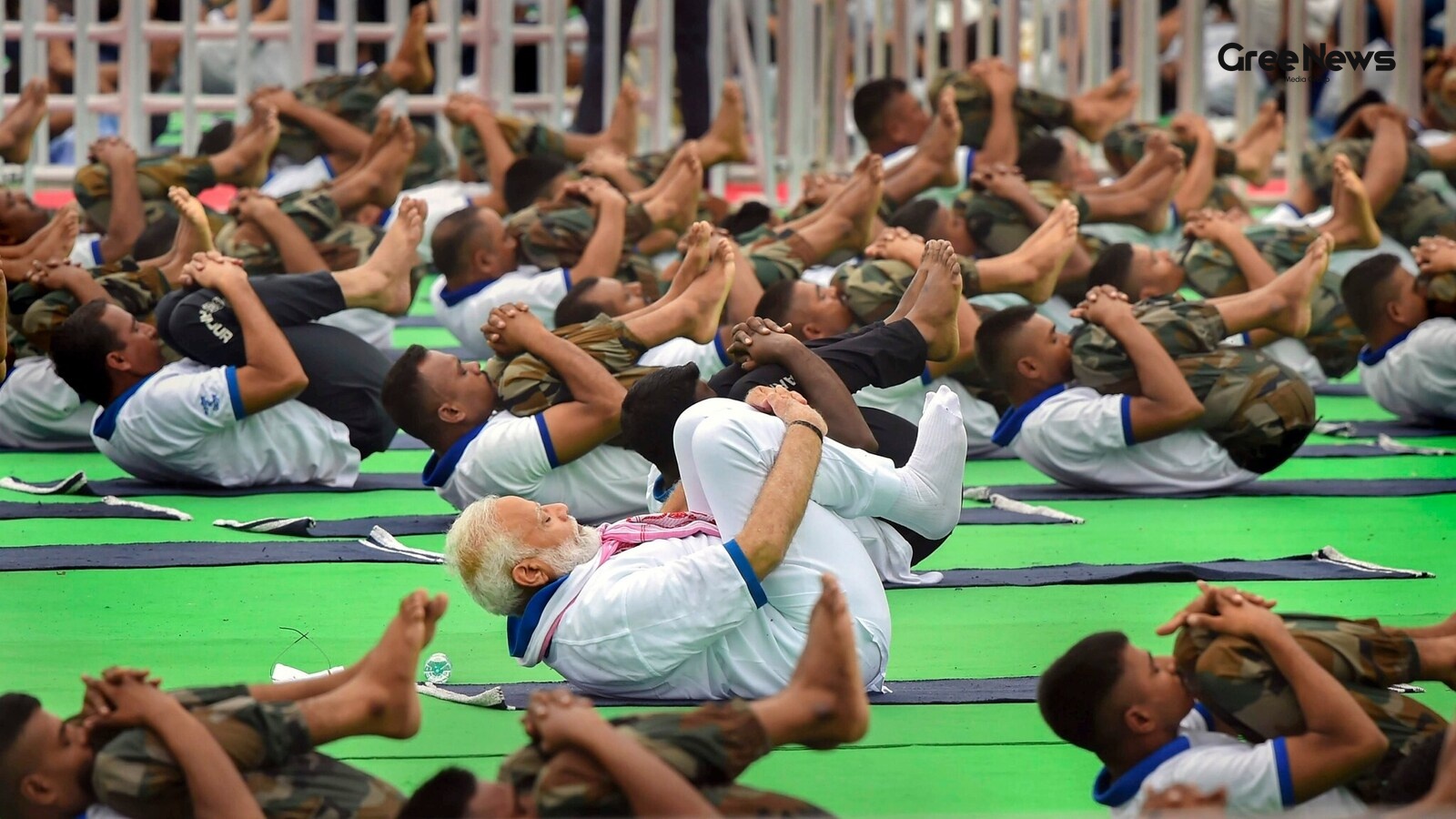
Narendra Modi is leading the International Day of Yoga in Kolkata on June 21. It’s happening at Red Road. That spot. It’s heavy with symbolism, you know? Geopolitics and culture all mixed up. The timing is jarring. It lines up perfectly with Paschim Bango Divas the state's foundation day. A real con
Jun 19, 2026 by Gree News Team
Re-NEET Exam Paper Controversy and Social Media Debate
That video is blowing up online right now about the Re-NEET exam. People are talking about someone allegedly claiming they had the question paper before the test itself. The test is scheduled for June 21st, 2026. It’s all started with this clip circulating across social media. An Instagram page call
Jun 19, 2026 by Gree News Team

US-Israel Relations: Friction, Diplomacy, and Personal Tensions
Vance went straight for it. The Vice President sharply criticized members of Israel’s government. He basically accused them of not appreciating American backing. And warned that Israel is getting increasingly isolated out there. This wasn't some polite diplomatic note. It was blunt. It highlighted t
Jun 19, 2026 by Gree News Team

Heatwaves in France: Health, Inequality, and Housing Crisis
Two new studies just dropped warning bells about heatwaves in France. They’re serious. The biggest danger isn't just the temperature itself, but how this intense heat is hitting people especially those living in badly built housing and poorer neighborhoods. This comes right as Europe braces for a br
Jun 19, 2026 by Gree News Team
US Gas Prices Dip Amid Developments in US-Iran Negotiations
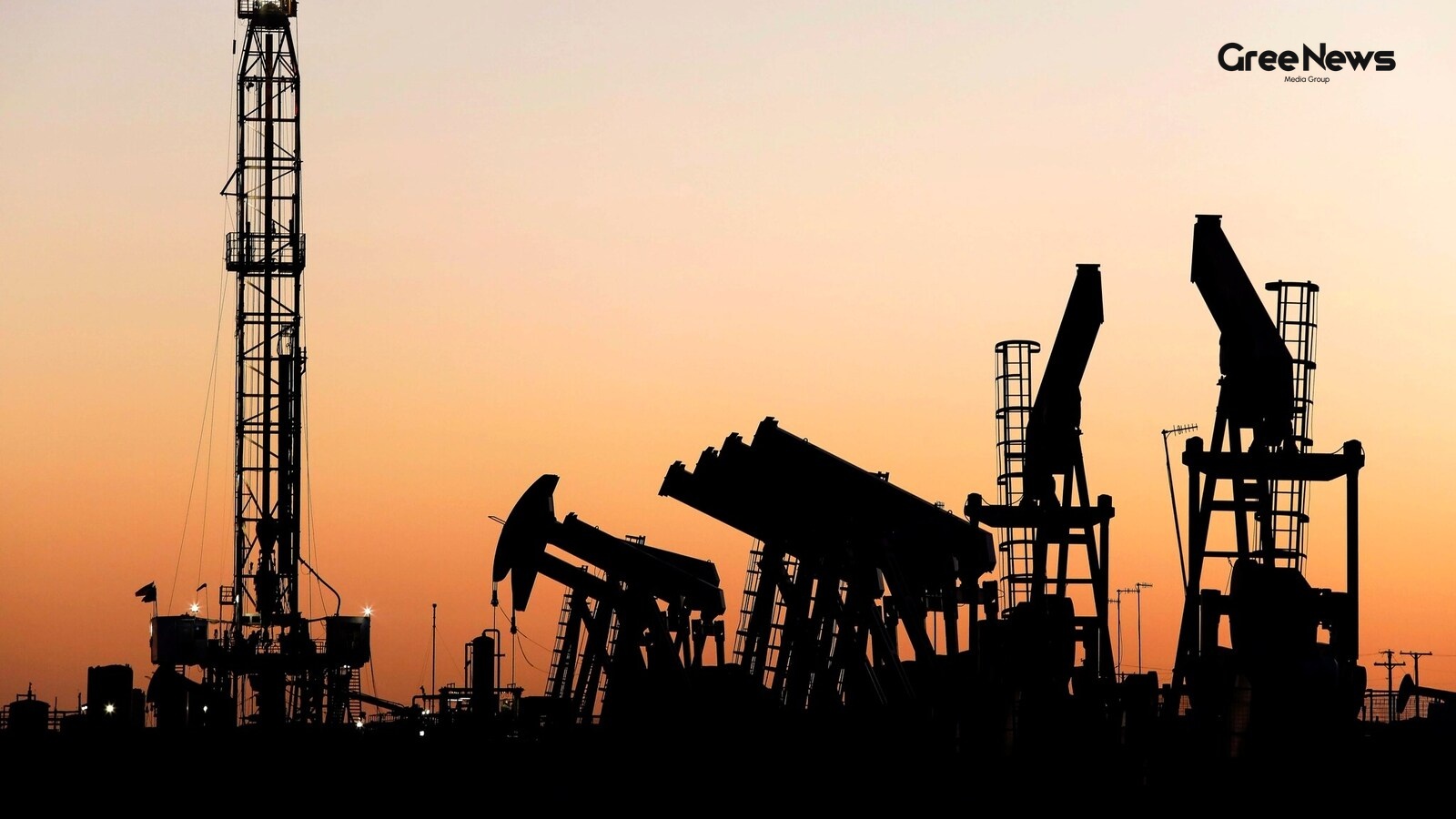
Gas prices finally dipped below four a gallon in the US. That’s the first time we’ve seen that drop since those early weeks of the war with Iran. It offers some breathing room for consumers after months where fuel costs were just relentless. Motor Club AAA data shows the national average for regular
Jun 19, 2026 by Gree News Team
Drone Assault Ignites Moscow Oil Refinery Amid Conflict
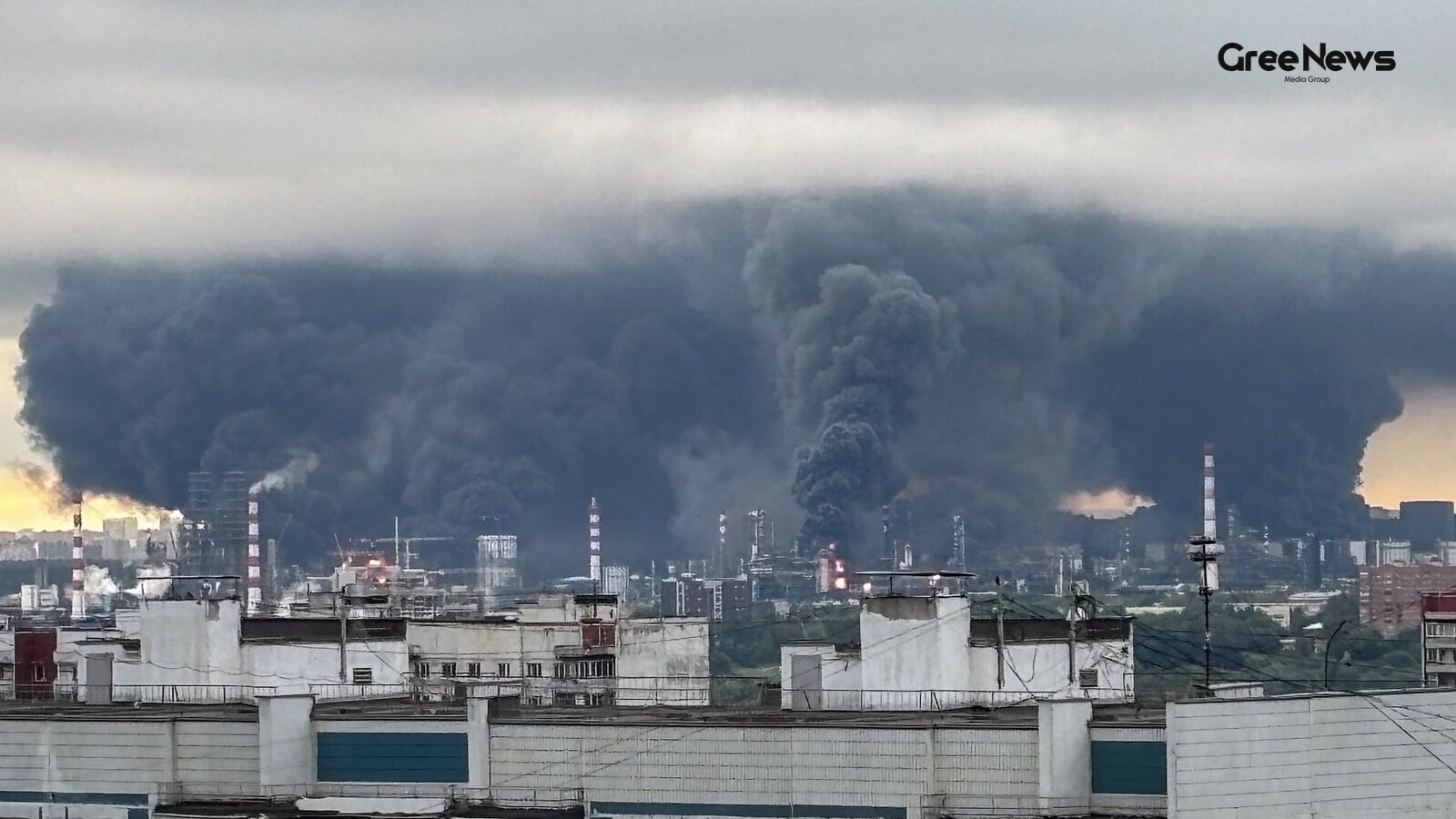
Soot-choked black rain hit Moscow after Ukraine launched what they called their biggest drone assault yet against the capital. It was a direct hit, straight into a vital energy facility. Close to two hundred long-range drones aimed at the city early Thursday morning. They managed to overwhelm local
Jun 19, 2026 by Gree News Team

Lionel Messi Family Statement on Jorge Messi's Health and Privacy
The family of Lionel Messi stepped in after some really nasty rumors started flying around about his father, Jorge Messi. They released a statement through Messi’s media office on Thursday. It said that Jorge is actually receiving medical treatment for some undisclosed health issue. They asked every
Jun 19, 2026 by Gree News Team
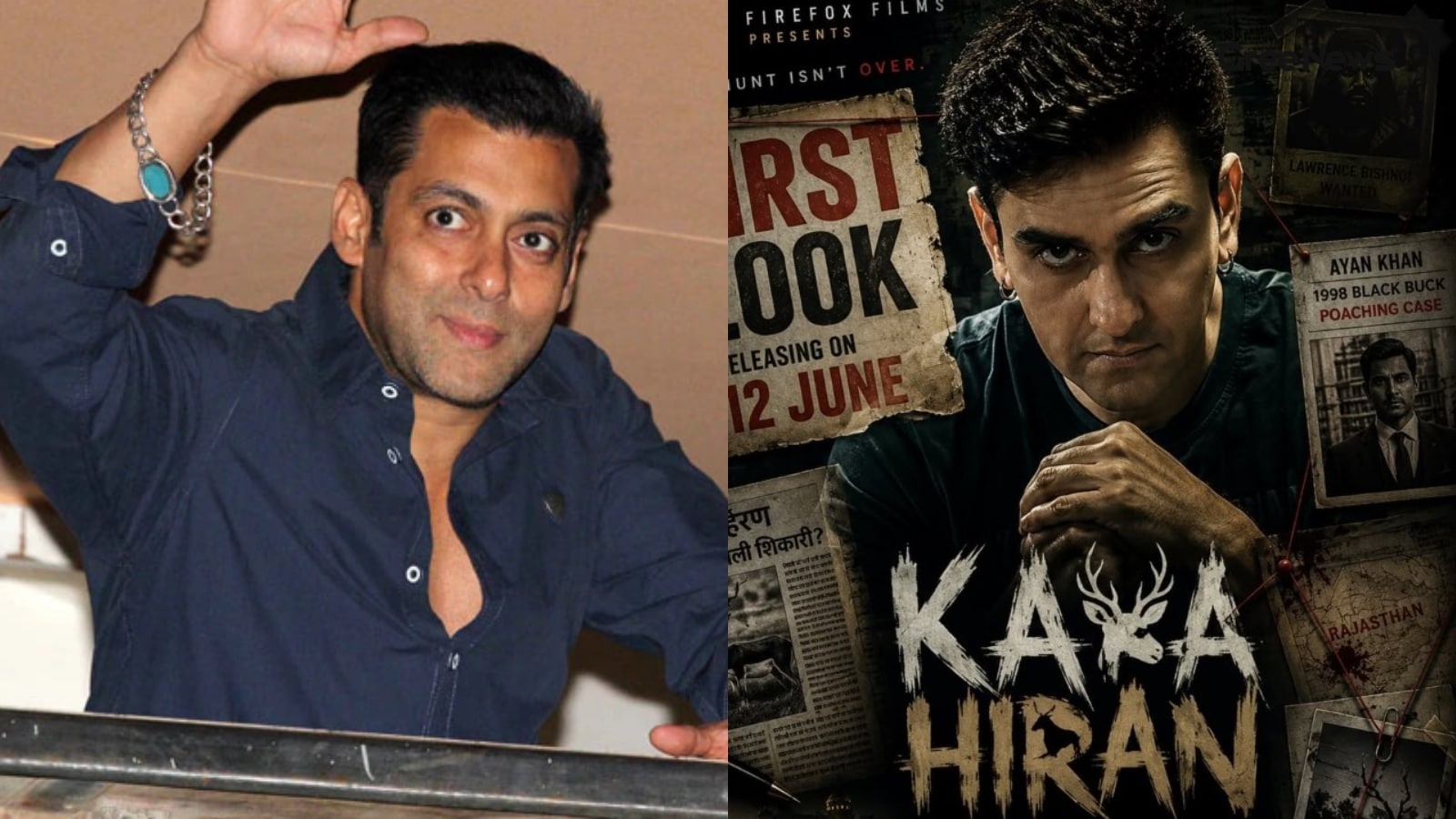
The Controversy Surrounding Kala Hiran and Salman Khan
The noise around *Kala Hiran: The Battle For Legacy* just keeps getting louder. Govind Namdev stepped away from the film because he didn’t want to be caught up in the story against Salman Khan. Director Bharat S Shrinate said something about it, unlike the veteran actor who claimed ignorance about w
Jun 19, 2026 by Gree News Team
The Performance of Travel: Bottlenecks, Validation, and the Cost of Spectacle
The air around those famous spots in Santorini, you know? It’s always a mess. Not just the physical queues now. It’s this whole thing about how we see things. How travel has morphed into some kind of performance piece for the algorithm. You saw that clip, right? The one floating around X. It’s from
Jun 19, 2026 by Gree News Team

Petrol, Diesel, and CNG Price Movements and Market Analysis
Petrol, diesel, and CNG prices held steady on Monday, June 19, 2026. It felt almost static, didn't it? But beneath that surface calm, things were definitely moving. Oil market folks and the gas distribution companies still tweak those numbers every morning at six, trying to keep pace with what’s hap
Jun 19, 2026 by Gree News Team
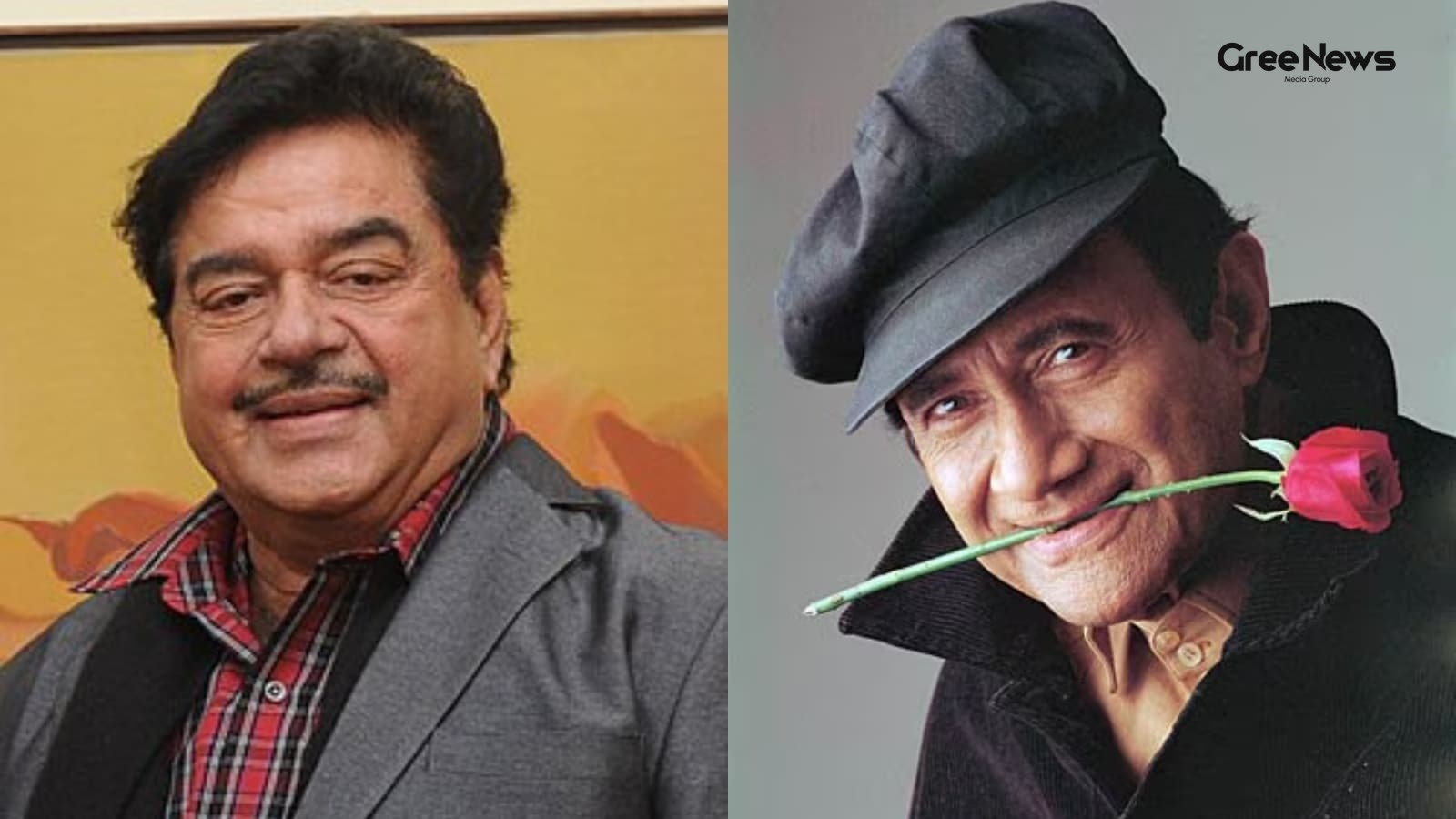
The Echoes of Mentorship and Cinematic Inspiration
The lights are always strange in these things. You watch them blink, waiting for something to shift. That’s what happens when you try to pull memories out of the dust. Especially old ones. So this episode of ‘Indian Idol’. It’s not just about singing or performance really. It’s bringing back stuff.
Jun 19, 2026 by Gree News Team
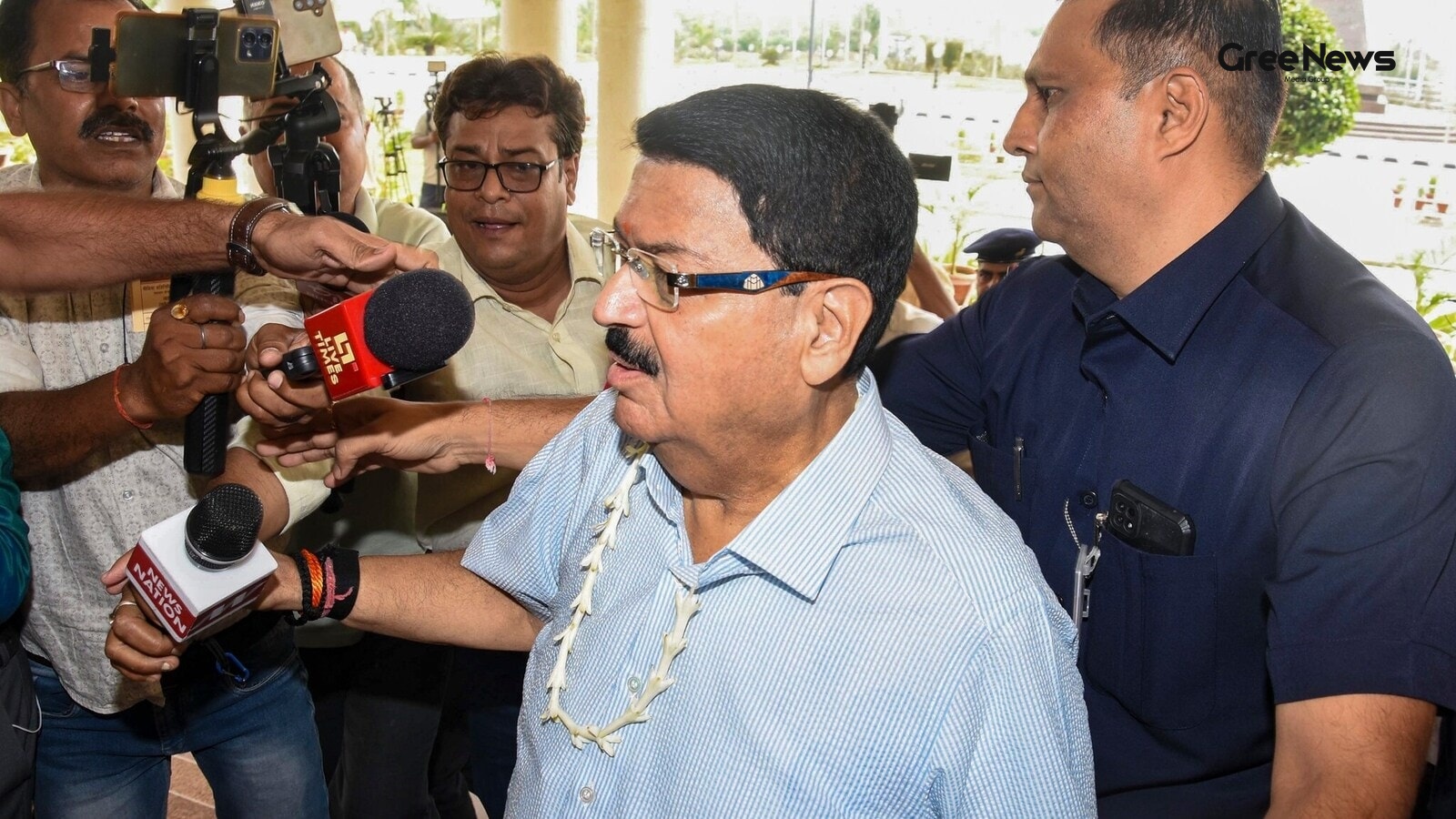
Rajya Sabha Results and Alliance Fragility in Jharkhand and Mizoram
That Rajya Sabha mess in Jharkhand felt huge. You know, the June 18 results. Parimal Nathwani, that independent guy backed by the NDA, snagged one of those seats from there. Defeated Pranav Jha for the Congress pick. And that immediately threw a spotlight on how shaky things are inside the INDIA blo
Jun 19, 2026 by Gree News Team

Donald Trump, Media Scrutiny, and the Iran Peace Deal
Hours after that peace deal with Iran was signed, something went absolutely wild online this week. It’s that exchange between Donald Trump and Fox News reporter Peter Doocy. It happened in Switzerland, right? After Trump had already been at the G7 Summit before everything finally locked down. Doocy
Jun 19, 2026 by Gree News Team
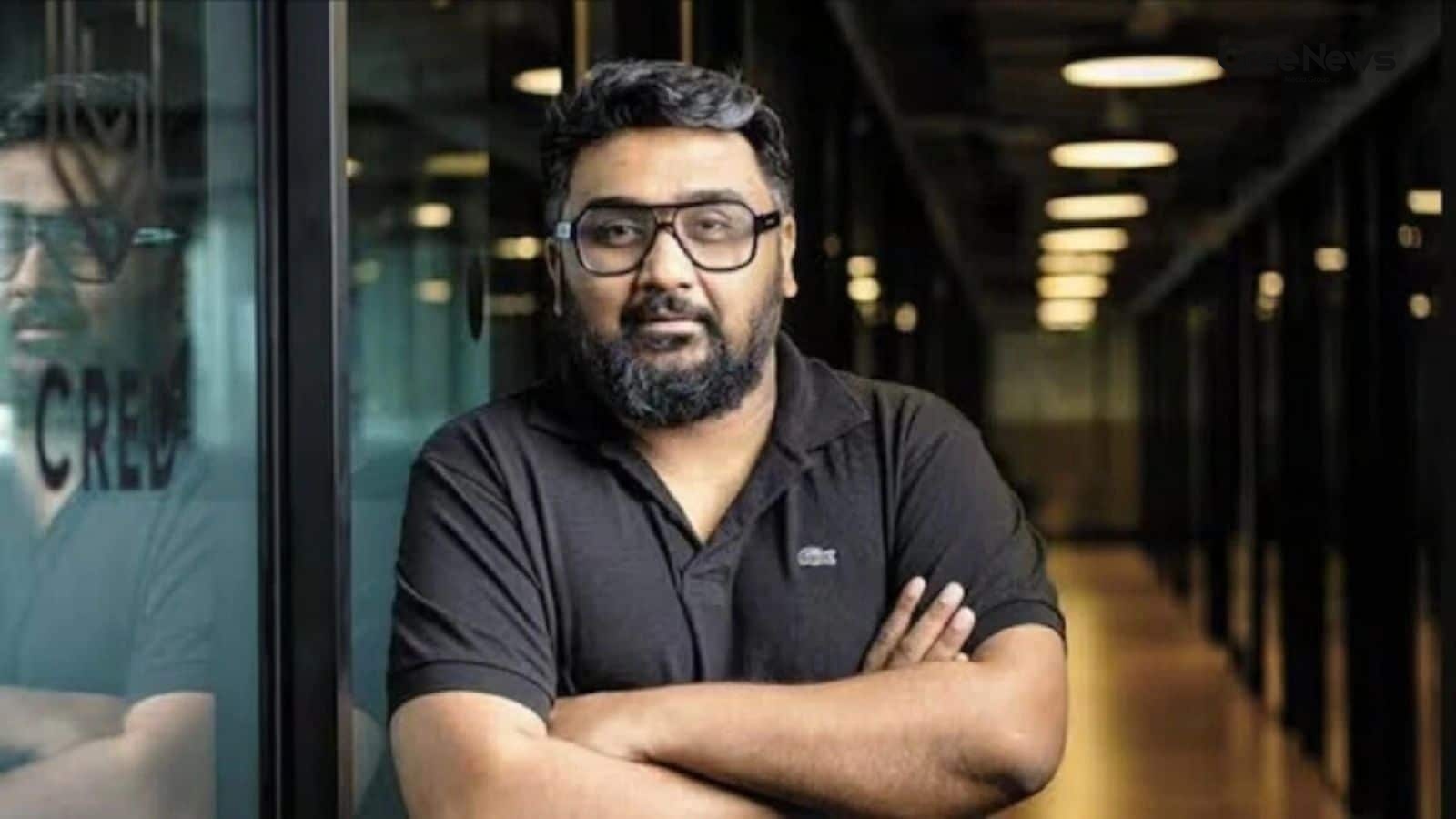
Meta's Potential Acquisition of Cred and the Future of Indian Payments
So here’s what’s been floating around regarding that massive tech player, Meta. They are apparently looking into a big move either investing or trying to snag Cred, that Indian fintech outfit. A Moneycontrol report floated this idea, suggesting talks are happening right now with Kunal Shah, the guy
Jun 19, 2026 by Gree News Team