Iran-US Agreement: Internal Dynamics and Negotiation Process
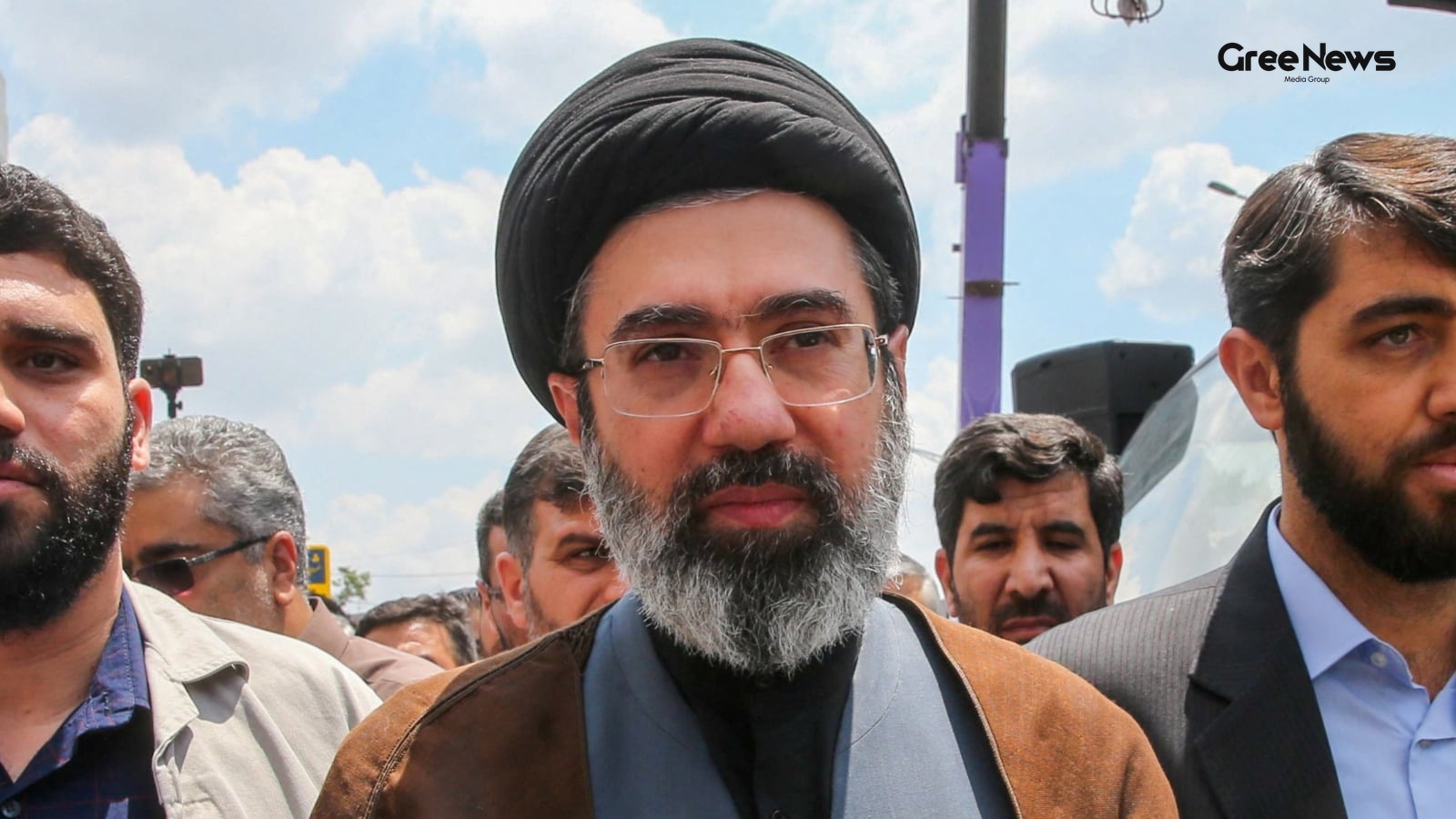
Iran’s Supreme Leader Mojtaba Khamenei, he admitted, wasn't exactly thrilled when that memorandum of understanding finally landed on the table between Tehran and Washington. There were clear reservations. It felt like a forced concession at first glance. But then things shifted.
He ultimately gave his blessing to it. Not because everything was perfect, no. It came down to what happened behind closed doors. He needed those assurances. Real ones. From President Masoud Pezeshkian and the senior staff. They had to promise that Iran’s interests would actually be protected. That felt like the tipping point for him.
“I had a different opinion,” Khamenei remarked, and you could sense the hesitation even in the recording of it. He wasn't just rubber-stamping something handed down from above. It was a calculated risk, built on personal promises made by the President himself. That commitment, that promise that’s what finally swayed him to sign off on the deal.
It all happened within this framework, an aGreement that felt more like a truce born of necessity than pure mutual goodwill. The narrative spun out from those initial hesitations into something much messier. You had the public statement, the official line, and then you had the actual weight of what was being traded on the back channels.
The way it was framed by state media, that’s another thing entirely. Officials involved in dragging these talks forward they claimed they worked out of “sincere concern and goodwill.” A nice phrase for a public announcement. But underneath that surface gloss? That felt less sincere, didn't it? It felt more like careful damage control.
And then you have the elephant in the room: Donald Trump. Khamenei suggested that the entire process was tainted by what he called using “all kinds of leverage.” Leverage. That word hangs heavy. It implies a power imbalance, doesn’t it? Not just diplomatic maneuvering. It suggests coercion woven into the fabric of these negotiations. How much reality is there in those claims about goodwill when you look at the history between these two powers?
President Pezeshkian stepped into that space for Khamenei. He wasn't just signing documents; he was making a personal appeal regarding the security of the nation, specifically protecting the rights of the Iranian people and what they call the “Resistance Front.” This wasn’t abstract policy. It was about tangible safety.
Pezeshkian made it clear to his Supreme Leader that these interests were paramount. That protection became the foundation for Khamenei's final authorization. It was a bargain, really. Assurance in exchange for an aGreement that seemed inherently risky. The commitment felt like the only thing holding the entire structure together at that moment.
There was another layer of assurance Pezeshkian offered. He also promised something about future dealings. He assured Khamenei that Iran wouldn't be dragged into some kind of “excessive demands” from Washington when the next round of talks started rolling. That felt like a necessary boundary being set, even if it was just an internal promise to himself first and foremost.
Khamenei’s caution wasn't entirely unfounded. Even while supporting the move forward, he stressed that those upcoming face-to-face meetings with US officials couldn’t be mistaken for accepting whatever position America held at that moment. There is always a gap between what is said in a formal setting and the actual reality unfolding on the ground.
“From this moment on,” Khamenei stated, adding a layer of expectation to his words, “that is, you, the proud nation, and this humble servant we will await the realization of the aforementioned conditions.” It’s a statement dripping with future focus. A pause before action. A demand for follow-through that feels almost inevitable now.
This aGreement wasn't some isolated diplomatic footnote. It became the scaffolding for something much bigger. It was the foundation, you could say, for trying to finally put an end to months of grinding military confrontation between Tehran and Washington. That tension it was immense. A stalemate held by sheer mutual exhaustion and entrenched positions.
So, what did this framework actually entail? It wasn't a final solution, not at all. It was the starting gun for something longer, something agonizingly slow. They kicked off a sixty-day negotiation period. Sixty days focused on the really hard stuff: nuclear issues, security protocols, and the technical weeds that kept bleeding time away from actual peace talks. The goal? A comprehensive settlement. A complete unraveling of that drawn-out conflict.
And implementation started immediately. Not some slow drip process. The US lifted its naval blockade on Iranian ports and those coastal areas they had been restricting. That was a tangible shift. Simultaneously, Iran committed to reopening the Strait of Hormuz. Restoring commercial shipping back to pre-war levels. These were physical actions, visible steps taken in response to the framework being put into motion.
It’s this interplay the public assurances layered over private anxieties, the stated goals colliding with the messy reality of power plays that makes it so difficult to pin down a neat narrative. Vice President JD Vance brought up this aGreement publicly. He framed it as an initial step toward something lasting. That sounds optimistic, doesn't it? A hopeful spin on deeply entrenched positions.
But even that optimism is tempered by the knowledge that there are layers beneath the surface. Vance hinted at additional understandings existing between Washington and Tehran that weren’t fully laid out in the public disclosures. Things kept private. Things unspoken.
And where do they go now? The process isn't over. It just changes shape. Delegations from both sides are still moving. They’re expected to continue these talks, this back-and-forth, somewhere else entirely. Switzerland is mentioned as a likely spot for the next phase of negotiations in the coming days.
It always seems like you’re waiting for the next move. The air is thick with anticipation. Every statement, every action, feels weighted by the history they are trying to rewrite or settle. It’s not a clean story. It’s a series of careful maneuvers, promises made under duress, and tangible steps taken that feel more like concessions than true victories. You watch these things unfold, and you realize how much uncertainty is baked into every single line reported. The path forward remains incredibly fragile.
Written by Gree News Team — Senior Editorial Board
Gree News Team covers international news and global affairs at Gree News. Our collective of senior editors is dedicated to providing independent, accurate, and responsible journalism for a global audience.
More from World
View All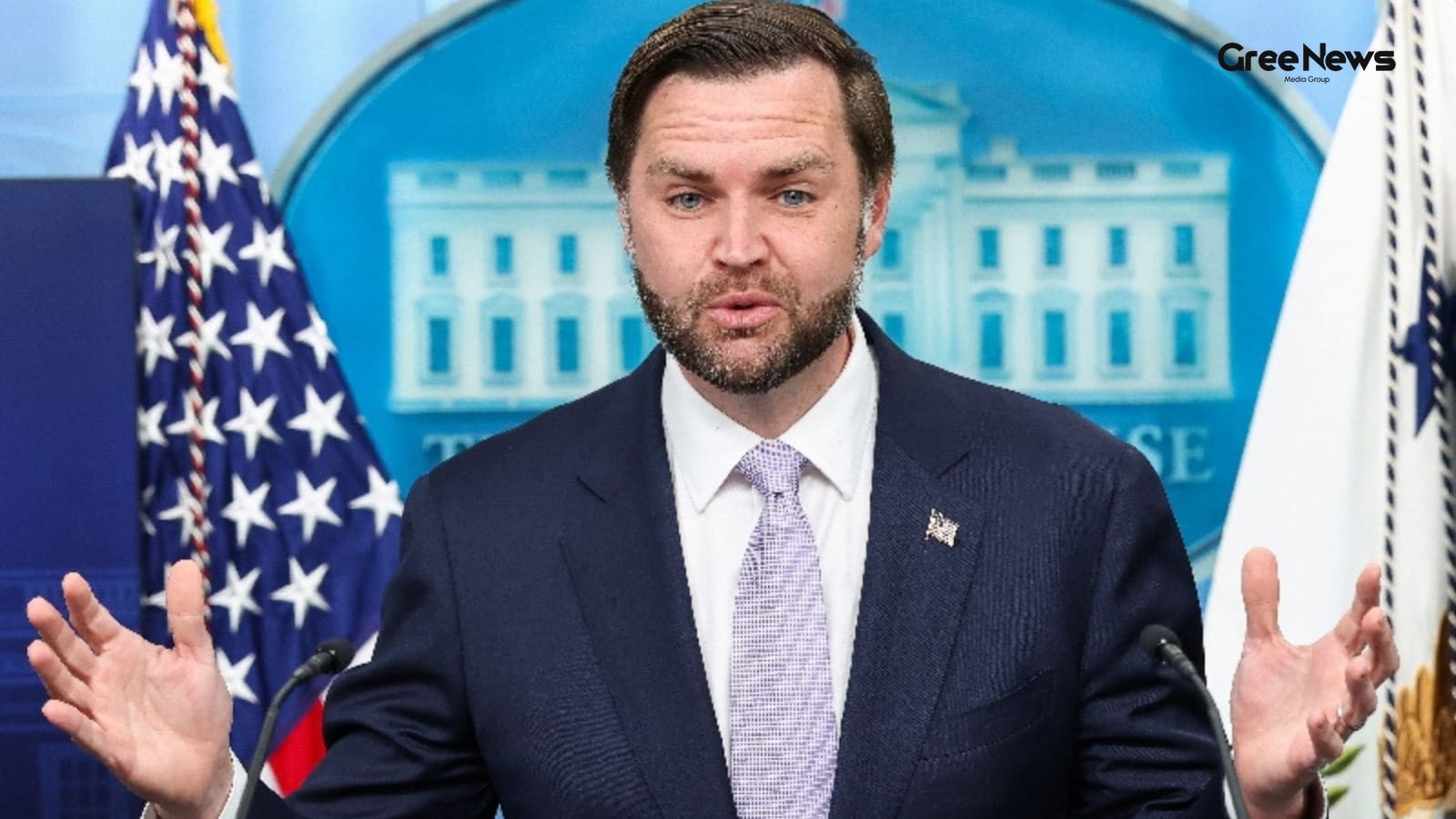
US-Israel Relations: Friction, Diplomacy, and Personal Tensions
Vance went straight for it. The Vice President sharply criticized members of Israel’s government. He basically accused them of not appreciating American backing. And warned that Israel is getting increasingly isolated out there. This wasn't some polite diplomatic note. It was blunt. It highlighted t
Jun 19, 2026 by Gree News Team

Heatwaves in France: Health, Inequality, and Housing Crisis
Two new studies just dropped warning bells about heatwaves in France. They’re serious. The biggest danger isn't just the temperature itself, but how this intense heat is hitting people especially those living in badly built housing and poorer neighborhoods. This comes right as Europe braces for a br
Jun 19, 2026 by Gree News Team
US Gas Prices Dip Amid Developments in US-Iran Negotiations
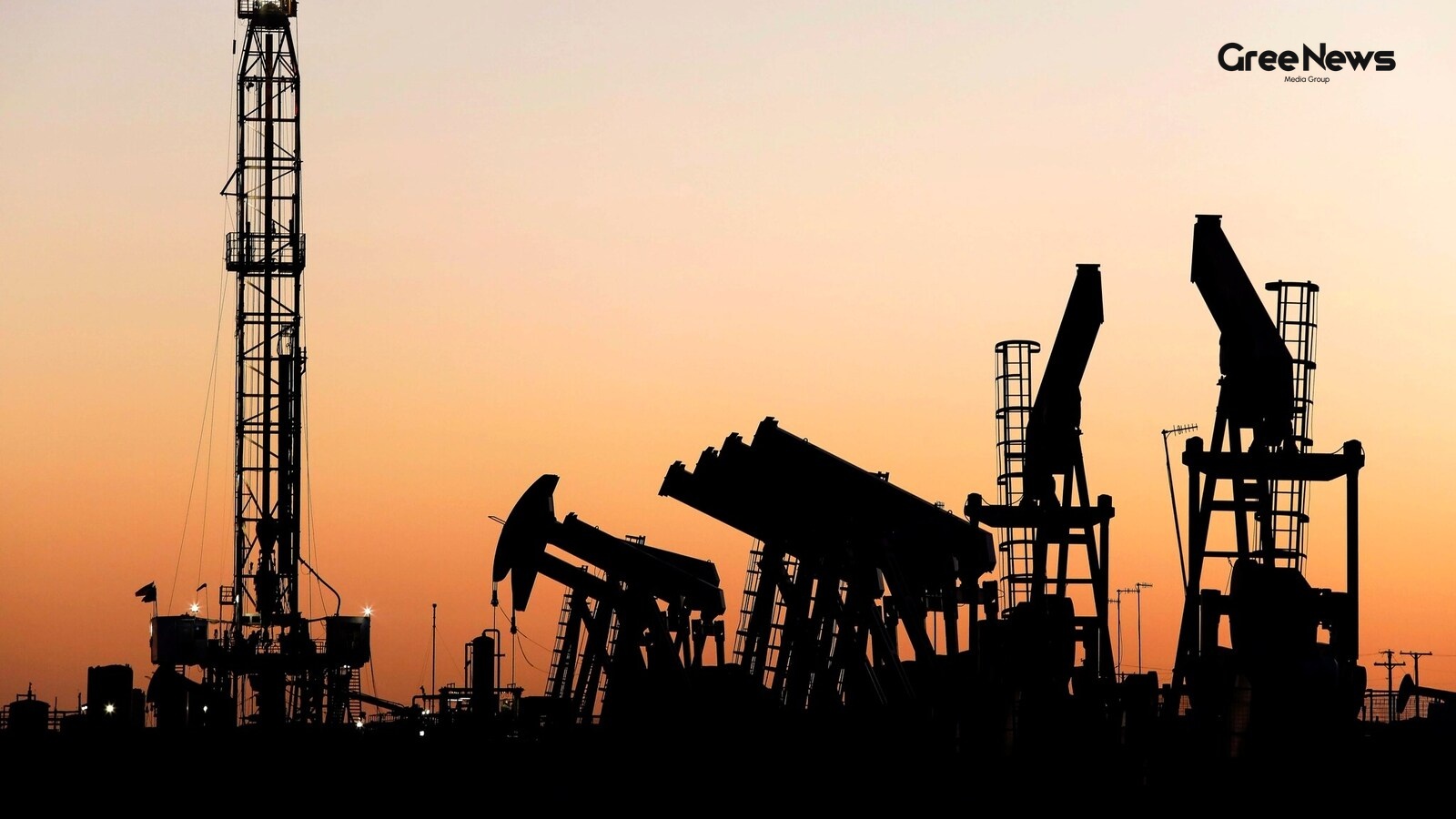
Gas prices finally dipped below four a gallon in the US. That’s the first time we’ve seen that drop since those early weeks of the war with Iran. It offers some breathing room for consumers after months where fuel costs were just relentless. Motor Club AAA data shows the national average for regular
Jun 19, 2026 by Gree News Team
Drone Assault Ignites Moscow Oil Refinery Amid Conflict
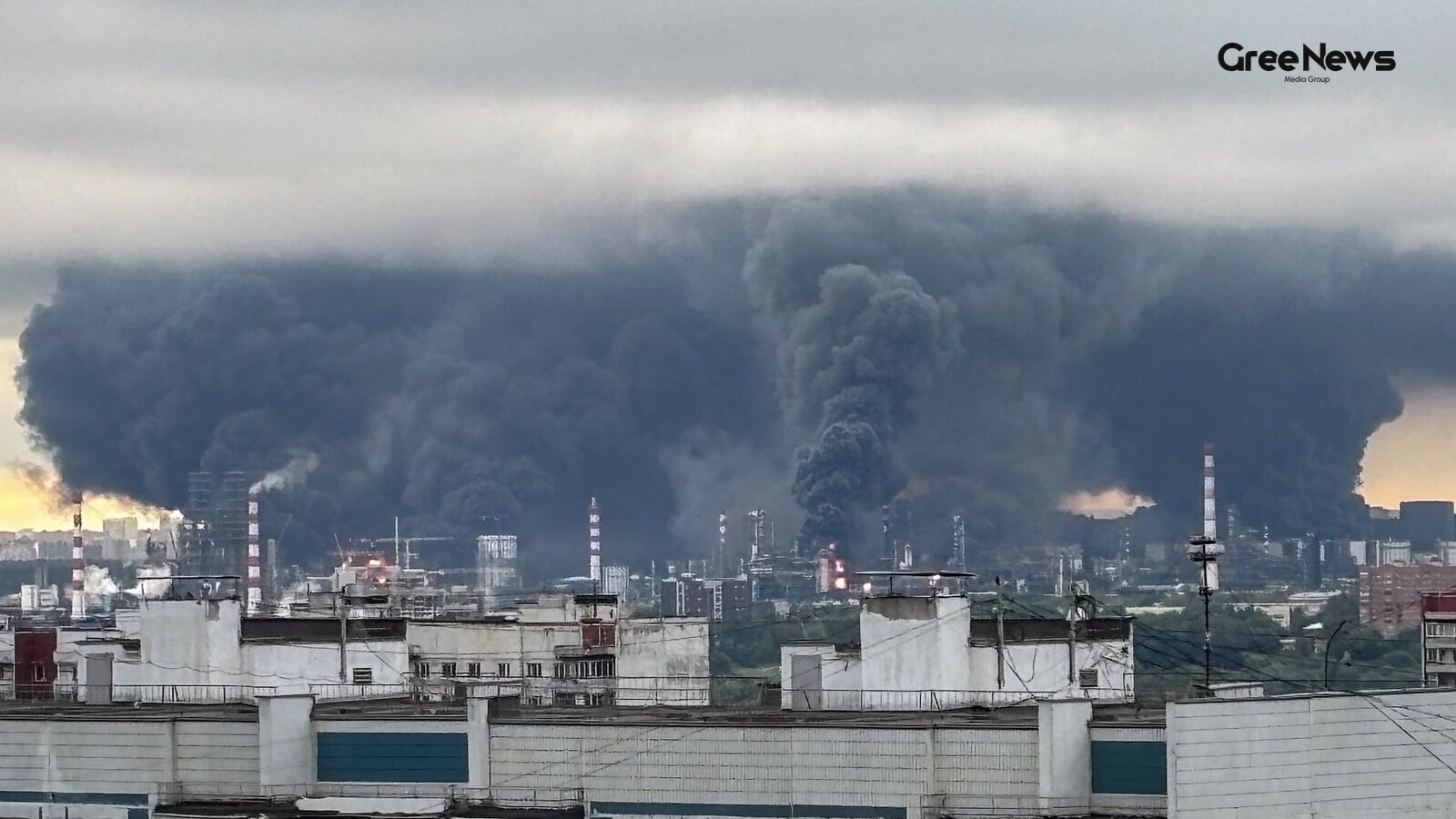
Soot-choked black rain hit Moscow after Ukraine launched what they called their biggest drone assault yet against the capital. It was a direct hit, straight into a vital energy facility. Close to two hundred long-range drones aimed at the city early Thursday morning. They managed to overwhelm local
Jun 19, 2026 by Gree News Team
Latest Headlines
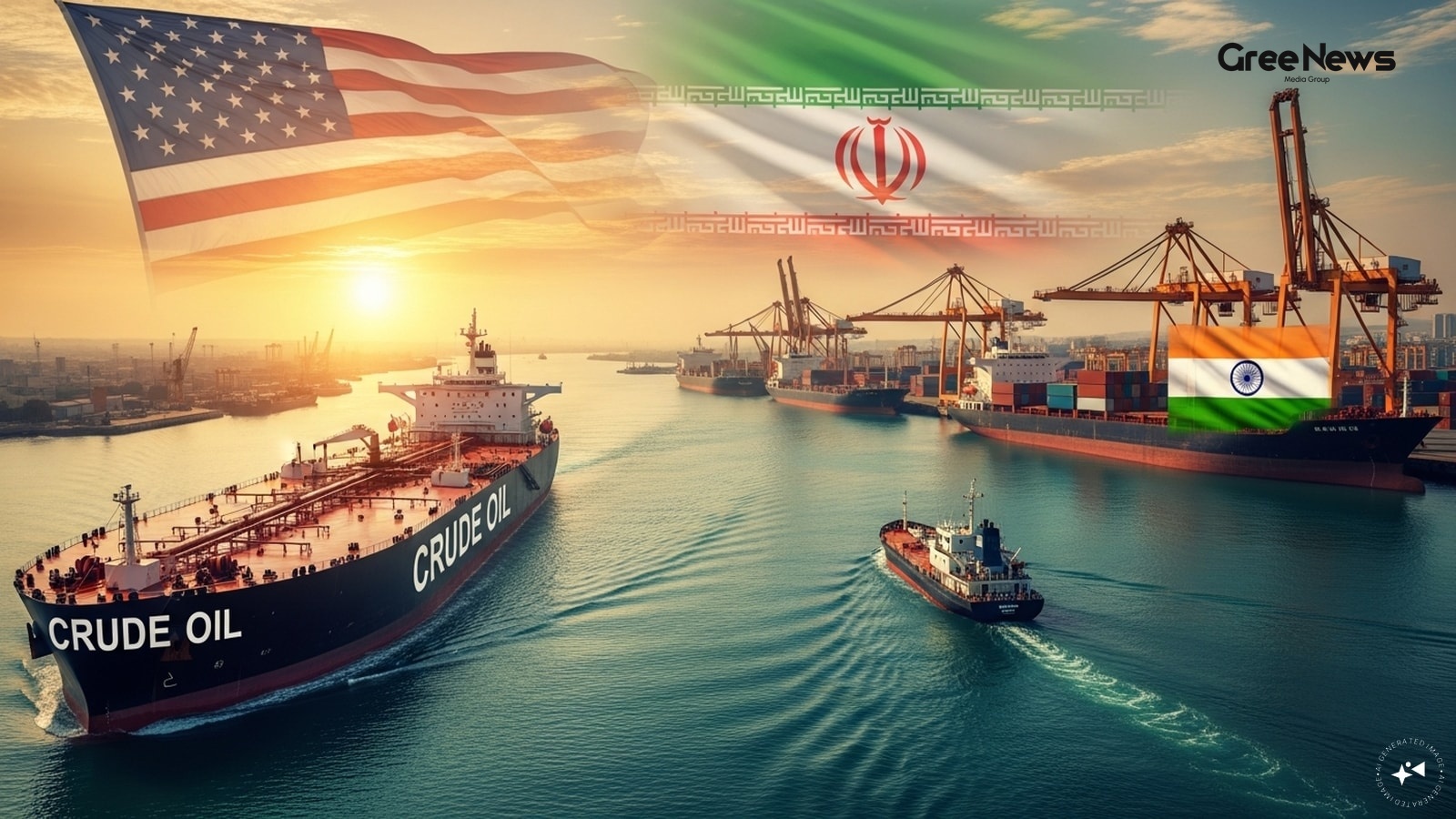
Impact of US-Iran Peace Deal on India's Energy and Trade
The US-Iran peace deal... it looks like it could actually be a net positive for India. Think about it: renewed access to Iranian oil, easing those gnawing worries about shipping through the Strait of Hormuz. And New Delhi’s big connectivity ambitions focused on Chabahar port all suddenly sitting on
Jun 19, 2026 by Gree News Team
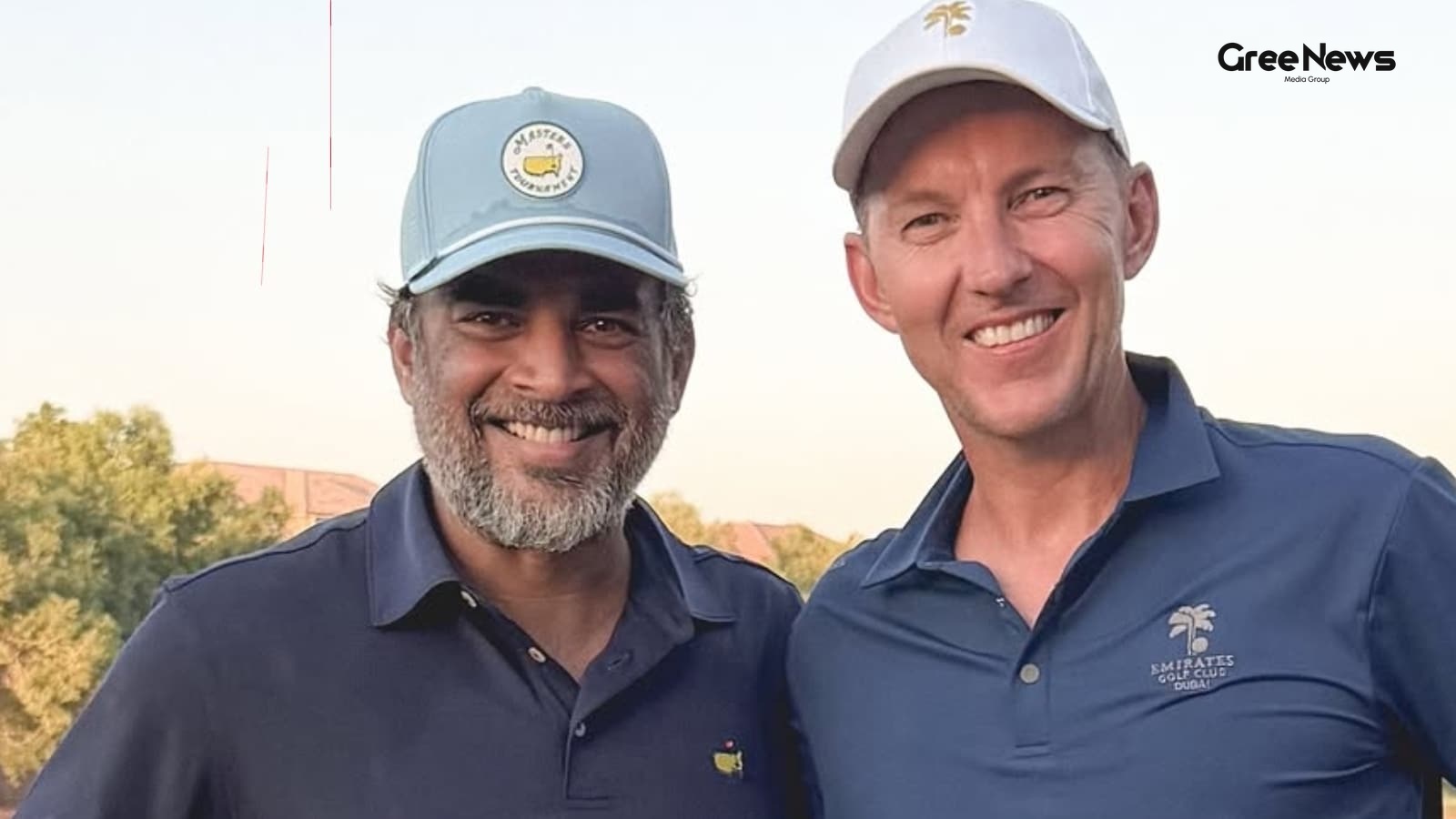
Brett Lee and R Madhavan: A Bond Forged on the Golf Course
Brett Lee and R Madhavan recently caught up. A round of golf in Dubai, that’s where they met. It turned out to be a pretty easy camaraderie between them, and it’s been getting talked about by fans. The cricketer shared some pictures from their outing on Instagram. He wrote something kind of reflecti
Jun 19, 2026 by Gree News Team
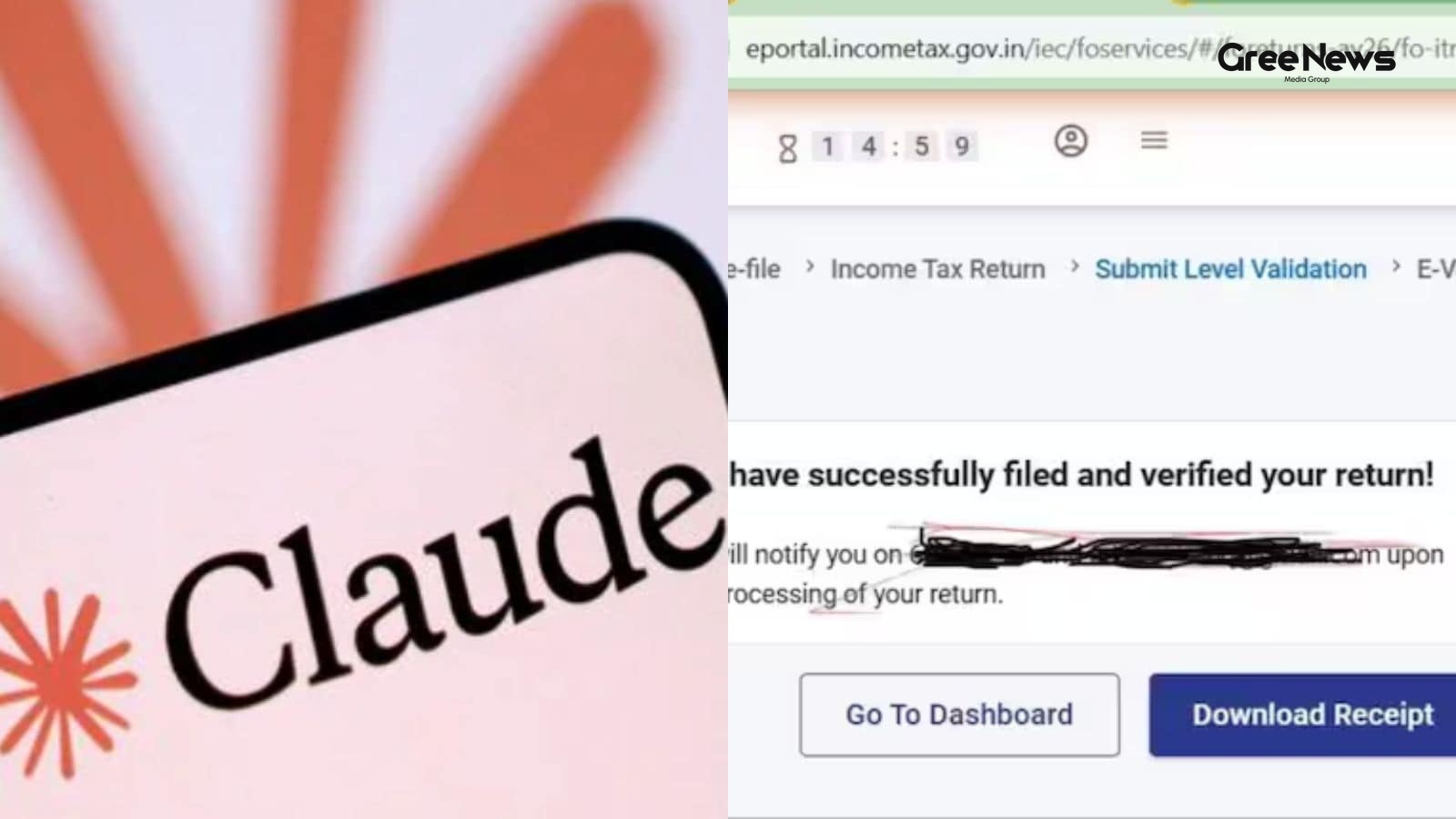
AI in Tax Filing: The Future of Income Tax with Large Language Models
India is gearing up for this big overhaul of its tax framework, Income-tax Rules, 2026. But something weird is happening online. People are actually using artificial intelligence to file their income tax returns. It started small just some professionals experimenting. Now it’s exploded across Linked
Jun 19, 2026 by Gree News Team
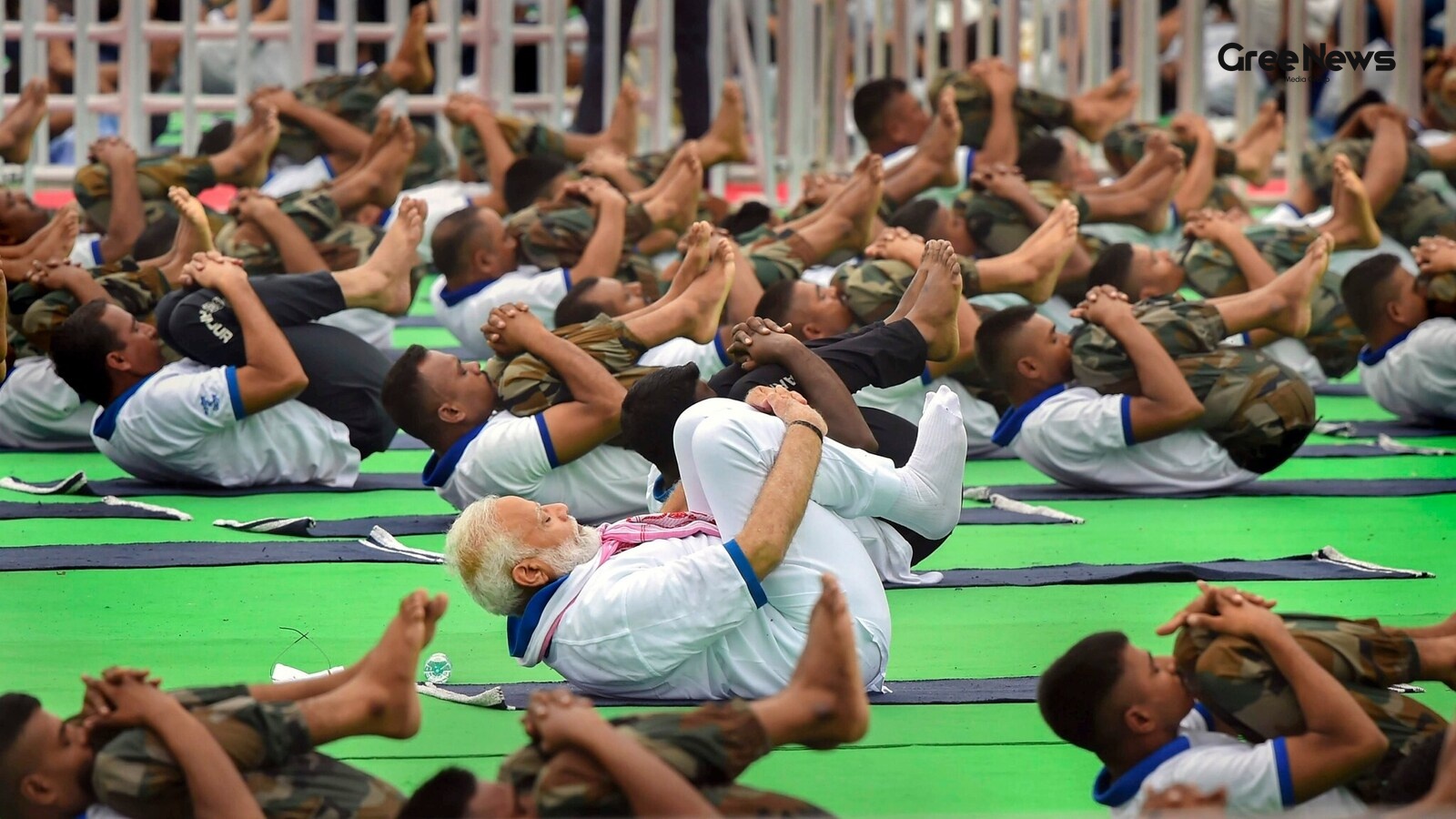
Narendra Modi's Yoga Day in Kolkata: A Shift in Bengal's Identity
Narendra Modi is leading the International Day of Yoga in Kolkata on June 21. It’s happening at Red Road. That spot. It’s heavy with symbolism, you know? Geopolitics and culture all mixed up. The timing is jarring. It lines up perfectly with Paschim Bango Divas the state's foundation day. A real con
Jun 19, 2026 by Gree News Team
Re-NEET Exam Paper Controversy and Social Media Debate
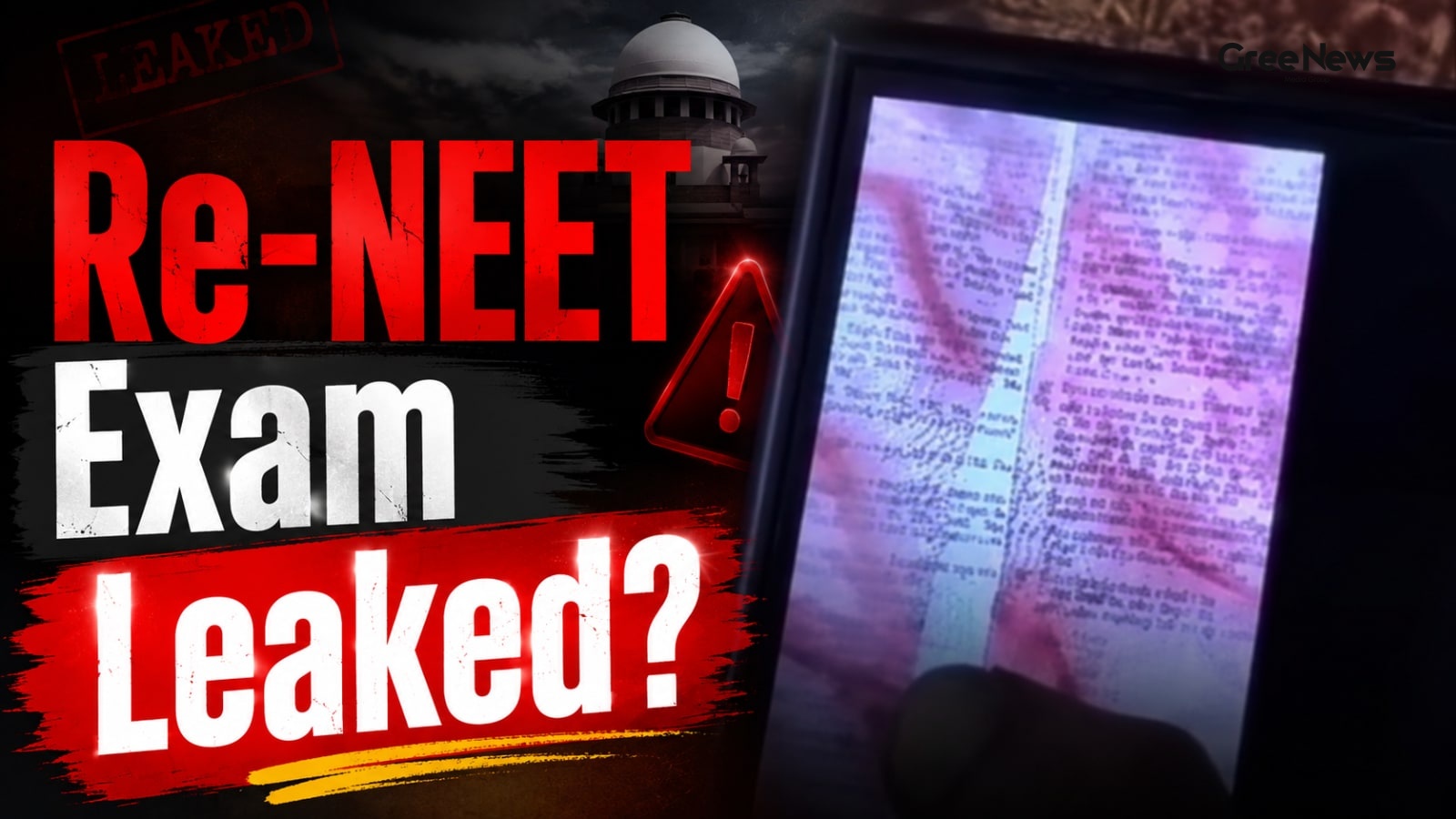
That video is blowing up online right now about the Re-NEET exam. People are talking about someone allegedly claiming they had the question paper before the test itself. The test is scheduled for June 21st, 2026. It’s all started with this clip circulating across social media. An Instagram page call
Jun 19, 2026 by Gree News Team
US-Israel Relations: Friction, Diplomacy, and Personal Tensions
Vance went straight for it. The Vice President sharply criticized members of Israel’s government. He basically accused them of not appreciating American backing. And warned that Israel is getting increasingly isolated out there. This wasn't some polite diplomatic note. It was blunt. It highlighted t
Jun 19, 2026 by Gree News Team
Heatwaves in France: Health, Inequality, and Housing Crisis
Two new studies just dropped warning bells about heatwaves in France. They’re serious. The biggest danger isn't just the temperature itself, but how this intense heat is hitting people especially those living in badly built housing and poorer neighborhoods. This comes right as Europe braces for a br
Jun 19, 2026 by Gree News Team
US Gas Prices Dip Amid Developments in US-Iran Negotiations
Gas prices finally dipped below four a gallon in the US. That’s the first time we’ve seen that drop since those early weeks of the war with Iran. It offers some breathing room for consumers after months where fuel costs were just relentless. Motor Club AAA data shows the national average for regular
Jun 19, 2026 by Gree News Team
Drone Assault Ignites Moscow Oil Refinery Amid Conflict
Soot-choked black rain hit Moscow after Ukraine launched what they called their biggest drone assault yet against the capital. It was a direct hit, straight into a vital energy facility. Close to two hundred long-range drones aimed at the city early Thursday morning. They managed to overwhelm local
Jun 19, 2026 by Gree News Team

The Shift to Holistic Sustainability in Architecture and Design
The way we’re building things right now... it feels like a real shift. Not just some small tweak in energy efficiency, but something much deeper about how we look at the world and what we throw out. You see these projects popping up everywhere, kind of scattered across the globe, each one pushing so
Jun 19, 2026 by Gree News Team
Lionel Messi Family Statement on Jorge Messi's Health and Privacy
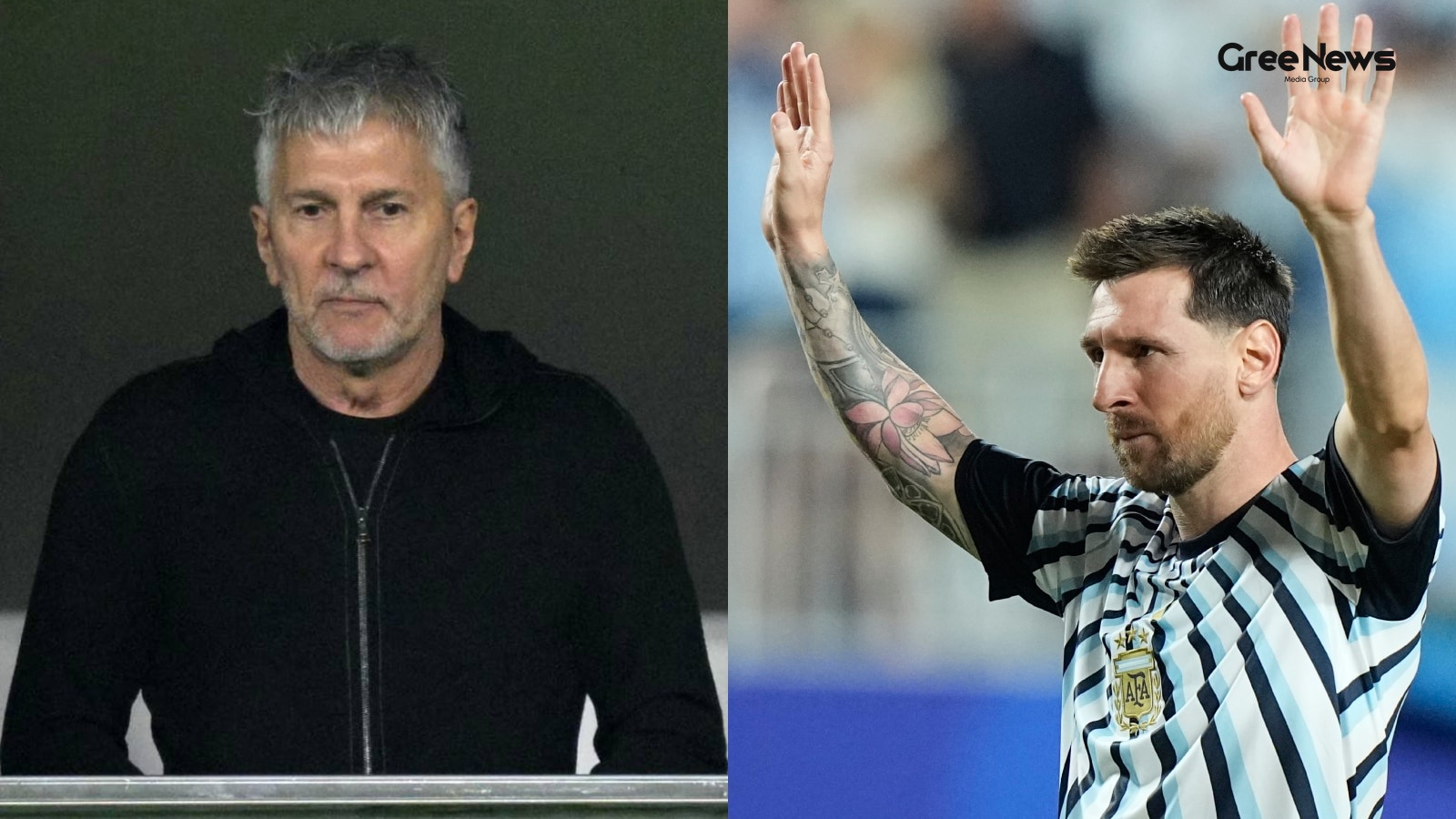
The family of Lionel Messi stepped in after some really nasty rumors started flying around about his father, Jorge Messi. They released a statement through Messi’s media office on Thursday. It said that Jorge is actually receiving medical treatment for some undisclosed health issue. They asked every
Jun 19, 2026 by Gree News Team
The Controversy Surrounding Kala Hiran and Salman Khan
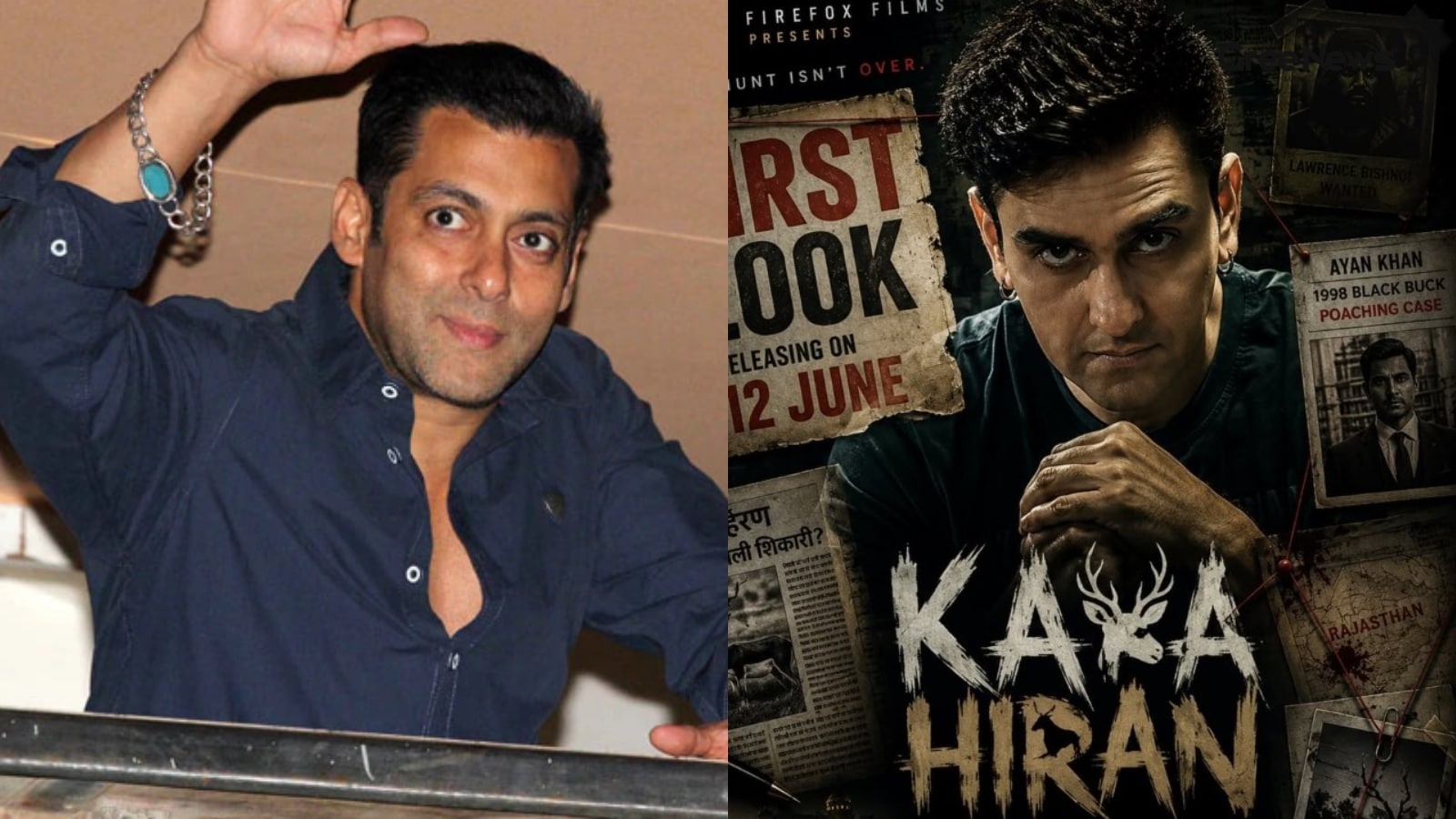
The noise around *Kala Hiran: The Battle For Legacy* just keeps getting louder. Govind Namdev stepped away from the film because he didn’t want to be caught up in the story against Salman Khan. Director Bharat S Shrinate said something about it, unlike the veteran actor who claimed ignorance about w
Jun 19, 2026 by Gree News Team
The Performance of Travel: Bottlenecks, Validation, and the Cost of Spectacle
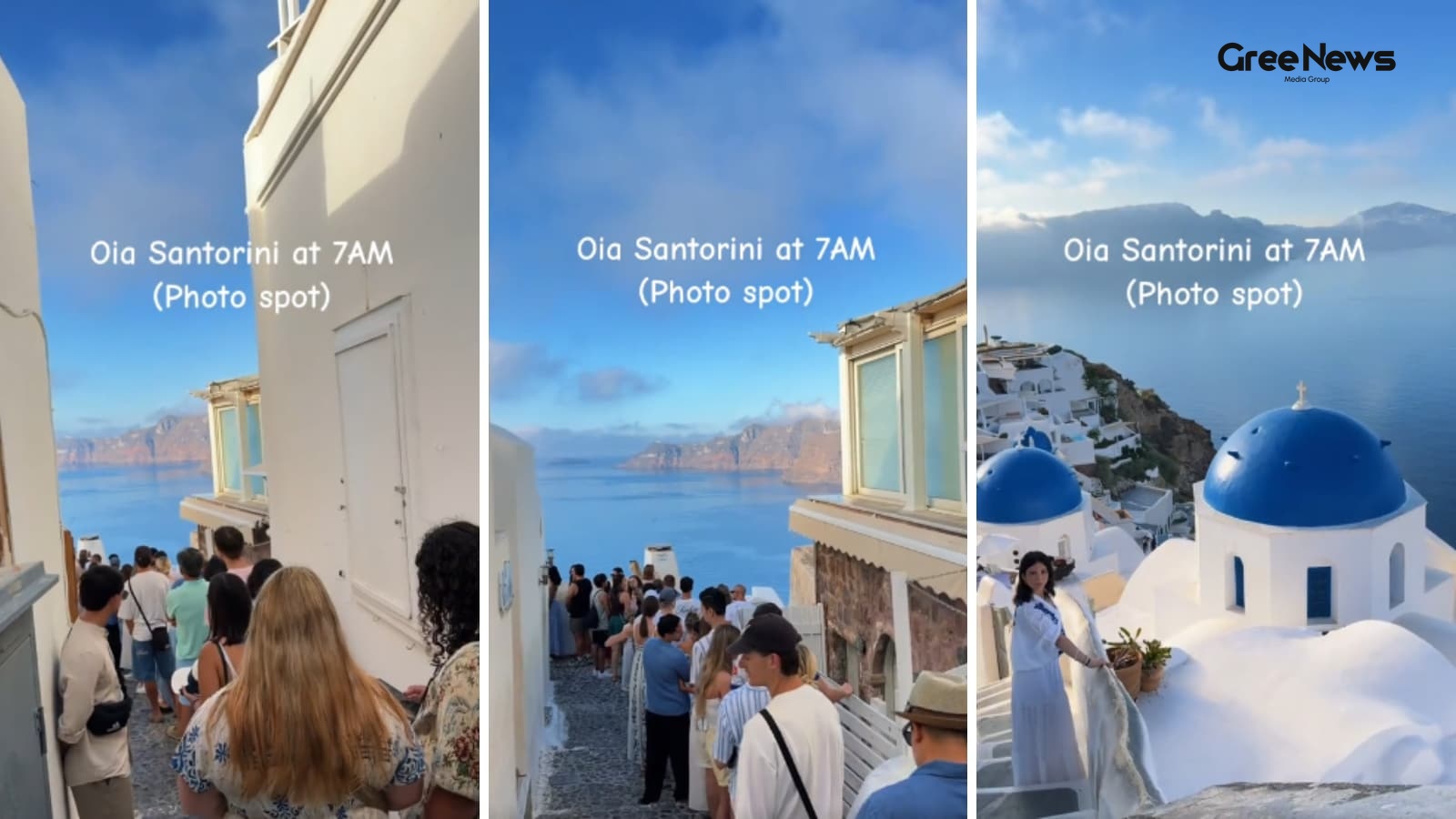
The air around those famous spots in Santorini, you know? It’s always a mess. Not just the physical queues now. It’s this whole thing about how we see things. How travel has morphed into some kind of performance piece for the algorithm. You saw that clip, right? The one floating around X. It’s from
Jun 19, 2026 by Gree News Team
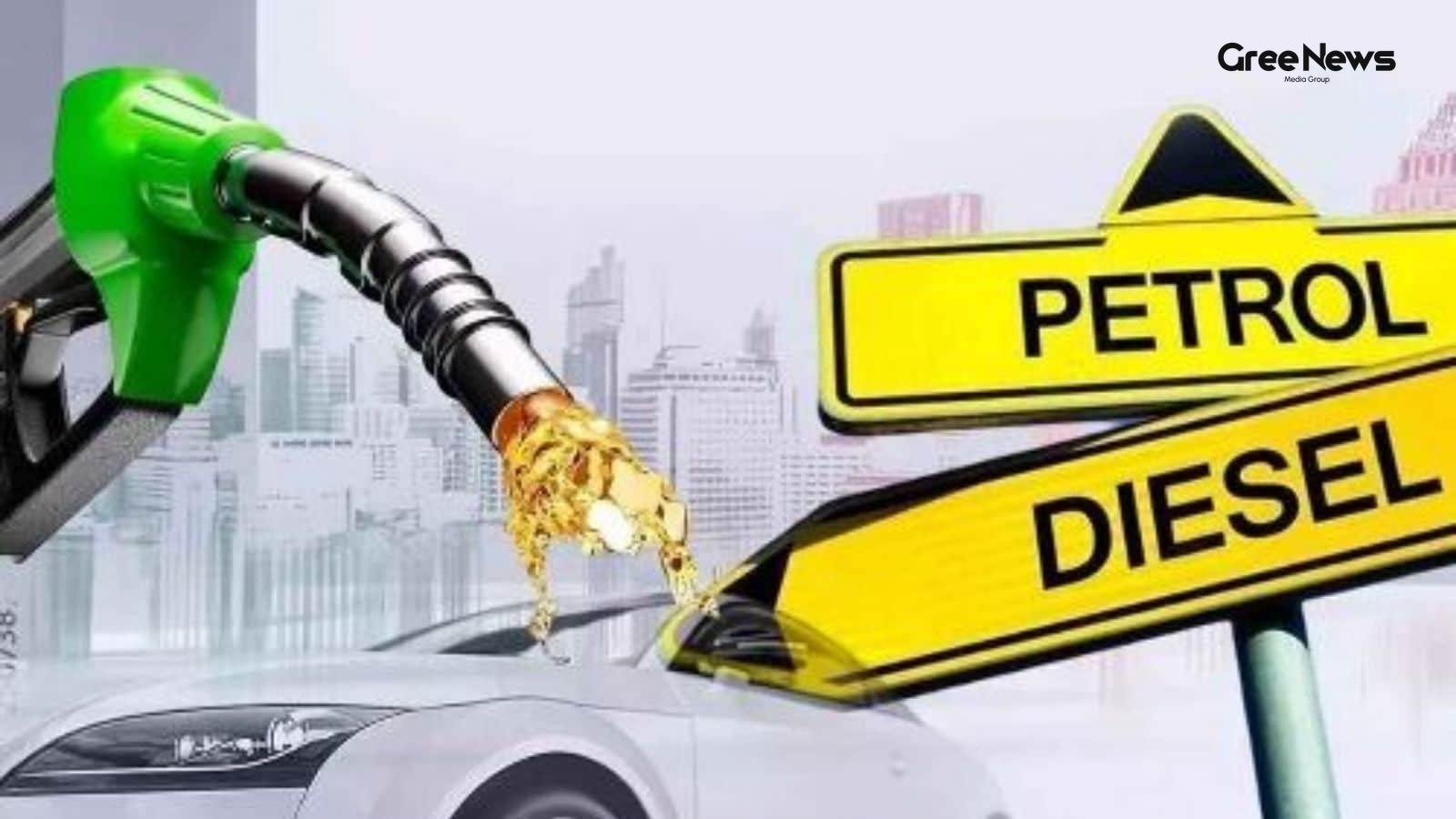
Petrol, Diesel, and CNG Price Movements and Market Analysis
Petrol, diesel, and CNG prices held steady on Monday, June 19, 2026. It felt almost static, didn't it? But beneath that surface calm, things were definitely moving. Oil market folks and the gas distribution companies still tweak those numbers every morning at six, trying to keep pace with what’s hap
Jun 19, 2026 by Gree News Team
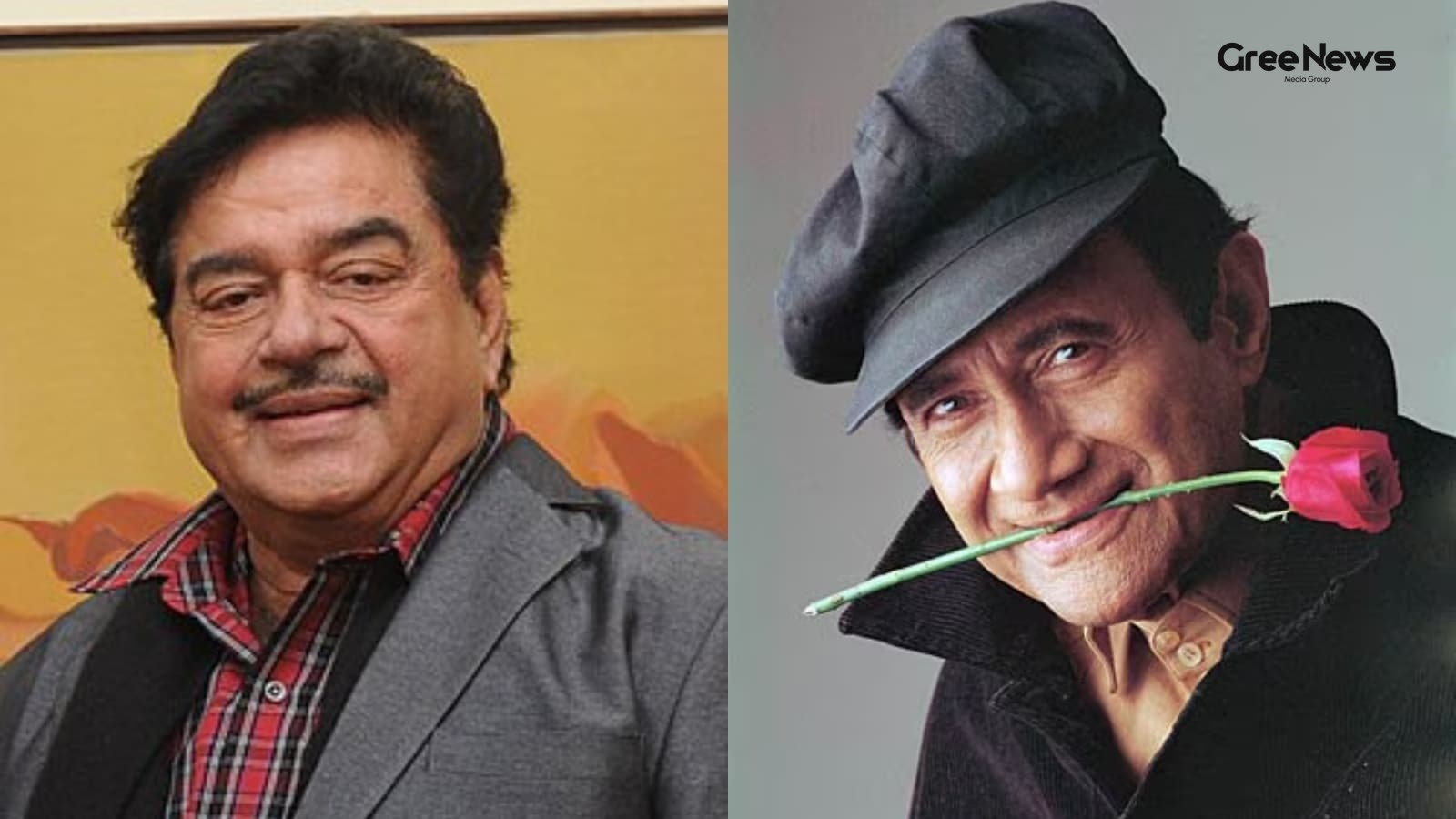
The Echoes of Mentorship and Cinematic Inspiration
The lights are always strange in these things. You watch them blink, waiting for something to shift. That’s what happens when you try to pull memories out of the dust. Especially old ones. So this episode of ‘Indian Idol’. It’s not just about singing or performance really. It’s bringing back stuff.
Jun 19, 2026 by Gree News Team