Telegram: The Nexus of Cybercrime, Terrorism, and Exam Security Concerns

The Centre basically told the Delhi High Court that Telegram is this massive loophole, really exploited for some seriously illegal stuff. We’re talking terrorism , cybercrime , drug running , child exploitation , all sorts of financial scams happening on it. They even pegged the platform as a sort of "new dark web," something threat actors are using specifically to slip under the radar.
This whole thing kicked off amidst the ongoing legal fight about why they temporarily shut down Telegram in India ahead of that NEET-UG 2026 re-examination scheduled for June 21st. It felt like a huge distraction, you know? A real headache layered on top of exam security worries.
The government argued in their submissions that Telegram isn’t just some chat app; it's become this major pipeline for malicious actors. They use those channels to link people directly into dark web forums and deep web networks. It makes tracking identities nearly impossible for the authorities trying to sort out criminal activity.
It was something like, "Telegram has morphed into the new dark web , connecting all these threat actors." That’s the core idea they pushed forward. Criminals are just adapting fast. They jump onto Telegram because of those privacy settings, and suddenly it's a perfect cover for everything.
They hammered home that this platform is being misused across multiple categories of cyber-enabled offenses. It wasn't just one thing; it was a whole spectrum of exploitation happening through these channels.
The specific list they brought up was heavy. Drug trafficking , extremism , terrorism , child exploitation yes, all of it. And this is often tied back to the platform’s privacy features. That's where the real problem seems to sit for law enforcement trying to pull threads.
Then there were the deeper issues floating around. The government flagged concerns about extremist and radical content circulating there too. They alleged that groups linked to terror organizations use Telegram channels specifically to pump out violent propaganda, misinformation designed purely to destabilize public order. It’s a serious threat, this kind of narrative spreading unchecked.
And then there was the really dark stuff: child sexual exploitation and abuse material . The Centre raised flags because they saw this content being shared right through Telegram groups and channels, clearly breaking the law. That alone is deeply disturbing.
On top of that, piracy is a massive drain. They pointed out how many channels are just distributing pirated movies, web series stuff everyone has paid for leading to huge revenue losses and intellectual property violations. It’s theft on a massive scale happening right there.
Moving into the cybercrime angle, it gets even messier. Criminals aren't just chatting; they are using Telegram’s anonymity features to completely hide who they are doing these financial frauds with. They create fake identities, use false names, and then operate scams. And when data breaches happen? That information gets dumped right into those groups and channels on Telegram.
Hackers and cyber threat actors aren't just talking; they're coordinating attacks. They use it to publish stolen data. Worse still, they facilitate the sale of mule bank accounts those ghost accounts used for laundering illicit funds in financial crimes.
It’s not just about crime against people. The government also noted how Telegram is actively exploiting India’s entire financial ecosystem. Think banks, fintech platforms, UPI handles, and even crypto off-ramps. These are being layered and laundered through these channels to hide the illegal money flow. It's a systemic exploitation of our digital money systems.
And don't forget those bots. Telegram bots are apparently being used to dig into leaked personal data mobile numbers, Aadhaar details, all that sensitive stuff scraped from previous breaches. It’s an ongoing leak and misuse cycle.
The whole situation came up because Telegram itself challenged the Centre's temporary block order. The government acted quickly, blocking access until June 22nd before the NEET (UG) re-examination. This move was driven by a need to stop any potential leaks or manipulation of exam materials.
And that brings us back to the examination context. There were serious allegations swirling about paper leaks channels claiming they had access to confidential material, demanding money for it. Authorities are investigating this mess.
Even concerning the testing itself, there was a directive issued: Telegram had to disable its message-editing feature in India until June 30th. Why? Because that feature has been used before to fabricate "paper leak" evidence by letting admins change messages and files while keeping timestamps intact. It’s a mechanism for creating fake proof.
So, it’s a complicated knot of issues: platform exploitation, terrorism propaganda, child abuse sharing, IP theft, financial crime coordination, and exam security concerns all tangled up in this one digital space. A lot is happening behind the scenes, moving faster than anyone can track.
Written by Gree News Team — Senior Editorial Board
Gree News Team covers international news and global affairs at Gree News. Our collective of senior editors is dedicated to providing independent, accurate, and responsible journalism for a global audience.
More from India
View All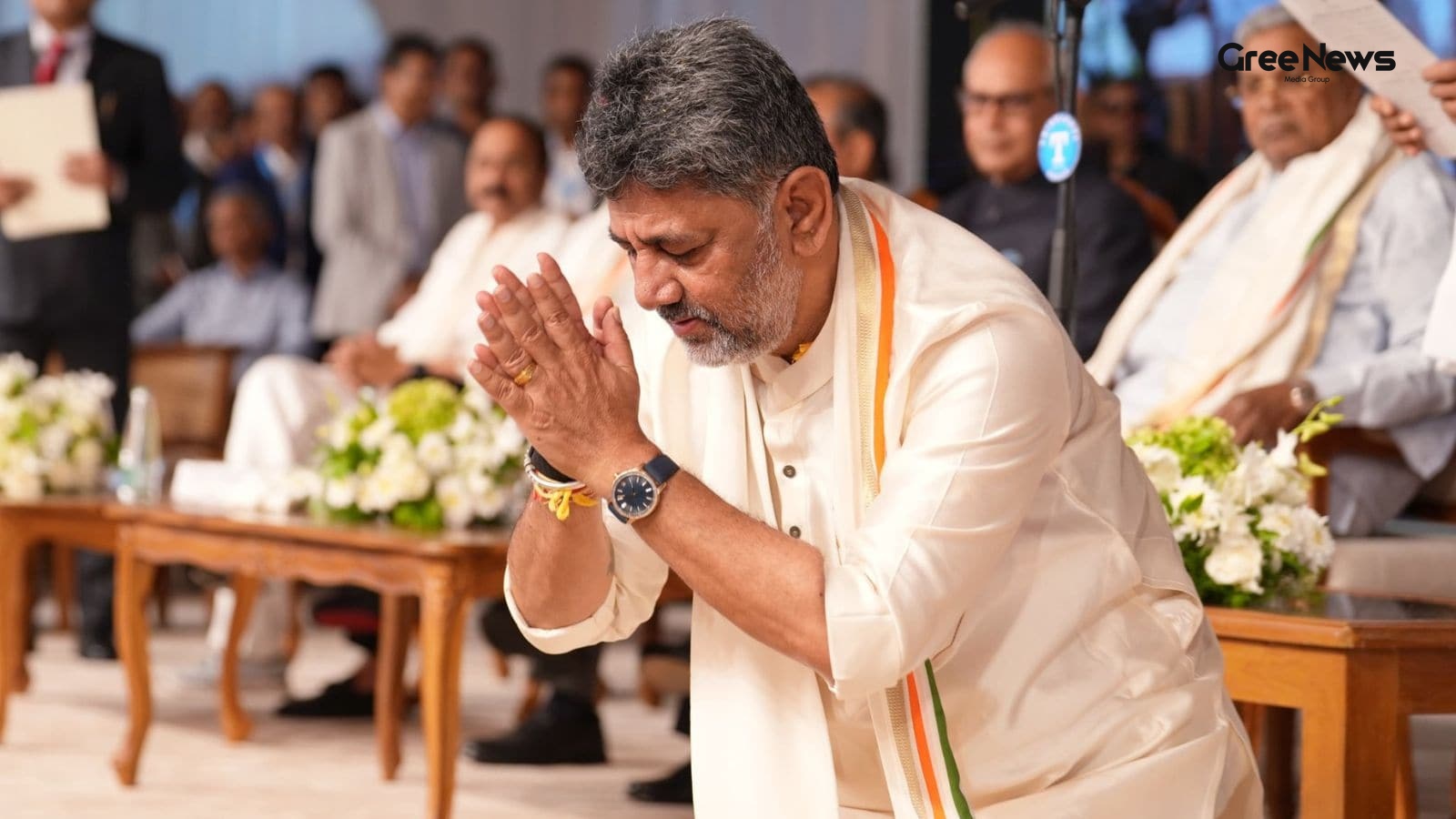
DK Shivakumar and the Political Cross-Voting Strategy in Karnataka
DK Shivakumar, Karnataka’s Chief Minister he really is the troubleshooter and crisis manager for Congress, people call him the “Chanakya of the Congress” for his political smarts. It wasn't just luck, you know? He managed to outmaneuver rivals, grab key wins. In those recent MLC elections, he pulled
Jun 19, 2026 by Gree News Team

Kerala Lottery Results and Claiming Information
Kerala Lottery results. Today’s the day for the Karunya Plus KN-628 draw. They’re holding it on Thursday, June 18th. Everything is set to happen at three in the afternoon. Location? Gorky Bhavan, right near Bakery Junction in Thiruvananthapuram. That's where they'll announce what won. The stakes are
Jun 19, 2026 by Gree News Team
Karnataka Legislative Council Election Results and Cross-Voting Allegations
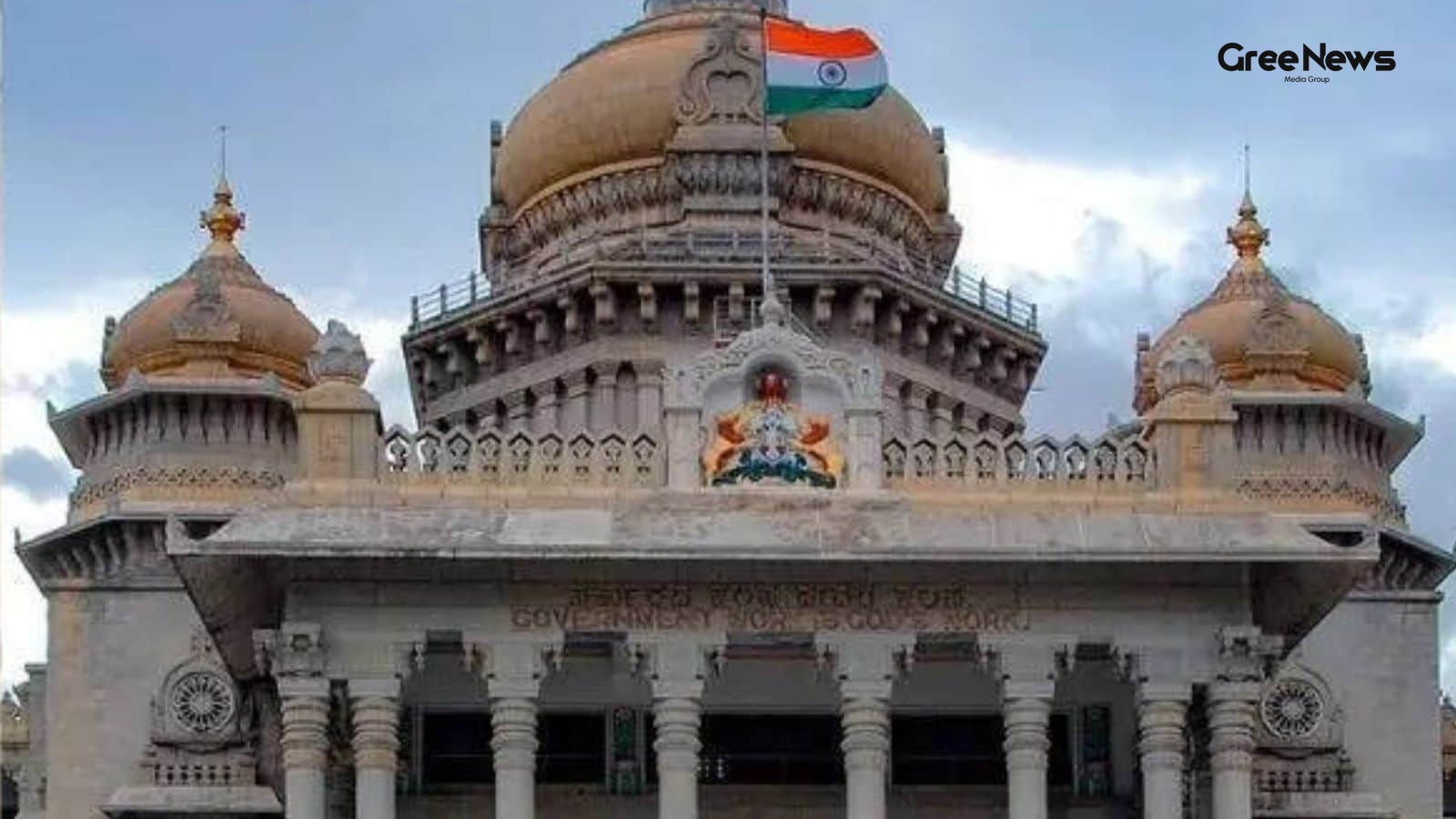
Thursday brought some messy results from the Karnataka Legislative Council election. Congress managed to snag five seats, and the BJP got two. But that wasn't even the main story. What really started stirring up talk was the whole cross-voting allegation the way votes seemed to shift across party li
Jun 19, 2026 by Gree News Team

Impact of US-Iran Peace Deal on India's Energy and Trade
The US-Iran peace deal... it looks like it could actually be a net positive for India. Think about it: renewed access to Iranian oil, easing those gnawing worries about shipping through the Strait of Hormuz. And New Delhi’s big connectivity ambitions focused on Chabahar port all suddenly sitting on
Jun 19, 2026 by Gree News Team
Latest Headlines
Donald Trump's Deal with Iran and Internal Party Conflict
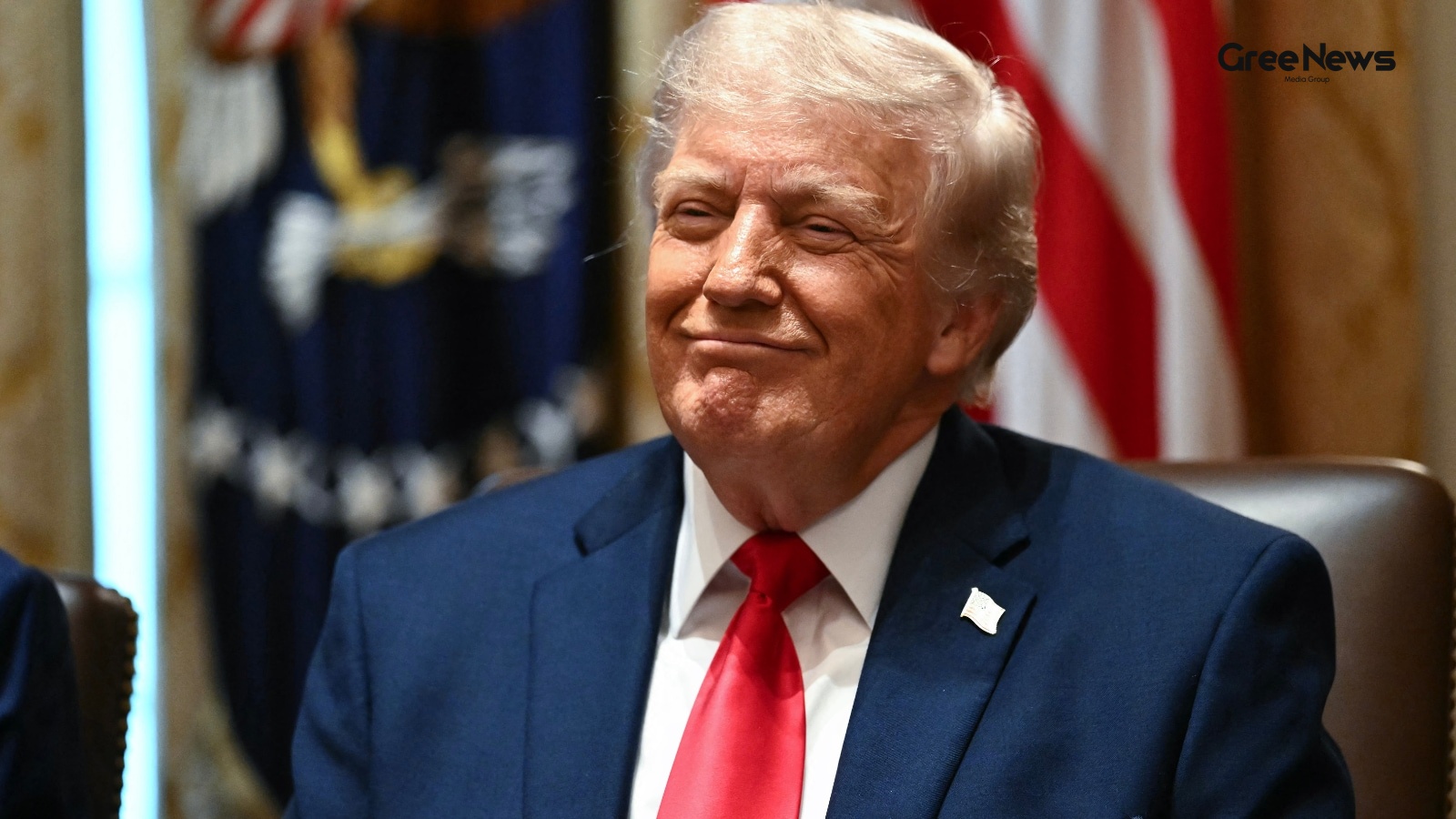
Donald Trump’s deal with Iran just stirred up some serious trouble inside his own party. Senators, former officials, even some conservative commentators are poking around, wondering if Tehran got too much from the whole arrangement without actually giving up anything big on nukes or missiles. The cr
Jun 19, 2026 by Gree News Team

Plastic Pollution and Wildlife in Karnataka
Plastic pollution. it’s become a massive headache lately, an environmental disaster everywhere. And this stuff? it really shows how precarious things are for animals. You saw a video, right? A wild elephant rummaging through piles of plastic waste, actually eating near garbage dumps way up in Karnat
Jun 19, 2026 by Gree News Team
HDFC Bank Interim Chairman Extension Approved by RBI
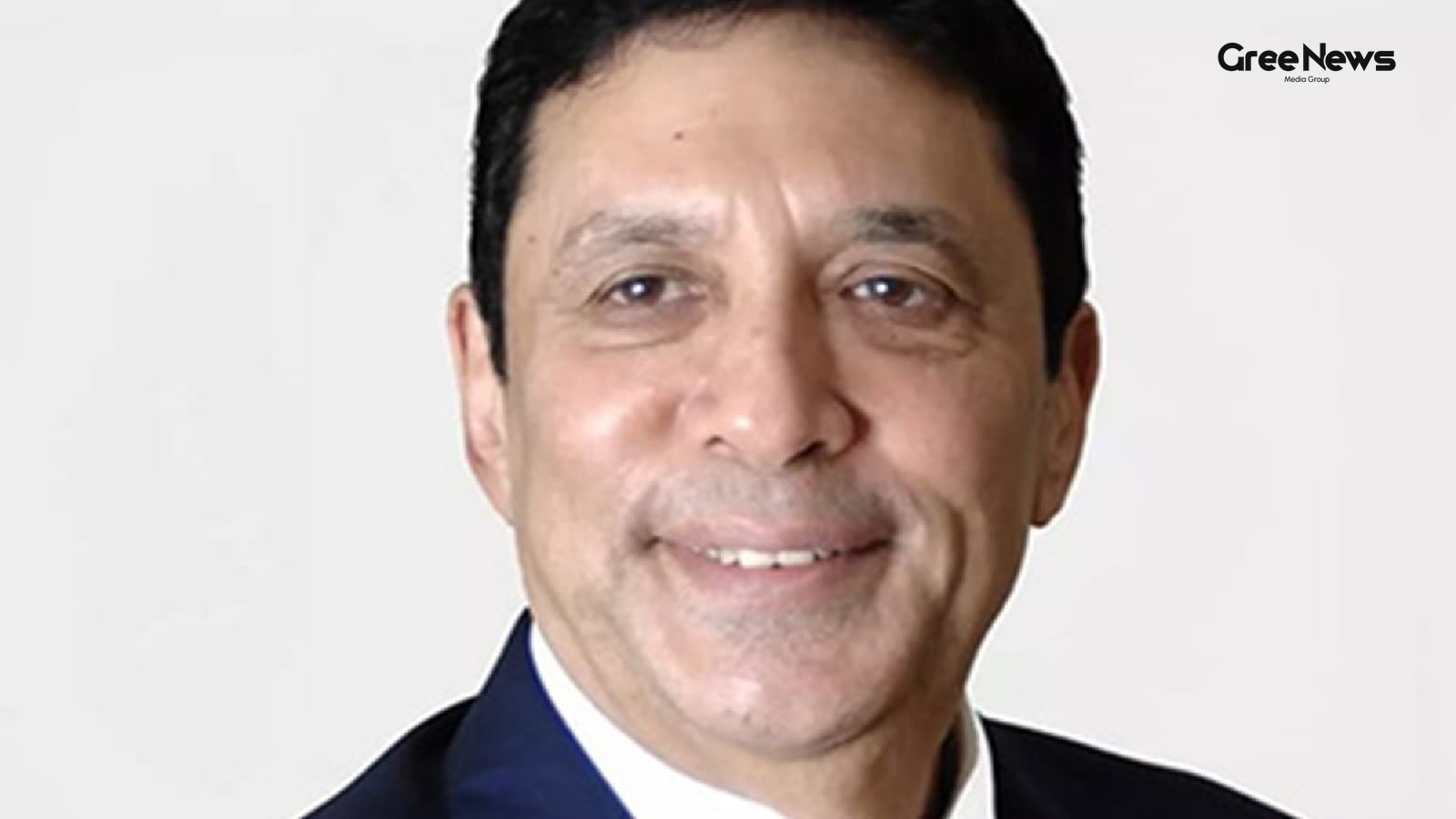
HDFC Bank, India’s biggest private lender, they announced on Thursday that they got the nod from the Reserve Bank of India to keep interim chairman Keki Mistry in place for another three months. Or until someone permanent is picked. The bank filed this information with the stock exchanges. It was al
Jun 19, 2026 by Gree News Team
Police Incident in Varanasi Over Motorcycle Sticker
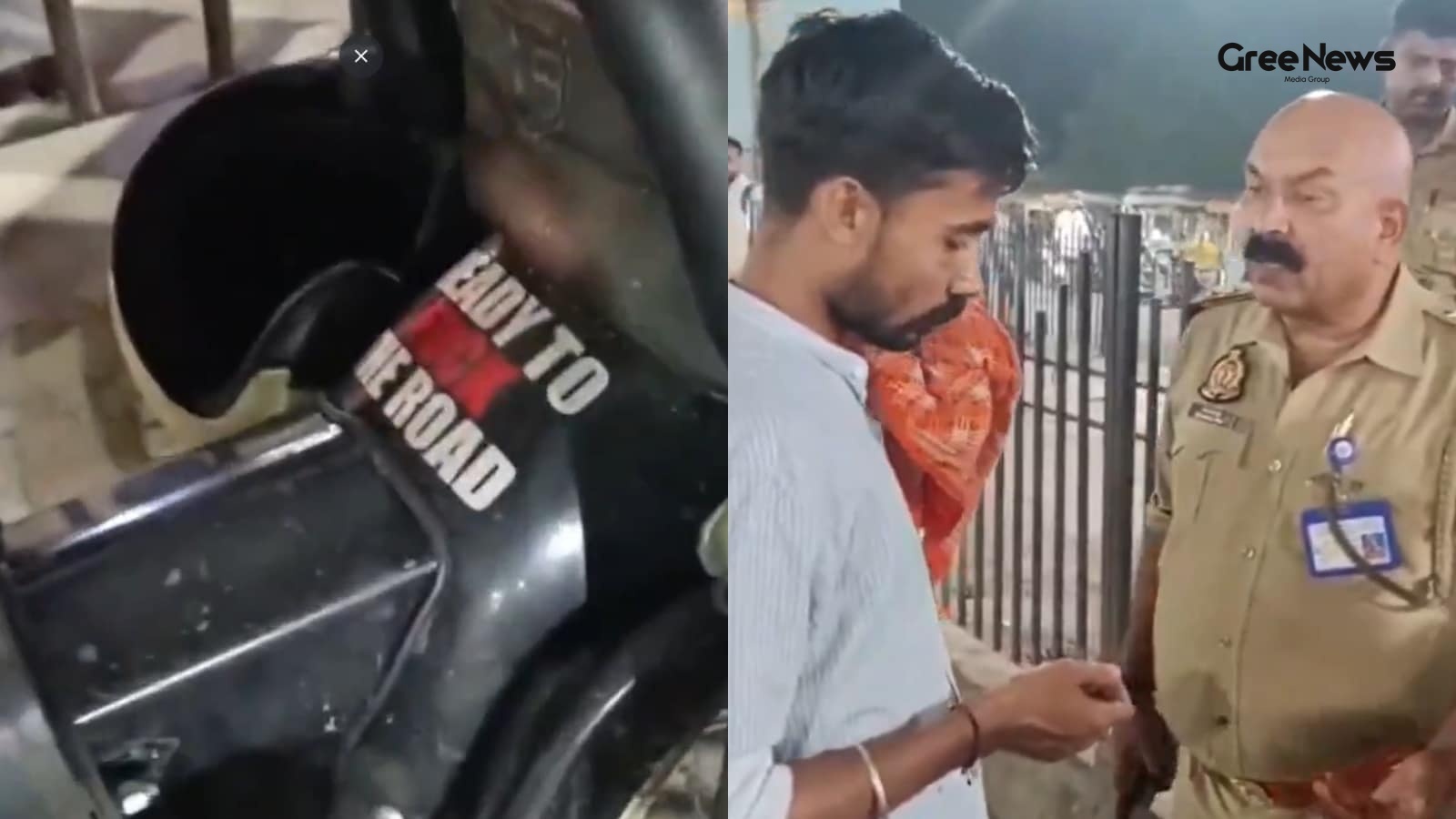
A police officer charged a motorcycle owner in Varanasi for something that just sort of blew up online. It was this whole thing about an obscene sticker, right? The incident happened there. A motorcyclist, riding a Royal Enfield, got pulled over and questioned by an inspector. The reason? Some kind
Jun 19, 2026 by Gree News Team

The Success and Financial Hurdles of Deool Band 2
Pravin Tarde’s *Deool Band 2* is just one of those big Marathi cinema stories this year. It really blew up. They reported the budget was around eight to ten crore rupees. But look at where it landed. Box office numbers already shot past eighty crore. It's now one of the top five grossing Marathi fil
Jun 19, 2026 by Gree News Team

Dolly Javed and the Dynamics of Alliance: Identity, Comparison, and Reality TV
Dolly Javed is rumored to be in the running for *Alliance*. Kunal Kemmu’s upcoming reality show, you know, it’s getting all the buzz. She’s reportedly been approached about it, talking with the producers now. It’s interesting timing, isn't it? Dolly, who already has a bit of traction as a social med
Jun 19, 2026 by Gree News Team

Donald Trump on China, Russia, and the Iran Conflict
Donald Trump brought up China and Russia yesterday. He thanked Xi Jinping and Vladimir Putin. Said they stayed neutral during America’s fight with Iran. Apparently, they avoided doing anything that would mess up Washington’s military push or any peace talks happening afterward. He made these comment
Jun 19, 2026 by Gree News Team

Archana Gautam's Journey: From Meerut to Acting
The upcoming episode of ‘Tum Ho Naa – Ghar ki Superstar,’ hosted by Rajeev Khandelwal, is going to feature Archana Gautam talking about everything she’s been through. Her struggle and the whole journey into acting are going to come up. It felt like a real look behind the curtain. She also brought up
Jun 19, 2026 by Gree News Team

The Existential Threat of Screens in Toy Story 5
For thirty years, *Toy Story* has asked that one simple question, in different ways: what happens when kids grow up and move on from their toys? In '95, the fear was giving way to something shinier. Now it’s about abandonment. Daycare politics. That slow ache of losing purpose. Letting a child go. A
Jun 19, 2026 by Gree News Team

Premium Noise Cancelling Headphones vs. Kitchen Appliances
Premium noise cancelling headphones aren't just some fancy gadget anymore. They’ve completely changed how people listen to music, watch stuff, or even just try to block out the noise in a noisy apartment or on a long flight. But here’s the snag. The best models now cost a fortune we’re talking anywh
Jun 19, 2026 by Gree News Team

BSF Women Reach Mount Everest: A Story of Courage and Achievement
Four women from the Border Security Force just did something massive. They actually reached the top of Mount Everest. The highest peak in the world. It was history for them, and honestly, it felt huge for the whole country. It wasn't just a climb. It was an all-women team. A BSF squad. That’s what h
Jun 19, 2026 by Gree News Team

Main Vaapas Aaunga: The Emotional Journey of 'Tere Paas Main'
*Main Vaapas Aaunga* is really catching on. Since it came out, people are loving it. The music, especially, has hit hard. Those songs just pull at you, hitting those feelings right in the chest through melodies and lyrics that feel genuinely heartfelt. And now, because everyone asked for it, they dr
Jun 19, 2026 by Gree News Team
The Complex Fallout of the Trump-Pezeshkian Peace Agreement
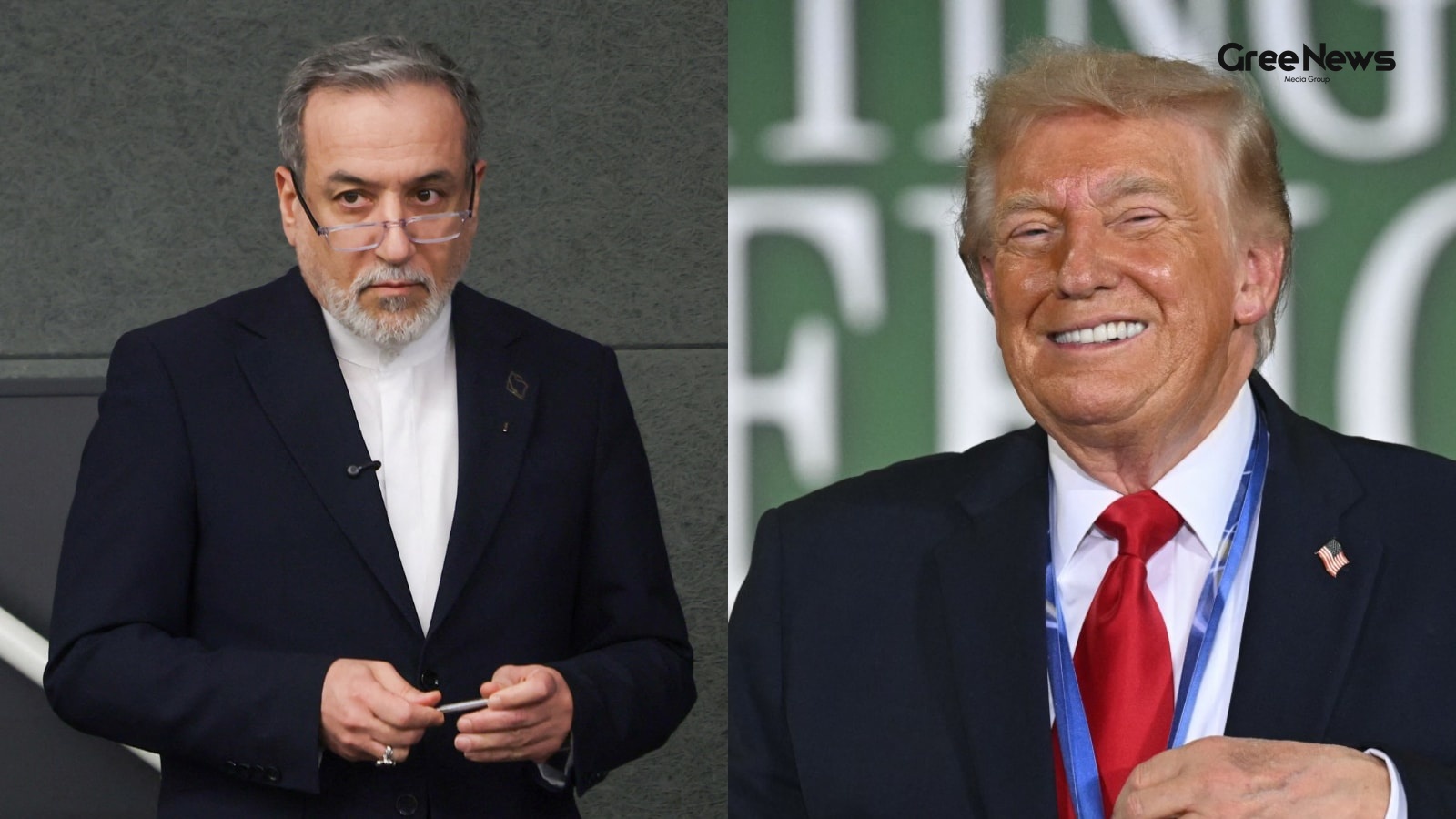
The whole thing hinges on that signing. Trump and Pezeshkian finally put pen to paper, a peace agreement, they called it. But honestly, the real work the actual messy part is just starting now. It’s not over yet. It happened at some dinner, I think. Hosted by Macron, somewhere in Versailles. Photos
Jun 19, 2026 by Gree News Team

Amazon Engineers Accuse Retaliation Over Data Center Regulation
Three Amazon software engineers made it public recently. They accused the tech giant of illegal retaliation after speaking at a Seattle City Council hearing about data centre regulation. It’s messy, this whole thing. They claim they got summoned into mandatory meetings with human resources right aft
Jun 19, 2026 by Gree News Team
Vikram Bhatt, AI, and the Future of Filmmaking
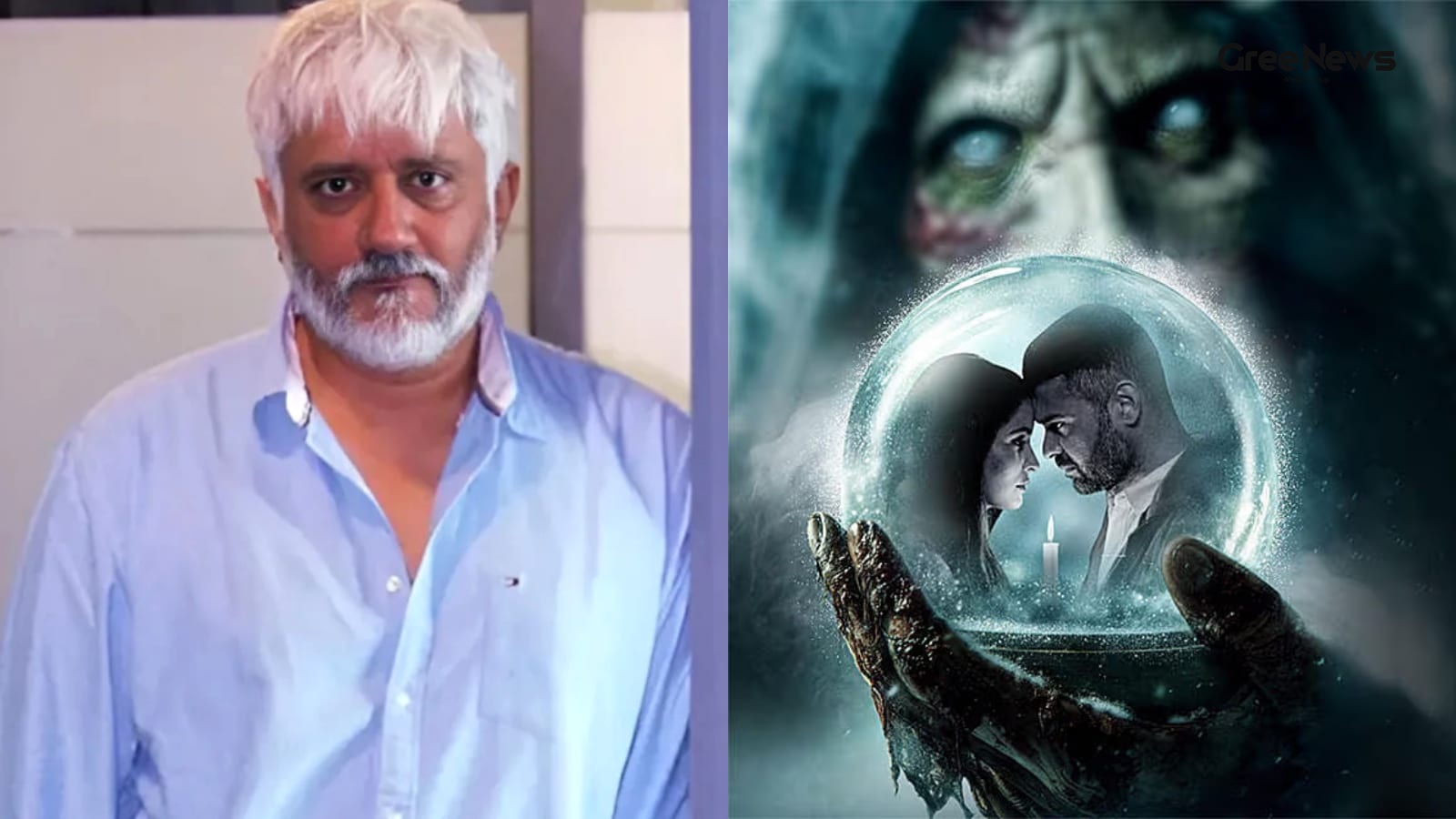
Vikram Bhatt’s latest flick, *Haunted 3D: Echoes Of The Past*, it’s definitely been a box office black sleep. Day one numbers were Rs 2.5 crore nett. That beat out films like *Main Vaapas Aaunga* and *Bharat Bhhagya Viddhaata*. But there's the fallout, right? It got panned because of how he used AI
Jun 19, 2026 by Gree News Team