The Existential Threat of Screens in Toy Story 5
For thirty years, Toy Story has asked that one simple question, in different ways: what happens when kids grow up and move on from their toys? In '95, the fear was giving way to something shinier. Now it’s about abandonment. Daycare politics. That slow ache of losing purpose. Letting a child go.
And now Toy Story 5 is hitting theaters in June 2026. Pixar is shoving that question right into the middle of what we all see every day: the screen.
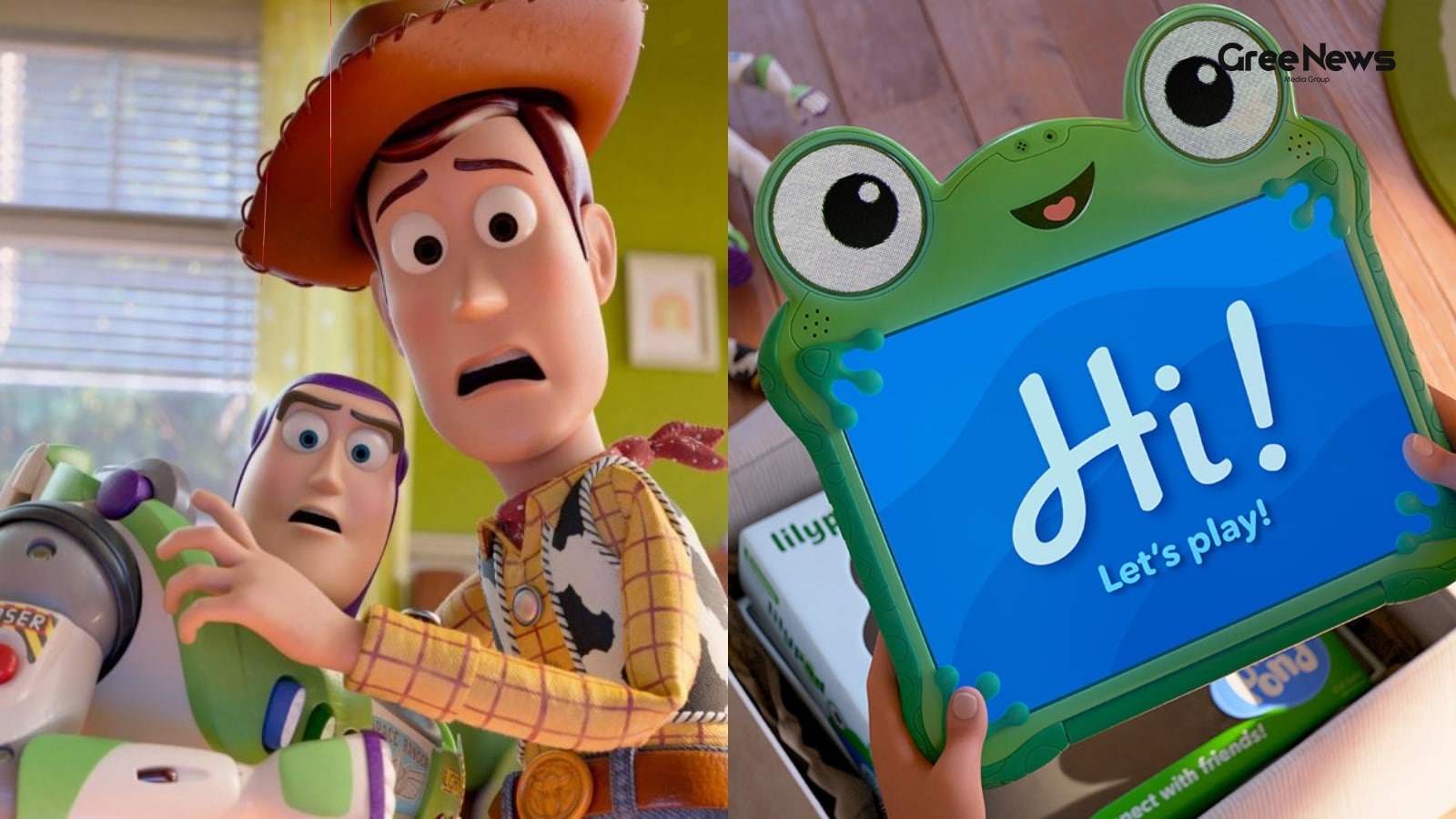
This time, Woody, Buzz, Jessie and the rest aren't facing another cowboy or some space ranger rival. Their new enemy is Lilypad . A frog-shaped smart tablet. It becomes the thing everyone wants Bonnie’s attention. On the surface? It sounds ridiculous. Almost absurd. But honestly, it hits on something really topical right now.
Pixar isn't just chasing a gimmick with this tablet. They are trying to turn one of those massive parenting anxieties we feel in the 2020s into a four-quadrant family film. The toys aren't just worried about growing up anymore. They’re terrified of becoming irrelevant when play itself has shifted so much.
Why does a tablet actually work as this threat?
The old films always worked because they were about real feelings. Woody wasn't just jealous of Buzz. It was the sheer terror of losing your spot in someone's life. Toy Story 2 wasn't just about collecting things. It was whether being frozen forever is worth more than actual love and eventual wear-out. And Toy Story 3 ? That was that gut punch about growing up. Toy Story 4 asked what purpose means when your original role disappears.
Lilypad fits right into that line. If toys exist to be played with, then what happens when kids don't even reach for the toys first? What if imagination just gets outsourced? To a screen that’s always running, always responding, never needing you to invent something new? That makes Lilypad way more dangerous than any villain they ever faced.
She isn't evil in the old sense. She doesn't want to destroy them out of malice. Her threat comes from convenience. From being attractive and easy to resist. A smart tablet can educate, entertain, connect all at once. That’s the real knot for parents. Screens aren't just "bad." They are necessary, unavoidable sometimes. The trouble starts when they start swapping physical play, boredom, imagination, human touch for that glow.
Pixar can explore that mess without making a lecture. Lilypad is cute, frog-shaped, harmless looking. Kids might see her as fun. Parents? Uncomfortably familiar. Meanwhile, the toys just see an existential threat looming over them. That three-way view gives the movie its real dramatic engine.
Screen addiction is a perfect Pixar theme. They always got good when they took something huge and made it playful. Inside Out turned feelings into characters. Soul tackled meaning. Up was about grief turning into an adventure. Finding Nemo flipped parental worry into a quest.
With this film, the studio is doing that with screen time. They’re taking what families argue about at dinner, in the car, before bed, and putting it inside a world kids already love.
The genius here is skipping the scolding. No adults need to start by telling kids to put the devices down. Instead, the film can ask the toys: what are children losing when screens become the default mode of play?
It lets them explore the issue emotionally instead of morally. The toys don't care about digital wellbeing reports. They just feel the void because Bonnie is looking elsewhere. They miss the games that used to happen on the carpet, or in the backyard. Their pain becomes a metaphor for something bigger.
The fear of being replaced has always been the core of Toy Story . Woody fearing Buzz. That was personal. Now it’s generational. It's not one toy stepping aside for another. It’s the whole idea of physical play getting swallowed up by digital engagement.
Woody started out a cowboy afraid of a flashy space ranger. Now, they face something shinier, smarter. The difference is that Buzz needed imagination. He had to be held, flown, rescued in a story made by someone. A tablet just generates its own world. It doesn't wait for the child’s mind to turn on. That shift makes Lilypad so potent.
And think about who really needs this movie most. It’ll aim at kids, sure. But it hits adults harder. The parents watching now are dealing with phone habits, YouTube spirals, and gaming routines every single day. They grew up playing outside and collecting things. Now they're negotiating screen time constantly.
That makes the film a massive conversation starter. Kids might see an adventure about toys fighting for attention. Adults see their own worry reflected back that childhood is getting more passive, more mediated by these glowing boxes. Pixar doesn’t need to preach. They just need to show that tension in a way that feels funny and real.
The franchise has earned affection. When the toys feel ignored, we feel it too. If Lilypad pulls kids away from Woody and Buzz, audiences get that loss immediately.
But there's a risk here. The biggest danger is making it too simple. A movie just screaming "screens are bad, toys are good" feels old and preachy now. Modern life isn't separate from technology anymore. Kids use screens for school, creativity, connection. A tablet can be a tool, or it can be a distraction.
That’s why Lilypad has to be handled right. If she’s just pure evil, the whole thing flattens out. But if she’s appealing, useful, even persuasive? Then the conflict deepens. The real fight isn't about tech existing. It’s about whether it gets to consume everything else.
The best story won't be anti-technology. It should argue for balance. Screens can have value. They just can’t replace that messy, tactile, imaginative world of physical play. That leaves room for connection and boredom too.
This opens up a ton of comedy potential, too. The whole screen-time war is inherently funny. Woody trying to figure out apps. Buzz attempting to recreate excitement with old-school charm. Jessie rallying the toys like a resistance group. Misunderstanding notifications or online games that’s classic fish-out-of-water humor.
The visual contrast works too. Toys move through improvisation and physical risk. Tablets operate on sleek interfaces, light, instant feedback. Watching old-school characters try to beat an algorithmic attention machine has great visual punch.
But remember the heart of Toy Story is character. The jokes land only if they come from the toys' desperation and loyalty to Bonnie. Their attempts to stay relevant should be funny because they are genuinely scared.
Bonnie’s age matters too. Screen addiction isn't just about toddlers hiding a tablet. It gets deeper as kids grow, when their social lives move online. Group chats, digital communities these compete with physical play for attention. For Bonnie, Lilypad might not just be a distraction. She could represent belonging. If her friends are all on the tablet, then that device becomes part of her world.
That makes the toys’ challenge way harder. They aren't just competing with entertainment; they're competing with connection itself. They have to figure out what Bonnie is actually getting from Lilypad before they can remind her what she’s missing with them. It’s a Pixar problem: nobody is totally wrong, but something precious is at risk.
The sequel has the nostalgia factor automatically. Woody and Buzz bring in all the old fans. But the tablet story gives it an edge beyond just reunion value. A fifth film needs more than just catching up. It needs this contemporary emotional hook.
This timing feels sharp commercially. The franchise spans generations. Releasing it in the summer positions it as a huge family event. Parents don't need to be lectured; they are already living this reality.
The movie has all the ingredients: familiar characters, a new threat, high stakes, a massive cultural theme, and the promise of Pixar spectacle. The visual clash between handcrafted toys and slick digital tech could give the animation team some fresh design territory to explore.
But maybe the real draw is what people talk about afterward. If it lands emotionally, families won't just watch it; they’ll dissect it.
What Toy Story 5 is really fighting for isn't that toys beat tablets. It’s that play matters. Physical, imaginative, messy, open-ended play isn't just entertainment. It's how kids process feelings, relationships, conflict, and invent stories.
A toy doesn't tell a child exactly what to do. It waits. It becomes whatever the child imagines it is. That space that openness is the soul of Toy Story . A cowboy can be anything they want. A space ranger can be real because someone believes in him.
Screens, on the other hand, often arrive already full. They offer worlds that are dazzling but pre-built. The child participates, sure, but the gap for true imagination shrinks. That’s the loss this film seems ready to tackle.
Pixar isn't suggesting technology should vanish. They’re asking: what kind of childhood are we building when screens take over? The answer probably won't be extreme. It will likely be finding a middle ground. Where digital connection has its space, but it doesn't erase touch, or imagination, or the simple act of being bored outside. Where there’s a place for the glow, but not for total absorption.
That makes this story feel bigger than just a sequel hook. It feels like using their legacy to talk about right now. Nearly thirty-one years later, Toy Story 5 is preparing to face the biggest shift in kids' lives since Woody first met Buzz. The toys are back. And this time, they’re fighting for attention. They’re fighting for imagination. They’re fighting for the right to just look away from the screen and invent their own world.
Written by Gree News Team — Senior Editorial Board
Gree News Team covers international news and global affairs at Gree News. Our collective of senior editors is dedicated to providing independent, accurate, and responsible journalism for a global audience.
More from Movies
View All
The Success and Financial Hurdles of Deool Band 2
Pravin Tarde’s *Deool Band 2* is just one of those big Marathi cinema stories this year. It really blew up. They reported the budget was around eight to ten crore rupees. But look at where it landed. Box office numbers already shot past eighty crore. It's now one of the top five grossing Marathi fil
Jun 19, 2026 by Gree News Team

Archana Gautam's Journey: From Meerut to Acting
The upcoming episode of ‘Tum Ho Naa – Ghar ki Superstar,’ hosted by Rajeev Khandelwal, is going to feature Archana Gautam talking about everything she’s been through. Her struggle and the whole journey into acting are going to come up. It felt like a real look behind the curtain. She also brought up
Jun 19, 2026 by Gree News Team
Main Vaapas Aaunga: The Emotional Journey of 'Tere Paas Main'
*Main Vaapas Aaunga* is really catching on. Since it came out, people are loving it. The music, especially, has hit hard. Those songs just pull at you, hitting those feelings right in the chest through melodies and lyrics that feel genuinely heartfelt. And now, because everyone asked for it, they dr
Jun 19, 2026 by Gree News Team
Vikram Bhatt, AI, and the Future of Filmmaking
Vikram Bhatt’s latest flick, *Haunted 3D: Echoes Of The Past*, it’s definitely been a box office black sleep. Day one numbers were Rs 2.5 crore nett. That beat out films like *Main Vaapas Aaunga* and *Bharat Bhhagya Viddhaata*. But there's the fallout, right? It got panned because of how he used AI
Jun 19, 2026 by Gree News Team
Latest Headlines
Archana Gautam's Journey: From Meerut to Acting
The upcoming episode of ‘Tum Ho Naa – Ghar ki Superstar,’ hosted by Rajeev Khandelwal, is going to feature Archana Gautam talking about everything she’s been through. Her struggle and the whole journey into acting are going to come up. It felt like a real look behind the curtain. She also brought up
Jun 19, 2026 by Gree News Team
Premium Noise Cancelling Headphones vs. Kitchen Appliances
Premium noise cancelling headphones aren't just some fancy gadget anymore. They’ve completely changed how people listen to music, watch stuff, or even just try to block out the noise in a noisy apartment or on a long flight. But here’s the snag. The best models now cost a fortune we’re talking anywh
Jun 19, 2026 by Gree News Team

BSF Women Reach Mount Everest: A Story of Courage and Achievement
Four women from the Border Security Force just did something massive. They actually reached the top of Mount Everest. The highest peak in the world. It was history for them, and honestly, it felt huge for the whole country. It wasn't just a climb. It was an all-women team. A BSF squad. That’s what h
Jun 19, 2026 by Gree News Team
Main Vaapas Aaunga: The Emotional Journey of 'Tere Paas Main'
*Main Vaapas Aaunga* is really catching on. Since it came out, people are loving it. The music, especially, has hit hard. Those songs just pull at you, hitting those feelings right in the chest through melodies and lyrics that feel genuinely heartfelt. And now, because everyone asked for it, they dr
Jun 19, 2026 by Gree News Team
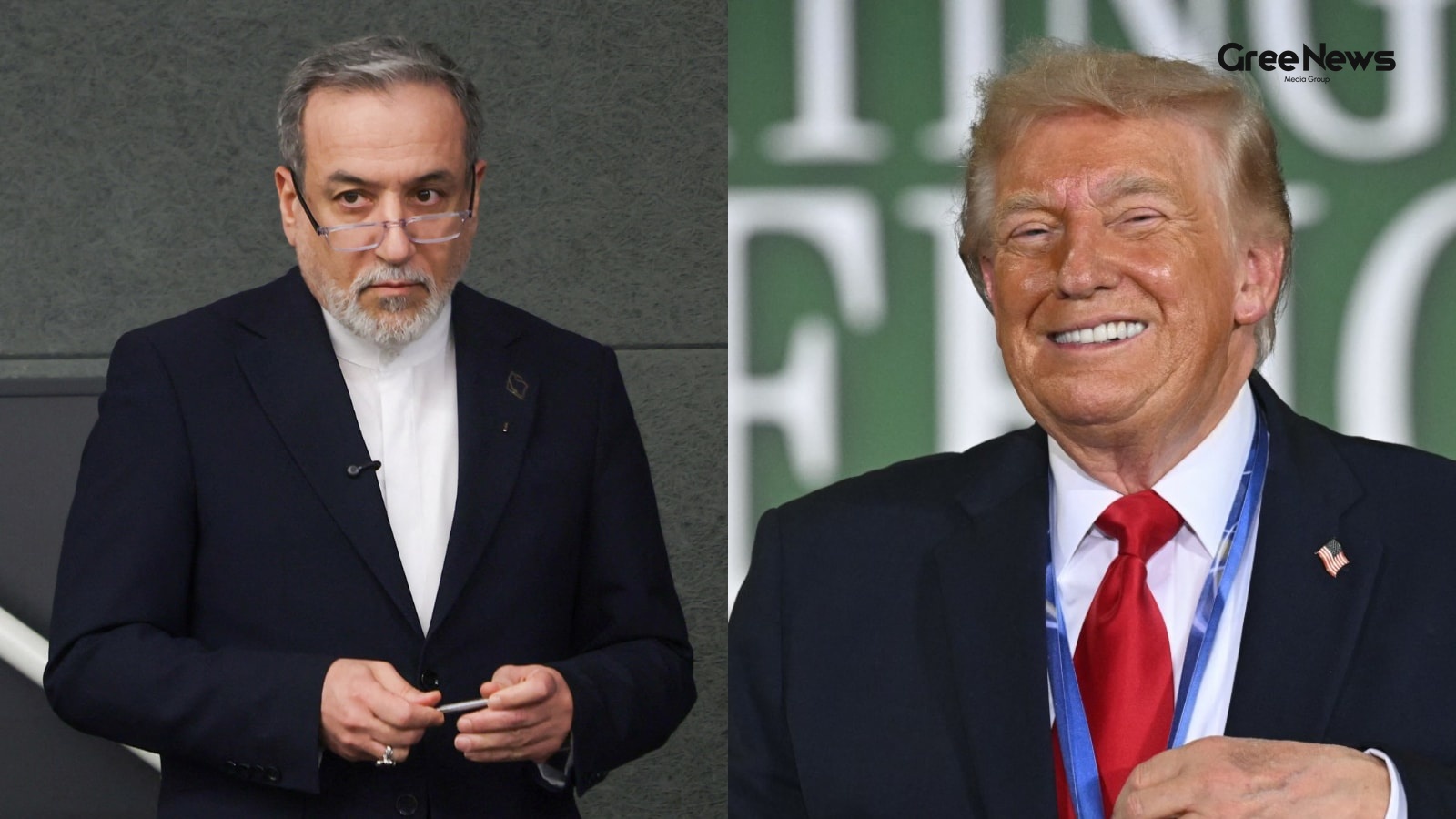
The Complex Fallout of the Trump-Pezeshkian Peace Agreement
The whole thing hinges on that signing. Trump and Pezeshkian finally put pen to paper, a peace agreement, they called it. But honestly, the real work the actual messy part is just starting now. It’s not over yet. It happened at some dinner, I think. Hosted by Macron, somewhere in Versailles. Photos
Jun 19, 2026 by Gree News Team

Amazon Engineers Accuse Retaliation Over Data Center Regulation
Three Amazon software engineers made it public recently. They accused the tech giant of illegal retaliation after speaking at a Seattle City Council hearing about data centre regulation. It’s messy, this whole thing. They claim they got summoned into mandatory meetings with human resources right aft
Jun 19, 2026 by Gree News Team
Vikram Bhatt, AI, and the Future of Filmmaking
Vikram Bhatt’s latest flick, *Haunted 3D: Echoes Of The Past*, it’s definitely been a box office black sleep. Day one numbers were Rs 2.5 crore nett. That beat out films like *Main Vaapas Aaunga* and *Bharat Bhhagya Viddhaata*. But there's the fallout, right? It got panned because of how he used AI
Jun 19, 2026 by Gree News Team

WBJEE 2026 Results and Counseling Updates
The WBJEE 2026 results finally dropped, only twenty-six days after the actual test. It was kind of a surprise too, setting up exam centers in Bengal and actually some other states this time around. The merit list? It pulled names from all over Kolkata and different districts scattered around. The bo
Jun 19, 2026 by Gree News Team
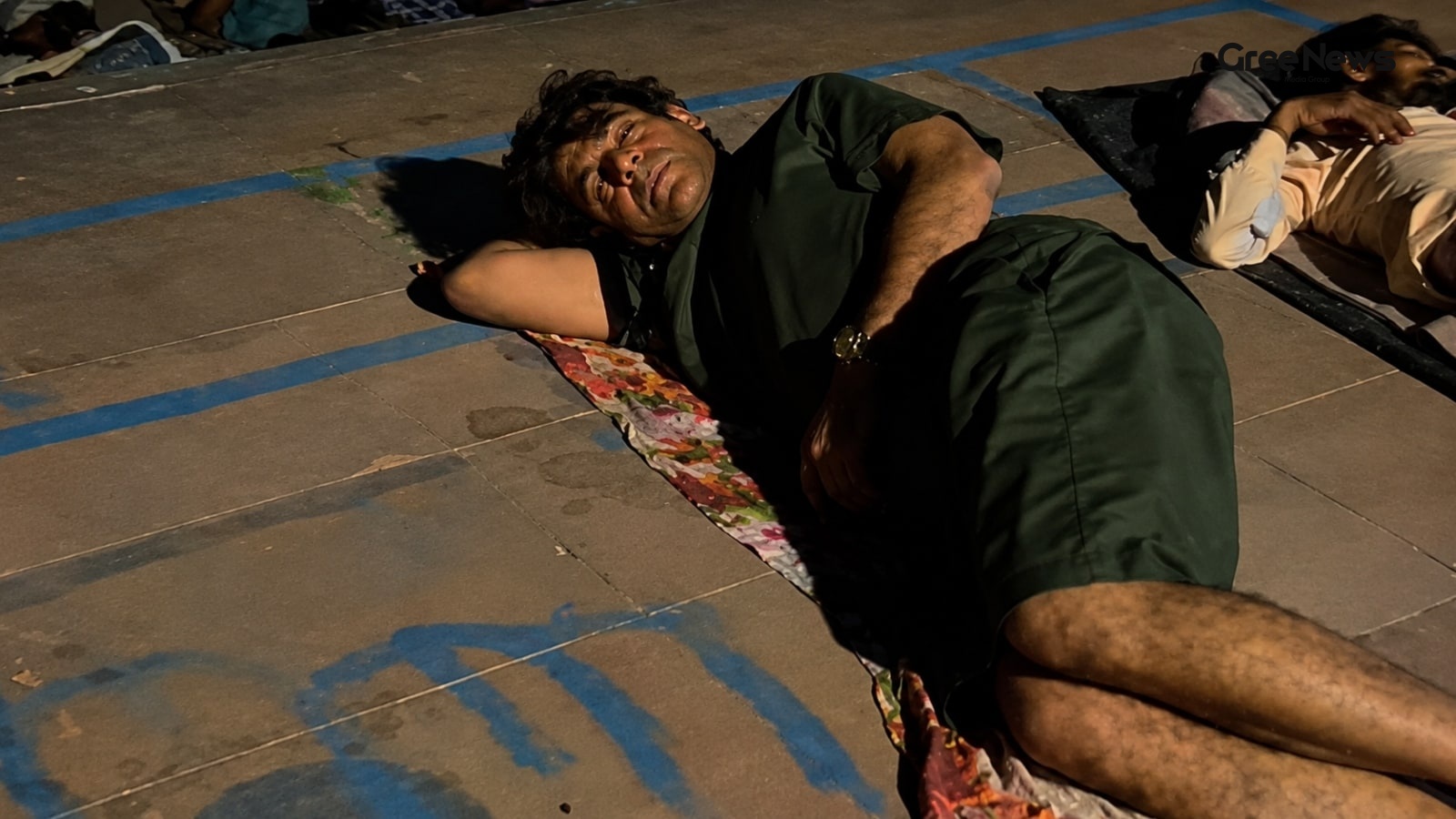
The Quiet Reality Behind the Spotlight: Sunil Grover's Journey
Sunil Grover. Actor. Comedian. You see that name pop up online, and you think of big laughs, maybe some high-energy sketches. But then there’s this other side, isn't there? A quietness. Something much slower. He posted it on Thursday. Just a video. Not some polished interview or a carefully staged m
Jun 19, 2026 by Gree News Team

DK Shivakumar and the Political Cross-Voting Strategy in Karnataka
DK Shivakumar, Karnataka’s Chief Minister he really is the troubleshooter and crisis manager for Congress, people call him the “Chanakya of the Congress” for his political smarts. It wasn't just luck, you know? He managed to outmaneuver rivals, grab key wins. In those recent MLC elections, he pulled
Jun 19, 2026 by Gree News Team
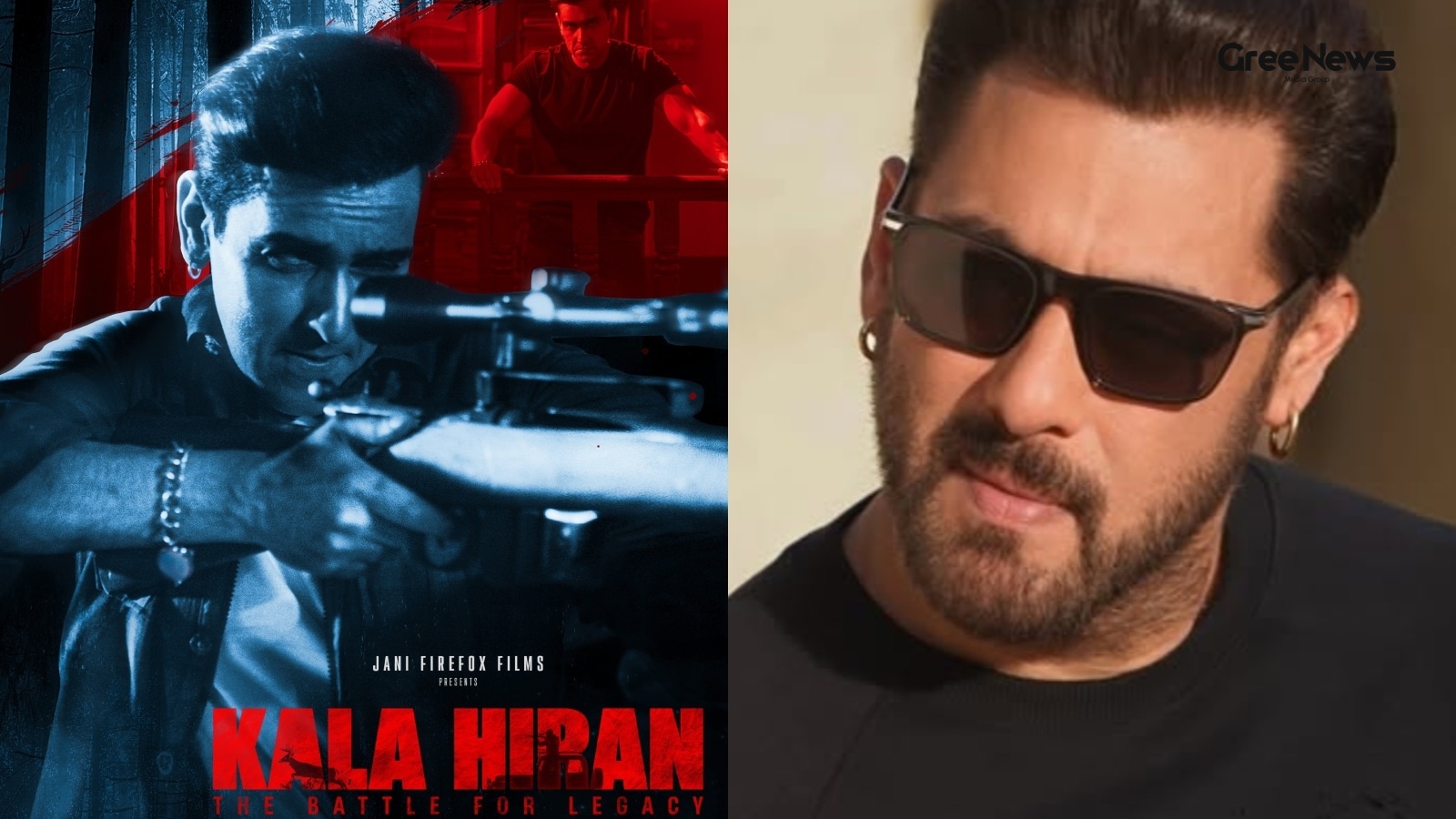
Threats Faced by 'Kala Hiran' Producer Amit Jani from Pakistan
‘Kala Hiran’ producer Amit Jani is talking about threats he’s been facing from Pakistan before the movie even comes out. He said he got a second death threat within just twenty-four hours. That’s right, hours after reporting the first one to the police. He put this complaint up on X. A picture of th
Jun 19, 2026 by Gree News Team

The Unseen Dynamics of Political Tension and Shifting Alliances
The air just felt thick today. You could almost taste the tension hanging over everything. It wasn't some grand, predictable political shift; it was just... happening. Slow, heavy stuff moving along. There are whispers now, mostly in the back rooms, not the big headlines you see on TV. People are ta
Jun 19, 2026 by Gree News Team
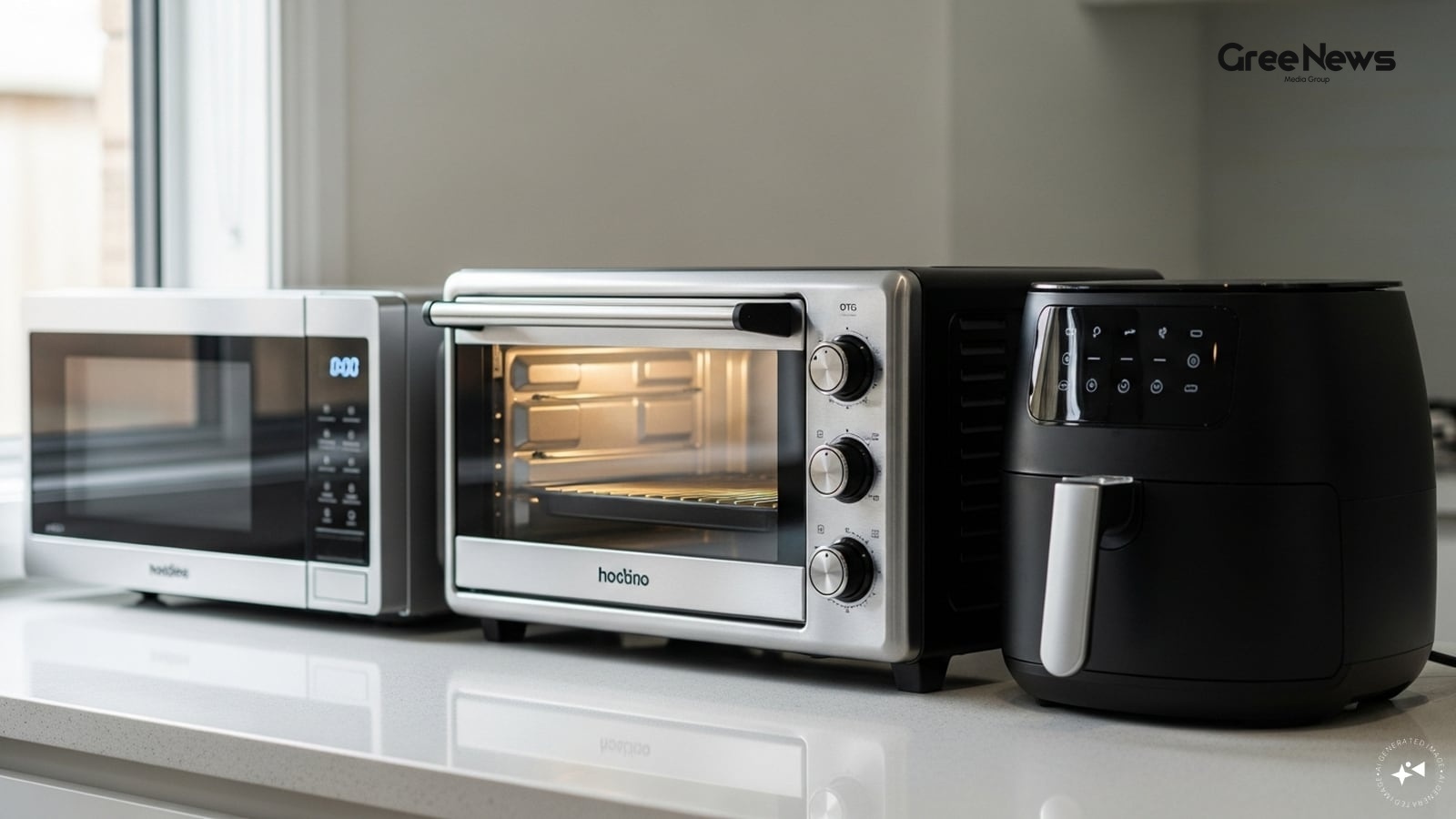
OTG vs Air Fryer vs Microwave: Which Kitchen Gadget is Right for You?
Walk into any appliance store, right? You’ll probably run into that same question: should I grab an OTG, or an air fryer, or maybe a microwave? They all promise convenience, sure, but they actually solve totally different kitchen headaches. Some are way better for baking, others lean into healthy co
Jun 19, 2026 by Gree News Team

WHO Guidelines for Filovirus Diseases: Managing Ebola and Marburg Outbreaks
The World Health Organization finally rolled out its first full set of clinical management guidelines for filovirus diseases. It covers everything known about Ebola virus variants and Marburg disease. This whole thing launched back on June 17, 2026. And it hits right in the middle of a crisis. Right
Jun 19, 2026 by Gree News Team

Doctors’ Money and Career Paths in India
Doctors’ money and career paths in India are getting dragged online right now after some social media post questioned whether MBBS really sets you up for early financial independence. It just sparked this whole debate. People are reacting in totally mixed ways. Some folks seem to agree with the skep
Jun 19, 2026 by Gree News Team