Defence Deal: India Signs Contract for Marine Gas Turbine Generators with Bharat Forge

The big news hitting the defence sector right now is that the Ministry of Defence actually signed a deal. A hefty Rs 425 crore contract. It’s with Bharat Forge Limited , based right there in Pune. What they are doing? Supplying twelve marine gas turbine generator sets for the Indian Navy.
It feels like a genuine boost to that whole Make-in-India push. Not just some abstract policy thing. This is tangible manufacturing happening. An Indian company building and delivering these indigenous power plants specifically designed for naval warships. For the first time, this kind of thing. It’s a real milestone, you know?
The deal came through under the Defence Acquisition Procedure 2020. Specifically that ‘Buy (Indian)’ category. And there’s a kicker: they’re mandating a minimum indigenous content of sixty per cent. That means the focus isn't just on the delivery; it’s about actually building the capability here at home, making sure the manufacturing stays domestic.
Defence Secretary Rajesh Kumar Singh was there for the signing ceremony in New Delhi on Friday. Just showing up. It matters that he was there. It adds a layer of official weight to this kind of industrial move.
These aren't just any generators. We’re talking about 1.25 MW marine gas turbine generators. They are designed to feed power into the critical onboard systems of these ships. Think about what those systems actually do. Advanced weapons, sensors, combat management systems all running on reliable electricity. These things are absolutely vital for modern warships operating in the sea. Power generation isn't just nice to have; it’s essential during operations. You need reliability above all else.
The Defence Ministry is framing this whole initiative very strongly now. They link it directly to Aatmanirbhar Bharat and Make in India goals. It’s about strengthening domestic manufacturing capabilities for these specific, strategic technologies. It's about control over the supply chain.
When you look at what they are saying, it points toward maritime self-reliance. That’s what they want. They said this project enhances that capability. Improves operational readiness of the Indian Navy by relying on indigenous production and having comprehensive lifecycle support built right in. It’s more than just a transaction; it’s about technological sovereignty.
The contract itself spans five years. That gives things time to breathe, to build up capacity. And Bharat Forge isn't stopping there. They are setting up a dedicated integration and testing facility for these generators. That means real hands-on work starting now. It’s not just handing over blueprints; they are establishing the infrastructure needed to actually test and integrate these complex systems properly.
And wait, there’s more coming down the pipeline. The company isn't stuck on just these 1.25 MW units. They plan to get into designing and developing even larger marine power plants and propulsion gas turbines down the line. That opens up a whole new horizon for what India can achieve in this space. It means future indigenous development is really on the table, not just incremental upgrades.
Bharat Forge themselves are pointing out the benefit from their side too. They noted that these new 1.25 MW units will replace older, lower-capacity units currently on Indian Naval vessels. That’s a direct upgrade in capability for the fleet. But beyond the replacement part, they emphasized something about the ecosystem. They want to build an entire domestic system manufacturing, maintenance, overhaul of these gas turbine systems. Less reliance on foreign suppliers becomes a huge goal there.
Defence experts are looking at this deal with a lot of interest. They see it as a crucial step toward achieving greater technological sovereignty in naval platforms. It’s about moving away from dependency. But they also see the bigger picture. This is an opening. An opening for future indigenous development of advanced marine propulsion systems across the board.
Ultimately, the expectation now settles on this: strengthening the defence-industrial base. Supporting the Navy's long-term modernization plans with power systems that are locally developed and maintained. It’s a massive undertaking, but if it works out, it could fundamentally shift how India approaches its naval technology strategy. It’s about making sure the foundation for future capabilities is built domestically. A slow burn, maybe, but certainly one worth watching closely.
Written by Gree News Team — Senior Editorial Board
Gree News Team covers international news and global affairs at Gree News. Our collective of senior editors is dedicated to providing independent, accurate, and responsible journalism for a global audience.
More from India
View All
Arrest in Shimla Linked to Viral Videos and Public Outrage
An American guy got arrested in Shimla on Friday. Allegedly for causing a public disturbance. And some indecent behavior. All because videos surfaced online. The whole thing blew up fast. Clips circulated everywhere on social media. People were furious. Police stepped in, naturally. Joshua Christian
Jun 20, 2026 by Gree News Team

Tej Pratap Yadav Allegations, Threats, and Legal Proceedings
Tej Pratap Yadav, President of JJD, brought up some serious stuff on Friday. He claimed his life was genuinely under threat. Not just some vague worry, but he alleged there was a full-blown conspiracy cooking to get him killed, something linked straight to opposition leaders. He wasn't just making n
Jun 20, 2026 by Gree News Team
Financial and Legal Battle Over Trinamool Congress Party Funds
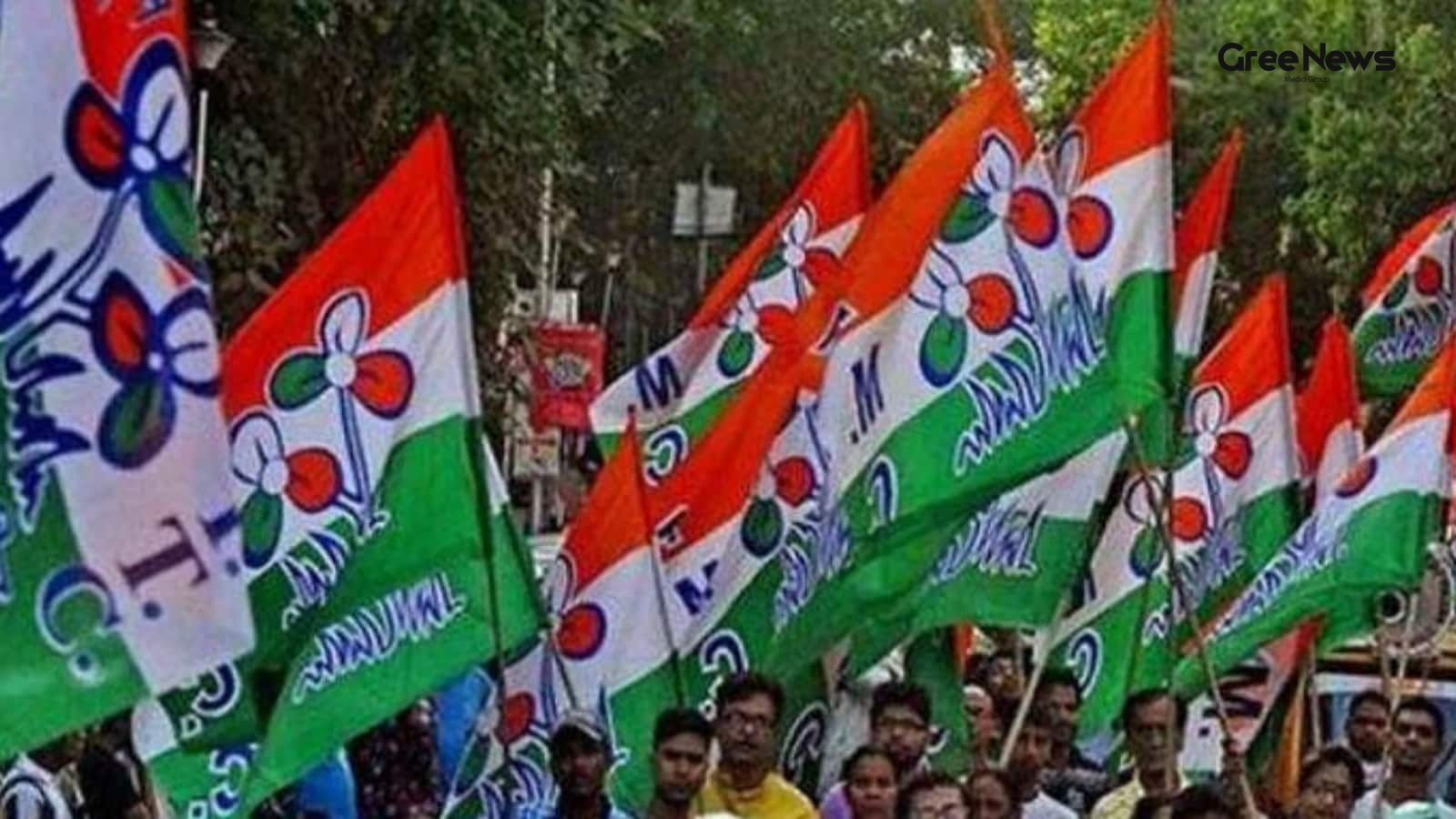
A full-blown war. That’s what’s happening over the Trinamool Congress party fund right now. We're talking about a massive pot, estimated around six hundred crore rupees. It started small, you know? An internal squabble. A political rebellion bubbling up beneath the surface of the party structure. Bu
Jun 20, 2026 by Gree News Team
DK Shivakumar on Karnataka Government Welfare Schemes and Eligibility
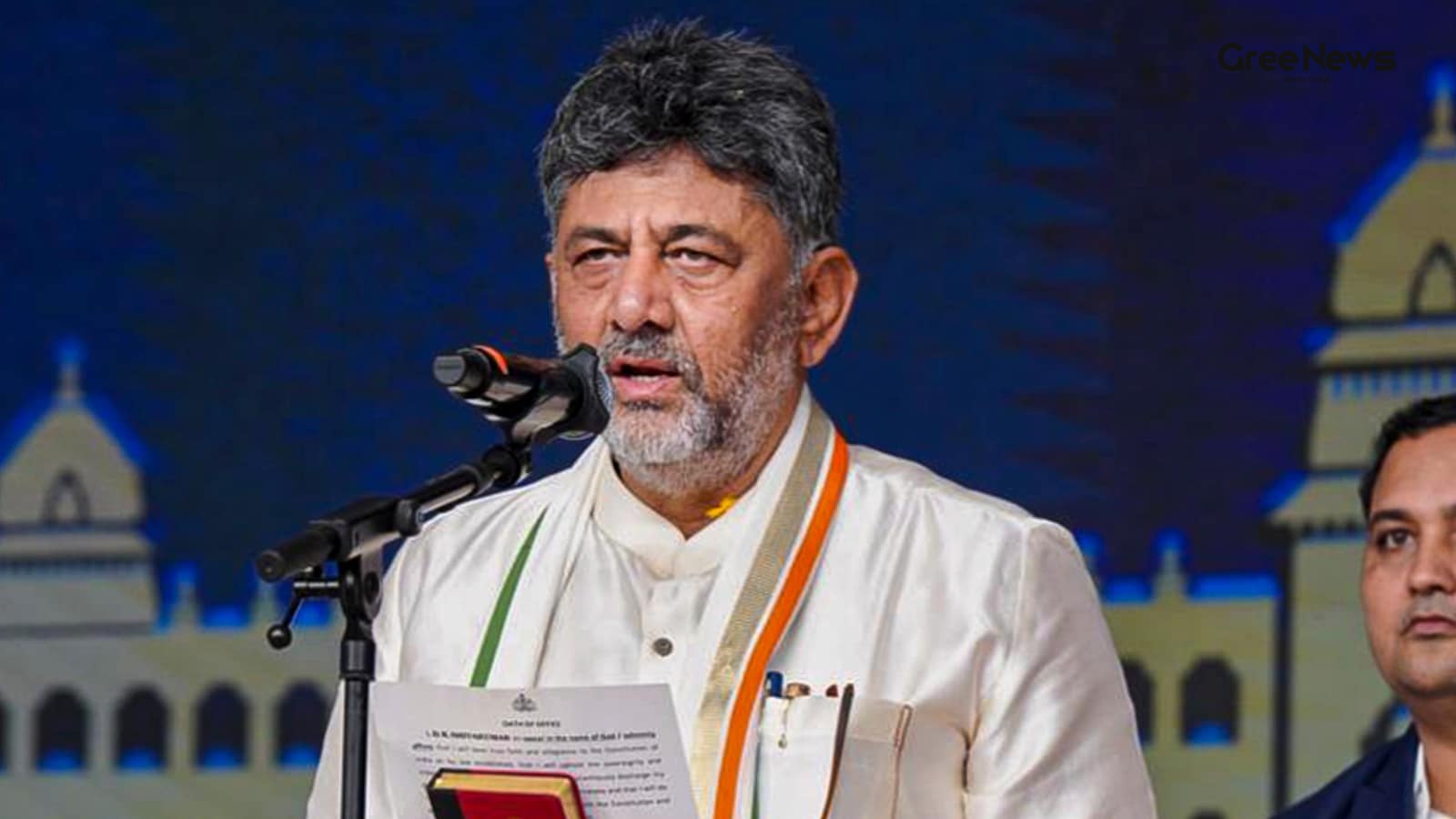
DK Shivakumar spoke on Friday about government welfare schemes in Karnataka. He basically said only people whose names are actually on the electoral rolls should get these benefits. No deserving person should suffer because of whatever moves were happening. He was chairing a review meeting at the Vi
Jun 20, 2026 by Gree News Team
Latest Headlines

Barack Obama on the Iran Conflict and War's Aftermath
Barack Obama said something kind of heavy on Friday. He basically argued that fifteen weeks of fighting with Iran just left America in a worse spot than when things started back in February. Even while he welcomed the ceasefire that finally happened. He talked to NBC News about it. Said they’ve foug
Jun 20, 2026 by Gree News Team
Arrest in Shimla Linked to Viral Videos and Public Outrage
An American guy got arrested in Shimla on Friday. Allegedly for causing a public disturbance. And some indecent behavior. All because videos surfaced online. The whole thing blew up fast. Clips circulated everywhere on social media. People were furious. Police stepped in, naturally. Joshua Christian
Jun 20, 2026 by Gree News Team
Iran Pushes Back Against Claims of Strait of Hormuz Closure
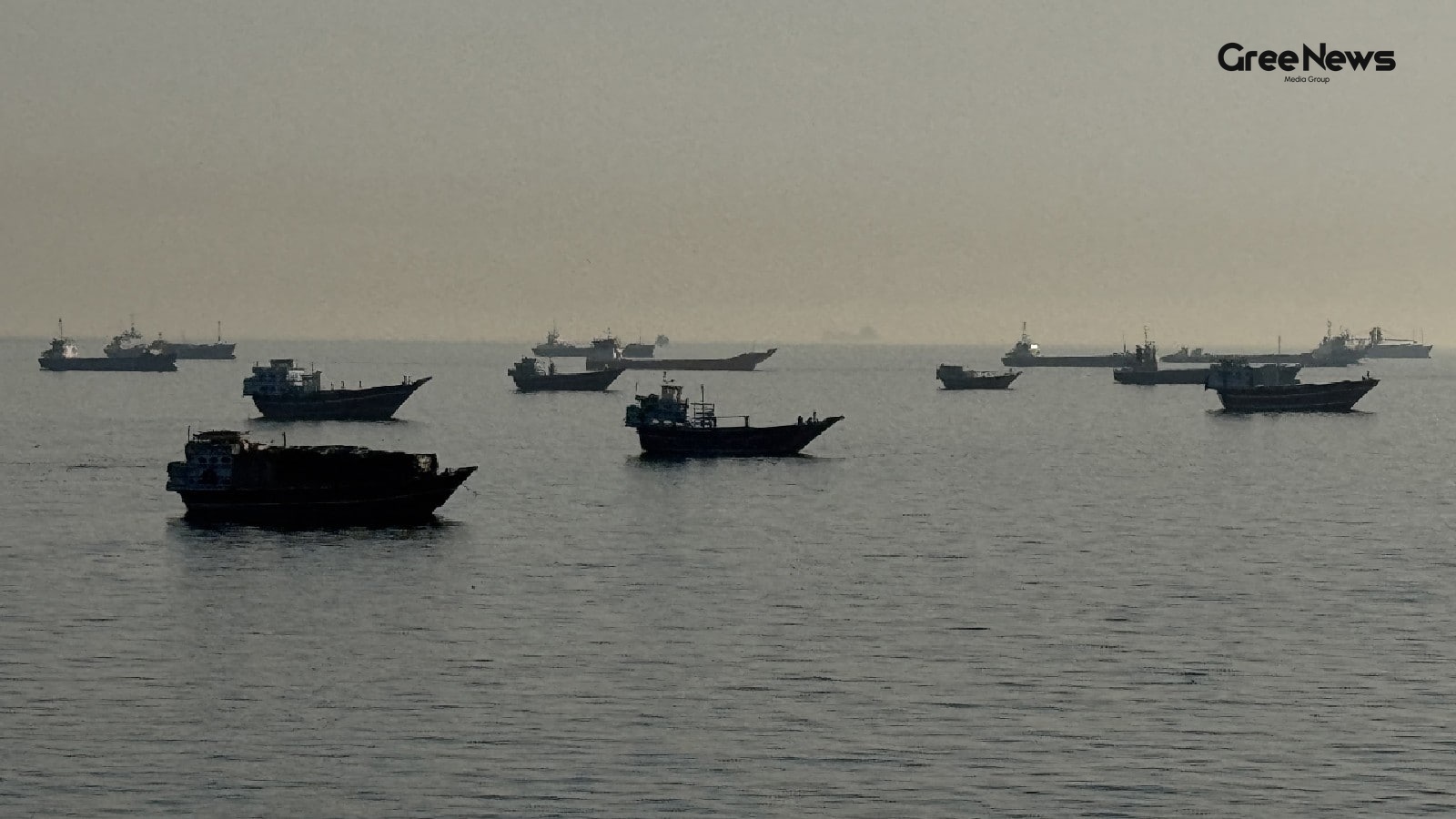
The Iranian Foreign Ministry is pushing back against claims that the strategically vital Strait of Hormuz that critical energy corridor for the world has been shut down again. This followed reports stemming from an overnight Israeli attack in Lebanon, which threatened a ceasefire between the United
Jun 20, 2026 by Gree News Team
Donald Trump's Praise for Narendra Modi and India's Leadership
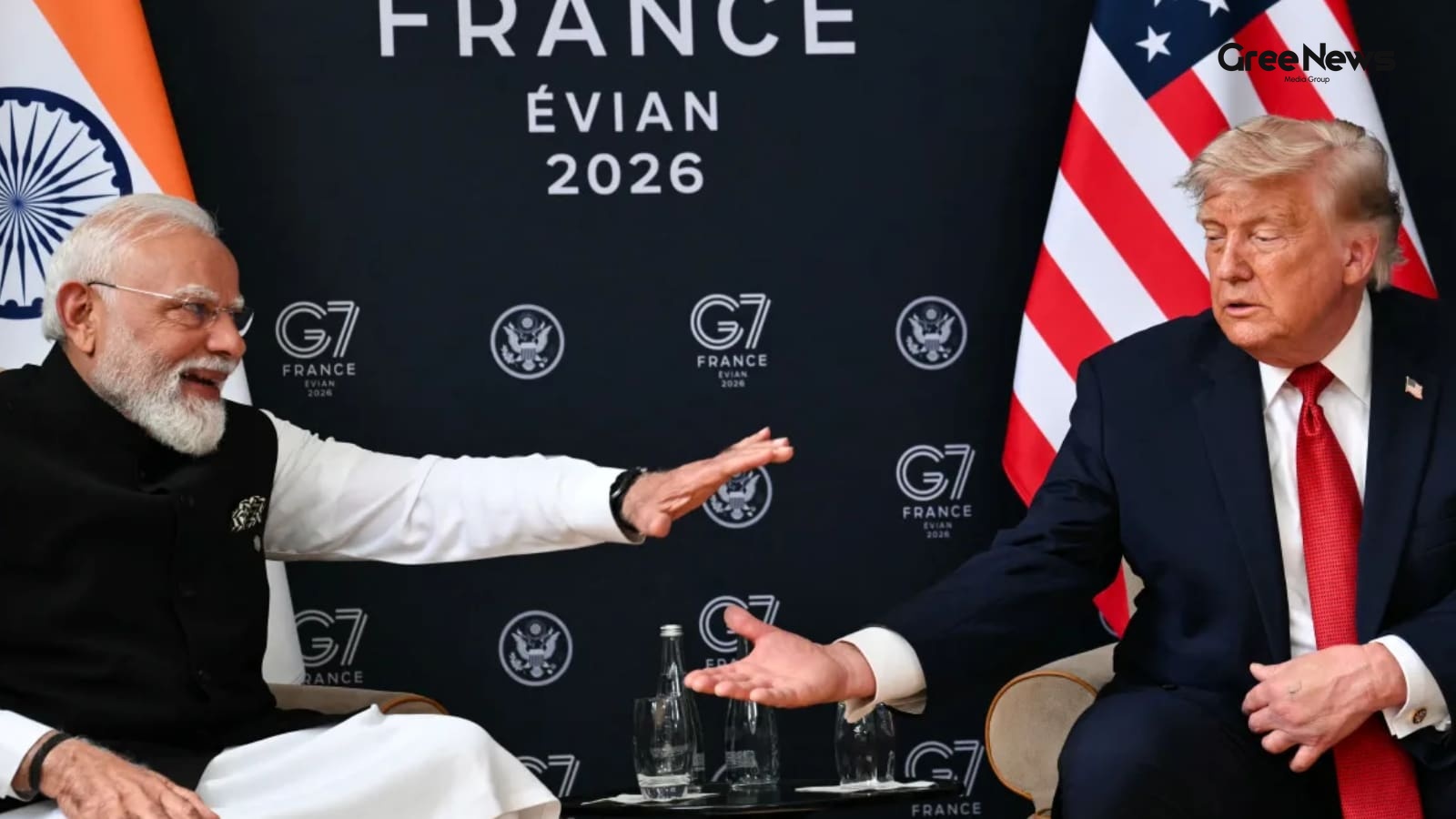
Donald Trump, you know, he really made a statement about Narendra Modi. He called him one of the world's two greatest leaders. It wasn’t some polished diplomatic language; it was just… direct praise. He talked about how long Modi has been in charge, that longevity, and how he managed things steering
Jun 20, 2026 by Gree News Team

Donald Trump's Comments on Modi and Xi Jinping
You know, Donald Trump really made a statement there. He talked about Prime Minister Modi and President Xi Jinping, calling them two of the greatest leaders in the world. And he wasn't just saying polite things. There was this whole cinematic angle to it, suggesting Hollywood just couldn't find anyo
Jun 20, 2026 by Gree News Team

Donald Trump on Artificial Intelligence and Global Impact
You know, Donald Trump brought up artificial intelligence, positioning it as this massive deal a total shift in how we’re living right now. He called it a defining technological moment for our era. It’s supposed to blow past even the internet’s impact, reshaping everything from healthcare all the wa
Jun 20, 2026 by Gree News Team

Accusations Against Mexican Mayor Nancy Nápoles: Kidnapping and Embezzlement Scheme
A Mexican mayor, Nancy Nápoles, is facing serious accusations. She’s being accused of staging her own kidnapping. All for a scheme to embezzle about two million dollars from public funds. Investigators claim that money was disguised as ransom. Nápoles, who is the municipal president of Tenancingo a
Jun 20, 2026 by Gree News Team
Tej Pratap Yadav Allegations, Threats, and Legal Proceedings
Tej Pratap Yadav, President of JJD, brought up some serious stuff on Friday. He claimed his life was genuinely under threat. Not just some vague worry, but he alleged there was a full-blown conspiracy cooking to get him killed, something linked straight to opposition leaders. He wasn't just making n
Jun 20, 2026 by Gree News Team

Energy Prices and Market Shifts: Petrol, Diesel, and CNG Rates
Petrol, diesel, and CNG prices stuck where they were on Saturday, June 20th. Nothing moved officially. But behind that stillness, things were shifting. Oil market companies and those handling gas distribution keep tweaking rates every morning at six a.m., trying to keep pace with whatever’s happenin
Jun 20, 2026 by Gree News Team
Changes to Trade Margins and Distribution under PMBJP
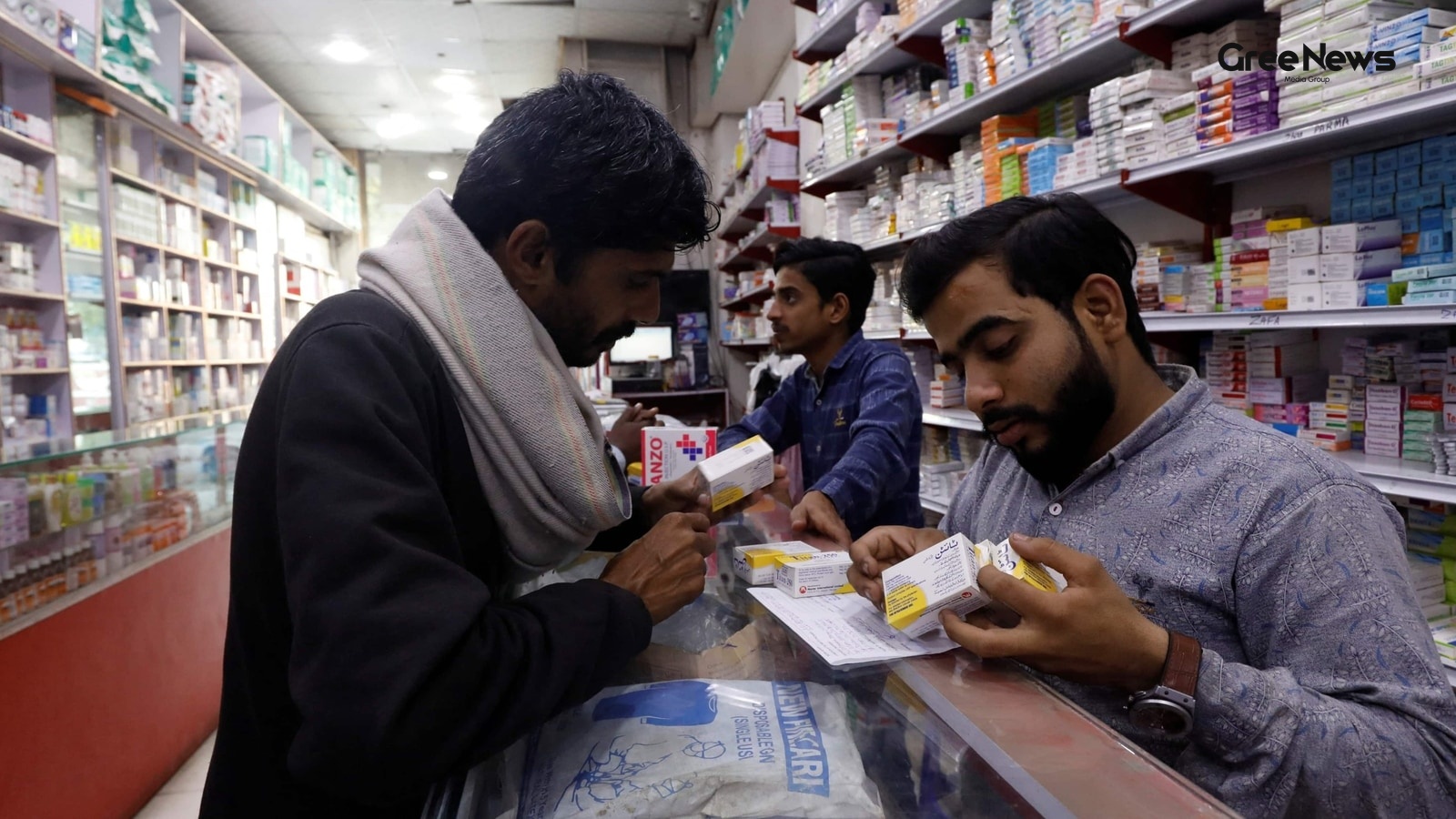
The PMBI decided to bump up the trade margin for Jan Aushadhi Kendras. It went from twenty per cent to thirty per cent. This move was meant to fix things under the Pradhan Mantri Bhartiya Janaushadhi Pariyojana, or PMBJP. They wanted to make sure these stores could actually survive and strengthen ho
Jun 20, 2026 by Gree News Team

The Unsettled Reality of Political Instability
Small things at first. People talking on the street corners, not about policy or elections, but about feeling… unsettled. Like the ground itself was shifting beneath their feet. And then the big announcements hit. They always do. It’s never clean. Never neat. We watched the feed all day. The endless
Jun 20, 2026 by Gree News Team
Iran's Frozen Assets and Negotiations with the US
Iran is talking about accessing $6 billion in frozen assets sitting in Qatar. This comes up in discussions aimed at cooling down the hostility between Tehran and Washington, according to reports from The Wall Street Journal. But there are major hurdles. Access isn't just going to happen freely. It’s
Jun 20, 2026 by Gree News Team

Choosing the Best Mixer Grinder for Indian Cooking
A mixer grinder. It’s one of those things you completely ignore until it finally kicks the bucket. It's not like a microwave or an air fryer. You use those maybe once in a while. But a mixer grinder? That thing is practically glued to your daily life. It’s there constantly. You need that ginger-garl
Jun 20, 2026 by Gree News Team
Financial and Legal Battle Over Trinamool Congress Party Funds
A full-blown war. That’s what’s happening over the Trinamool Congress party fund right now. We're talking about a massive pot, estimated around six hundred crore rupees. It started small, you know? An internal squabble. A political rebellion bubbling up beneath the surface of the party structure. Bu
Jun 20, 2026 by Gree News Team

The Simple Morning Yoga Routine for Health and Balance
Morning yoga routine. International Yoga Day hits every year on June 21th, you know? It’s all about trying to push those physical, mental, spiritual benefits of yoga. It’s this ancient stuff. How it can genuinely improve health and help people find some balance. Over the years, everyone seems to be
Jun 20, 2026 by Gree News Team