Barack Obama on the Iran Conflict and War's Aftermath
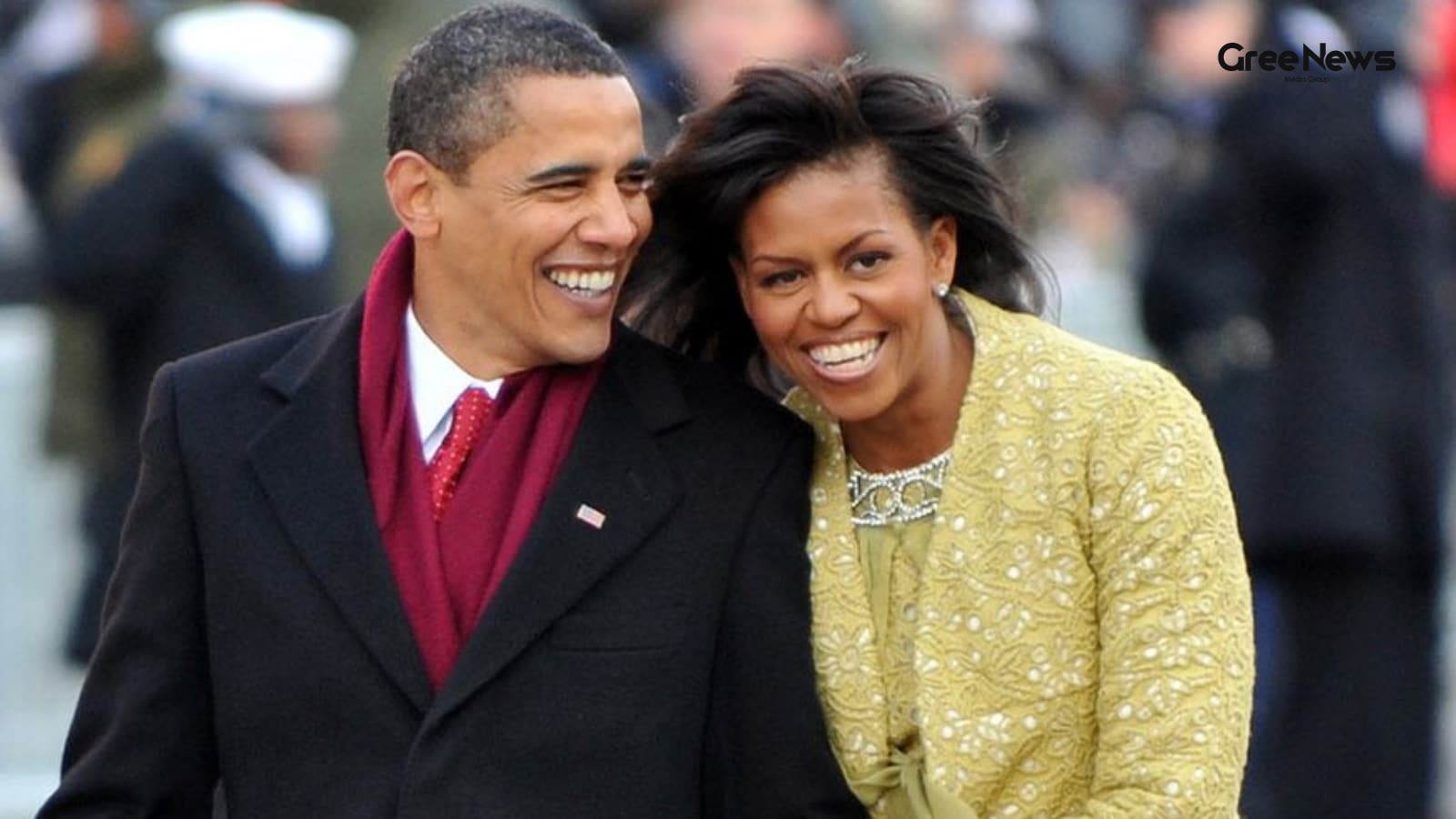
Barack Obama said something kind of heavy on Friday. He basically argued that fifteen weeks of fighting with Iran just left America in a worse spot than when things started back in February. Even while he welcomed the ceasefire that finally happened.
He talked to NBC News about it. Said they’ve fought this war, spent billions and billions of dollars. It put an enormous strain on the military. People died. And honestly? It feels like we're back where we were before we even started. Except maybe a little bit worse off. That was his take.
This came right after Donald Trump signed some kind of memorandum with Iran over at Versailles, Wednesday night.
On the deal itself, Obama seemed pretty happy that the fighting stopped. He said he was very happy to see the guns go quiet. And he hoped it would actually stick. Just that much.
But there’s always that pushback. Obama has always questioned the whole logic behind why we started this war in the first place. Think about the 2015 nuclear aGreement the one his administration worked on with Tehran. Trump walked away from that during his first term, obviously.
Under that old deal, Obama claimed Iran had aGreed not to develop nukes. But after the US pulled out? Iran developed more nuclear capacity. That’s the flip side of it.
Then you got Vice President JD Vance, who was championing that Paris plan at the White House on Thursday. He offered a completely different view. Vance said the peace plan is already helping America; gas prices are falling. A tangible benefit.
But then you look at the economics. Not everyone sees that optimism. Neil Chapman, someone senior at Exxon, told a conference in New York something grim. Physical oil prices could jump up to $150 or even $160 a barrel if stockpiles get really critical. That’s because the conflict basically choked off shipments through the Strait of Hormuz.
Once you hit that point that critical level then things shoot up fast, Chapman said. Wall Street Journal reported that kind of thing.
As for the nuclear track? The White House moved things slow there too. Vance delayed a planned trip to Switzerland to try and get another round of talks going with Iran. Meanwhile, Mohammad Bagher Ghalibaf, Iran’s chief negotiator, put out a statement on Friday. He said any future talks have to respect Tehran’s “red lines.”
Ghalibaf was pretty clear about that threat. If the enemy pushes too far in their demands, they've proven they won't hold back. They'll retaliate. They won't hesitate to deliver a stinging response. That’s what Iran is signaling.
Obama also brought up his new presidential center in Chicago during that interview. He hoped it would remind Americans of a different time. He admitted there’s disruption, polarization right now. Elected officials need to be held accountable. And he stressed you just can’t suggest that all that mess is completely behind us. It’s still happening.
Written by Gree News Team — Senior Editorial Board
Gree News Team covers international news and global affairs at Gree News. Our collective of senior editors is dedicated to providing independent, accurate, and responsible journalism for a global audience.
More from World
View All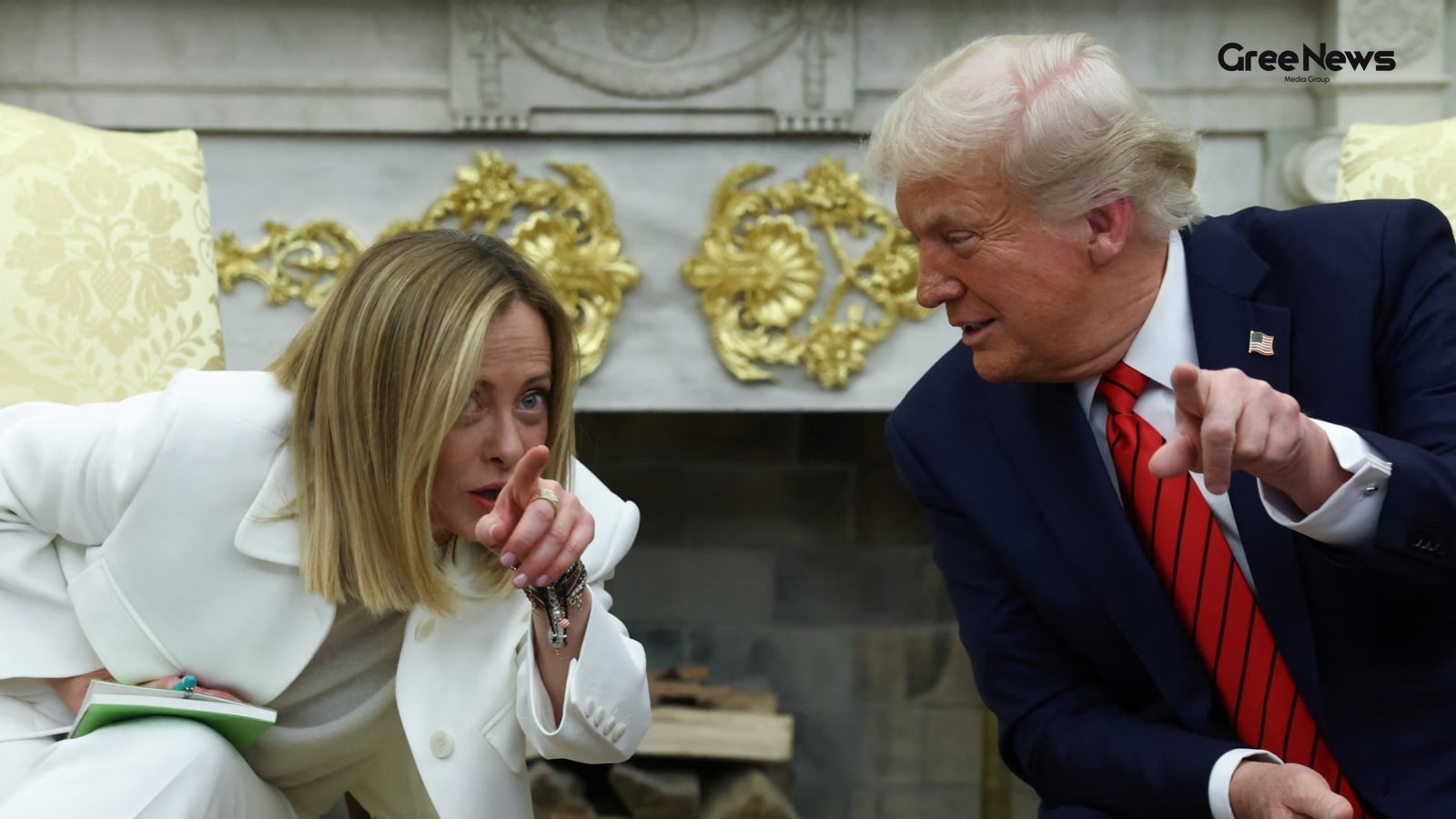
Donald Trump's Diplomatic Style and Personal Attacks
Donald Trump seems to have this habit of just going straight for the jugular in his interactions with world leaders. It’s less about policy disagreements and more personal jabs, often leaving everyone else scrambling. Take the recent spat with Italy. He claimed that Prime Minister Giorgia Meloni had
Jun 20, 2026 by Gree News Team
Intelligence Warnings on the US-Iran Memorandum of Understanding
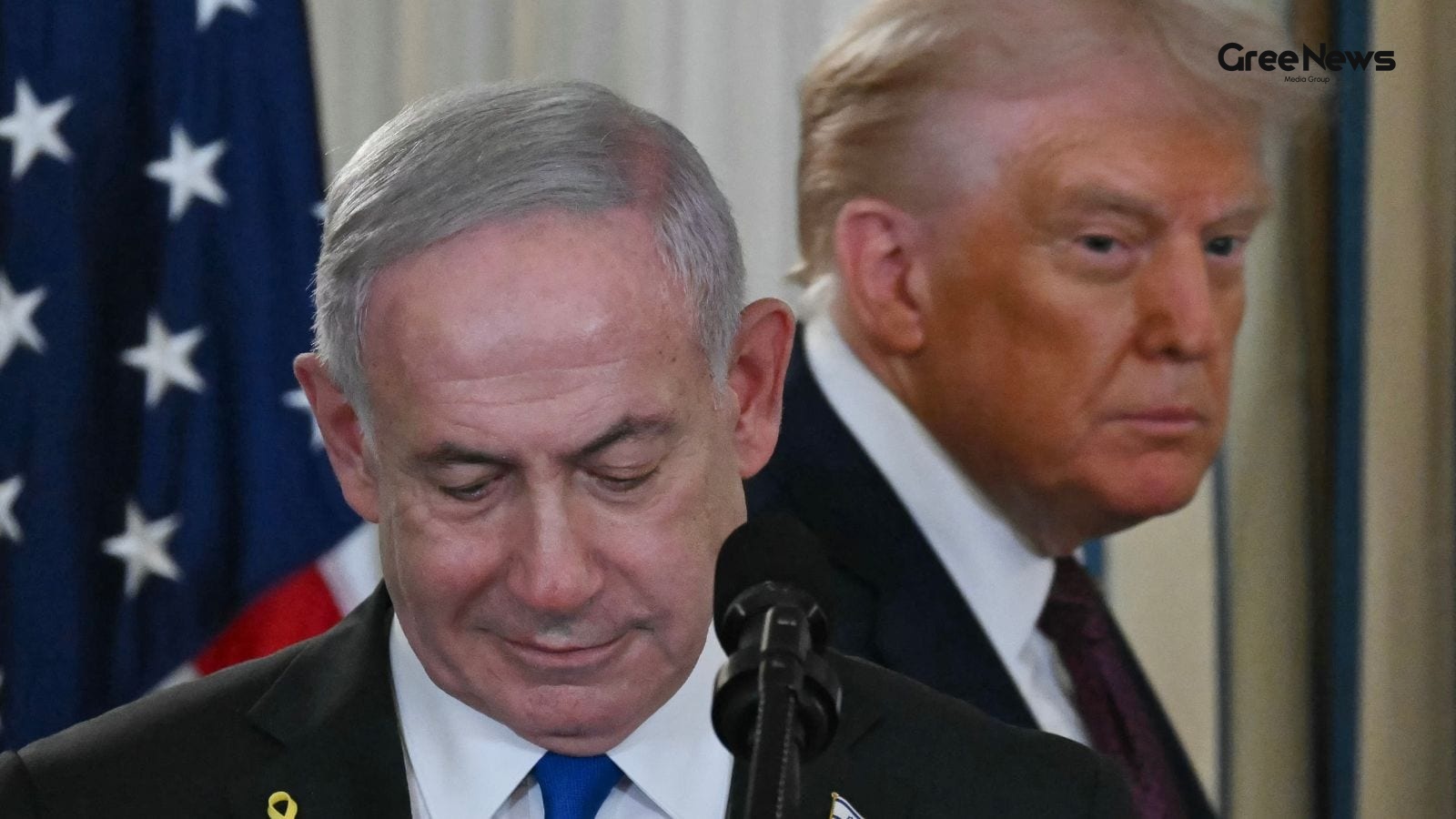
US intelligence agencies sent out these warnings to the Trump administration about what Prime Minister Netanyahu might do next. They suggested it could mess up that whole memorandum of understanding, the one they signed regarding ending the war between the US and Iran. It came out on Friday. Just a
Jun 20, 2026 by Gree News Team
Iran Pushes Back Against Claims of Strait of Hormuz Closure
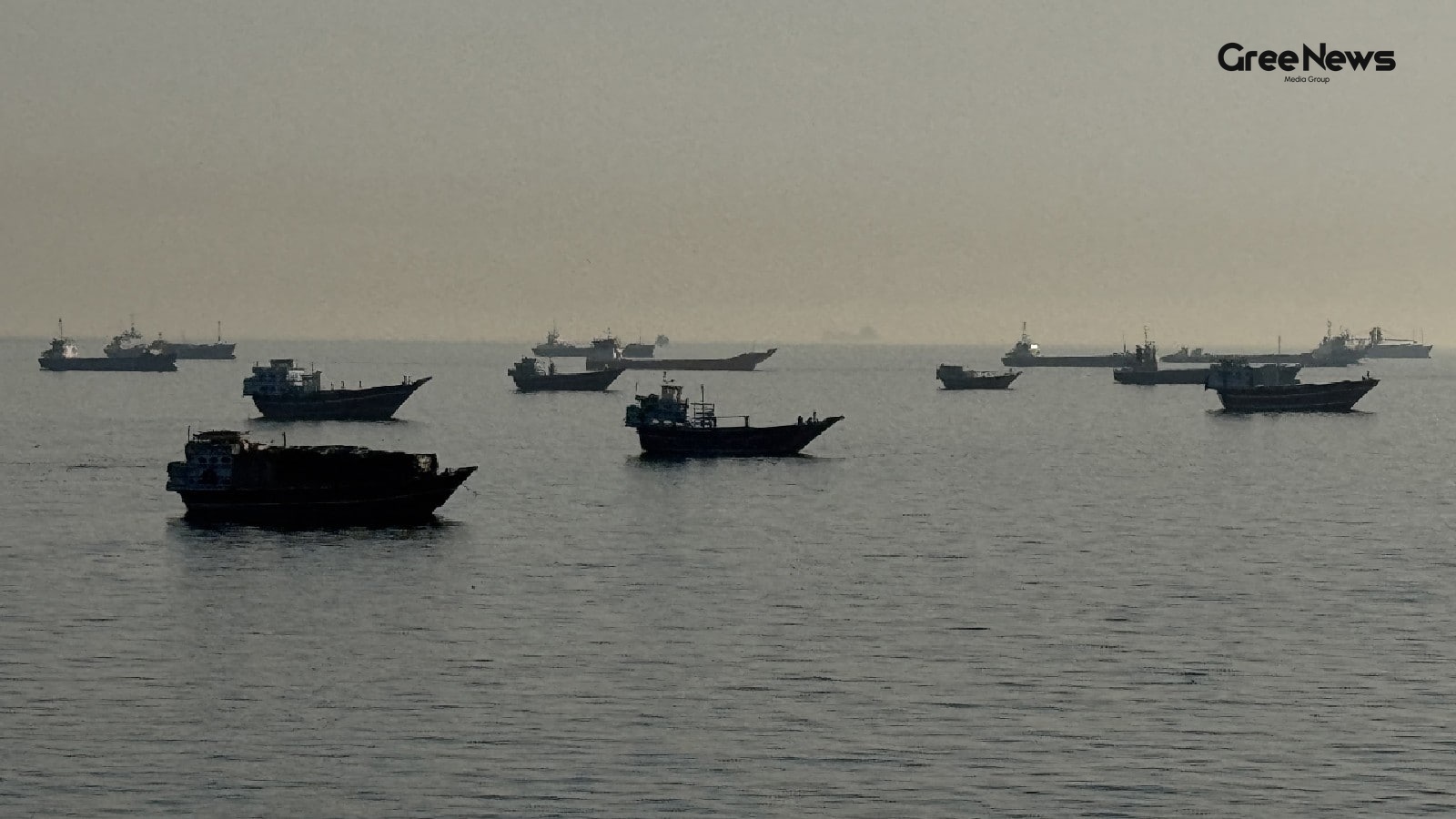
The Iranian Foreign Ministry is pushing back against claims that the strategically vital Strait of Hormuz that critical energy corridor for the world has been shut down again. This followed reports stemming from an overnight Israeli attack in Lebanon, which threatened a ceasefire between the United
Jun 20, 2026 by Gree News Team
Donald Trump's Praise for Narendra Modi and India's Leadership
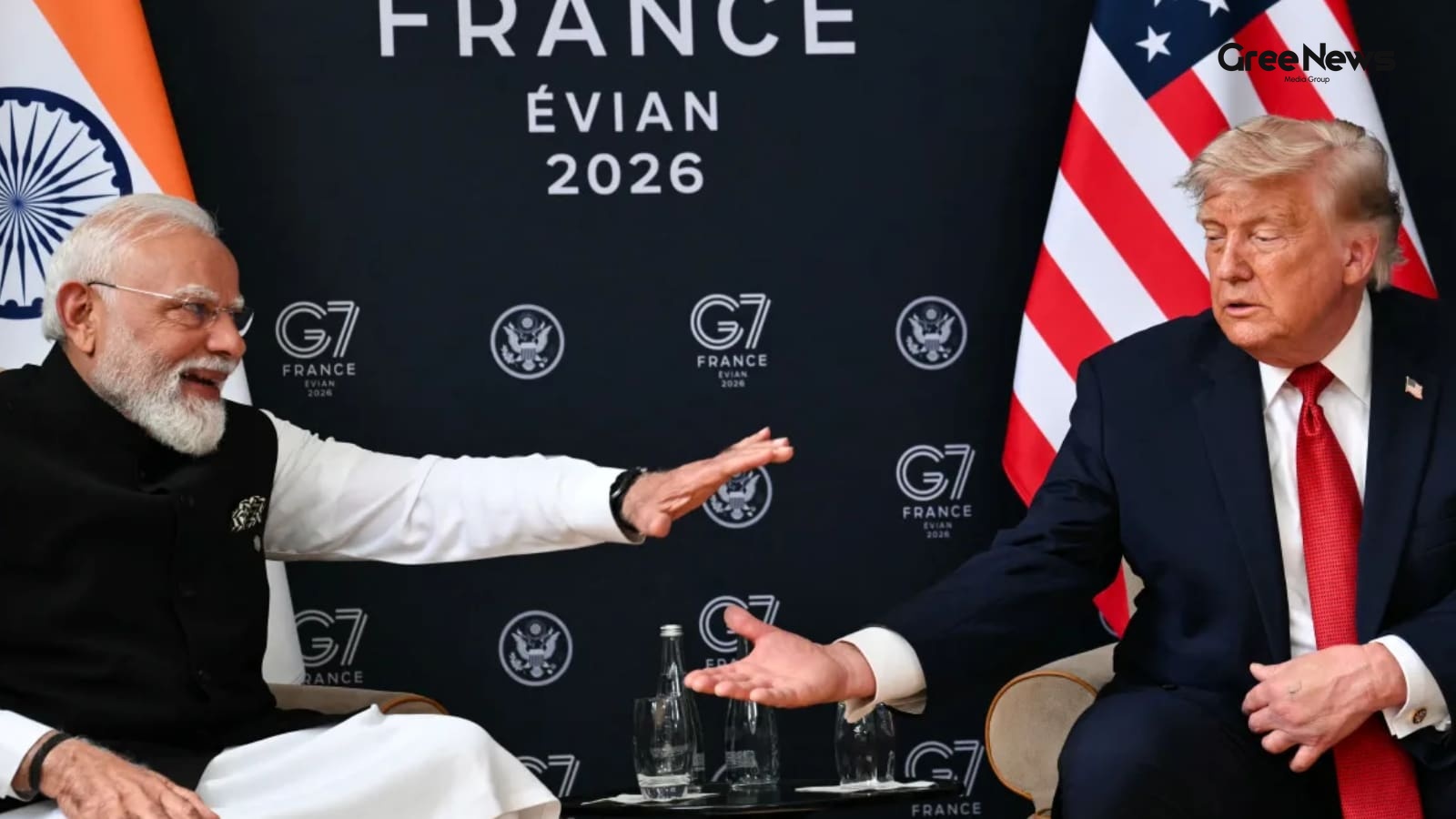
Donald Trump, you know, he really made a statement about Narendra Modi. He called him one of the world's two greatest leaders. It wasn’t some polished diplomatic language; it was just… direct praise. He talked about how long Modi has been in charge, that longevity, and how he managed things steering
Jun 20, 2026 by Gree News Team
Latest Headlines

The Intersection of Comedy, History, and Public Diplomacy in New Media
Look, this whole thing is starting to cook up. It’s this new entertainment idea, trying to smash comedy, history, and public outreach all together. And it’s got some seriously unexpected pairings happening, plus federal money tied up in some big national milestone coming up. Chris Pratt, yeah, he’s
Jun 20, 2026 by Gree News Team
Modernizing Power Services in Uttar Pradesh
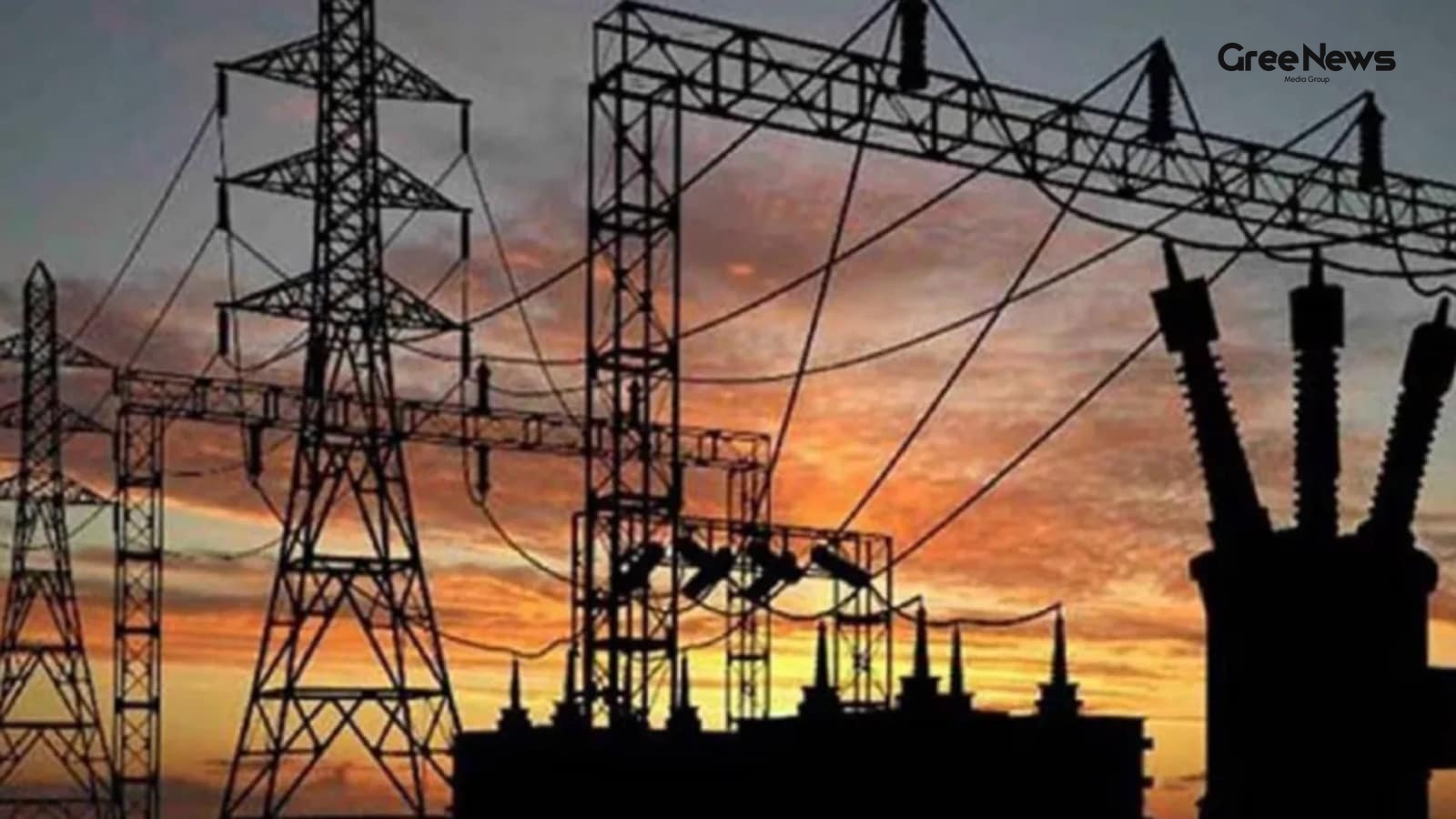
The Uttar Pradesh government is really pushing to modernize power services. They’re aiming for things to be more transparent, and easier for consumers to deal with. This effort centers around the Integrated Consumer Call Centre, or 1912. It's run by the Uttar Pradesh Power Corporation Limited, UPPCL
Jun 20, 2026 by Gree News Team
Donald Trump's Diplomatic Style and Personal Attacks
Donald Trump seems to have this habit of just going straight for the jugular in his interactions with world leaders. It’s less about policy disagreements and more personal jabs, often leaving everyone else scrambling. Take the recent spat with Italy. He claimed that Prime Minister Giorgia Meloni had
Jun 20, 2026 by Gree News Team
Intelligence Warnings on the US-Iran Memorandum of Understanding
US intelligence agencies sent out these warnings to the Trump administration about what Prime Minister Netanyahu might do next. They suggested it could mess up that whole memorandum of understanding, the one they signed regarding ending the war between the US and Iran. It came out on Friday. Just a
Jun 20, 2026 by Gree News Team

Chief Minister's Visit to Ayodhya: Faith, Development, and Financial Scrutiny
Friday. That’s when things happened. Chief Minister Yogi Adityanath made his way to Ayodhya. It wasn't just a routine political trip, you know? It carried a certain weight. He offered prayers at the Ram Temple there. A public display, certainly, but layered with something else, isn't it? Before he e
Jun 20, 2026 by Gree News Team

Arrest in Shimla Linked to Viral Videos and Public Outrage
An American guy got arrested in Shimla on Friday. Allegedly for causing a public disturbance. And some indecent behavior. All because videos surfaced online. The whole thing blew up fast. Clips circulated everywhere on social media. People were furious. Police stepped in, naturally. Joshua Christian
Jun 20, 2026 by Gree News Team
Iran Pushes Back Against Claims of Strait of Hormuz Closure
The Iranian Foreign Ministry is pushing back against claims that the strategically vital Strait of Hormuz that critical energy corridor for the world has been shut down again. This followed reports stemming from an overnight Israeli attack in Lebanon, which threatened a ceasefire between the United
Jun 20, 2026 by Gree News Team
Donald Trump's Praise for Narendra Modi and India's Leadership
Donald Trump, you know, he really made a statement about Narendra Modi. He called him one of the world's two greatest leaders. It wasn’t some polished diplomatic language; it was just… direct praise. He talked about how long Modi has been in charge, that longevity, and how he managed things steering
Jun 20, 2026 by Gree News Team

Donald Trump's Comments on Modi and Xi Jinping
You know, Donald Trump really made a statement there. He talked about Prime Minister Modi and President Xi Jinping, calling them two of the greatest leaders in the world. And he wasn't just saying polite things. There was this whole cinematic angle to it, suggesting Hollywood just couldn't find anyo
Jun 20, 2026 by Gree News Team

Donald Trump on Artificial Intelligence and Global Impact
You know, Donald Trump brought up artificial intelligence, positioning it as this massive deal a total shift in how we’re living right now. He called it a defining technological moment for our era. It’s supposed to blow past even the internet’s impact, reshaping everything from healthcare all the wa
Jun 20, 2026 by Gree News Team

Accusations Against Mexican Mayor Nancy Nápoles: Kidnapping and Embezzlement Scheme
A Mexican mayor, Nancy Nápoles, is facing serious accusations. She’s being accused of staging her own kidnapping. All for a scheme to embezzle about two million dollars from public funds. Investigators claim that money was disguised as ransom. Nápoles, who is the municipal president of Tenancingo a
Jun 20, 2026 by Gree News Team

Tej Pratap Yadav Allegations, Threats, and Legal Proceedings
Tej Pratap Yadav, President of JJD, brought up some serious stuff on Friday. He claimed his life was genuinely under threat. Not just some vague worry, but he alleged there was a full-blown conspiracy cooking to get him killed, something linked straight to opposition leaders. He wasn't just making n
Jun 20, 2026 by Gree News Team

Defence Deal: India Signs Contract for Marine Gas Turbine Generators with Bharat Forge
The big news hitting the defence sector right now is that the Ministry of Defence actually signed a deal. A hefty Rs 425 crore contract. It’s with Bharat Forge Limited, based right there in Pune. What they are doing? Supplying twelve marine gas turbine generator sets for the Indian Navy. It feels li
Jun 20, 2026 by Gree News Team

Energy Prices and Market Shifts: Petrol, Diesel, and CNG Rates
Petrol, diesel, and CNG prices stuck where they were on Saturday, June 20th. Nothing moved officially. But behind that stillness, things were shifting. Oil market companies and those handling gas distribution keep tweaking rates every morning at six a.m., trying to keep pace with whatever’s happenin
Jun 20, 2026 by Gree News Team
Changes to Trade Margins and Distribution under PMBJP
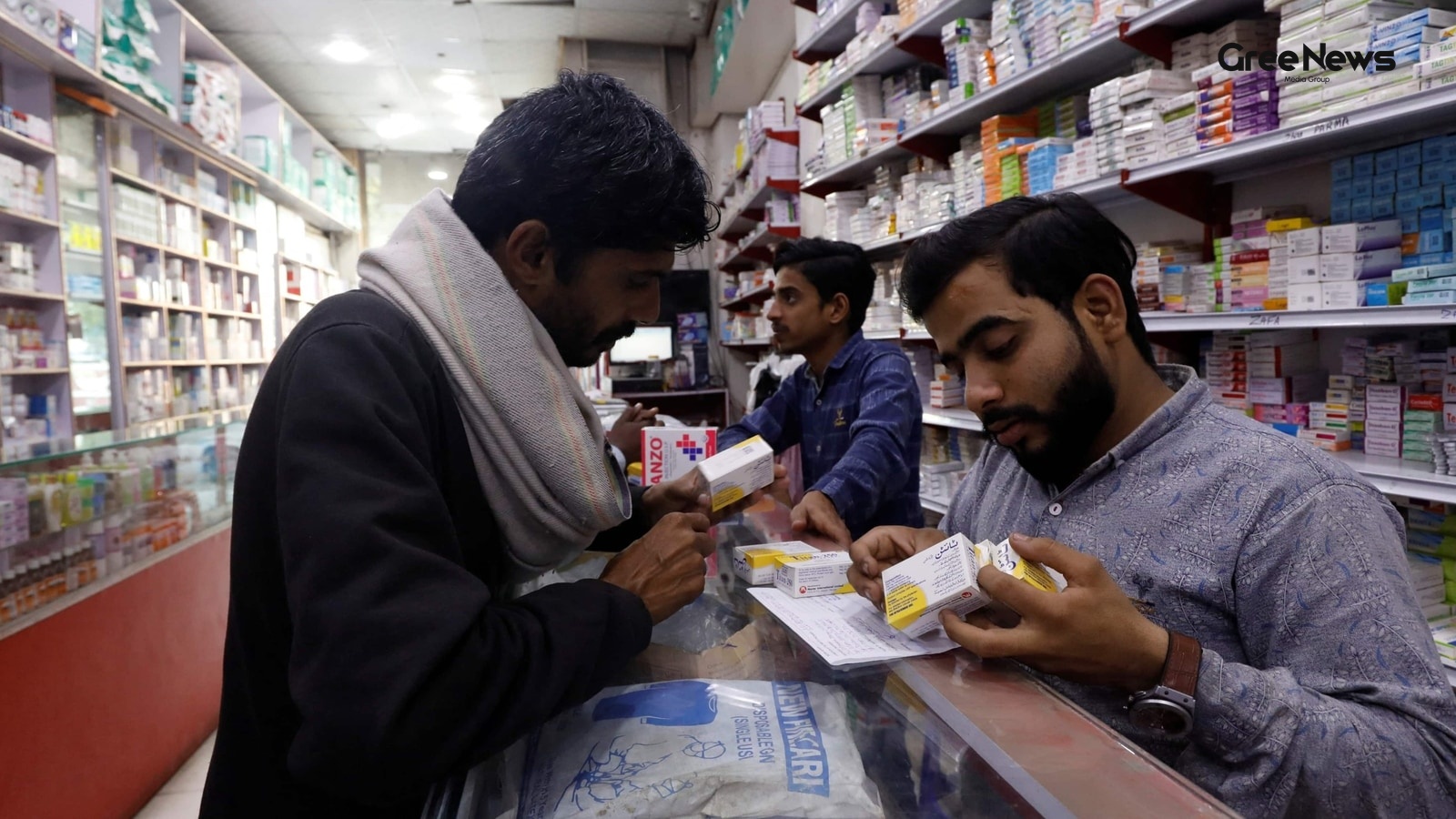
The PMBI decided to bump up the trade margin for Jan Aushadhi Kendras. It went from twenty per cent to thirty per cent. This move was meant to fix things under the Pradhan Mantri Bhartiya Janaushadhi Pariyojana, or PMBJP. They wanted to make sure these stores could actually survive and strengthen ho
Jun 20, 2026 by Gree News Team