Intelligence Warnings on the US-Iran Memorandum of Understanding
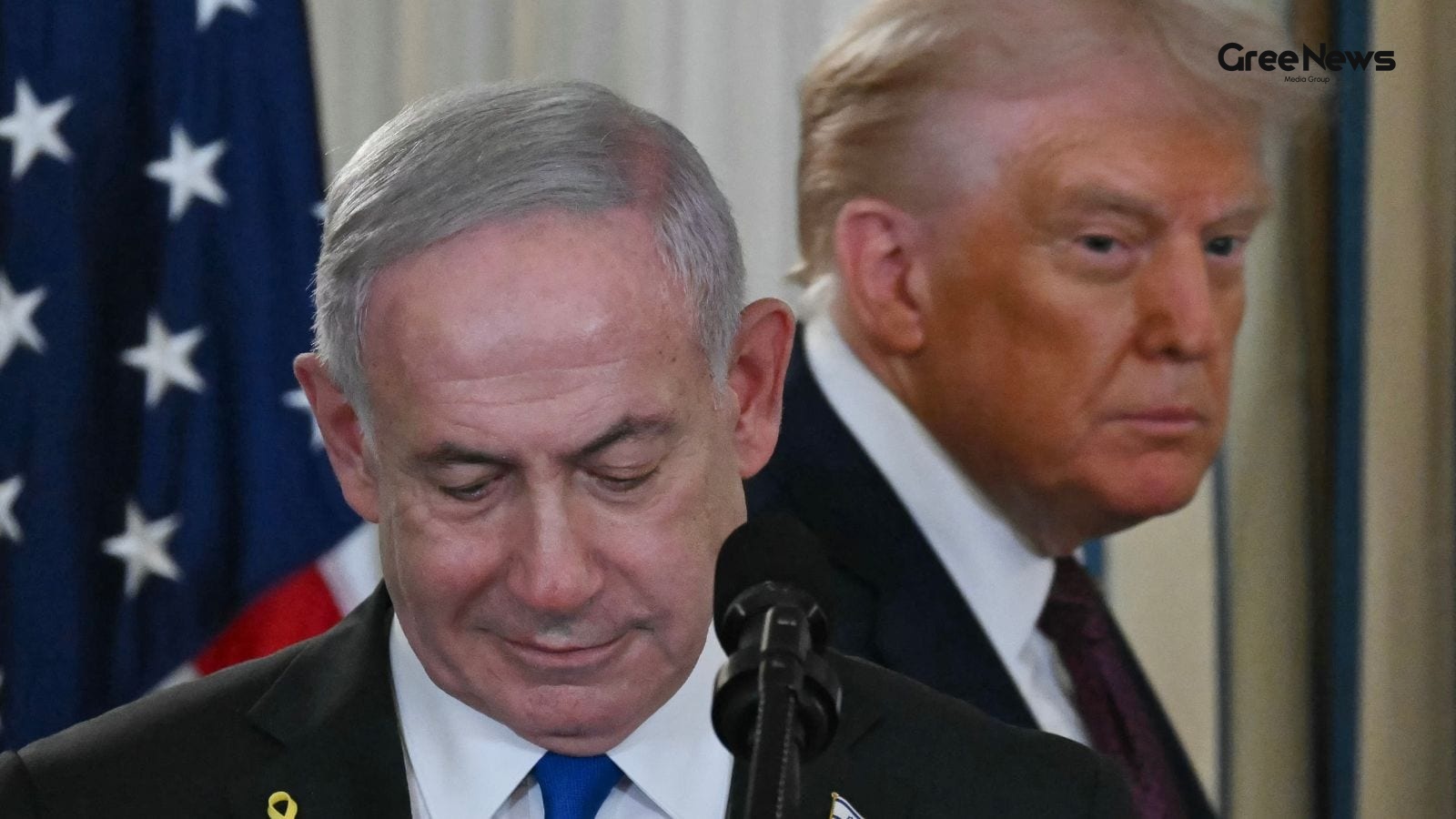
US intelligence agencies sent out these warnings to the Trump administration about what Prime Minister Netanyahu might do next. They suggested it could mess up that whole memorandum of understanding, the one they signed regarding ending the war between the US and Iran. It came out on Friday. Just a warning hanging in the air.
It all happened while tensions were already spiking over Israel’s military moves down in Lebanon. Escalation really kicked into gear after that aGreement was signed just two days prior. The signing itself, electronic stuff Trump and Pezeshkian shaking hands across continents. A very specific moment in time, wasn't it?
The actual text of the MoU, what they aGreed to at the start, is pretty stark. It opened up with this demand for a "permanent termination of military operations on all fronts," specifically mentioning Lebanon. Then there was the part about holding back refraining from threatening or using force. And upholding the territorial integrity and sovereignty of Lebanon. Those clauses sound neat on paper. Very clean legal language.
But that’s the surface stuff, right? What's underneath is where things get messy. The intelligence community, they weren't just looking at the signed document. They were watching how this all played out on the ground. It was about potential fallout. A real risk assessment hanging over the whole delicate setup.
The reports came out suggesting that Netanyahu might move in ways that totally disrupted what Trump was trying to build with this peace deal involving Iran. It wasn't a direct accusation, mind you. Just an assessment of risk. The intelligence agencies felt there was a serious complication brewing. A fragile aGreement, easily shattered by real-world friction.
Think about the context leading up to this warning. There’s this constant push and pull happening in Washington. On one side, the diplomatic track, trying to manage the Iran situation through these grand deals. And on the other side, the immediate security concerns felt by Israel. The clash between those two forces is huge.
One of the US officials who was privy to these assessments spoke about it. He framed it as concern that Israeli military actions down in Lebanon could just complicate things. Undermine the whole structure they were trying to establish with the MoU. It wasn't just a theoretical worry; it felt immediate, tangible. A real threat to the framework itself.
Another official brought up something deeper. They pointed out this growing friction. Between what Washington was trying to achieve diplomatically and what Israel seemed focused on from a security perspective. It’s that kind of disconnect you see when big international deals meet intensely localized military realities. Different priorities bumping against each other constantly.
There's an underlying narrative, isn't there? The pressure felt immense on Netanyahu, coming from both inside his own country the domestic political players and from the security establishment. Those forces seemed to favor keeping the military operations going. They favored demonstrating strength. Against Hezbollah, against whatever Iran-backed group was causing trouble.
Analysts, those people looking at the bigger picture, they hammered this point home in their reports. Netanyahu’s political standing, they argued, is deeply tied up with projecting that image of strength. Showing resolve against these adversaries. It wasn't just about policy; it became a performance. An act of demonstrating capability.
Harrison Mann, a former Army officer who spent time analyzing things at the Defense Intelligence Agency, he put it into perspective. He said something about how Israeli politics has always been animated by this idea permanent war, territorial expansion. It’s not new stuff. But right now, with elections looming, there's this intense need to prove that Netanyahu can handle these massive security challenges better than his rivals. The performance aspect becomes critical when the stakes are this high.
That sense of pressure is palpable. It feeds into the intelligence assessment. If military operations continue on the ground, even while a ceasefire framework exists in place a structure tied directly to the MoU then the very foundation of that aGreement starts shaking. That’s where the worry lies for some within the administration. The fear that actions taken militarily could simply override the stated commitments.
It’s not just about the immediate fighting, though. It’s about the mechanism of implementation. If forces keep moving, if operations continue despite those aGreed-upon limits... then the entire political and diplomatic effort behind the MoU becomes vulnerable. It creates a potential contradiction that has to be navigated. A very tightrope walk over an abyss.
The reports suggested this vulnerability wasn't just theoretical for some observers. There was real worry within certain circles in the US administration that on-the-ground Israeli actions could directly challenge the aGreement’s execution. If those military maneuvers continued, regardless of the stated commitments to pause or halt, it put the MoU itself at risk. It suggested a potential collision between operational reality and diplomatic intent.
It gets murky fast when you start talking about these layered international aGreements mixed with intense regional conflicts. You have the high-level handshake on Wednesday, followed by the grinding reality in Lebanon. And then there's the intelligence assessment trying to connect those two realities into something coherent for policymakers. It’s a messy connection.
The focus shifts from treaty language to battlefield execution. How do you reconcile promises of peace with continued military activity? That is the core dilemma emerging here, isn't it? The warning wasn't just about potential conflict; it was about the structural integrity of the deal itself. If the operational reality dictated a different path than the diplomatic one, the MoU became less than effective. It becomes an empty promise under pressure.
And that’s where you see the tension play out between the pursuit of security by Israel and the overarching goal of achieving stability through international accord involving Iran. One side prioritizes immediate tactical control; the other prioritizes long-term strategic peace. And when those priorities clash, especially when military actions are involved on this scale, it becomes a political knot that’s incredibly hard to untangle smoothly.
The flow of information itself seems deliberately fragmented. You get high-level intelligence assessments juxtaposed with political commentary about domestic pressures. It forces you into an observational mode. You aren't given one neat story; you are left with the feeling of uncertainty, the friction between stated goals and observed actions. The pacing feels uneven because the real drama isn’t in a single event, but in all these overlapping tensions simmering beneath the surface of official statements. It’s that kind of slow burn political reality that reporters have to try and capture without smoothing it over into something perfectly balanced or neatly chronological.
Written by Gree News Team — Senior Editorial Board
Gree News Team covers international news and global affairs at Gree News. Our collective of senior editors is dedicated to providing independent, accurate, and responsible journalism for a global audience.
More from World
View All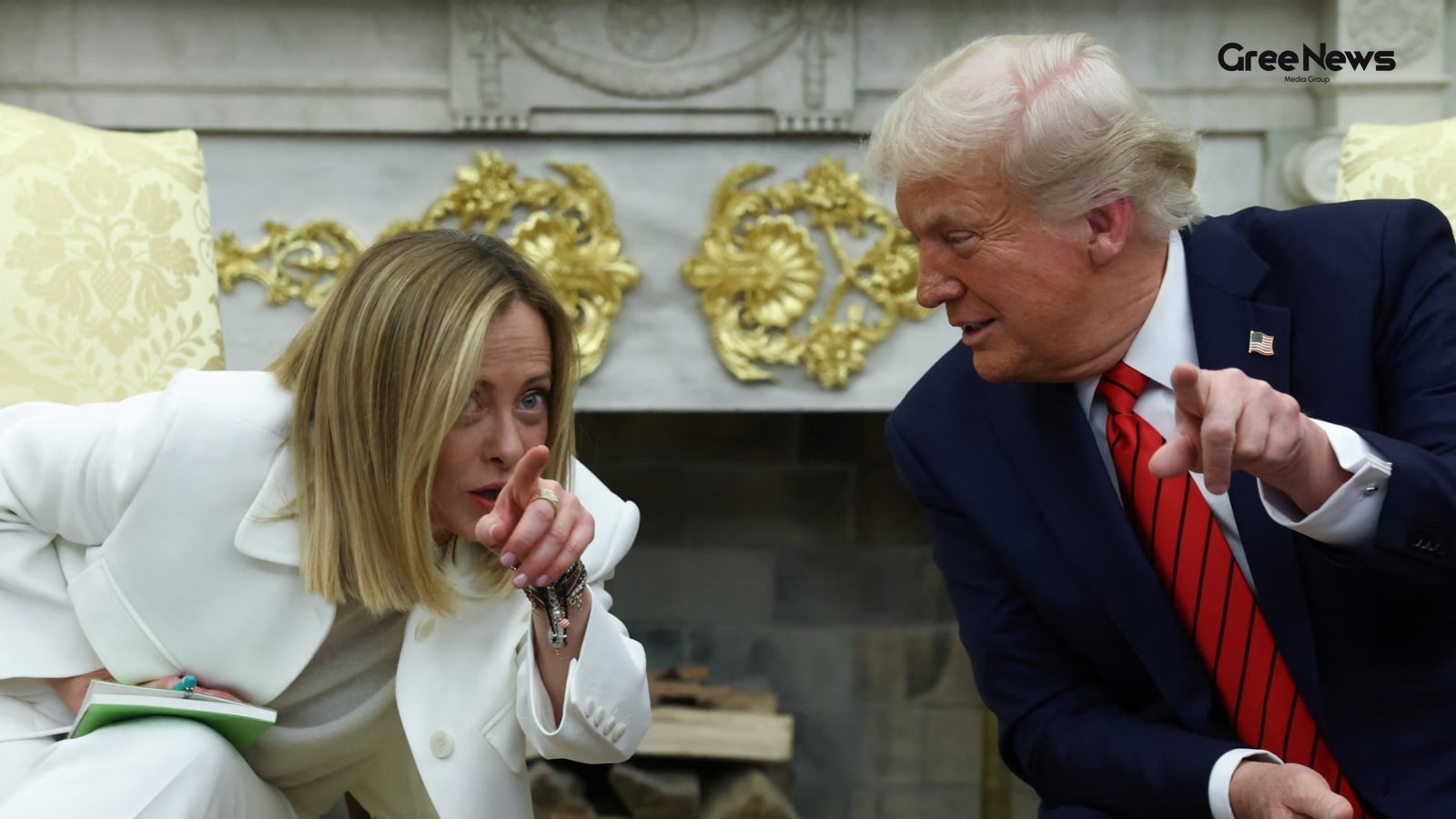
Donald Trump's Diplomatic Style and Personal Attacks
Donald Trump seems to have this habit of just going straight for the jugular in his interactions with world leaders. It’s less about policy disagreements and more personal jabs, often leaving everyone else scrambling. Take the recent spat with Italy. He claimed that Prime Minister Giorgia Meloni had
Jun 20, 2026 by Gree News Team
Barack Obama on the Iran Conflict and War's Aftermath
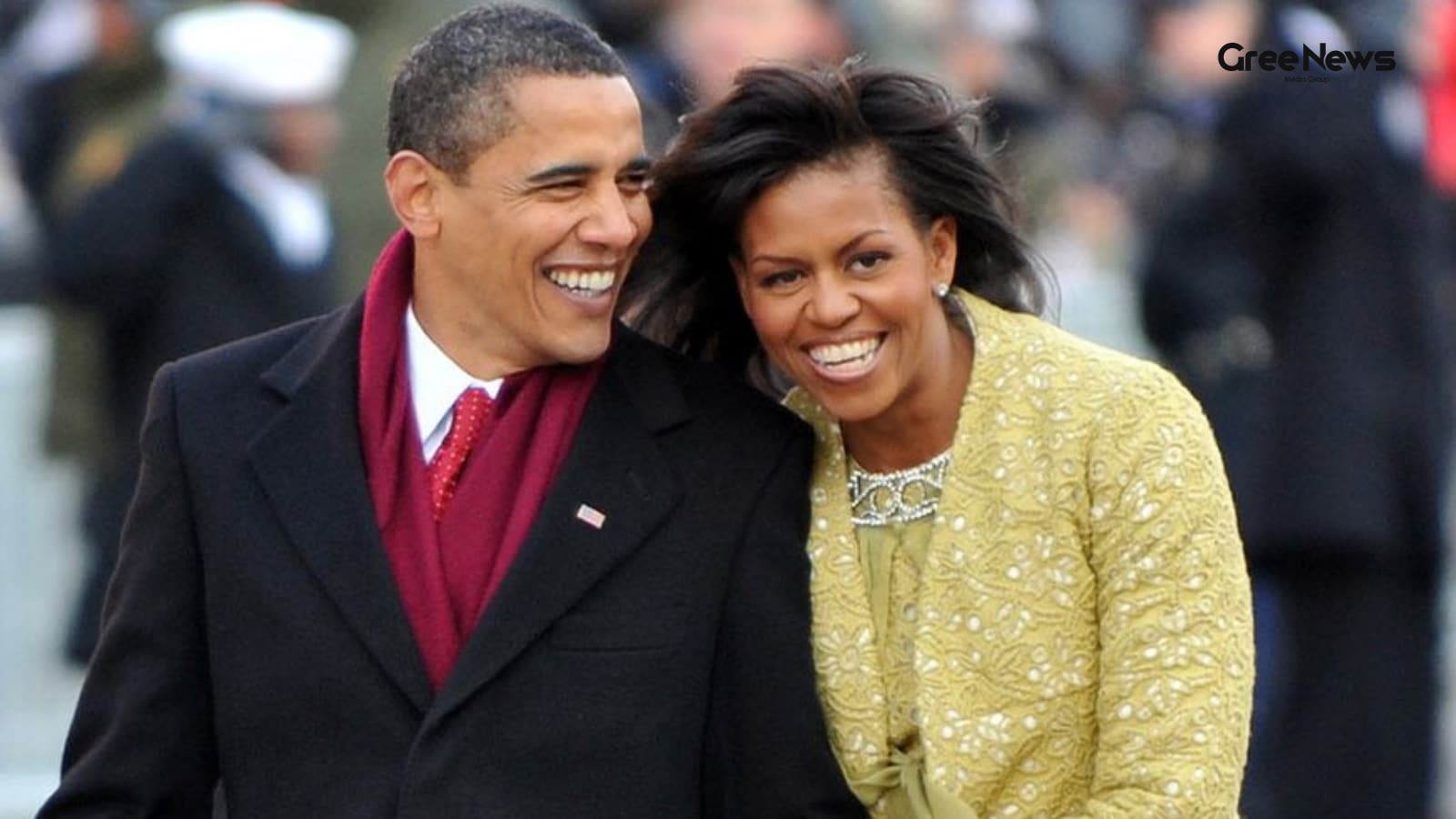
Barack Obama said something kind of heavy on Friday. He basically argued that fifteen weeks of fighting with Iran just left America in a worse spot than when things started back in February. Even while he welcomed the ceasefire that finally happened. He talked to NBC News about it. Said they’ve foug
Jun 20, 2026 by Gree News Team
Iran Pushes Back Against Claims of Strait of Hormuz Closure
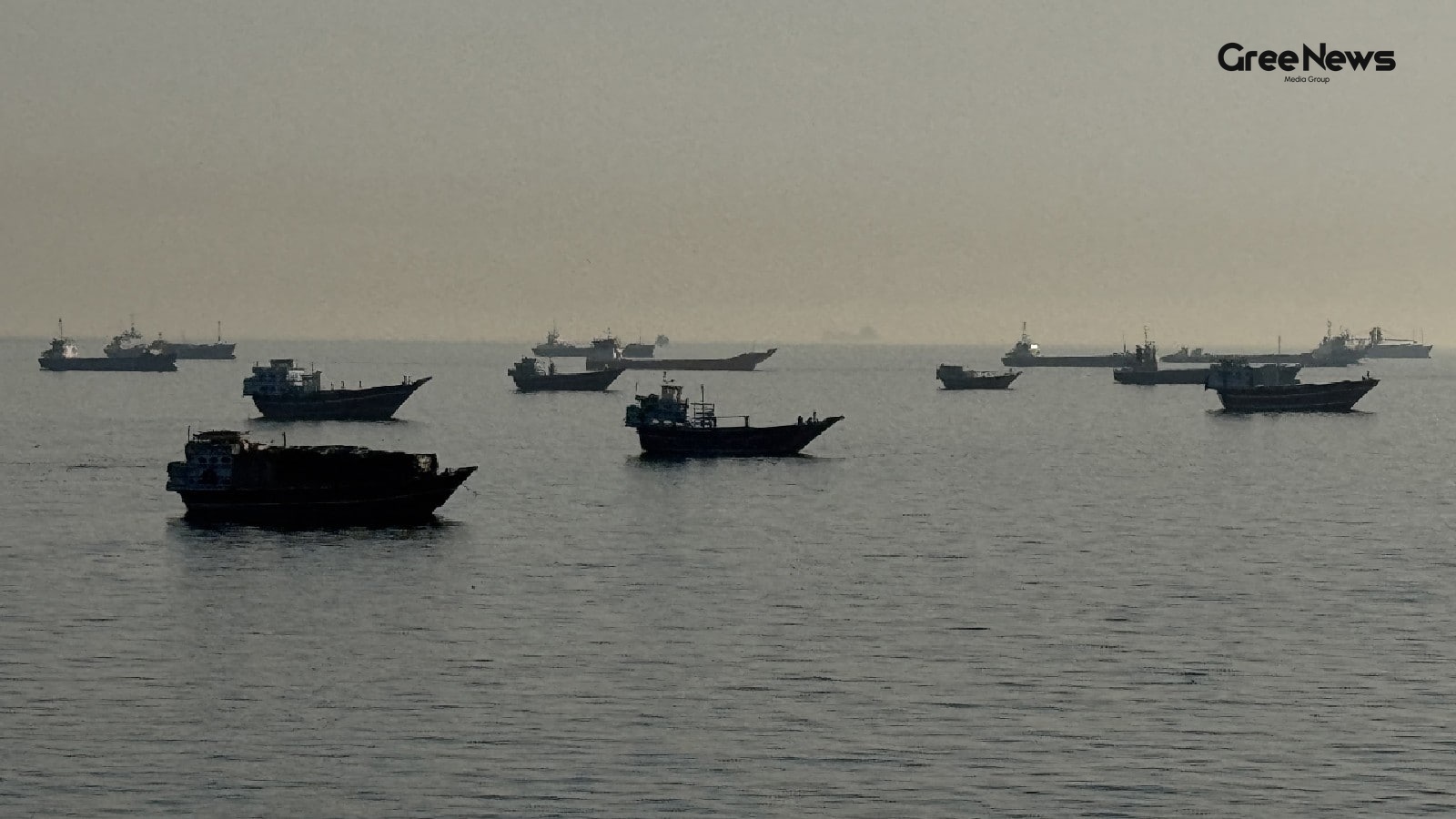
The Iranian Foreign Ministry is pushing back against claims that the strategically vital Strait of Hormuz that critical energy corridor for the world has been shut down again. This followed reports stemming from an overnight Israeli attack in Lebanon, which threatened a ceasefire between the United
Jun 20, 2026 by Gree News Team
Donald Trump's Praise for Narendra Modi and India's Leadership
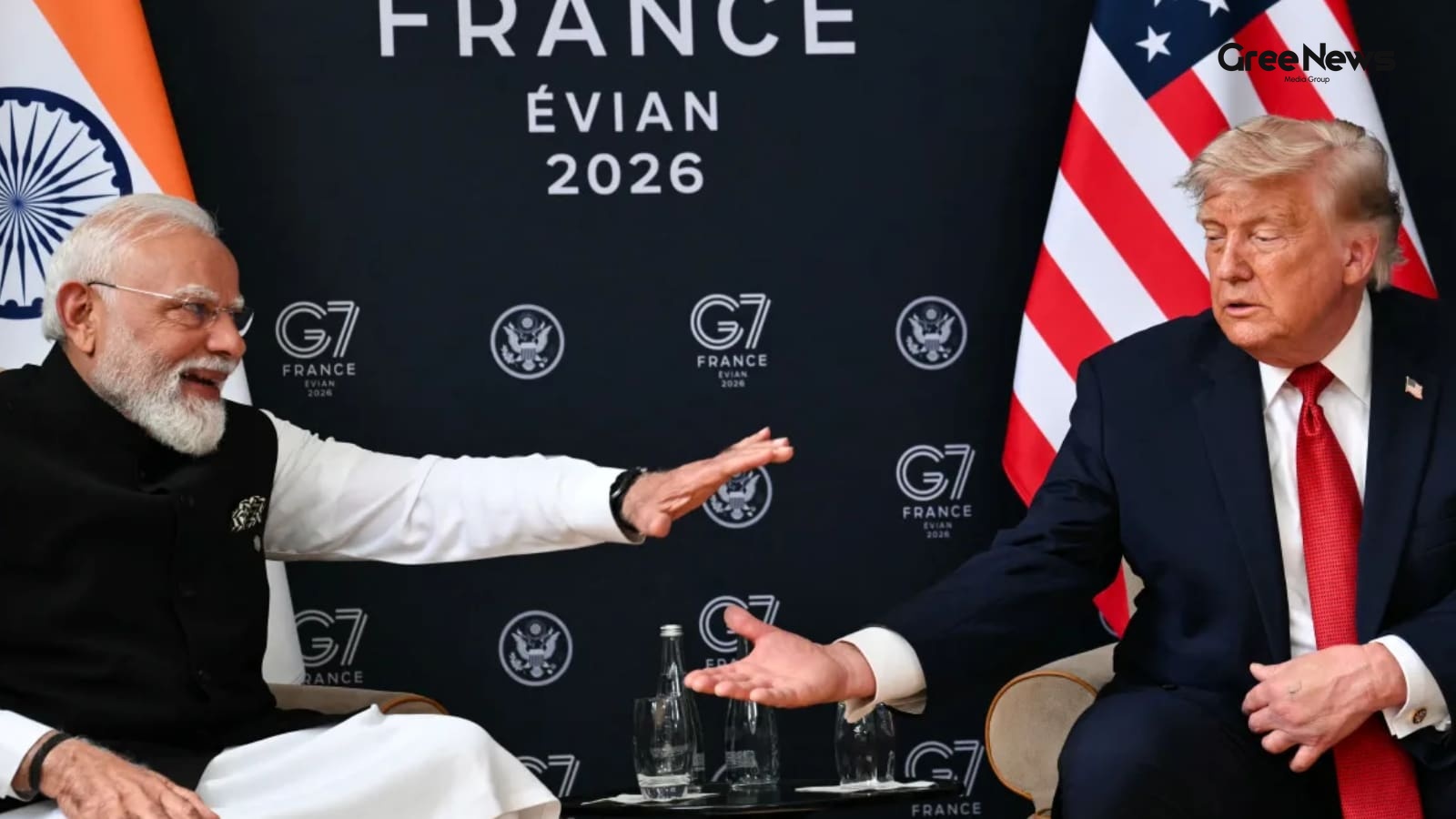
Donald Trump, you know, he really made a statement about Narendra Modi. He called him one of the world's two greatest leaders. It wasn’t some polished diplomatic language; it was just… direct praise. He talked about how long Modi has been in charge, that longevity, and how he managed things steering
Jun 20, 2026 by Gree News Team
Latest Headlines
The Intersection of Comedy, History, and Public Diplomacy in New Media
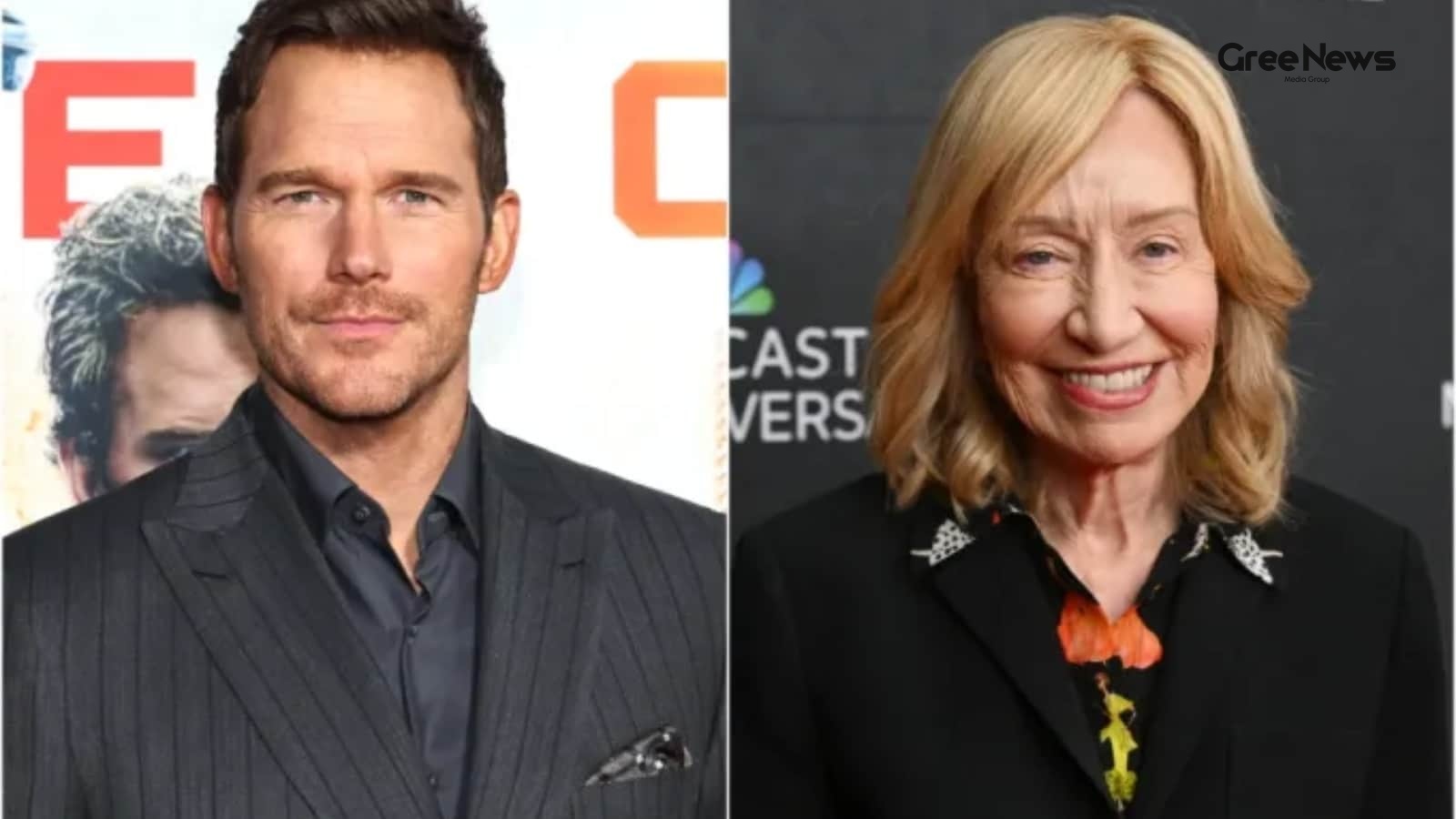
Look, this whole thing is starting to cook up. It’s this new entertainment idea, trying to smash comedy, history, and public outreach all together. And it’s got some seriously unexpected pairings happening, plus federal money tied up in some big national milestone coming up. Chris Pratt, yeah, he’s
Jun 20, 2026 by Gree News Team
Modernizing Power Services in Uttar Pradesh
The Uttar Pradesh government is really pushing to modernize power services. They’re aiming for things to be more transparent, and easier for consumers to deal with. This effort centers around the Integrated Consumer Call Centre, or 1912. It's run by the Uttar Pradesh Power Corporation Limited, UPPCL
Jun 20, 2026 by Gree News Team
Donald Trump's Diplomatic Style and Personal Attacks
Donald Trump seems to have this habit of just going straight for the jugular in his interactions with world leaders. It’s less about policy disagreements and more personal jabs, often leaving everyone else scrambling. Take the recent spat with Italy. He claimed that Prime Minister Giorgia Meloni had
Jun 20, 2026 by Gree News Team

Chief Minister's Visit to Ayodhya: Faith, Development, and Financial Scrutiny
Friday. That’s when things happened. Chief Minister Yogi Adityanath made his way to Ayodhya. It wasn't just a routine political trip, you know? It carried a certain weight. He offered prayers at the Ram Temple there. A public display, certainly, but layered with something else, isn't it? Before he e
Jun 20, 2026 by Gree News Team
Barack Obama on the Iran Conflict and War's Aftermath
Barack Obama said something kind of heavy on Friday. He basically argued that fifteen weeks of fighting with Iran just left America in a worse spot than when things started back in February. Even while he welcomed the ceasefire that finally happened. He talked to NBC News about it. Said they’ve foug
Jun 20, 2026 by Gree News Team

Arrest in Shimla Linked to Viral Videos and Public Outrage
An American guy got arrested in Shimla on Friday. Allegedly for causing a public disturbance. And some indecent behavior. All because videos surfaced online. The whole thing blew up fast. Clips circulated everywhere on social media. People were furious. Police stepped in, naturally. Joshua Christian
Jun 20, 2026 by Gree News Team
Iran Pushes Back Against Claims of Strait of Hormuz Closure
The Iranian Foreign Ministry is pushing back against claims that the strategically vital Strait of Hormuz that critical energy corridor for the world has been shut down again. This followed reports stemming from an overnight Israeli attack in Lebanon, which threatened a ceasefire between the United
Jun 20, 2026 by Gree News Team
Donald Trump's Praise for Narendra Modi and India's Leadership
Donald Trump, you know, he really made a statement about Narendra Modi. He called him one of the world's two greatest leaders. It wasn’t some polished diplomatic language; it was just… direct praise. He talked about how long Modi has been in charge, that longevity, and how he managed things steering
Jun 20, 2026 by Gree News Team

Donald Trump's Comments on Modi and Xi Jinping
You know, Donald Trump really made a statement there. He talked about Prime Minister Modi and President Xi Jinping, calling them two of the greatest leaders in the world. And he wasn't just saying polite things. There was this whole cinematic angle to it, suggesting Hollywood just couldn't find anyo
Jun 20, 2026 by Gree News Team

Donald Trump on Artificial Intelligence and Global Impact
You know, Donald Trump brought up artificial intelligence, positioning it as this massive deal a total shift in how we’re living right now. He called it a defining technological moment for our era. It’s supposed to blow past even the internet’s impact, reshaping everything from healthcare all the wa
Jun 20, 2026 by Gree News Team

Accusations Against Mexican Mayor Nancy Nápoles: Kidnapping and Embezzlement Scheme
A Mexican mayor, Nancy Nápoles, is facing serious accusations. She’s being accused of staging her own kidnapping. All for a scheme to embezzle about two million dollars from public funds. Investigators claim that money was disguised as ransom. Nápoles, who is the municipal president of Tenancingo a
Jun 20, 2026 by Gree News Team

Tej Pratap Yadav Allegations, Threats, and Legal Proceedings
Tej Pratap Yadav, President of JJD, brought up some serious stuff on Friday. He claimed his life was genuinely under threat. Not just some vague worry, but he alleged there was a full-blown conspiracy cooking to get him killed, something linked straight to opposition leaders. He wasn't just making n
Jun 20, 2026 by Gree News Team

Defence Deal: India Signs Contract for Marine Gas Turbine Generators with Bharat Forge
The big news hitting the defence sector right now is that the Ministry of Defence actually signed a deal. A hefty Rs 425 crore contract. It’s with Bharat Forge Limited, based right there in Pune. What they are doing? Supplying twelve marine gas turbine generator sets for the Indian Navy. It feels li
Jun 20, 2026 by Gree News Team

Energy Prices and Market Shifts: Petrol, Diesel, and CNG Rates
Petrol, diesel, and CNG prices stuck where they were on Saturday, June 20th. Nothing moved officially. But behind that stillness, things were shifting. Oil market companies and those handling gas distribution keep tweaking rates every morning at six a.m., trying to keep pace with whatever’s happenin
Jun 20, 2026 by Gree News Team
Changes to Trade Margins and Distribution under PMBJP
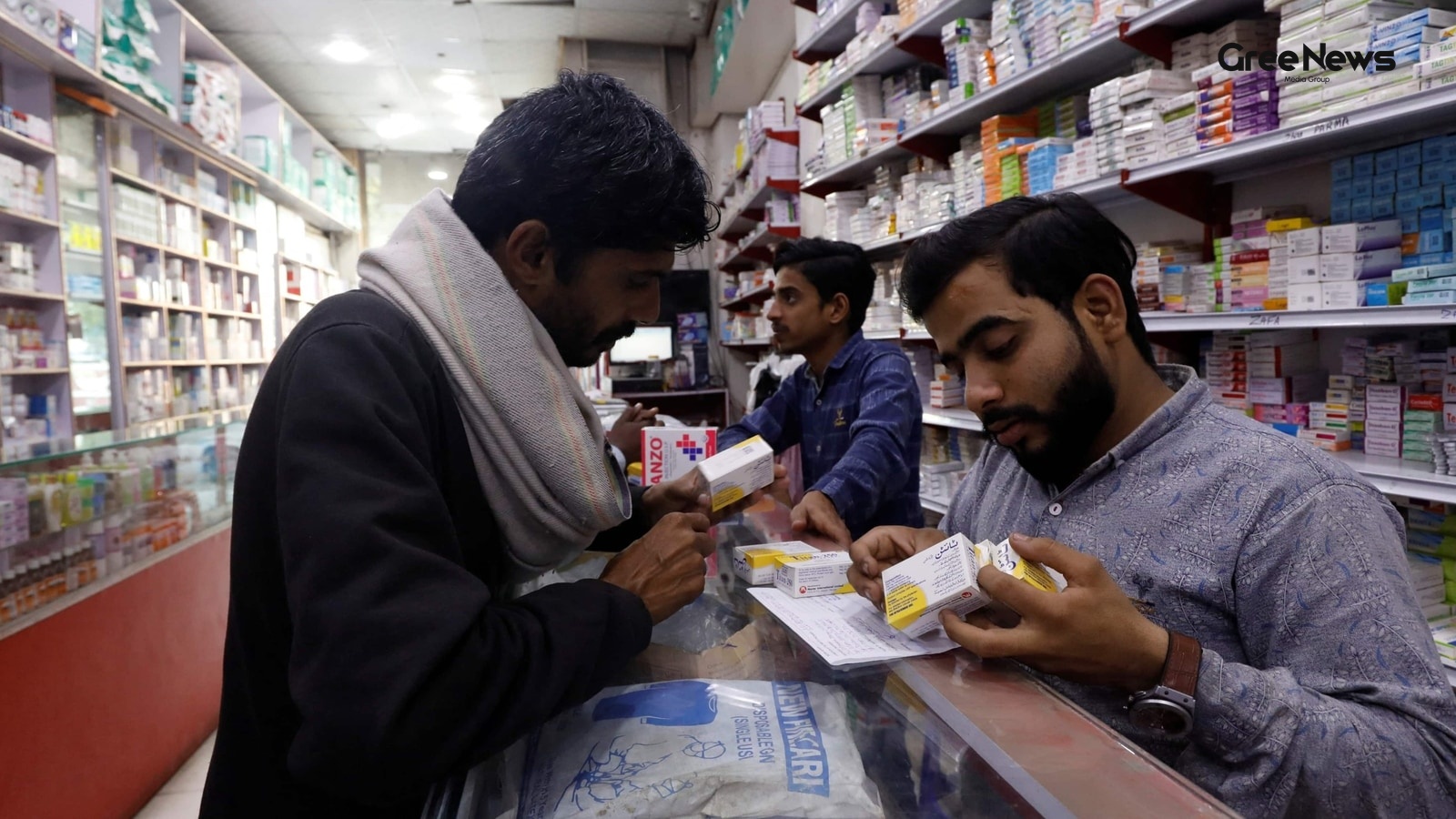
The PMBI decided to bump up the trade margin for Jan Aushadhi Kendras. It went from twenty per cent to thirty per cent. This move was meant to fix things under the Pradhan Mantri Bhartiya Janaushadhi Pariyojana, or PMBJP. They wanted to make sure these stores could actually survive and strengthen ho
Jun 20, 2026 by Gree News Team