Hantavirus Outbreak and International Response on the *Hondius*
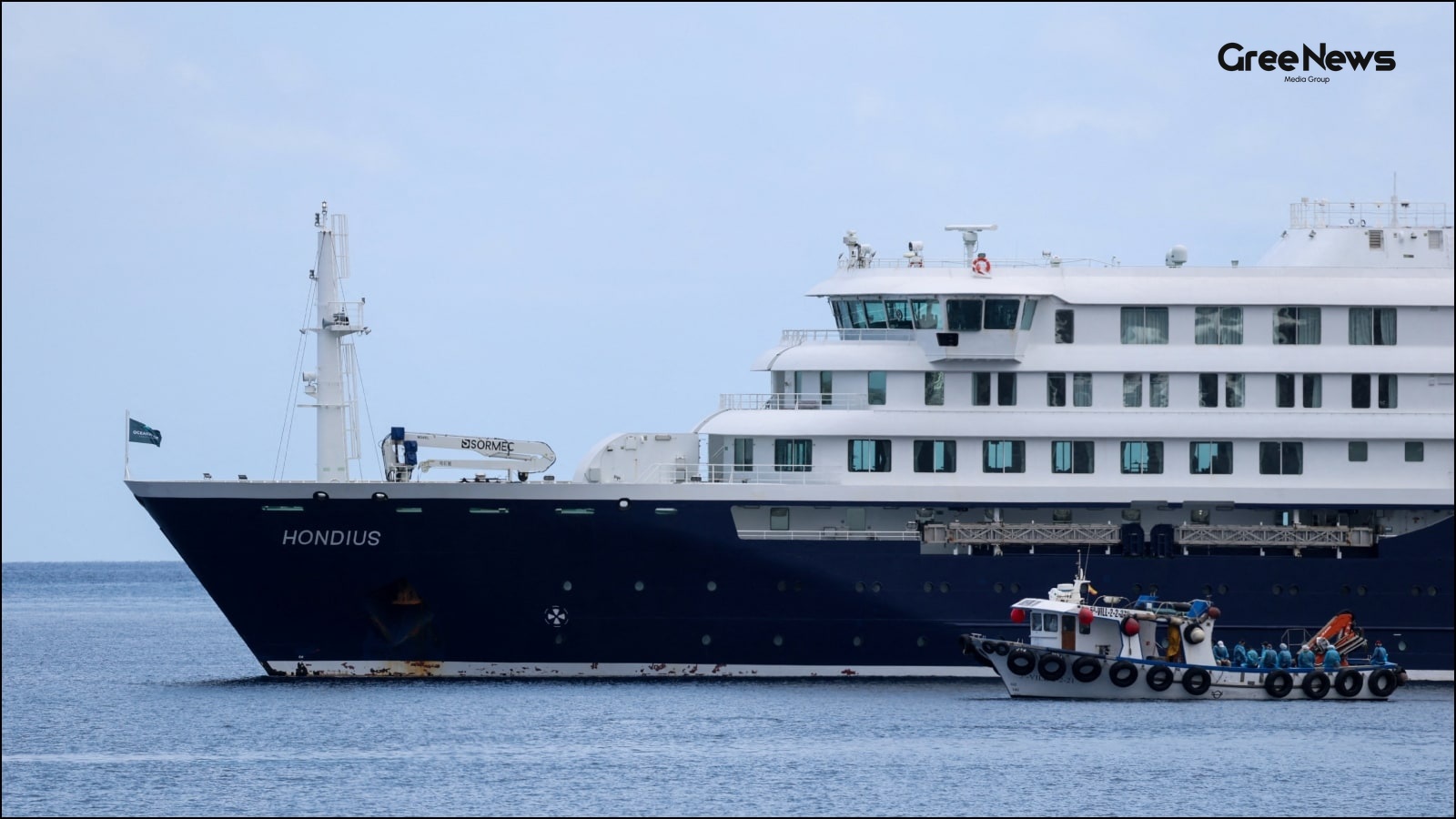
The quarantine orders for the Hondius , that cruise ship hit by the hantavirus outbreak they finally lapsed. Nearly seven weeks later. The passengers and crew are home now.
There were twelve confirmed cases, one probably. Spread across twenty-three nationalities. Three people died along the way.
That whole trip started from Ushuaia in Argentina on April 1st, 2026. Heading into some of the remotest ocean out there. Antarctica, South Georgia Island... Tristan da Cunha. Saint Helena. Ascension Island. A wild route.
Then the WHO got the notification. May 2nd. They found a cluster of severe respiratory illness onboard. Two passengers were already dead by then.
The bug itself was the Andes virus . That specific hantavirus. The only strain known to jump from human to human, actually. Usually, these things hitch a ride on rodent droppings. But this one? It sometimes skips that rule entirely.
That single biological fact is what turned a remote shipping emergency into something huge. An international response stretching across a dozen countries.
The first death came quietly. A passenger’s body was pulled off the ship at Saint Helena on April 24th. His close contact, a woman, disembarked there with stomach issues and then just faded away on the flight to Johannesburg. She died in the emergency department right when she arrived on April 26th. PCR confirmed both cases eventually.
Eighteen Americans got evacuated. Flown straight to the National Quarantine Unit at the University of Nebraska Medical Center. The same place that handled those Covid repatriations from the Diamond Princess back in 2020.
The forty-two-day clock started ticking for everyone. Passengers across Australia, Canada, France, Germany, Singapore, Spain, Switzerland, Turkey, South Africa they all made their own arrangements.
Angela Perryman, she was in Florida. Forty-seven years old. She said she couldn't take another day without crying. “I’m being held hostage in this power struggle between a state and the federal government,” she told reporters.
The CDC wanted home quarantine with monitoring attached. But Florida health officials pushed back hard. Health Secretary Robert F. Kennedy Jr. refused to sign off on her early release. Federal folks insisted it had to hold until June 21st, when that forty-two days finally ended.
Twelve of those eighteen Americans eventually left the Nebraska facility midway through quarantine. Strict conditions, though. No grocery runs. No takeout. And in several states, they had monitors posted outside their doors around the clock. The other six stayed put till the window closed.
There was another group of Americans who’d disembarked earlier, before anyone even knew about the outbreak. They finished their forty-two days monitoring on June 6th. Nothing found. No cases detected then. No further follow-up needed for them.
Saint Helena wrapped it up on June 8th. That little British island, only a few thousand people total where the first cases had landed, declared the major incident over. Their government said all contacts who needed isolation had successfully finished their mandatory forty-two days. No active suspects. No further risk to anyone else.
The WHO chief confirmed this week that nearly everyone quarantined in the Netherlands was cleared to leave. The Hondius had docked in Rotterdam on May 18th. Its skeleton crew dealt with weeks of isolation after retesting and disembarking.
What’s still hanging over everything is way more unsettling than just the numbers we saw. There’s no vaccine for hantavirus. No specific treatment either. It's still a mystery. Was it rodent exposure on some remote stopover? Or was it person-to-person transmission, or maybe both? That’s what they are still digging into.
The CDC maintains that the risk of this spreading in the United States is extremely low now. No American has tested positive yet. But the uncertainty lingers.
Written by Gree News Team — Senior Editorial Board
Gree News Team covers international news and global affairs at Gree News. Our collective of senior editors is dedicated to providing independent, accurate, and responsible journalism for a global audience.
More from World
View All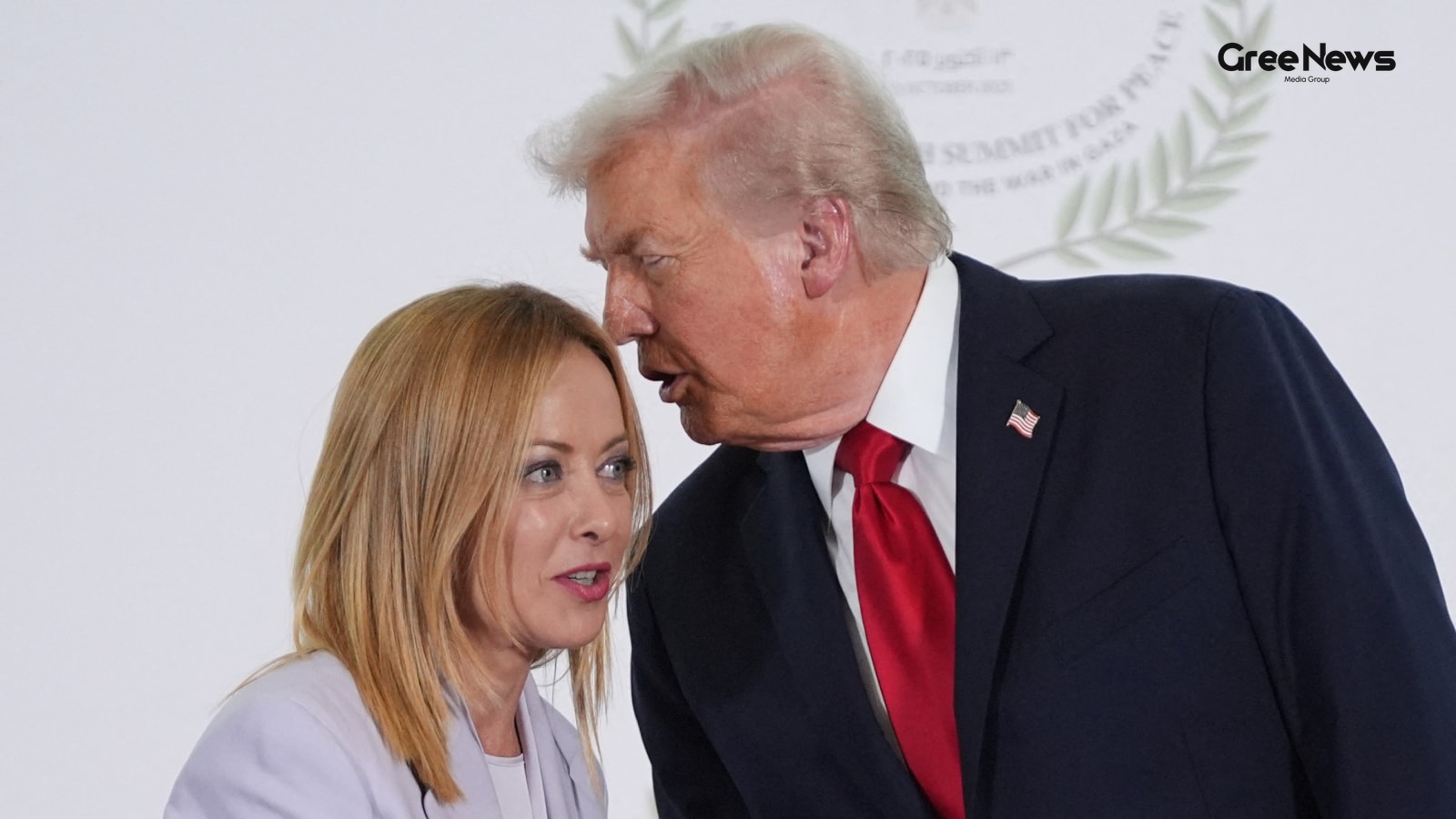
The Shifting Dynamic Between Trump and Meloni
The whole thing started with Trump making that claim about Meloni. That she had supposedly "begged" him for a photo at the G7 Summit. It was instantly explosive. Then comes the back and forth. In an interview with *La7*, Meloni just shut it down completely. She said those claims were entirely made u
Jun 20, 2026 by Gree News Team
Donald Trump's Diplomatic Style and Personal Attacks
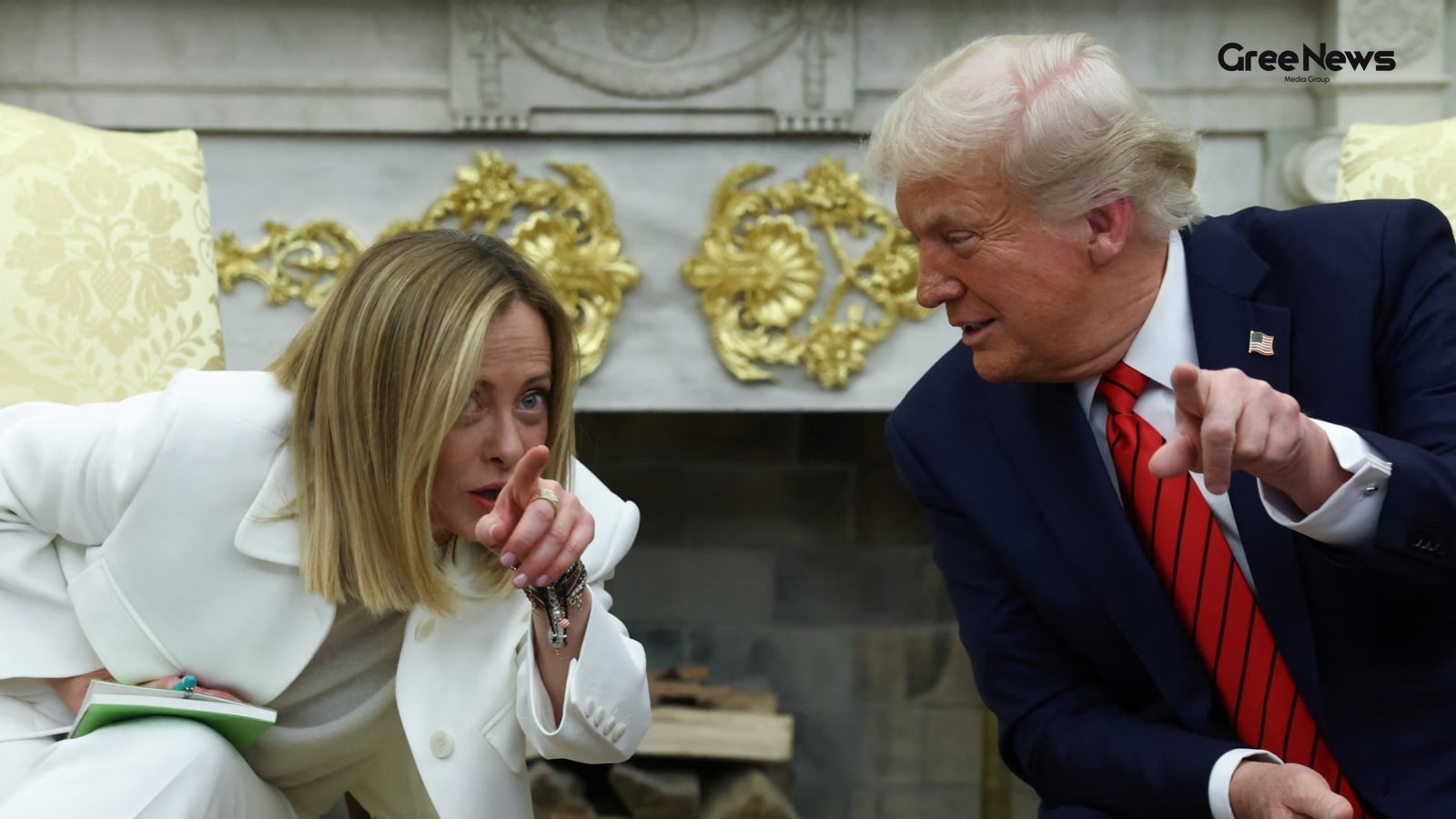
Donald Trump seems to have this habit of just going straight for the jugular in his interactions with world leaders. It’s less about policy disagreements and more personal jabs, often leaving everyone else scrambling. Take the recent spat with Italy. He claimed that Prime Minister Giorgia Meloni had
Jun 20, 2026 by Gree News Team
Intelligence Warnings on the US-Iran Memorandum of Understanding
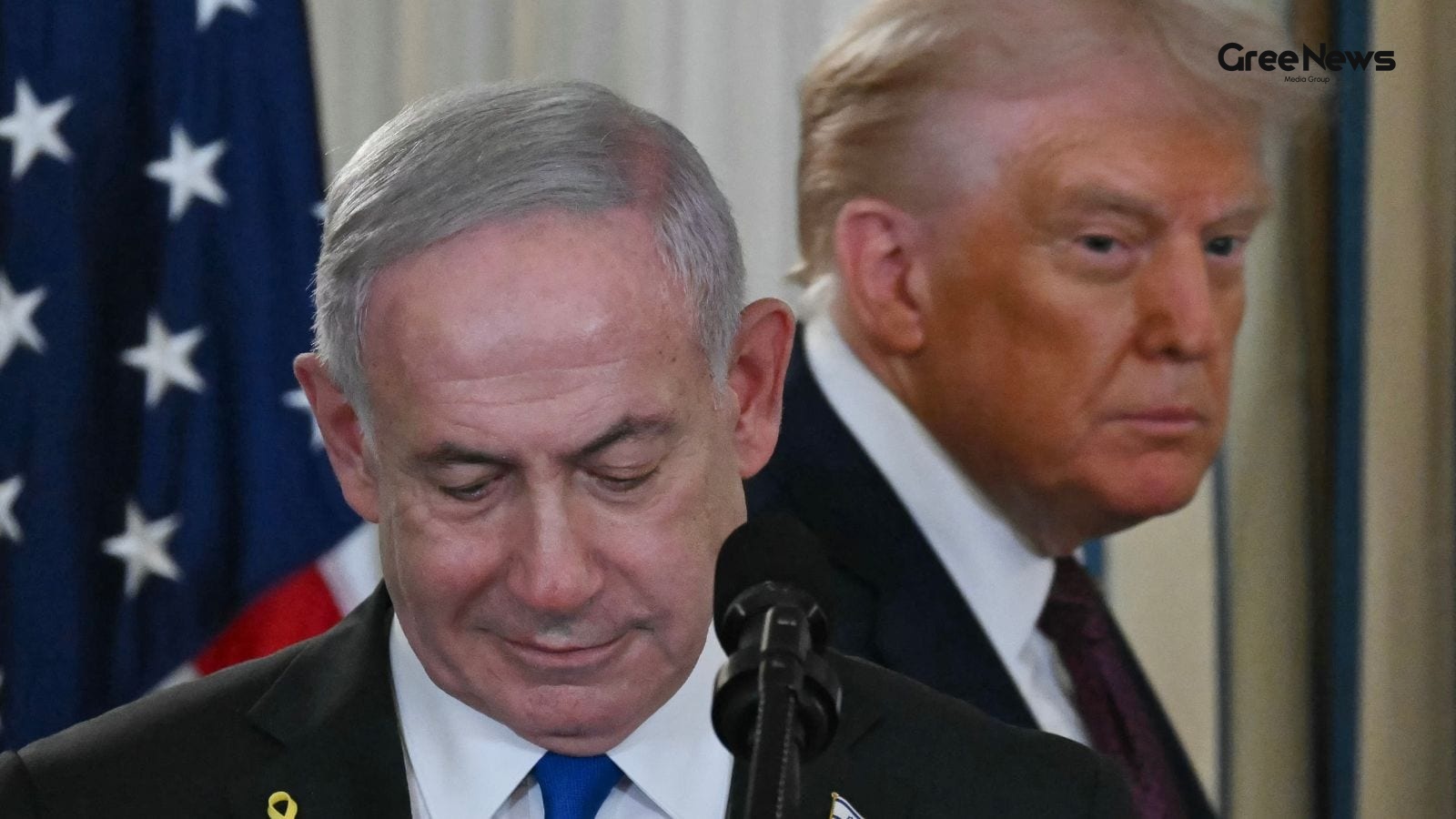
US intelligence agencies sent out these warnings to the Trump administration about what Prime Minister Netanyahu might do next. They suggested it could mess up that whole memorandum of understanding, the one they signed regarding ending the war between the US and Iran. It came out on Friday. Just a
Jun 20, 2026 by Gree News Team
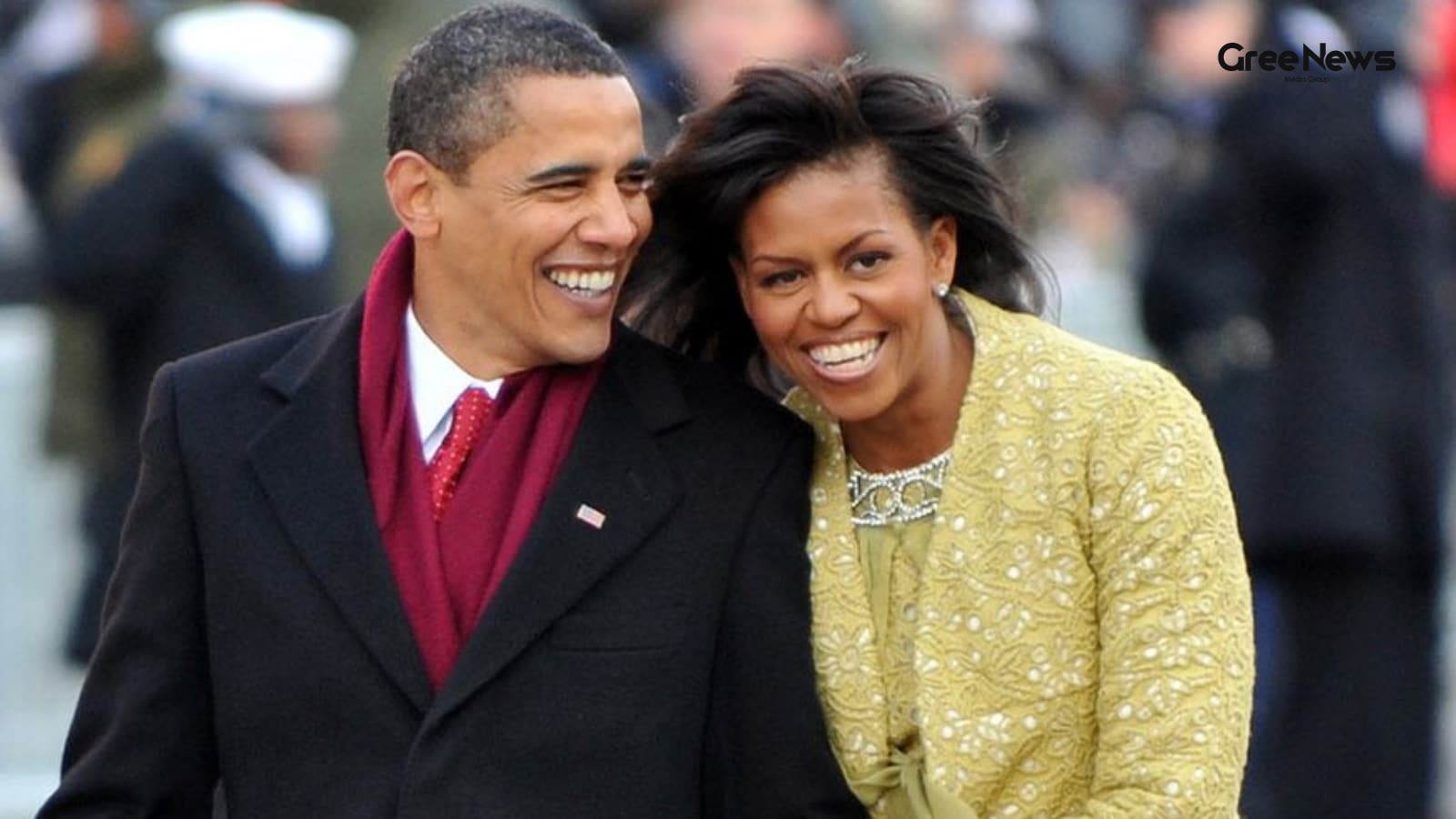
Barack Obama on the Iran Conflict and War's Aftermath
Barack Obama said something kind of heavy on Friday. He basically argued that fifteen weeks of fighting with Iran just left America in a worse spot than when things started back in February. Even while he welcomed the ceasefire that finally happened. He talked to NBC News about it. Said they’ve foug
Jun 20, 2026 by Gree News Team
Latest Headlines
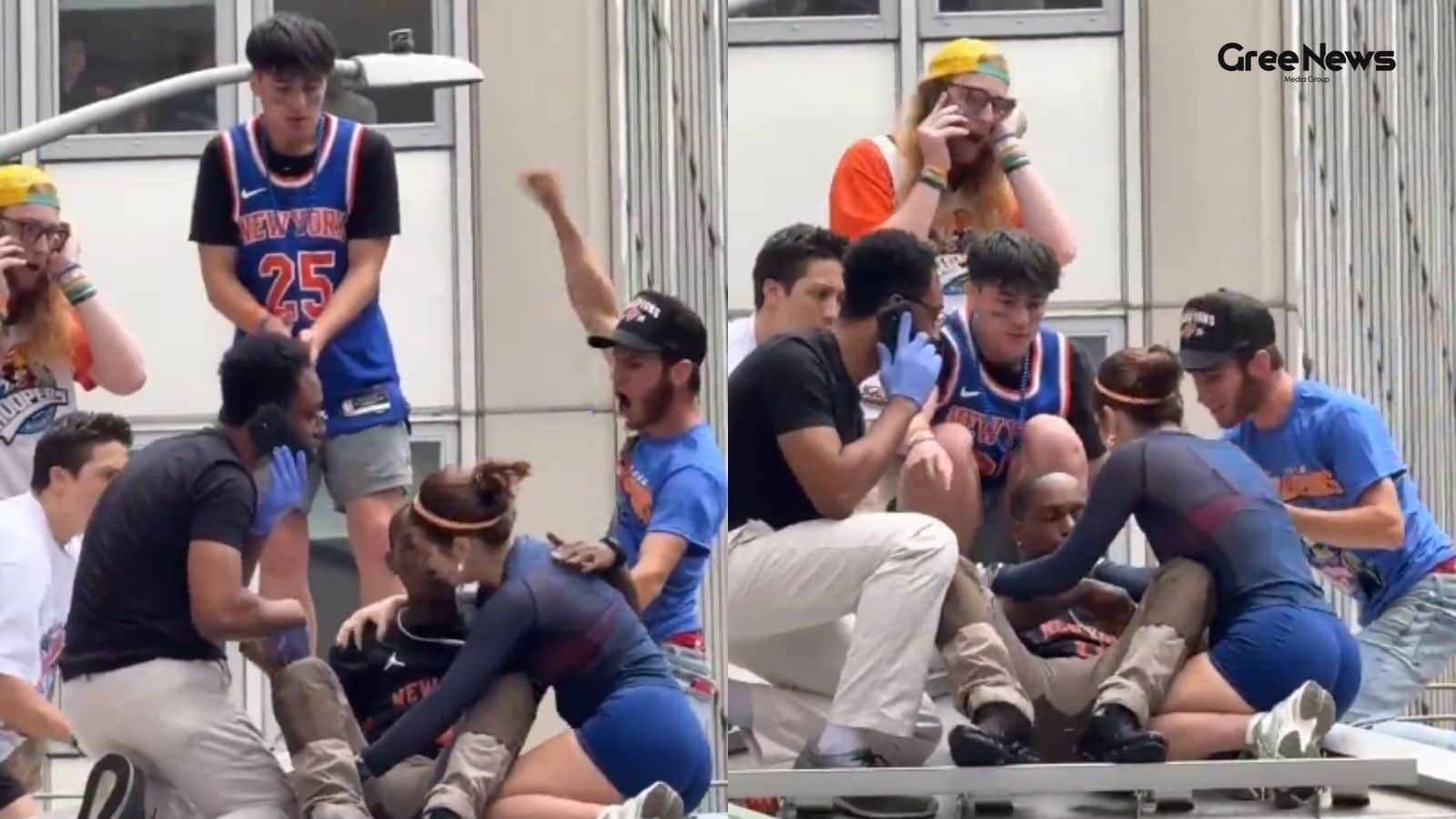
Viral Moment: From Parade Chaos to Social Media Meltdown
The parade itself was already pure chaos. Blue and orange jerseys everywhere. Fans just piled up, shoving against traffic lights. Fireball shots were flying down Church Street, smoke hanging heavy over Manhattan downtown. It was loud, frantic. But then there’s this one moment from the celebration th
Jun 20, 2026 by Gree News Team
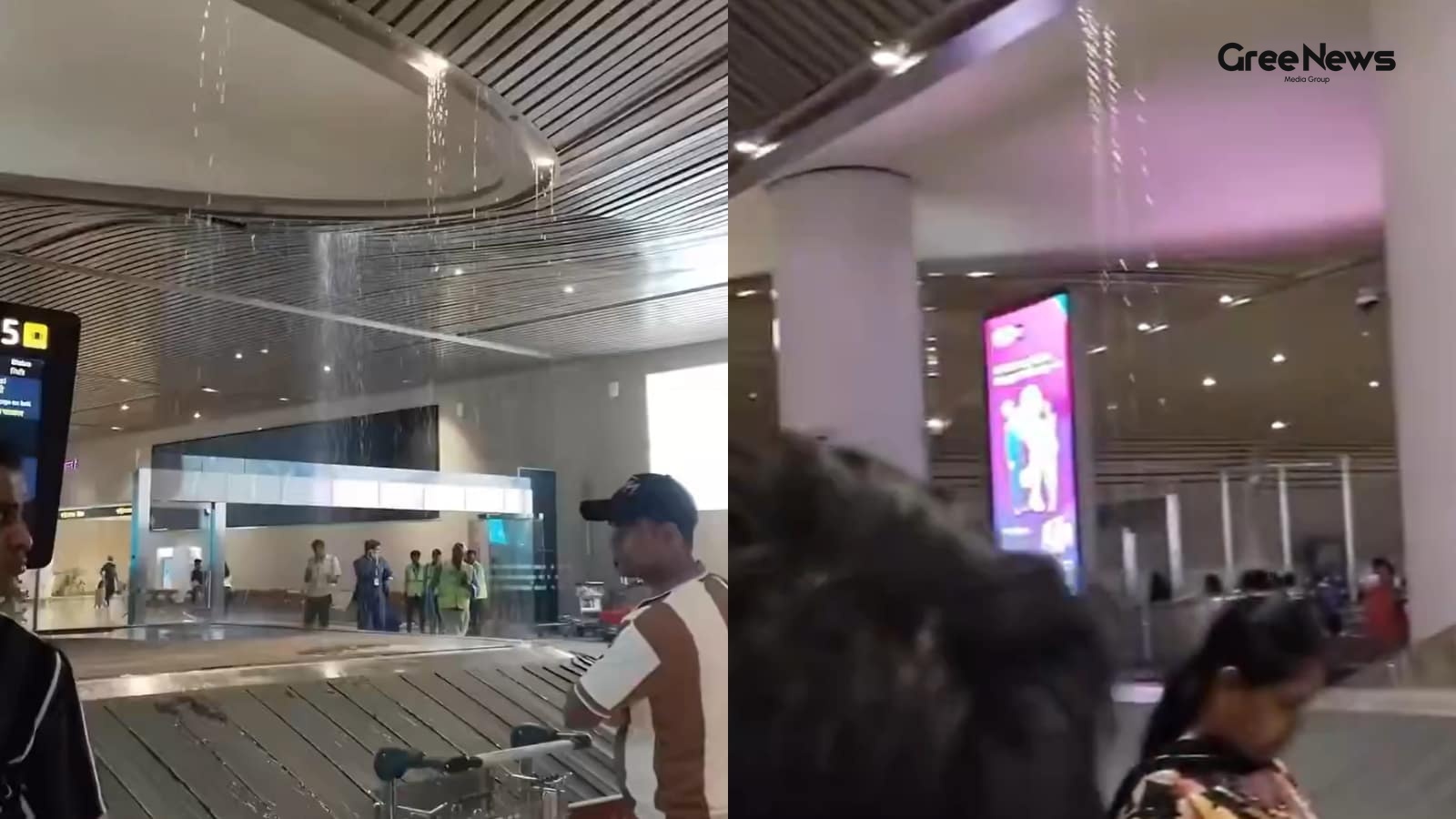
Navi Mumbai Airport Leak Sparks Controversy Over Construction Quality
Days after getting that international nod one of those seven most beautiful airports from Prix Versailles the Navi Mumbai International Airport is suddenly in hot water. Not for its architecture anymore. A viral video popped up showing actual leakage. Water running right over the luggage belt during
Jun 20, 2026 by Gree News Team
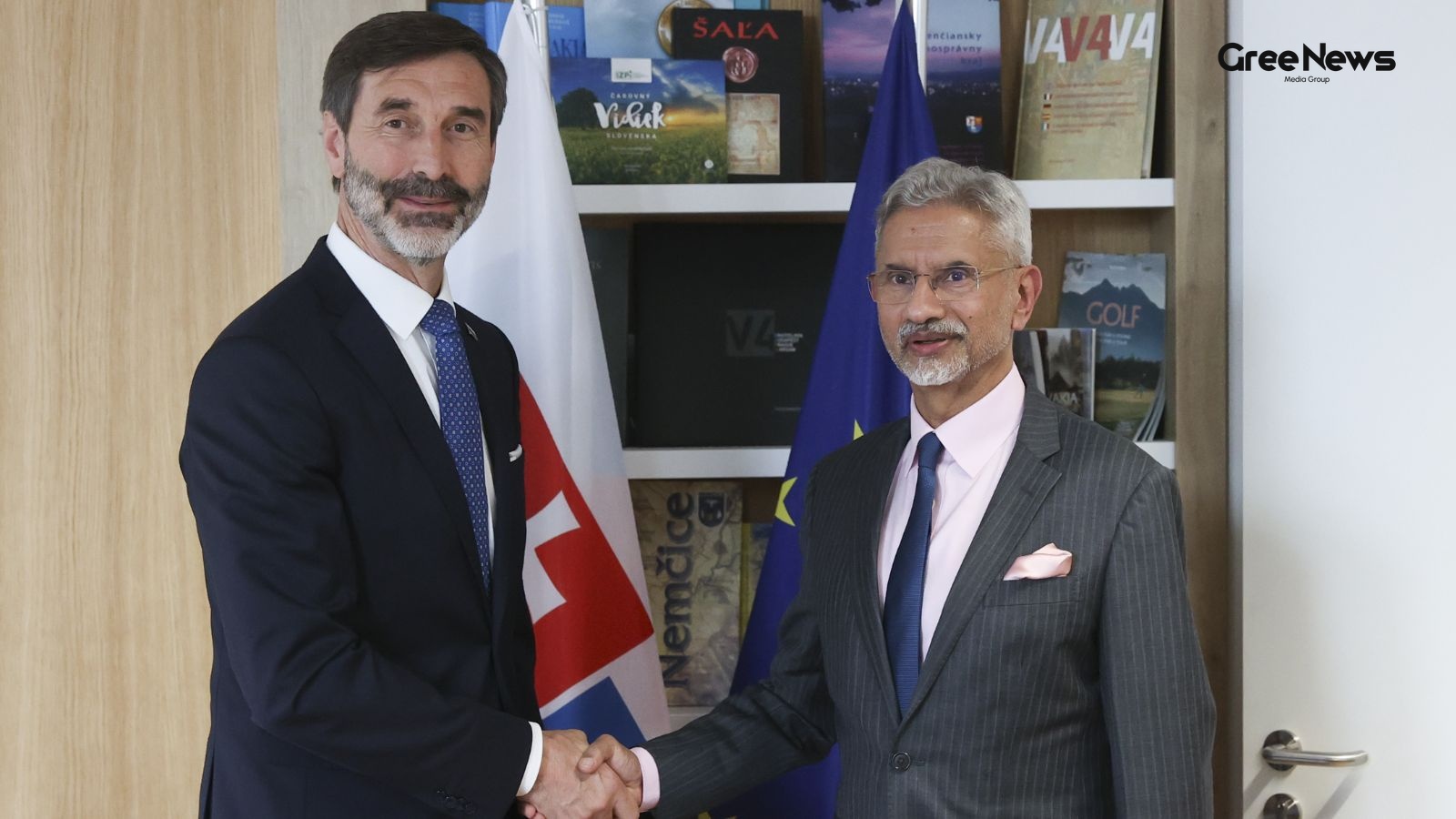
India-Slovakia Partnership: Geopolitics, Technology, and Energy
Narendra Modi landing in Bratislava. It’s not something that happens every week. But it did happen. The first time an Indian Prime Minister landed there, and it wasn't just a ceremony. There were all those expected optics thrown in. High-level chats with Robert Fico and Peter Pellegrini, upgrading t
Jun 20, 2026 by Gree News Team
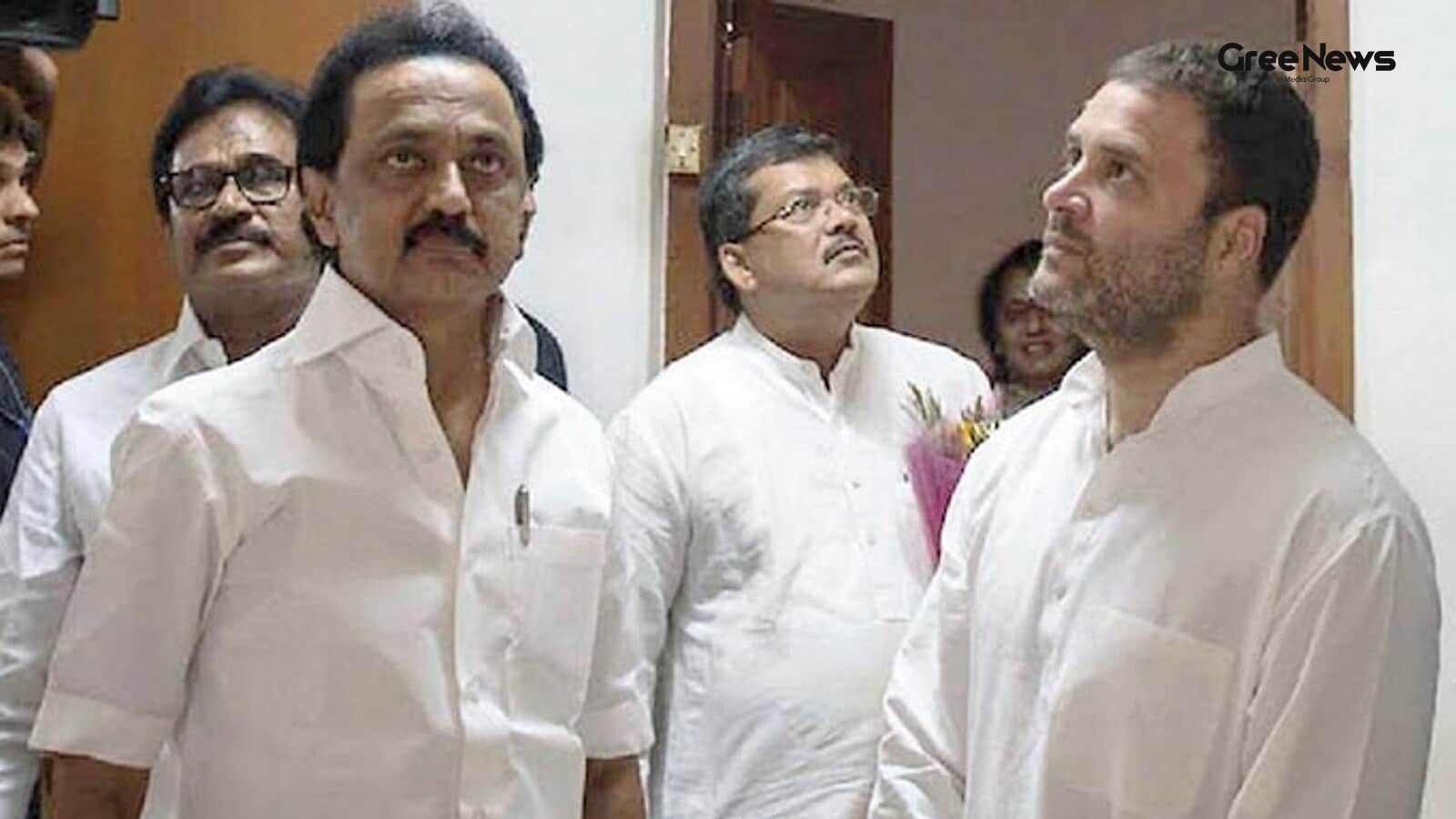
Political Dynamics: Social Media, Alliances, and Internal Tensions in Tamil Nadu
That social media post by Saravanan Annadurai really kicked things into gear. It’s not just some random tweet; it brought a whole lot of political noise around it. You have to look at the context he publicly shutting down Rahul Gandhi's suggestion about forming a united opposition front, right after
Jun 20, 2026 by Gree News Team
The Texture of Uncertainty: Observing the Spaces Between
It’s just… there. Like watching static that somehow holds meaning. That feeling of things shifting, fast, right before you actually grasp what’s happening. The air in the room felt thick today. Heavy. Not just humidity. Something else was pressing down on everyone. You could almost taste the unspoke
Jun 20, 2026 by Gree News Team
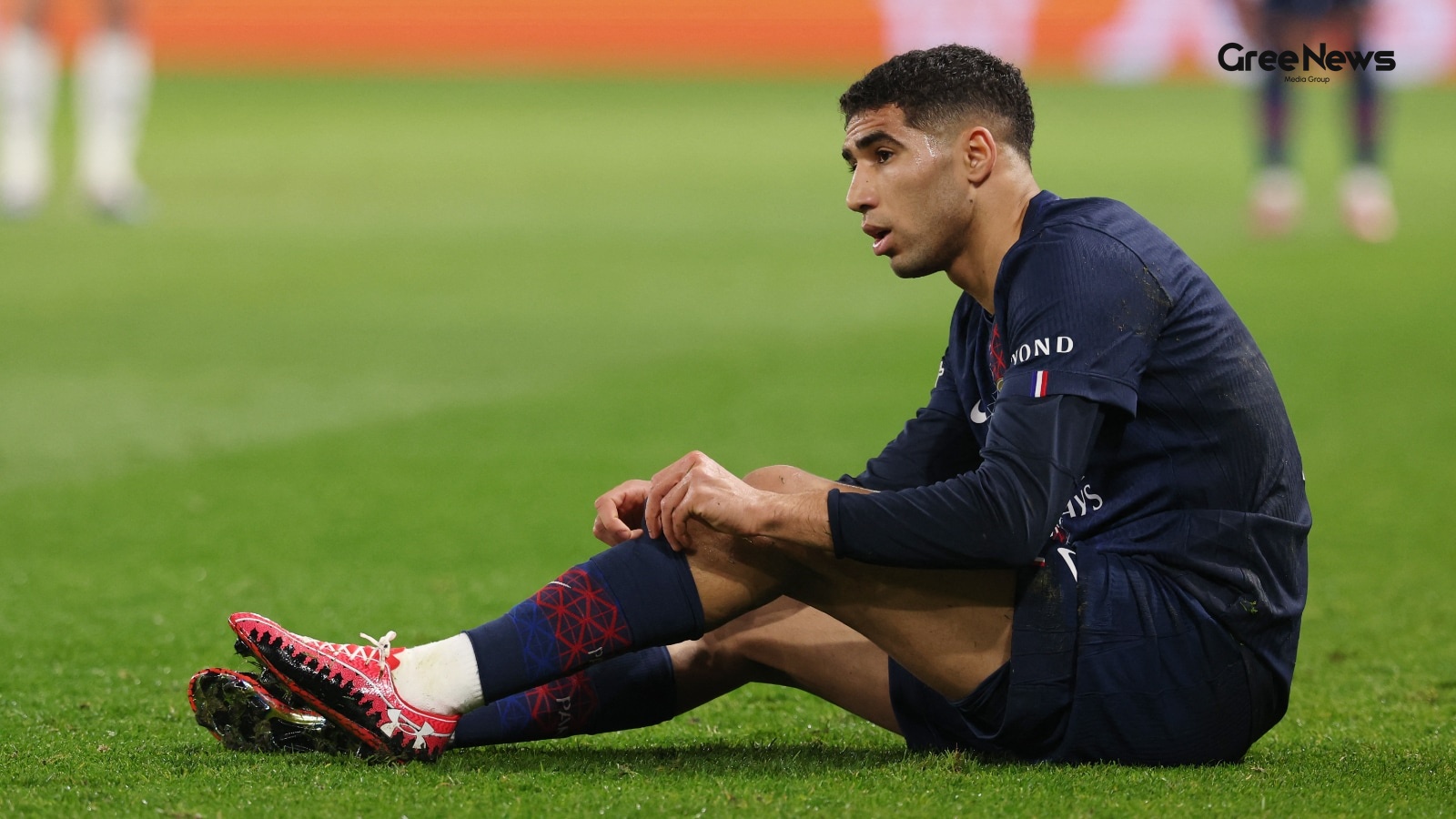
Achraf Hakimi: Legal Proceedings, Allegations, and the Global Context
Hakimi, Achraf Hakimi, and the whole situation. Paris Saint-Germain and him facing a rape charge. That’s where it starts. A French appeals court just upheld an earlier ruling that there is enough evidence for this case to actually move forward. It's all very complicated. The Versailles Court of Appe
Jun 20, 2026 by Gree News Team
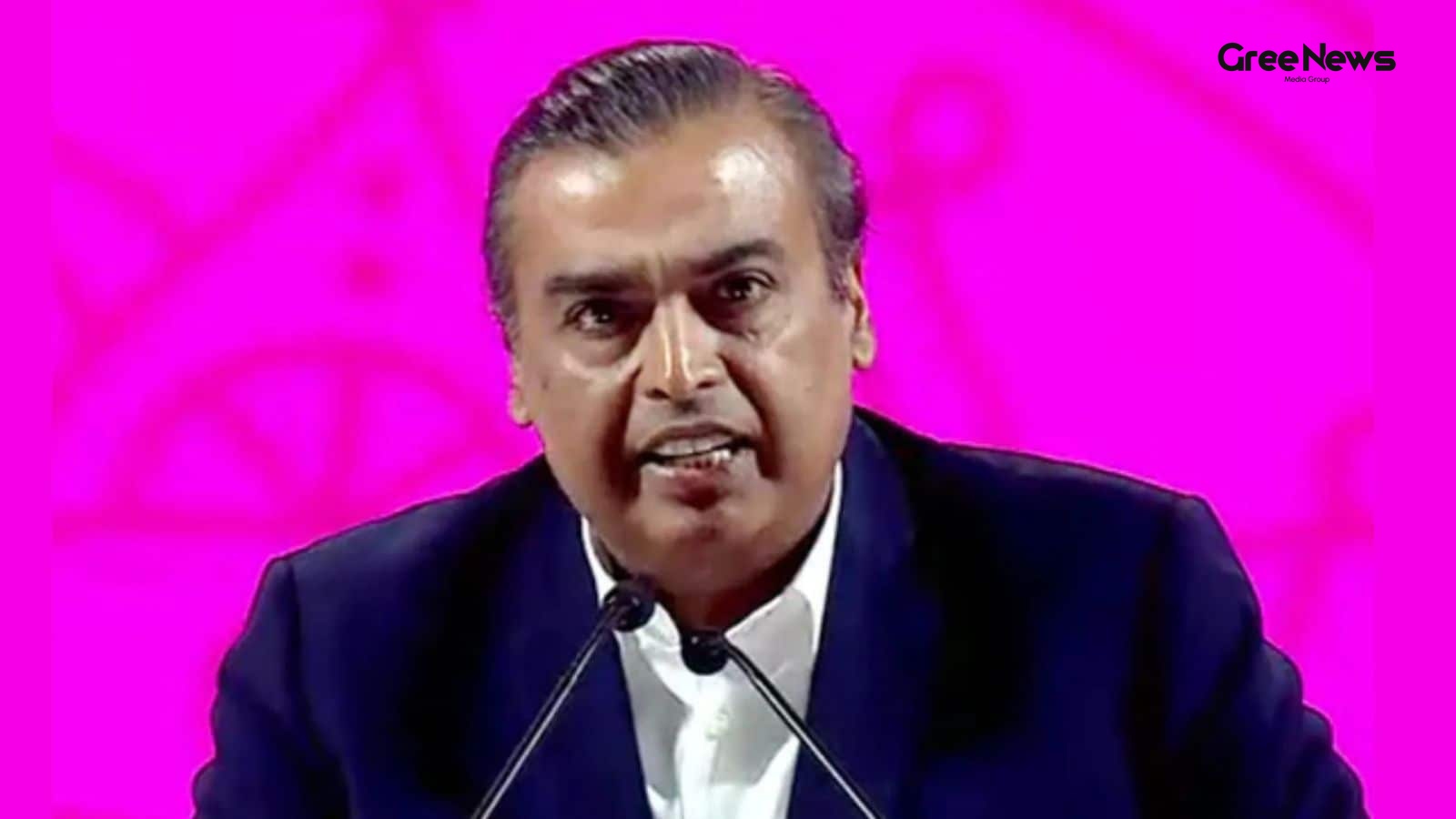
Mukesh Ambani's Address: Reliance's Vision for AI, Growth, and Infrastructure
Mukesh Ambani’s address at the Annual General Meeting this Friday was packed. It covered everything from massive financial numbers to where Reliance is actually trying to go with artificial intelligence. He started by acknowledging Prime Minister Modi, noting that he just hit twelve years in office,
Jun 20, 2026 by Gree News Team
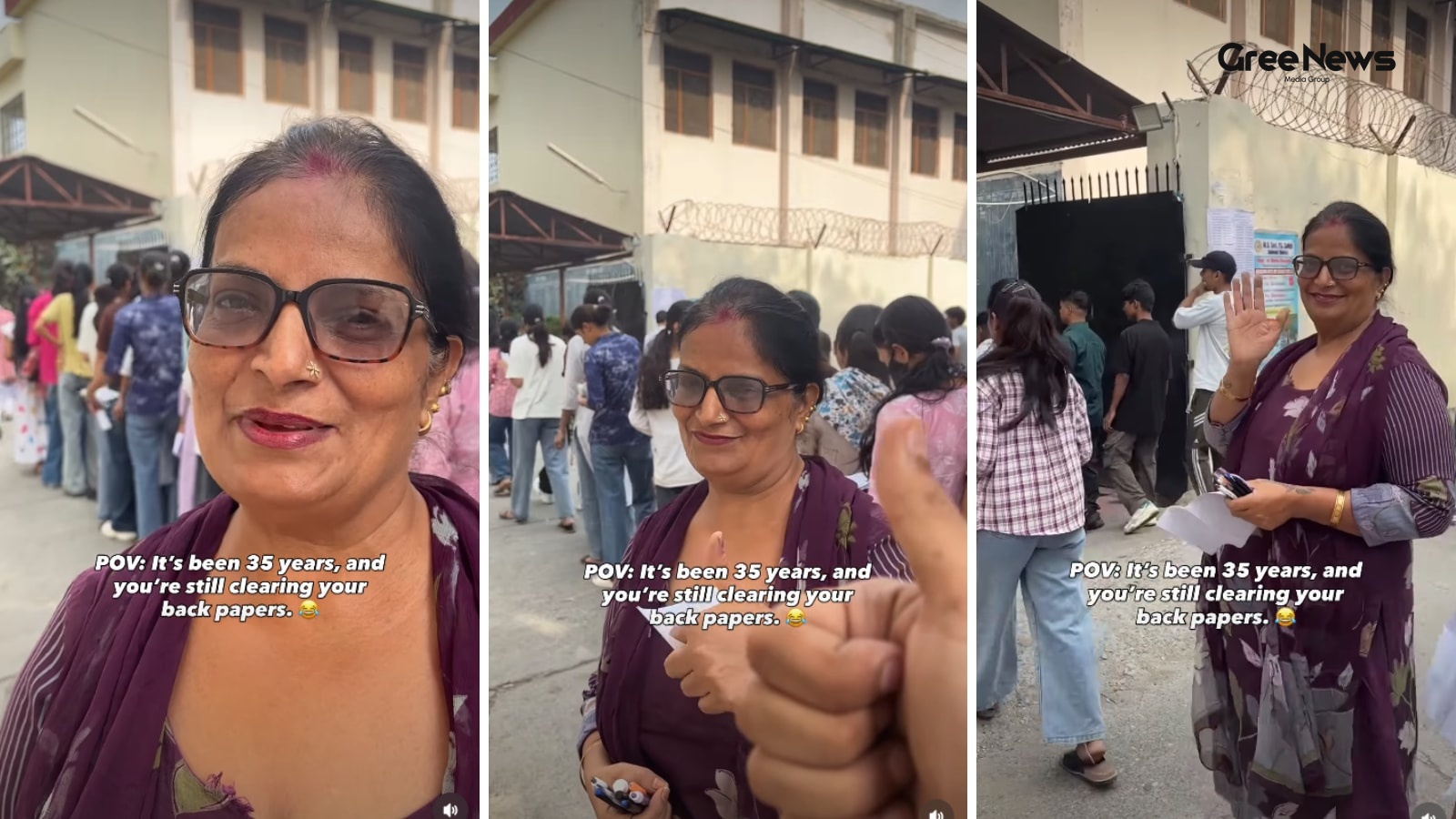
Age Doesn't Stop the Hunger: A Story of Education and Grit
That video. It just hits you. Fifty years old. Going back for an exam after thirty-five years. It’s kind of wild, isn't it? People are seeing it everywhere online now. It’s that thing where age seems like such a hard wall. Like, you think learning stops when you hit a certain milestone. But this wom
Jun 20, 2026 by Gree News Team
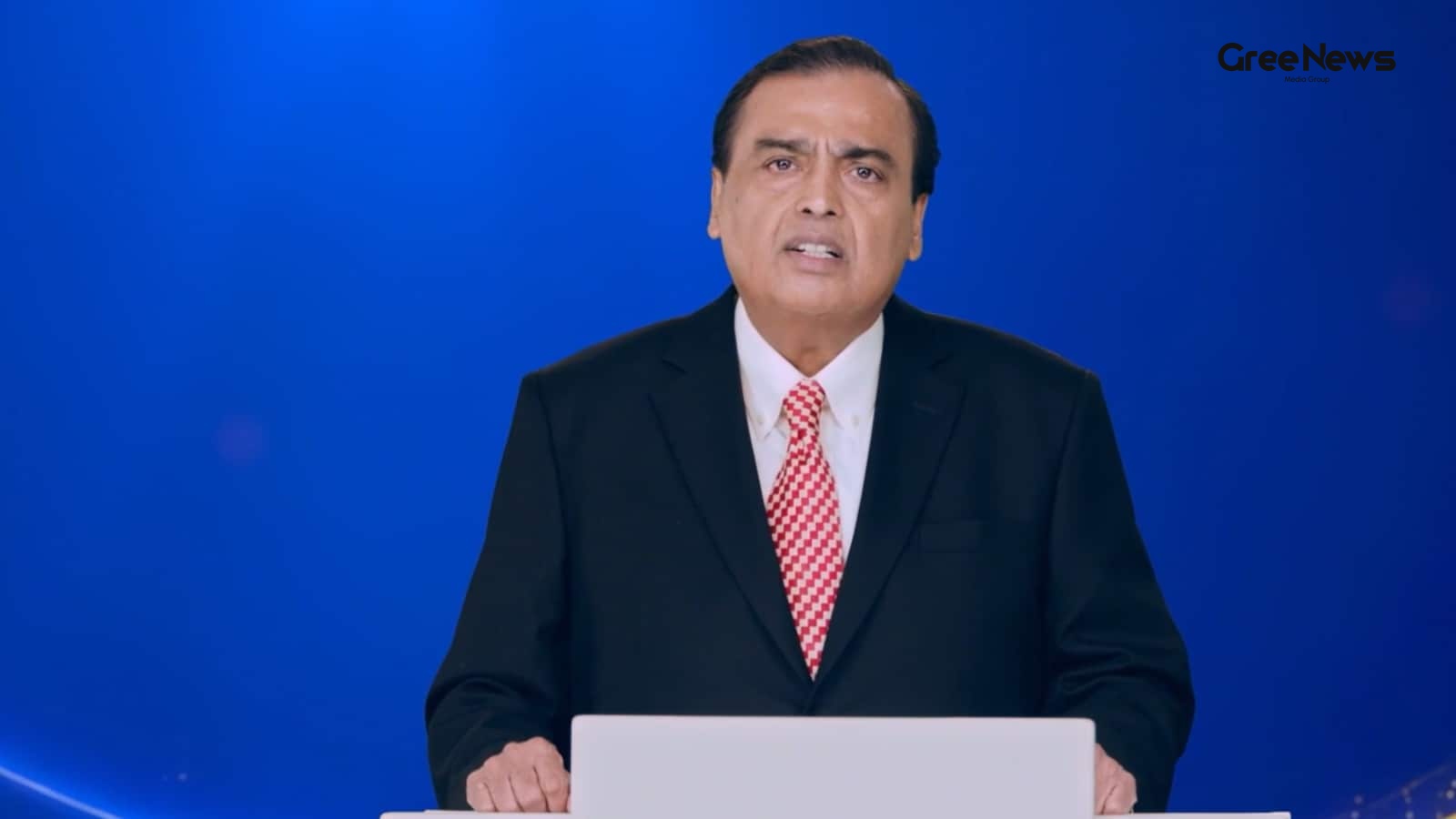
Mukesh Ambani on India's Growth Amidst Global Instability
Mukesh Ambani, the Chairman and Managing Director of Reliance Industries Limited, put it out there during the recent shareholder meeting. He was talking about India’s growth over the last ten years. It wasn't just some nice numbers being rolled out; he really hammered home how tough things have been
Jun 20, 2026 by Gree News Team
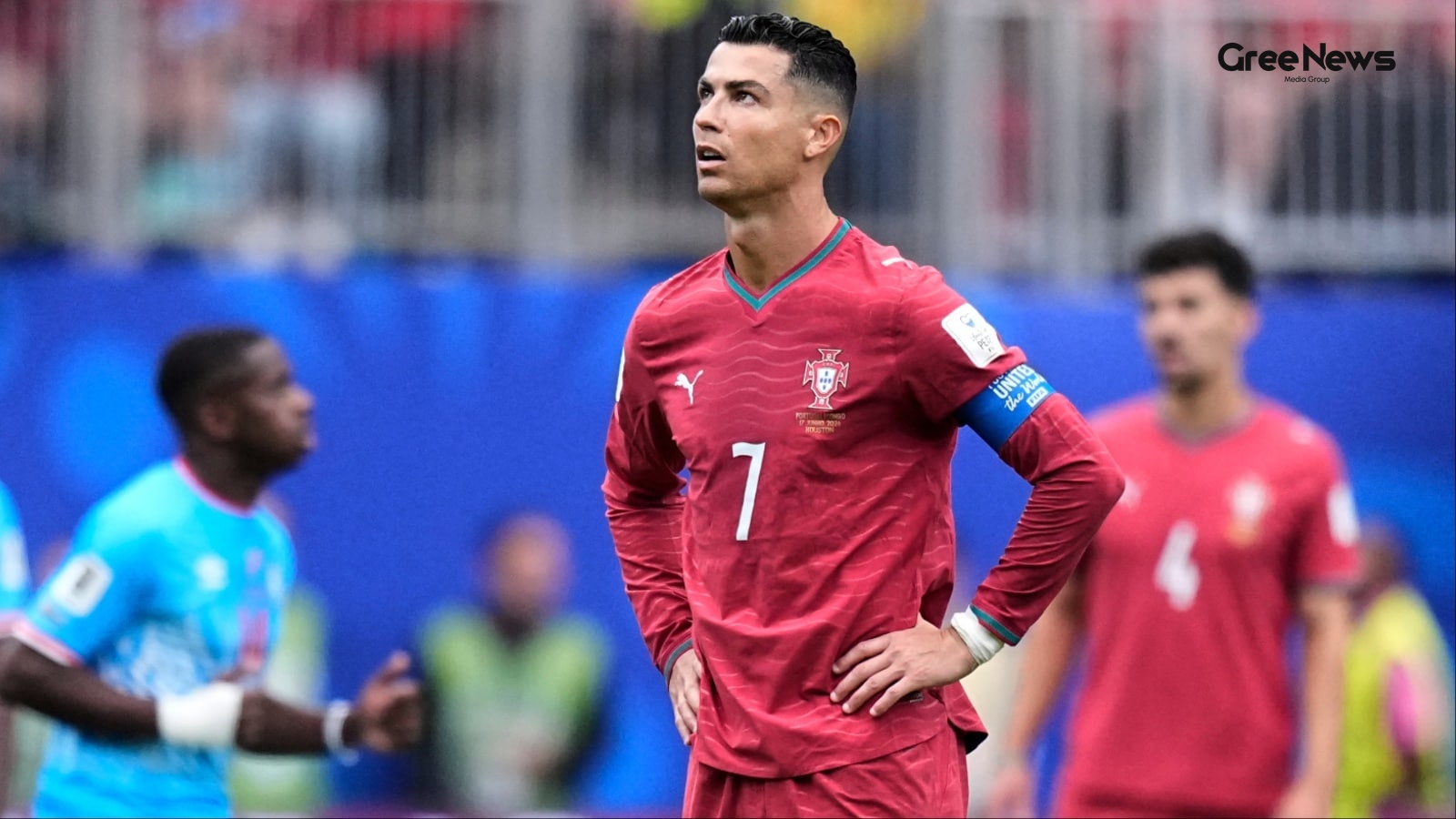
The Backlash and Internal Conflict Surrounding Cristiano Ronaldo at the World Cup
The noise around Cristiano Ronaldo’s Portugal teammates right now is just intense. It’s all social media abuse following that dismal 1-1 draw against DR Congo at the World Cup. People are absolutely furious. They're suggesting he was deliberately kept out of the action, sidelined during the game its
Jun 20, 2026 by Gree News Team
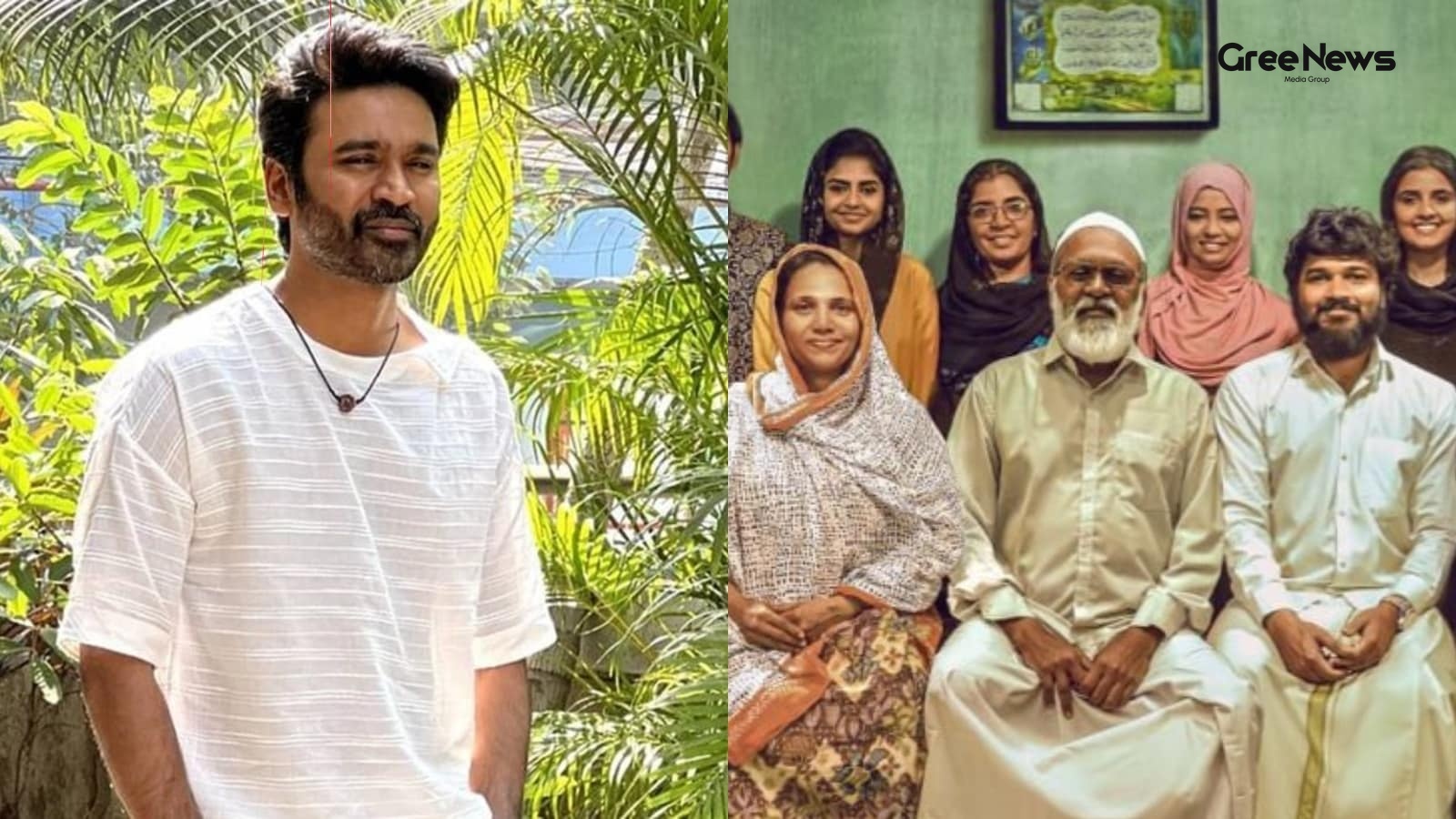
Dhanush's Recent Focus: From *Habeebi* to *Om*
Dhanush recently got some attention, right? mostly because of his upcoming film *D55*, which is now officially called *Om*. But this time, he shifted focus. He shared something emotional about his father Kasthuri Raja’s movie, *Habeebi*. He posted it on social media, praising his dad’s performance i
Jun 20, 2026 by Gree News Team
The Shifting Dynamic Between Trump and Meloni
The whole thing started with Trump making that claim about Meloni. That she had supposedly "begged" him for a photo at the G7 Summit. It was instantly explosive. Then comes the back and forth. In an interview with *La7*, Meloni just shut it down completely. She said those claims were entirely made u
Jun 20, 2026 by Gree News Team
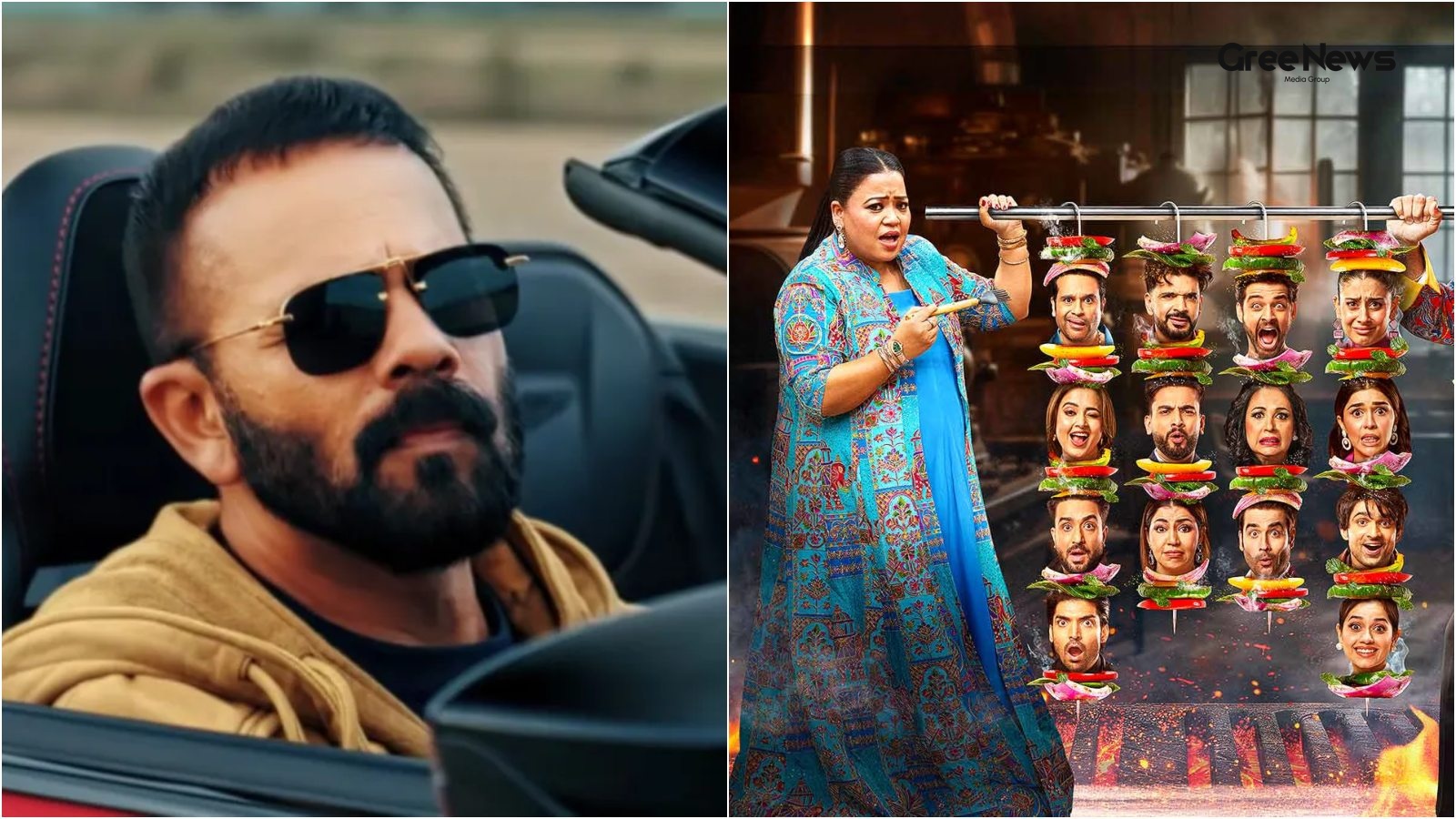
Khatron Ke Khiladi 15 Scheduling and Speculation
The air just feels thick with anticipation right now. You can really sense it. Reality TV fans are buzzing. *Khatron Ke Khiladi 15* is gearing up for its return, and honestly, the excitement isn't holding back. It’s building fast. There’s this whole buzz around when it actually starts. Nobody has gi
Jun 20, 2026 by Gree News Team
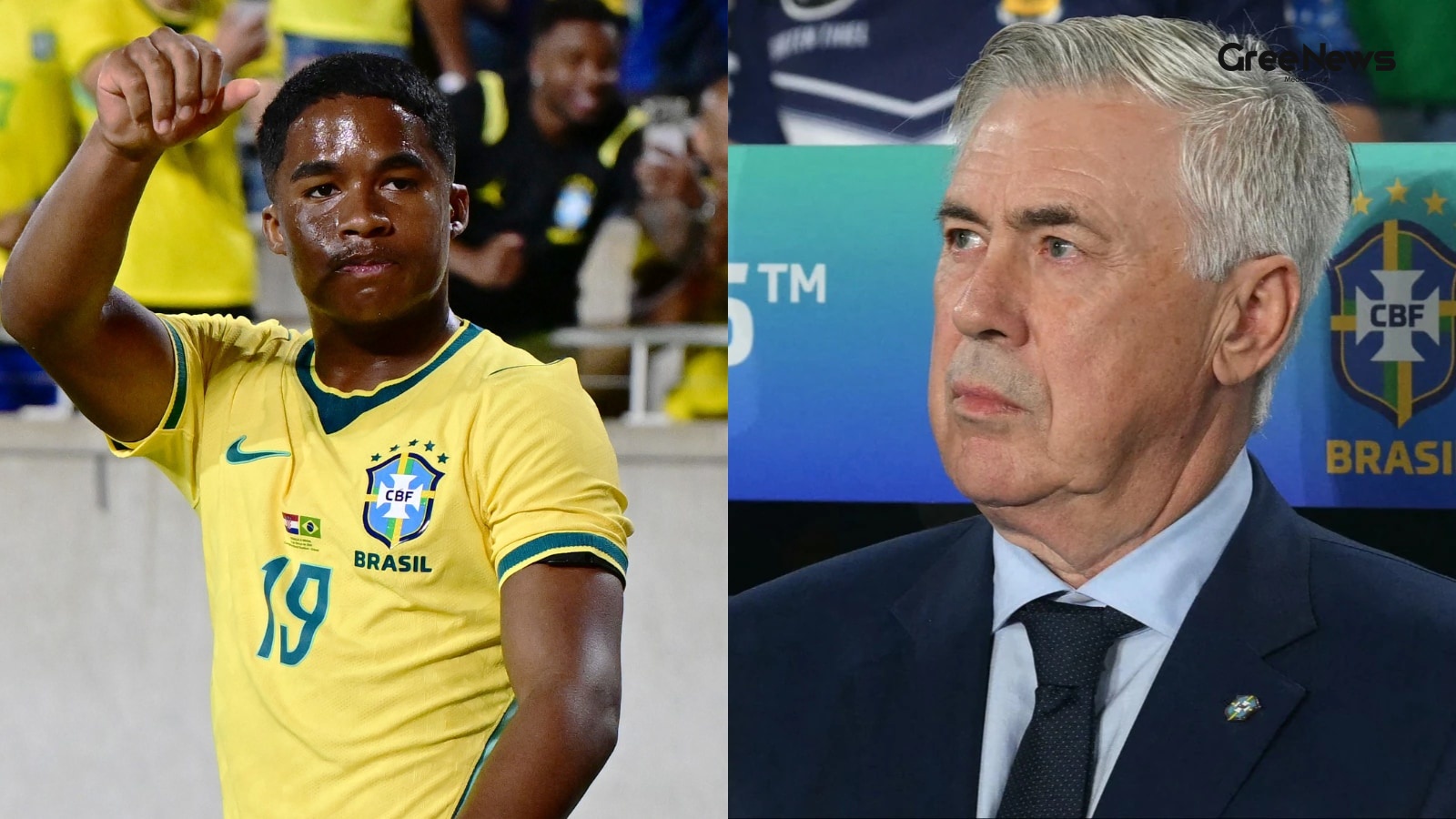
Endrick, Ancelotti, and the World Cup Narrative
You see what’s happening online right now? If you follow the 2026 World Cup buzz, it’s all about this meme frenzy on X. People are just laughing, making sarcastic posts about Carlo Ancelotti and Endrick. It’s that whole dynamic the feeling that he should be getting more time, especially given everyt
Jun 20, 2026 by Gree News Team
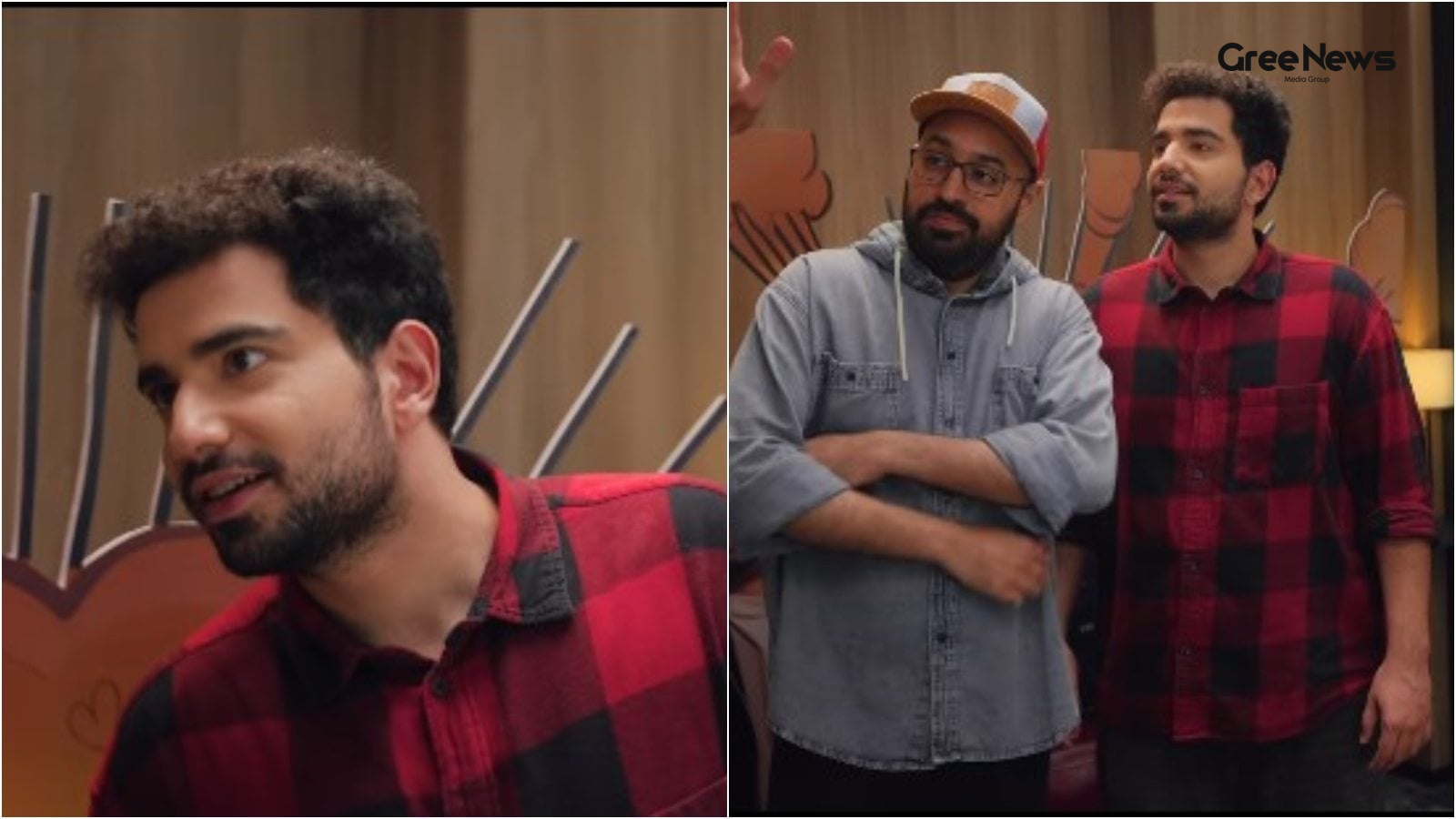
Samay Raina's Comeback: 'India’s Got Latent' Season Two and 'Still Alive' Special
You know, that Samay Raina thing, ‘India’s Got Latent’? It’s finally coming back. Season two is happening now. But there’s this twist attached to it all. He announced it’ll stream on Netflix and YouTube. Both places. After how long? People have been waiting forever for the next bit of Samay’s stuff,
Jun 20, 2026 by Gree News Team