The Economics and Distribution of Modern Bollywood Cinema

It’s funny how Bollywood has always operated on this simple, almost stubborn belief, isn't it? Make a good film. Get decent reviews. And then the audience just shows up eventually. That’s the old equation. But look at where we are now, in this theatrical mess… that equation feels completely unreliable.
You see these names floating around lately: Imtiaz Ali’s Main Vaapas Aaunga , Anurag Kashyap’s Bandar , Kangana Ranaut’s Bharat Bhhagya Viddhaata . They get the critical nods, right? Everyone praises the storytelling, the performances, how sensitive they are about the human cost of things. But then you look at the actual box office numbers. Why is it so damn hard to turn that praise into real money for the theater owners? It’s a massive puzzle.
Take Main Vaapas Aaunga . When it came out with Sharvari and Vedang Raina, Naseeruddin Shah, Diljit Dosanjh… the reviews were genuinely warm. People loved the emotional stuff, the way they handled Partition. Yet the opening numbers were just... modest. About one point one five crore on day one. Not bad, but underwhelming when you think about the hype that followed those critical assessments.
But here’s where things got weirdly interesting with this film. It didn't collapse immediately, which is what most movies do after a slow start. Instead, it started breathing. There were these weekend jumps, real movement, and then steady weekday collections creeping up. Somehow, within the first week, it was hitting twenty crore worldwide. People talk about word-of-mouth being the magic ingredient for that kind of growth. It seems to work when you get it right.
Then there’s Bharat Bhhagya Viddhaata . It got some good nods too. Critics liked the performances, they liked the themes. But even with those favorable opinions? The audience turnout was limited. It just didn't spark that necessary momentum at the ticket window. It exposed something about today’s cinema space. A lot of content-driven stuff gets the praise, but it struggles to actually pull people out of their homes and into a theater seat.
And then you have the noise coming from the filmmakers themselves. Anurag Kashyap is one of those voices who just cuts right through the polite spin. He was talking about Bandar and Main Vaapas Aaunga , and what he said felt like an indictment of the whole system, really sharp. He hit on something fundamental: films need proper screens so people can see them. So that word-of-mouth actually builds up.
He laid it out bluntly. Theatre owners don’t want word-of-mouth building up; they control the access. And then there's the audience problem. People aren't seeing these films because they are already getting everything on OTT. They just get used to streaming now. You aren't building an audience for a movie; you’re trying to build one only for event movies.
That’s the core issue, isn’t it? If you focus solely on making those big, expensive spectacles the ones that demand massive marketing and star power that's what gets made. Because the risk calculation changes entirely. You get those huge flops, right? For every one blockbuster, there are probably five expensive films that just vanish. Those intimate stories, those character pieces… they don’t carry that same immediate weight unless you can force them into a theatrical structure that actually works for distribution.
Kashyap brought up something concrete, showing the frustrating reality of it all. He mentioned wanting to see Shape of Momo in Bengaluru. But what happened? Only two shows across the city, and they were inconvenient far away, early morning stuff. You have to wake up before the sun just to catch a show. It felt like a token release by the cinema itself.
He followed that up with how this affects momentum. When you book a ticket for Main Vaapas Aaunga on a Saturday, there might only be one slot available then. Now maybe three shows are nearby, but they’re still those awkward early morning slots. That timing kills the flow. You don't get the natural build-up of conversation happening between showings.
He contrasted it with Bandar . Night shows were full. But you can’t force that kind of viewing experience on everyone. The psychology is involved here, too. If I watch my own film late at night, suddenly the rest of my day feels ruined by lingering emotional residue. It’s different from an event movie.
Main Vaapas Aaunga , he argued, it should have had more shows. It has the soul, the emotion, all the good stuff that commercial films possess. But you can understand Bandar . That's one thing; this is another entirely.
This whole discussion points to a deeper shift happening in how we value cinema today. The focus is entirely on that opening weekend number. If a film doesn’t generate massive pre-release buzz if it lacks the star power, the franchise appeal, whatever fuels that initial explosion it risks being instantly labeled a failure within days of release.
And then you have the OTT factor eating away at the big screen market. Viewers are getting selective. They've learned to curate what they watch on the big screen now. Action spectacles, pure horror, those huge event movies? Those draw crowds easily. But when it comes to intimate dramas, stories about messy human lives, character studies… the question hangs heavy: "Can this wait for streaming?"
It’s ironic how history shows us that box office performance doesn't dictate legacy. Think about films that didn't explode theatrically but found massive devotion later on Tamasha , Rocket Singh: Salesman of the Year , even those darker, quieter pieces like Sonchiriya . They built their audience elsewhere. Through TV, through streaming platforms, through social media chatter.
That’s what makes these specific journeys so important. The trajectory of films like Main Vaapas Aaunga , Bandar , and Bharat Bhhagya Viddhaata isn't just about money. It highlights this growing gap between what critics value the artistic merit, the depth and what the exhibition business demands in terms of immediate economic return.
A good review establishes credibility. Word-of-mouth? That builds a genuine audience connection. But when you are trapped in an ecosystem obsessed with opening weekends and screen allocation politics, even brilliant content has to fight exponentially harder just to find its footing among the noise. It’s a battle fought behind the scenes, about psychology and distribution control, more than just creative vision. And that struggle defines how these stories get seen, or ignored, by the masses now.
Written by Gree News Team — Senior Editorial Board
Gree News Team covers international news and global affairs at Gree News. Our collective of senior editors is dedicated to providing independent, accurate, and responsible journalism for a global audience.
More from Movies
View All
Curry Barker's Massive Leap Forward in Horror Film Partnerships
A year ago, Curry Barker was already one of those names everyone was talking about in horror. Now he’s taking another massive leap forward. He’s landed a partnership with some of Hollywood’s most powerful horror players for his next big idea. Universal Film Group and Blumhouse Atomic Monster have of
Jun 20, 2026 by Gree News Team

The Legacy and Loss of Producer Brytavious Chambers
The music world just hit a massive blow. Shockwaves are running through hip-hop right now following the news about one of its most influential young producers. Tay Keith, who goes by Brytavious Chambers, he died at twenty-nine. It’s a huge loss for the community. Police in Nashville confirmed he was
Jun 20, 2026 by Gree News Team

Anne Hathaway Expecting Third Child with Adam Shulman
Anne Hathaway is expecting again. The Mother Mary star announced she’s having her third child with Adam Shulman. It came out through an Instagram video posted Friday, June 19th. In the clip, she walks into the frame wearing a flowy white dress. She keeps her arms in front of her stomach at first. Th
Jun 20, 2026 by Gree News Team

The Intersection of Comedy, History, and Public Diplomacy in New Media
Look, this whole thing is starting to cook up. It’s this new entertainment idea, trying to smash comedy, history, and public outreach all together. And it’s got some seriously unexpected pairings happening, plus federal money tied up in some big national milestone coming up. Chris Pratt, yeah, he’s
Jun 20, 2026 by Gree News Team
Latest Headlines
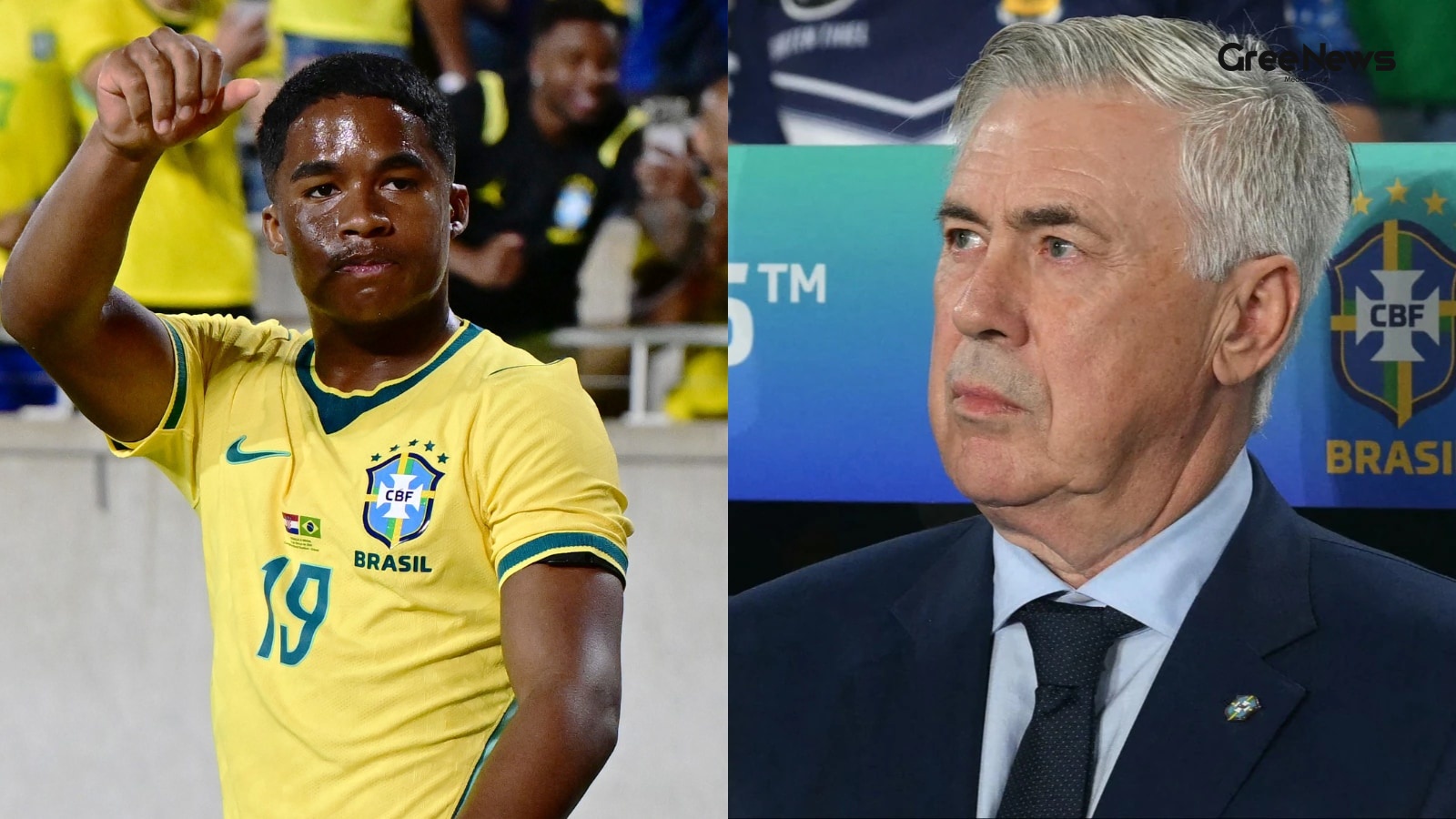
Endrick, Ancelotti, and the World Cup Narrative
You see what’s happening online right now? If you follow the 2026 World Cup buzz, it’s all about this meme frenzy on X. People are just laughing, making sarcastic posts about Carlo Ancelotti and Endrick. It’s that whole dynamic the feeling that he should be getting more time, especially given everyt
Jun 20, 2026 by Gree News Team
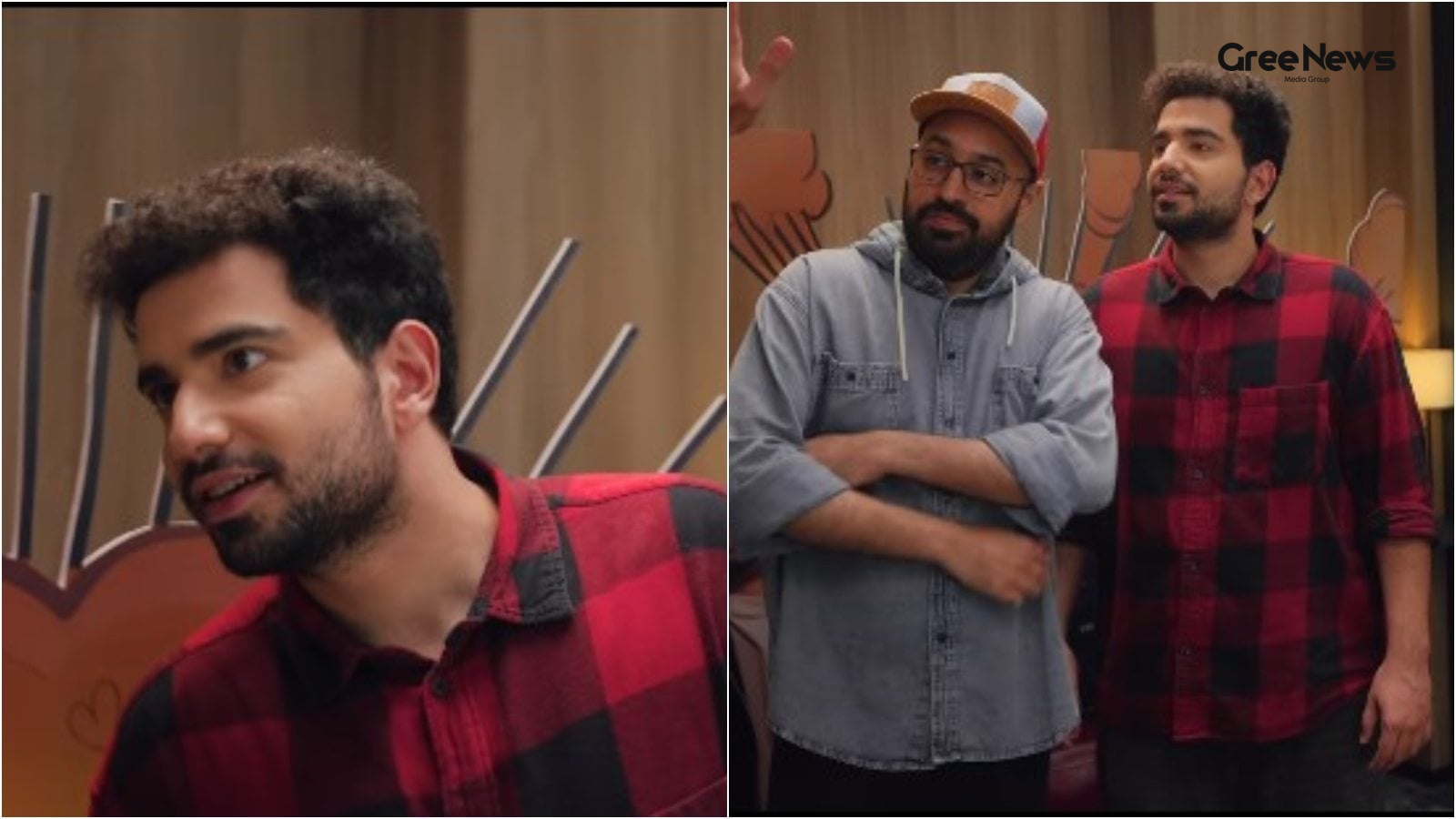
Samay Raina's Comeback: 'India’s Got Latent' Season Two and 'Still Alive' Special
You know, that Samay Raina thing, ‘India’s Got Latent’? It’s finally coming back. Season two is happening now. But there’s this twist attached to it all. He announced it’ll stream on Netflix and YouTube. Both places. After how long? People have been waiting forever for the next bit of Samay’s stuff,
Jun 20, 2026 by Gree News Team
Curry Barker's Massive Leap Forward in Horror Film Partnerships
A year ago, Curry Barker was already one of those names everyone was talking about in horror. Now he’s taking another massive leap forward. He’s landed a partnership with some of Hollywood’s most powerful horror players for his next big idea. Universal Film Group and Blumhouse Atomic Monster have of
Jun 20, 2026 by Gree News Team

The Debate: Moving Abroad for Life Change and Financial Growth
That video just blew up on Instagram, you know? It’s one of those things that grabs attention fast. A content creator posted something, and it immediately started this huge debate, all about Indians moving abroad. She was pushing this idea telling people to relocate outside India for five or six yea
Jun 20, 2026 by Gree News Team
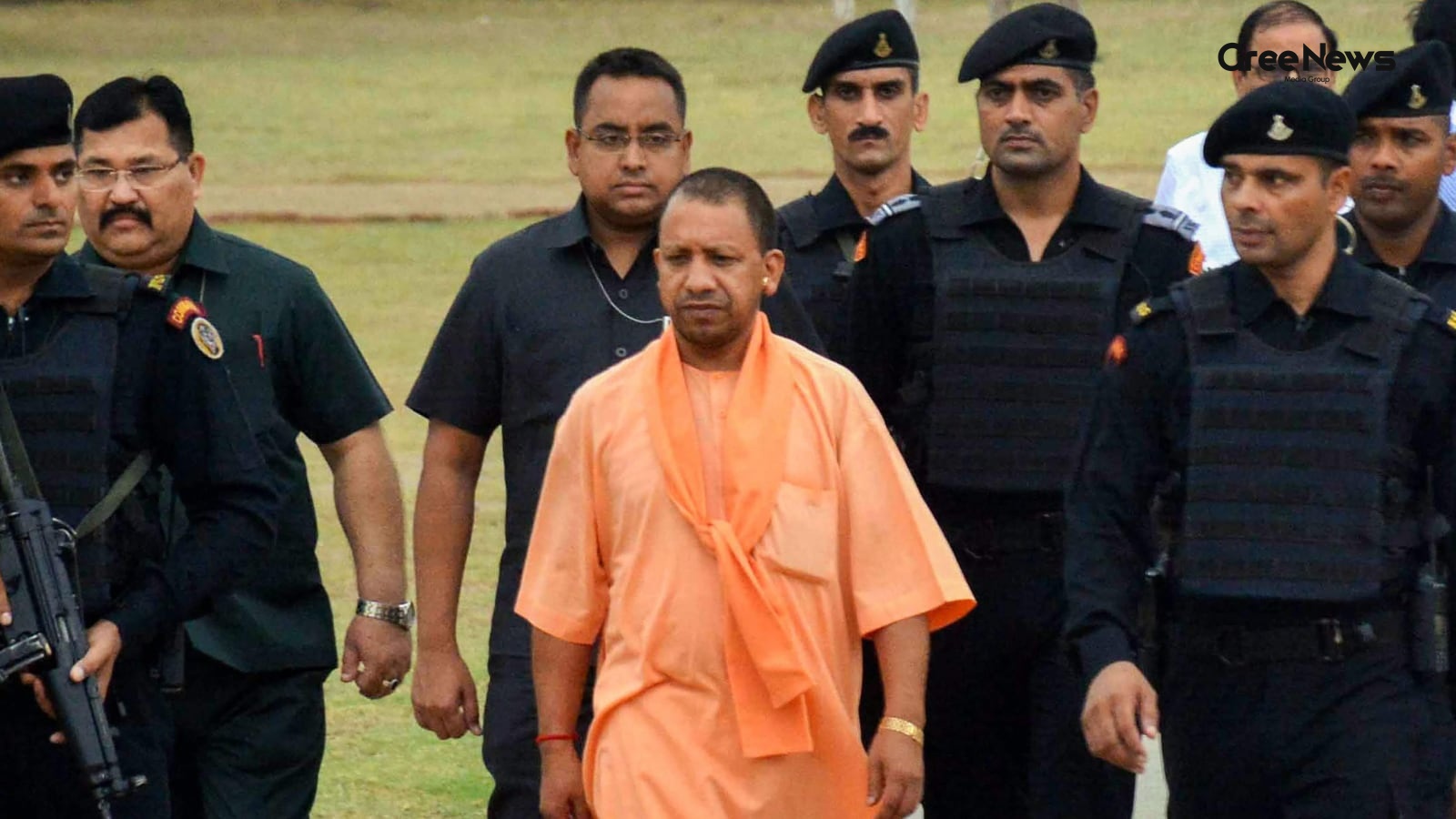
Yogi Adityanath's Review of Infrastructure and Development in Gonda
Yogi Adityanath was in Gonda on Friday. A two-hour session there. He looked over proposals submitted by representatives from all thirty-three Assembly constituencies. Just reviewing things, you know? This trip followed his earlier visit to Gonda, only two weeks prior. Back then he pushed for better
Jun 20, 2026 by Gree News Team

Best Power Banks for Travel: Capacity, Speed, and Value
A dead phone battery? Rarely a big deal when you’re just chilling at home. But throw yourself onto a road trip, that changes everything. Suddenly your phone is running the whole show maps, music blasting, booking hotels, snapping pictures, video calls with everyone. And then bam. That battery that u
Jun 20, 2026 by Gree News Team

Security and Logistics for the NEET-UG Mock Drill
The National Testing Agency is gearing up for something massive. They’re running a nationwide mock drill this Saturday. It’s all in preparation for the NEET-UG re-examination coming up on June 21st. This isn't just some little rehearsal, though. They are implementing what authorities are calling one
Jun 20, 2026 by Gree News Team

Political Shifts and Identity in Kerala: The Impact of Electoral Changes
The BJP snagged three seats in the Kerala Assembly. That’s what happened. And for the main opposition, the CPI(M), it felt like a warning sign. A hazard signal, basically. They looked at that number three and thought, "this is bad." They spent pages of their report on this victory. Three pages, actu
Jun 20, 2026 by Gree News Team
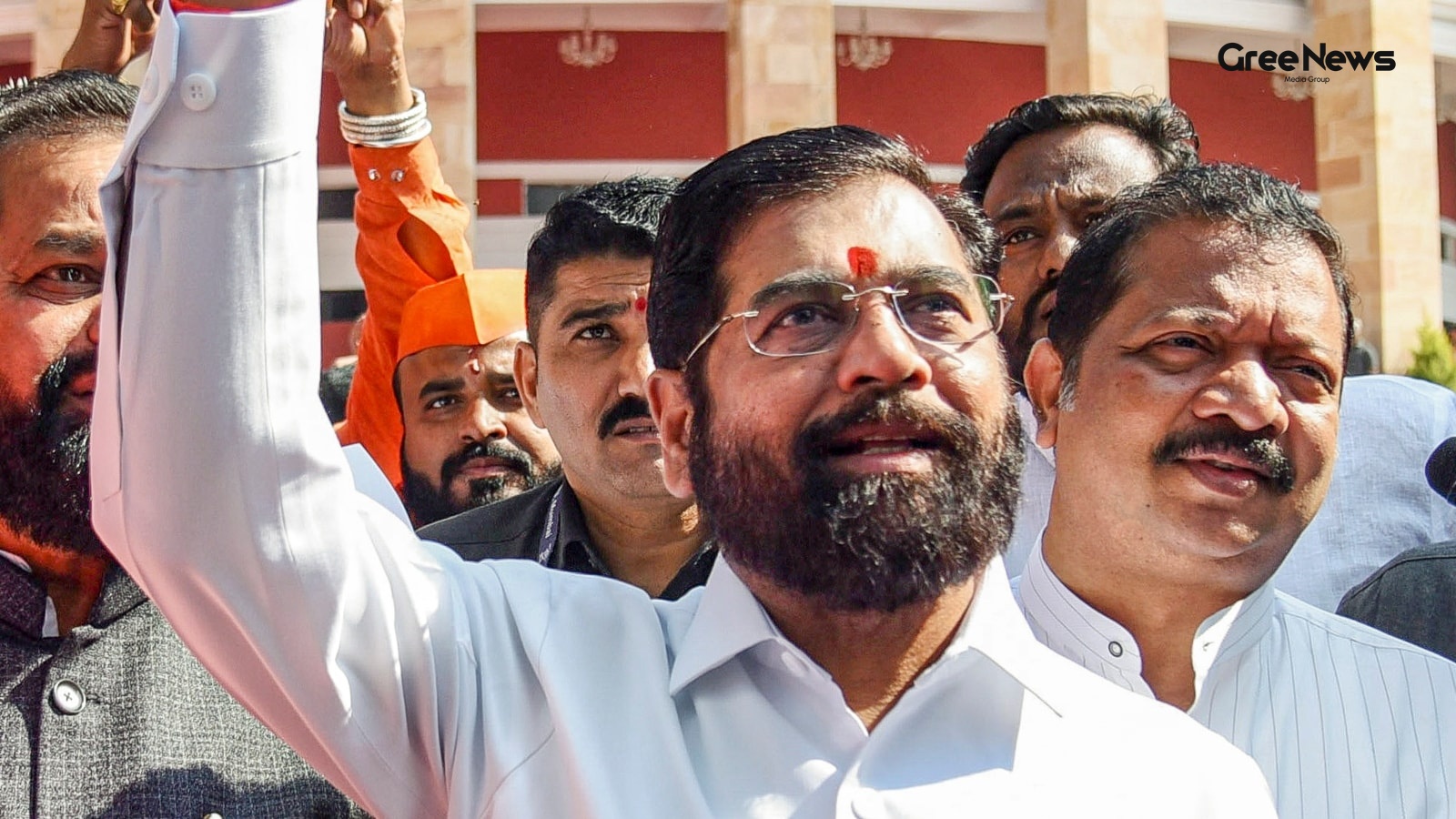
Analysis of Shinde's Remarks and Political Strategy
Shinde, the Deputy Chief Minister, put out some remarks recently, right in front of his party workers and supporters. And what you get isn't just standard political reassurance. It’s something sharper. Something that hints at a massive shift is coming. He wasn’t just talking about today; he was gest
Jun 20, 2026 by Gree News Team
The Legacy and Loss of Producer Brytavious Chambers
The music world just hit a massive blow. Shockwaves are running through hip-hop right now following the news about one of its most influential young producers. Tay Keith, who goes by Brytavious Chambers, he died at twenty-nine. It’s a huge loss for the community. Police in Nashville confirmed he was
Jun 20, 2026 by Gree News Team
Anne Hathaway Expecting Third Child with Adam Shulman
Anne Hathaway is expecting again. The Mother Mary star announced she’s having her third child with Adam Shulman. It came out through an Instagram video posted Friday, June 19th. In the clip, she walks into the frame wearing a flowy white dress. She keeps her arms in front of her stomach at first. Th
Jun 20, 2026 by Gree News Team
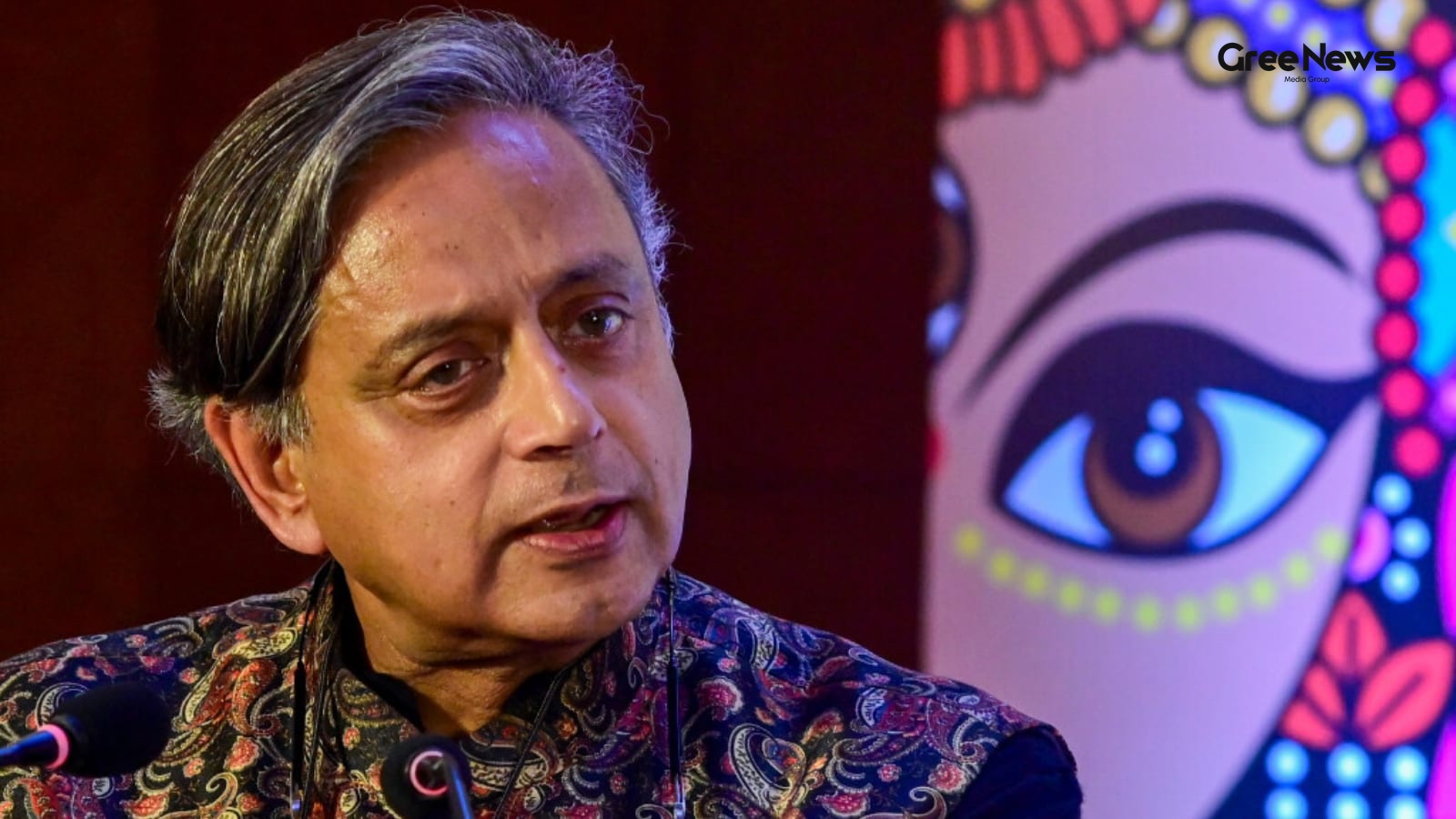
Dr. Shashi Tharoor on Modi, Trump, and Indian Sailors' Deaths
Dr. Shashi Tharoor spoke on Friday about Prime Minister Modi raising the issue of Indian sailors’ deaths during his bilateral meeting with President Trump in Evian, France. He mentioned it happened both at the G7 level and in that private setting too. The BJP seized on that interview almost instantl
Jun 20, 2026 by Gree News Team
The Intersection of Comedy, History, and Public Diplomacy in New Media
Look, this whole thing is starting to cook up. It’s this new entertainment idea, trying to smash comedy, history, and public outreach all together. And it’s got some seriously unexpected pairings happening, plus federal money tied up in some big national milestone coming up. Chris Pratt, yeah, he’s
Jun 20, 2026 by Gree News Team
Modernizing Power Services in Uttar Pradesh
The Uttar Pradesh government is really pushing to modernize power services. They’re aiming for things to be more transparent, and easier for consumers to deal with. This effort centers around the Integrated Consumer Call Centre, or 1912. It's run by the Uttar Pradesh Power Corporation Limited, UPPCL
Jun 20, 2026 by Gree News Team

Donald Trump's Diplomatic Style and Personal Attacks
Donald Trump seems to have this habit of just going straight for the jugular in his interactions with world leaders. It’s less about policy disagreements and more personal jabs, often leaving everyone else scrambling. Take the recent spat with Italy. He claimed that Prime Minister Giorgia Meloni had
Jun 20, 2026 by Gree News Team