Analysis of Shinde's Remarks and Political Strategy
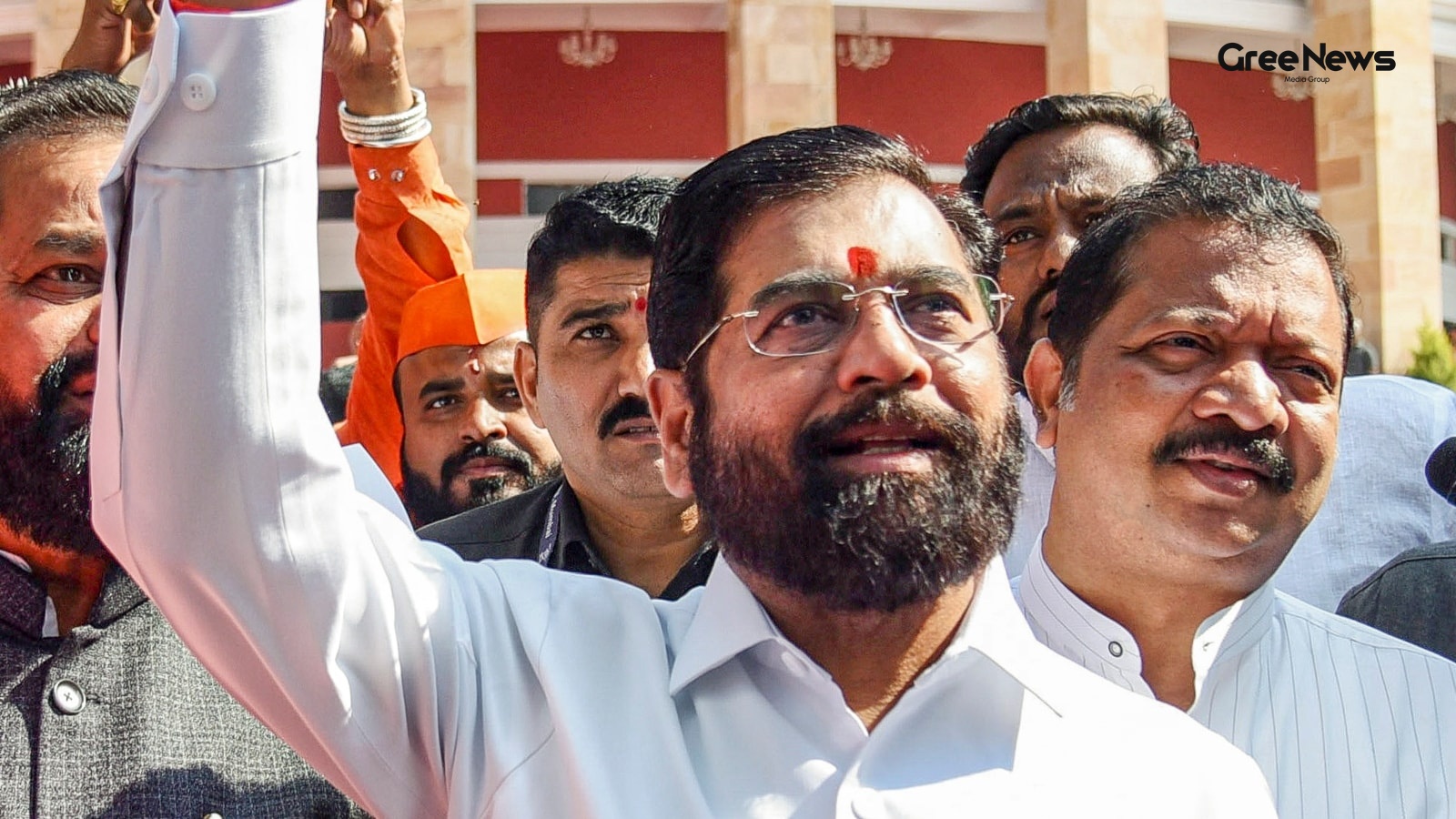
Shinde, the Deputy Chief Minister, put out some remarks recently, right in front of his party workers and supporters. And what you get isn't just standard political reassurance. It’s something sharper. Something that hints at a massive shift is coming. He wasn’t just talking about today; he was gesturing toward something much bigger, something unfolding over the next few weeks, maybe months.
He said things like, “Yeh to sirf trailer hai, picture abhi baaki hai.” That line hangs there.
Is he talking about specific alliances?
It’s an appeal to heritage when things feel increasingly uncertain on the ground level. It’s trying to pull the focus back to foundational identity amidst these swirling political currents, hoping that bedrock will hold against whatever storms are coming.
But then Shinde pivots. He brings in a kind of confrontational energy. He talks about how groups operate, using those stark analogies: “Dogs bark in a group, a tiger hunts alone.” It’s a classic move setting up an opposition narrative immediately.
It acknowledges the criticism, yes, but frames it as irrelevant distraction from the main objective.
The mood shifts again when he addresses the political players themselves. He talks about his MPs and MLAs, calling them “treasured possessions.” That’s an emotional anchor attempt. It attempts to humanize the political machinery. It suggests that the real value isn't just in power brokering or electoral mathematics; it’s in the personal relationships, the loyalty within the party structure, the trust between leaders and their representatives. It’s a reminder that behind the grand strategy, there are people, individuals whose support matters deeply to him.
And this focus on internal unity seems particularly crucial right now. Amid all the speculation about potential realignments the shifting alliances, who will stand where next, which hands will shake there's an inherent need for stability.
The statement itself carries an almost performative quality. When he says, “everyone is looking at us,” it’s not just a casual observation; it’s acknowledging the intense scrutiny placed upon them by every faction, every political observer watching their next move. It injects a layer of vulnerability mixed with defiant confidence. What do you do when the entire public eye seems fixed on your next step? You have to project absolute certainty, even if inside there's a thousand possibilities churning.
This tension between internal assertion and external pressure feeds right back into the core theme: leadership . He tells his supporters, “Today, this tiger is standing in front of you.” It’s an image designed for impact. A projection of raw, untamed power coupled with protective authority. It’s a command masquerading as reassurance. The implication is that whatever path lies ahead whether it involves the promised ‘full movie’ or just navigating the immediate political noise the leadership remains firmly in control of the direction being taken.
The way these statements are delivered feels less like careful policy drafting and more like raw, immediate reaction to a rapidly evolving scenario. There's an almost improvisational quality to it. The flow is broken; you jump from historical pride to tactical metaphors to welfare schemes without any perfectly smooth bridge connecting them.
It’s a state where alliances are constantly being tested, where leadership equations feel fragile and subject to sudden re-evaluation based on shifting public sentiment or internal party dynamics.
The focus on the legacy of the party serves a dual purpose here.
And this constant movement implies an underlying urgency for the observers. There’s a sense that if one misses the next few days of developments within the Shiv Sena-led Mahayuti structure, they miss something significant. The political buzz isn't just about daily headlines; it’s about anticipating the pivot points, the moments when the seemingly stable lines might suddenly break or redefine themselves.
The reference to welfare schemes Ladki Bahin, Ladka Bhau isn't just a throwaway line. It grounds the high-level political maneuvering in something tangible that affects daily life.
One audience gets the assurance of strength; another gets the historical justification; a third receives the tantalizing glimpse of what’s next. It’s a complex dance, full of unspoken aGreements and submerged anxieties about where Maharashtra is heading, and who will lead it there. The performance itself becomes as much a part of the political story as any policy decision made in the cabinet room.
Written by Gree News Team — Senior Editorial Board
Gree News Team covers international news and global affairs at Gree News. Our collective of senior editors is dedicated to providing independent, accurate, and responsible journalism for a global audience.
More from India
View All
Security and Logistics for the NEET-UG Mock Drill
The National Testing Agency is gearing up for something massive. They’re running a nationwide mock drill this Saturday. It’s all in preparation for the NEET-UG re-examination coming up on June 21st. This isn't just some little rehearsal, though. They are implementing what authorities are calling one
Jun 20, 2026 by Gree News Team

Political Shifts and Identity in Kerala: The Impact of Electoral Changes
The BJP snagged three seats in the Kerala Assembly. That’s what happened. And for the main opposition, the CPI(M), it felt like a warning sign. A hazard signal, basically. They looked at that number three and thought, "this is bad." They spent pages of their report on this victory. Three pages, actu
Jun 20, 2026 by Gree News Team
Dr. Shashi Tharoor on Modi, Trump, and Indian Sailors' Deaths
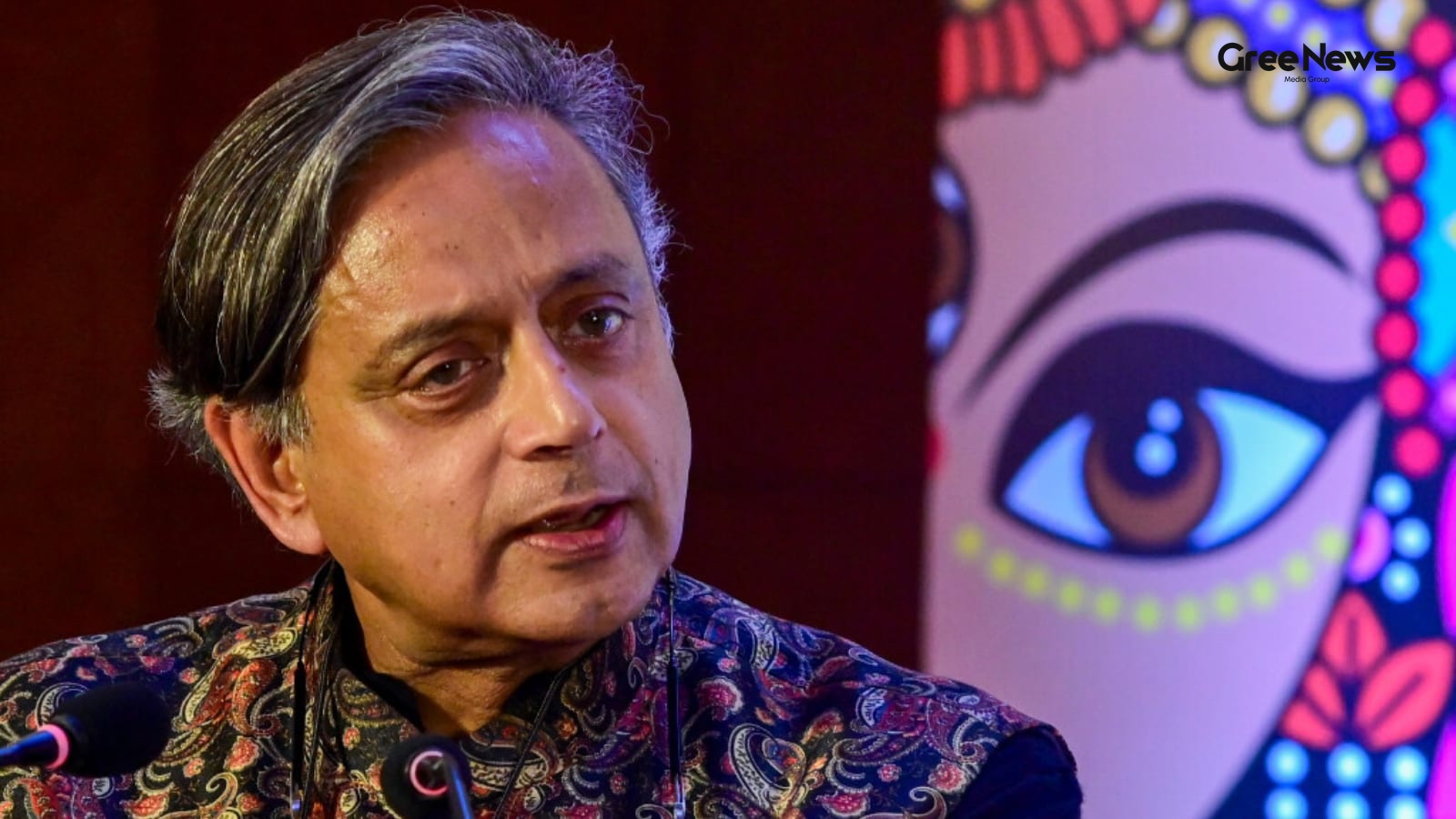
Dr. Shashi Tharoor spoke on Friday about Prime Minister Modi raising the issue of Indian sailors’ deaths during his bilateral meeting with President Trump in Evian, France. He mentioned it happened both at the G7 level and in that private setting too. The BJP seized on that interview almost instantl
Jun 20, 2026 by Gree News Team
Modernizing Power Services in Uttar Pradesh
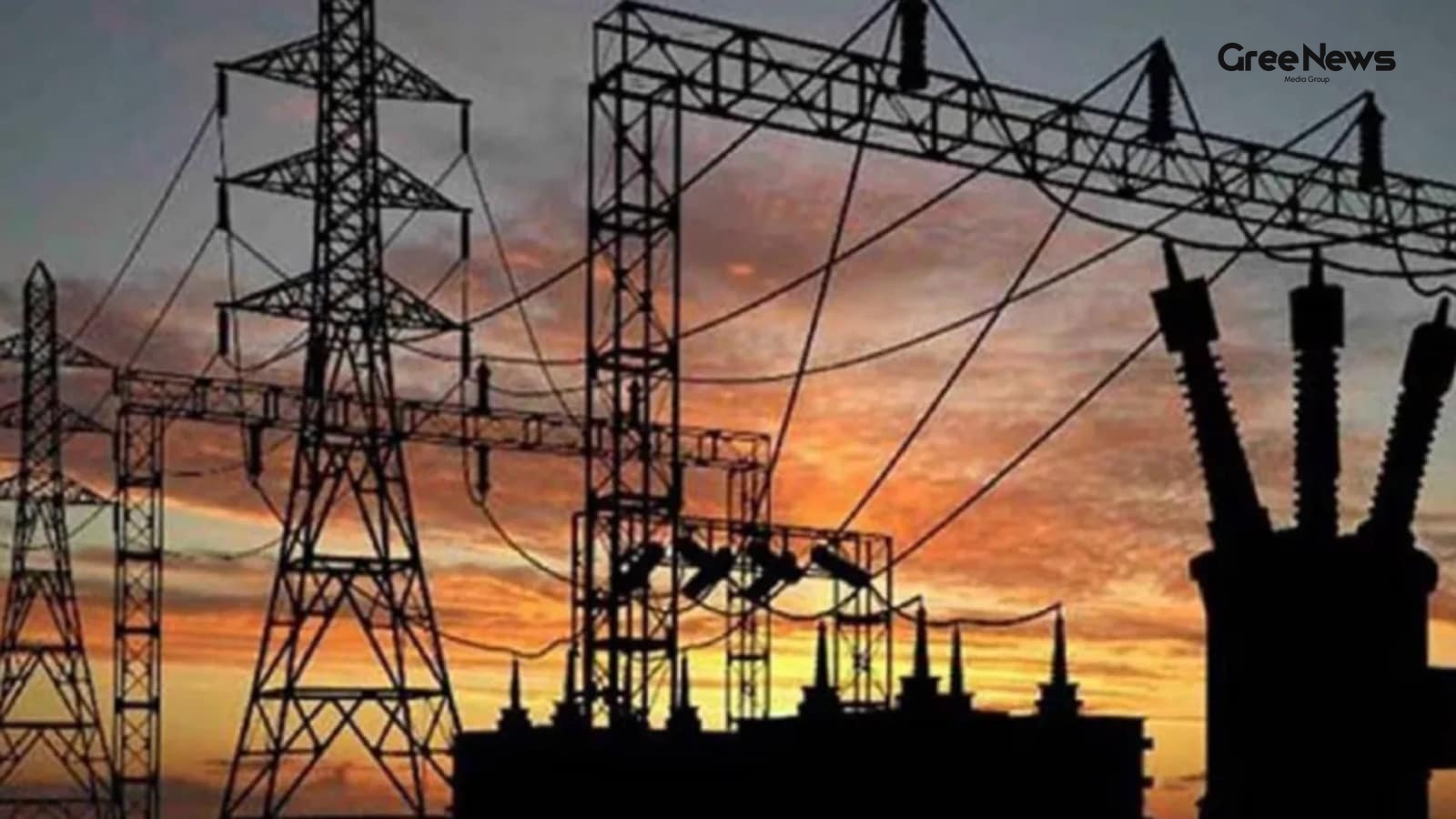
The Uttar Pradesh government is really pushing to modernize power services. They’re aiming for things to be more transparent, and easier for consumers to deal with. This effort centers around the Integrated Consumer Call Centre, or 1912. It's run by the Uttar Pradesh Power Corporation Limited, UPPCL
Jun 20, 2026 by Gree News Team
Latest Headlines

The Economics and Distribution of Modern Bollywood Cinema
It’s funny how Bollywood has always operated on this simple, almost stubborn belief, isn't it? Make a good film. Get decent reviews. And then the audience just shows up eventually. That’s the old equation. But look at where we are now, in this theatrical mess… that equation feels completely unreliab
Jun 20, 2026 by Gree News Team

Best Power Banks for Travel: Capacity, Speed, and Value
A dead phone battery? Rarely a big deal when you’re just chilling at home. But throw yourself onto a road trip, that changes everything. Suddenly your phone is running the whole show maps, music blasting, booking hotels, snapping pictures, video calls with everyone. And then bam. That battery that u
Jun 20, 2026 by Gree News Team
Security and Logistics for the NEET-UG Mock Drill
The National Testing Agency is gearing up for something massive. They’re running a nationwide mock drill this Saturday. It’s all in preparation for the NEET-UG re-examination coming up on June 21st. This isn't just some little rehearsal, though. They are implementing what authorities are calling one
Jun 20, 2026 by Gree News Team
Political Shifts and Identity in Kerala: The Impact of Electoral Changes
The BJP snagged three seats in the Kerala Assembly. That’s what happened. And for the main opposition, the CPI(M), it felt like a warning sign. A hazard signal, basically. They looked at that number three and thought, "this is bad." They spent pages of their report on this victory. Three pages, actu
Jun 20, 2026 by Gree News Team

The Legacy and Loss of Producer Brytavious Chambers
The music world just hit a massive blow. Shockwaves are running through hip-hop right now following the news about one of its most influential young producers. Tay Keith, who goes by Brytavious Chambers, he died at twenty-nine. It’s a huge loss for the community. Police in Nashville confirmed he was
Jun 20, 2026 by Gree News Team

Anne Hathaway Expecting Third Child with Adam Shulman
Anne Hathaway is expecting again. The Mother Mary star announced she’s having her third child with Adam Shulman. It came out through an Instagram video posted Friday, June 19th. In the clip, she walks into the frame wearing a flowy white dress. She keeps her arms in front of her stomach at first. Th
Jun 20, 2026 by Gree News Team
Dr. Shashi Tharoor on Modi, Trump, and Indian Sailors' Deaths
Dr. Shashi Tharoor spoke on Friday about Prime Minister Modi raising the issue of Indian sailors’ deaths during his bilateral meeting with President Trump in Evian, France. He mentioned it happened both at the G7 level and in that private setting too. The BJP seized on that interview almost instantl
Jun 20, 2026 by Gree News Team

The Intersection of Comedy, History, and Public Diplomacy in New Media
Look, this whole thing is starting to cook up. It’s this new entertainment idea, trying to smash comedy, history, and public outreach all together. And it’s got some seriously unexpected pairings happening, plus federal money tied up in some big national milestone coming up. Chris Pratt, yeah, he’s
Jun 20, 2026 by Gree News Team
Modernizing Power Services in Uttar Pradesh
The Uttar Pradesh government is really pushing to modernize power services. They’re aiming for things to be more transparent, and easier for consumers to deal with. This effort centers around the Integrated Consumer Call Centre, or 1912. It's run by the Uttar Pradesh Power Corporation Limited, UPPCL
Jun 20, 2026 by Gree News Team
Donald Trump's Diplomatic Style and Personal Attacks
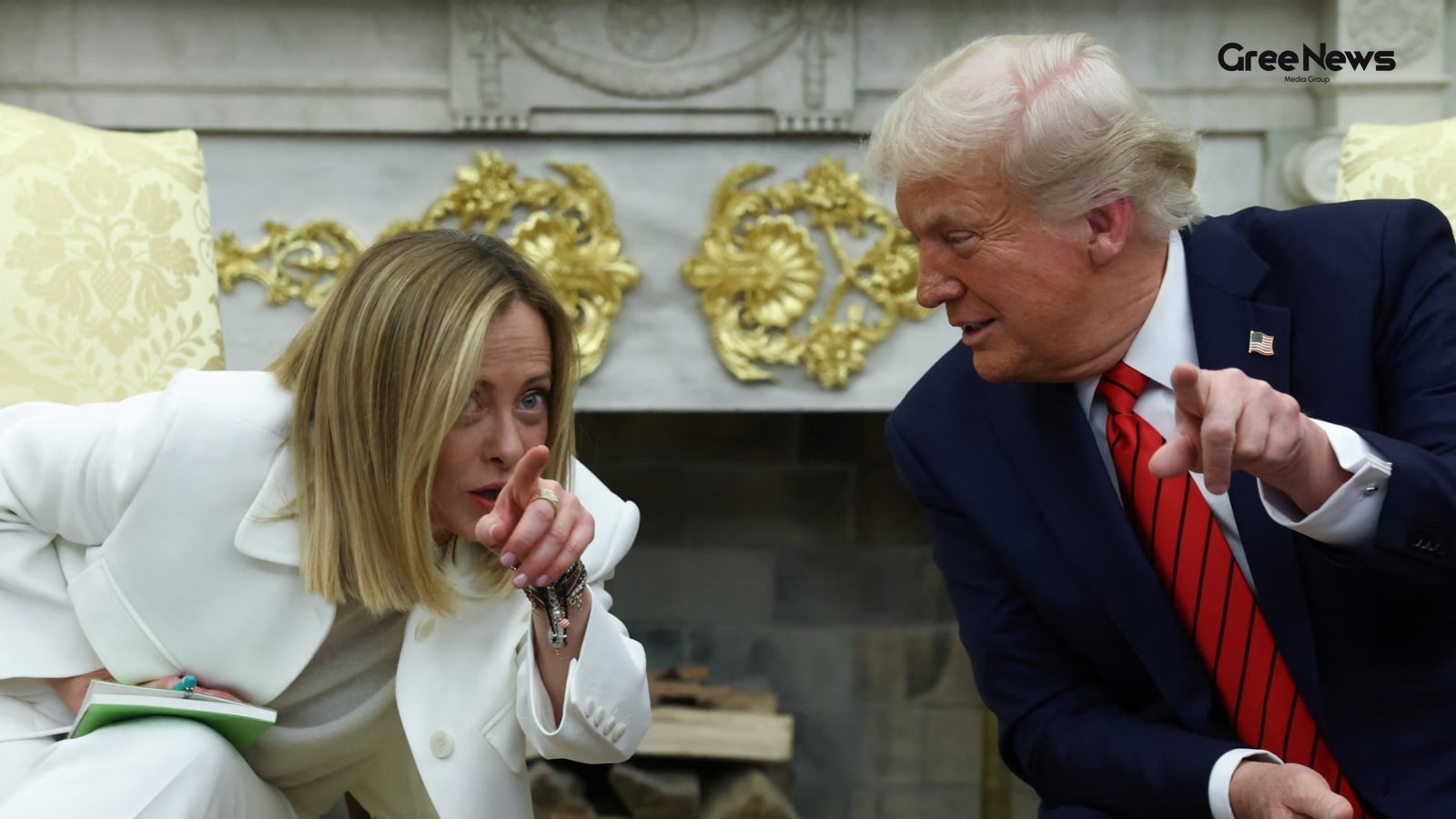
Donald Trump seems to have this habit of just going straight for the jugular in his interactions with world leaders. It’s less about policy disagreements and more personal jabs, often leaving everyone else scrambling. Take the recent spat with Italy. He claimed that Prime Minister Giorgia Meloni had
Jun 20, 2026 by Gree News Team
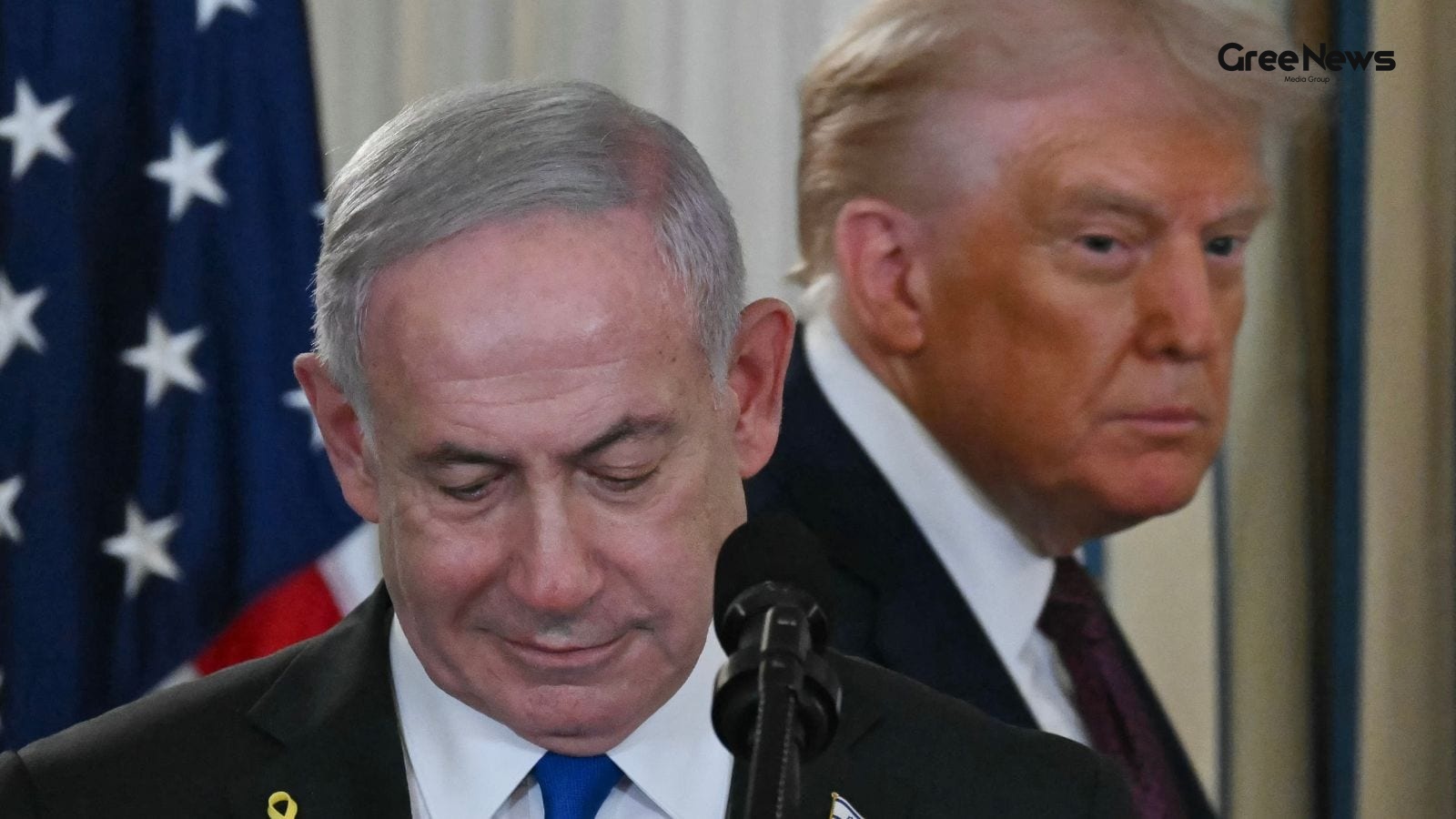
Intelligence Warnings on the US-Iran Memorandum of Understanding
US intelligence agencies sent out these warnings to the Trump administration about what Prime Minister Netanyahu might do next. They suggested it could mess up that whole memorandum of understanding, the one they signed regarding ending the war between the US and Iran. It came out on Friday. Just a
Jun 20, 2026 by Gree News Team
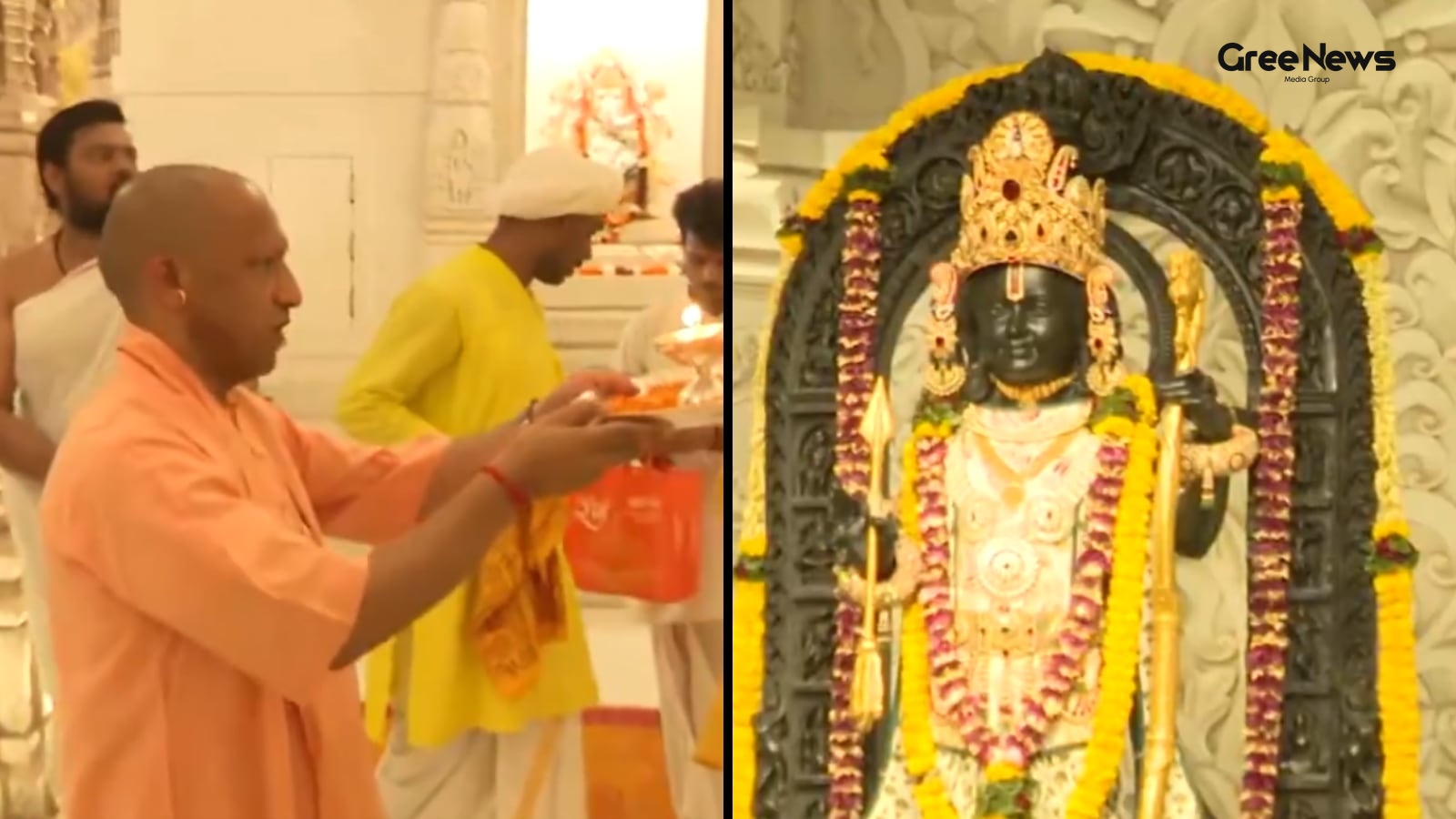
Chief Minister's Visit to Ayodhya: Faith, Development, and Financial Scrutiny
Friday. That’s when things happened. Chief Minister Yogi Adityanath made his way to Ayodhya. It wasn't just a routine political trip, you know? It carried a certain weight. He offered prayers at the Ram Temple there. A public display, certainly, but layered with something else, isn't it? Before he e
Jun 20, 2026 by Gree News Team
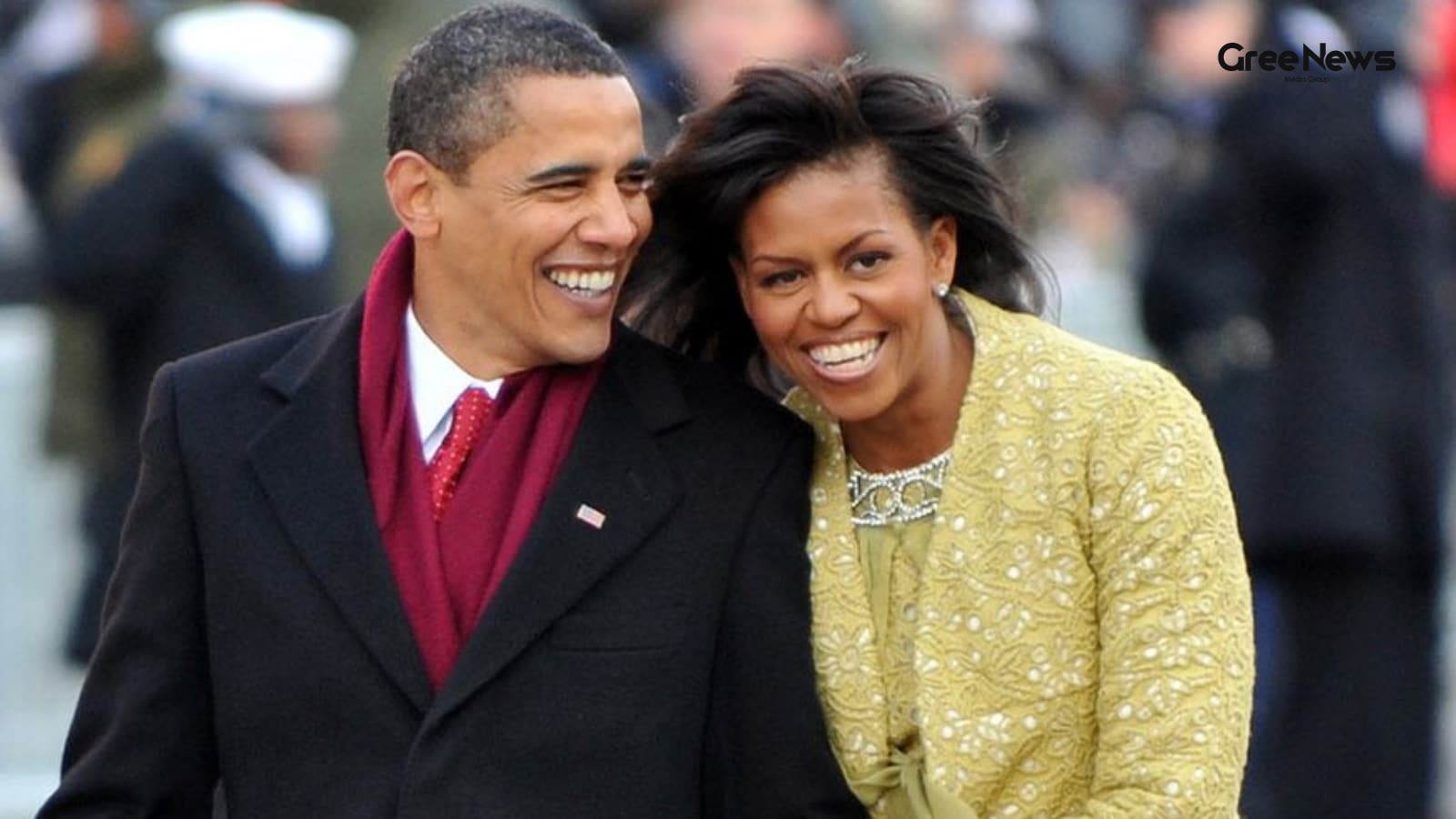
Barack Obama on the Iran Conflict and War's Aftermath
Barack Obama said something kind of heavy on Friday. He basically argued that fifteen weeks of fighting with Iran just left America in a worse spot than when things started back in February. Even while he welcomed the ceasefire that finally happened. He talked to NBC News about it. Said they’ve foug
Jun 20, 2026 by Gree News Team

Arrest in Shimla Linked to Viral Videos and Public Outrage
An American guy got arrested in Shimla on Friday. Allegedly for causing a public disturbance. And some indecent behavior. All because videos surfaced online. The whole thing blew up fast. Clips circulated everywhere on social media. People were furious. Police stepped in, naturally. Joshua Christian
Jun 20, 2026 by Gree News Team
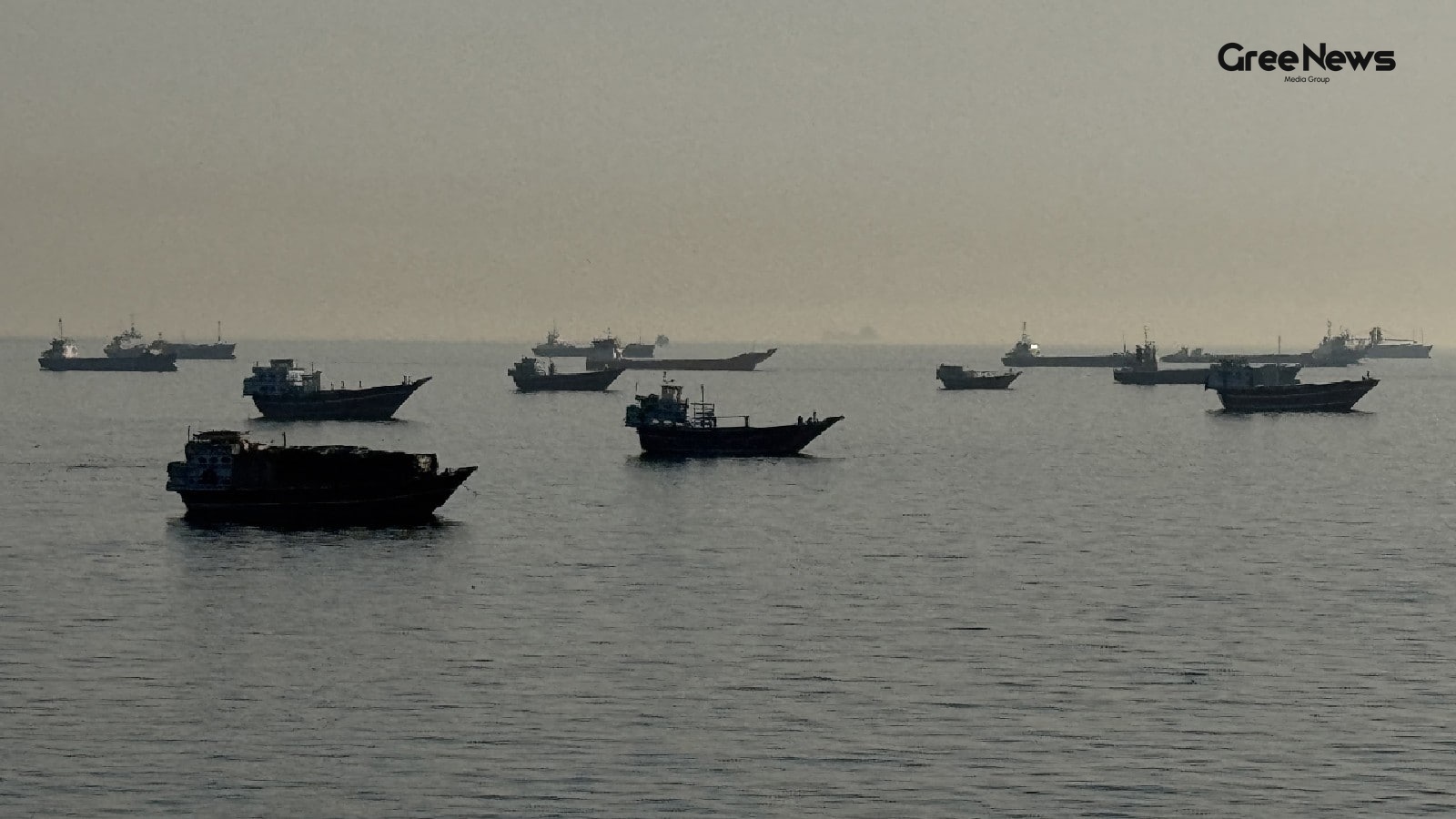
Iran Pushes Back Against Claims of Strait of Hormuz Closure
The Iranian Foreign Ministry is pushing back against claims that the strategically vital Strait of Hormuz that critical energy corridor for the world has been shut down again. This followed reports stemming from an overnight Israeli attack in Lebanon, which threatened a ceasefire between the United
Jun 20, 2026 by Gree News Team