Strait of Hormuz Easing Impacts India's Fertilizer Supply and Geopolitics
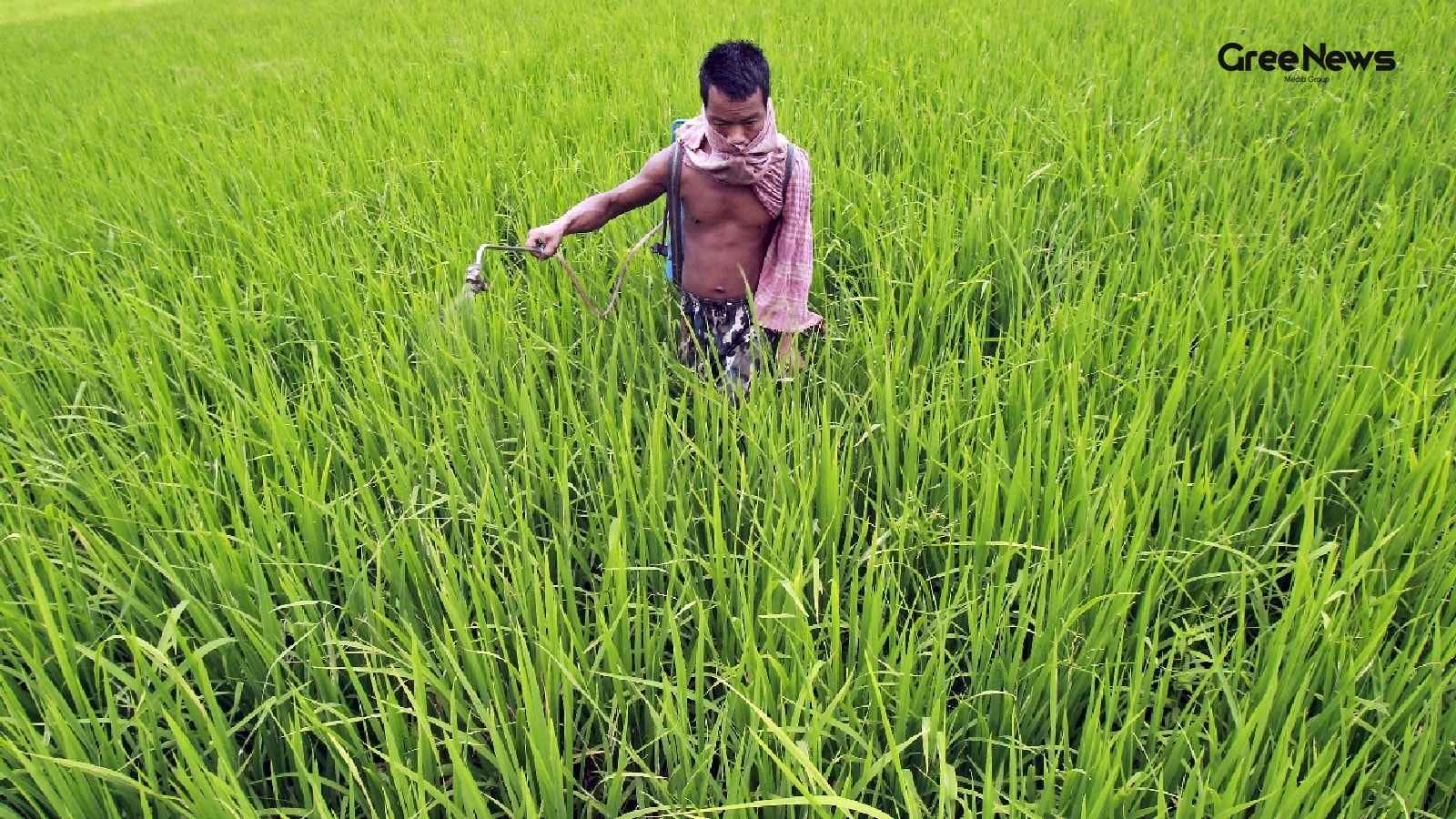
The easing up around the Strait of Hormuz is finally giving some breathing room for India’s agriculture sector. Officials are saying that fertilizer shipments, which had been stuck way back in that critical maritime corridor, should now be able to move without hitting major snags.
It was a real headache before this shift. Bandana Preyashi, who works in the fertilisers ministry, mentioned how much was held up. Sixteen ships bound for India were stranded there at some point.
What was on those ships? It’s a tangled mess of stuff. Eight vessels carried 330,000 metric tons of urea alone. Then there were four ships loaded with di-ammonium phosphate 257,000 tons. One vessel had ammonia. And three more were moving sulfur, 110,000 tons total across those routes.
Preyashi made it clear that India already built up some reserves. They brought in five million tons of crop nutrients, including urea, just to cover the seasonal needs. That’s a buffer you can rely on.
But they didn't stop there. To make sure things kept flowing, India floated this global tender for importing another 1.7 million tons of urea. Trying to manage demand is always complicated, isn't it?
Even while some worries were floating around about supply chains because of the situation in Hormuz, the officials insisted there wasn’t any immediate threat to what they needed domestically right now. They kept stressing that availability wasn't going to vanish over a short period.
“At present,” Preyashi stated, “we see no major challenge to the availability of fertilisers in the current sowing season.” And then she added the consumption figures for context: India is expected to use 38.39 million tons of these nutrients during this ongoing harvest season. It’s a lot, but they are managing it.
Now, with things stabilizing through Hormuz, the expectation is that those stuck shipments can finally move. That movement could help smooth out supplies further. That's some real reassurance for the farmers ahead of when demand really spikes.
Meanwhile, on the diplomatic side, something else was happening simultaneously. The US-Iran interim peace deal is starting to kick in now. Shipping activity is slowly beginning to return to the Strait after Washington finally declared an end to its blockade there. But that’s just the surface level. It signals the start of some much deeper, messier negotiations about Tehran’s nuclear program.
Vice President JD Vance actually spoke on Thursday at the White House about this whole situation. He talked about that 60-day timeline for figuring out all the tricky details in that memorandum signed late Wednesday. That time is now actively running.
He tried to downplay fears about Iran imposing tolls on traffic through the Strait of Hormuz, which everyone knows is a key global chokepoint, international waters territory. Vance played down those specific worries pretty hard. He suggested something simpler.
“Well,” he said, “we believe international waterways should be free of tolls.” And then he pointed toward regional cooperation, saying that countries in the region need to figure out some kind of security framework for the straits going forward.
He added a warning, though. If the strait doesn't stay open, he made it clear there won’t be any final deal coming through. It was a stark statement about the precariousness of the situation. A real risk hanging over everything.
Written by Gree News Team — Senior Editorial Board
Gree News Team covers international news and global affairs at Gree News. Our collective of senior editors is dedicated to providing independent, accurate, and responsible journalism for a global audience.
More from India
View All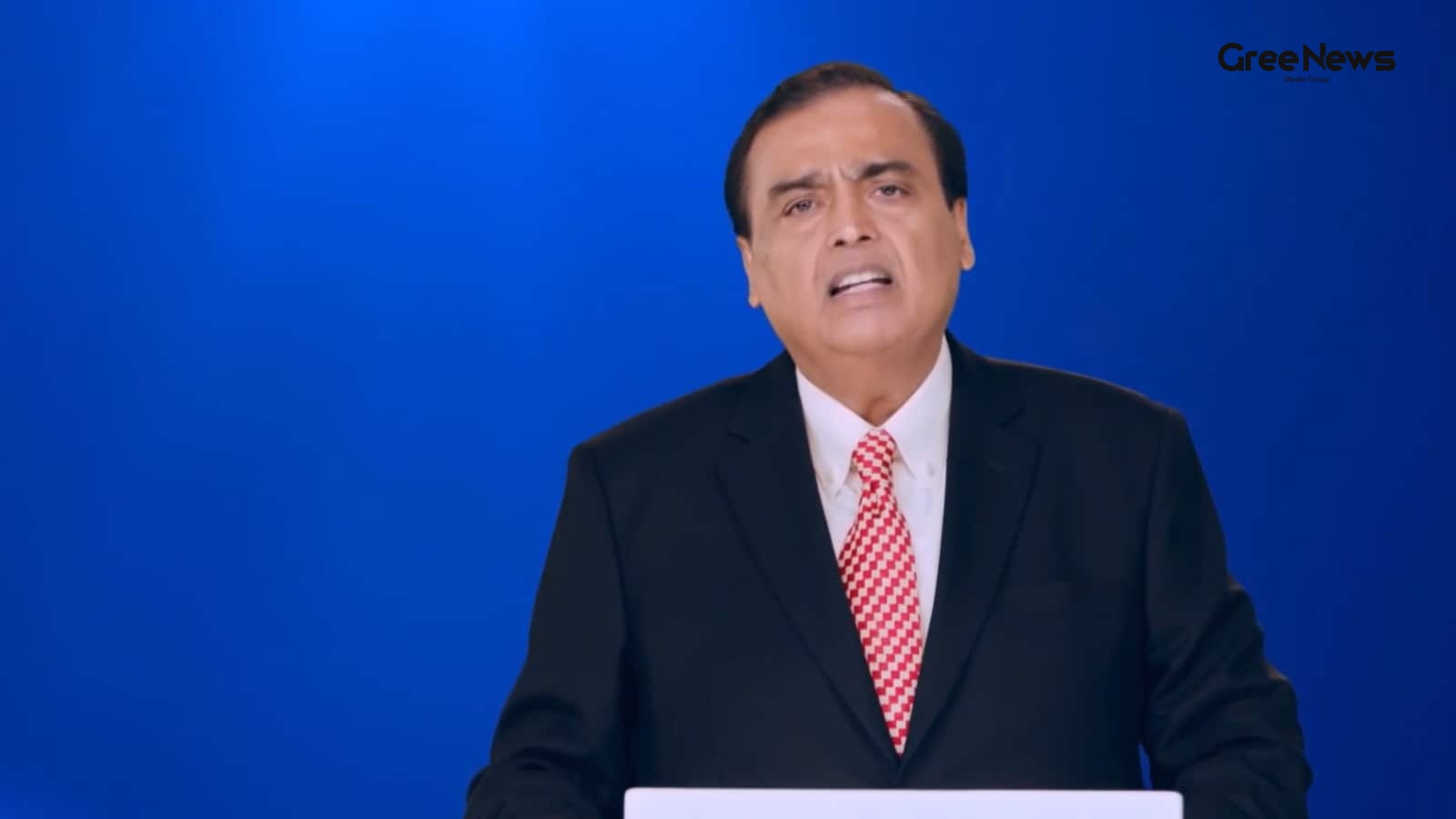
Mukesh Ambani on PM Modi's Tenure and India's Global Role
Mukesh Ambani, the Chairman and Managing Director of Reliance Industries, started Friday extending greetings to Prime Minister Narendra Modi. It was tied to a specific milestone: Modi emerging as the longest-serving head of an elected government. Twelve years in office. That’s what he clocked in. Th
Jun 20, 2026 by Gree News Team
Uttar Pradesh Schools Achieve National Recognition for Clean and Sustainable Education
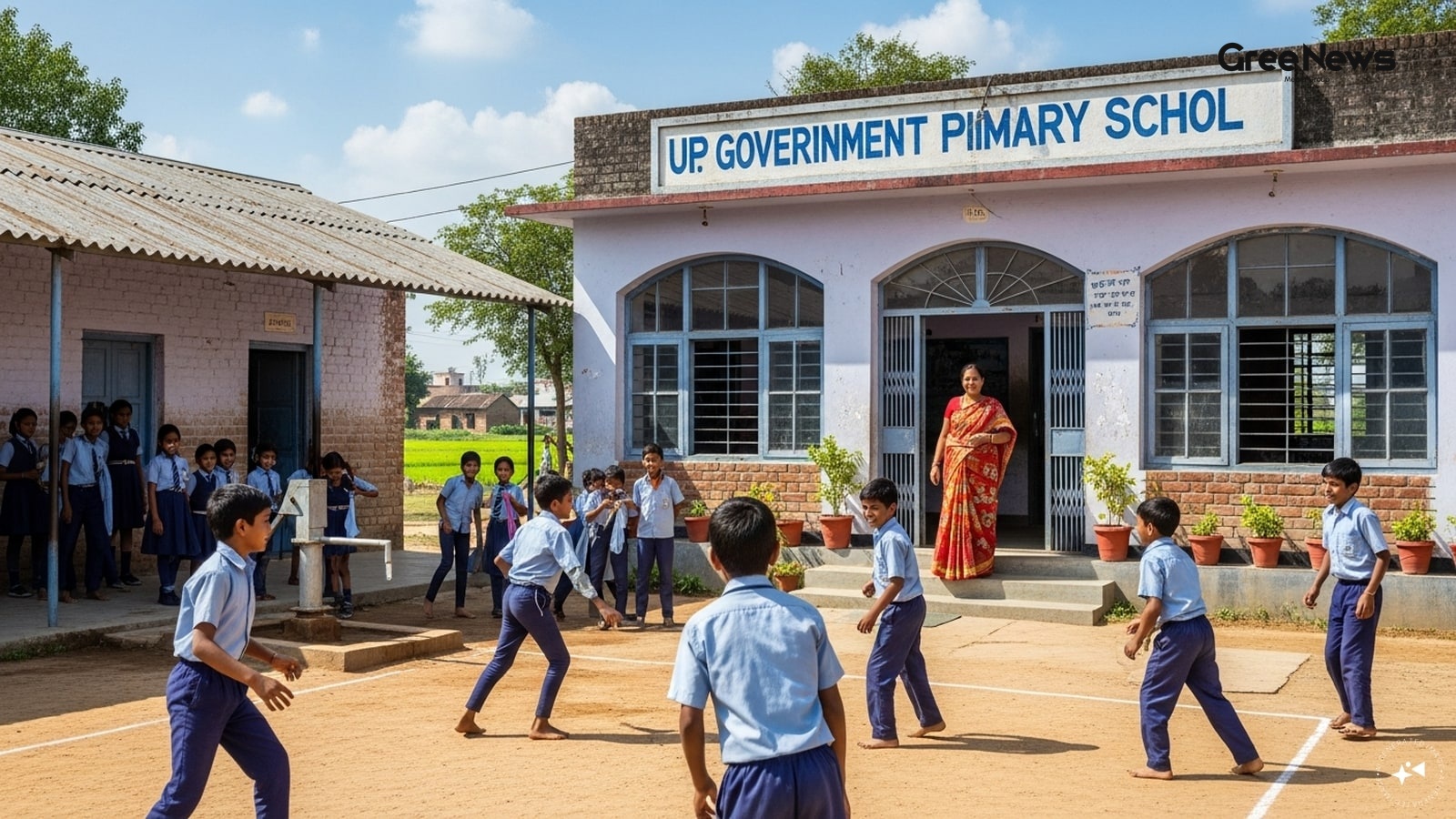
Uttar Pradesh managed to snag a pretty good spot nationally for clean and sustainable schools. Eleven institutions from the state made the cut for the Government of India’s Swachh Evam Harit Vidyalaya Rating, or SHVR, for the 2025-26 cycle. It wasn't just about a simple grade though. The rankings ac
Jun 20, 2026 by Gree News Team
India-Slovakia Partnership: Geopolitics, Technology, and Energy
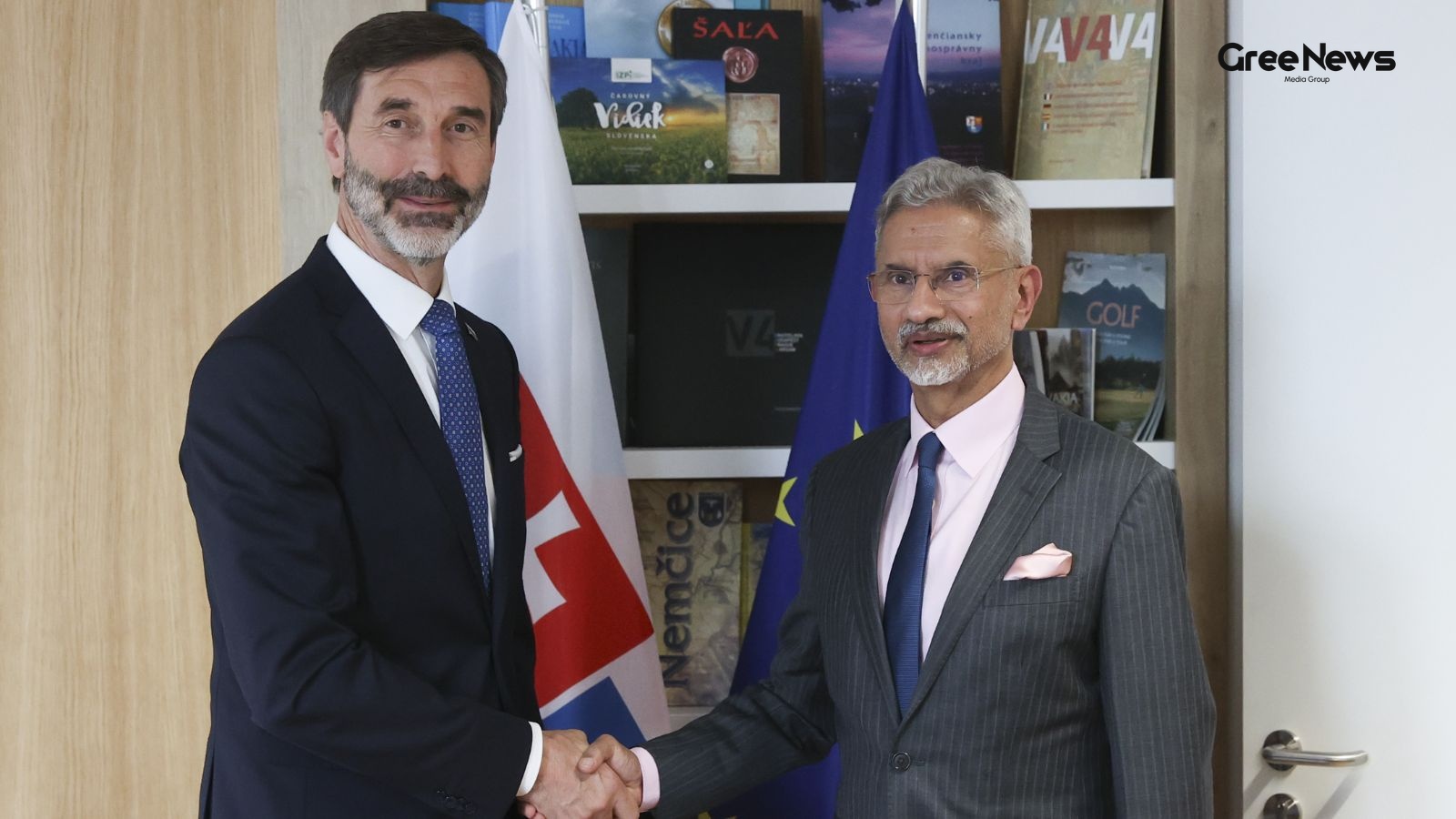
Narendra Modi landing in Bratislava. It’s not something that happens every week. But it did happen. The first time an Indian Prime Minister landed there, and it wasn't just a ceremony. There were all those expected optics thrown in. High-level chats with Robert Fico and Peter Pellegrini, upgrading t
Jun 20, 2026 by Gree News Team
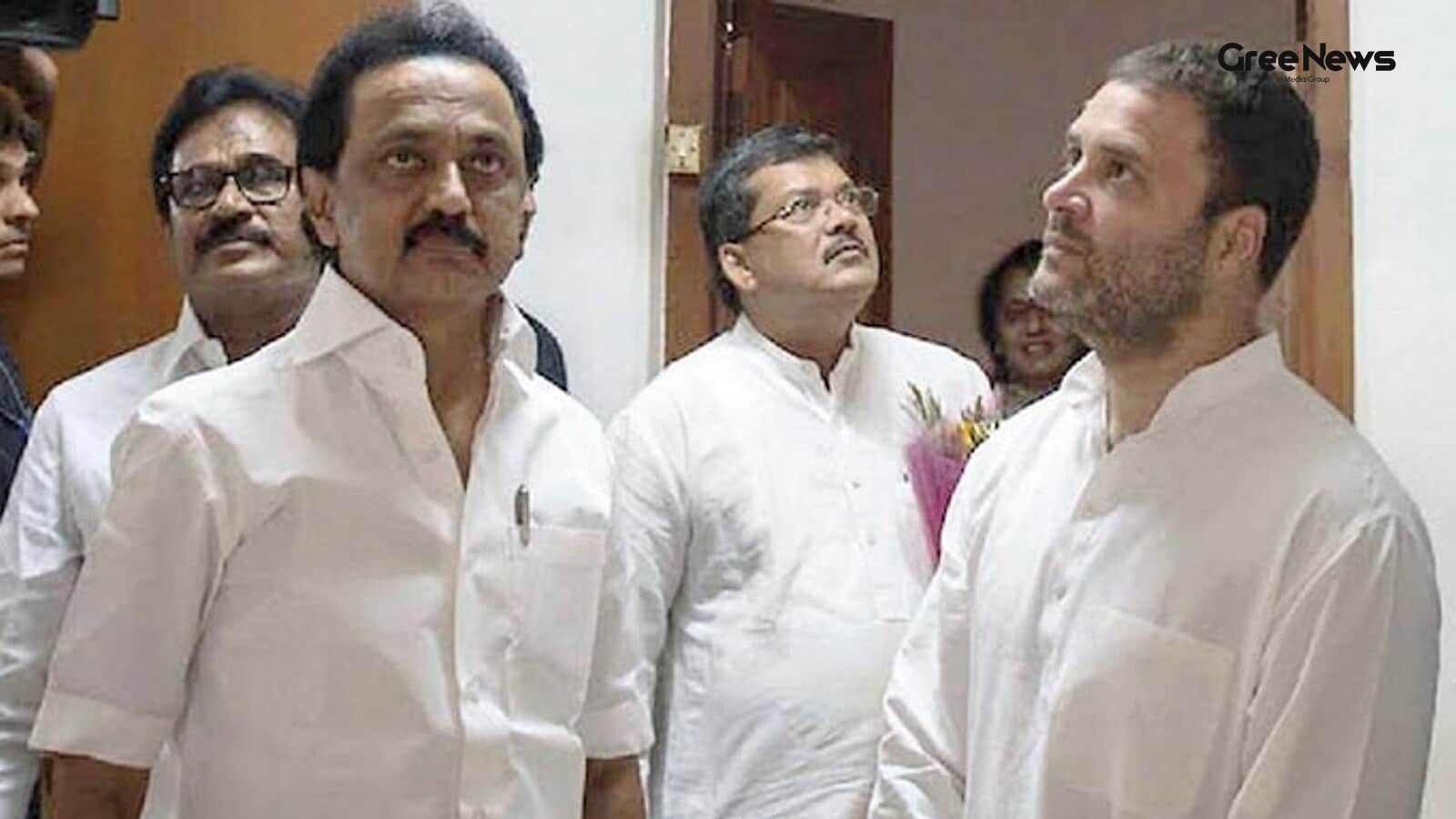
Political Dynamics: Social Media, Alliances, and Internal Tensions in Tamil Nadu
That social media post by Saravanan Annadurai really kicked things into gear. It’s not just some random tweet; it brought a whole lot of political noise around it. You have to look at the context he publicly shutting down Rahul Gandhi's suggestion about forming a united opposition front, right after
Jun 20, 2026 by Gree News Team
Latest Headlines
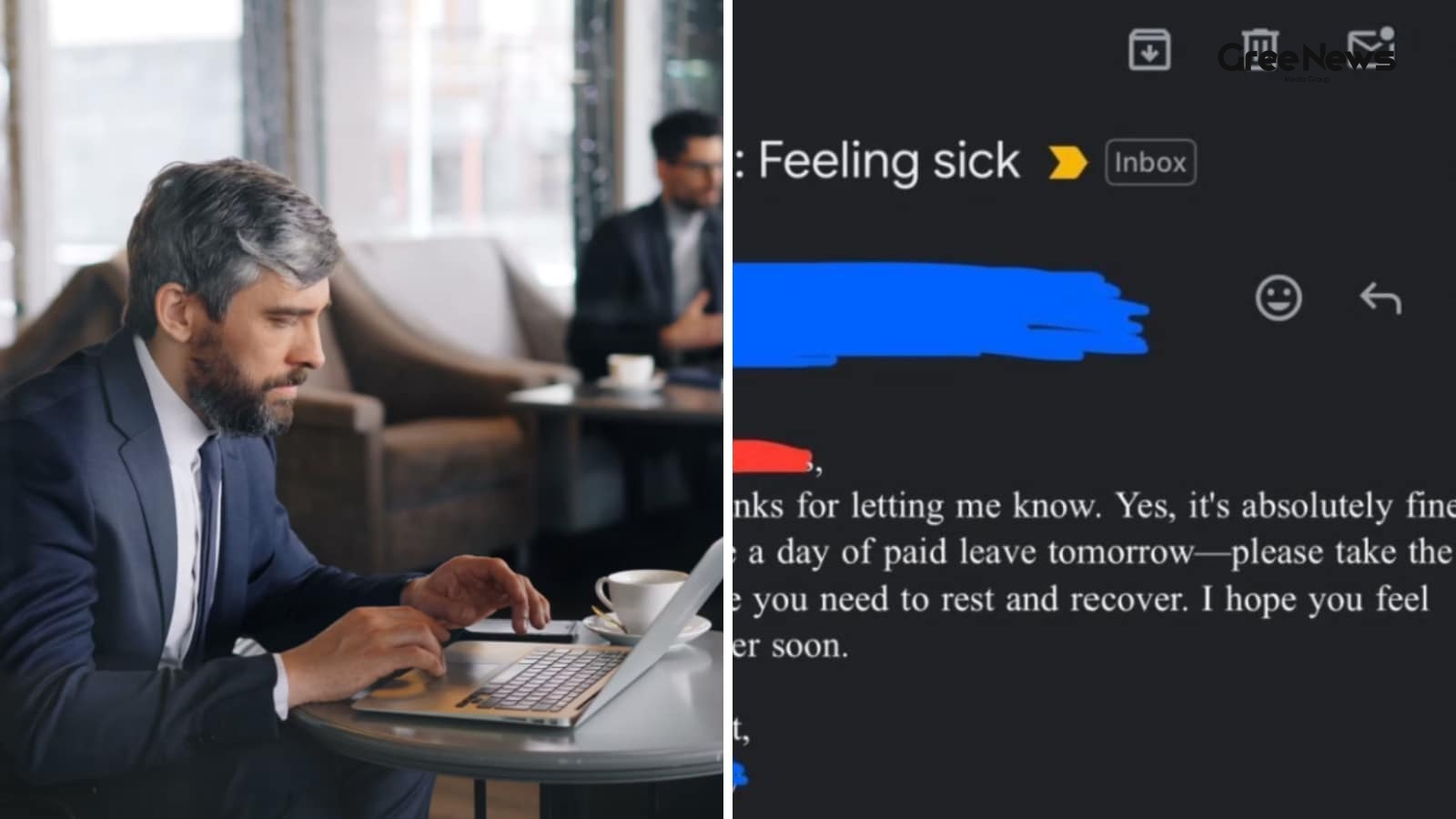
Social Media Reaction to Suspicious AI-Generated Workplace Email
A woman posted something online that got people talking. She shared an email she got from her boss. It approved her paid leave, wished her a speedy recovery standard stuff. But then there was this last line. That’s what caught everyone’s eye. She dropped a screenshot on X, you know? And wrote someth
Jun 20, 2026 by Gree News Team
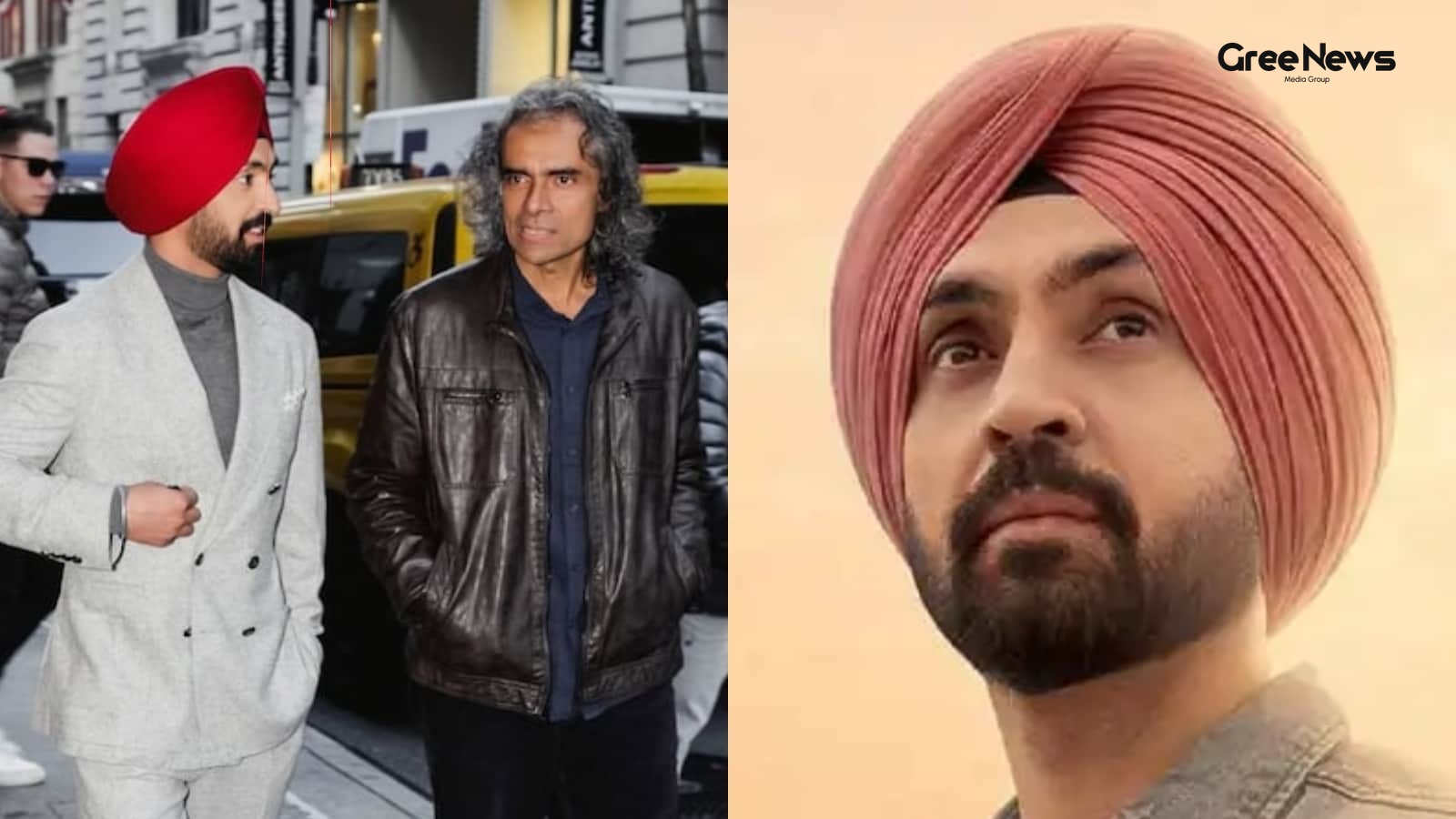
Review of Main Vaapas Aaunga: Partition, Love, and Box Office Strategy
Imtiaz Ali’s *Main Vaapas Aaunga*, it opened slowly at all. But he still thinks there’s room for it to grow through word-of-mouth. It’s a period romance drama, set right against that heavy backdrop of the 1947 Partition, and it hit theaters on June 12th. Sharvari, Vedang Raina, Diljit Dosanjh, Nasee
Jun 20, 2026 by Gree News Team
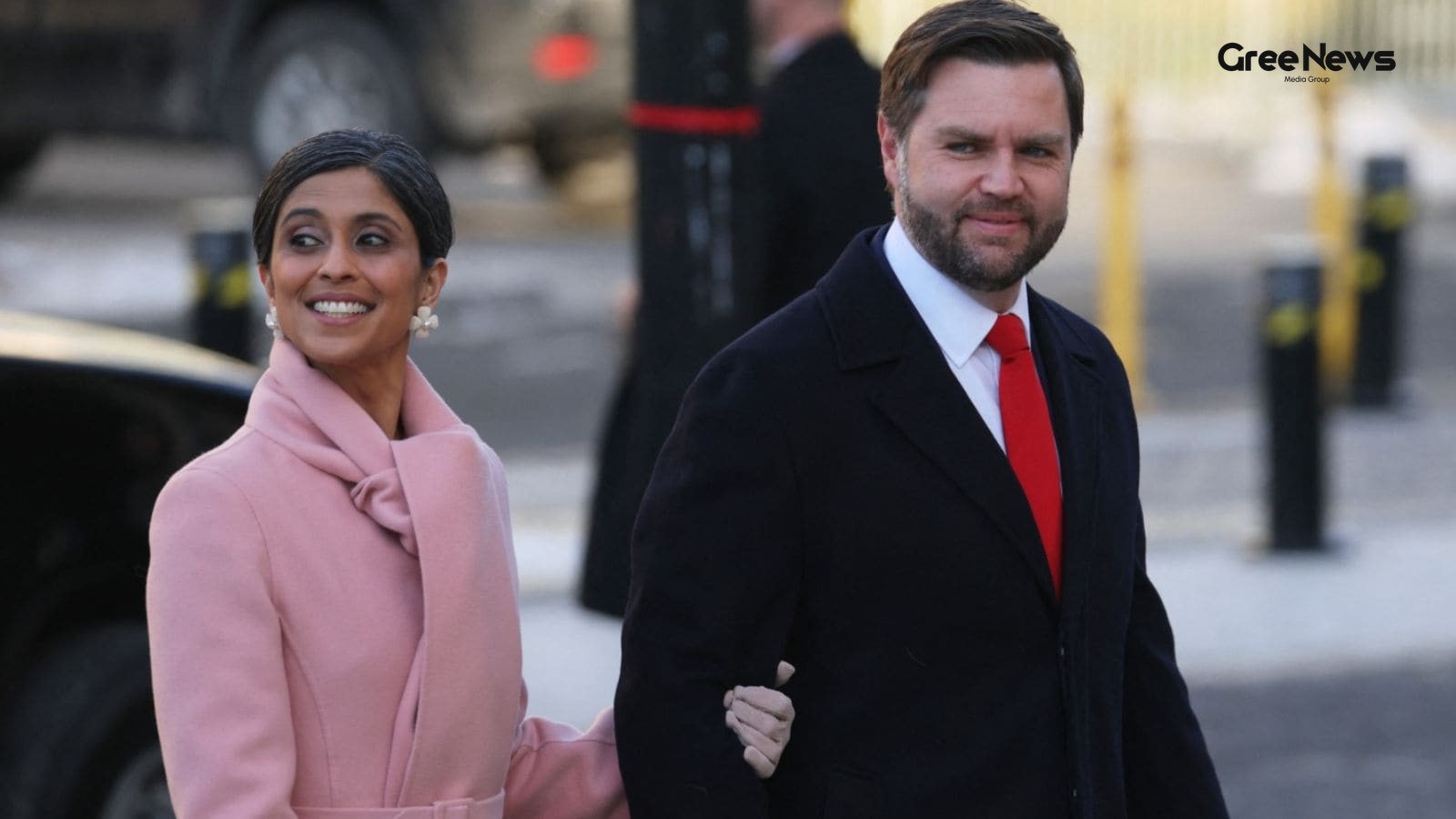
The Complex History Behind Vice President Vance and Usha Vance
You know, when you dig into what people talk about behind closed doors, especially with someone like Vice President Vance, it always pulls up these layers. It’s not just politics you get; it’s the messy reality of personal history bleeding right into public view. He talks a lot about his life, and t
Jun 20, 2026 by Gree News Team

Vidyut Jammwal's Hollywood Buzz and the Street Fighter Adaptation
Vidyut Jammwal’s next big thing in Hollywood is already buzzing. People are talking about his upcoming movie, and it seems he snagged some serious attention from a massive name in action cinema. That’s Jason Momoa. Momoa recently dropped some comments about sharing screen time with Vidyut in the new
Jun 20, 2026 by Gree News Team

Spider-Man: Brand New Day Release and Rumors in India
Spider-Man fans, you know, they’ve been watching everything about this next big movie. Every single update on the franchise. But lately? The noise online wasn't about the story anymore. It was all about where it would actually come out in India. That kind of stuff got the studio to step in and clear
Jun 20, 2026 by Gree News Team

EPFO Overhaul: Bringing Faster Access to Provident Fund Money
The Employees’ Provident Fund Organisation is pushing forward with a massive overhaul. They are rolling out a new mobile application that’s going to link directly to members’ bank accounts. Think UPI integration BHIM and other digital payment apps connecting straight into the system. The whole aim h
Jun 20, 2026 by Gree News Team
Mukesh Ambani on PM Modi's Tenure and India's Global Role
Mukesh Ambani, the Chairman and Managing Director of Reliance Industries, started Friday extending greetings to Prime Minister Narendra Modi. It was tied to a specific milestone: Modi emerging as the longest-serving head of an elected government. Twelve years in office. That’s what he clocked in. Th
Jun 20, 2026 by Gree News Team

The Fragmentation of Modern Political Reality and Trust
It’s just… moving fast these days. You see the way things shift? It’s not some clean timeline thing. It’s more like watching shadows stretch out across the pavement, you know? Political stuff isn't neat. There’s this constant hum under everything. A low frequency anxiety that just settles in your ch
Jun 20, 2026 by Gree News Team
Uttar Pradesh Schools Achieve National Recognition for Clean and Sustainable Education
Uttar Pradesh managed to snag a pretty good spot nationally for clean and sustainable schools. Eleven institutions from the state made the cut for the Government of India’s Swachh Evam Harit Vidyalaya Rating, or SHVR, for the 2025-26 cycle. It wasn't just about a simple grade though. The rankings ac
Jun 20, 2026 by Gree News Team
Analysis of *Bharat Bhhagya Viddhaata*'s Box Office Performance and Industry Buzz
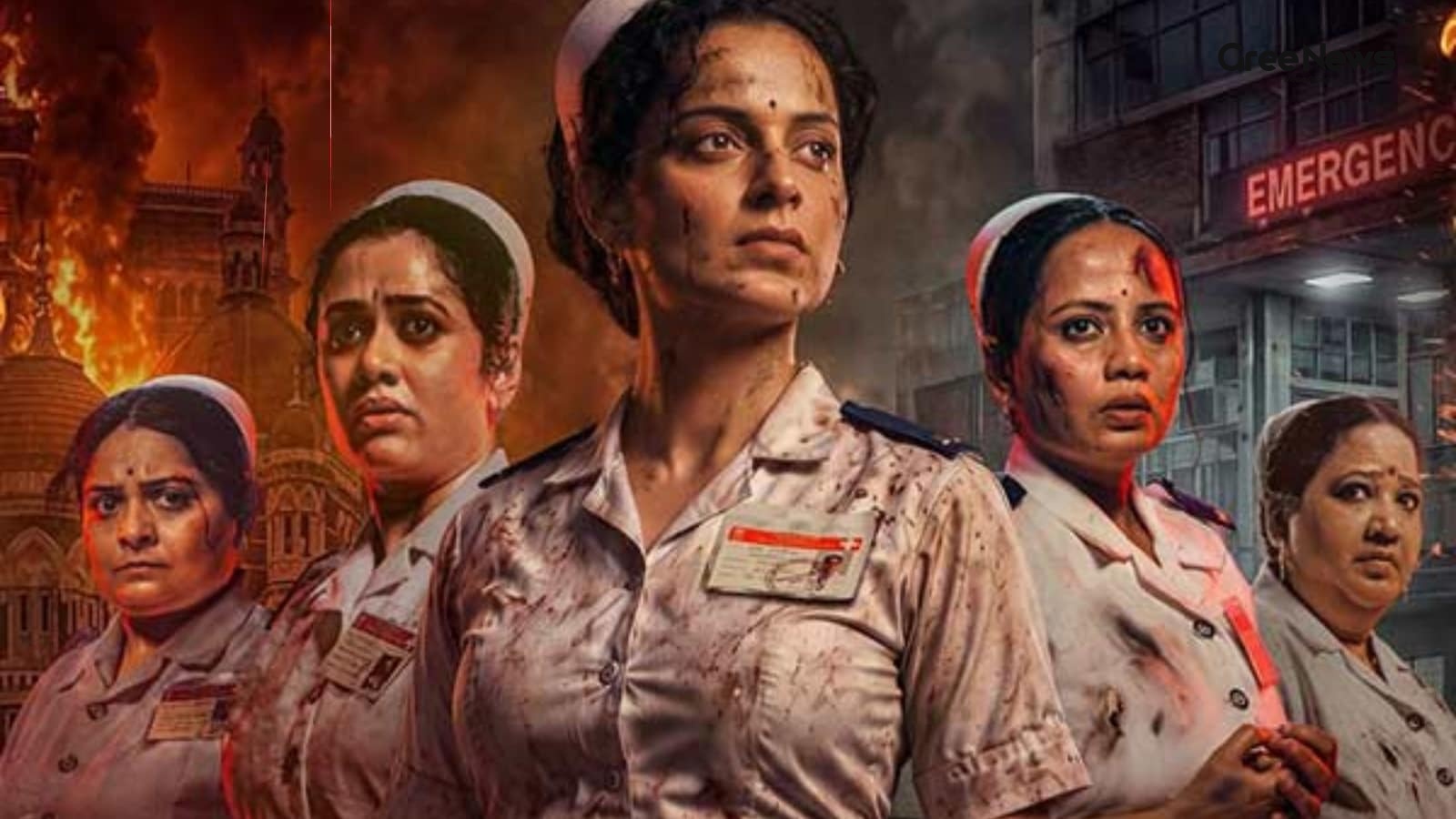
Box office stuff always gets weird in the opening week. You see that right after the weekend rush, things just… shift. And this film is one of those examples. It’s had a decent start but honestly, it hasn't managed to keep that momentum. Manoj Tapadia’s *Bharat Bhhagya Viddhaata*, with Kangana Ranau
Jun 20, 2026 by Gree News Team

Health Gadgets and Jio's Satellite Vision
Your father probably doesn't talk about his health as much as he should. He skips the doctor’s appointment, brushes off that occasional chest tightness, just insists he’s fine. So what do you give him this Father’s Day? Not something sitting on a shelf. Something that actually keeps an eye on him ev
Jun 20, 2026 by Gree News Team
Afghanistan-Pakistan Cross-Border Conflict and Regional Tensions
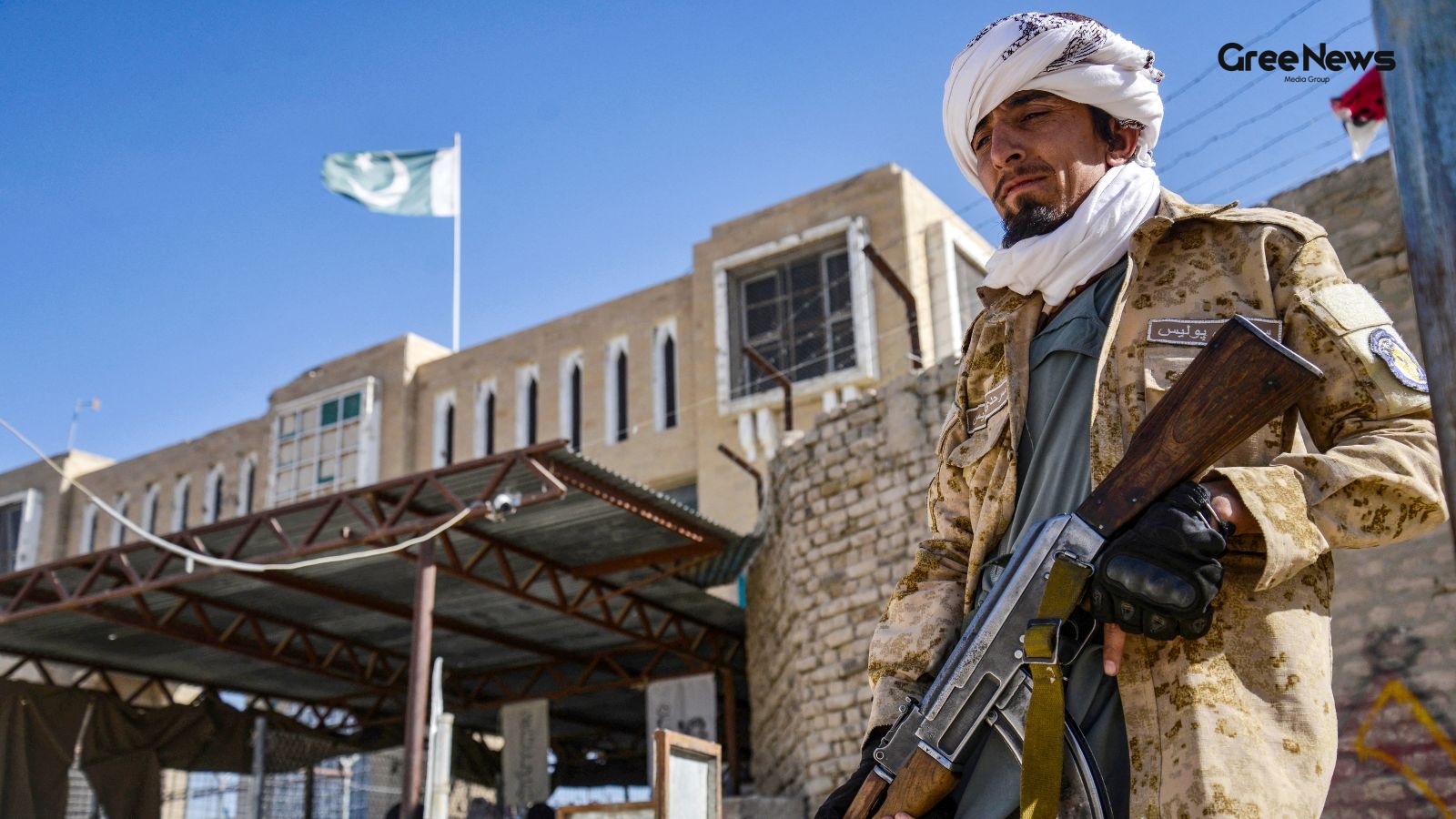
Afghanistan’s Taliban government just claimed their air force hit alleged ISIS hideouts inside Pakistan. A cross-border strike. That's what they said, and it immediately cranks up the tension between Kabul and Islamabad. The Afghan Ministry of Defence framed the operation as targeting “centres of ev
Jun 20, 2026 by Gree News Team

Sidharth Malhotra and Tamannaah Bhatia Team Up for Vvan: Force of the Forest
Sidharth Malhotra and Tamannaah Bhatia are teaming up again for *Vvan: Force of the Forest*. It’s a folk thriller, and things seem to be heating up behind the scenes. There’s talk now about extending the shooting schedule. They're planning an extra ten days just to nail those key sequences. Especial
Jun 20, 2026 by Gree News Team
The Tragic Fire and Legacy of Paul Avery
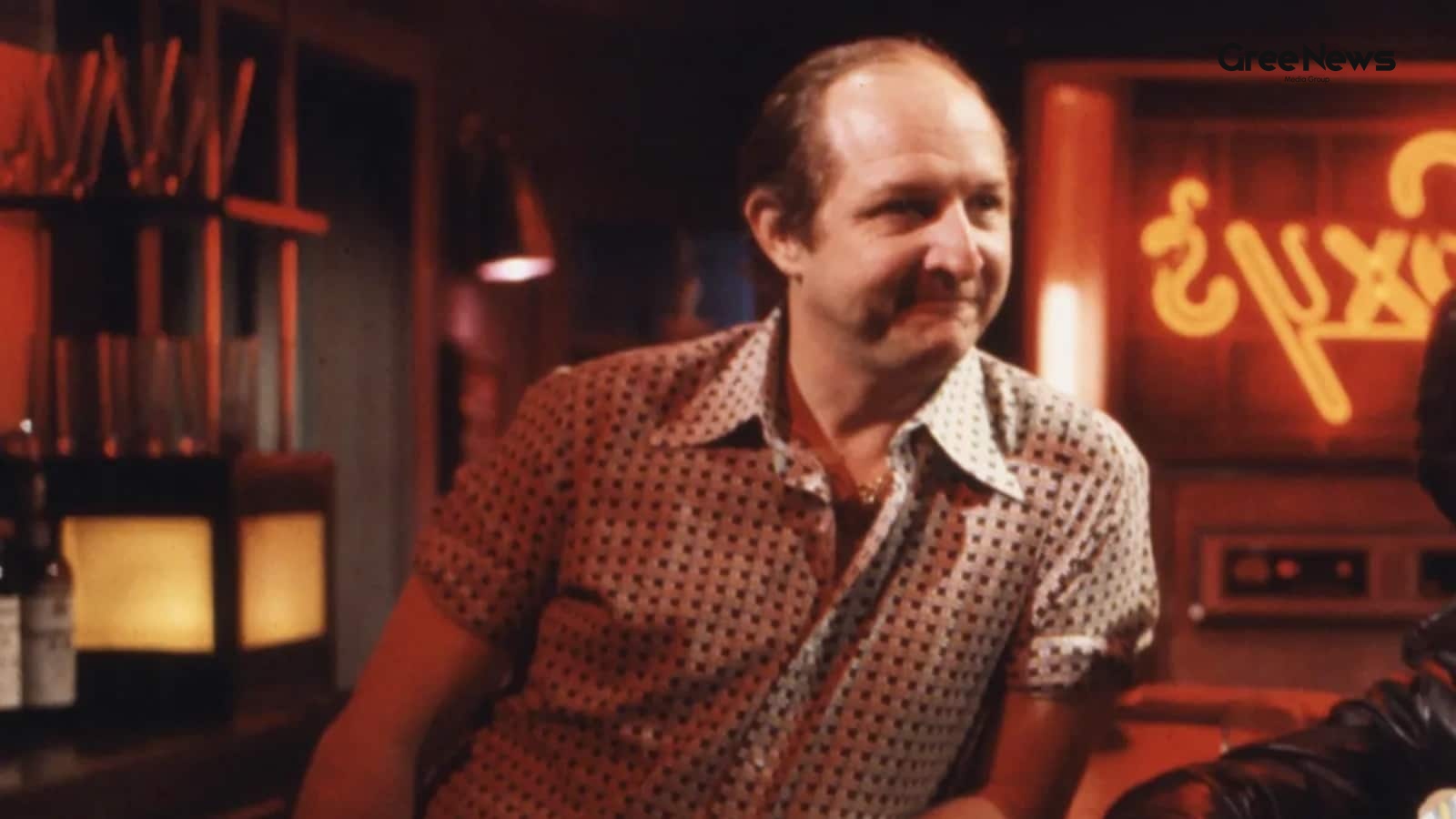
A quiet neighborhood in Blairstown Township, New Jersey that’s where things got really dark. A devastating fire took two lives there. It ended a long journey for a couple who were so deeply rooted in that community. It started as an emergency call early Tuesday morning. June 16th. But it quickly bec
Jun 20, 2026 by Gree News Team

Ten Yoga Props Worth Looking At for 2026
Look, if you’re wrestling with a stiff back, tight hips, or just trying to make yoga feel less painful the right gear can genuinely flip things around for your practice. It's not about chasing perfect flexibility first. Honestly, comfort and support? That matters way more when you start out. That’s
Jun 20, 2026 by Gree News Team