The Complex History Behind Vice President Vance and Usha Vance
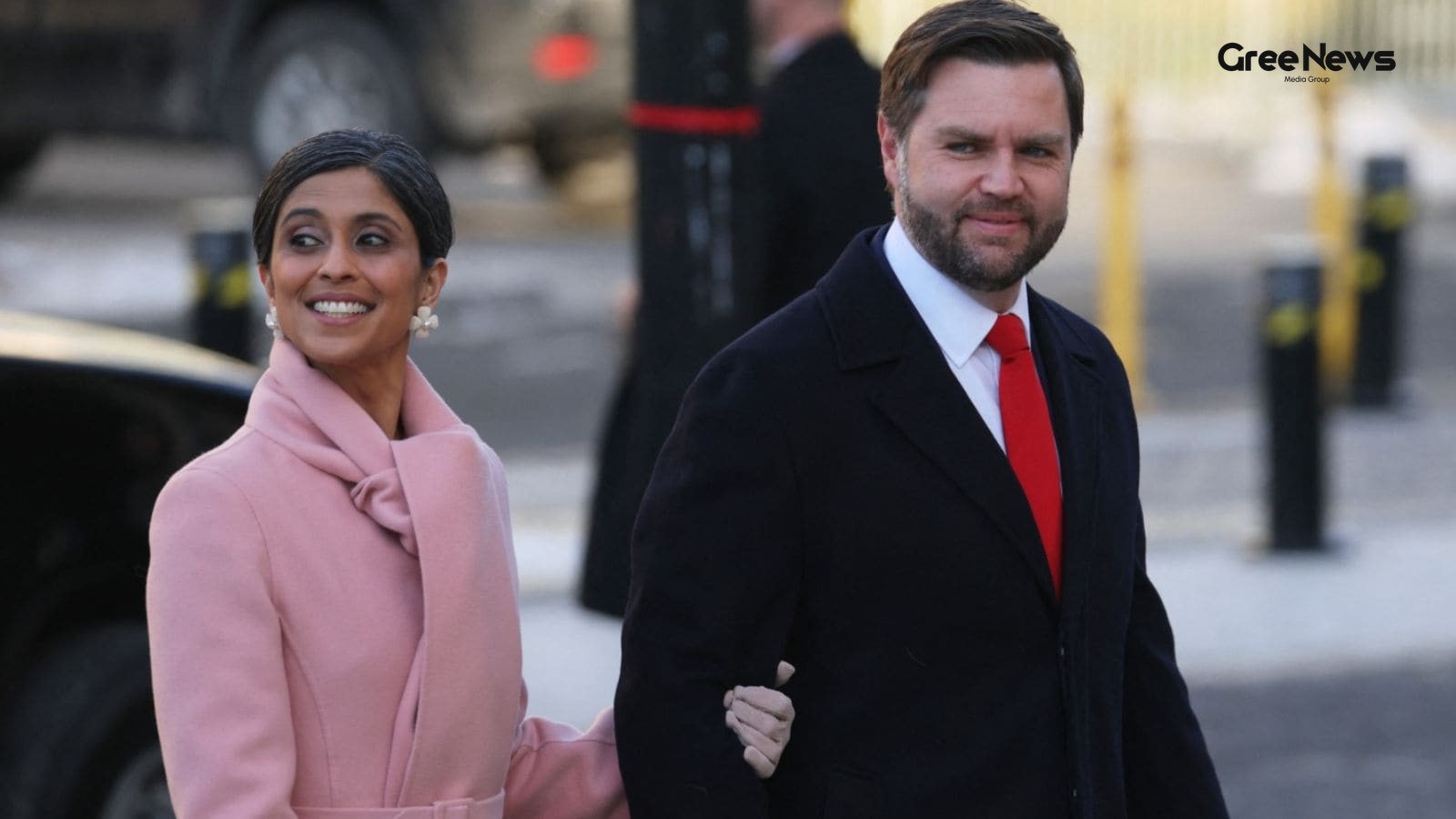
You know, when you dig into what people talk about behind closed doors, especially with someone like Vice President Vance, it always pulls up these layers. It’s not just politics you get; it’s the messy reality of personal history bleeding right into public view.
He talks a lot about his life, and that extends to his marriage the twelve years he spent with Usha Vance. It's an interfaith thing, complicated enough on its own, but there are these little moments, these memories floating up when he discusses how things started. Like the time he was talking on a podcast recently, reflecting on it all. He brought up something his mother said, about him first telling her that Usha had Indian heritage.
It’s kind of a strange memory, really. Vance recalled how his mom reacted to that admission. She asked him, “Which tribe?” That simple question just landed differently when you think about where they were coming from.
Usha was born way out there in California. Her parents were Indian immigrants who moved over from Andhra Pradesh about forty years back. So, the whole context shifts immediately. It wasn't just a casual mention of a heritage. There was this history embedded there.
Vance remembered telling his mom, and she asked that pointed question. “Which tribe?”
He recounted it: “She said, ‘What is she like ethnically?’ And I said, ‘Mom, she’s Indian’. And my mom says, ‘Which tribe?’” That exchange sticks with him. It seems to highlight something about their world then.
Explaining that moment, Vance suggested the question wasn't some kind of deliberate jab or an attempt to mock anything specific about Usha’s background. He said it just reflected how little everyone in his immediate family knew about the wider world. Like they were operating within a smaller frame of reference. It shows you how limited our own understanding can be, doesn't it?
“So, they came from very different worlds,” he mused. “Both mom and Usha… But you know, my mom said, it just goes to show sometimes how little some of us knew about the world.” There’s a kind of quiet observation there, isn't there? A realization that boundaries are often drawn by what we don't see.
It wasn't just this one story floating around though. Vance has been talking more lately, especially after releasing his book, Communion: Finding My Way Back to Faith . That book deals with his journey his shift toward Catholicism and how that changed everything, both personally and politically. It’s a huge chapter in himself.
And the conversation about Usha's background brings up this other layer of complexity. Because in America, when you use the word “Indian,” it means so many things. You have people from India, obviously. But there are Native Americans too. Tribes. Sometimes they get lumped together informally like ‘Red Indians.’ Vance’s mother might have been operating under that kind of historical lens. It's a possibility, and that space for interpretation is huge.
The reaction to this story online was messy. You had people pointing fingers immediately. Some saw it as pure ignorance, an unforgivable oversight. Others zeroed in on Vance himself, suggesting he embarrassed his wife with the comment. But if you look closer at the context the family dynamic, the limited exposure it started looking less like malice and more like a genuine lack of familiarity.
Vance reflected that episode illustrated how much his family initially missed out on understanding cultures outside their own bubble. And even through all those differences, he noted something beautiful about them. He talked about similarities between his wife, his mother, and his grandmother, despite the massive cultural gulfs separating them. They shared something fundamental, just different ways of seeing it.
Then there's this memory that surfaces when talking about loss. His late grandmother, whom he called ‘Mamaw,’ she never got to meet Usha. That regret hangs around him. It’s a very human thing, isn't it? The things you wish you had experienced with the people who shaped your life.
He mentioned how similar they were, despite everything. “There’s something so similar about them, but so different. Like they’re both incredibly smart,” he said. That kind of reflection the contrast between deep connection and vast distance.
When Vance and Usha first connected, it was in 2010 at Yale Law School. Four years later, they tied things together with an interfaith ceremony that mixed traditional Hindu rites with other traditions. They have three kids now, and there’s another one on the way. Life keeps moving forward, even through these big shifts.
He also talked about what initially drew him to Usha. He said her straightforwardness was immediate. It wasn't some carefully constructed facade; it was just directness.
“Usha just doesn’t have a filter,” he put it. “It’s one of the things I was immediately attracted to about her is that even if she was going to offend you, she was going to say exactly what was on her mind… I think my grandmother would be fascinated by her.” That speaks volumes about the kind of connection he values the unfiltered truth.
That sense of being truly seen seems central to their bond.
But things got hotter later on. Last year brought another wave of controversy. Vance made comments at a college event, hinting that he hoped his Hindu wife would eventually move toward Christianity. This was a flashpoint. It happened right as Vance himself had made the big shift in 2019 and converted to Catholicism.
That kind of statement drew immediate heat from parts of the Indian-American community. There was this sense of discomfort, some seeing it as disrespectful to Hindus, especially when immigration tensions were already running high in the US. It layered another layer onto the existing conversation about faith and identity.
Usha herself stepped in on that front. She addressed the misunderstanding, saying her relationship with Vance just isn't what people are painting it as. She made it clear she wasn't talking about conversion or proselytizing every single day. “I am not Catholic,” she said plainly. “And I am not intending to convert or anything like that.”
It’s those kinds of moments, the private conversations spilling into public debate, where you see how complicated these lives really are. It's less about neat political boxes and more about navigating inherited history, personal desires, and shifting beliefs all at once. It forces people to look at what they actually understand versus what they assume.
Written by Gree News Team — Senior Editorial Board
Gree News Team covers international news and global affairs at Gree News. Our collective of senior editors is dedicated to providing independent, accurate, and responsible journalism for a global audience.
More from World
View All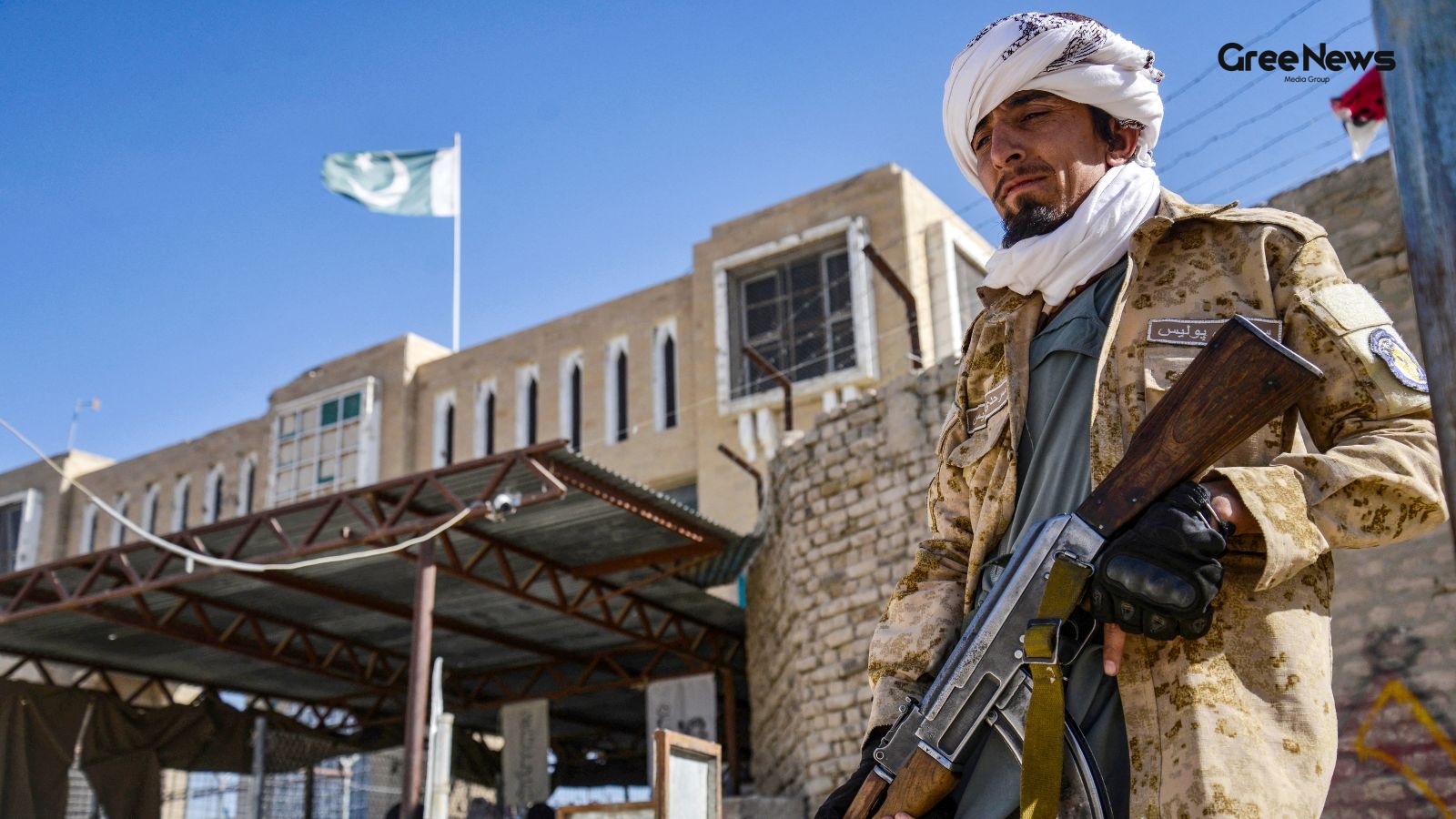
Afghanistan-Pakistan Cross-Border Conflict and Regional Tensions
Afghanistan’s Taliban government just claimed their air force hit alleged ISIS hideouts inside Pakistan. A cross-border strike. That's what they said, and it immediately cranks up the tension between Kabul and Islamabad. The Afghan Ministry of Defence framed the operation as targeting “centres of ev
Jun 20, 2026 by Gree News Team

Hantavirus Outbreak and International Response on the *Hondius*
The quarantine orders for the *Hondius*, that cruise ship hit by the hantavirus outbreak they finally lapsed. Nearly seven weeks later. The passengers and crew are home now. There were twelve confirmed cases, one probably. Spread across twenty-three nationalities. Three people died along the way. Th
Jun 20, 2026 by Gree News Team
The Shifting Dynamic Between Trump and Meloni
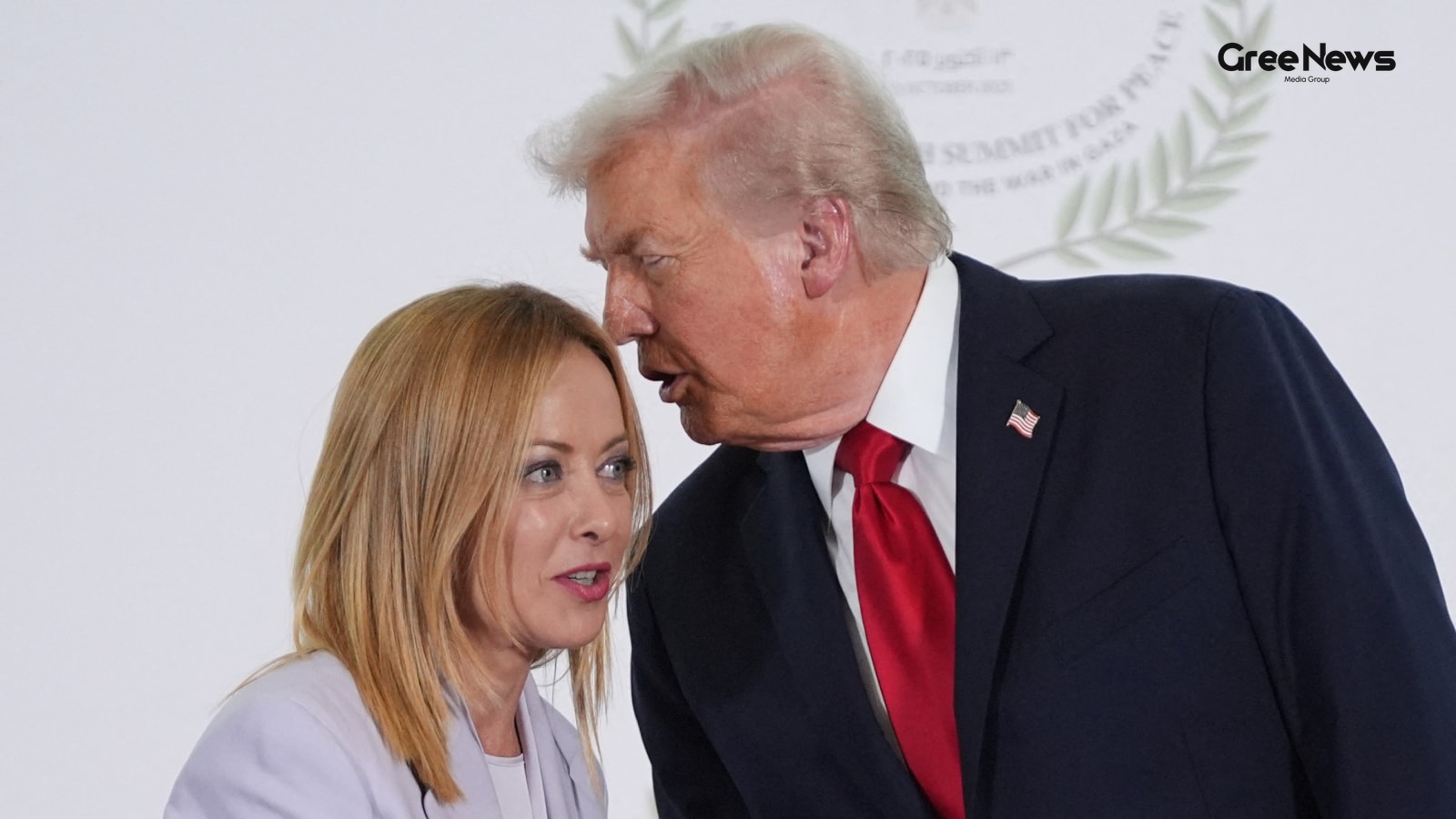
The whole thing started with Trump making that claim about Meloni. That she had supposedly "begged" him for a photo at the G7 Summit. It was instantly explosive. Then comes the back and forth. In an interview with *La7*, Meloni just shut it down completely. She said those claims were entirely made u
Jun 20, 2026 by Gree News Team
Donald Trump's Diplomatic Style and Personal Attacks
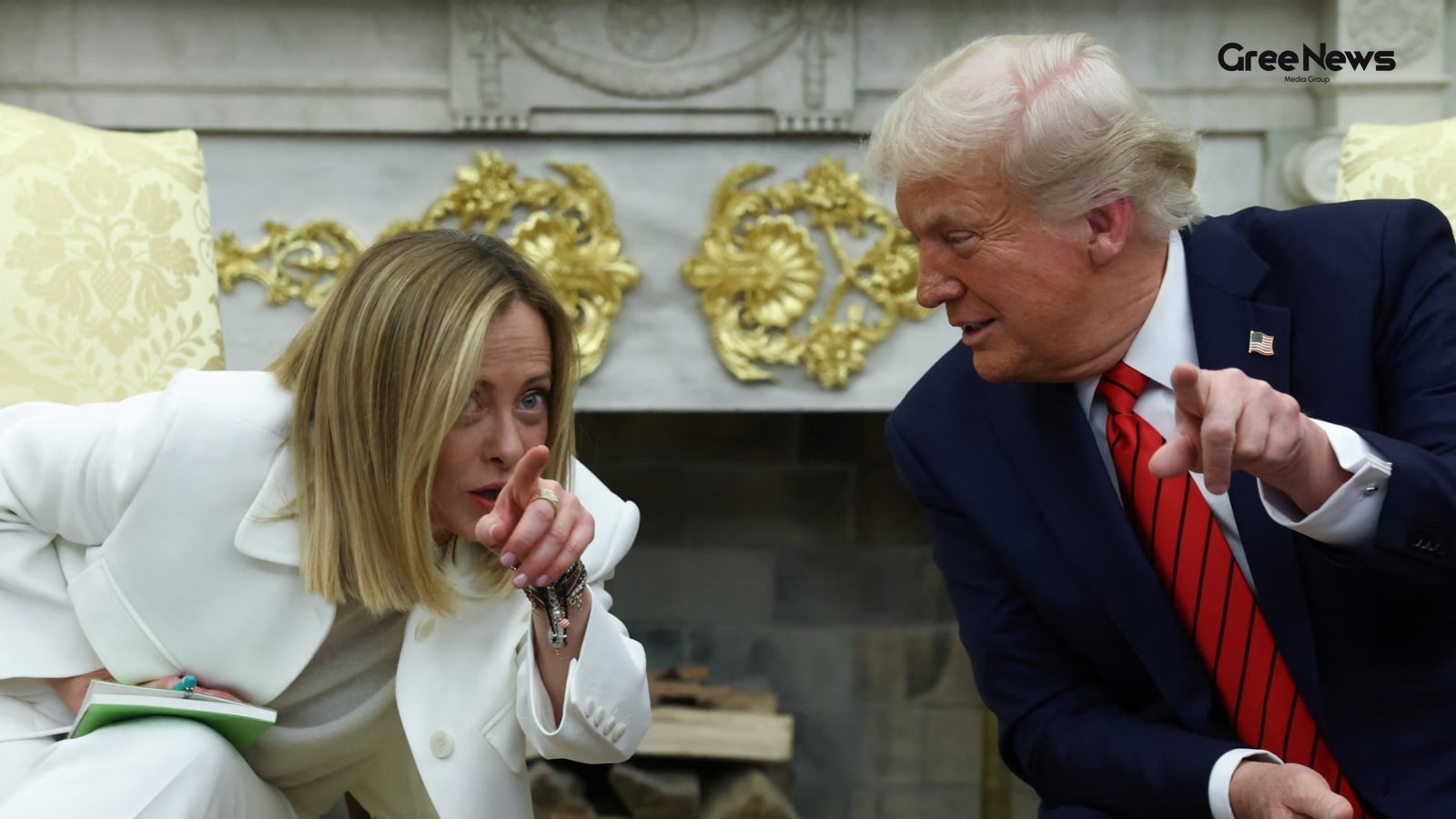
Donald Trump seems to have this habit of just going straight for the jugular in his interactions with world leaders. It’s less about policy disagreements and more personal jabs, often leaving everyone else scrambling. Take the recent spat with Italy. He claimed that Prime Minister Giorgia Meloni had
Jun 20, 2026 by Gree News Team
Latest Headlines
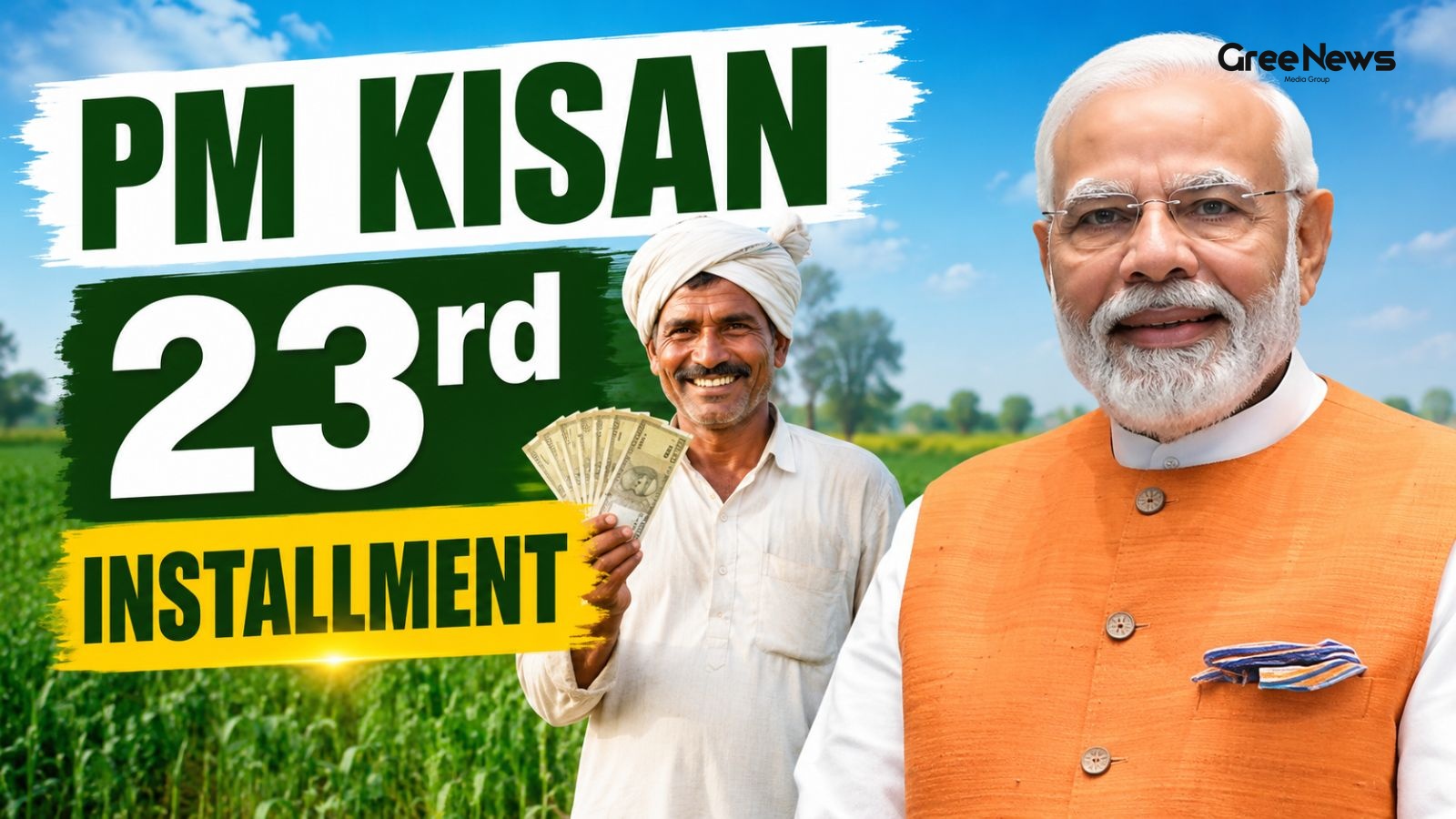
PM Kisan 23rd Installment: Eligibility, Process, and Roadblocks
The wait for the 23rd installment of PM Kisan seems to be finally over. Prime Minister Narendra Modi is set to release about eighteen thousand eight hundred eighty crore rupees on Saturday, June 20, 2026. That money is slated for over nine point four four crore farmers. The announcement comes from T
Jun 21, 2026 by Gree News Team

Leaked Video and Buzz from Shakti Shalini Sets
Aneet Padda and Vishal Jethwa, you know, that leaked video from the sets of *Shakti Shalini*? It’s just blown up social media. People are talking about it nonstop. It’s one of those candid clips, pure fun, really lighthearted between them. They were running around somewhere in the set. Aneet was hol
Jun 21, 2026 by Gree News Team

Low Haemoglobin: Understanding the Causes, Risks, and the Need for Medical Investigation
low haemoglobin is one of those things you see popping up on a blood test, right? it’s super common. but that doesn't make it any less confusing. people jump straight to the conclusion that they have iron deficiency. then bam over-the-counter supplements. no doctor check first. and honestly, that mo
Jun 21, 2026 by Gree News Team
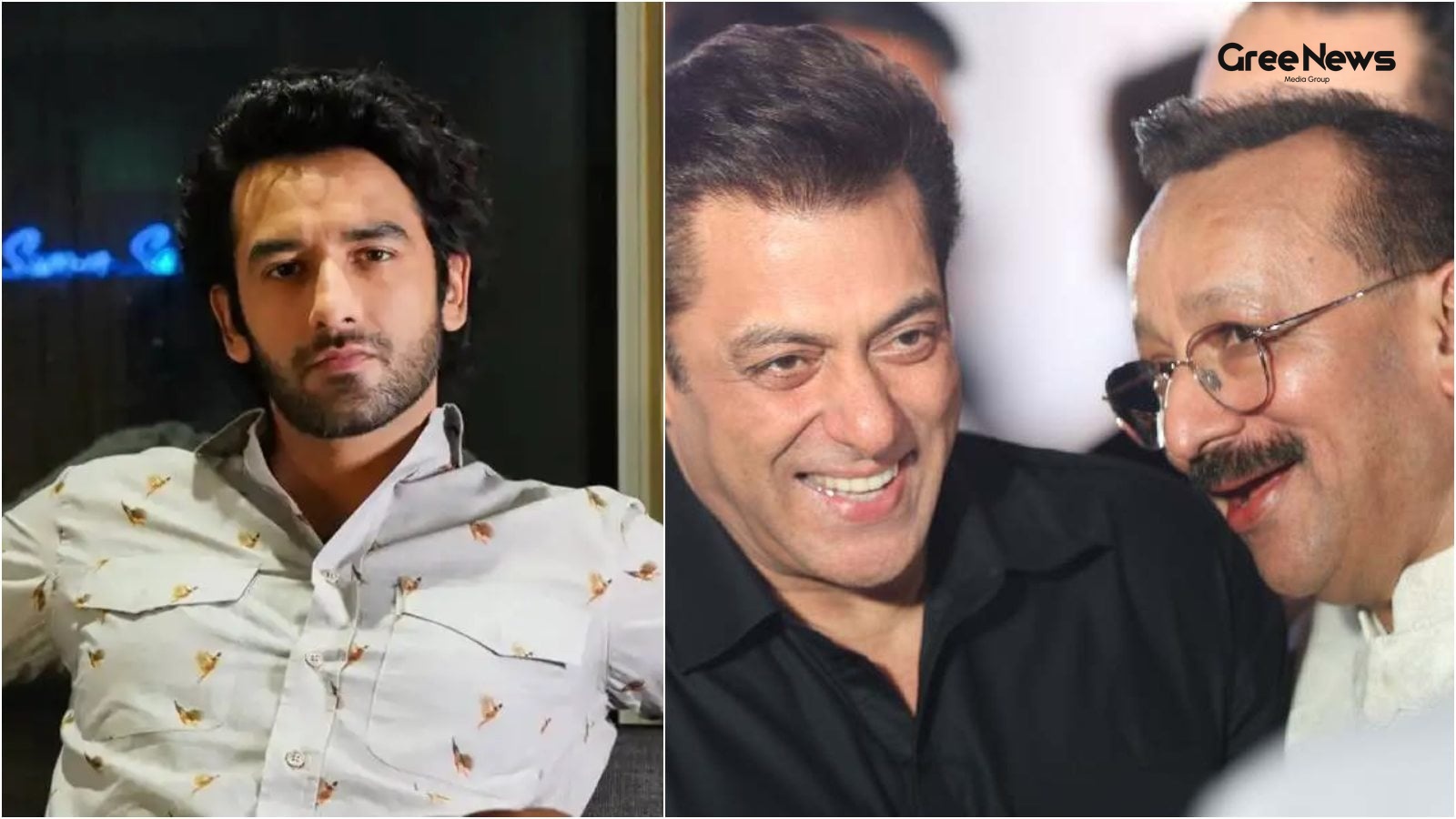
Salman Khan's Experience Filming Sikandar and Personal Loss
Salman Khan was last seen in Sikandar with Rashmika Mandanna. But behind the scenes, things were really rough for him. He’d suffered a personal loss while that film was being made his close friend and politician, Baba Siddique, had been killed. That kind of shockwaves through everything. It hit the
Jun 21, 2026 by Gree News Team
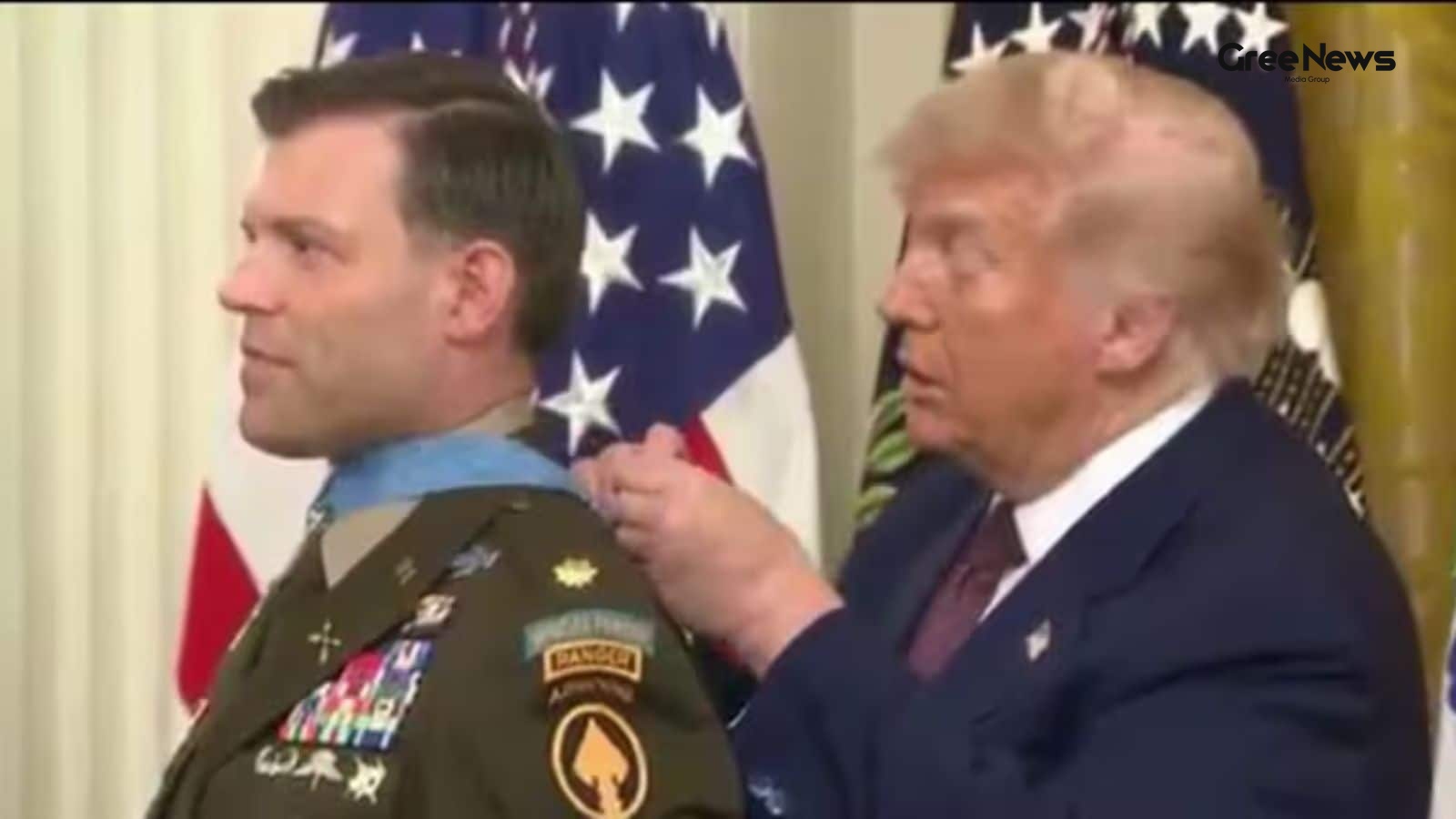
Donald Trump and the Medal of Honor: A Viral Moment
The whole thing blew up online. A formal ceremony at the White House turned into some sort of viral moment thanks to Donald Trump. He was right there in the middle of a Medal of Honor presentation, and apparently, things got messy trying to get that decoration. It started with him just struggling. T
Jun 20, 2026 by Gree News Team
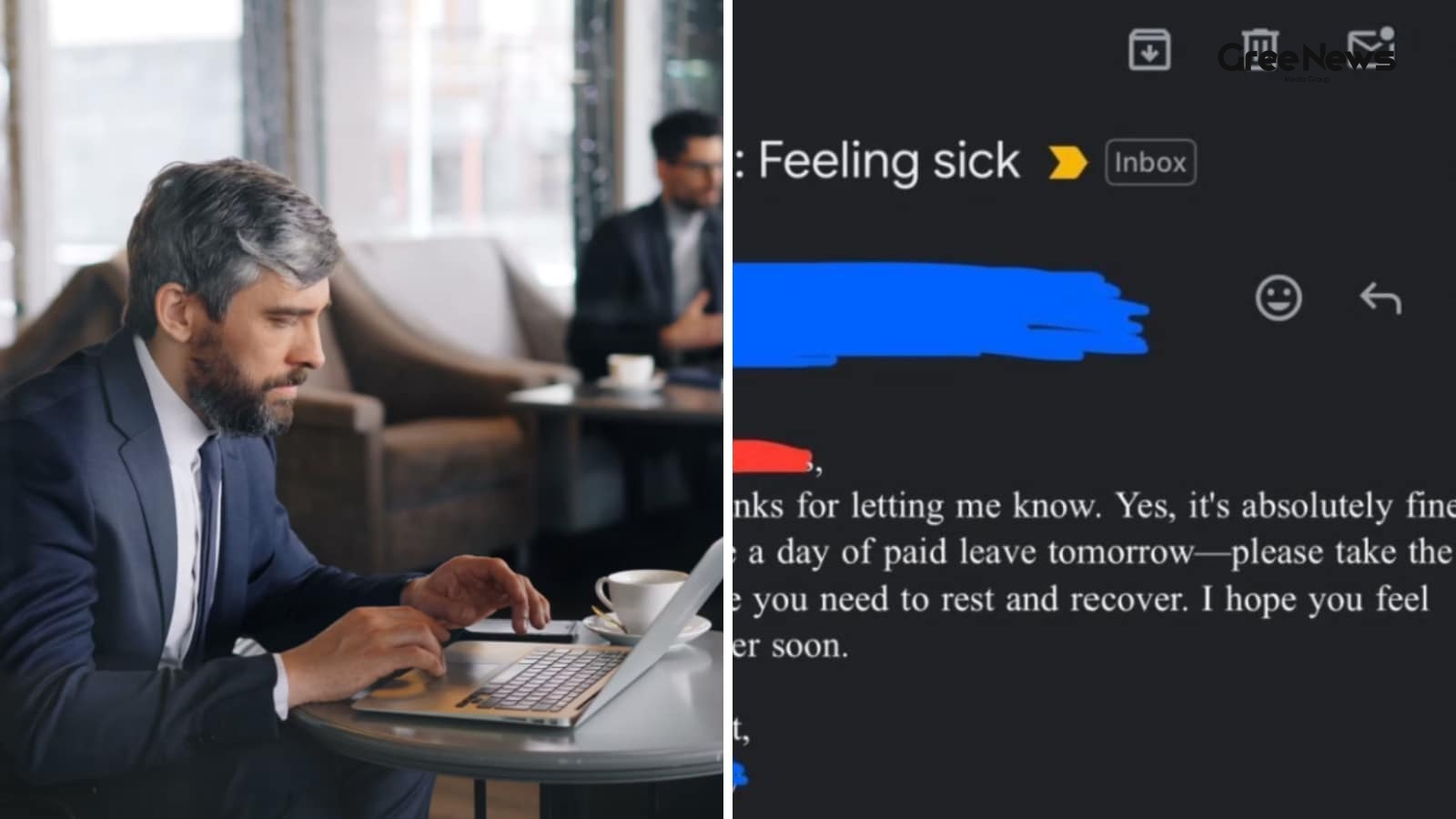
Social Media Reaction to Suspicious AI-Generated Workplace Email
A woman posted something online that got people talking. She shared an email she got from her boss. It approved her paid leave, wished her a speedy recovery standard stuff. But then there was this last line. That’s what caught everyone’s eye. She dropped a screenshot on X, you know? And wrote someth
Jun 20, 2026 by Gree News Team
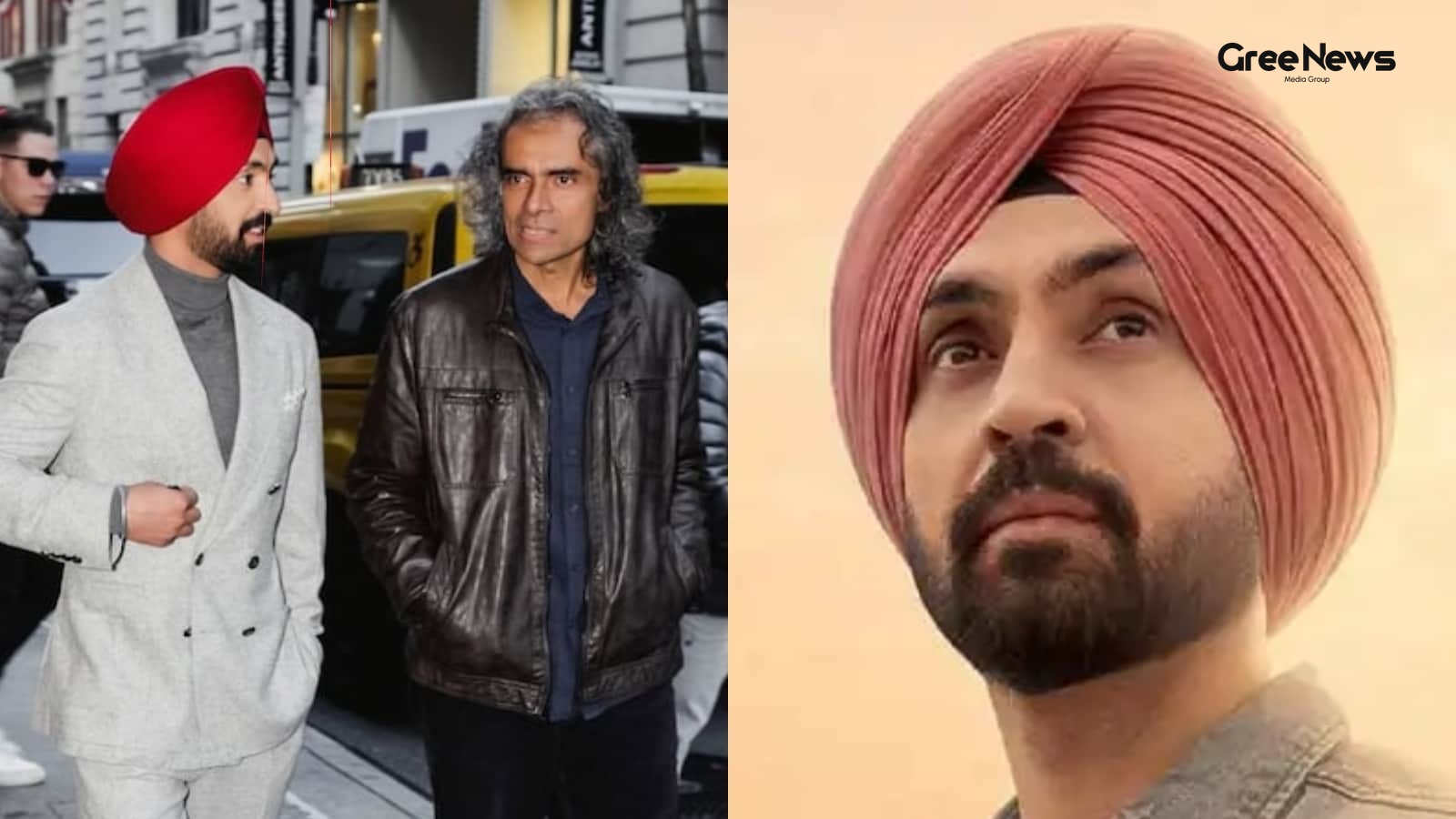
Review of Main Vaapas Aaunga: Partition, Love, and Box Office Strategy
Imtiaz Ali’s *Main Vaapas Aaunga*, it opened slowly at all. But he still thinks there’s room for it to grow through word-of-mouth. It’s a period romance drama, set right against that heavy backdrop of the 1947 Partition, and it hit theaters on June 12th. Sharvari, Vedang Raina, Diljit Dosanjh, Nasee
Jun 20, 2026 by Gree News Team
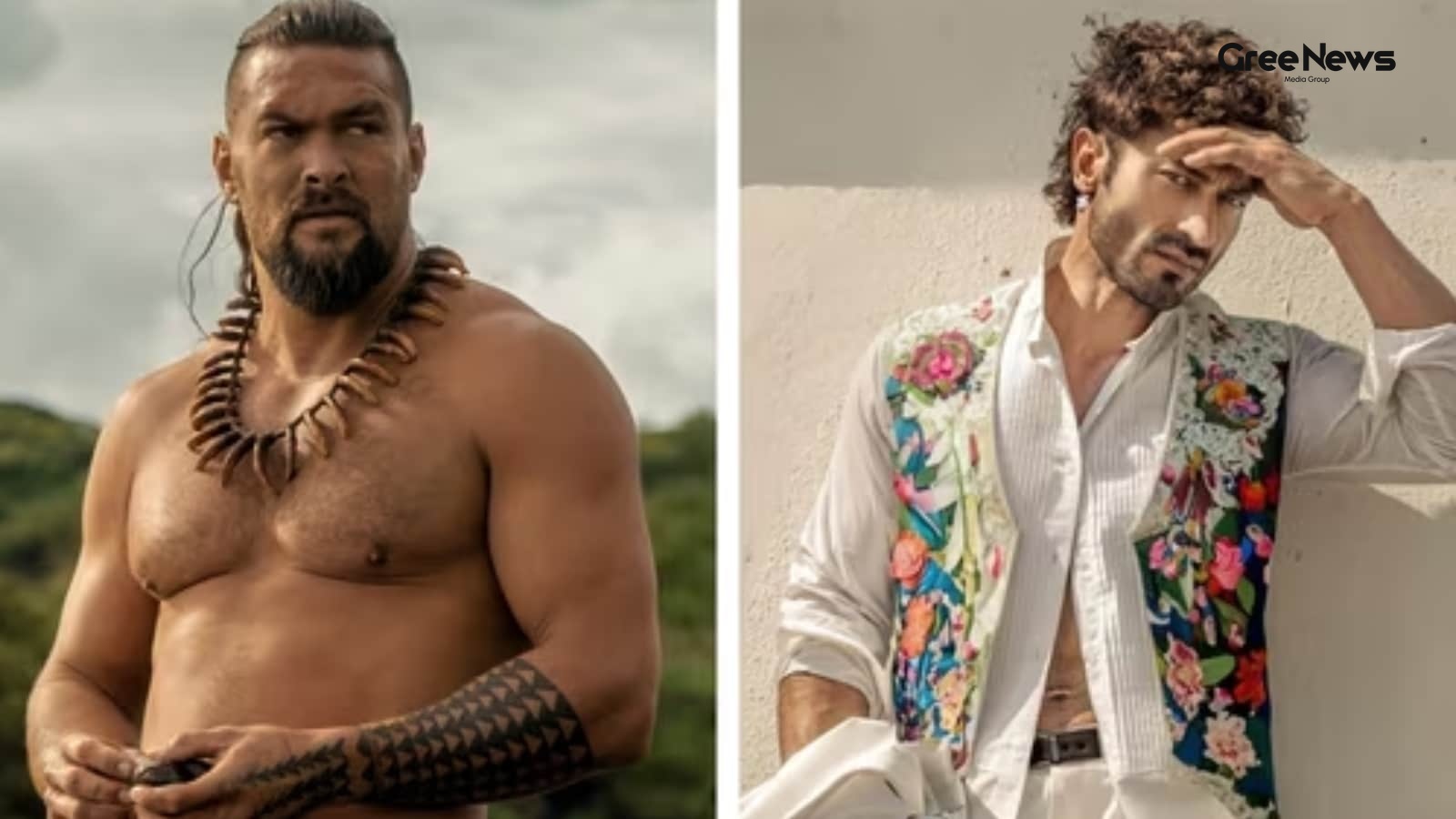
Vidyut Jammwal's Hollywood Buzz and the Street Fighter Adaptation
Vidyut Jammwal’s next big thing in Hollywood is already buzzing. People are talking about his upcoming movie, and it seems he snagged some serious attention from a massive name in action cinema. That’s Jason Momoa. Momoa recently dropped some comments about sharing screen time with Vidyut in the new
Jun 20, 2026 by Gree News Team
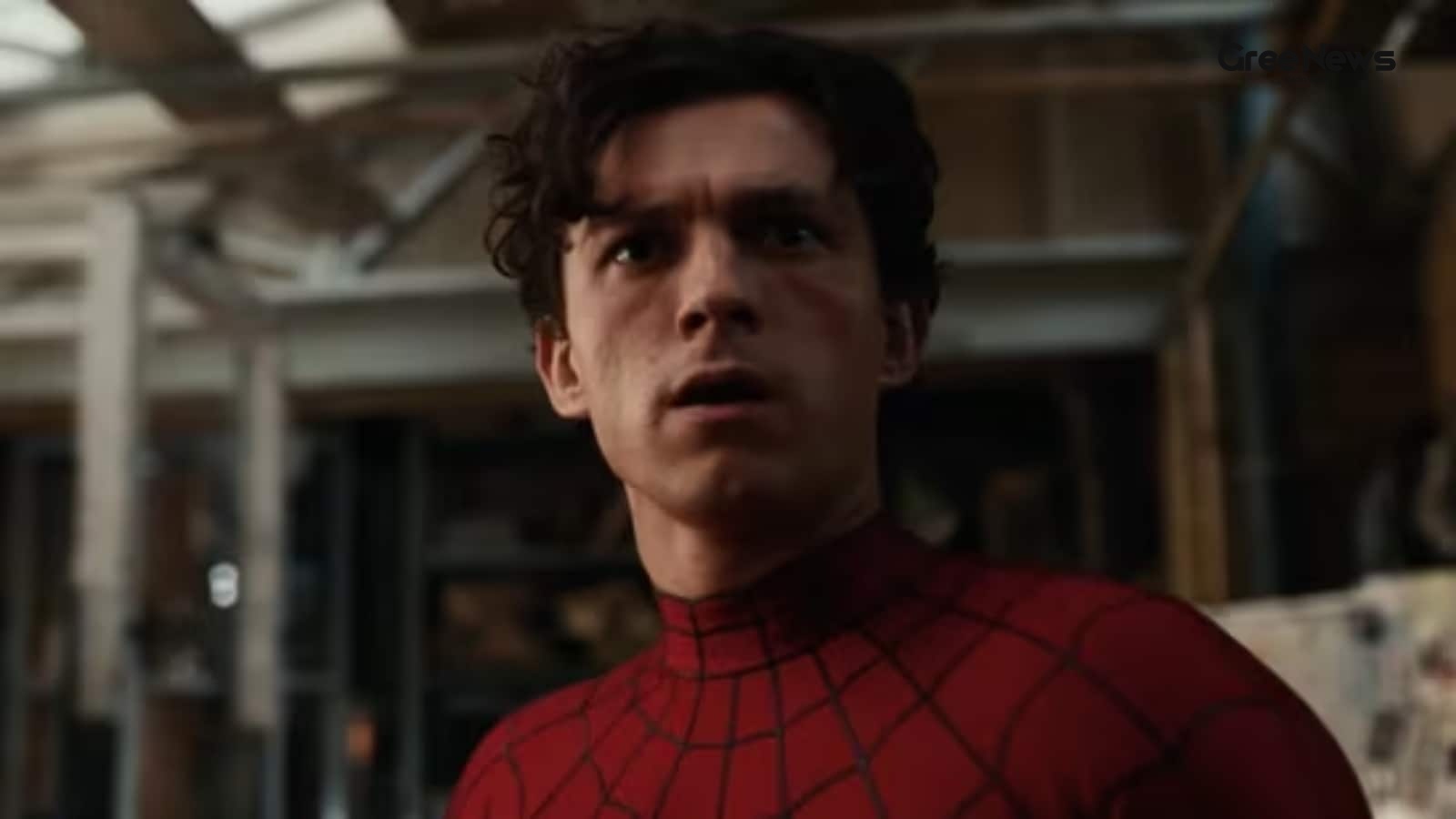
Spider-Man: Brand New Day Release and Rumors in India
Spider-Man fans, you know, they’ve been watching everything about this next big movie. Every single update on the franchise. But lately? The noise online wasn't about the story anymore. It was all about where it would actually come out in India. That kind of stuff got the studio to step in and clear
Jun 20, 2026 by Gree News Team
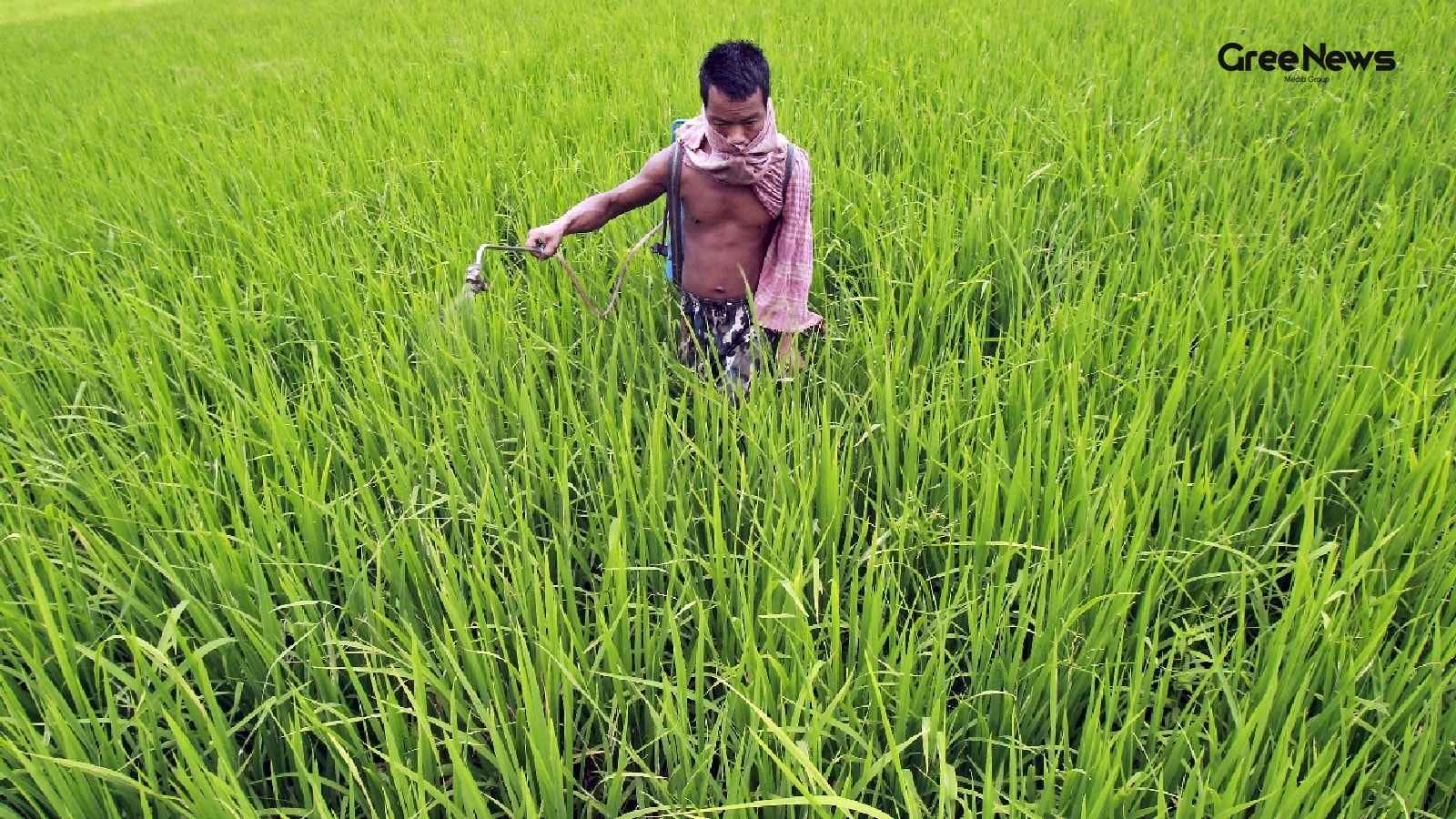
Strait of Hormuz Easing Impacts India's Fertilizer Supply and Geopolitics
The easing up around the Strait of Hormuz is finally giving some breathing room for India’s agriculture sector. Officials are saying that fertilizer shipments, which had been stuck way back in that critical maritime corridor, should now be able to move without hitting major snags. It was a real head
Jun 20, 2026 by Gree News Team

EPFO Overhaul: Bringing Faster Access to Provident Fund Money
The Employees’ Provident Fund Organisation is pushing forward with a massive overhaul. They are rolling out a new mobile application that’s going to link directly to members’ bank accounts. Think UPI integration BHIM and other digital payment apps connecting straight into the system. The whole aim h
Jun 20, 2026 by Gree News Team
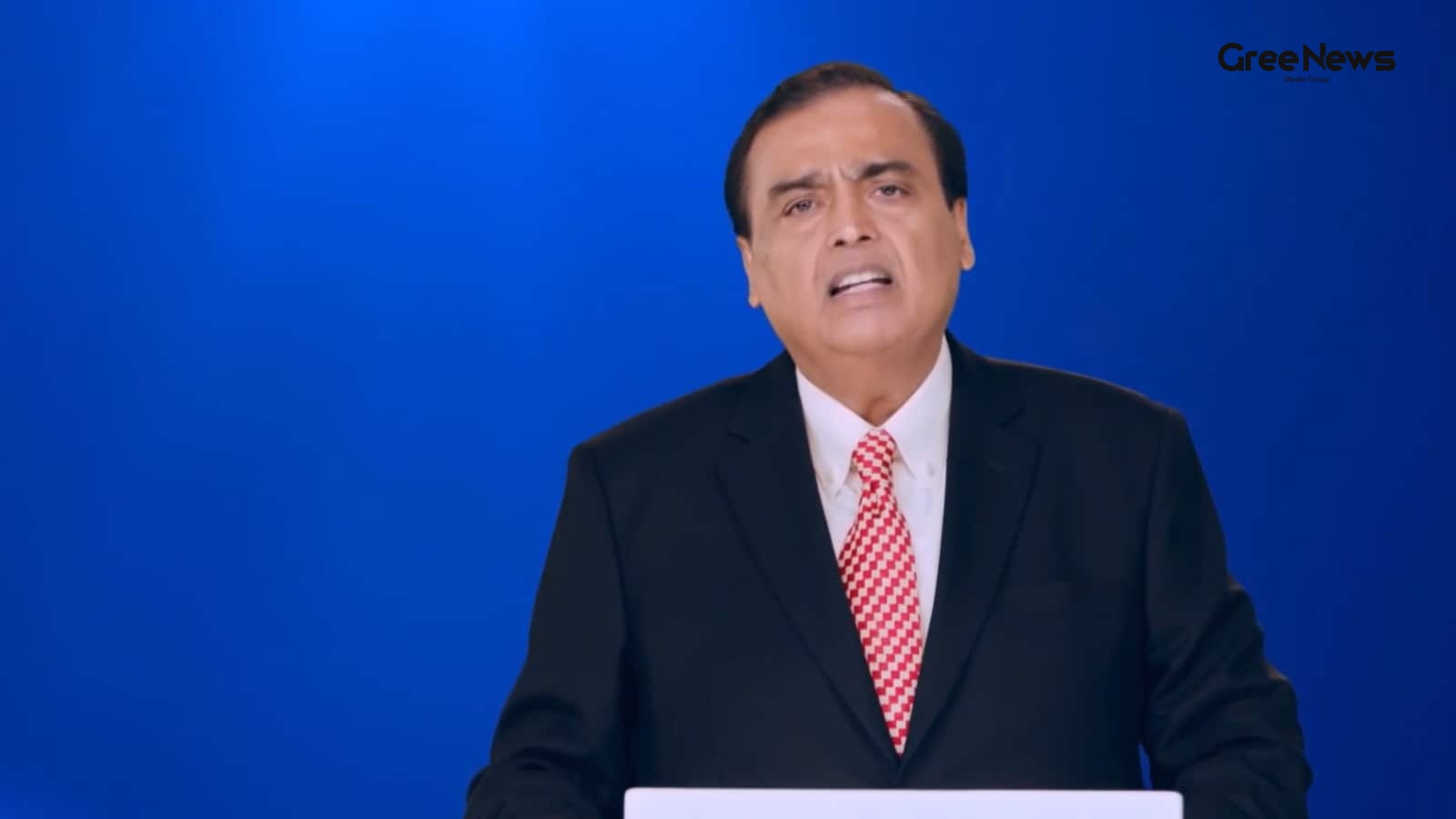
Mukesh Ambani on PM Modi's Tenure and India's Global Role
Mukesh Ambani, the Chairman and Managing Director of Reliance Industries, started Friday extending greetings to Prime Minister Narendra Modi. It was tied to a specific milestone: Modi emerging as the longest-serving head of an elected government. Twelve years in office. That’s what he clocked in. Th
Jun 20, 2026 by Gree News Team

The Fragmentation of Modern Political Reality and Trust
It’s just… moving fast these days. You see the way things shift? It’s not some clean timeline thing. It’s more like watching shadows stretch out across the pavement, you know? Political stuff isn't neat. There’s this constant hum under everything. A low frequency anxiety that just settles in your ch
Jun 20, 2026 by Gree News Team
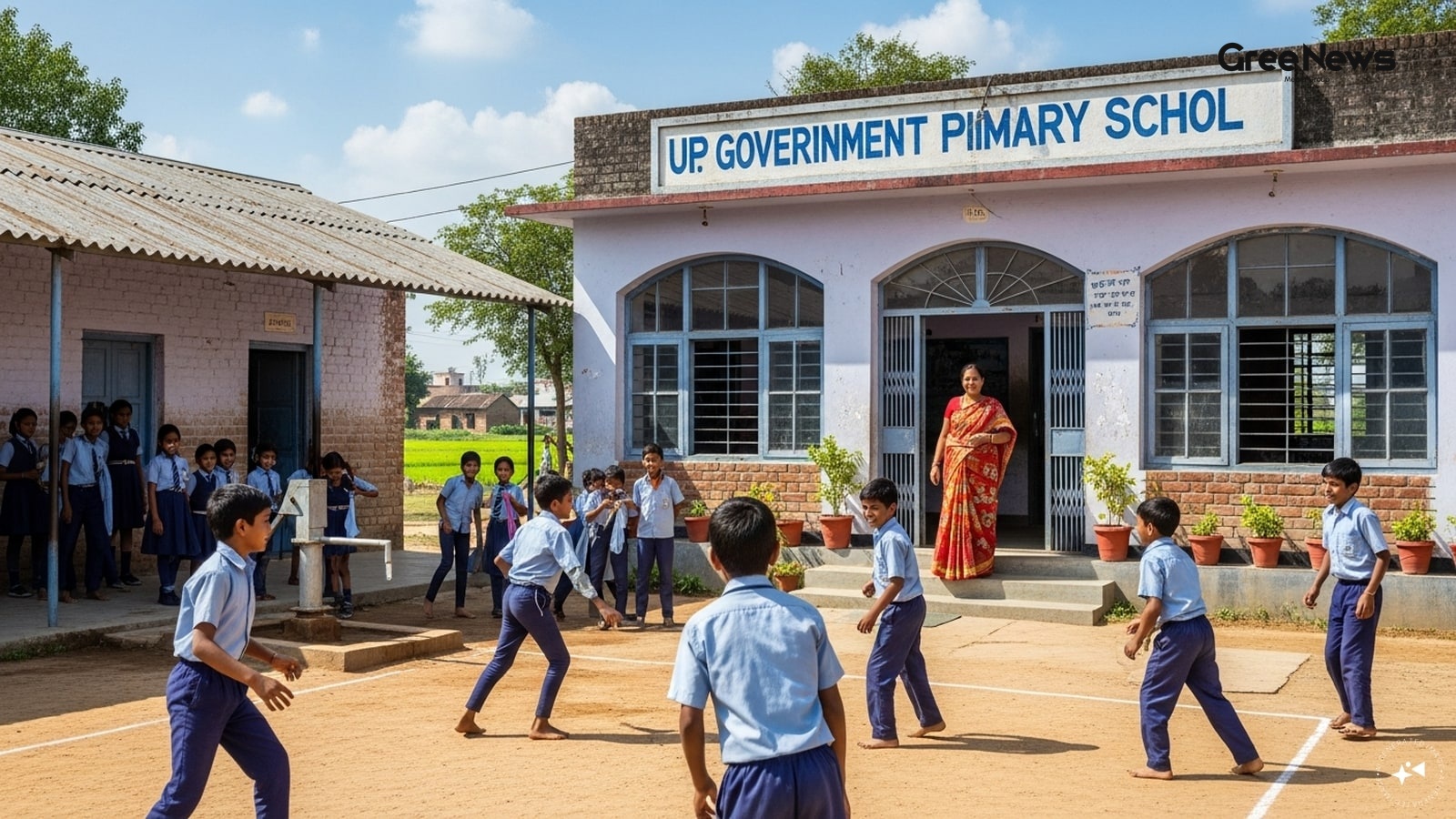
Uttar Pradesh Schools Achieve National Recognition for Clean and Sustainable Education
Uttar Pradesh managed to snag a pretty good spot nationally for clean and sustainable schools. Eleven institutions from the state made the cut for the Government of India’s Swachh Evam Harit Vidyalaya Rating, or SHVR, for the 2025-26 cycle. It wasn't just about a simple grade though. The rankings ac
Jun 20, 2026 by Gree News Team
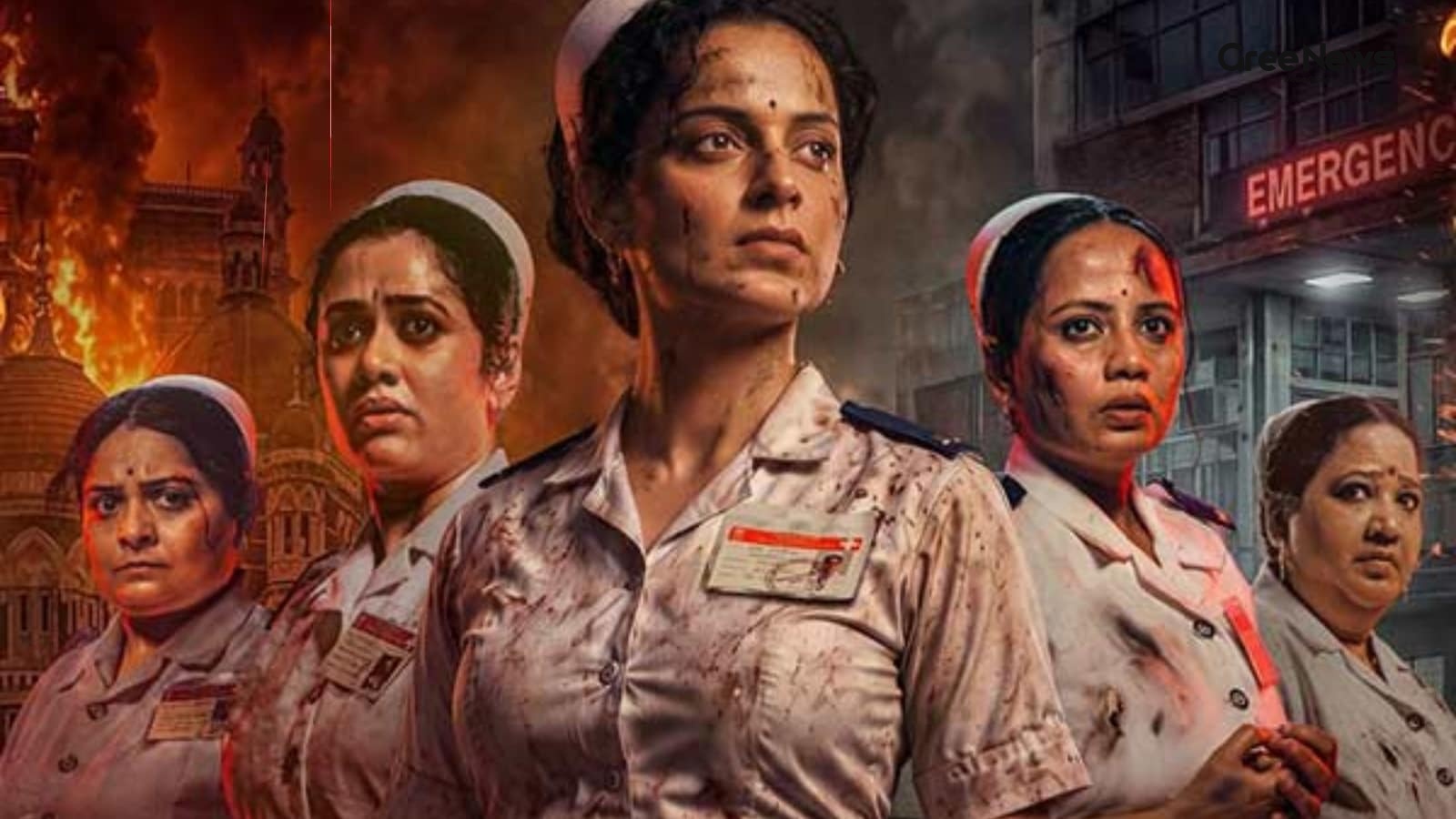
Analysis of *Bharat Bhhagya Viddhaata*'s Box Office Performance and Industry Buzz
Box office stuff always gets weird in the opening week. You see that right after the weekend rush, things just… shift. And this film is one of those examples. It’s had a decent start but honestly, it hasn't managed to keep that momentum. Manoj Tapadia’s *Bharat Bhhagya Viddhaata*, with Kangana Ranau
Jun 20, 2026 by Gree News Team